Posted in Uncategorized

The New Garden Classroom: Planning and Preparation

Gardening has many benefits for children and adults alike. While their has great health and social implications, it also provides amazing hands on experiences for learning and can incorporate every aspect of the EYFS https://www.gov.uk/government/publications/early-years-foundation-stage-framework–2

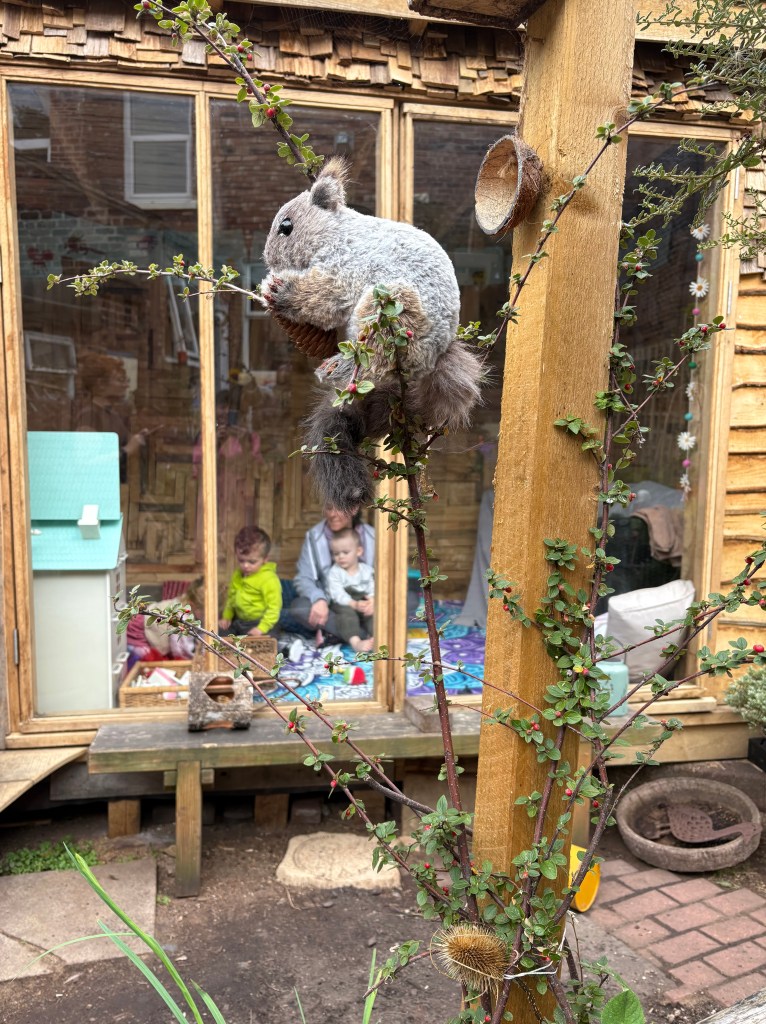
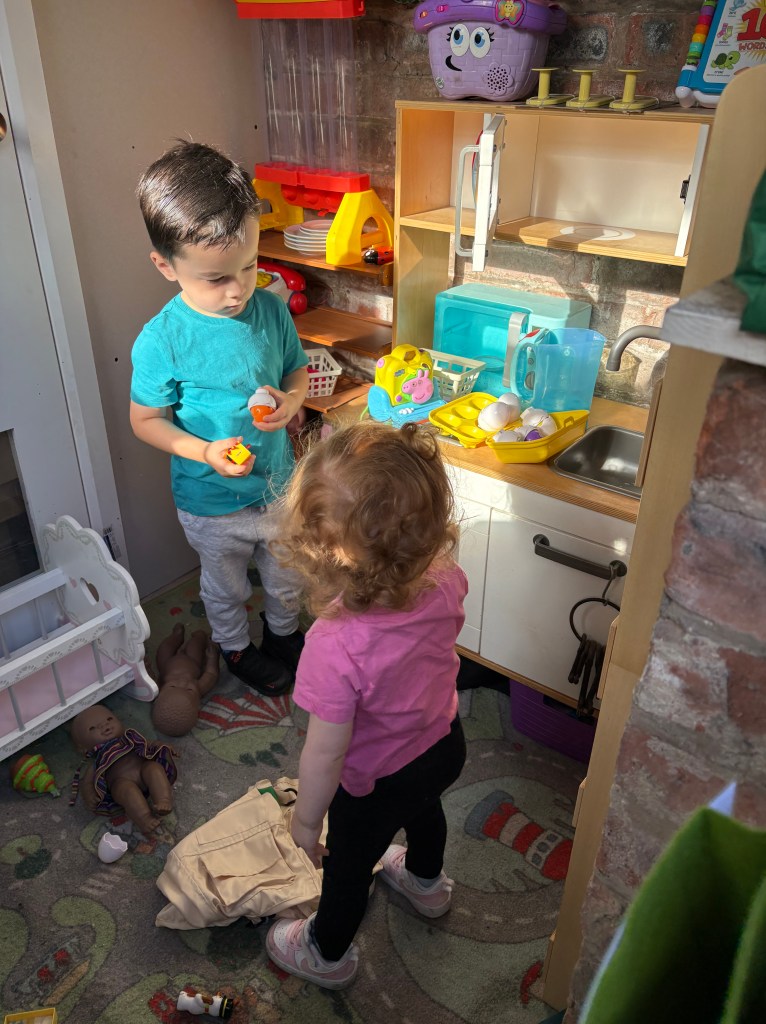
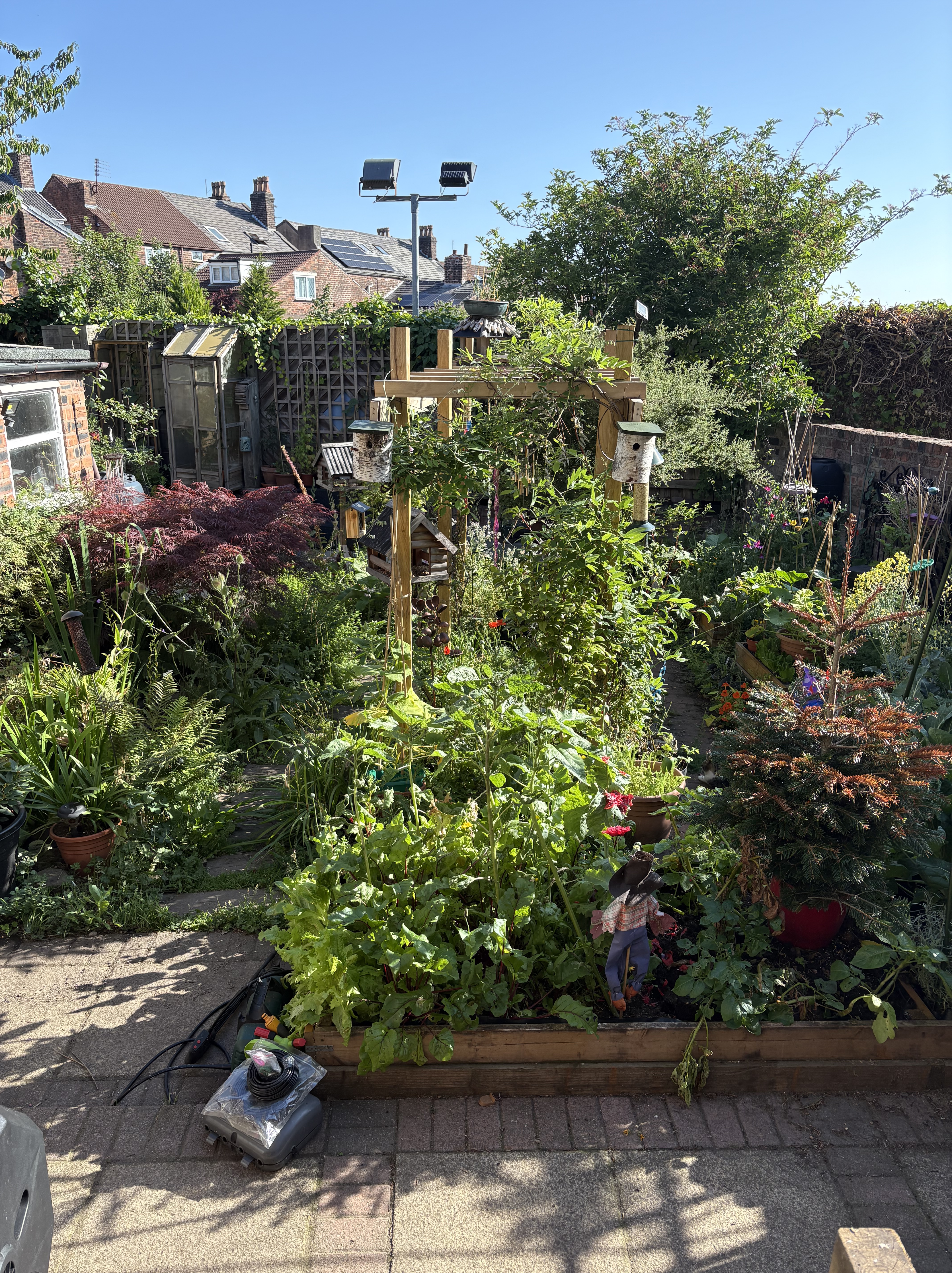
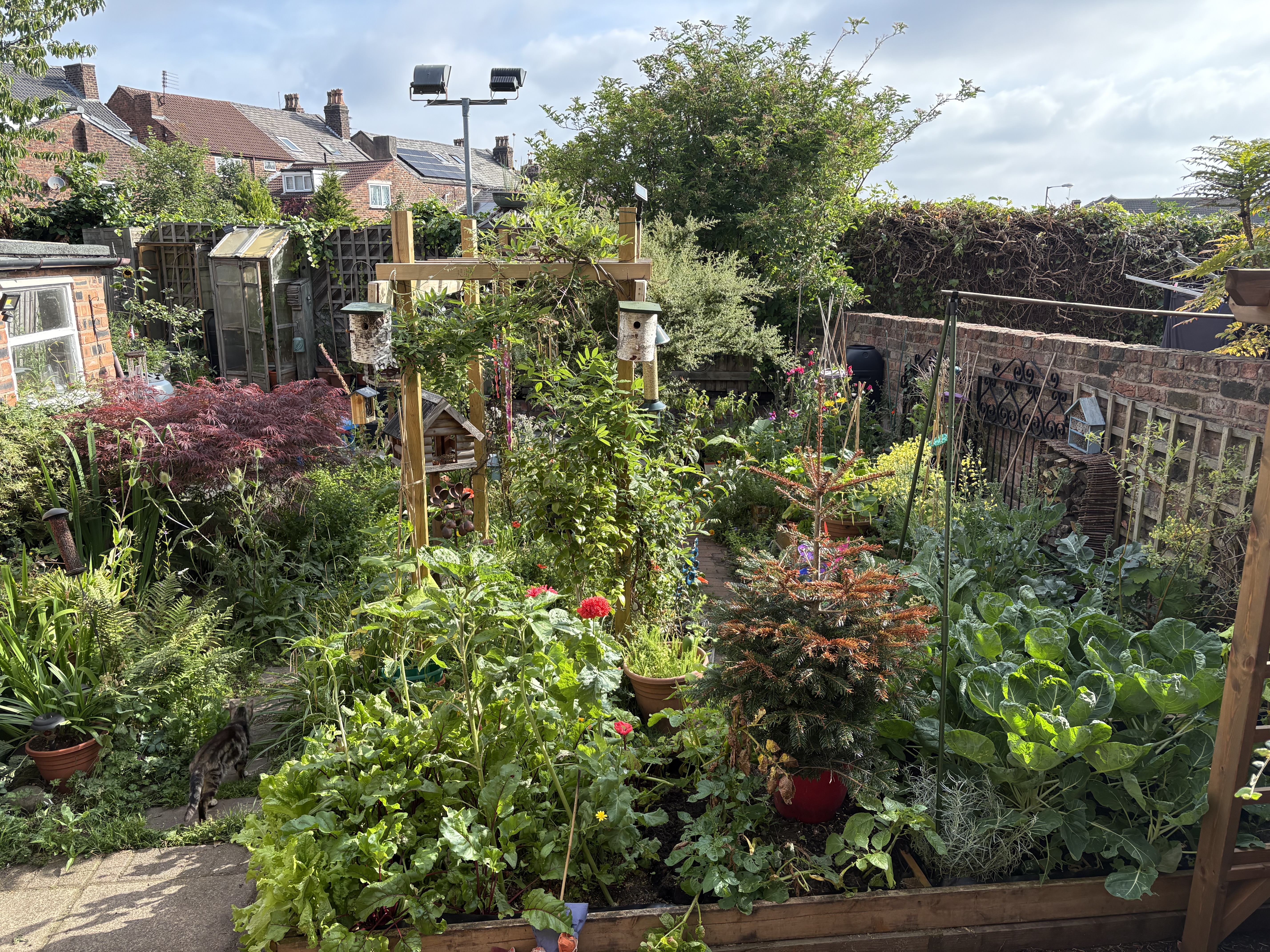
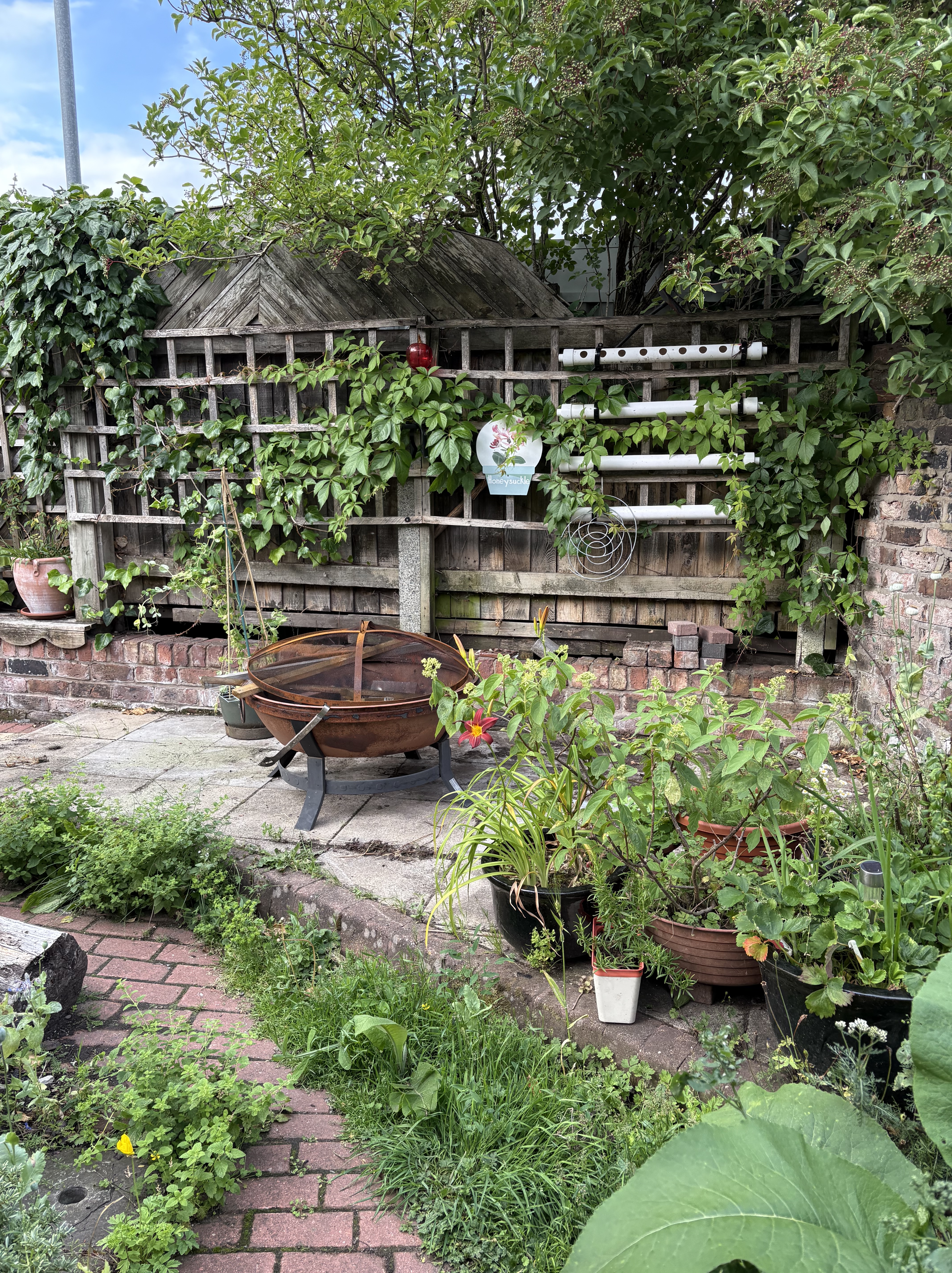
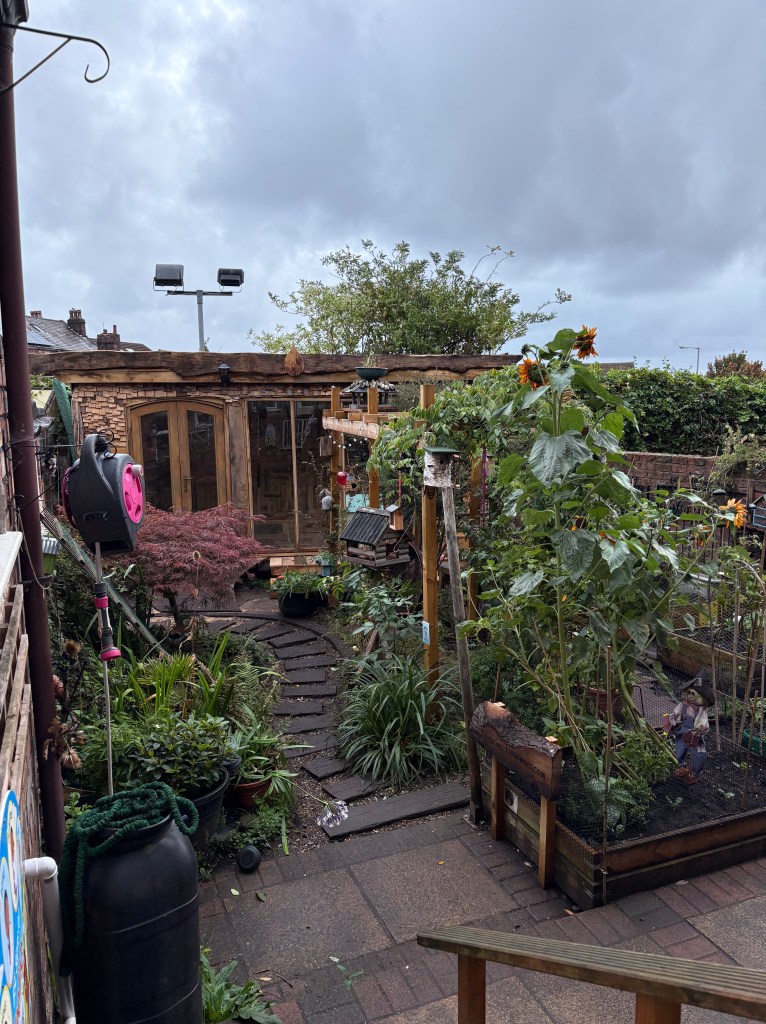
My childminding practice has always been a ‘Garden Classroom’ curriculum and I strive to make the environment accessible and an engaging experience for all children.

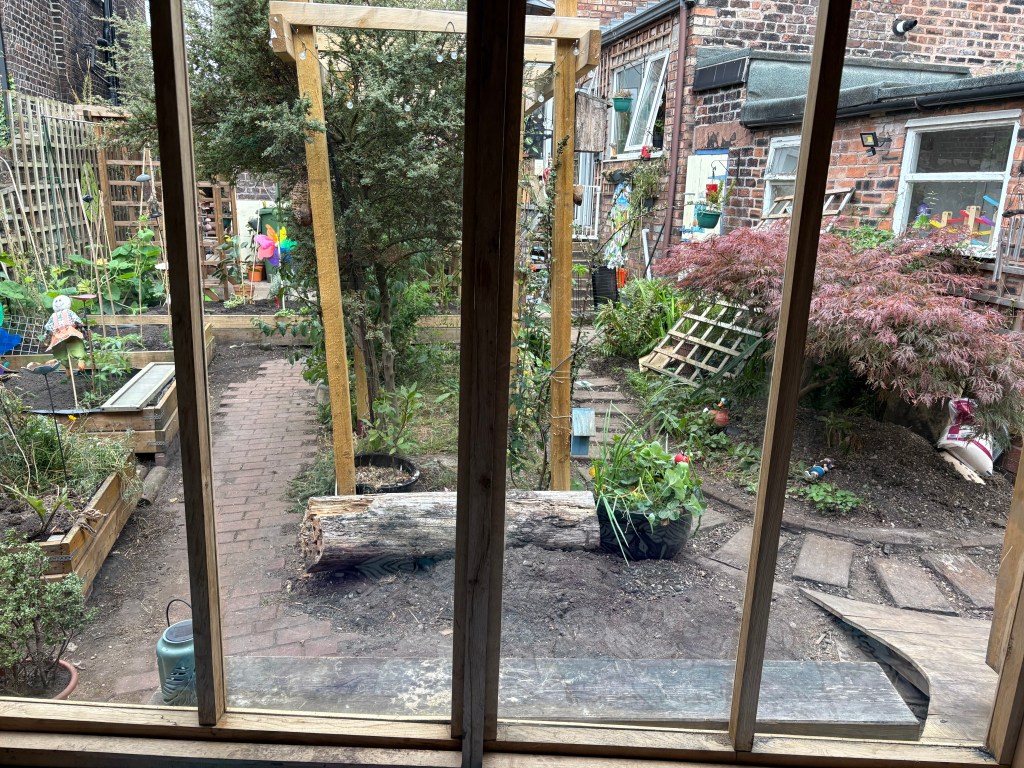
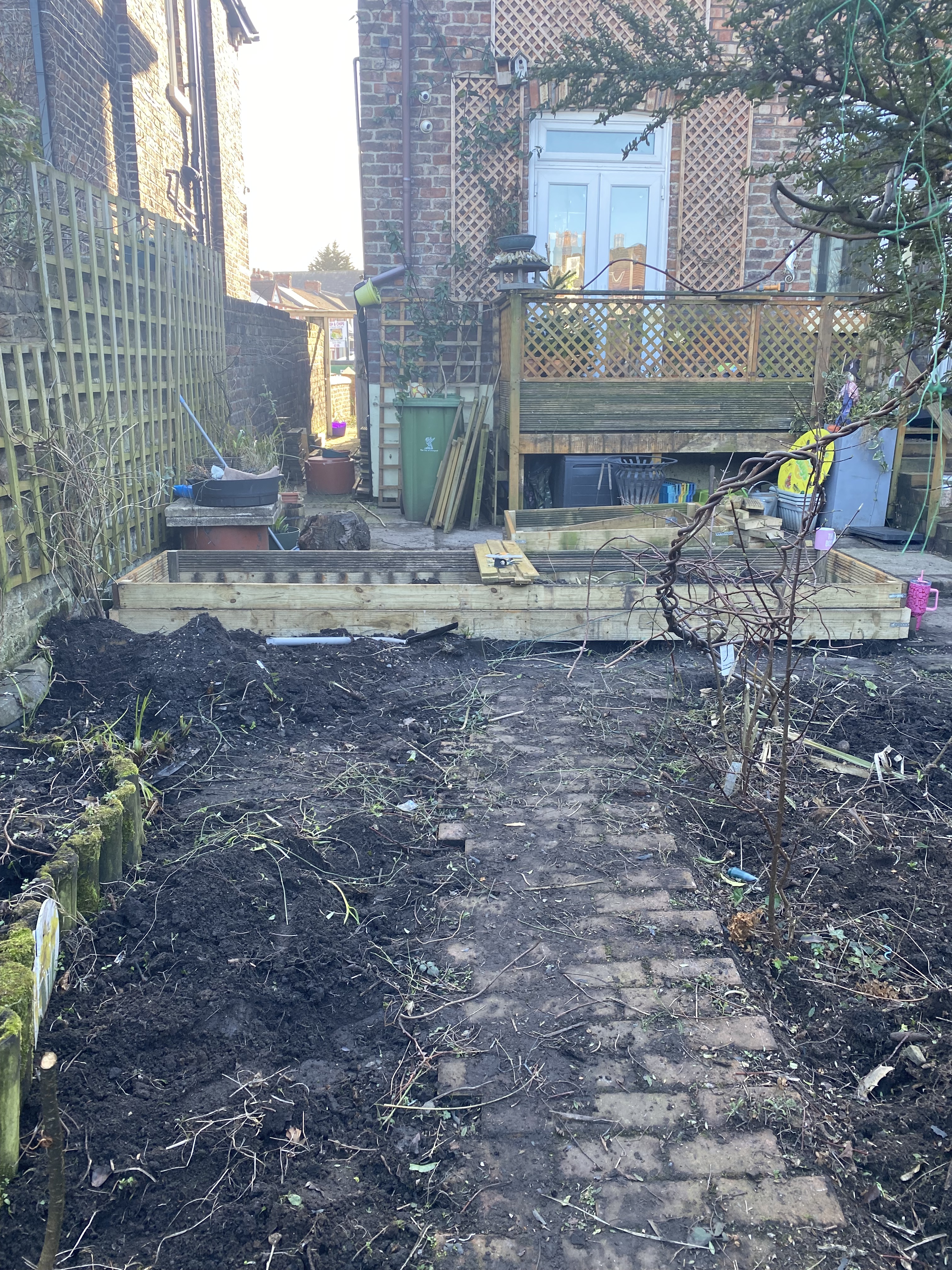
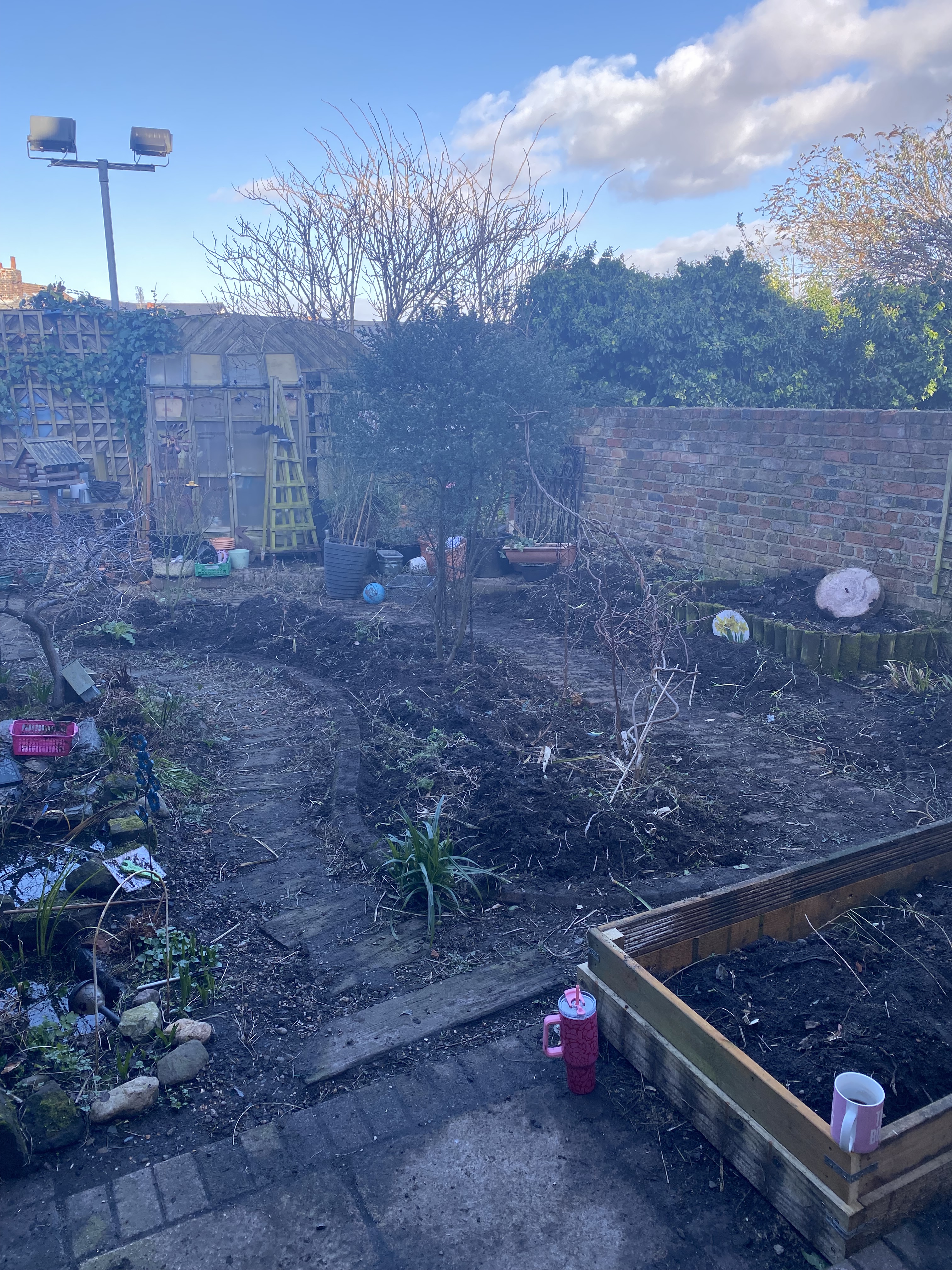
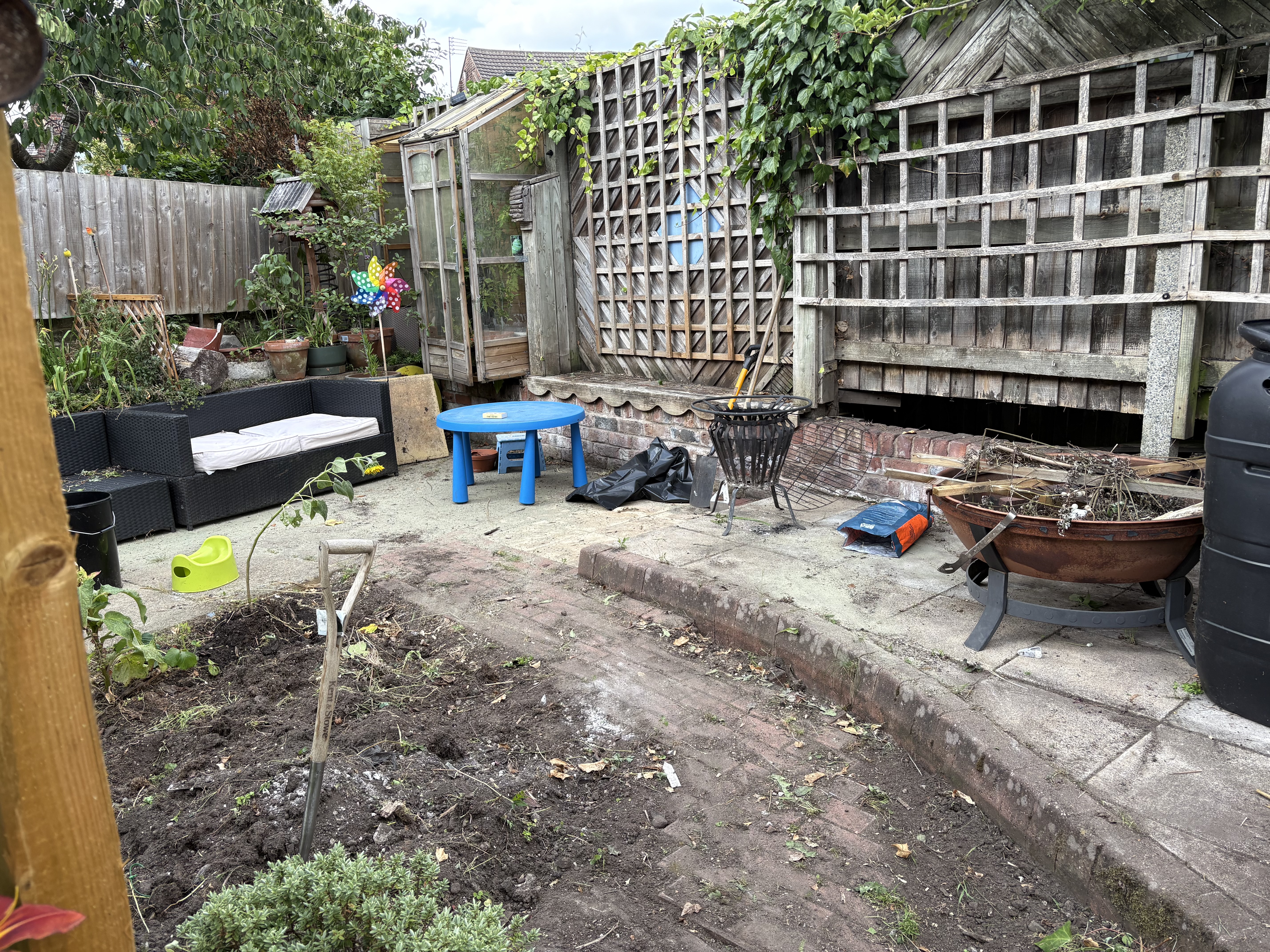
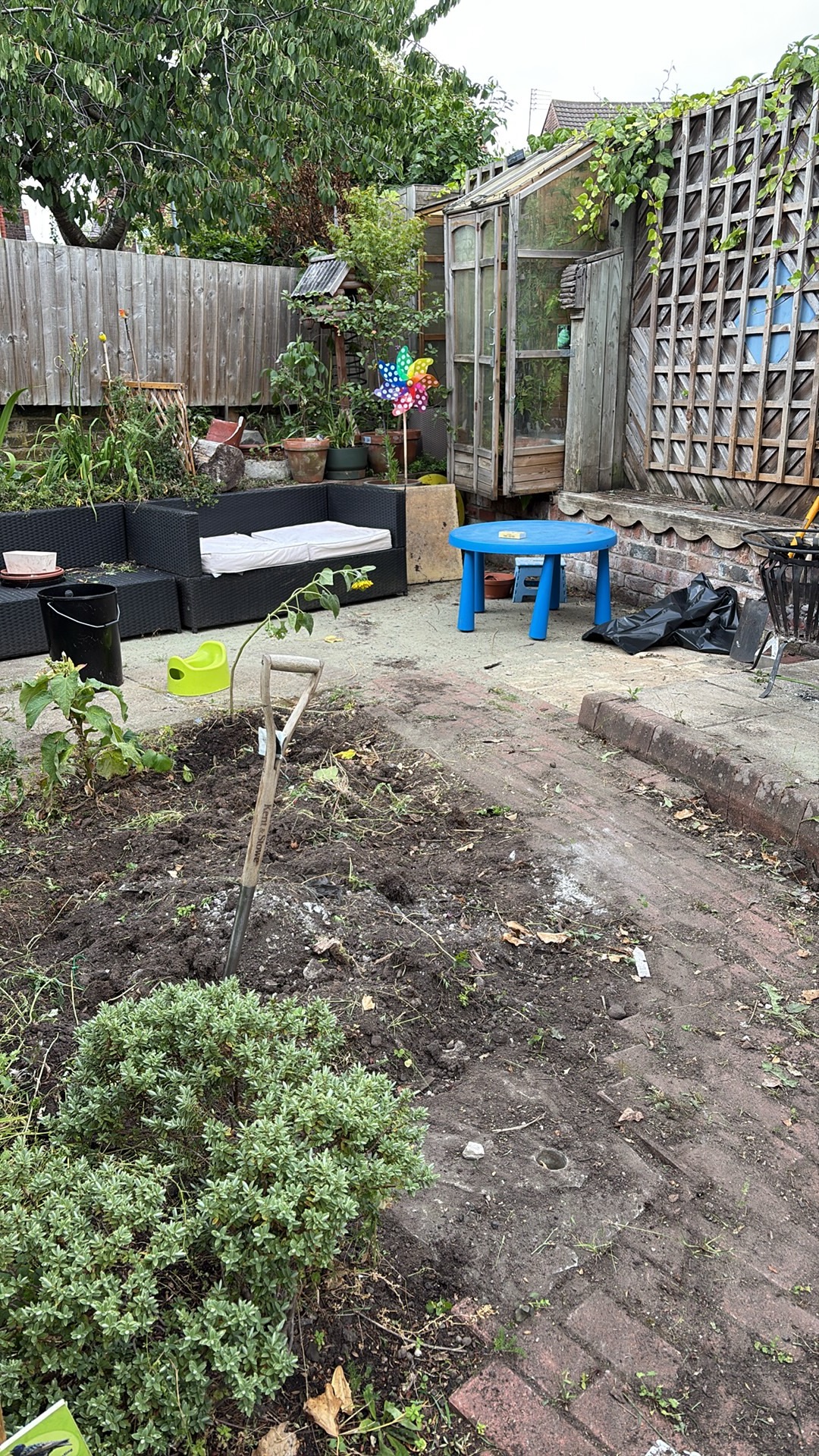
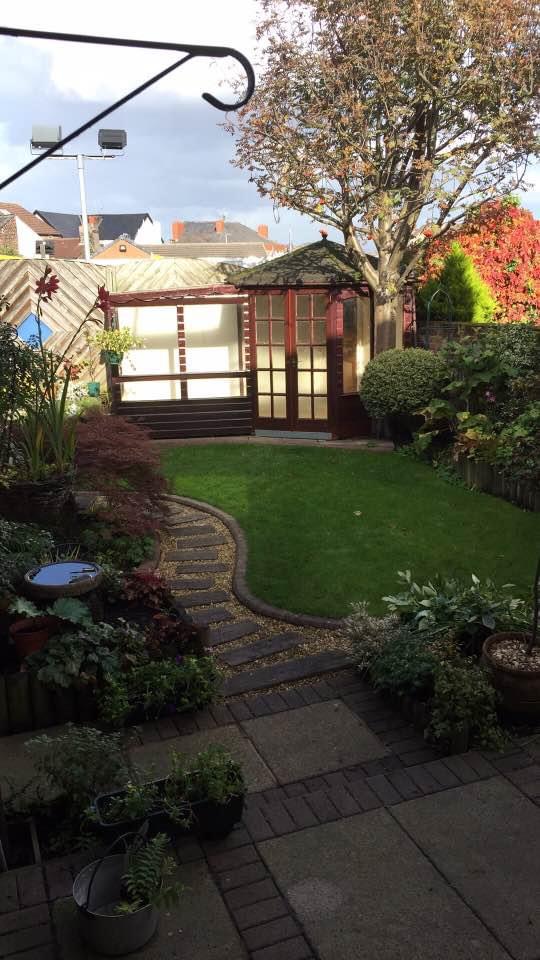
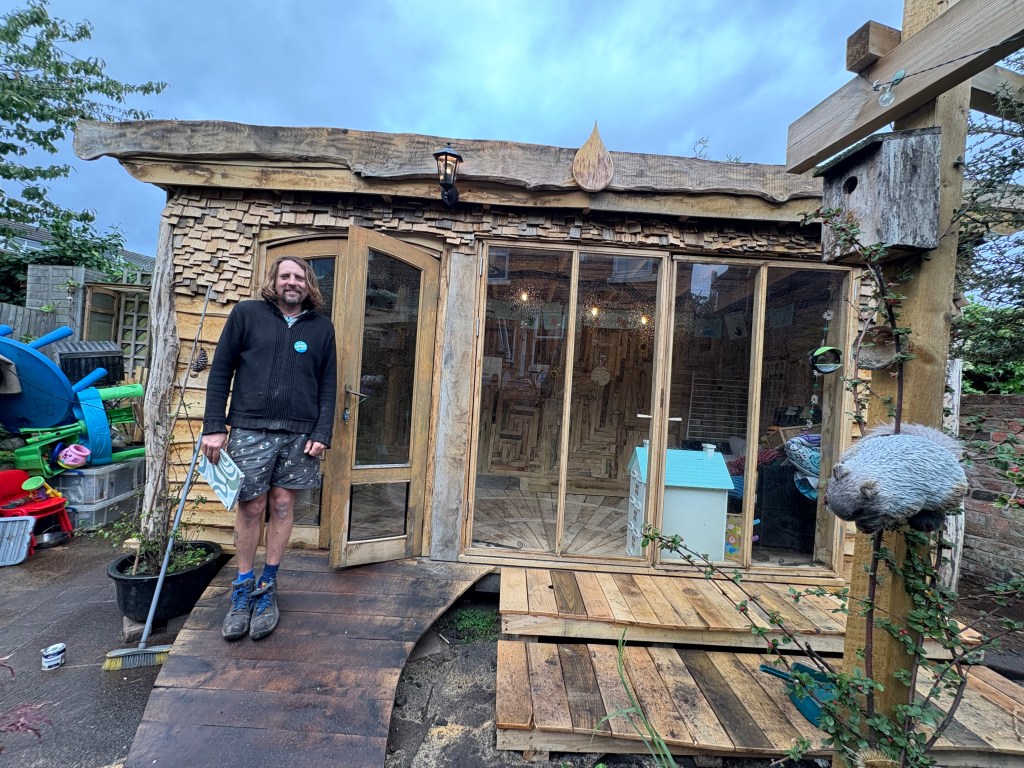
When I moved to my home, the main attraction was the garden and the garden summerhouse. Unfortunately not long after I moved in, it became obvious the summer house was not safe enough to use and we had to take it down.

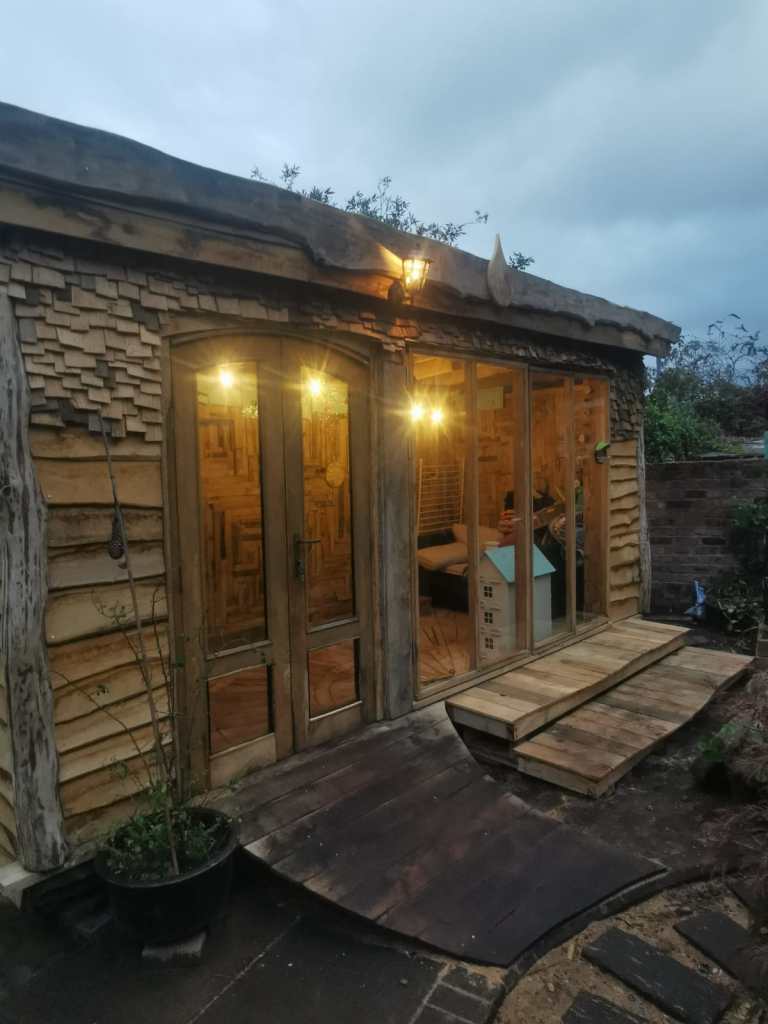
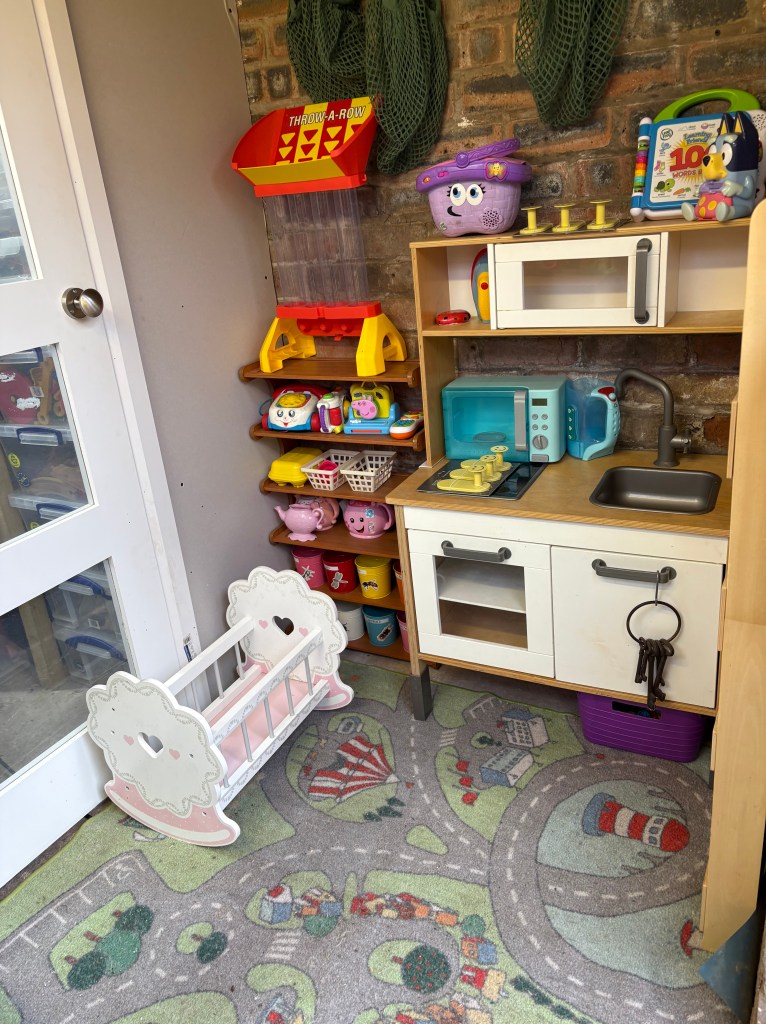
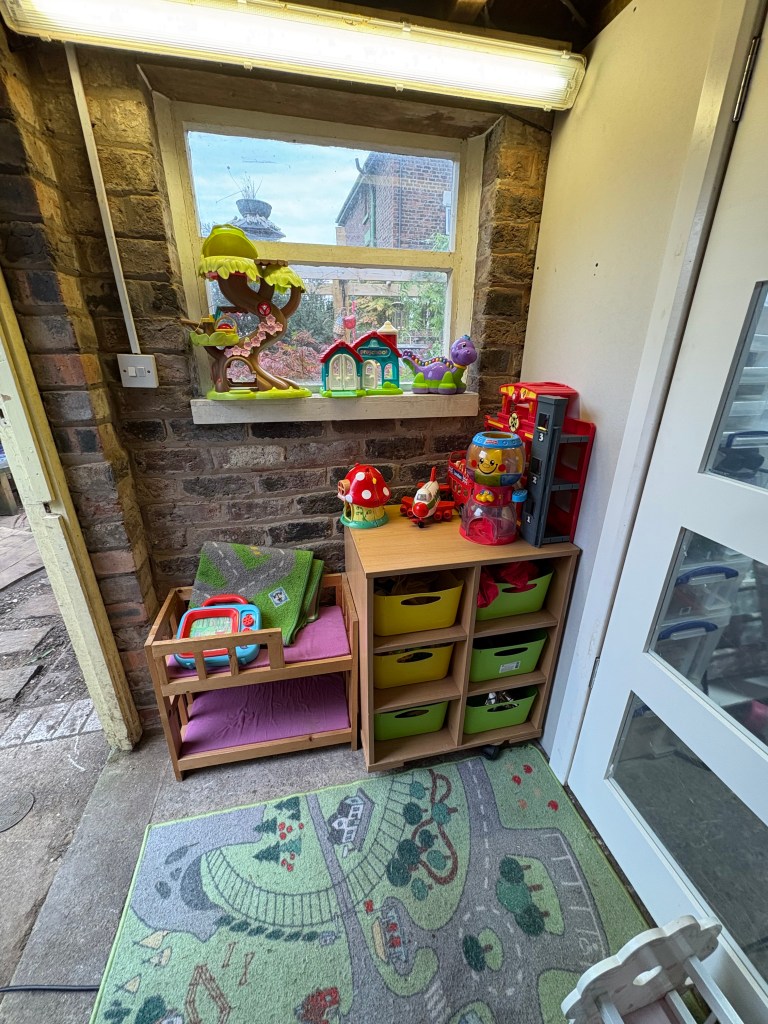
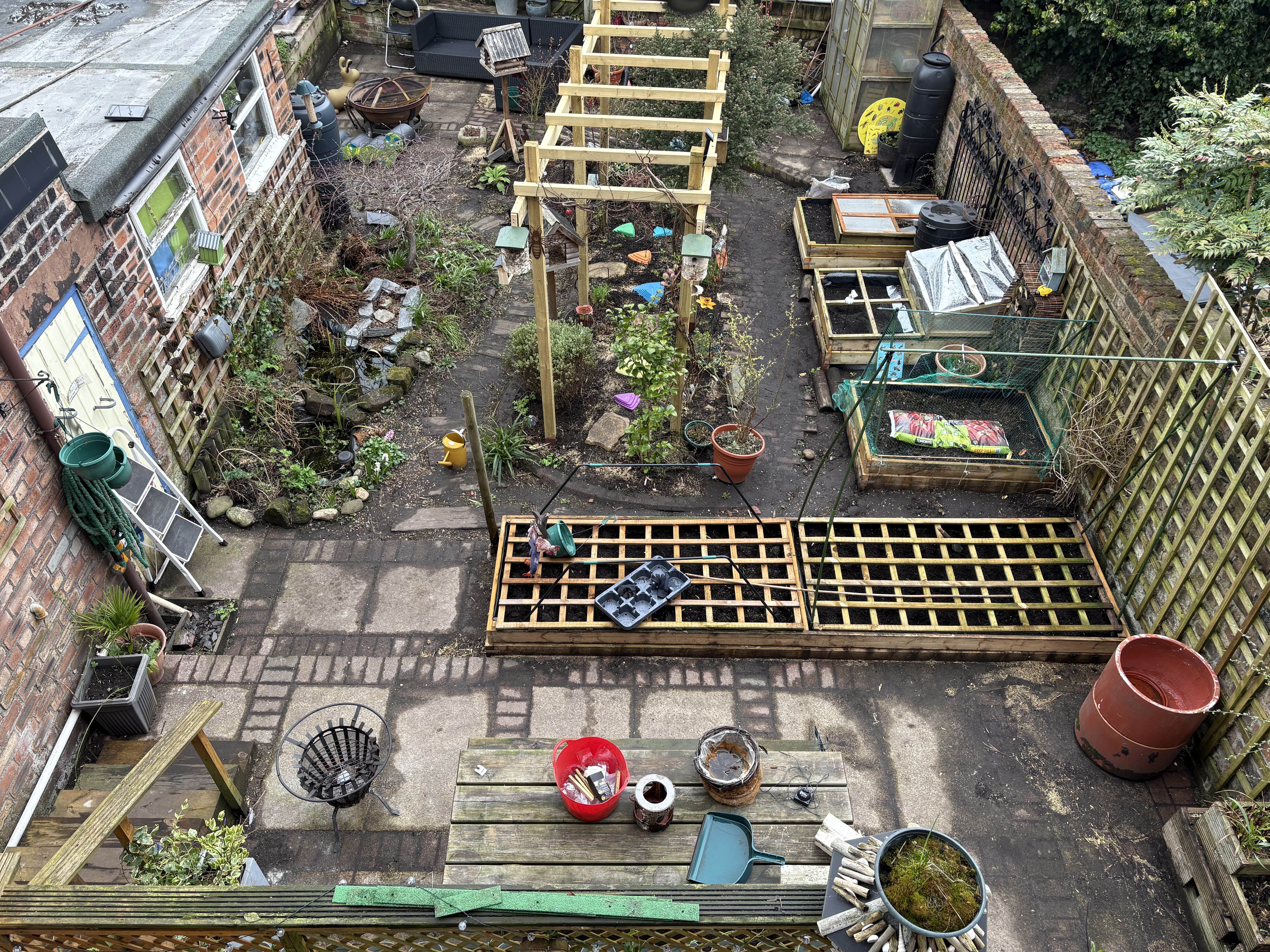
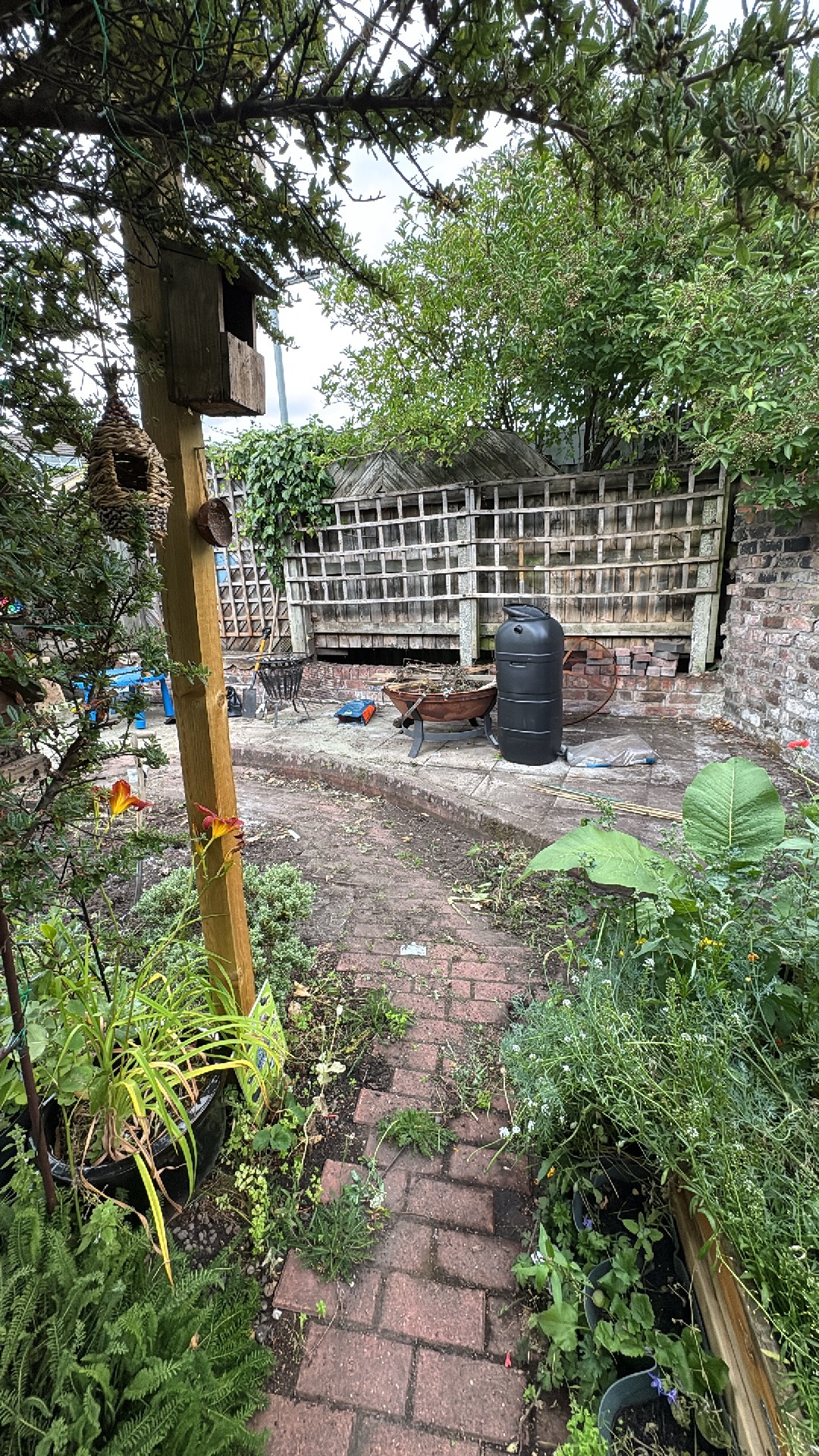
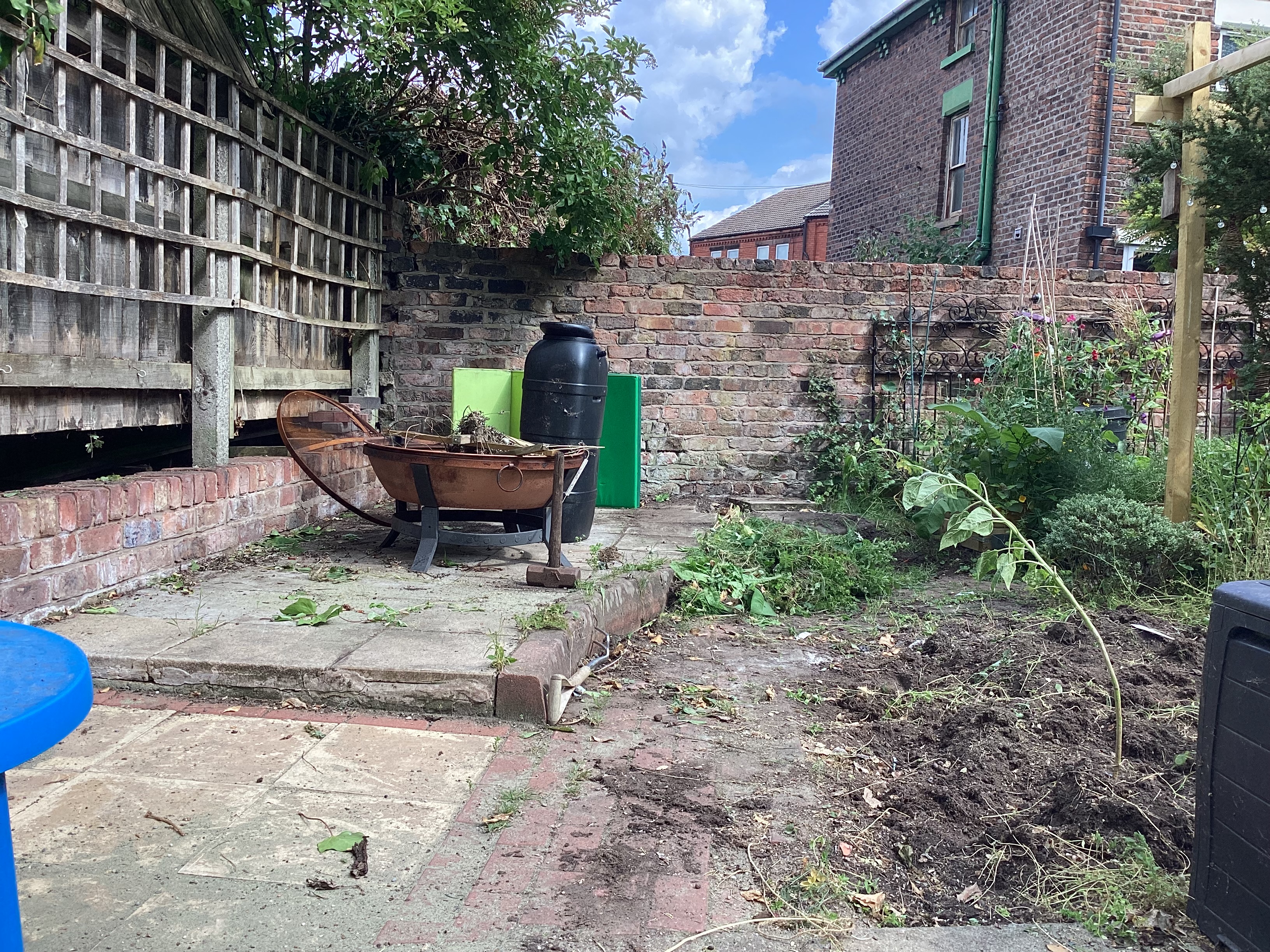
Since taking down the summer house it has been my dream to build a stronger, bigger outdoor classroom. We have been planning since that day and 7 years later we have been given the opportunity to make our vision come true.

The opportunity to apply for a grant from the local council came up in May 2025. This grant was offered to settings in Liverpool to enable them to expand settings and provide new places for children under 5 years of age to access quality education.

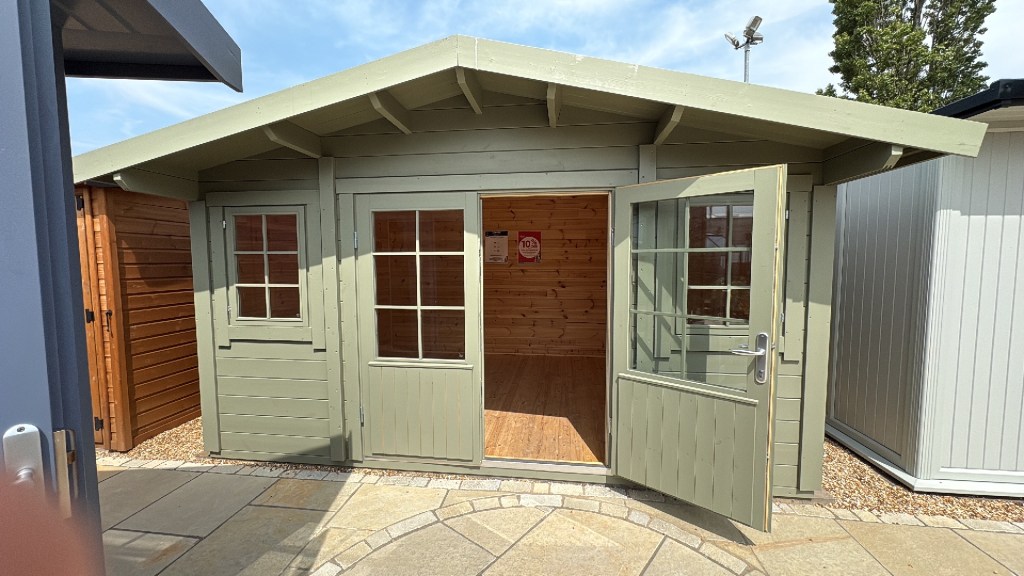
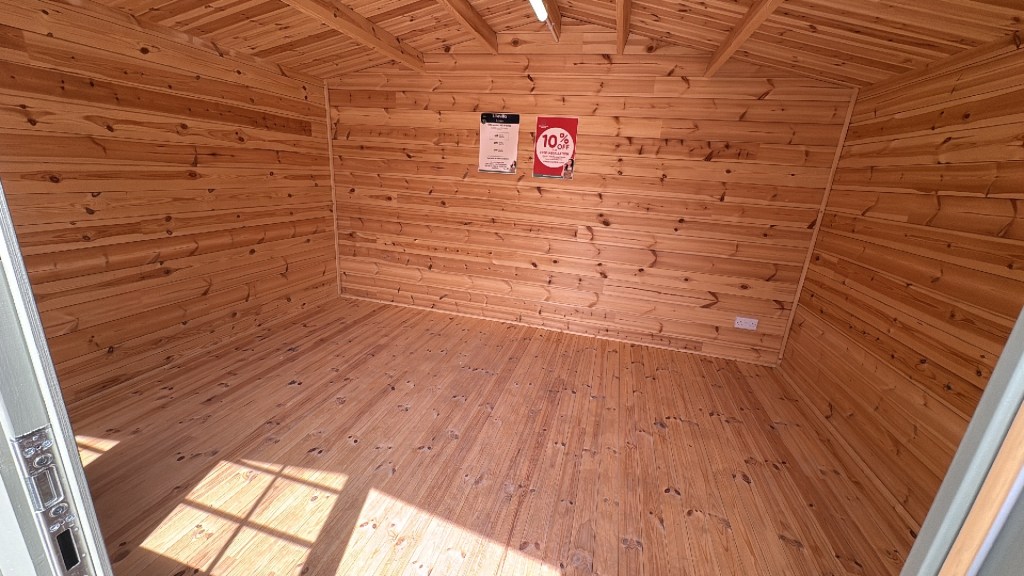
The children and I took a visit to the local Garden Center to look at various types of garden buildings. This gave us an idea of space, materials and what we would like the classroom to look like. This information all helped when putting the bid together.

We worked hard putting into place the documentation to provide evidence on how we attend to expand our setting. luckily as we had been on our planning Journey over the last few years this part of the plan was in place. It took us another three weeks and a visit from a council representative to put the policies, financial information information and evidence into place to submit to the decision board.

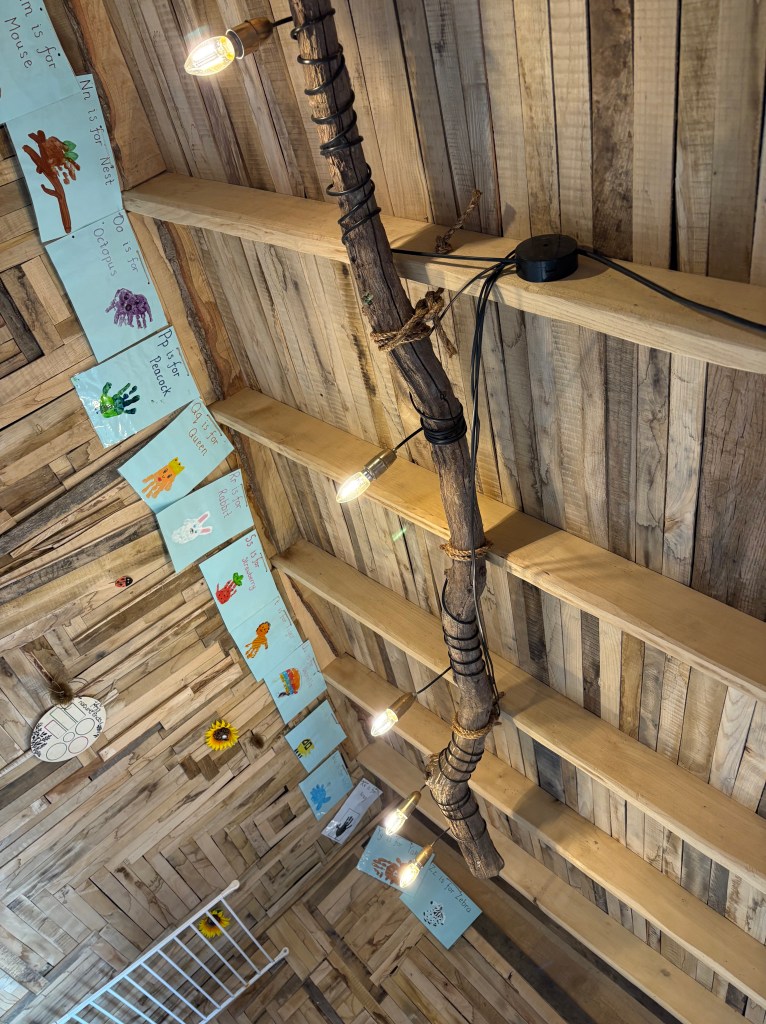
By the end of June we were given the amazing news that we had been successful with the main part of our bid. This was on the premise we can supply further information regarding the company we had chosen to work with and raise the extra funding needed to cover the entire project. We researched another two building companies to gain more information and chose to go with Eon from ‘All good in the wood’ https://www.allgoodinthewood.co.uk/

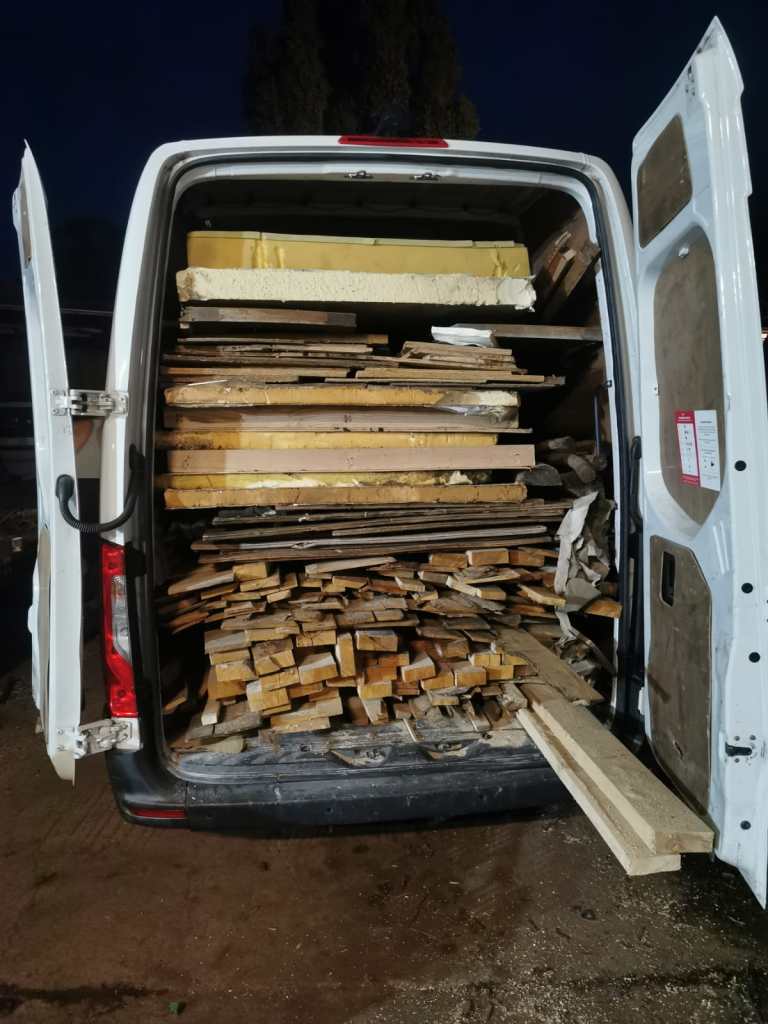
‘Who we are, Sustainability is at the heart of everything we do. We’re a vegan-owned business that keeps our community involved with our local trading system. We’re proud of our products being locally sourced, locally finished and installed by local tradespeople, keeping our community personally involved from start to finish! We know exactly where every tabletop, fence post or roof shingle came from and where the trees grew. Call it our sustainable family tree.’

“Ancient trees are precious. There is little else on Earth that plays host to such a rich community of life within a single living organism.” — Sir David Attenborough

Posted in Uncategorized

ENGAGING GROWTH WITH ‘THE GARDEN CLASSROOM’

By Tracie Dowling

Throughout my career as a Registered Childminder, I have incorporated holistic learning into my practices. Over the years this has evolved, and I refer to my way of teaching as ‘The Garden Classroom’ which you can read about on my blog. Although this way of learning is primarily outdoors, the learning is year-long and therefore I have created ways of learning no matter the season. The Garden Classroom practices always incorporate the three prime areas of the Early Years Foundation Stage (EYFS) and the Characteristics of Effective Teaching and Learning. Read on to learn how I weave these key components into outdoor play.
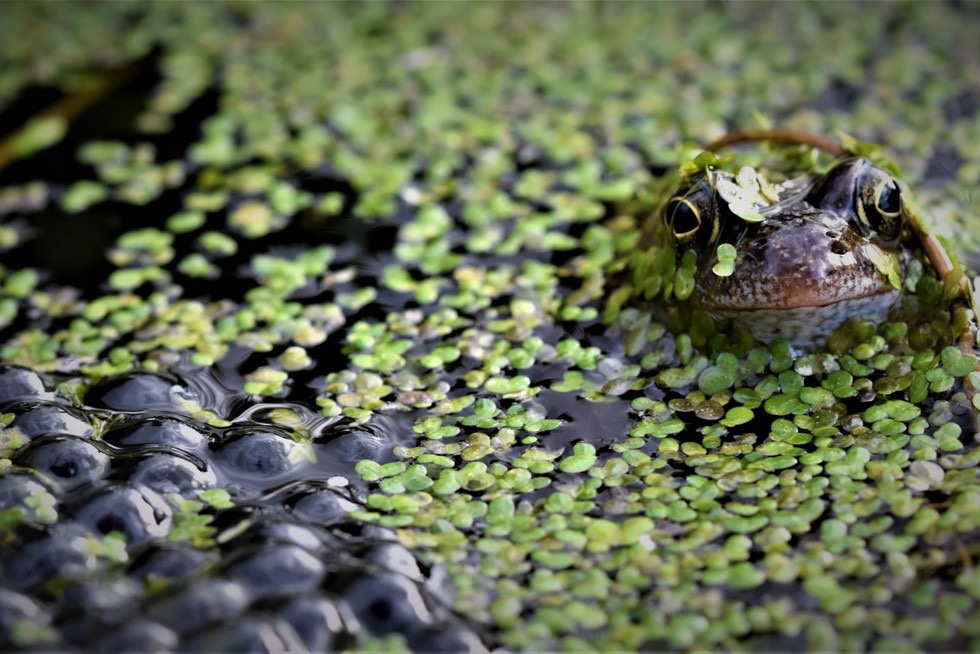
OUTDOOR LEARNING

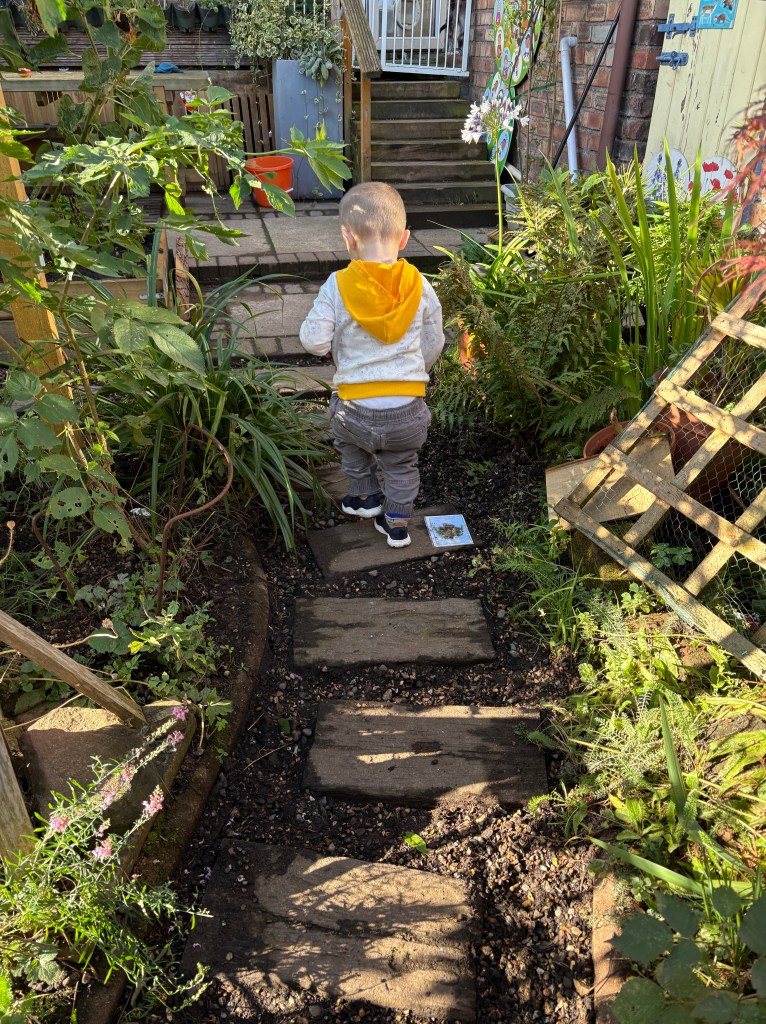
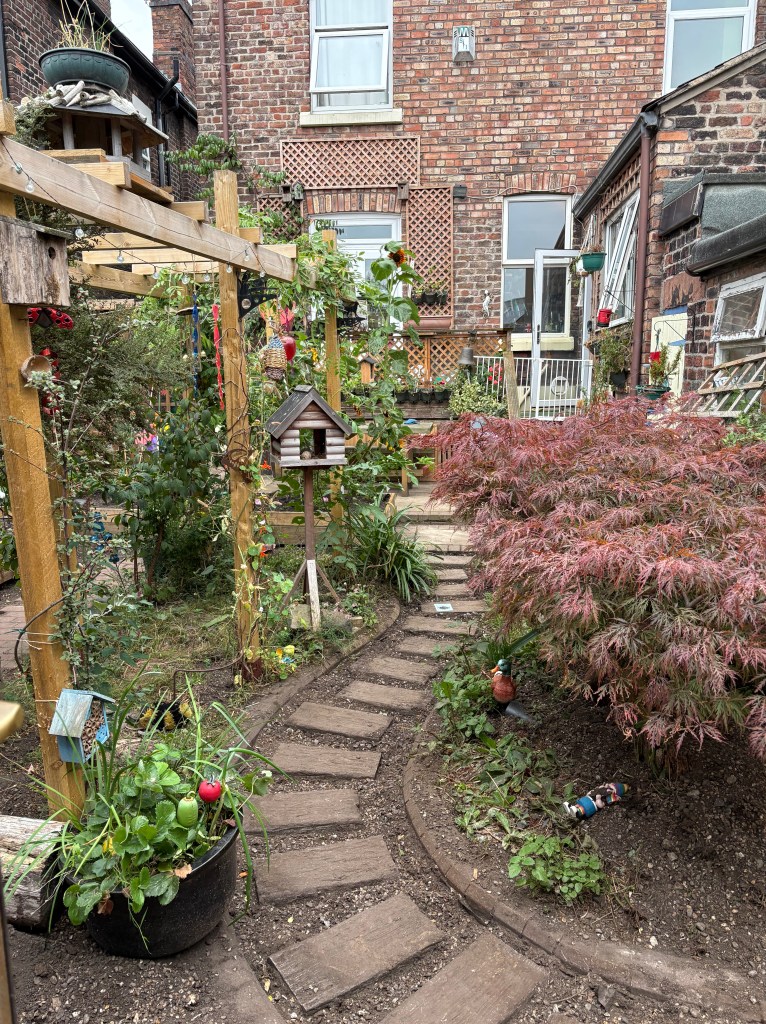
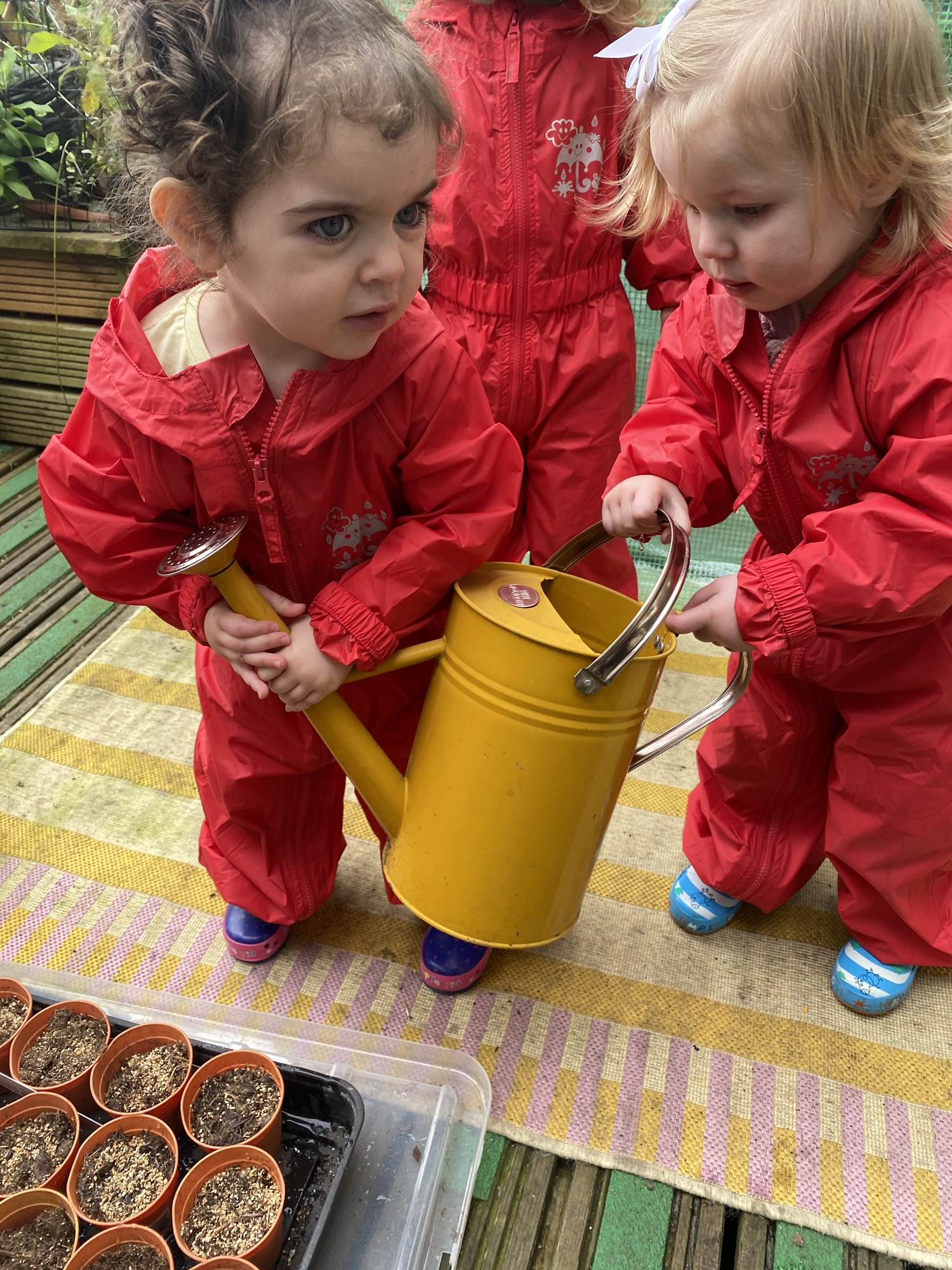
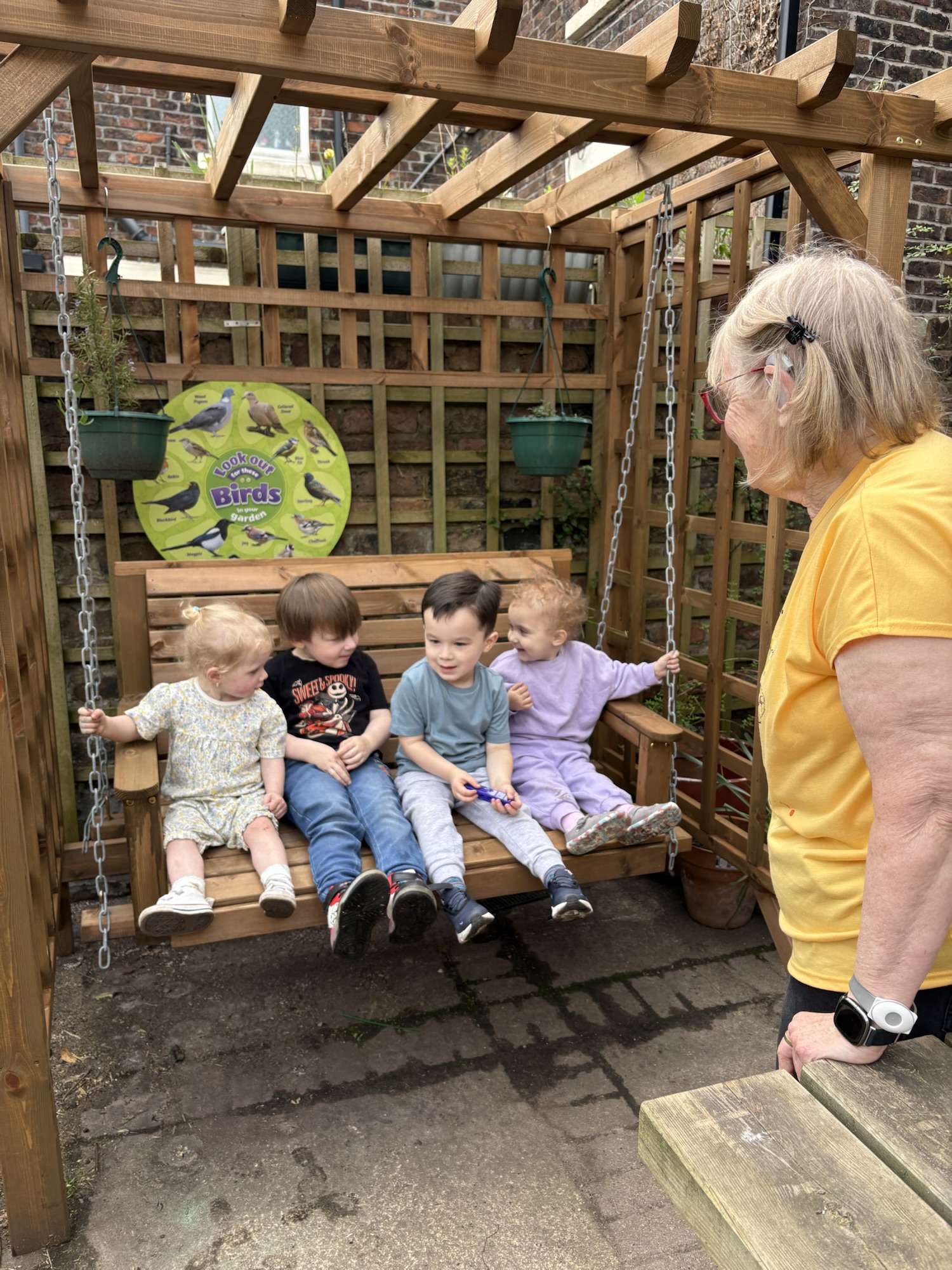
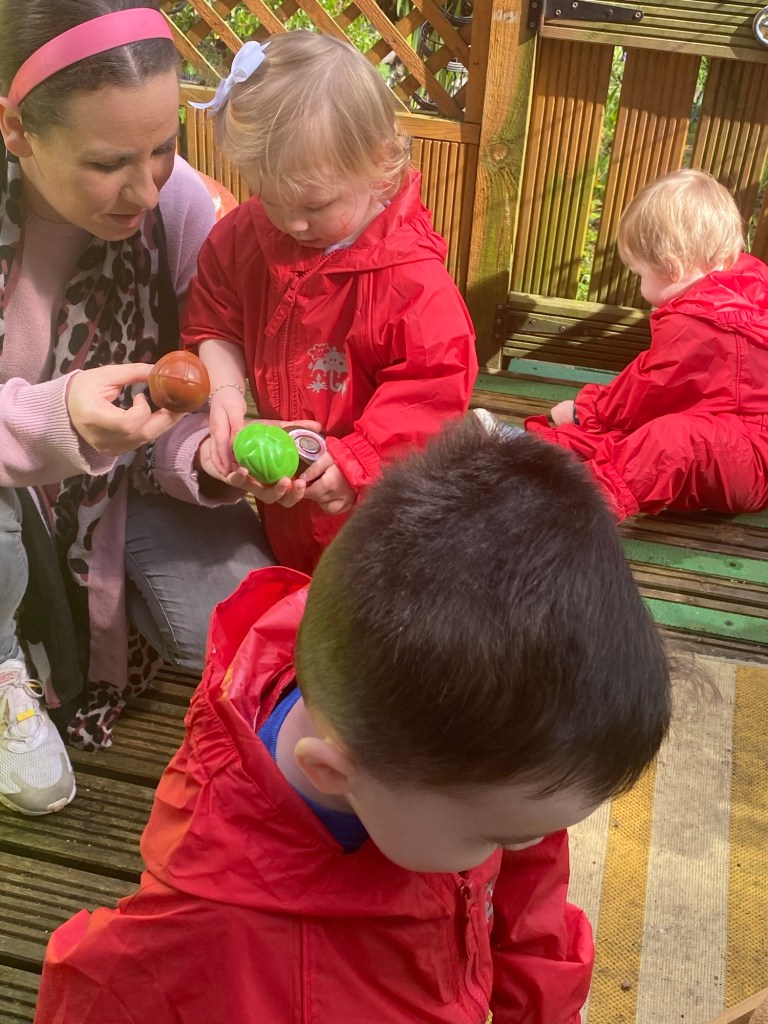
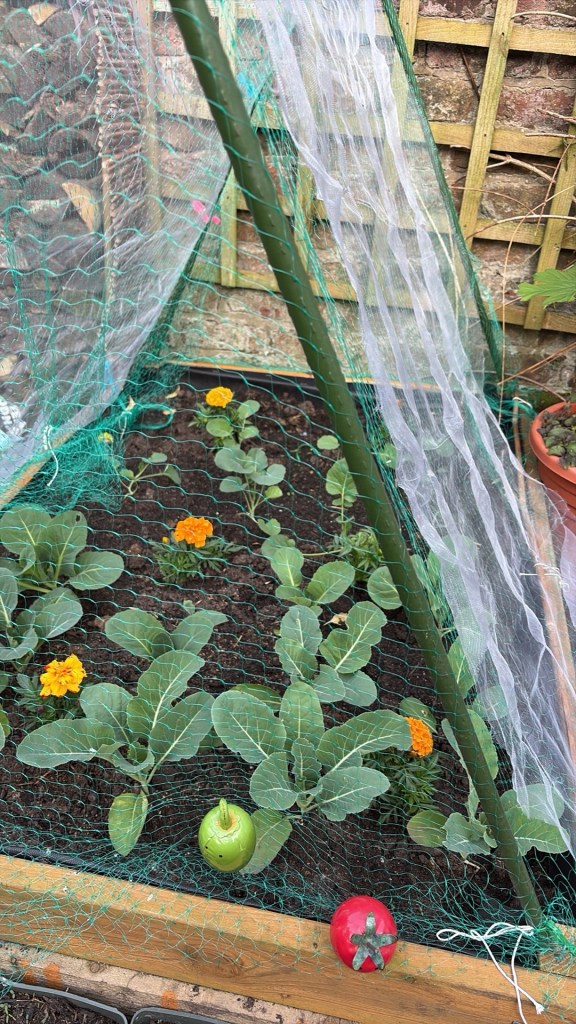
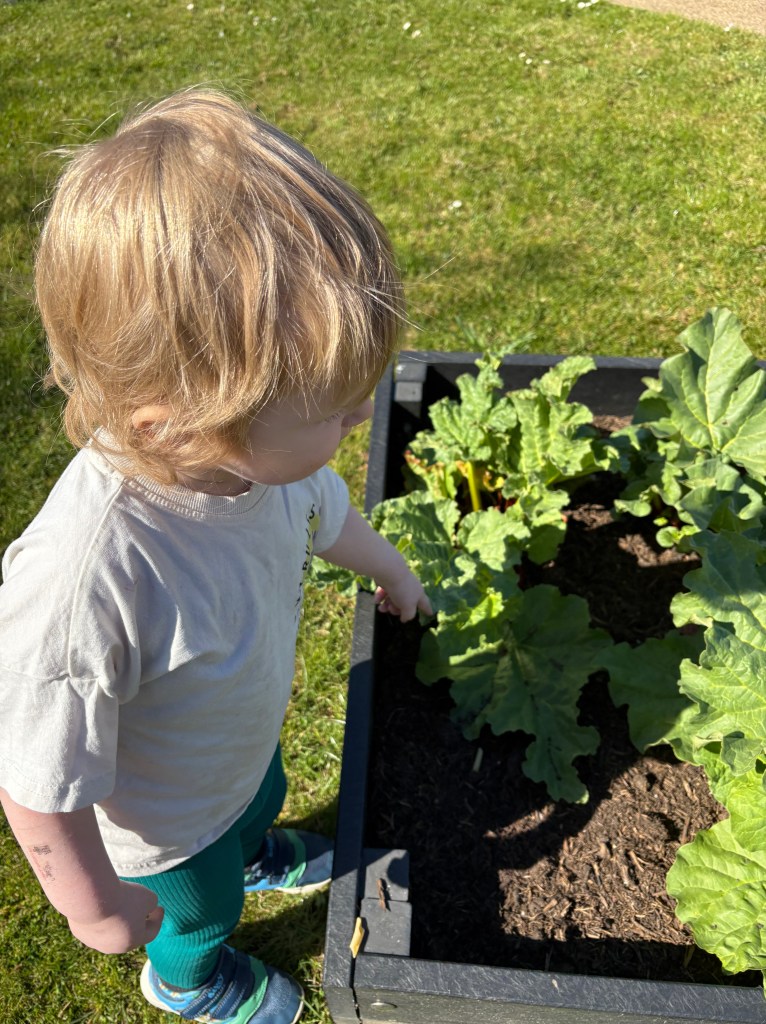
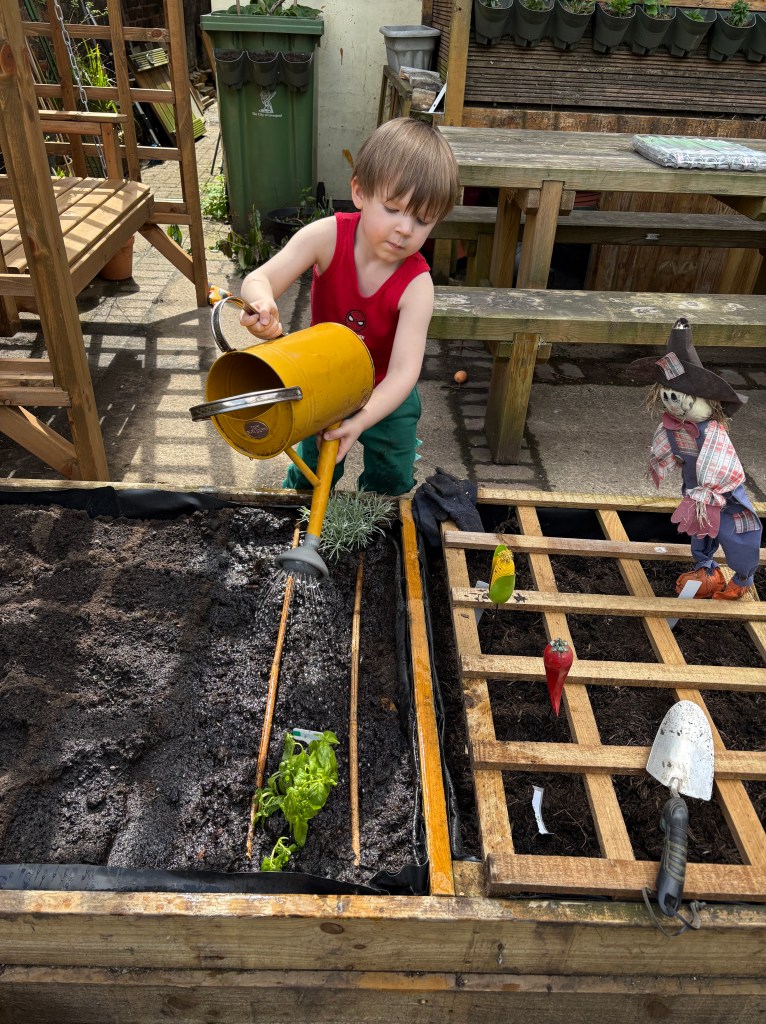
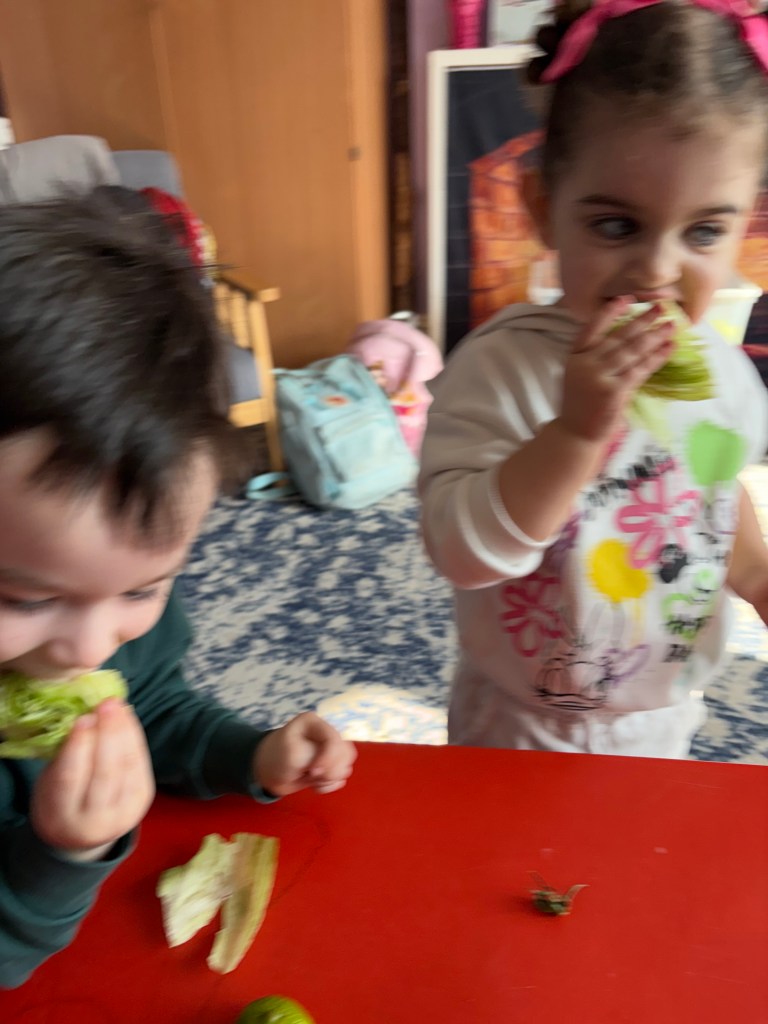
The Garden Classroom is a space where children can learn and grow, connecting to nature and the world around them. Outdoor exploration not only connects toddlers and babies with the seasons and everchanging weather, but also promotes physical activity, a sense of wonder, and an appreciation for the natural environment. Providing gardening activities for my children has proven to be great way to engage them with hands-on learning, including growing food from seed to plate,

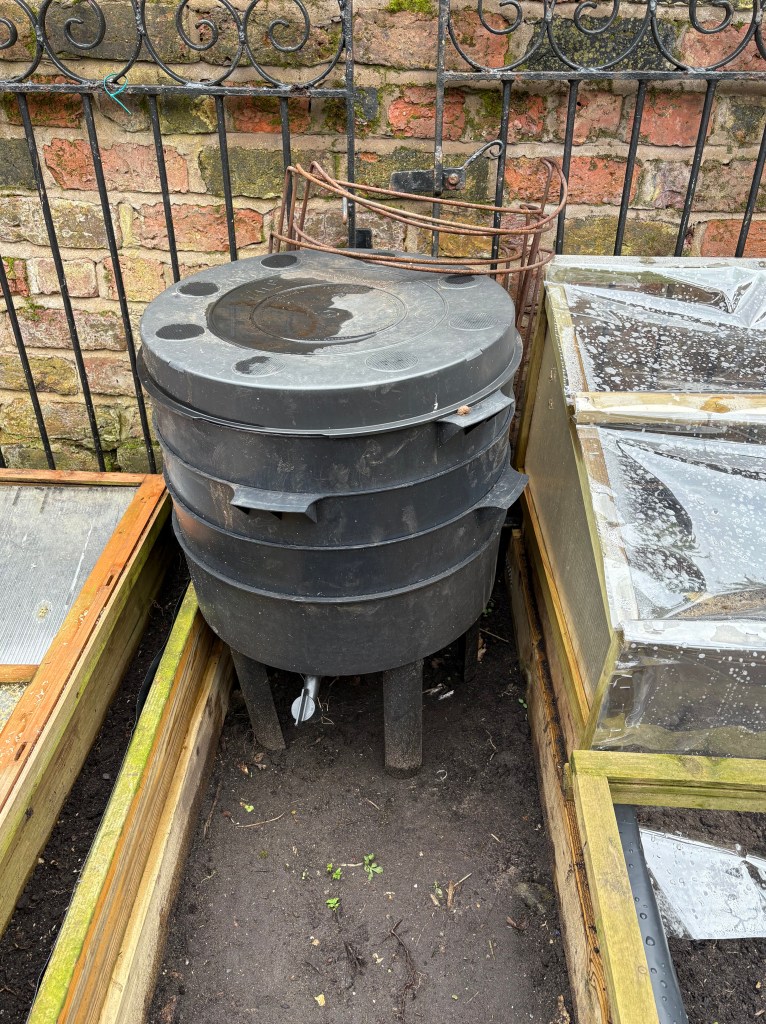
food sensory education, pond-dipping and lifecycles, and practicing sustainability through composting and recycling.

The children learn vital skills such as adaptability and resilience by witnessing their environment going through the cycles. This helps them understand the concept of change and builds resilience in the face of transitions. In one area of our garden, we have a pet cemetery. Here, we have buried our family pets and other creatures who have come and gone.
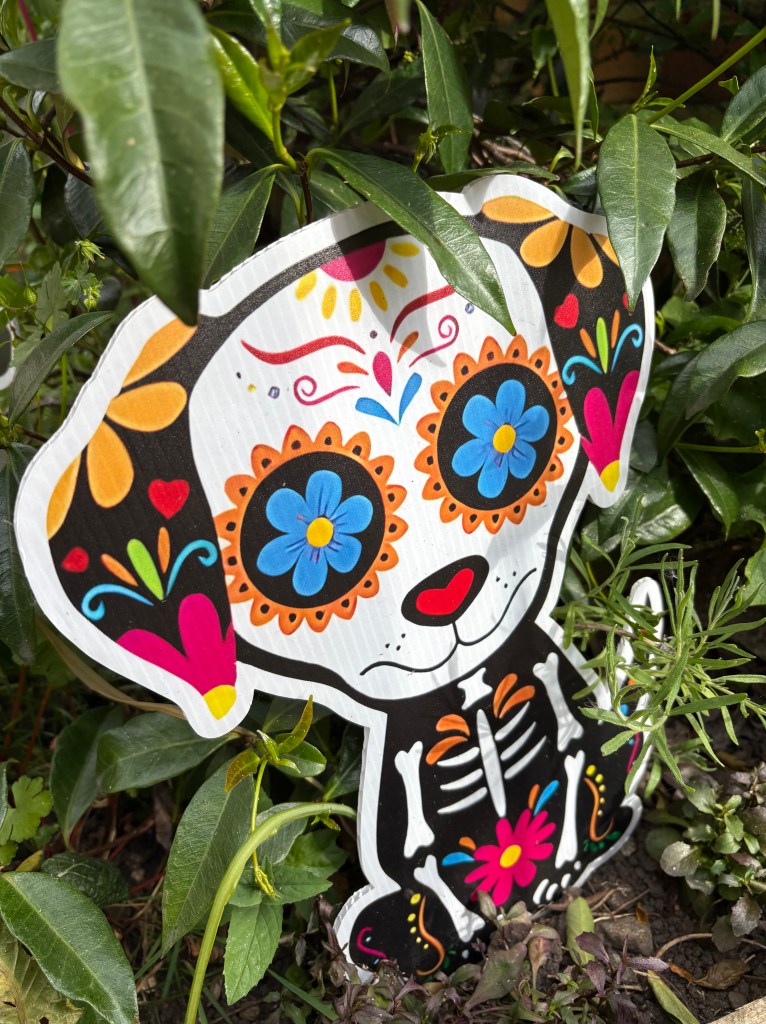
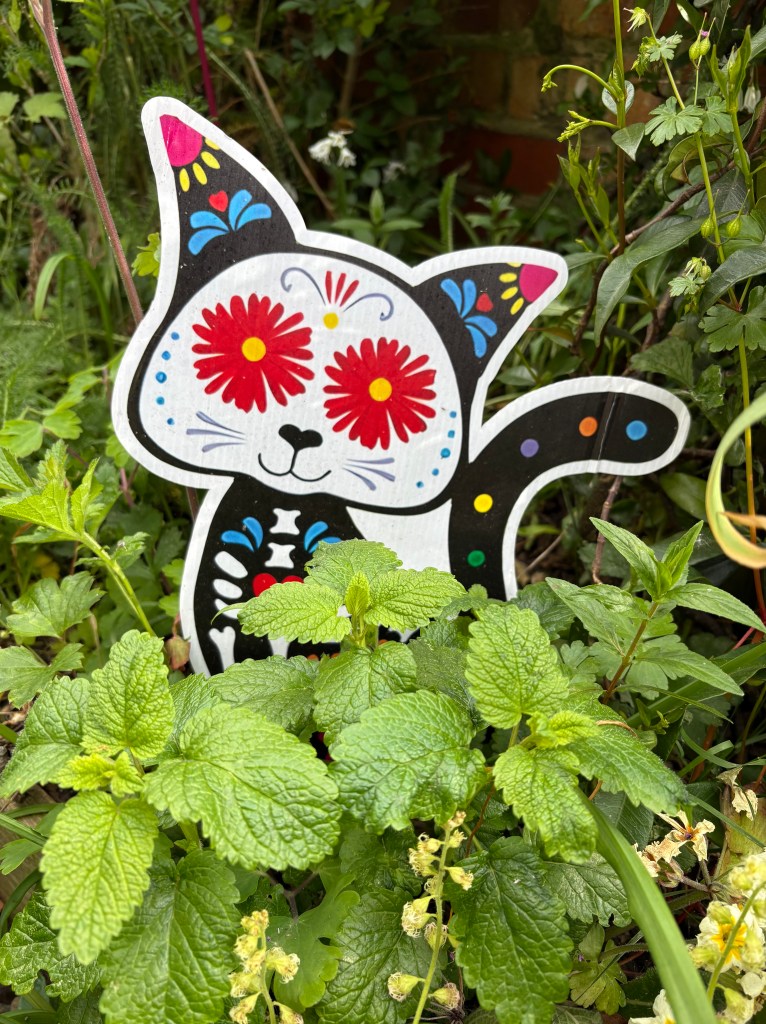
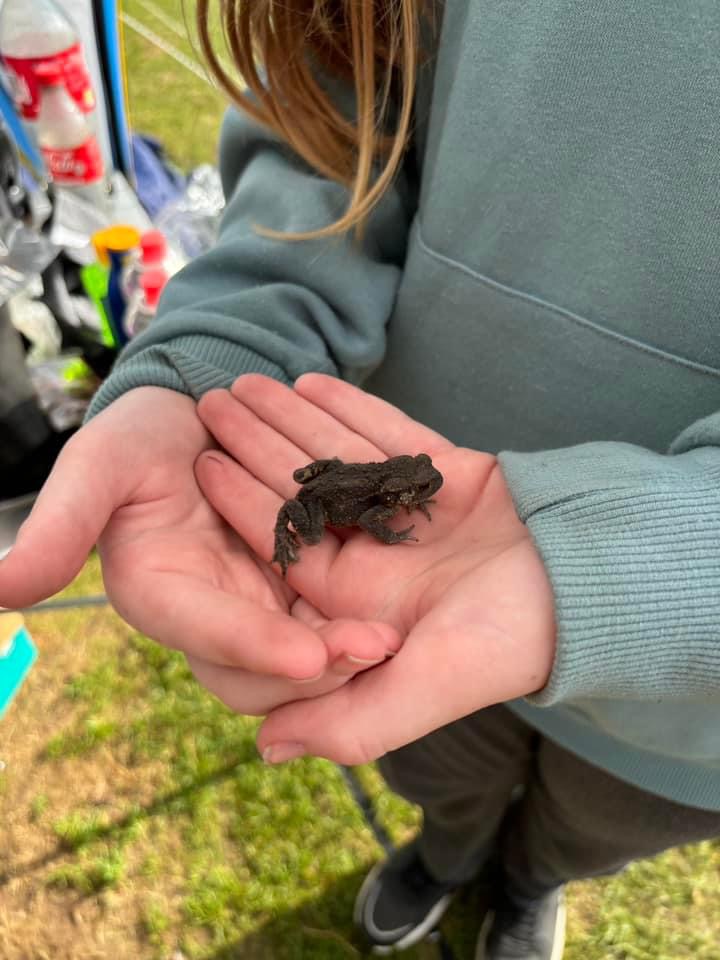
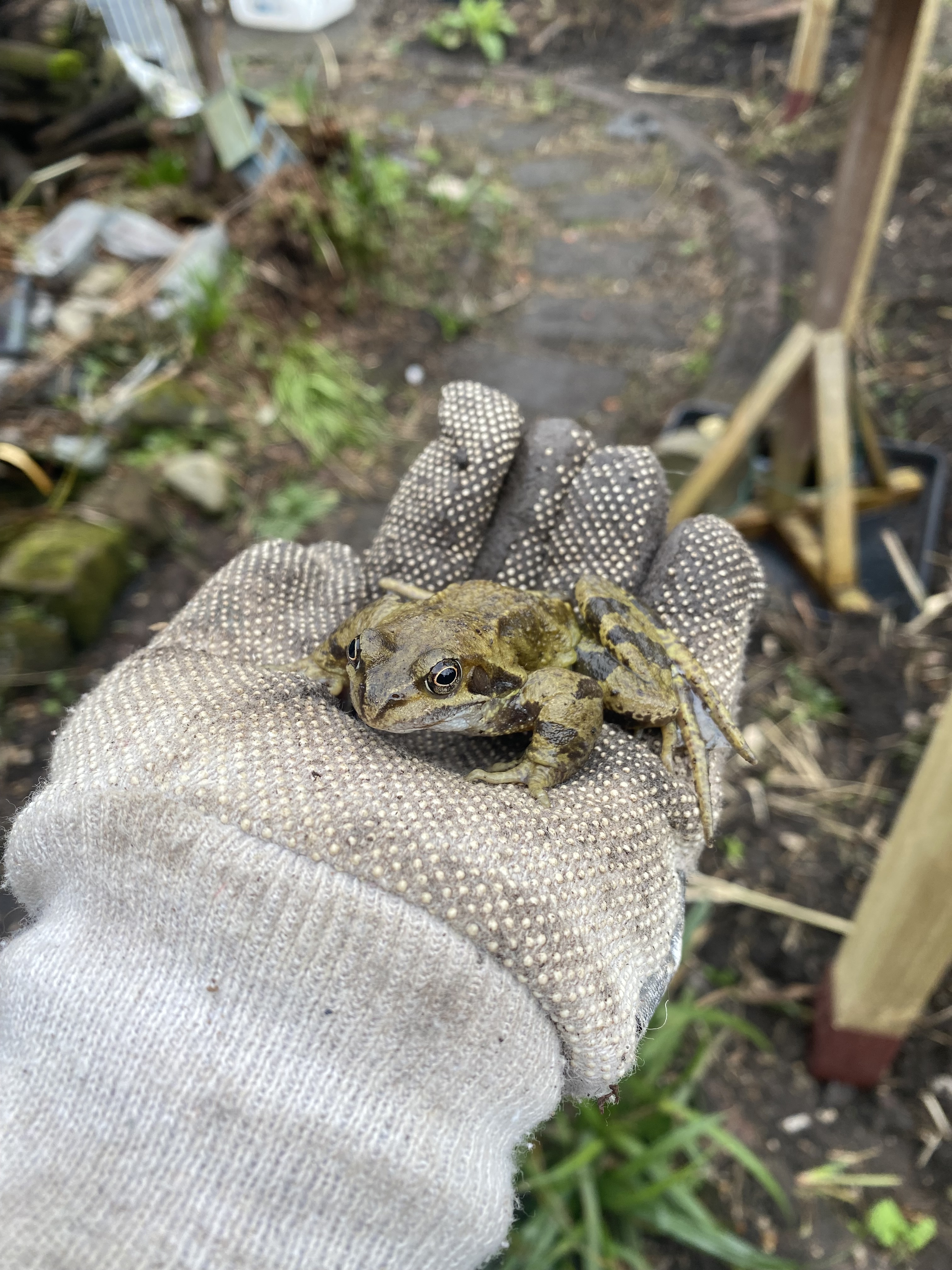
This space allows us to teach the children about the life-death cycle and accept change. Similarly, every year we experience frogspawn, giving us the opportunity to learn about birth and growth as we watch their little tails shrink and their legs grow.

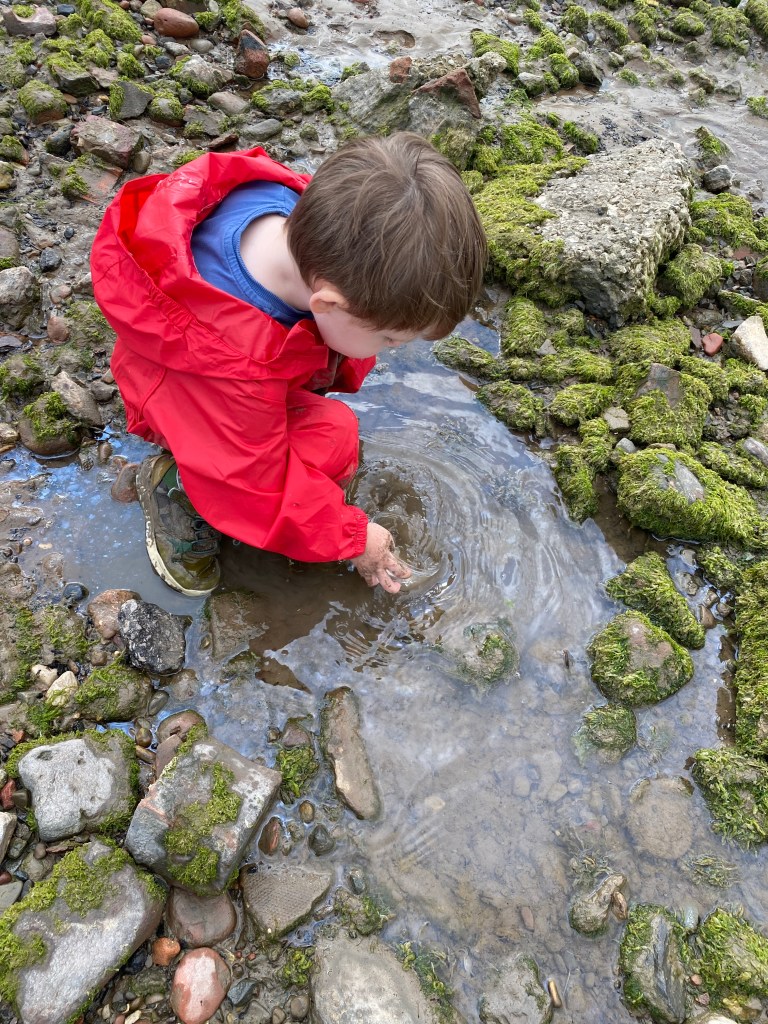
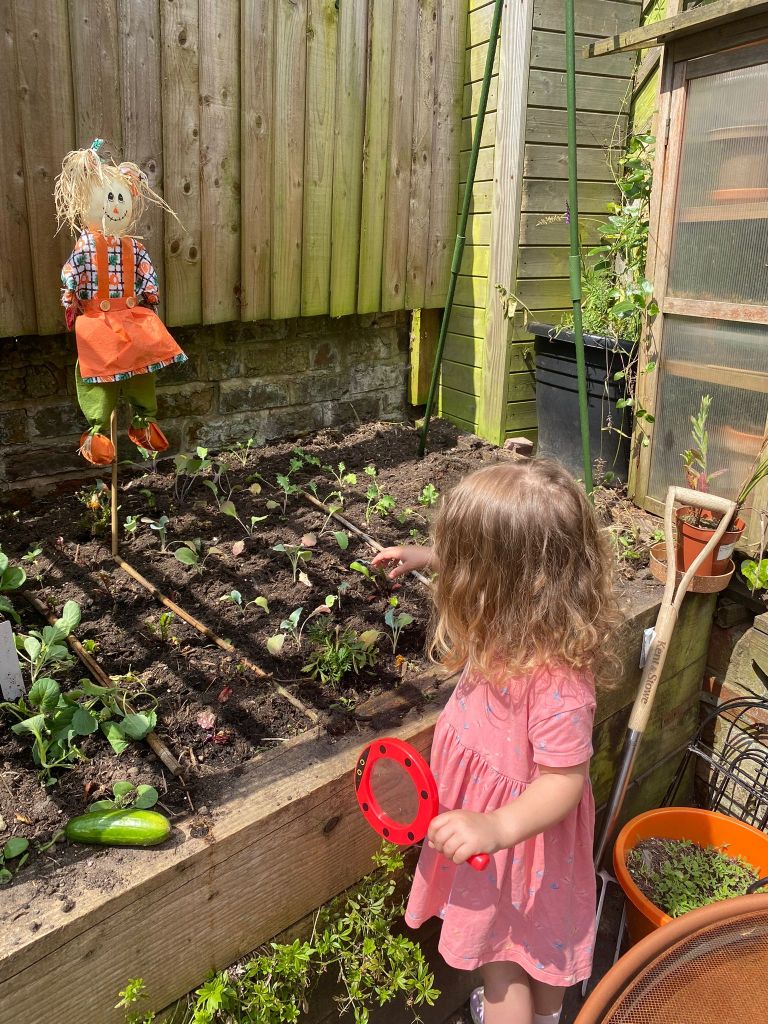
To support the children’s cognitive skills, we provide activities to observe and understand nature through investigation. The children’s favourite activities at the moment are pond dipping and growing and harvesting flowers, fruit, and vegetables. Some of the learning objectives within these activities are linked to lifecycles, categorising, comparison and pattern recognition in nature.

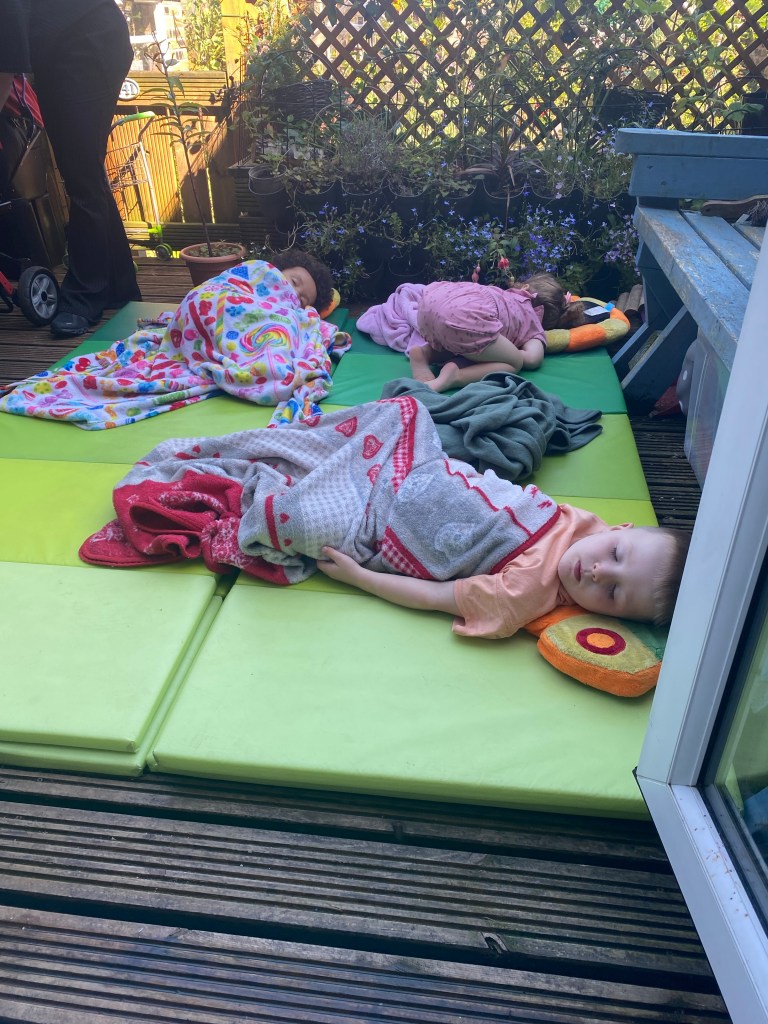
Supporting the children to experience the wonders of changing seasons has a positive effect on their emotional well-being, mine, and Debbie’s too! The children take naps outside and participate in meditation while the birds are singing away. These activities provide opportunities for relaxation and promote a sense of calm and happiness. It is proven that spending time in nature has mental health benefits as well as emotional and physical benefits.

SEASONAL LEARNING

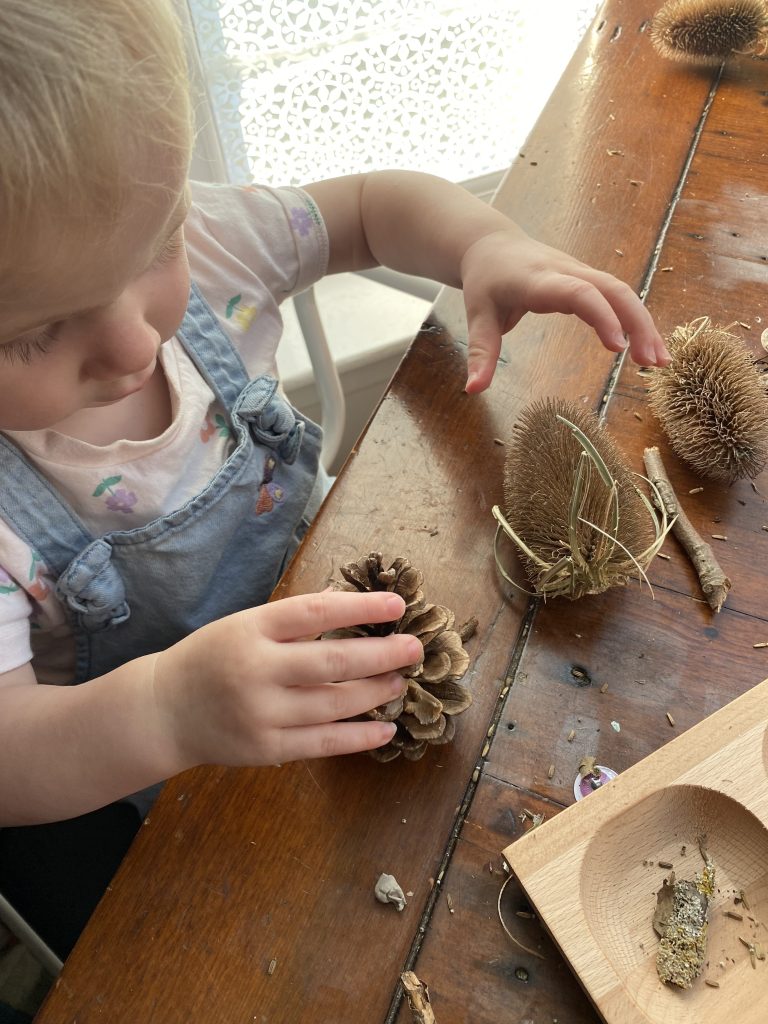
Every season and even every different day outdoors, brings a new set of sensory stimulation by exploring the sights, textures, aromas, even the noises of the natural world. The experiences are endless. The children love finding the strawberries and munching away, and there is no better taste than a sun-ripened cherry tomato, if they leave me any!

Unfolding the characteristics of seasonal vocabulary during our activities also contributes to early language and provides children with the skills to articulate their observations and experiences. Whether its playing in the muddy puddles, counting the frogs or learning to sow seeds, the language opportunities are endless.

The seasons are also a lovely way to promote cultural celebrations and traditions. We love the harvest festival where we like to gather our produce and share with our families, or Diwali where we cover the garden with lights and have a magical Diwali feast. There are many ways to weave cultural traditions into your very own Garden Classroom.

“Lovely to watch her be so interested in how it grows. How she cares for it, and that she’s happy with the end result, we’ve even started growing our own strawberries and sunflowers at home” – Elsie’s Mum.

By incorporating a Garden Classroom into your setting, your children can foster environmental awareness, develop a sense of responsibility and appreciation of the natural world, which in turn lays the groundwork for their future environmental consciousness. Seasonal changes spark natural curiosity and wonder within the children, giving them the opportunity for questioning and exploration, cultivating a mindset of inquiry and lifelong learning.

The Education Endowment Foundation (EEF) The Early Years Toolkit brings together the best available evidence on key areas of learning and development. It can support all childminders when making decisions on how to improve learning outcomes.

Other research

Physical development approaches | EEF educationendowmentfoundation.org.uk)

Useful resource: Garden activities for September :: The Garden Classroom – NurtureStore

  The Edible Garden – Alys Fowler (book and BBC Series 2010)

Posted in bug hunt, childminding, frogs, Garden Classroom, greenhouse, healthy body and mind, Honey Bees, Bees, Great British Bees, outdoor play, rangers, Seedlings, Uncategorized, wanderers, wildlife

Let’s Go 30 days Wild With Wildlife Trusts

The first 10 Days….

Can we do one wild thing everyday for the month of June! A whole 30 days? We are involving Our Childminding Family to join us in the challenge! Why don’t you join us too? Have a go be Wild for June with us and the Wild Life Trust.

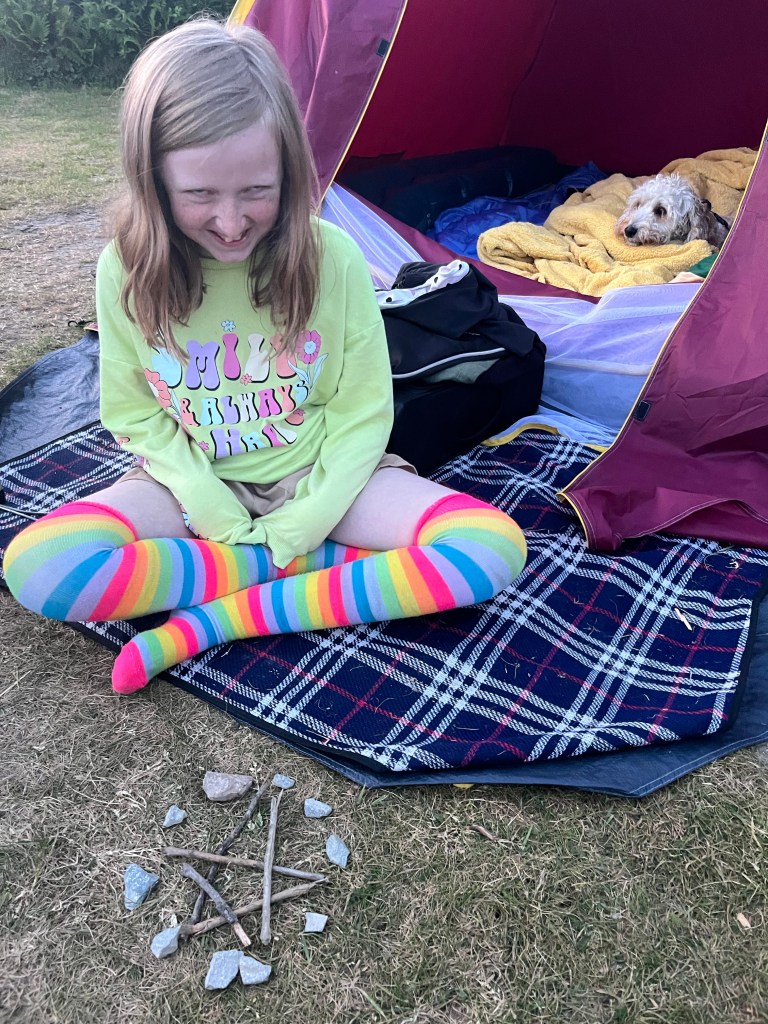
Day one: Chloe Camping and making a wild 3D picture with sticks and stones.

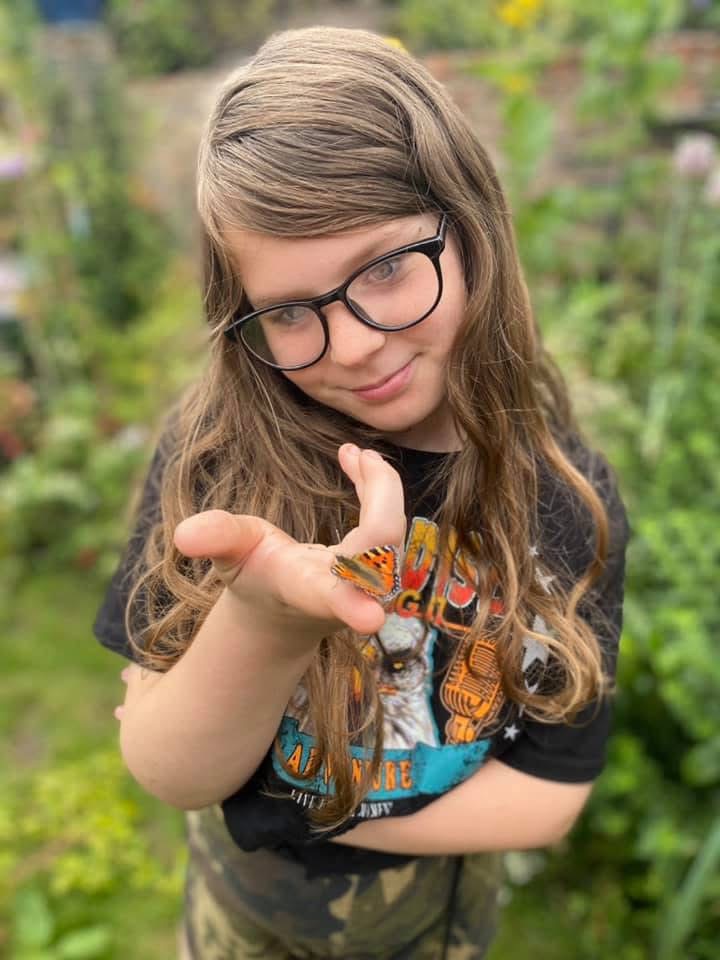
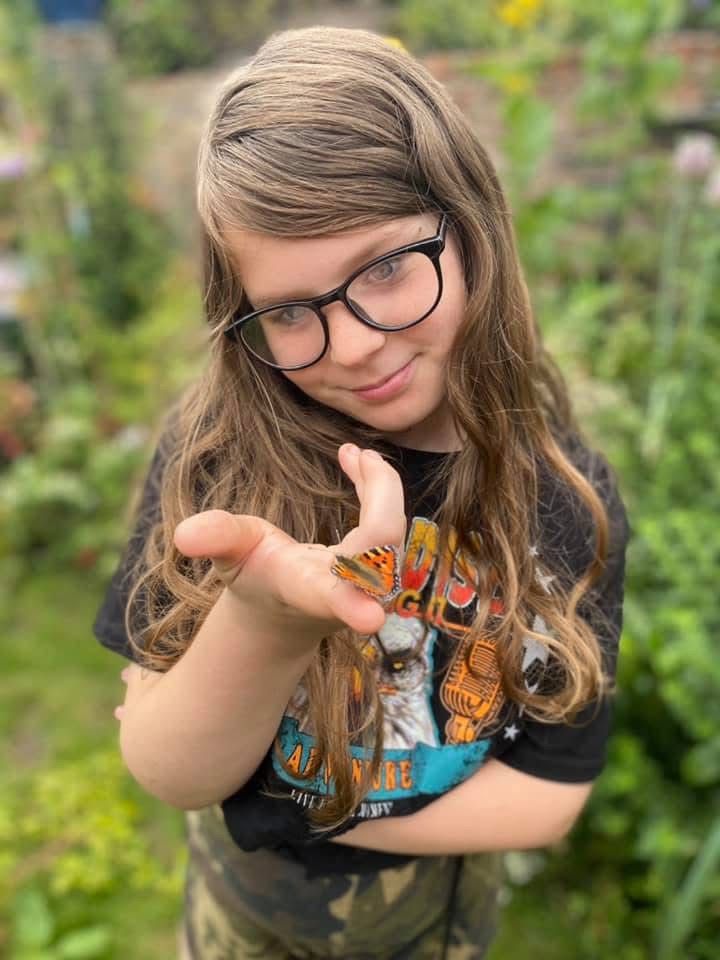
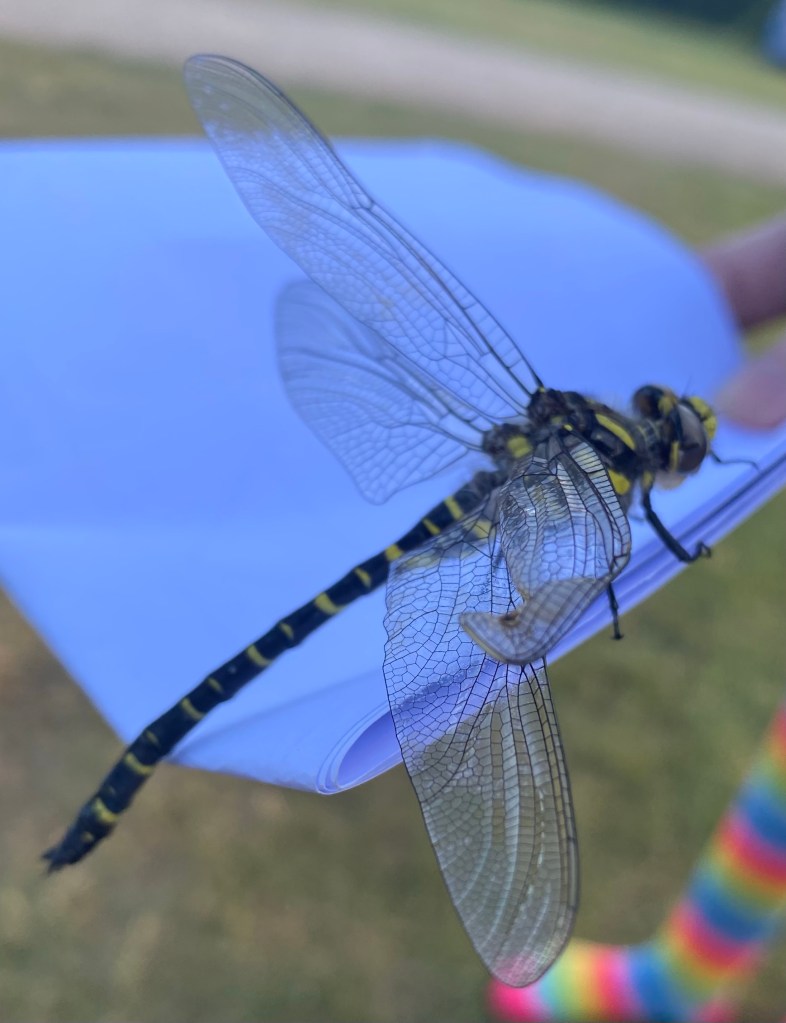
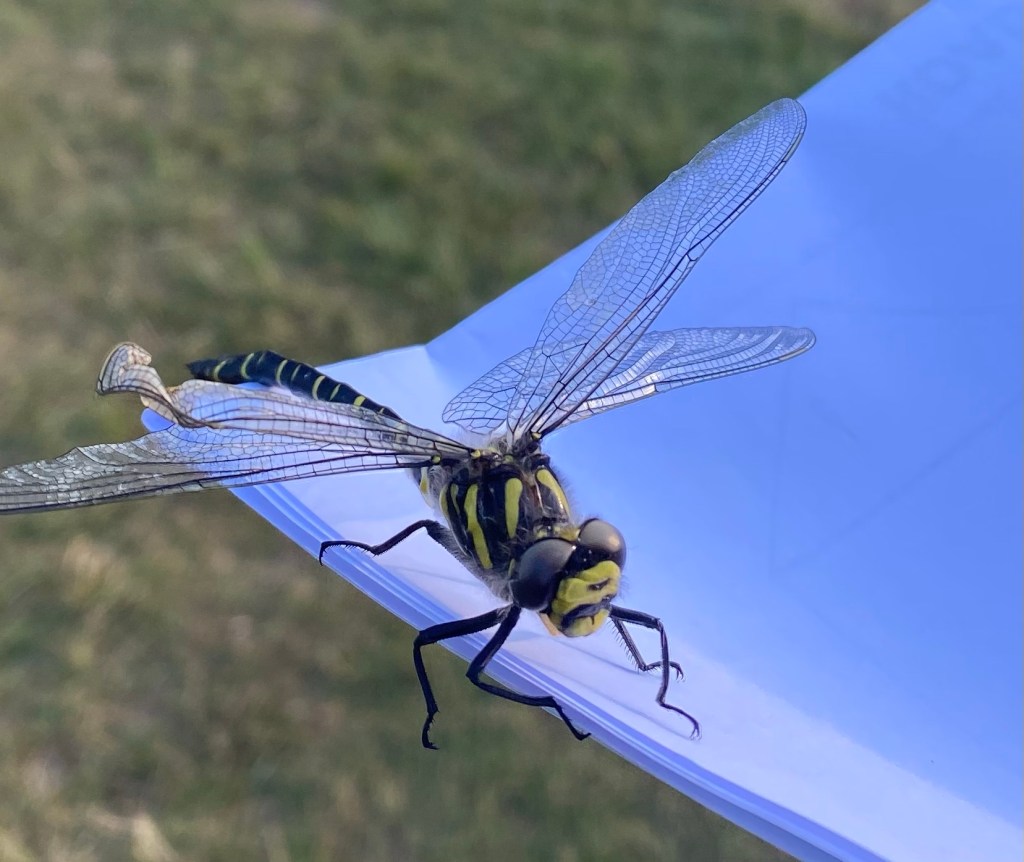
Day 2: While out on a walk Chloe found and rescued a dragon fly

Helping A Dragon Fly

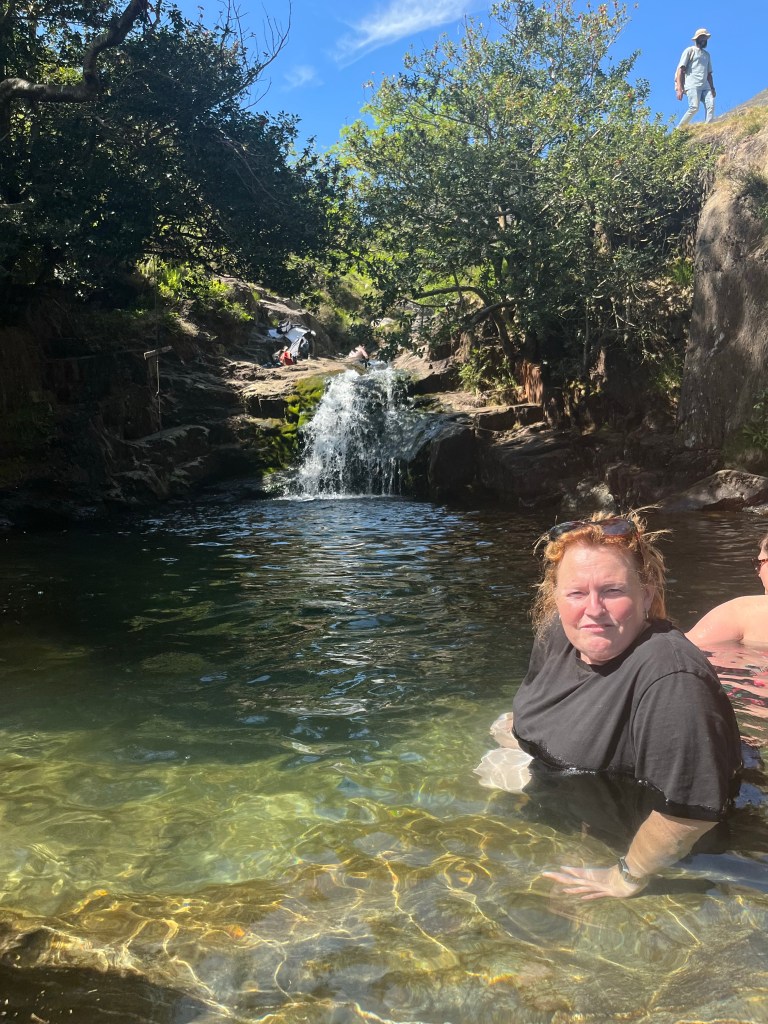
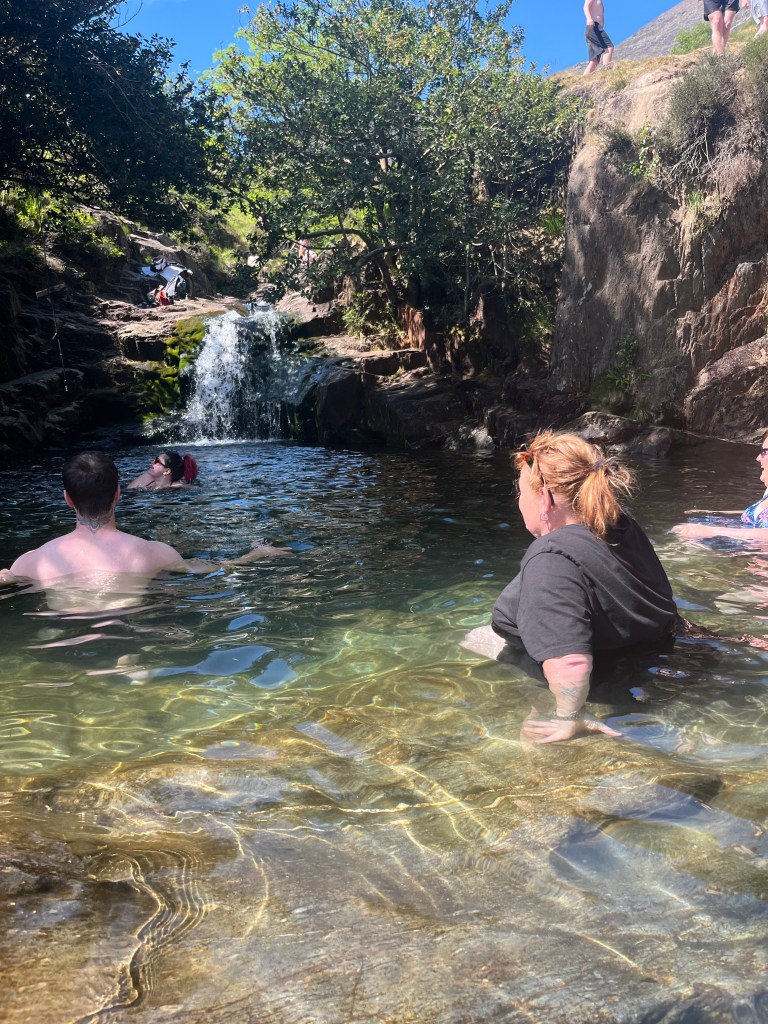
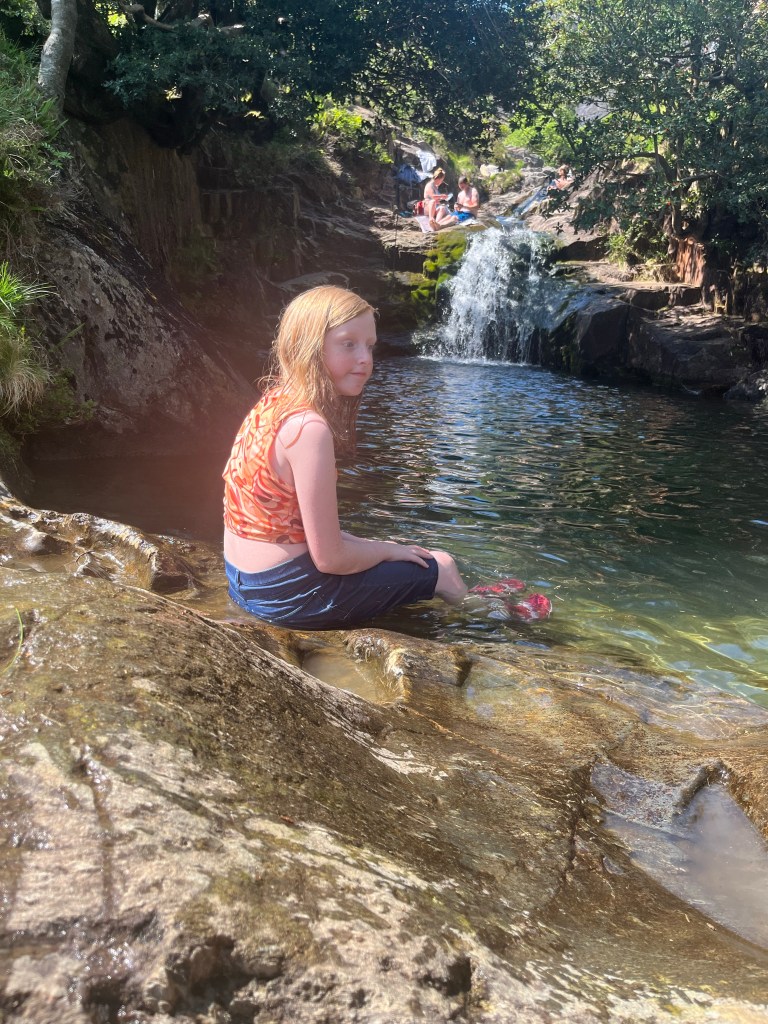
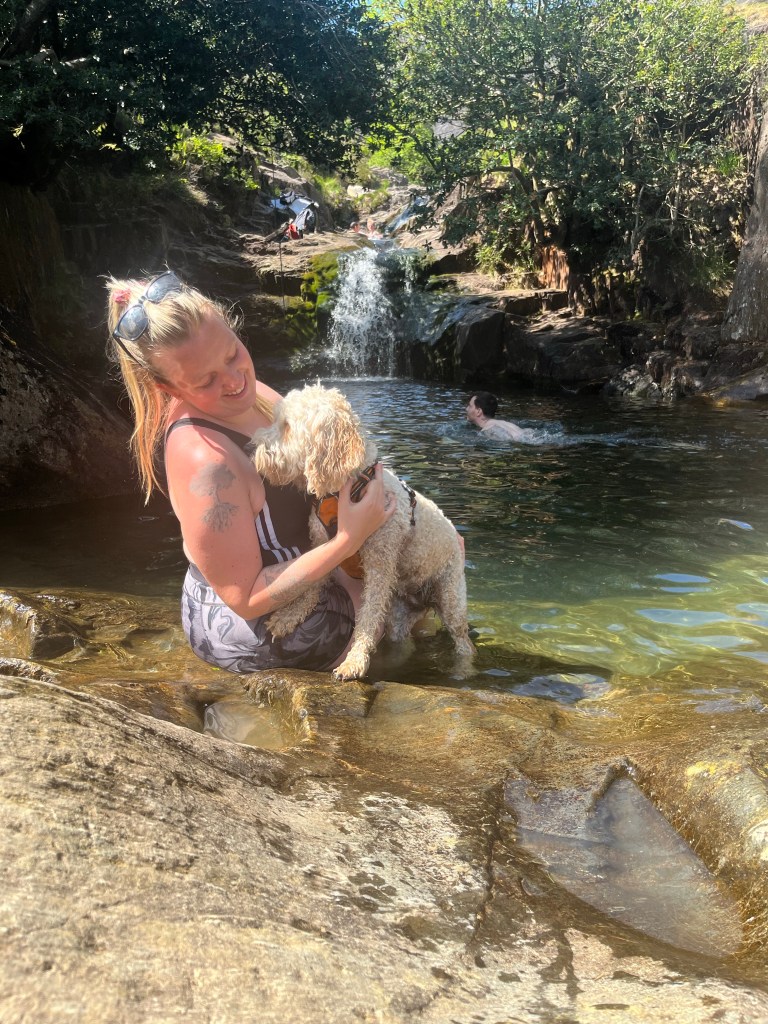
Day 3: Tracie, Chelsea, Chloe and Ruby went for an amazing walk in Snowdonia and came across a Waterfall and went Swimming.

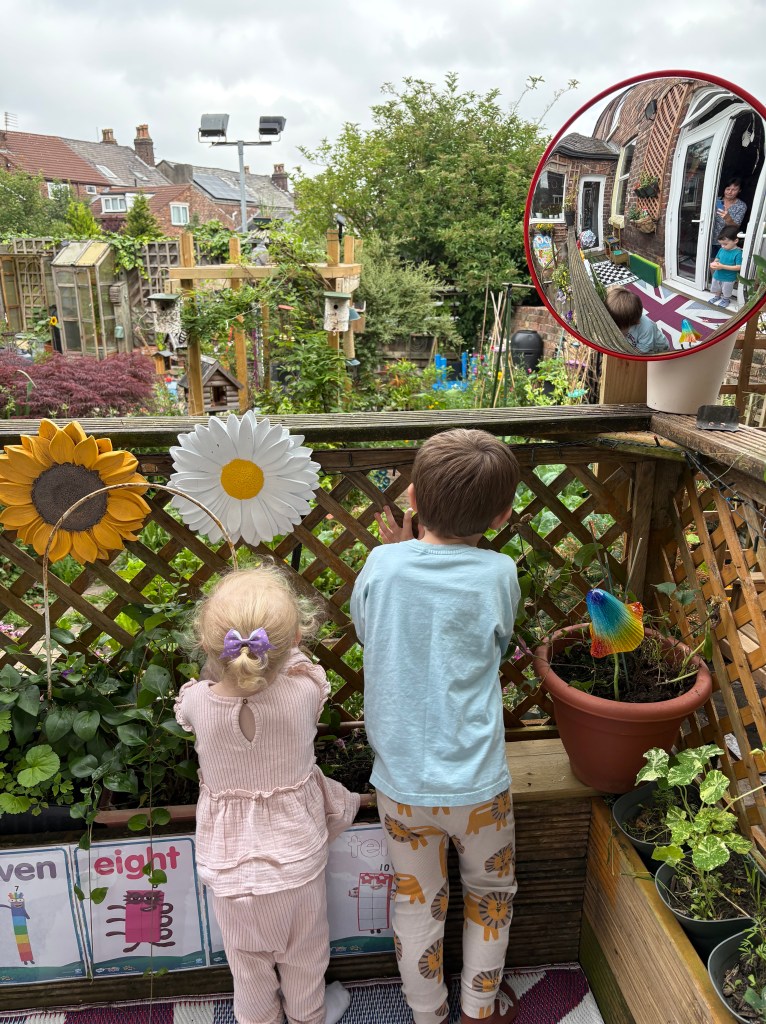
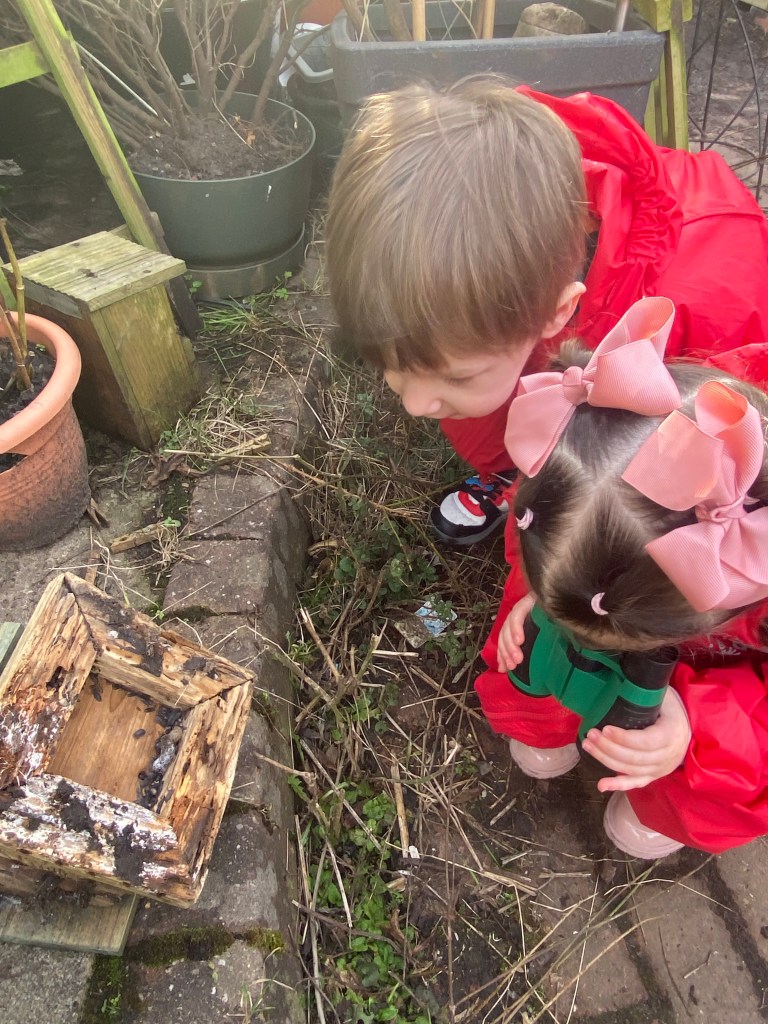
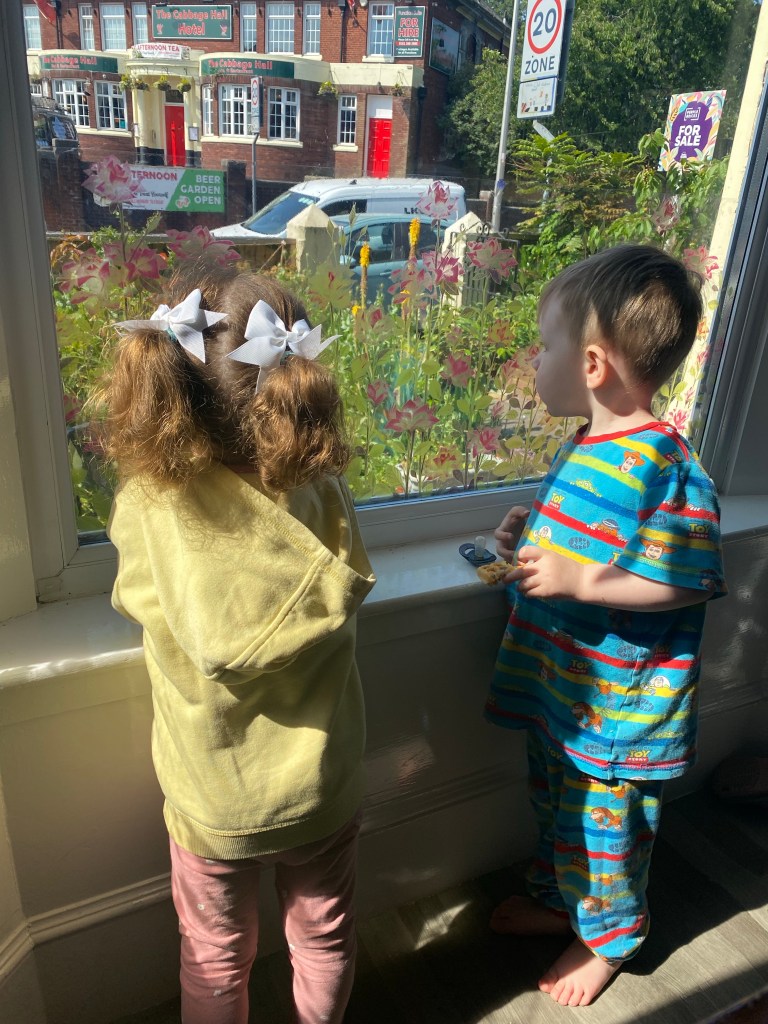
Day 4: Elsie And Jack was looking for wildlife outside of the front window.

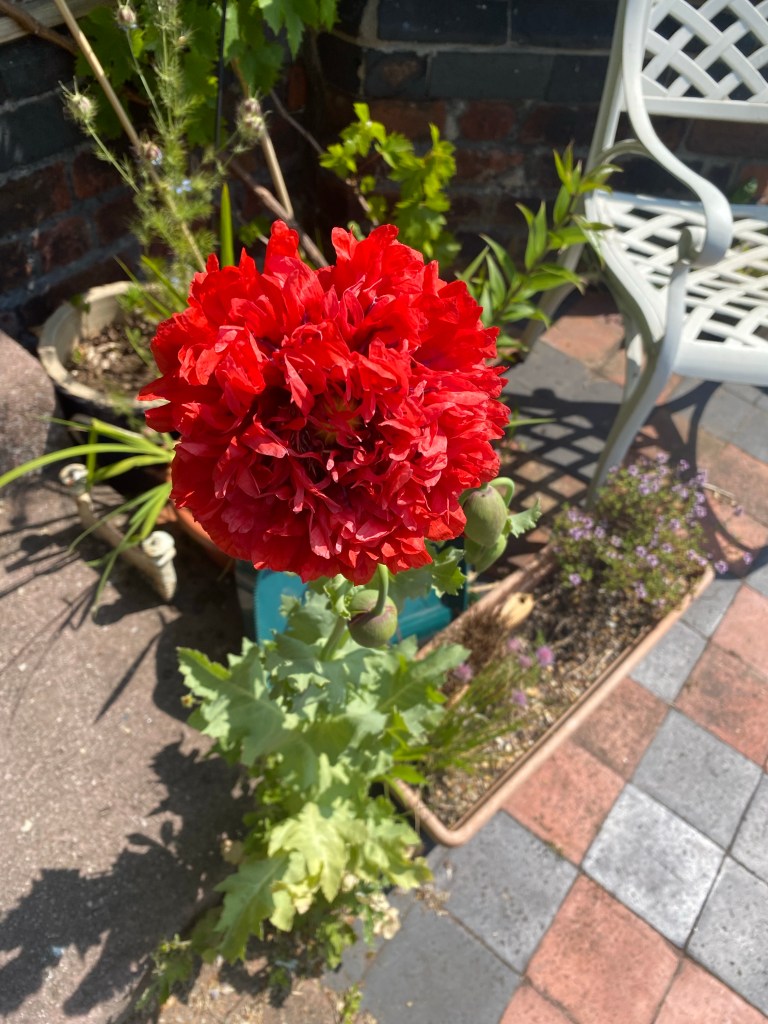
They saw flowers, Butterfly’s, Poppies and Incy Wincy Spider.

Going up into the tree’s

Day 5: Chloe went Tree Hopping at Zip World, she was high up in the trees and saw Birds, Rabbits, Bees, Dragon Flys and squirrels

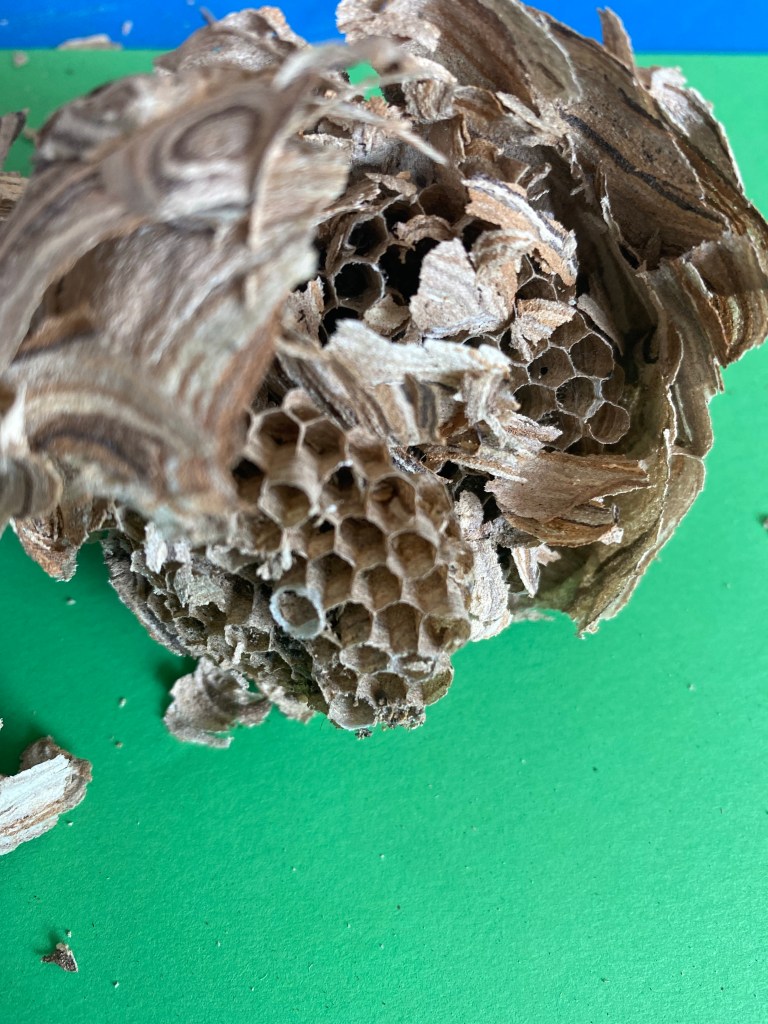
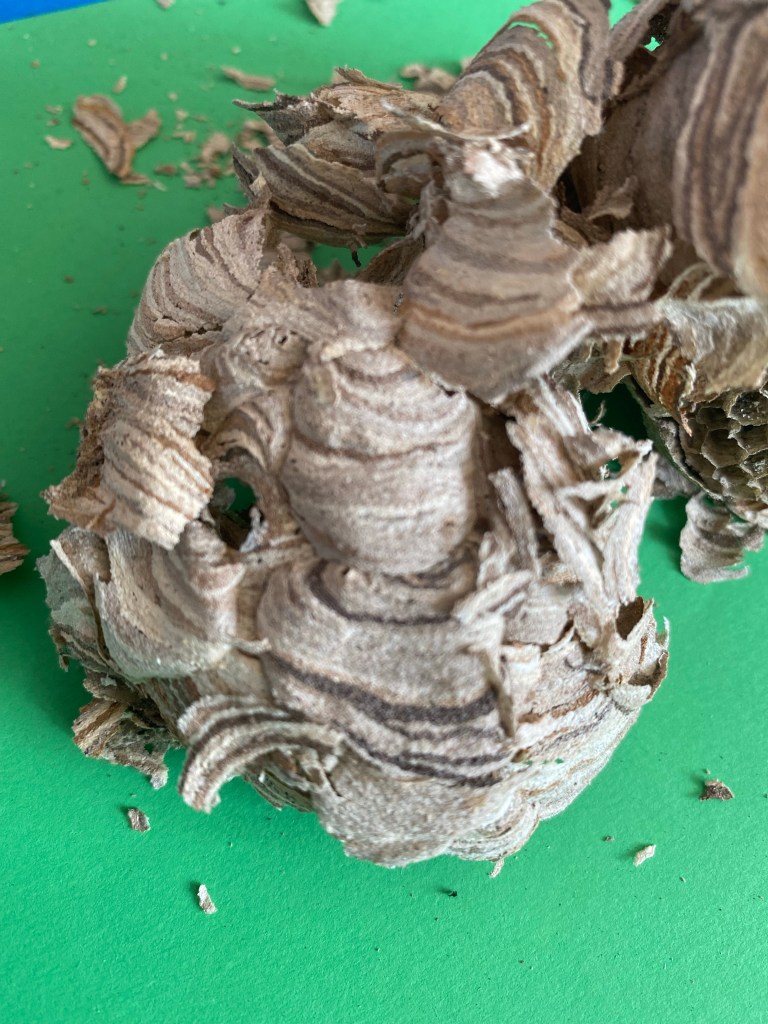
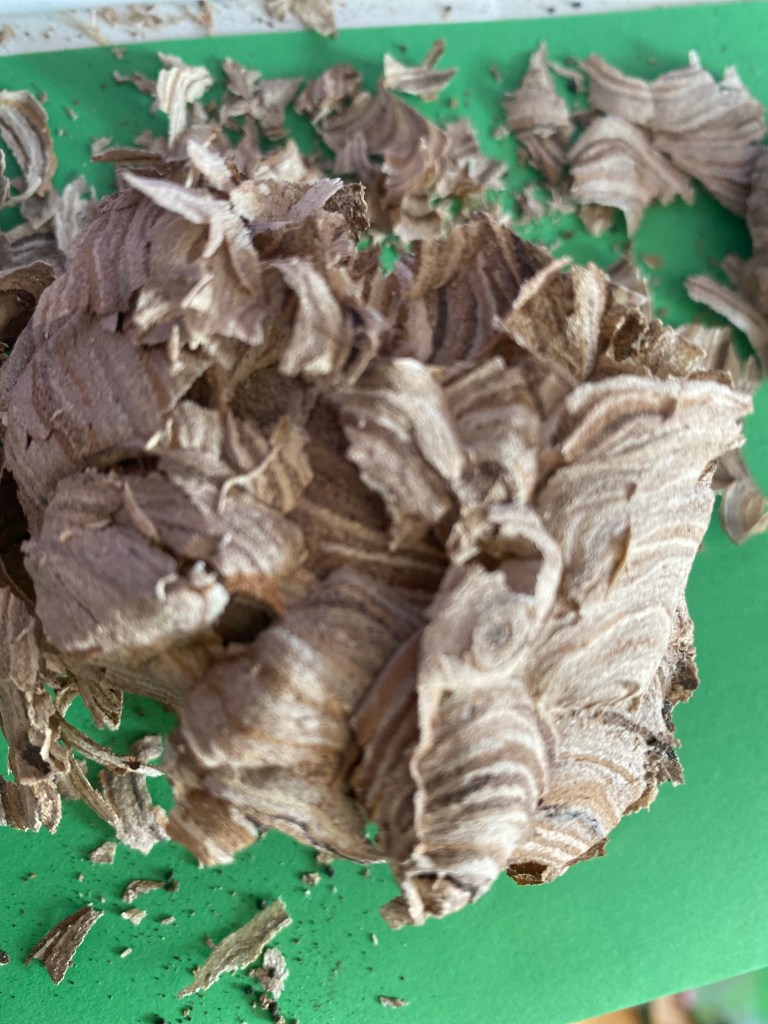
Day 6: We found A Wasps Nest!

The nest consists of around 8,000-10,000 hexagonal (six sided) cells arranged in 8-10 tiers of about 20cm in diameter. The building material is paper-like and made of “chewed” rotting wood mixed with the wasp’s saliva. Construction is begun by a queen wasp but completed by workers (sterile females)

Day 7: watching the swifts going in and out of the barn and listening to their song was amazing.

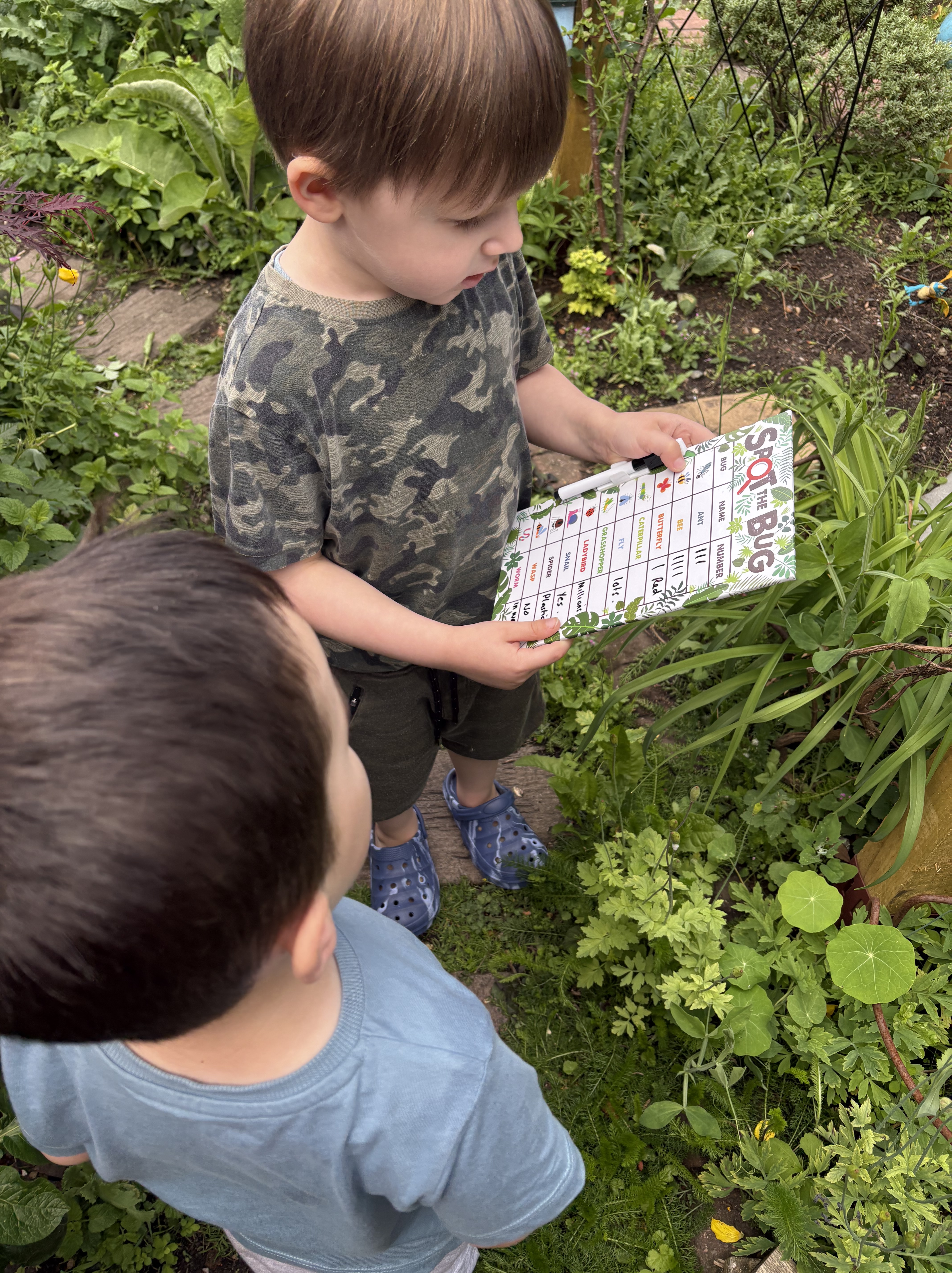
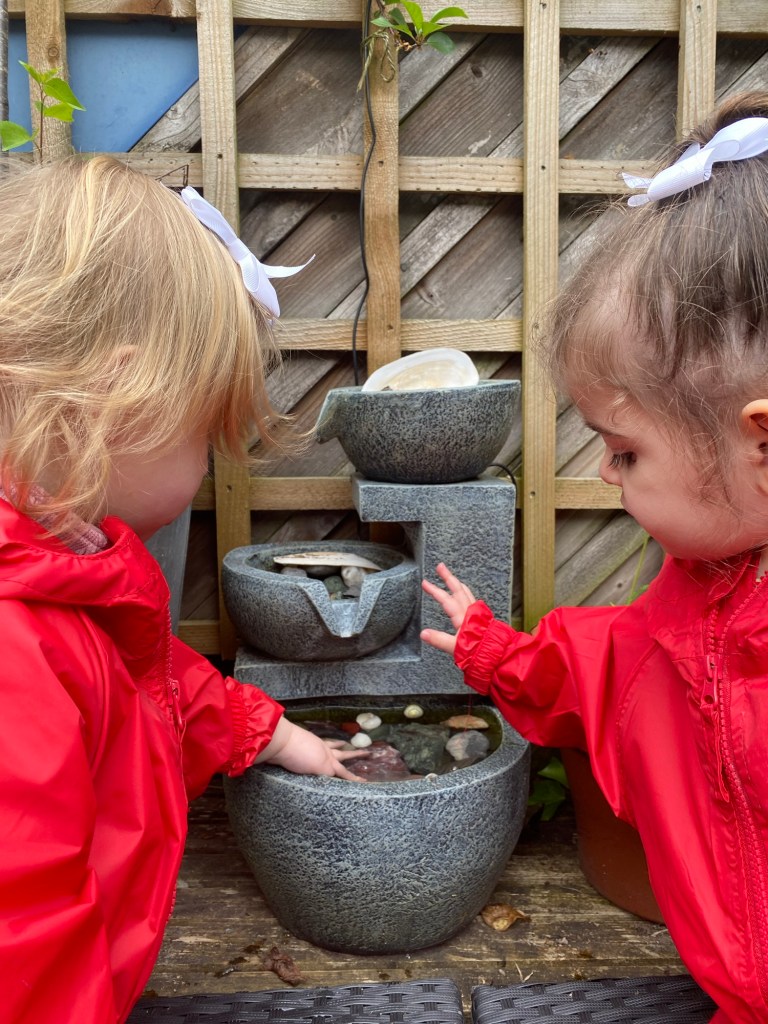
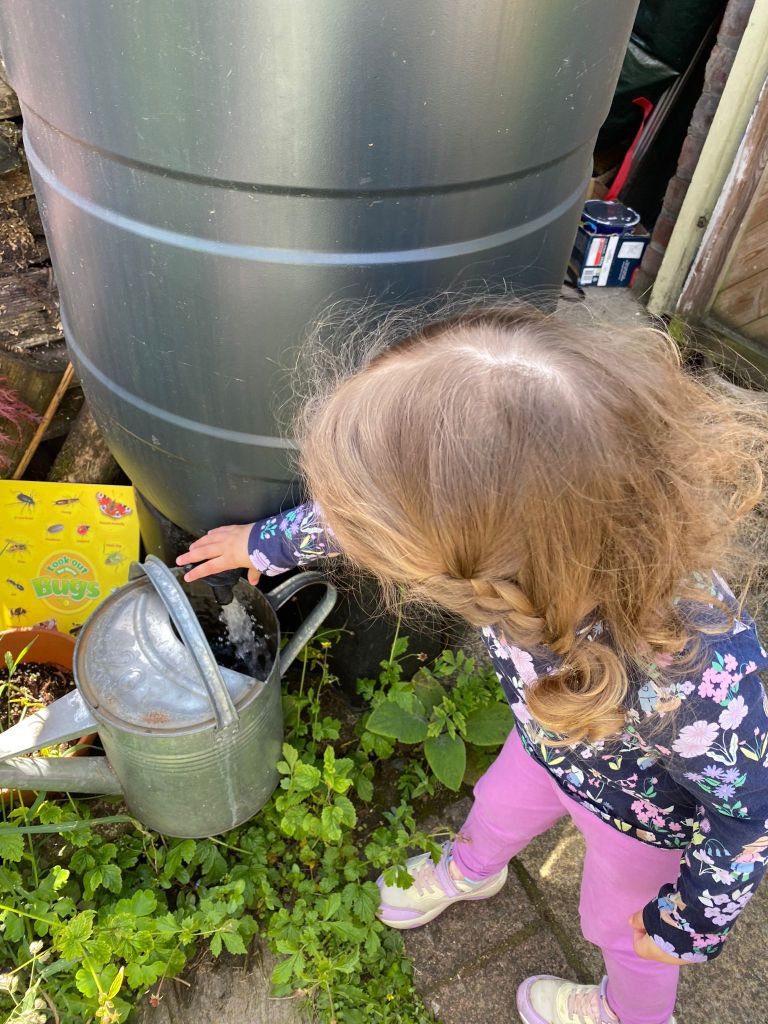
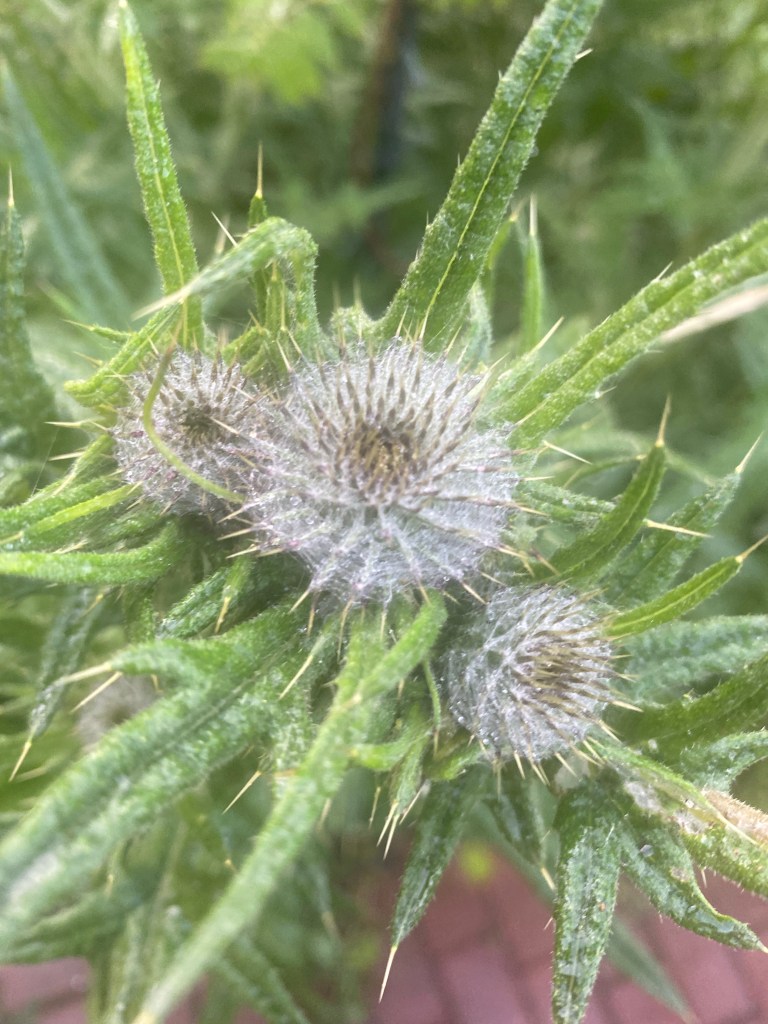
Day 8: Identifying wild plants around our garden and looking in the barrel pool.

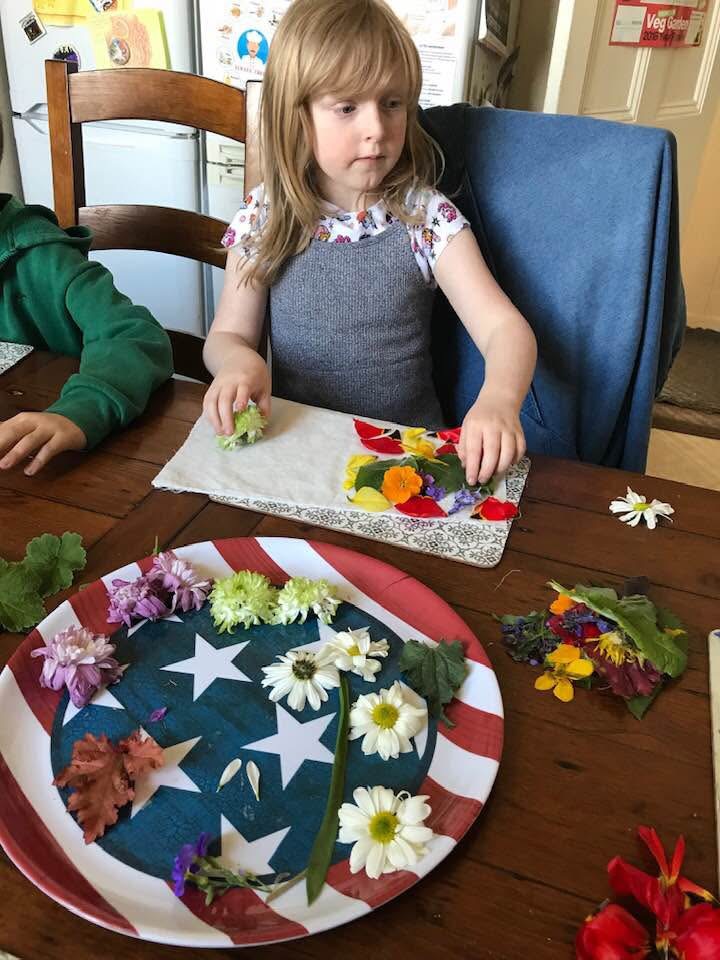
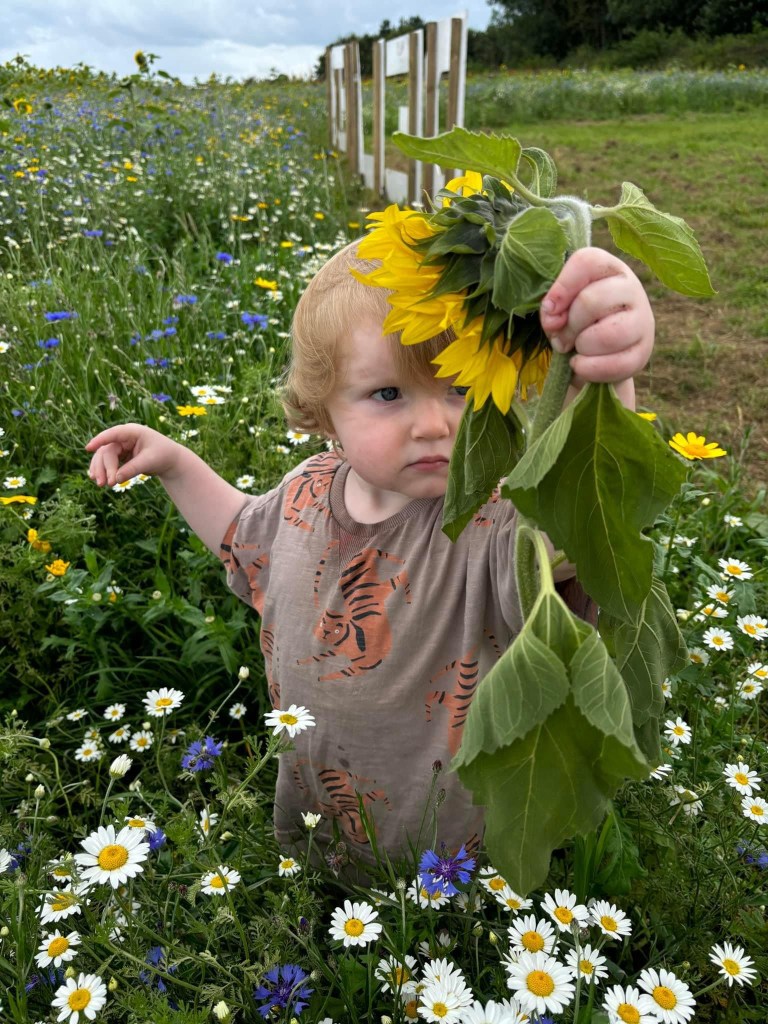
Day 9: Elsie planted some wildflowers in her plant pot at home. She sent me a picture to add to our blog.

Day 10: we put some crushed up crisps on the bench at the park. We sat still for a while and a Robbin and Black Bird came to have a feed.

Investigating In The Barrel