Posted in Garden Classroom, healthy body and mind, Outdoor Curriculum, outdoor play, Uncategorized, water play

Water Discovery and STEM

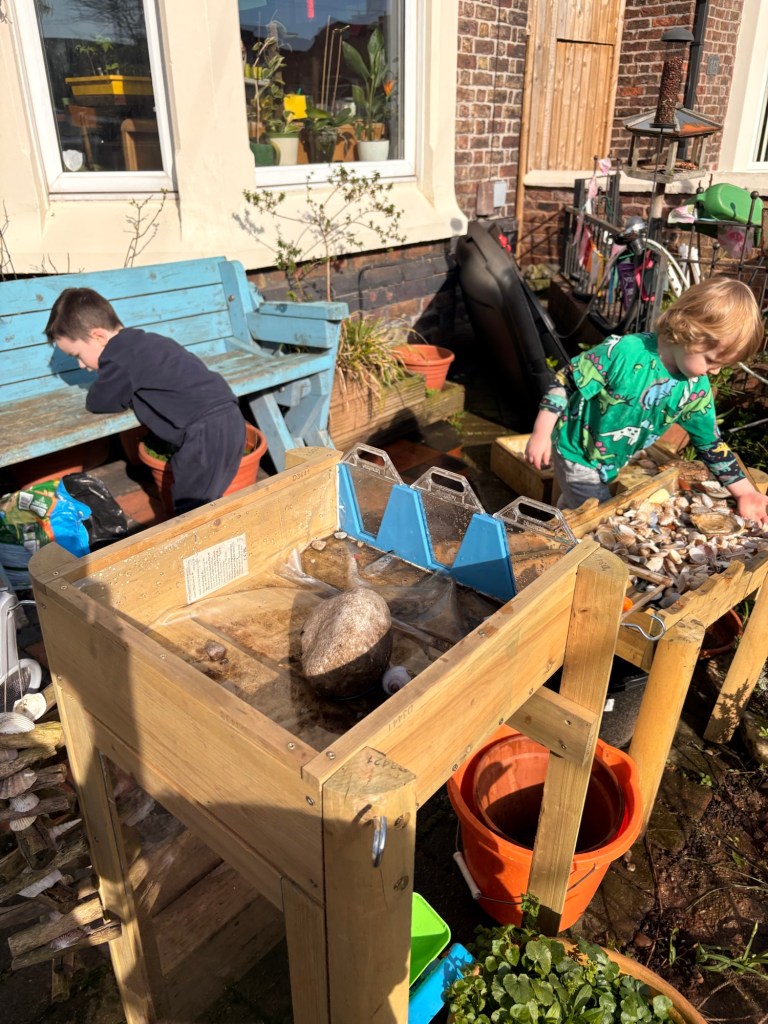
Combining natural elements like shellspebblespinecones, and seaweed with a “discovery waterfall” creates a rich, sensory-driven learning environment for under fives. This type of open-ended play fosters curiosity about the natural world while developing critical fine motor skills through scooping and pouring.
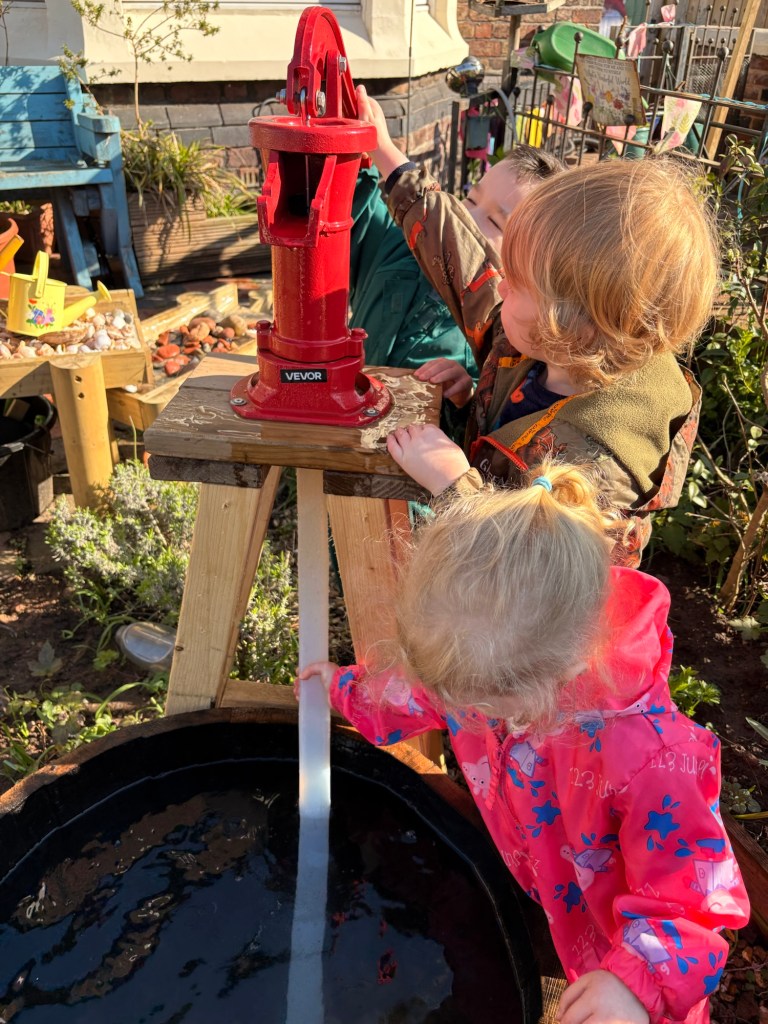
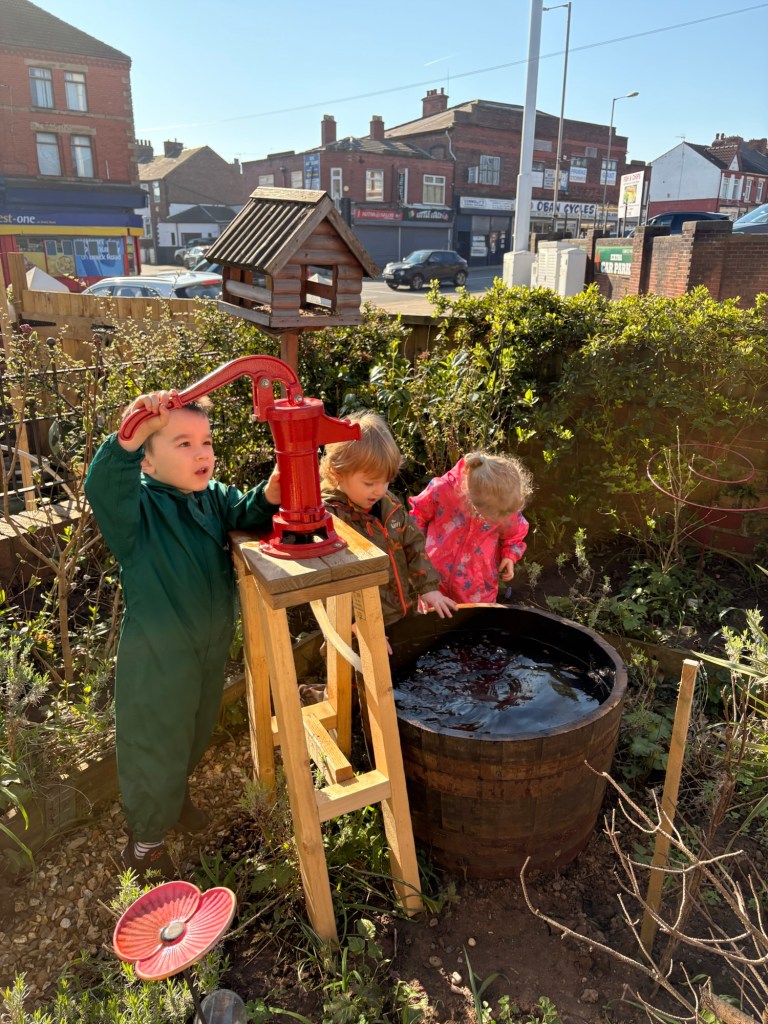
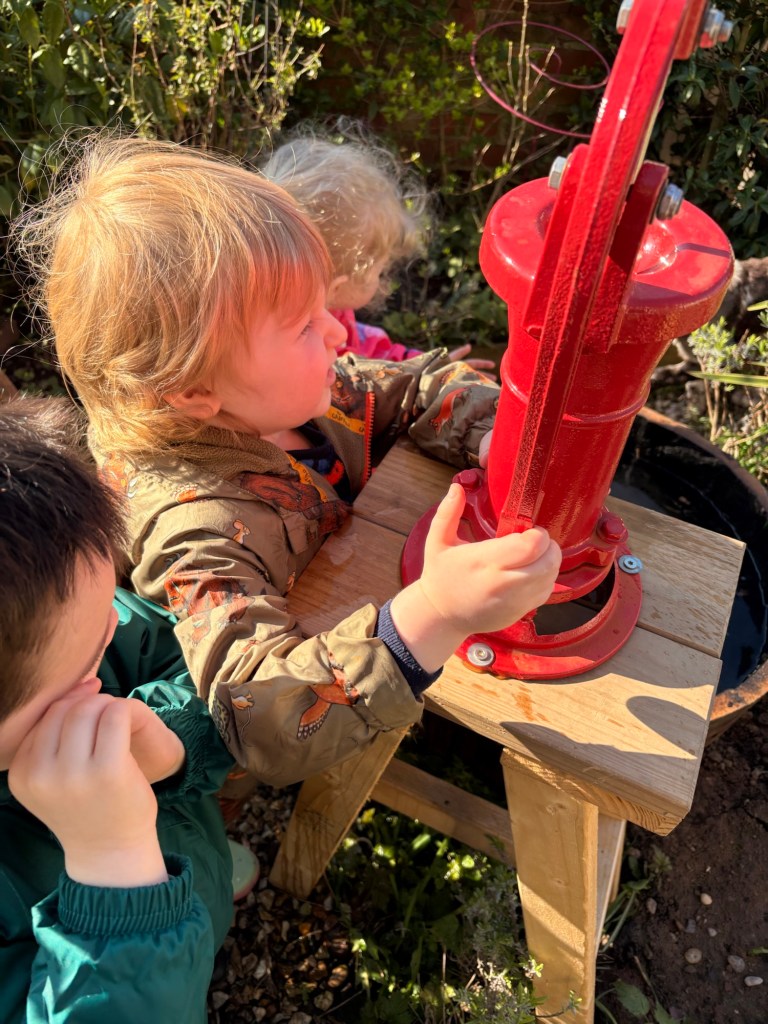
We created a water play station with a water pump and half barrel this is a fantastic way for us to introduce STEM concepts like cause-and-effect and fluid dynamics.

We decided to use a Manual Hand Pump, this was to provide an activity for the children to build on their gross motor skills.

We looked at different types of vessels to hold the water, im the end we decided to use a large reclaimed half barrel. This was chosen as it is extremely sturdy, has a wide base for the water to be pumped into and won’t tip over by the rough handling of the children.
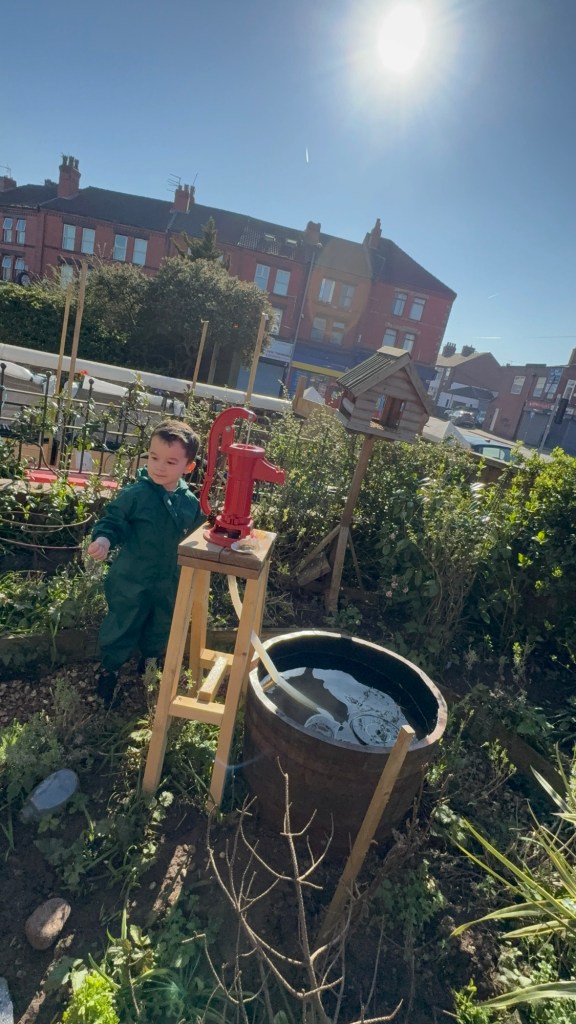
Setting up the Water Play

  • Tools to Include: we used items from around the house such as funnels, sieves, colanders, whisks, and empty plastic bottles of different sizes.
  • Enhancements: To keep things fresh, you can add food colouring to the water, or introduce new textures like ice cubes or shaving foam.
  • Safety: Always provide constant adult supervisionduring water play, even in shallow water

Activities:
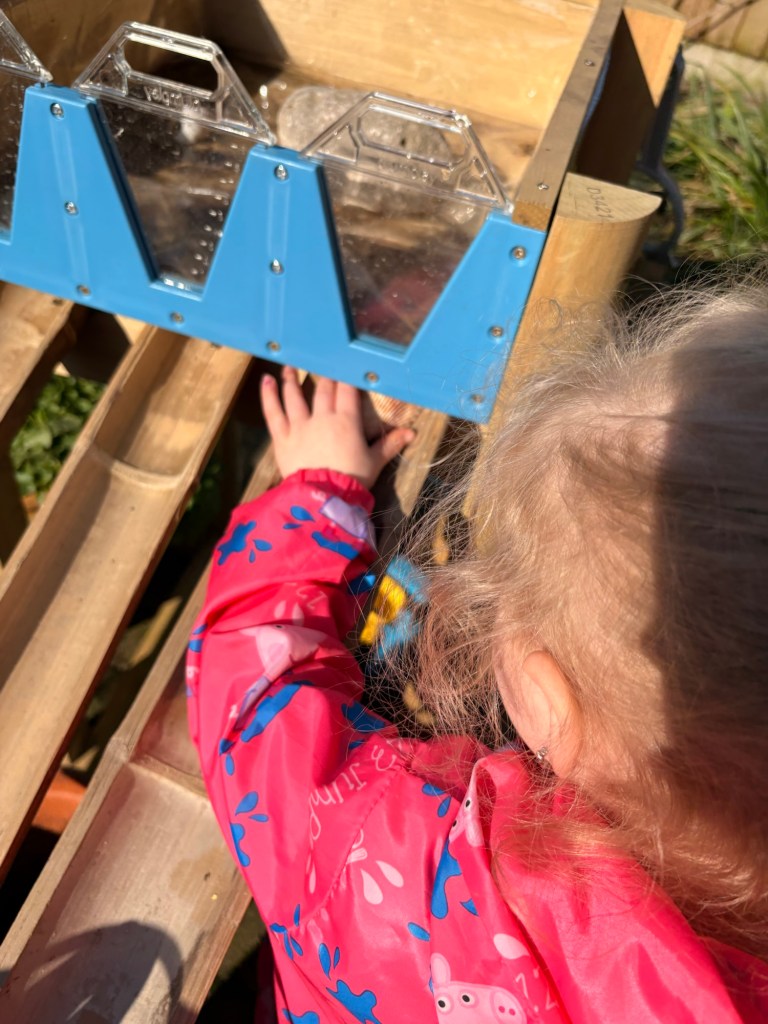
Holly Hiding A Shell
  • Strategically placed  pebbles and shells were put at the bottom of the waterfall trough’s to see how they change colour when wet.
  • Buoyancy Testing: the children drop pine cones and seaweed into the top of the waterfall and watch them move down the large bamboo runners. Pinecones typically float initially, while wet seaweed draped over the rocks and pebbles, demonstrating how different textures interact with moving water.
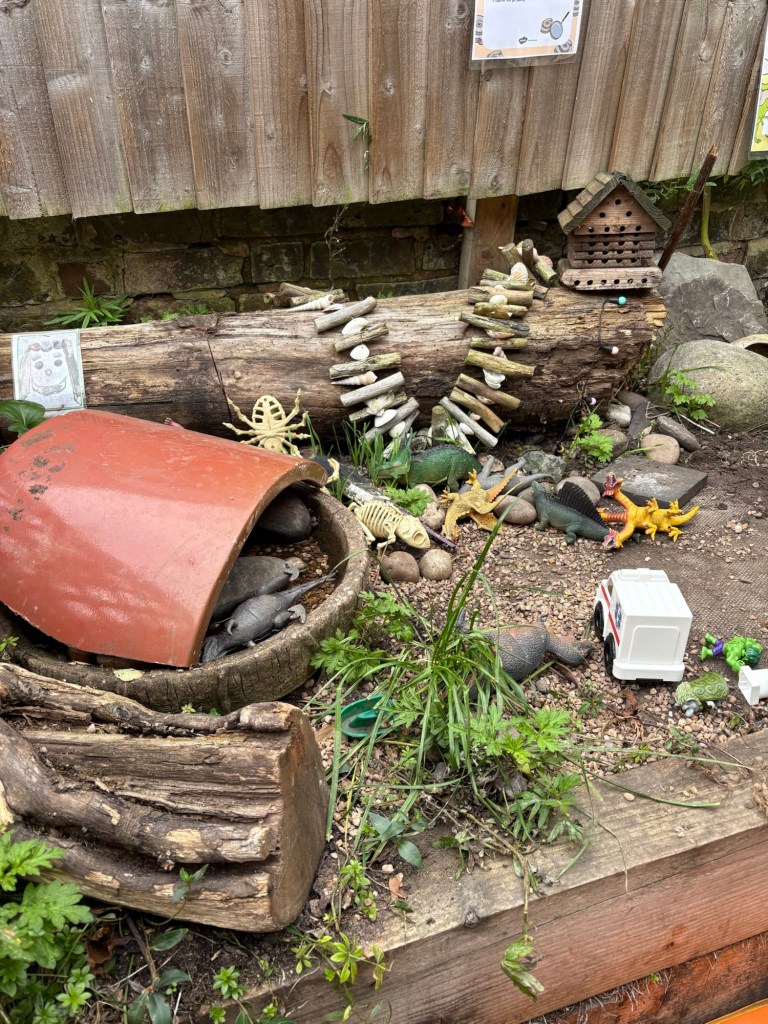
  • Sensory “Rock Pool”: the shallow tray at the base of the waterfall creates a miniature ecosystem with the pebbles and seaweed. We added toy sea creatures to encourage imaginative “underwater” role play.
  • Waterfall Sculpting: For a messier experience, we added sand to the base. The Children can use the falling water to wet the sand, then use shellsand pinecones as natural stamps or decorations for “sand mud pies”. 

The activities and learning opportunities are endless and the children are totally thrilled with their newest play area.
Posted in childminding, forest school, Garden Classroom, Outdoor Curriculum, outdoor play, Uncategorized, wildlife

Hands-On Learning in Nature: The Garden Classroom Experience

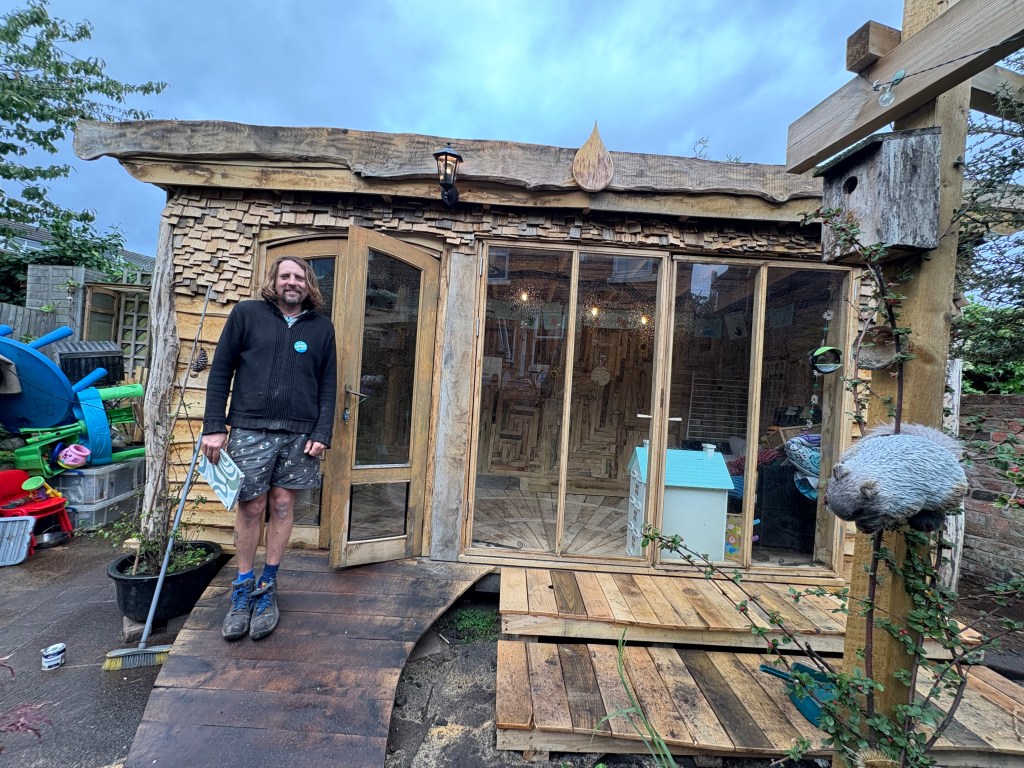
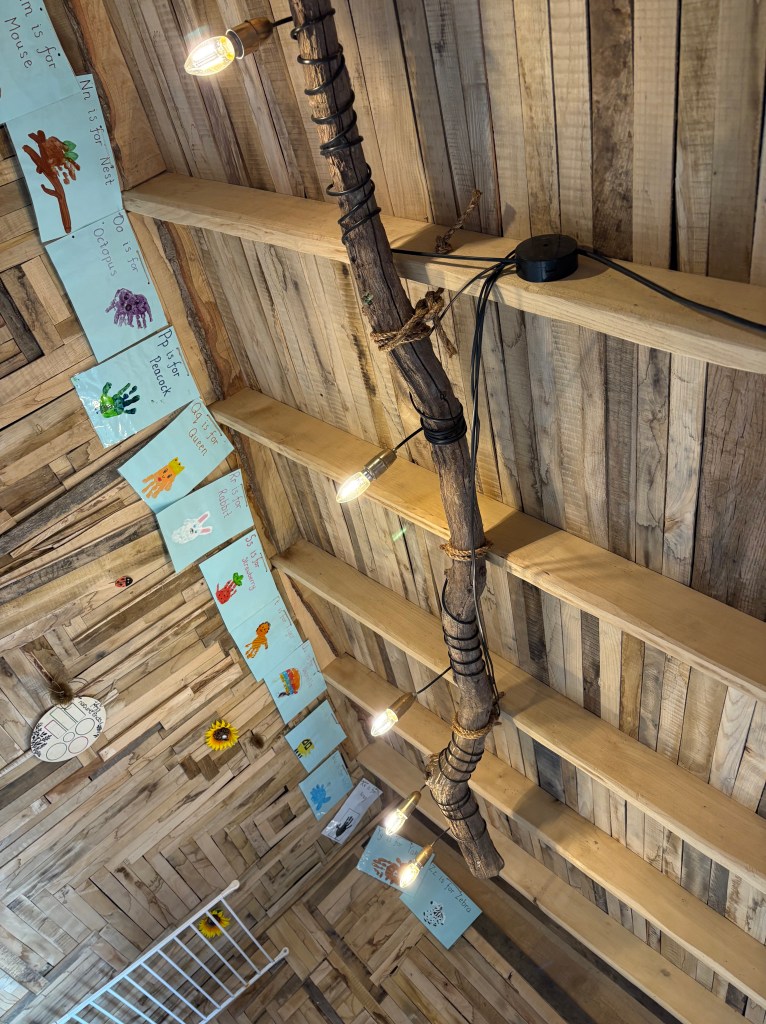
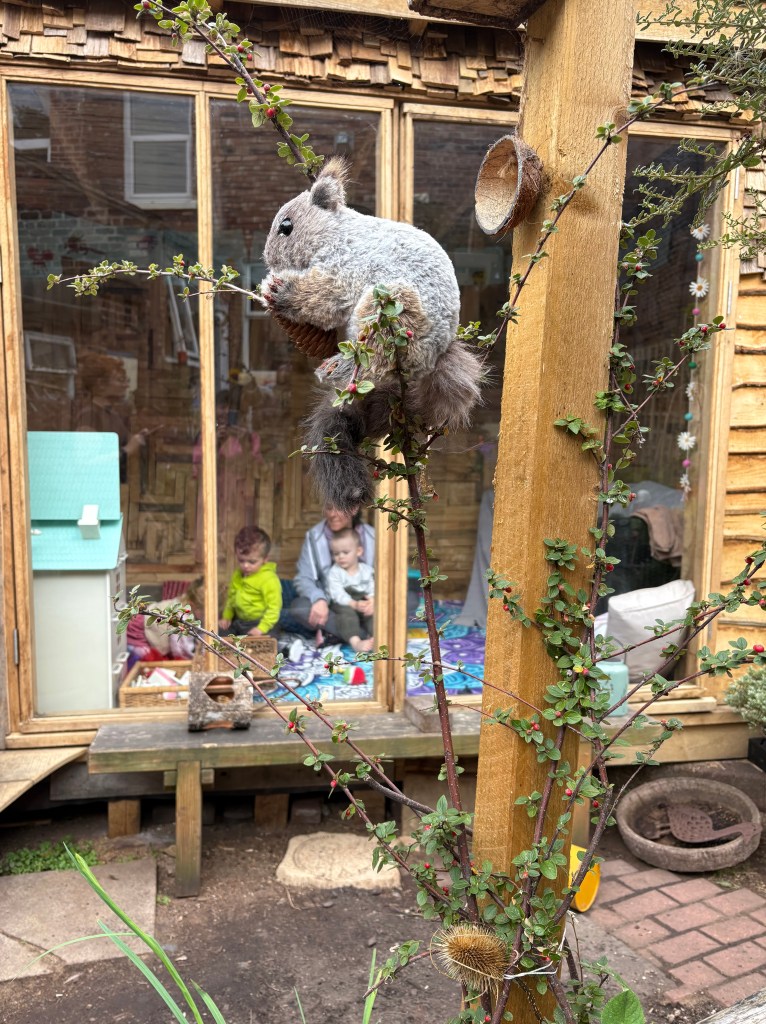
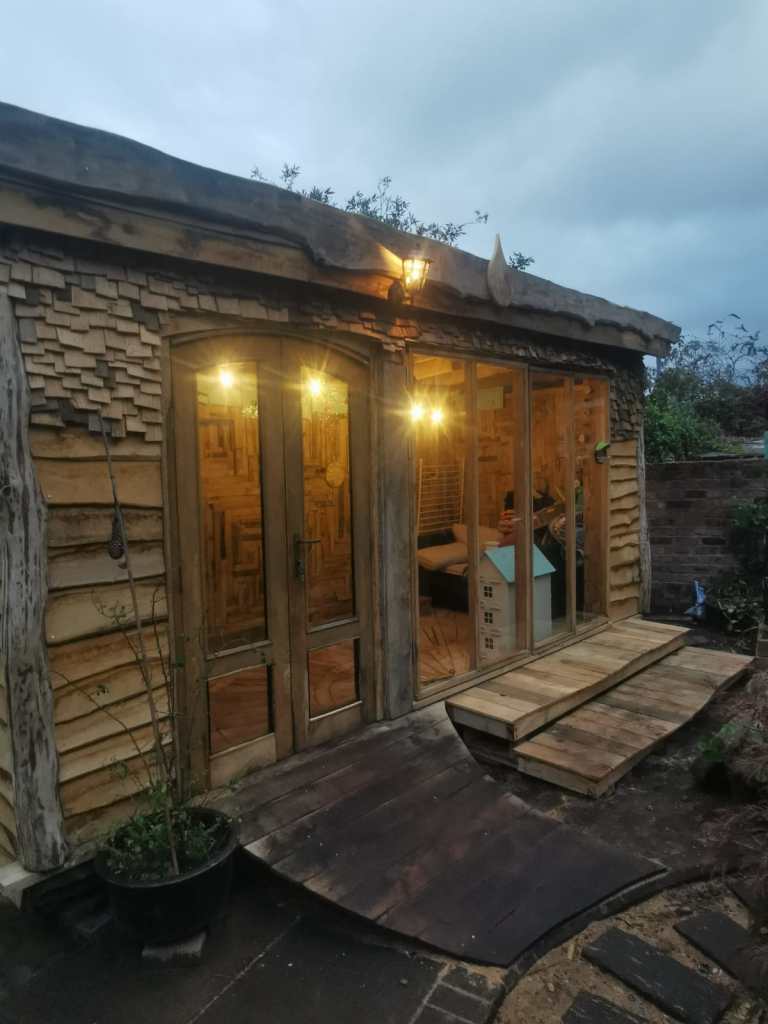
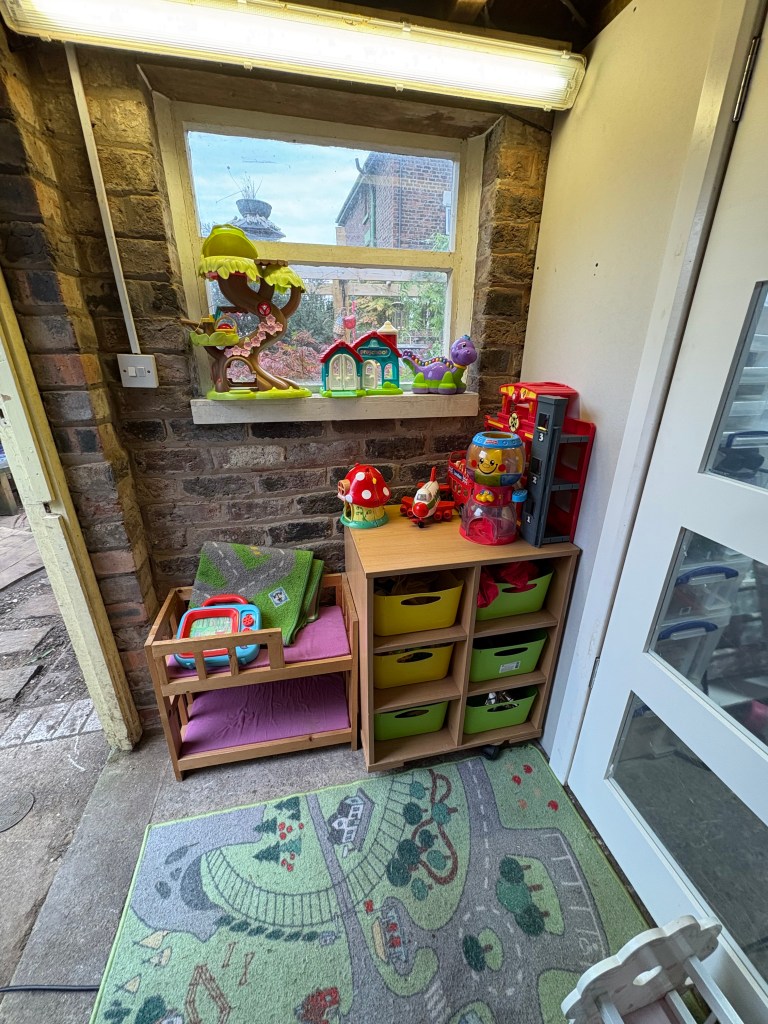
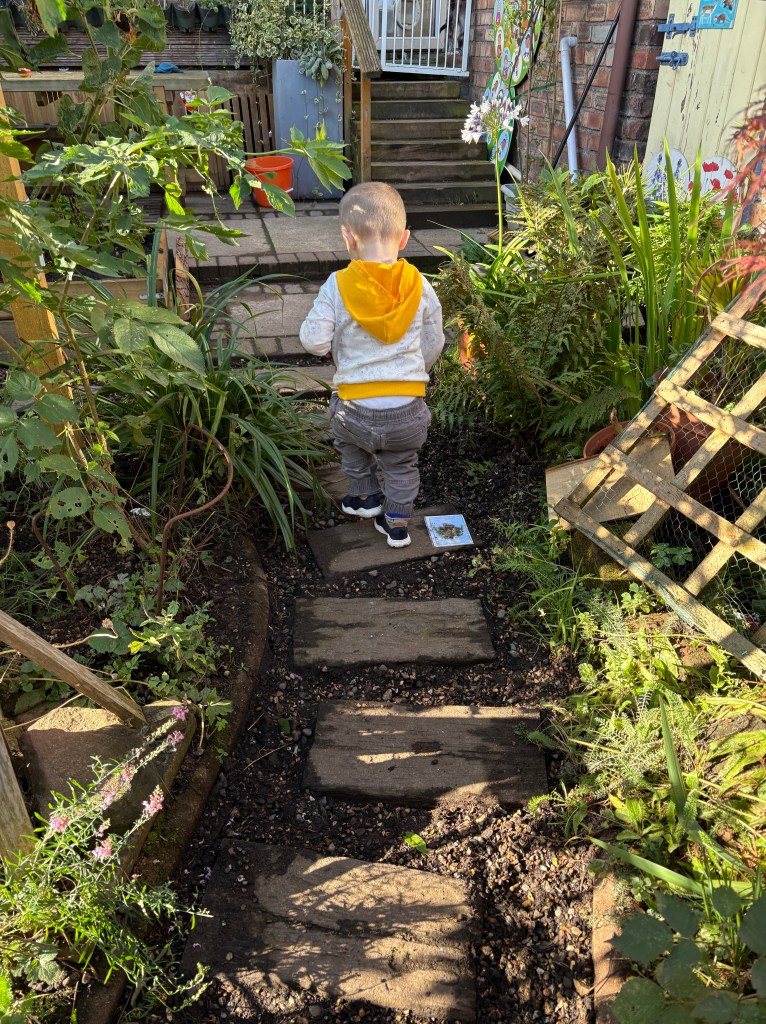
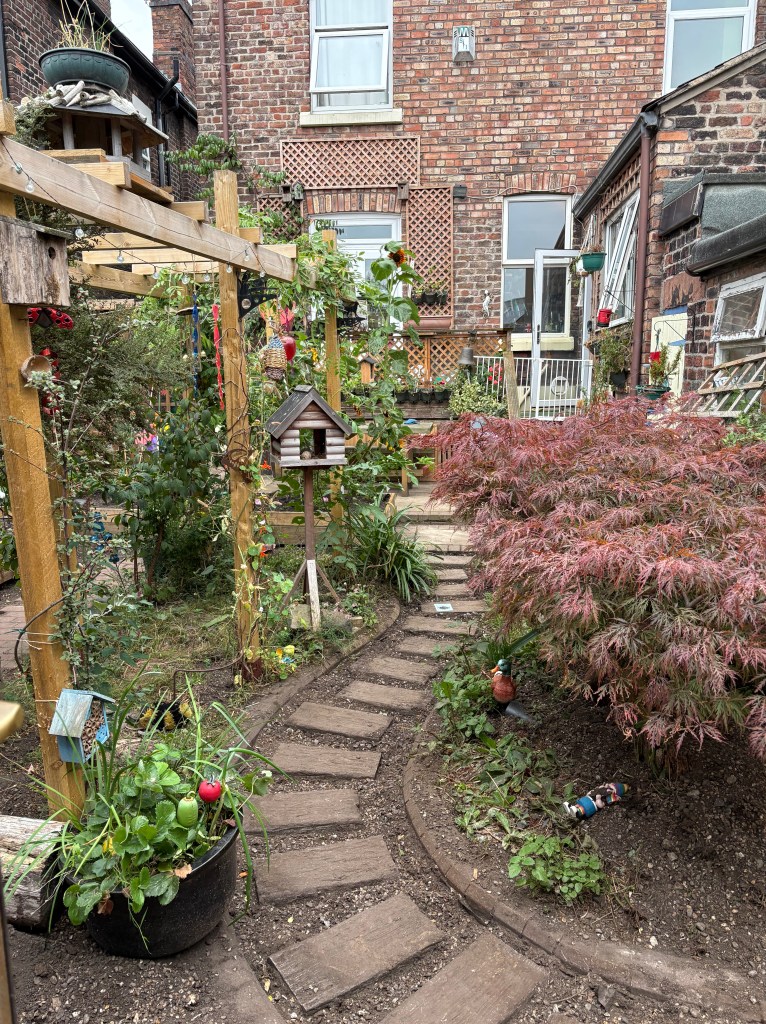
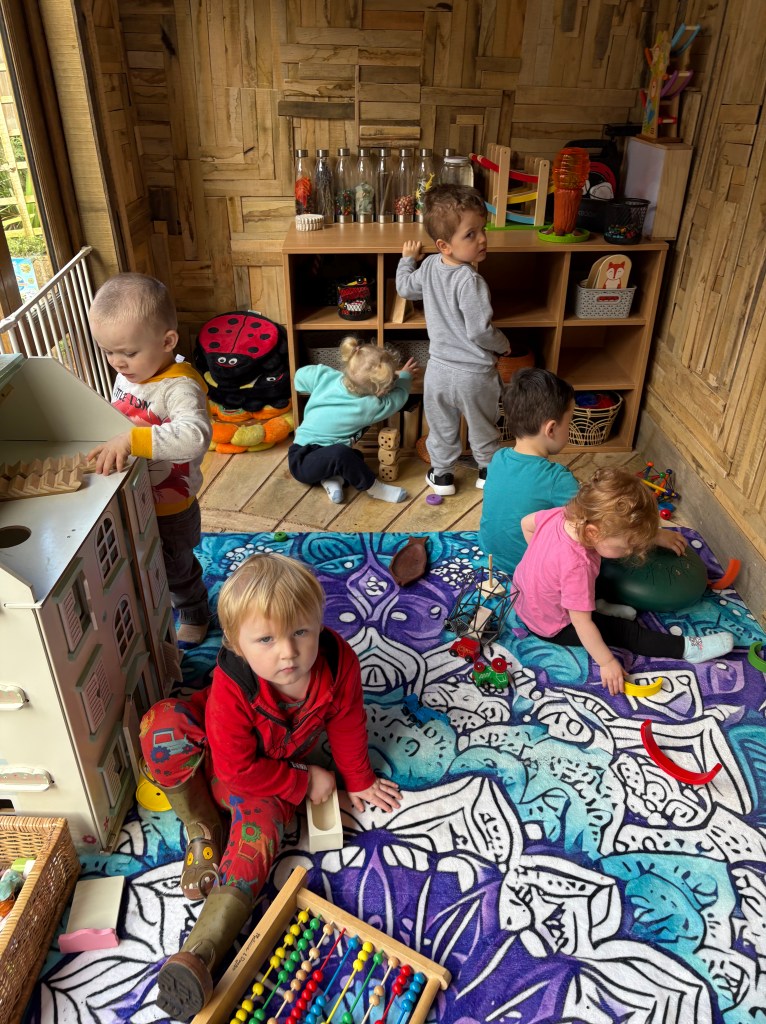
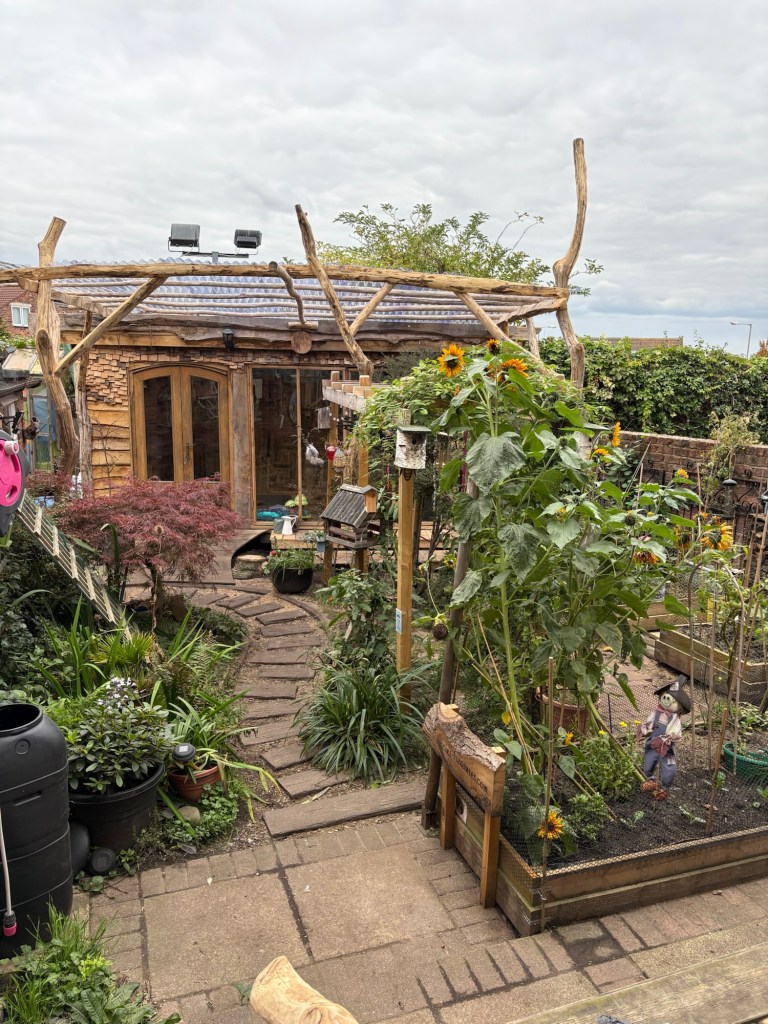
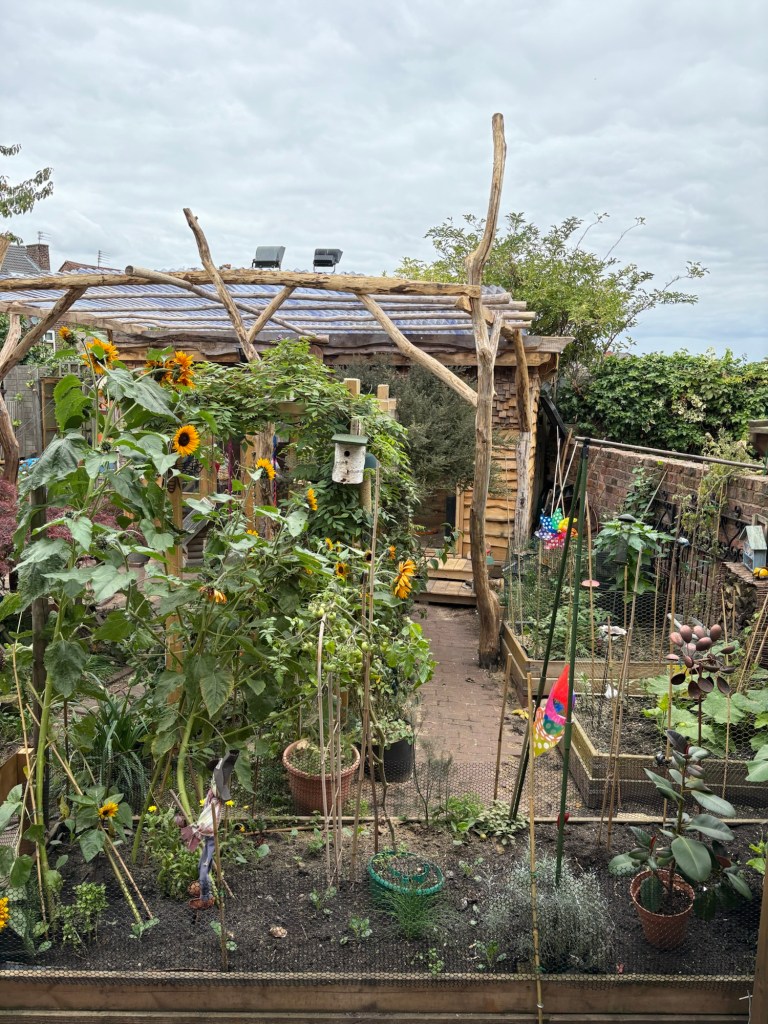
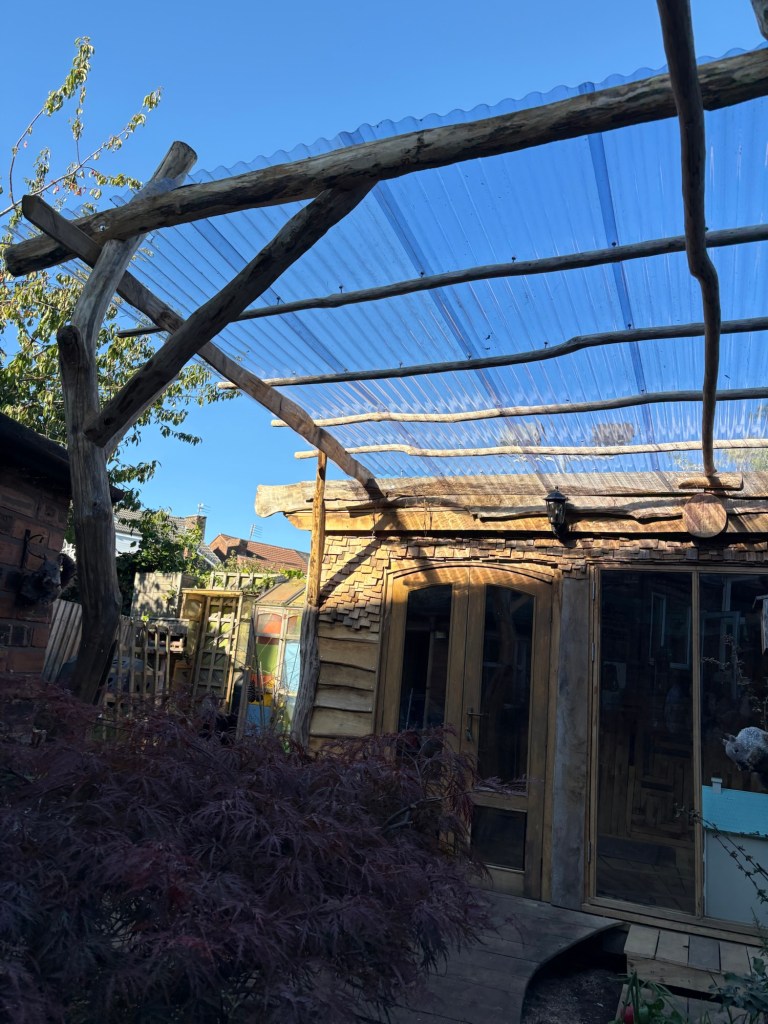
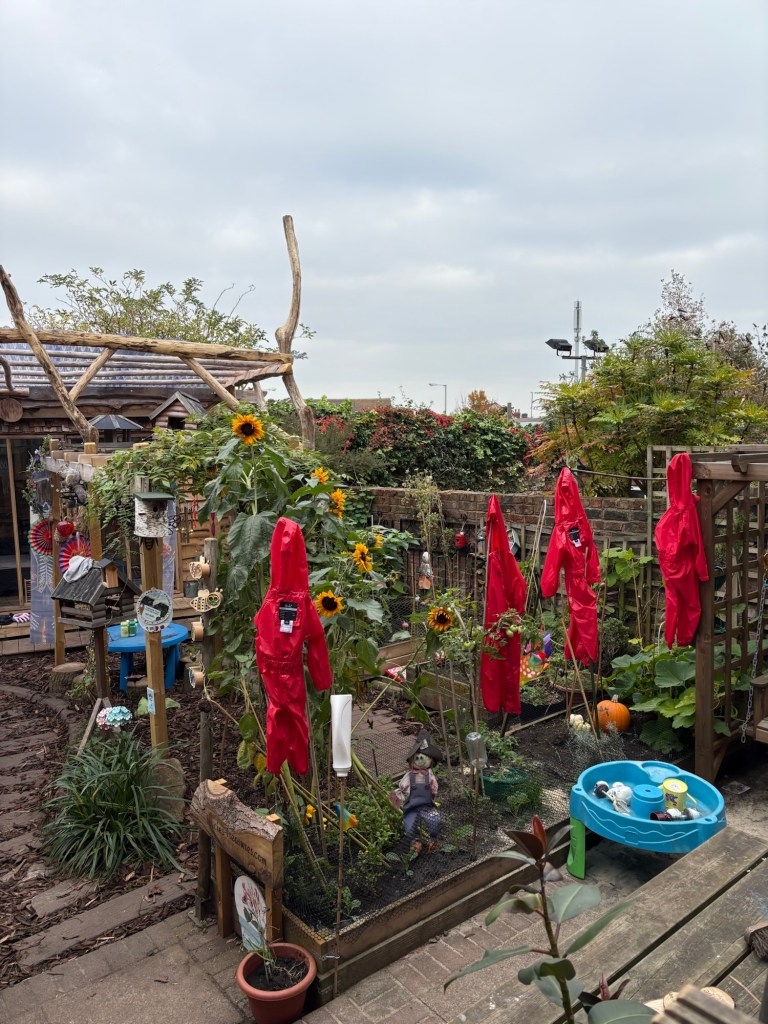
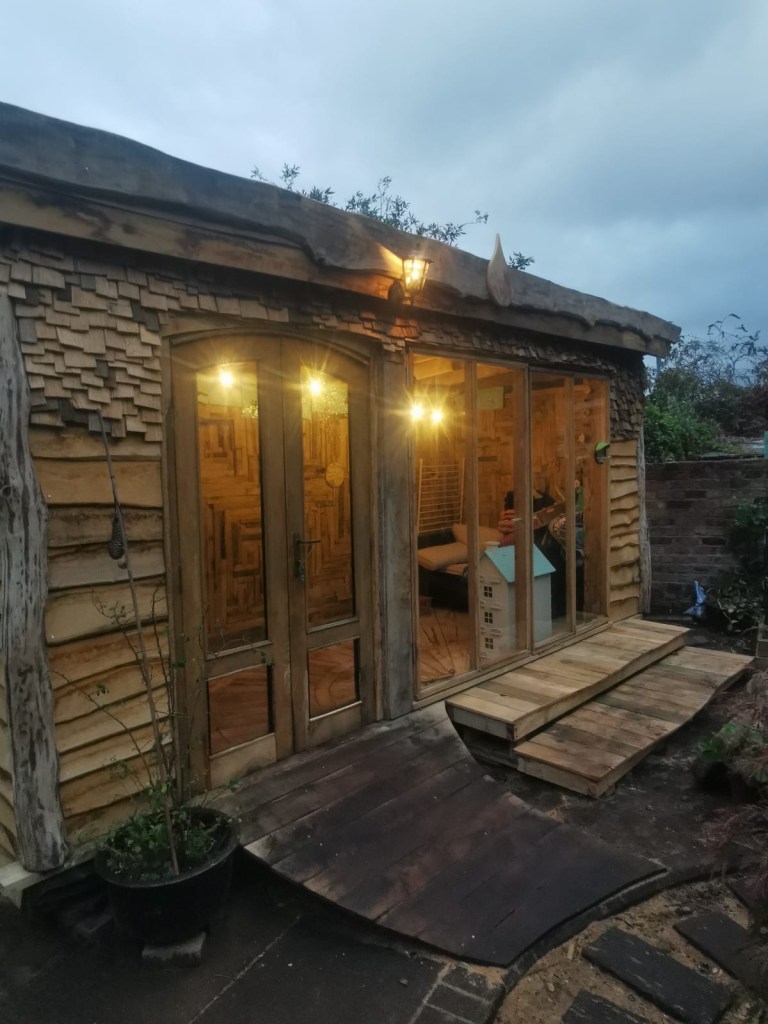
The most exciting day has finally arrived: the garden classroom is now completed! It is totally unique, crafted from 100 percent recycled resources, showcasing a commitment to sustainability and creativity. This space is designed not only to inspire imaginations but also to serve as an effective learning environment. Within the classroom, various learning objectives for children in the Early Years Foundation Stage (EYFS) have been carefully integrated, focusing on enabling environments that foster exploration, play, and discovery. From hands-on gardening activities to interactive nature-themed lessons, this classroom promises to enhance the educational experience for young learners, allowing them to connect with nature while developing essential skills in a playful and nurturing setting.

Children with sensory processing difficulties are truly enjoying their new space, where vibrant colors, engaging textures, and soothing sounds combine to create an environment that caters to their unique needs. This thoughtfully designed area not only provides a safe haven for exploration but also encourages them to express their creativity freely, fostering a sense of comfort and belonging as they interact with various sensory tools and activities.

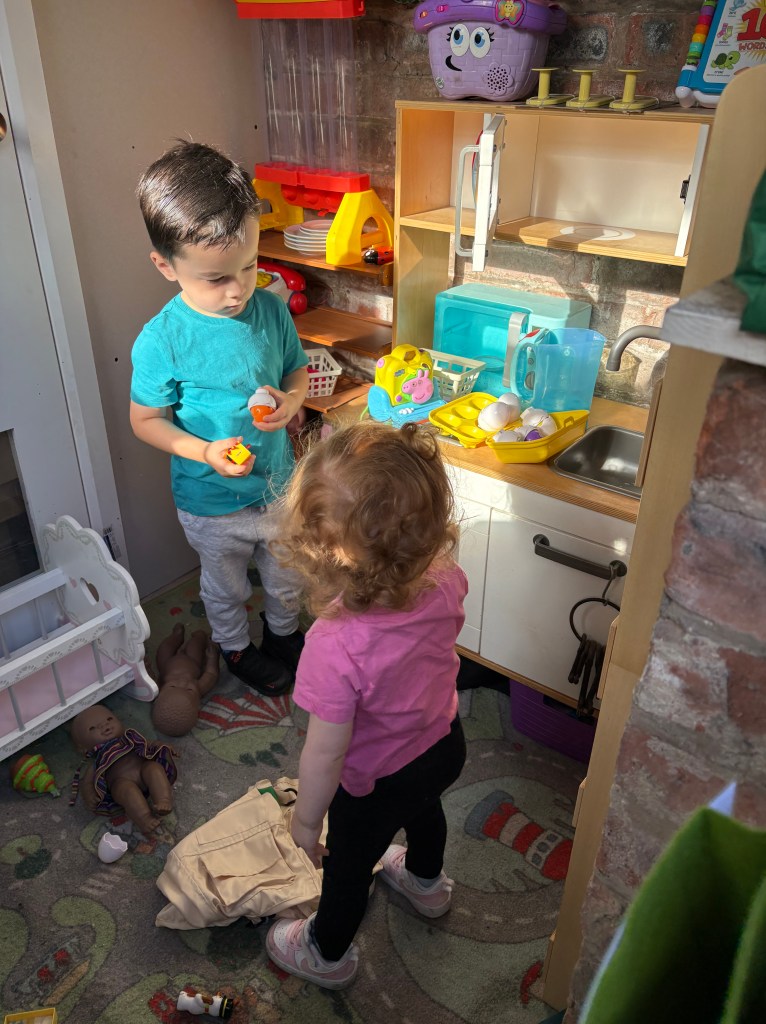
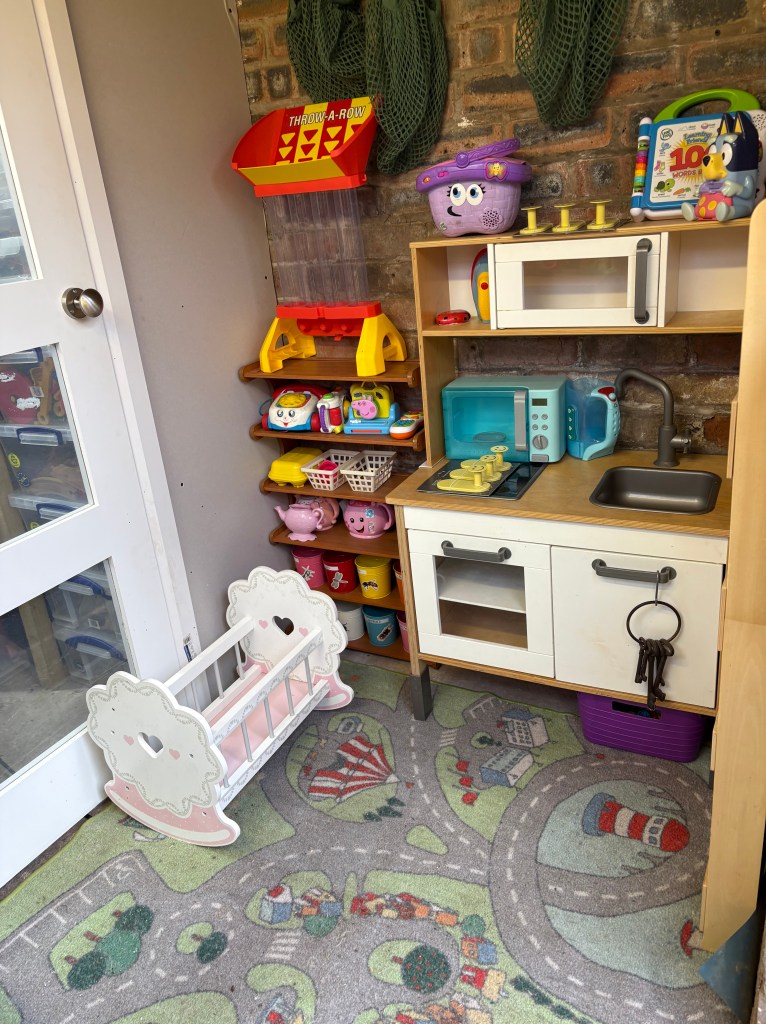
The Kitchen Role Play area is a vibrant and imaginative space that allows children to explore the various aspects of a kitchen area. In this engaging environment, young learners can don playful chef hats, wield safe utensils, and utilize miniature kitchen appliances to create their own culinary masterpieces. This area is designed not just for play but also to foster creativity, collaboration, and social skills as children work together to pretend they are hosting dinner parties or serving in a bustling café. Rich with interactive elements, the Kitchen Role Play area encourages children to use their imaginations while also familiarizing themselves with the concepts of food preparation, healthy eating, and even basic mathematics through measuring and counting ingredients. It serves as an essential component of early childhood development, blending fun with education in a way that sparks curiosity and joy in cooking.

Role play in early childhood education promotes creativity, social skills, and collaboration among peers. It aligns with the Early Years Foundation Stage (EYFS) objectives by enhancing language and communication through negotiation and idea-sharing. Additionally, it builds emotional intelligence as children empathize with others and reinforces cognitive skills by presenting problem-solving opportunities. Ultimately, role play is a valuable and enjoyable tool for intertwining learning objectives.

Posted in Outdoor Curriculum

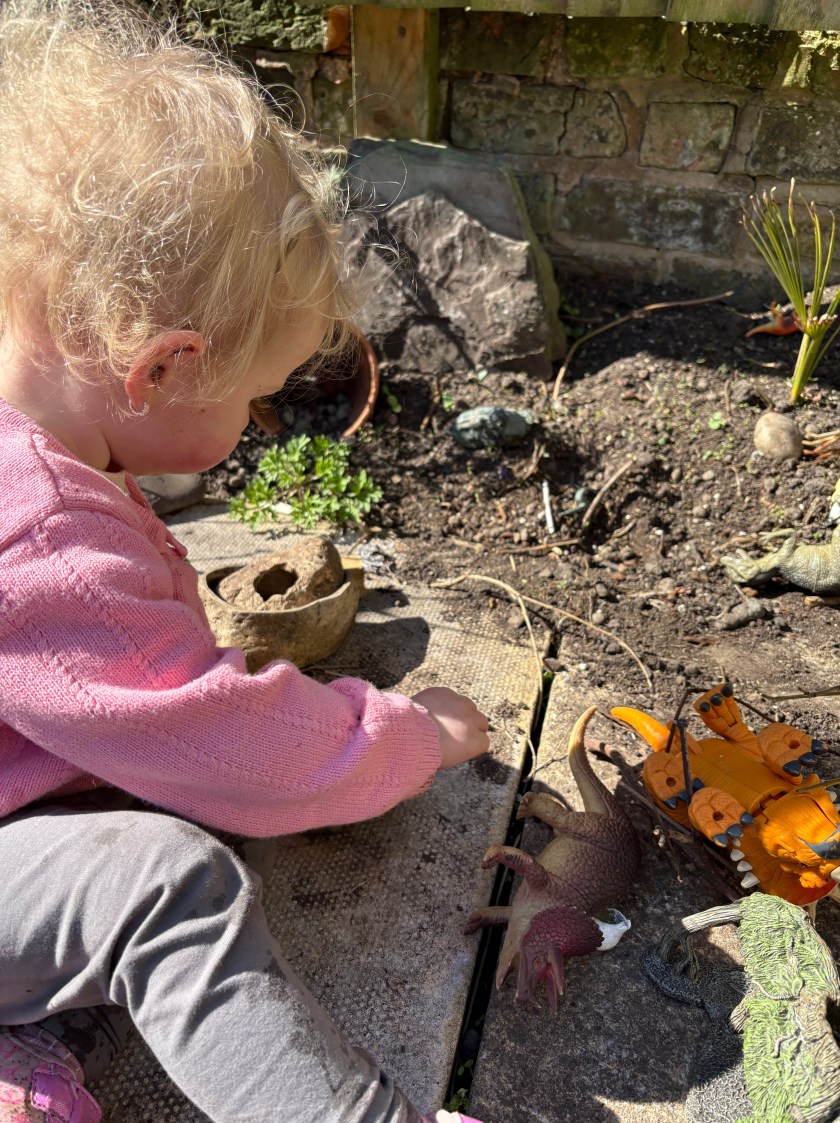
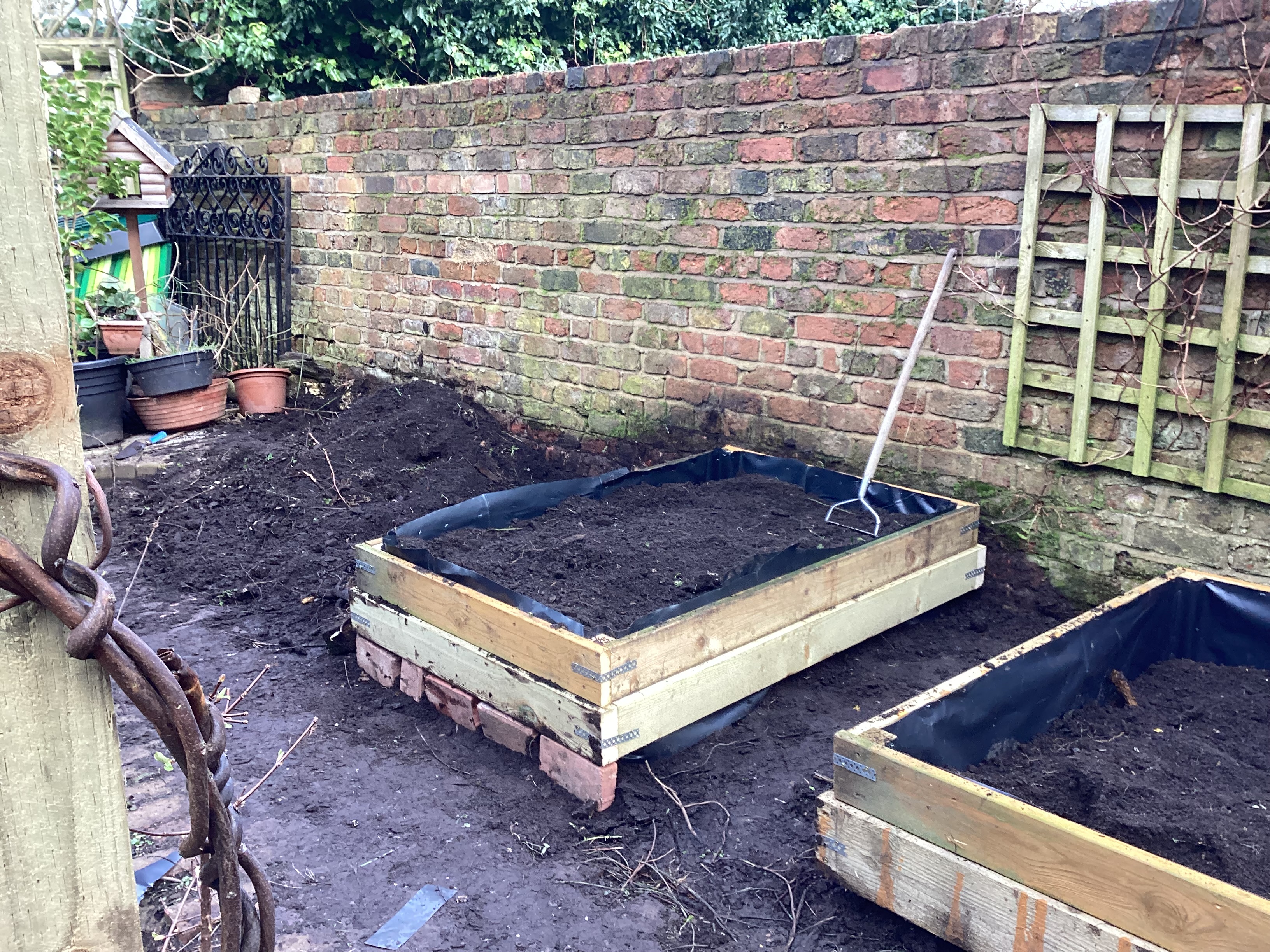
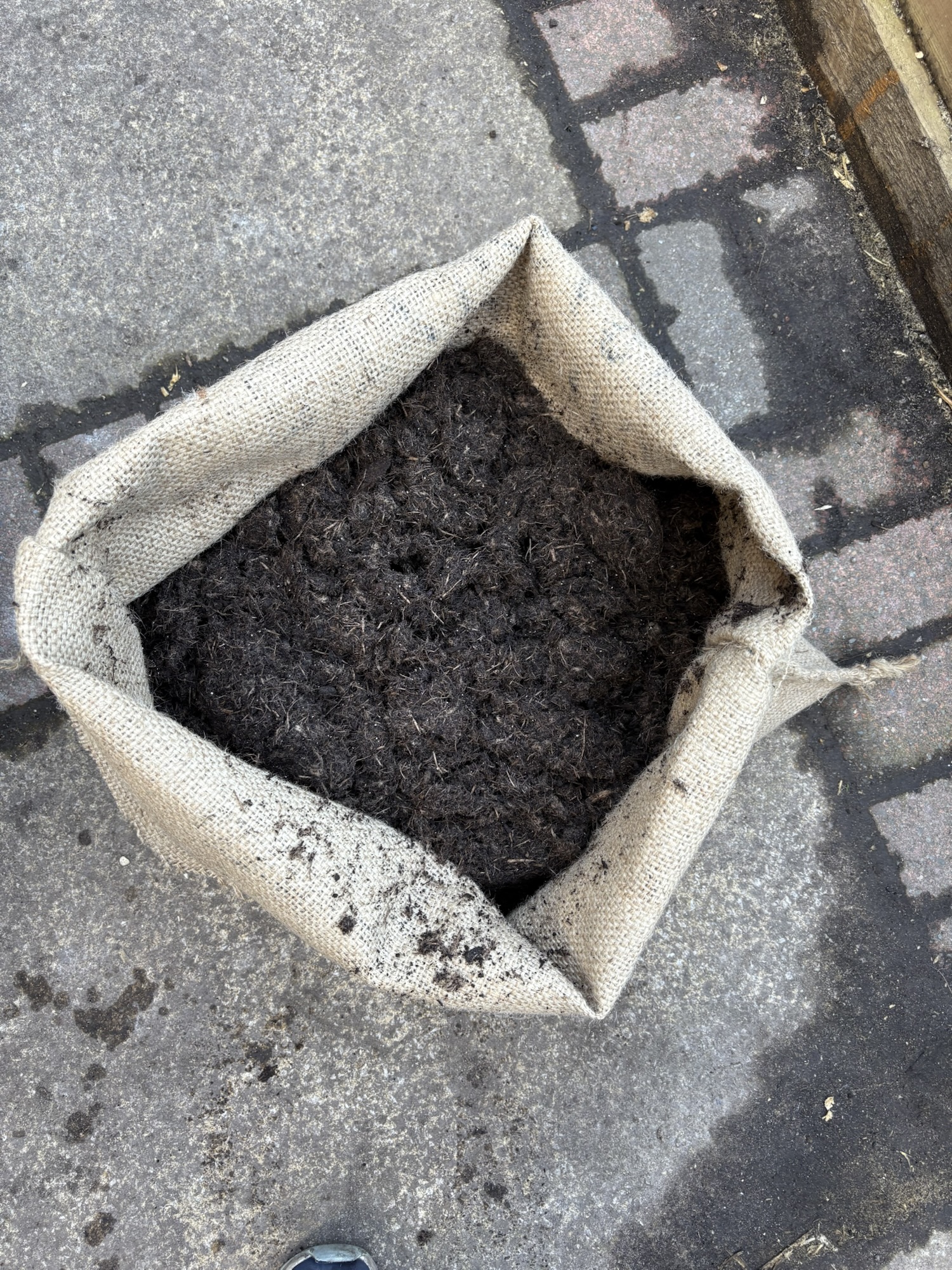
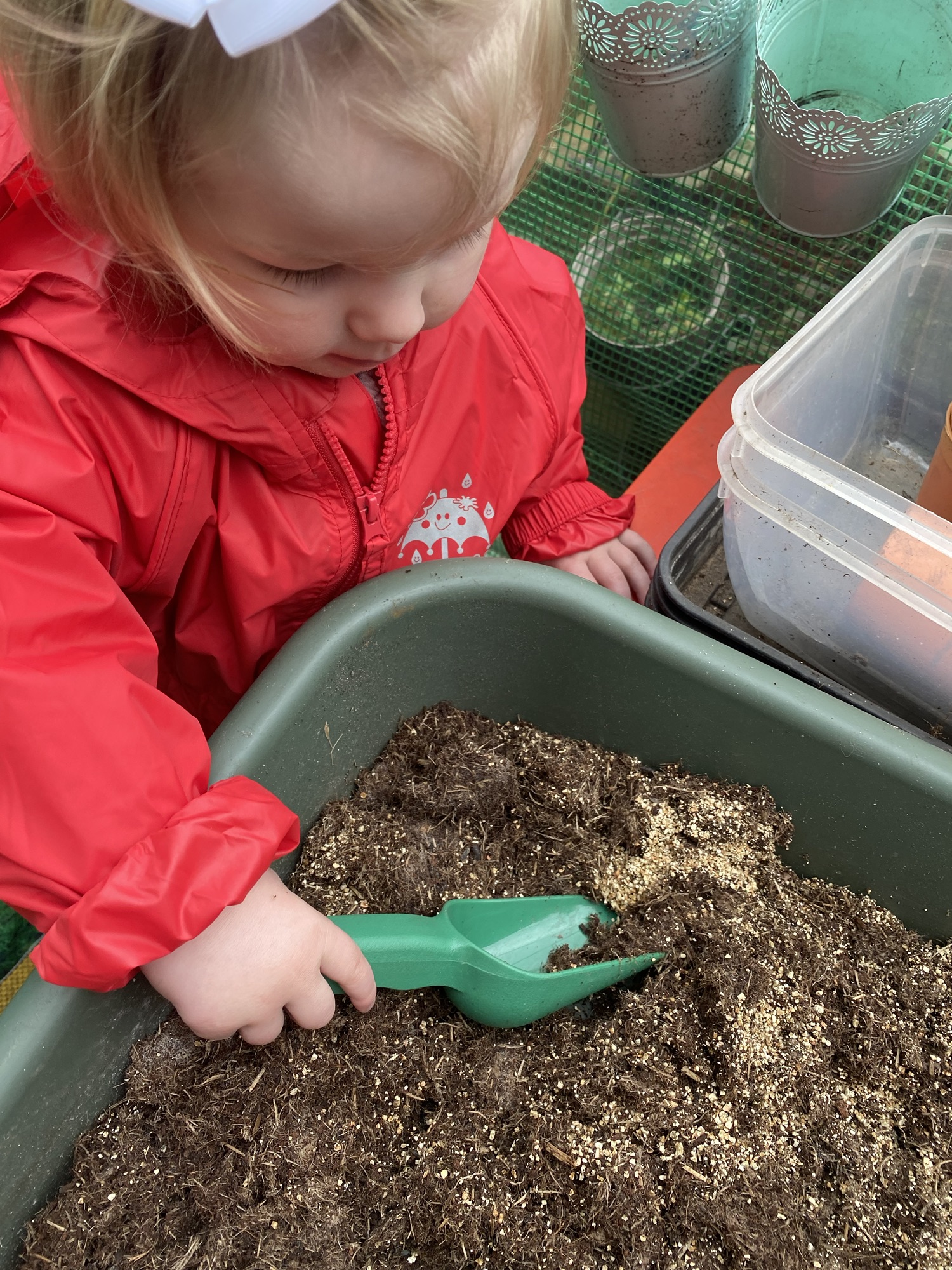
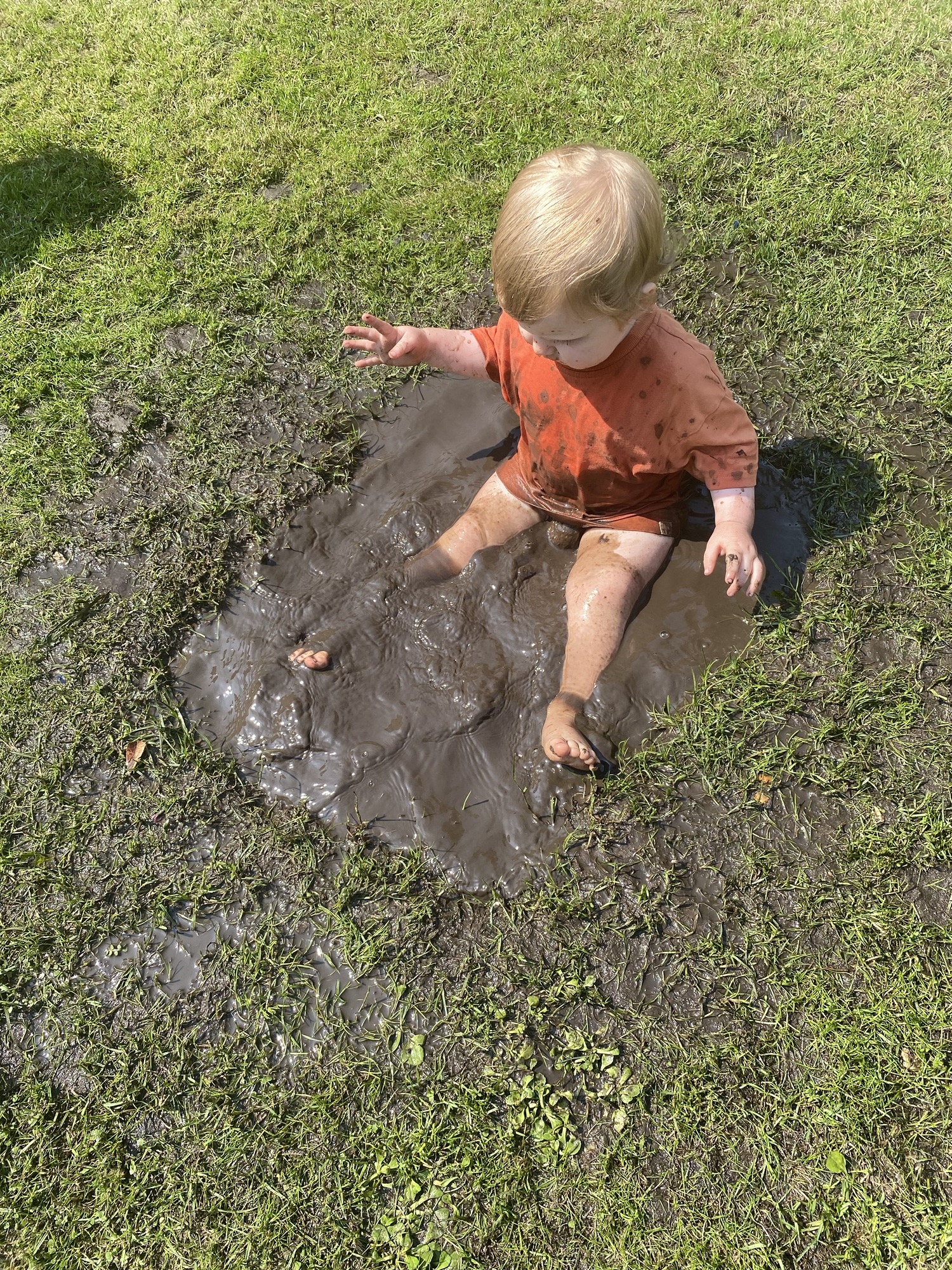
Soil and Mud Play

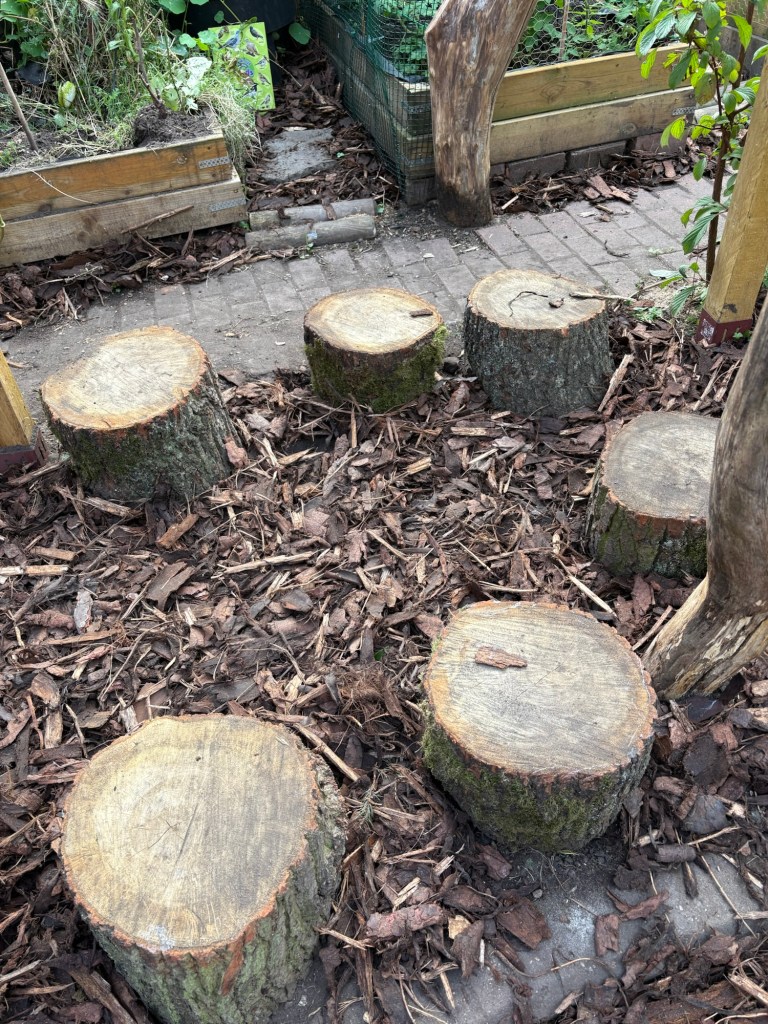
Soil and Mud

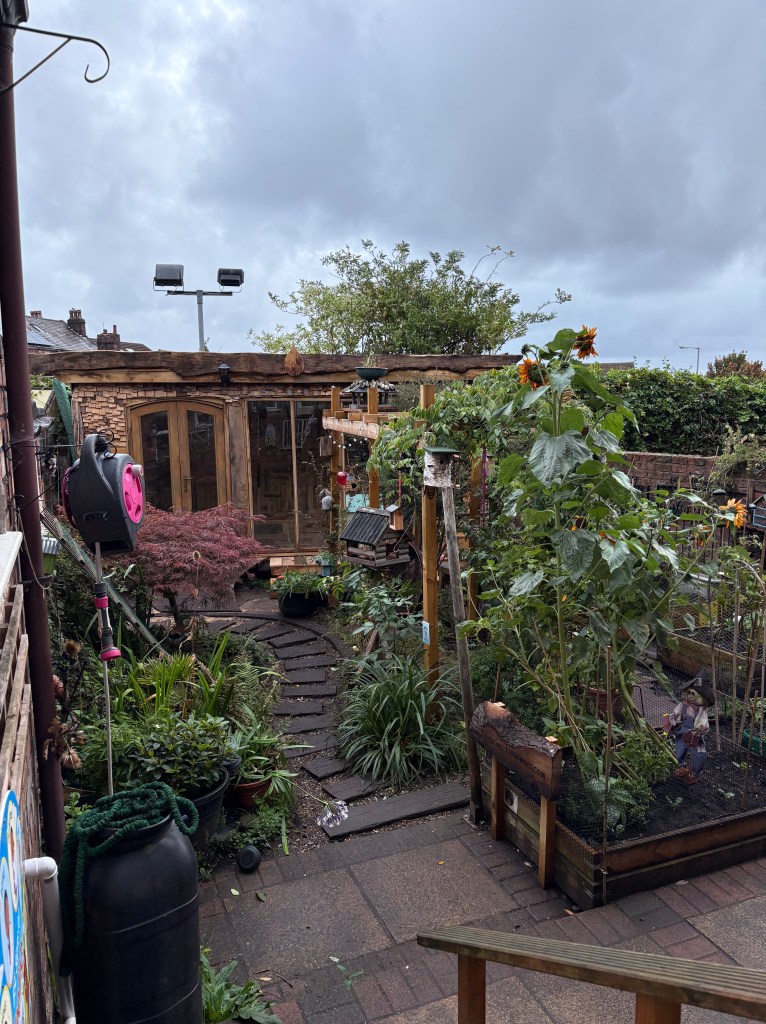
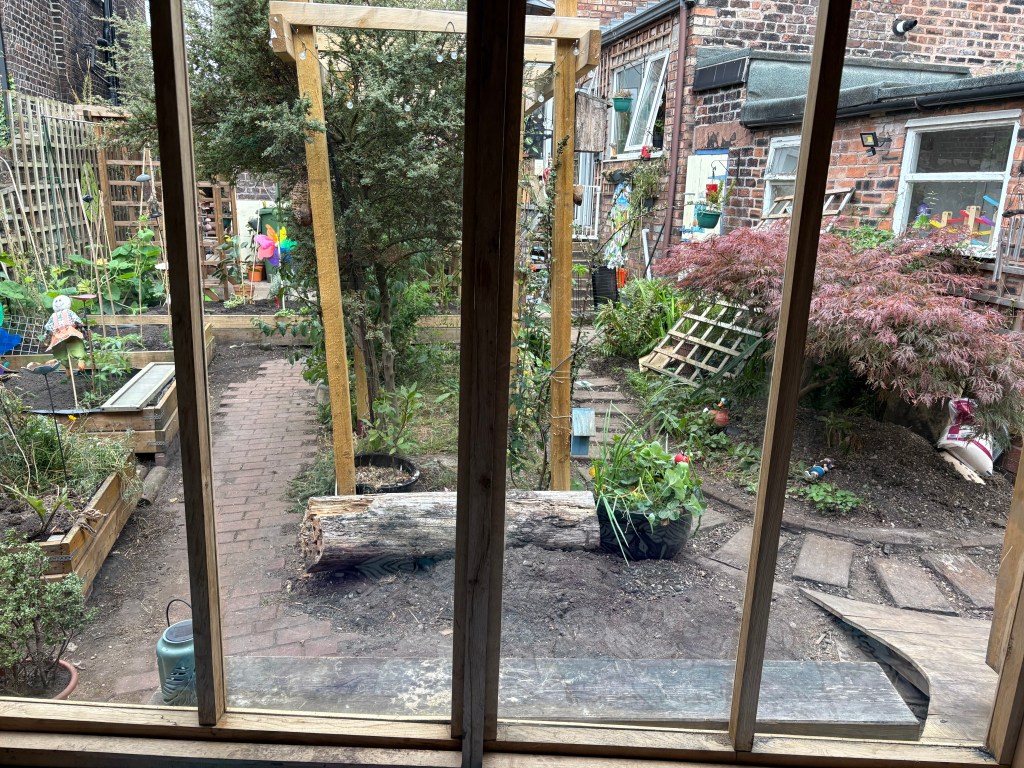
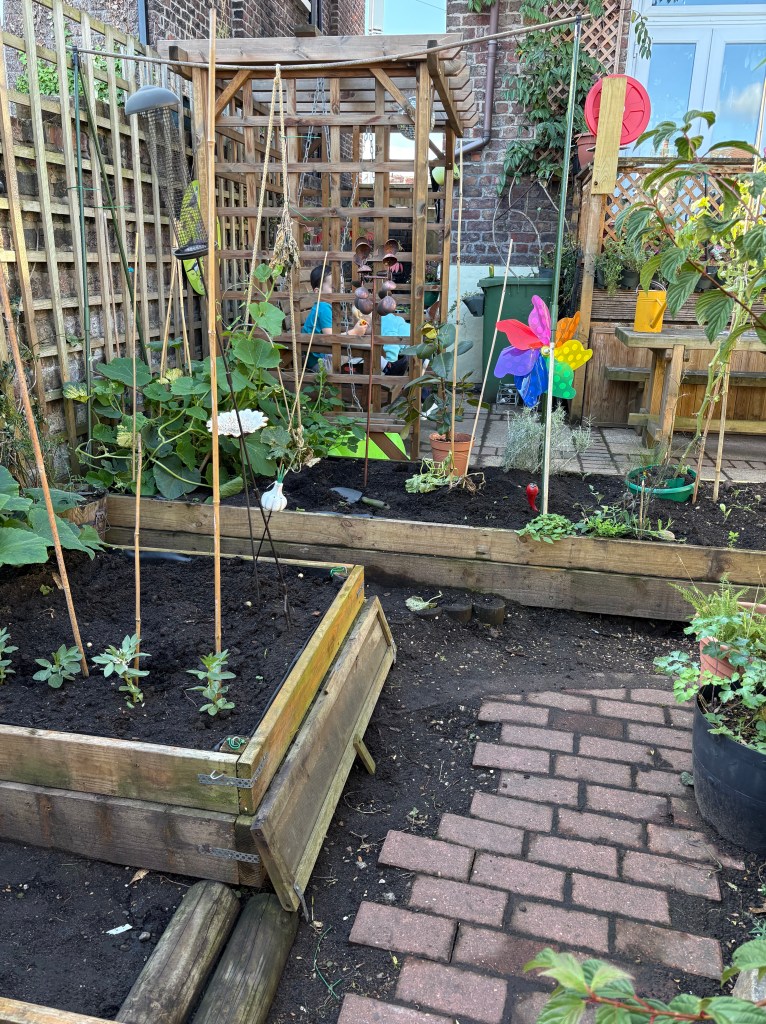
Our Garden Classroom

This is something that is available to children in large quantities and it’s great to see how the changing elements of the season change the children’s relationship with it.

Checklist of Opportunities

  • Wet mud
  • Dry mud
  • Poking and wondering what will happen when it rains, sun shines
  • Transporting mud to different places
  • Mark making with mud
  • Combining mud with different loose
  • parts: bricks, pebbles, flower petals and leaves.
  • Mud and role-playing cooking
  • Exploring the texture of mud and adding different loose parts to explore
  • how this changes: sand, gravel, grass cuttings.