Posted in childminding, forest school, Garden Classroom, Outdoor Curriculum, outdoor play, Uncategorized, wildlife

Hands-On Learning in Nature: The Garden Classroom Experience

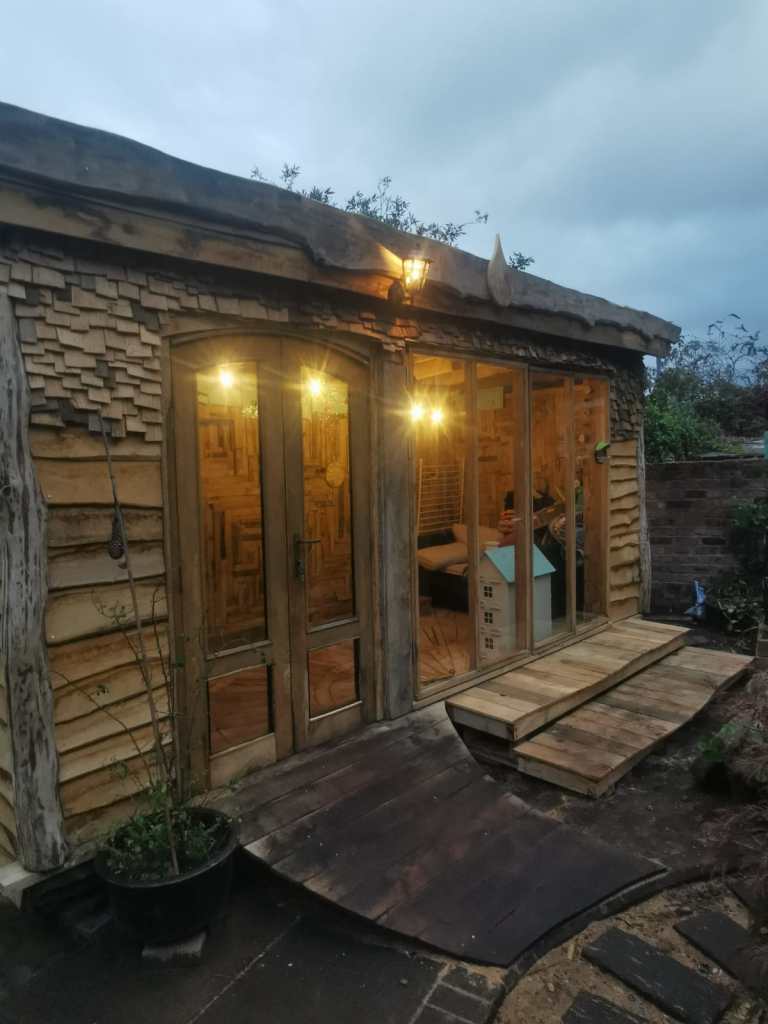
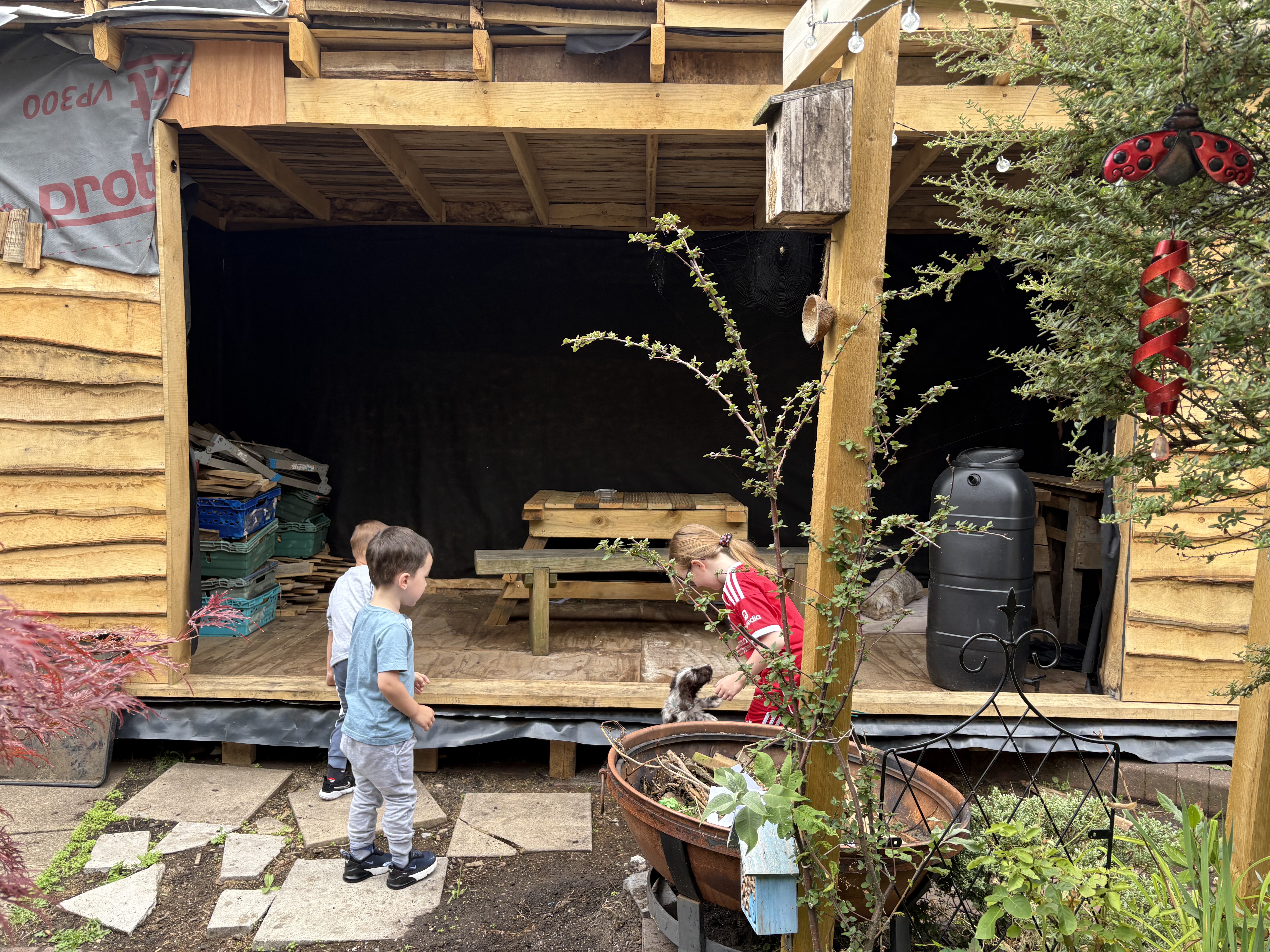
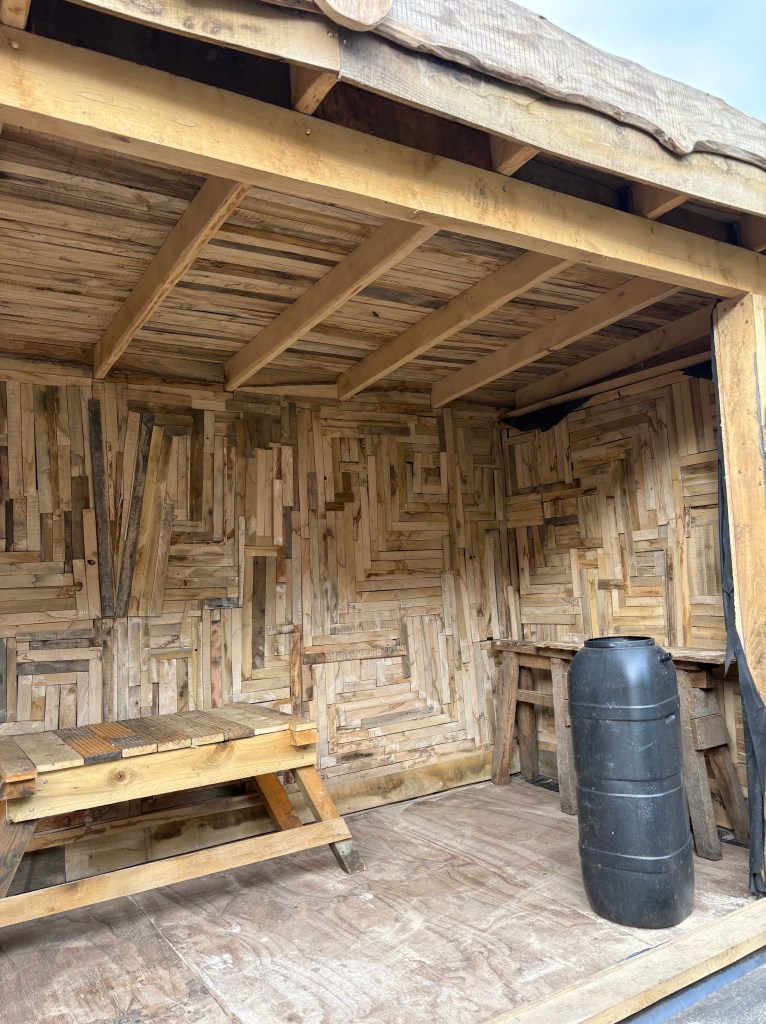
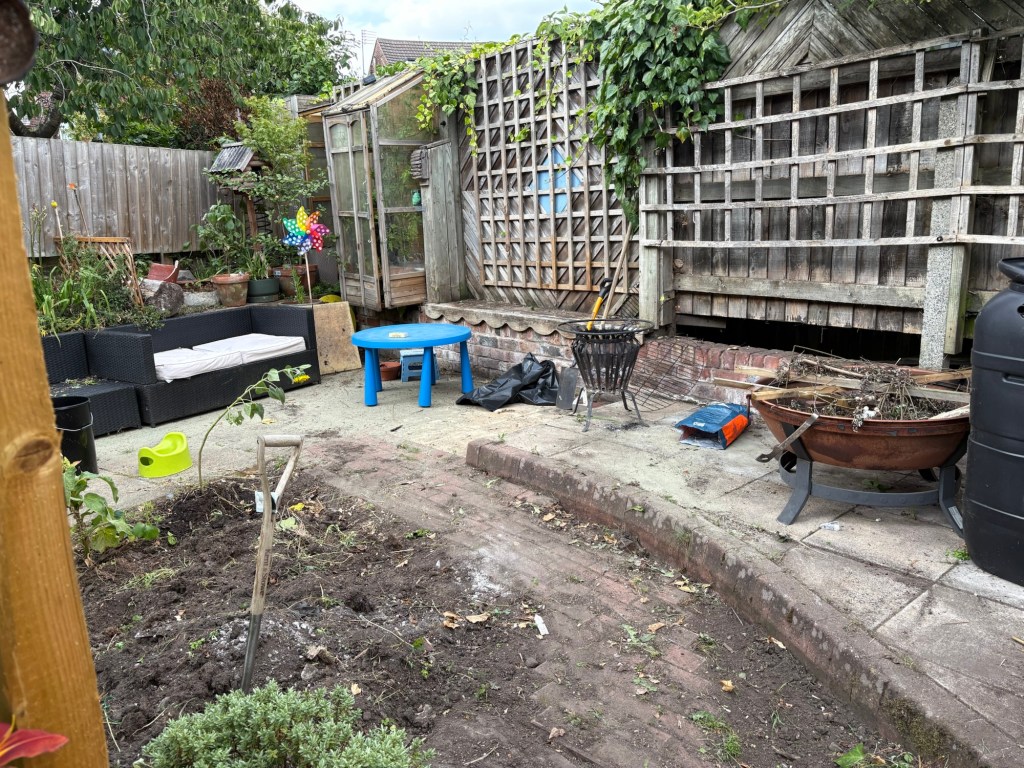
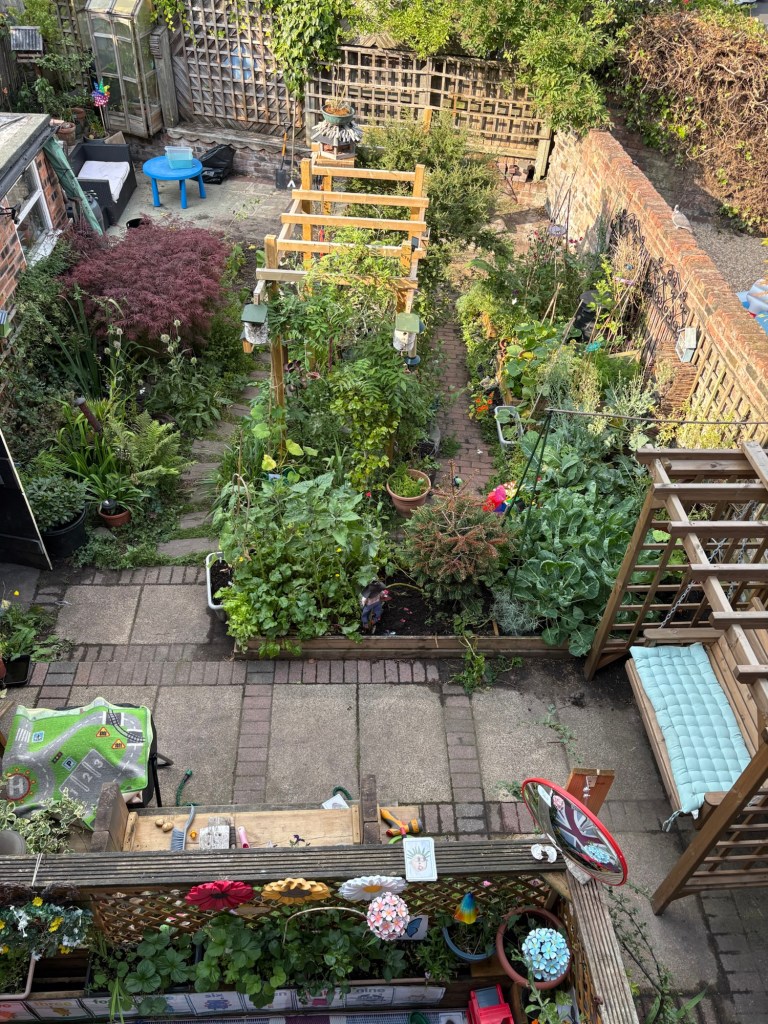
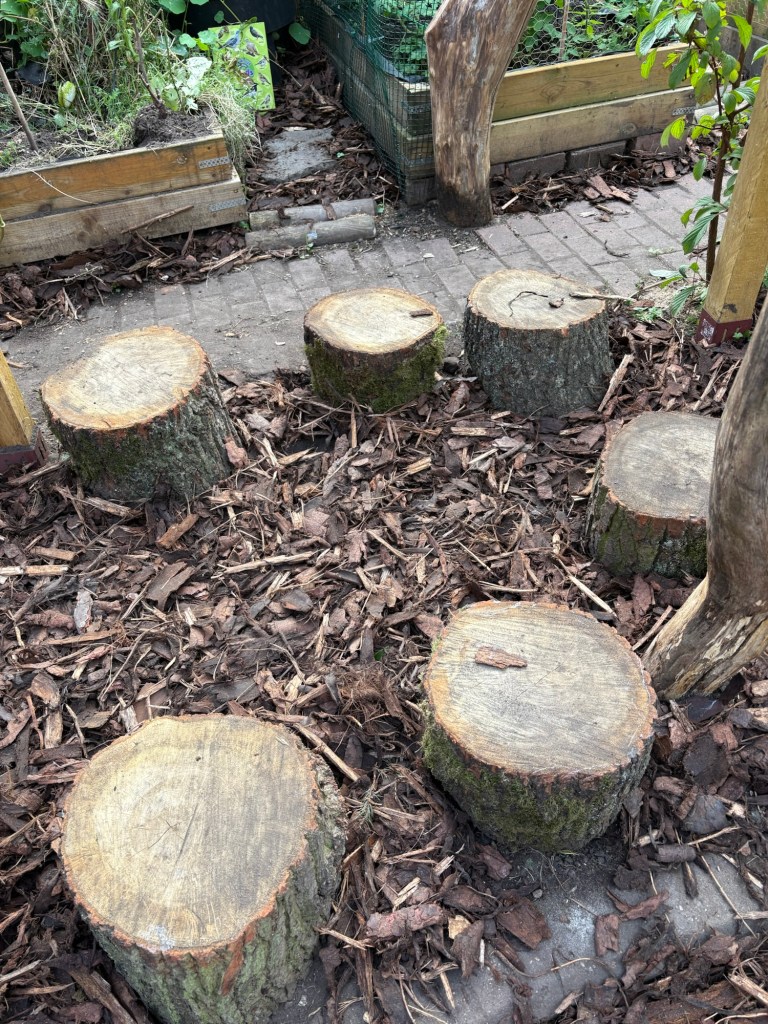
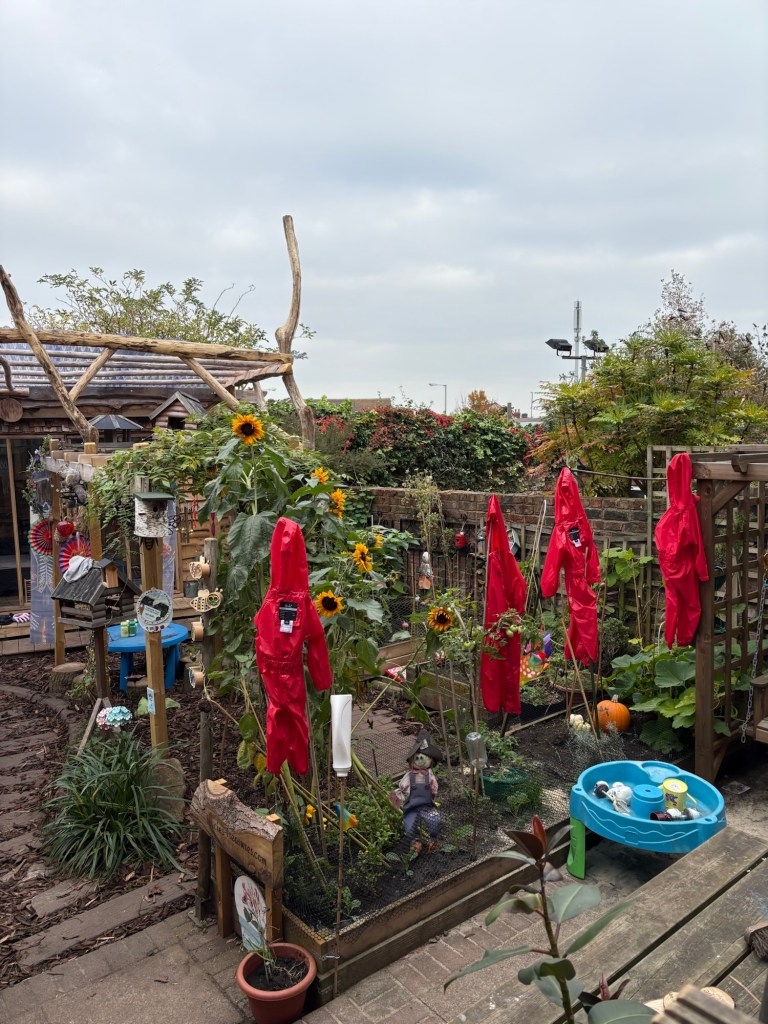
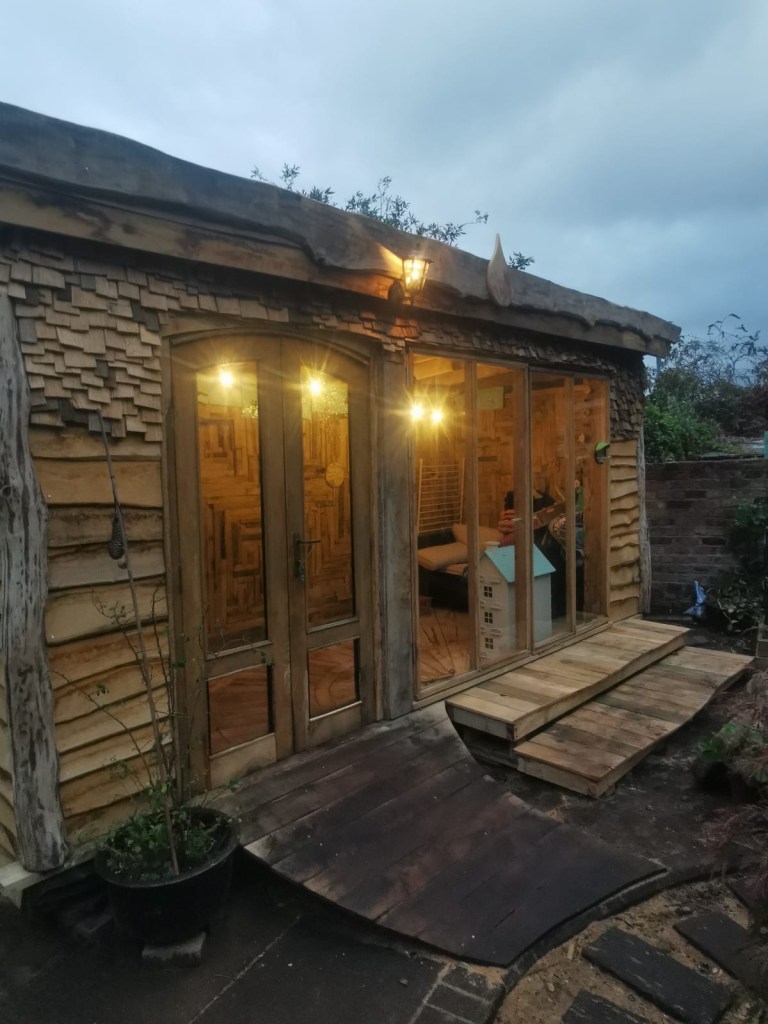
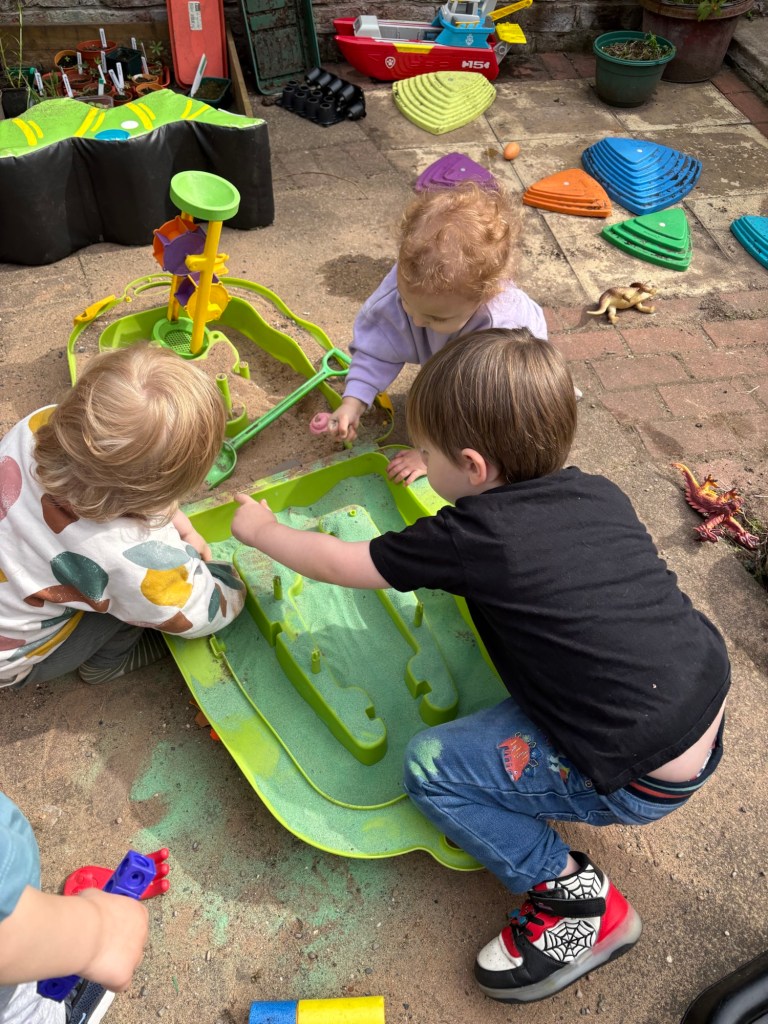
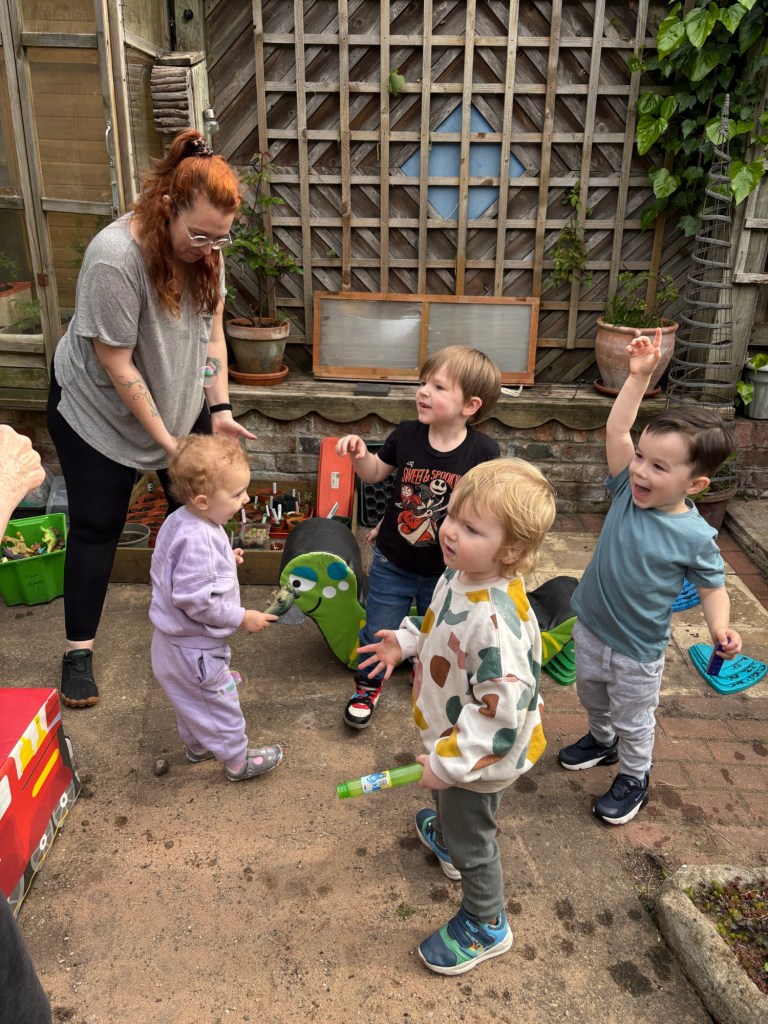
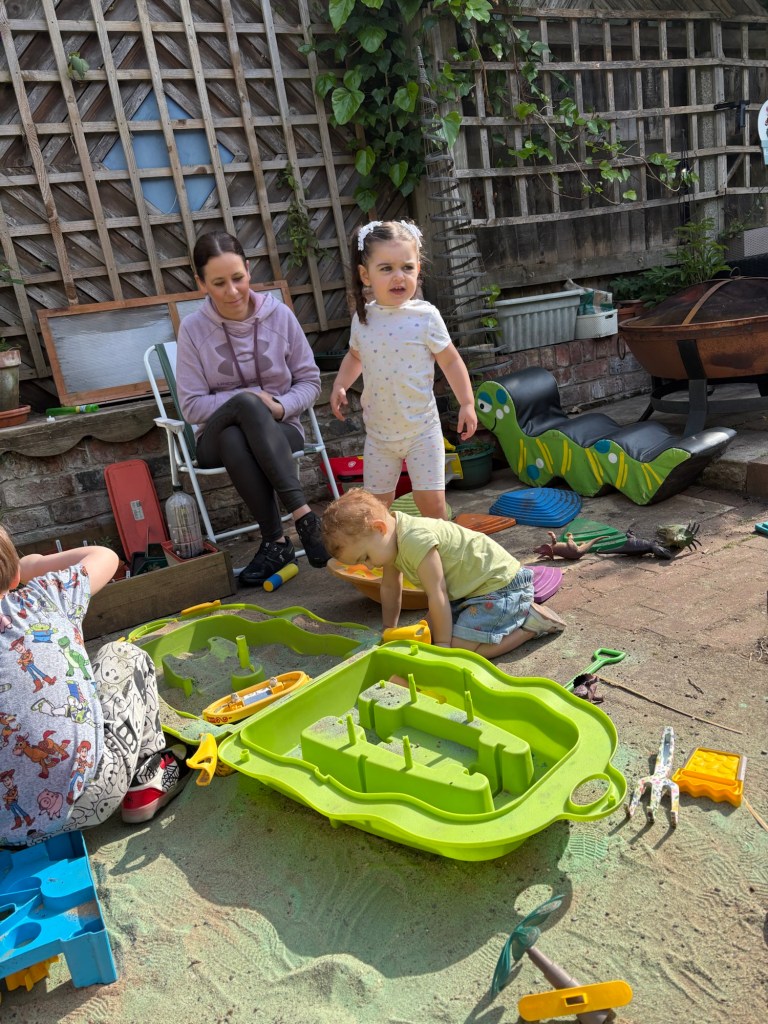
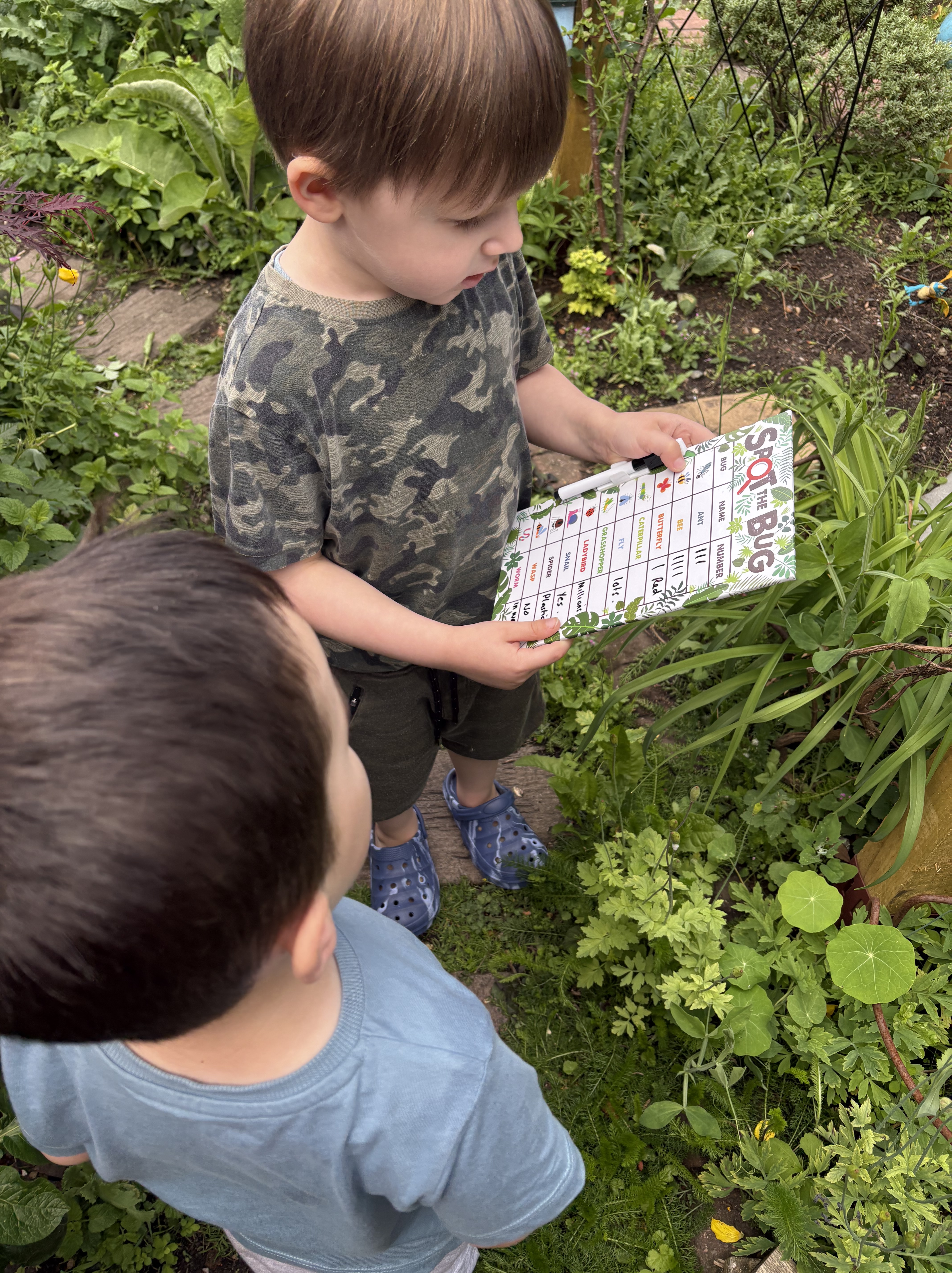
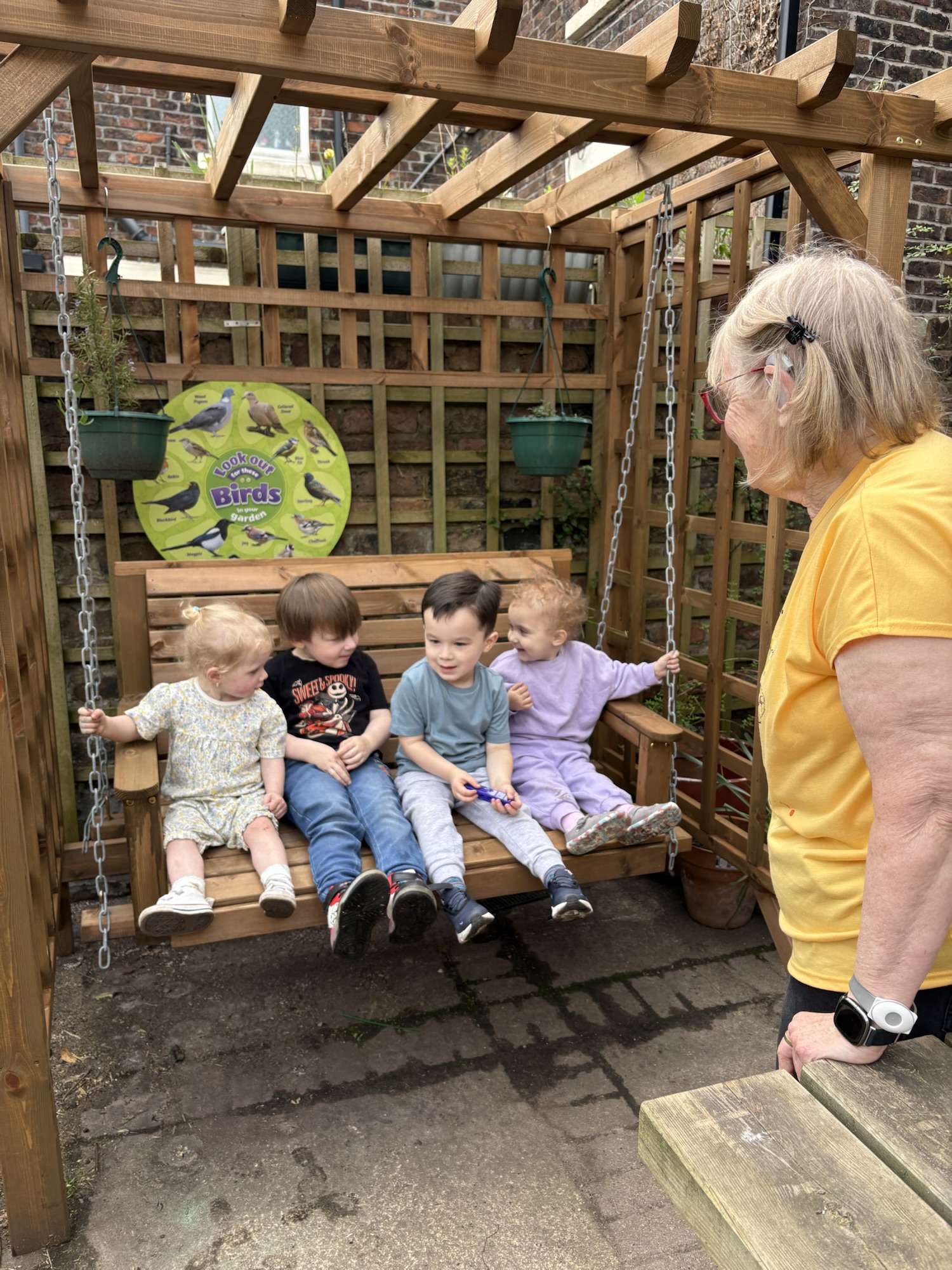
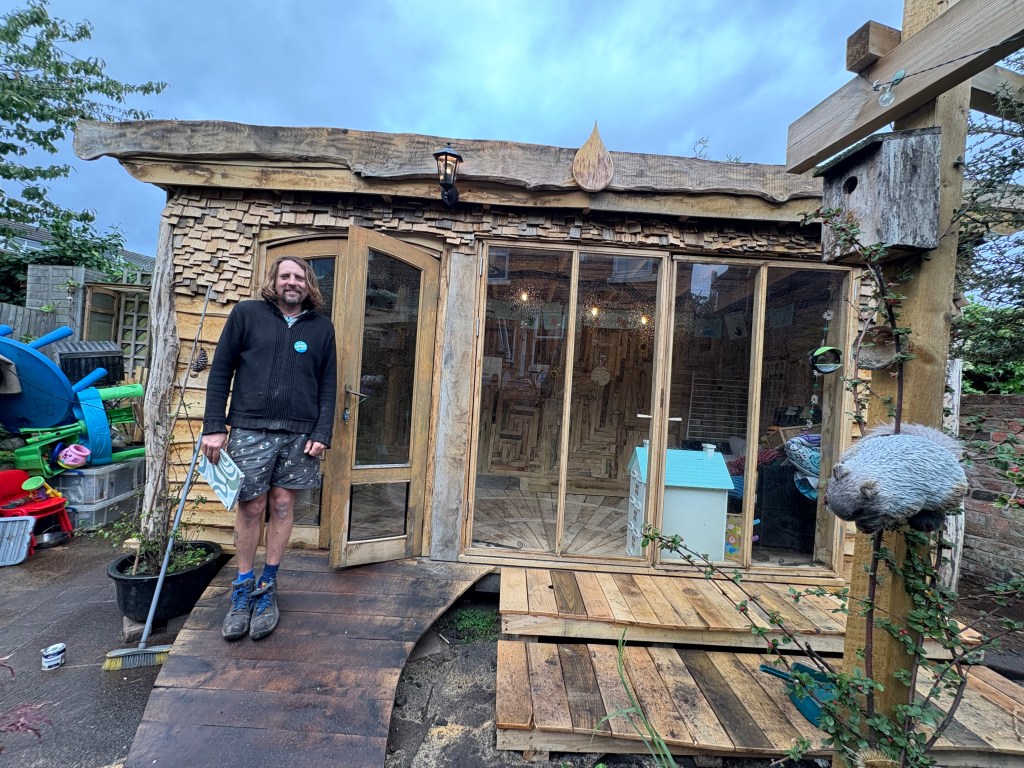
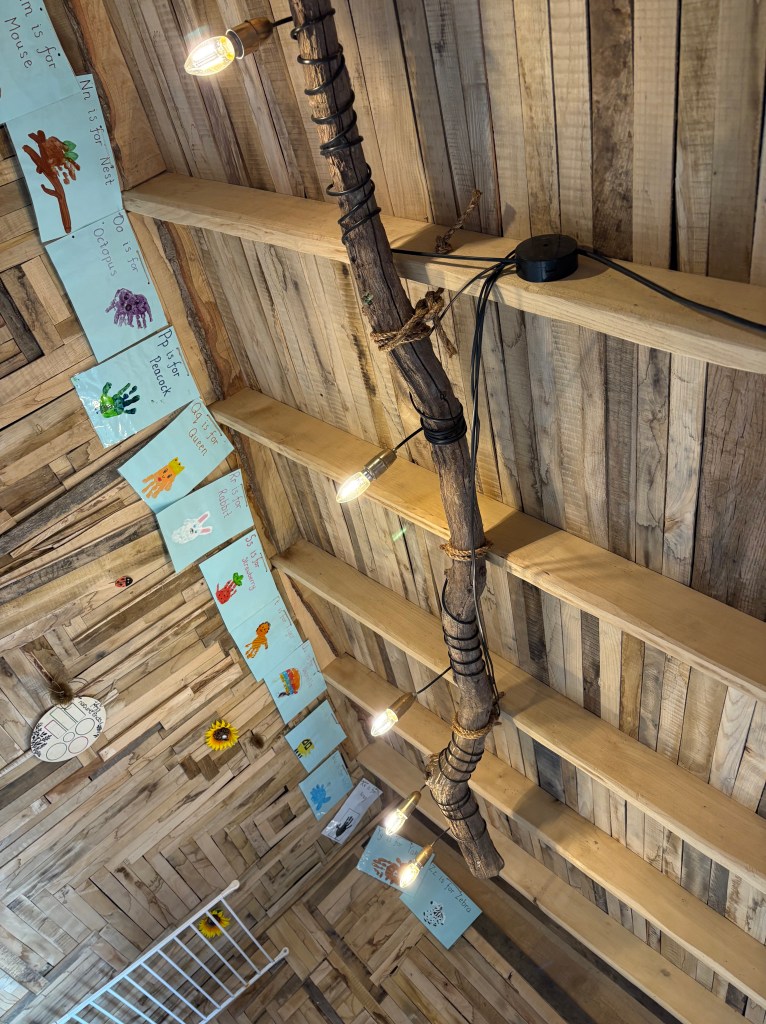
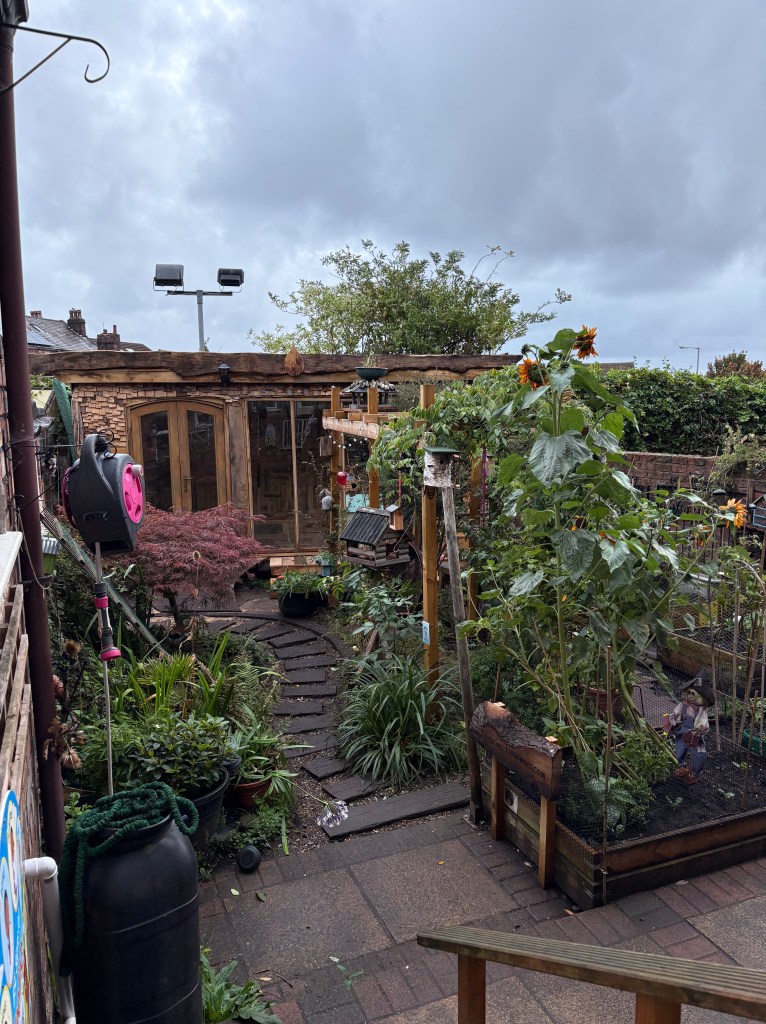
The most exciting day has finally arrived: the garden classroom is now completed! It is totally unique, crafted from 100 percent recycled resources, showcasing a commitment to sustainability and creativity. This space is designed not only to inspire imaginations but also to serve as an effective learning environment. Within the classroom, various learning objectives for children in the Early Years Foundation Stage (EYFS) have been carefully integrated, focusing on enabling environments that foster exploration, play, and discovery. From hands-on gardening activities to interactive nature-themed lessons, this classroom promises to enhance the educational experience for young learners, allowing them to connect with nature while developing essential skills in a playful and nurturing setting.
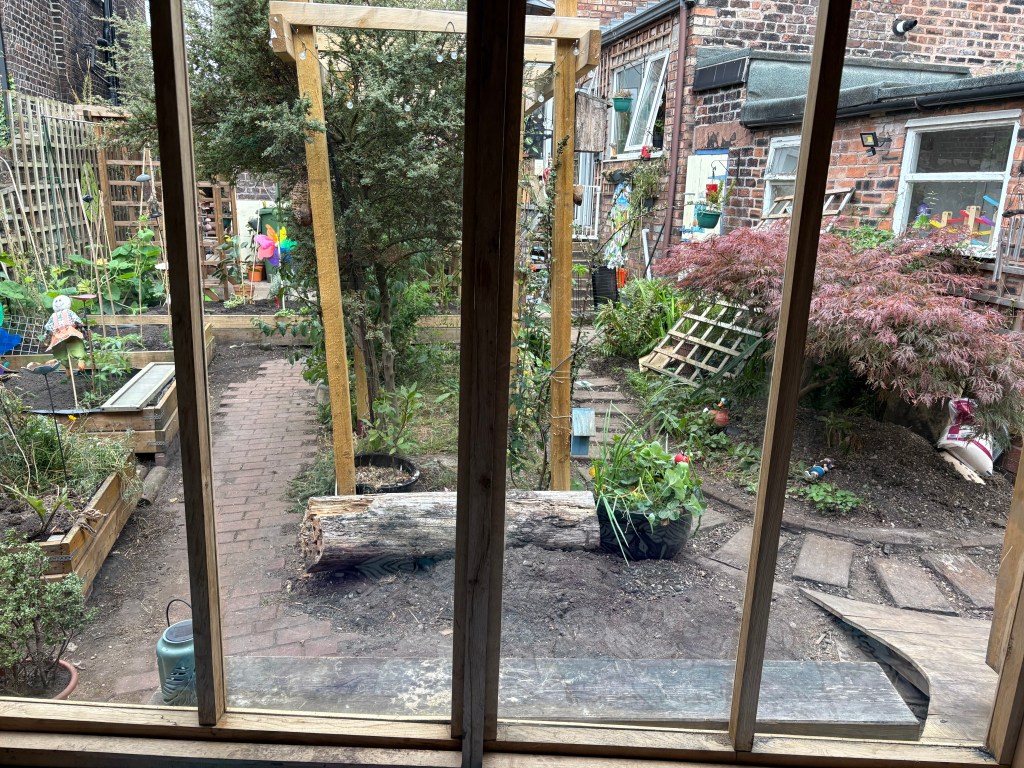
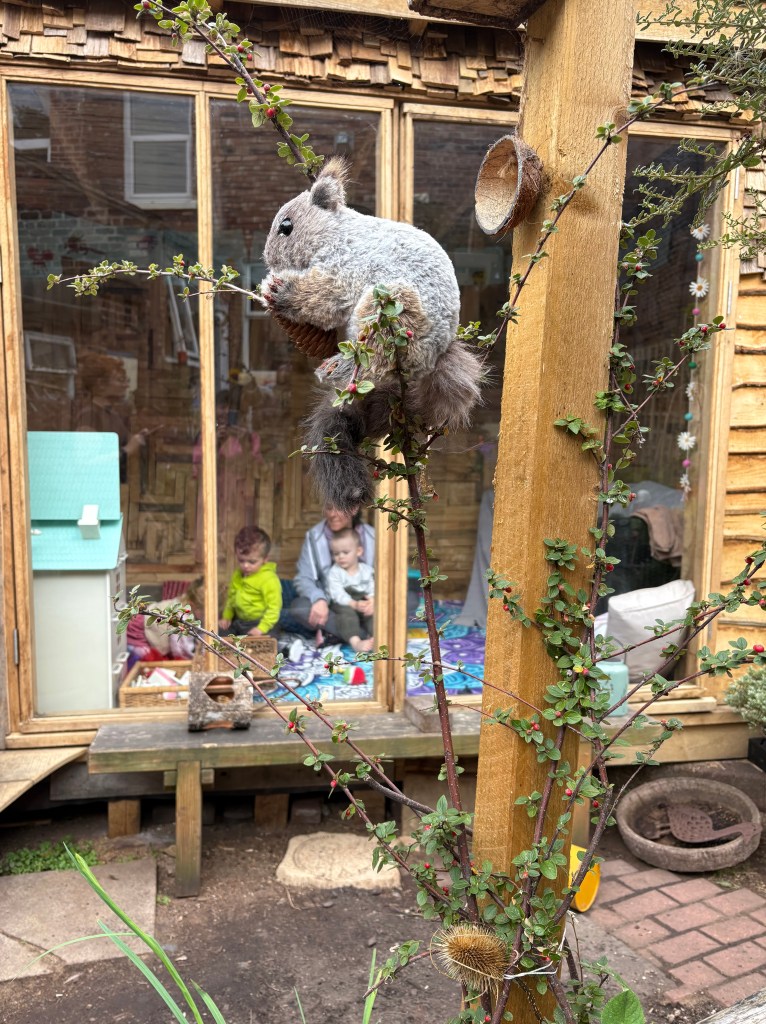
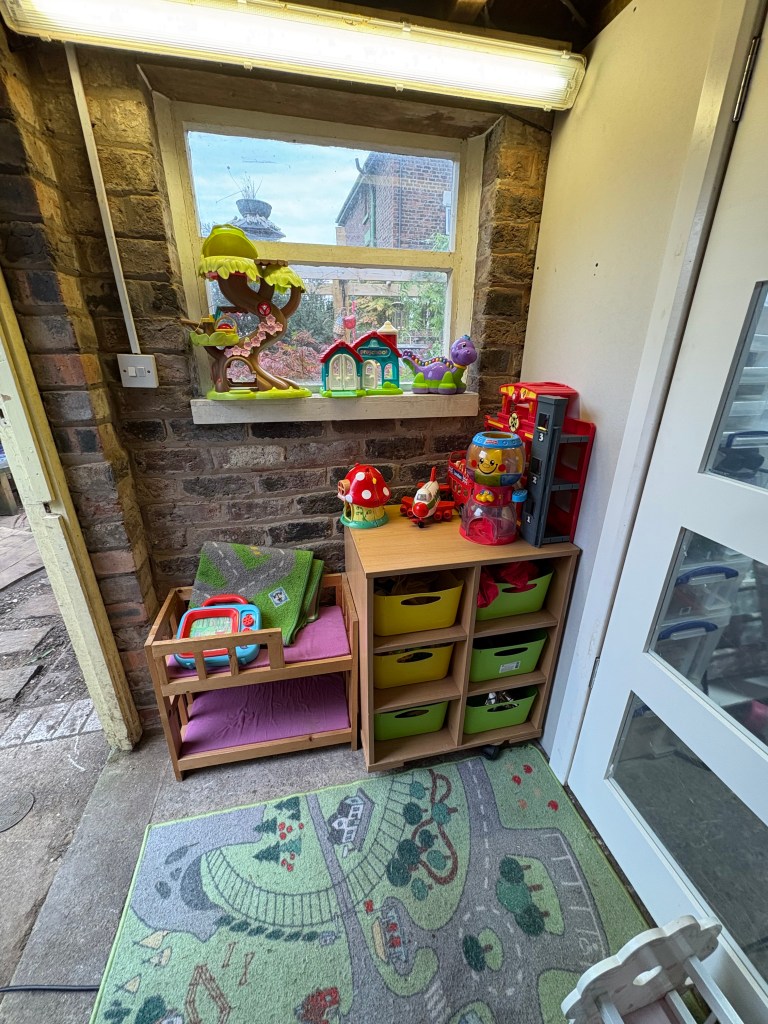
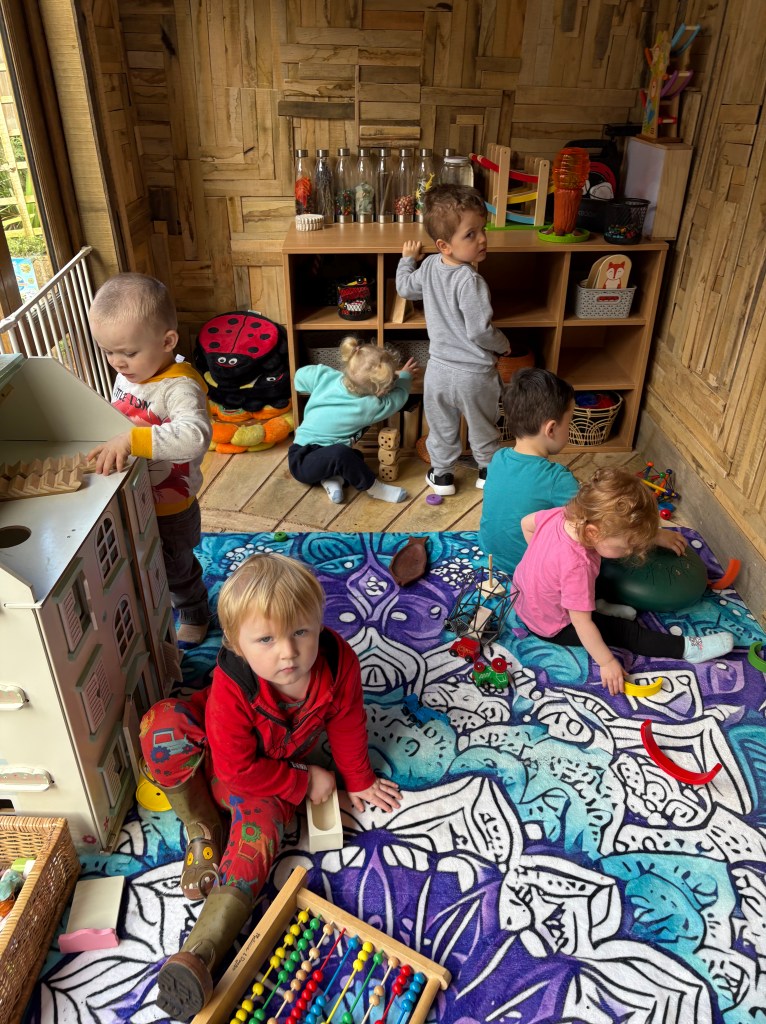
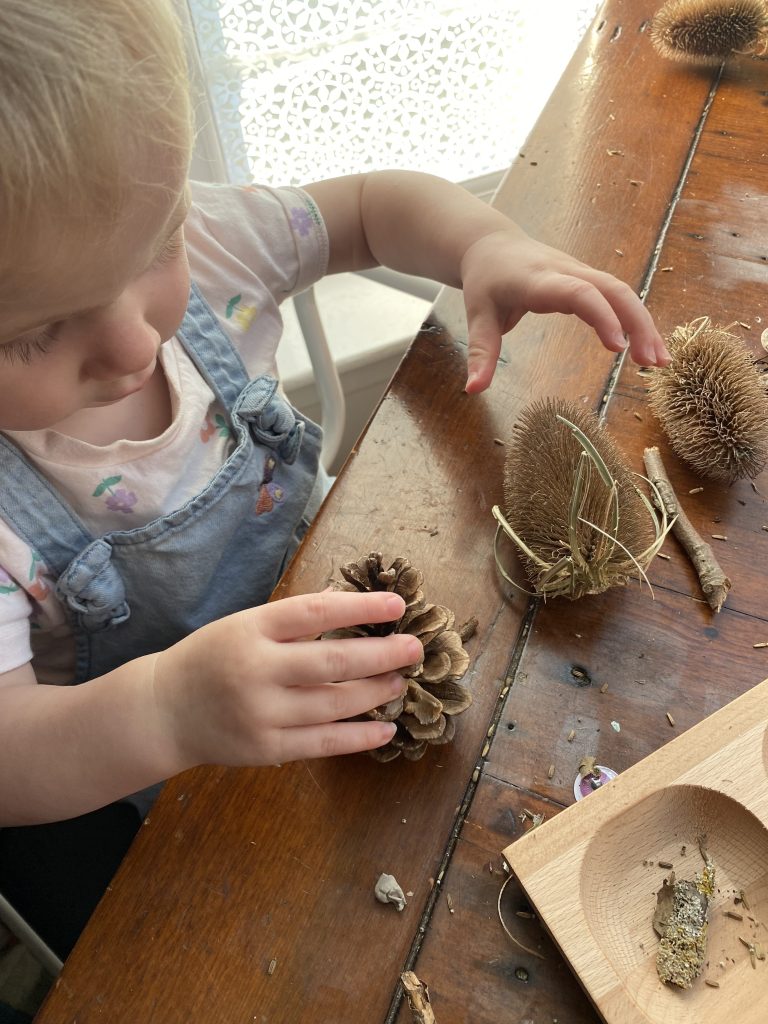
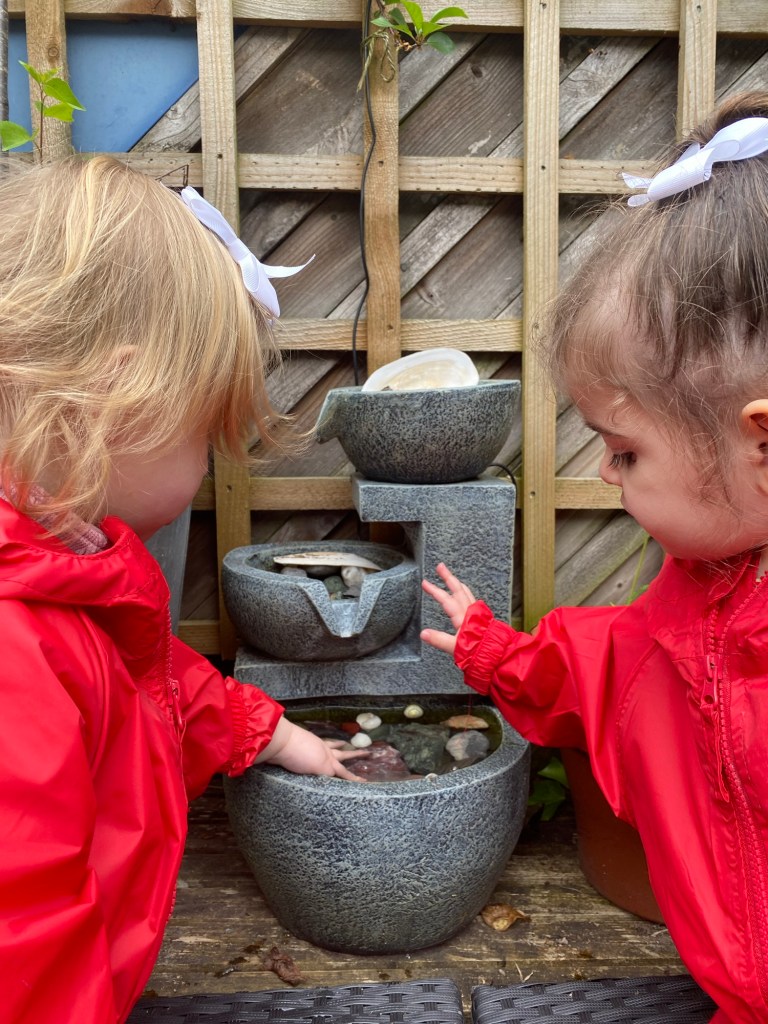
Children with sensory processing difficulties are truly enjoying their new space, where vibrant colors, engaging textures, and soothing sounds combine to create an environment that caters to their unique needs. This thoughtfully designed area not only provides a safe haven for exploration but also encourages them to express their creativity freely, fostering a sense of comfort and belonging as they interact with various sensory tools and activities.
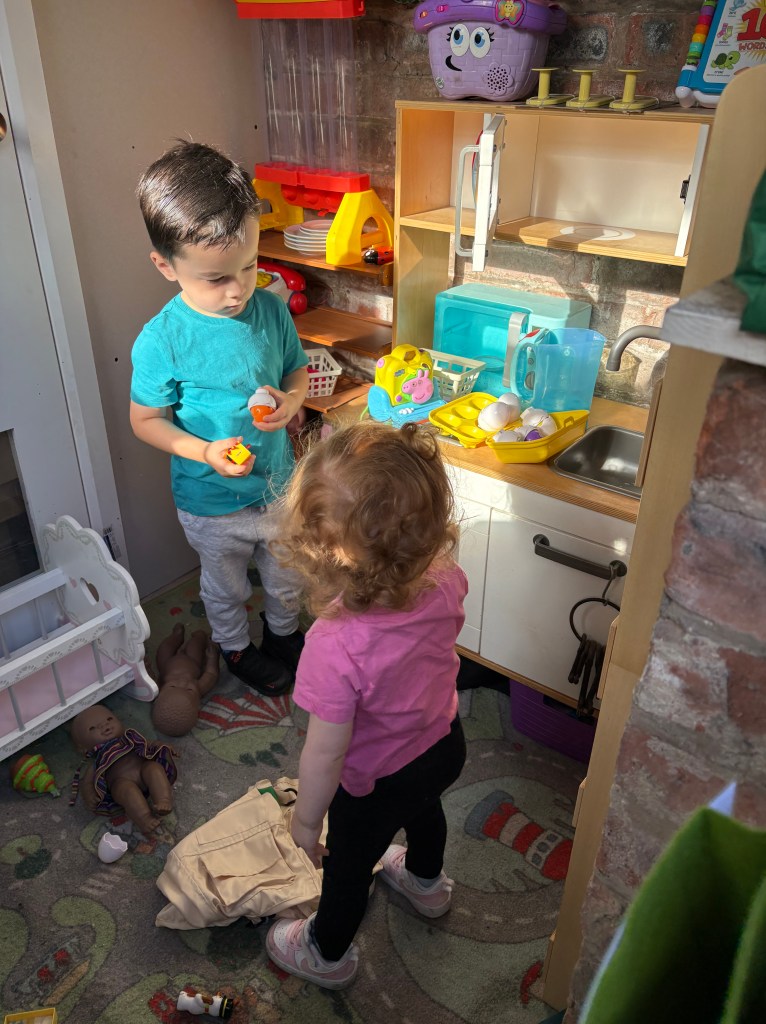
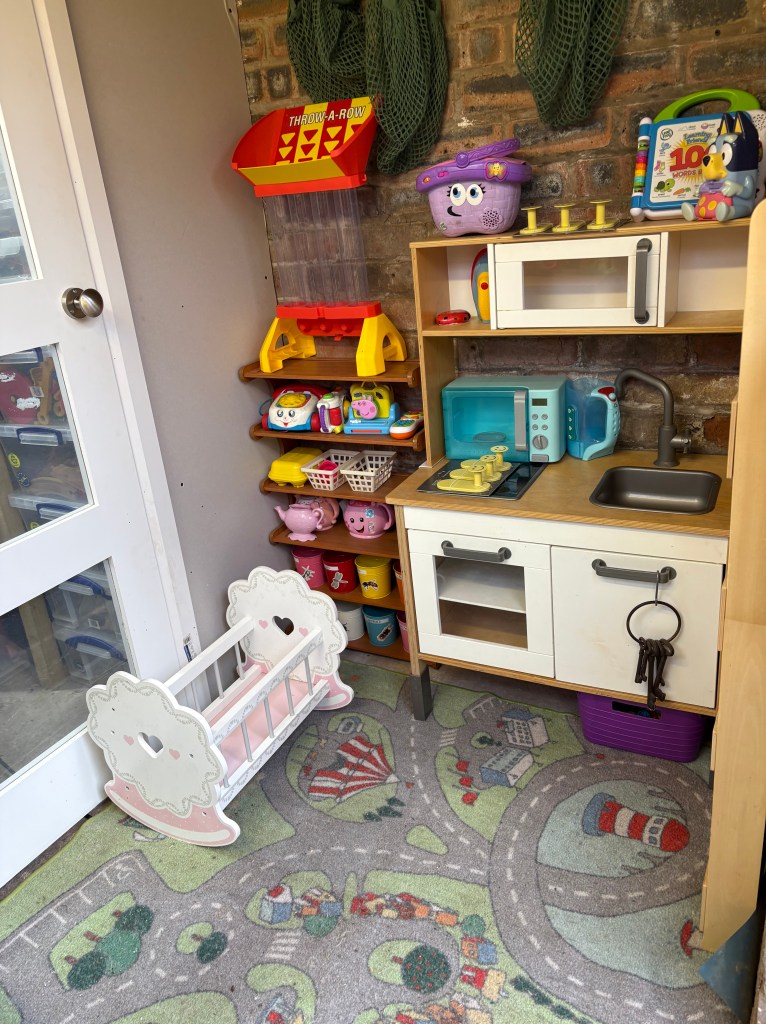
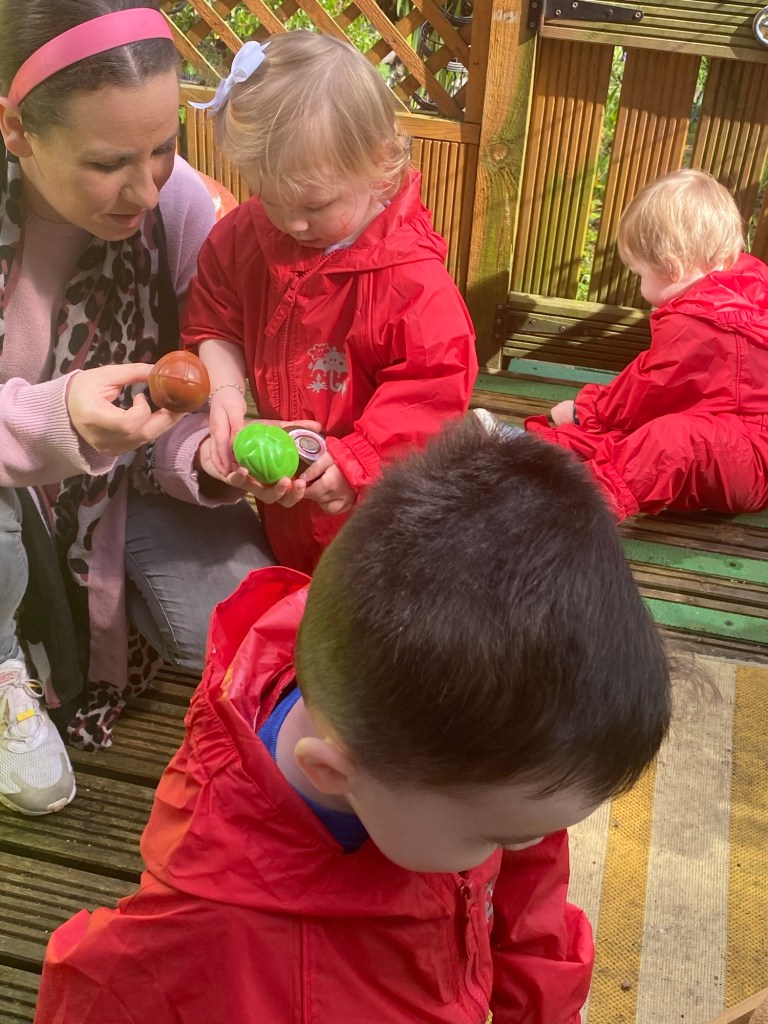
The Kitchen Role Play area is a vibrant and imaginative space that allows children to explore the various aspects of a kitchen area. In this engaging environment, young learners can don playful chef hats, wield safe utensils, and utilize miniature kitchen appliances to create their own culinary masterpieces. This area is designed not just for play but also to foster creativity, collaboration, and social skills as children work together to pretend they are hosting dinner parties or serving in a bustling café. Rich with interactive elements, the Kitchen Role Play area encourages children to use their imaginations while also familiarizing themselves with the concepts of food preparation, healthy eating, and even basic mathematics through measuring and counting ingredients. It serves as an essential component of early childhood development, blending fun with education in a way that sparks curiosity and joy in cooking.

Role play in early childhood education promotes creativity, social skills, and collaboration among peers. It aligns with the Early Years Foundation Stage (EYFS) objectives by enhancing language and communication through negotiation and idea-sharing. Additionally, it builds emotional intelligence as children empathize with others and reinforces cognitive skills by presenting problem-solving opportunities. Ultimately, role play is a valuable and enjoyable tool for intertwining learning objectives.
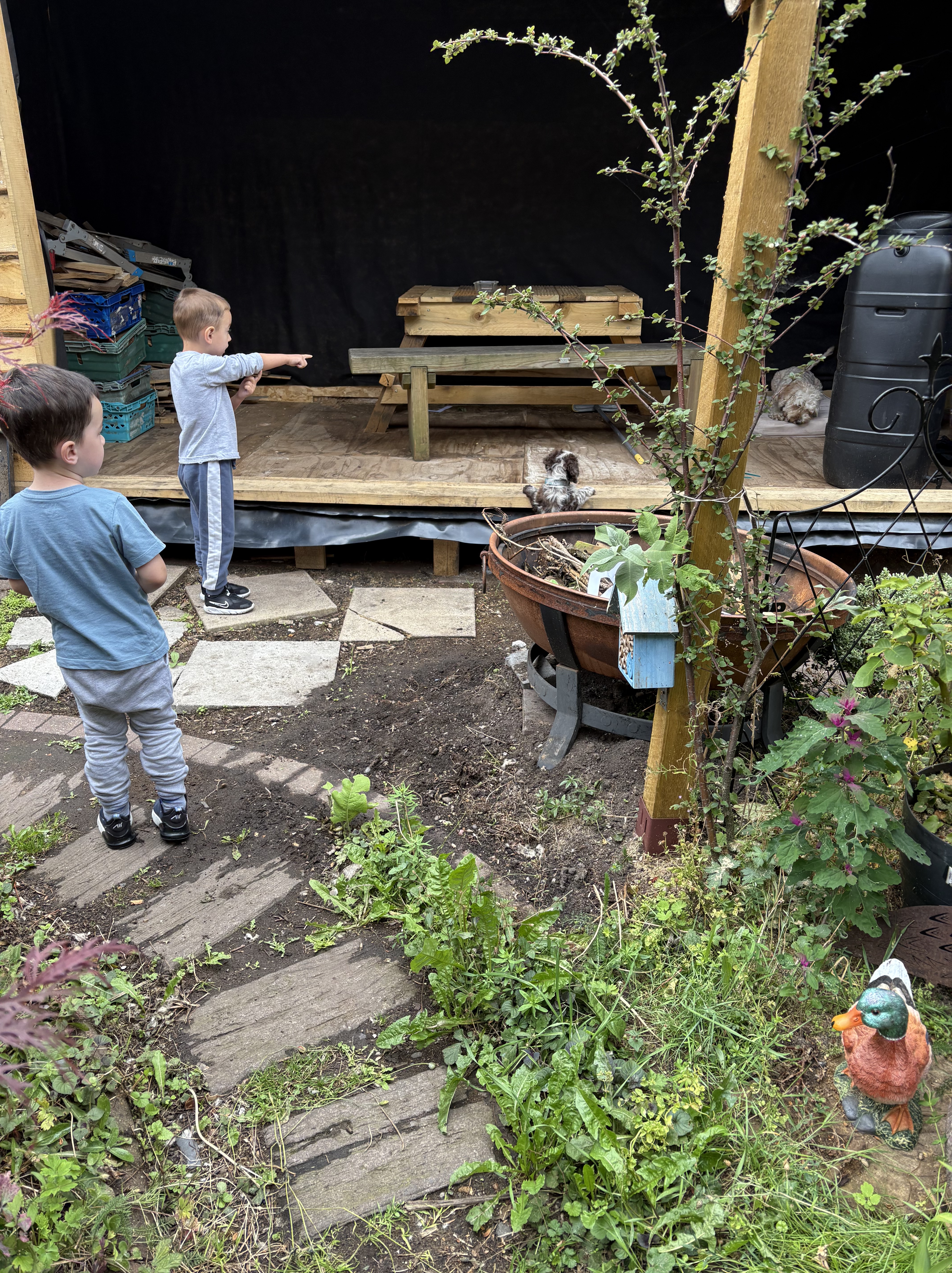
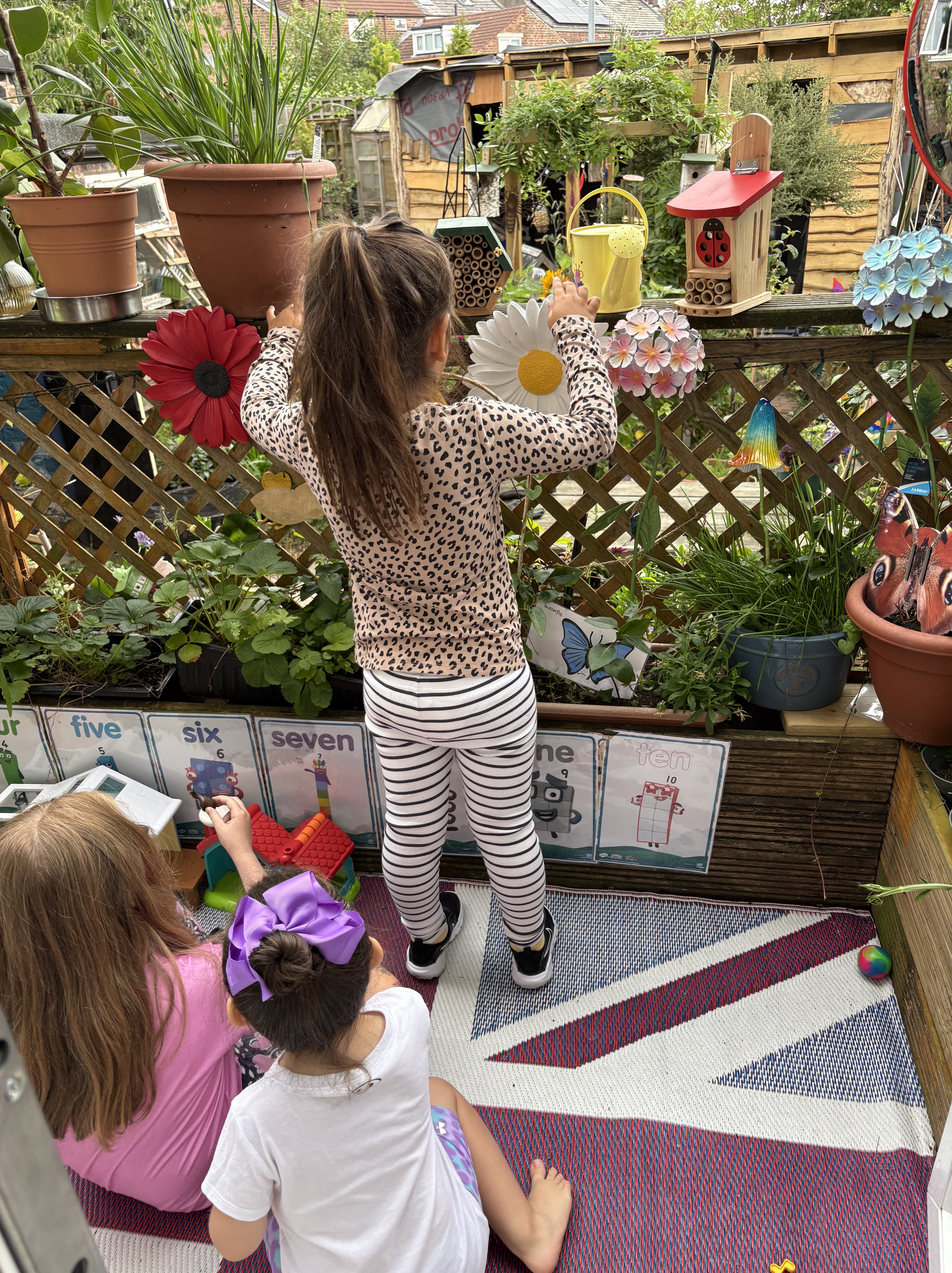
Posted in Uncategorized

Engaging Nature: A Unique Classroom Experience

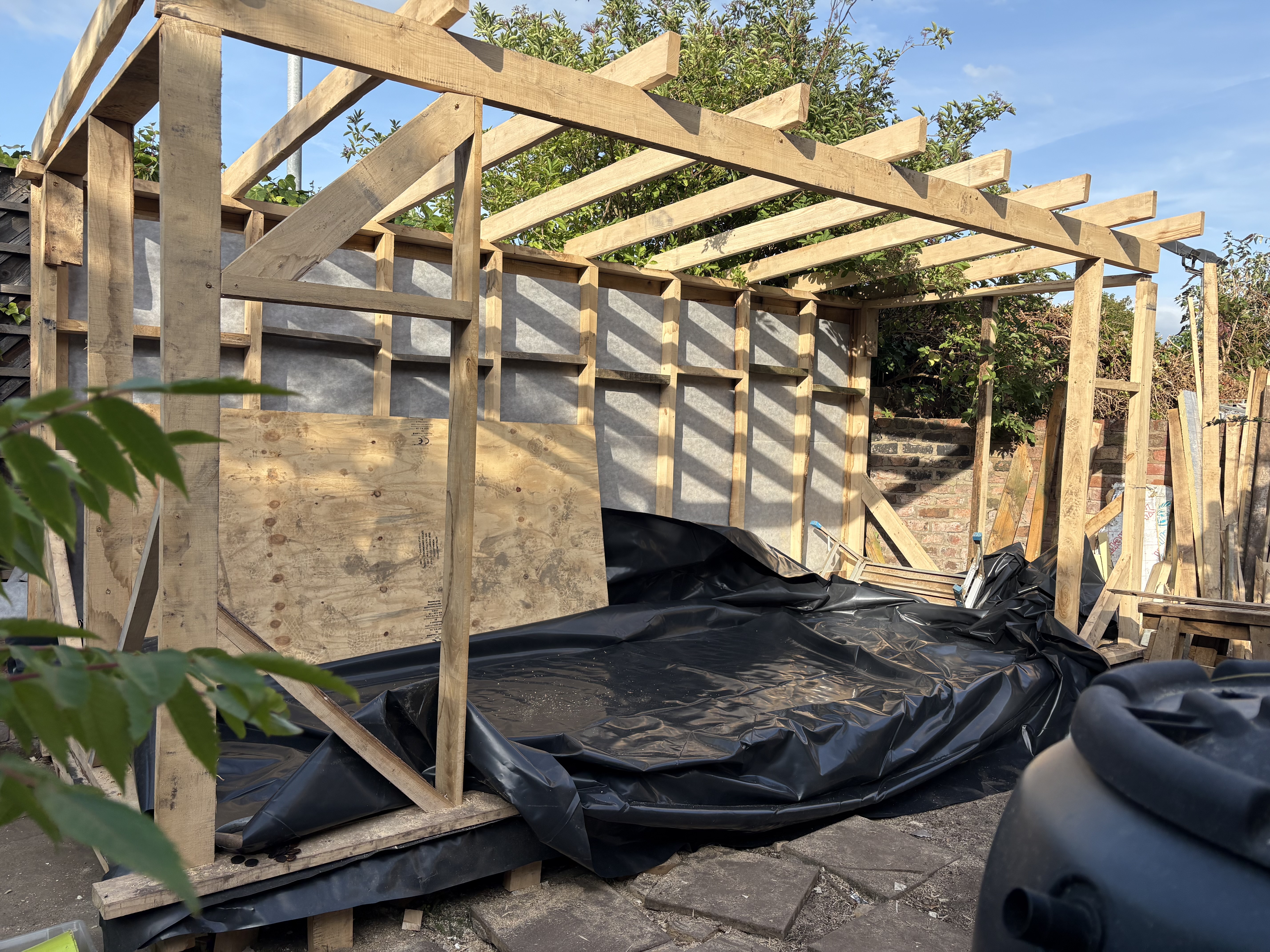
The builders have gone home for the weekend, so we have been able to go down and have a look at the garden classroom, which is still in the process of being finished. It’s quite exciting to see the space taking shape, with fresh wood framing, vibrant paint colors selected for the walls, and large windows that will allow plenty of natural light to flood in. As we stroll around, we can almost envision the children engaging with nature in this unique environment, fostering their creativity and curiosity while learning about the flora and fauna right at their doorstep. The potential for outdoor lessons and hands-on activities is endless, making this classroom not just a place of learning, but also a sanctuary where children can connect with the world around them.

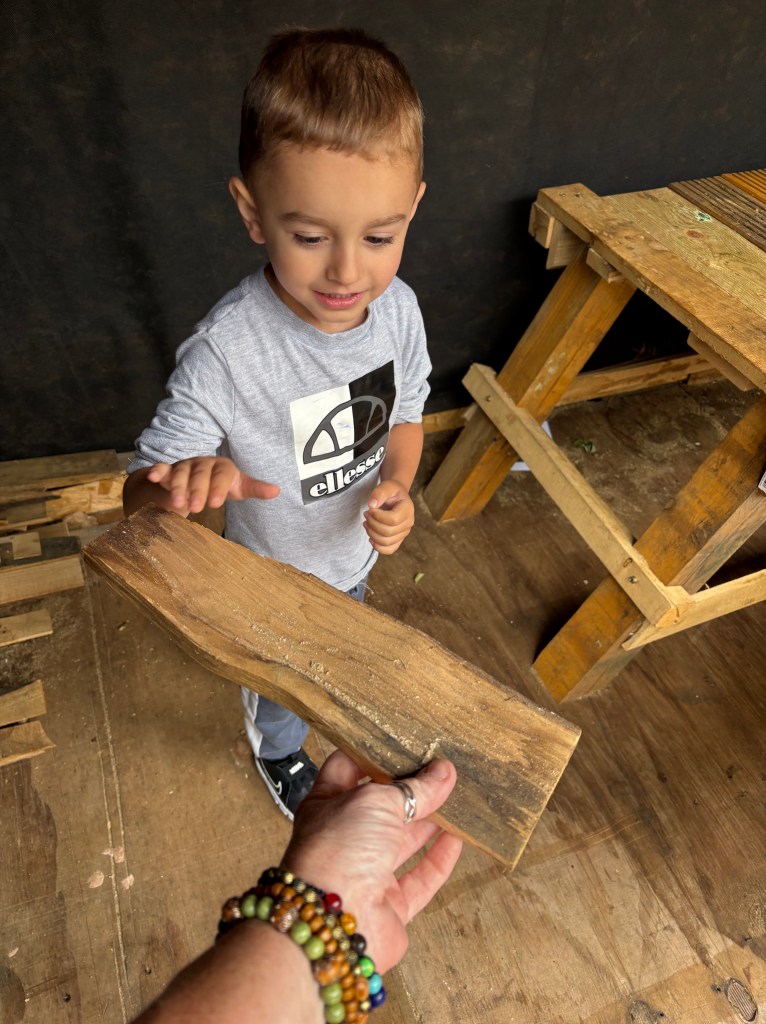
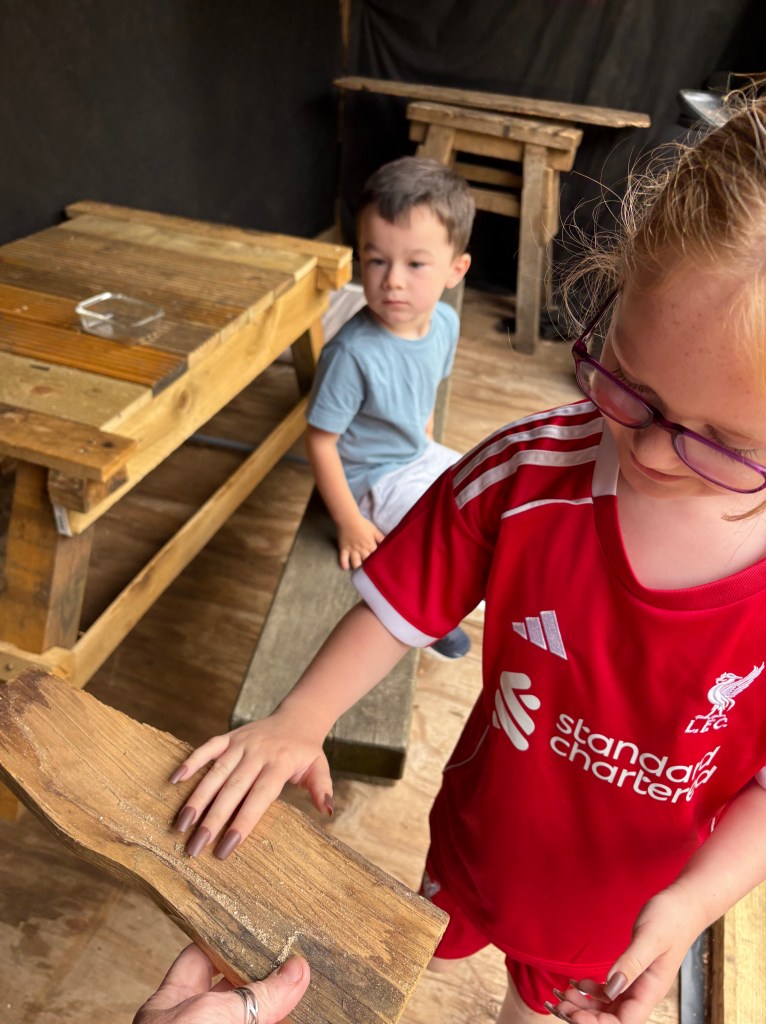
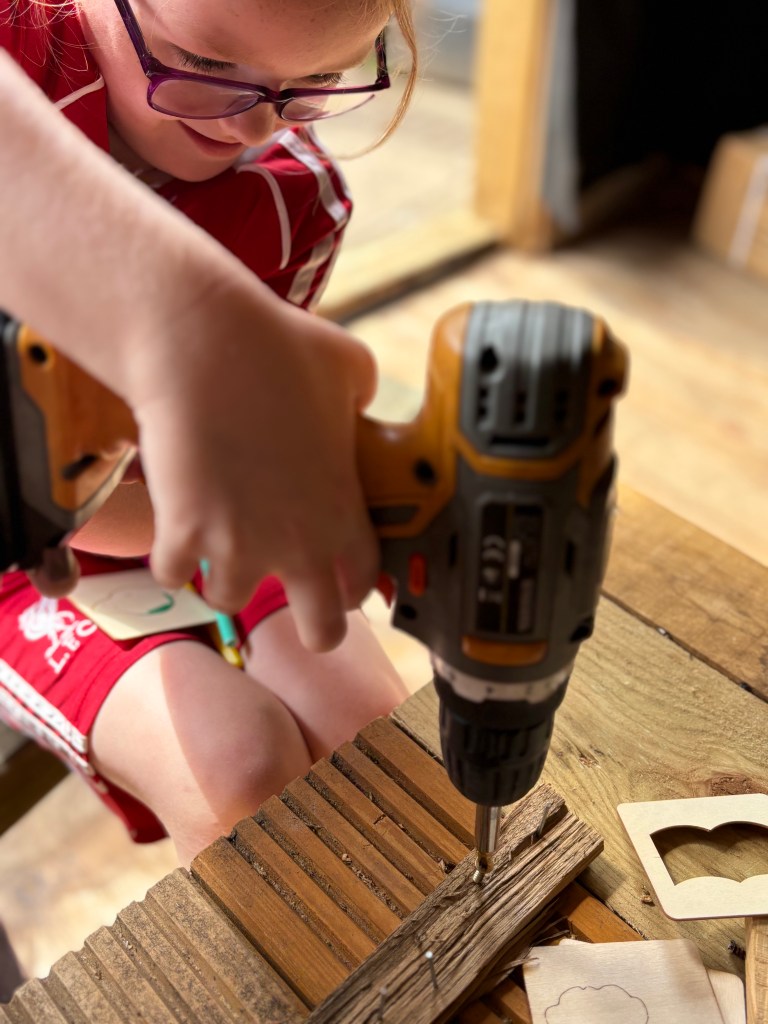
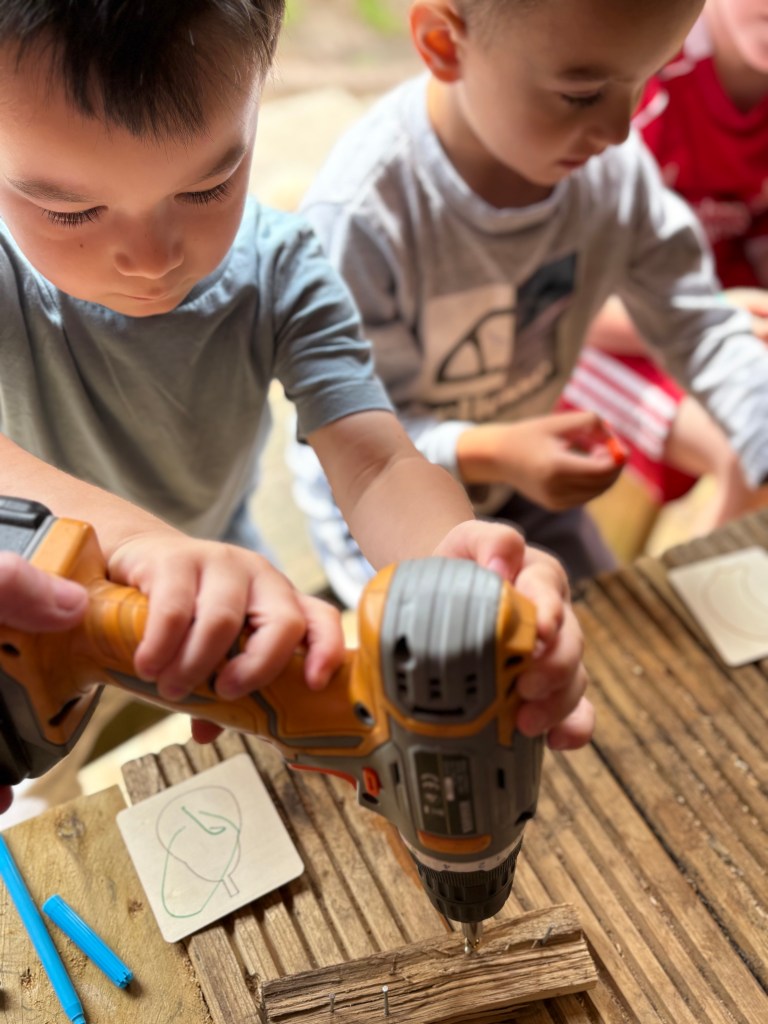
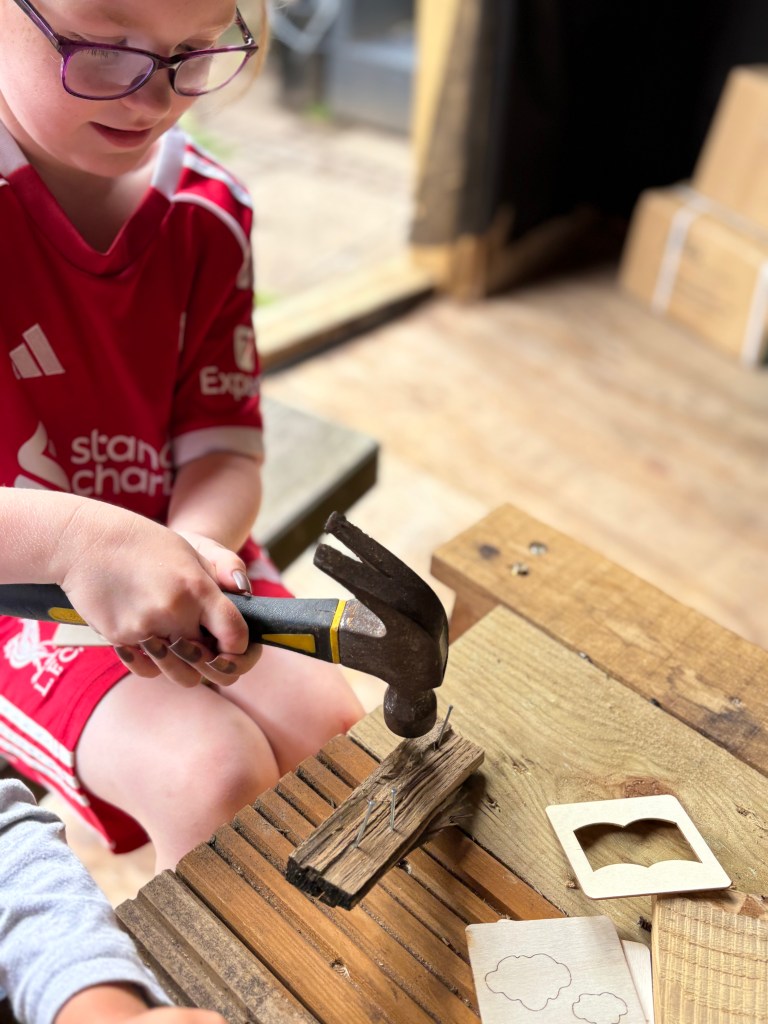
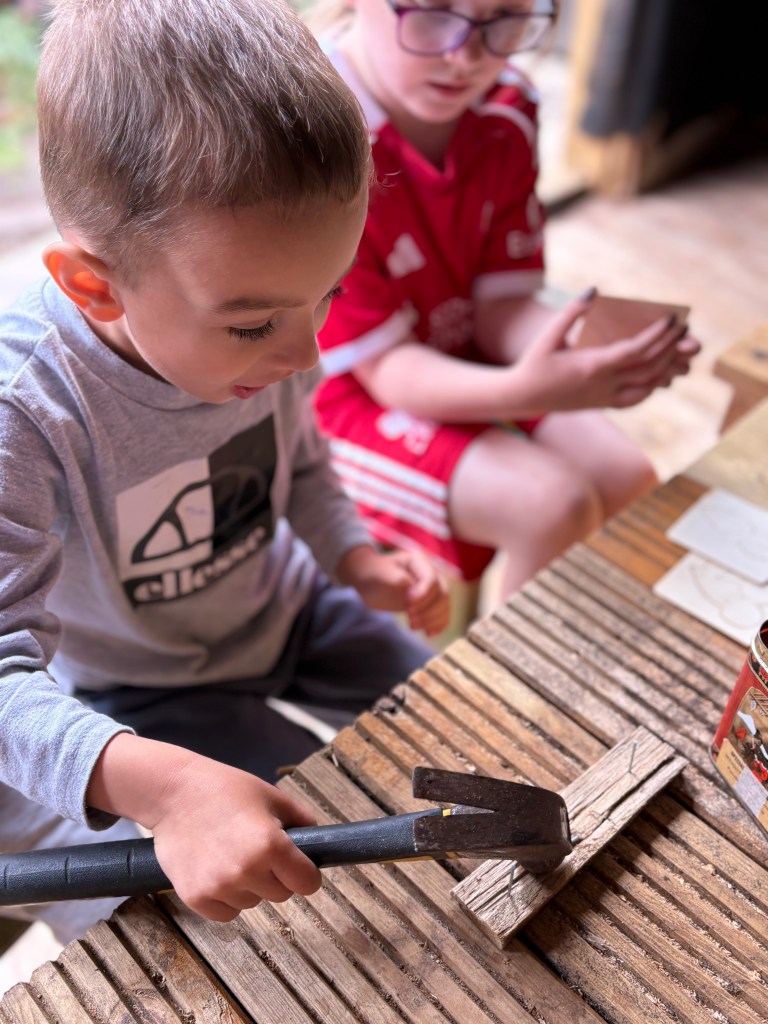
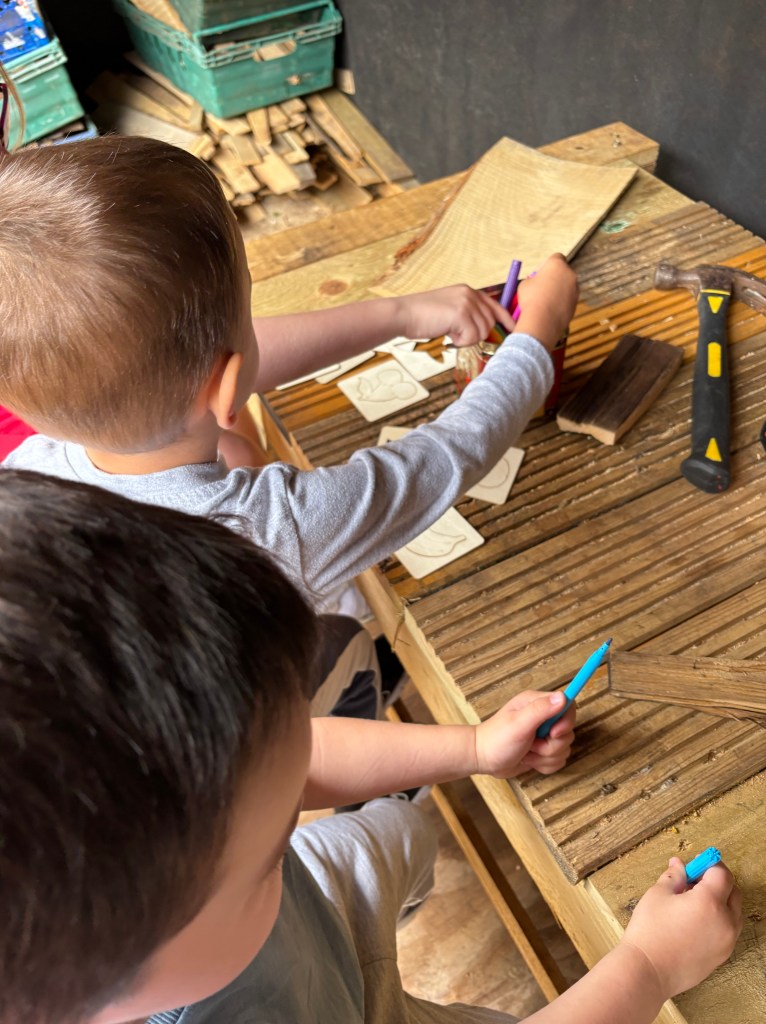
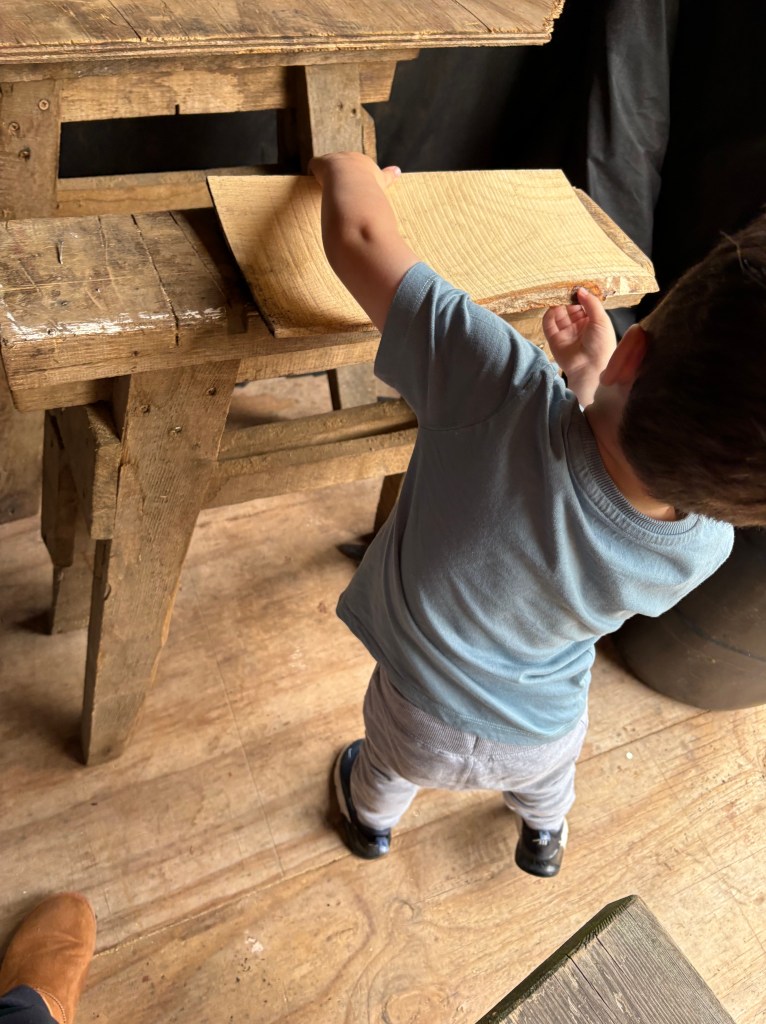
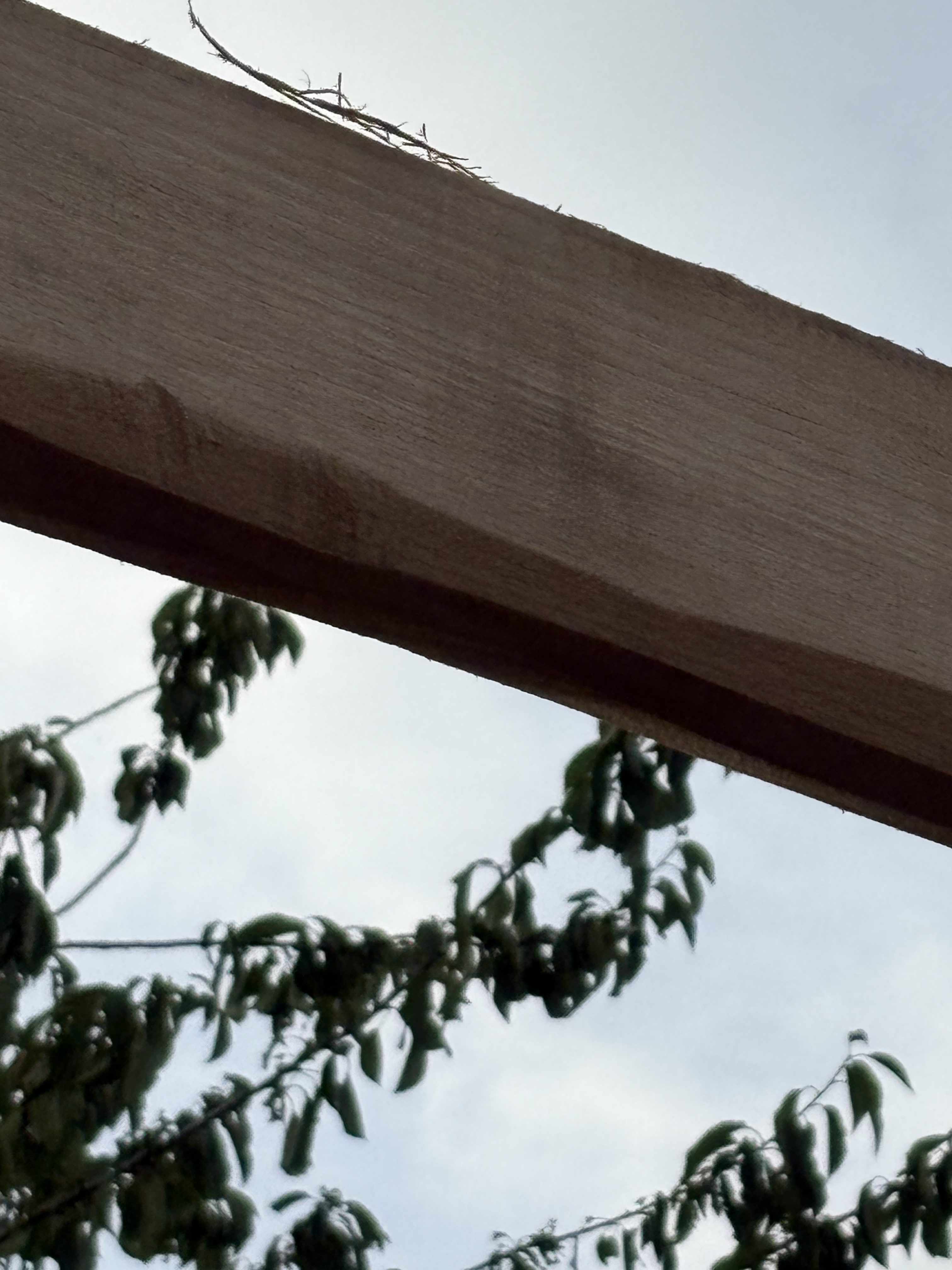
We looked at the wood carefully, appreciating its unique textures and colors, and used real tools to practice our skills while taking care to prioritize safety first. We examined the different types of wood, learning about their various properties and how they contribute to different projects. Each tool had its purpose, and we discussed how STEM concepts intertwined with our hands-on experience in this learning adventure, all while engaging the children in the Early Years Foundation Stage (EYFS) curriculum. Through this process, we fostered creativity and problem-solving abilities, encouraging an appreciation for craftsmanship and the natural materials around us.

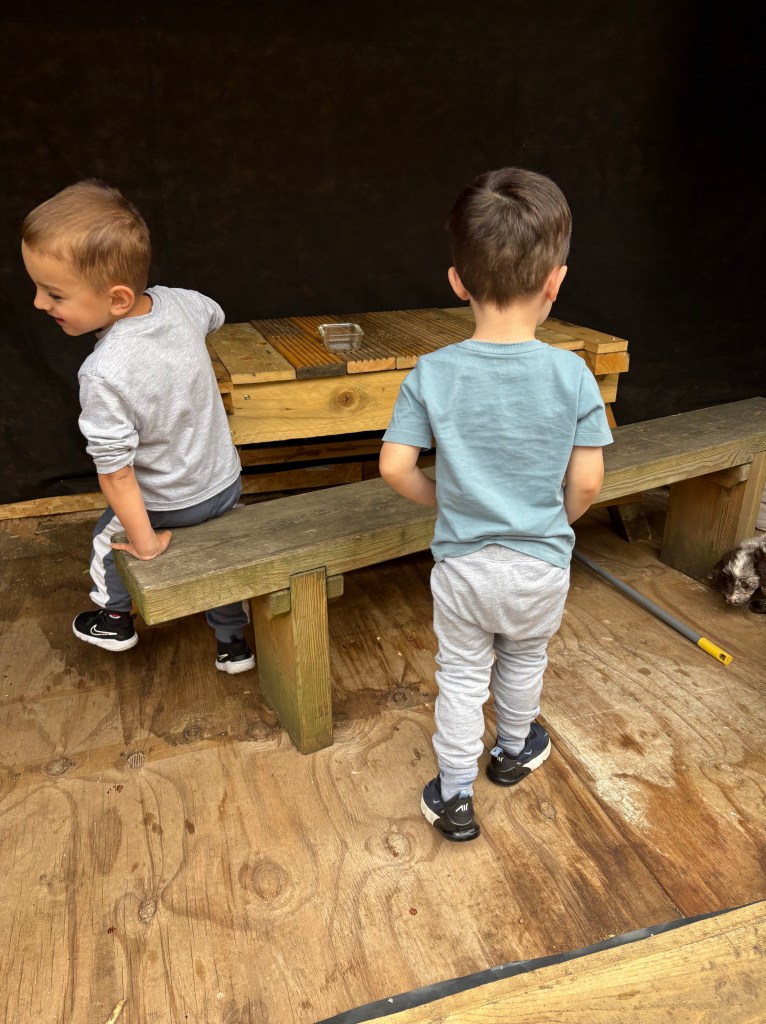
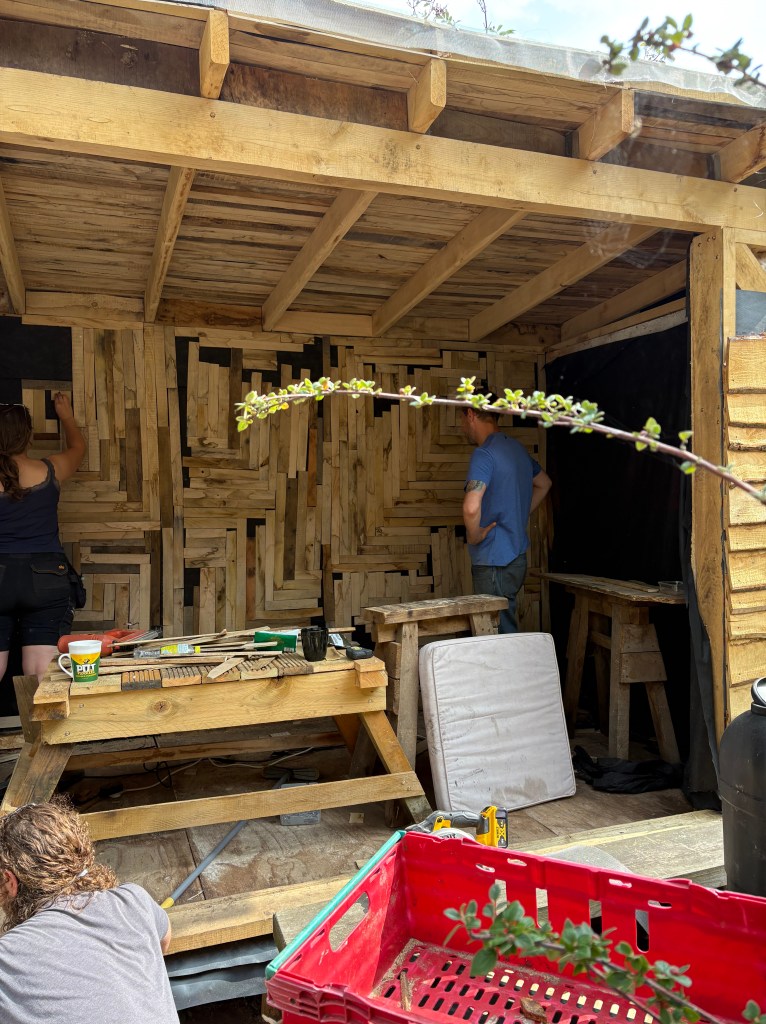
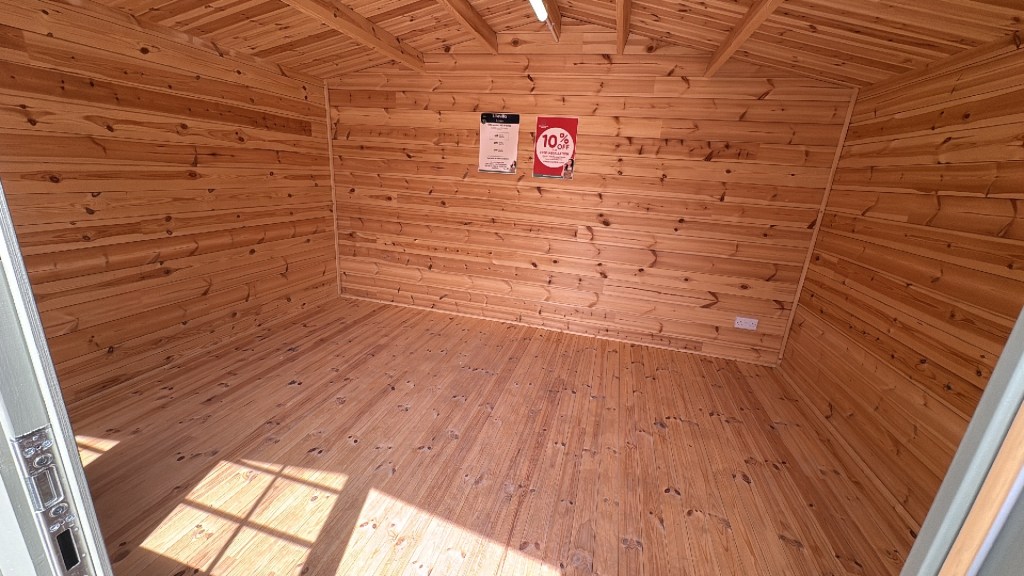
The walls have been insulated and covered in recycled wood, creating a warm and inviting atmosphere, while also highlighting sustainable resources. The mosaic textures of the walls add a unique aesthetic appeal, each piece telling its own story of reclaimed craftsmanship. They even made a stunning table out of reclaimed decking, showcasing the beauty of upcycled materials, inviting friends and family to gather around for memorable meals and conversations. This commitment to environmental responsibility not only enhances the living space but also serves as a testament to creative design that respects our planet.

Posted in Uncategorized

Day 4: The Big Build Gallery

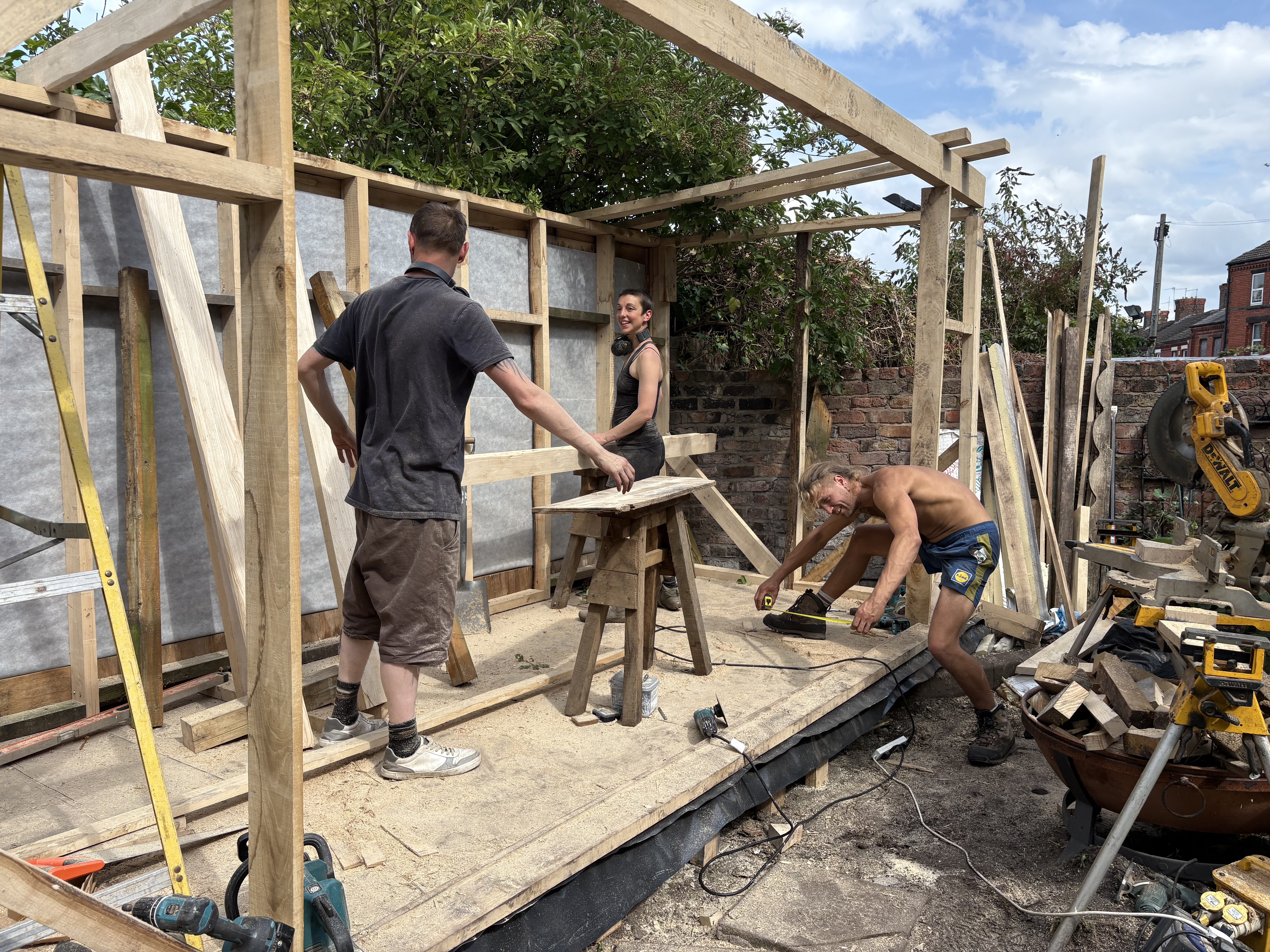
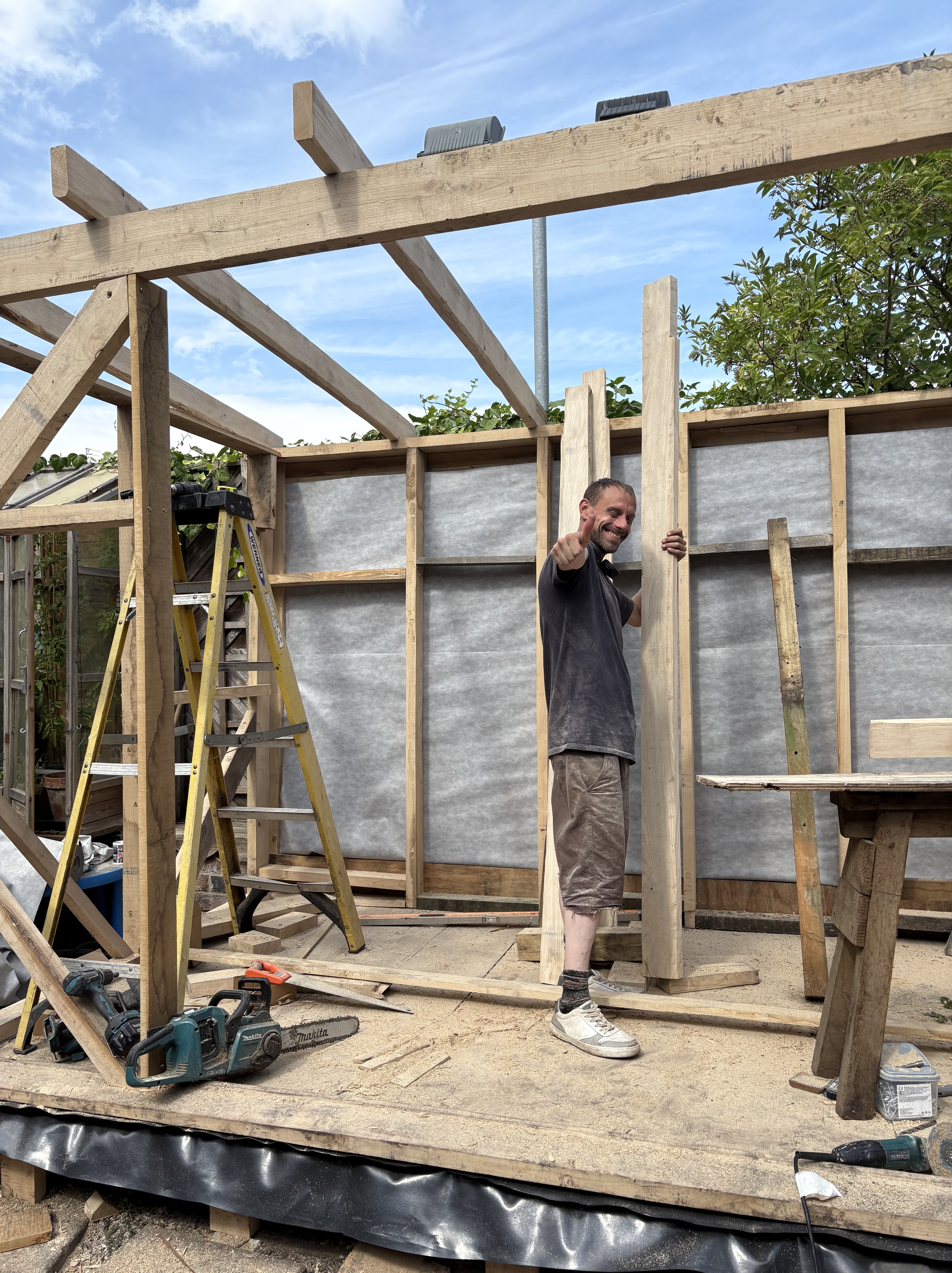
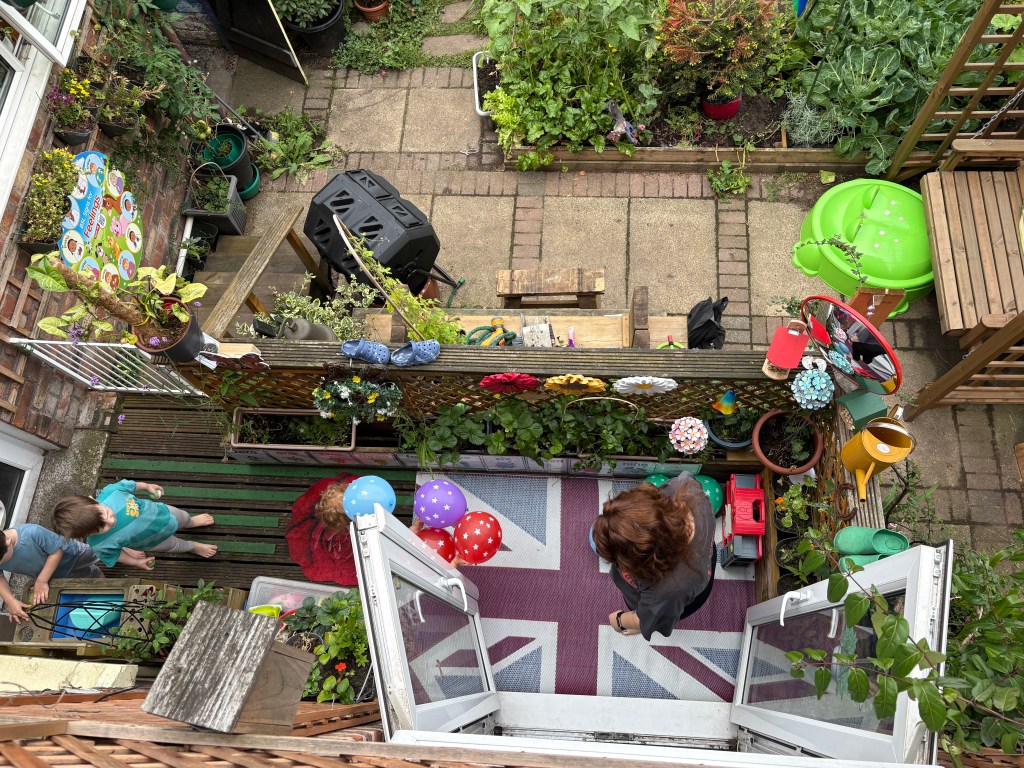
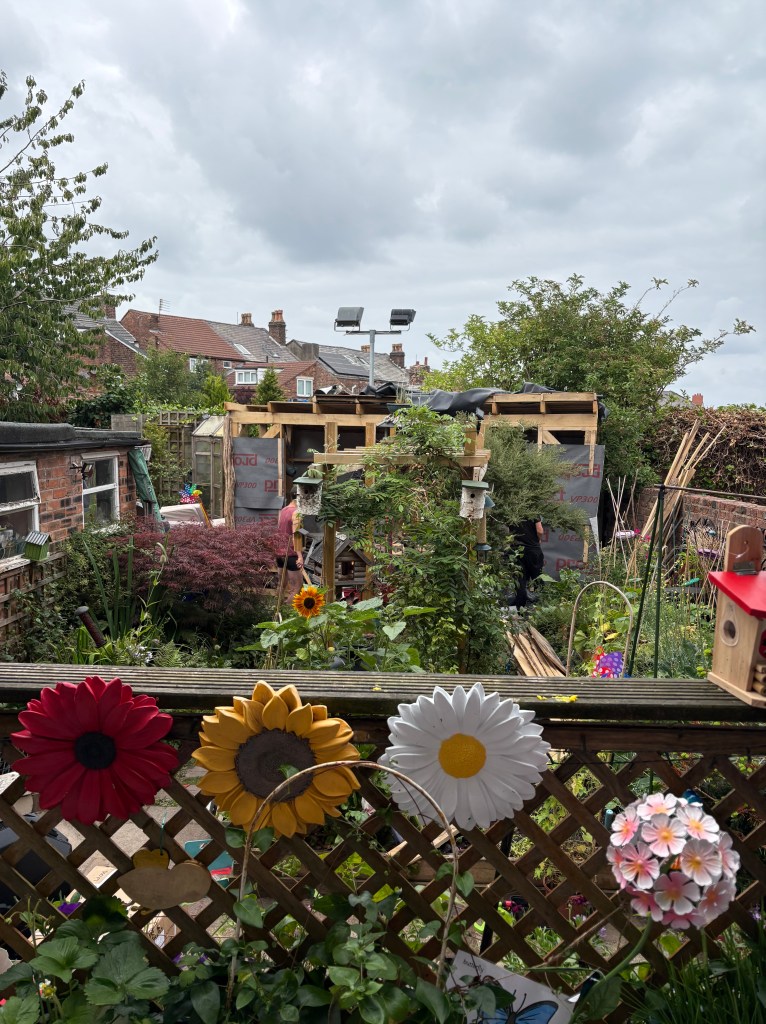
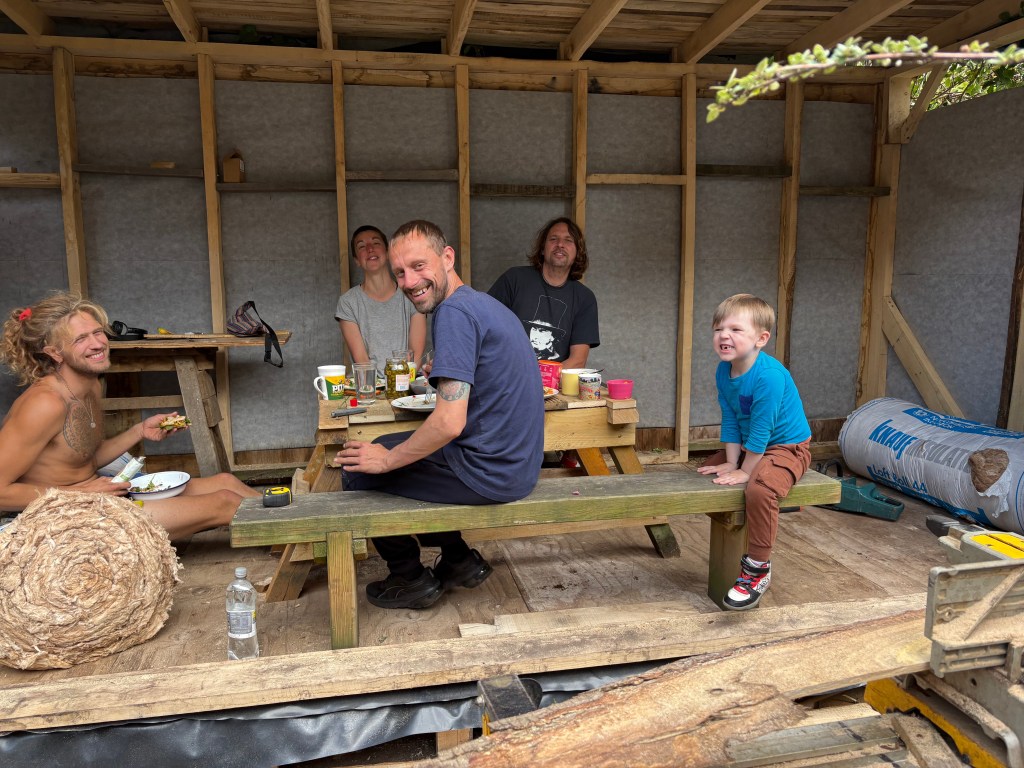
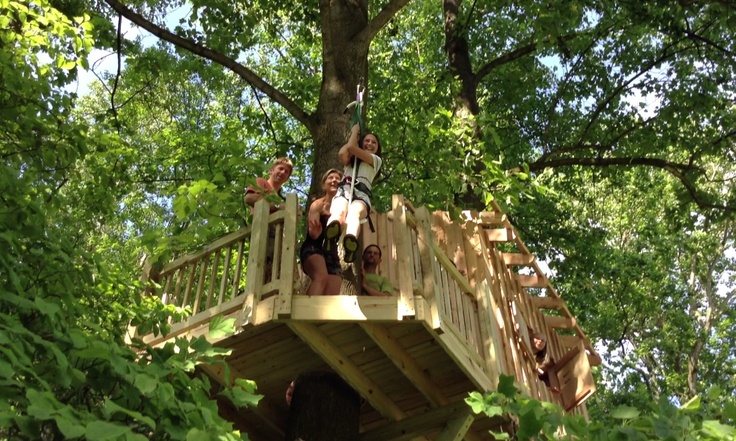
Today everyone was working very hard in the lovely sun, the build is coming on fast and everyone is so busy, with people bustling about, each focused on their tasks. We are enjoying playing on the balcony, laughing and sharing stories while watching everyone working diligently and the classroom taking shape, transforming before our eyes into a vibrant space filled with creativity and potential. The sounds of tools and cheerful conversations blend harmoniously, creating a lively atmosphere that enhances our cheerful spirits as we eagerly anticipate the completion of this exciting project.

Jack was cheeky and went down into the garden to have a chat with everyone while they had their lunch, feeling adventurous and eager to share the stories he had gathered during the week. As he approached the group, he noticed how warm the sun was in the garden iWith a playful grin, he interrupted their conversations, bringing laughter and light-hearted banter, which made the lunch break feel even more enjoyable. Jack’s enthusiasm was infectious, and soon everyone was sharing their own anecdotes, turning an ordinary meal into a delightful gathering filled with camaraderie and joy.

Posted in Uncategorized

Exploring the Gruffalo Trail: A Day of Nature and Learning

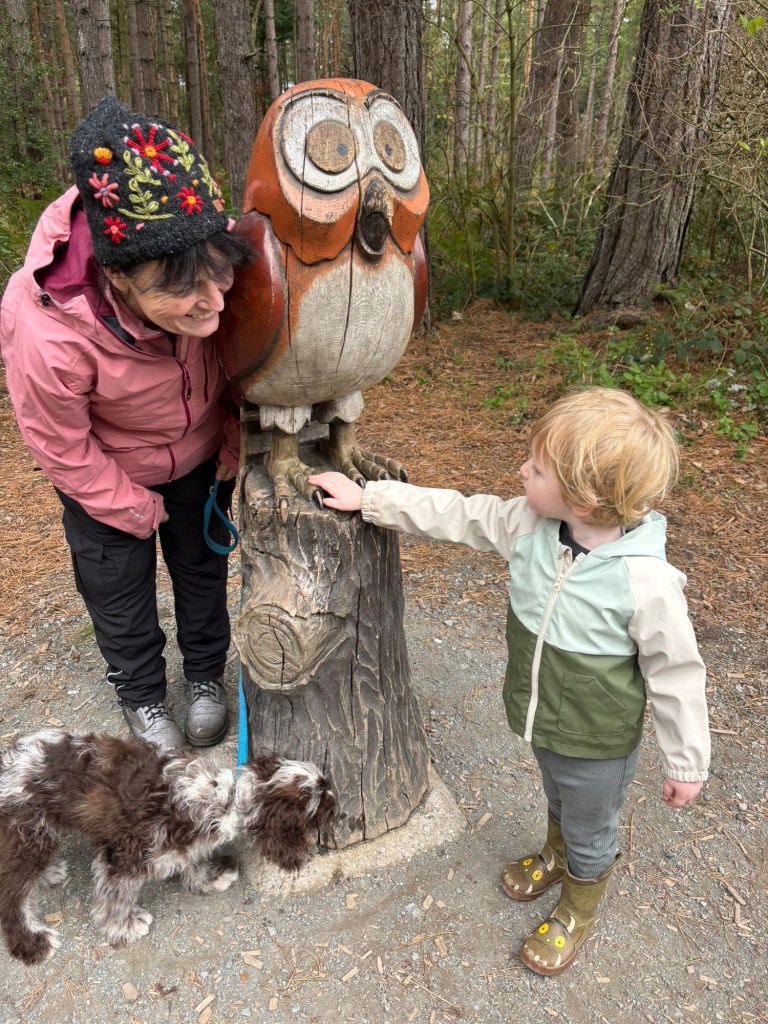
Today we took the children to visit the Delamere Forest Gruffalo Trail the main aim of the trip was to develop key skills in observation, map reading, and navigation, while engaging in physical activity through woodland exploration. The trail encourages imaginative play, sensory experiences, and an appreciation for nature, allowing the children to connect with the story and characters. 

Key learning opportunities embedded in the trip included:

Technology & Art: The Gruffalo Spotters AR app brings characters to life using technology, while the wooden sculptures offer appreciation for art in nature.  the trip was to develop key skills in observation, map reading, and navigation, while engaging in physical activity through woodland exploration. The trail encourages imaginative play, sensory experiences, and an appreciation for nature, allowing the children to connect with the story and characters. 

Navigation & Logic: Children learn to read simple maps and follow clues to locate sculptures, enhancing decision-making skills.

Physical Development: The uneven, natural terrain helps improve coordination, balance, and core strength.

Nature & Ecology: Children can learn about forest habitats, wildlife, and natural cycles of growth and decay.

Literacy & Imagination: The experience brings Julia Donaldson’s story to life, fostering imagination and a love for reading.

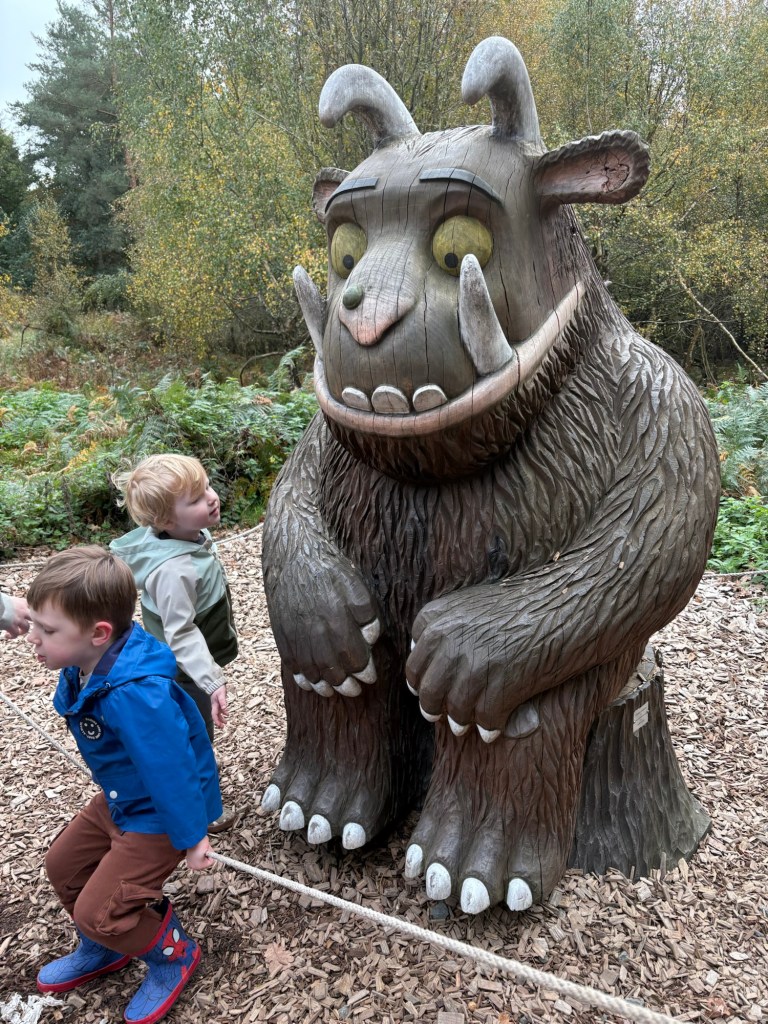
    We found the Gruffalo! Jack shouted ‘ O no, O help it’s the Gruffalo!

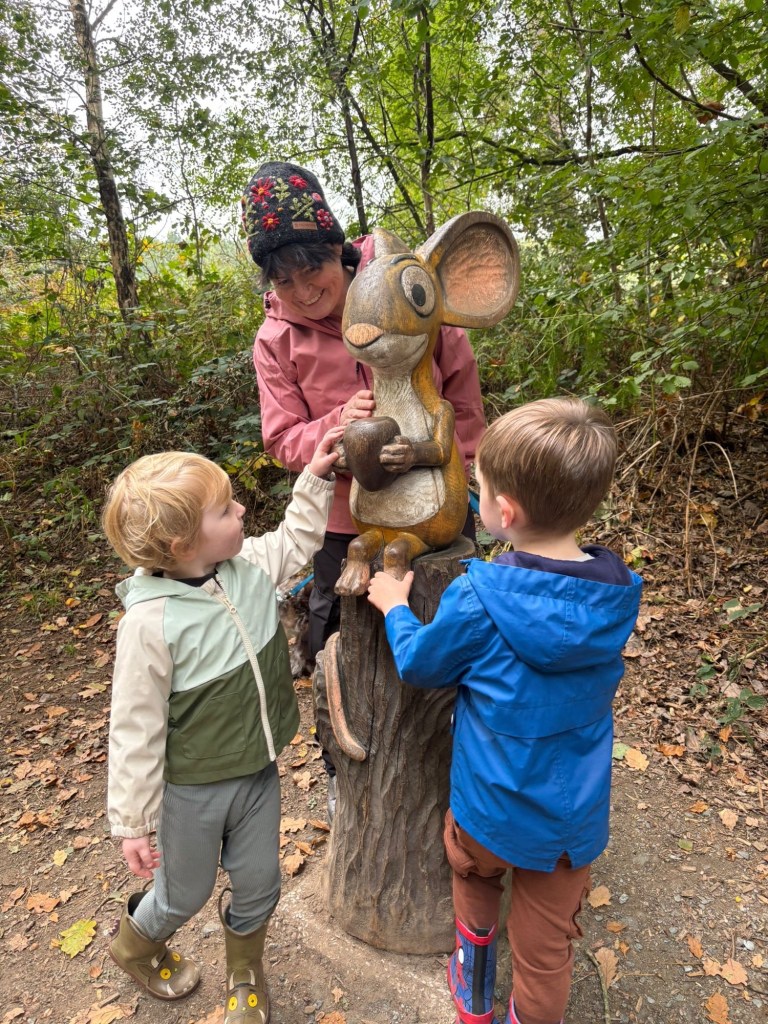
    We came across the mouse sitting on the log we carried on quoting the story Ben said “nut” and Jack told us ‘the Gruffalo had run away, so the mouse enjoyed a nut in peace’

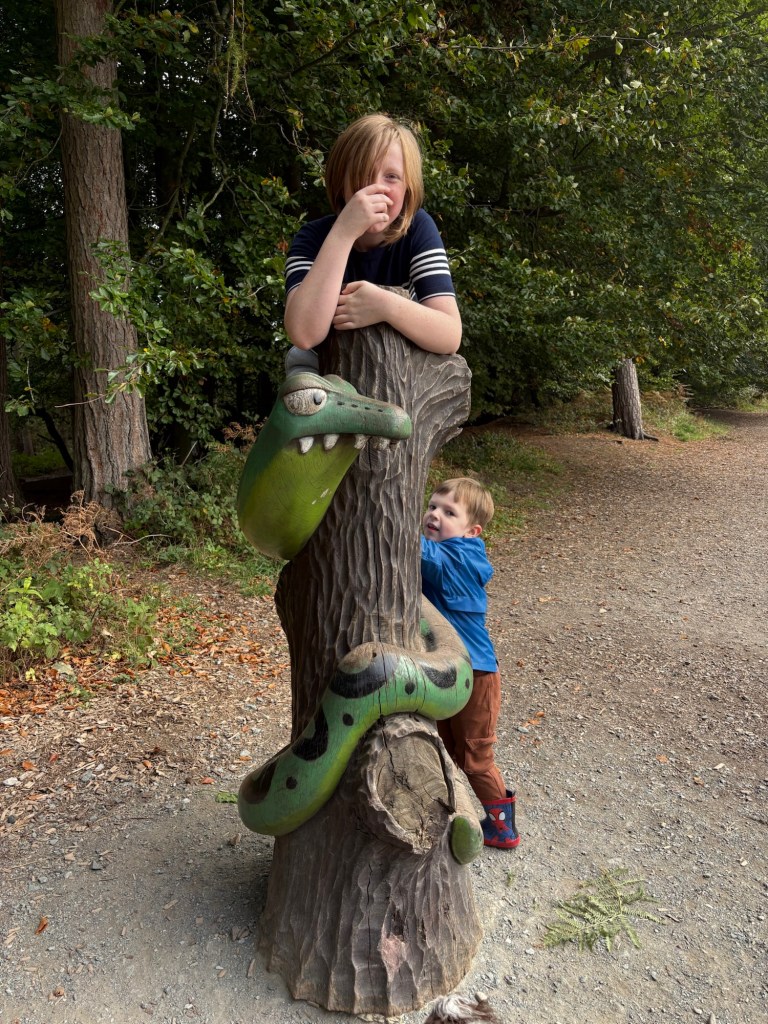
    Chloe told us all about the snake living in the log pile house, slithering and squirming around waiting to jump out and gobble up the tiny mouse.

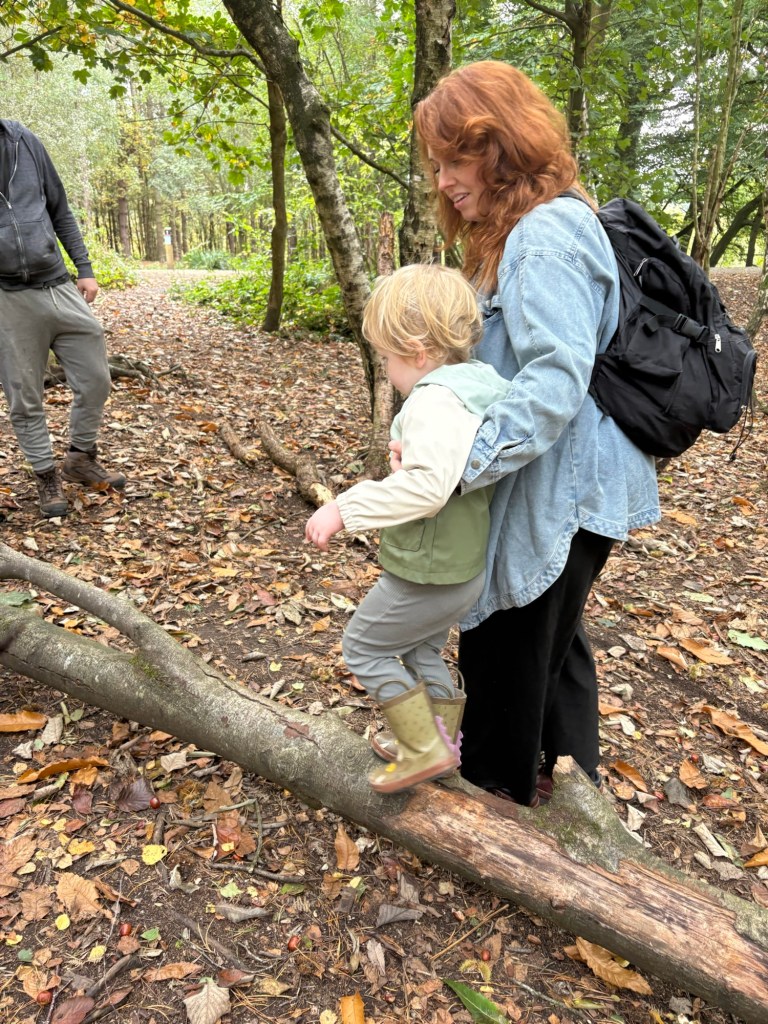
    Ben enjoyed walking along the long log having support from Gemma to balance and keep steady.

    During the trip we learnt all about the Woodland Ecology & Nature all around us.

    Animal Habitats: By searching for the sculptures, the children explored the realistic settings where creatures like foxes, owls, and snakes live.

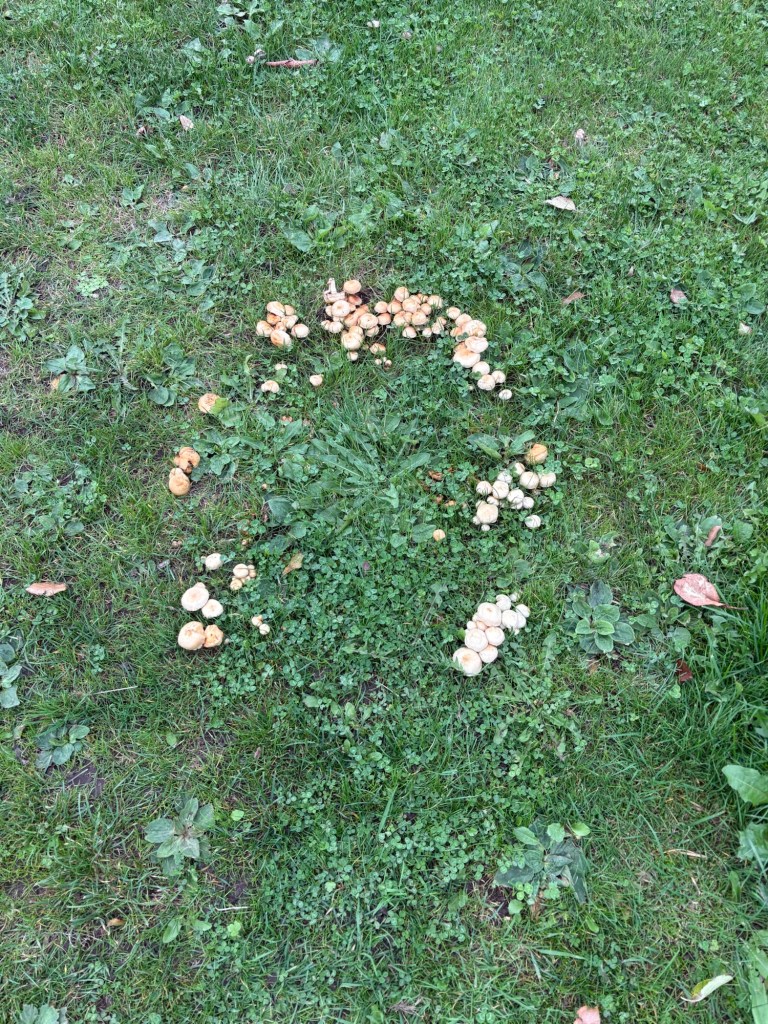
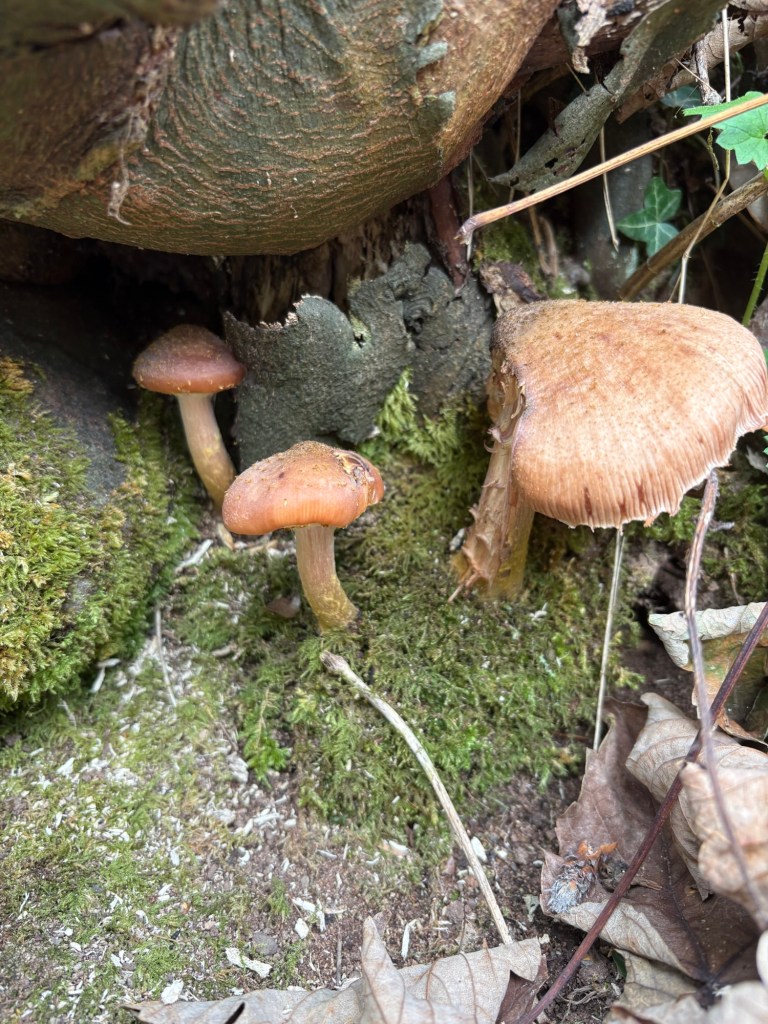
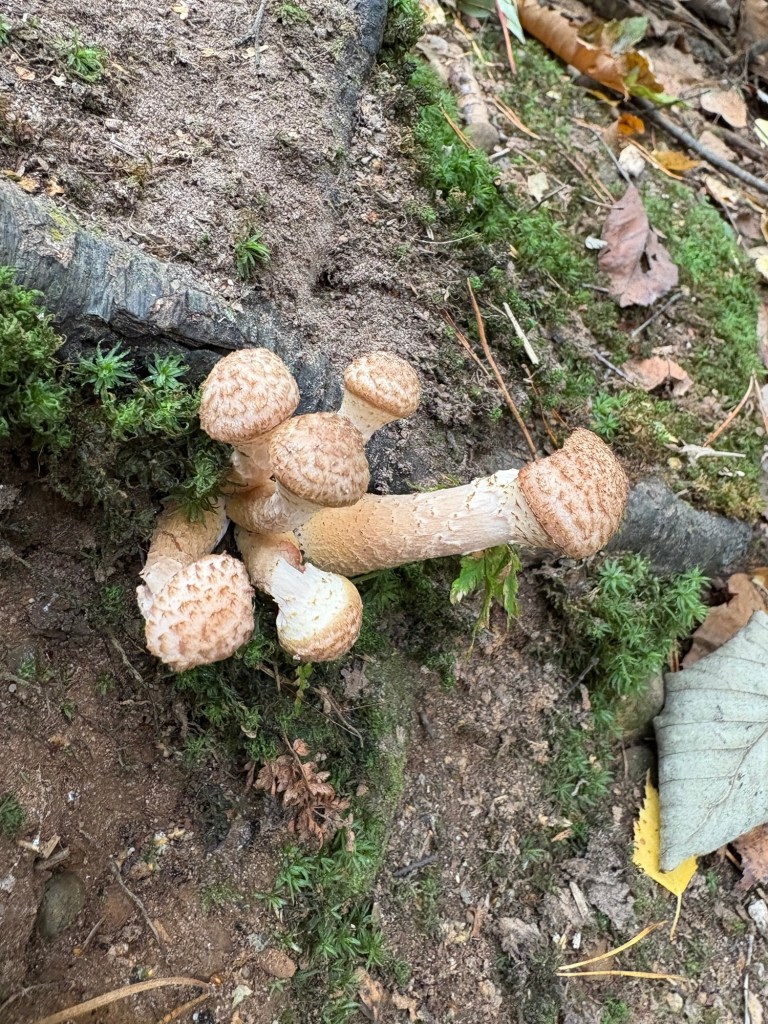
    Plant Life: Various signs along the trail encouraged the children to identify different leaves, mushrooms and learn about how plants and animals care for one another.

     Observation: Interactive panels along the way taught us how to look for animal tracks and listen for specific forest sounds.

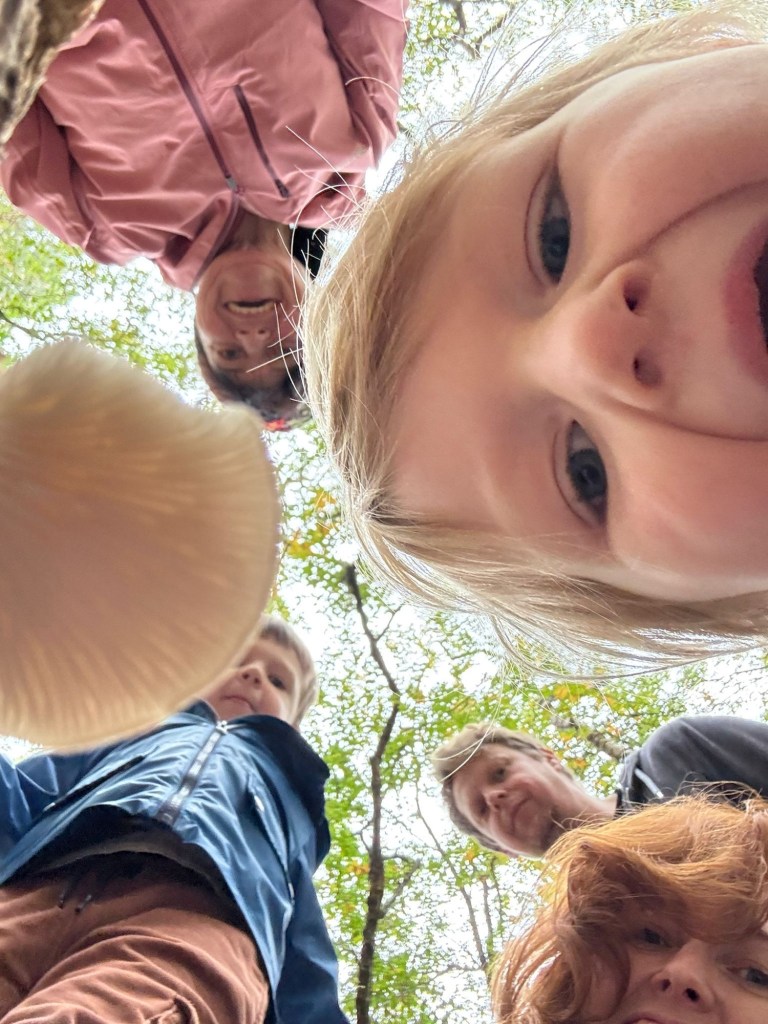
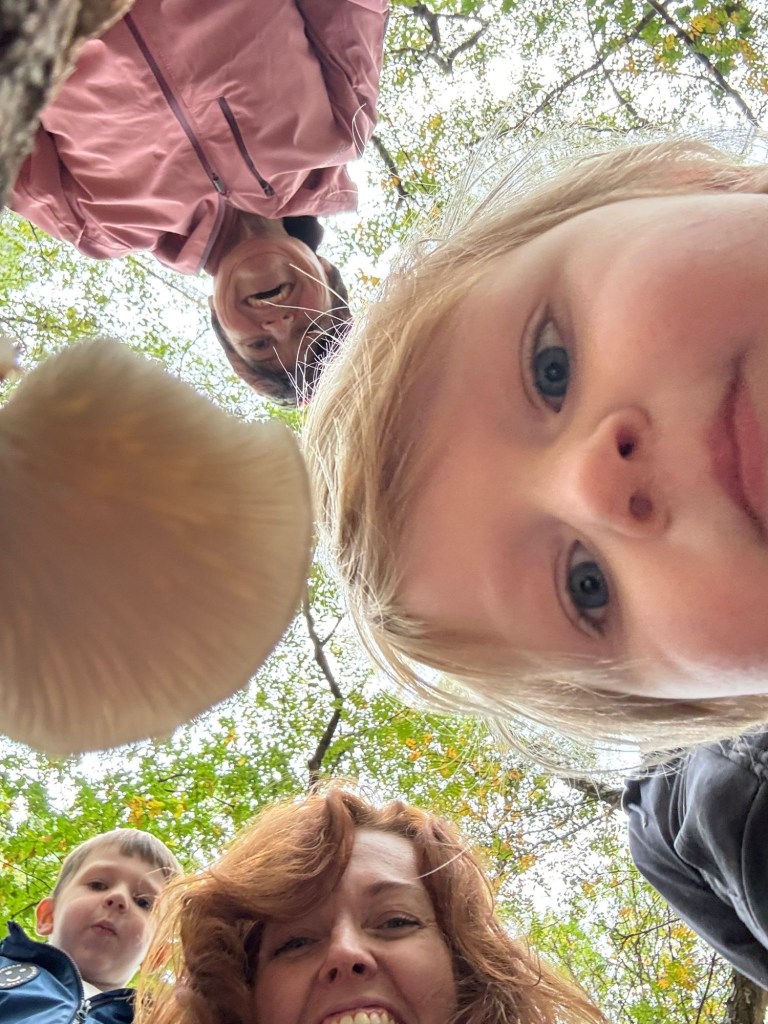
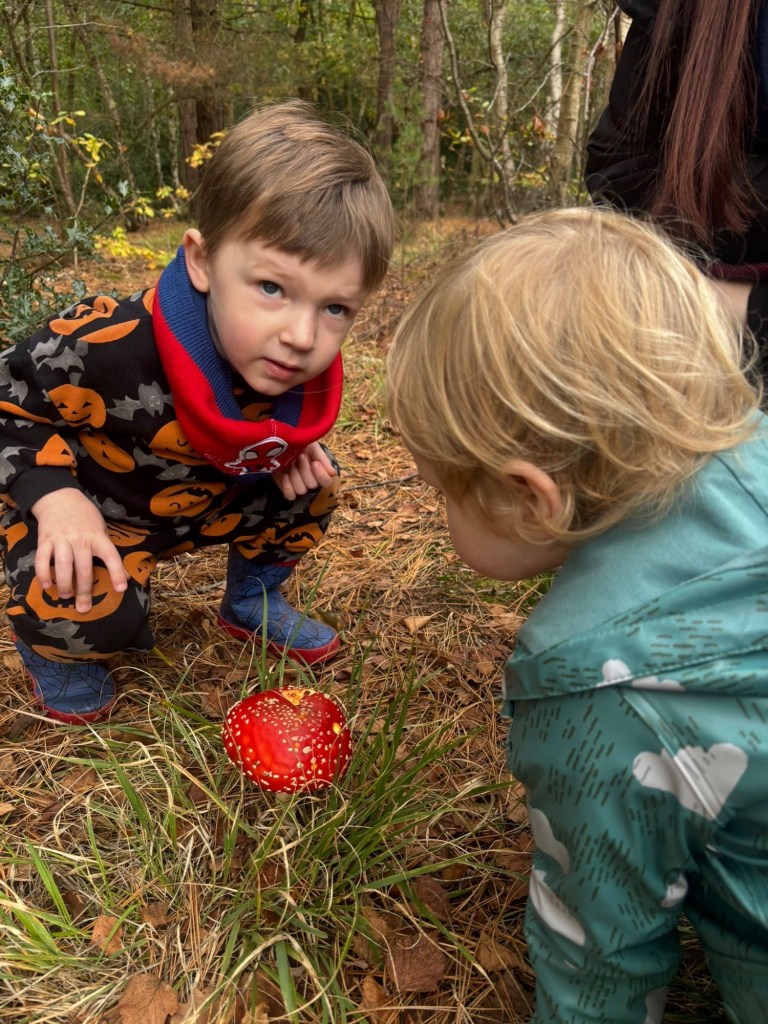
    We wanted to share this lovely photograph we too of us all observing the mushroom.

    We had an amazing day out, beyond the “official” learning objectives, the trip to Delamere Forest was a brilliant way to sneak in some character building and quality bonding that they won’t even realise was educational.

    If you’re heading out there, make the most of the amazing “interactive classroom”:

    Posted in Outdoor Curriculum

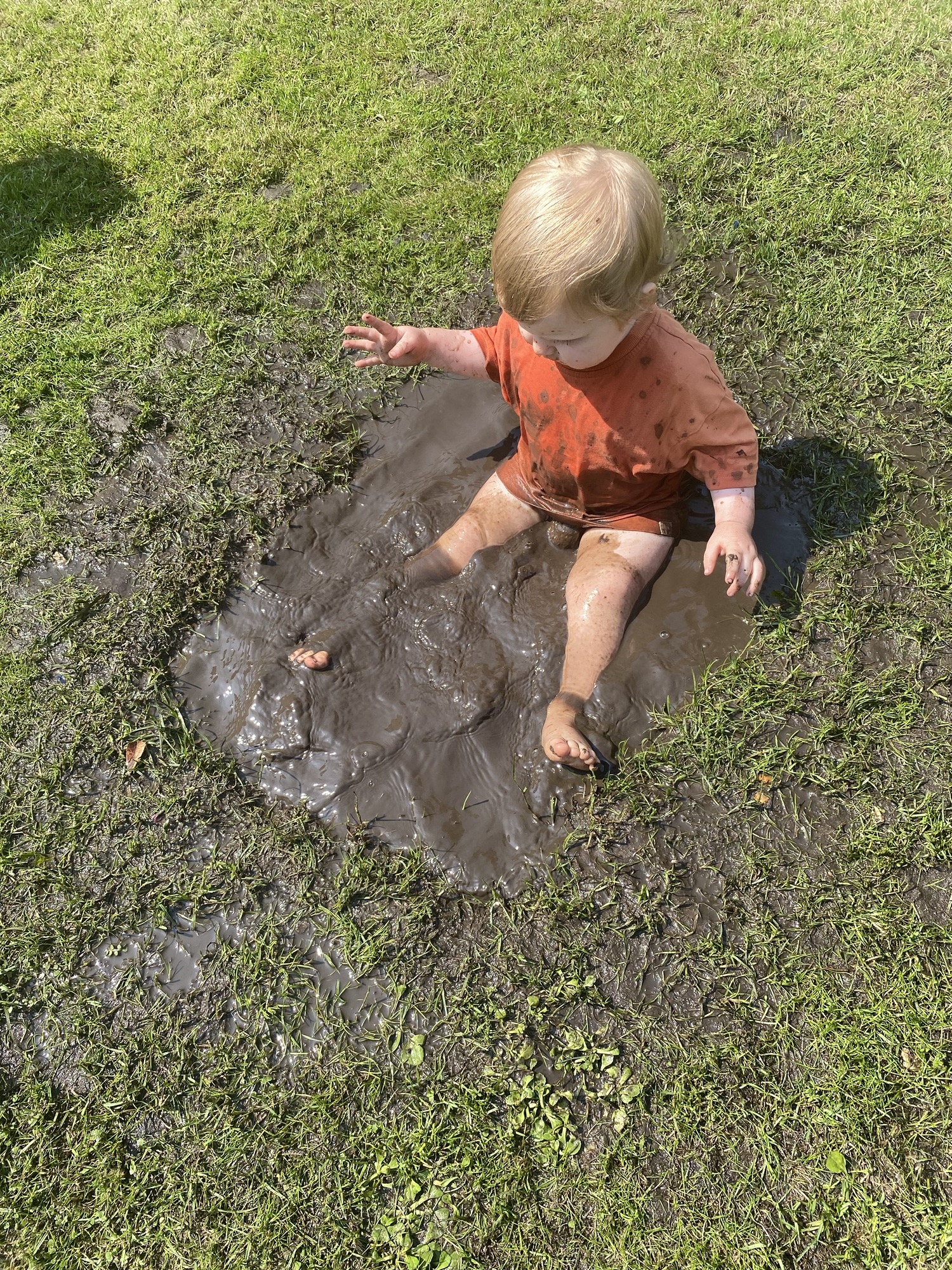
    Soil and Mud Play

    Soil and Mud

    Our Garden Classroom

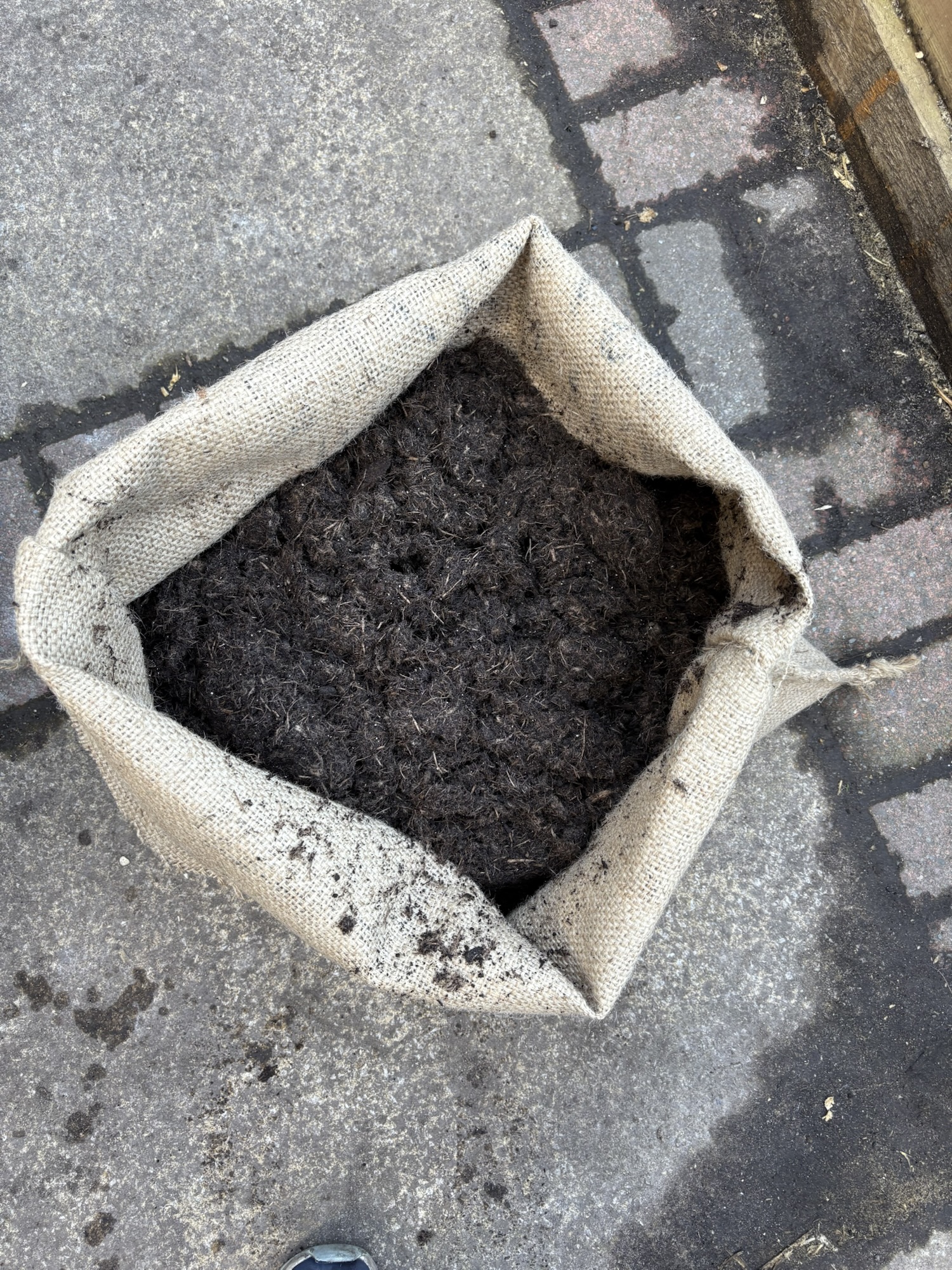
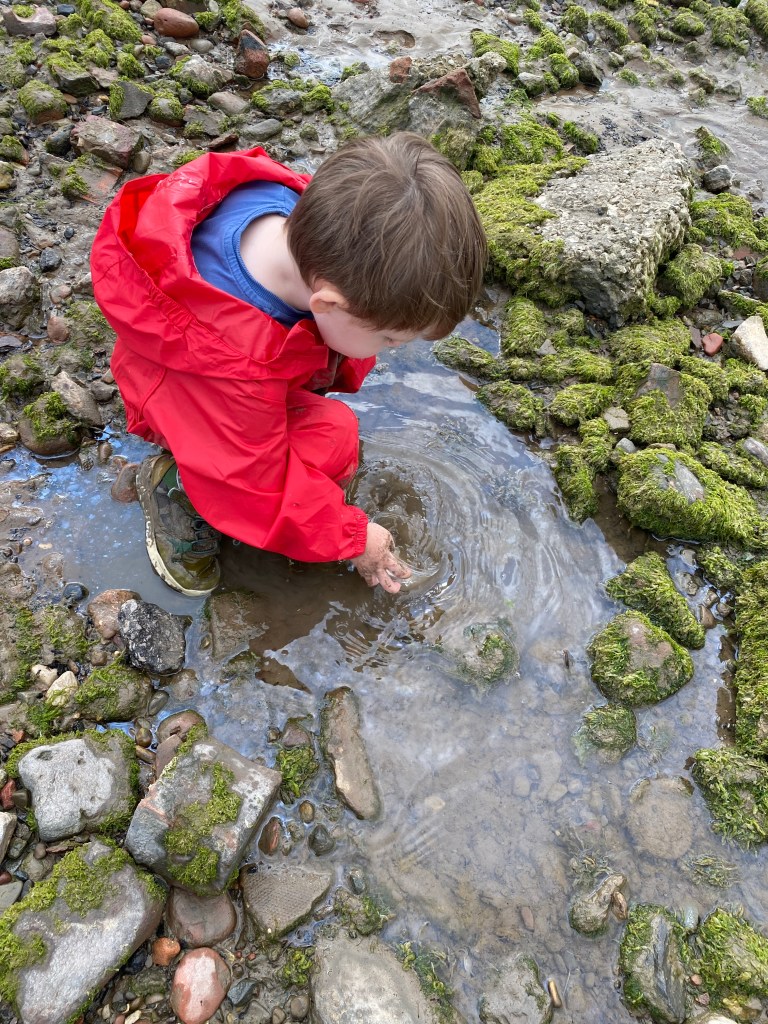
    This is something that is available to children in large quantities and it’s great to see how the changing elements of the season change the children’s relationship with it.

    Checklist of Opportunities

    • Wet mud
    • Dry mud
    • Poking and wondering what will happen when it rains, sun shines
    • Transporting mud to different places
    • Mark making with mud
    • Combining mud with different loose
    • parts: bricks, pebbles, flower petals and leaves.
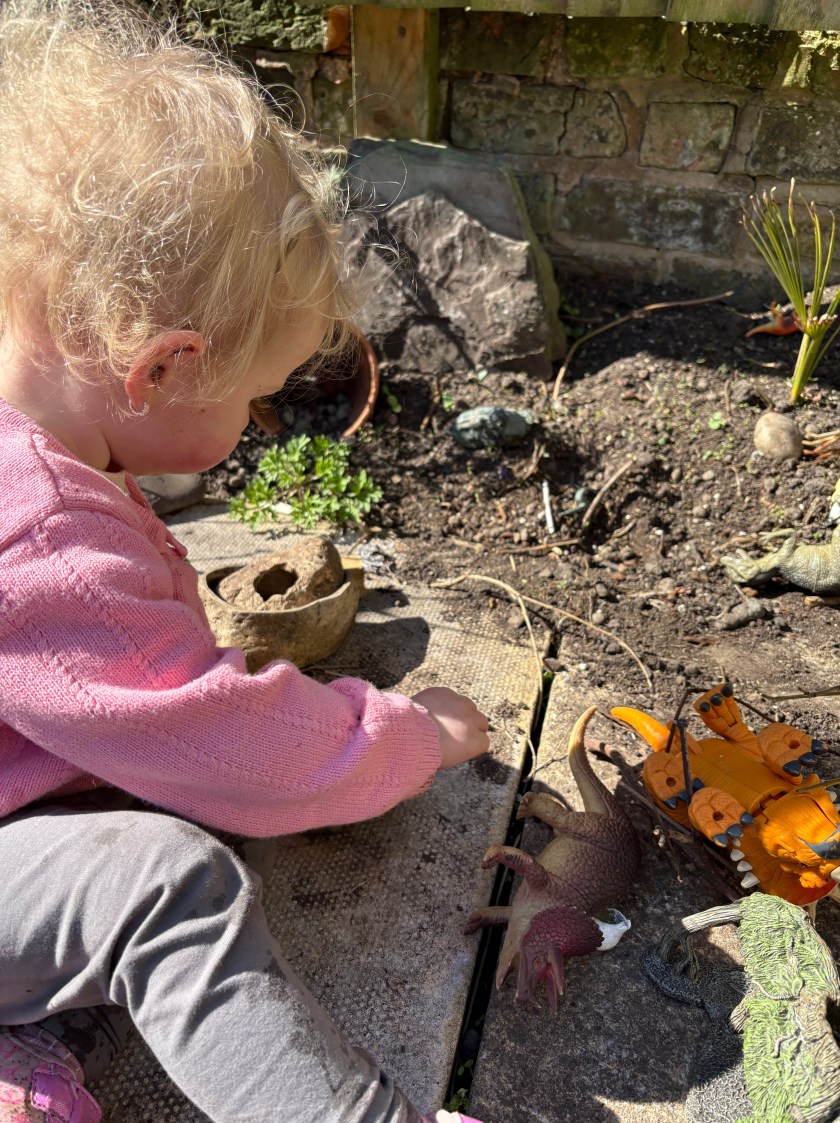
    • Mud and role-playing cooking
    • Exploring the texture of mud and adding different loose parts to explore
    • how this changes: sand, gravel, grass cuttings.
    Posted in Uncategorized

    Working Together To Preparing The Garden Ready For The Big Build

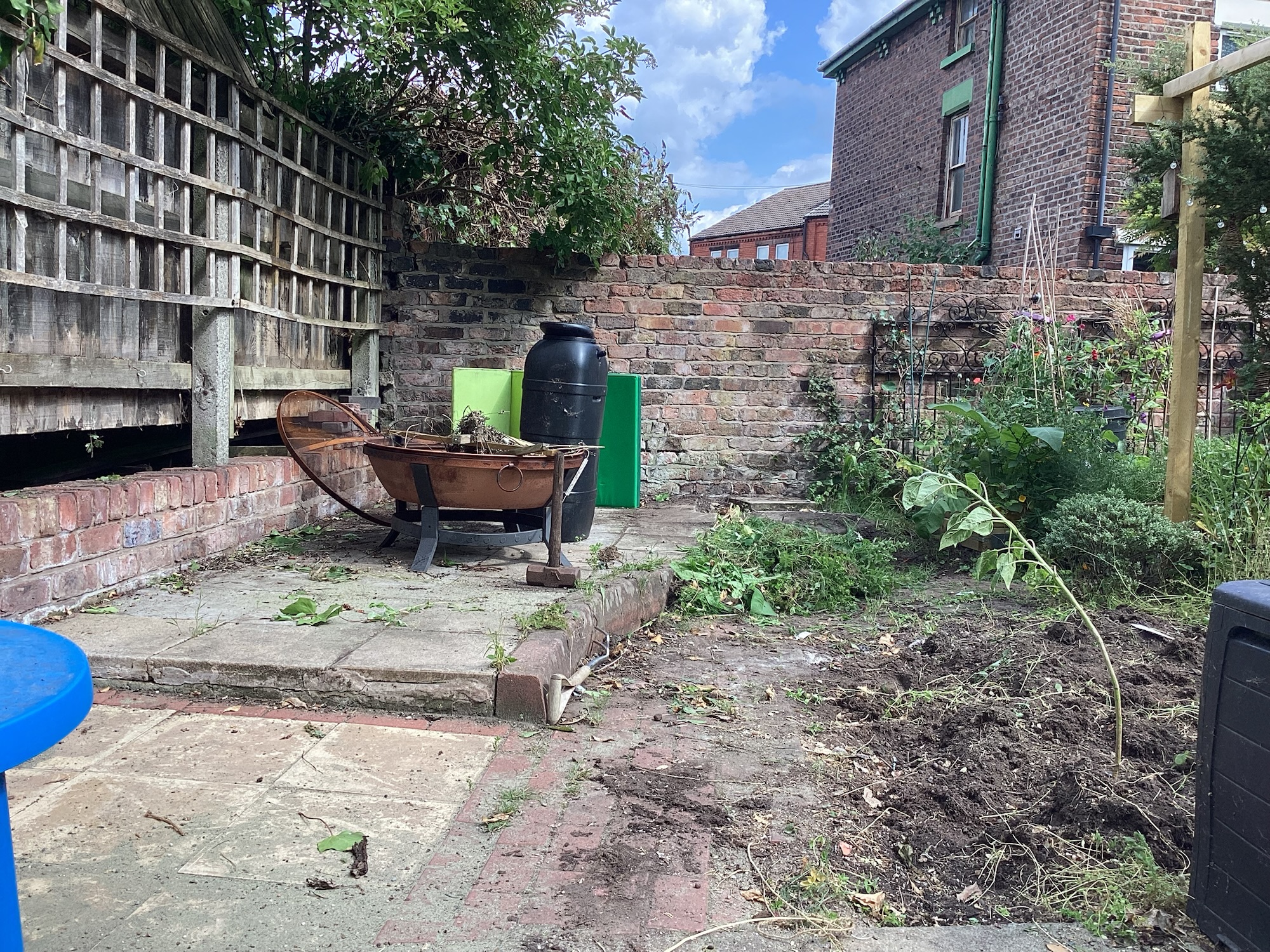
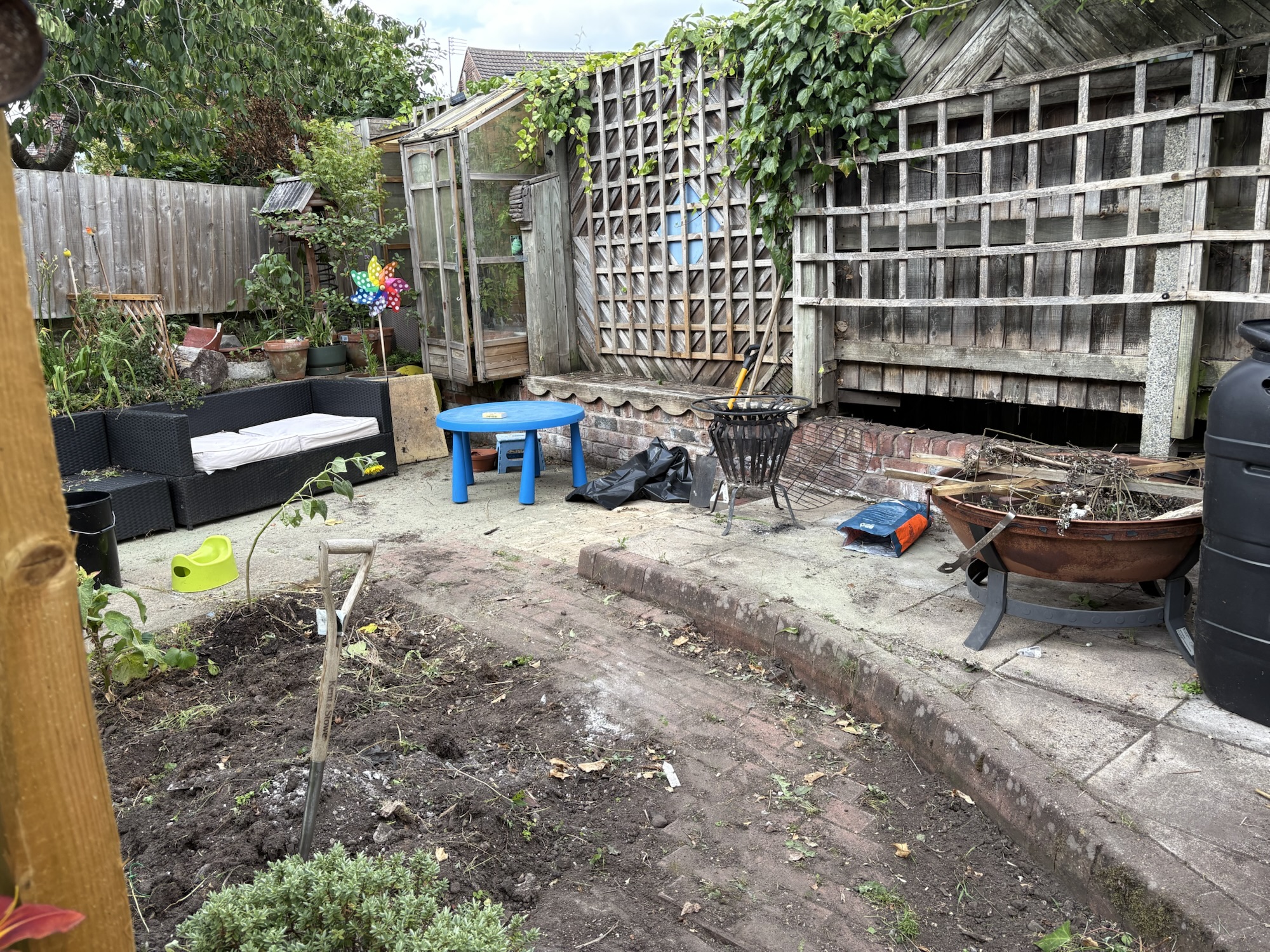
    We had one last fun day at the end of the garden before getting the area ready for the work to start. The children played with the sand and water, bubbles and enjoyed hide and seek games. We then packed everything up to store till the work was done.
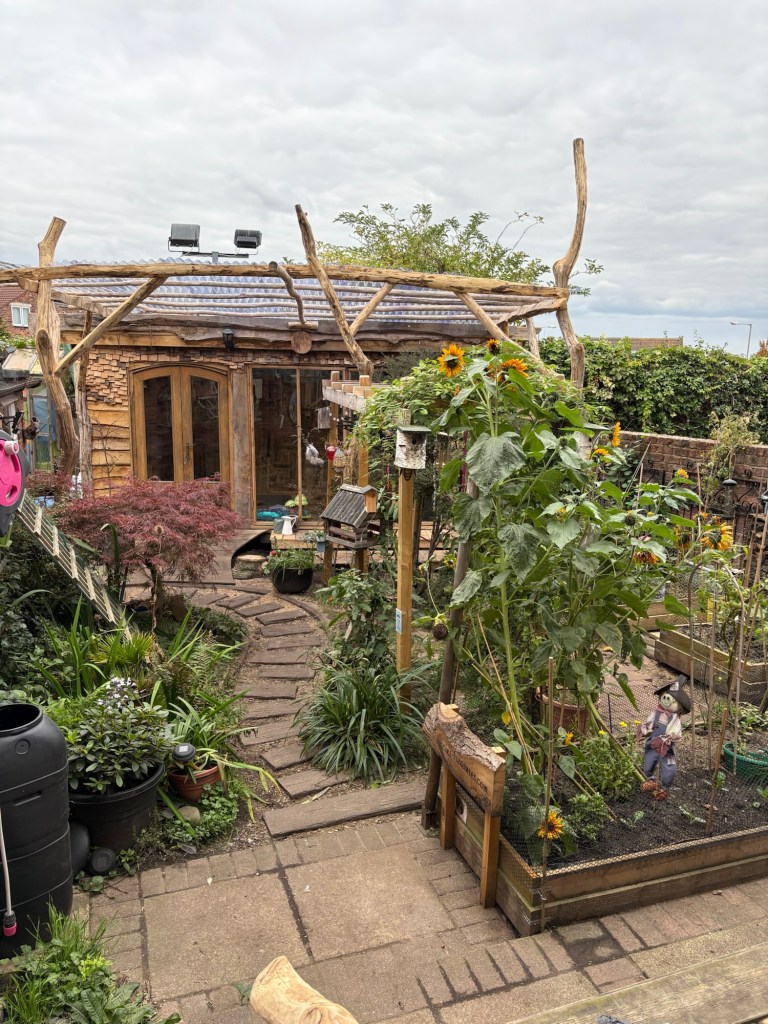
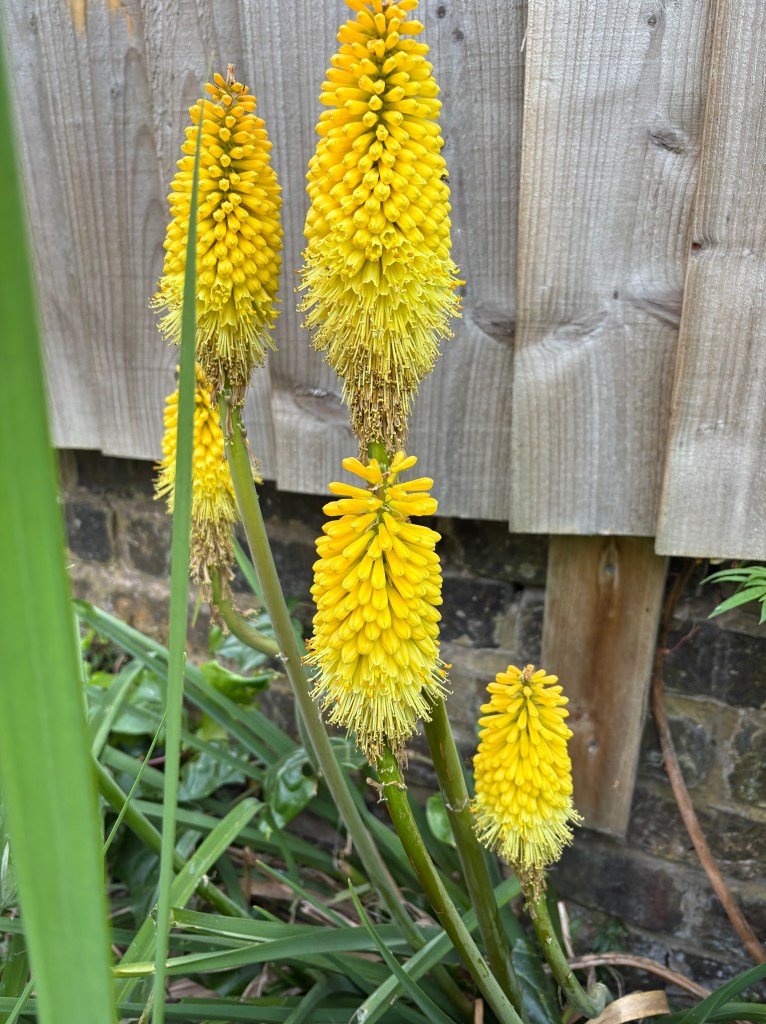
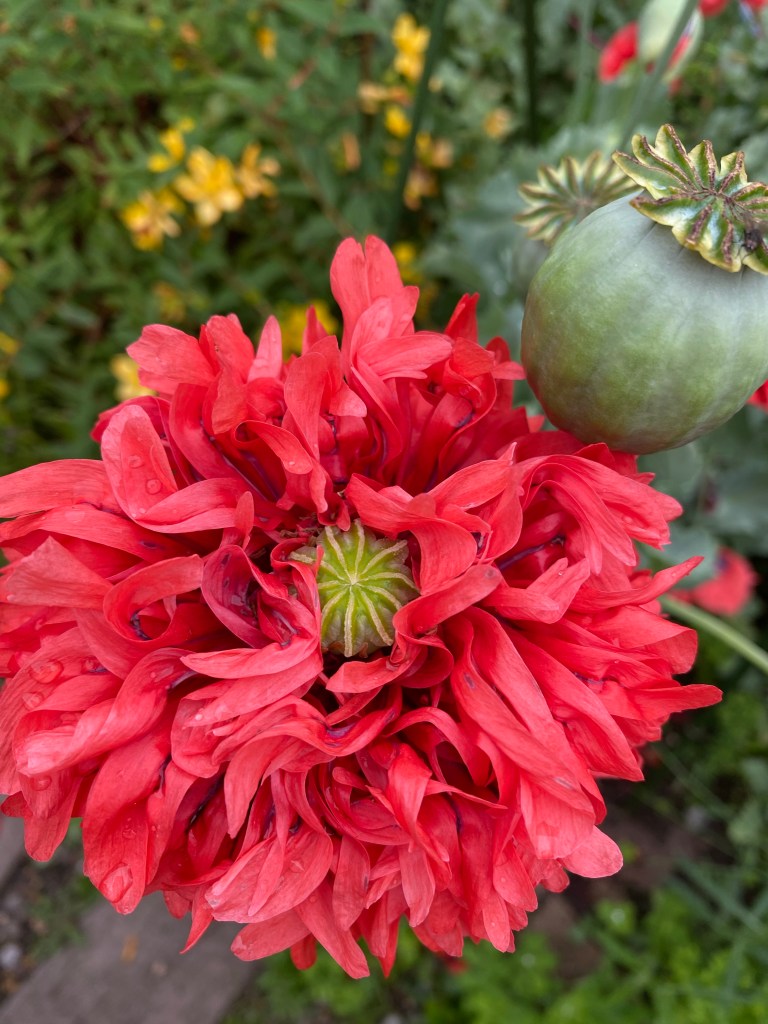
    We all worked together to move the plants to a safe space, until we are ready to replant them in a new position. This was to protect them while the building work was happening. Some of the flowers like the poppies, hot poker and foxgloves have gone to seed, so we carefully collected the teeny tiny seeds and saved them in paper bags, ready to sow for next year.

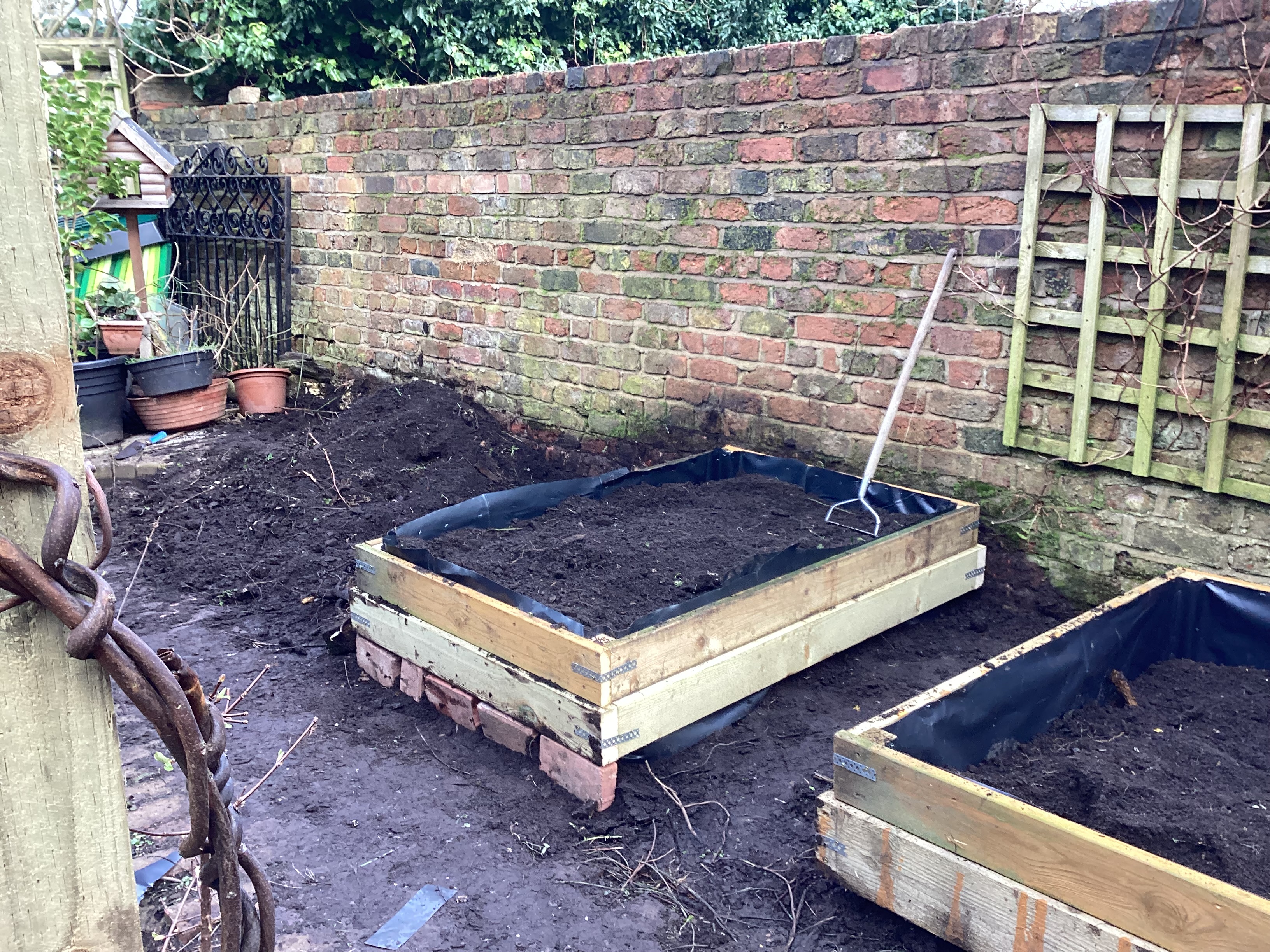
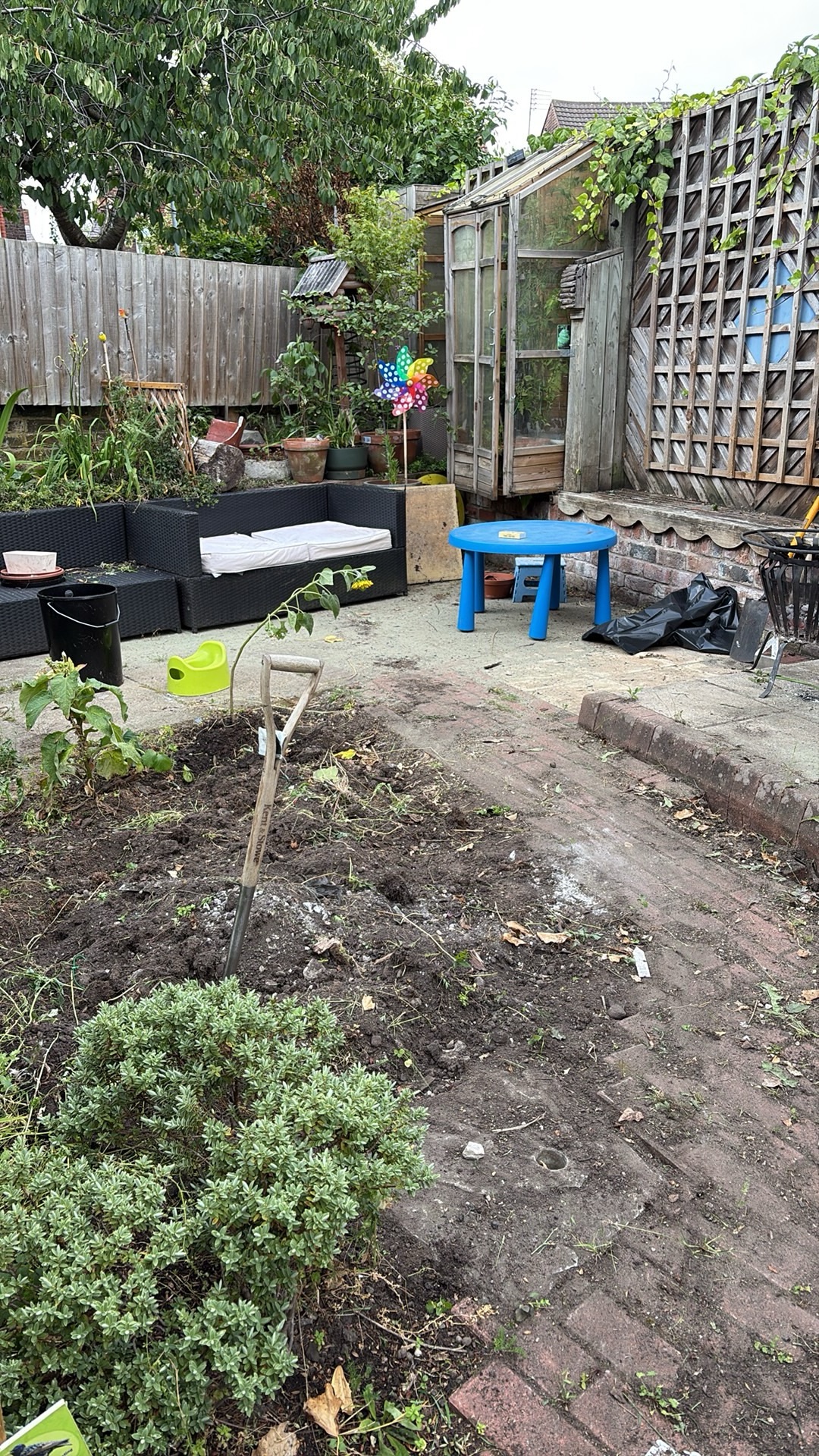
    Once the area was all clear we put away the toys, cleared the rubbish and put the rest of the weeds in the composter ready for the work to commence.

    Posted in Uncategorized

    Planning The ‘Garden Classroom’ With The Children

    We started our project by having lots of different discussions around our hopes and dreams of our Classroom I involved my family, staff and the children. I am making sure every one within the setting will be involved in the project.

    We used various types of planning discussions, this included active discussions, where we discussed what the main outcome will be and how we are going to get there. We used critical thinking discussions to include challenges that may come up, (moving the bug house) and how we are going to source the materials. Active learning discussions to include why, where and what we are doing and included continuous feedback with all who is involved. (Family, Staff and children)
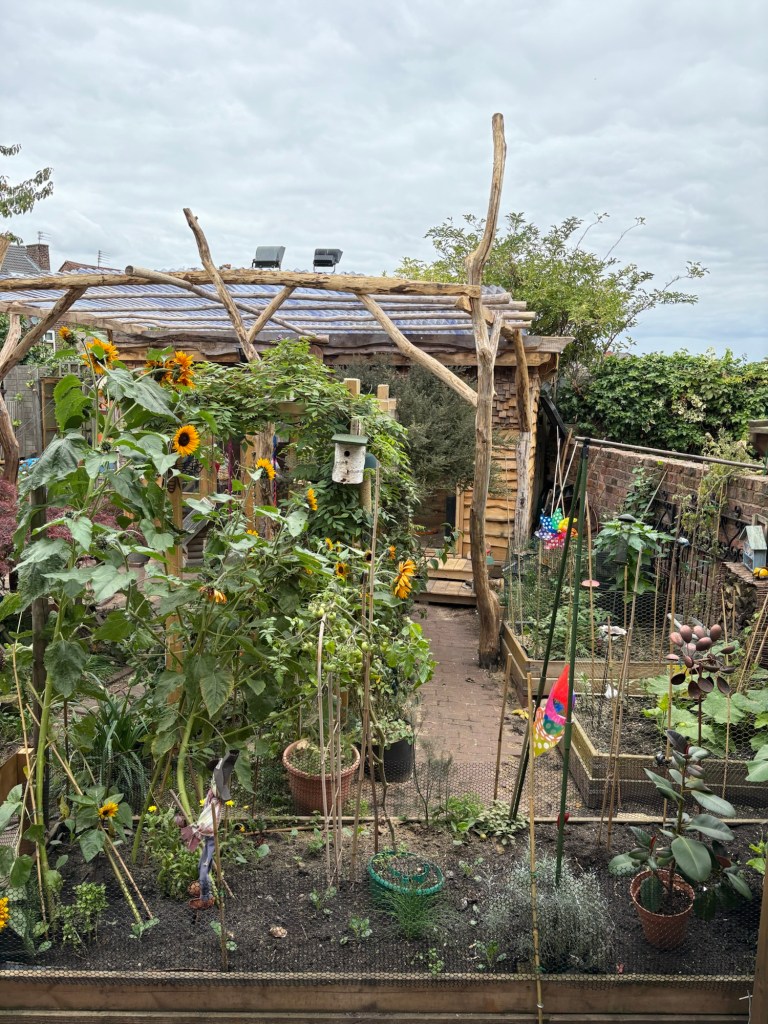
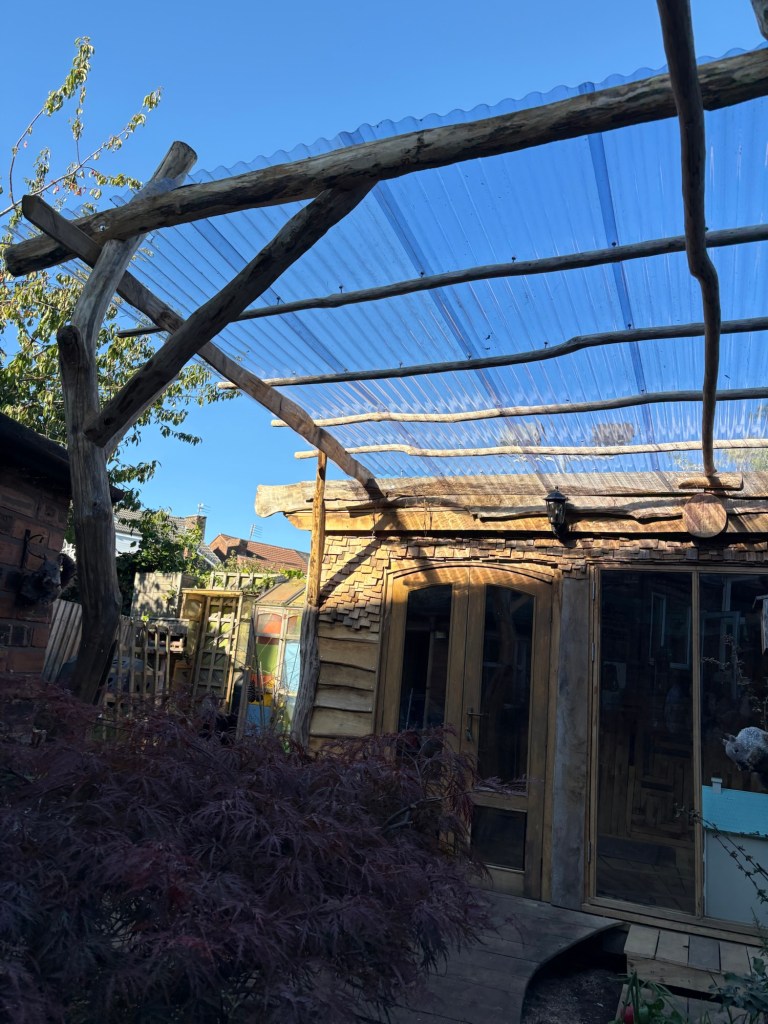
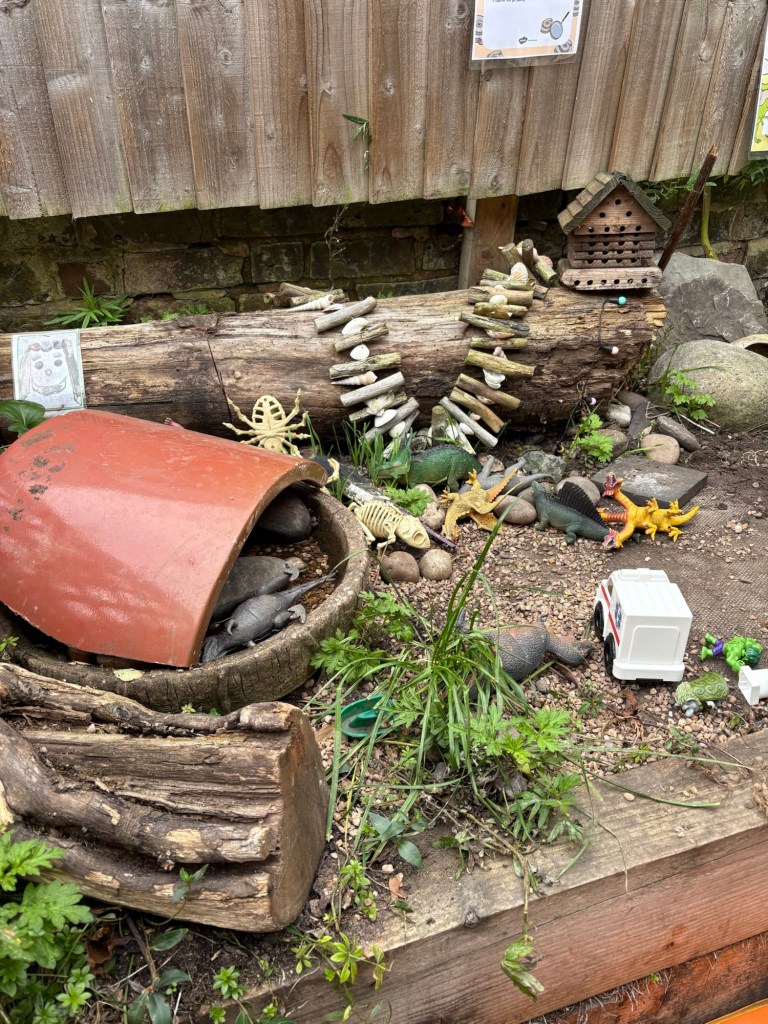
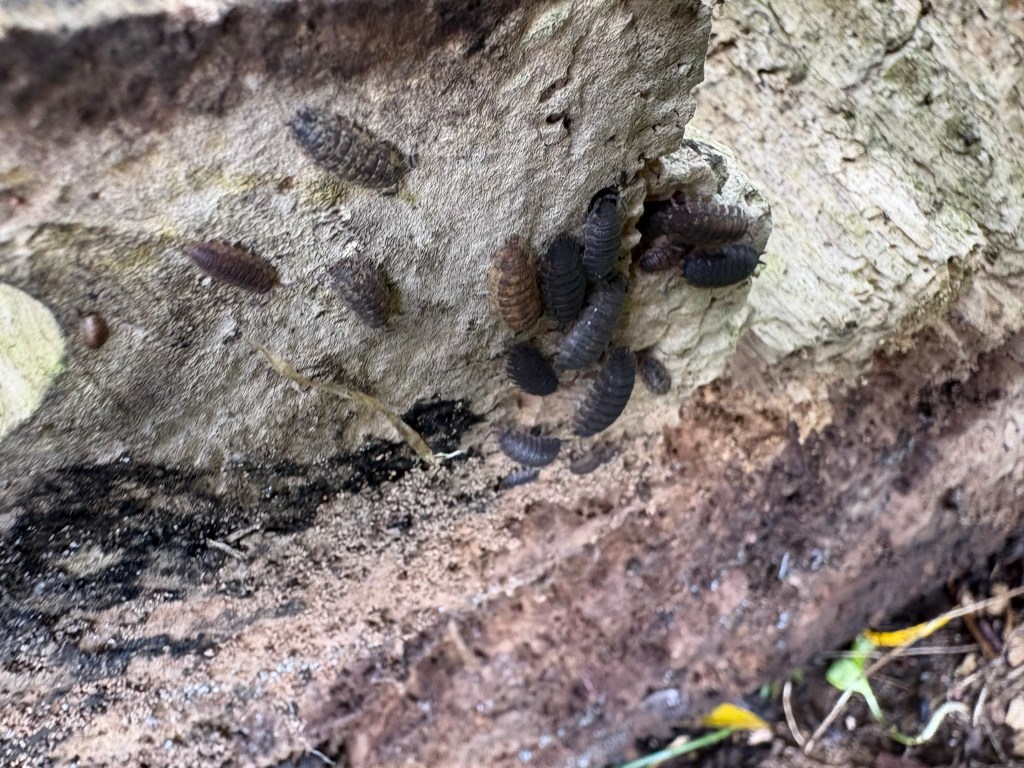
    We all got emerged and excited participating in lots of different fun learning activities. We designing our own treehouses, had a Bug log moving day, Storytime in the garden about the bad tempered ladybird (we made up our own reasons why she would be bad tempered if she knew we were moving her home) , we completed a Wildlife audit so we could make sure all our mini beasts are protected and have a temporary home until we can place them into a permanent position.
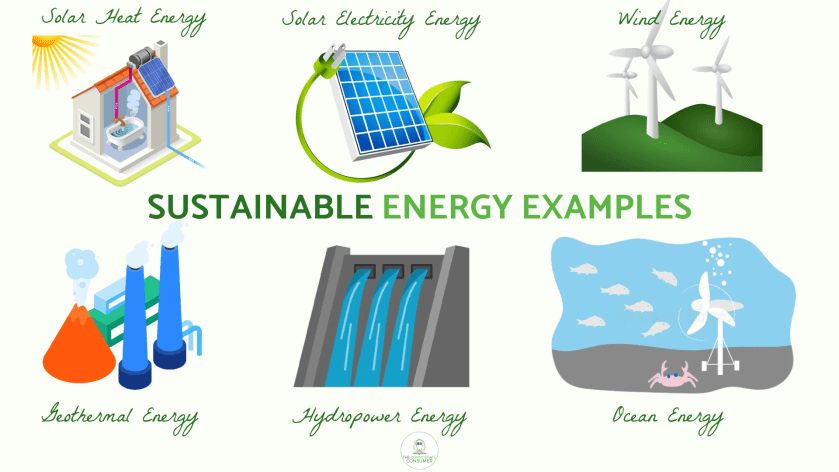
    Everything about the project we were mindful to include the 17 sustainability goals https://sdgs.un.org/goals we did this through constant discussions within the planning process by deciding about how we are going to be energy efficient, collecting and using recycled materials, location and construction, waste reduction and water conservation.

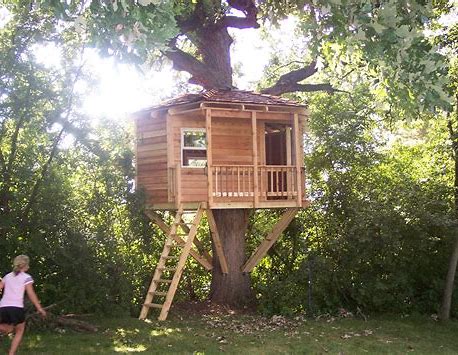
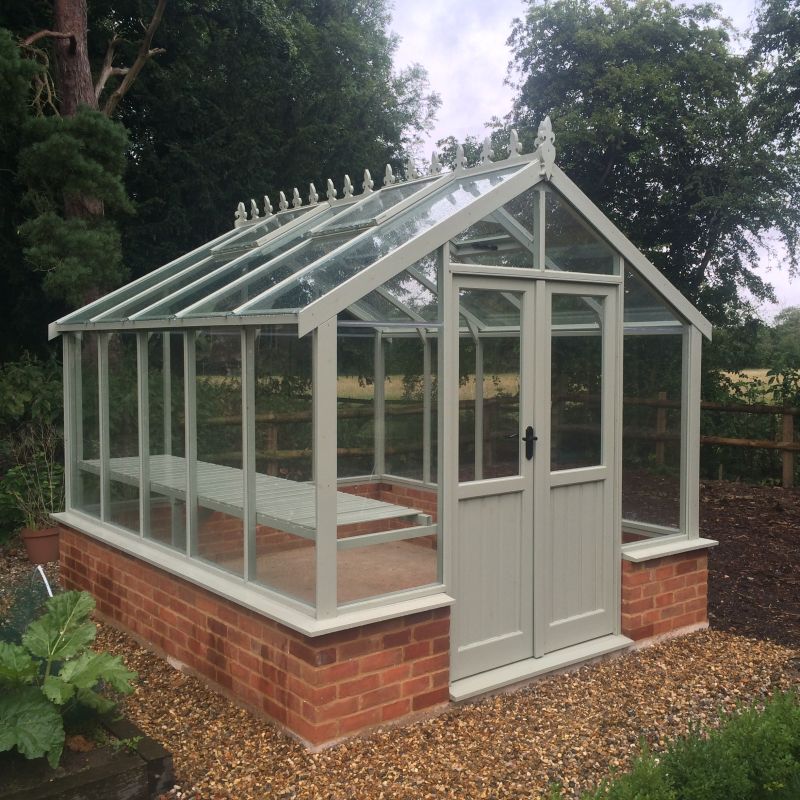
    We had fun talking about our perfect dream treehouse, Jack wanted a tall building so he could use a Zip wire to travel from the tree top to the house. This made us use problem solving skills as I explained you can’t use a zip wire to get back up! Jack said ‘ thats what the door is for!” how silly of me not to think of that! Lottie wanted a big funfair, this caused a discussion on power and we came to the conclusion it would not be easy using solar with all the power it would take up. Lottie decided to have a Unicorn play area instead. (much more manageable!) Elliott wants a slide which I thought would be fun. Jack reminded us we can use the door to go into the classroom to get to the slide and the zip wire. Gemma had an idea to make the classroom out of a greenhouse, unfortunately we all thought it would be too hot to play in, in the summertime.

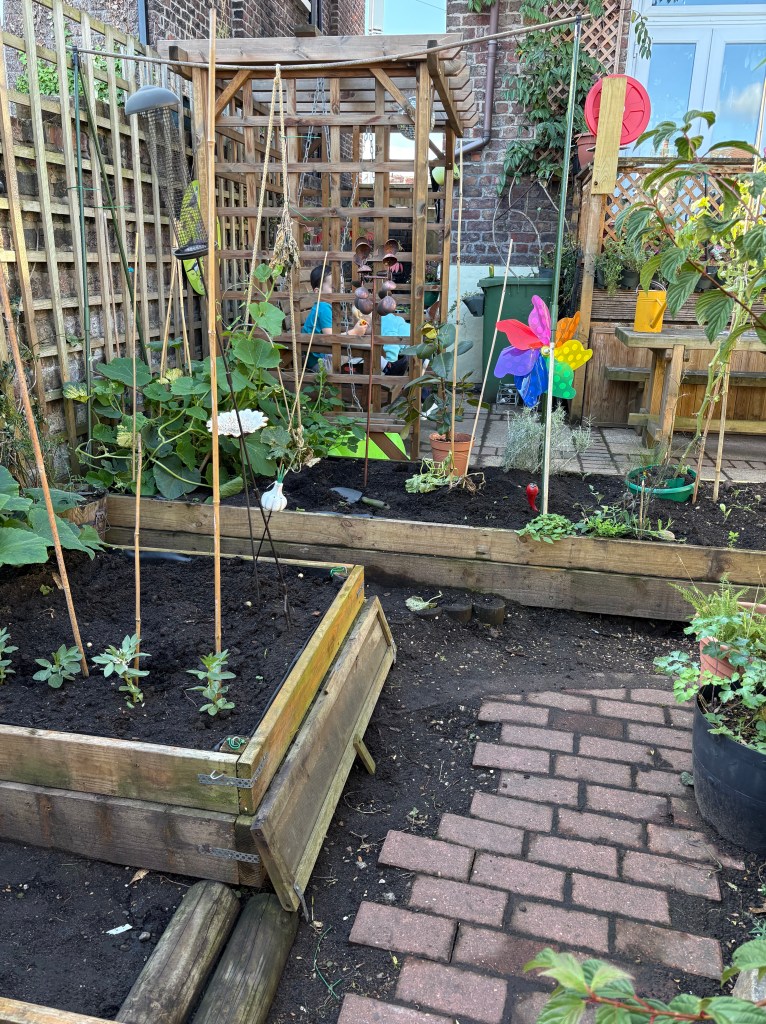
    The amazing dream everyone had was to make sure we still had areas in the garden for bugs, birds, vegetables, fruit and flower growing. This reinforced to me that we are all on the same wavelength and all the activities we provide are being absorbed by the children.

    Posted in Uncategorized

    The New Garden Classroom: Planning and Preparation

    Gardening has many benefits for children and adults alike. While their has great health and social implications, it also provides amazing hands on experiences for learning and can incorporate every aspect of the EYFS https://www.gov.uk/government/publications/early-years-foundation-stage-framework–2

    My childminding practice has always been a ‘Garden Classroom’ curriculum and I strive to make the environment accessible and an engaging experience for all children.

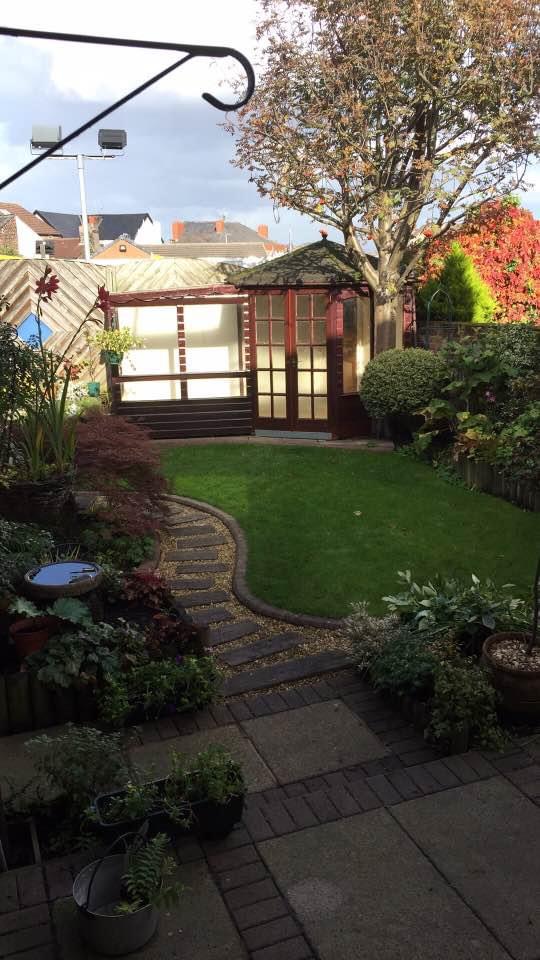
    When I moved to my home, the main attraction was the garden and the garden summerhouse. Unfortunately not long after I moved in, it became obvious the summer house was not safe enough to use and we had to take it down.

    Since taking down the summer house it has been my dream to build a stronger, bigger outdoor classroom. We have been planning since that day and 7 years later we have been given the opportunity to make our vision come true.

    The opportunity to apply for a grant from the local council came up in May 2025. This grant was offered to settings in Liverpool to enable them to expand settings and provide new places for children under 5 years of age to access quality education.

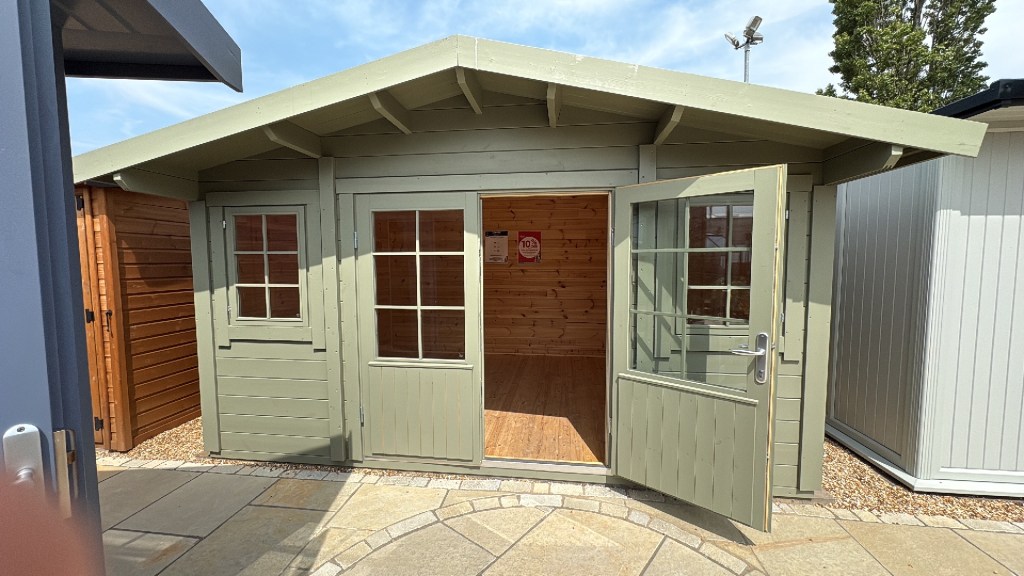
    The children and I took a visit to the local Garden Center to look at various types of garden buildings. This gave us an idea of space, materials and what we would like the classroom to look like. This information all helped when putting the bid together.
    We worked hard putting into place the documentation to provide evidence on how we attend to expand our setting. luckily as we had been on our planning Journey over the last few years this part of the plan was in place. It took us another three weeks and a visit from a council representative to put the policies, financial information information and evidence into place to submit to the decision board.

    By the end of June we were given the amazing news that we had been successful with the main part of our bid. This was on the premise we can supply further information regarding the company we had chosen to work with and raise the extra funding needed to cover the entire project. We researched another two building companies to gain more information and chose to go with Eon from ‘All good in the wood’ https://www.allgoodinthewood.co.uk/

    ‘Who we are, Sustainability is at the heart of everything we do. We’re a vegan-owned business that keeps our community involved with our local trading system. We’re proud of our products being locally sourced, locally finished and installed by local tradespeople, keeping our community personally involved from start to finish! We know exactly where every tabletop, fence post or roof shingle came from and where the trees grew. Call it our sustainable family tree.’

    “Ancient trees are precious. There is little else on Earth that plays host to such a rich community of life within a single living organism.” — Sir David Attenborough

    Posted in Uncategorized

    ENGAGING GROWTH WITH ‘THE GARDEN CLASSROOM’

    By Tracie Dowling

    Throughout my career as a Registered Childminder, I have incorporated holistic learning into my practices. Over the years this has evolved, and I refer to my way of teaching as ‘The Garden Classroom’ which you can read about on my blog. Although this way of learning is primarily outdoors, the learning is year-long and therefore I have created ways of learning no matter the season. The Garden Classroom practices always incorporate the three prime areas of the Early Years Foundation Stage (EYFS) and the Characteristics of Effective Teaching and Learning. Read on to learn how I weave these key components into outdoor play.

    OUTDOOR LEARNING

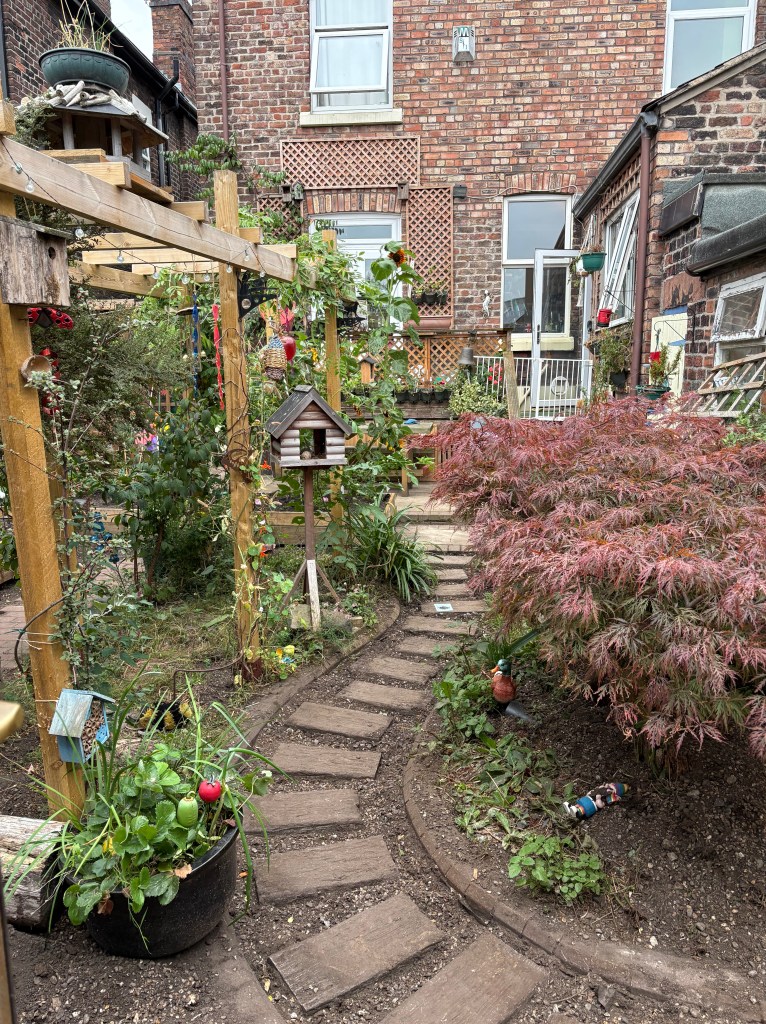
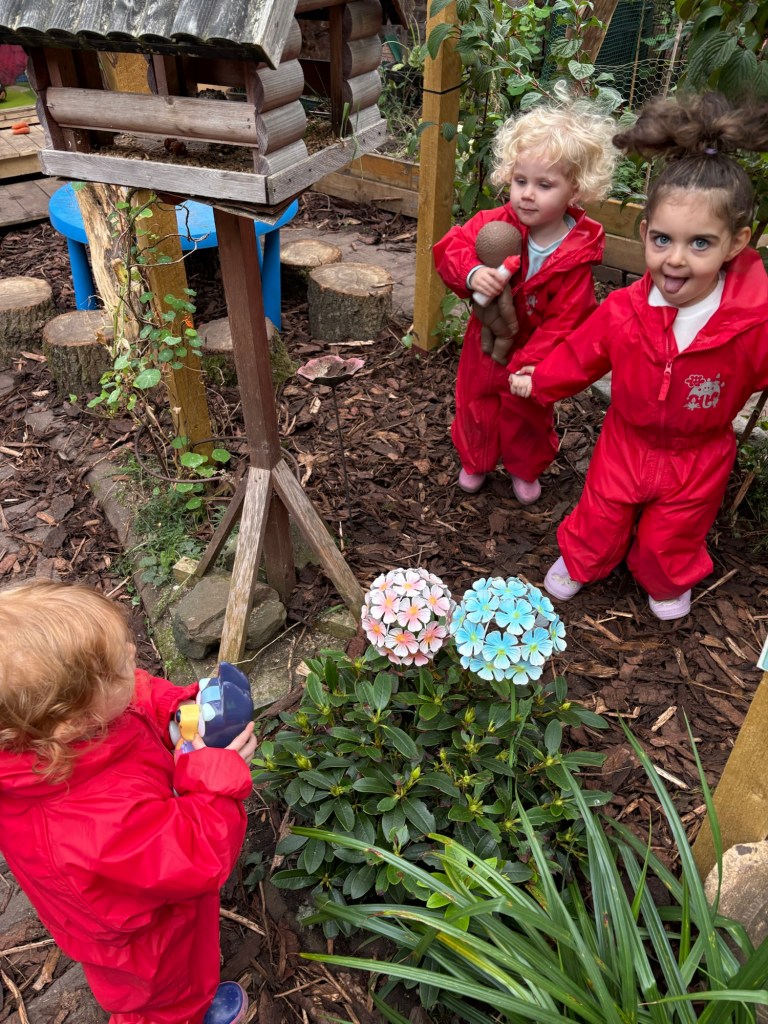
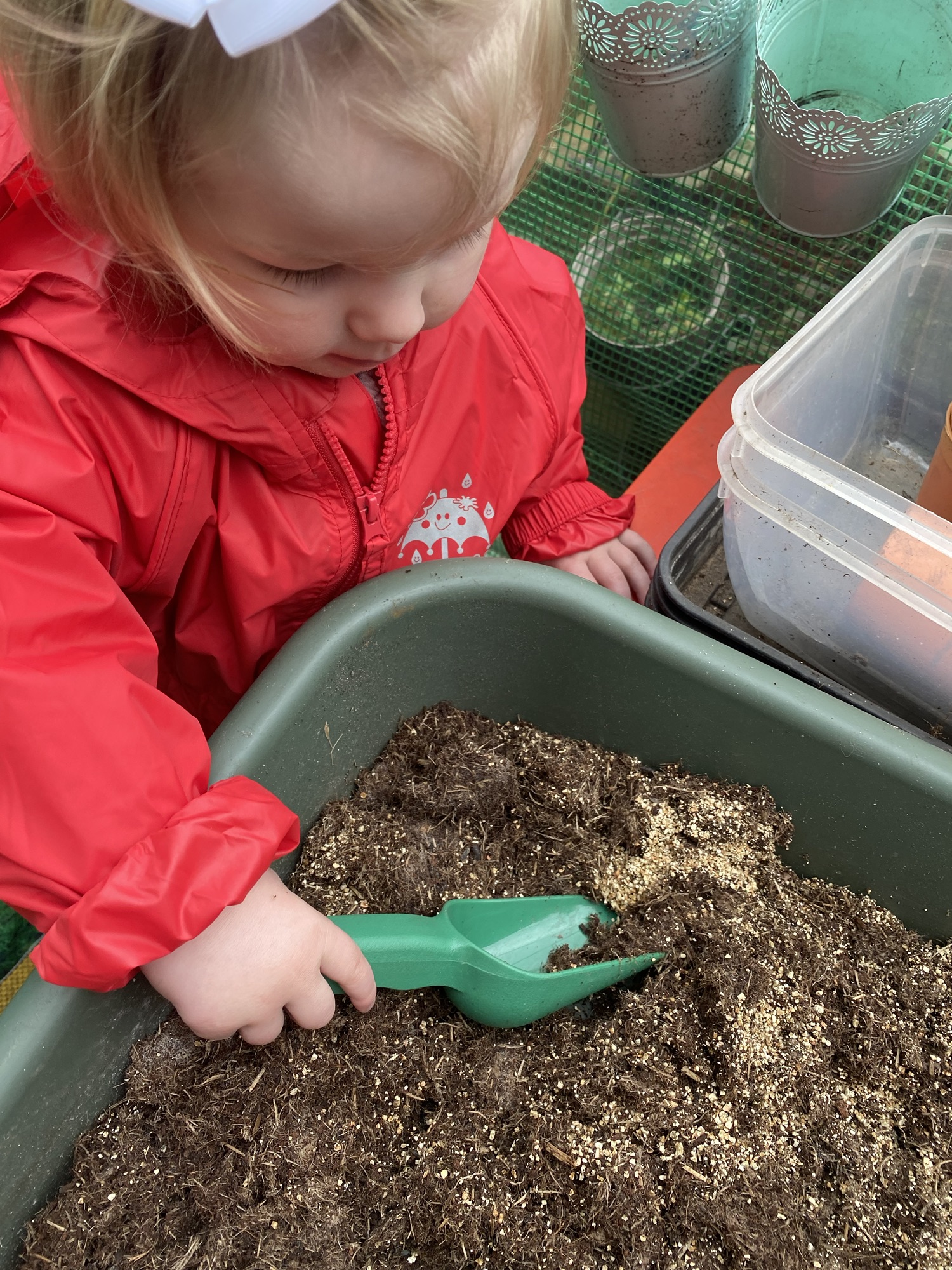
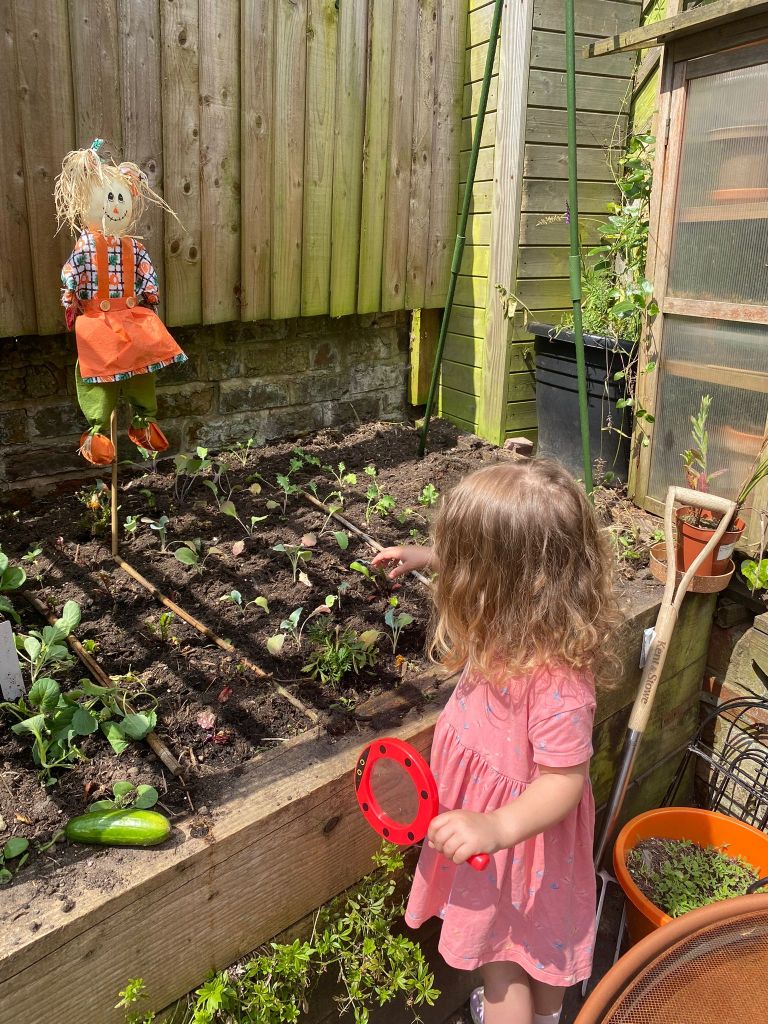
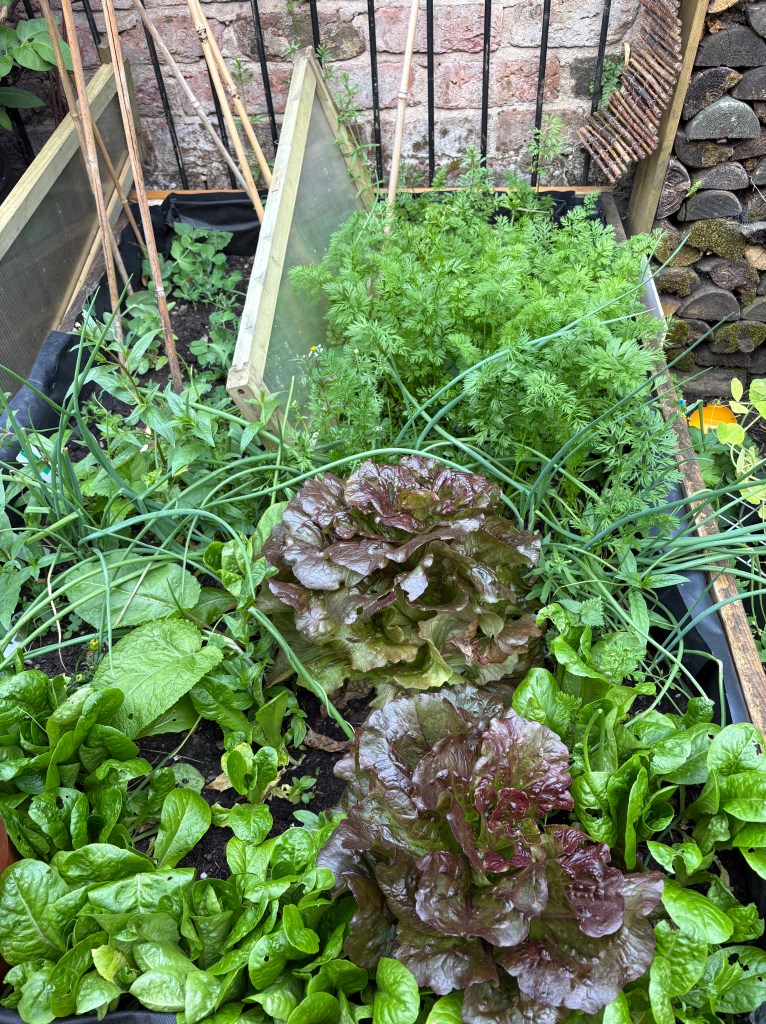
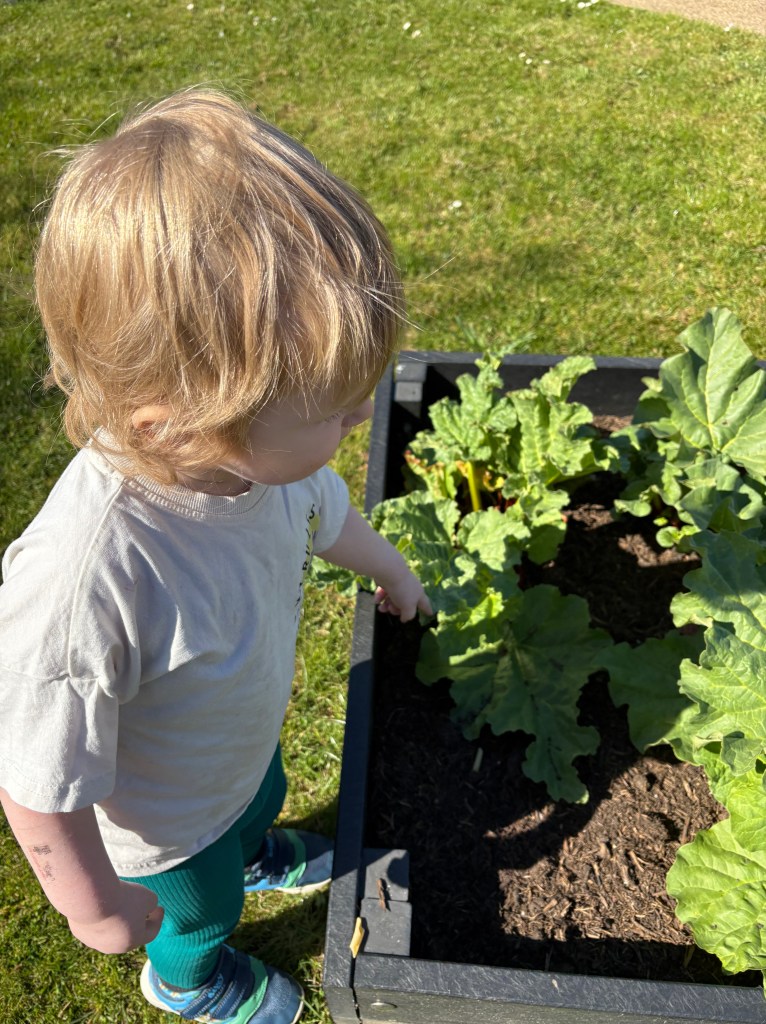
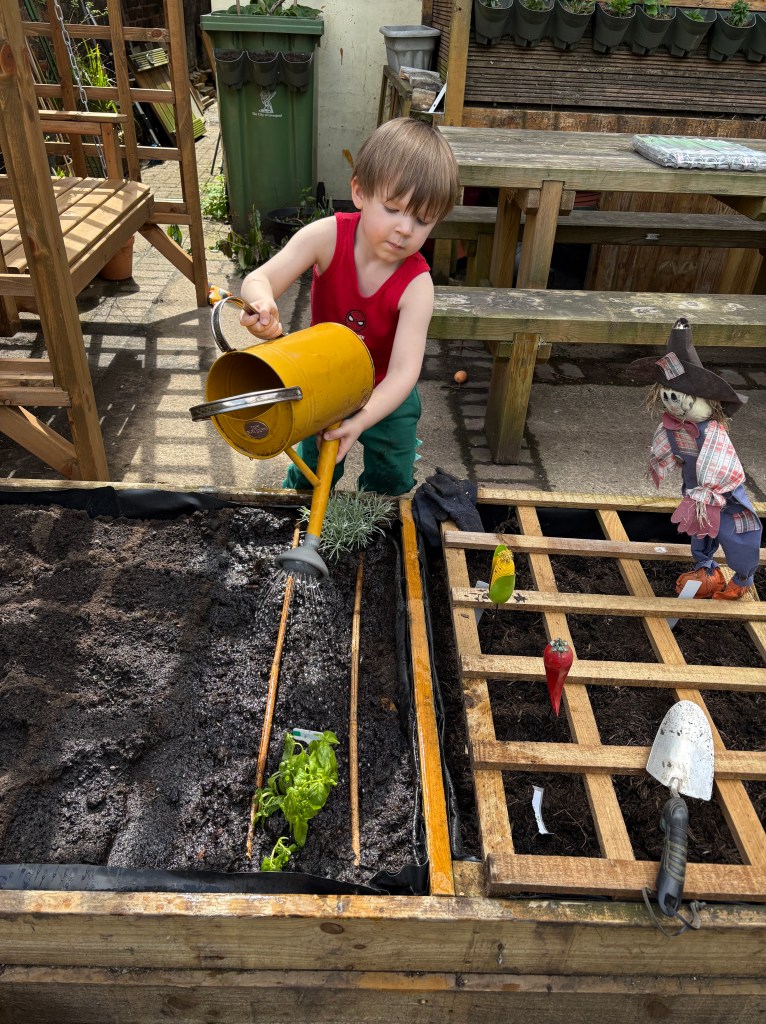
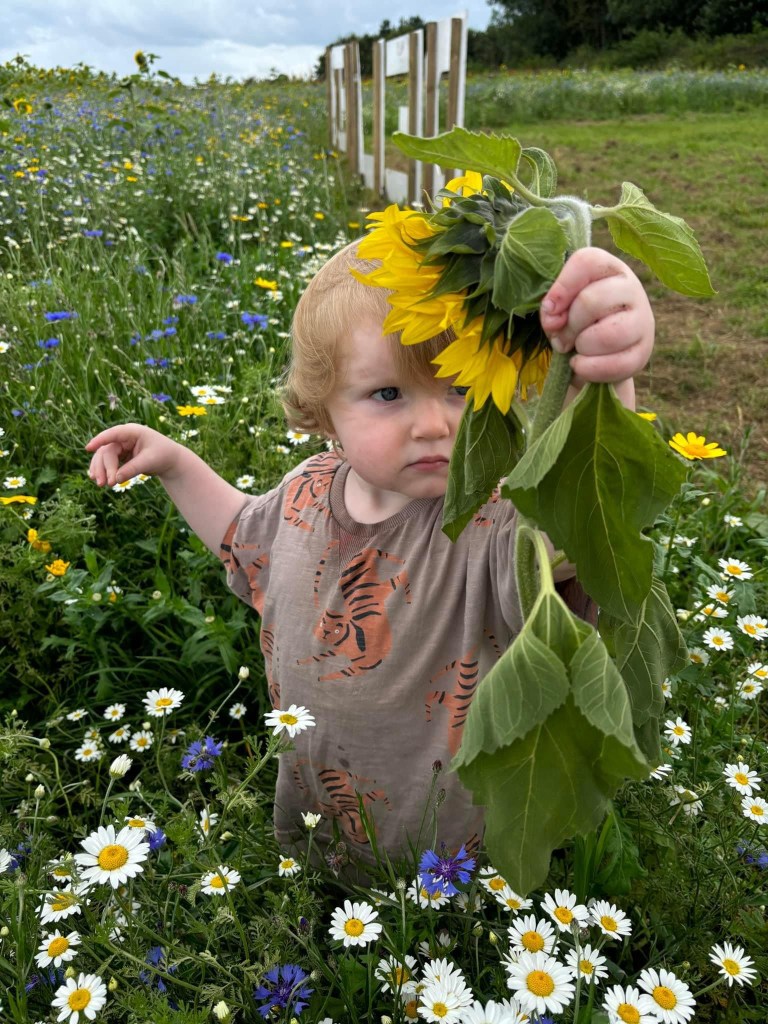
    The Garden Classroom is a space where children can learn and grow, connecting to nature and the world around them. Outdoor exploration not only connects toddlers and babies with the seasons and everchanging weather, but also promotes physical activity, a sense of wonder, and an appreciation for the natural environment. Providing gardening activities for my children has proven to be great way to engage them with hands-on learning, including growing food from seed to plate,

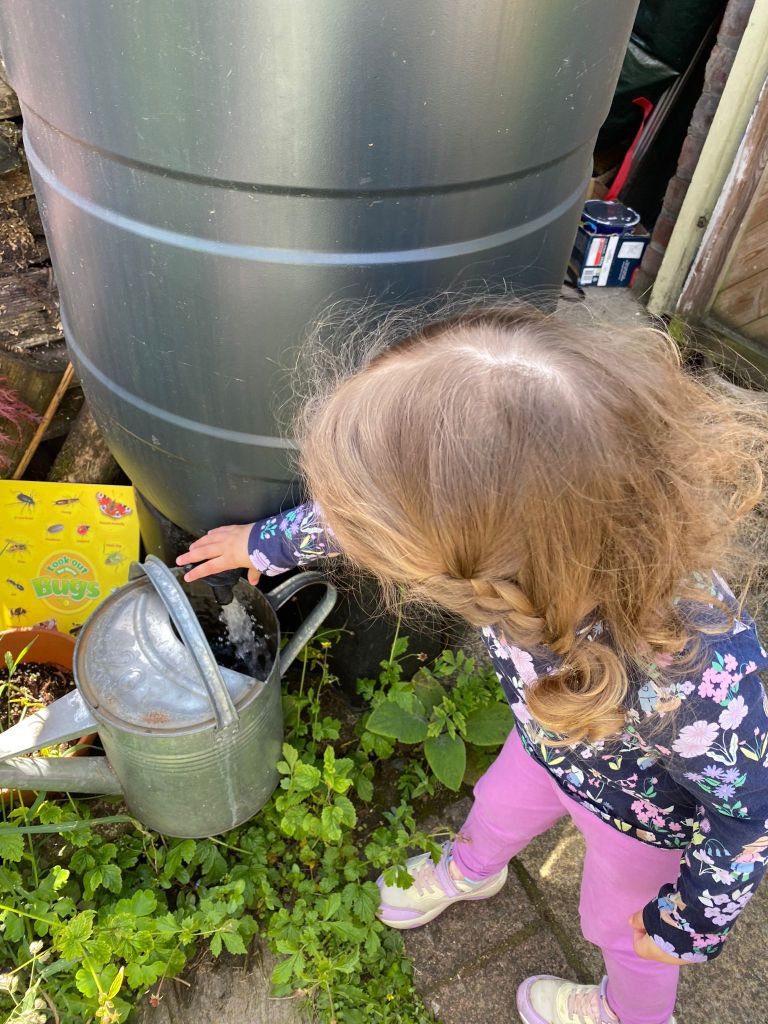
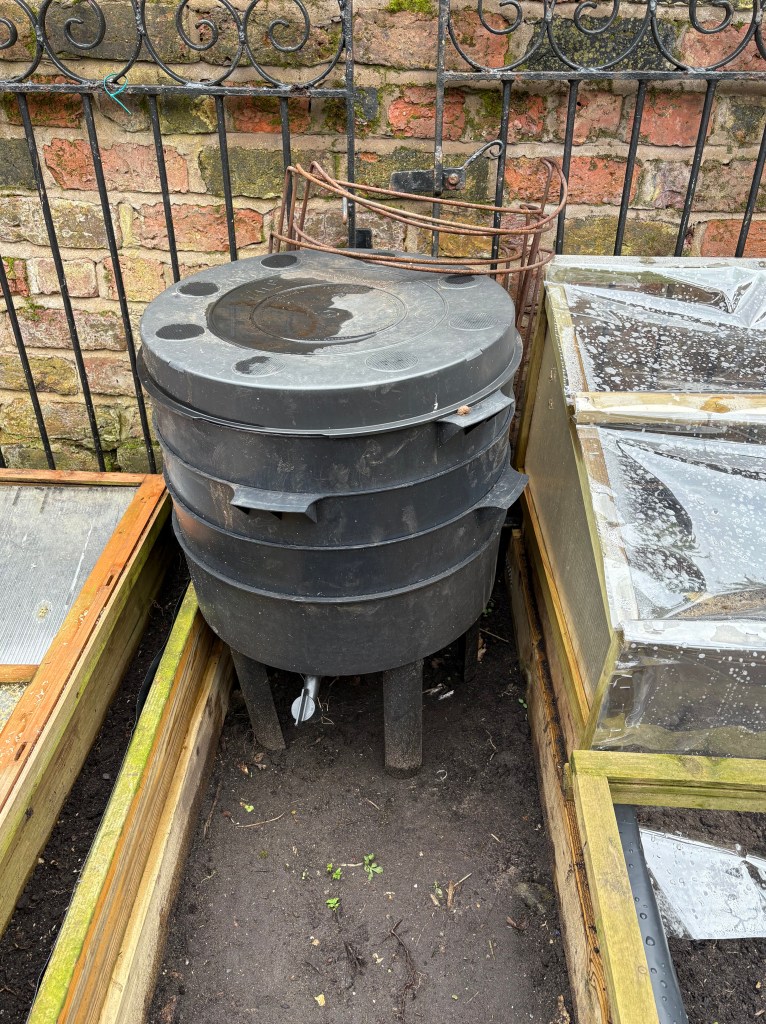
    food sensory education, pond-dipping and lifecycles, and practicing sustainability through composting and recycling.

    The children learn vital skills such as adaptability and resilience by witnessing their environment going through the cycles. This helps them understand the concept of change and builds resilience in the face of transitions. In one area of our garden, we have a pet cemetery. Here, we have buried our family pets and other creatures who have come and gone.

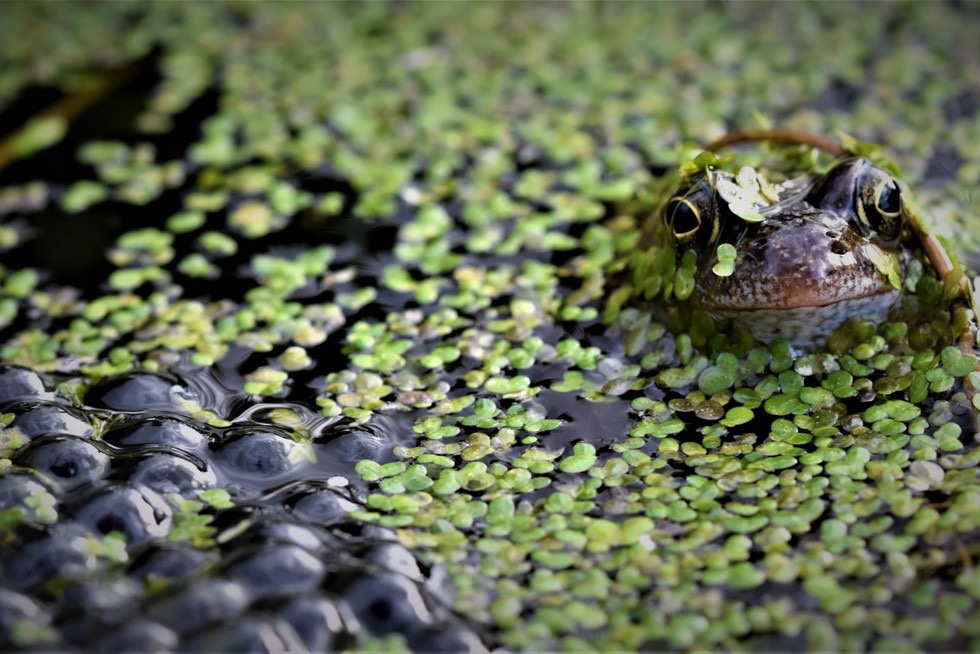
    This space allows us to teach the children about the life-death cycle and accept change. Similarly, every year we experience frogspawn, giving us the opportunity to learn about birth and growth as we watch their little tails shrink and their legs grow.

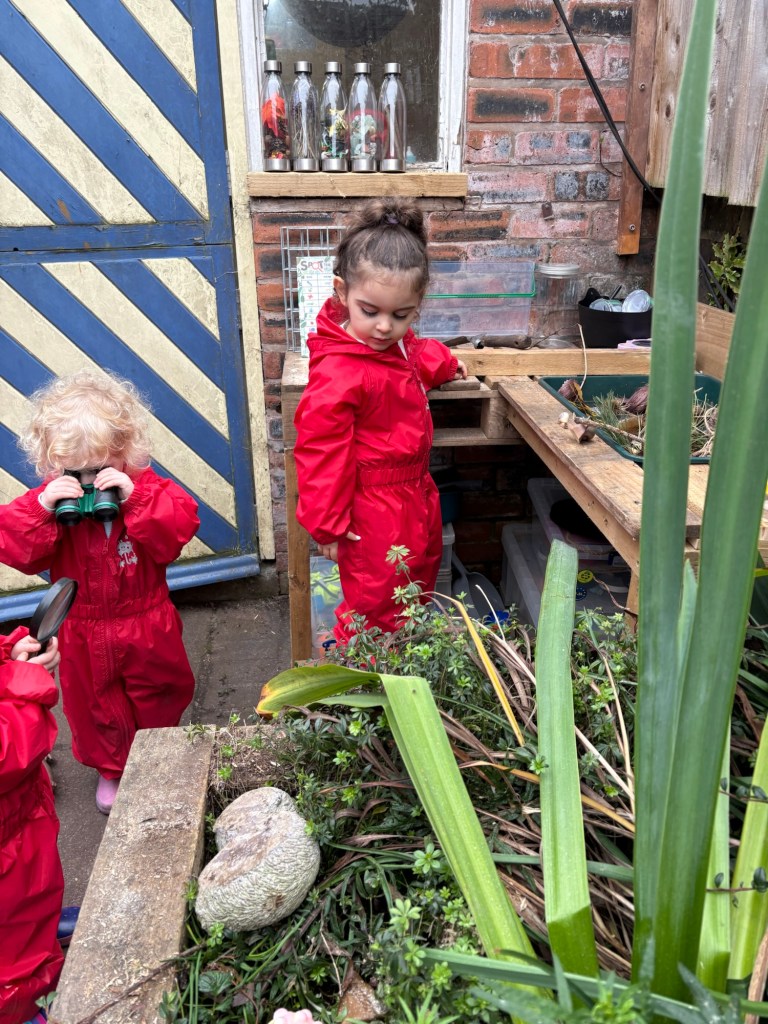
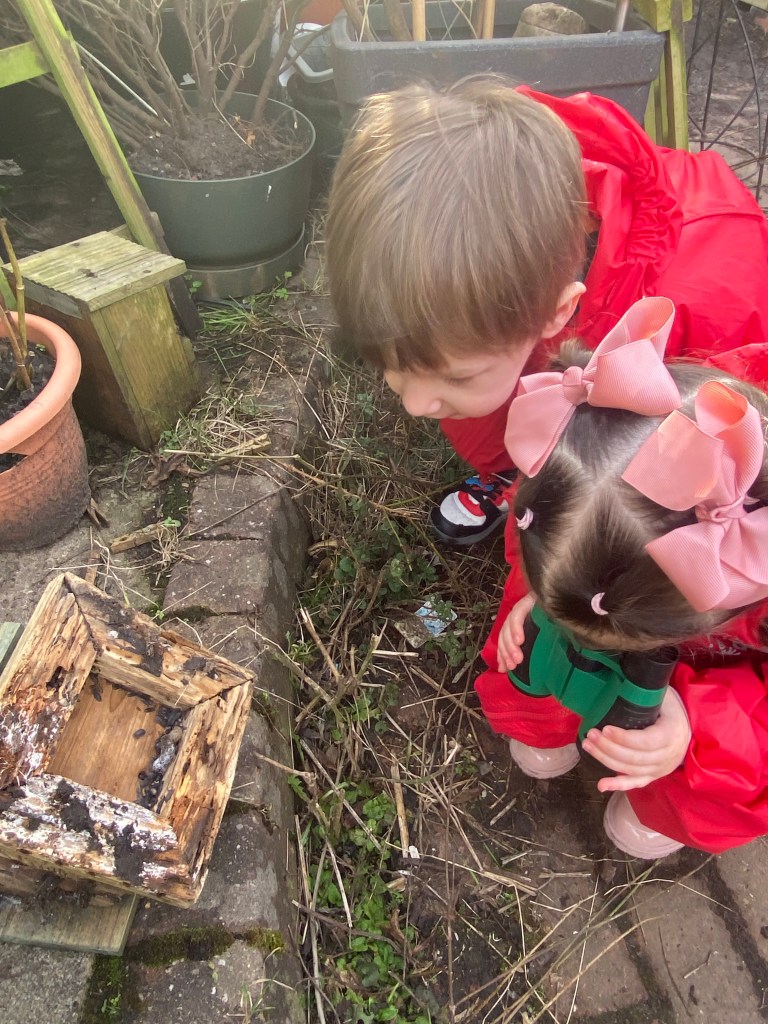
    To support the children’s cognitive skills, we provide activities to observe and understand nature through investigation. The children’s favourite activities at the moment are pond dipping and growing and harvesting flowers, fruit, and vegetables. Some of the learning objectives within these activities are linked to lifecycles, categorising, comparison and pattern recognition in nature.

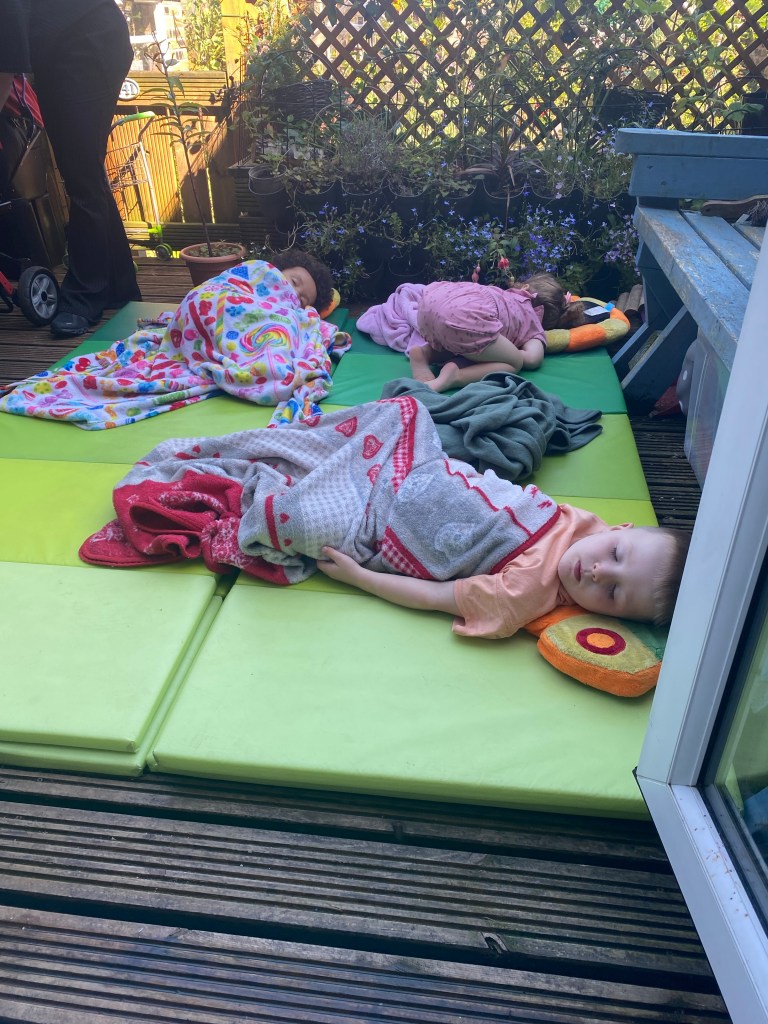
    Supporting the children to experience the wonders of changing seasons has a positive effect on their emotional well-being, mine, and Debbie’s too! The children take naps outside and participate in meditation while the birds are singing away. These activities provide opportunities for relaxation and promote a sense of calm and happiness. It is proven that spending time in nature has mental health benefits as well as emotional and physical benefits.

    SEASONAL LEARNING

    Every season and even every different day outdoors, brings a new set of sensory stimulation by exploring the sights, textures, aromas, even the noises of the natural world. The experiences are endless. The children love finding the strawberries and munching away, and there is no better taste than a sun-ripened cherry tomato, if they leave me any!

    Unfolding the characteristics of seasonal vocabulary during our activities also contributes to early language and provides children with the skills to articulate their observations and experiences. Whether its playing in the muddy puddles, counting the frogs or learning to sow seeds, the language opportunities are endless.

    The seasons are also a lovely way to promote cultural celebrations and traditions. We love the harvest festival where we like to gather our produce and share with our families, or Diwali where we cover the garden with lights and have a magical Diwali feast. There are many ways to weave cultural traditions into your very own Garden Classroom.

    “Lovely to watch her be so interested in how it grows. How she cares for it, and that she’s happy with the end result, we’ve even started growing our own strawberries and sunflowers at home” – Elsie’s Mum.

    By incorporating a Garden Classroom into your setting, your children can foster environmental awareness, develop a sense of responsibility and appreciation of the natural world, which in turn lays the groundwork for their future environmental consciousness. Seasonal changes spark natural curiosity and wonder within the children, giving them the opportunity for questioning and exploration, cultivating a mindset of inquiry and lifelong learning.

    The Education Endowment Foundation (EEF) The Early Years Toolkit brings together the best available evidence on key areas of learning and development. It can support all childminders when making decisions on how to improve learning outcomes.

    Other research

    Physical development approaches | EEF educationendowmentfoundation.org.uk)

    Useful resource: Garden activities for September :: The Garden Classroom – NurtureStore

      The Edible Garden – Alys Fowler (book and BBC Series 2010)