Posted in childminding, forest school, Garden Classroom, Outdoor Curriculum, outdoor play, Uncategorized, wildlife

Hands-On Learning in Nature: The Garden Classroom Experience

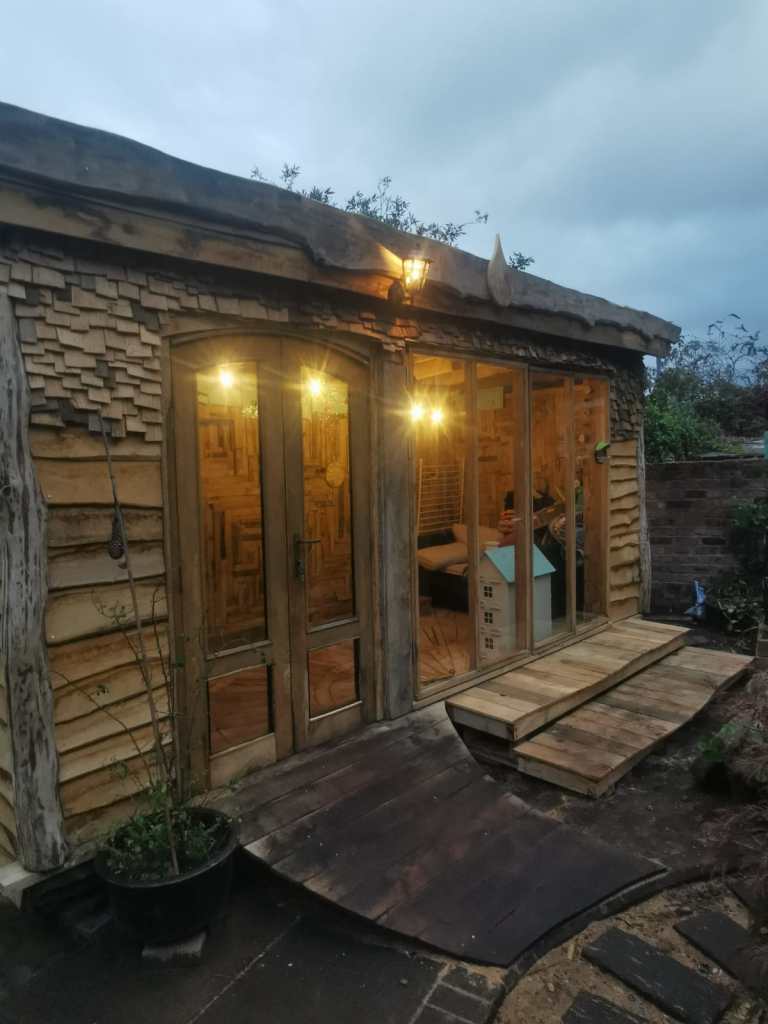
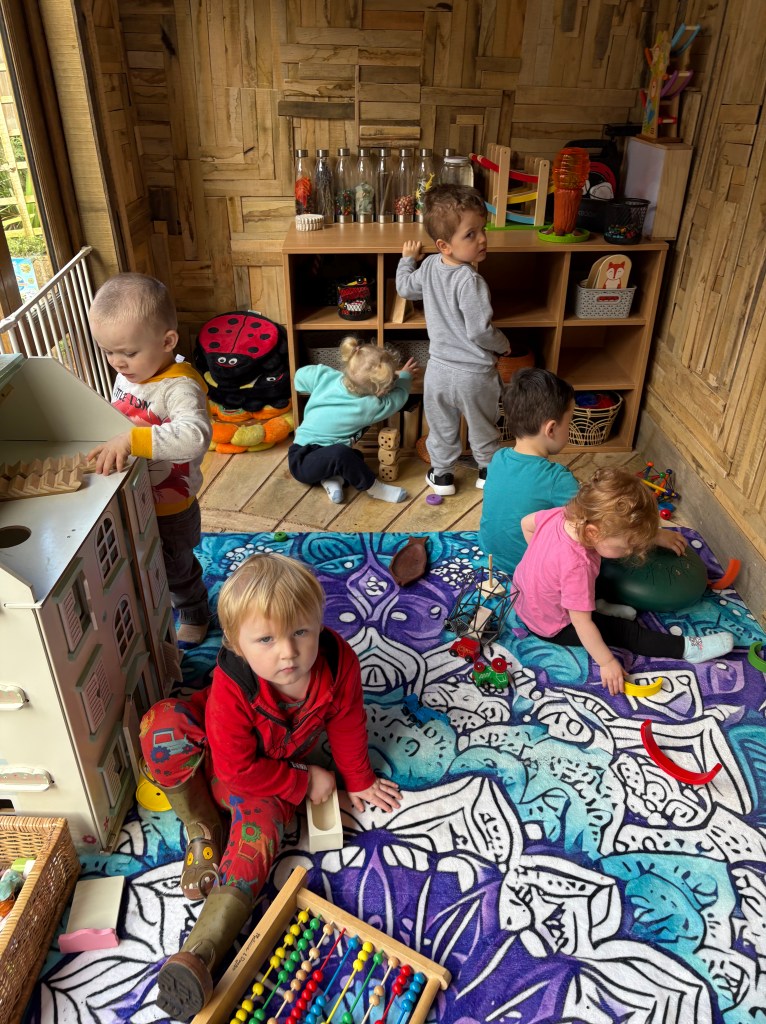
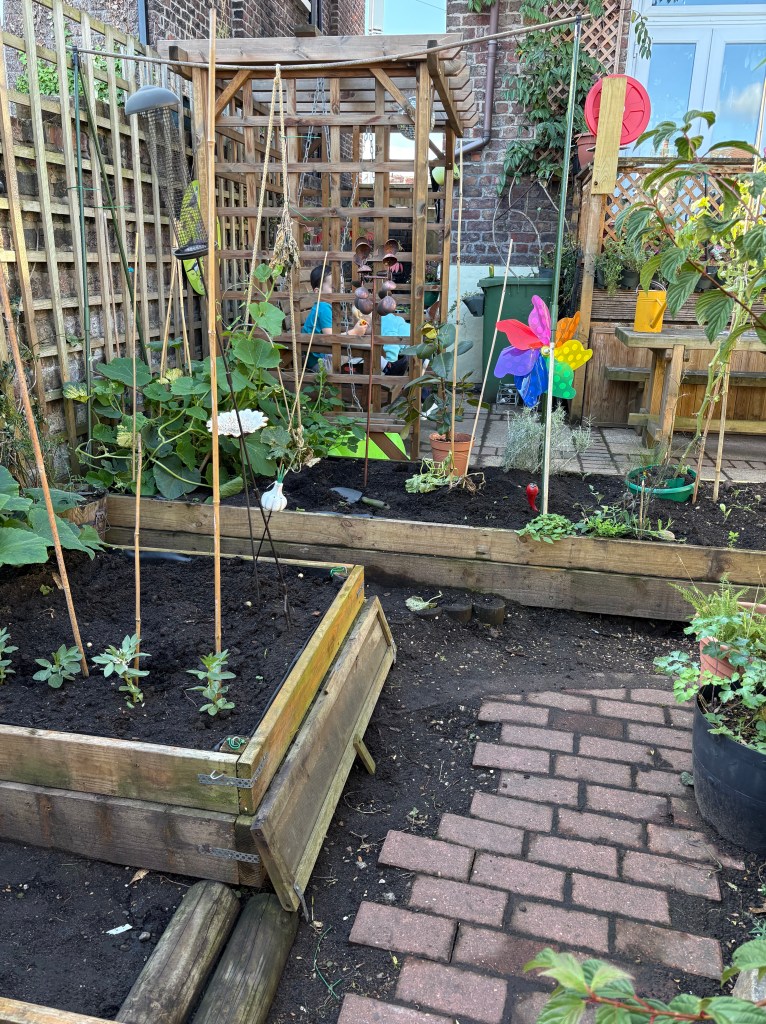
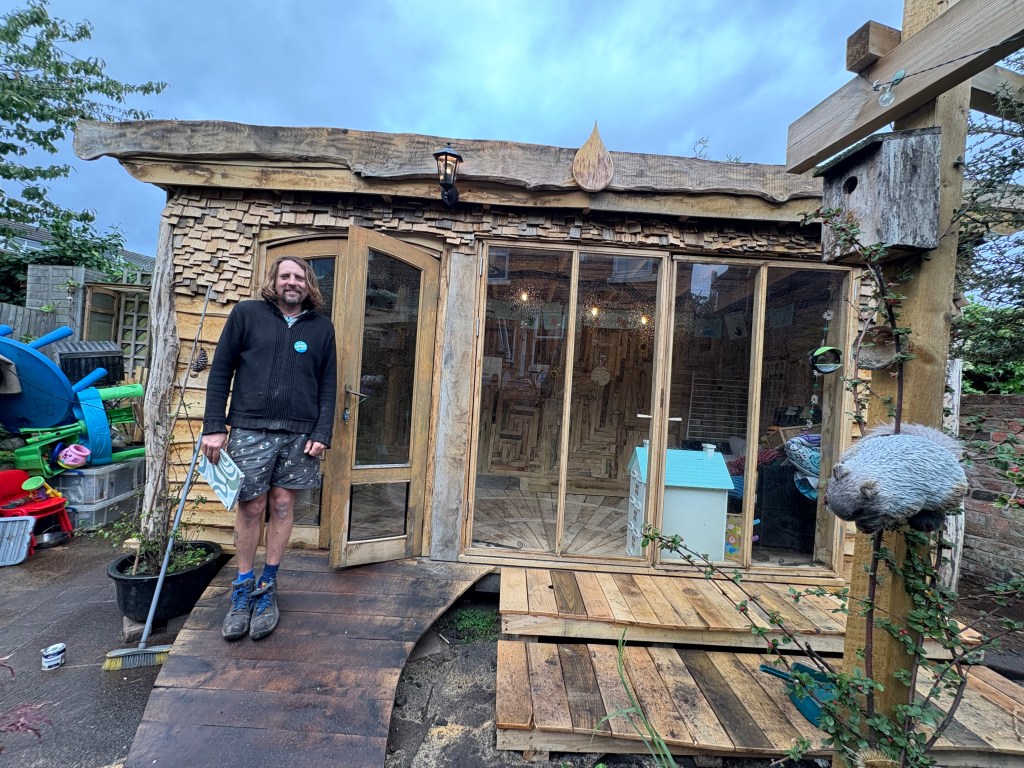
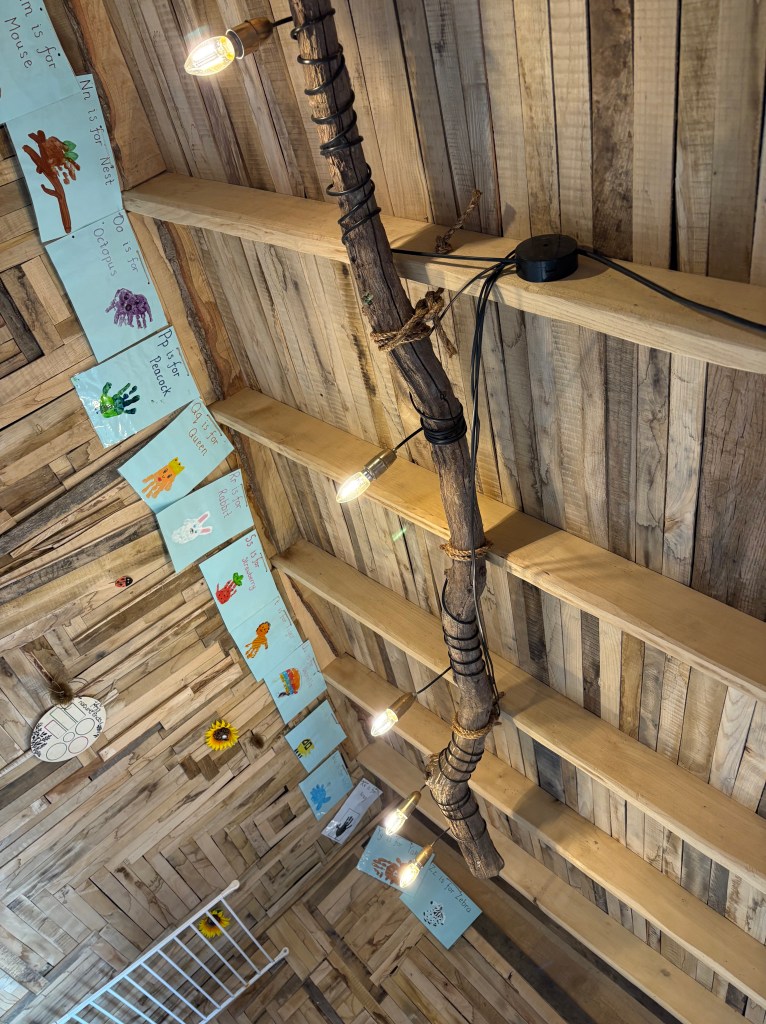
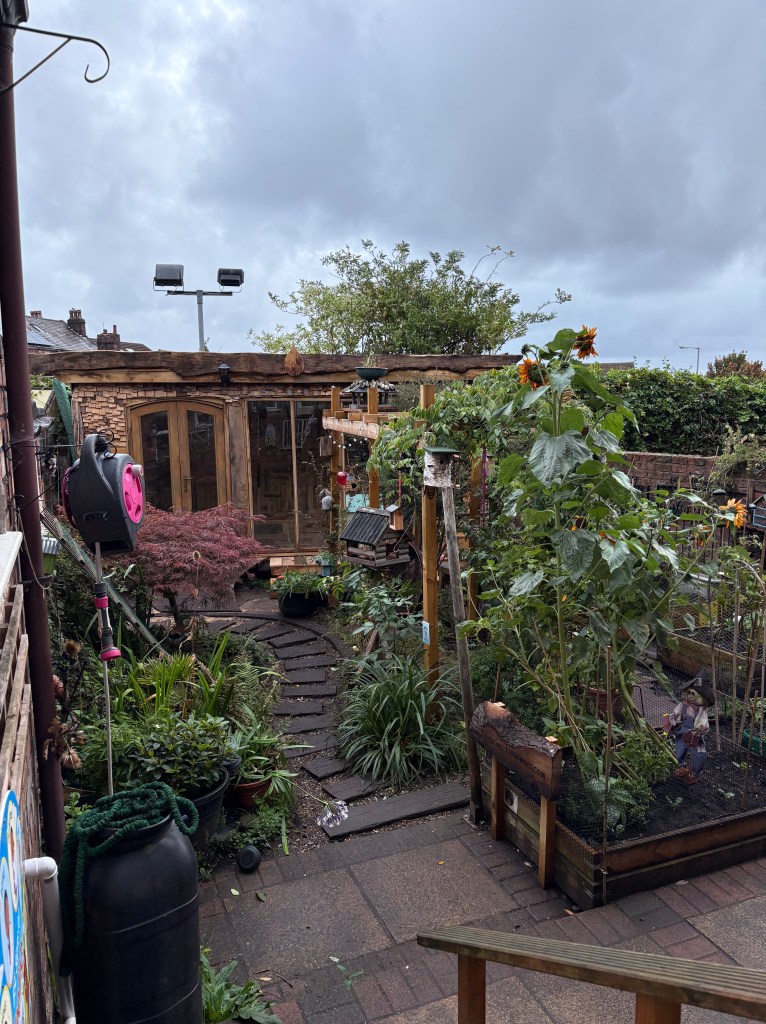
The most exciting day has finally arrived: the garden classroom is now completed! It is totally unique, crafted from 100 percent recycled resources, showcasing a commitment to sustainability and creativity. This space is designed not only to inspire imaginations but also to serve as an effective learning environment. Within the classroom, various learning objectives for children in the Early Years Foundation Stage (EYFS) have been carefully integrated, focusing on enabling environments that foster exploration, play, and discovery. From hands-on gardening activities to interactive nature-themed lessons, this classroom promises to enhance the educational experience for young learners, allowing them to connect with nature while developing essential skills in a playful and nurturing setting.
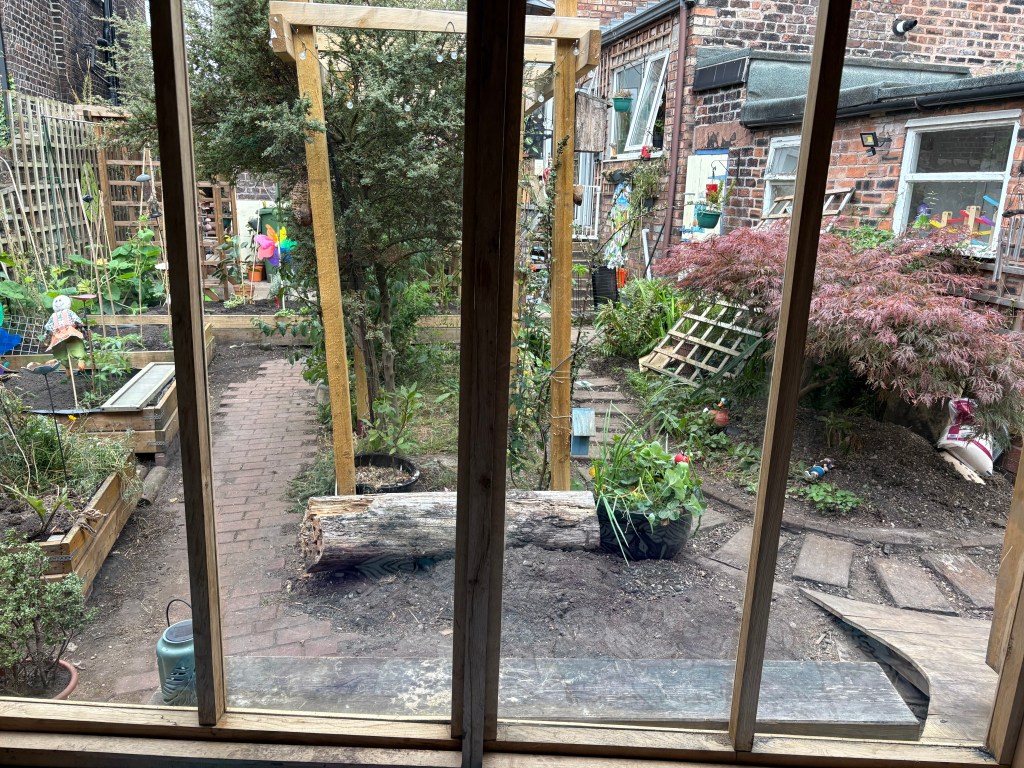
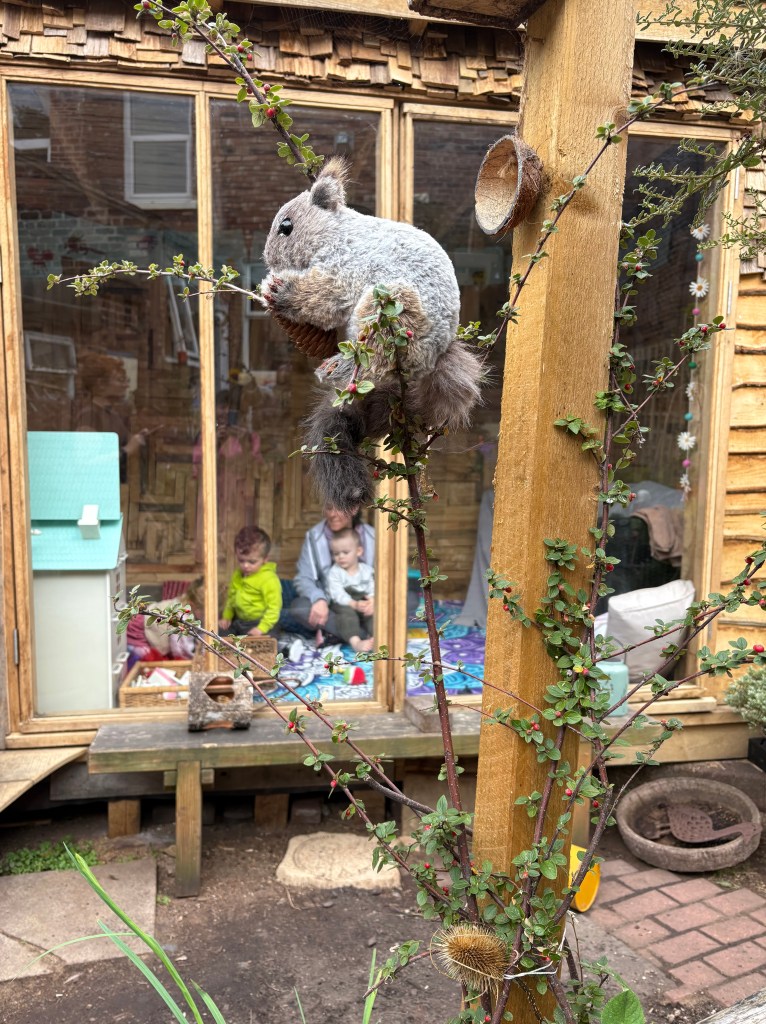
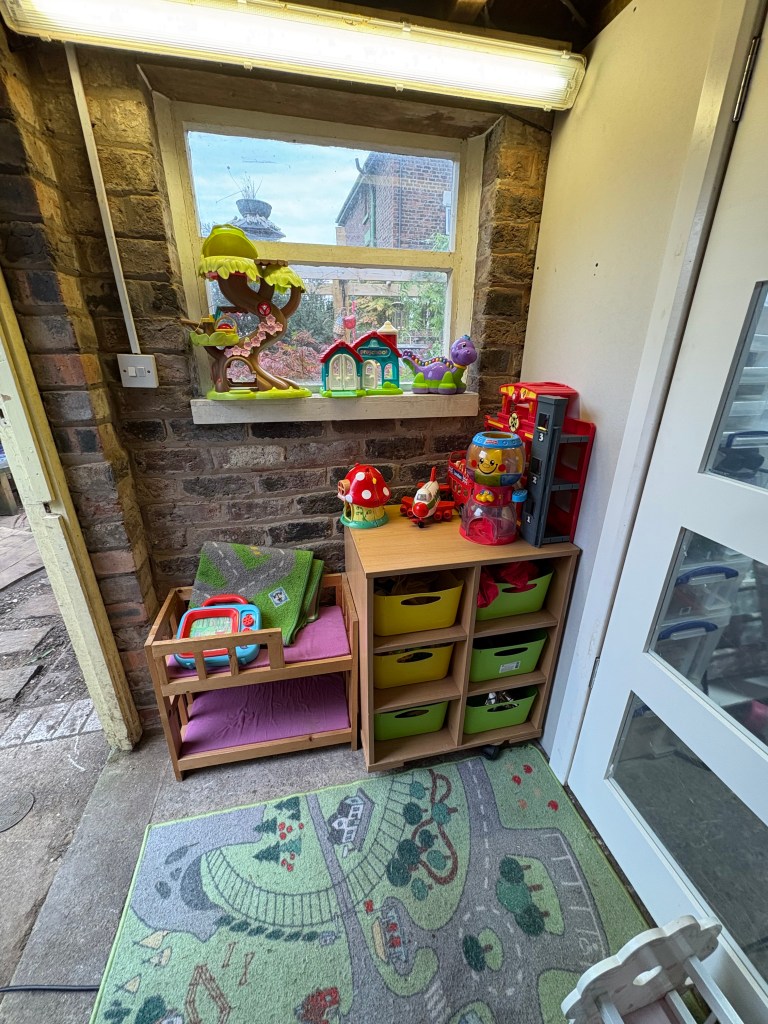
Children with sensory processing difficulties are truly enjoying their new space, where vibrant colors, engaging textures, and soothing sounds combine to create an environment that caters to their unique needs. This thoughtfully designed area not only provides a safe haven for exploration but also encourages them to express their creativity freely, fostering a sense of comfort and belonging as they interact with various sensory tools and activities.
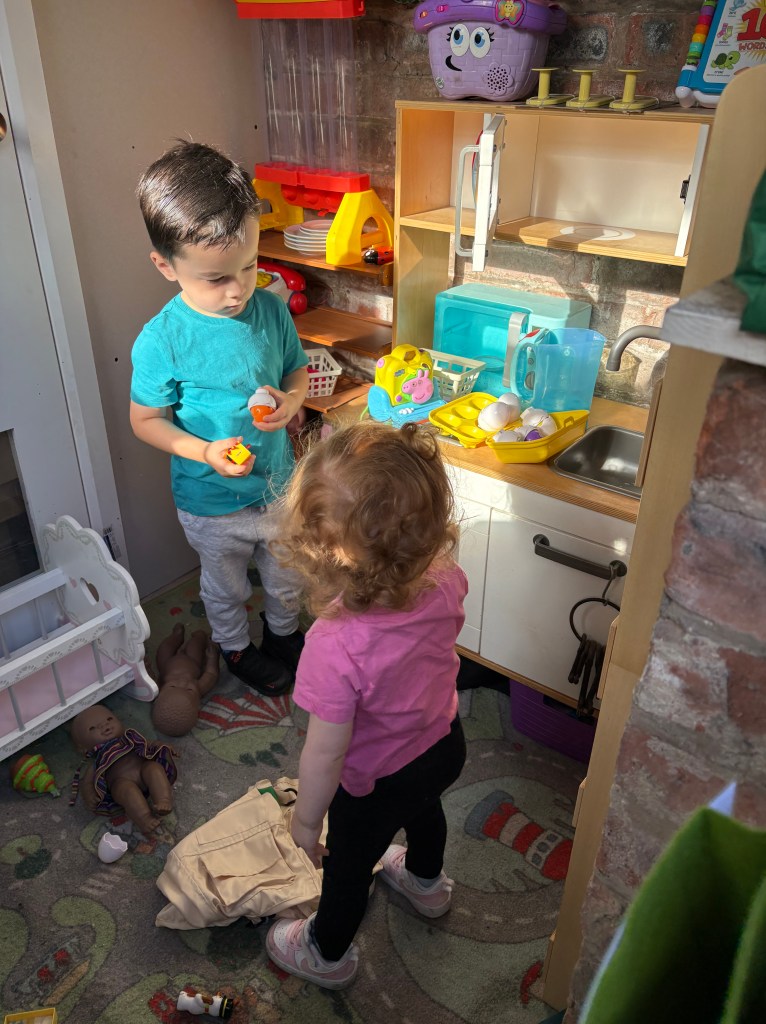
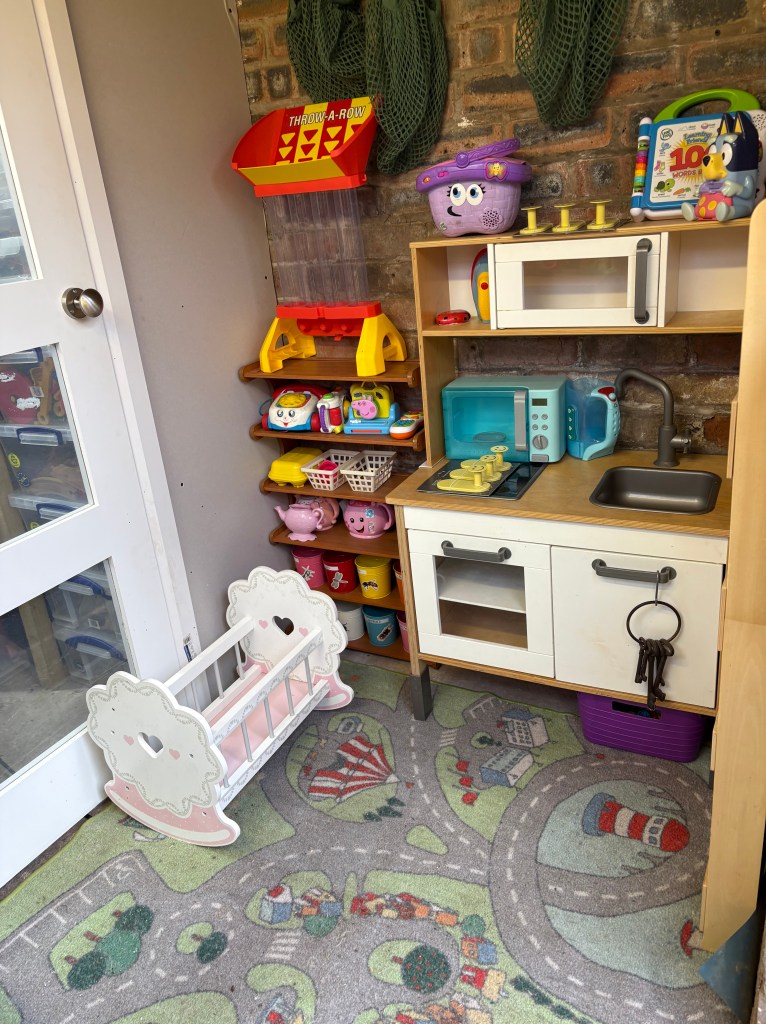
The Kitchen Role Play area is a vibrant and imaginative space that allows children to explore the various aspects of a kitchen area. In this engaging environment, young learners can don playful chef hats, wield safe utensils, and utilize miniature kitchen appliances to create their own culinary masterpieces. This area is designed not just for play but also to foster creativity, collaboration, and social skills as children work together to pretend they are hosting dinner parties or serving in a bustling café. Rich with interactive elements, the Kitchen Role Play area encourages children to use their imaginations while also familiarizing themselves with the concepts of food preparation, healthy eating, and even basic mathematics through measuring and counting ingredients. It serves as an essential component of early childhood development, blending fun with education in a way that sparks curiosity and joy in cooking.

Role play in early childhood education promotes creativity, social skills, and collaboration among peers. It aligns with the Early Years Foundation Stage (EYFS) objectives by enhancing language and communication through negotiation and idea-sharing. Additionally, it builds emotional intelligence as children empathize with others and reinforces cognitive skills by presenting problem-solving opportunities. Ultimately, role play is a valuable and enjoyable tool for intertwining learning objectives.
Posted in Uncategorized

Exploring the Gruffalo Trail: A Day of Nature and Learning

Today we took the children to visit the Delamere Forest Gruffalo Trail the main aim of the trip was to develop key skills in observation, map reading, and navigation, while engaging in physical activity through woodland exploration. The trail encourages imaginative play, sensory experiences, and an appreciation for nature, allowing the children to connect with the story and characters. 

Key learning opportunities embedded in the trip included:

Technology & Art: The Gruffalo Spotters AR app brings characters to life using technology, while the wooden sculptures offer appreciation for art in nature.  the trip was to develop key skills in observation, map reading, and navigation, while engaging in physical activity through woodland exploration. The trail encourages imaginative play, sensory experiences, and an appreciation for nature, allowing the children to connect with the story and characters. 

Navigation & Logic: Children learn to read simple maps and follow clues to locate sculptures, enhancing decision-making skills.

Physical Development: The uneven, natural terrain helps improve coordination, balance, and core strength.

Nature & Ecology: Children can learn about forest habitats, wildlife, and natural cycles of growth and decay.

Literacy & Imagination: The experience brings Julia Donaldson’s story to life, fostering imagination and a love for reading.

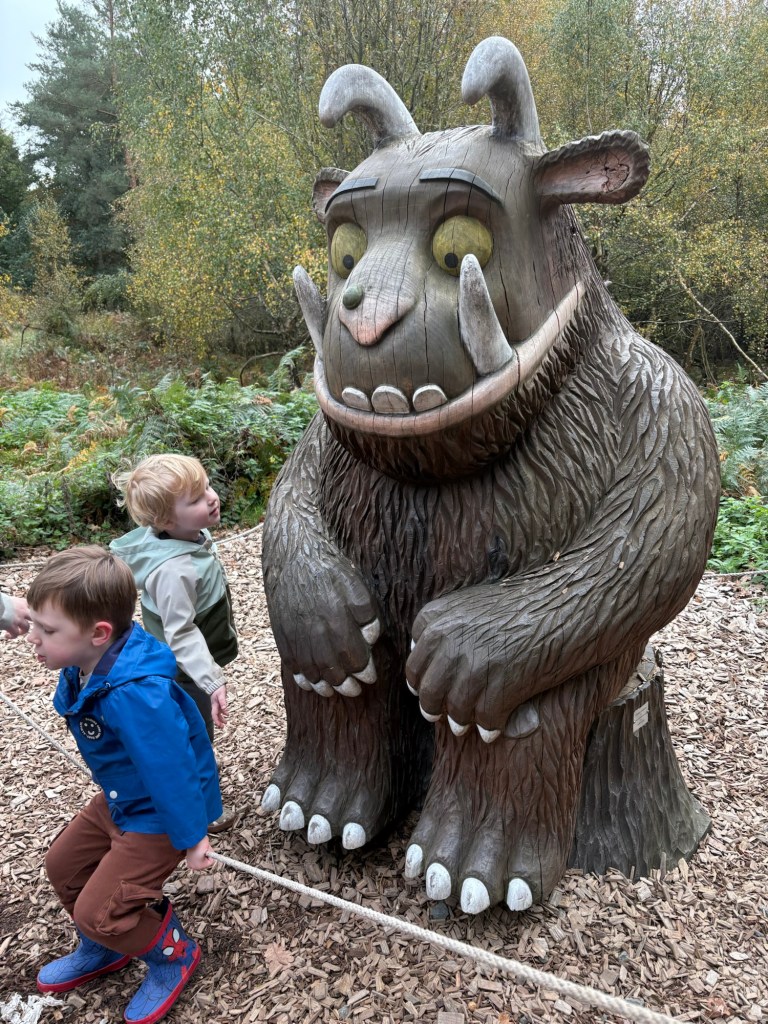
    We found the Gruffalo! Jack shouted ‘ O no, O help it’s the Gruffalo!

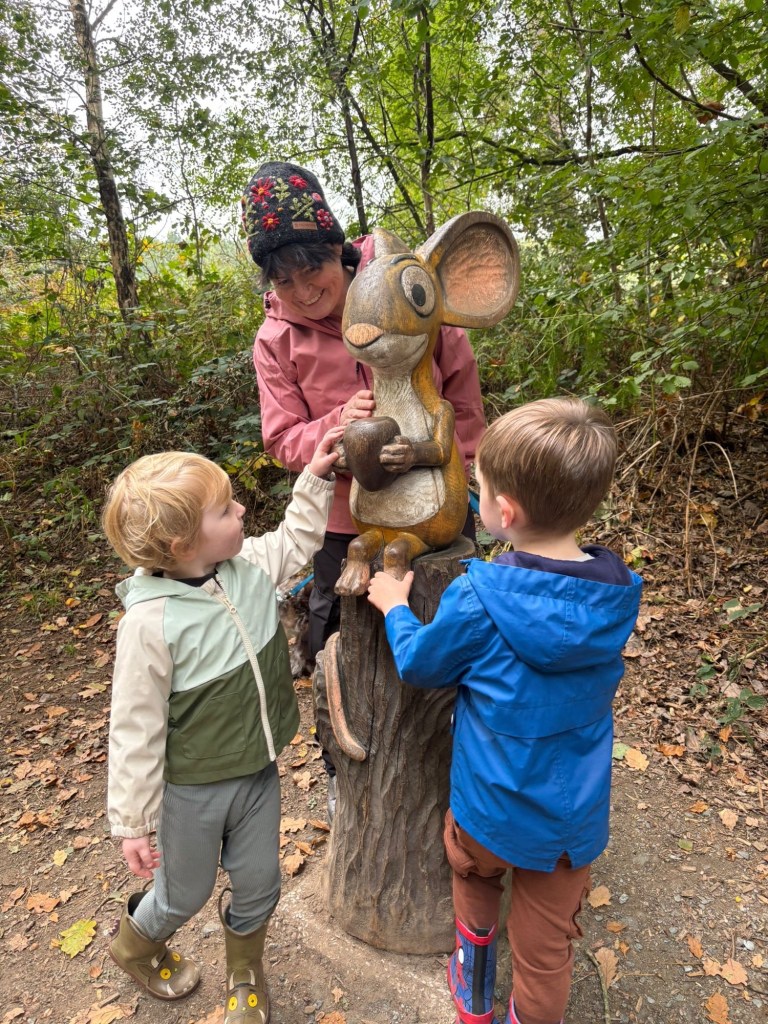
    We came across the mouse sitting on the log we carried on quoting the story Ben said “nut” and Jack told us ‘the Gruffalo had run away, so the mouse enjoyed a nut in peace’

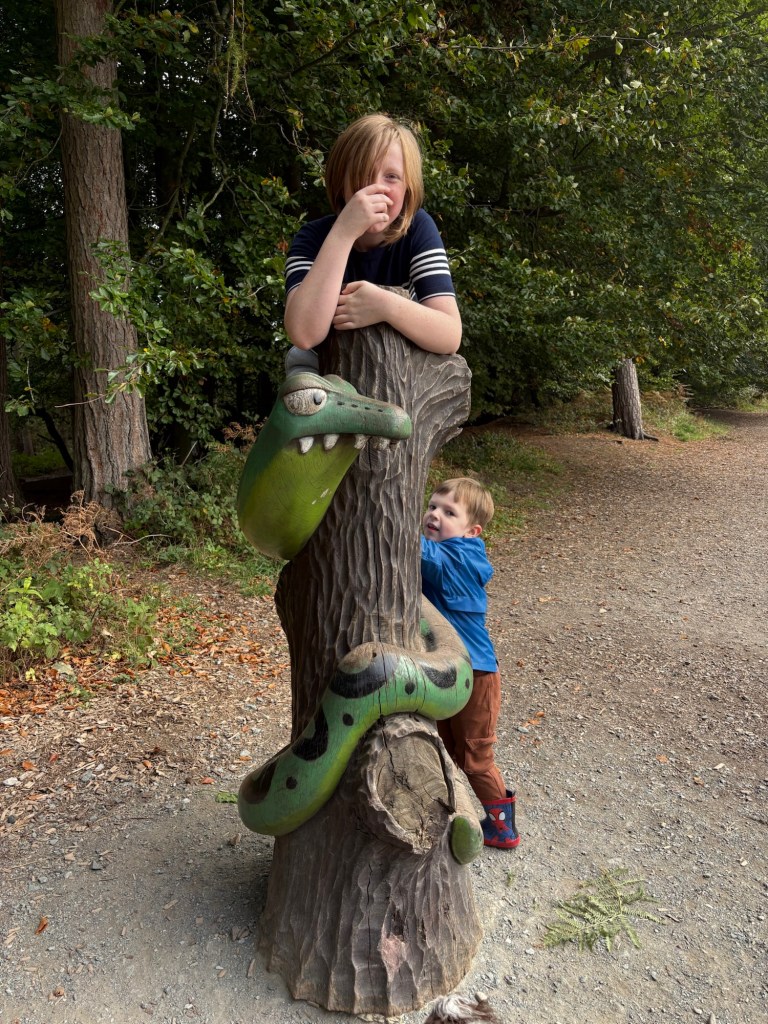
    Chloe told us all about the snake living in the log pile house, slithering and squirming around waiting to jump out and gobble up the tiny mouse.

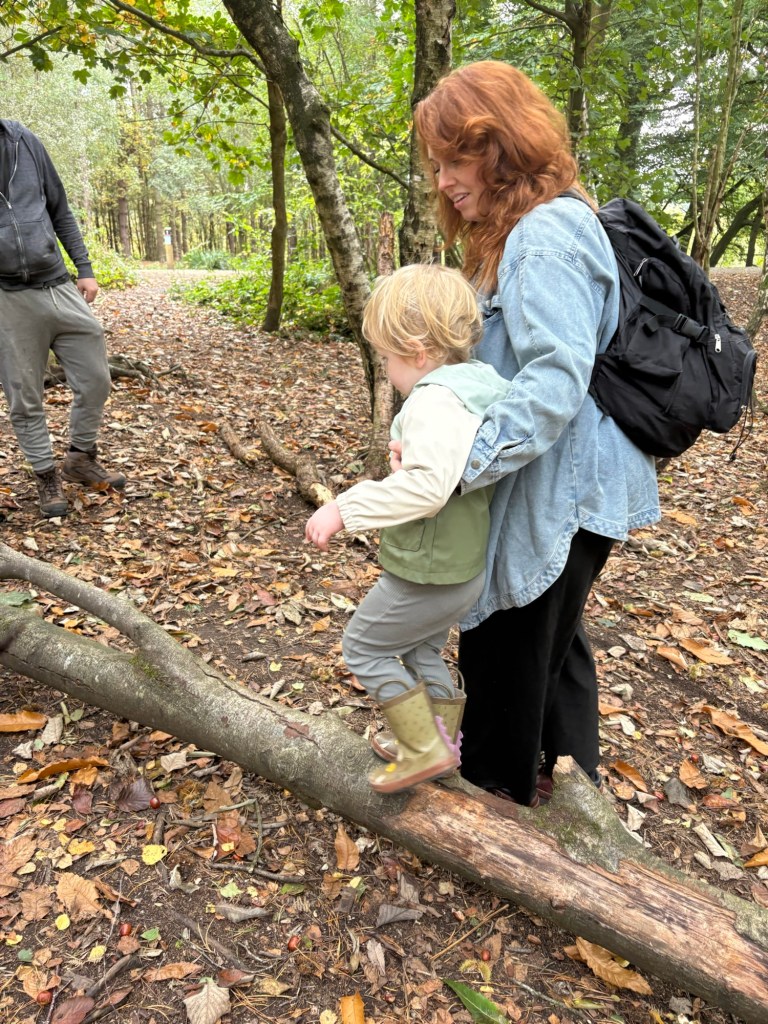
    Ben enjoyed walking along the long log having support from Gemma to balance and keep steady.

    During the trip we learnt all about the Woodland Ecology & Nature all around us.

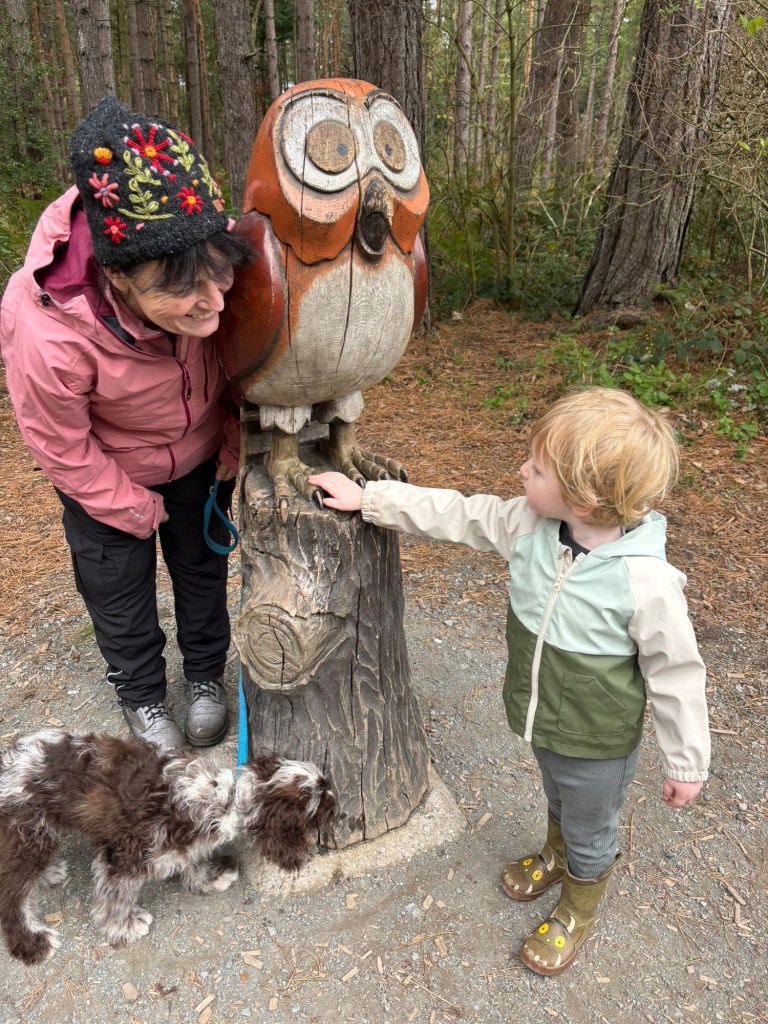
    Animal Habitats: By searching for the sculptures, the children explored the realistic settings where creatures like foxes, owls, and snakes live.

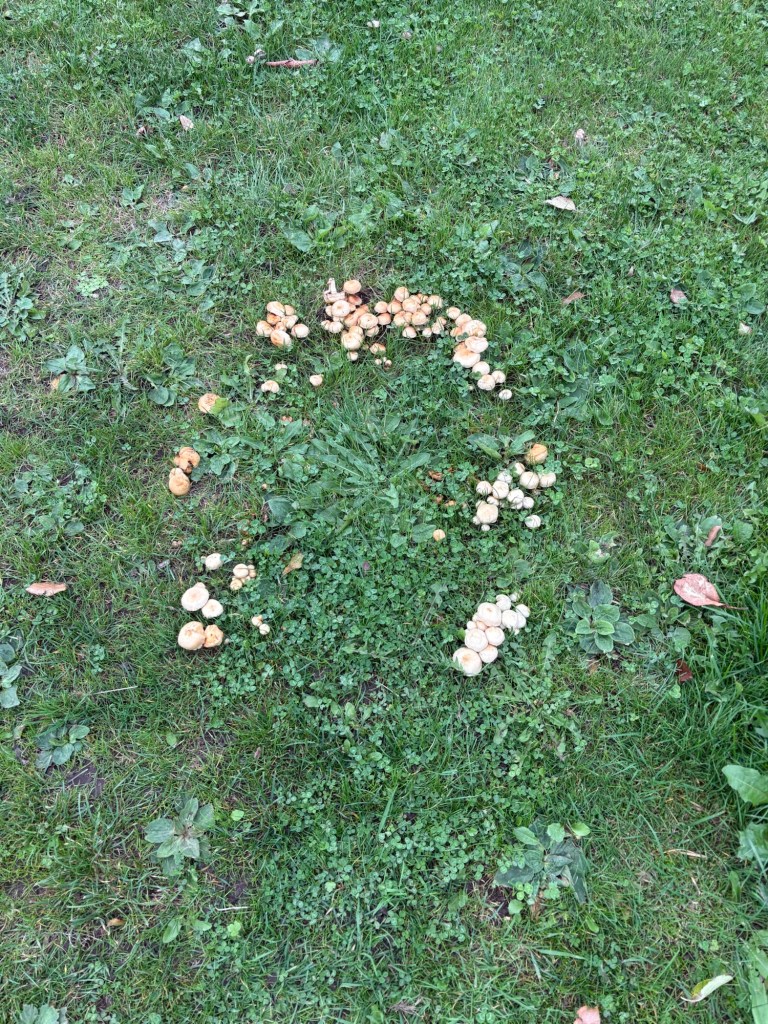
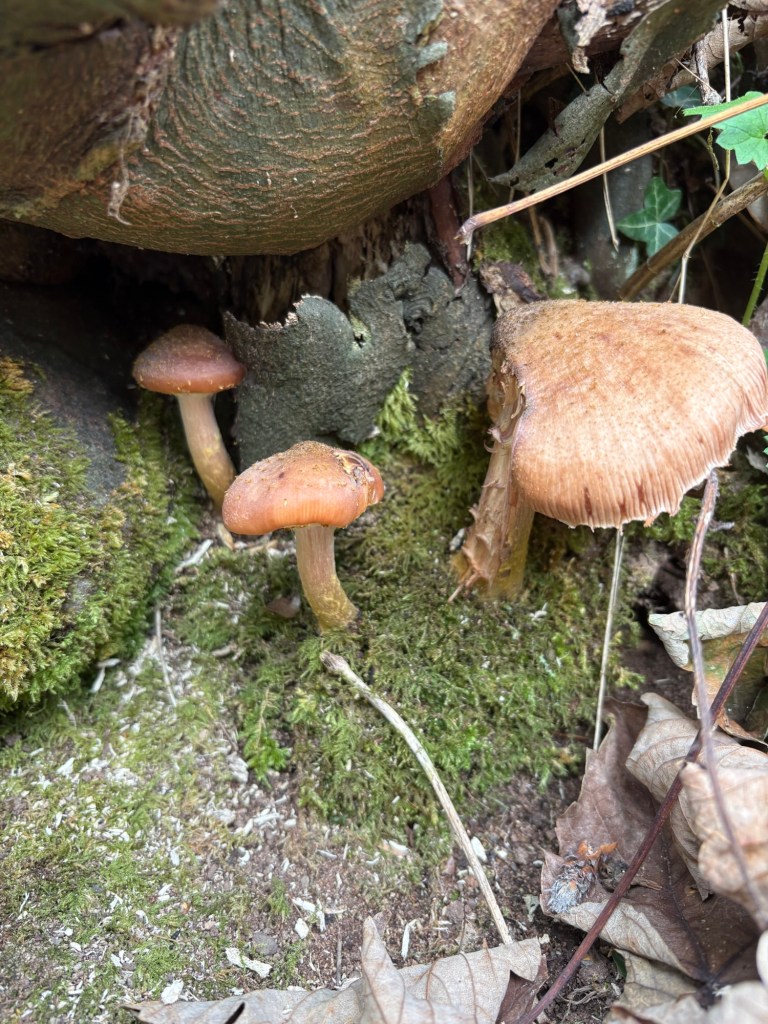
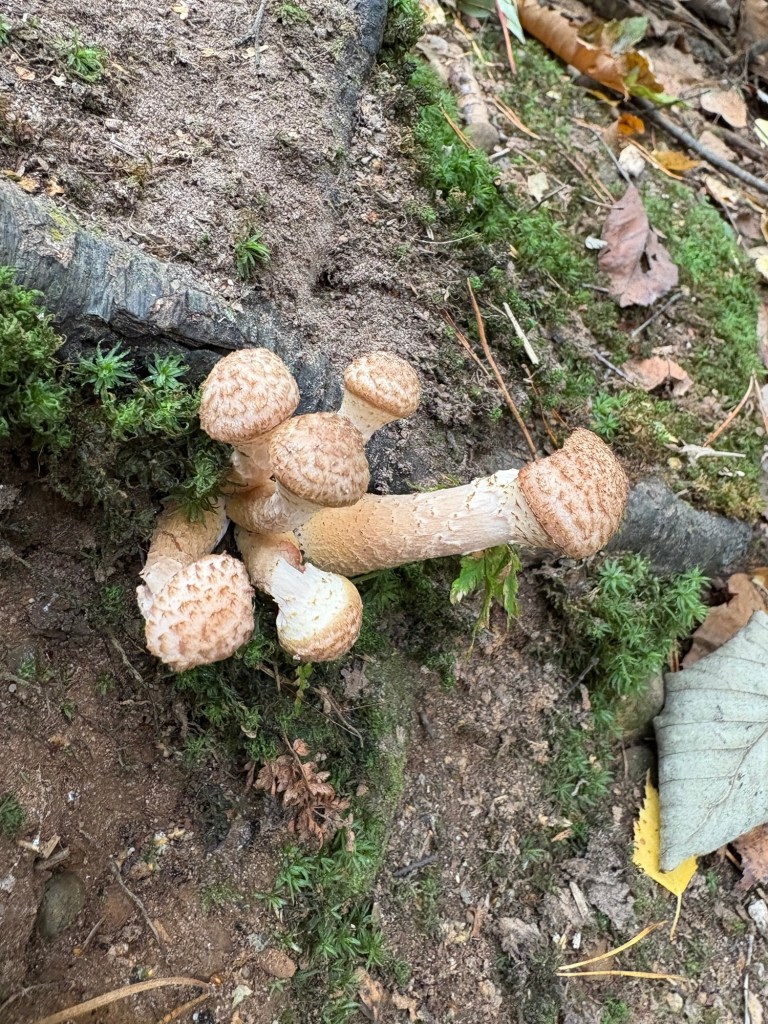
    Plant Life: Various signs along the trail encouraged the children to identify different leaves, mushrooms and learn about how plants and animals care for one another.

     Observation: Interactive panels along the way taught us how to look for animal tracks and listen for specific forest sounds.

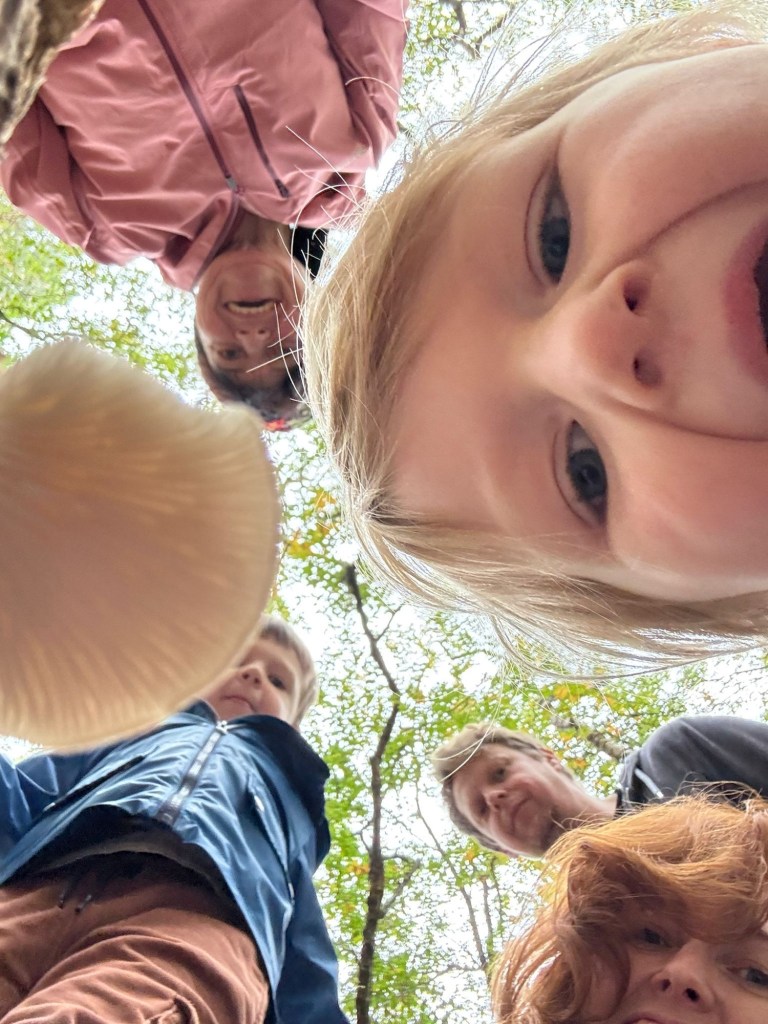
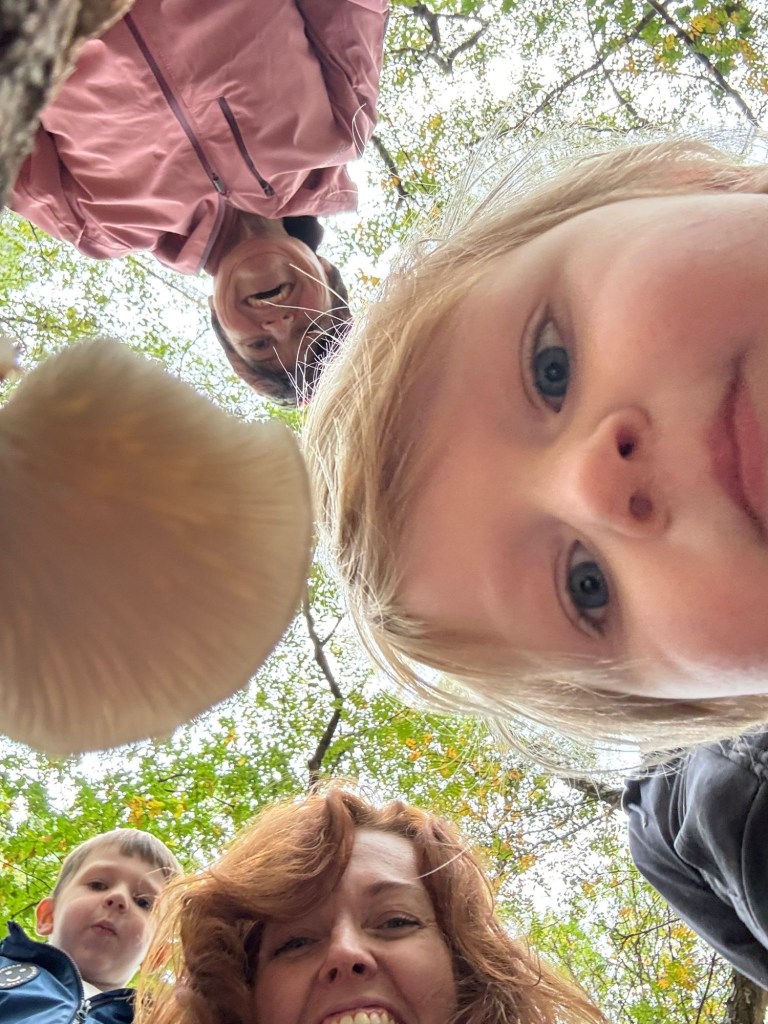
    We wanted to share this lovely photograph we too of us all observing the mushroom.

    We had an amazing day out, beyond the “official” learning objectives, the trip to Delamere Forest was a brilliant way to sneak in some character building and quality bonding that they won’t even realise was educational.

    If you’re heading out there, make the most of the amazing “interactive classroom”: