Posted in childminding, forest school, Garden Classroom, Outdoor Curriculum, outdoor play, Uncategorized, wildlife

Hands-On Learning in Nature: The Garden Classroom Experience

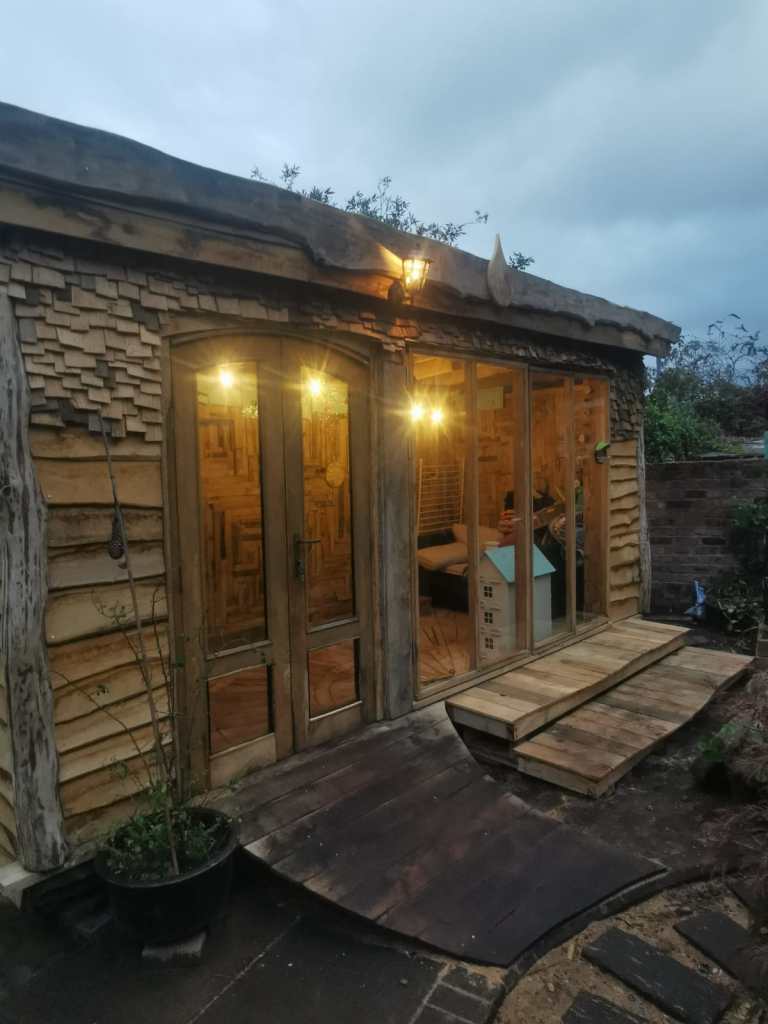
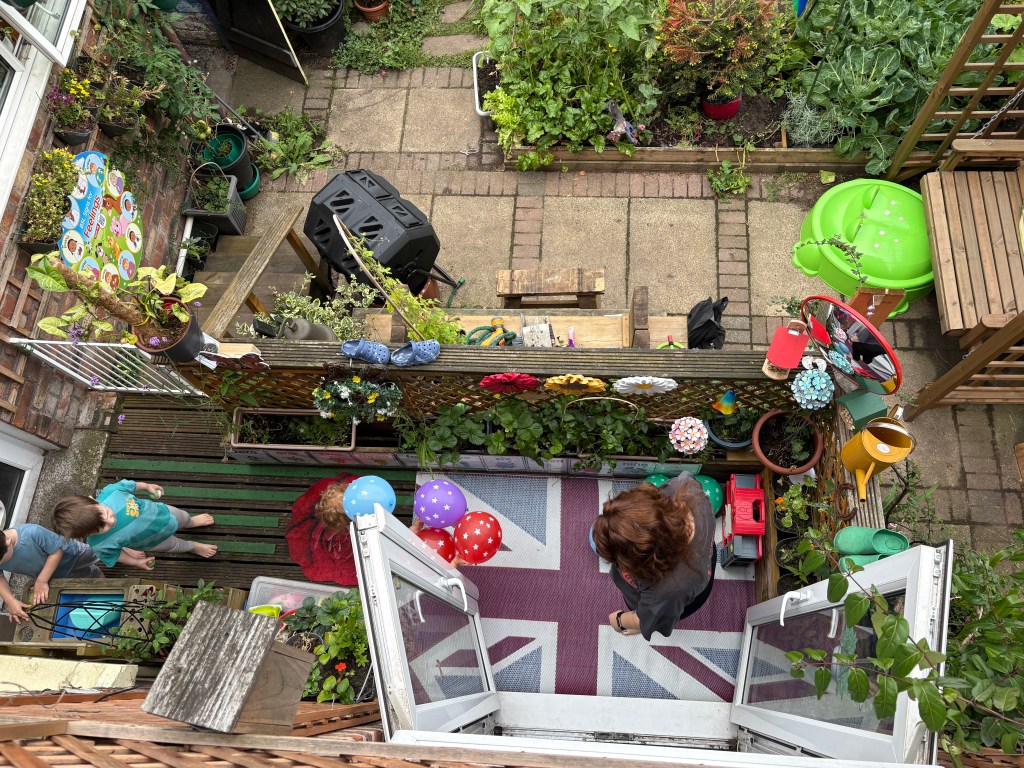
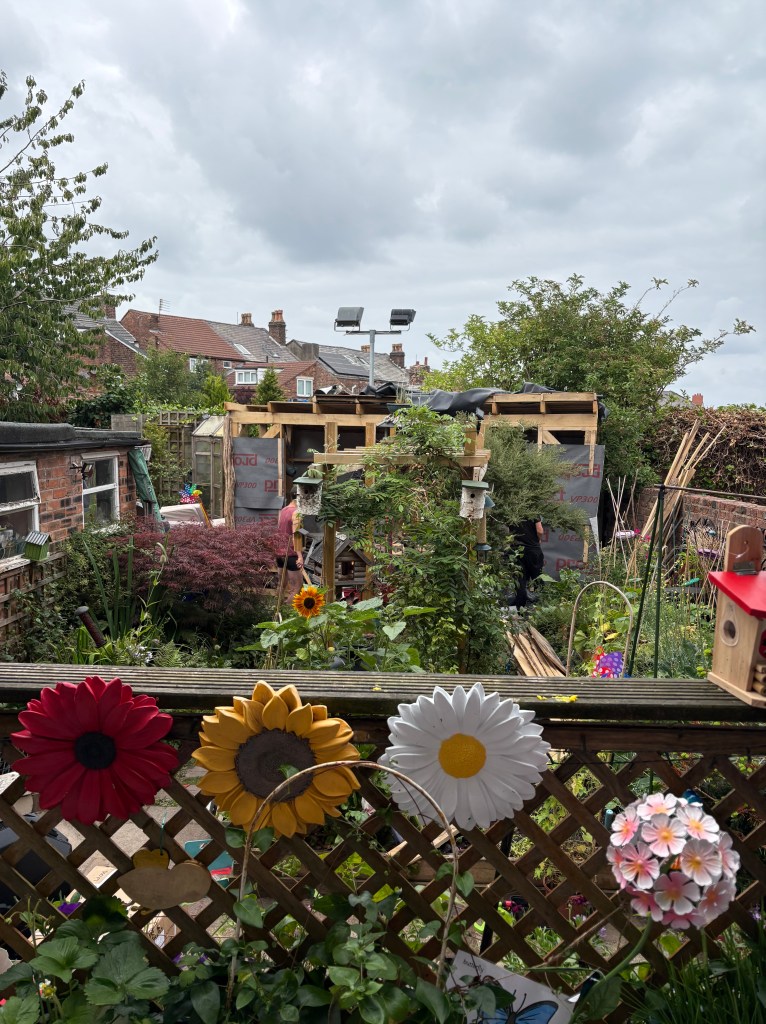
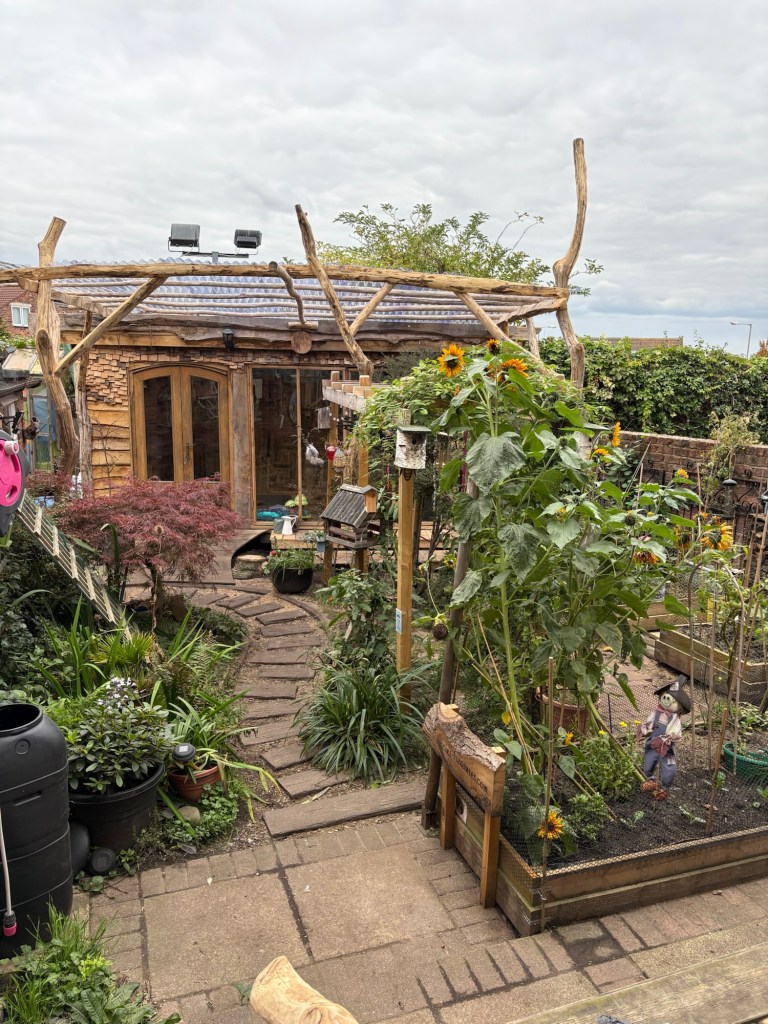
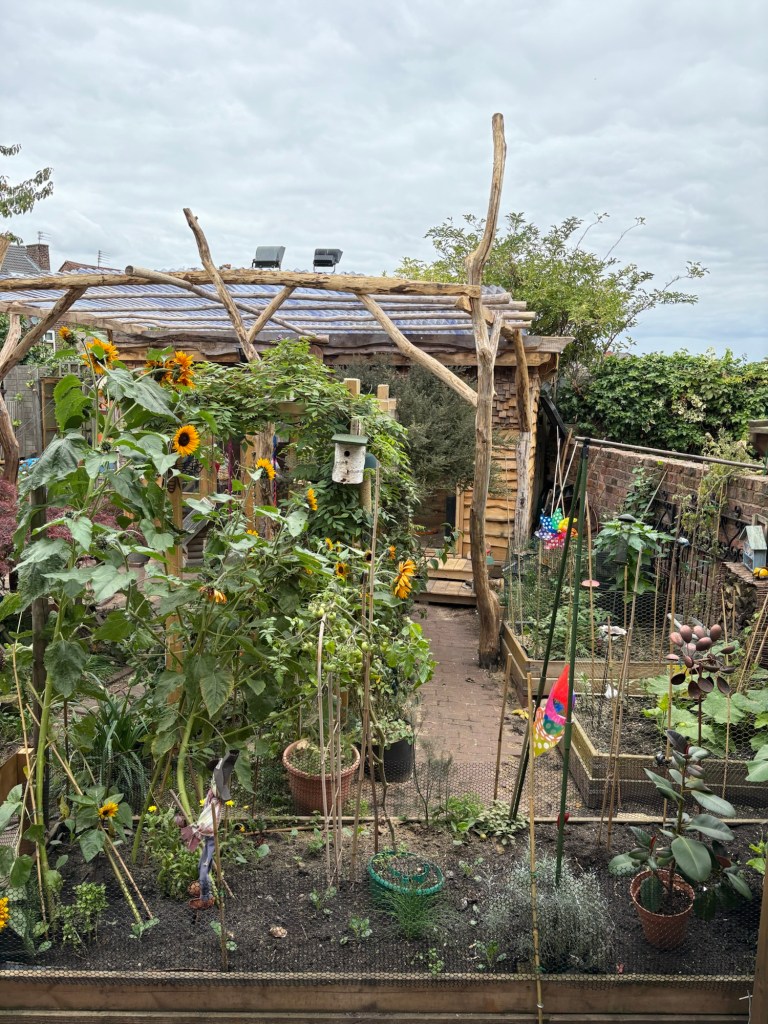
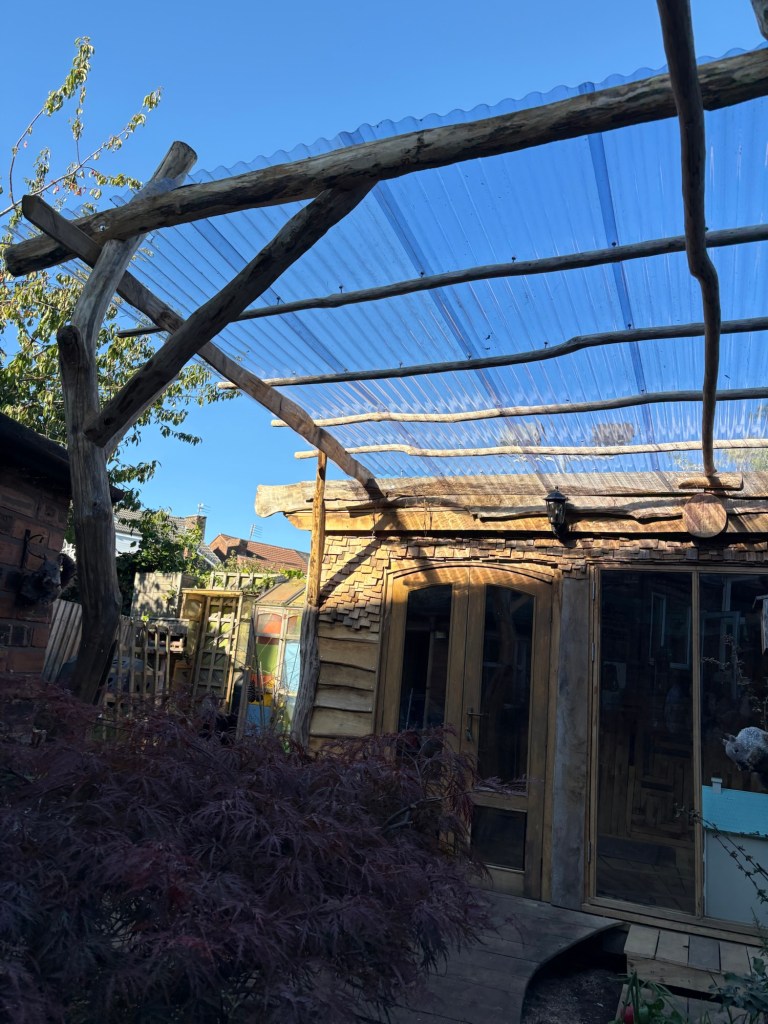
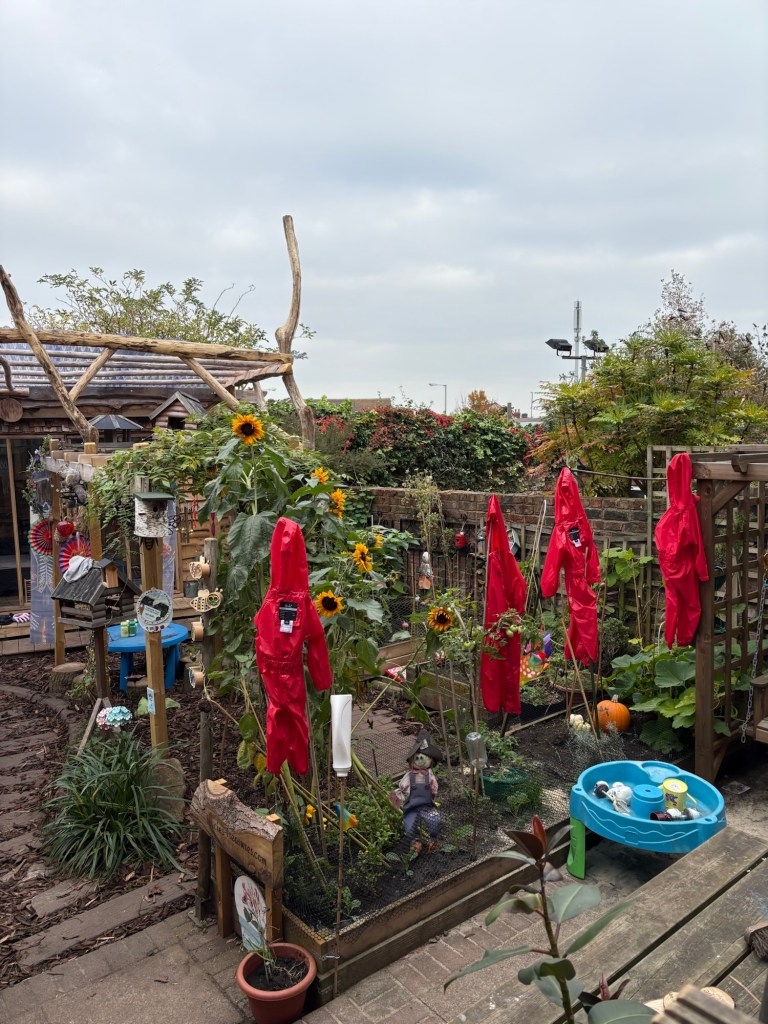
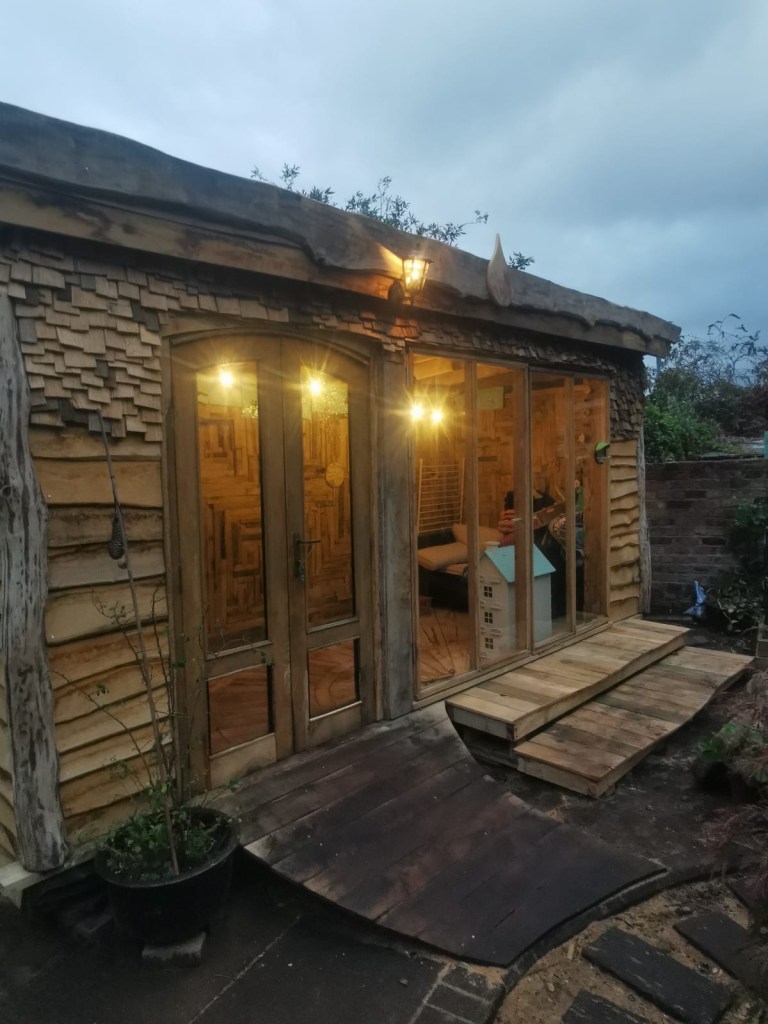
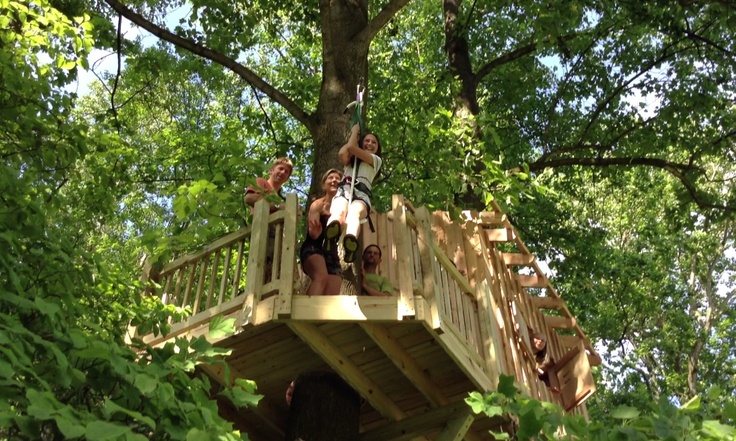
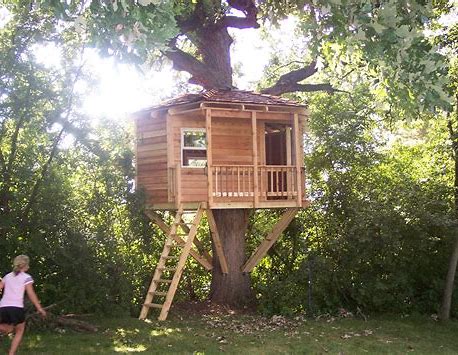
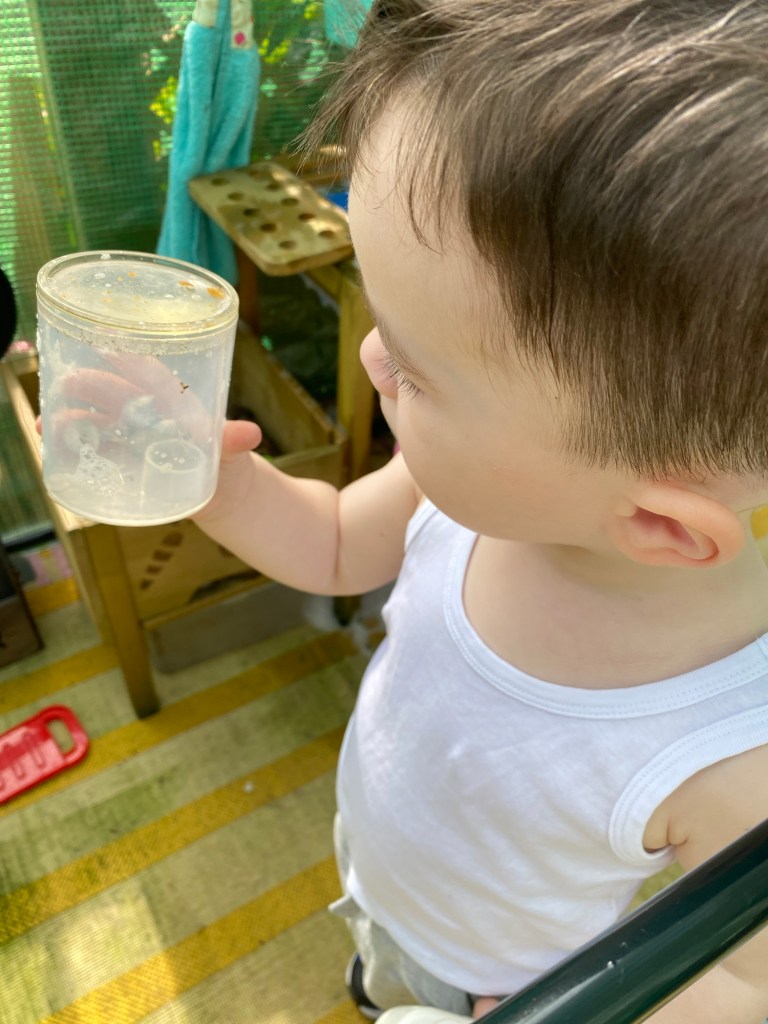
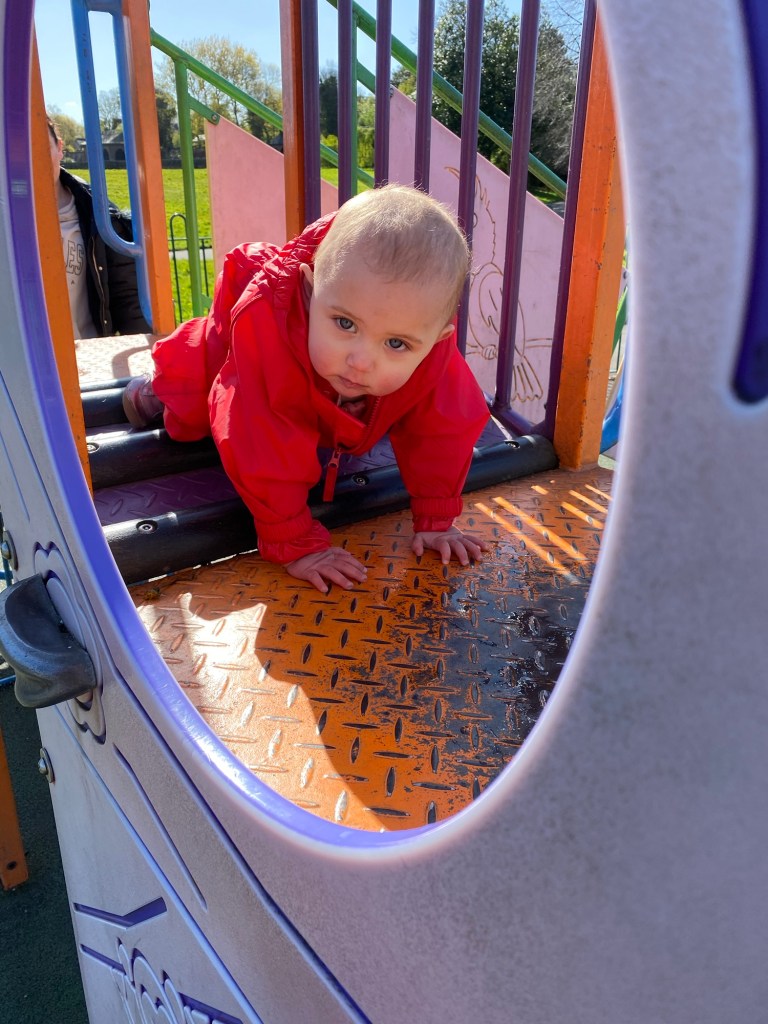
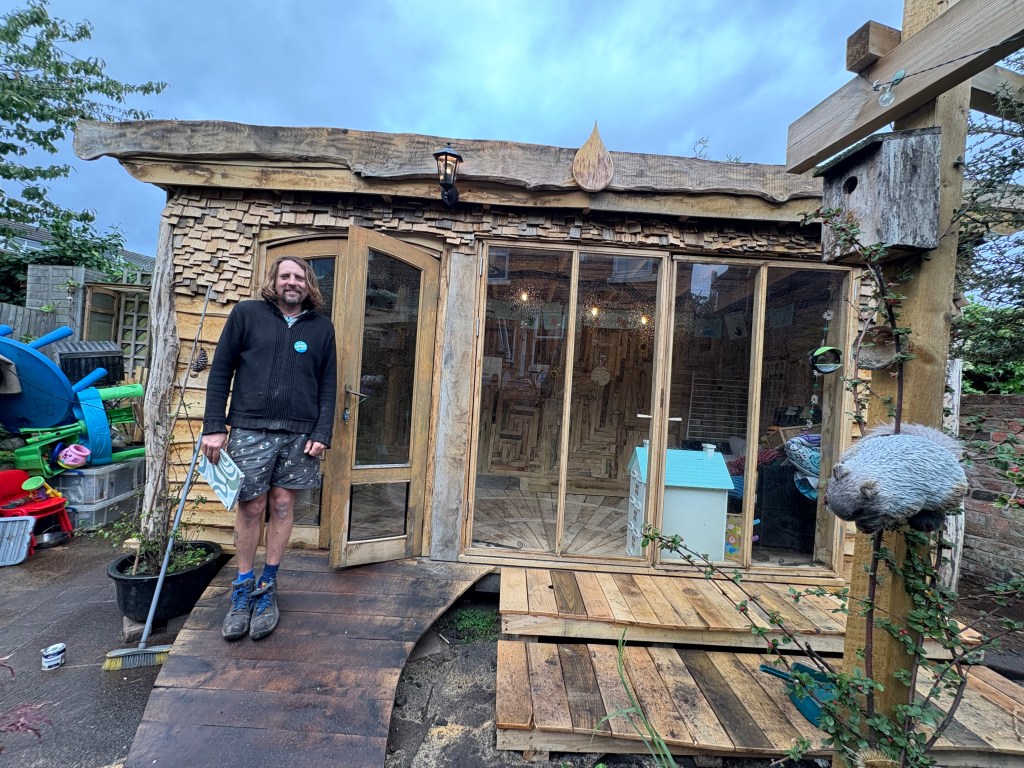
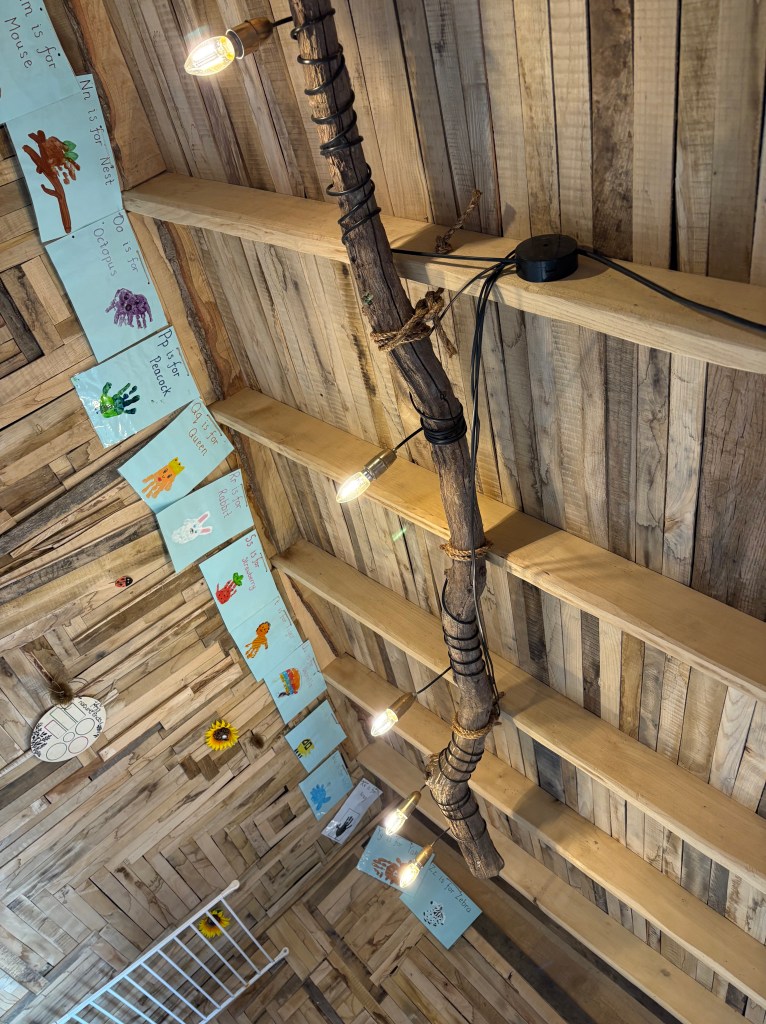
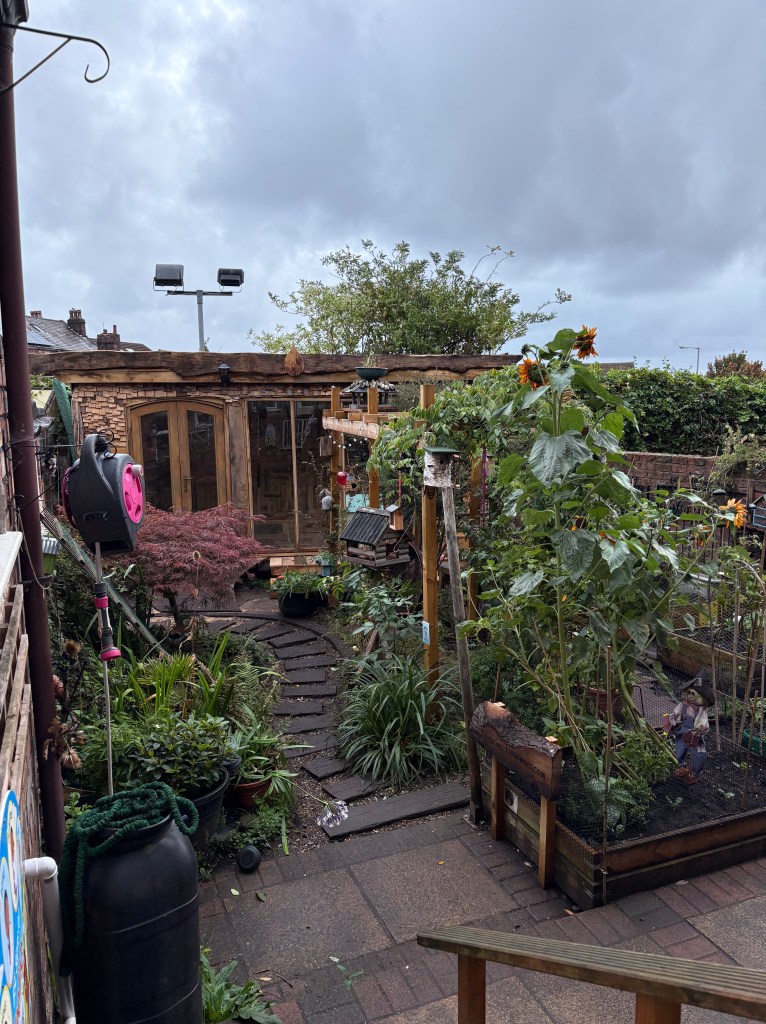
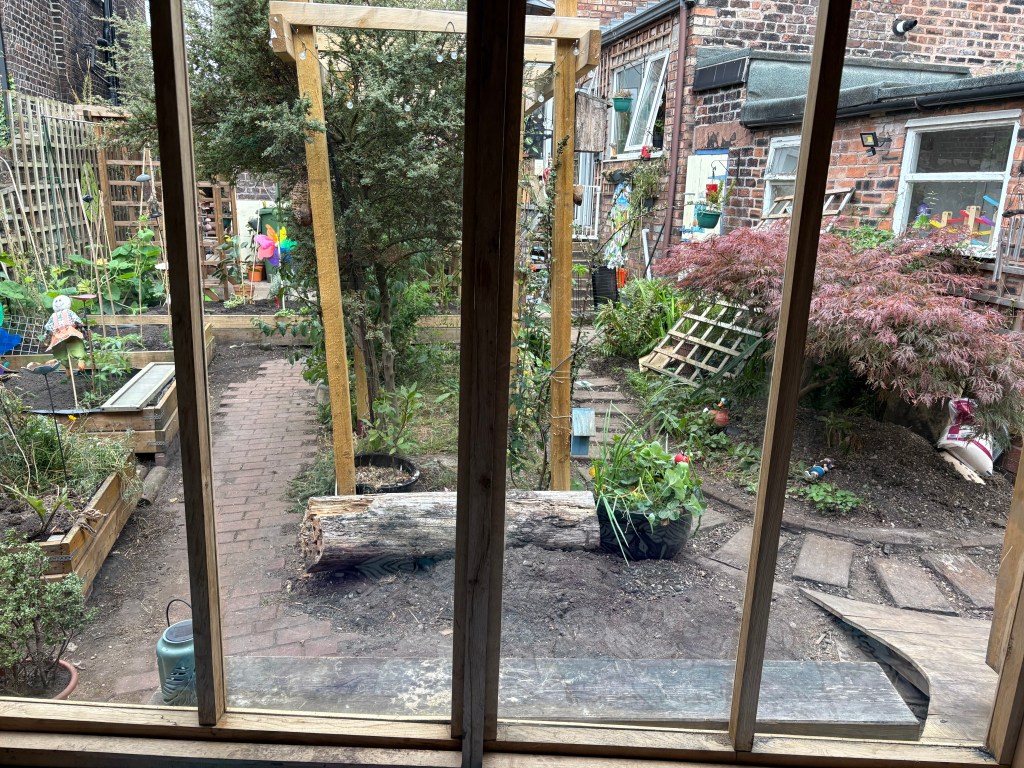
The most exciting day has finally arrived: the garden classroom is now completed! It is totally unique, crafted from 100 percent recycled resources, showcasing a commitment to sustainability and creativity. This space is designed not only to inspire imaginations but also to serve as an effective learning environment. Within the classroom, various learning objectives for children in the Early Years Foundation Stage (EYFS) have been carefully integrated, focusing on enabling environments that foster exploration, play, and discovery. From hands-on gardening activities to interactive nature-themed lessons, this classroom promises to enhance the educational experience for young learners, allowing them to connect with nature while developing essential skills in a playful and nurturing setting.
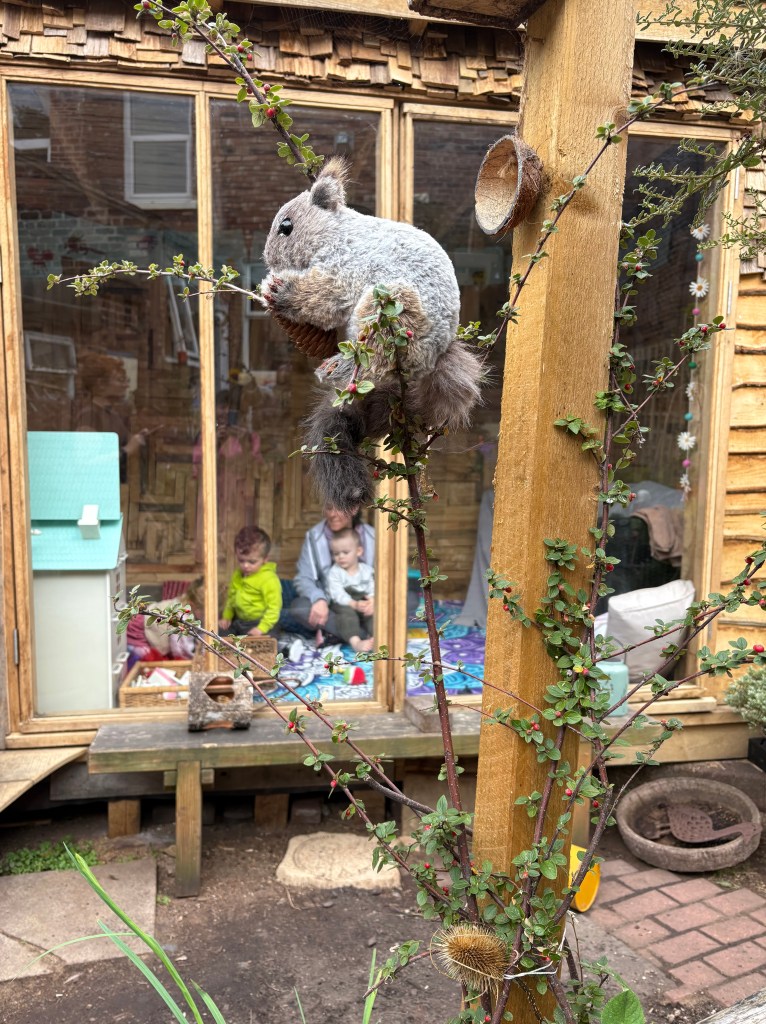
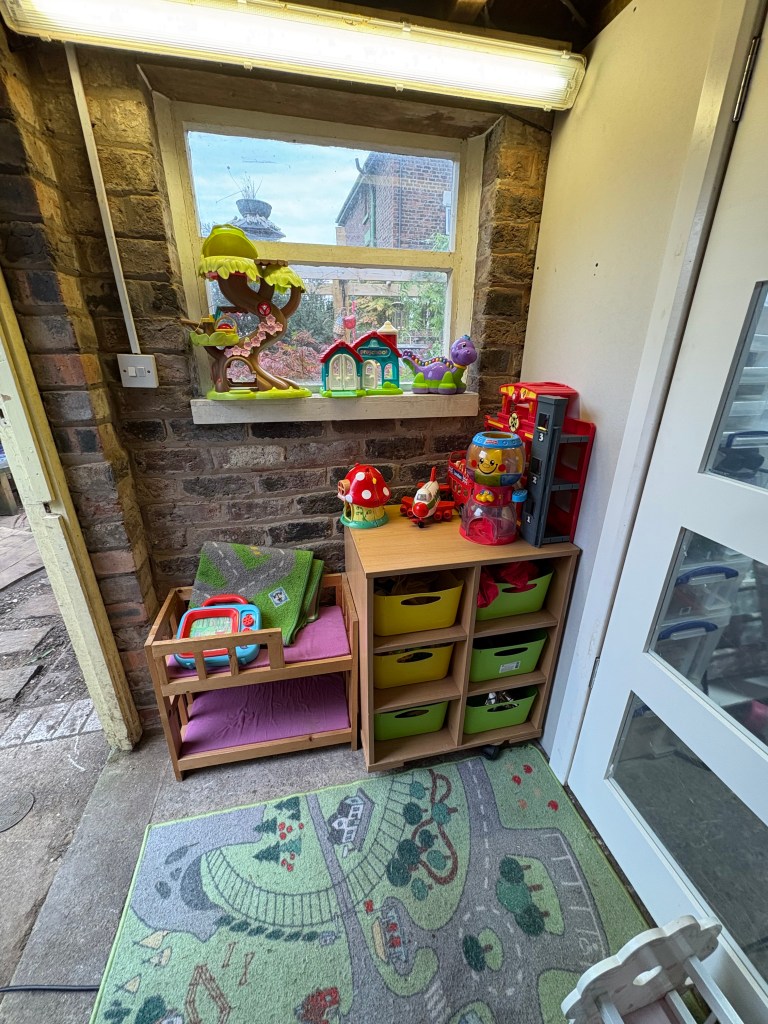
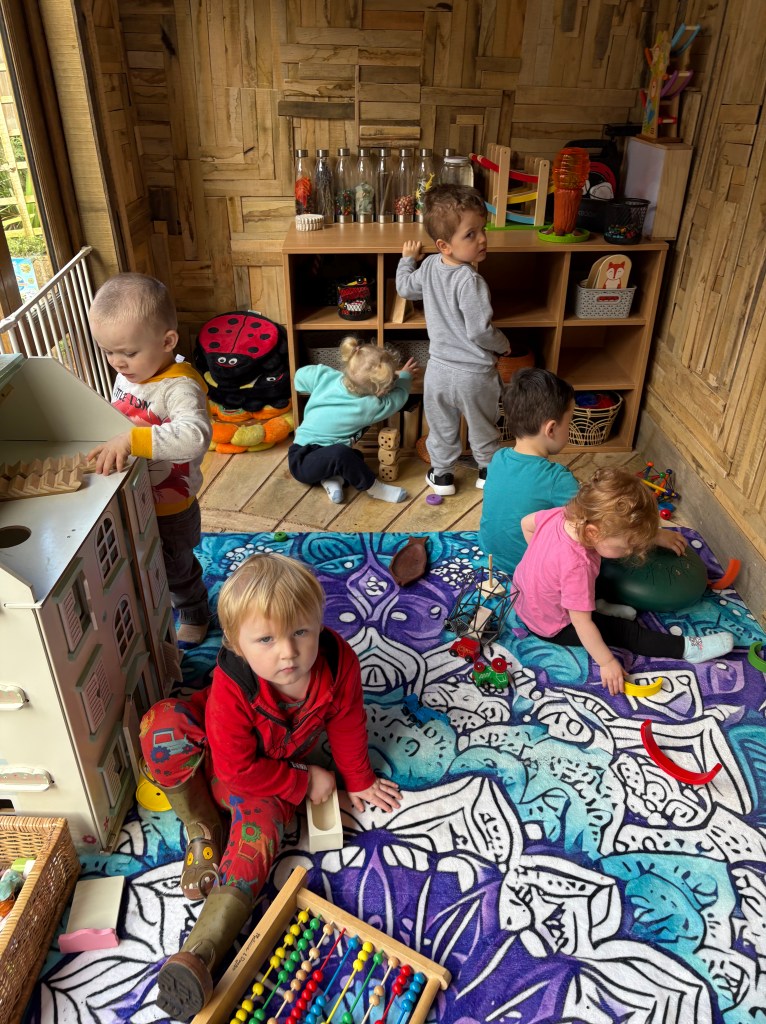
Children with sensory processing difficulties are truly enjoying their new space, where vibrant colors, engaging textures, and soothing sounds combine to create an environment that caters to their unique needs. This thoughtfully designed area not only provides a safe haven for exploration but also encourages them to express their creativity freely, fostering a sense of comfort and belonging as they interact with various sensory tools and activities.
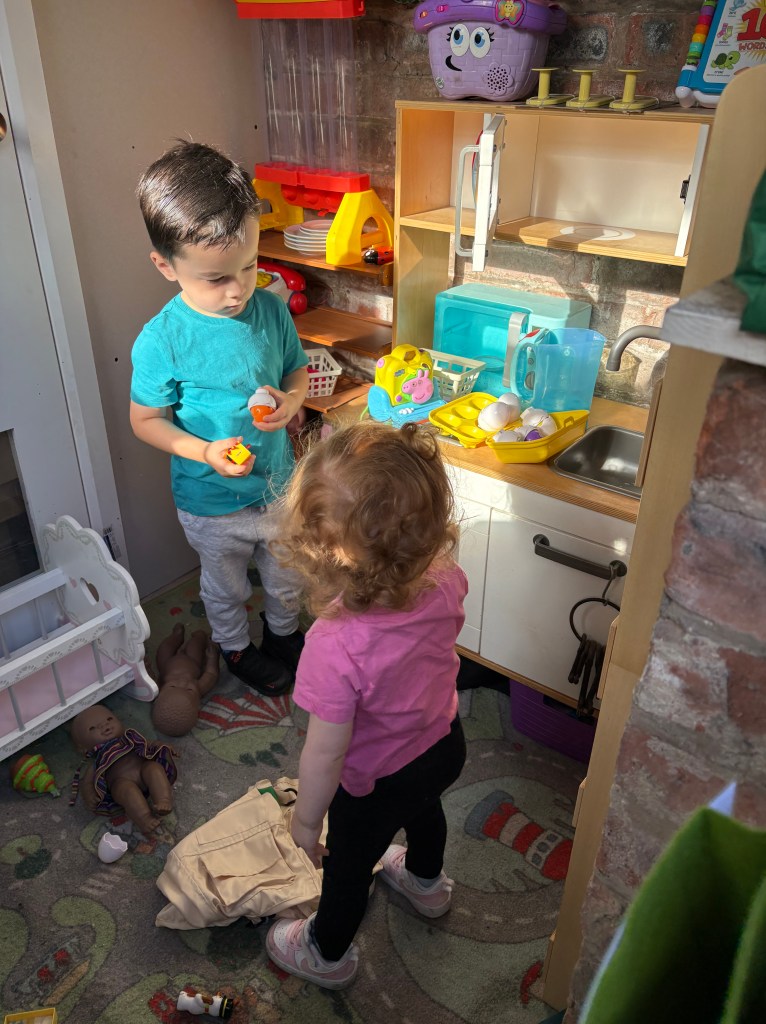
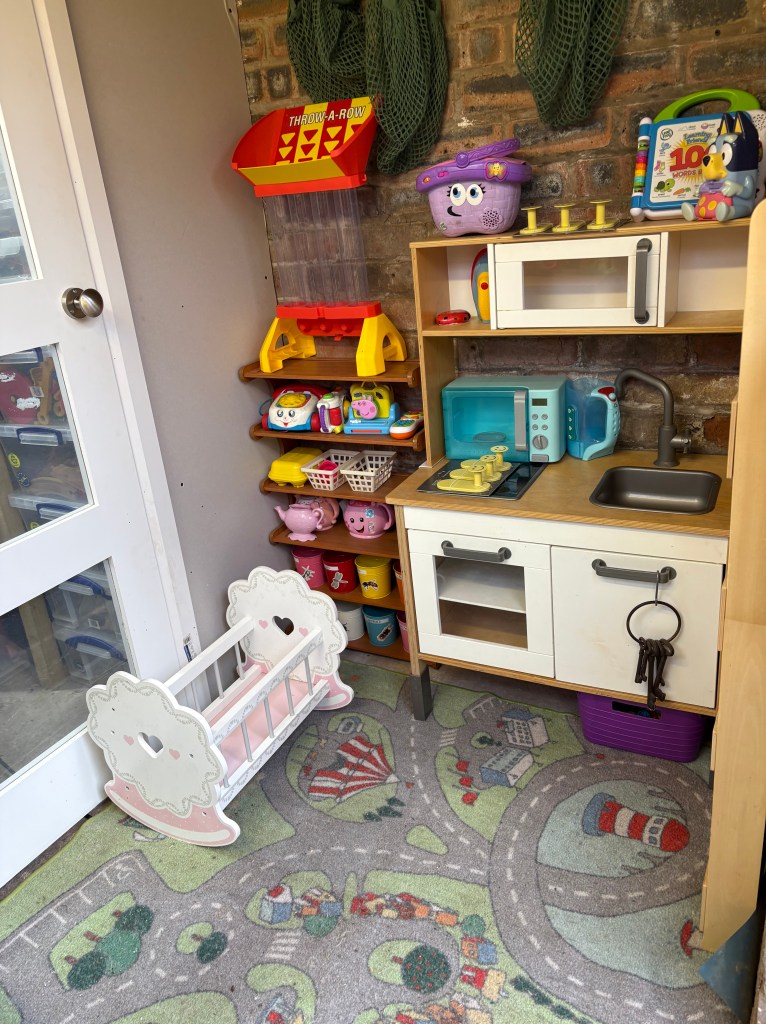
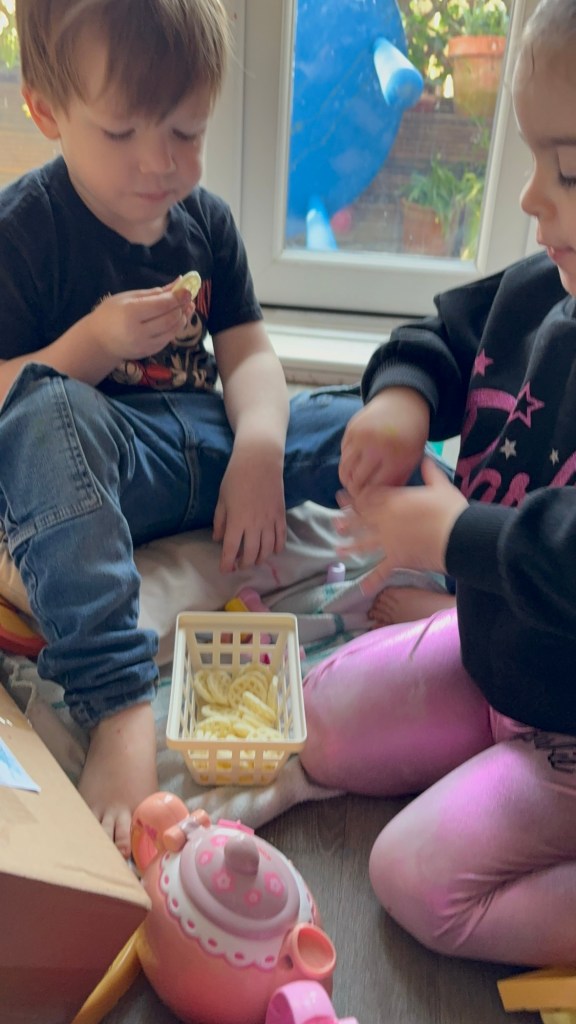
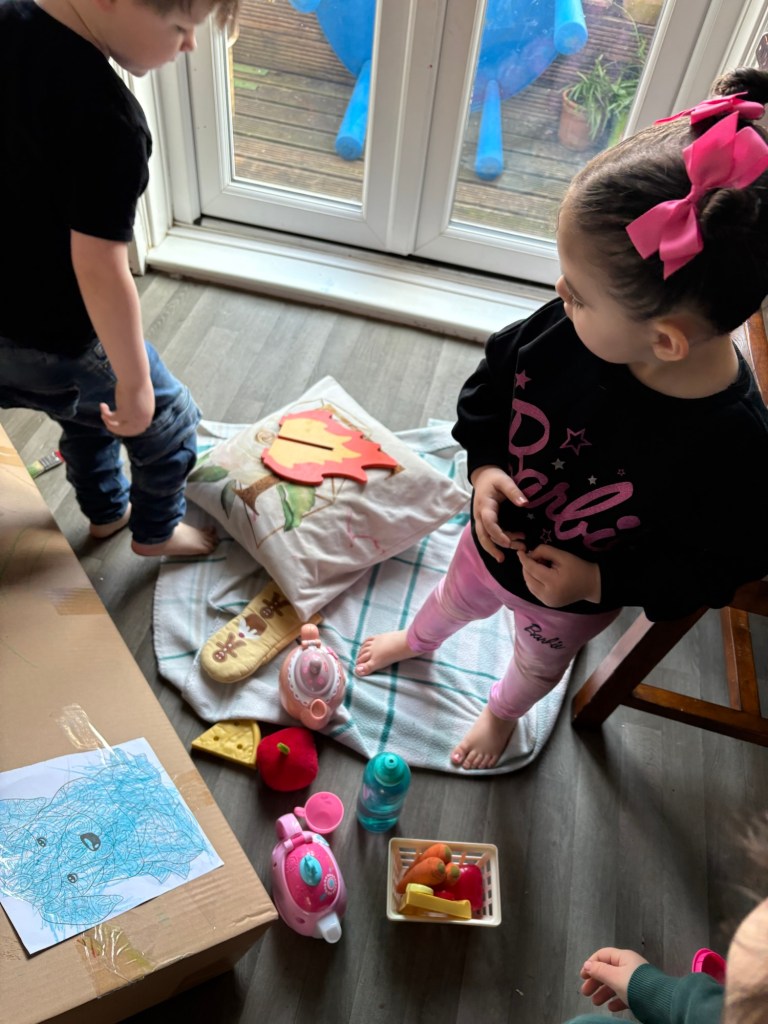
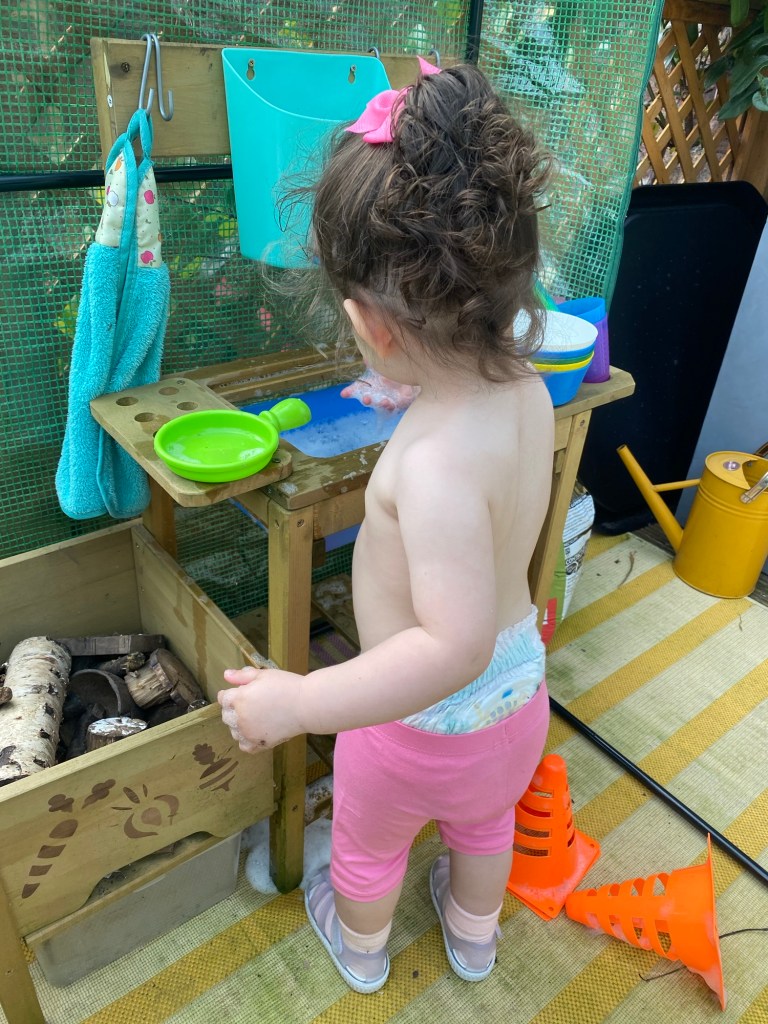
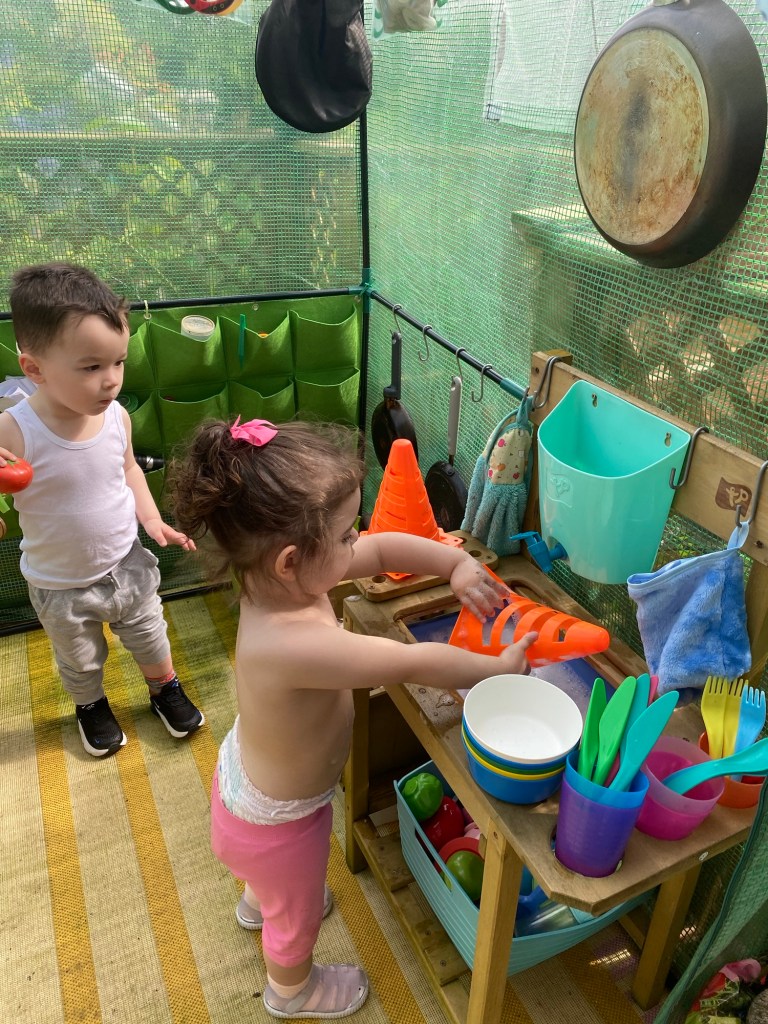
The Kitchen Role Play area is a vibrant and imaginative space that allows children to explore the various aspects of a kitchen area. In this engaging environment, young learners can don playful chef hats, wield safe utensils, and utilize miniature kitchen appliances to create their own culinary masterpieces. This area is designed not just for play but also to foster creativity, collaboration, and social skills as children work together to pretend they are hosting dinner parties or serving in a bustling café. Rich with interactive elements, the Kitchen Role Play area encourages children to use their imaginations while also familiarizing themselves with the concepts of food preparation, healthy eating, and even basic mathematics through measuring and counting ingredients. It serves as an essential component of early childhood development, blending fun with education in a way that sparks curiosity and joy in cooking.

Role play in early childhood education promotes creativity, social skills, and collaboration among peers. It aligns with the Early Years Foundation Stage (EYFS) objectives by enhancing language and communication through negotiation and idea-sharing. Additionally, it builds emotional intelligence as children empathize with others and reinforces cognitive skills by presenting problem-solving opportunities. Ultimately, role play is a valuable and enjoyable tool for intertwining learning objectives.
Posted in Uncategorized

Day 4: The Big Build Gallery

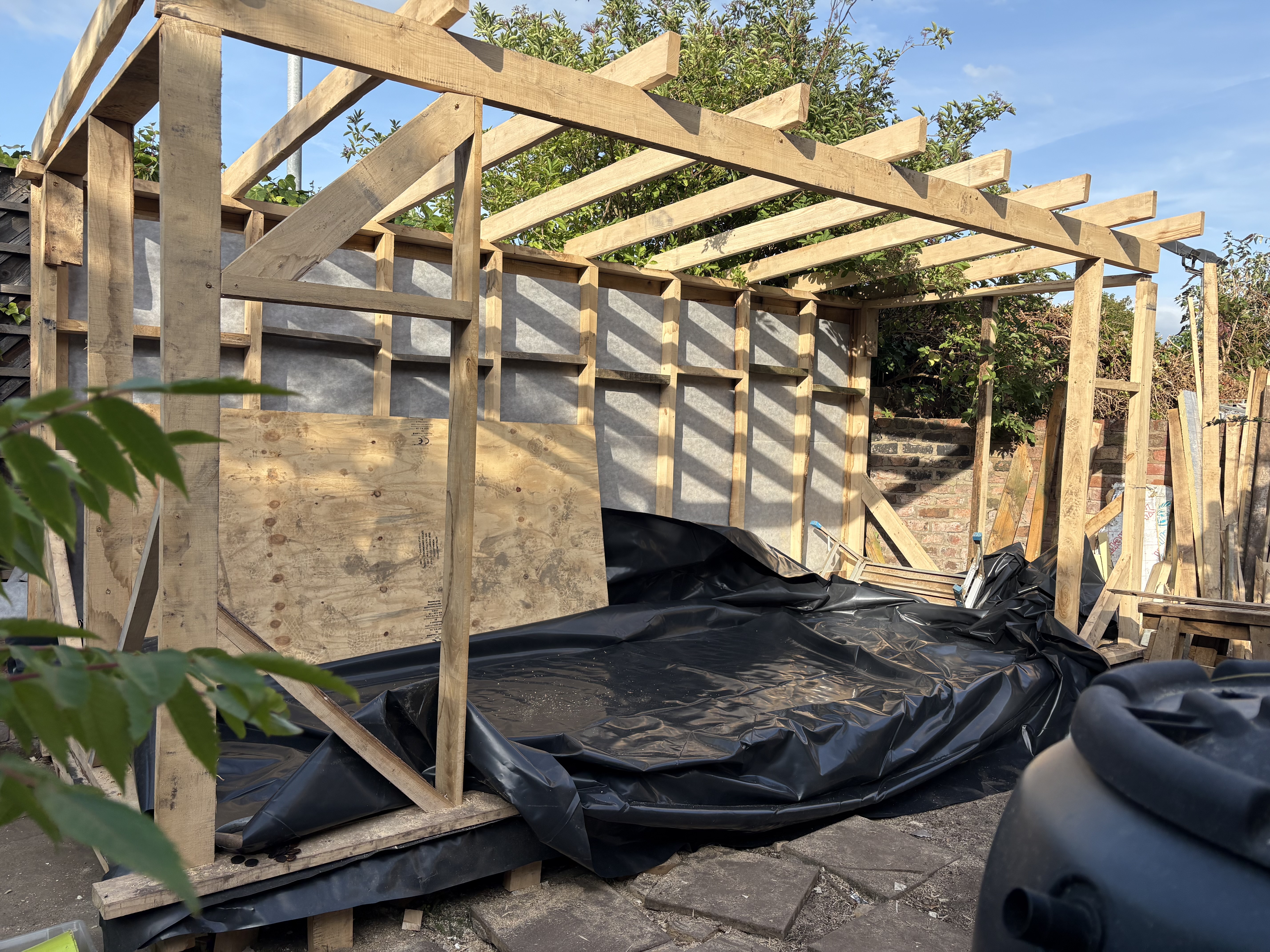
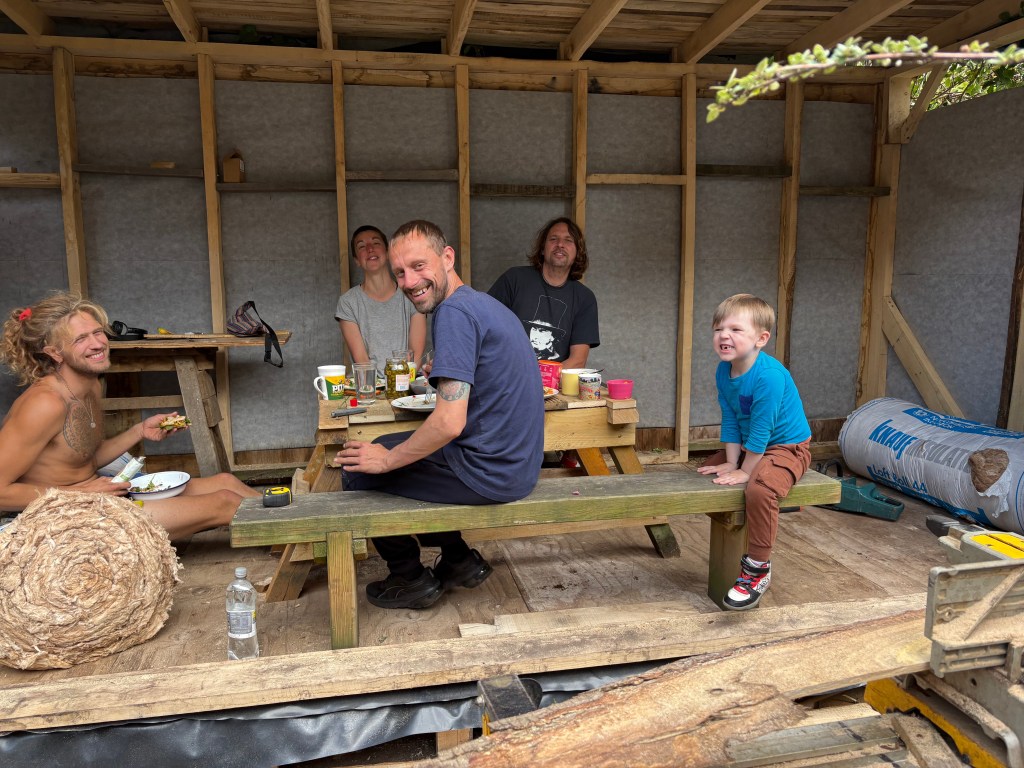
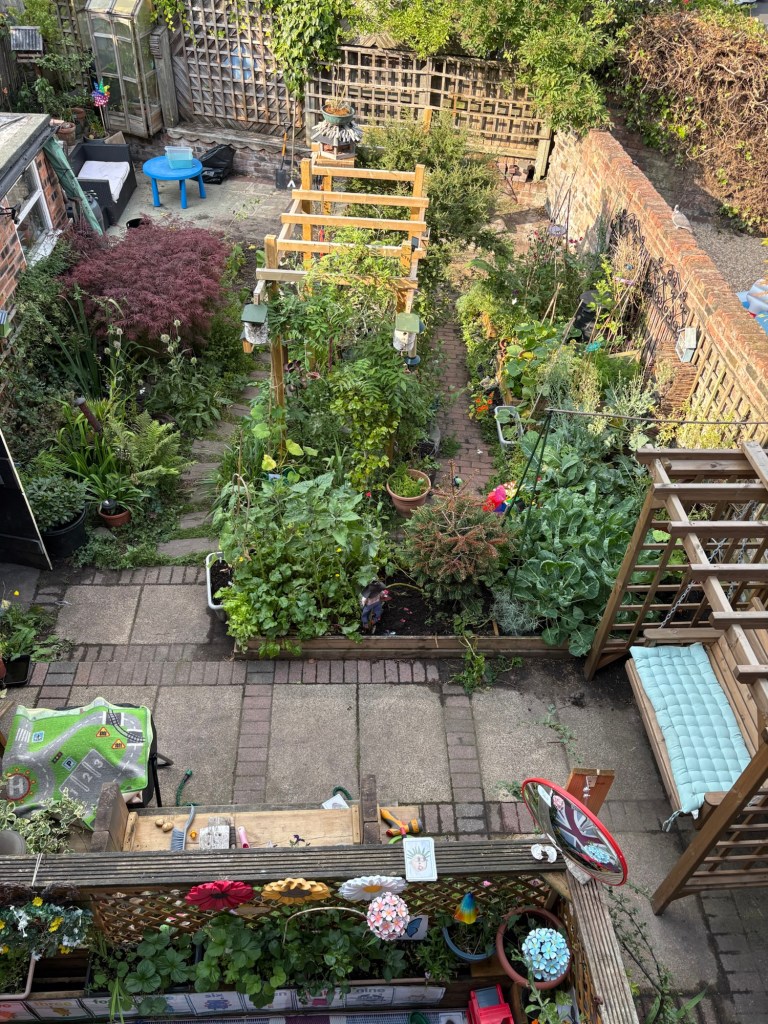
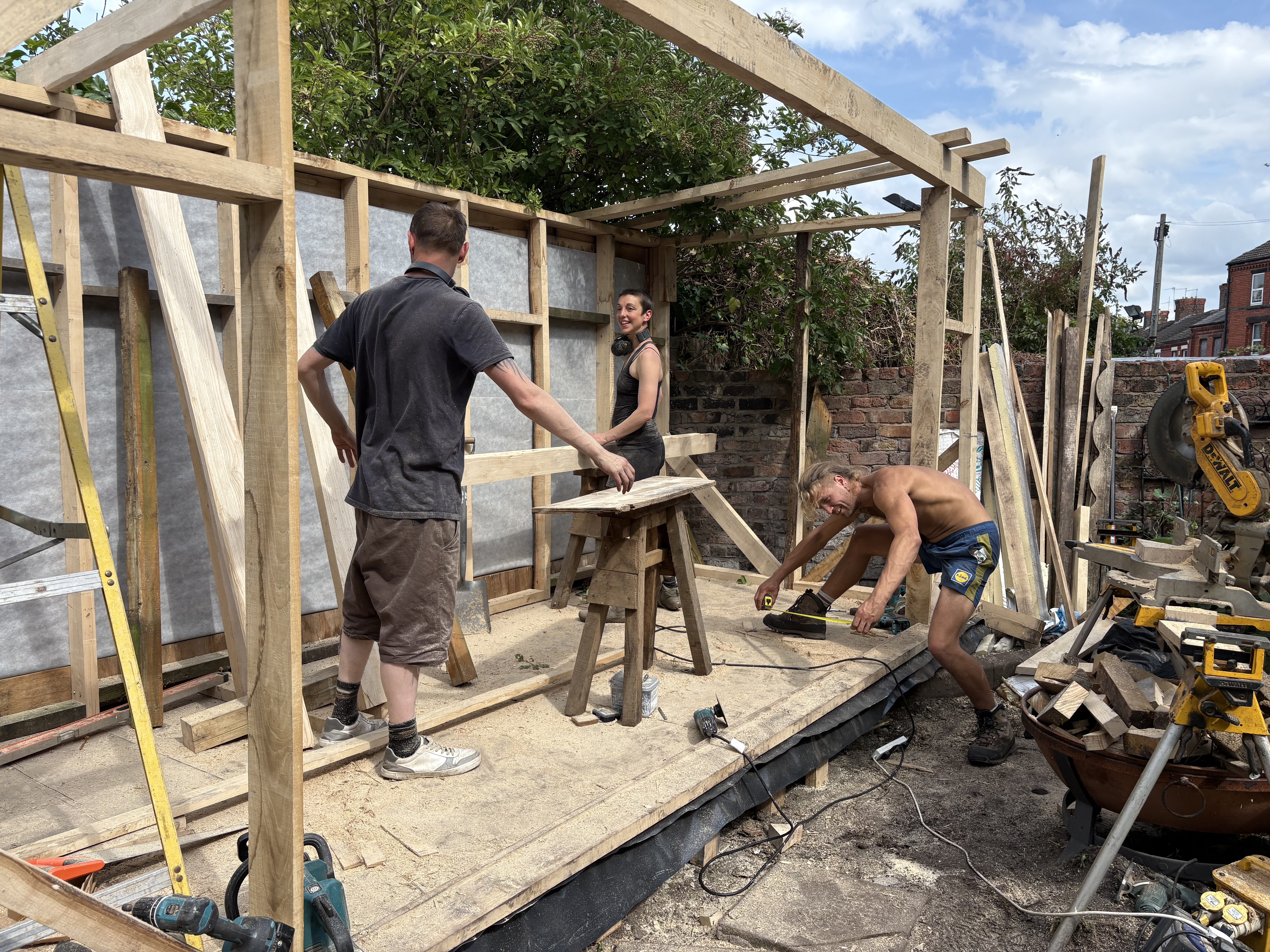
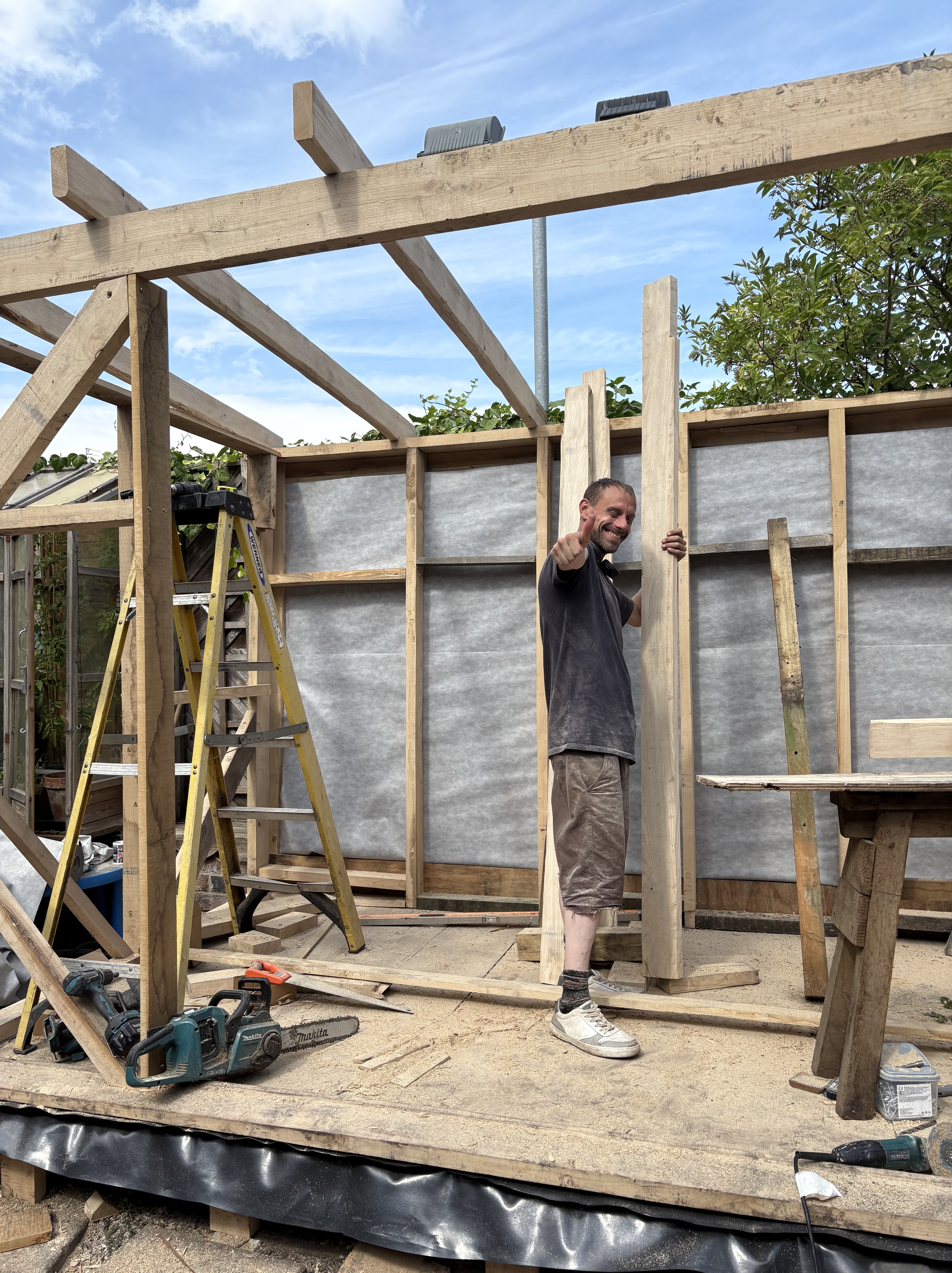
Today everyone was working very hard in the lovely sun, the build is coming on fast and everyone is so busy, with people bustling about, each focused on their tasks. We are enjoying playing on the balcony, laughing and sharing stories while watching everyone working diligently and the classroom taking shape, transforming before our eyes into a vibrant space filled with creativity and potential. The sounds of tools and cheerful conversations blend harmoniously, creating a lively atmosphere that enhances our cheerful spirits as we eagerly anticipate the completion of this exciting project.

Jack was cheeky and went down into the garden to have a chat with everyone while they had their lunch, feeling adventurous and eager to share the stories he had gathered during the week. As he approached the group, he noticed how warm the sun was in the garden iWith a playful grin, he interrupted their conversations, bringing laughter and light-hearted banter, which made the lunch break feel even more enjoyable. Jack’s enthusiasm was infectious, and soon everyone was sharing their own anecdotes, turning an ordinary meal into a delightful gathering filled with camaraderie and joy.

Posted in Uncategorized

Exploring the Gruffalo Trail: A Day of Nature and Learning

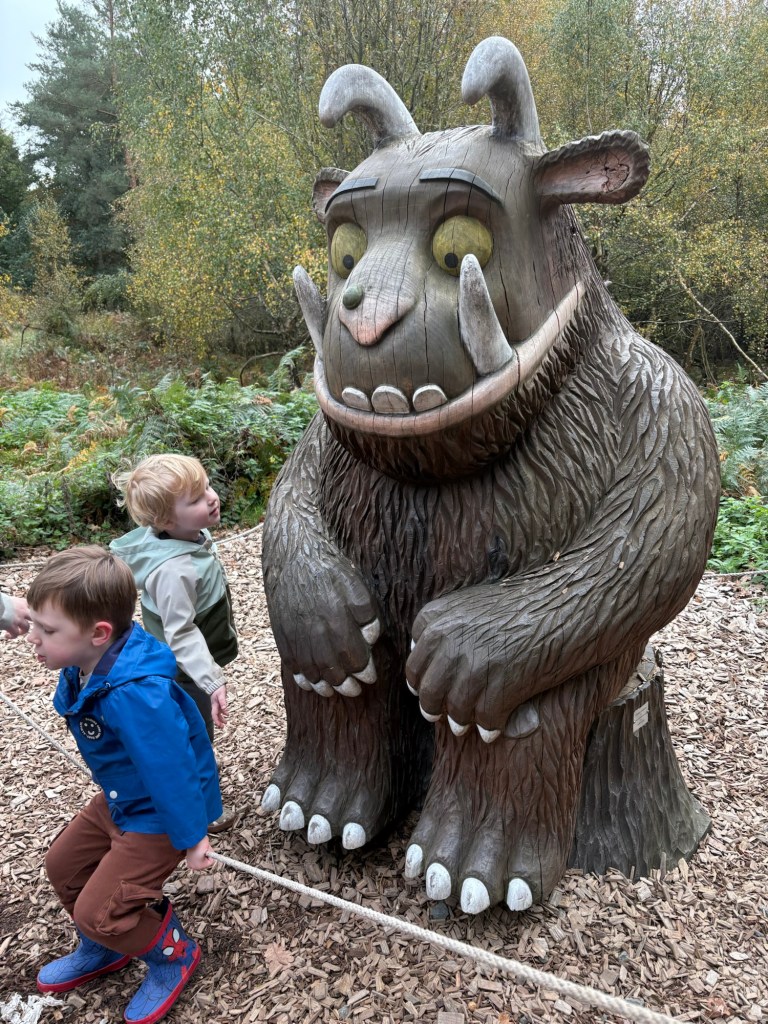
Today we took the children to visit the Delamere Forest Gruffalo Trail the main aim of the trip was to develop key skills in observation, map reading, and navigation, while engaging in physical activity through woodland exploration. The trail encourages imaginative play, sensory experiences, and an appreciation for nature, allowing the children to connect with the story and characters. 

Key learning opportunities embedded in the trip included:

Technology & Art: The Gruffalo Spotters AR app brings characters to life using technology, while the wooden sculptures offer appreciation for art in nature.  the trip was to develop key skills in observation, map reading, and navigation, while engaging in physical activity through woodland exploration. The trail encourages imaginative play, sensory experiences, and an appreciation for nature, allowing the children to connect with the story and characters. 

Navigation & Logic: Children learn to read simple maps and follow clues to locate sculptures, enhancing decision-making skills.

Physical Development: The uneven, natural terrain helps improve coordination, balance, and core strength.

Nature & Ecology: Children can learn about forest habitats, wildlife, and natural cycles of growth and decay.

Literacy & Imagination: The experience brings Julia Donaldson’s story to life, fostering imagination and a love for reading.

    We found the Gruffalo! Jack shouted ‘ O no, O help it’s the Gruffalo!

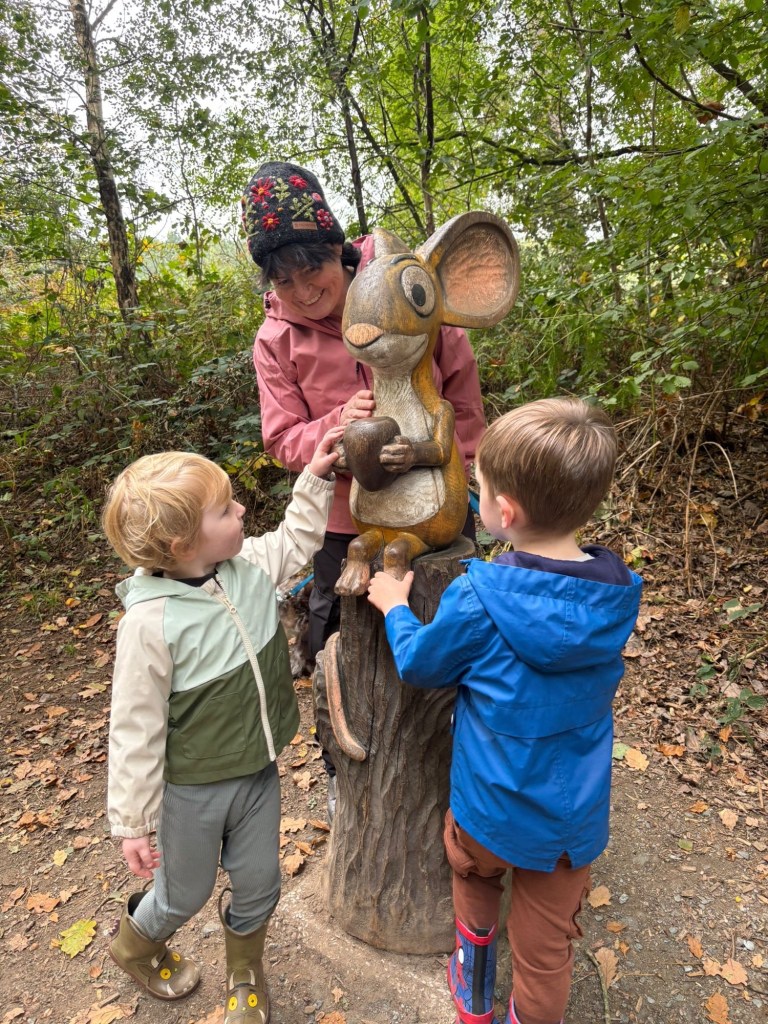
    We came across the mouse sitting on the log we carried on quoting the story Ben said “nut” and Jack told us ‘the Gruffalo had run away, so the mouse enjoyed a nut in peace’

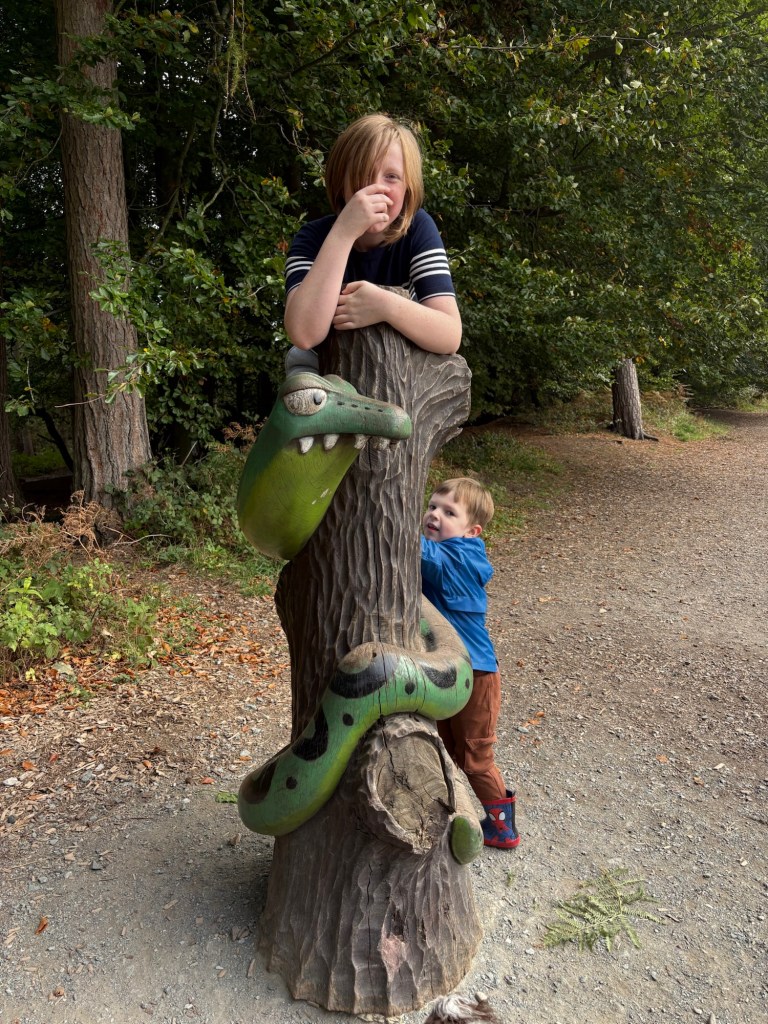
    Chloe told us all about the snake living in the log pile house, slithering and squirming around waiting to jump out and gobble up the tiny mouse.

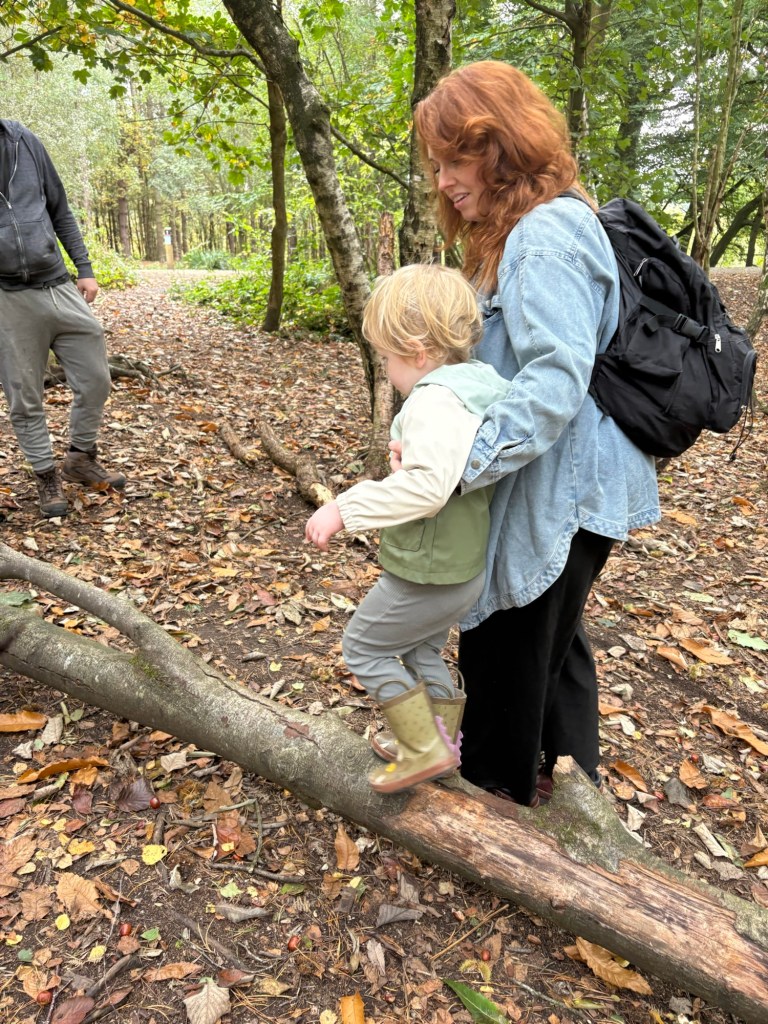
    Ben enjoyed walking along the long log having support from Gemma to balance and keep steady.

    During the trip we learnt all about the Woodland Ecology & Nature all around us.

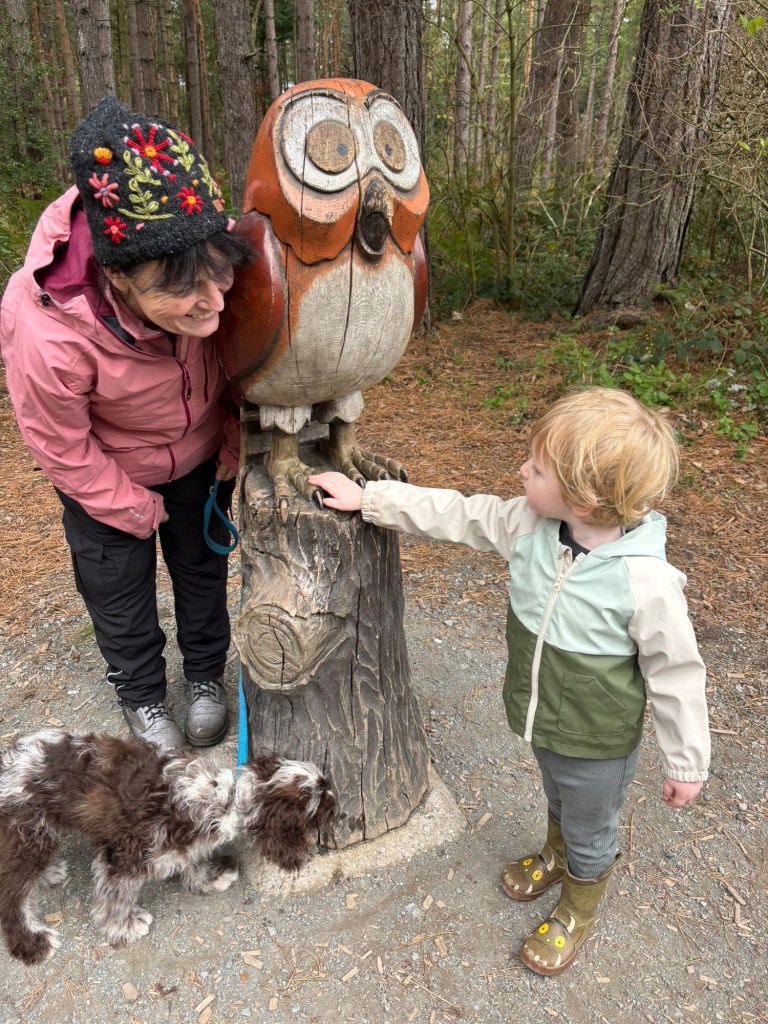
    Animal Habitats: By searching for the sculptures, the children explored the realistic settings where creatures like foxes, owls, and snakes live.

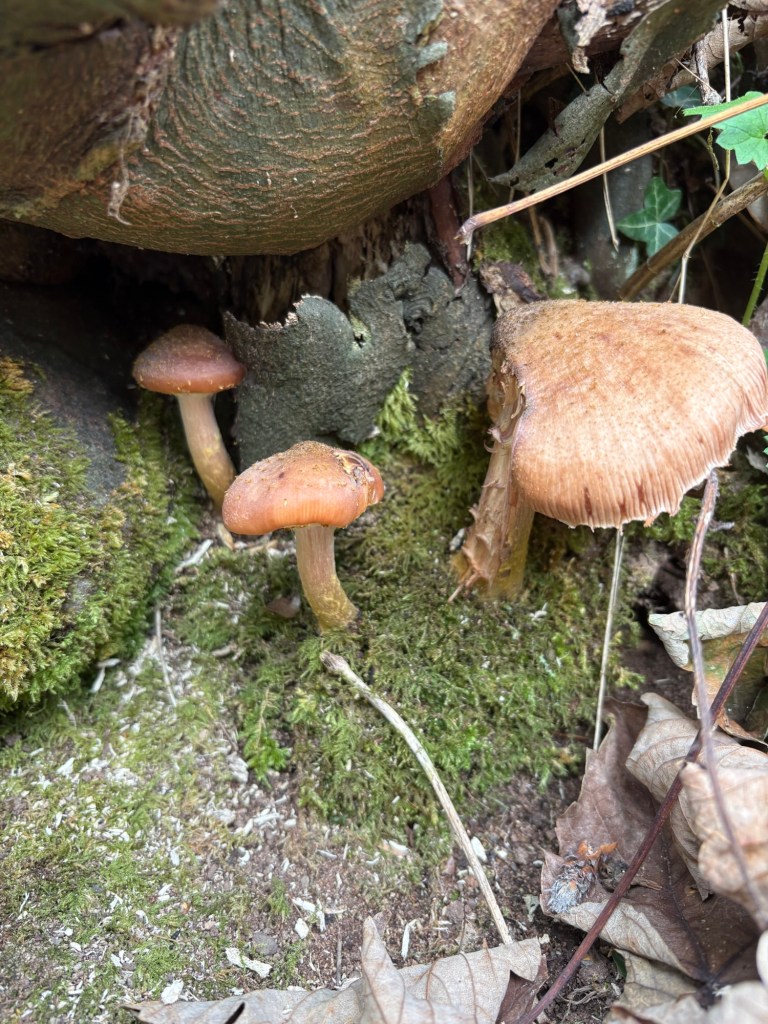
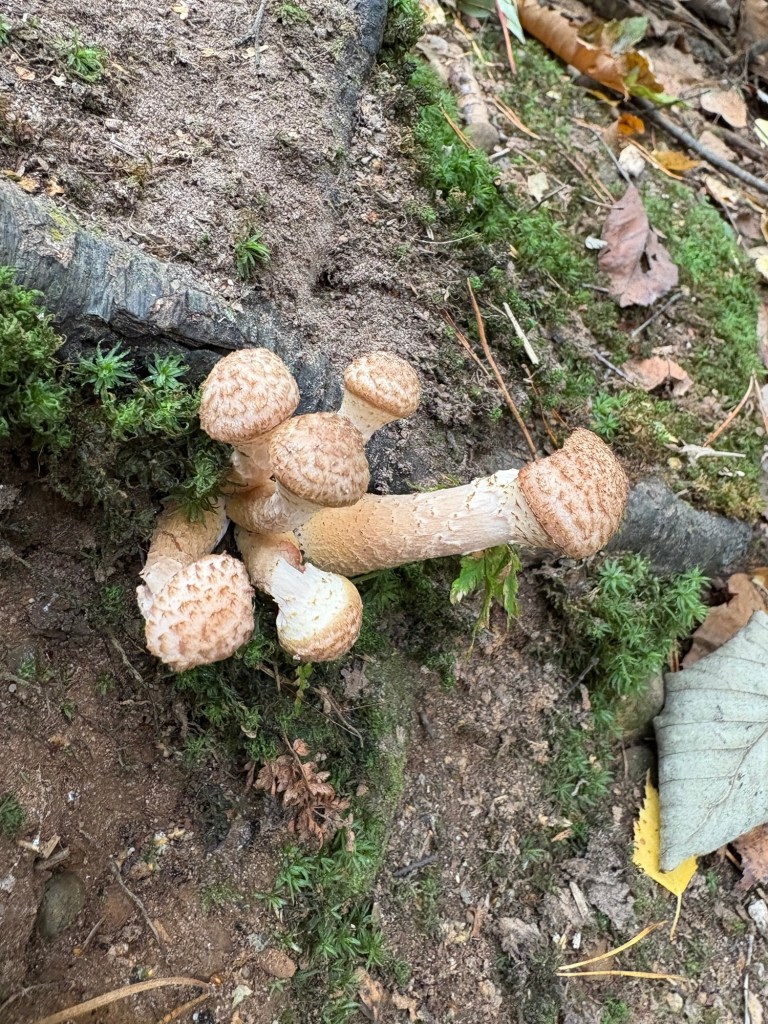
    Plant Life: Various signs along the trail encouraged the children to identify different leaves, mushrooms and learn about how plants and animals care for one another.

     Observation: Interactive panels along the way taught us how to look for animal tracks and listen for specific forest sounds.

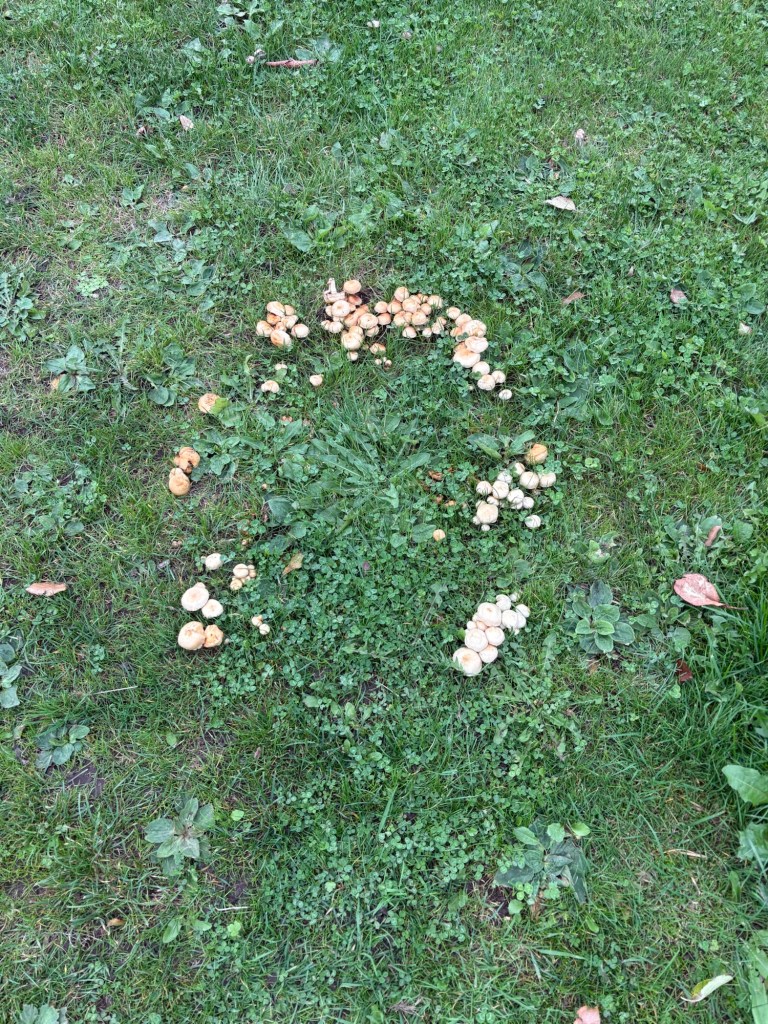
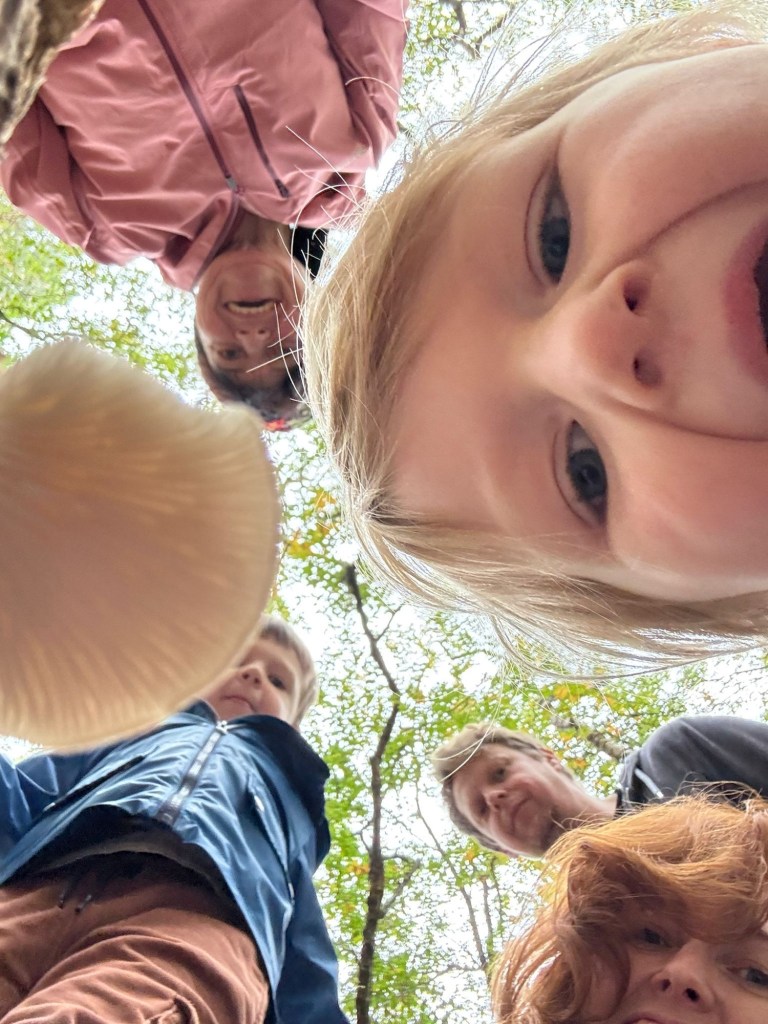
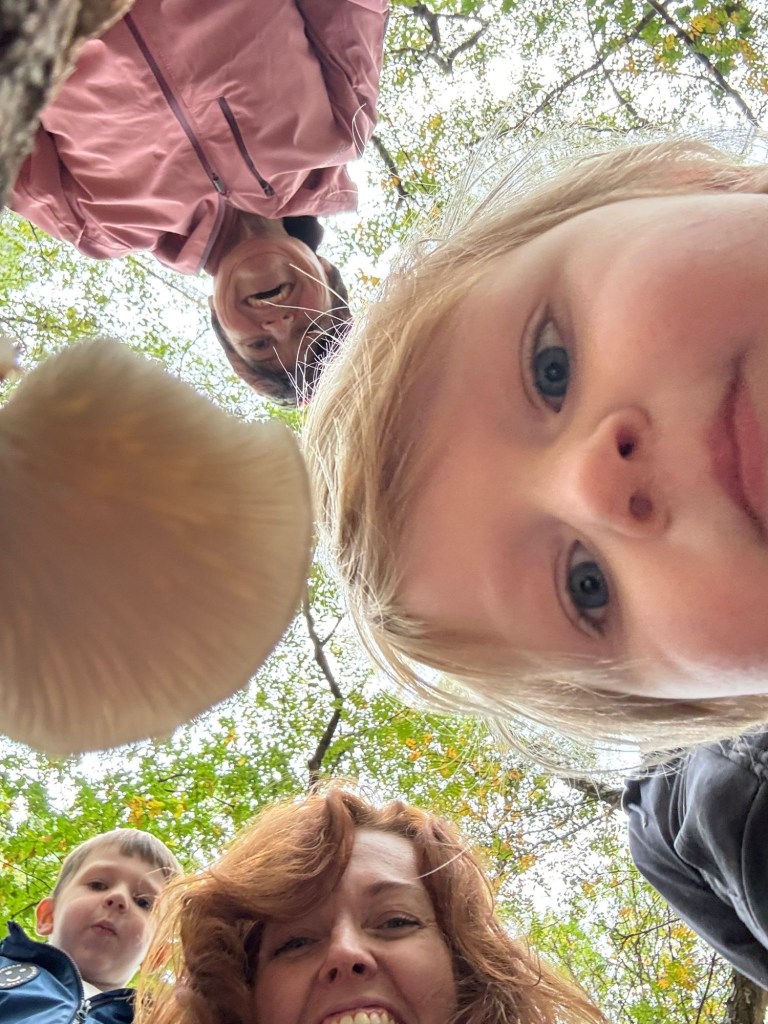
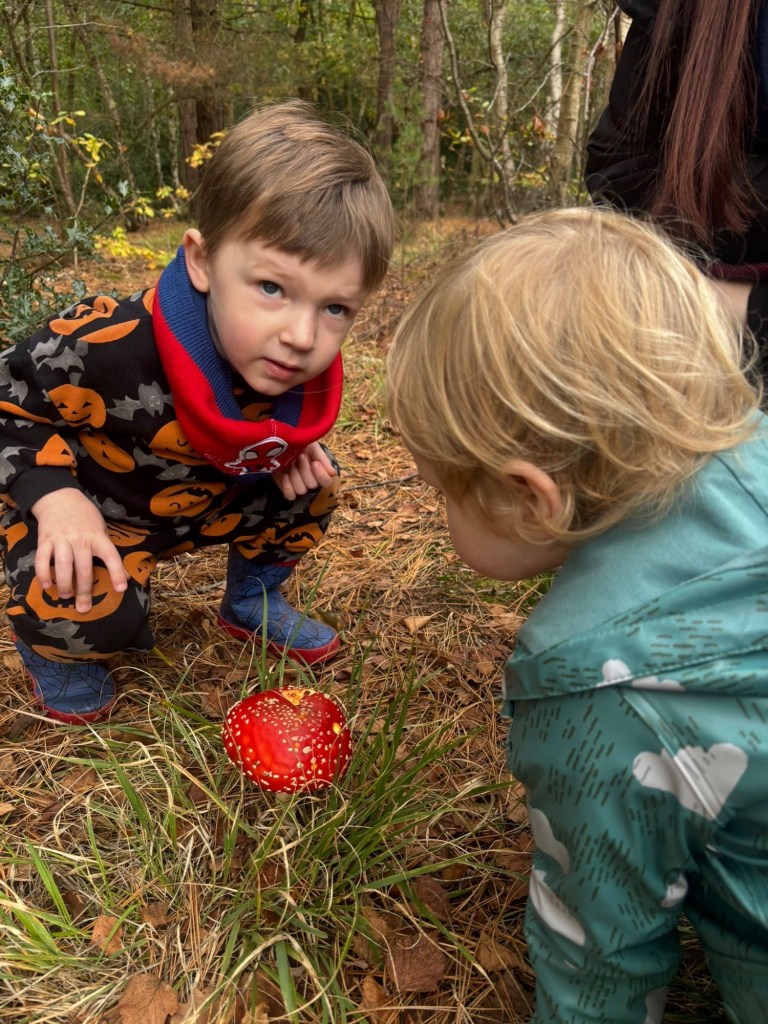
    We wanted to share this lovely photograph we too of us all observing the mushroom.

    We had an amazing day out, beyond the “official” learning objectives, the trip to Delamere Forest was a brilliant way to sneak in some character building and quality bonding that they won’t even realise was educational.

    If you’re heading out there, make the most of the amazing “interactive classroom”:

    Posted in Outdoor Curriculum

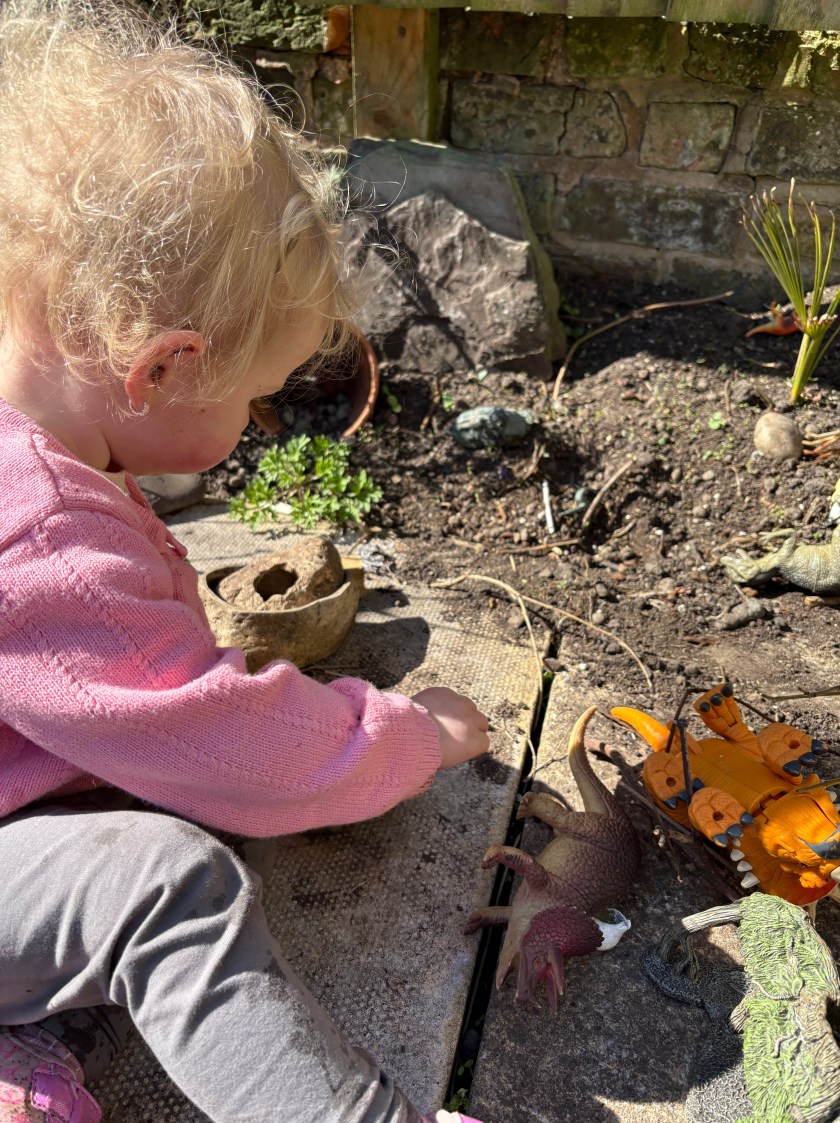
    Soil and Mud Play

    Soil and Mud

    Our Garden Classroom

    This is something that is available to children in large quantities and it’s great to see how the changing elements of the season change the children’s relationship with it.

    Checklist of Opportunities

    • Wet mud
    • Dry mud
    • Poking and wondering what will happen when it rains, sun shines
    • Transporting mud to different places
    • Mark making with mud
    • Combining mud with different loose
    • parts: bricks, pebbles, flower petals and leaves.
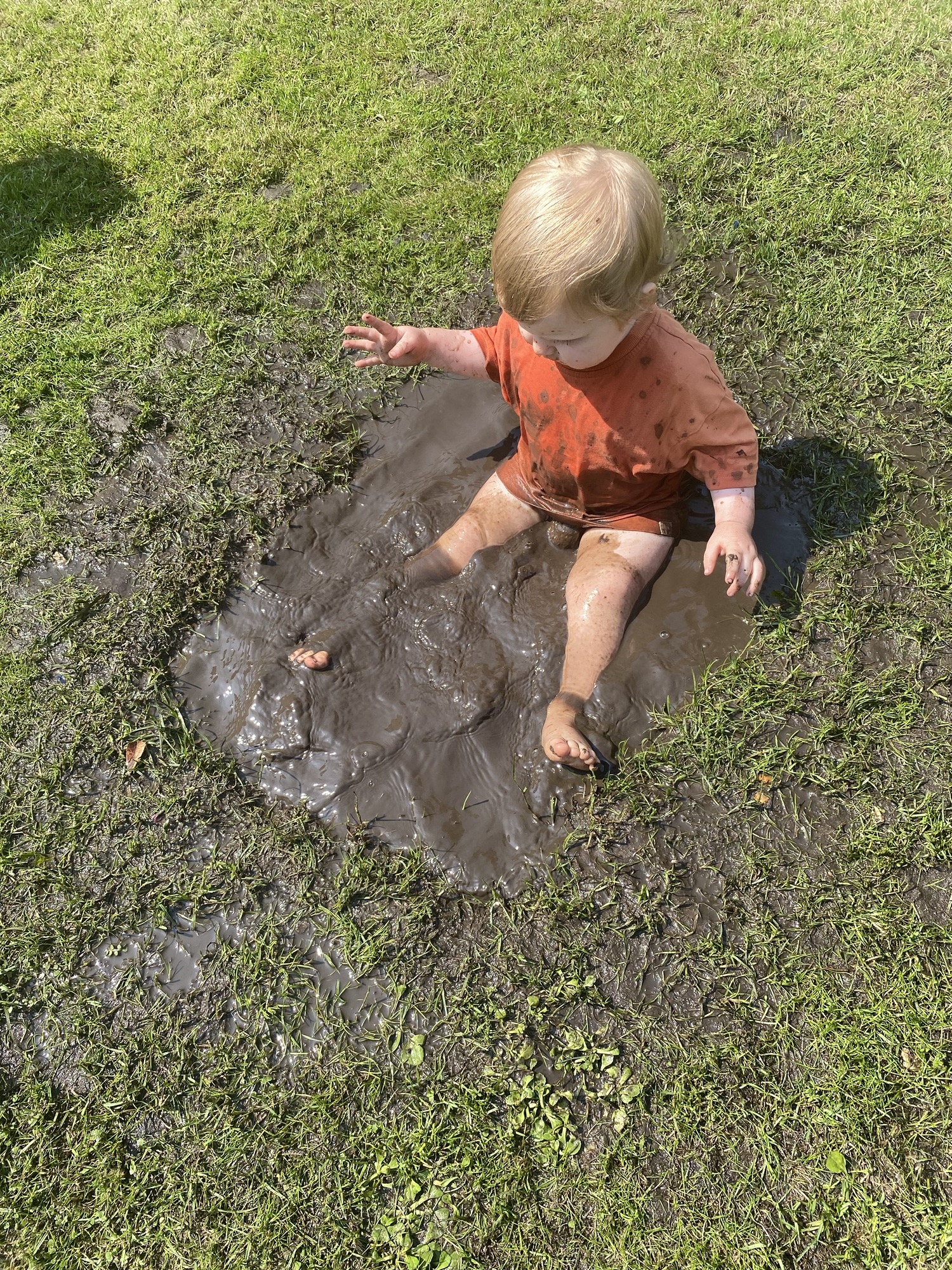
    • Mud and role-playing cooking
    • Exploring the texture of mud and adding different loose parts to explore
    • how this changes: sand, gravel, grass cuttings.
    Posted in Uncategorized

    Planning The ‘Garden Classroom’ With The Children

    We started our project by having lots of different discussions around our hopes and dreams of our Classroom I involved my family, staff and the children. I am making sure every one within the setting will be involved in the project.

    We used various types of planning discussions, this included active discussions, where we discussed what the main outcome will be and how we are going to get there. We used critical thinking discussions to include challenges that may come up, (moving the bug house) and how we are going to source the materials. Active learning discussions to include why, where and what we are doing and included continuous feedback with all who is involved. (Family, Staff and children)

    We all got emerged and excited participating in lots of different fun learning activities. We designing our own treehouses, had a Bug log moving day, Storytime in the garden about the bad tempered ladybird (we made up our own reasons why she would be bad tempered if she knew we were moving her home) , we completed a Wildlife audit so we could make sure all our mini beasts are protected and have a temporary home until we can place them into a permanent position.
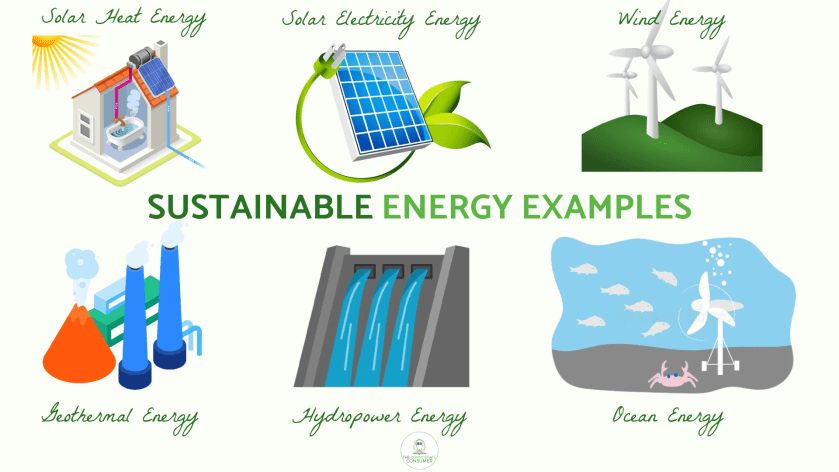
    Everything about the project we were mindful to include the 17 sustainability goals https://sdgs.un.org/goals we did this through constant discussions within the planning process by deciding about how we are going to be energy efficient, collecting and using recycled materials, location and construction, waste reduction and water conservation.

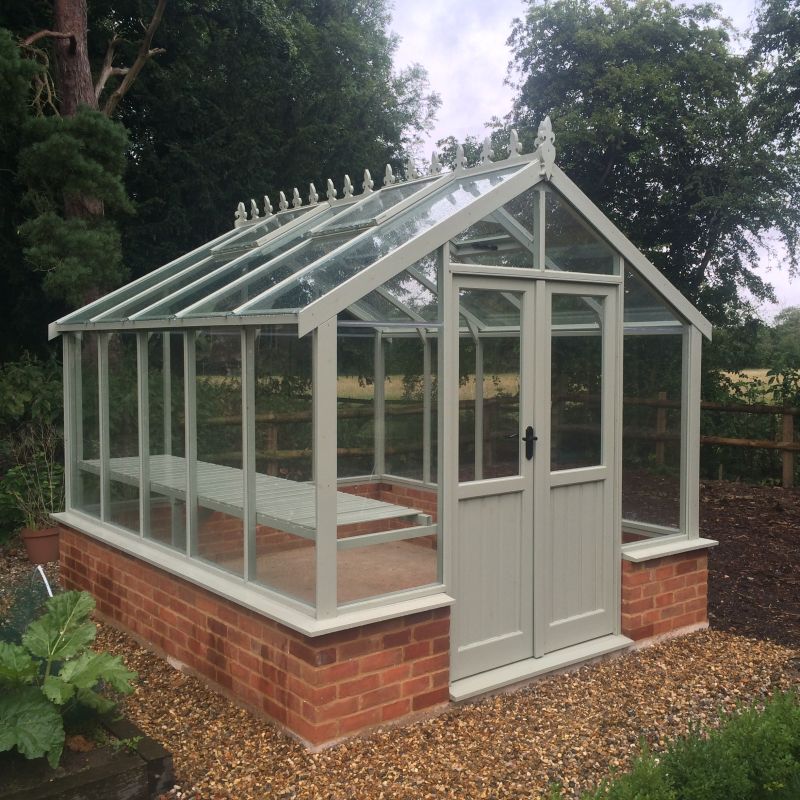
    We had fun talking about our perfect dream treehouse, Jack wanted a tall building so he could use a Zip wire to travel from the tree top to the house. This made us use problem solving skills as I explained you can’t use a zip wire to get back up! Jack said ‘ thats what the door is for!” how silly of me not to think of that! Lottie wanted a big funfair, this caused a discussion on power and we came to the conclusion it would not be easy using solar with all the power it would take up. Lottie decided to have a Unicorn play area instead. (much more manageable!) Elliott wants a slide which I thought would be fun. Jack reminded us we can use the door to go into the classroom to get to the slide and the zip wire. Gemma had an idea to make the classroom out of a greenhouse, unfortunately we all thought it would be too hot to play in, in the summertime.

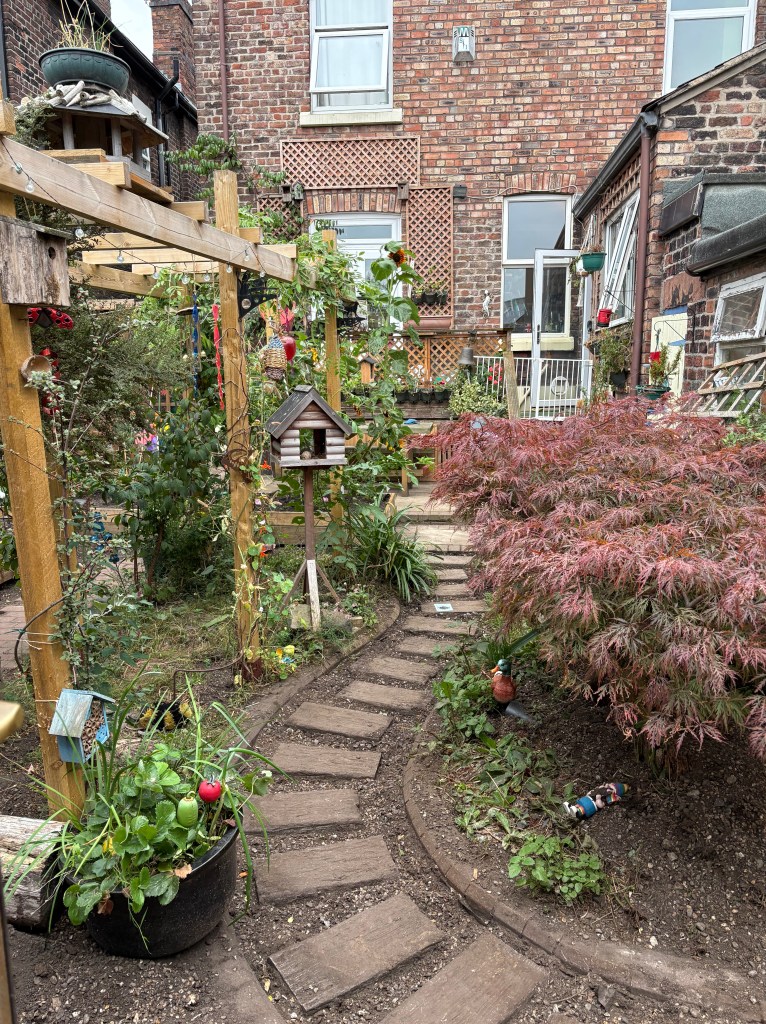
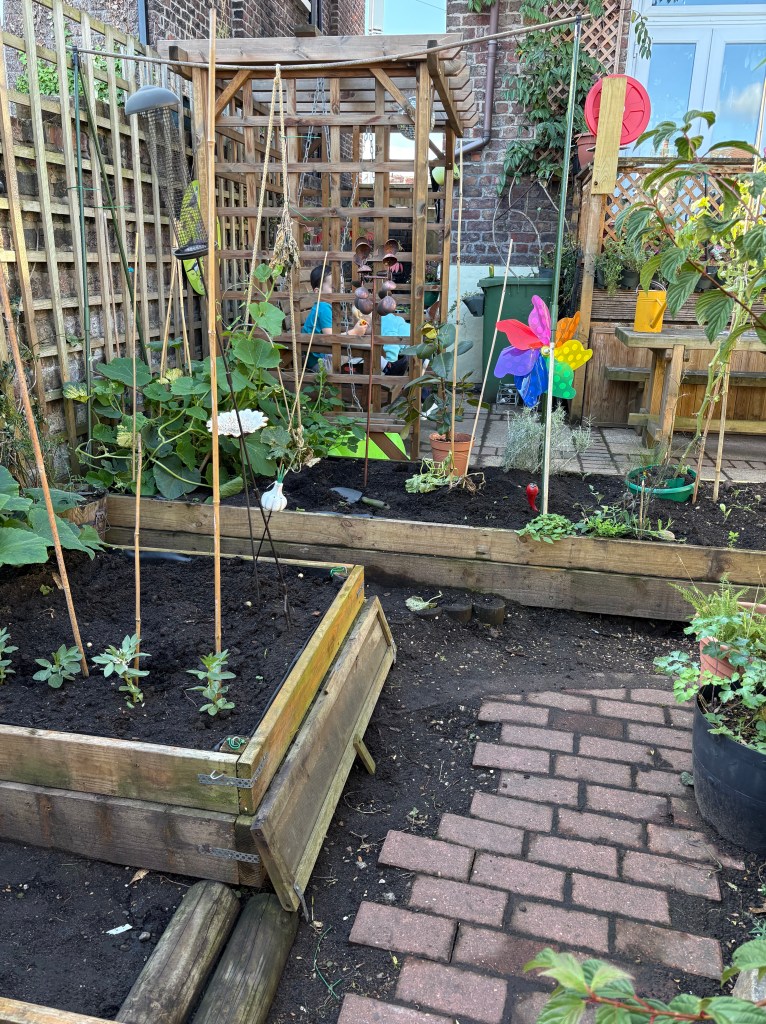
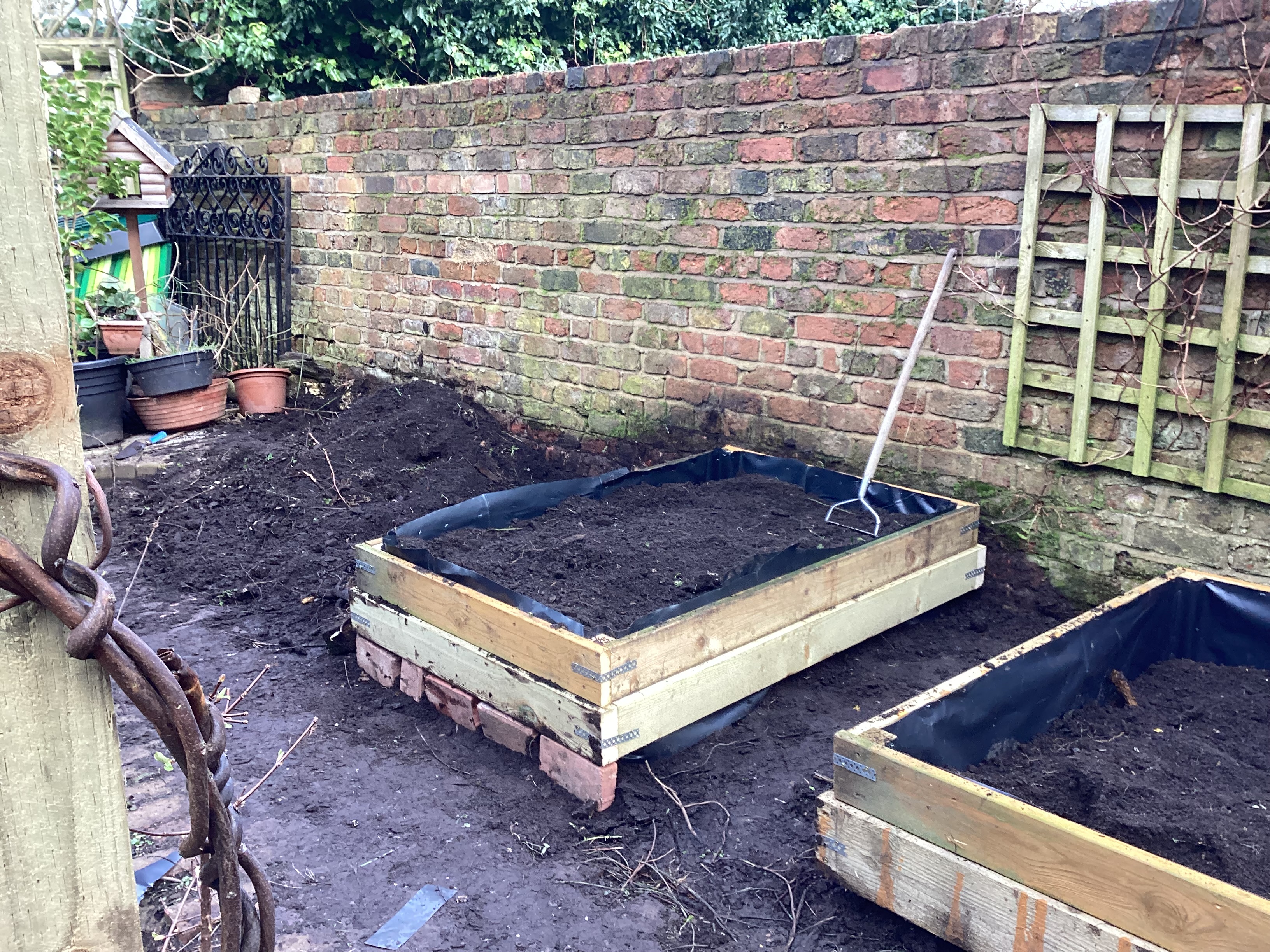
    The amazing dream everyone had was to make sure we still had areas in the garden for bugs, birds, vegetables, fruit and flower growing. This reinforced to me that we are all on the same wavelength and all the activities we provide are being absorbed by the children.

    Posted in Uncategorized

    Talking About Homelessness With The Under 5’s

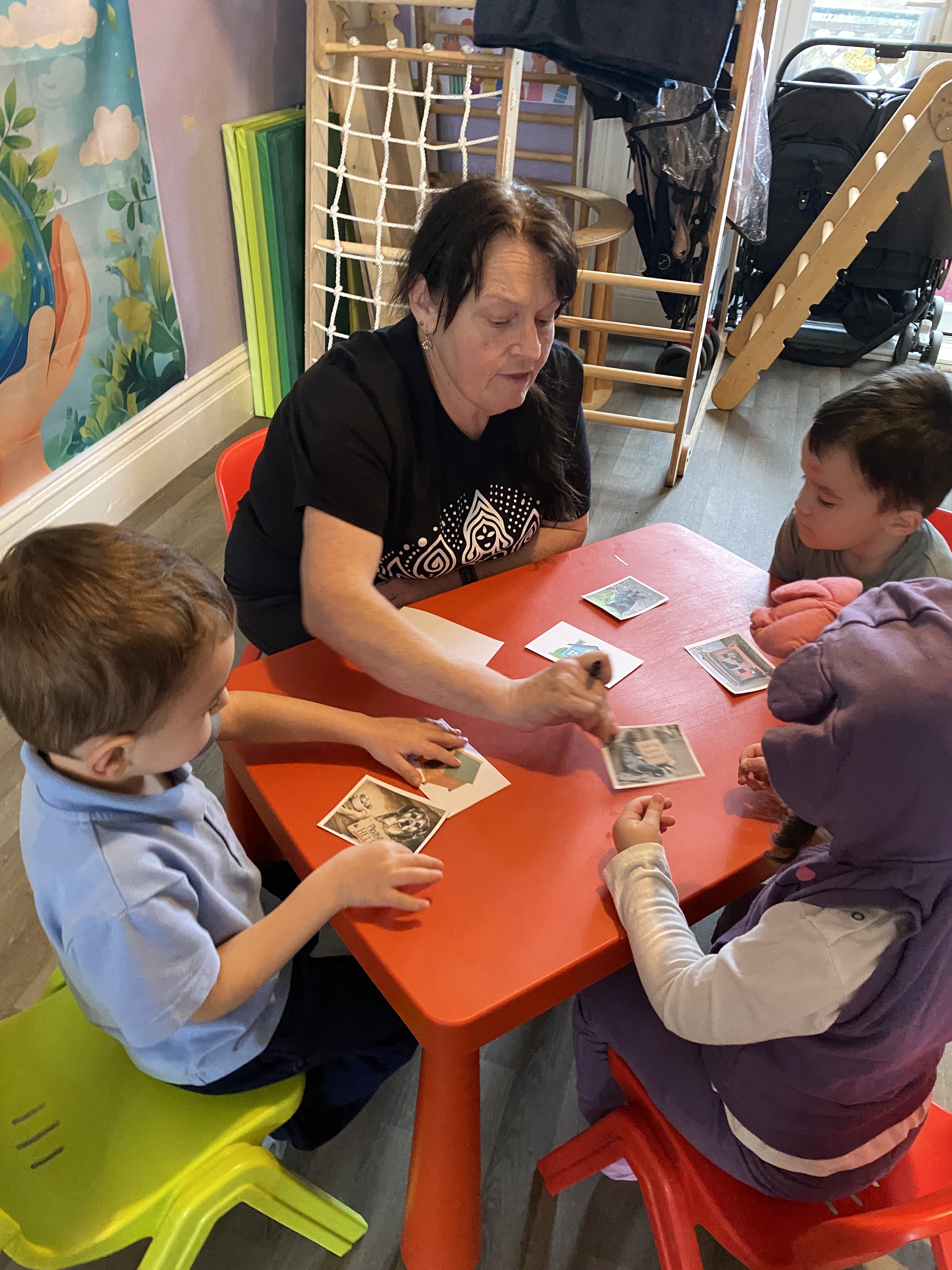
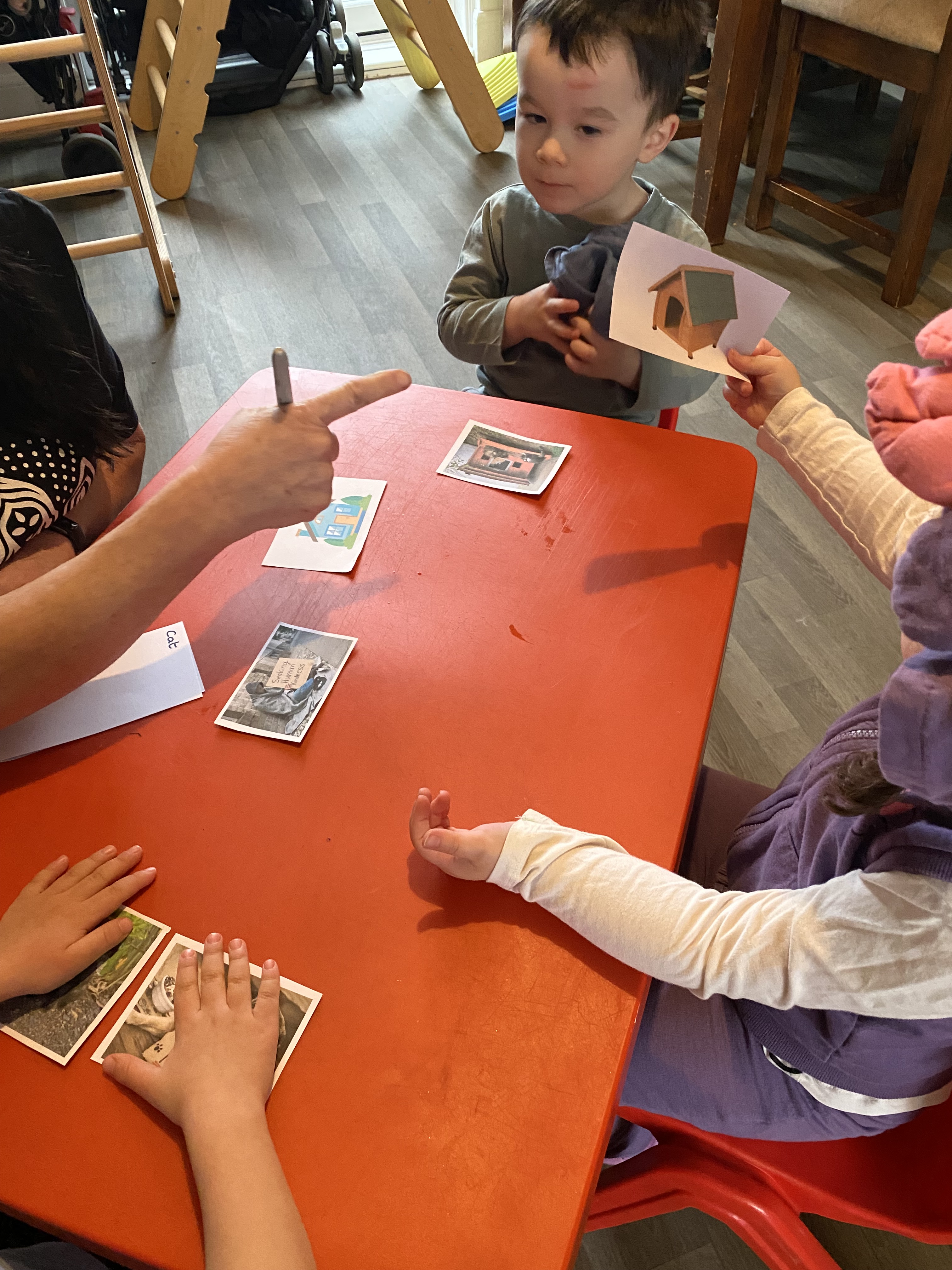
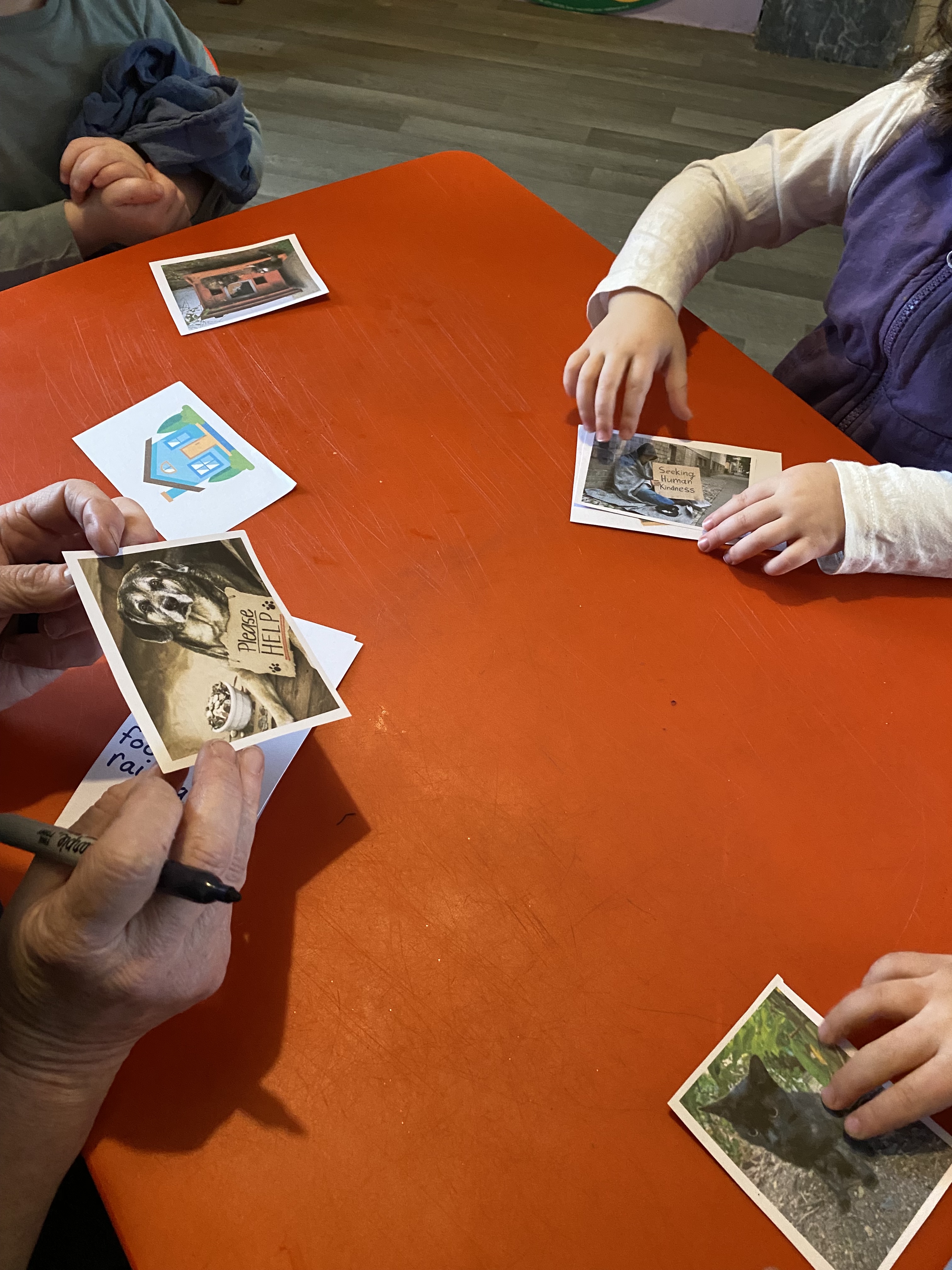
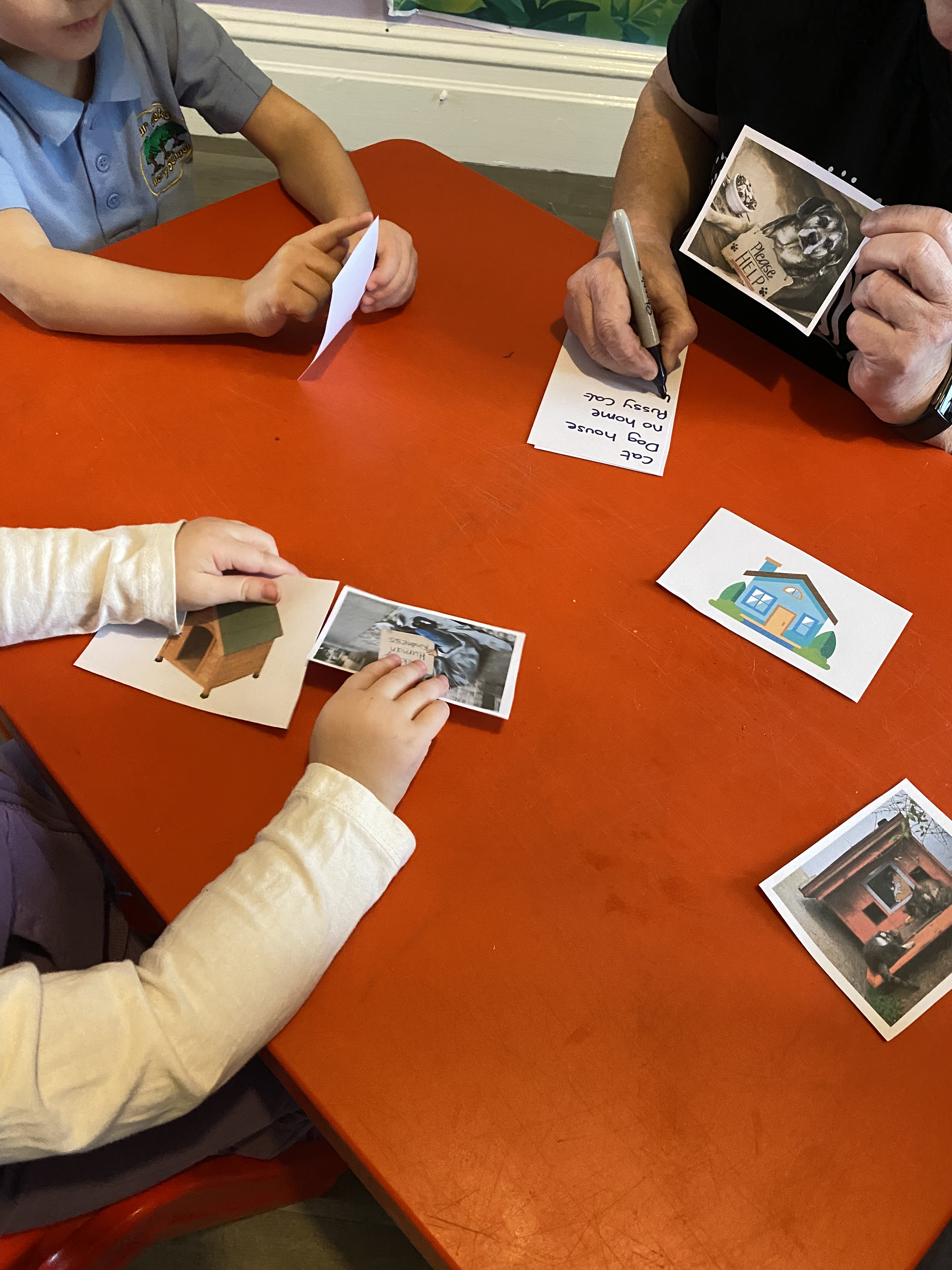
    This week we have been talking sustainability goal 1 No Poverty. NCFE (pg 17) I provided the children with photographs to provoke but not distress them of a homeless man, dog and cat. We talked about how all living things need a healthy environment and food to survive. I gave them another three photographs and asked them to choose which home would be suitable for each of them.

    They chose a kennel for the dog, a cat house for the cat and a house for the human.

    I asked the children what they think they would feel like if they didn’t have a lovely home. Lottie said she would get wet in the rain and Cristian said he would feel sad.

    This provoked Jack to talk about the man outside ASDA whom we buy a bottle of water and fruit for when we go shopping. He said the man always looks sad and cold, I said what could we get him to make him feel warm? The children sid a coat, hat or socks. I said I thought the socks were a fabulous idea and the next time we go we can buy him some. When we went to give the man the socks the children asked me to hand them to the man as they felt a bit scared.

    The man said thank you very much and Cristian asked him what his name was? The man replied ‘Geof’ Jack asked what his dogs name was the man replied ‘Bruno’ everyone said ‘have a nice day Geof and Bruno’ and we all went home feeling good about our kindness.

    When we got back I asked the children what Geof could use as a shelter as he hasn’t got a lot of money? Lottie said he could live in a tent, Jack went on to say he had stayed in a tent with mummy and daddy on holiday and it was fun. I asked them what it might be like living in the tent in the winter, Lottie said it would be cold and sad as Geof has not got his mummy.

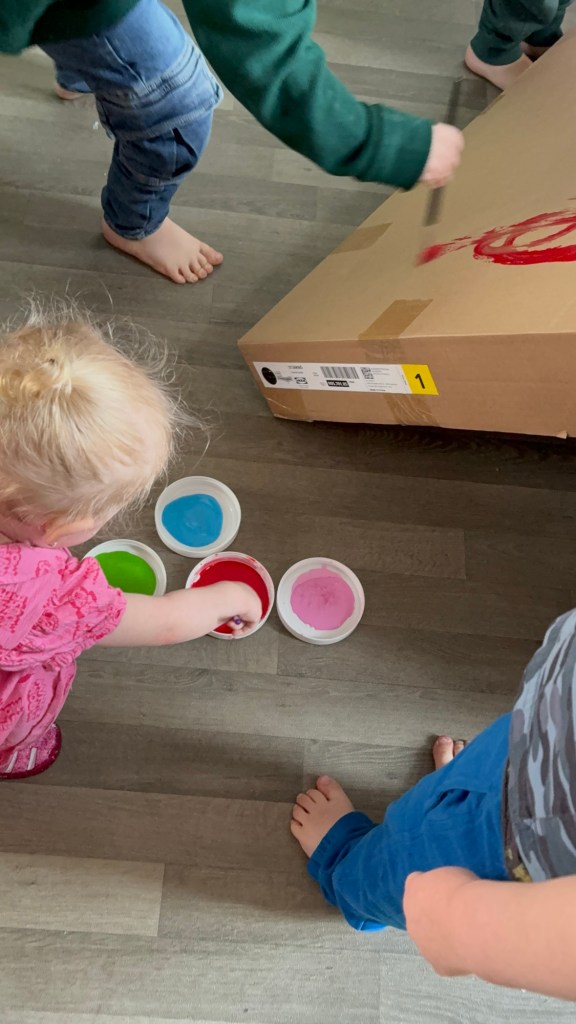
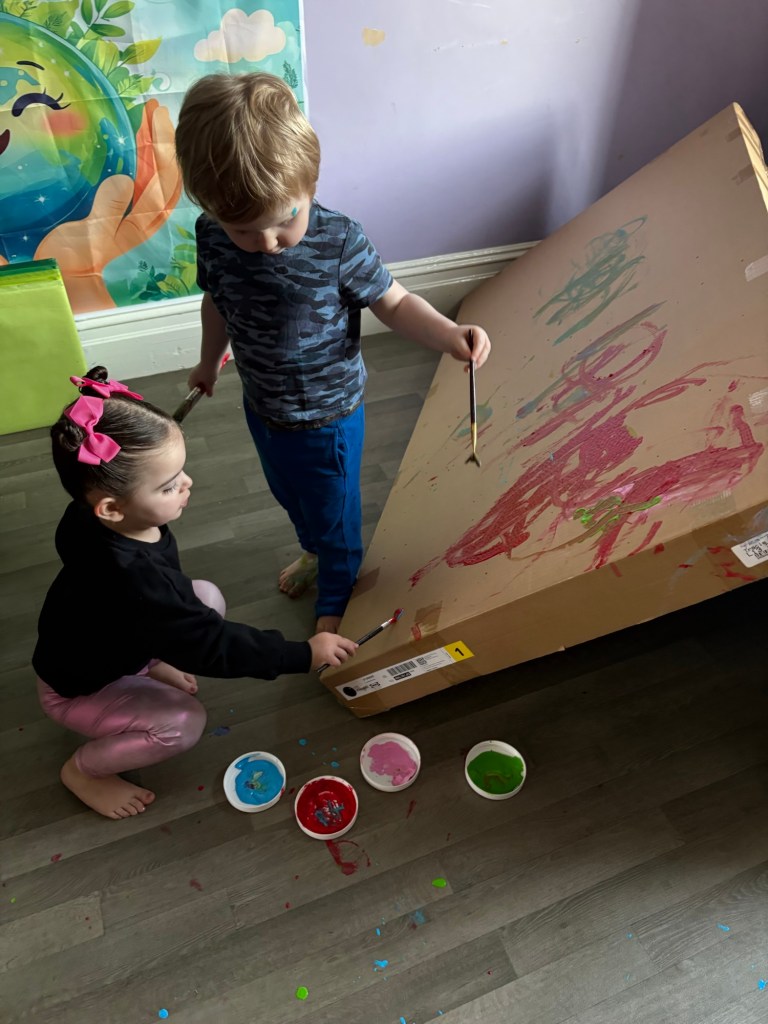
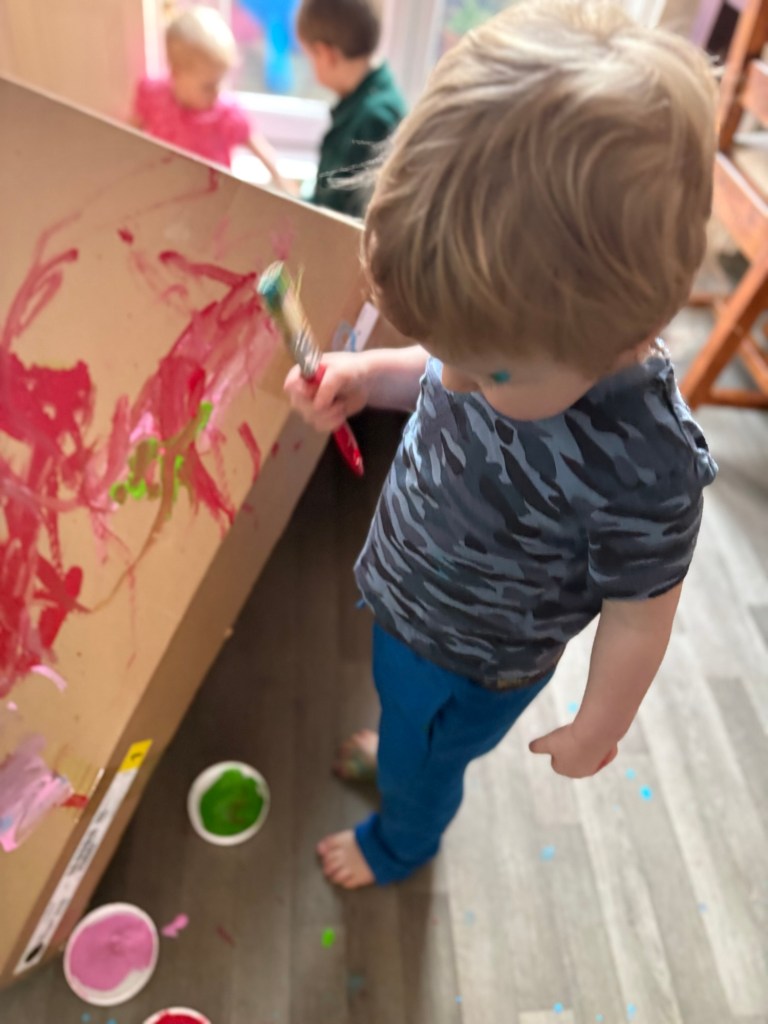
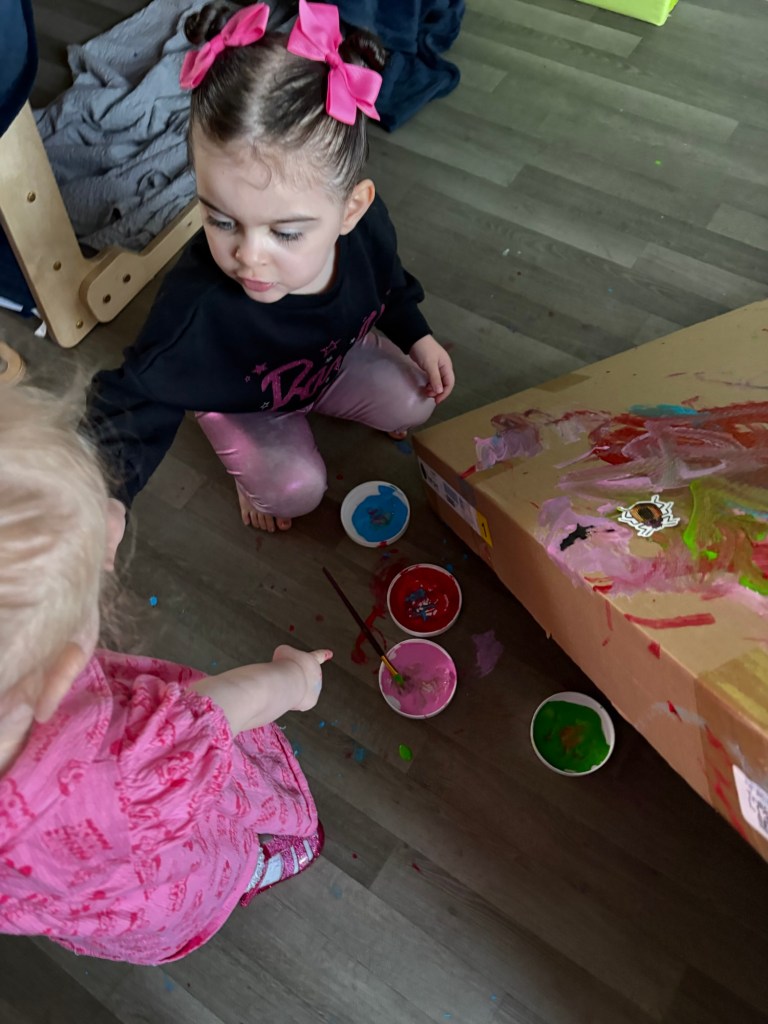
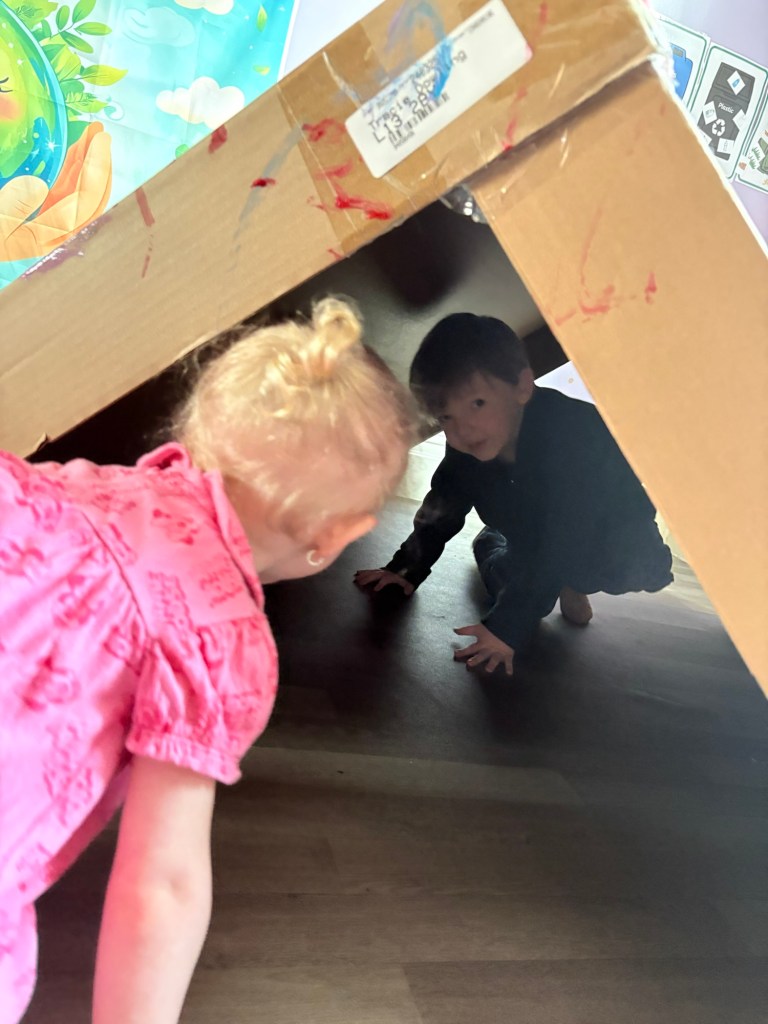
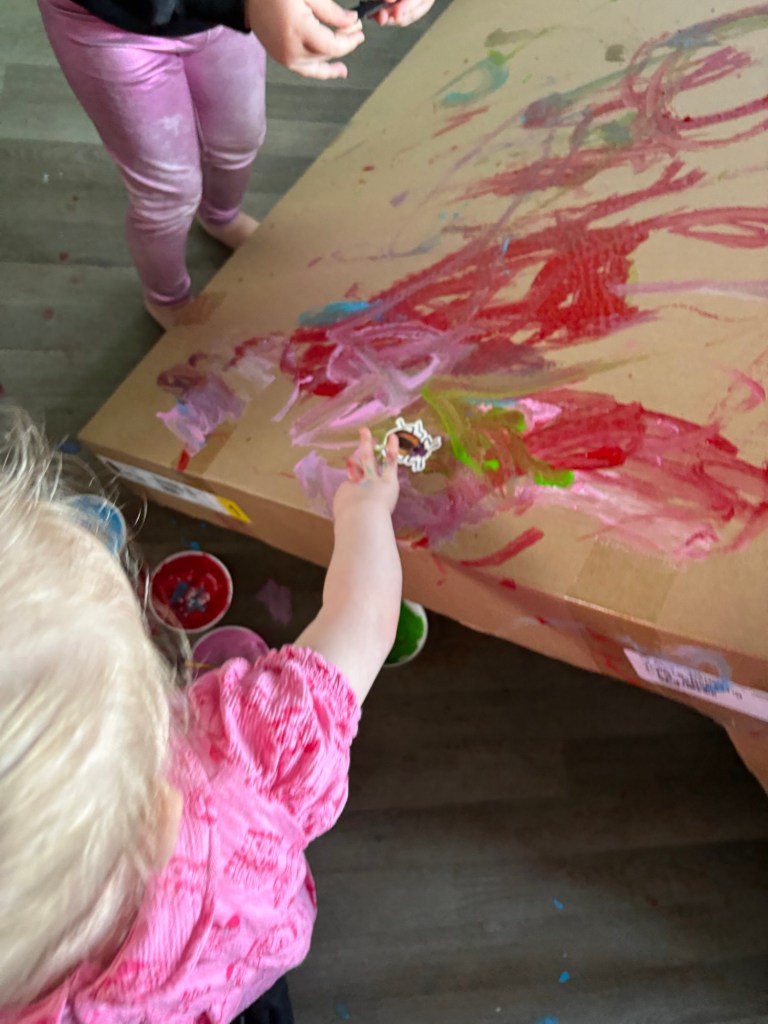
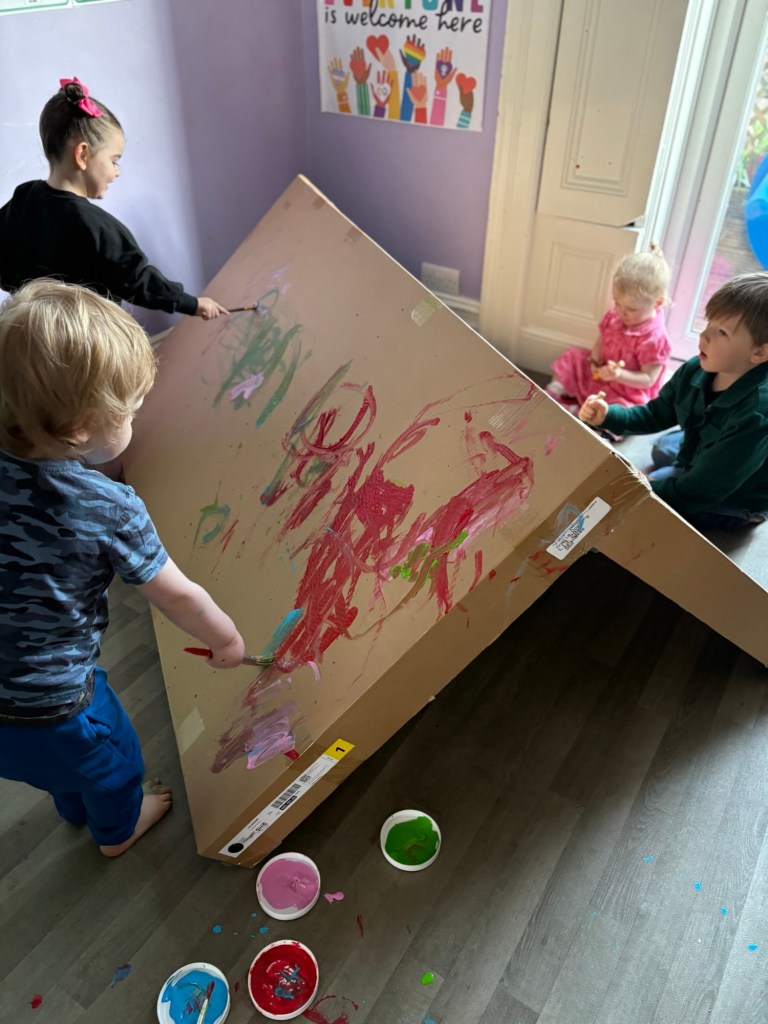
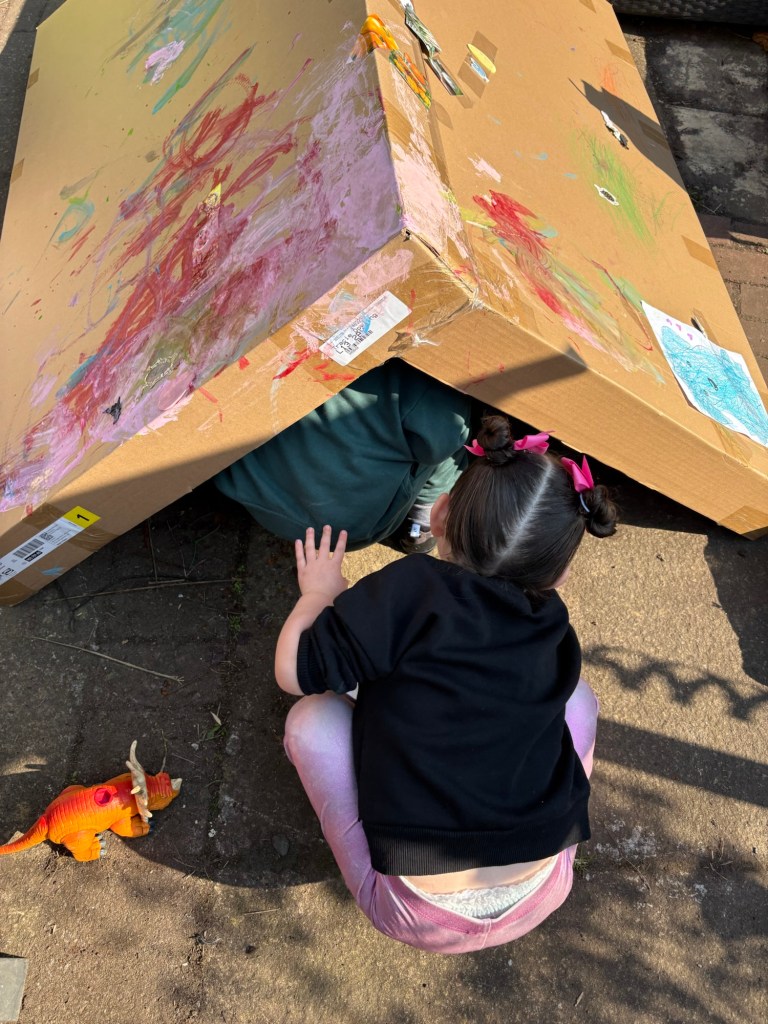
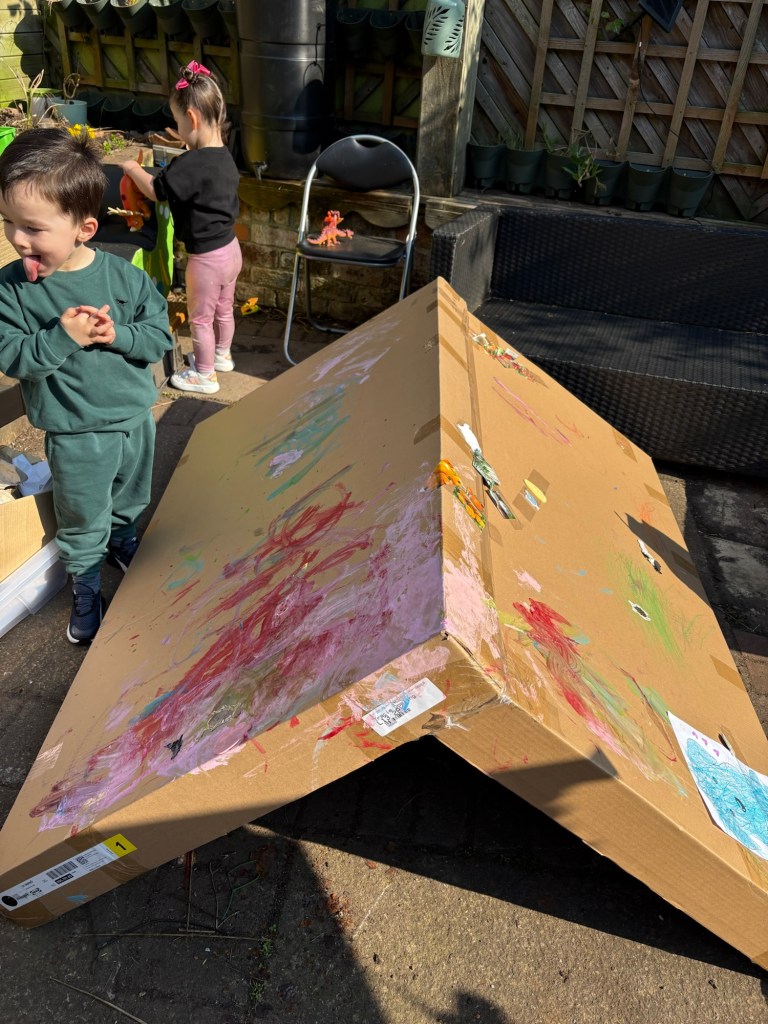
    The children thought it would be good to make a tent for Geof. I provided the children with a massive box, jack asked if they could decorate it to make it pretty.

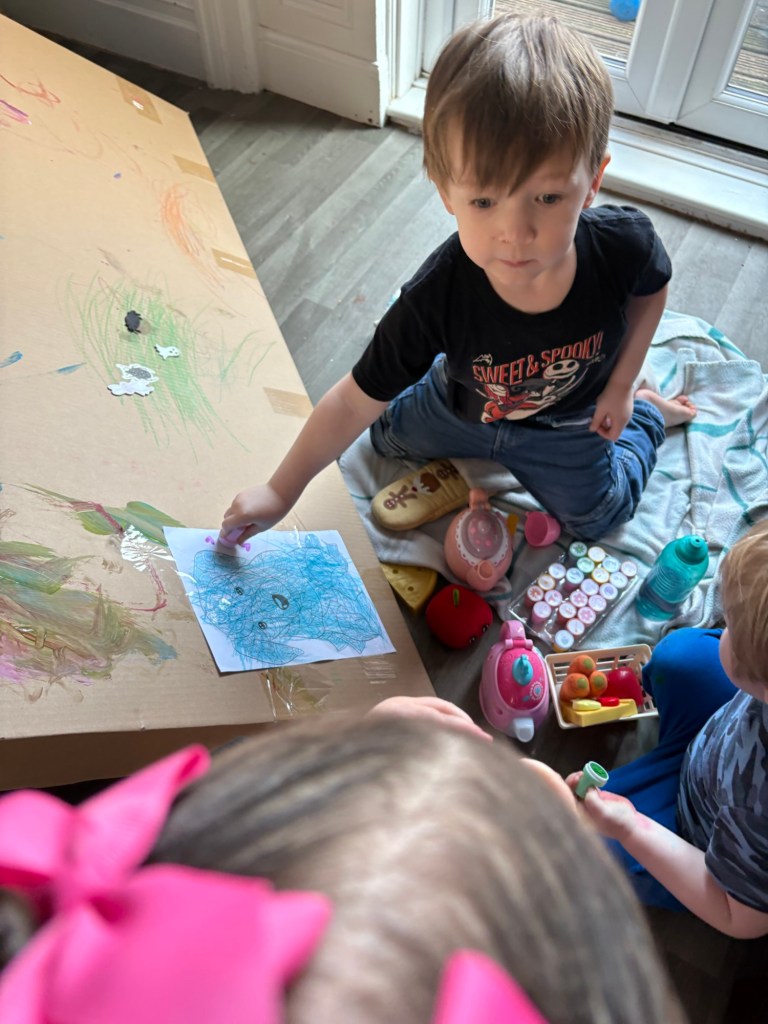
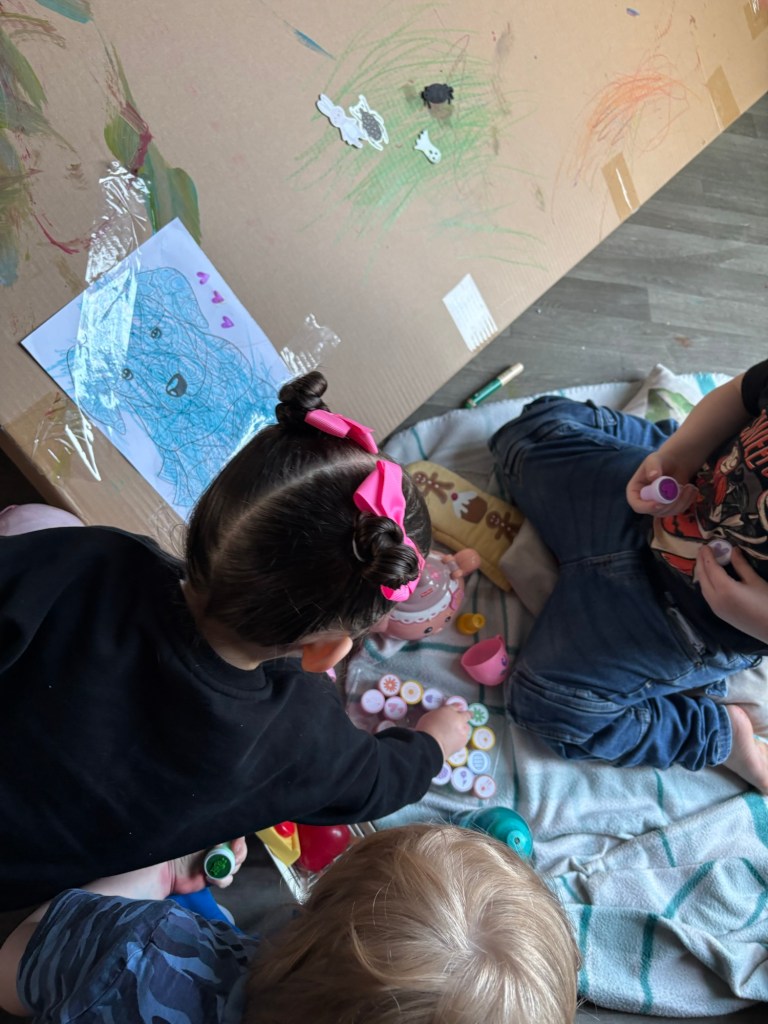
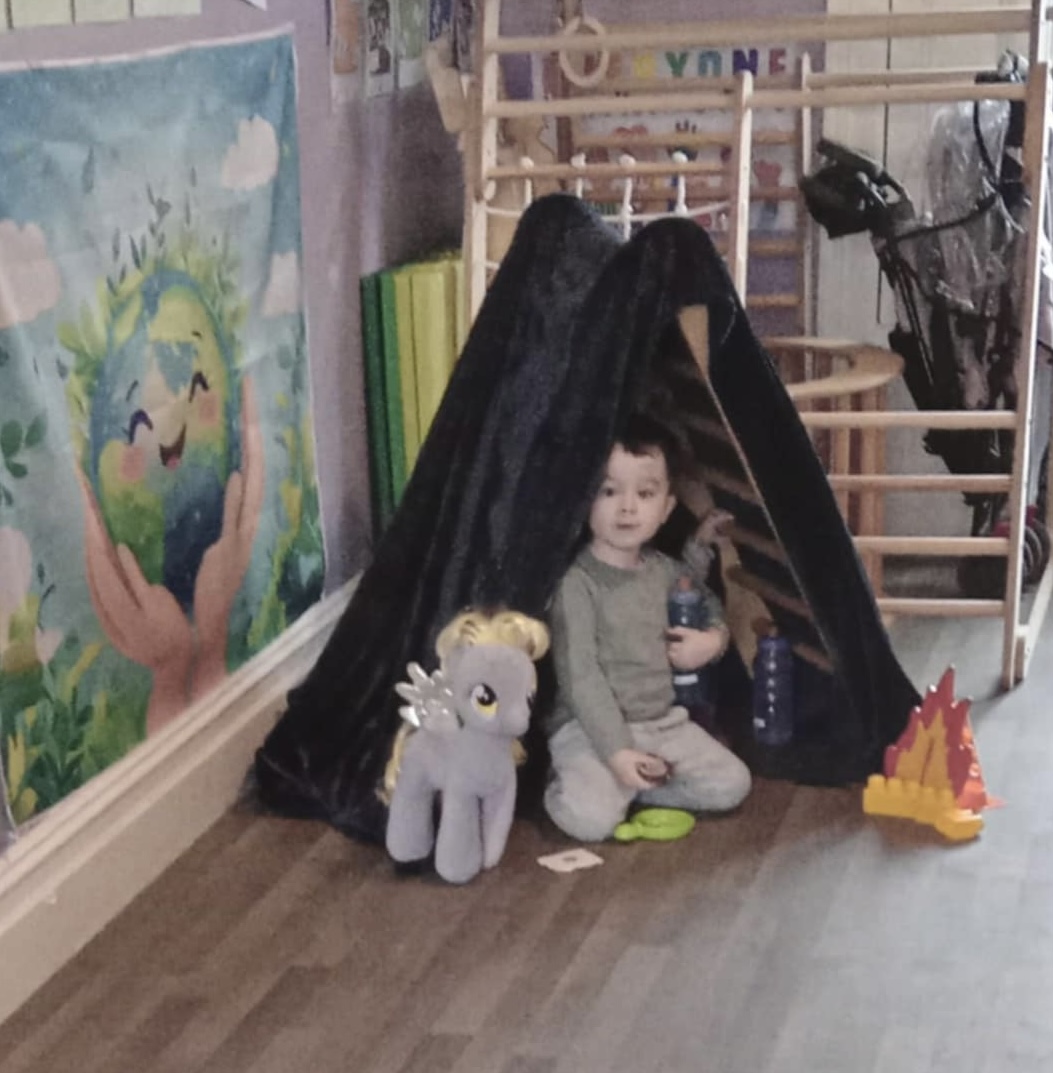
    They all had fun for hours, once the tent was dry, I asked them what would make the tent comfortable for Geof. I asked them to go and find items to put in the tent for him. Lottie came back with a blanket, Jack found a ‘a fire to keep him warm, Elliott went and got him a tea pot for a cuppa and Cristian brought over some food.

    Later Jack coloured a lovely picture of a dog and asked if he could stick it on the tent and call him Bruno. I said it was a fabulous Idea and asked him what would a dog need? Jack went and got him a bowl for food, a bowl for water and a cushion for him to lye on like his dog Cooper.

    In the afternoon while the babies were sleeping, the older children asked to take the tent outside to play with. This extended their play and we talked about being in the tent through the seasons, at first they thought it would be fun to be in the tent when it was snowing. I asked them how would they keep themselves warm? They all said they would wear coats, hats and scarfs. I said they would have to wear them all the time so they thought it might not be so fun after all.

    This provoked a conversation about Inuits who are people who use igloos for shelters in the Artic when they go on fishing trips. We looked on the internet and found out they are made out of compacted snow, which is a natural insulator and helps them to keep warmer than being outside.

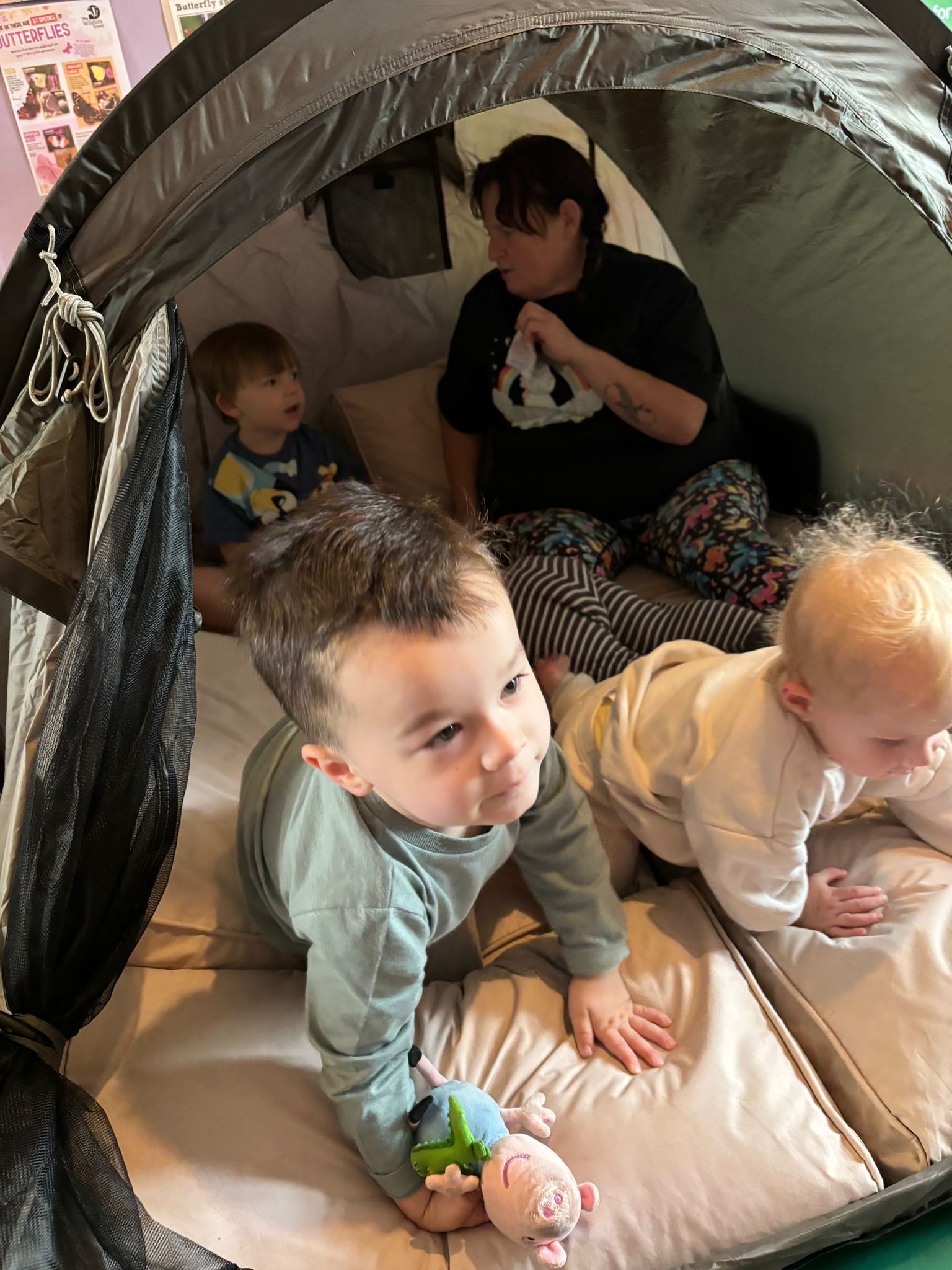
    To extend our experience of Tent living I put a tent up in the play room and the children ended up roll playing including having snack and nap time in there.

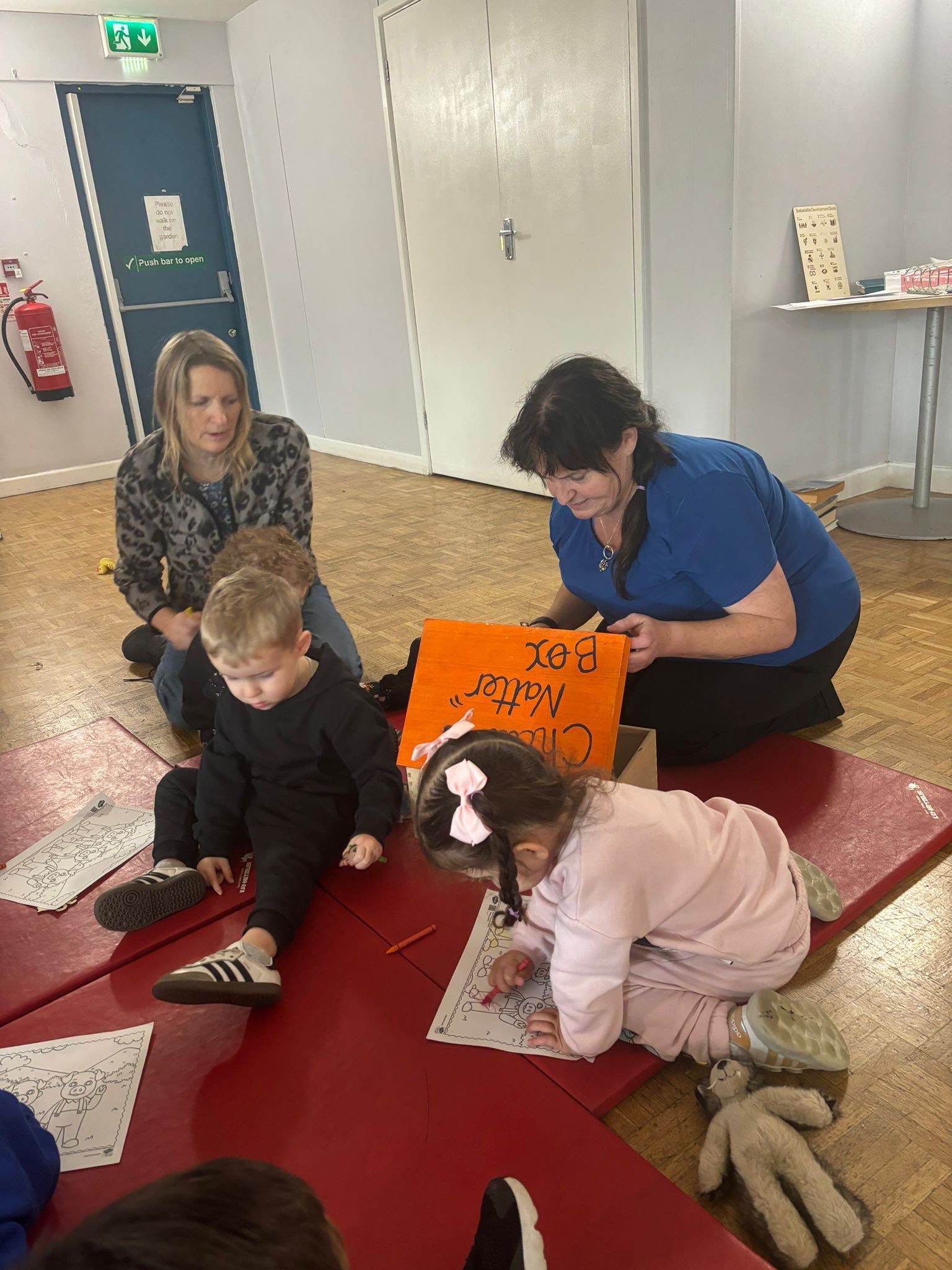
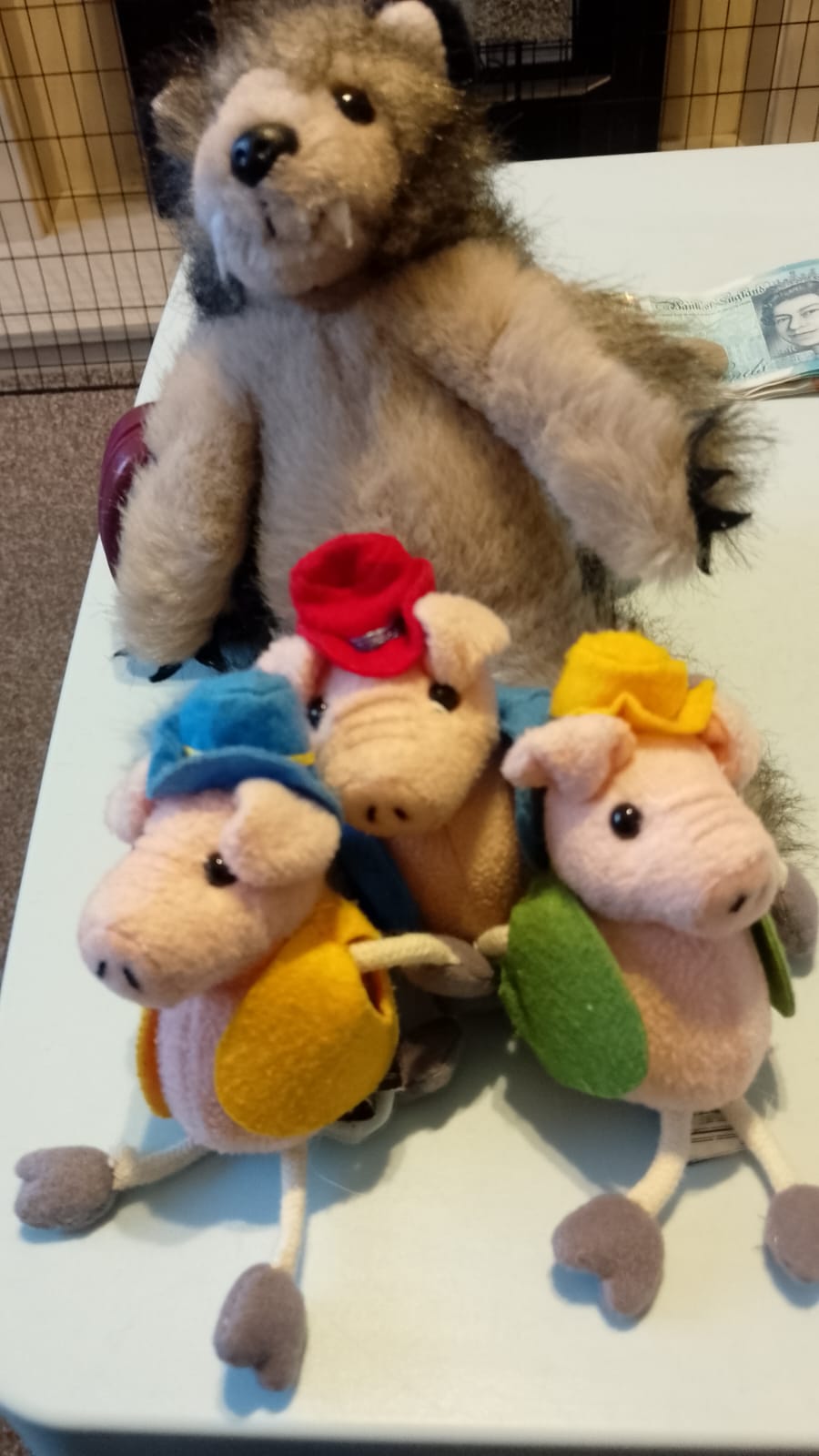
    I took the theme of Poverty to our Childminder Drop in where I read everyone the story of ‘The Three Little Pigs’ we talked about different materials houses can be made off and how strong we think they would be. Development Matters (2021, pg90) The children talked about our tent activity with the other children, they all went back to their Childminders settings to make dens and have fun.

    NCFE, UNESCO https://www.ncfe.org.uk/all-articles/supporting-practitioners-embed-sustainability-early-years/

    https://www.evertonnurseryschoolandfamilycentre.org/early-years-sustainable-hub

    Posted in balancing skills, listening skills, Instructions, bug hunt, childminding, communication, conversations, Garden Classroom, greenhouse, outdoor play, Seedlings, Speach and Language , flowers, language, communication, water play, wildlife

    This Week In The Garden Classroom

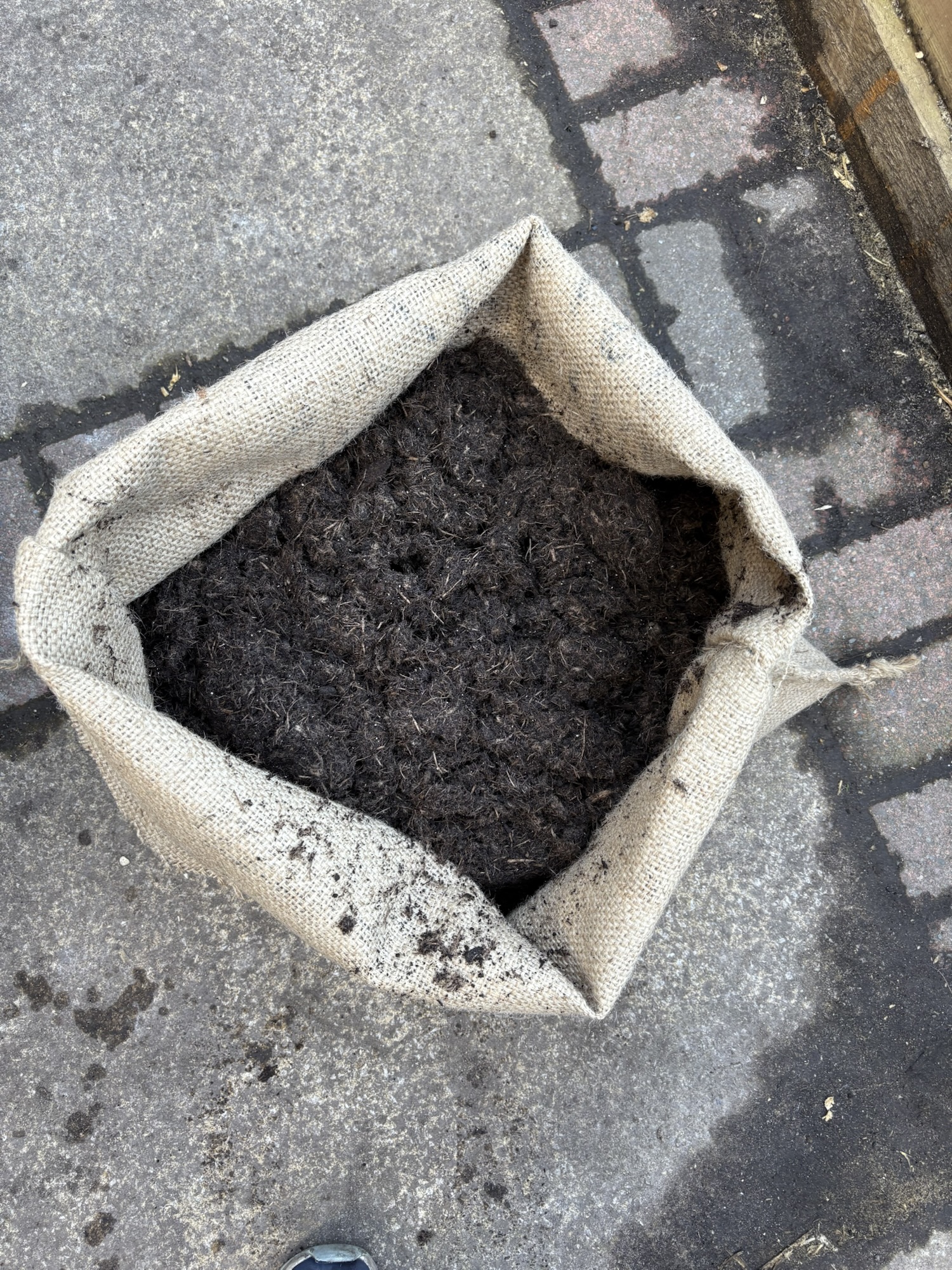
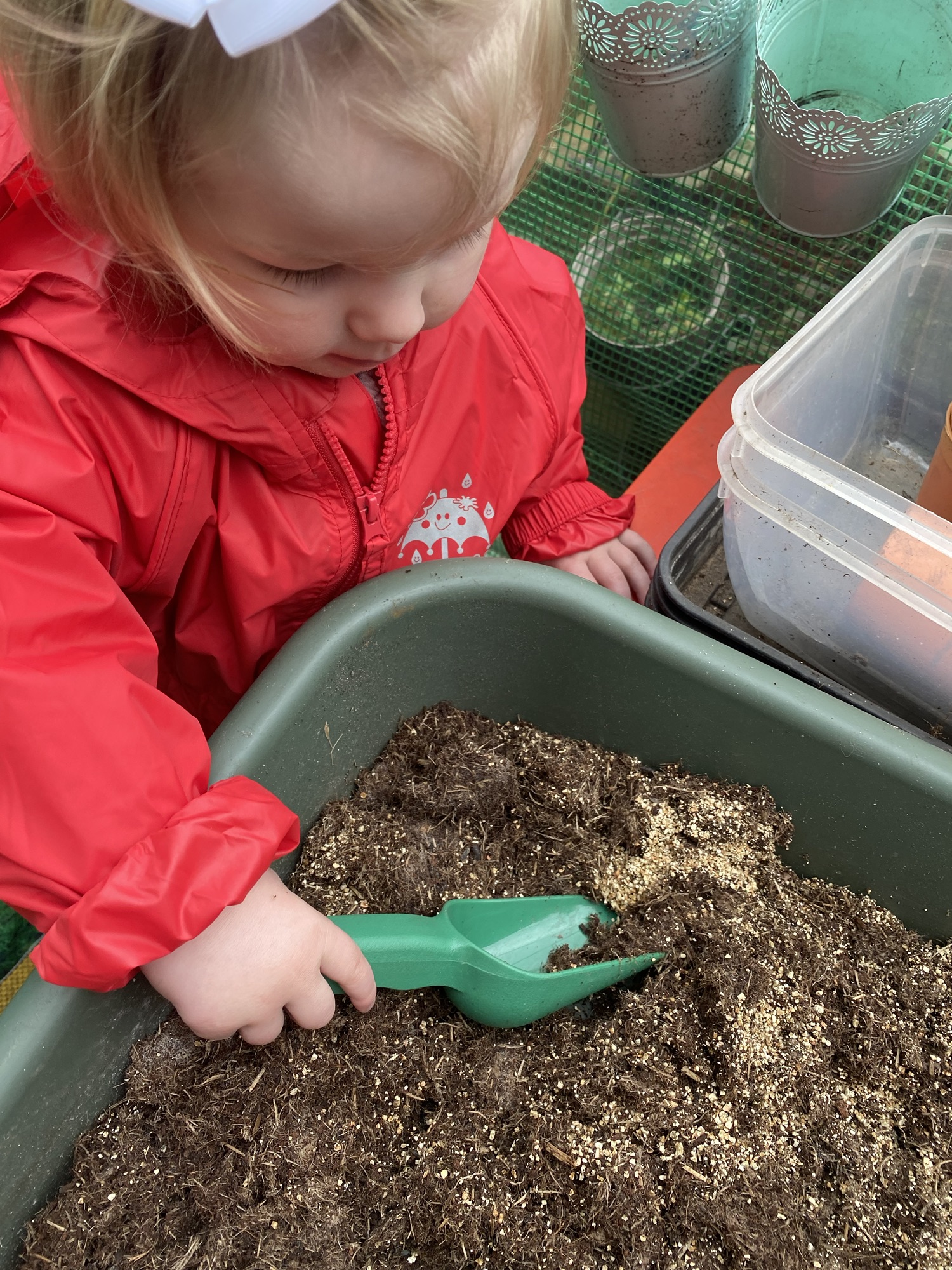
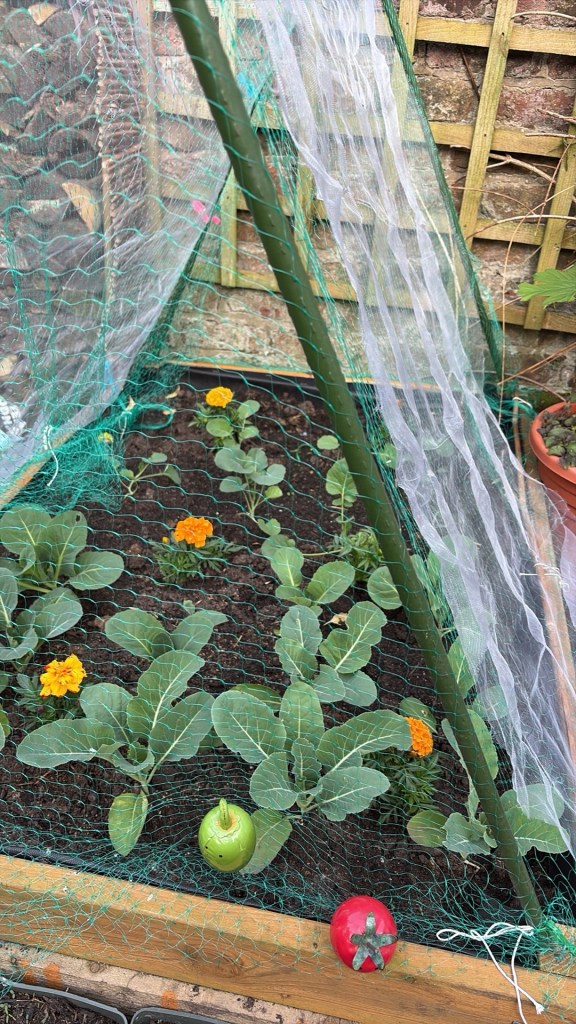
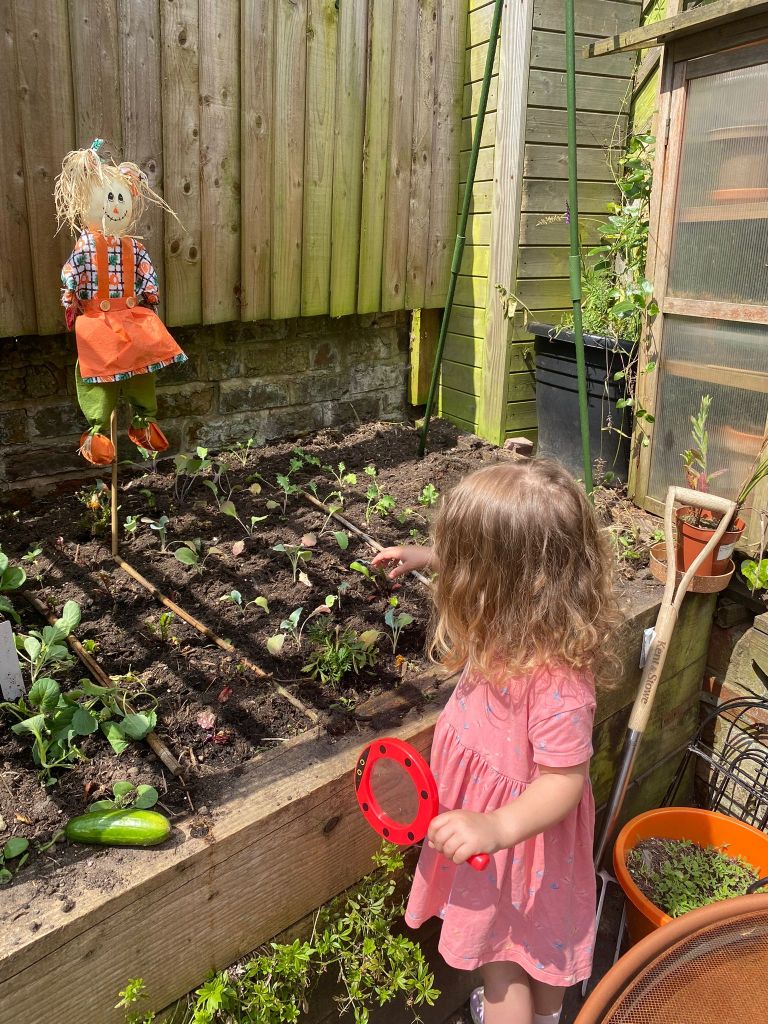
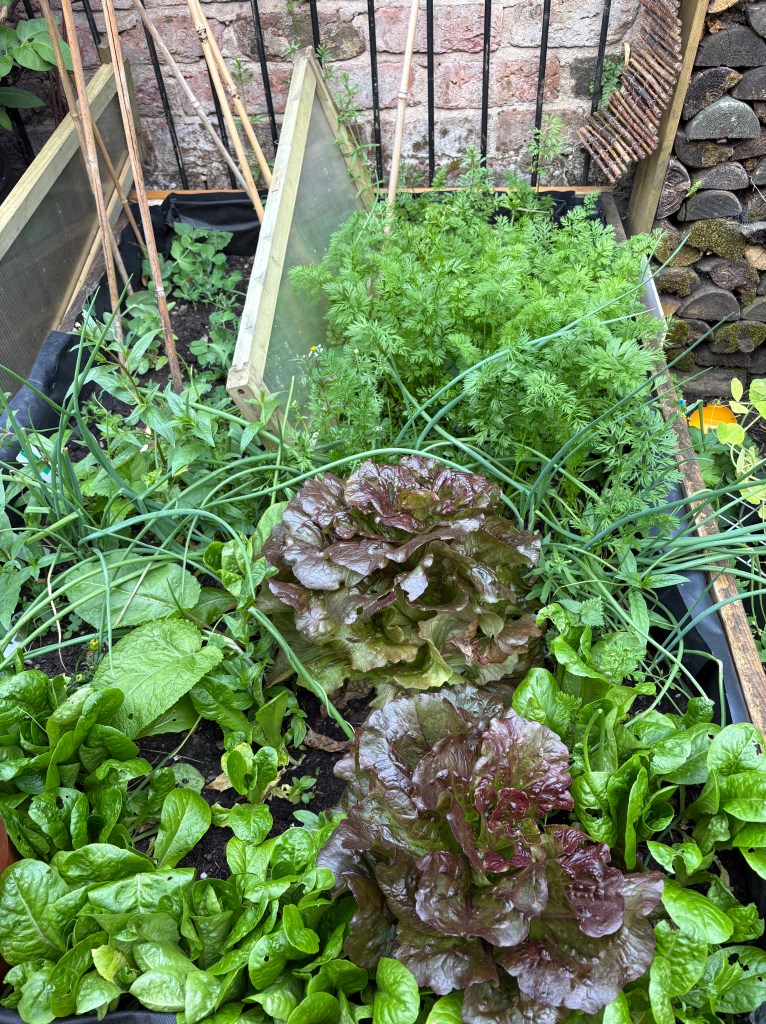
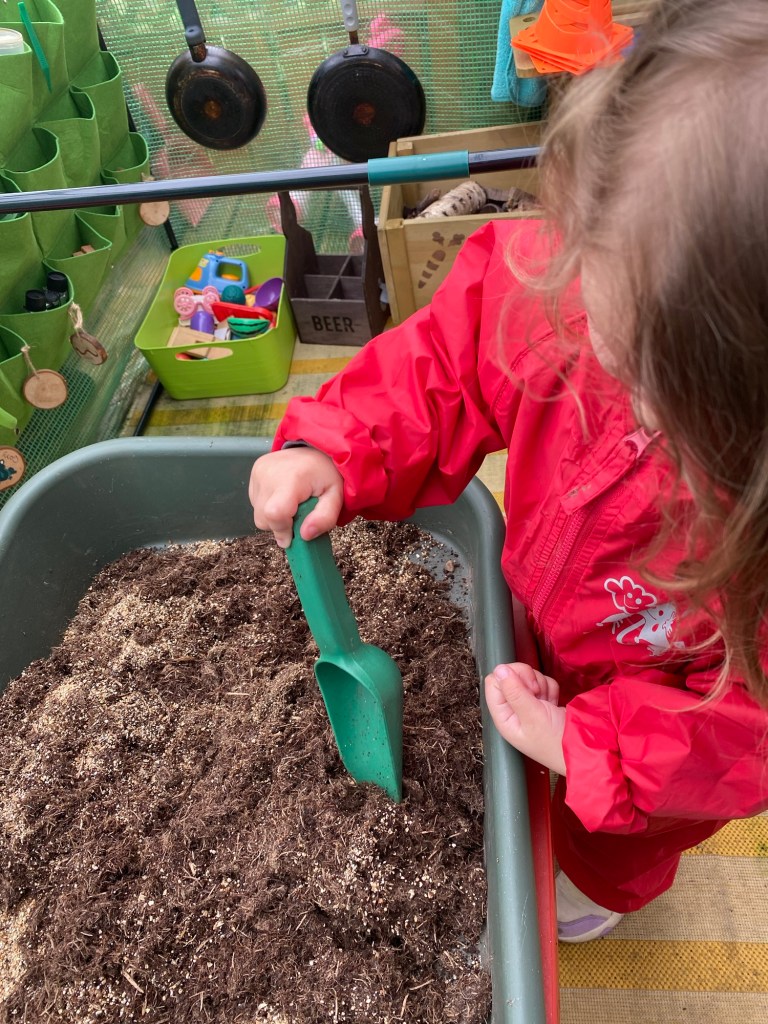
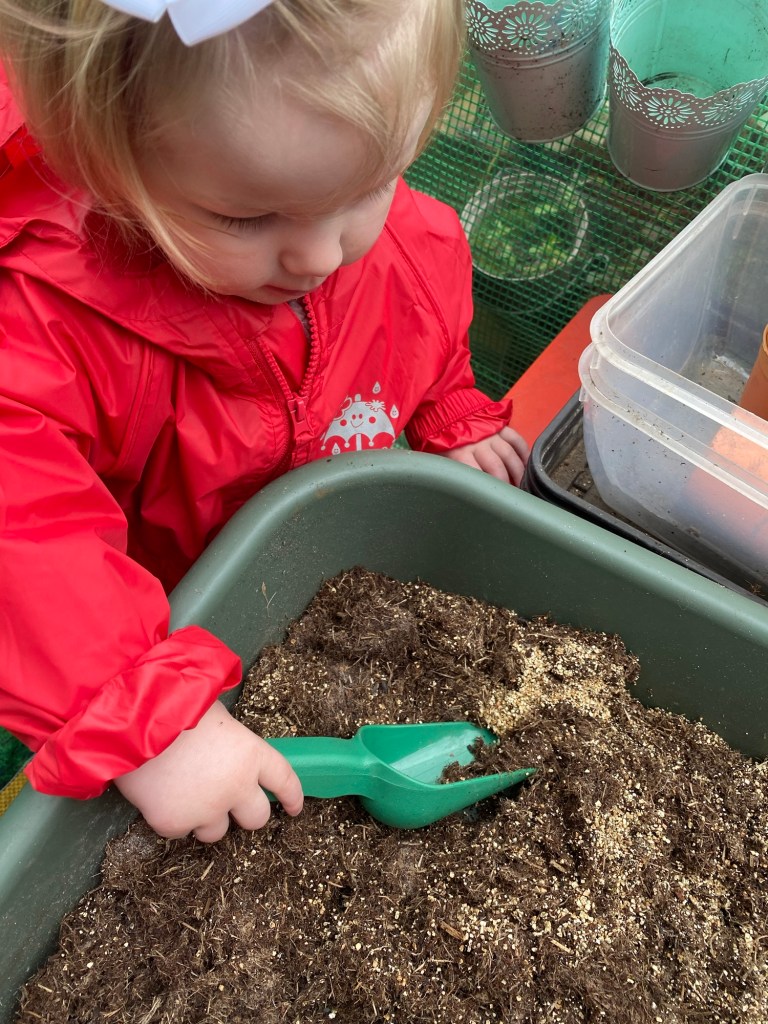
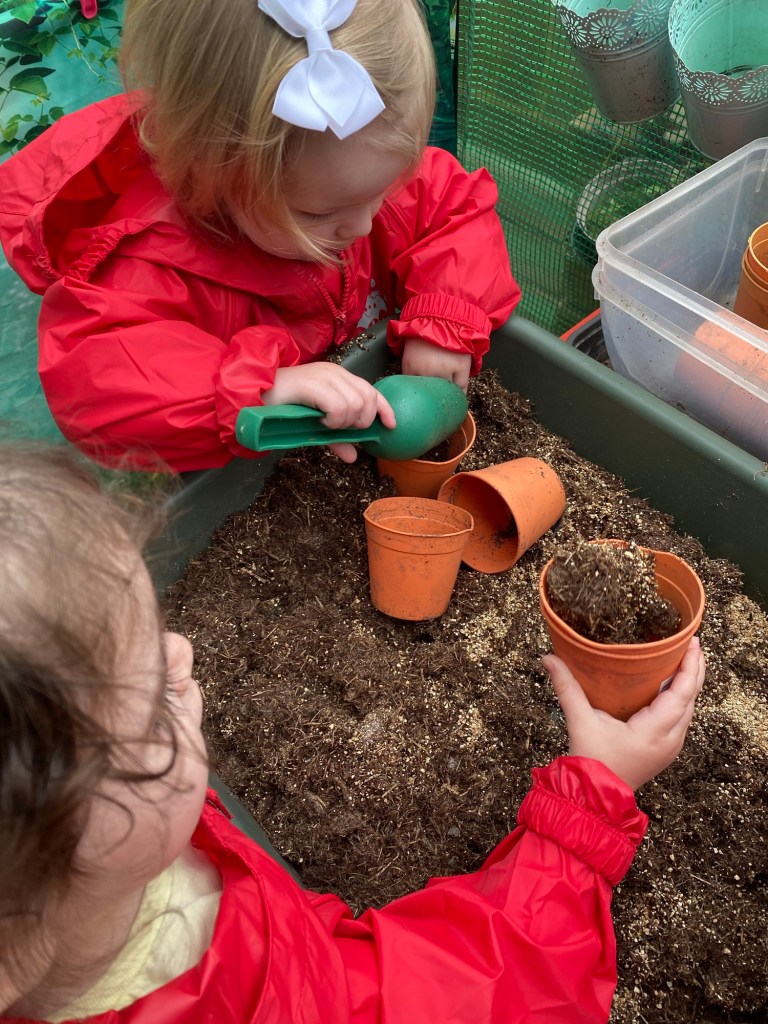
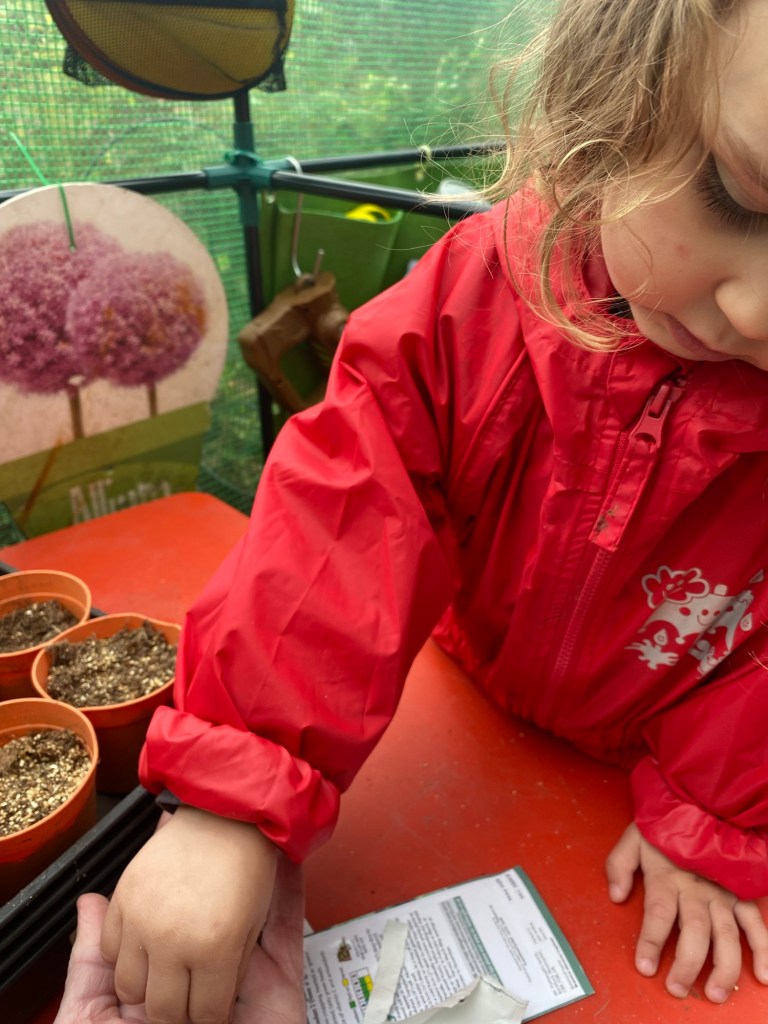
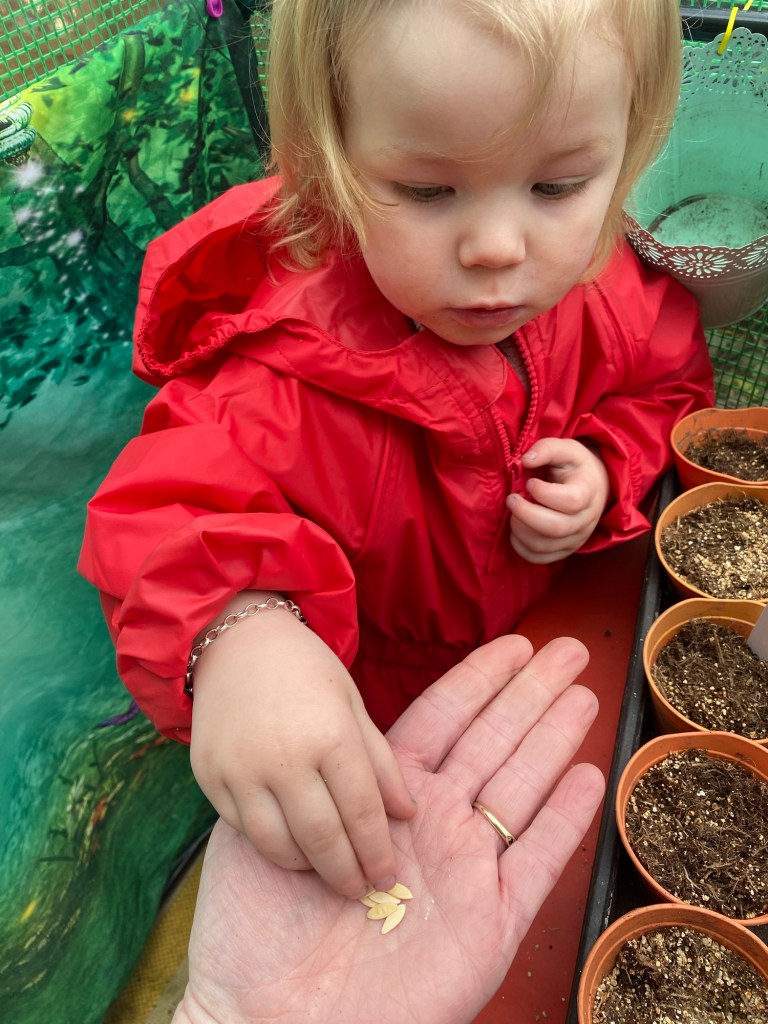
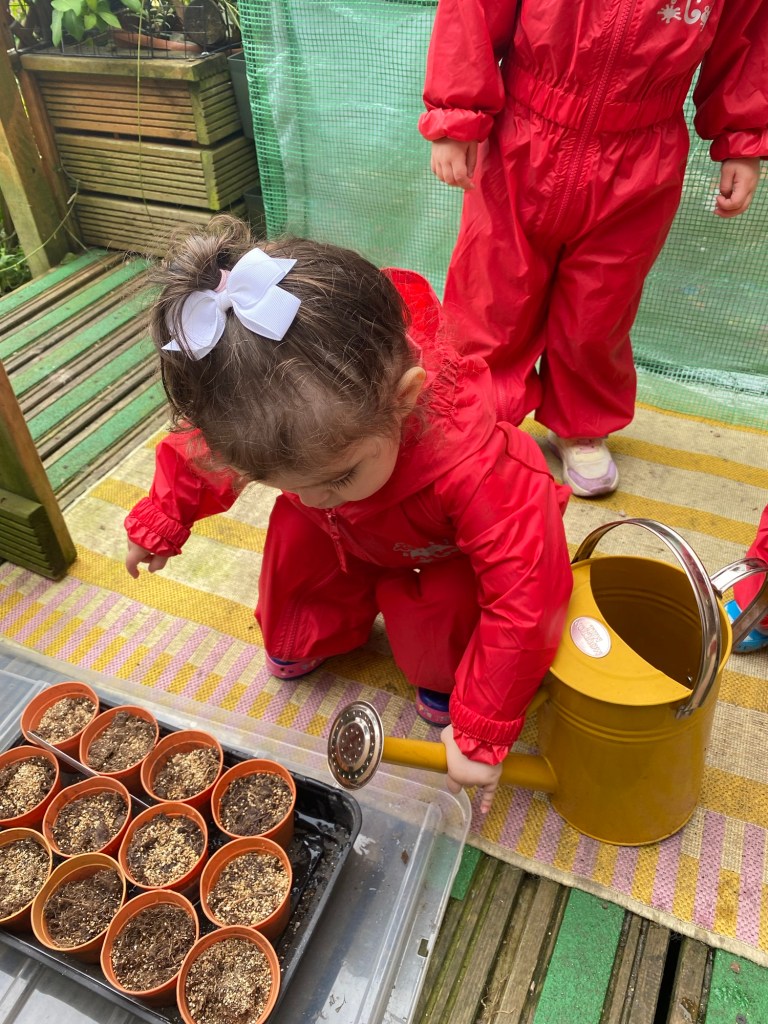
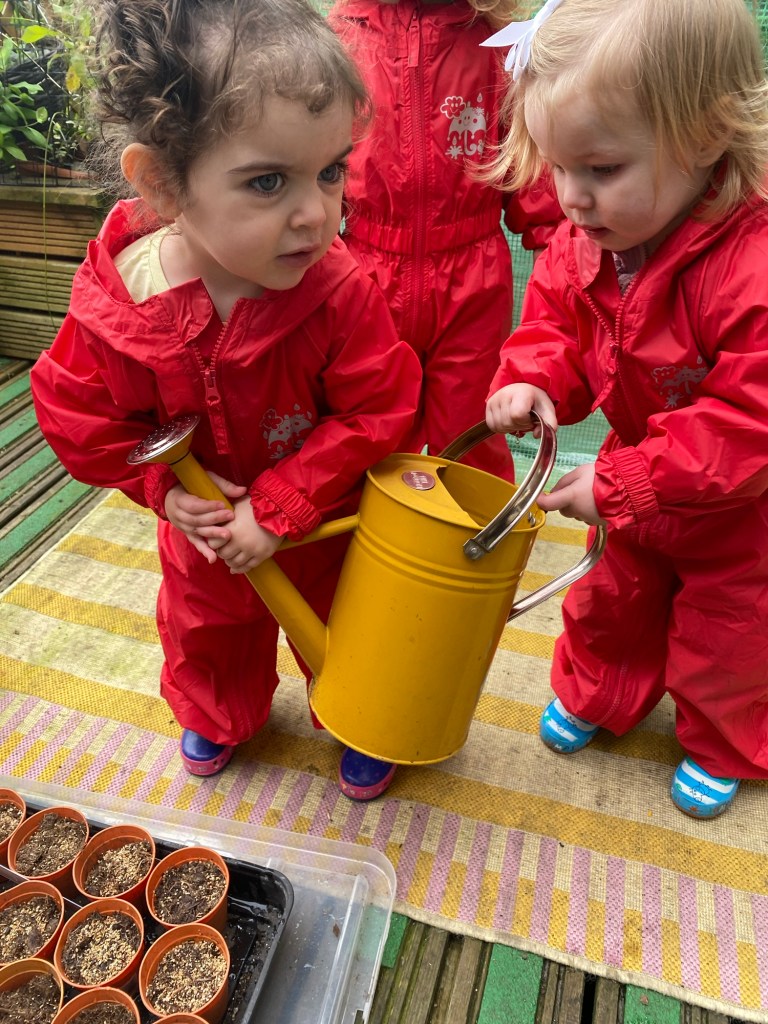
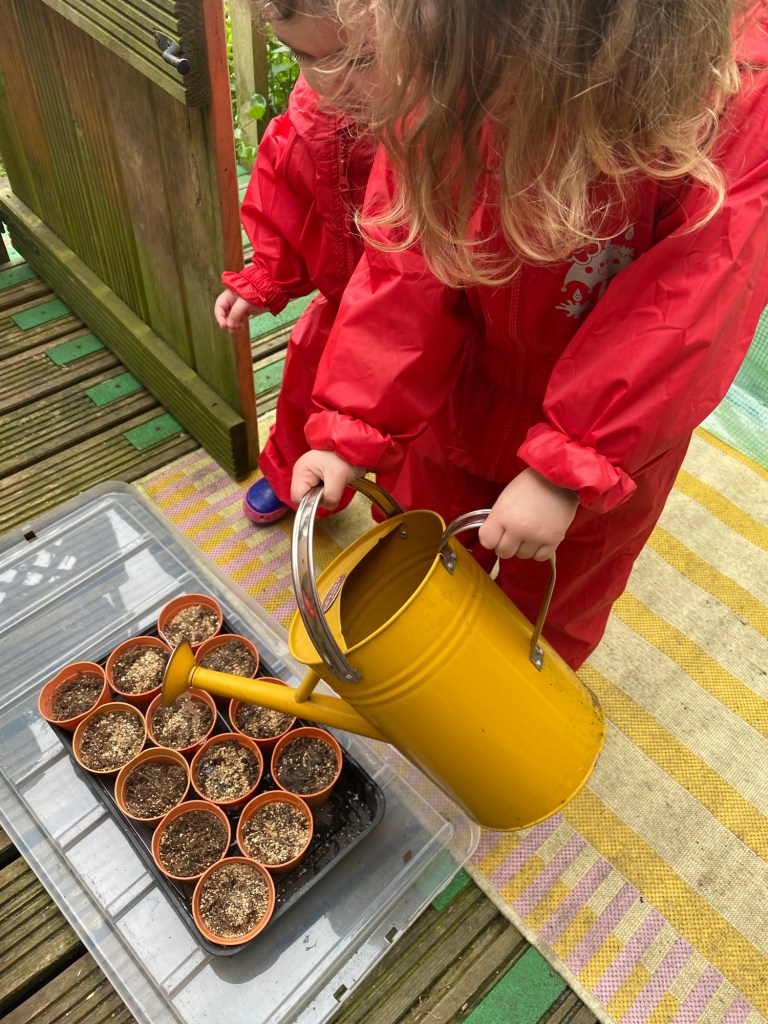
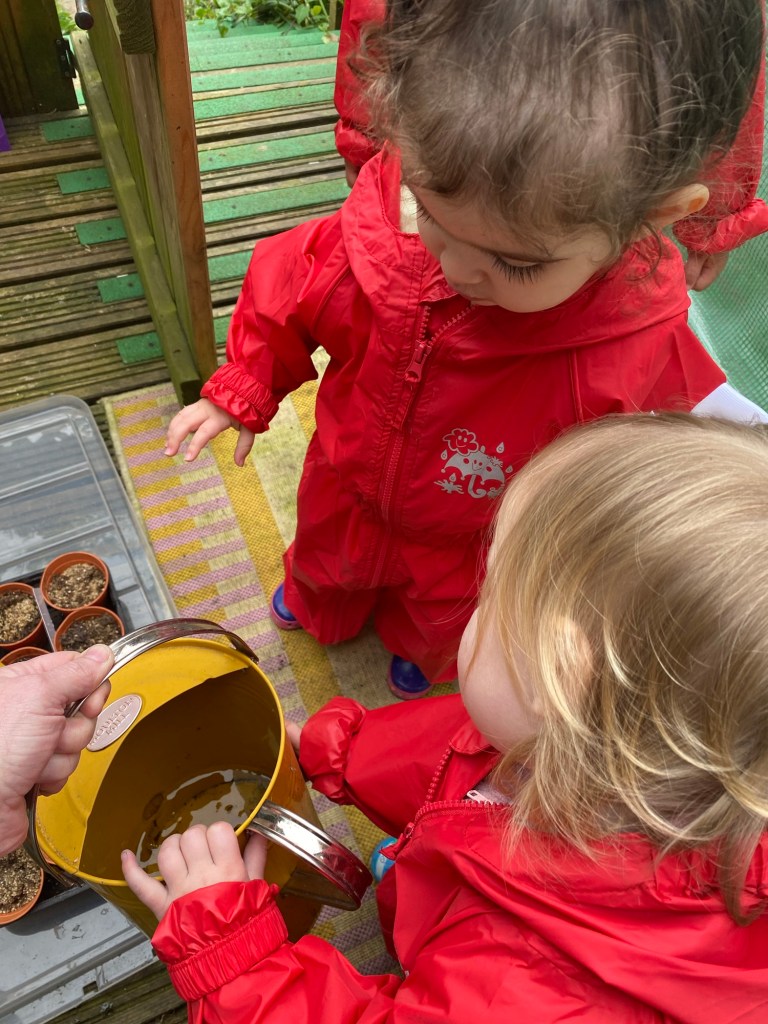
    We have loved getting outdoors and sowing some salad crops. We mixed the peat free compost, filled the pots, sowed the seeds and gently watered them in to germinate.

    Alba Mixing The Vermiculite Into The Compost

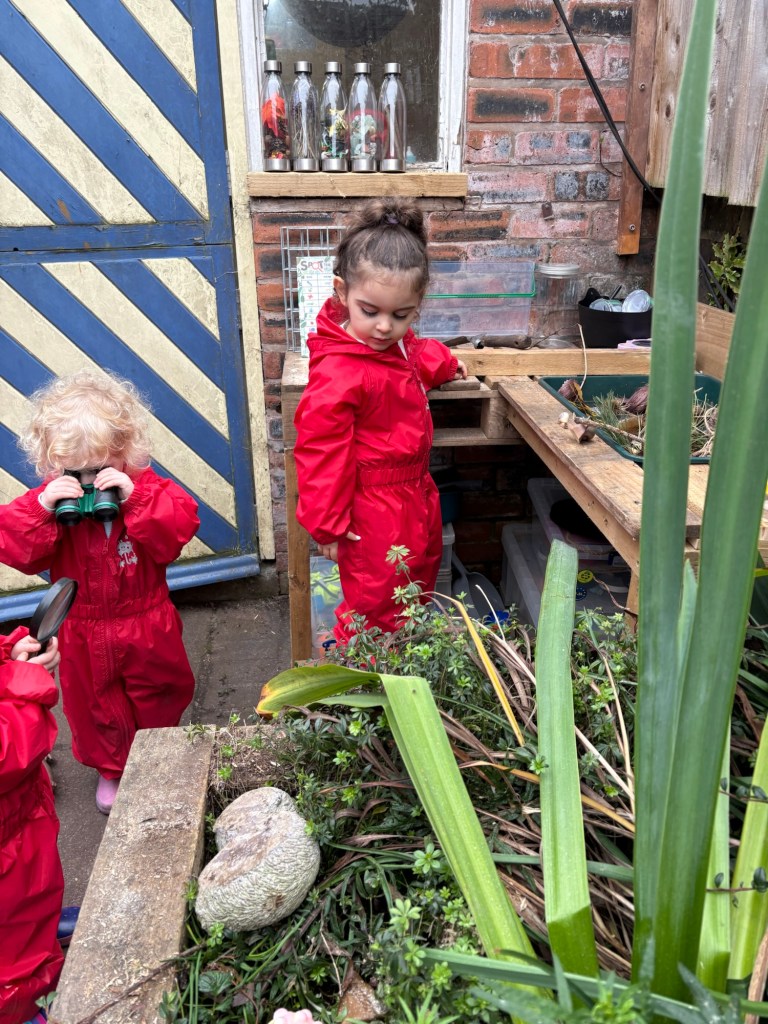
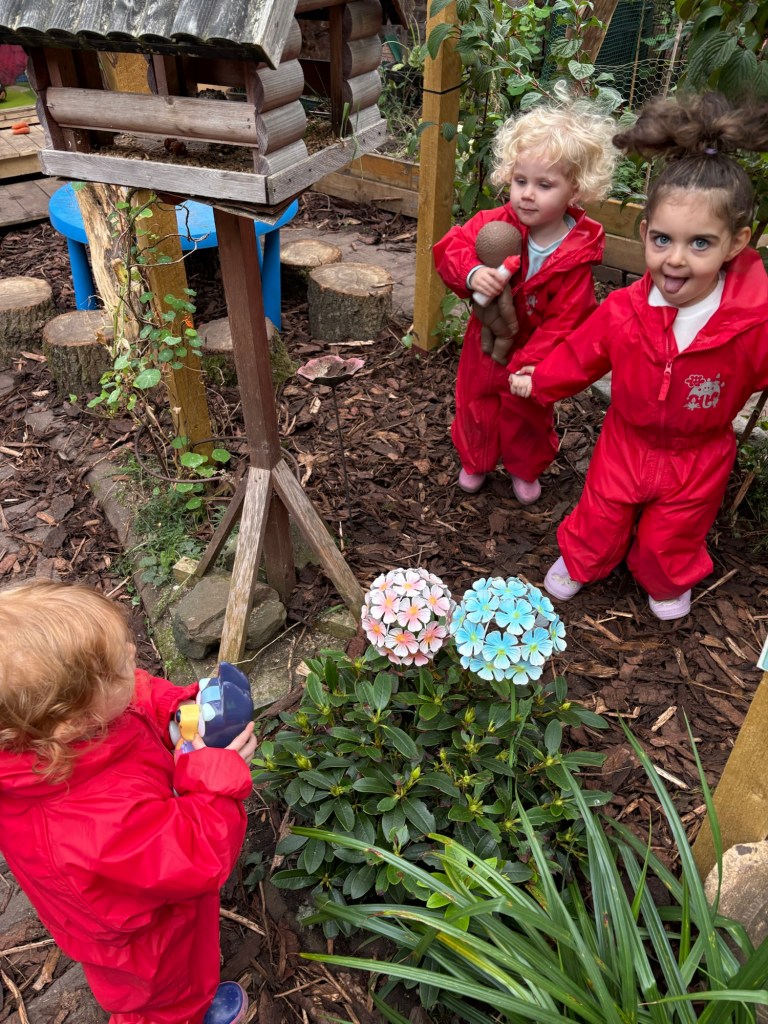
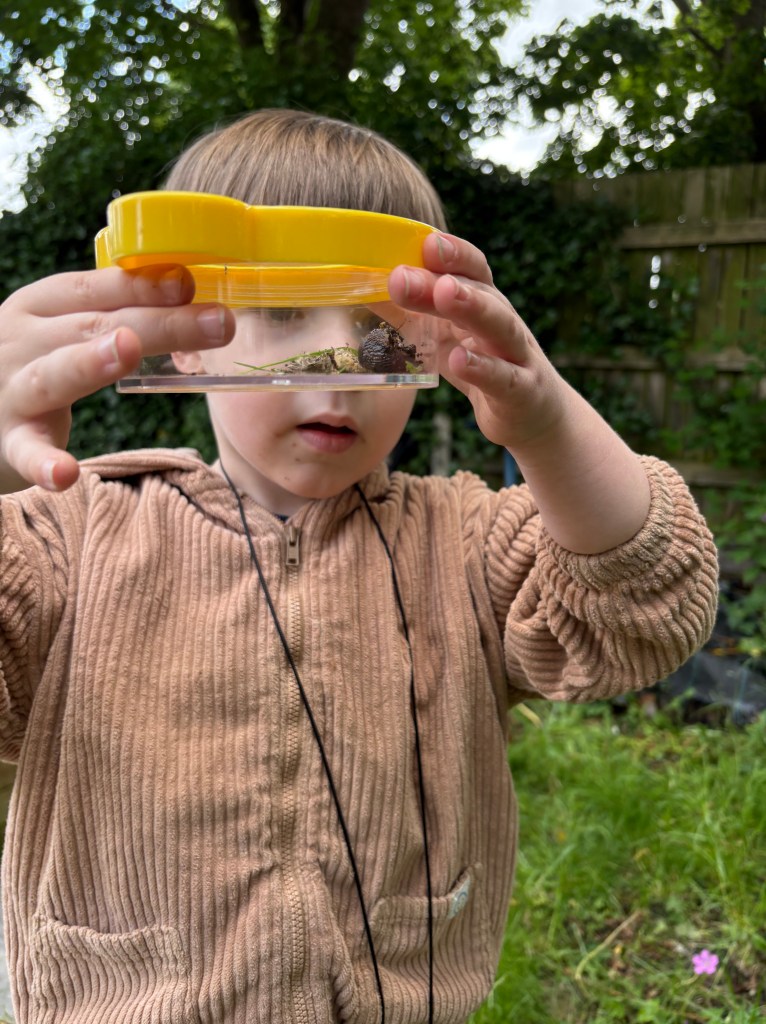
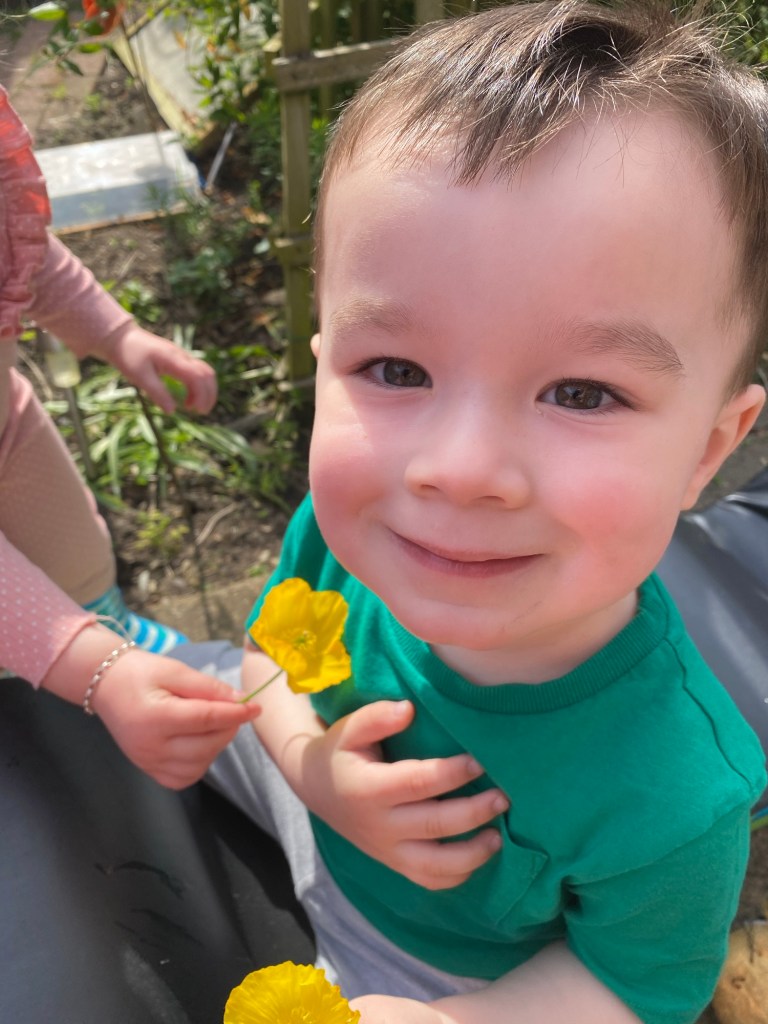
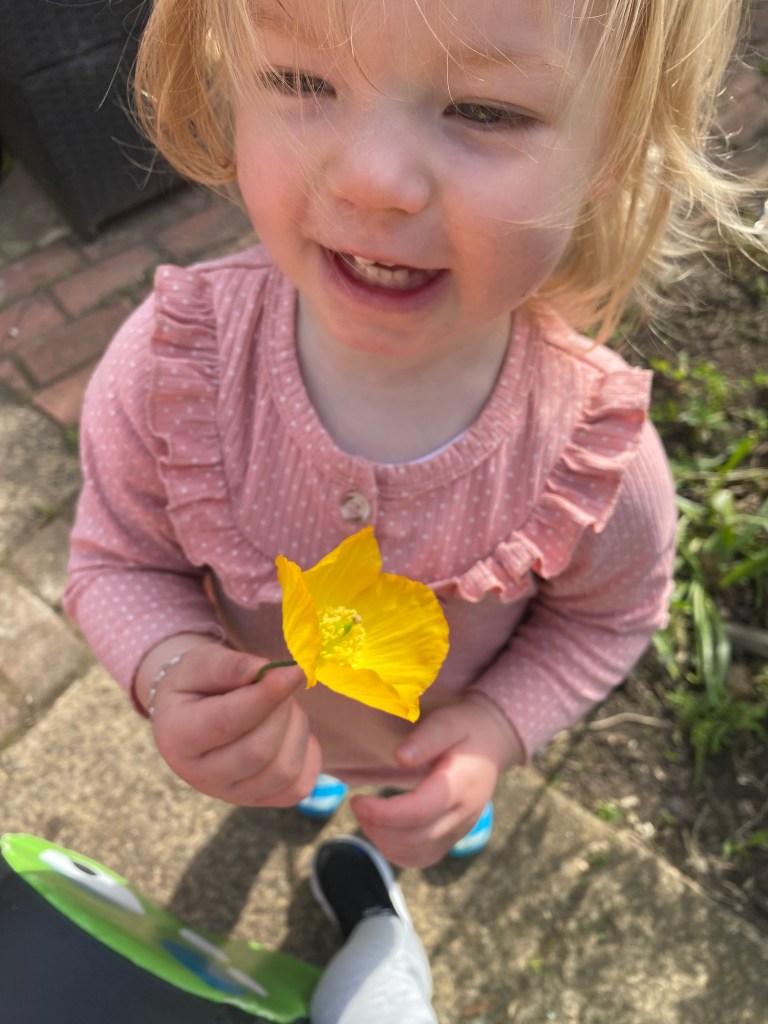
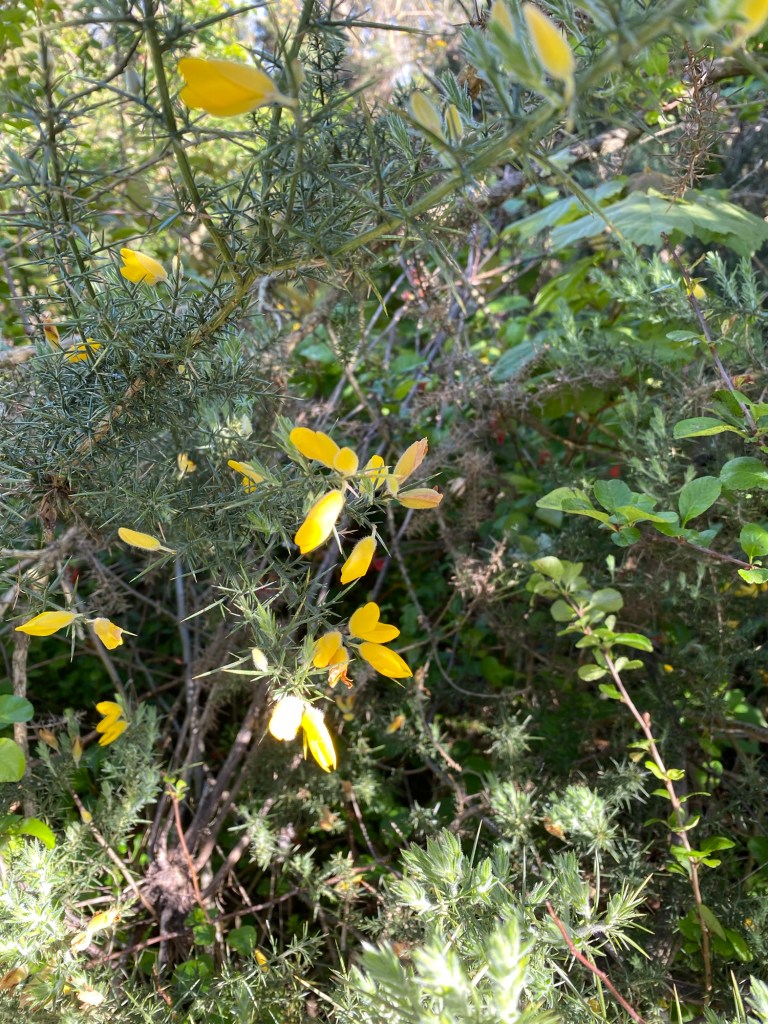
    We had fun looking around the garden for bugs, we found snails, ants, butterflies, a dragonfly, wood louse, worm and Fizzy our cat asleep in the shade. Mable and Elliott thought the yellow poppies were pretty.

    We had a lovely time in the garden, we are excited to see our seeds germinate and turn into delicious salad crops, so we can have them for lunch.

    Posted in childminding, communication, conversations, Garden Classroom, outdoor play, Seedlings, Speach and Language , flowers, language, communication, Uncategorized

    Stanley Park

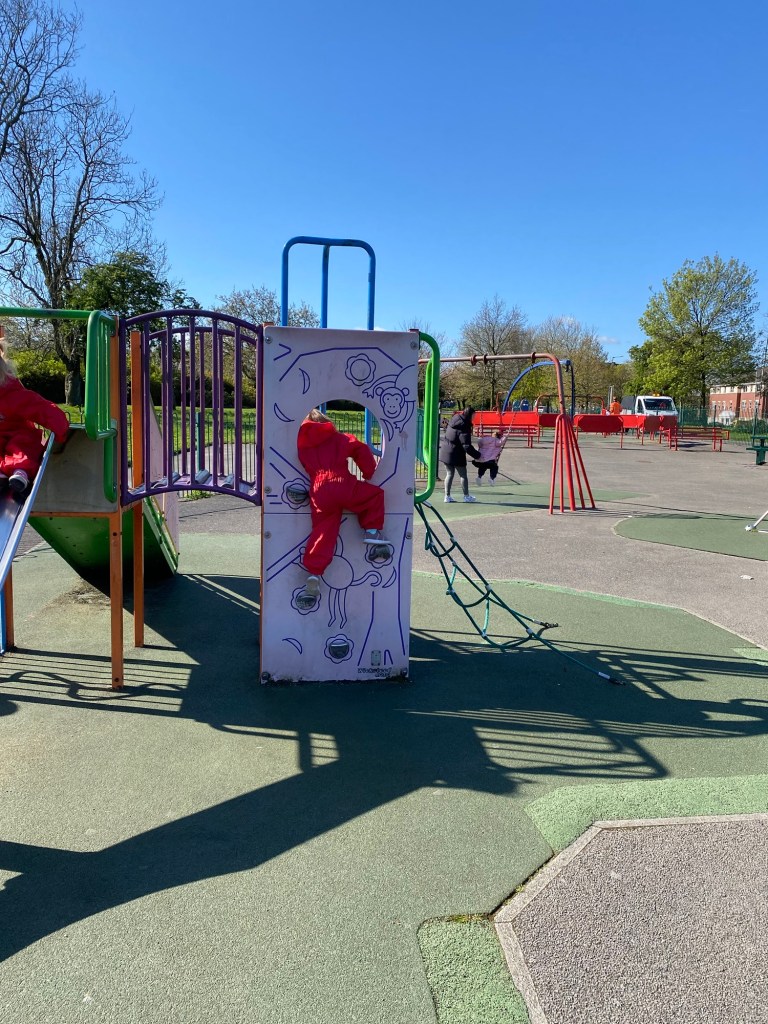
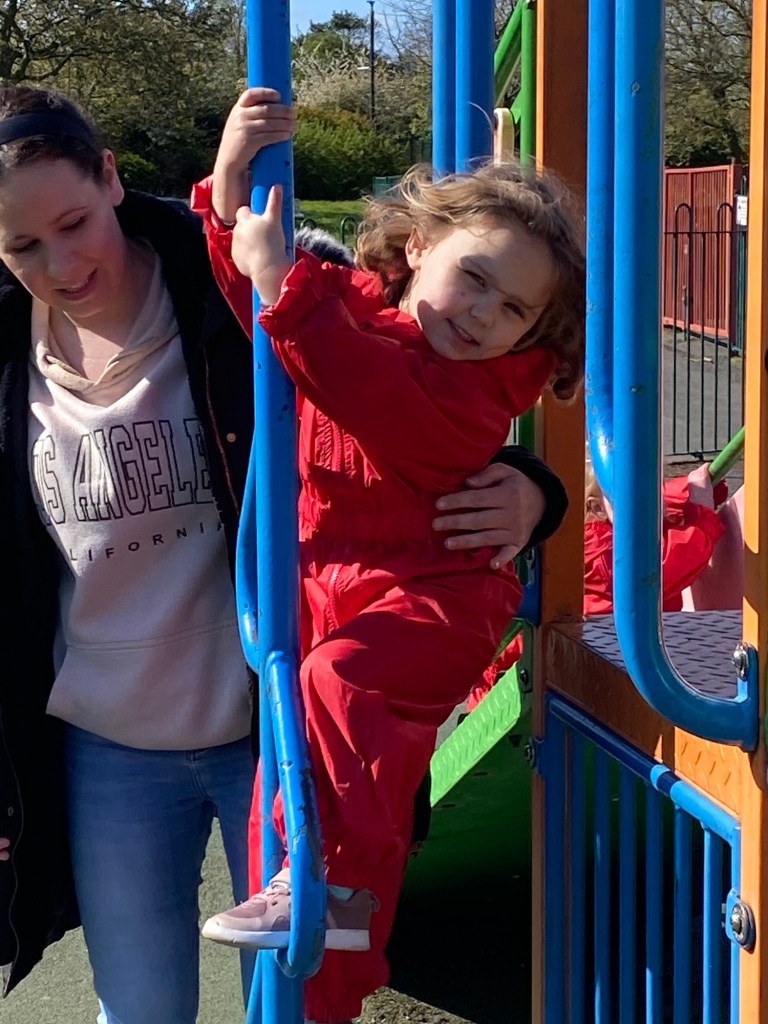
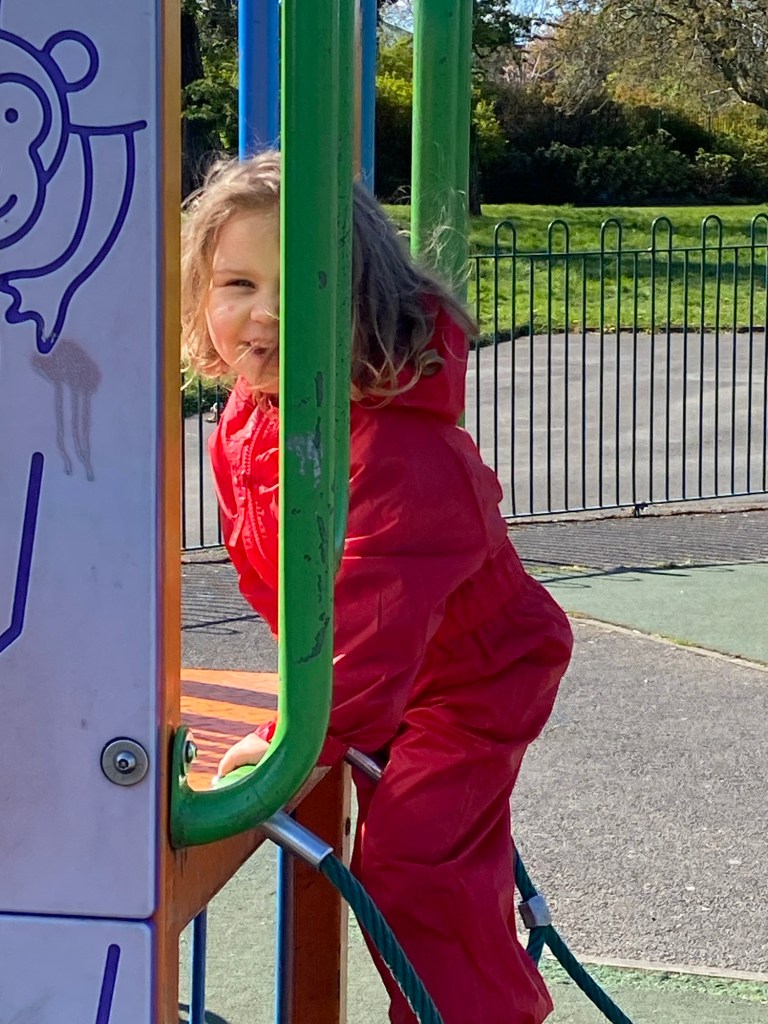
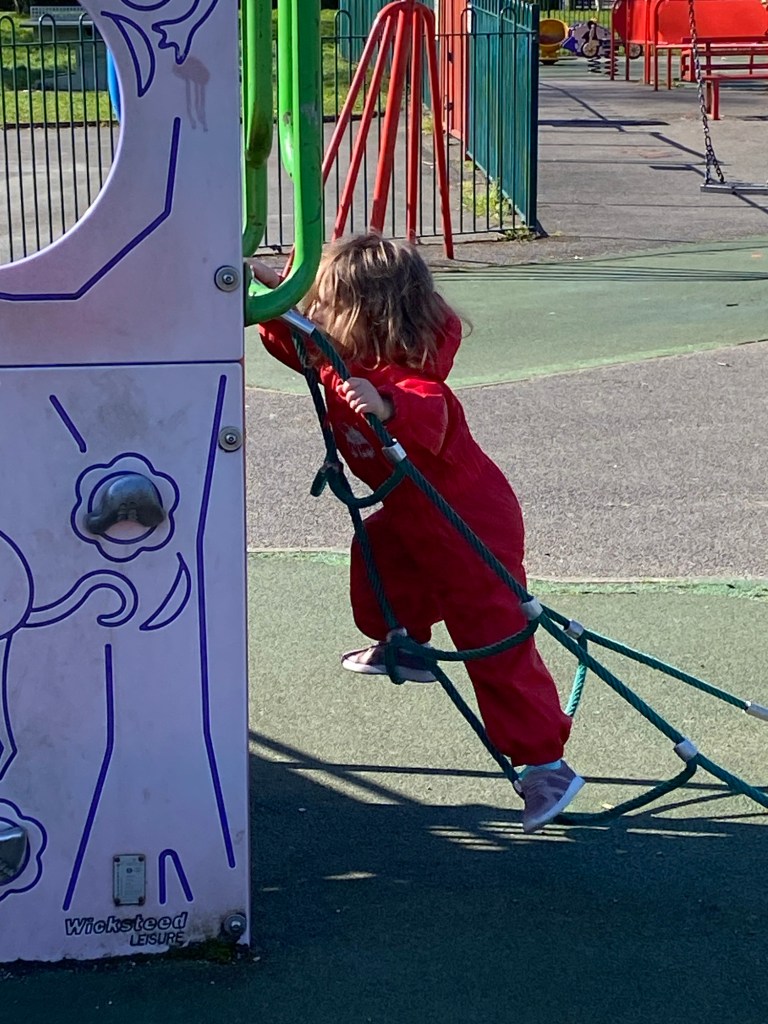
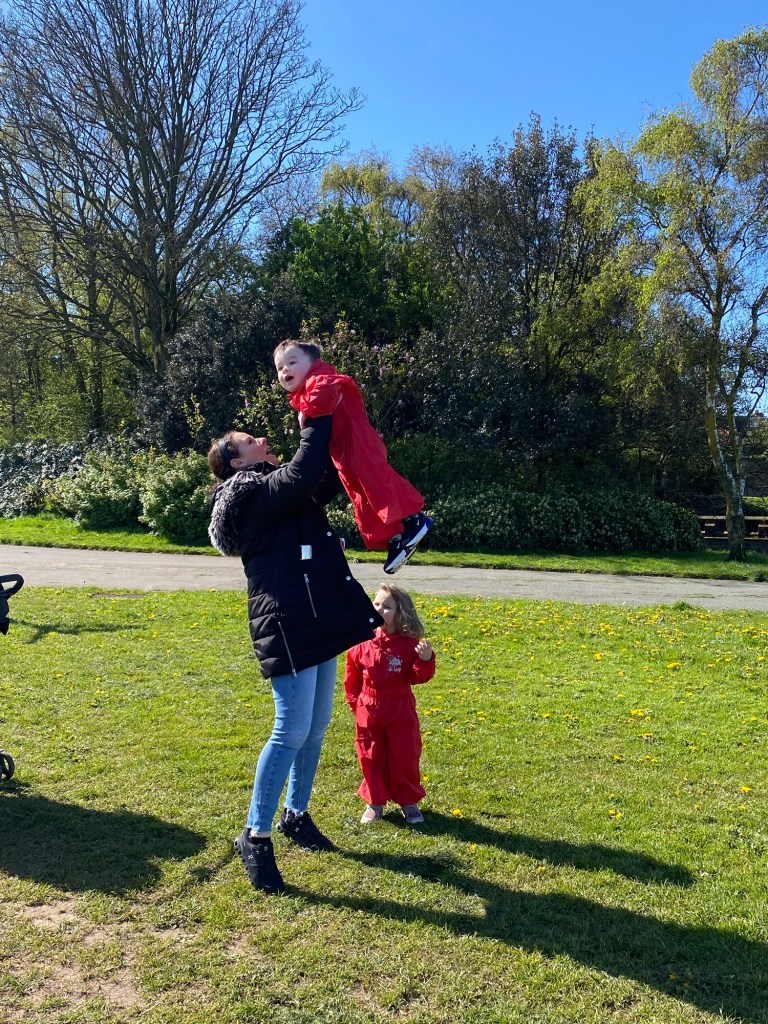
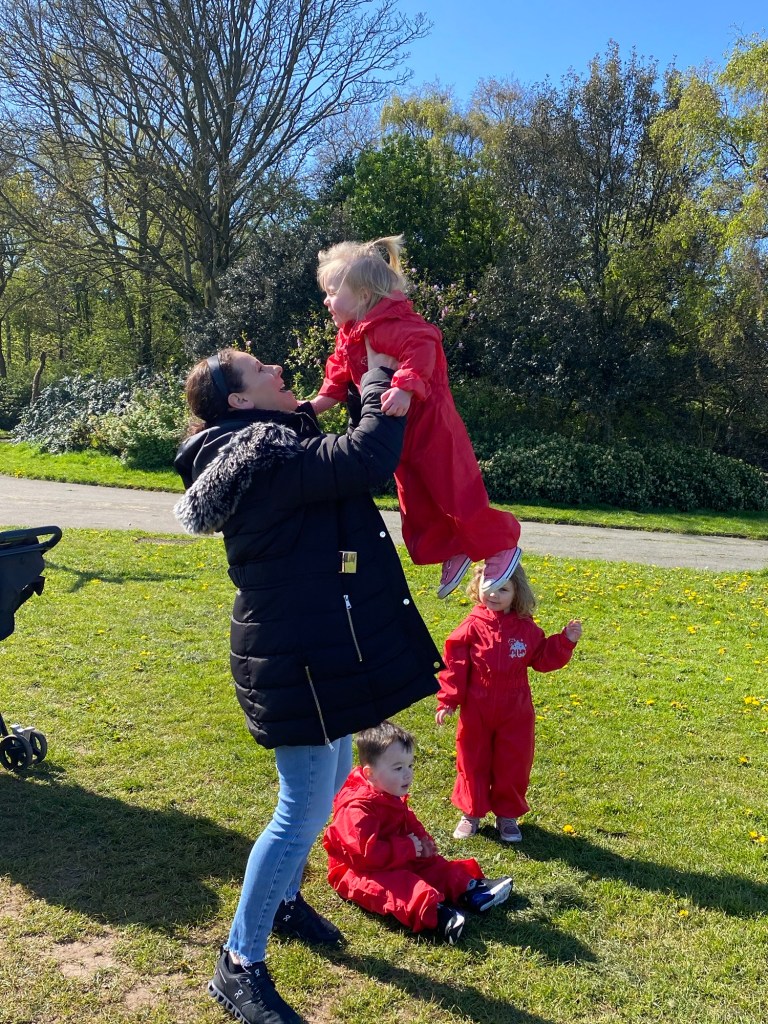
    Today we had a lovely day at Stanley Park. We walked through the rose garden to the play park.

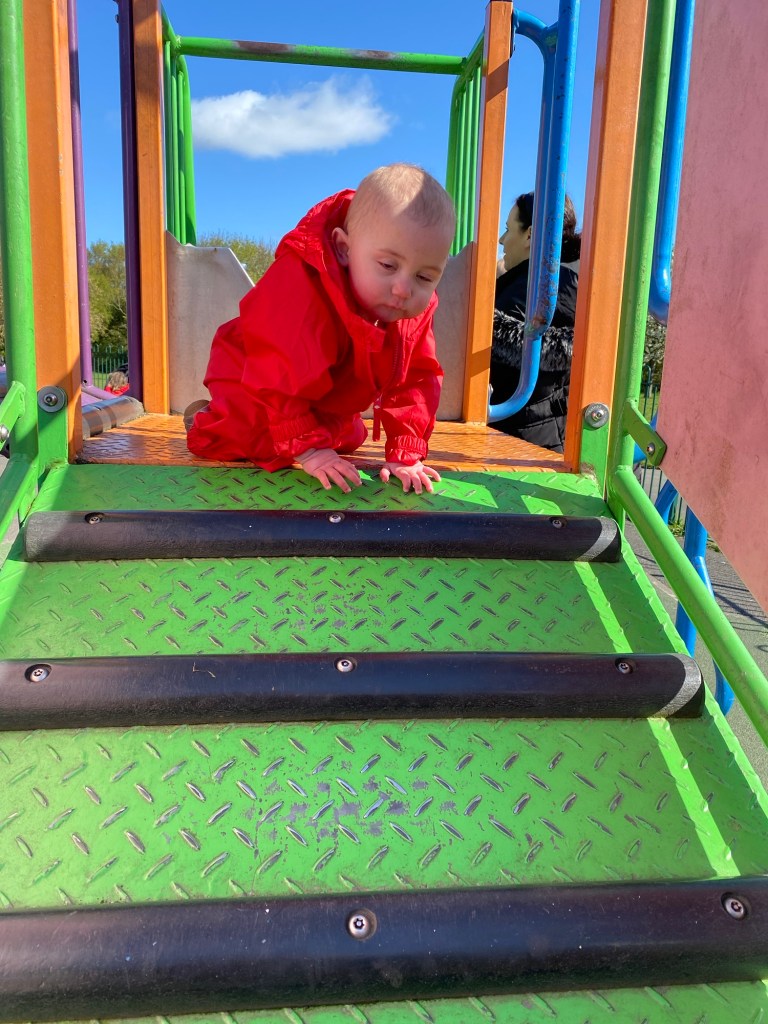
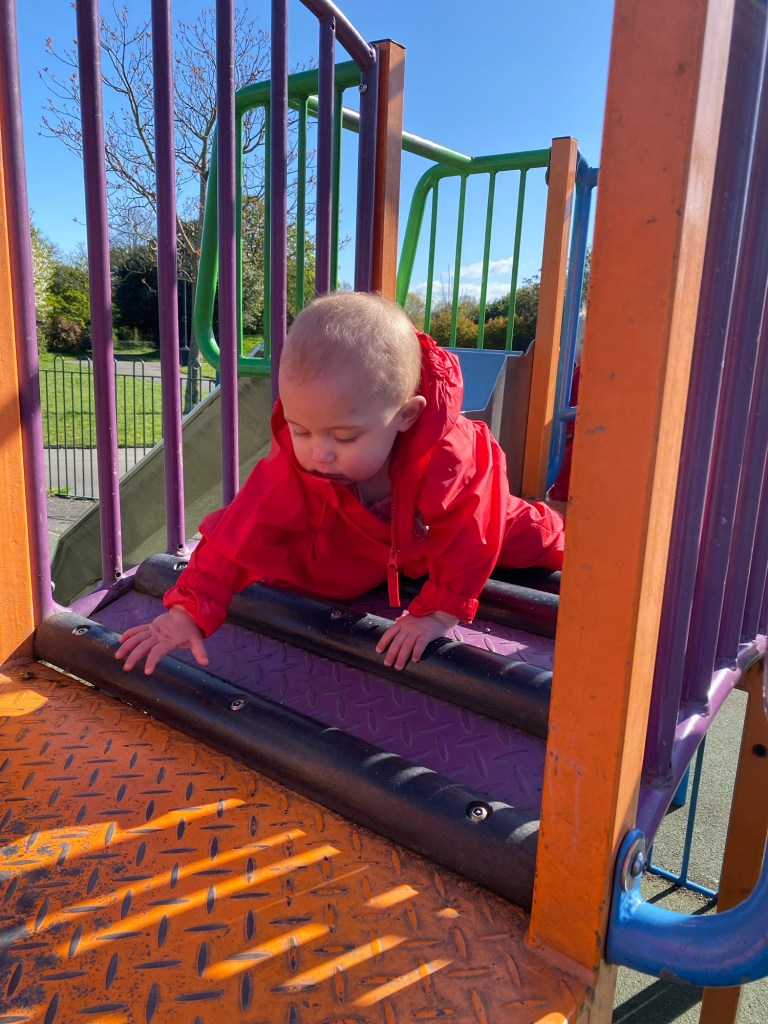
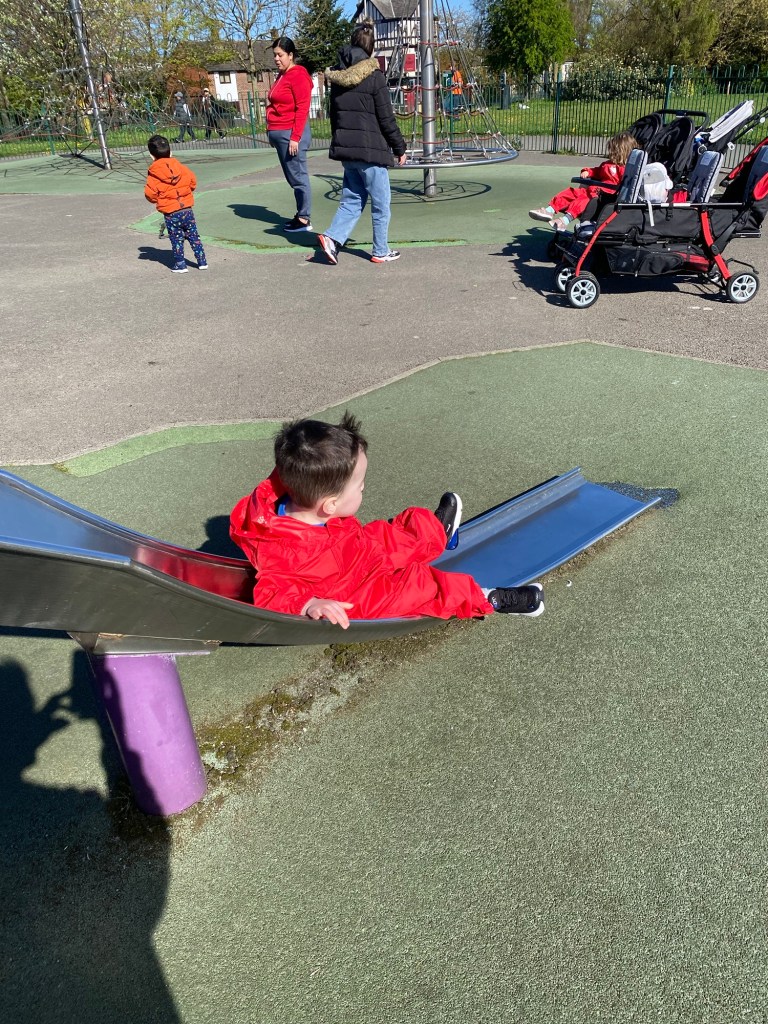
    Ayrn was so clever and determined to climb the stairs to go down the slide.

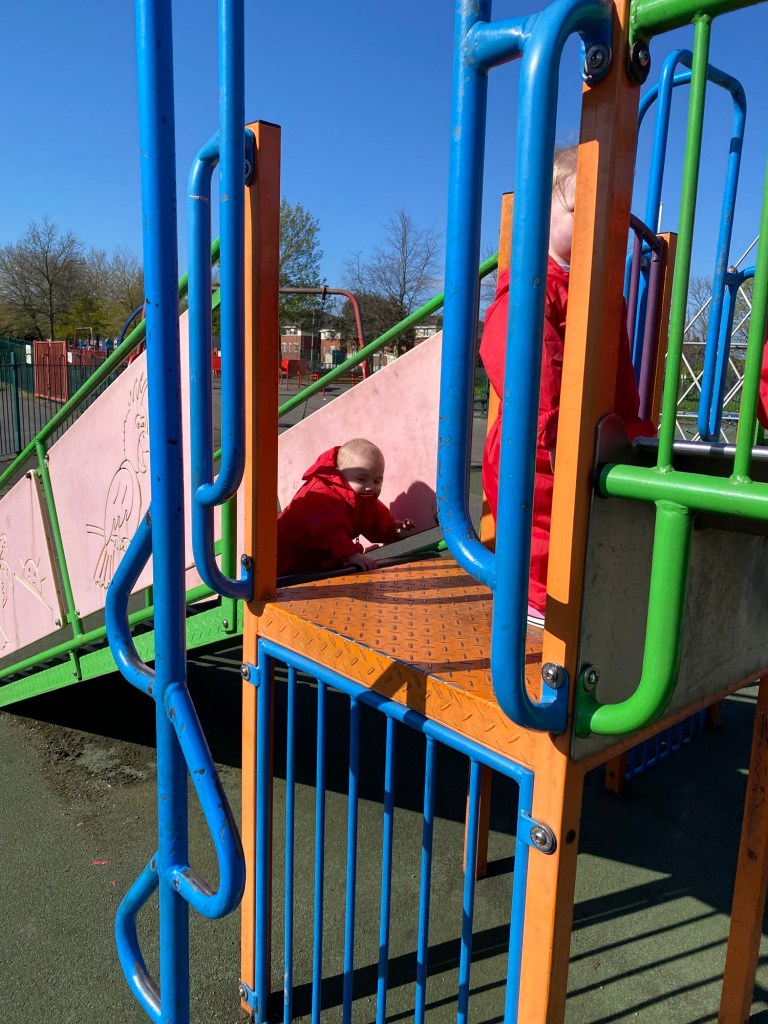
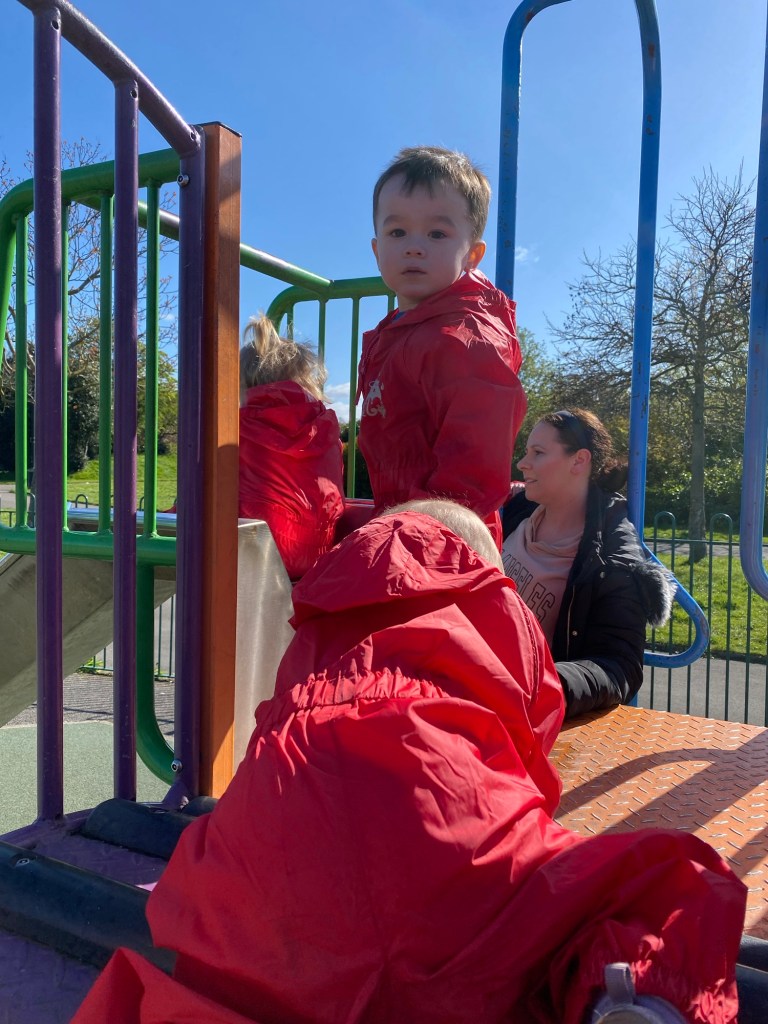
    Mable and Elliott loved playing and are both confident enough to climb up and go down the slide independently.

    Alba enjoyed using the climbing wall, pole and ropes.

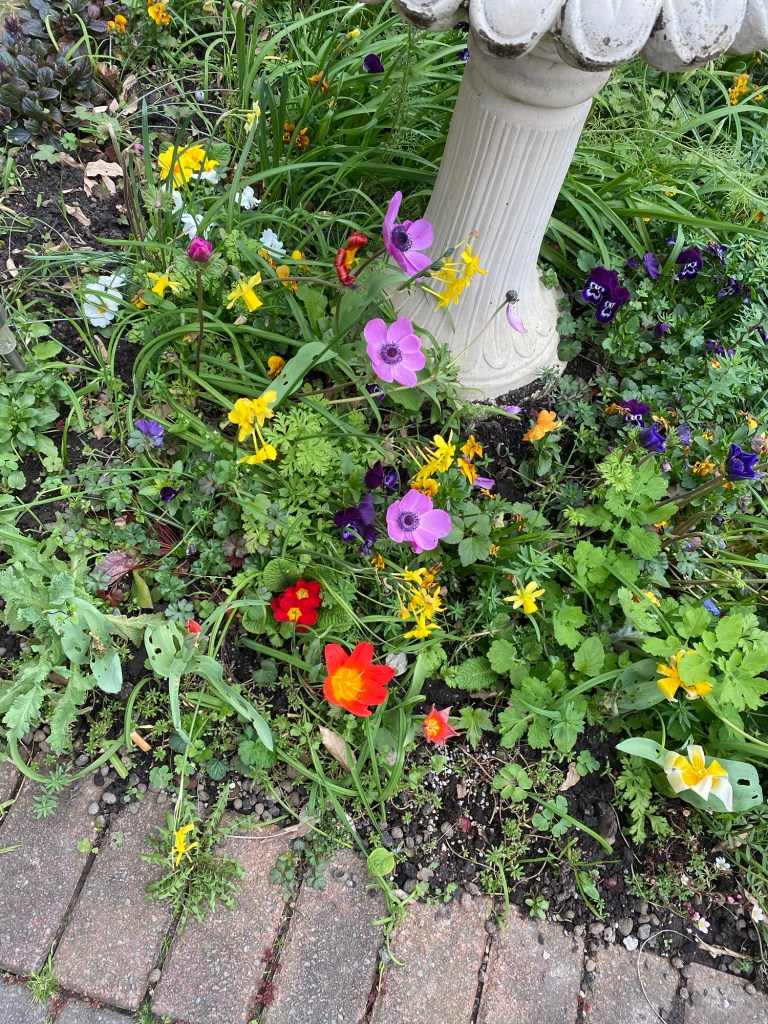
    After we left the play park we went for a walk to find as many different coloured plants and flowers as we can.

    The children looked everywhere, up high, down low, near the pond, over the bridge and through the wildflower meadow. (Sounds like the makings of a brilliant book lol)These photos above are the plants we found.

    We decided next to have a race on the playing field.

    After our race we all needed to have a rest, some water and a biscuit. What a lovely sunny day out we had.

    Posted in Uncategorized

    Ladybirds And Friends

    We all absolutely loved the story sack ‘What the ladybird heard’ themed activity last week. We decided to extend our knowledge around the little red bugs.
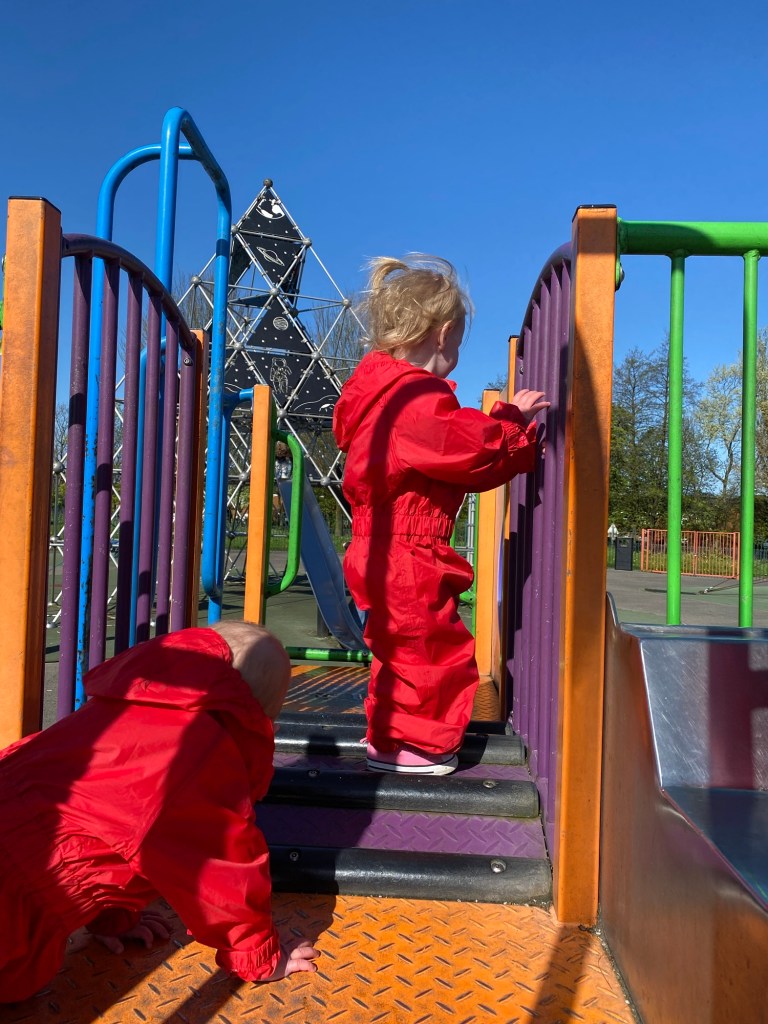
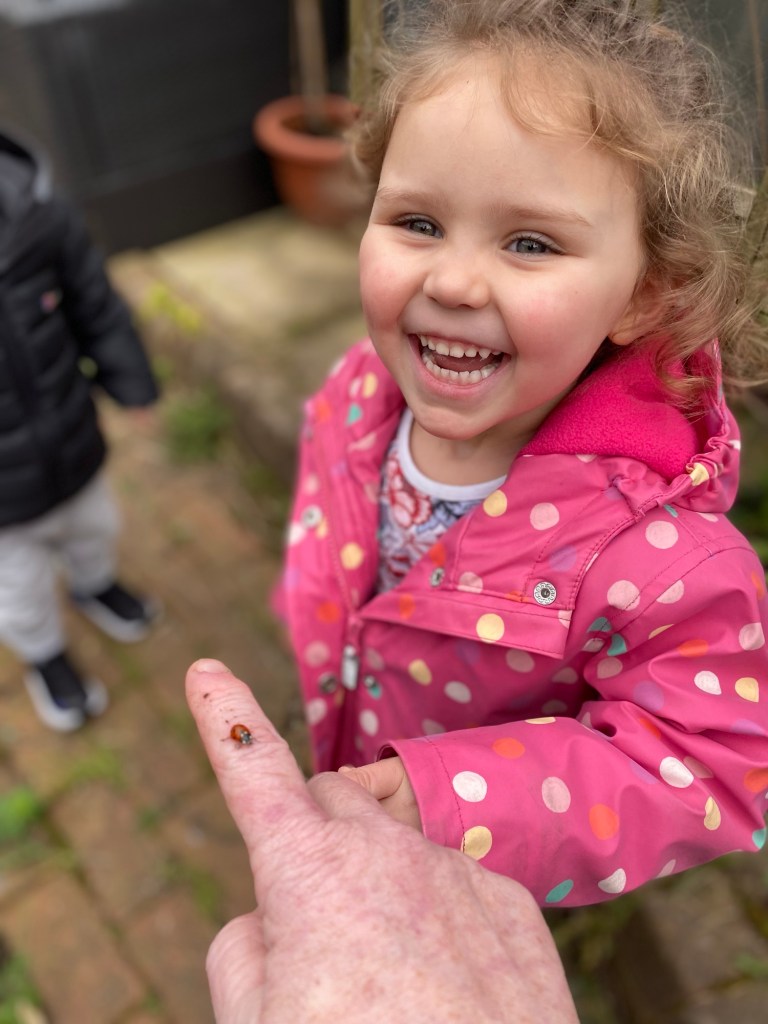
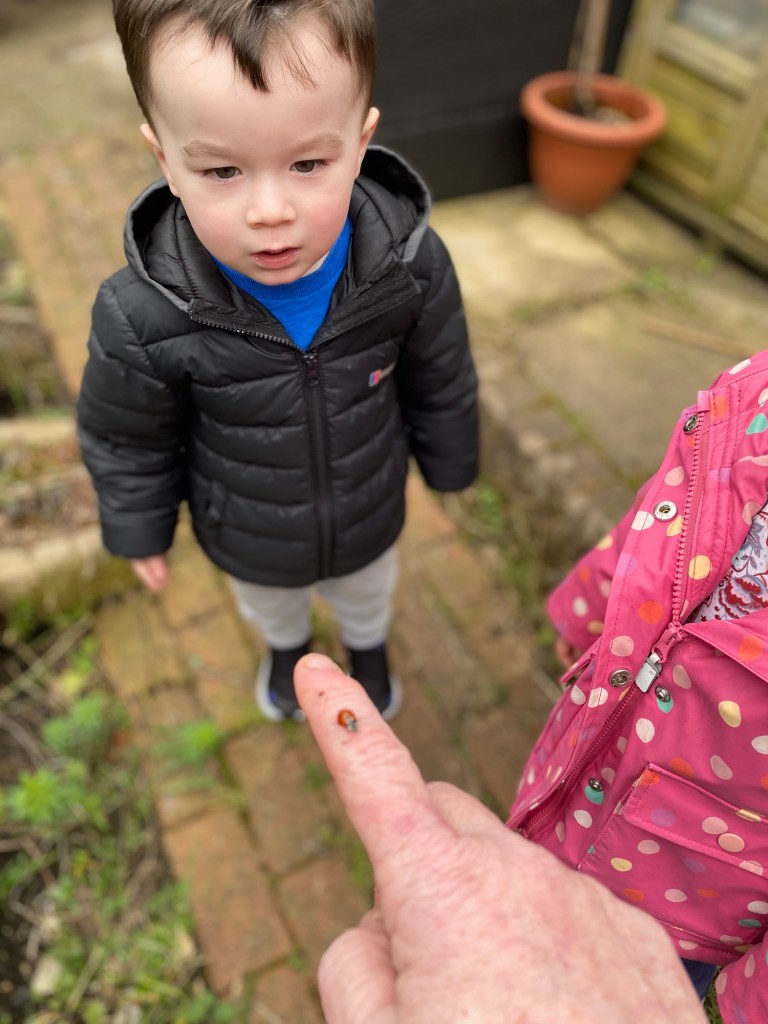
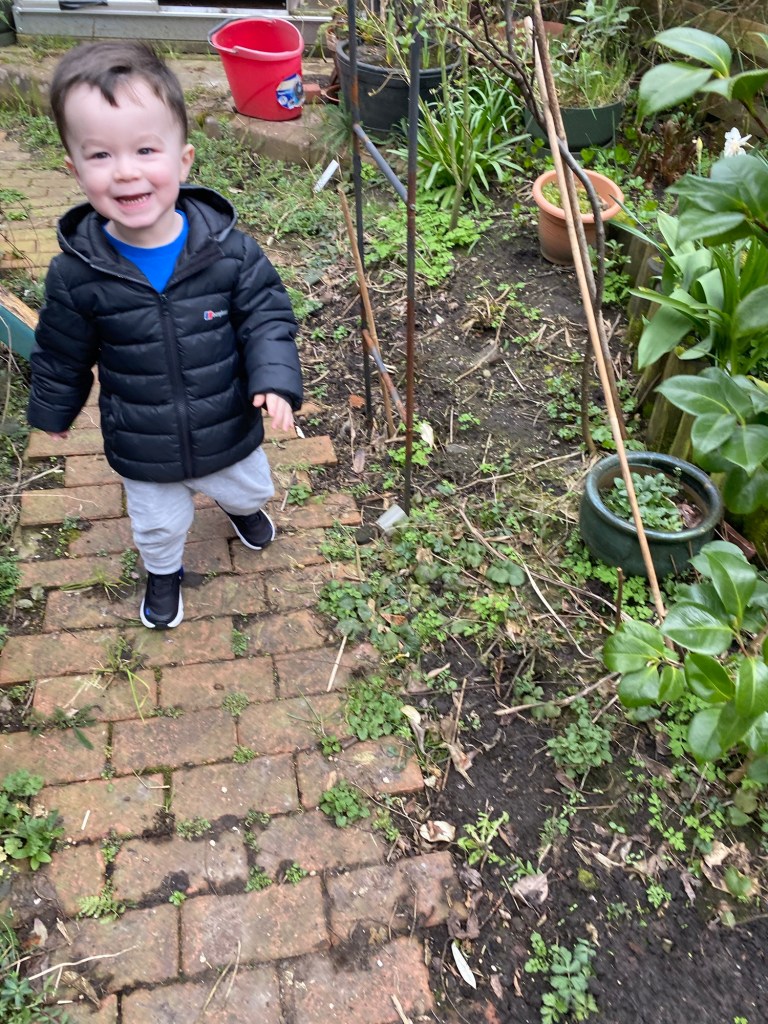
    First we decided to go on a hunt to see if we can find any ladybirds in our garden.
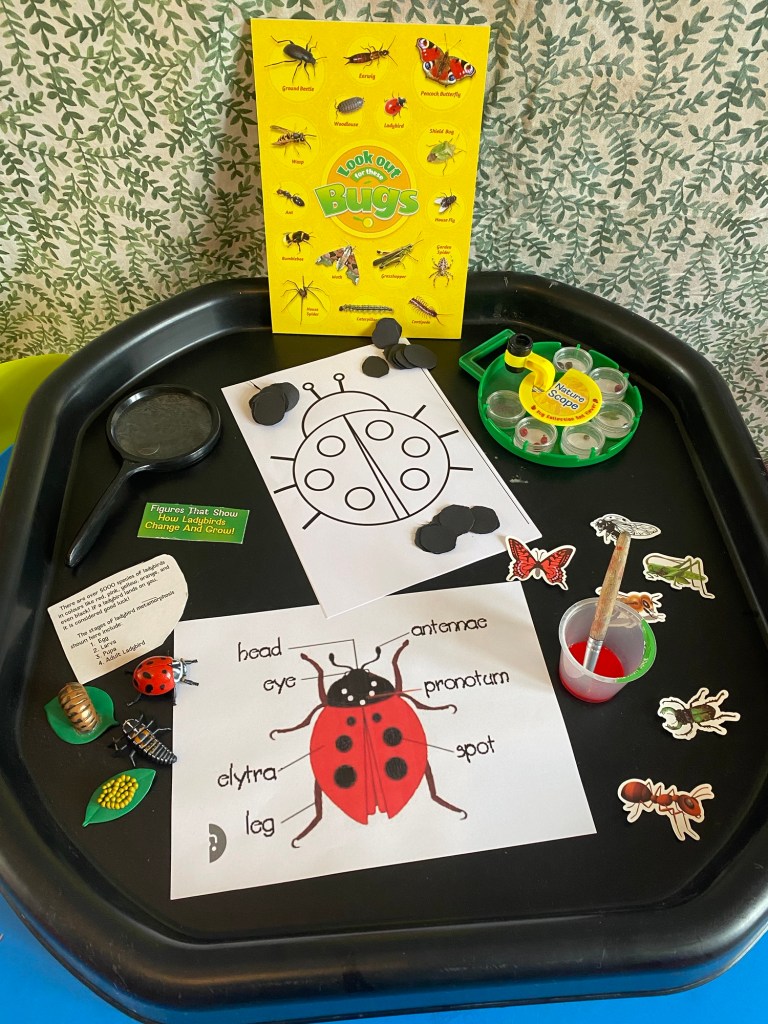
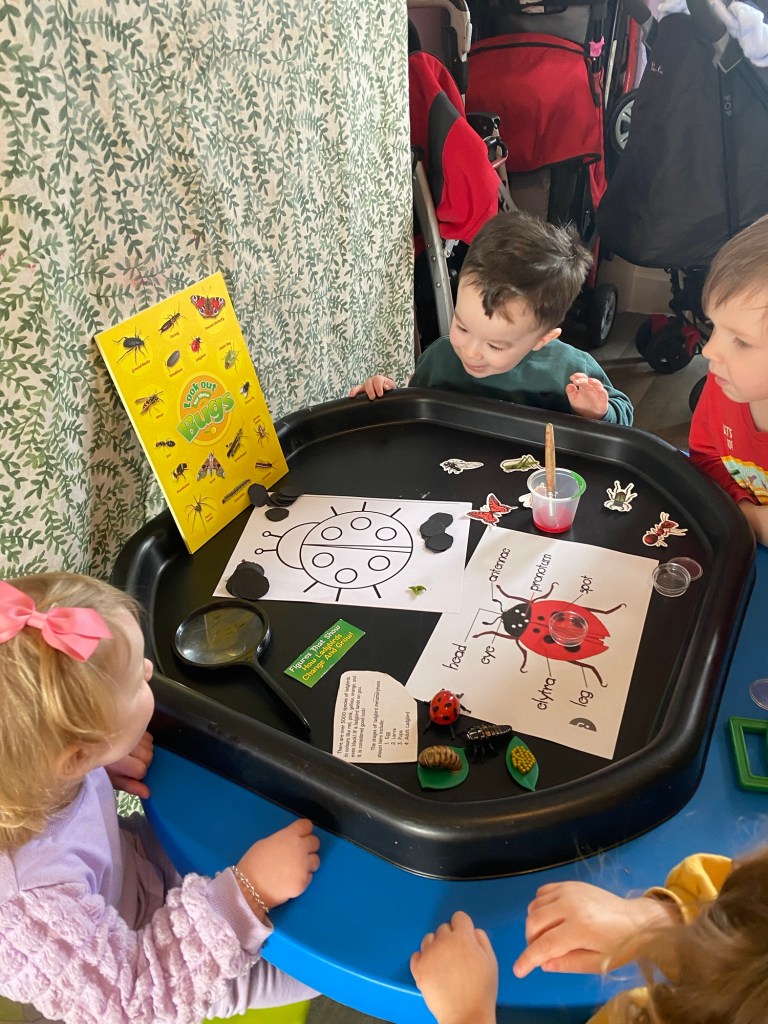
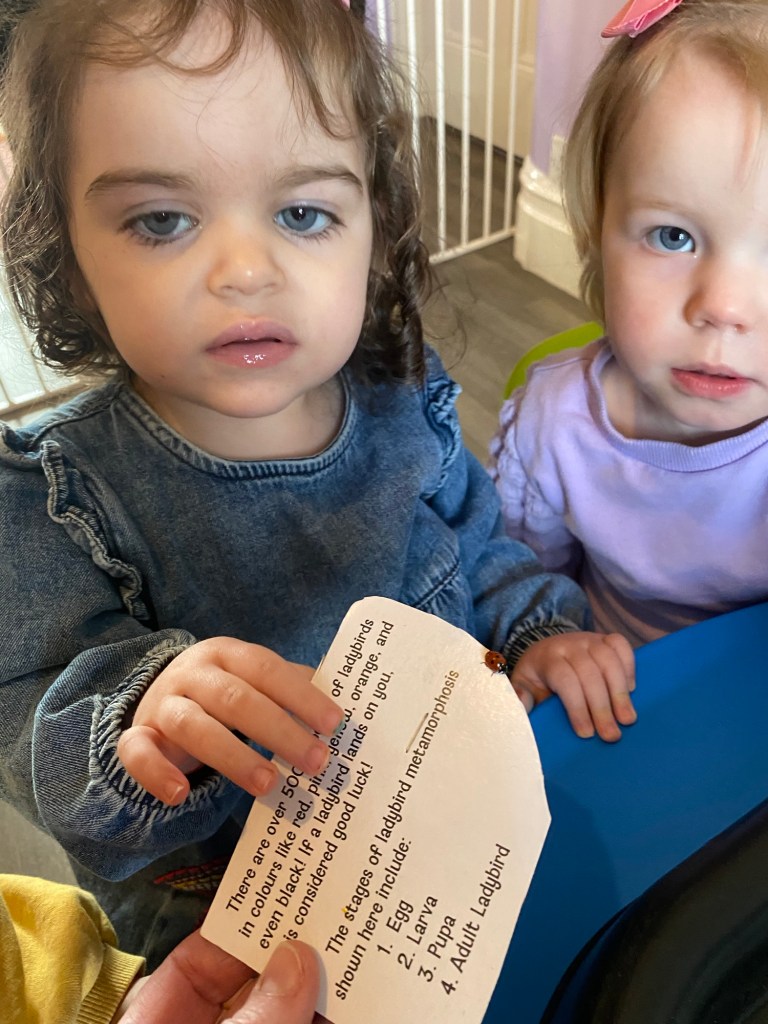
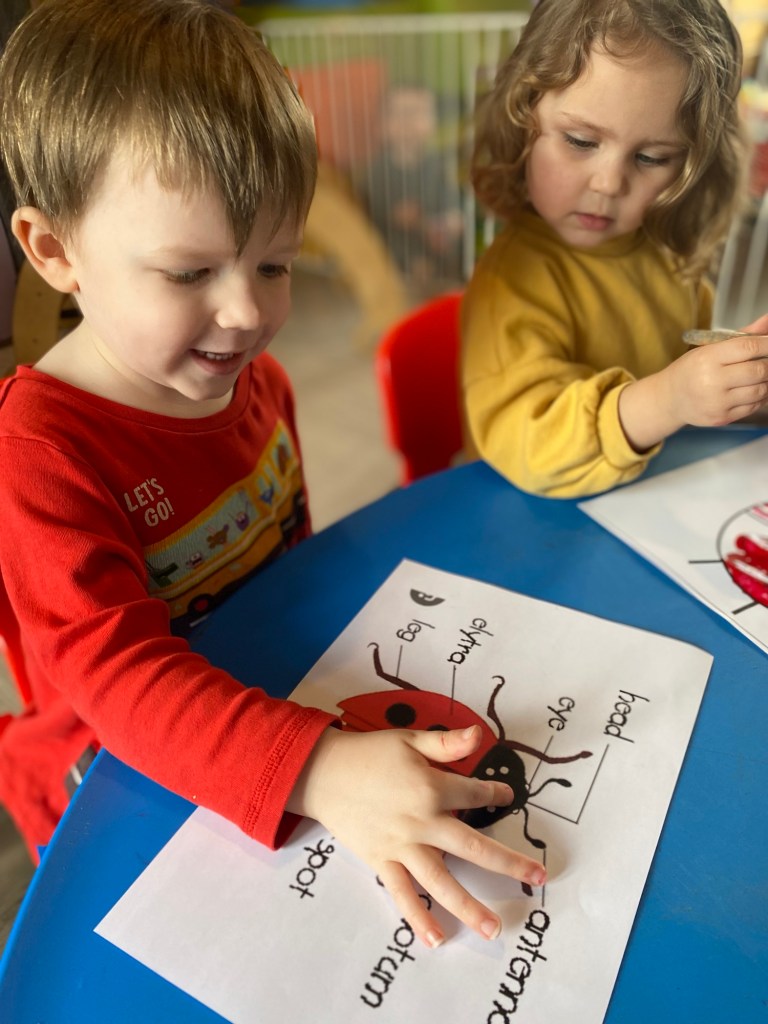
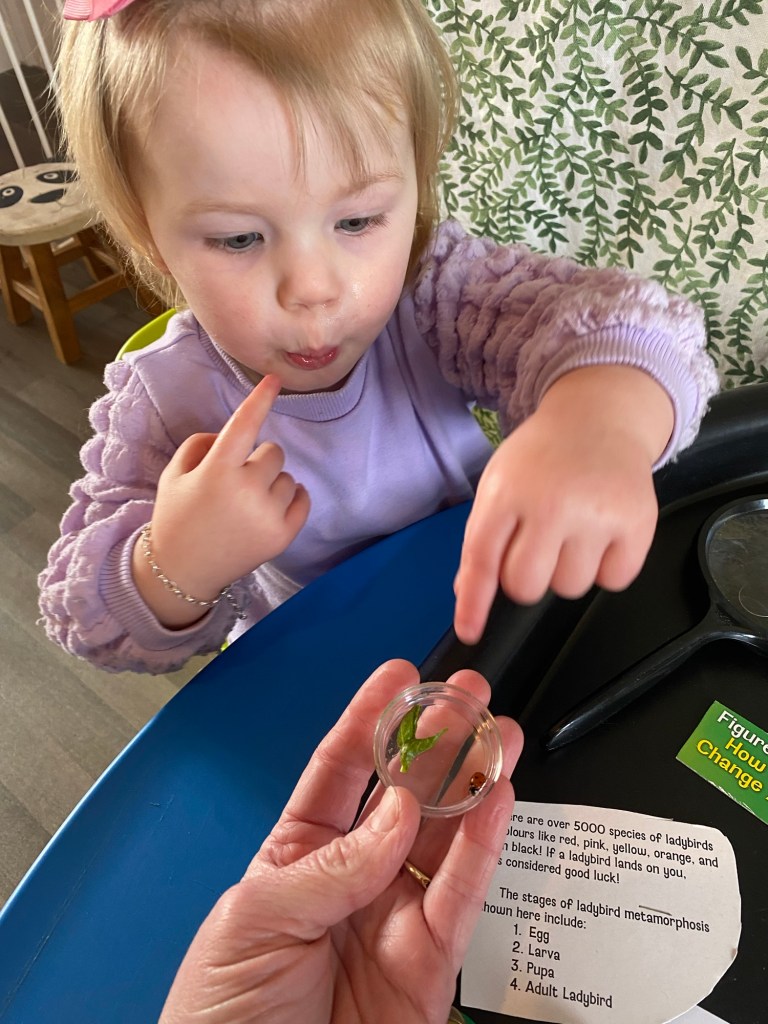
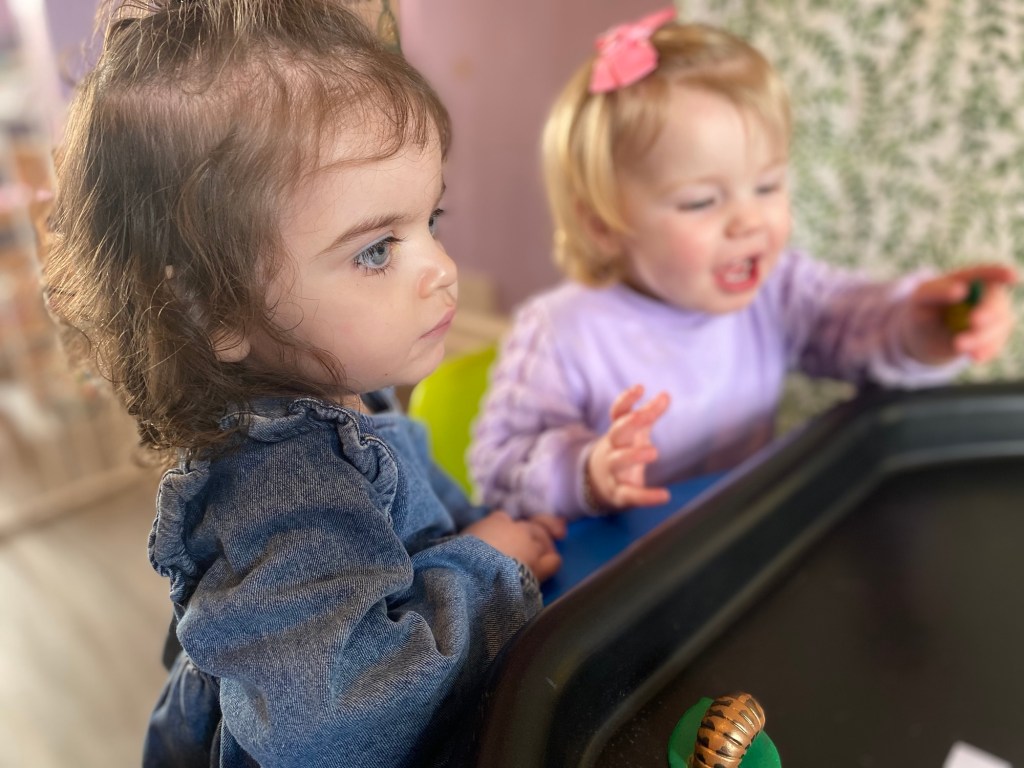
    Tracie put together an activity tray for us to explore all about Ladybirds, what they eat, where they live, parts of their bodies and their lifecycle.

    Ladybirds

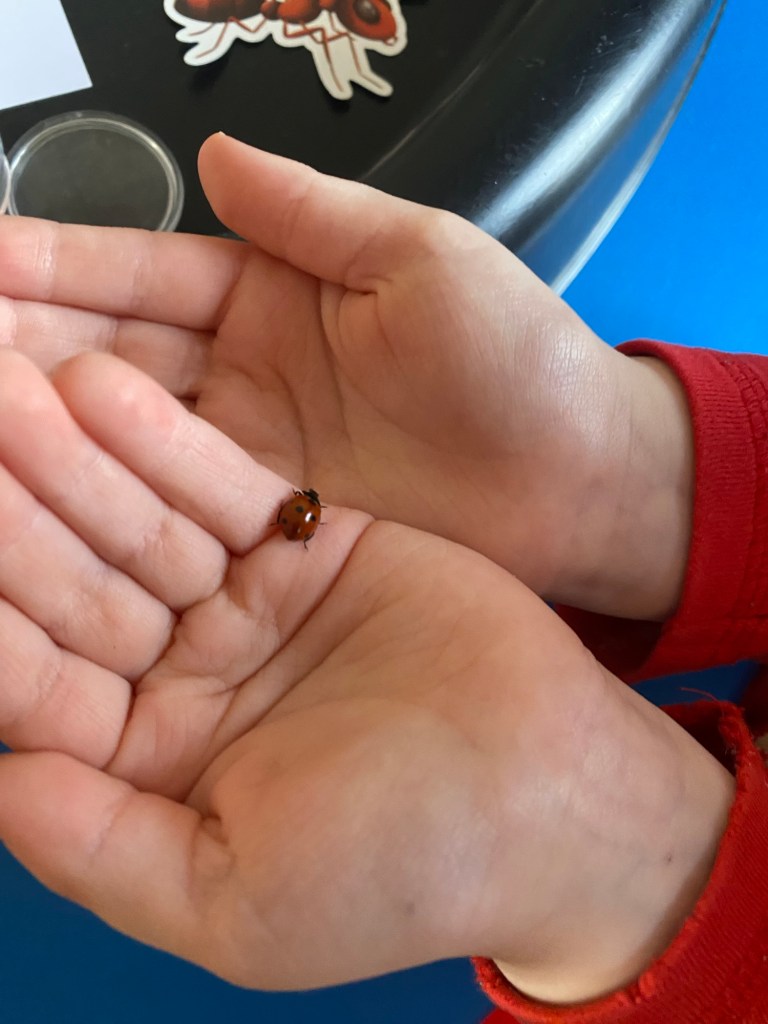
    We were all very inquisitive looking through a magnifying glass, and seeing the detail on their bodies.

    We looked at other British bugs and the children took it in turns to point out our ladybird.

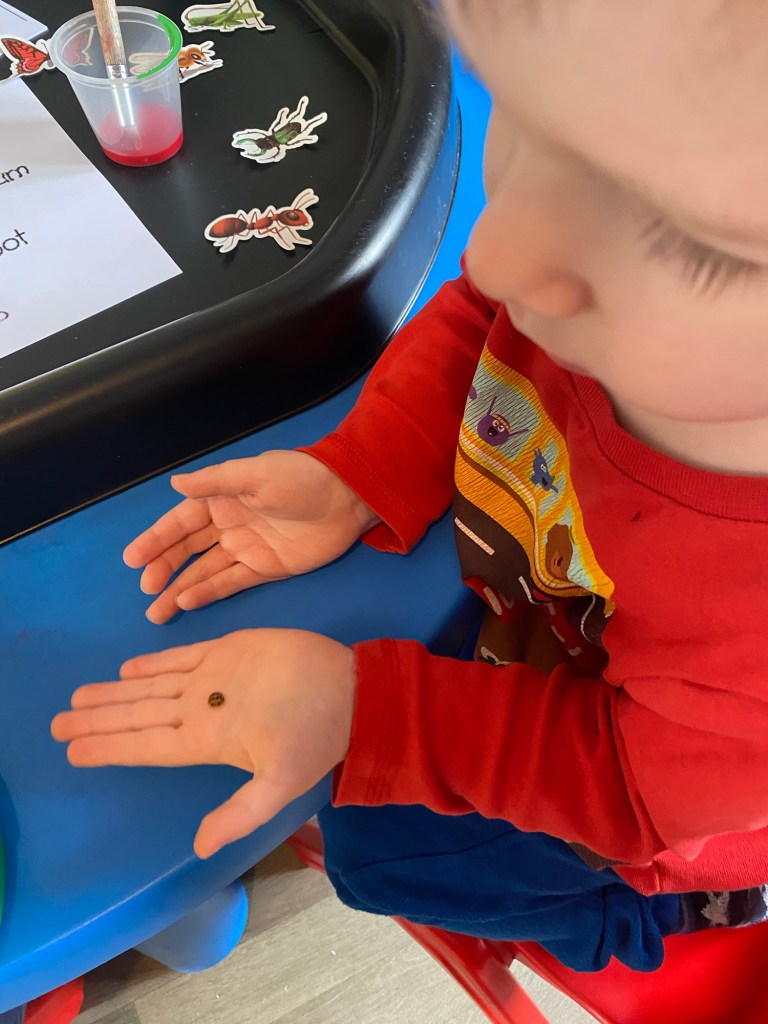
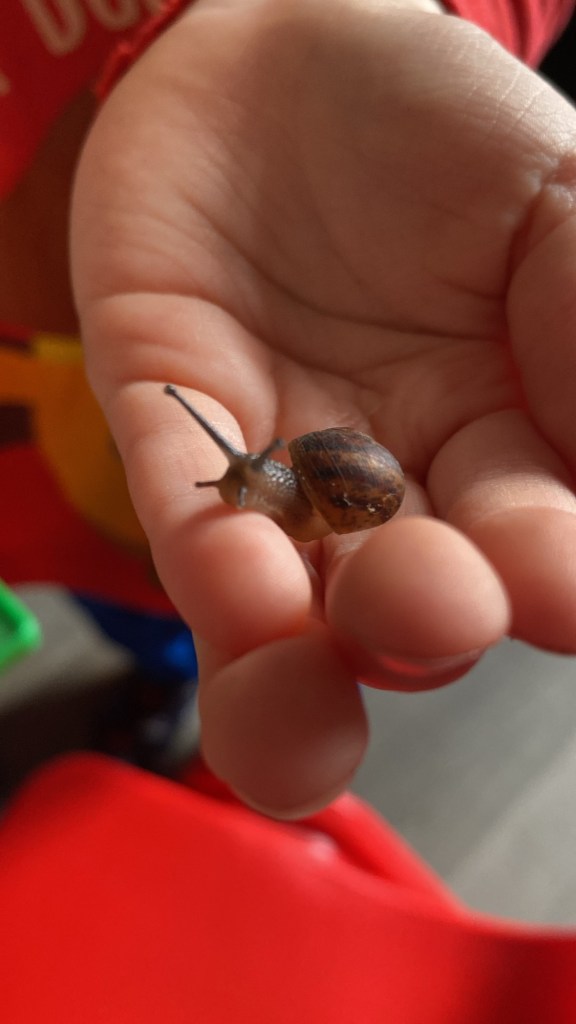
    Some of the children handled the ladybird and snail. Others needed a bit more confidence and persuading to hold them.

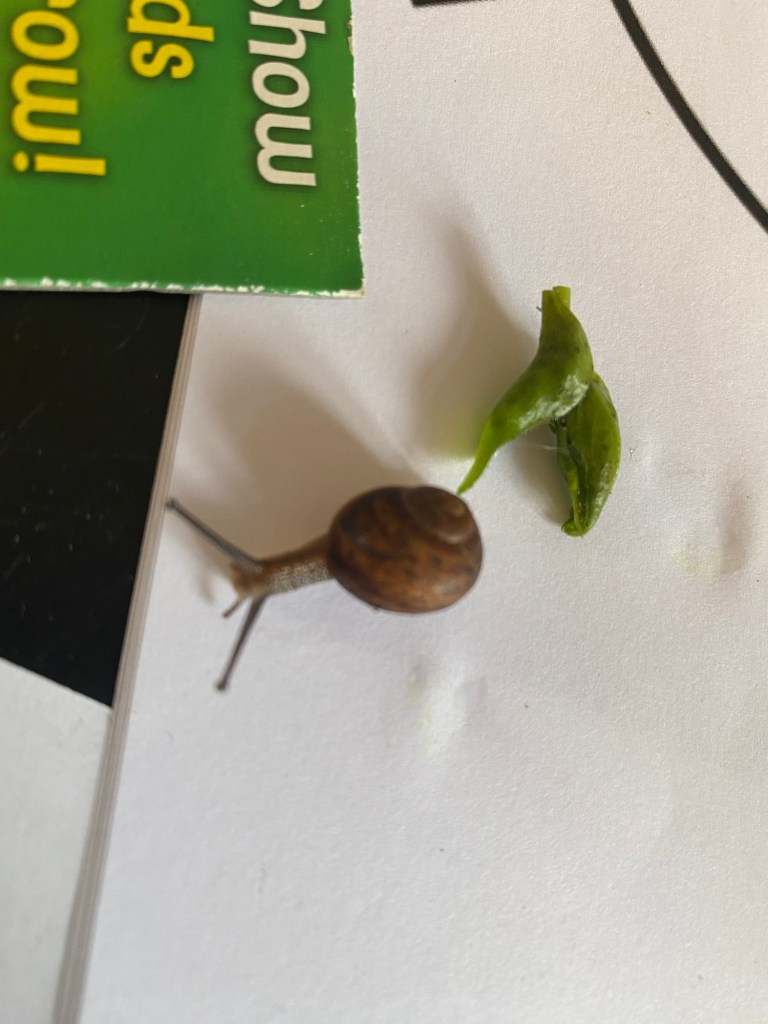
    We looked at other bugs including a snail that we found.

    The children used descriptive words like squidgy, slimy, disgusting, slippery, tickly, spotty, antennae, small, red, black, shell.

    When the bugs walked around the tray the younger children shrieked in excitement.

    The children all gave the thumbs up for their activity because they enjoyed learning about their favourite little red bug.