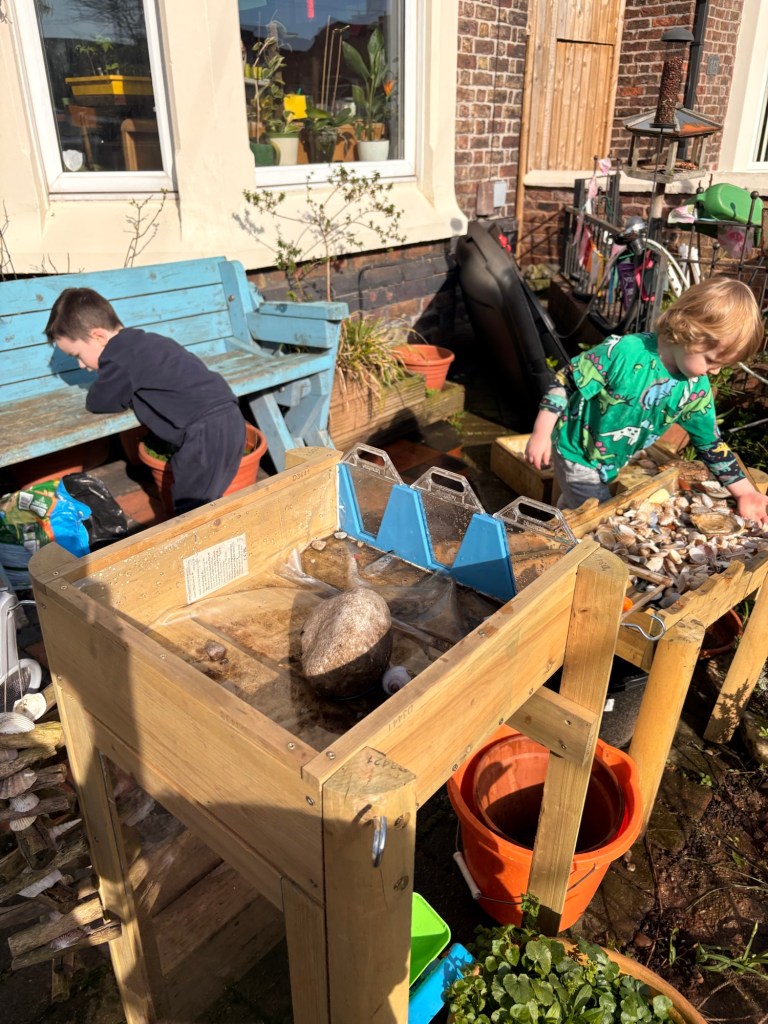
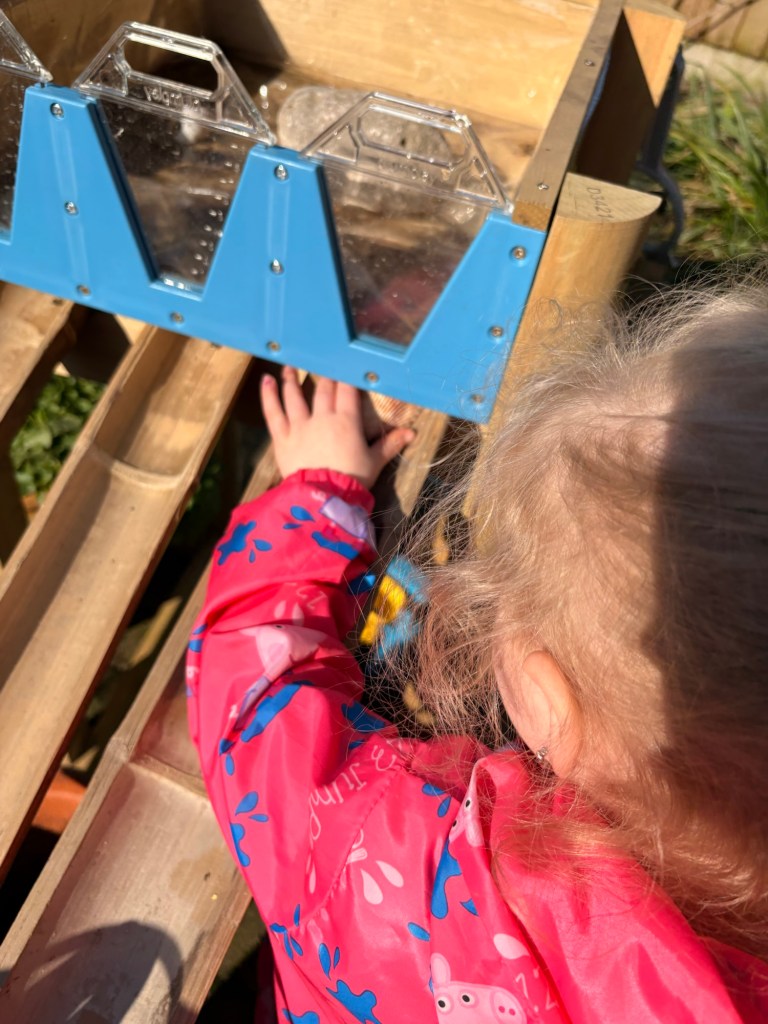
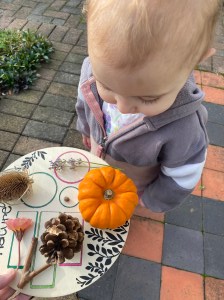
Combining natural elements like shells, pebbles, pinecones, and seaweed with a “discovery waterfall” creates a rich, sensory-driven learning environment for under fives. This type of open-ended play fosters curiosity about the natural world while developing critical fine motor skills through scooping and pouring.
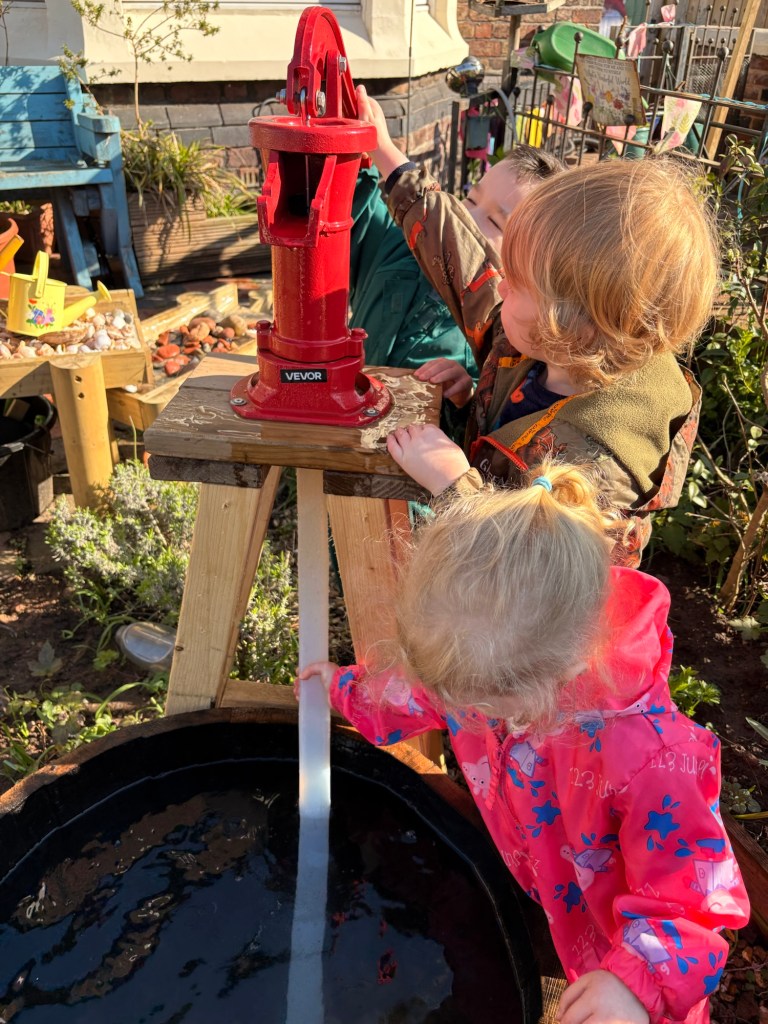
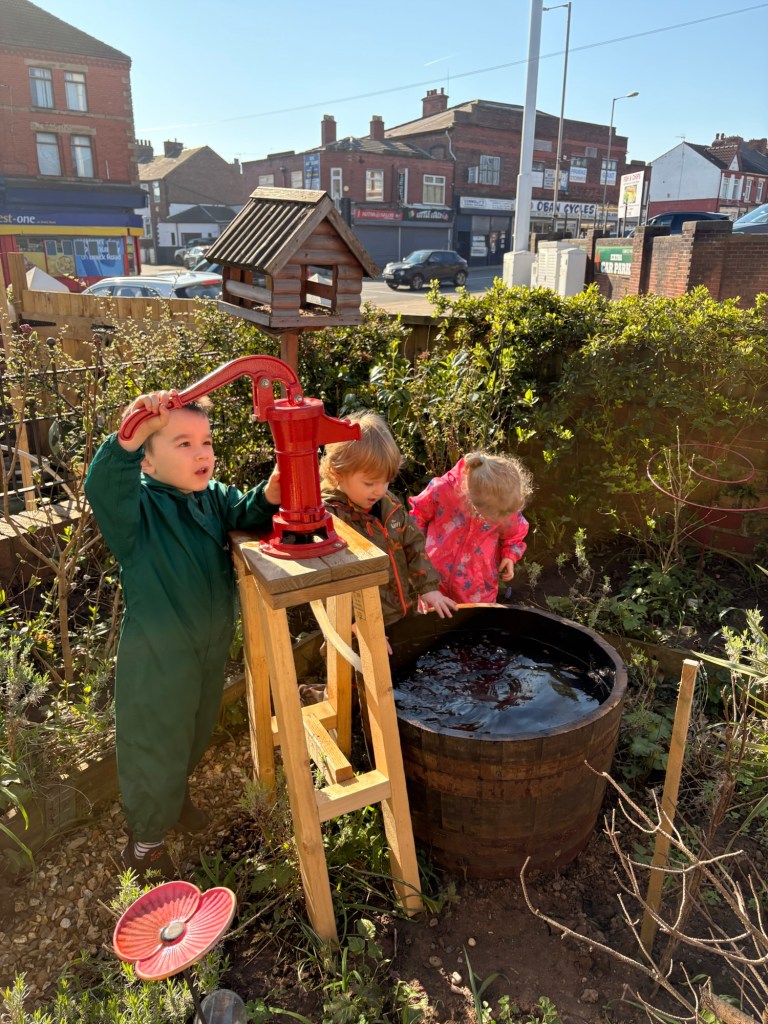
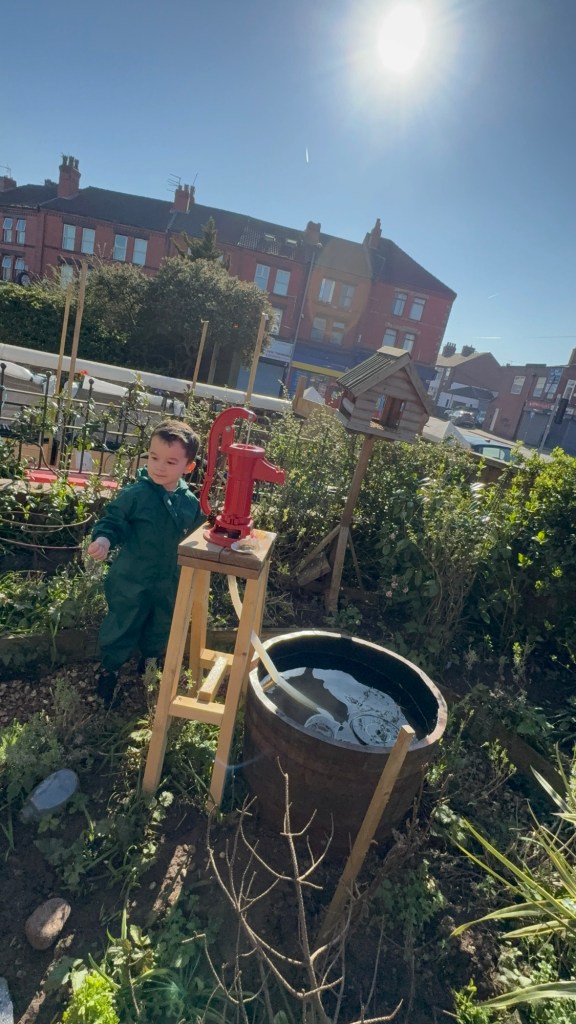
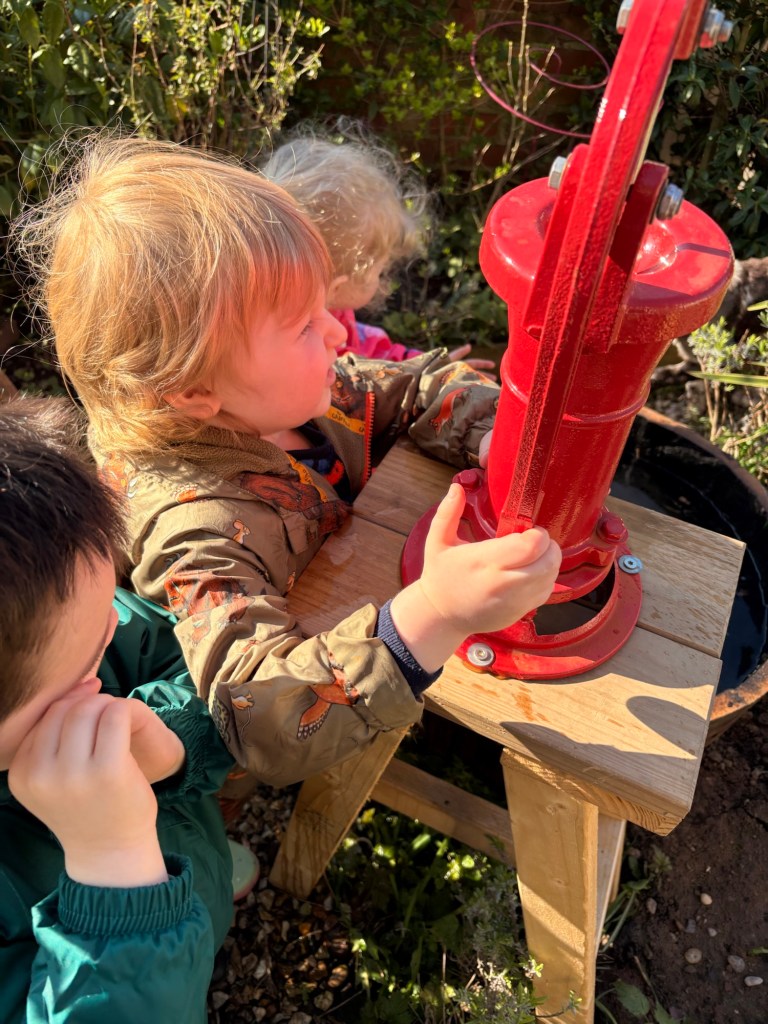
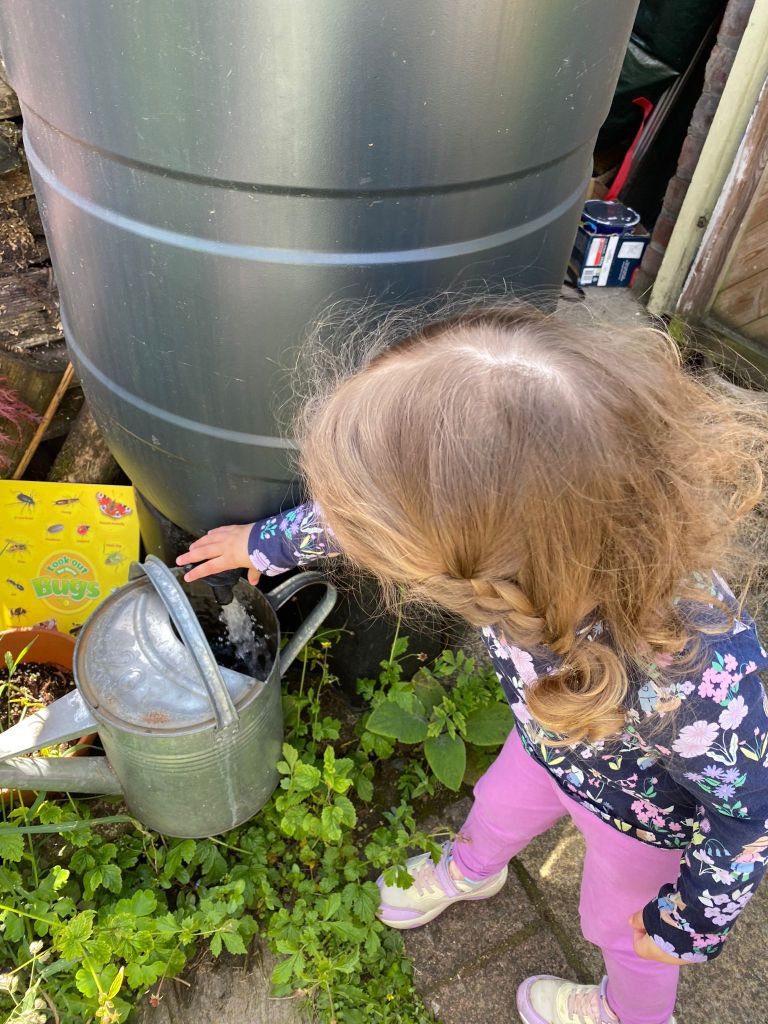
We created a water play station with a water pump and half barrel this is a fantastic way for us to introduce STEM concepts like cause-and-effect and fluid dynamics.
We decided to use a Manual Hand Pump, this was to provide an activity for the children to build on their gross motor skills.
We looked at different types of vessels to hold the water, im the end we decided to use a large reclaimed half barrel. This was chosen as it is extremely sturdy, has a wide base for the water to be pumped into and won’t tip over by the rough handling of the children.
Setting up the Water Play
Tools to Include: we used items from around the house such as funnels, sieves, colanders, whisks, and empty plastic bottles of different sizes.
Enhancements: To keep things fresh, you can add food colouring to the water, or introduce new textures like ice cubes or shaving foam.
Safety: Always provide constant adult supervisionduring water play, even in shallow water
Activities:
Holly Hiding A Shell
Strategically placed pebbles and shells were put at the bottom of the waterfall trough’s to see how they change colour when wet.
Buoyancy Testing: the children drop pine cones andseaweed into the top of the waterfall and watch them move down the large bamboo runners. Pinecones typically float initially, while wet seaweed draped over the rocks and pebbles, demonstrating how different textures interact with moving water.
Sensory “Rock Pool”: the shallow tray at the base of the waterfall creates a miniature ecosystem with the pebbles and seaweed. We added toy sea creatures to encourage imaginative “underwater” role play.
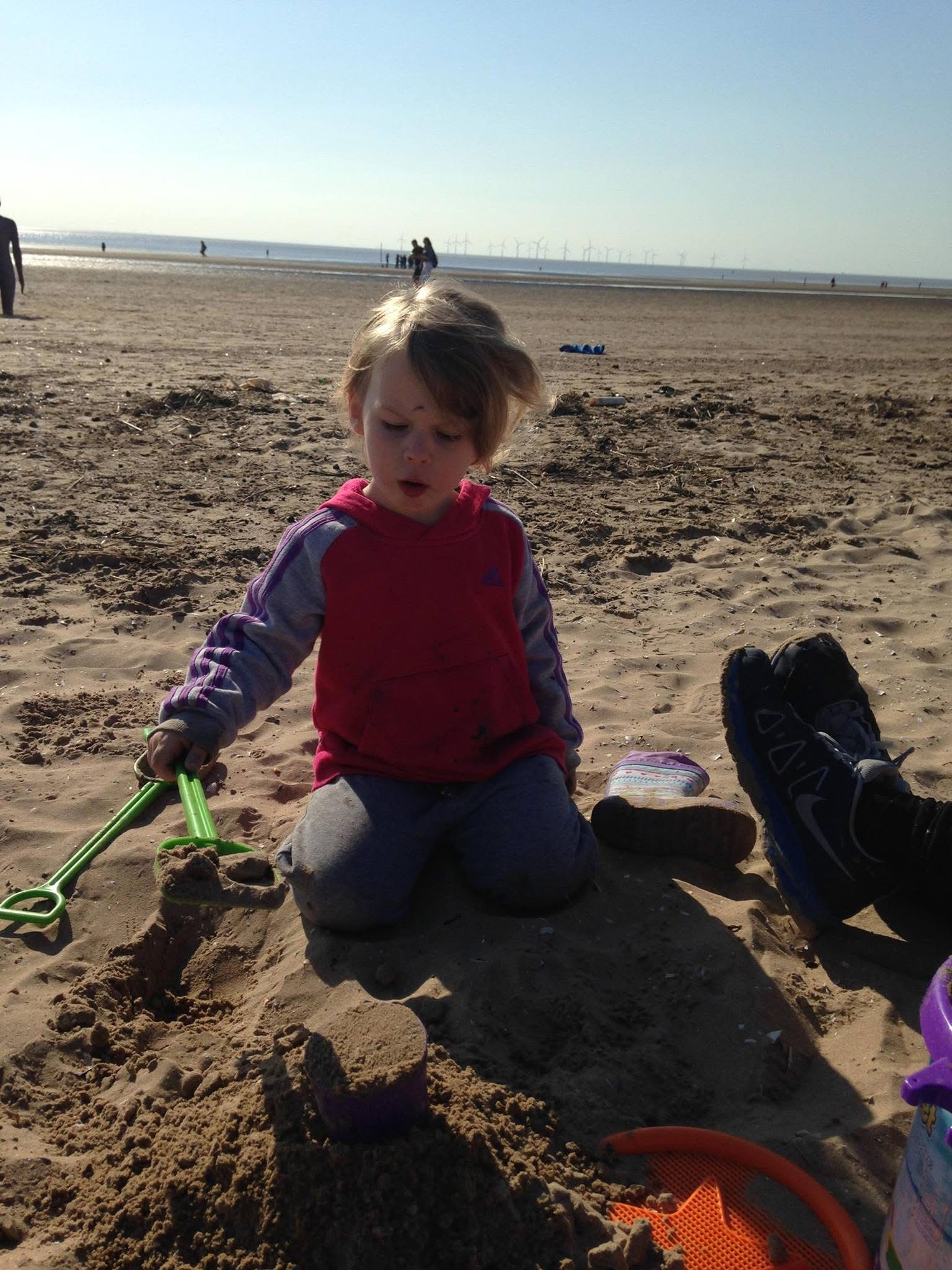
Waterfall Sculpting: For a messier experience, we added sand to the base. The Children can use the falling water to wet the sand, then use shellsand pinecones as natural stamps or decorations for “sand mud pies”.
The activities and learning opportunities are endless and the children are totally thrilled with their newest play area.
‘My greatest childhood memories are of playing outdoors. Running around, climbing trees, playing in my treehouse, making mud pies, using my mum’s roses to make perfume (not always fragrant!) and inventing new games that kept me, and my brother occupied for hours – these are all things that contribute to a happy, healthy upbringing’
Introduction
My name is Tracie Dowling, and I have been an OFSTED Registered Childminder for over 33 years and a Strategic Partner of Liverpool City Region and Beyond Early Years Stronger Practice Hub. One of my roles has been to support the Deysbrook Childminder Network at the Village Community Centre in West Derby, Liverpool.
Not all childminders are lucky enough to have a large outdoor space attached to their setting; however, this does not prevent them from ensuring the children access quality outdoor learning opportunities. The childminders at Deysbrook meet up once a week at the drop-in session and have access to a community garden where they can grow produce, exercise and access activities. They also regularly organise to meet up at the local allotment, parks, farm, forest, zoo and beaches.
‘The Early Years Foundation Stage states that ‘children benefit from spending as much time outside as possible. This makes a significant contribution to the progress they make particularly in their personal, emotional, social and physical development’
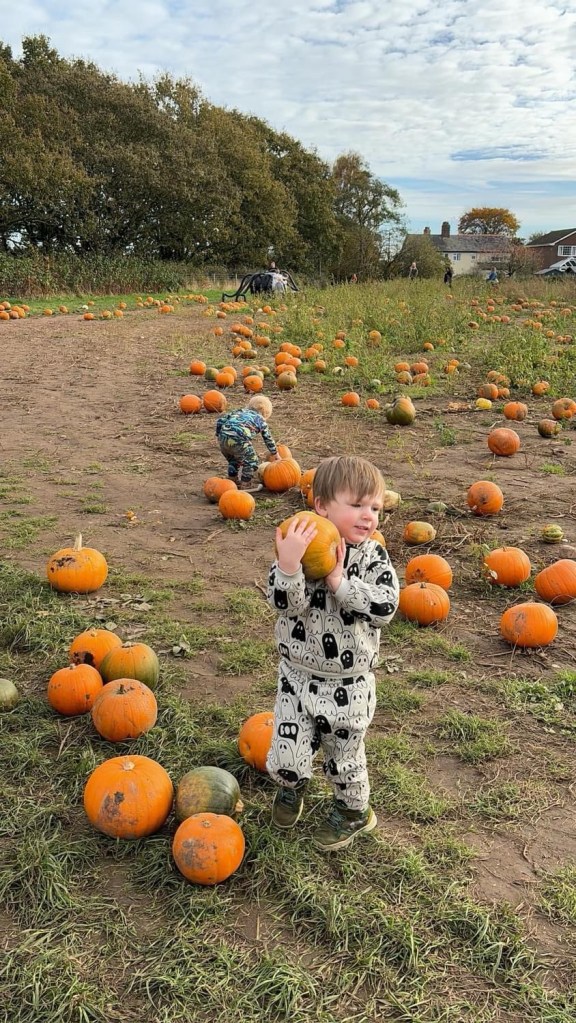
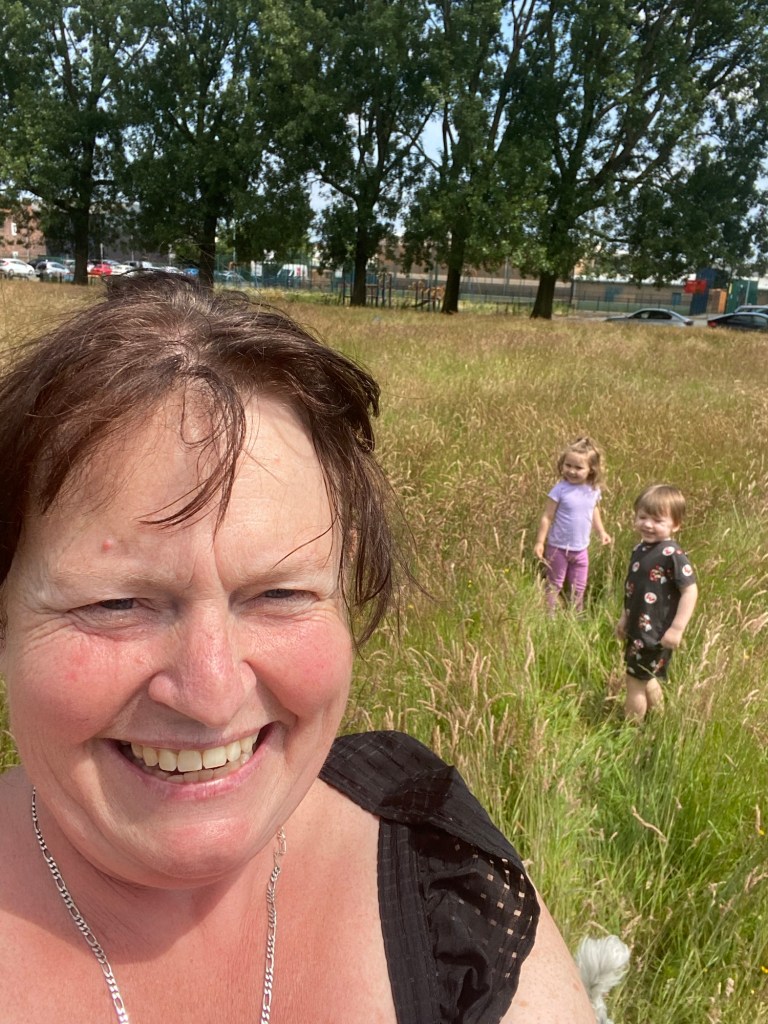
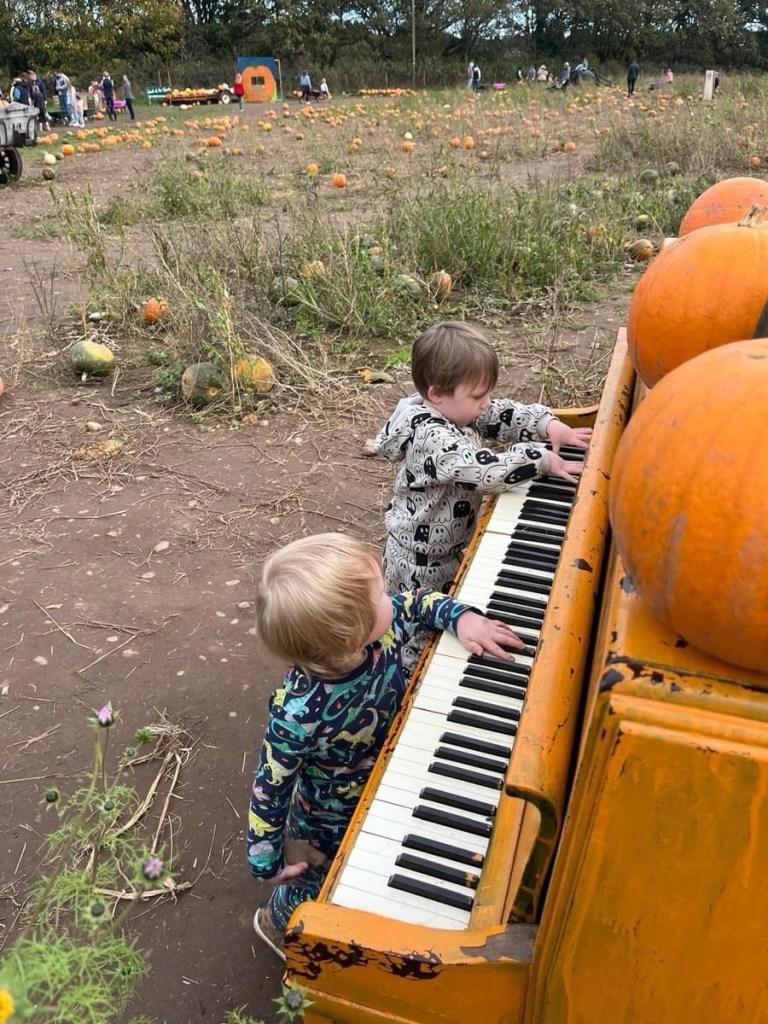
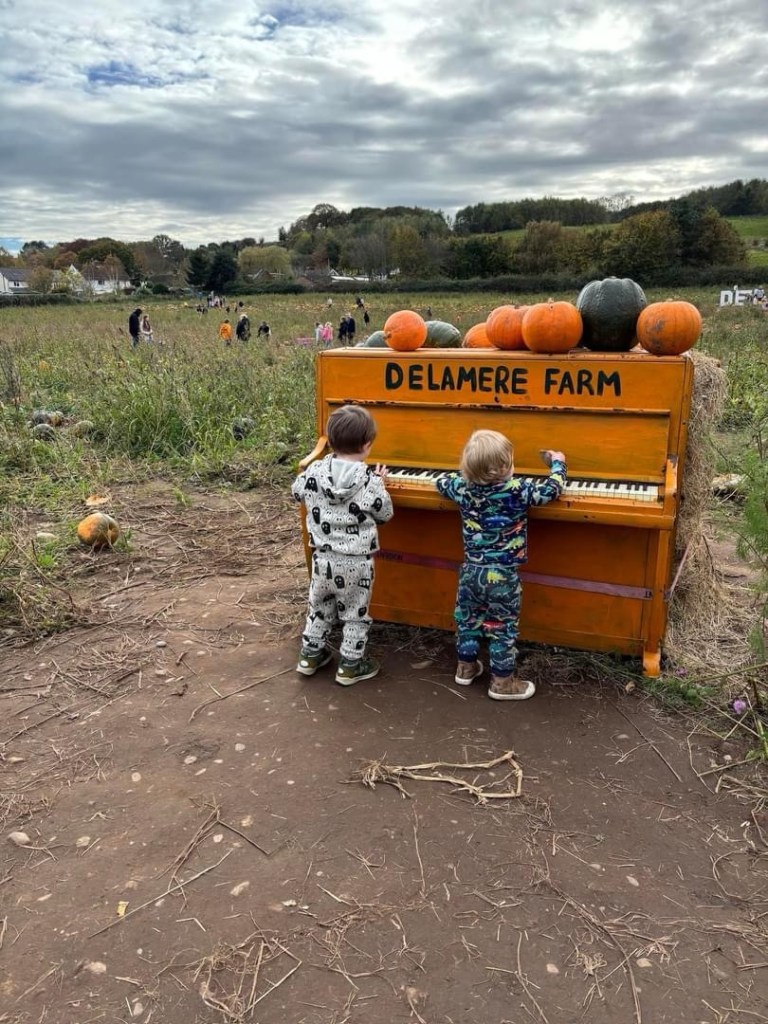
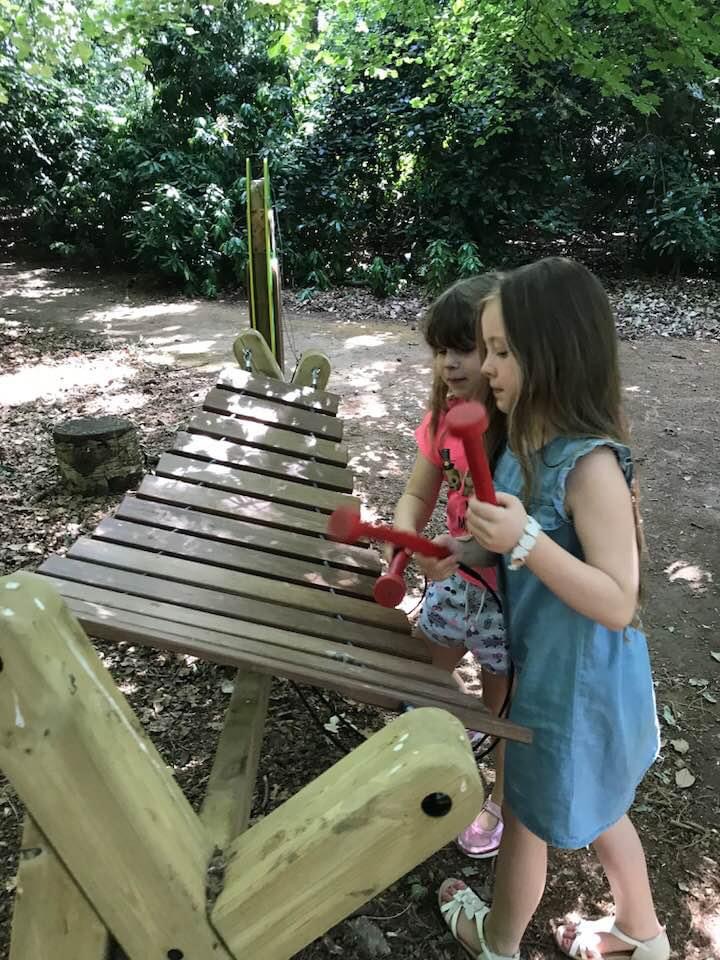
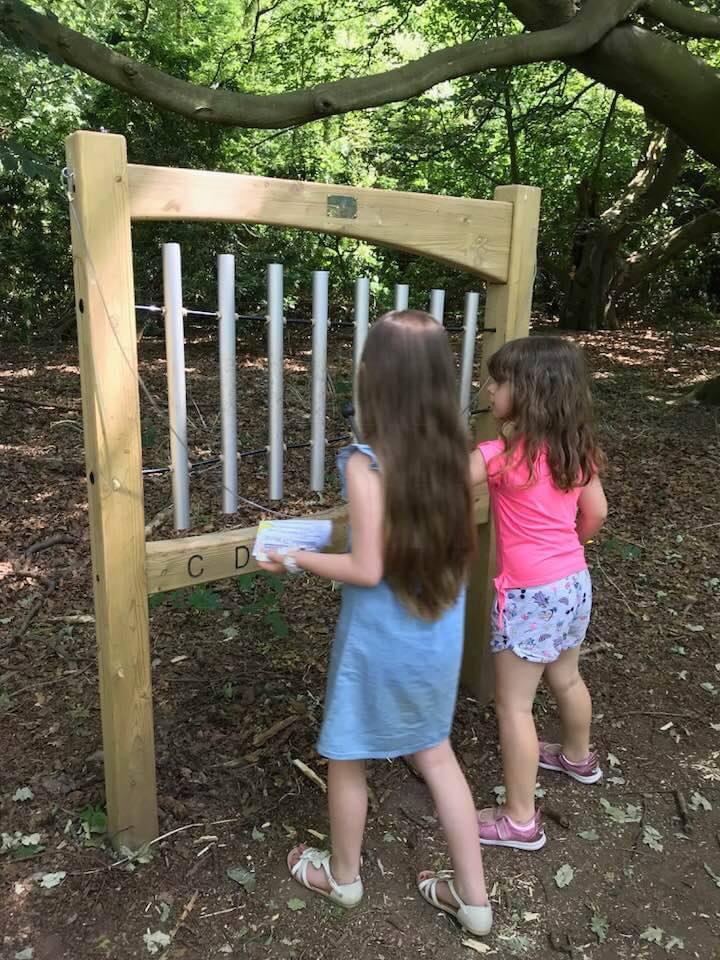
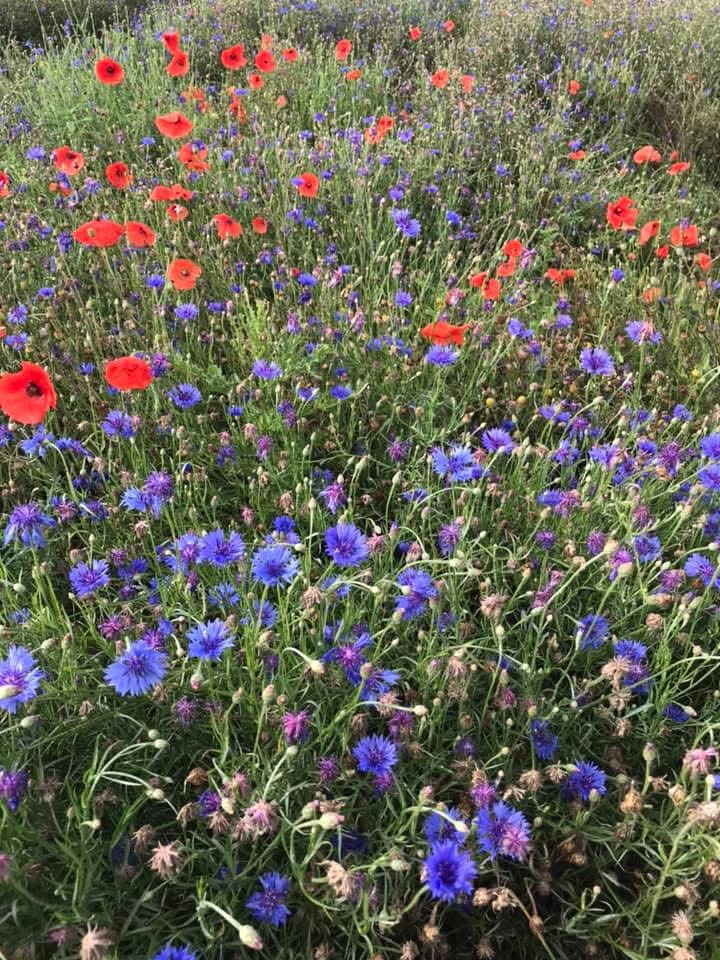
Pumpkin FarmLocal Wildflower MeadowNature ReserveLocal Park
Having the opportunity to learn outdoors can be a holistic and essential approach to education, offering a multitude of benefits beyond the traditional educational setting. Here are some of the ways the childminders take advantages of outdoor learning opportunities:
Enhanced Physical Development:
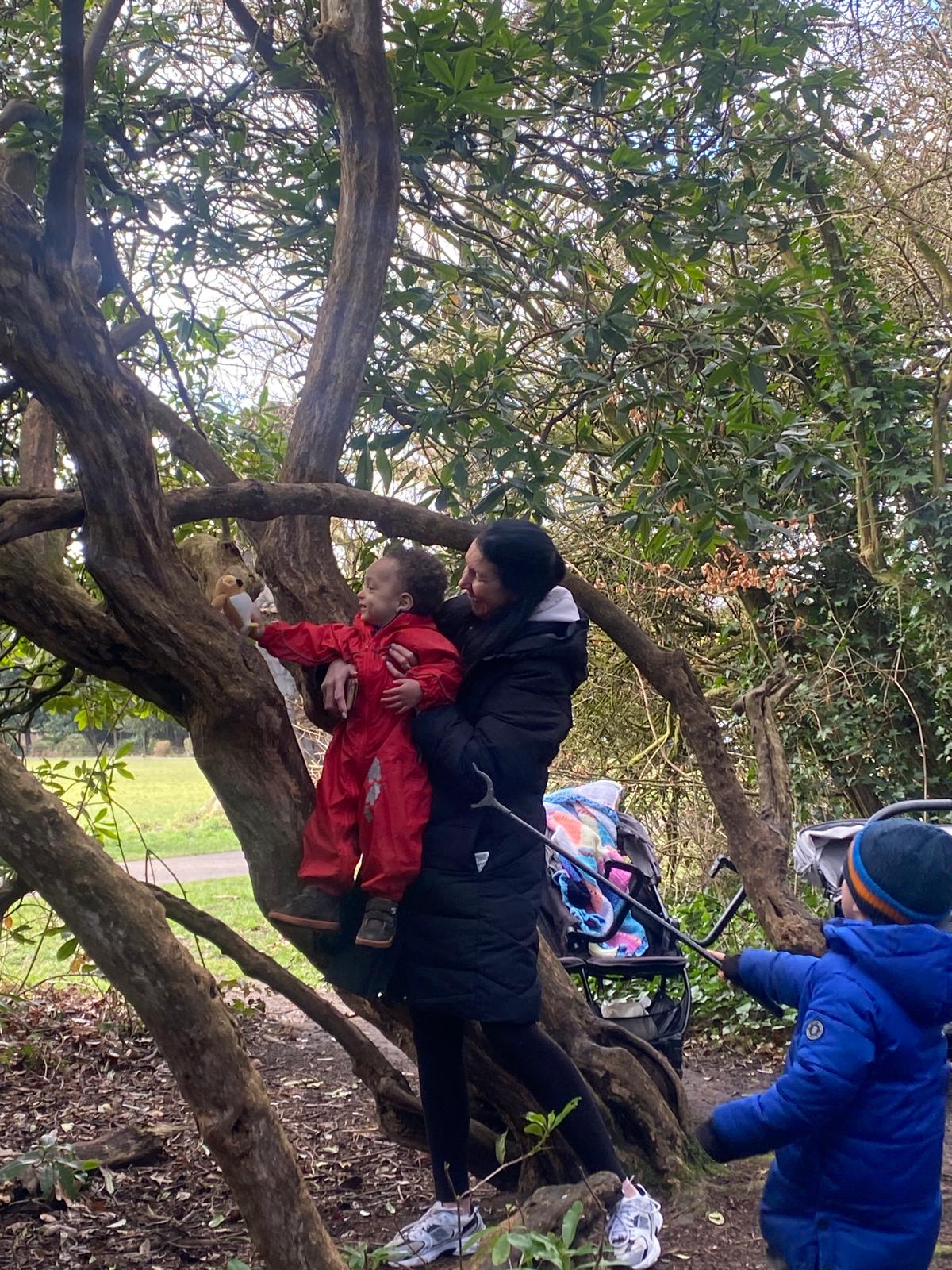
The childminders regularly take the children to the local forest to experience the natural outdoor spaces which are uneven and inconsistent (logs, trees, pathways) and therefore improve children’s balance, coordination, agility and encourage movement in ways that improve their muscles, bones and physical endurance.
Cognitive Development:
The openair environment of the local park provides opportunities for exploration (plants, wildlife, habitats) problem-solving (how to cross a big puddle?), critical thinking (how to make a den using found objects), decision-making and building essential skills like spatial awareness and adaptability. The children engage in activities such as den building, learning to look after the environment, and exploring nature.
Communication and Language Skills:
Collaboration between the childminders and peers significantly boosts communication and language development. This provides a natural, engaging environment to practice language, explore new vocabulary and develop social skills.
by providing the children with Imaginative play opportunities, exploring the natural world, and interaction with peers all contribute to language acquisition and communication skills which is evident by the children expressing thoughts, asking questions and listening to their childminder and peers.
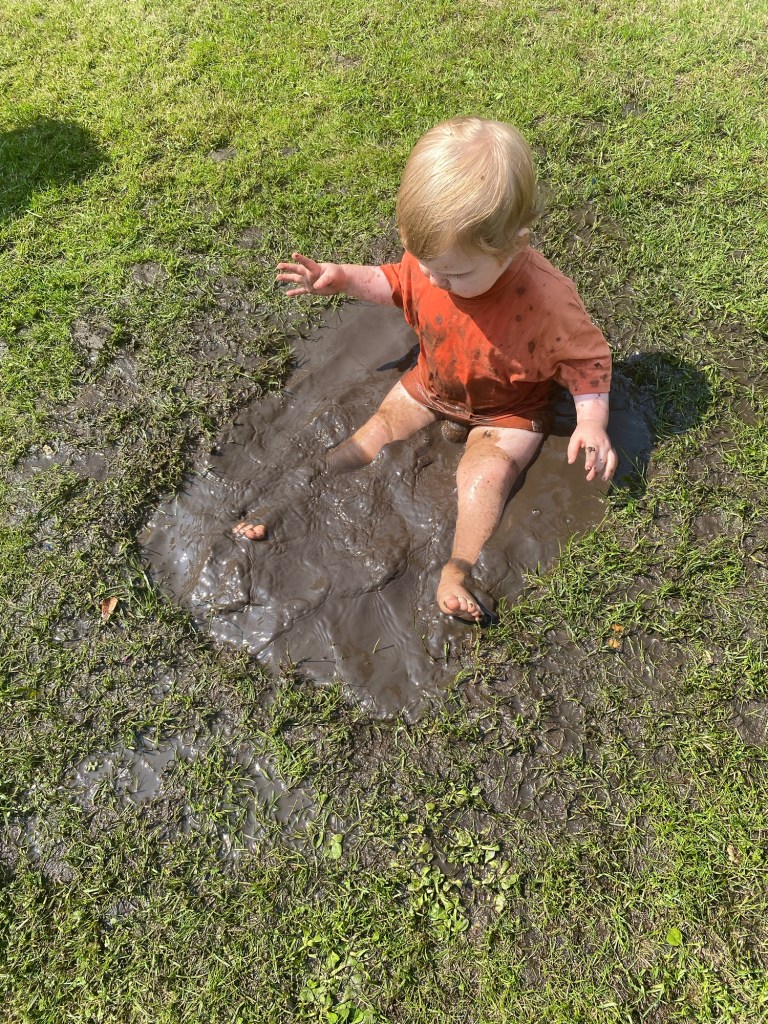
While in the outdoor area the children listen to natural sounds and explore other sensory experiences (e.g., the rustling of leaves, the feel of mud and sand) this broadens and enhanced language development by using words such as squidgy, squelchy, scrunching.
Personal, Social, and Emotional Development:
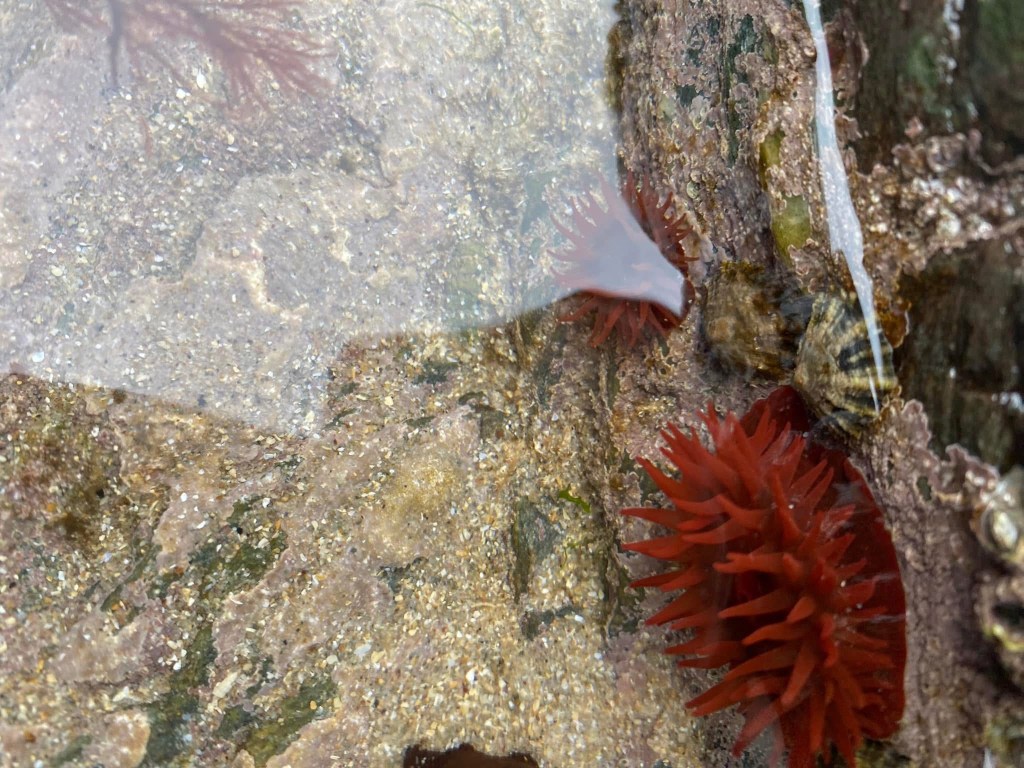
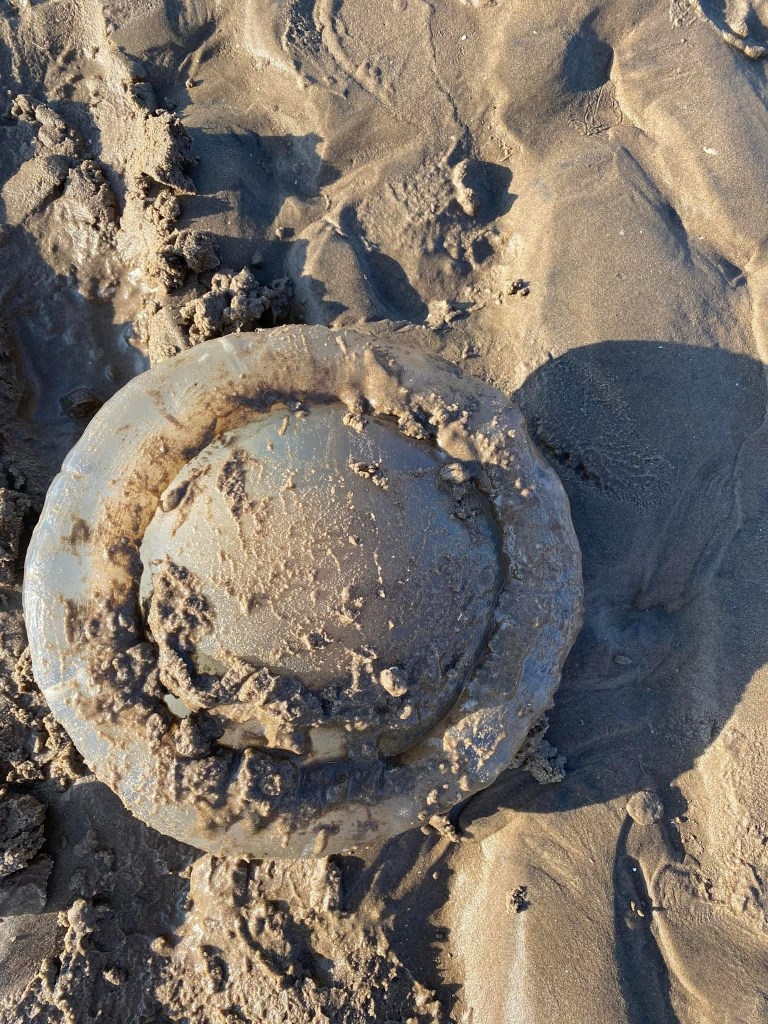
When the childminders take the children on visits for instance to the beach this provides abundant opportunities for personal growth and social development. The children learn to manage risks, (being close to water/climbing on slippery rocks/identifying and studying the jellyfish) develop self-confidence, and form positive relationships in the safety of their childminder and experiences with peers.
Knowledge and Understanding of the World:
Outdoor learning offers a direct relationship with nature, enabling children to explore and understand the natural world, encouraging an enduring interest in science, ecology, and caring for their environment.
We welcome childminders and our community family to share our environment, where we exchange ideas’ share surplus produce and have a swap scheme for instance toys/plants/story sacks to promote positive relationships and encourage cost effective way of living.
Literacy and Mathematics:
Outside spaces can serve as an environment for literacy and numeracy activities. Children can count objects, (bugs, shells, sticks) write using natural materials (sand, soil, chalk, sticks) or engage in storytelling and creative writing inspired by the environment for instance using the ’anywhere farm’ story sack at the urban farm.
Expressive Arts and Design:
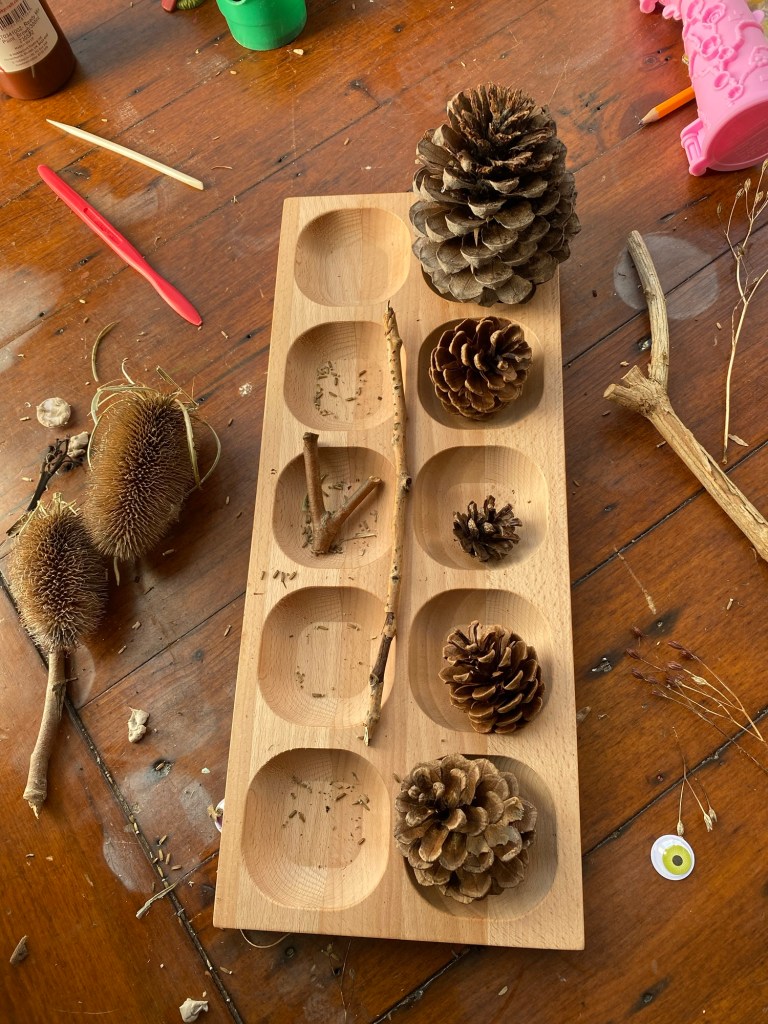
Open air environments encourage creativity and artistic expression. Children can be involved in activities such as drawing, painting, or sculpture using natural materials, (logs, sticks, shells, pinecones) furthering their artistic development.
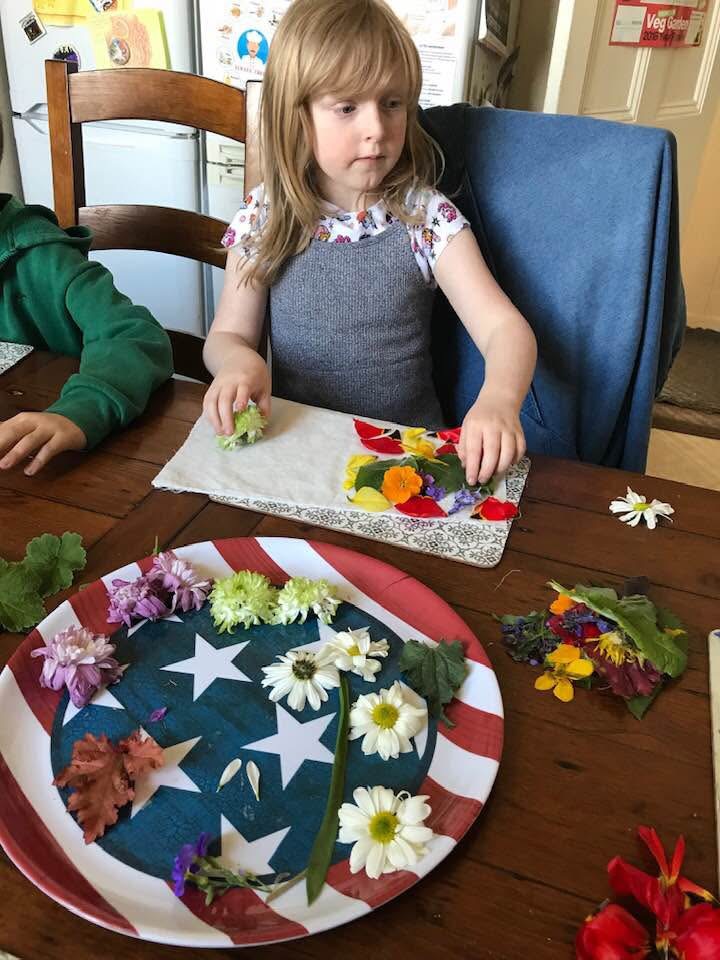
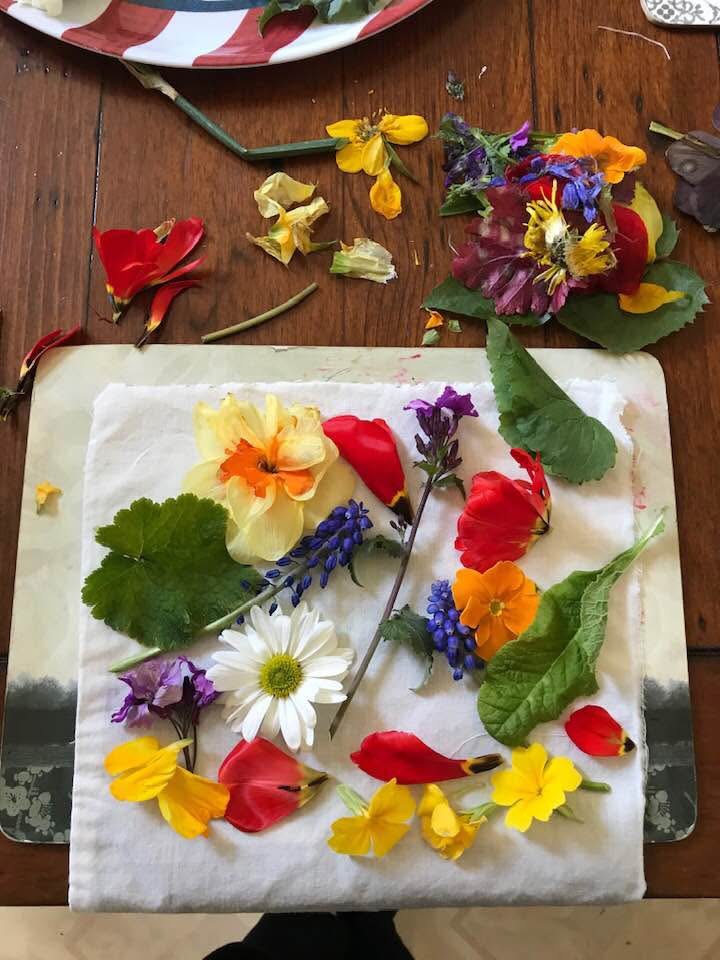
The children are very interested in using flowers and leaves to make natural prints pressing the flowers (from my garden) between two pieces of material to bring out the natural colourings.
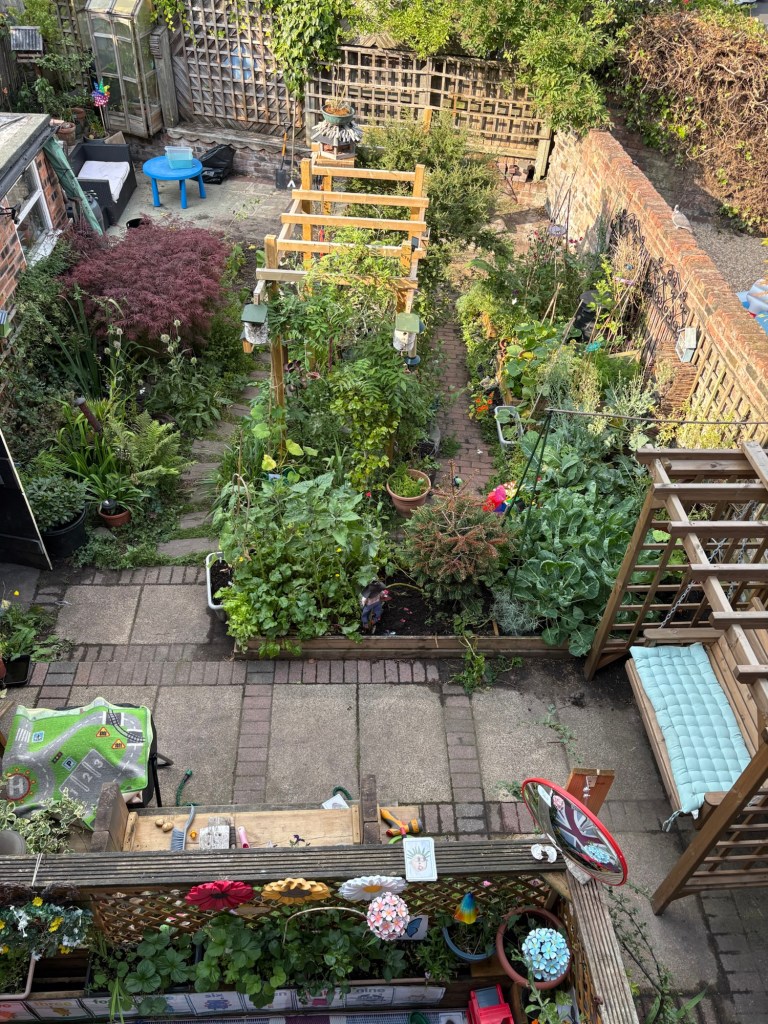
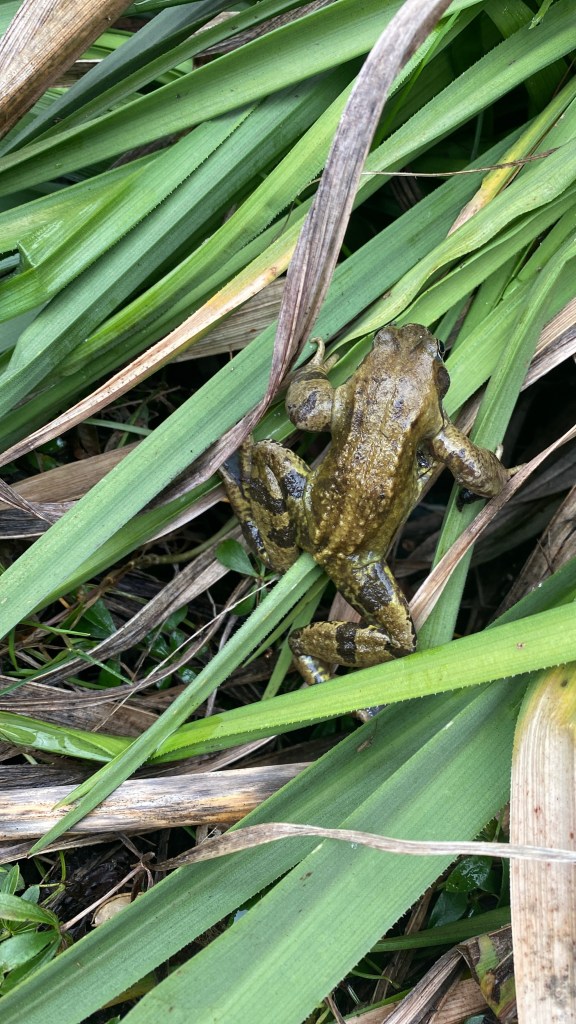
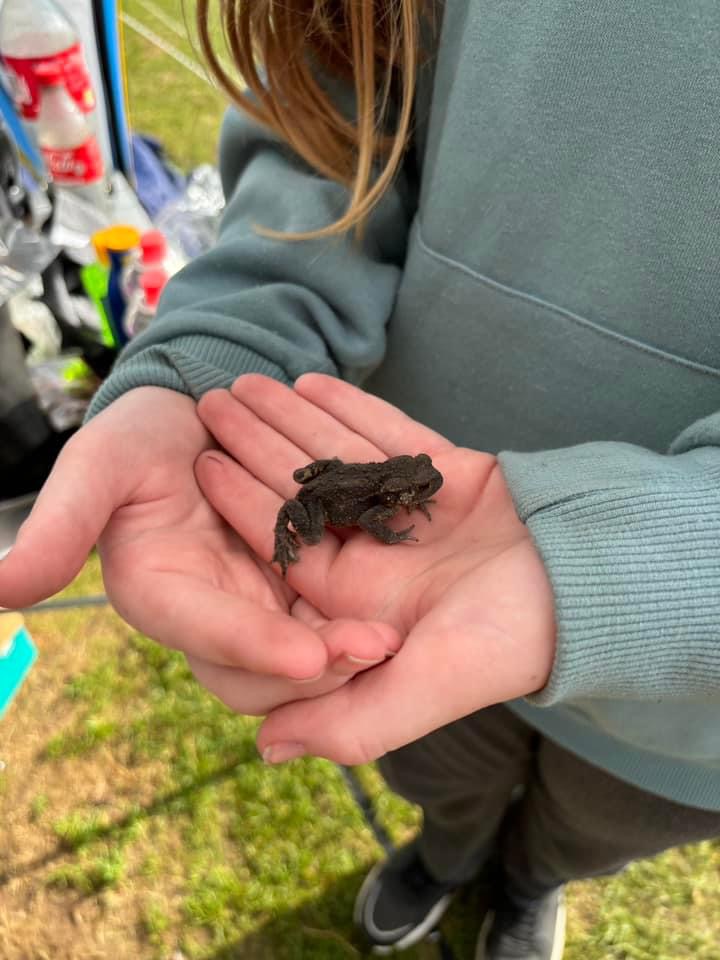
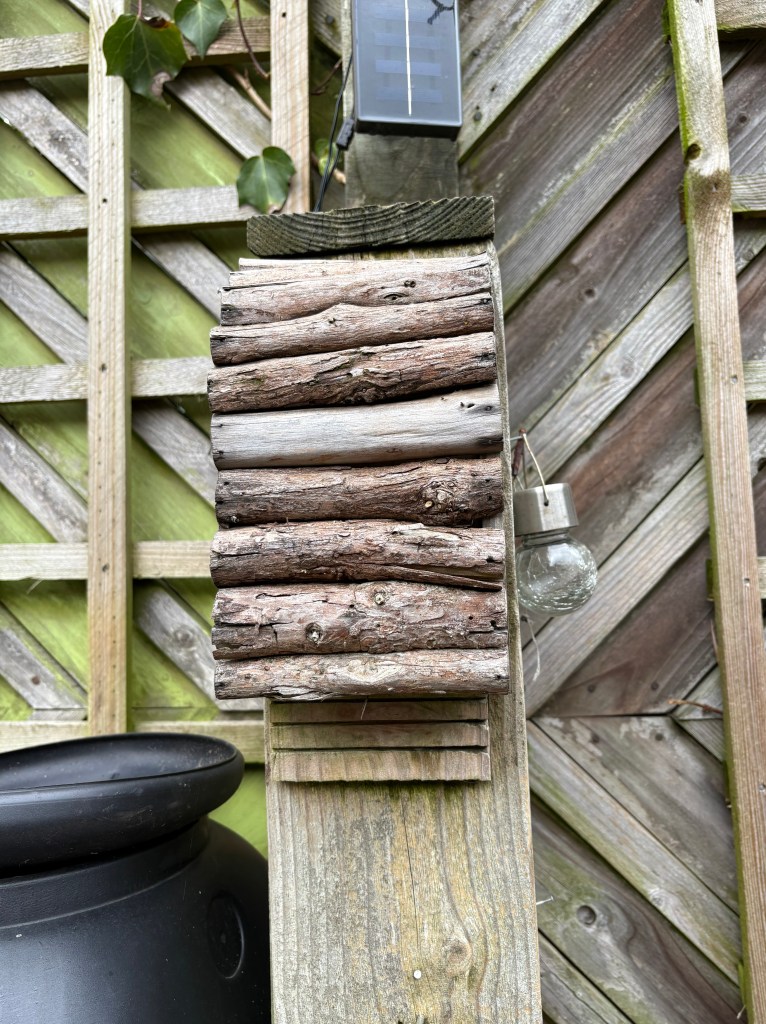
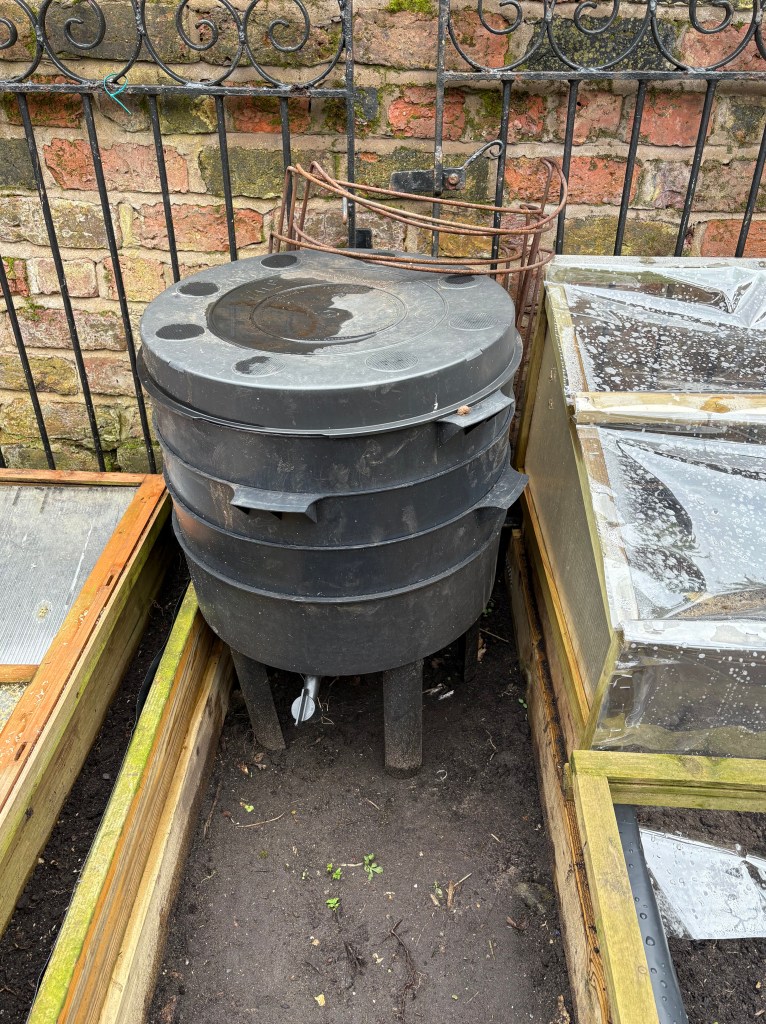
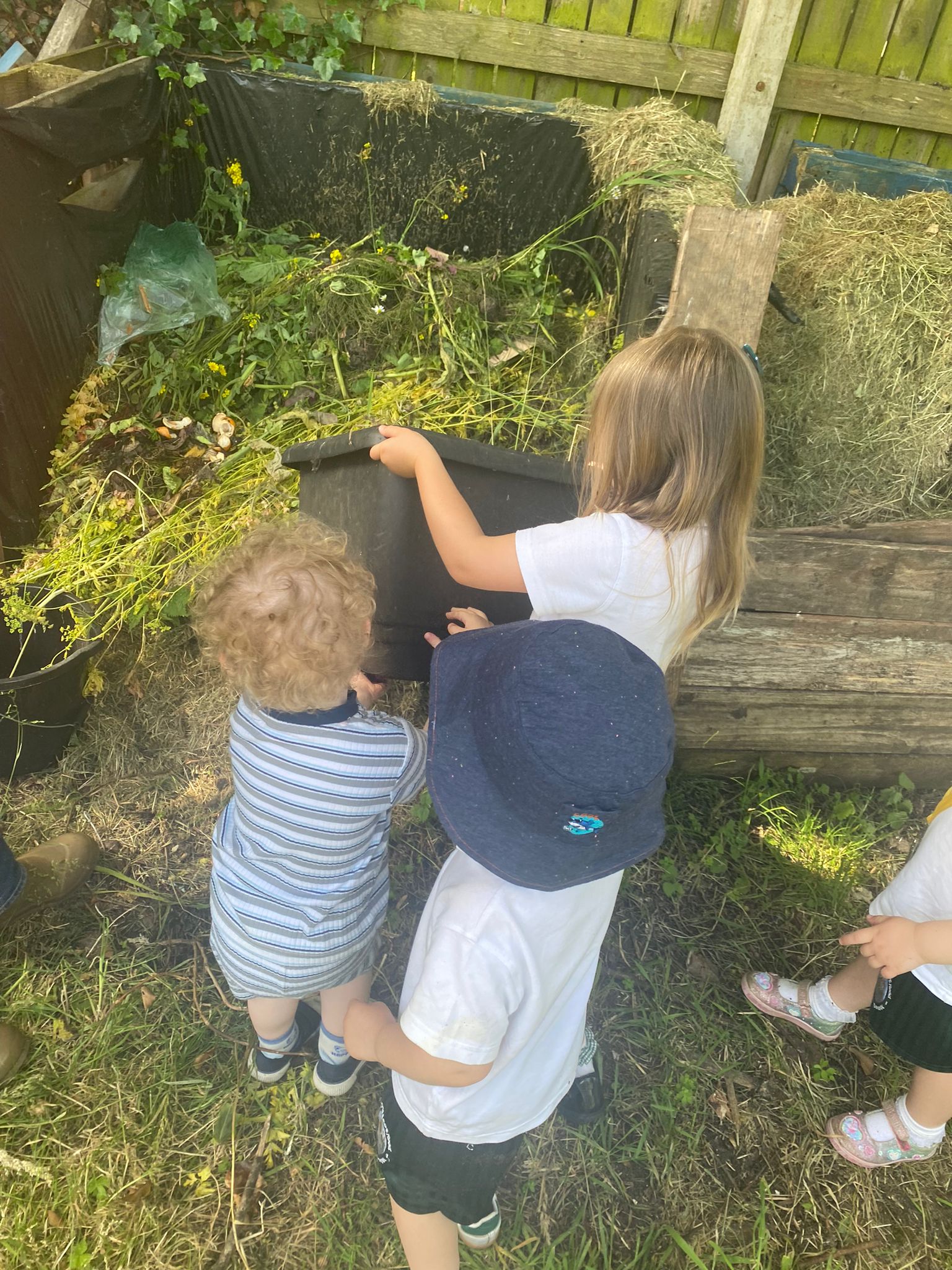
My personal childminding ethos and curriculum is ‘sustainability in the garden classroom’. I am privileged to have a wonderful outdoor space where I teach the children to care for their environment. We have a wormery to use up food waste and provide our plants with nutrients, water butts to recycle water and feed our fruit and vegetables, habitats for the wildlife such as frogs, bees, bugs etc. We grow plants (not always successfully) using different methods such as hydroponically, using recycled materials and no dig raised beds.
Conclusion
By childminders being creative and giving children opportunities to access various outdoor environments reinforced with the Early Years Foundation Stage (EYFS) 7 areas of learning is a pathway in a child’s holistic development. The EYFS framework recognises the importance of outdoor learning, and the benefits of this approach are undeniable. By providing children with outdoor environments for physical activity, cognitive growth, social interaction, and a deep connection to nature, we nurture well-rounded children and enable them to be better prepared for the challenges of life and holistic learning. This is the collective responsibility of parents and educators to ensure that all children have access to these inspiring outdoor activities and environments that will profoundly shape their future in positive and meaningful ways.
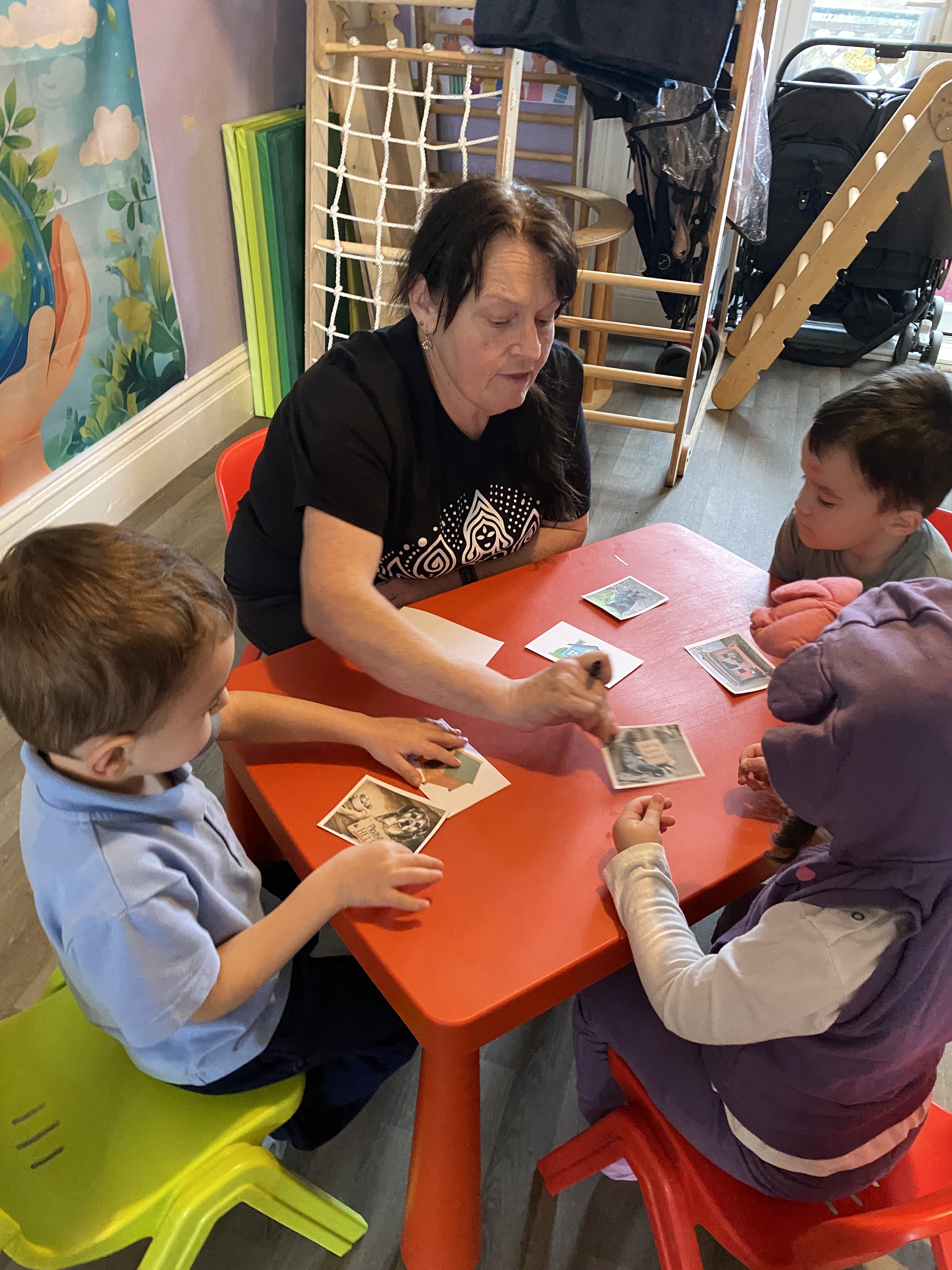
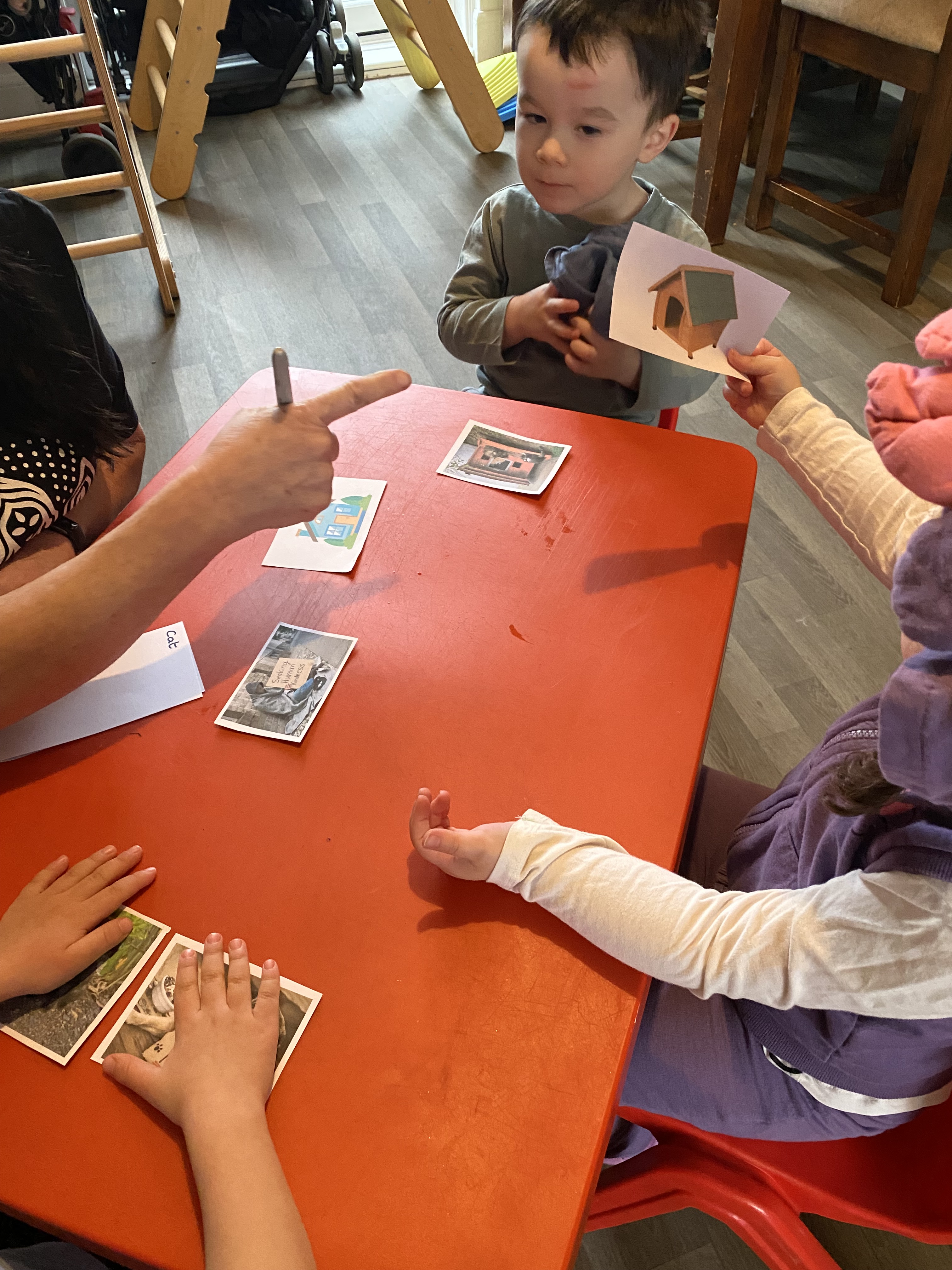
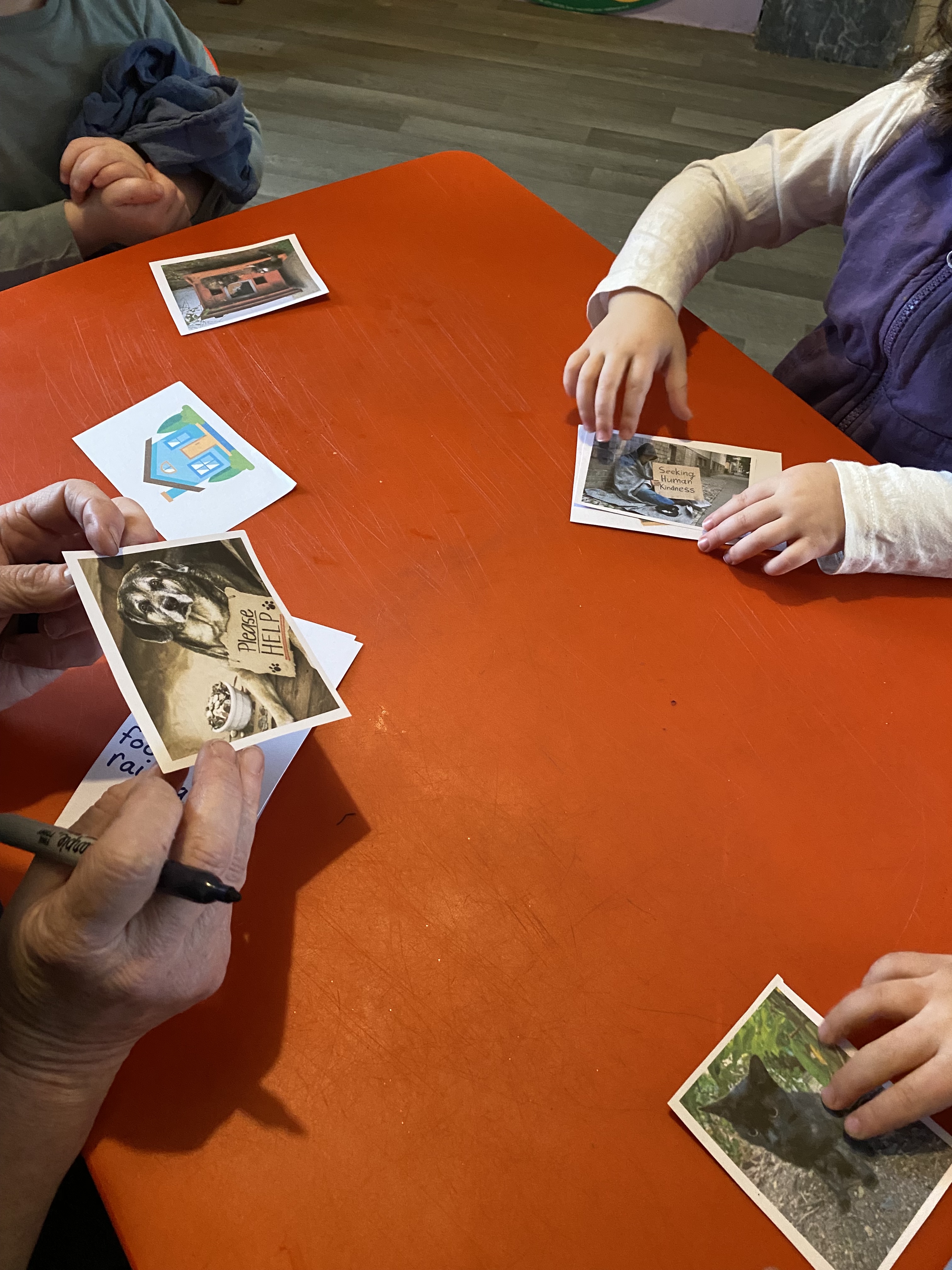
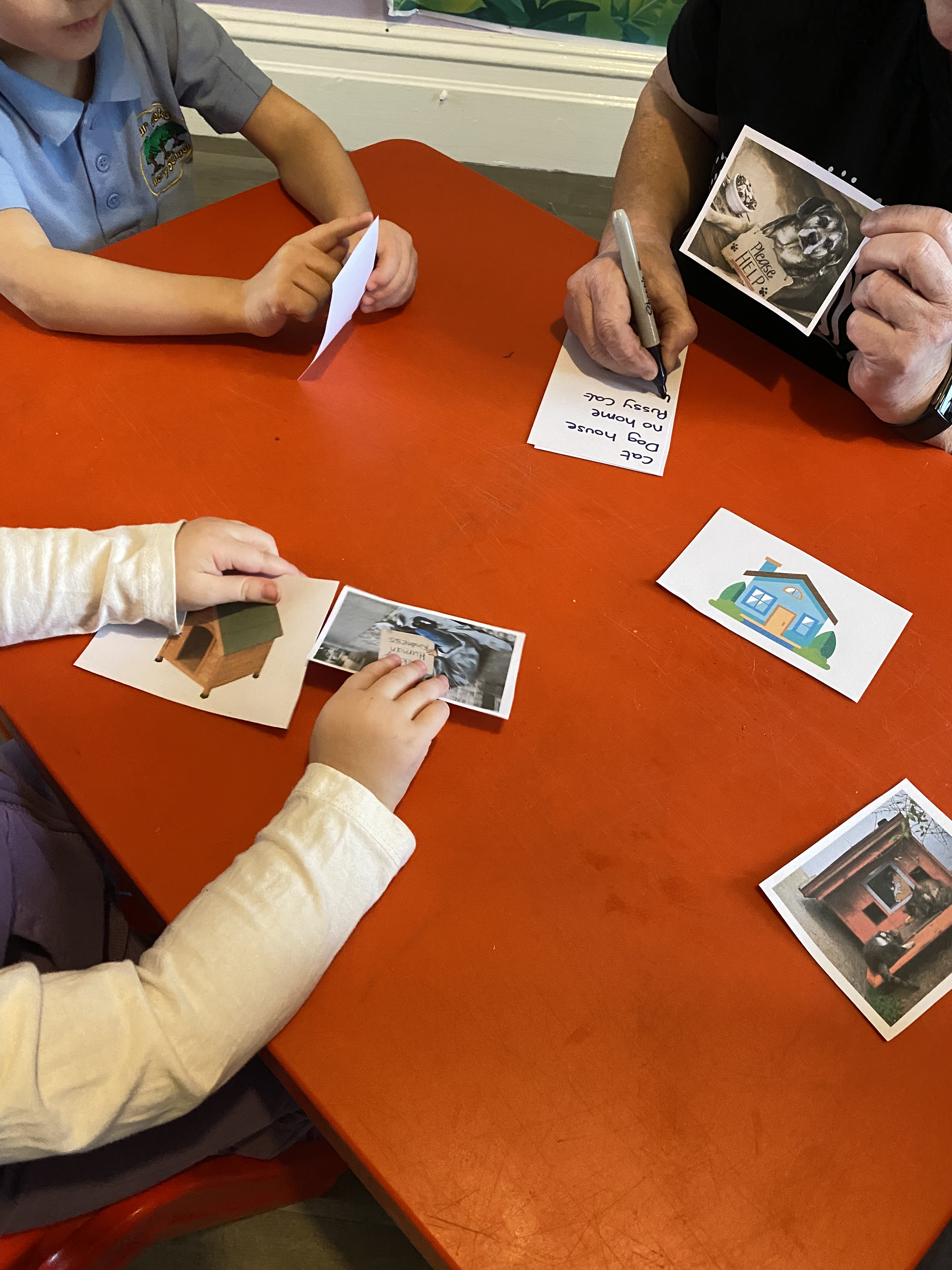
This week we have been talking sustainability goal 1 No Poverty. NCFE (pg 17) I provided the children with photographs to provoke but not distress them of a homeless man, dog and cat. We talked about how all living things need a healthy environment and food to survive. I gave them another three photographs and asked them to choose which home would be suitable for each of them.
They chose a kennel for the dog, a cat house for the cat and a house for the human.
I asked the children what they think they would feel like if they didn’t have a lovely home. Lottie said she would get wet in the rain and Cristian said he would feel sad.
This provoked Jack to talk about the man outside ASDA whom we buy a bottle of water and fruit for when we go shopping. He said the man always looks sad and cold, I said what could we get him to make him feel warm? The children sid a coat, hat or socks. I said I thought the socks were a fabulous idea and the next time we go we can buy him some. When we went to give the man the socks the children asked me to hand them to the man as they felt a bit scared.
The man said thank you very much and Cristian asked him what his name was? The man replied ‘Geof’ Jack asked what his dogs name was the man replied ‘Bruno’ everyone said ‘have a nice day Geof and Bruno’ and we all went home feeling good about our kindness.
When we got back I asked the children what Geof could use as a shelter as he hasn’t got a lot of money? Lottie said he could live in a tent, Jack went on to say he had stayed in a tent with mummy and daddy on holiday and it was fun. I asked them what it might be like living in the tent in the winter, Lottie said it would be cold and sad as Geof has not got his mummy.
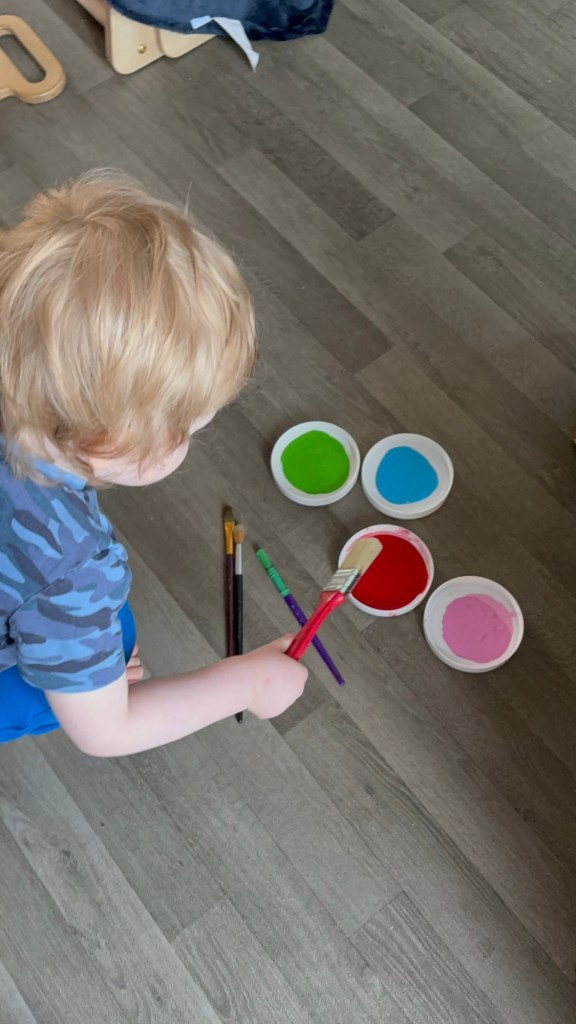
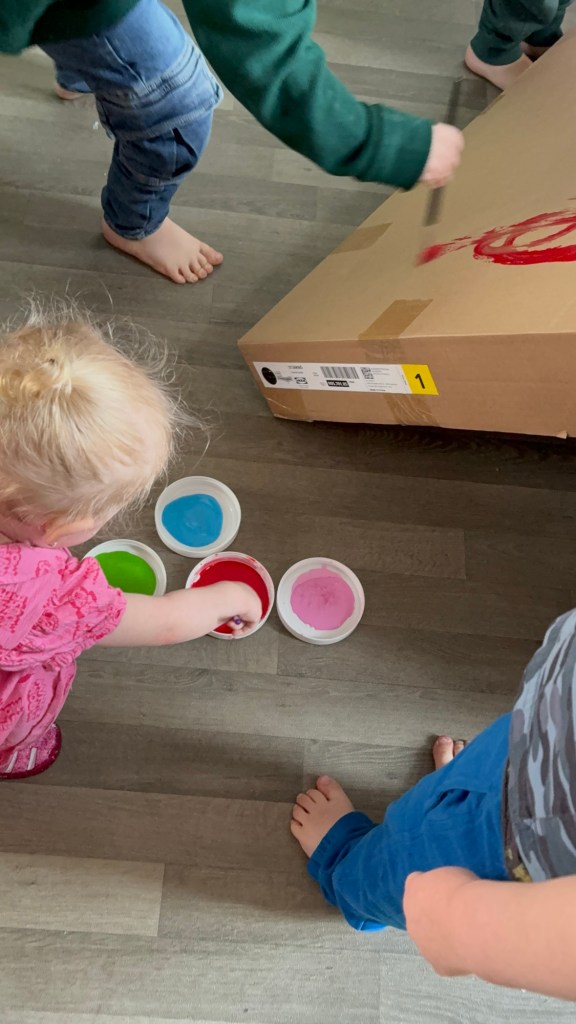
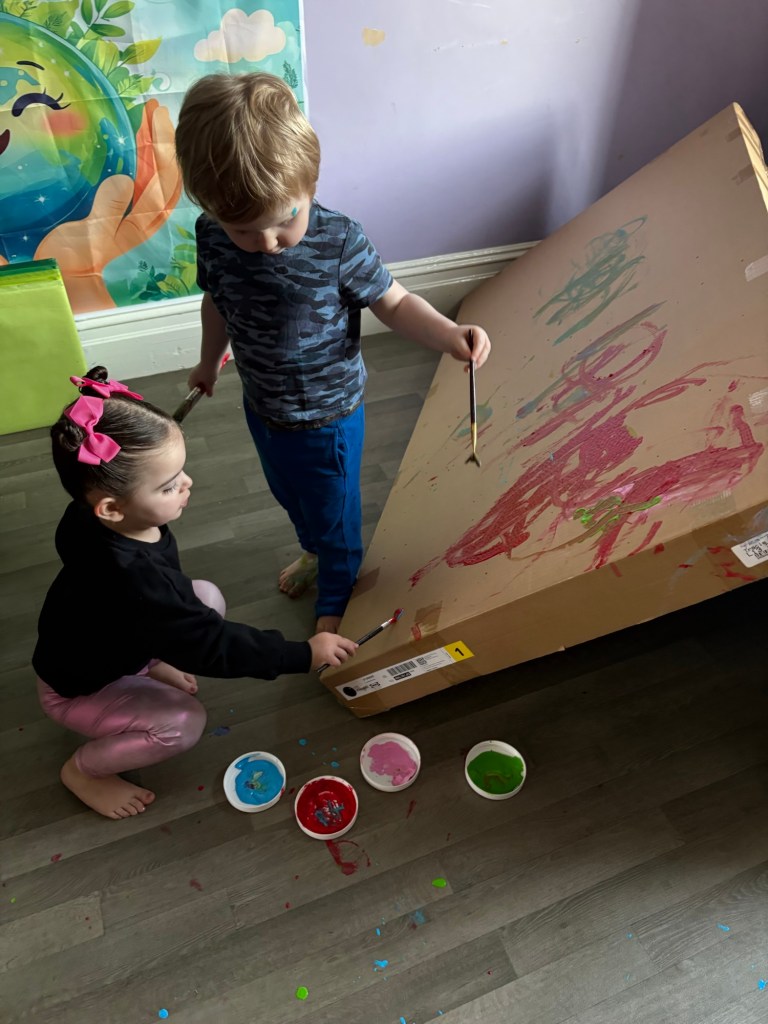
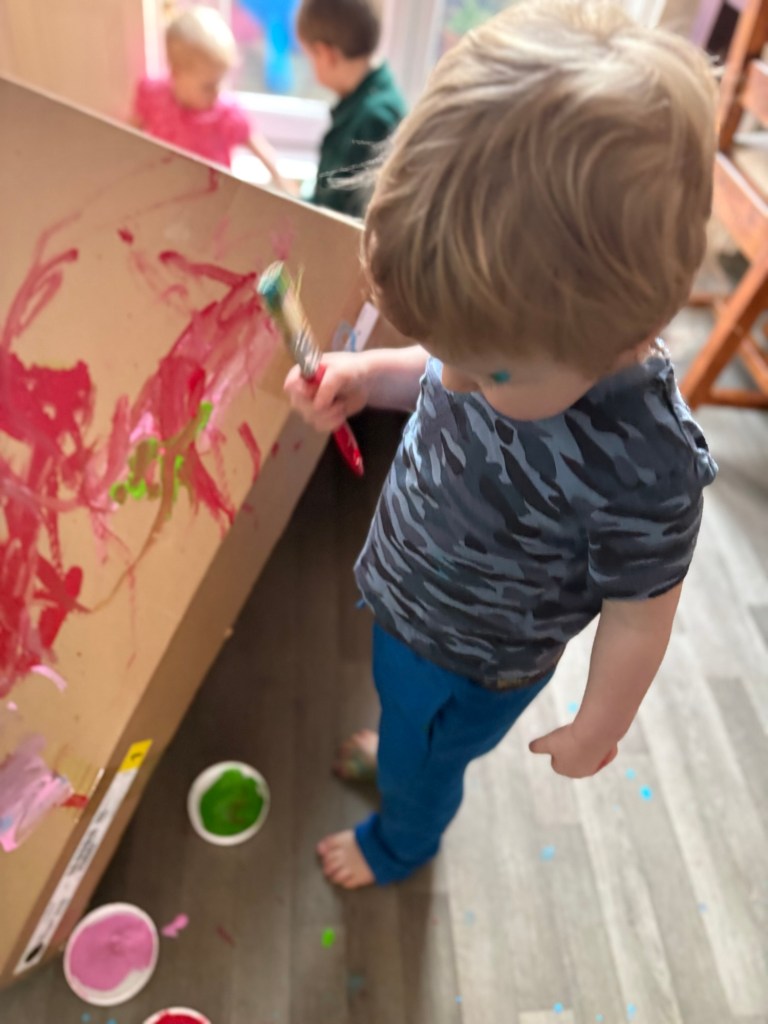
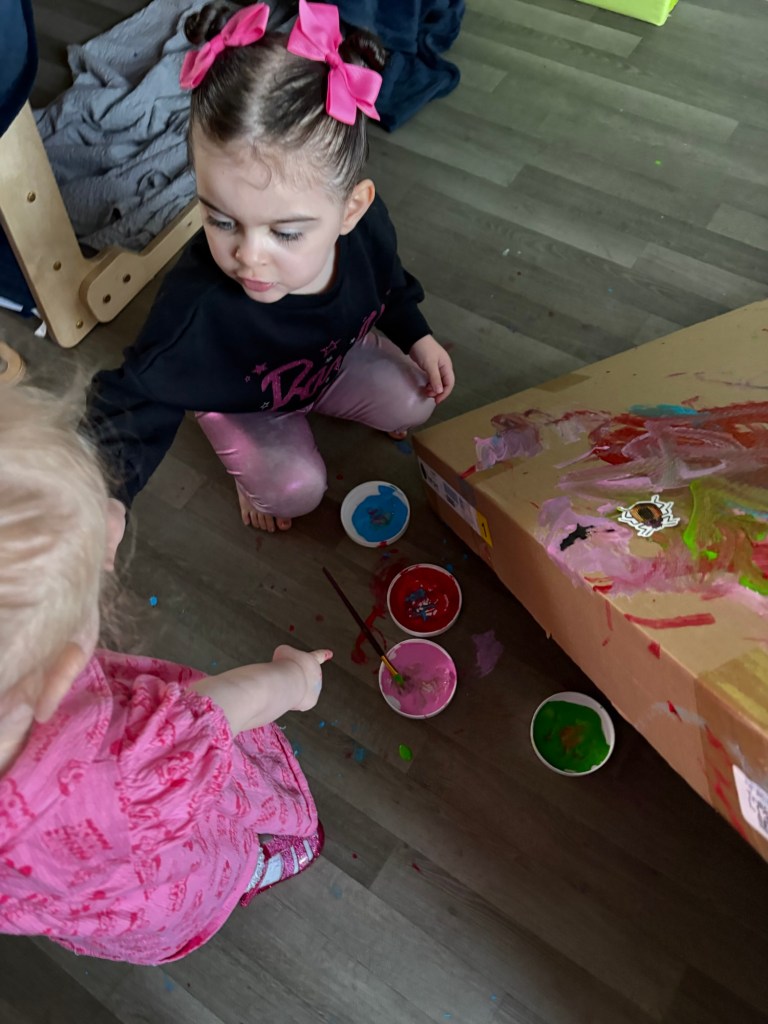
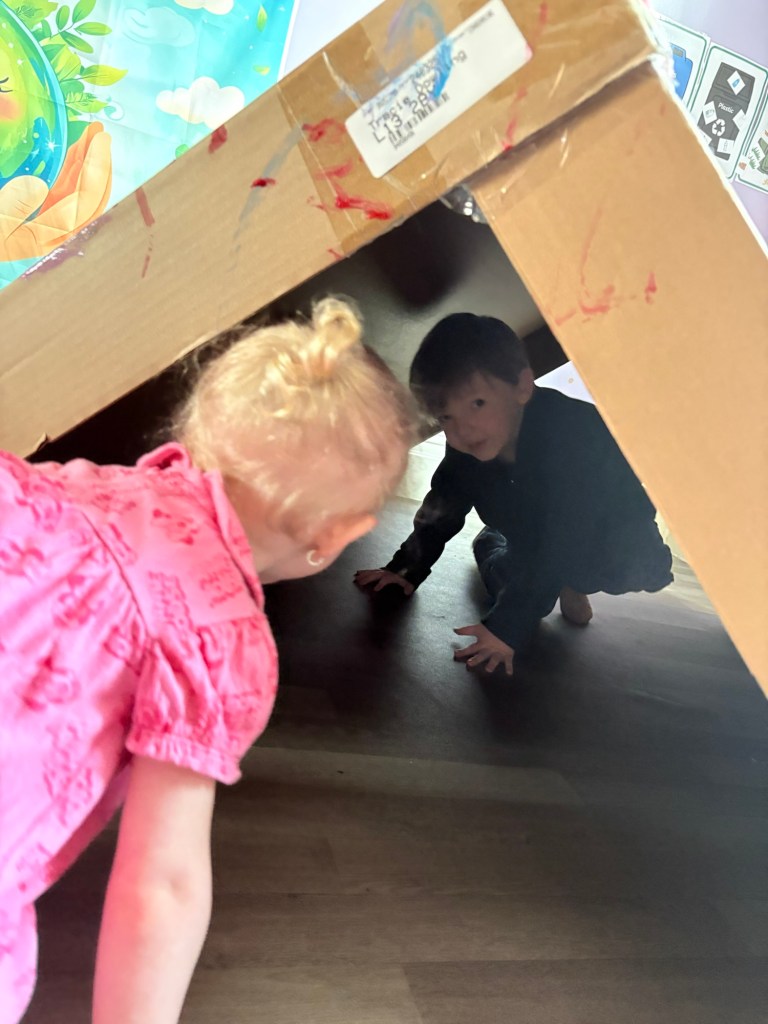
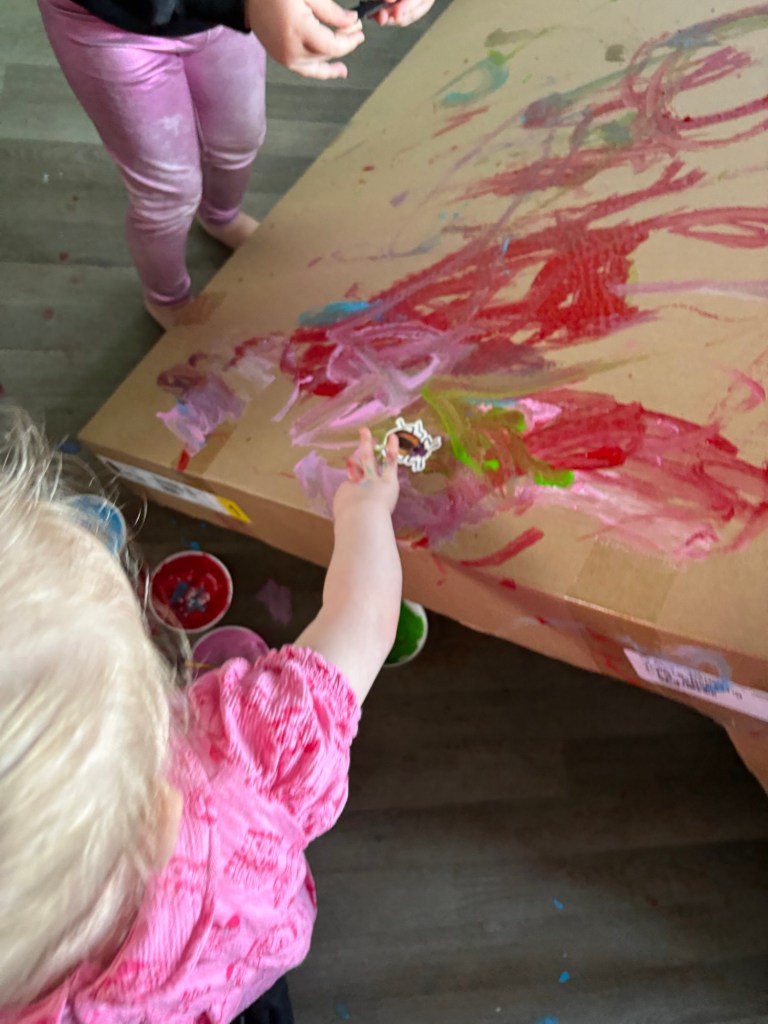
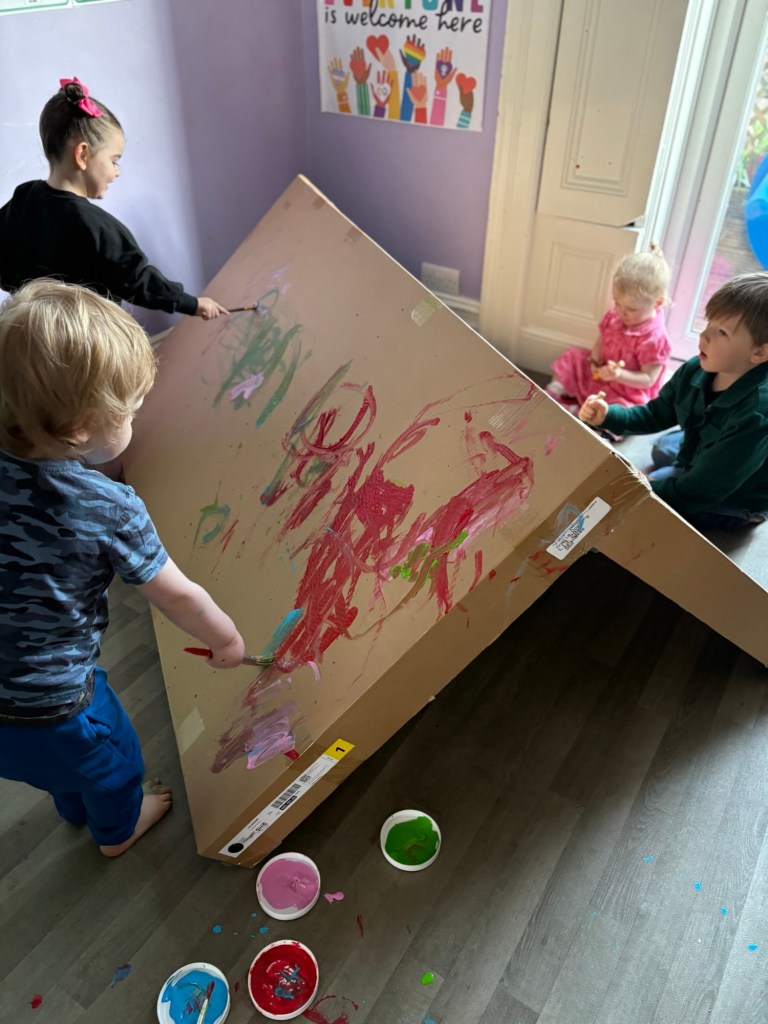
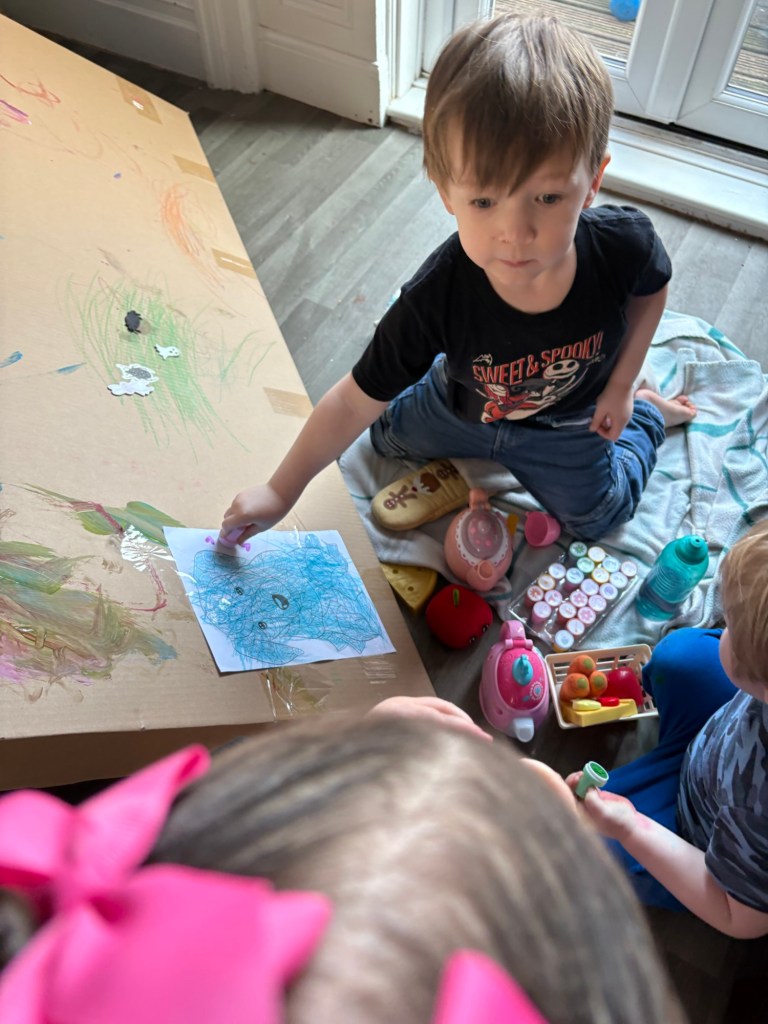
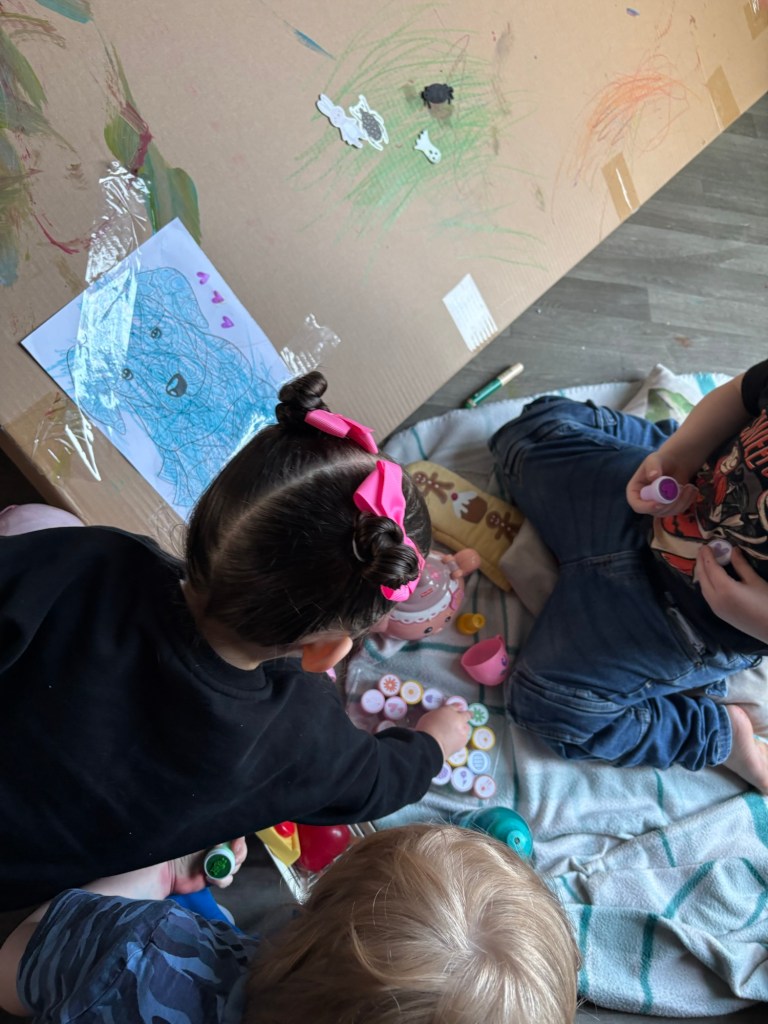
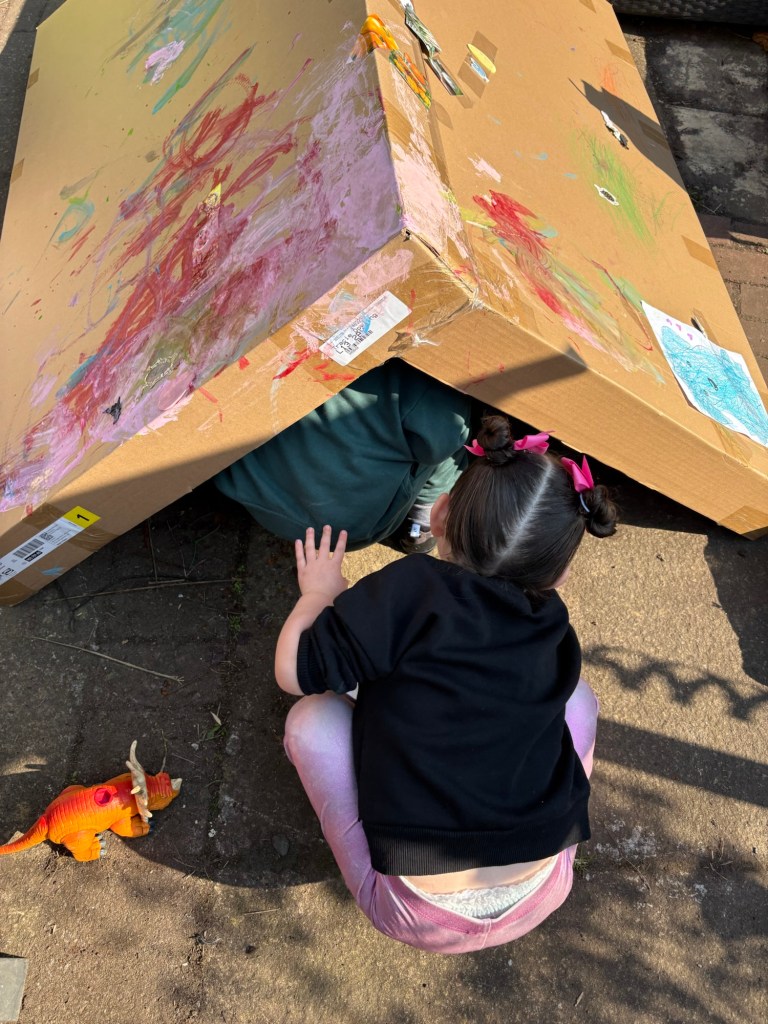
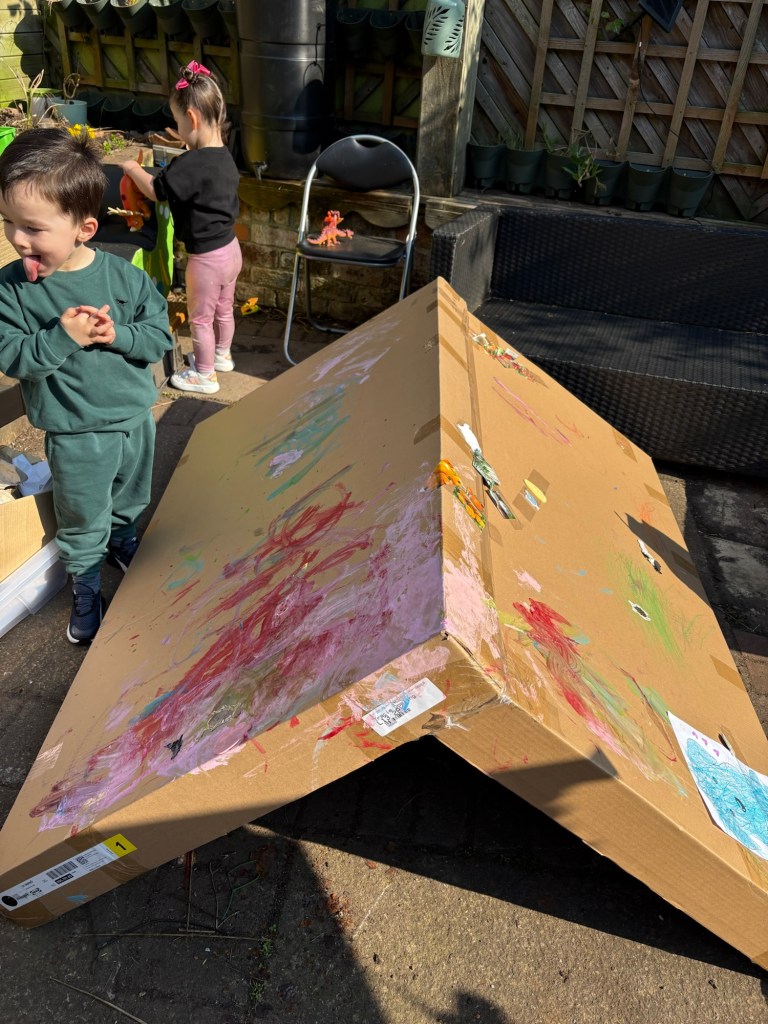
The children thought it would be good to make a tent for Geof. I provided the children with a massive box, jack asked if they could decorate it to make it pretty.
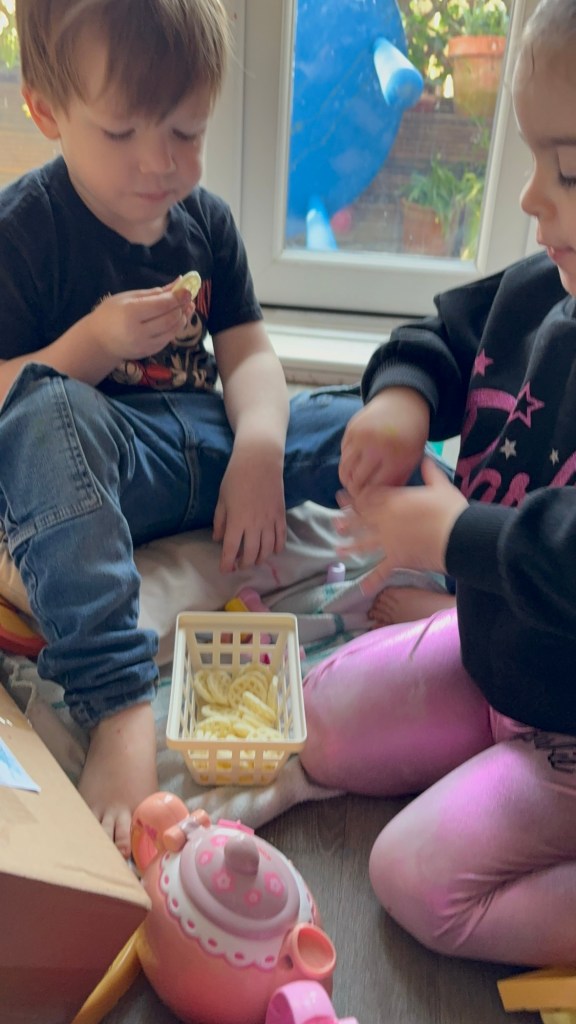
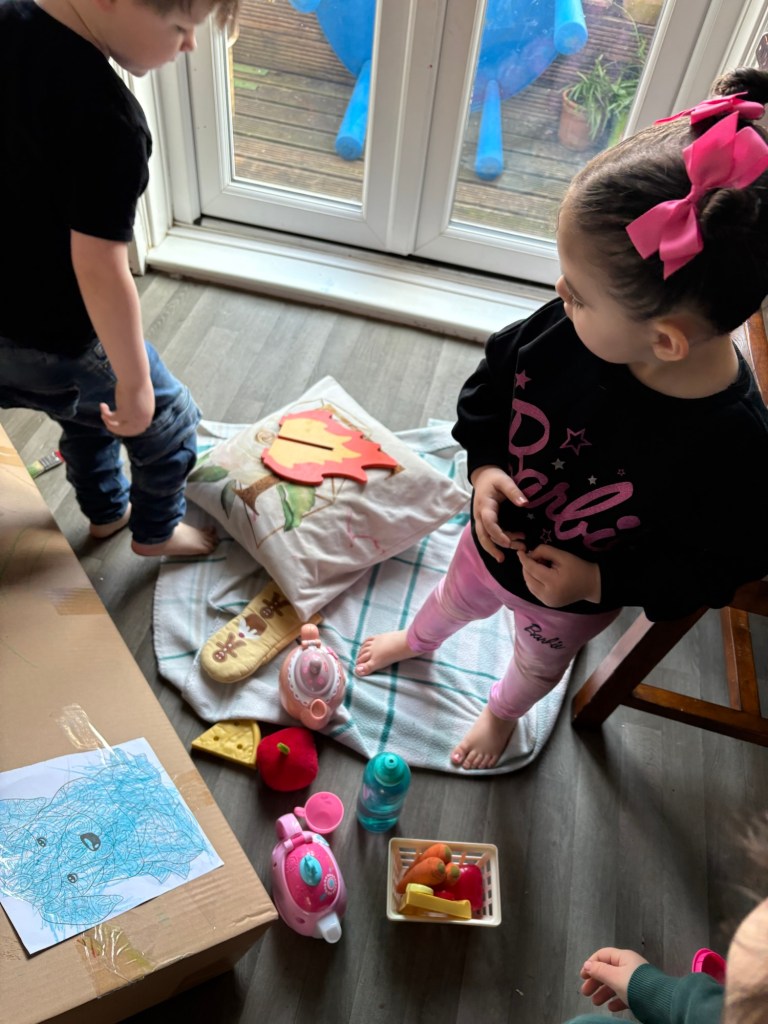
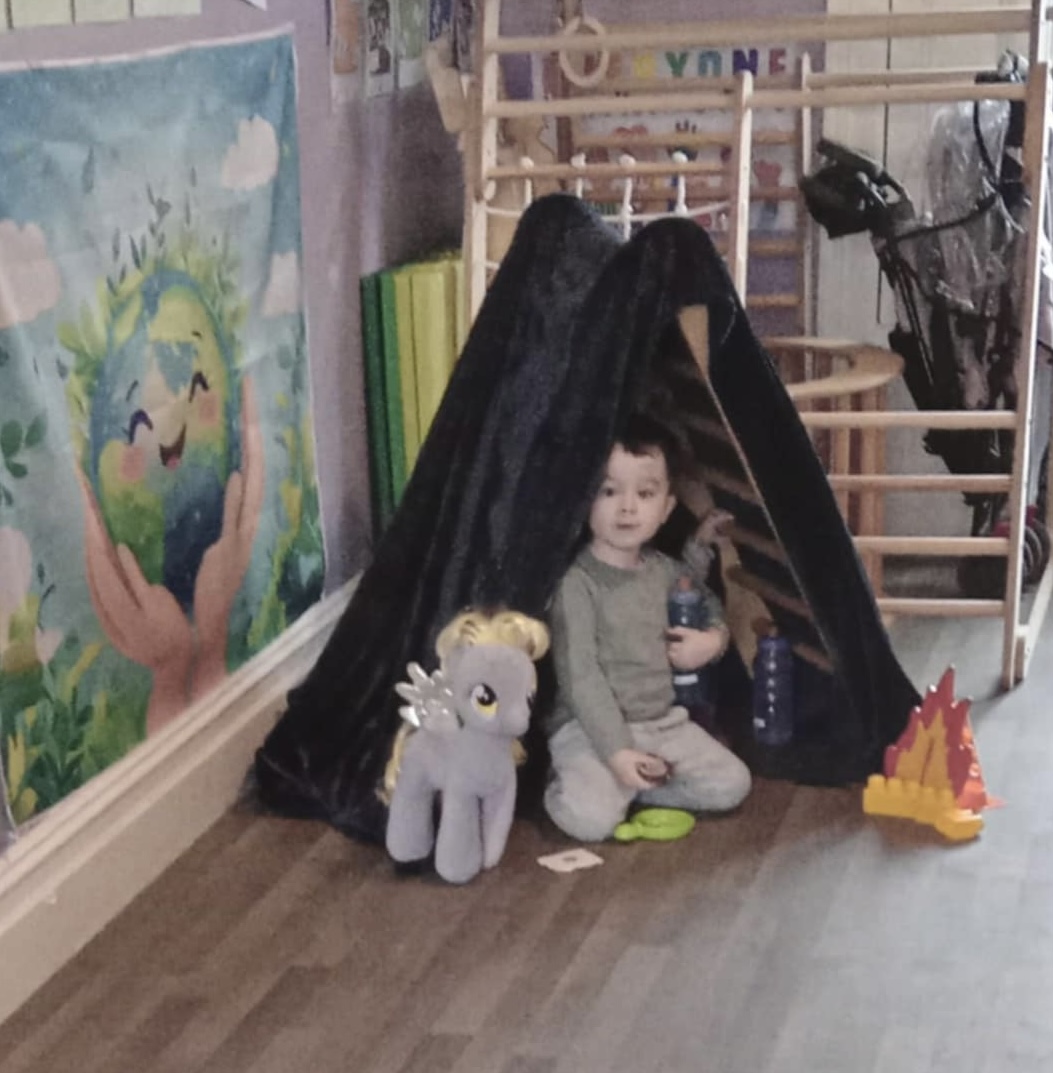
They all had fun for hours, once the tent was dry, I asked them what would make the tent comfortable for Geof. I asked them to go and find items to put in the tent for him. Lottie came back with a blanket, Jack found a ‘a fire to keep him warm, Elliott went and got him a tea pot for a cuppa and Cristian brought over some food.
Later Jack coloured a lovely picture of a dog and asked if he could stick it on the tent and call him Bruno. I said it was a fabulous Idea and asked him what would a dog need? Jack went and got him a bowl for food, a bowl for water and a cushion for him to lye on like his dog Cooper.
In the afternoon while the babies were sleeping, the older children asked to take the tent outside to play with. This extended their play and we talked about being in the tent through the seasons, at first they thought it would be fun to be in the tent when it was snowing. I asked them how would they keep themselves warm? They all said they would wear coats, hats and scarfs. I said they would have to wear them all the time so they thought it might not be so fun after all.
This provoked a conversation about Inuits who are people who use igloos for shelters in the Artic when they go on fishing trips. We looked on the internet and found out they are made out of compacted snow, which is a natural insulator and helps them to keep warmer than being outside.
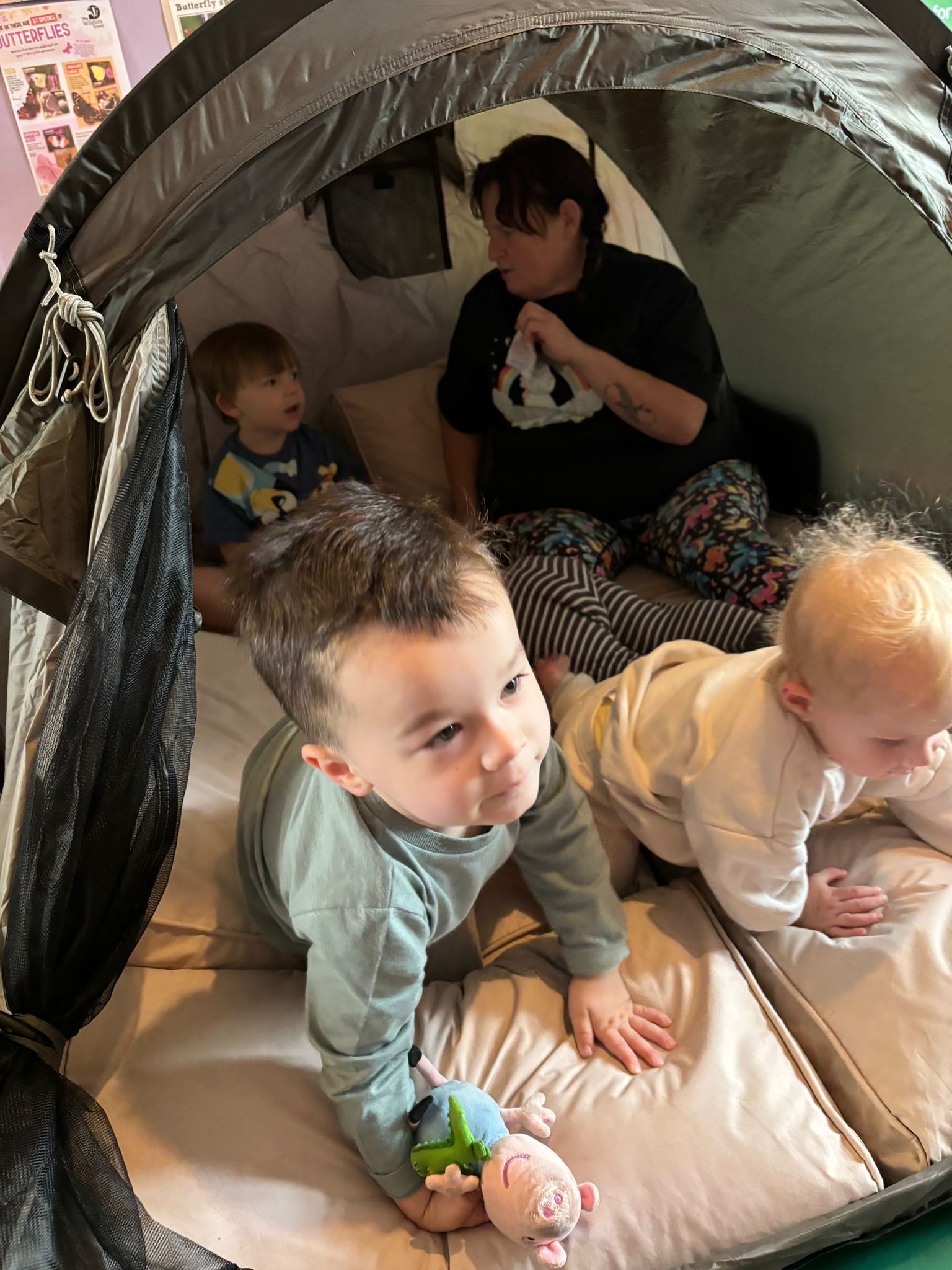
To extend our experience of Tent living I put a tent up in the play room and the children ended up roll playing including having snack and nap time in there.
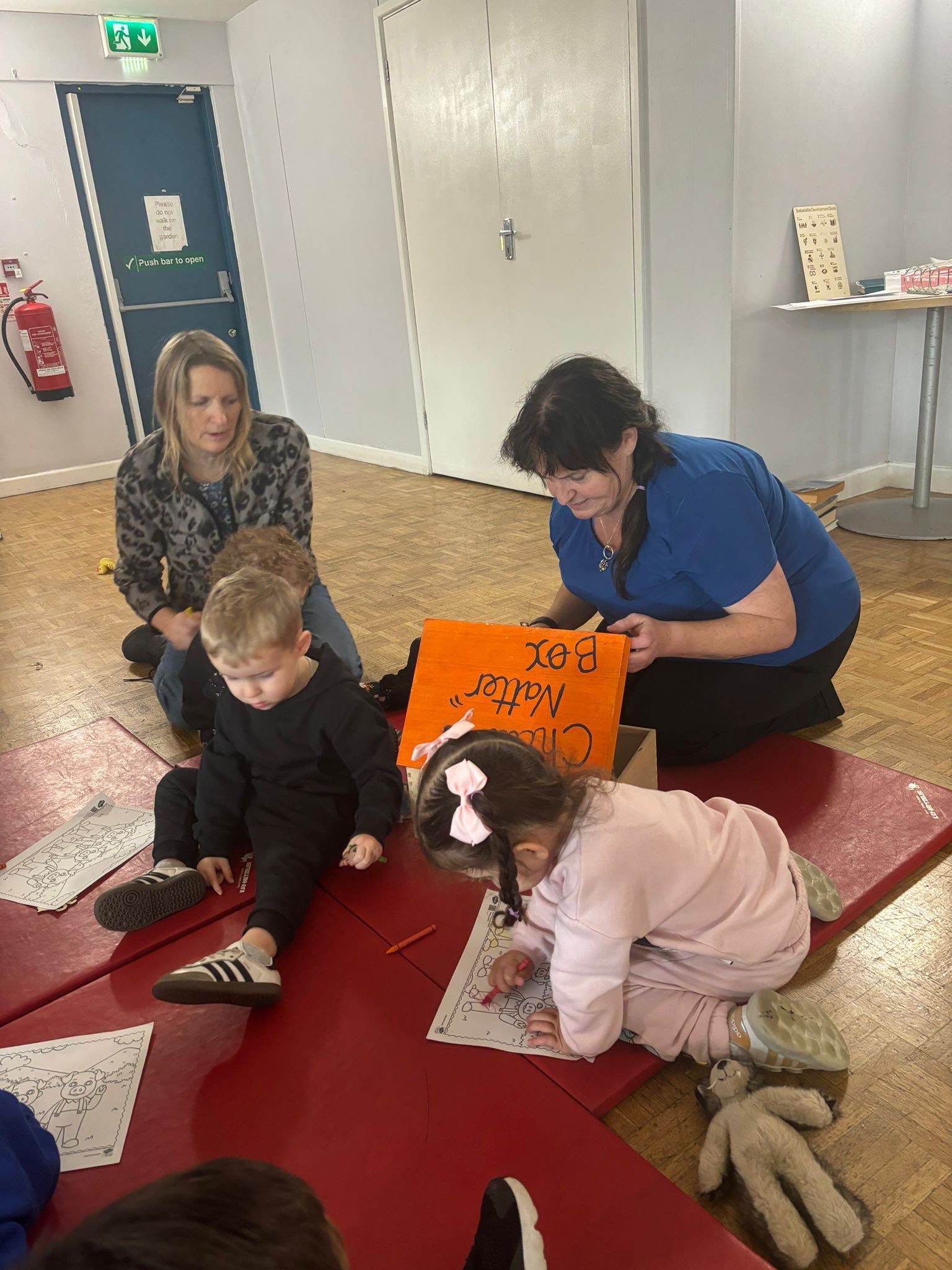
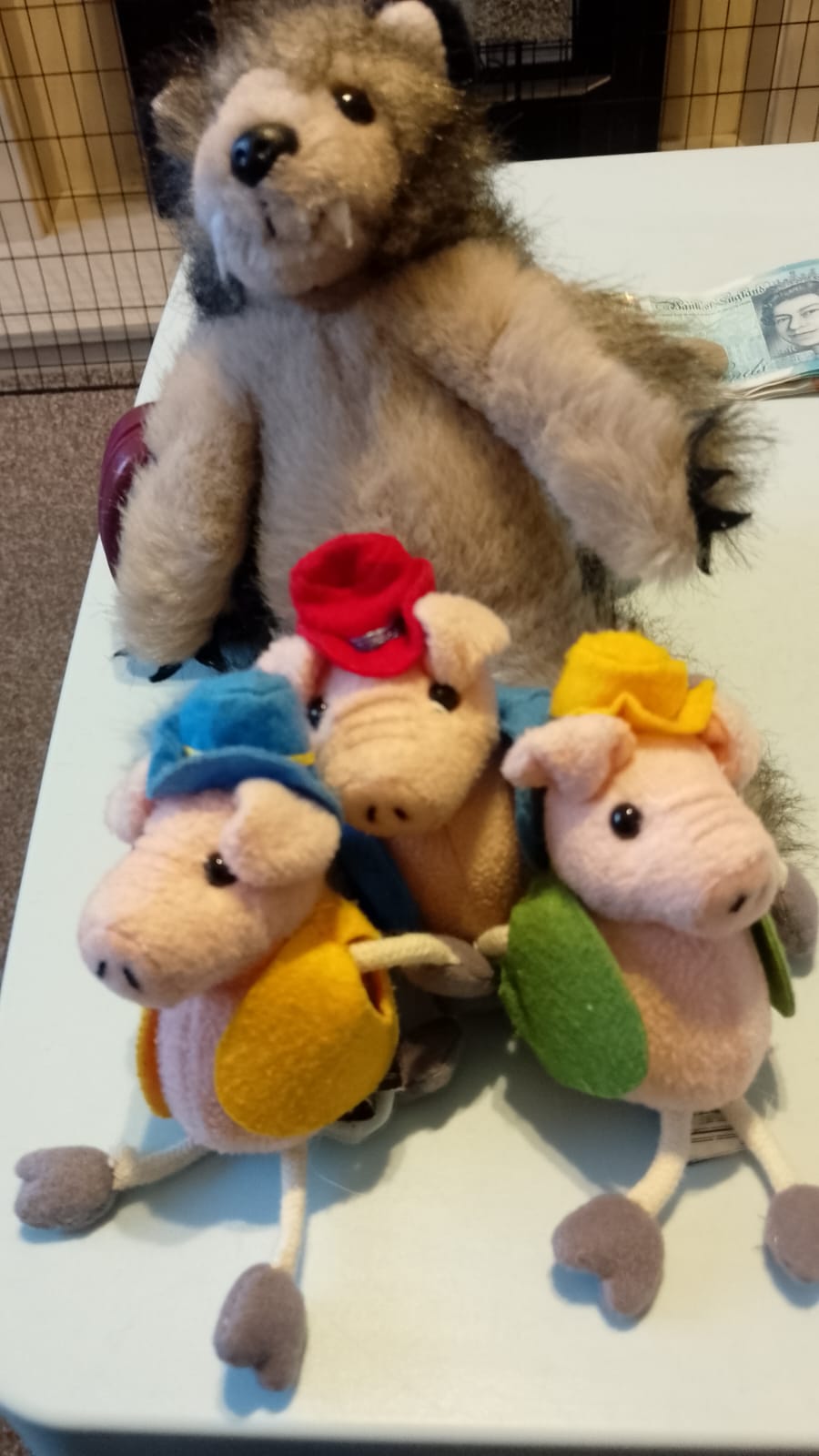
I took the theme of Poverty to our Childminder Drop in where I read everyone the story of ‘The Three Little Pigs’ we talked about different materials houses can be made off and how strong we think they would be. Development Matters (2021, pg90) The children talked about our tent activity with the other children, they all went back to their Childminders settings to make dens and have fun.
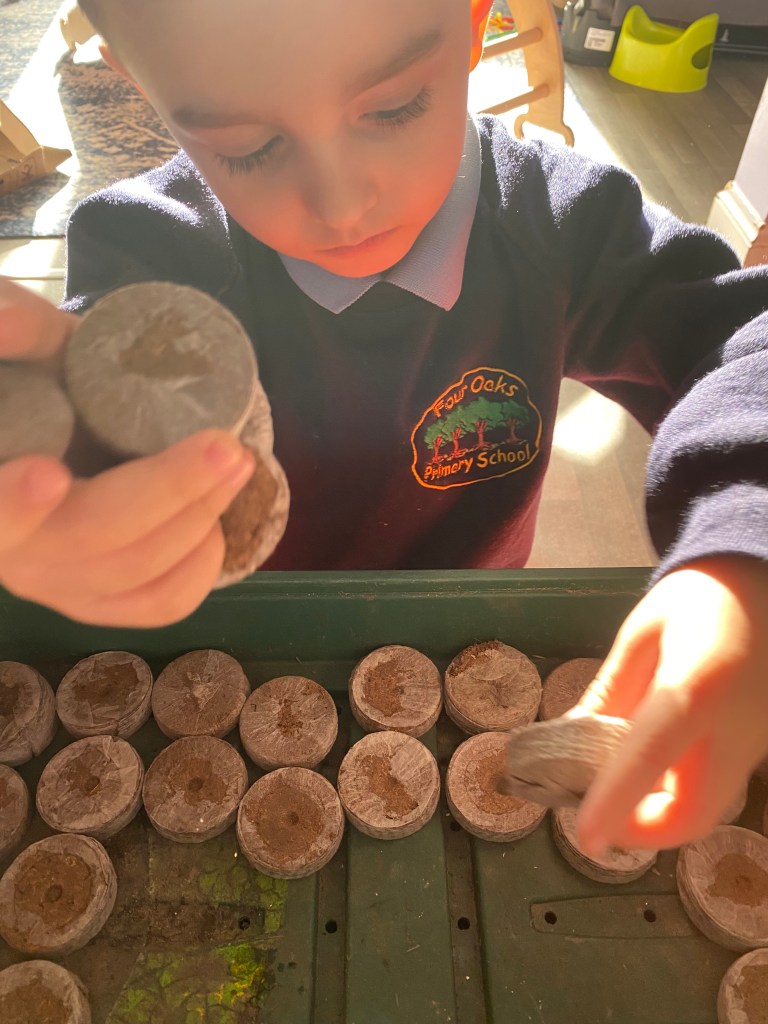
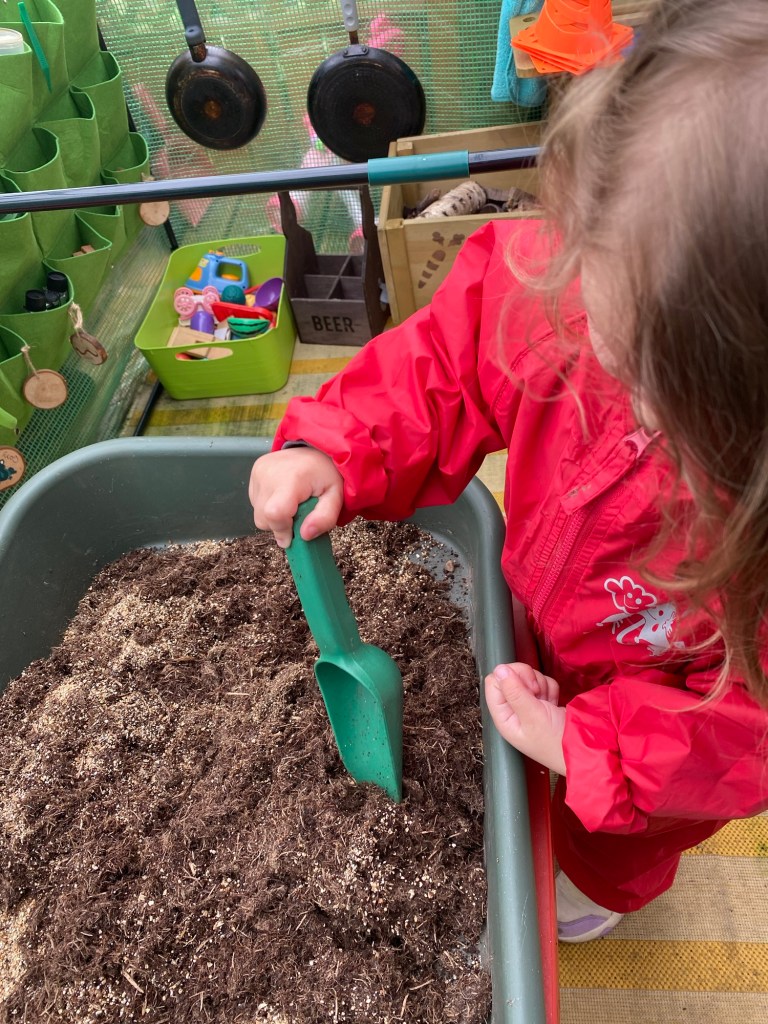
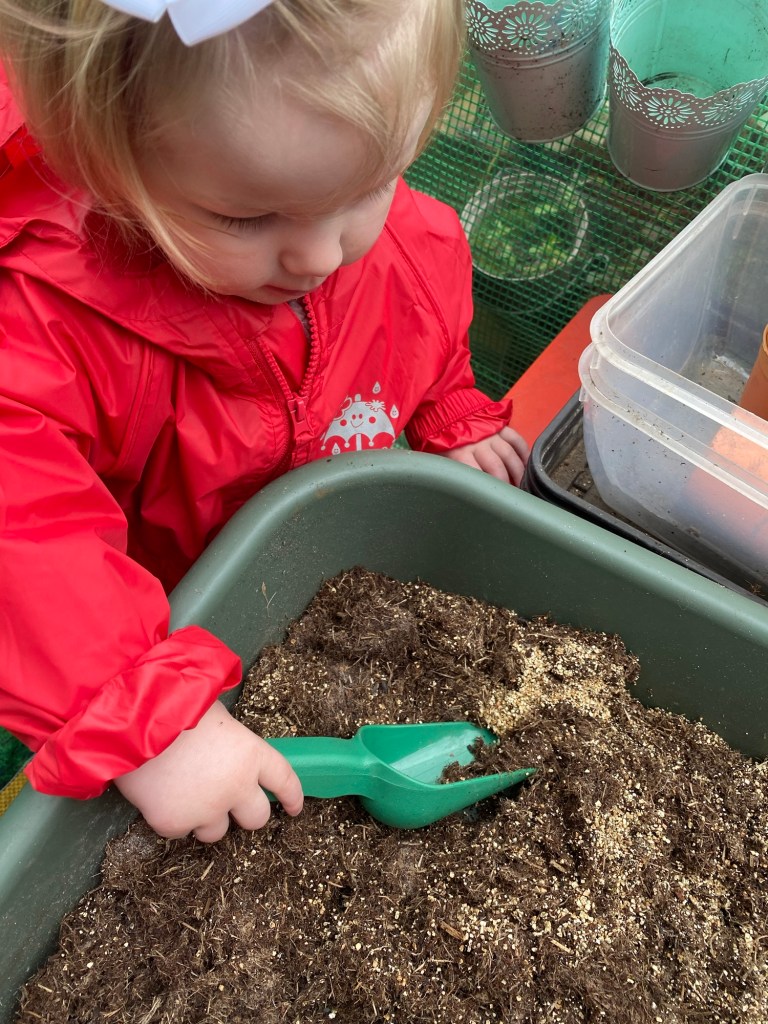
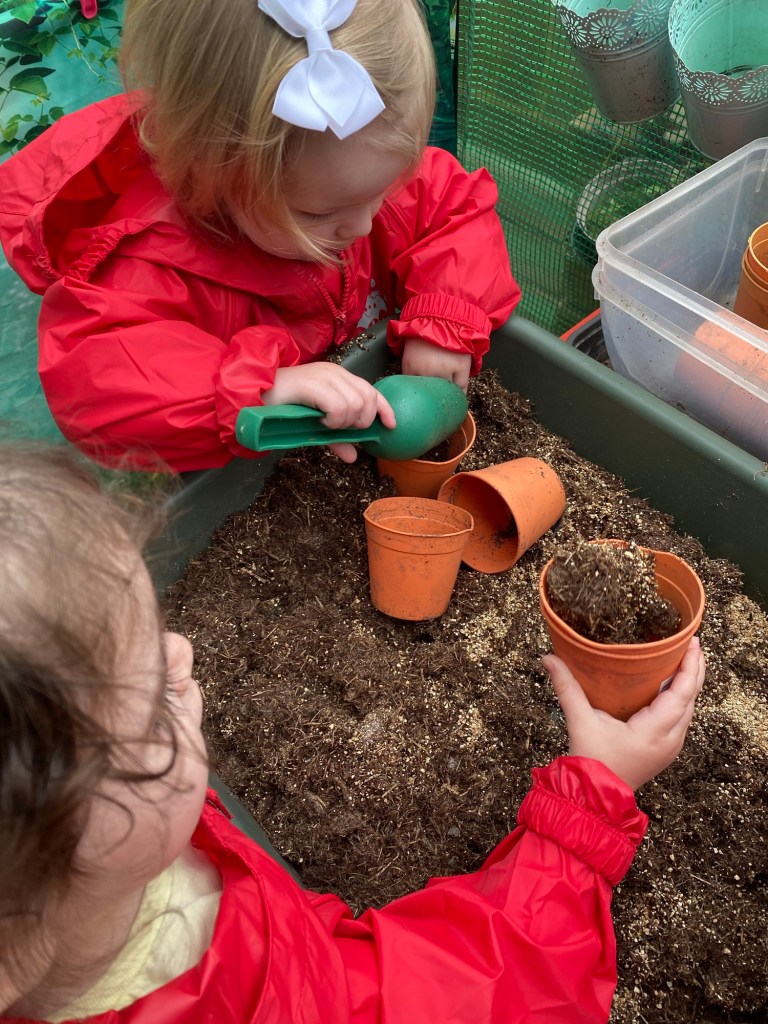
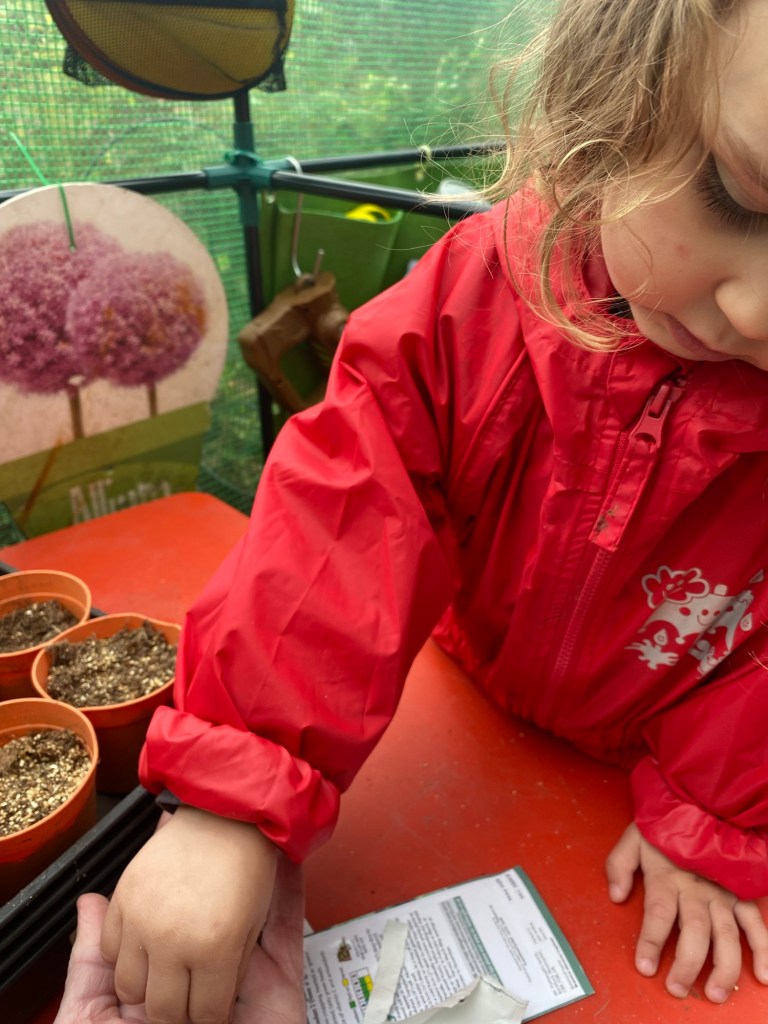
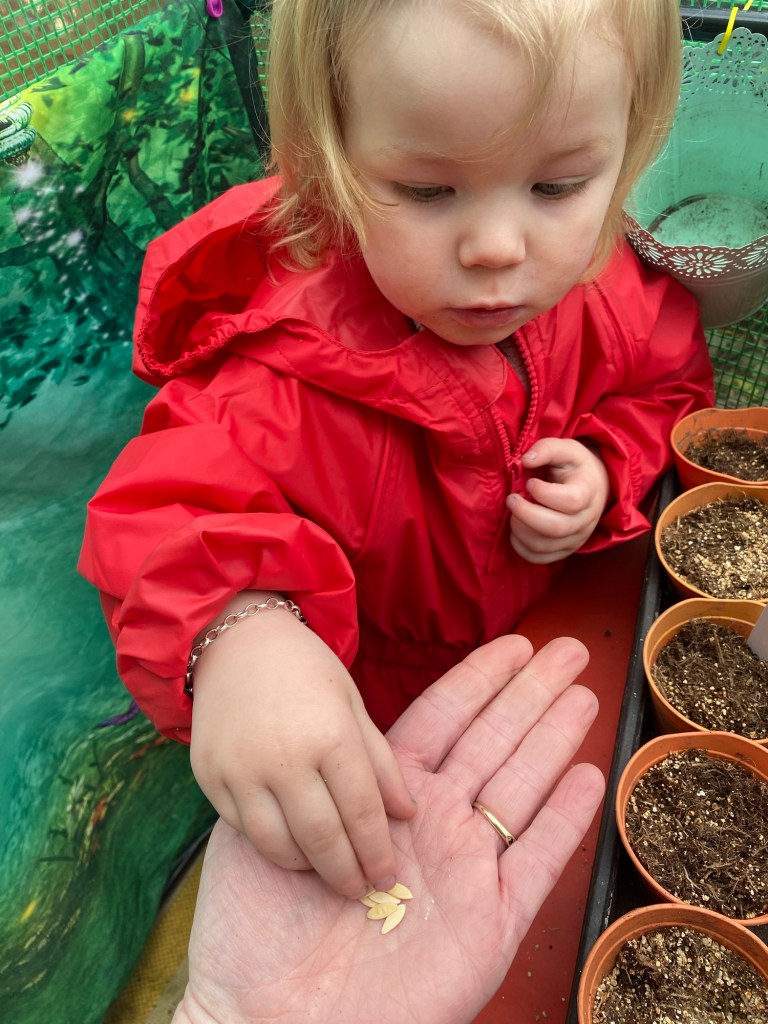
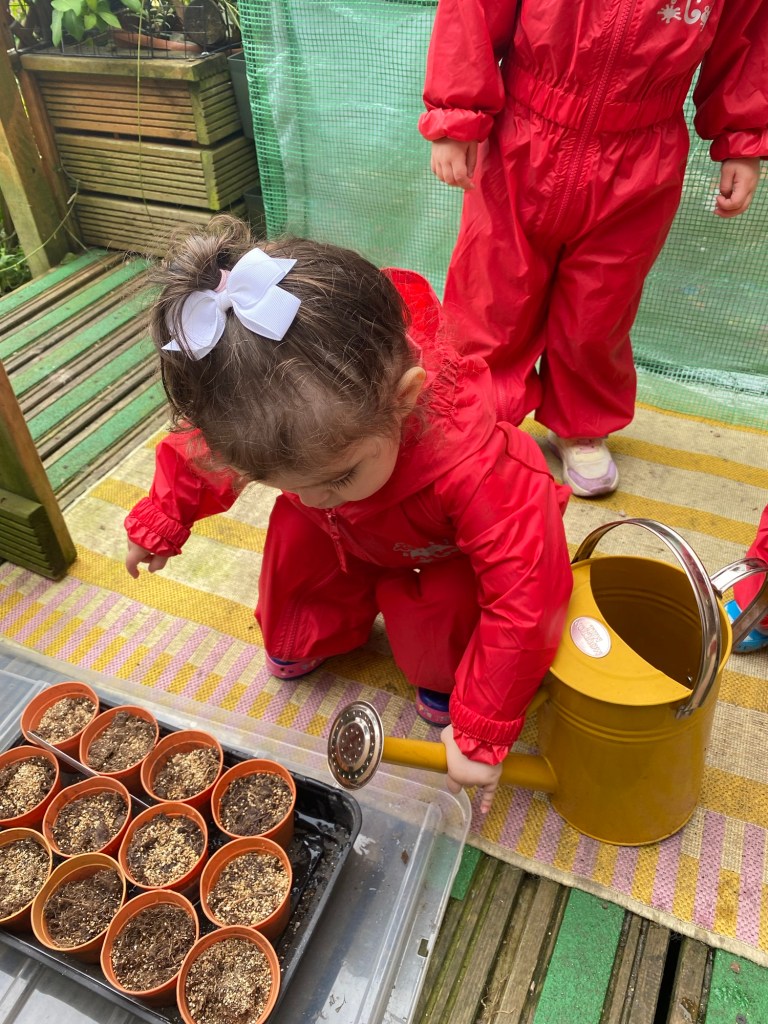
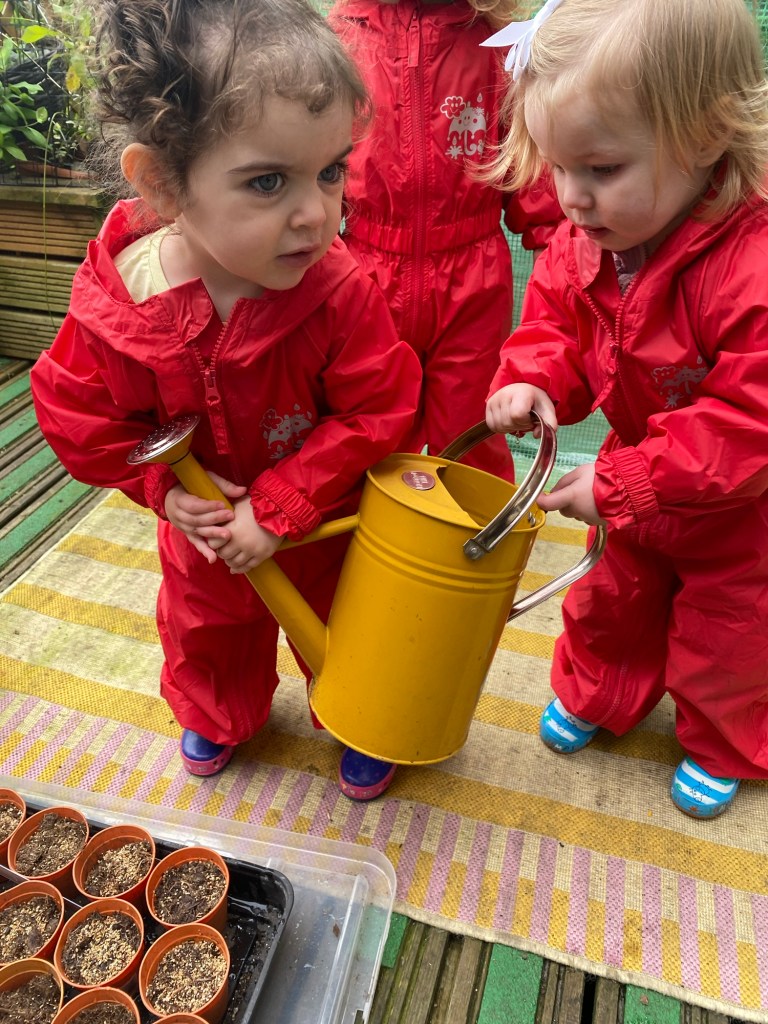
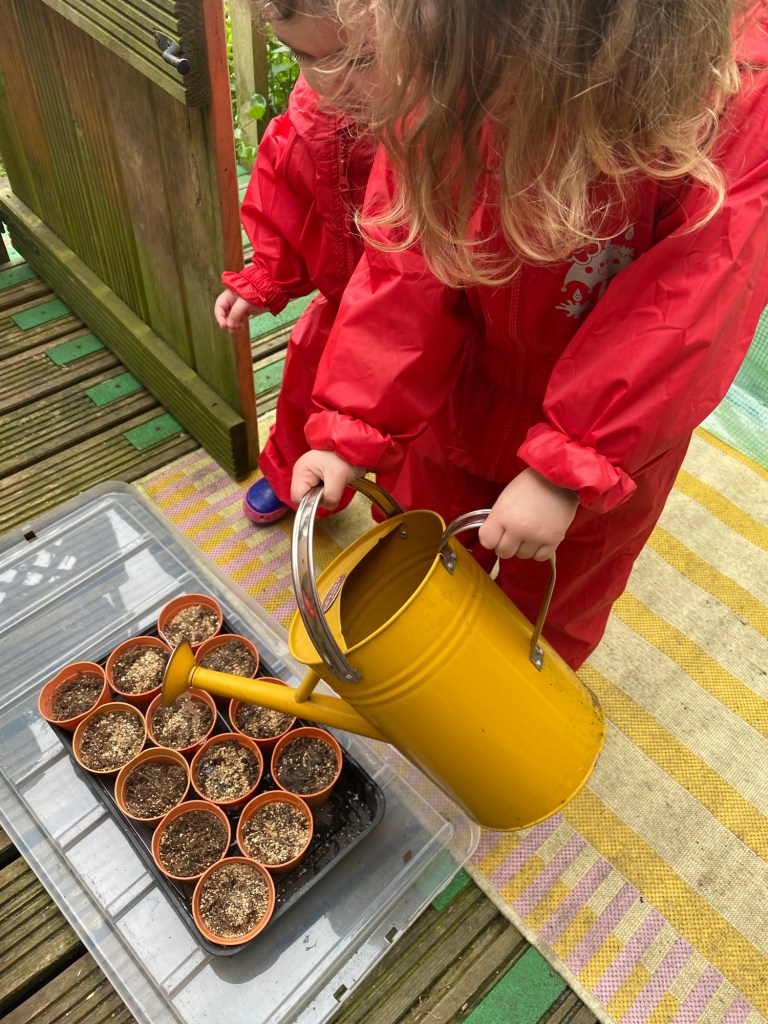
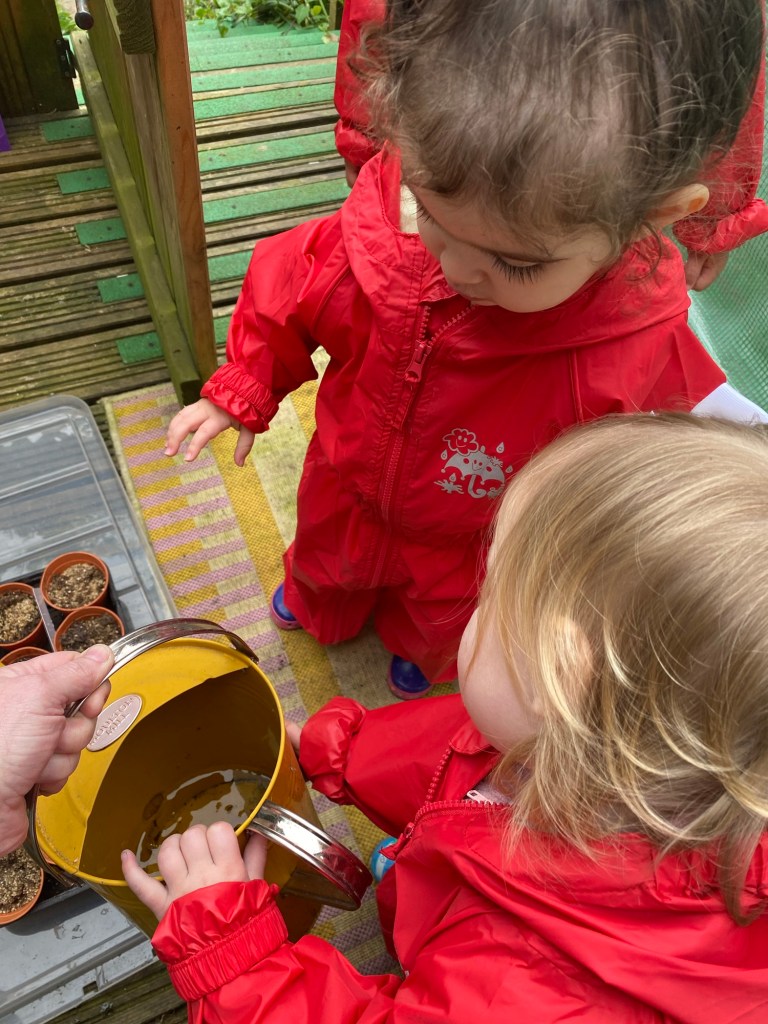
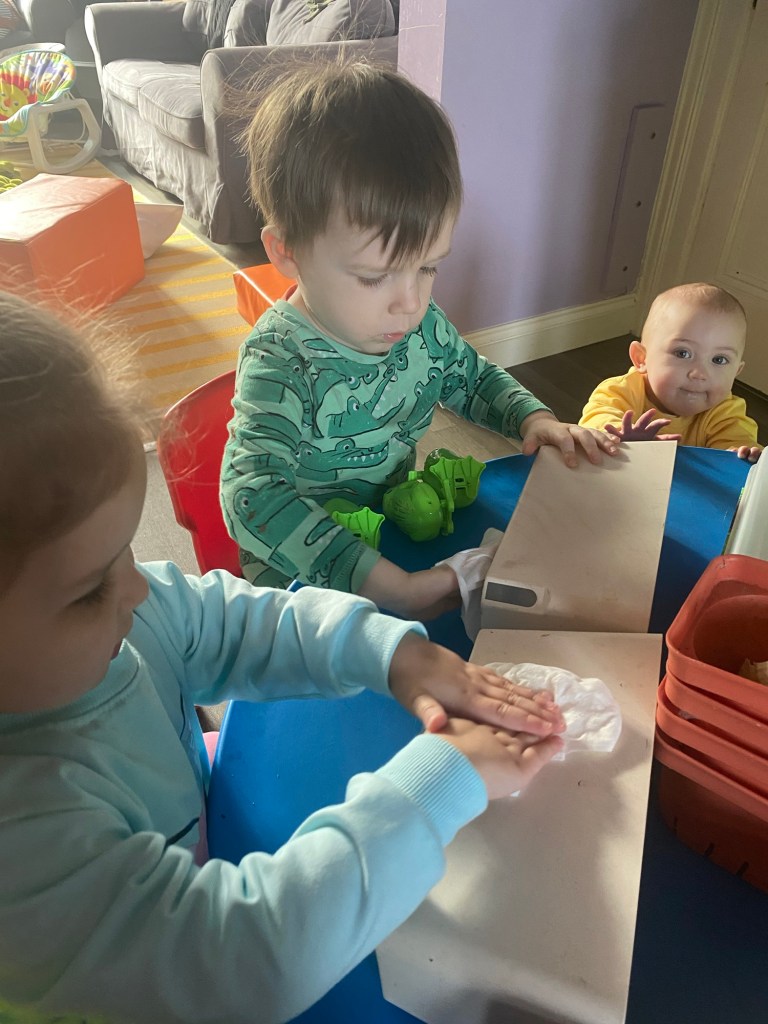
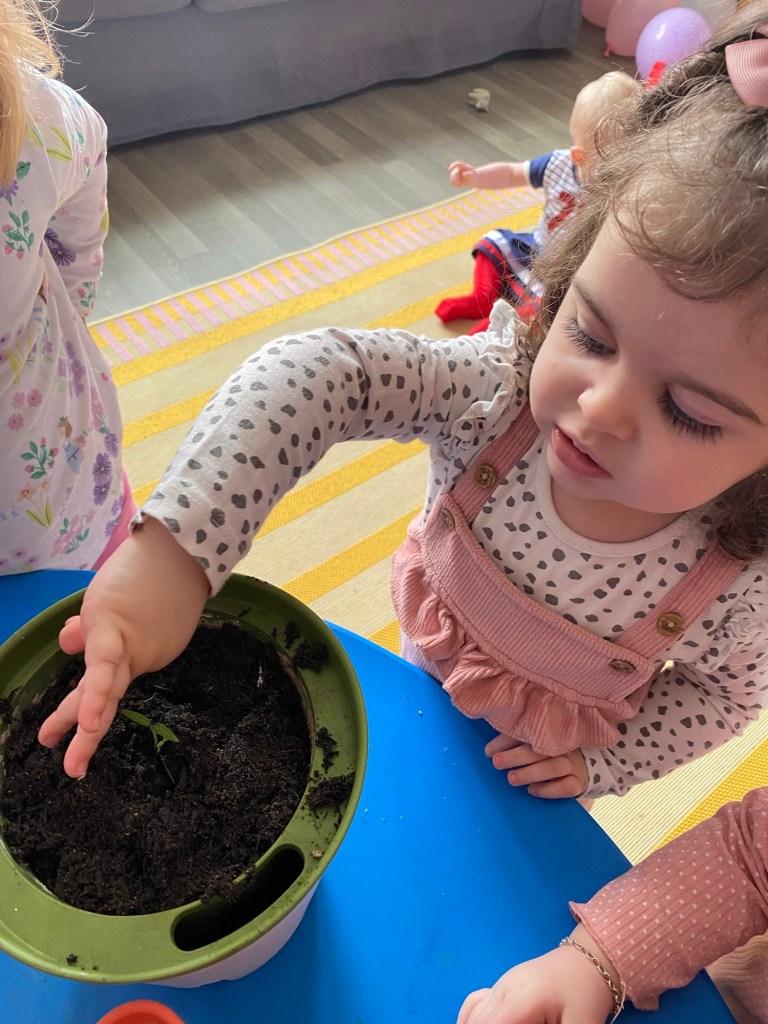
We have loved getting outdoors and sowing some salad crops. We mixed the peat free compost, filled the pots, sowed the seeds and gently watered them in to germinate.
Alba Mixing The Vermiculite Into The CompostEveryone Taking TurnsSowing SeedsHelping Each Other Watering The Seeds
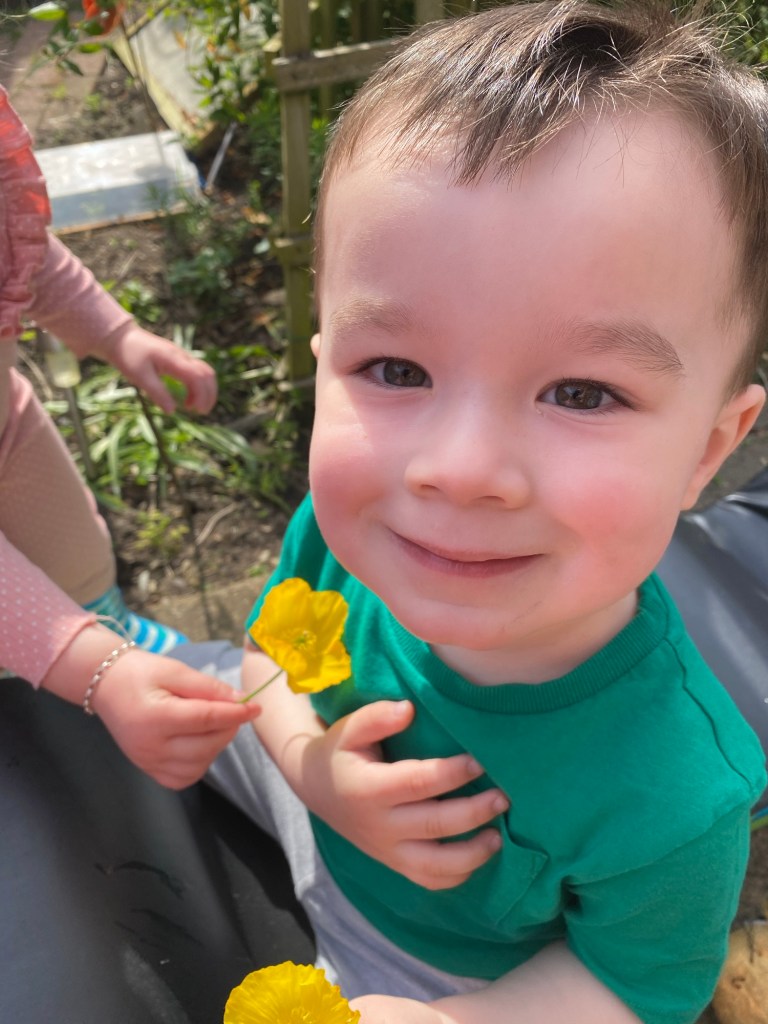
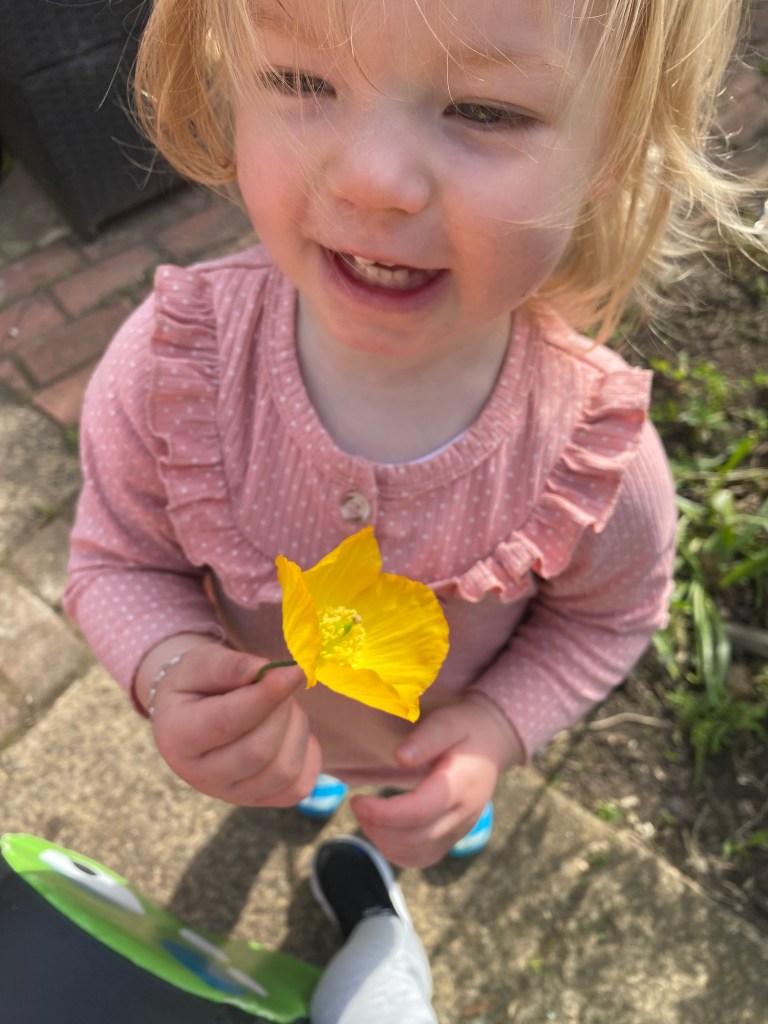
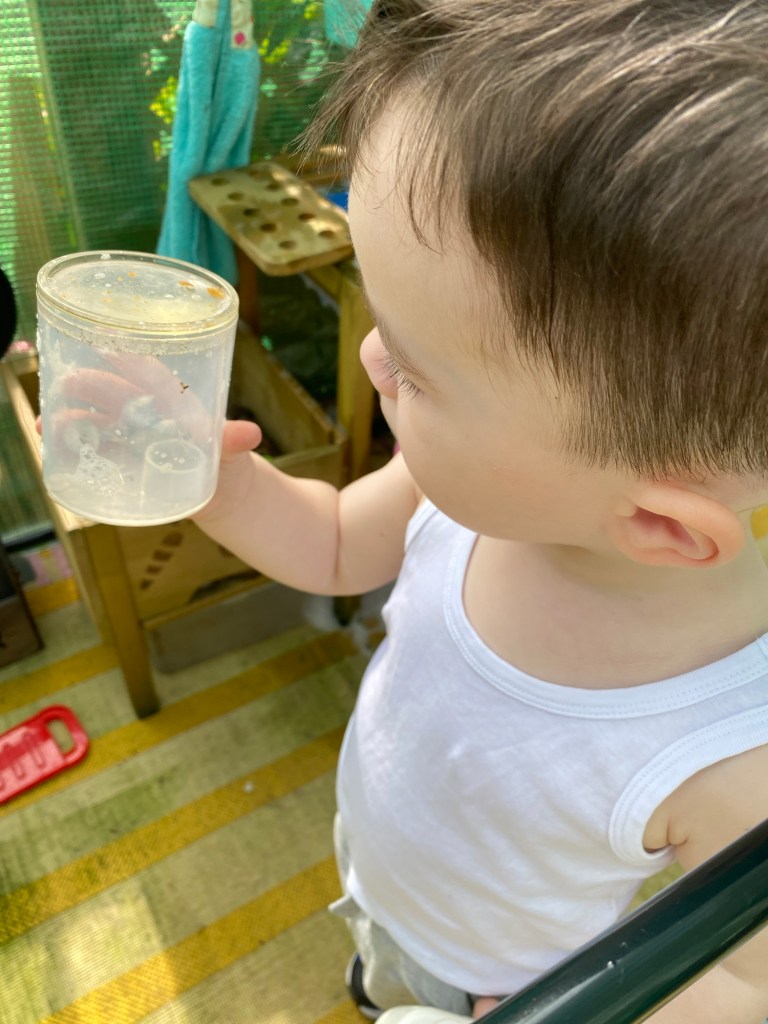
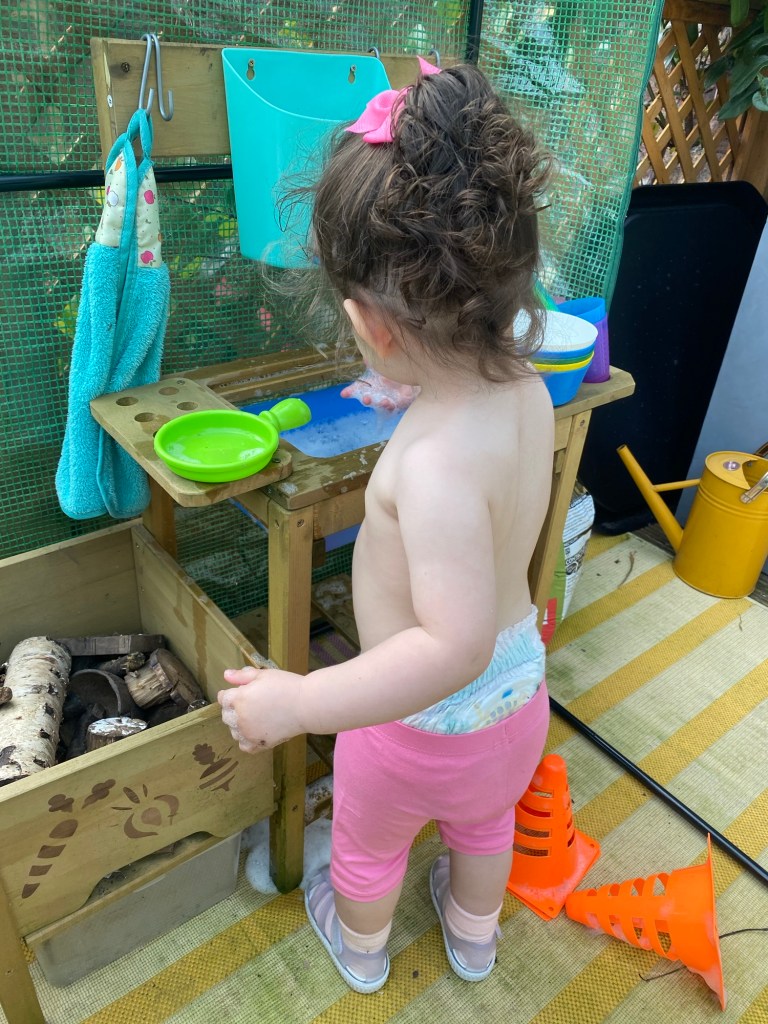
We had fun looking around the garden for bugs, we found snails, ants, butterflies, a dragonfly, wood louse, worm and Fizzy our cat asleep in the shade. Mable and Elliott thought the yellow poppies were pretty.
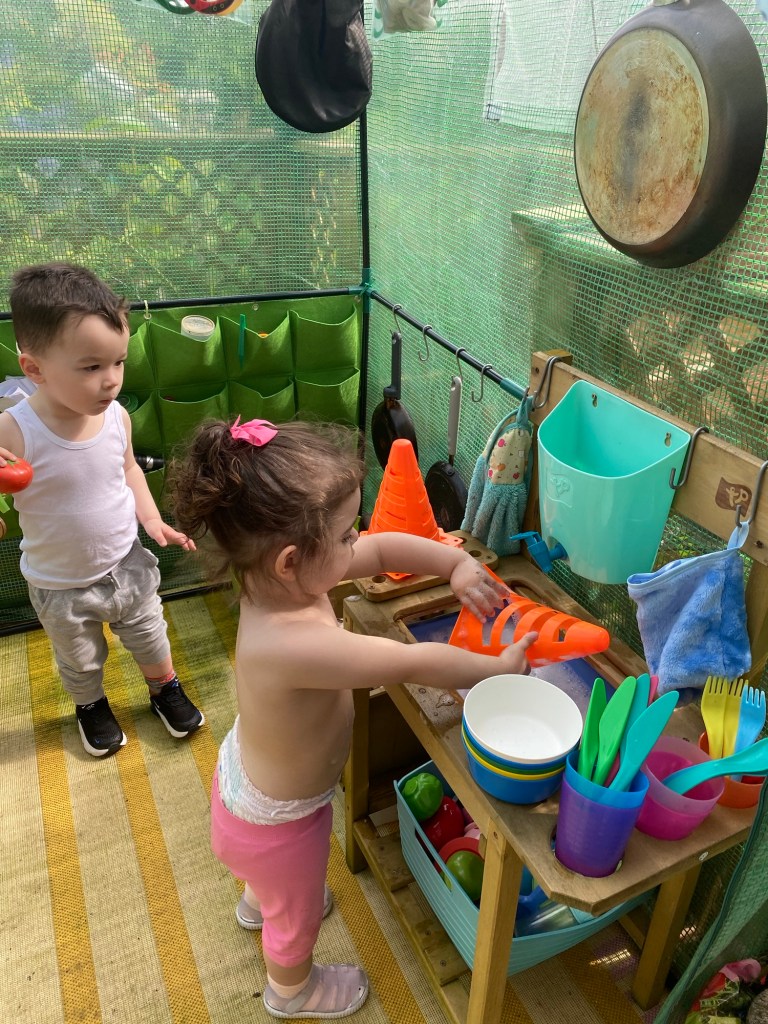
ElliottMableBug HuntWashing UpOutdoor KitchenWater PlayPlaying Around
We had a lovely time in the garden, we are excited to see our seeds germinate and turn into delicious salad crops, so we can have them for lunch.
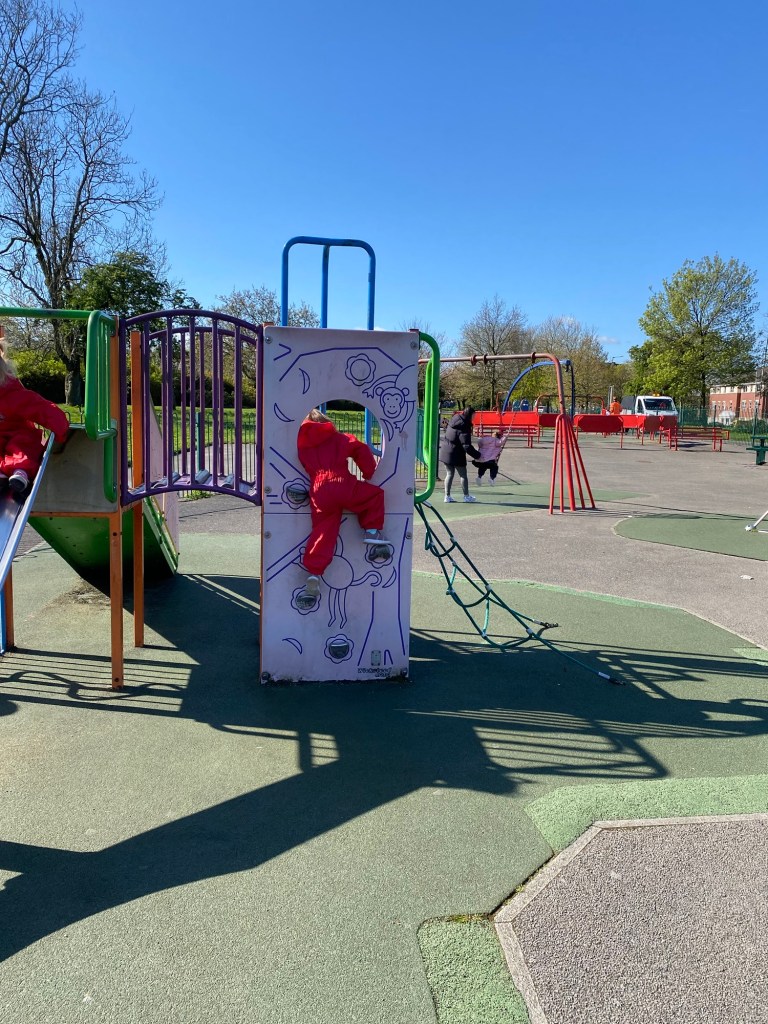
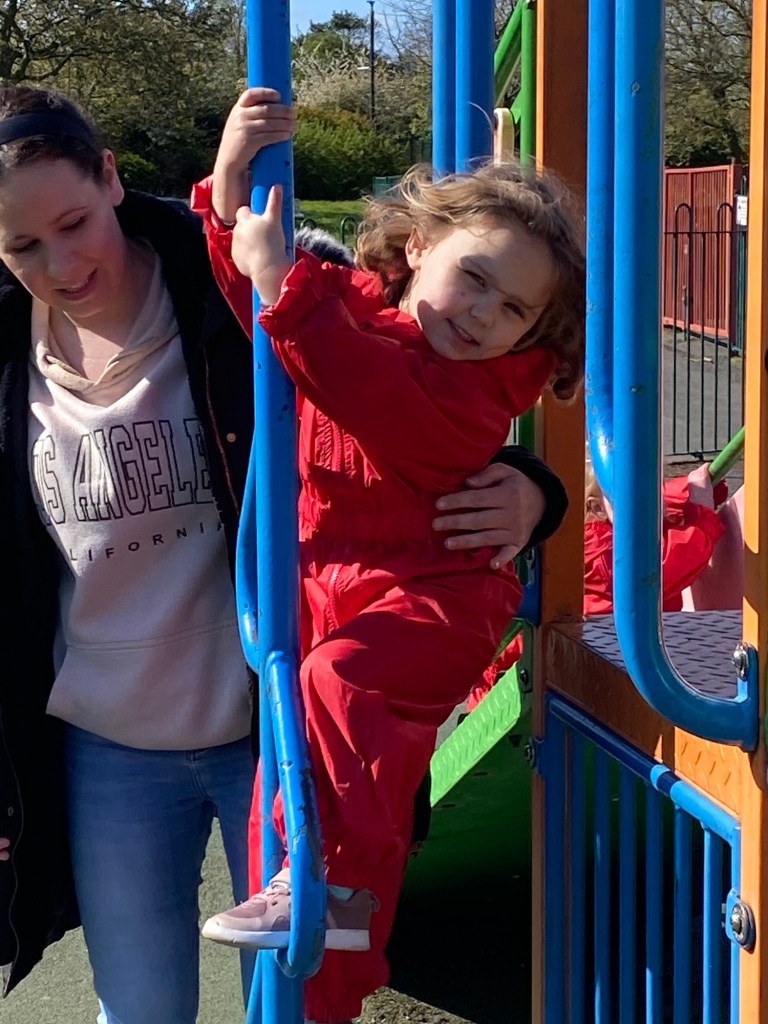
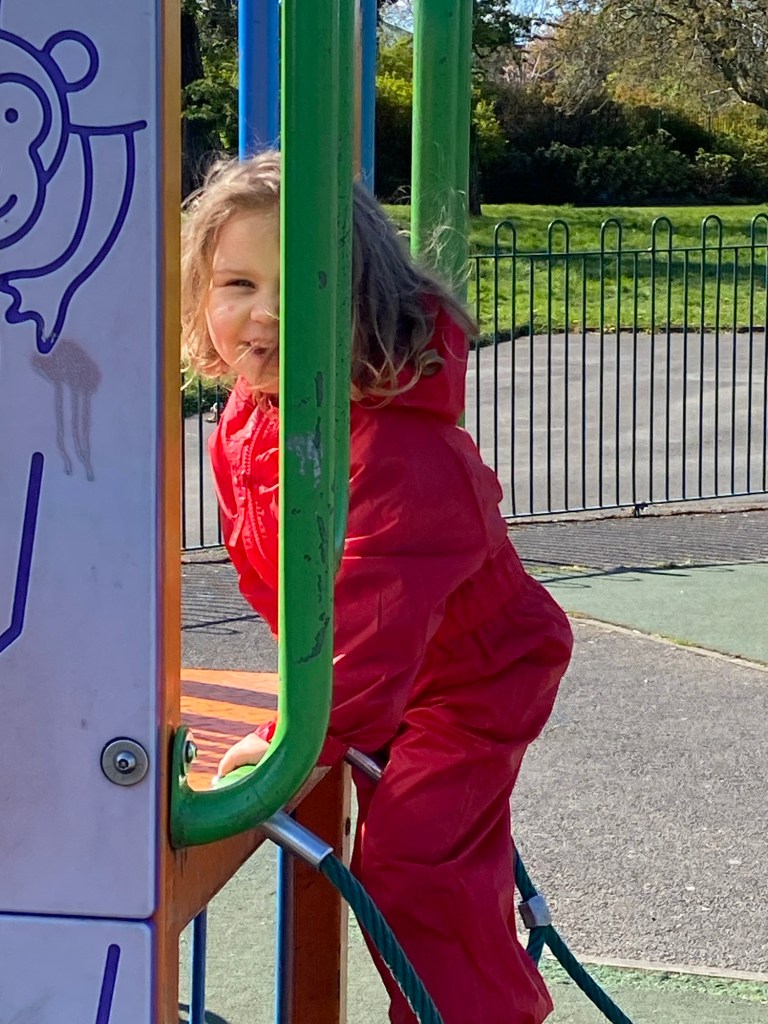
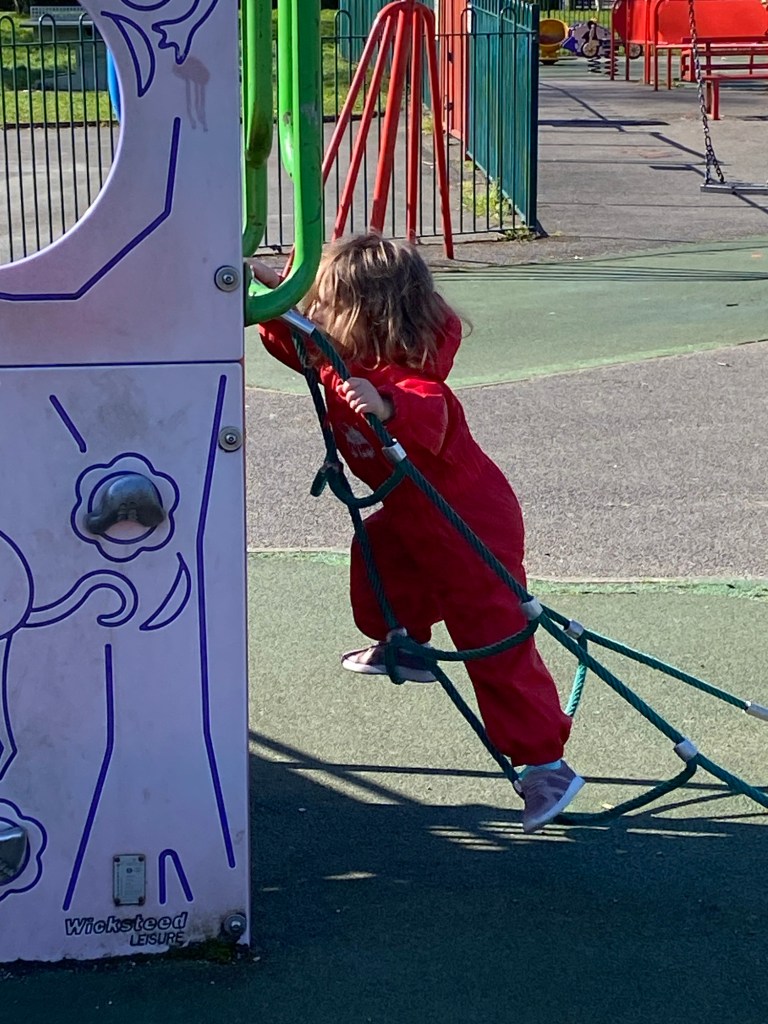
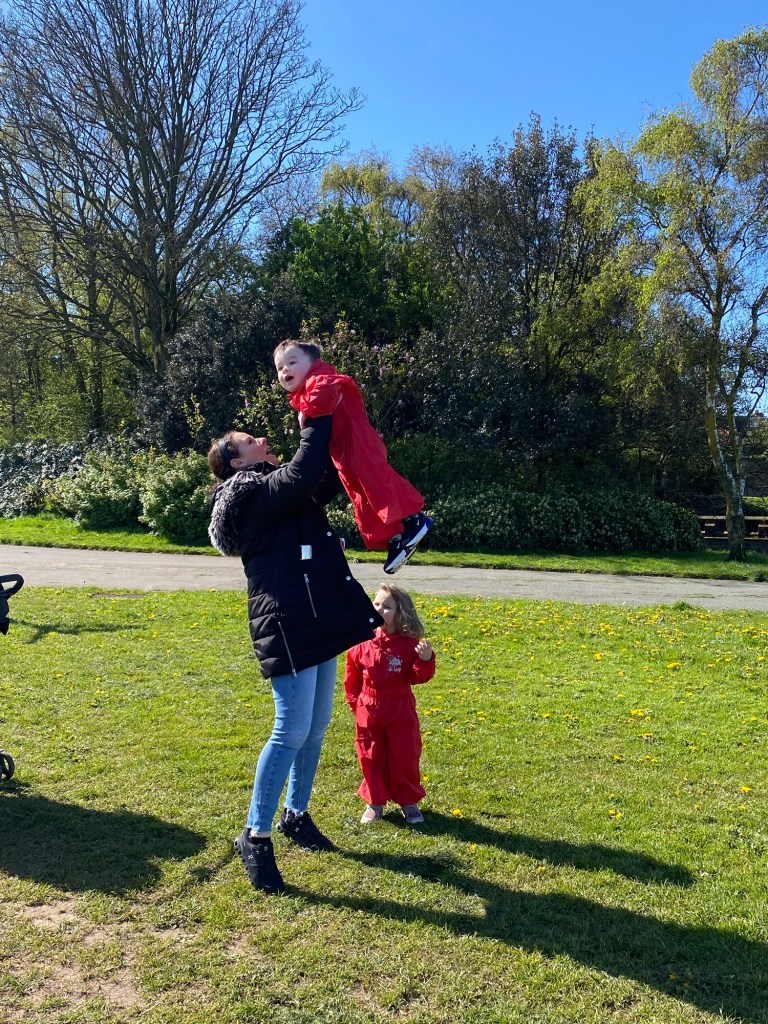
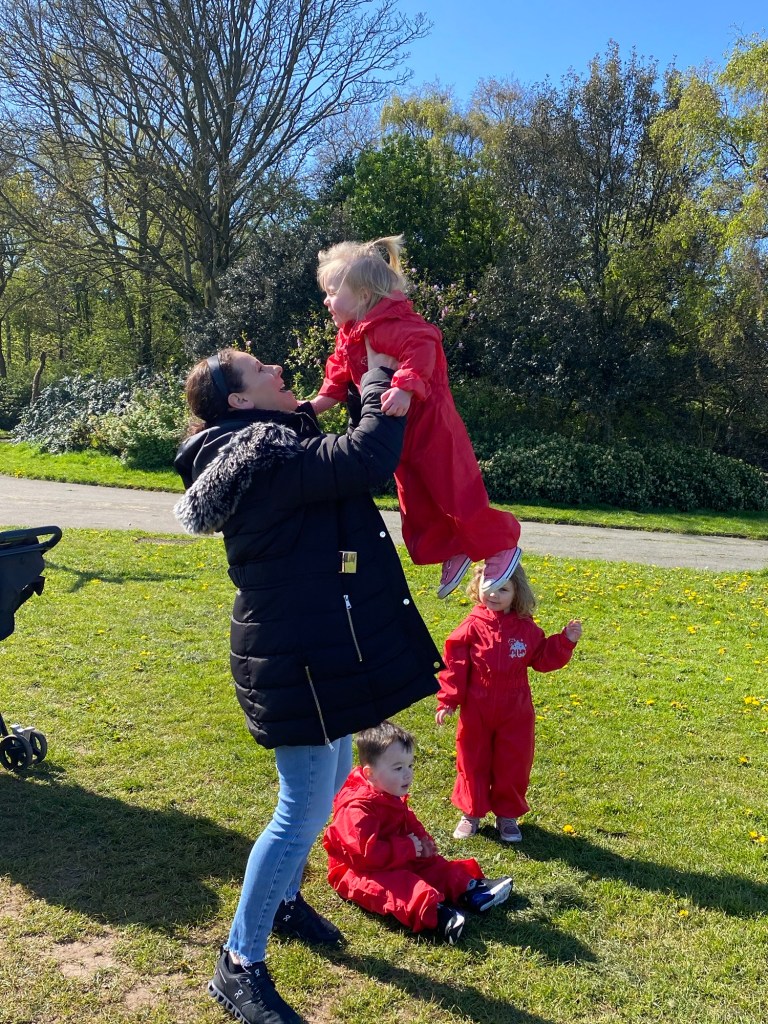
Today we had a lovely day at Stanley Park. We walked through the rose garden to the play park.
At The TopProud Of HerselfOver The BridgeSo Determined
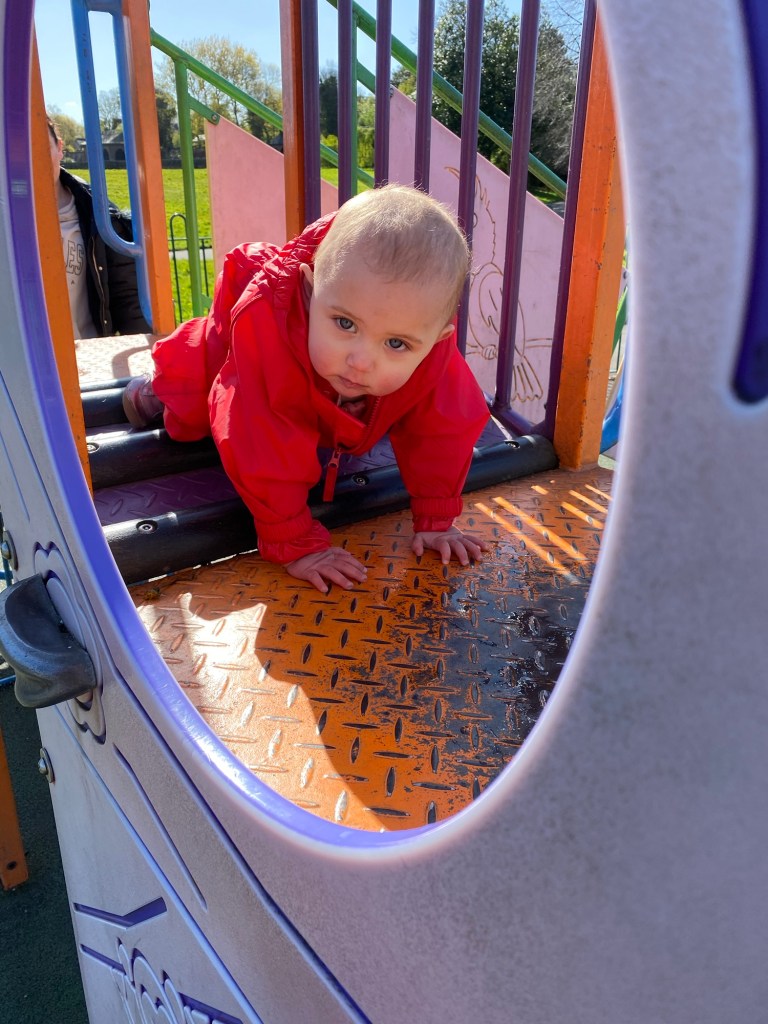
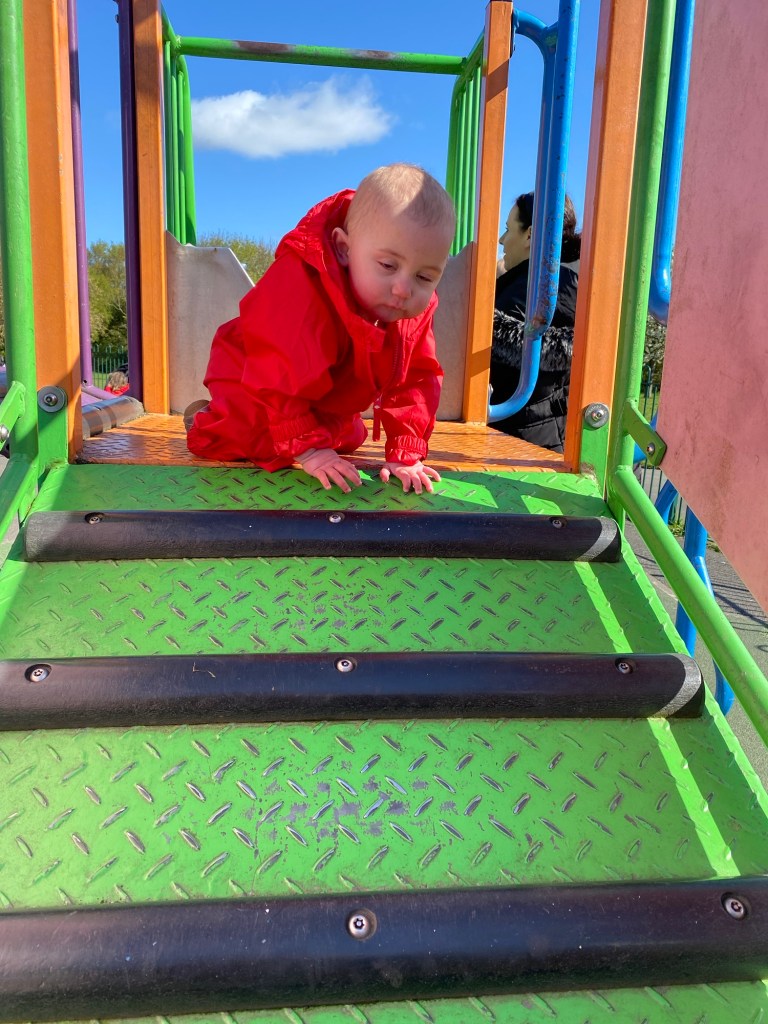
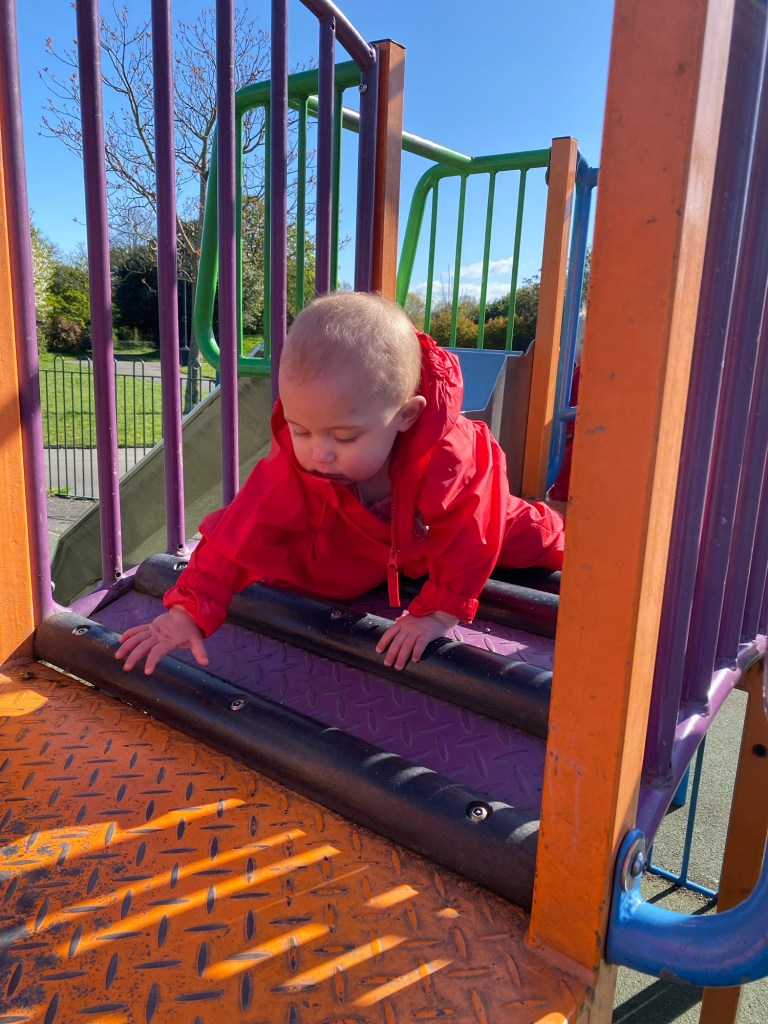
Ayrn was so clever and determined to climb the stairs to go down the slide.
Elliott and MableConfident WeeeeeeHaving Fun
Mable and Elliott loved playing and are both confident enough to climb up and go down the slide independently.
Climbing WallDown The PoleReaching The TopRopes
Alba enjoyed using the climbing wall, pole and ropes.
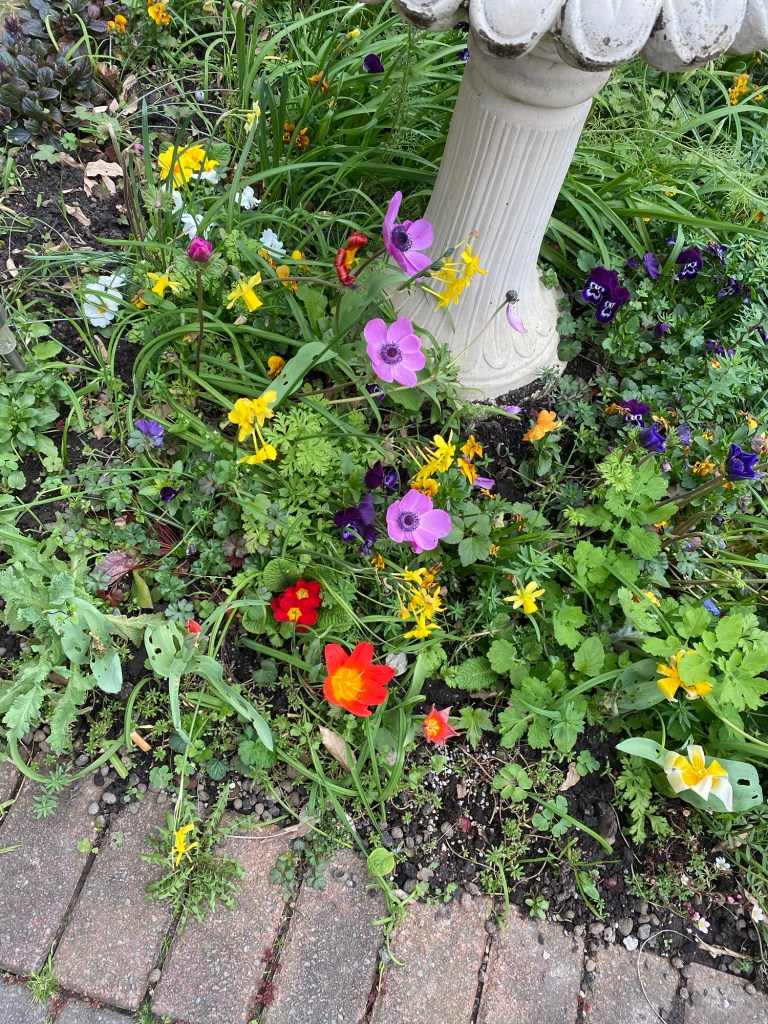
After we left the play park we went for a walk to find as many different coloured plants and flowers as we can.
Yellow WhoteBluePinkPeachLottie’s Yellow
The children looked everywhere, up high, down low, near the pond, over the bridge and through the wildflower meadow. (Sounds like the makings of a brilliant book lol)These photos above are the plants we found.
Look How Far Alba Ran! These Two Needed Lots Of Encouragement Alba WonMable SecondElliott ThirdMable Was So Excited
We decided next to have a race on the playing field.
After our race we all needed to have a rest, some water and a biscuit. What a lovely sunny day out we had.
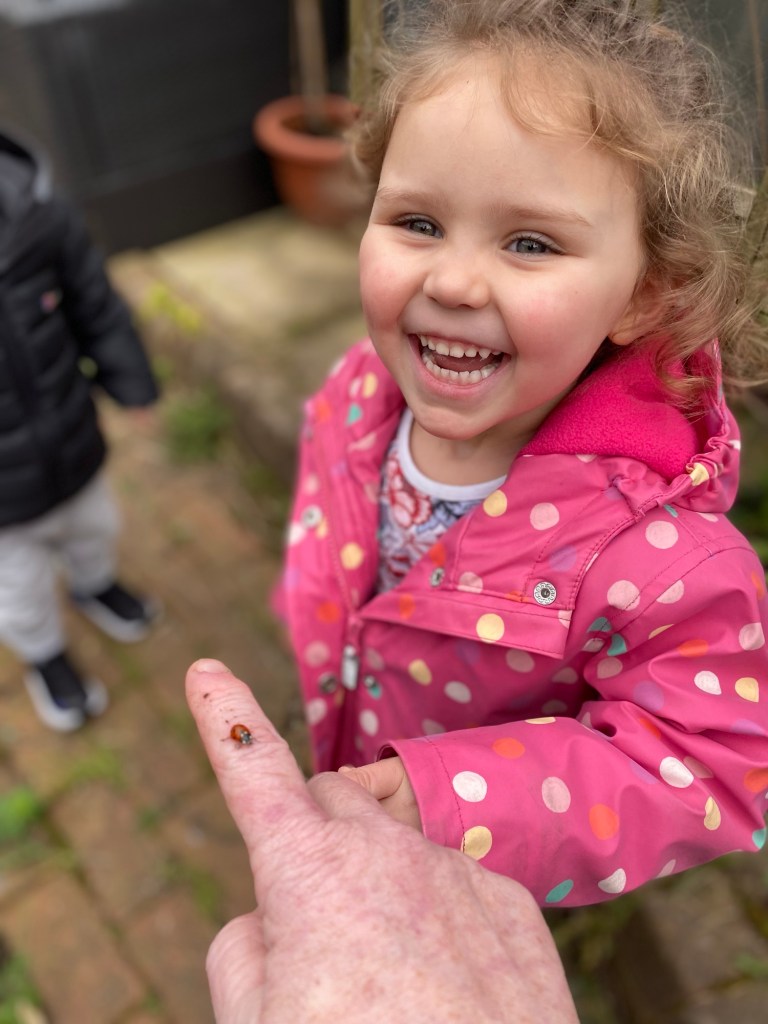
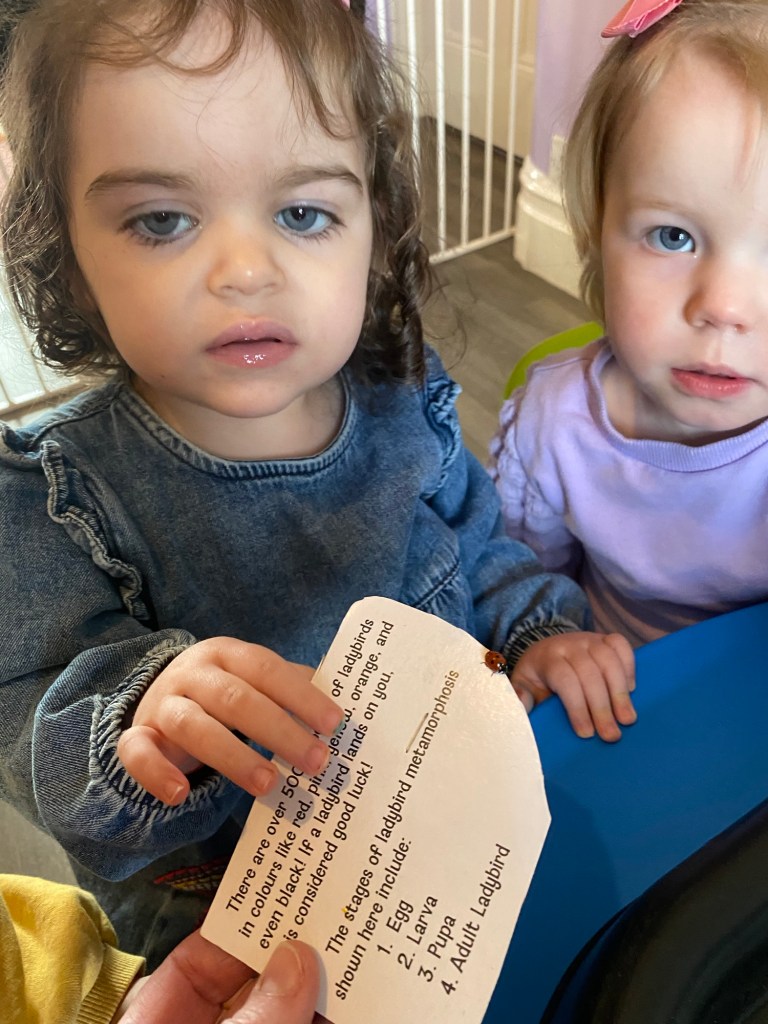
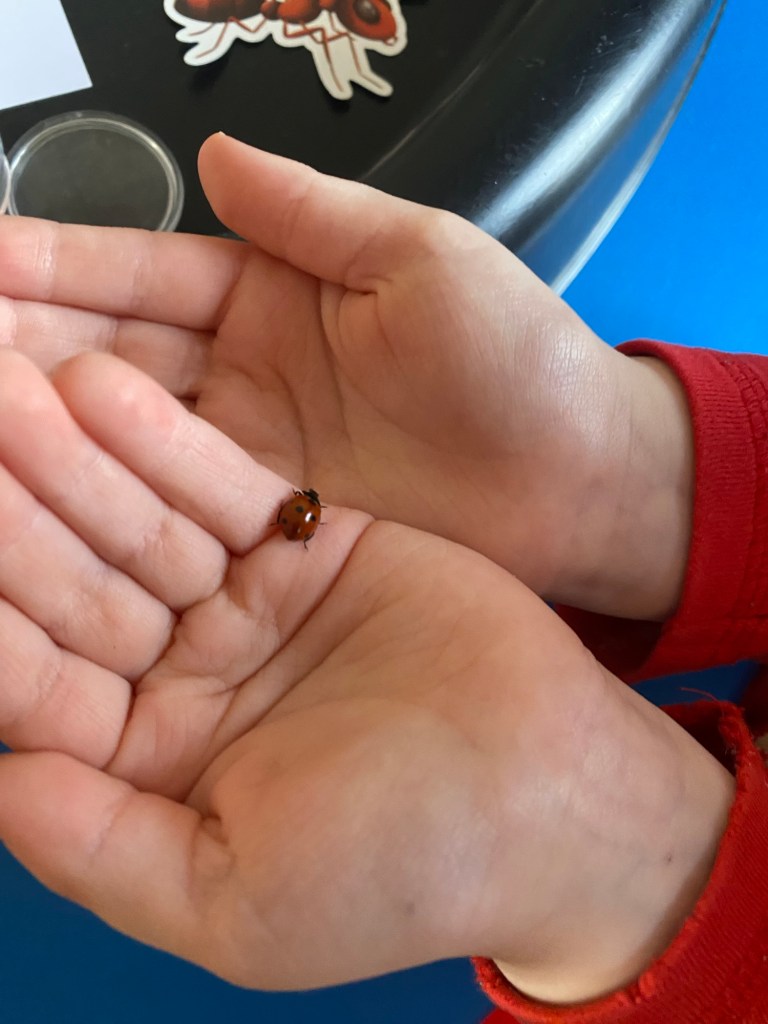
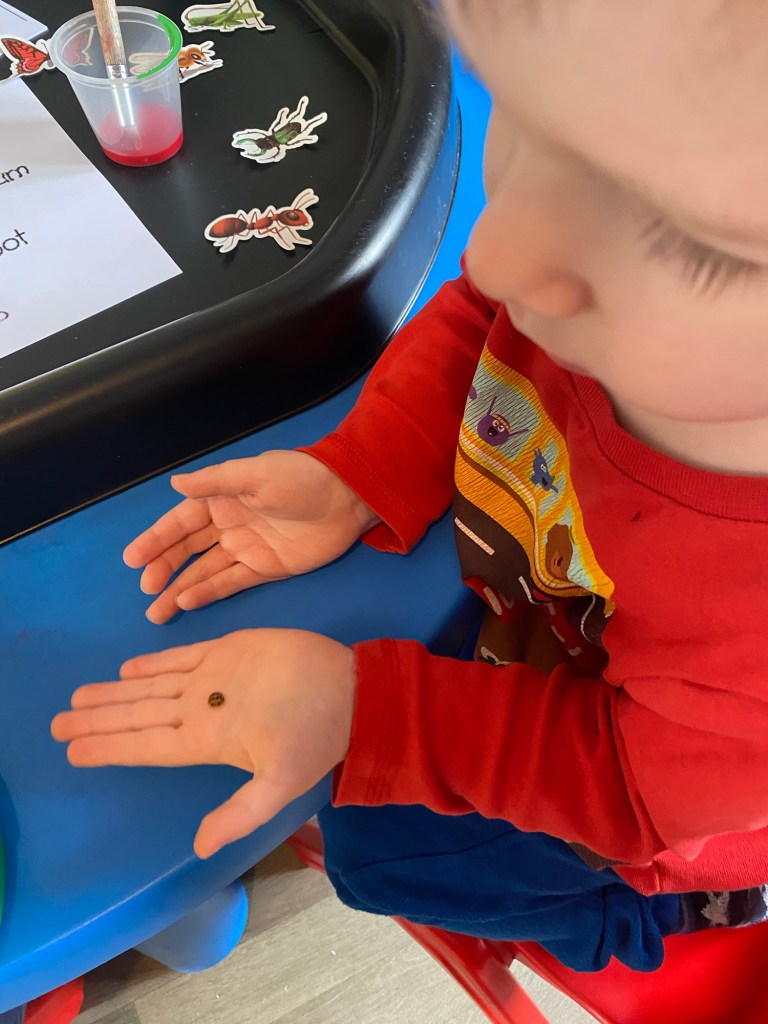
We all absolutely loved the story sack ‘What the ladybird heard’ themed activity last week. We decided to extend our knowledge around the little red bugs.
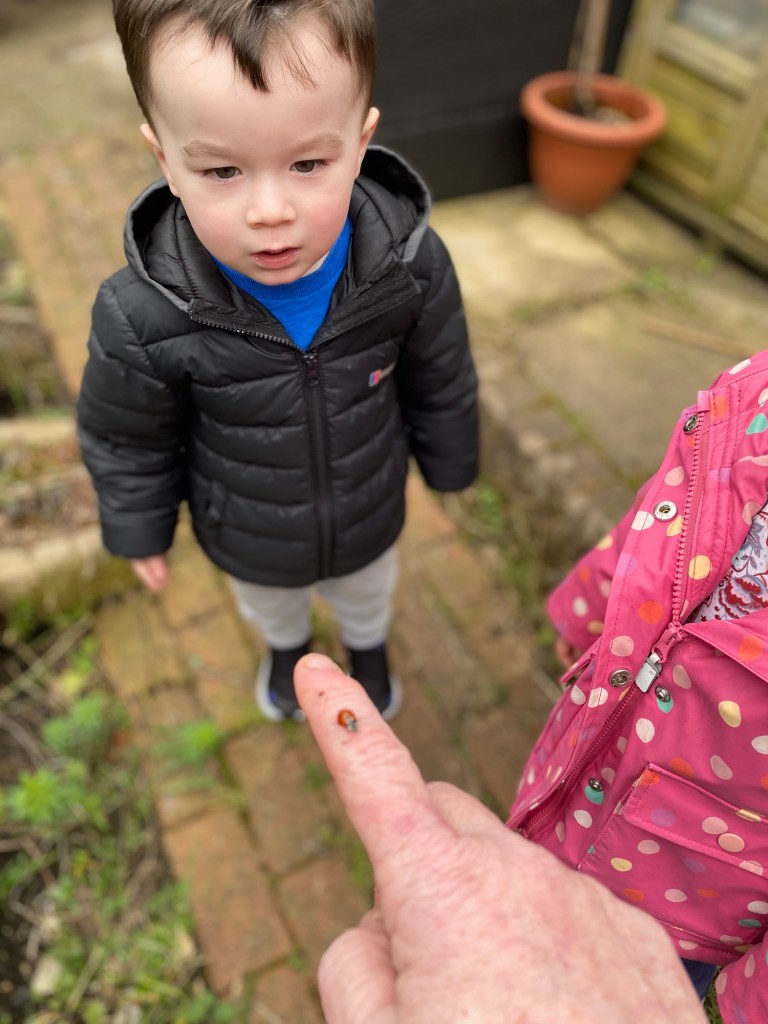
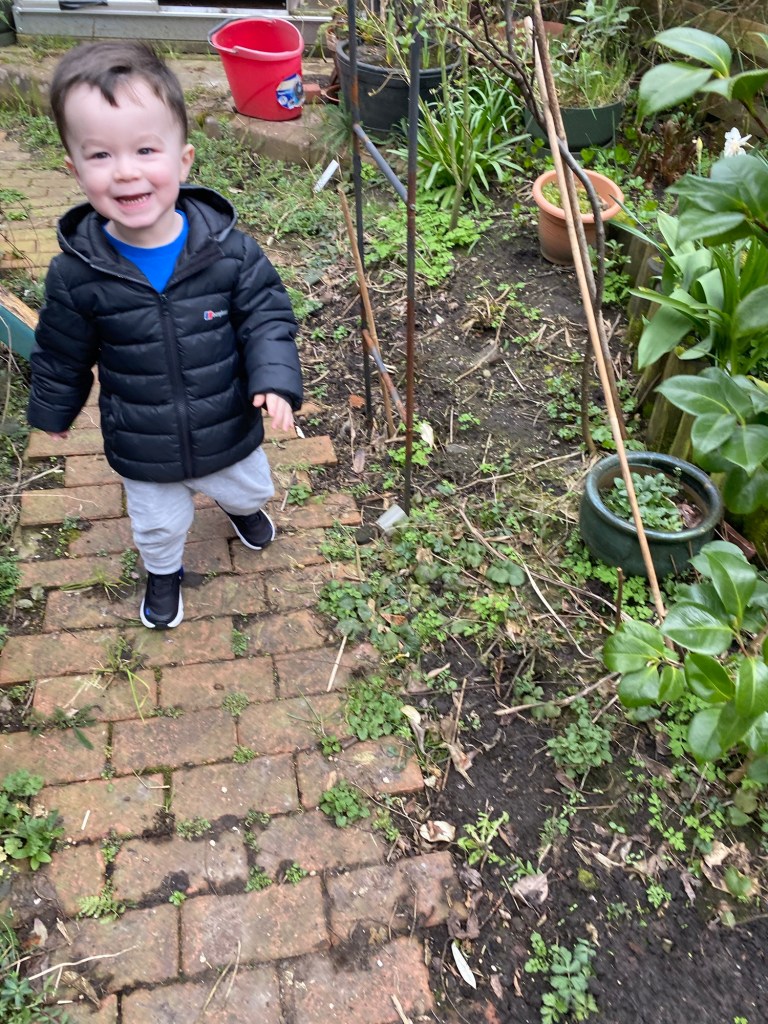
First we decided to go on a hunt to see if we can find any ladybirds in our garden.
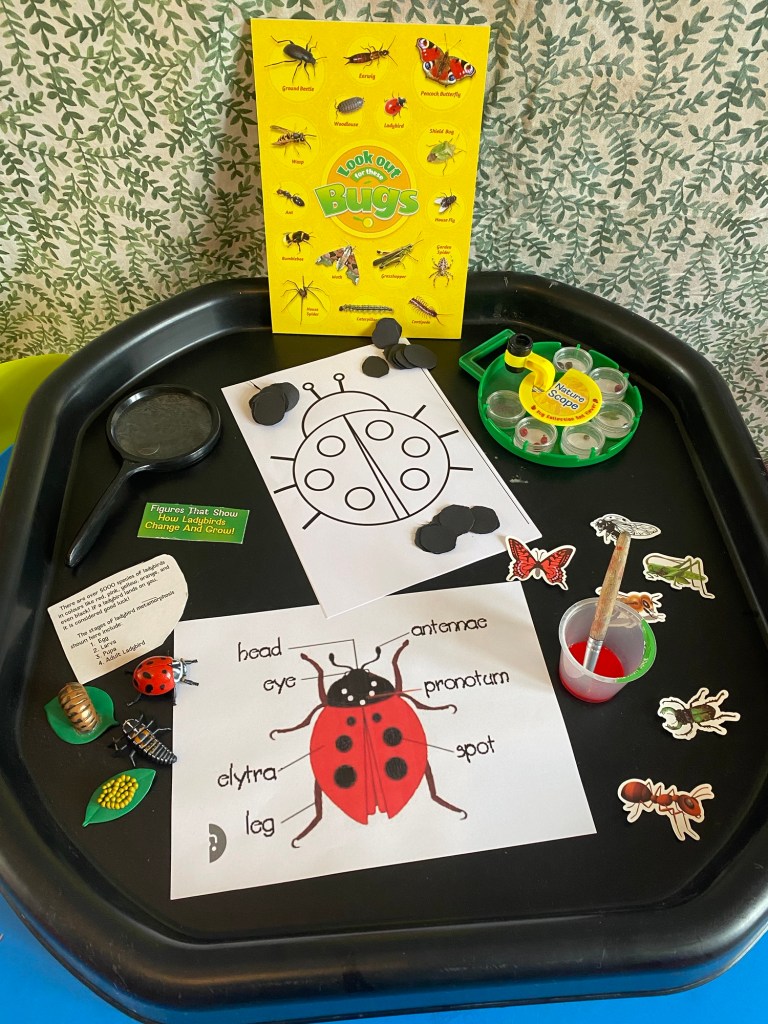
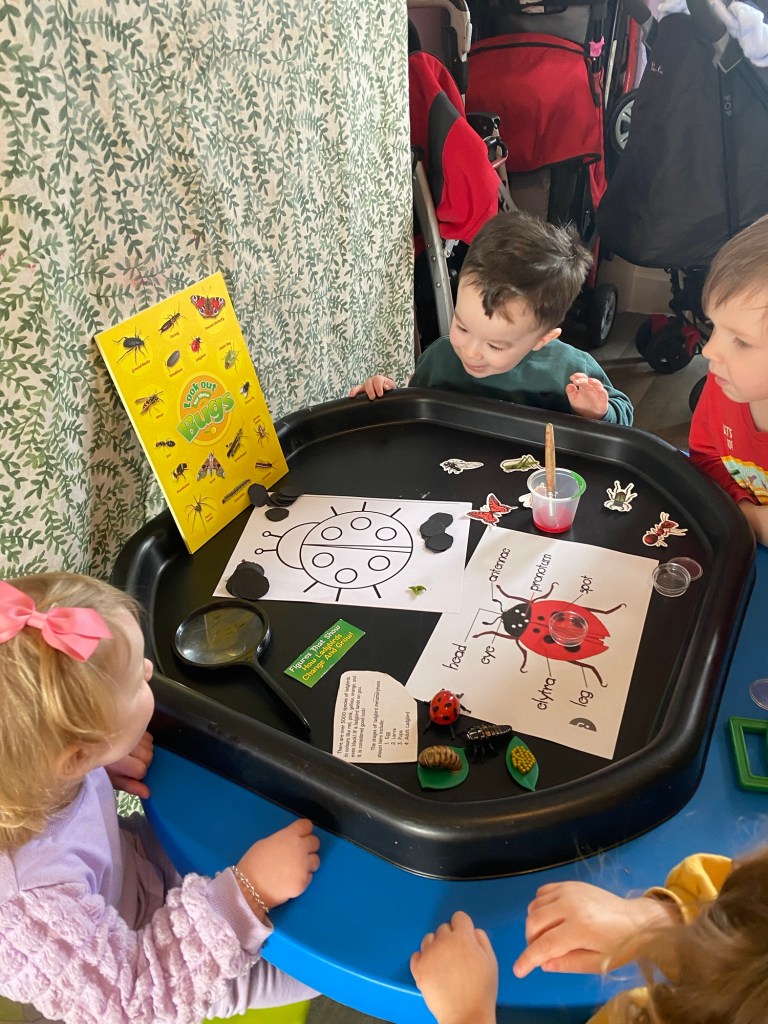
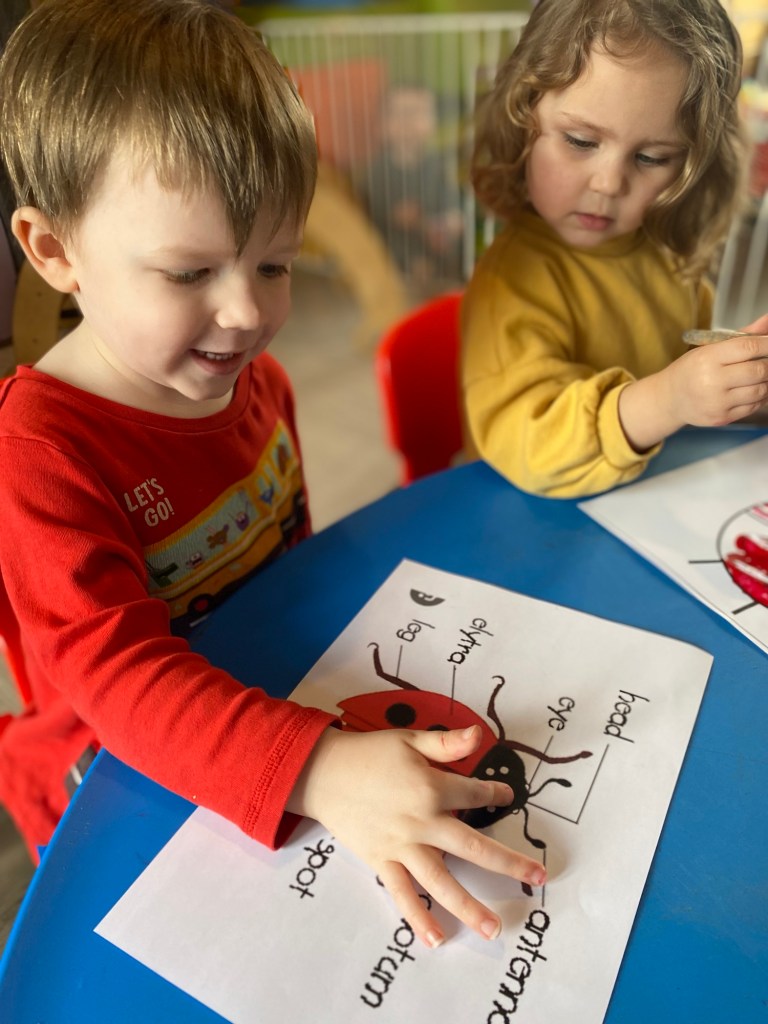
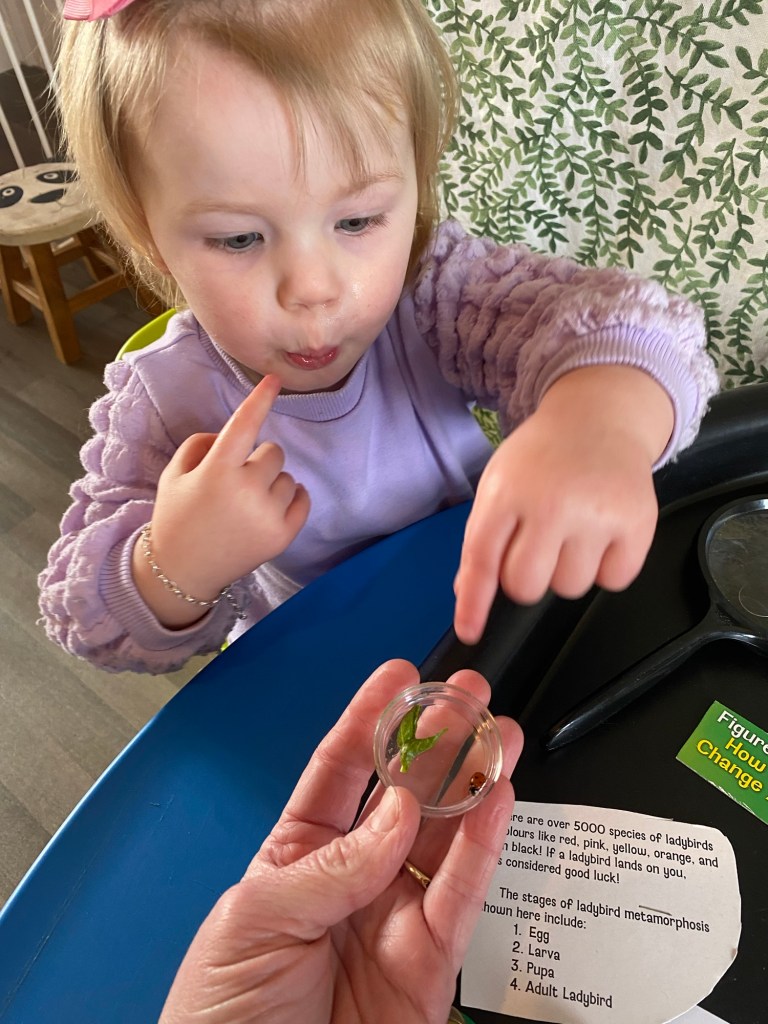
Tracie put together an activity tray for us to explore all about Ladybirds, what they eat, where they live, parts of their bodies and their lifecycle.
Ladybirds
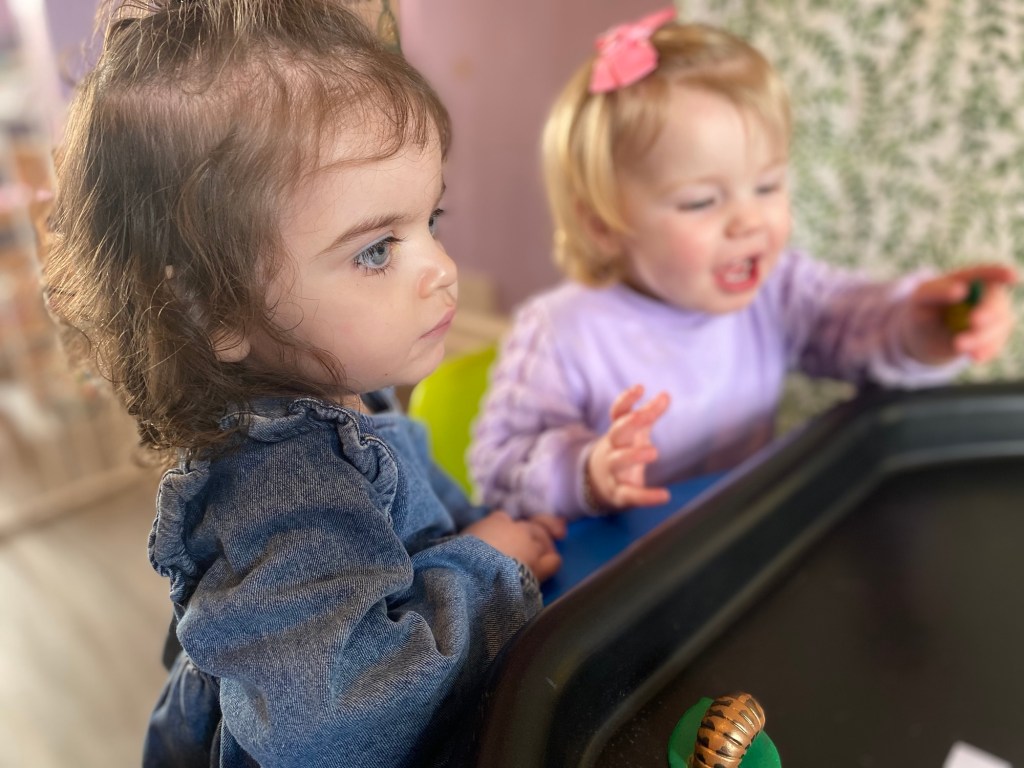
We were all very inquisitive looking through a magnifying glass, and seeing the detail on their bodies.
We looked at other British bugs and the children took it in turns to point out our ladybird.
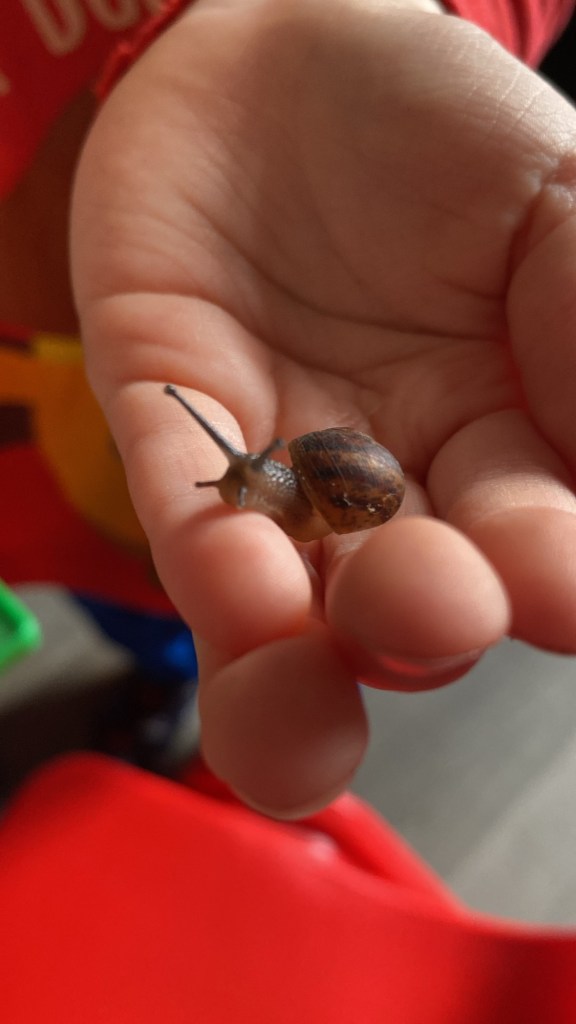
Some of the children handled the ladybird and snail. Others needed a bit more confidence and persuading to hold them.
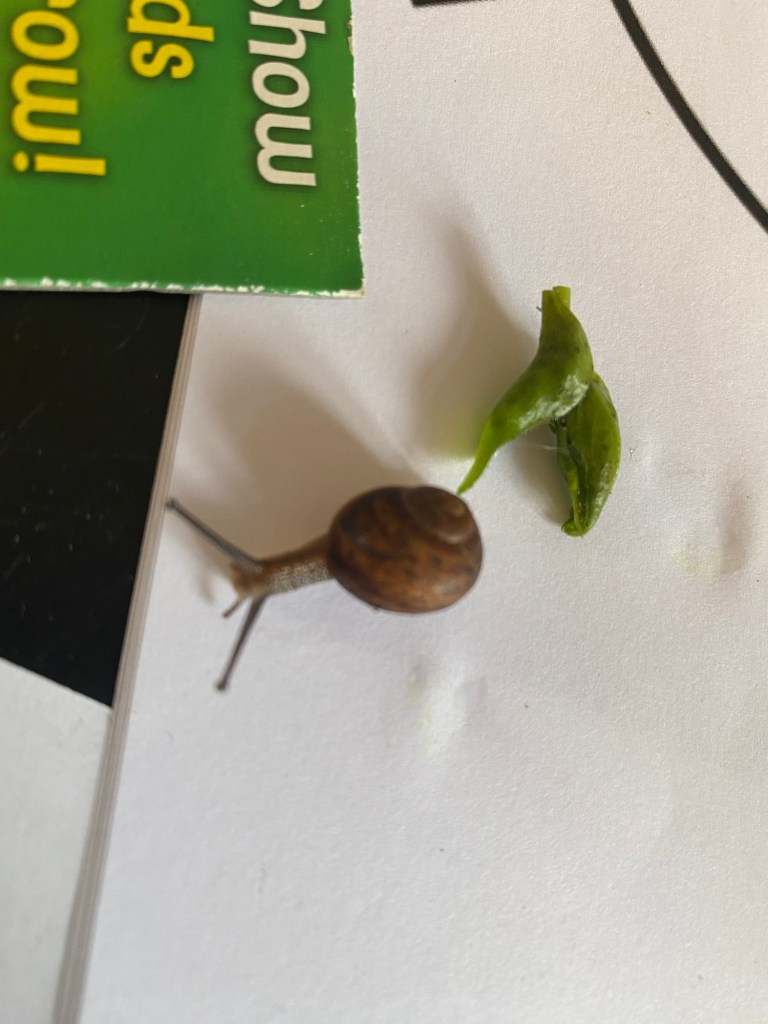
We looked at other bugs including a snail that we found.
The children used descriptive words like squidgy, slimy, disgusting, slippery, tickly, spotty, antennae, small, red, black, shell.
When the bugs walked around the tray the younger children shrieked in excitement.
The children all gave the thumbs up for their activity because they enjoyed learning about their favourite little red bug.
First we needed to clean the pots to get rid of any bacteria or decease from last years plants.
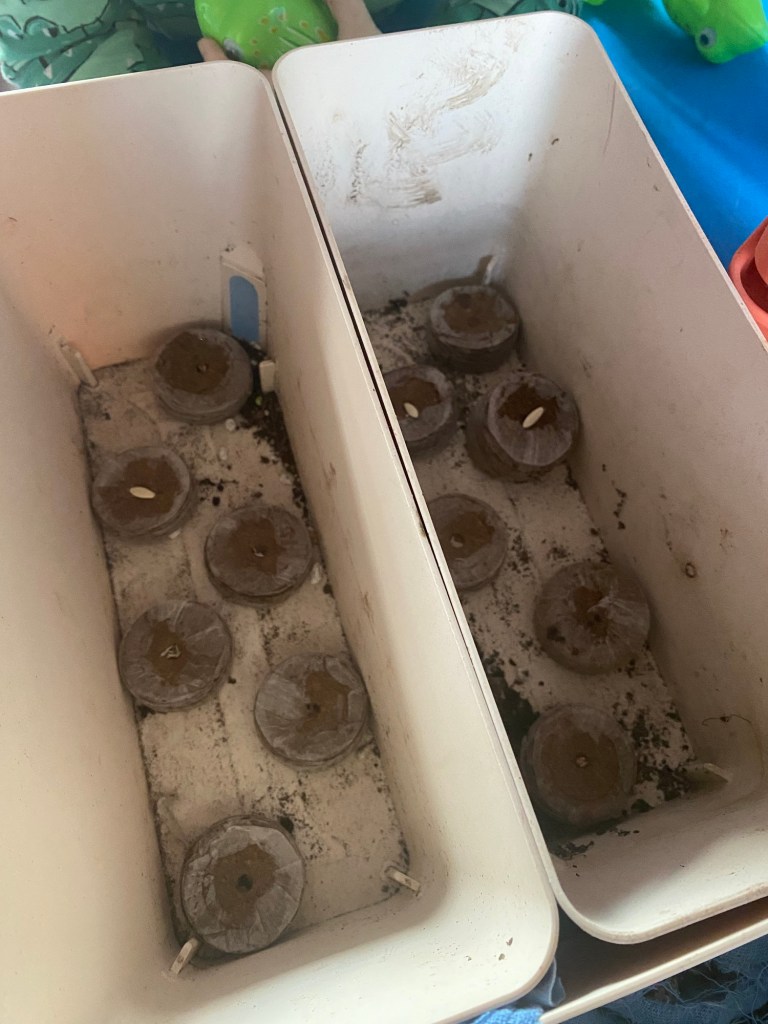
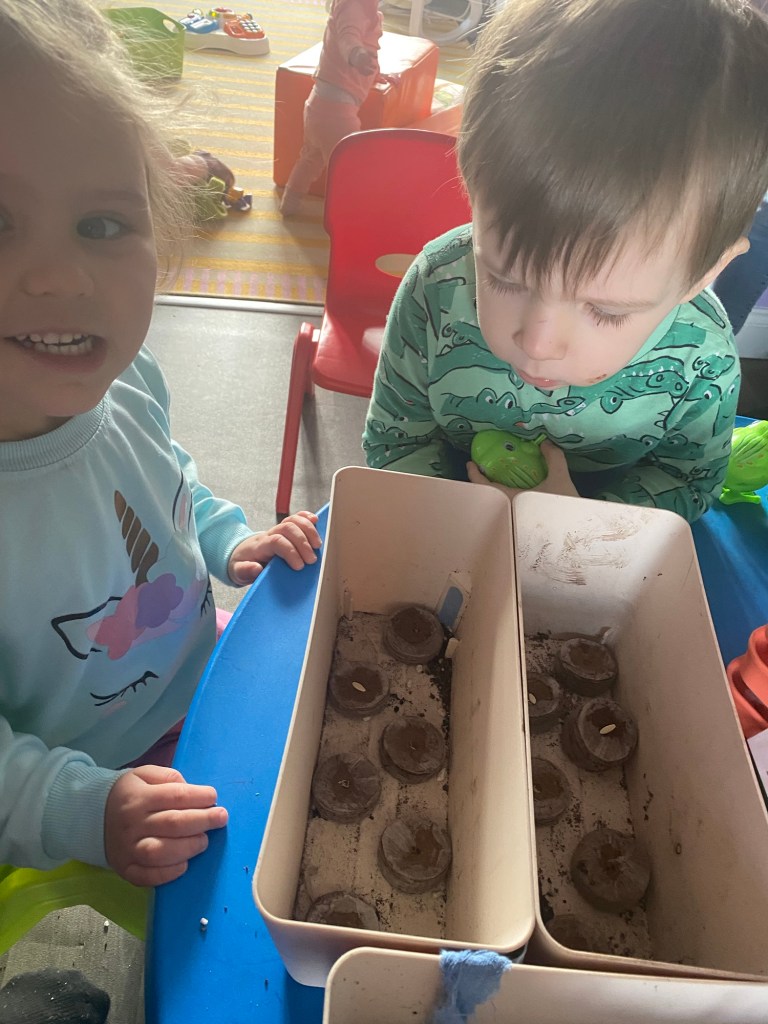
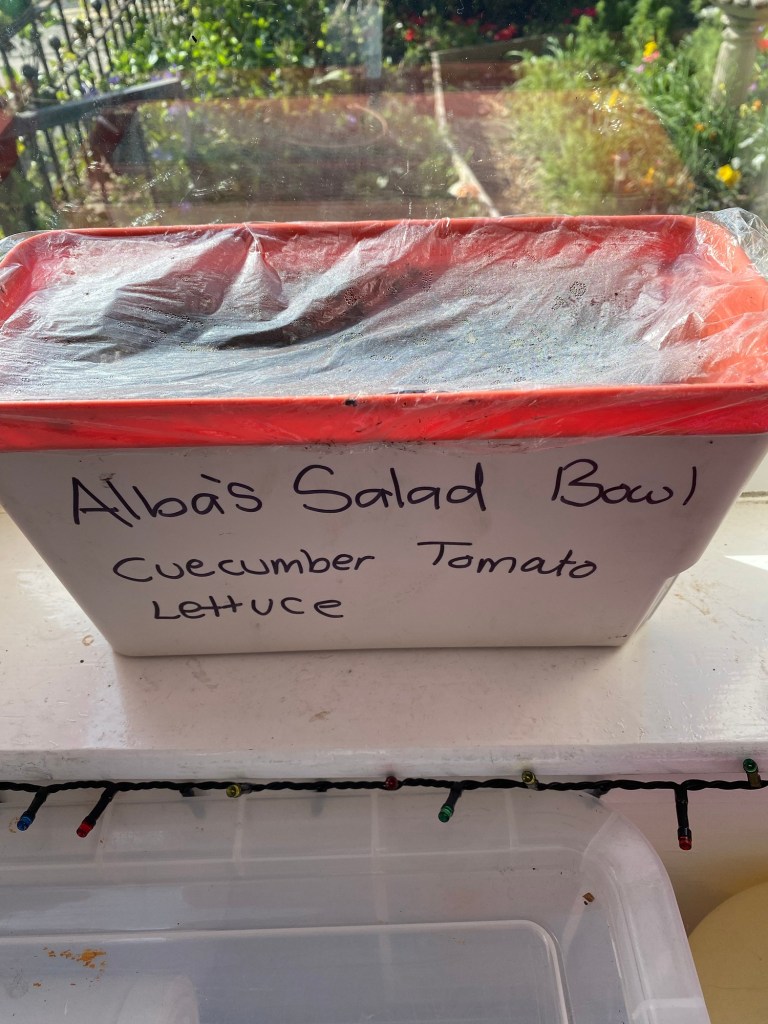
We then put coco disks into the pots and added the seeds.
We chose salad and herb crops because they are fast growing and we love cooking and eating them. We added water and watched as the disks filled out and firmed the seeds down.
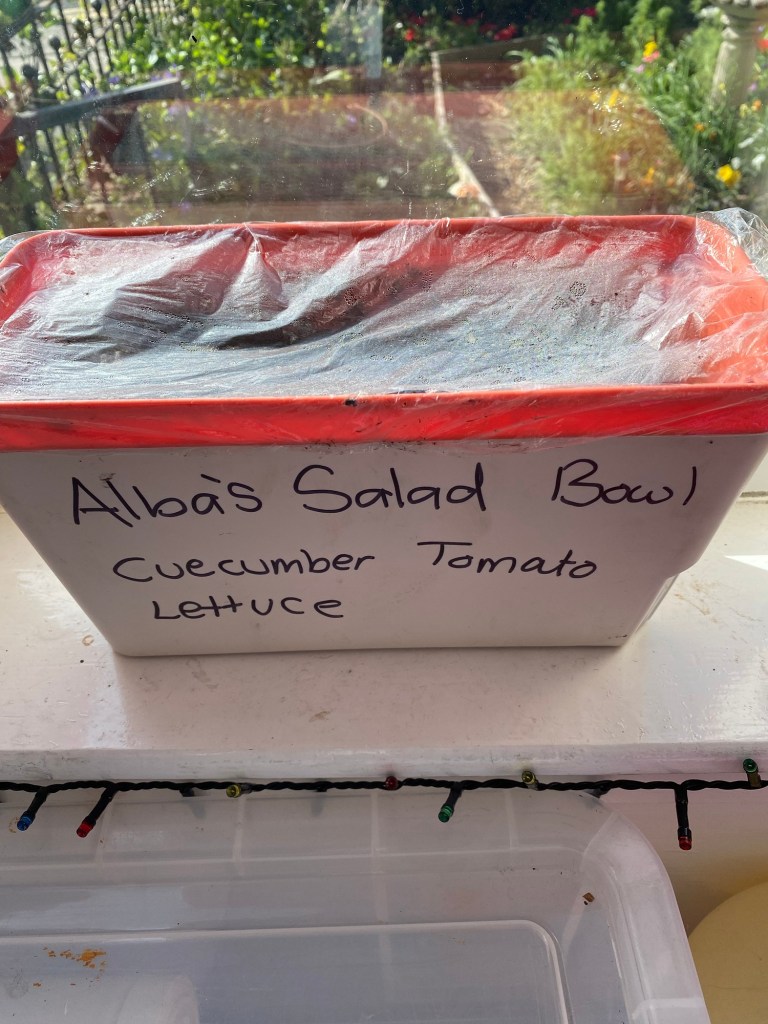
We covered the pots with cling film to help them keep the humidity to germinate the seeds.
One Week Later….
We had a look in our salad pots to see if any of the seeds had germinated.
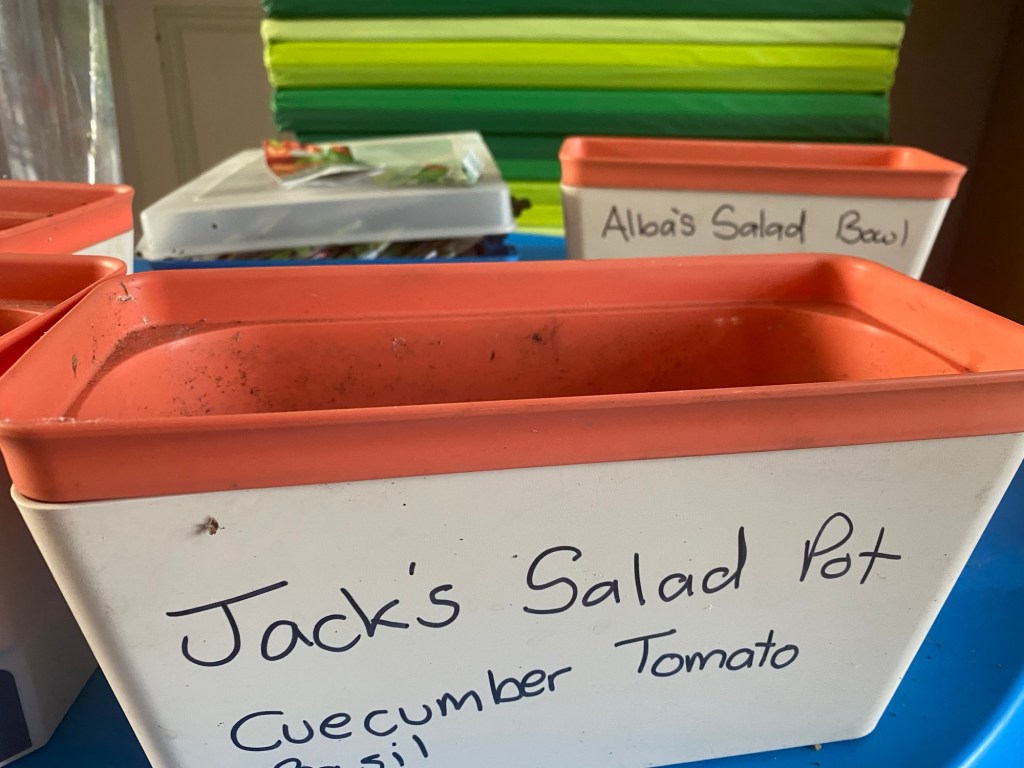
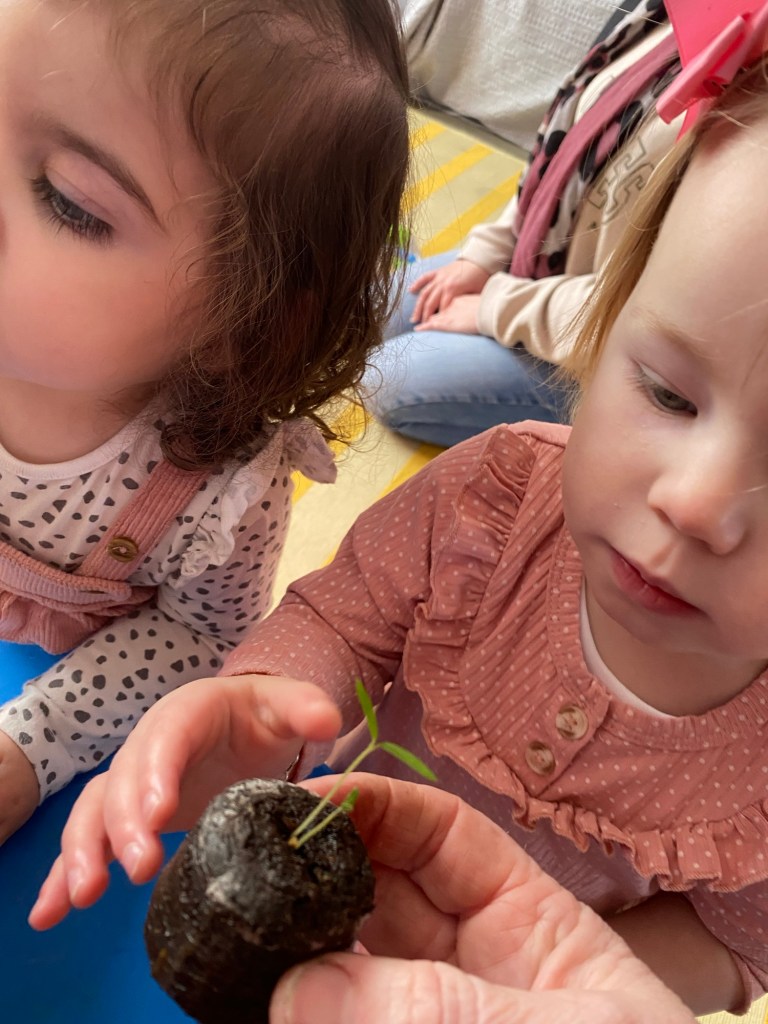
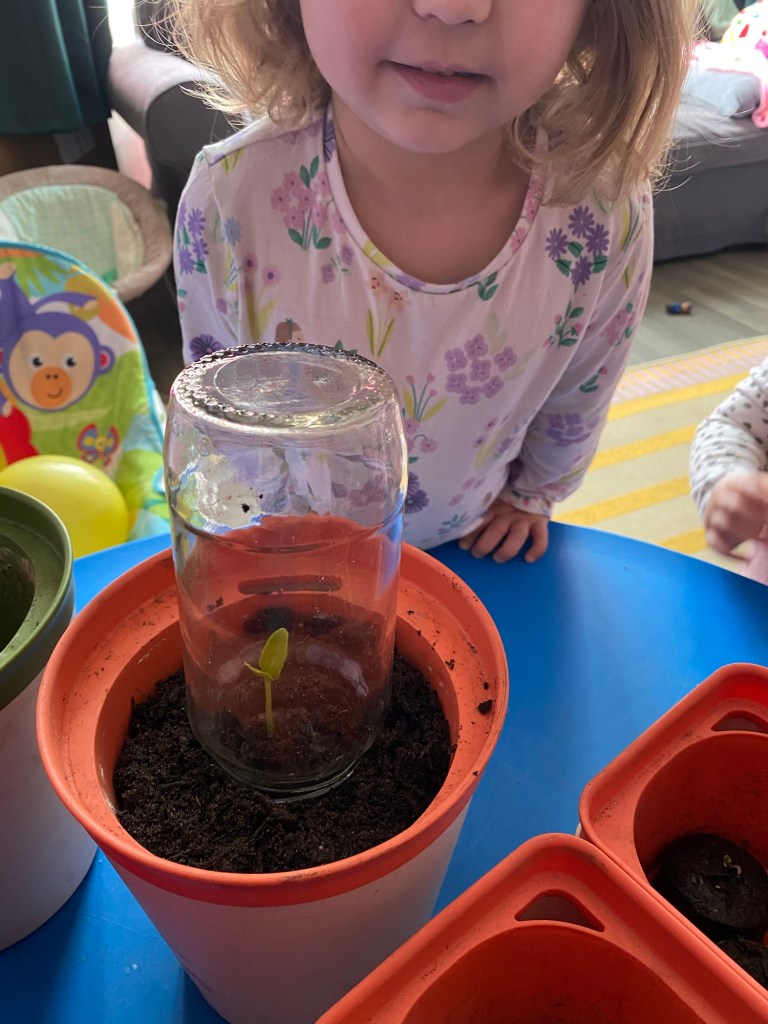
In Jacks pot we found a Cucumber seed had grown, it had reached over 1 inch tall.
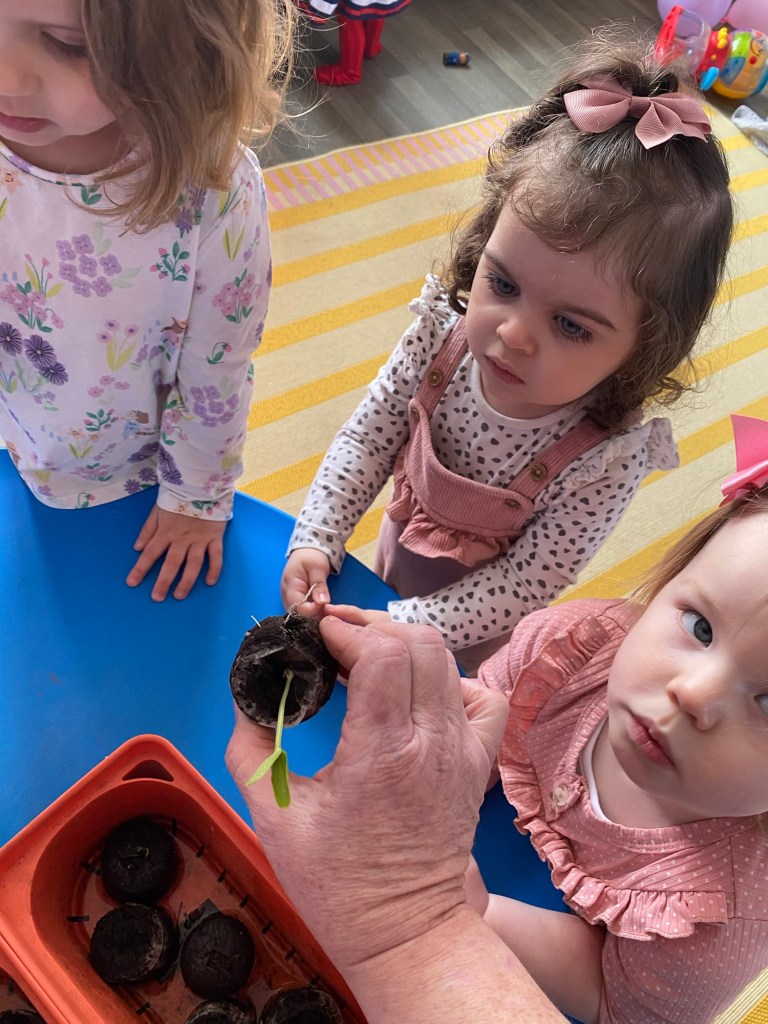
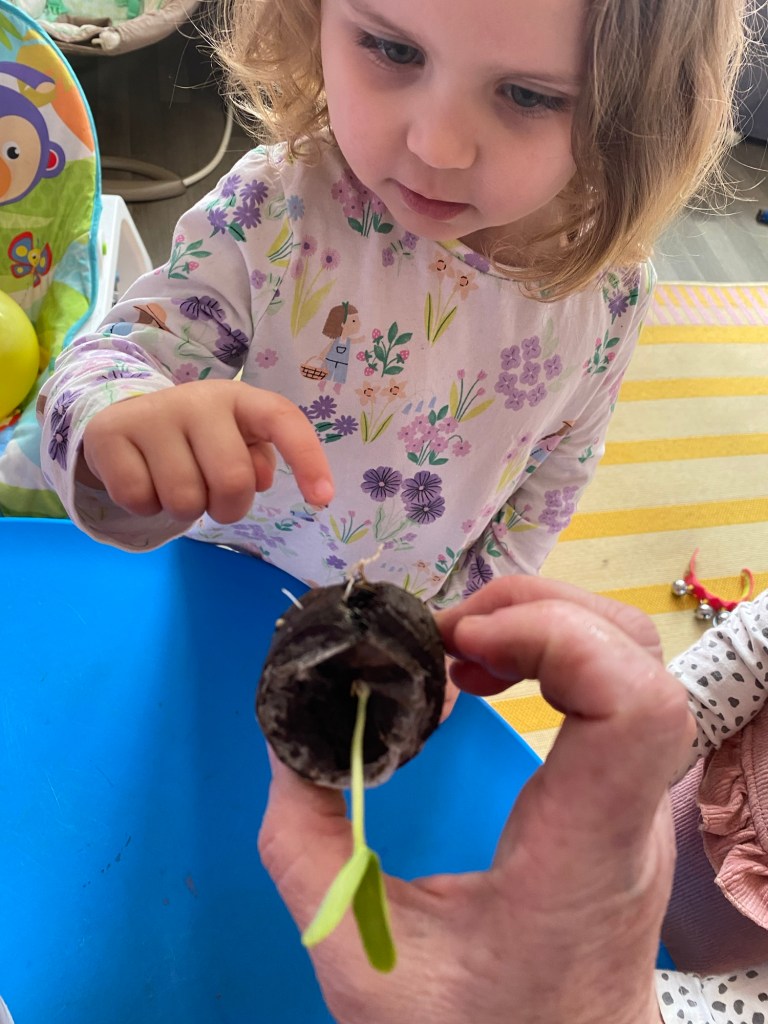
Tracie very carefully picked up the seedlings in the coco disk and showed us the roots coming out of the disk.
Alba said ‘yuck they are long and wiggly like a worm!”
We then looked in Alba’s Salad Pot, we were surprised to see that her Cucumber had not started to grow. However she had two healthy Tomato plants growing. These were about 1/2 an inch tall.
We decided to move the Cucumber and Tomato seedlings into a bigger pot and leave the herbs in the long salad pots. This was to give them extra space to grow healthy root stock.
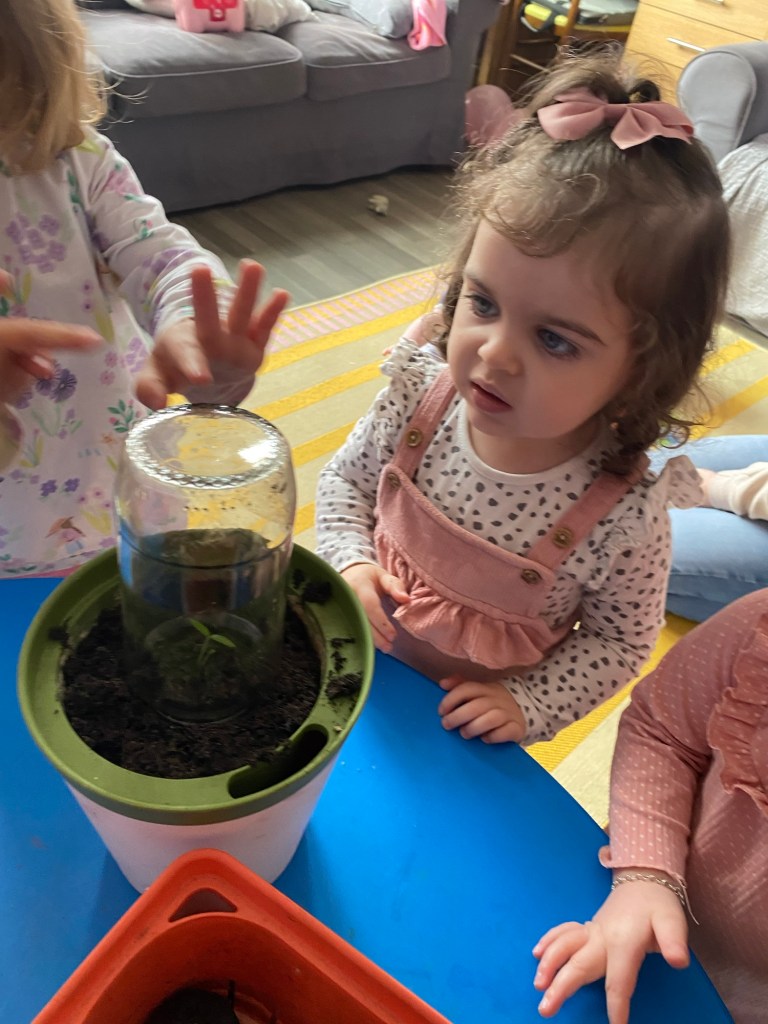
We recycled glass jars to cover the seedlings. This was to help them keep the plant warm and to encourage them to grow healthy and strong.
Once we had repotted the seedlings we covered the other coco disks with fresh nutrient rich soil to encourage them to start germinating.
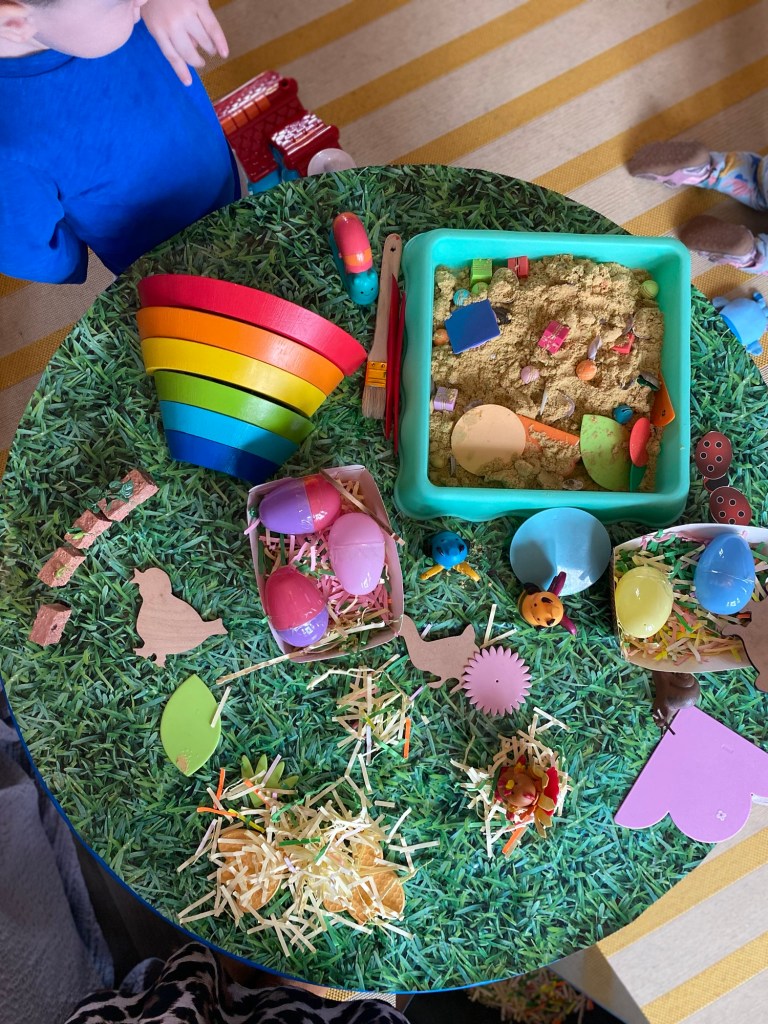
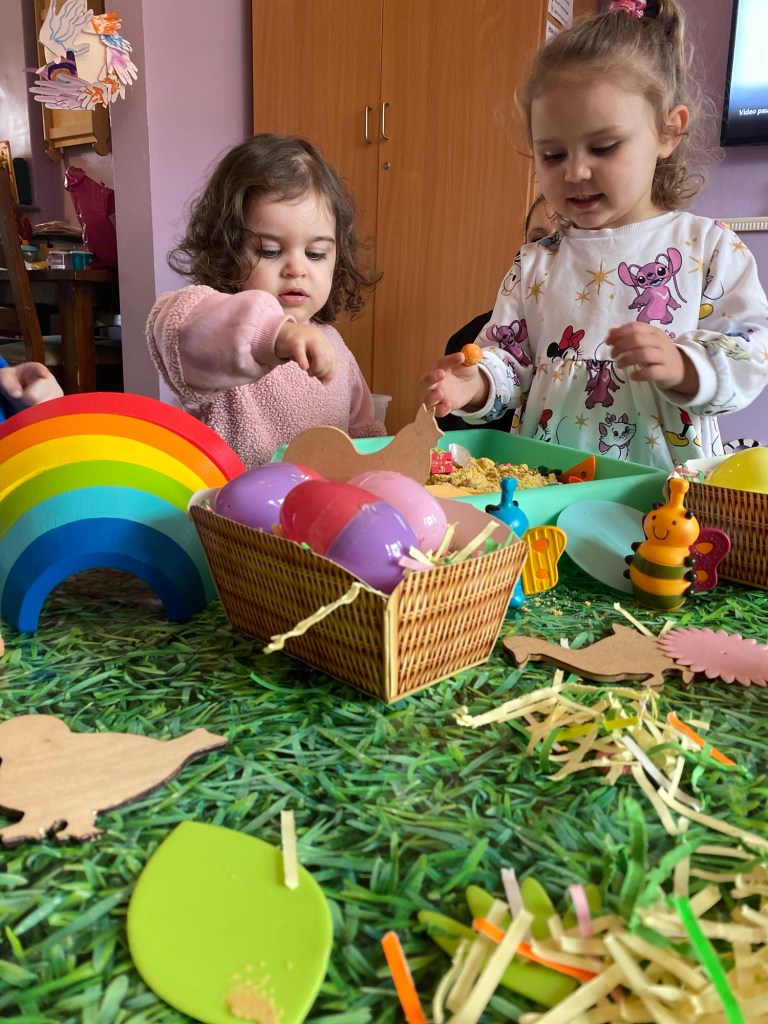
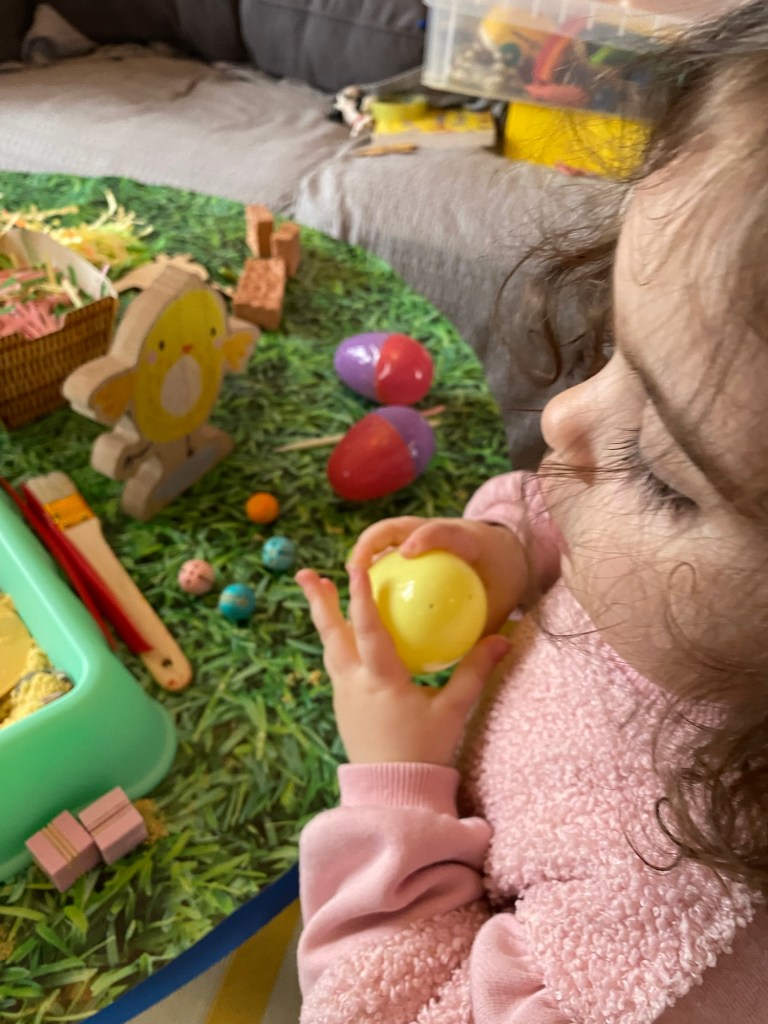
Over the next few weeks we will be celebrating Easter. We started the celebrations by having a tray activity.
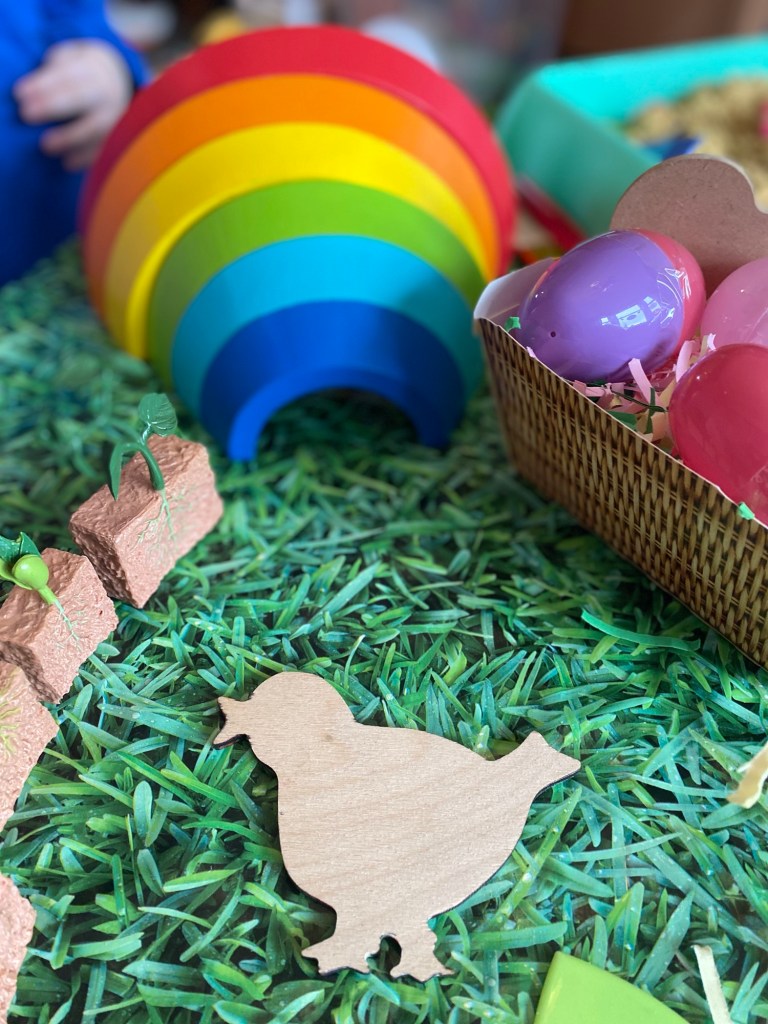
We put together a tray of colourful items that we think of when talking about Easter time. We added a rainbow because the weather is rainy and sunny. We added a plant lifecycle so we could see how a plant grows from a seed to an adult plant.
You cant have an Easter tray without eggs, we added blue, purple, green, yellow and red ones.
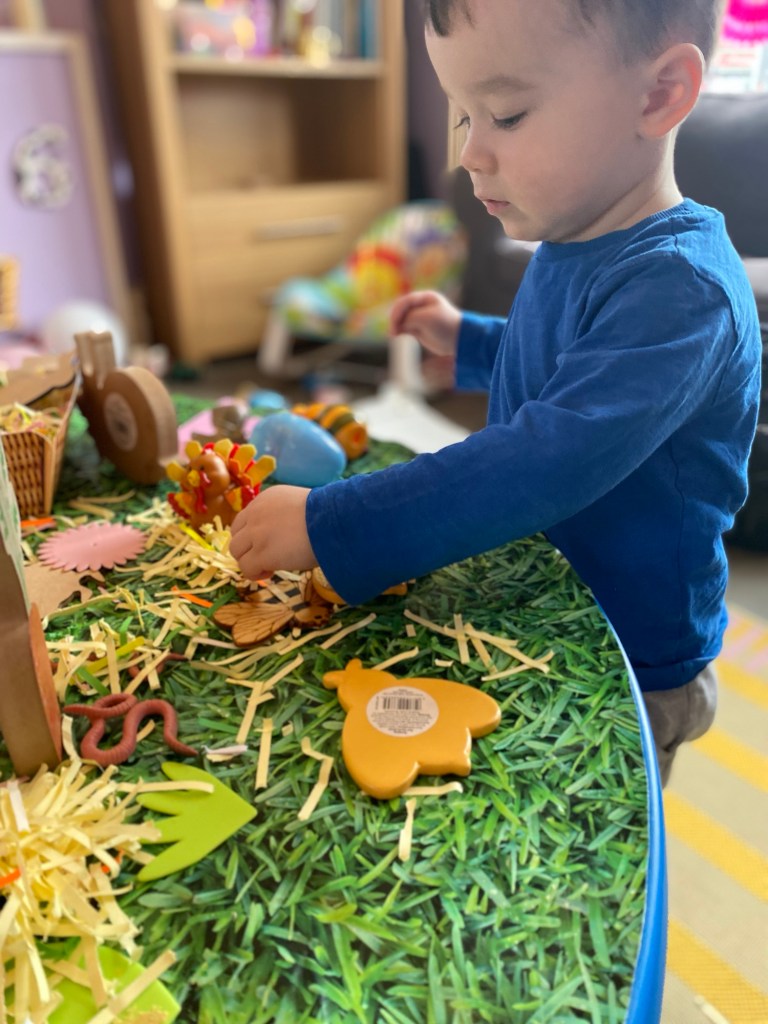
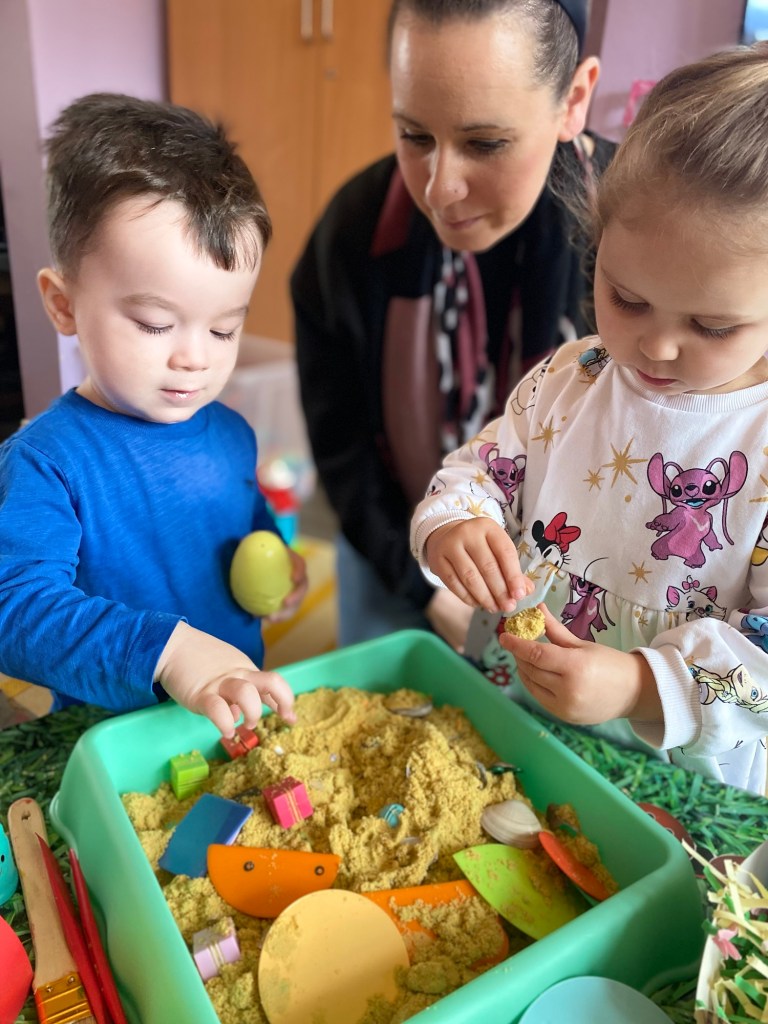
Elliott made the hen a lovely nest, he also used the shredded paper to play hide and seek with the bumble bees.
Alba and Elliott played in the sand, digging for hidden eggs. They found other Easter shaped craft items such as pastel coloured shapes, flowers and stencils .
Alba said she enjoyed making mini Easter sand castles.
We are going to extend this activity by adding our farm animals, farm house and farmer. We will have sing and Rhyme time to include ‘10 big easter eggs’, ‘humpty Dumpty’ and ‘old McDonald’
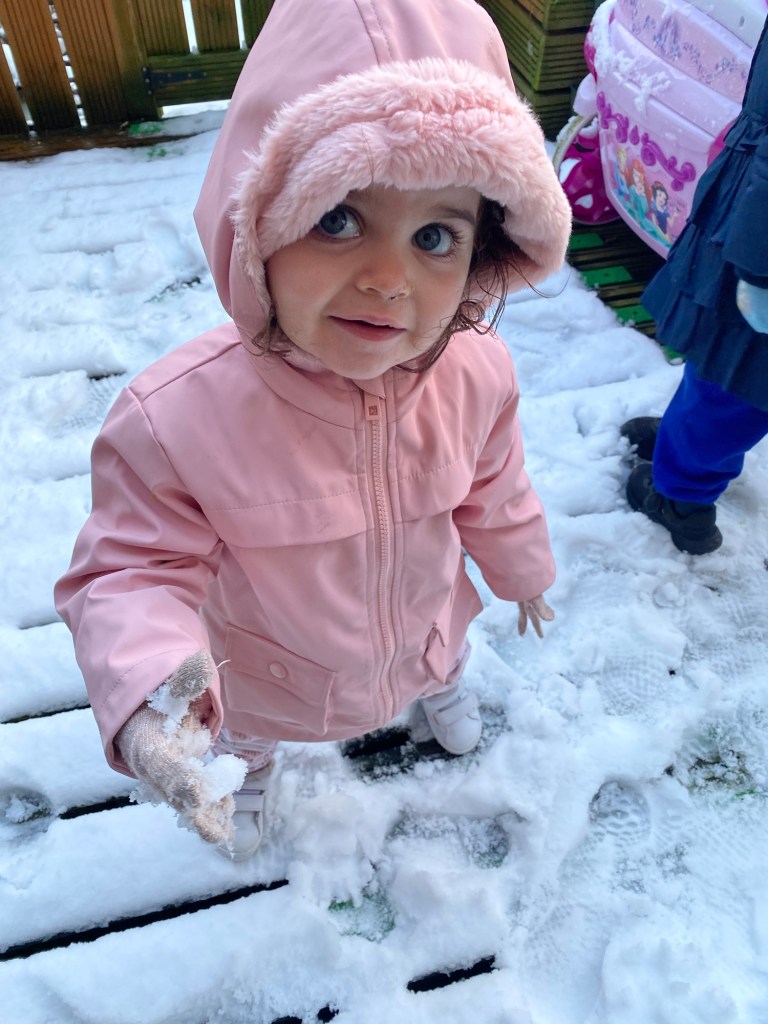
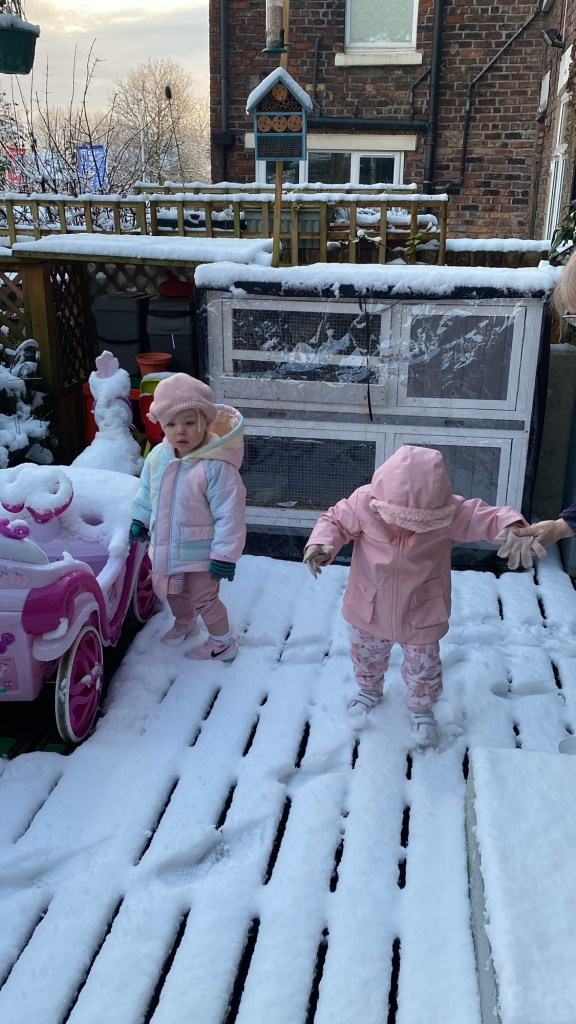
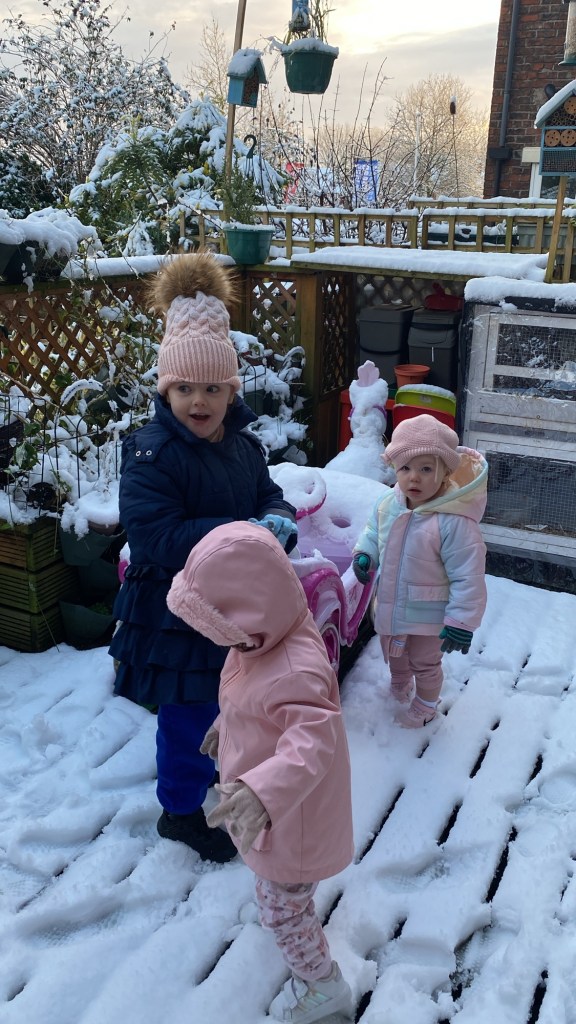
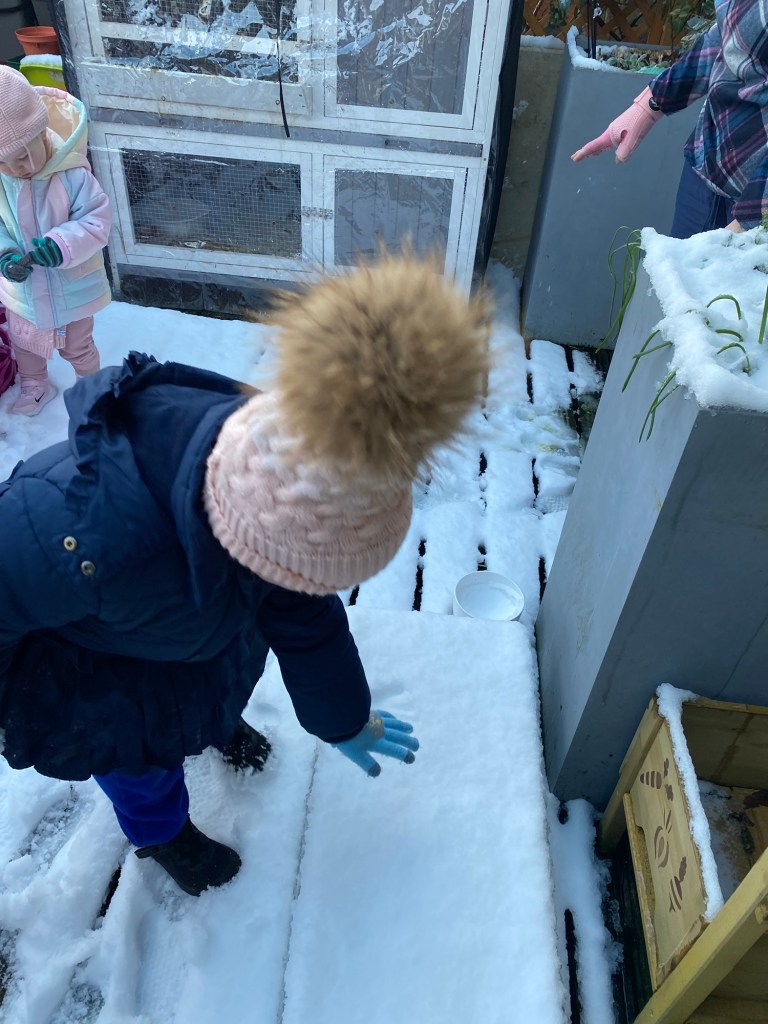
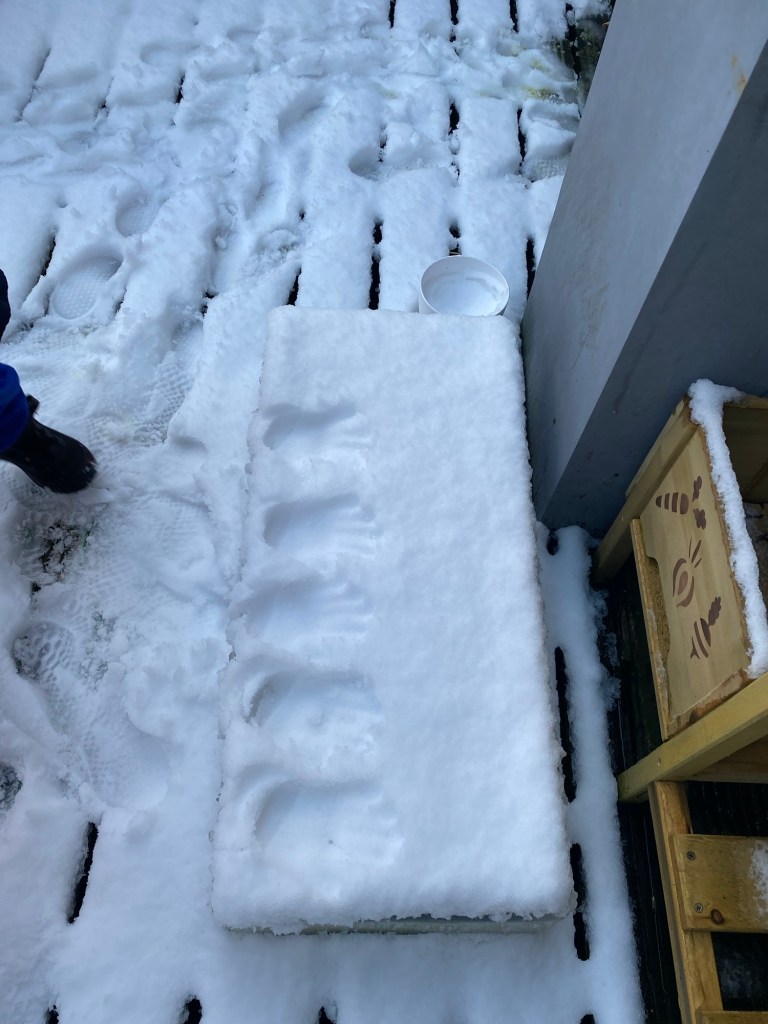
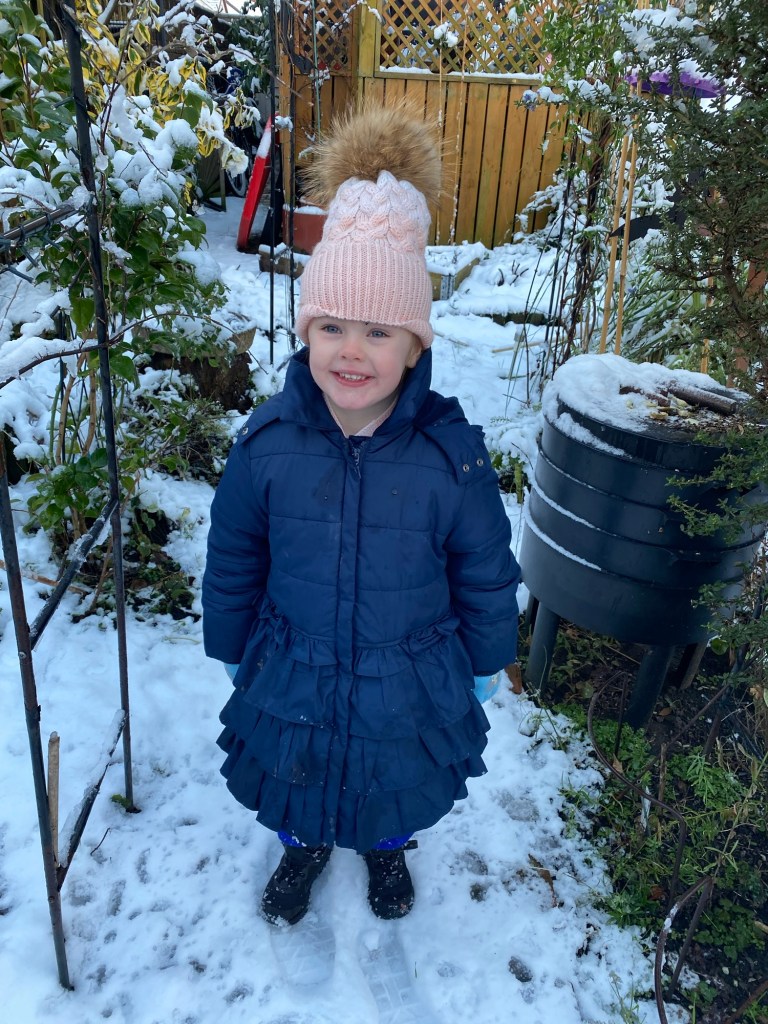
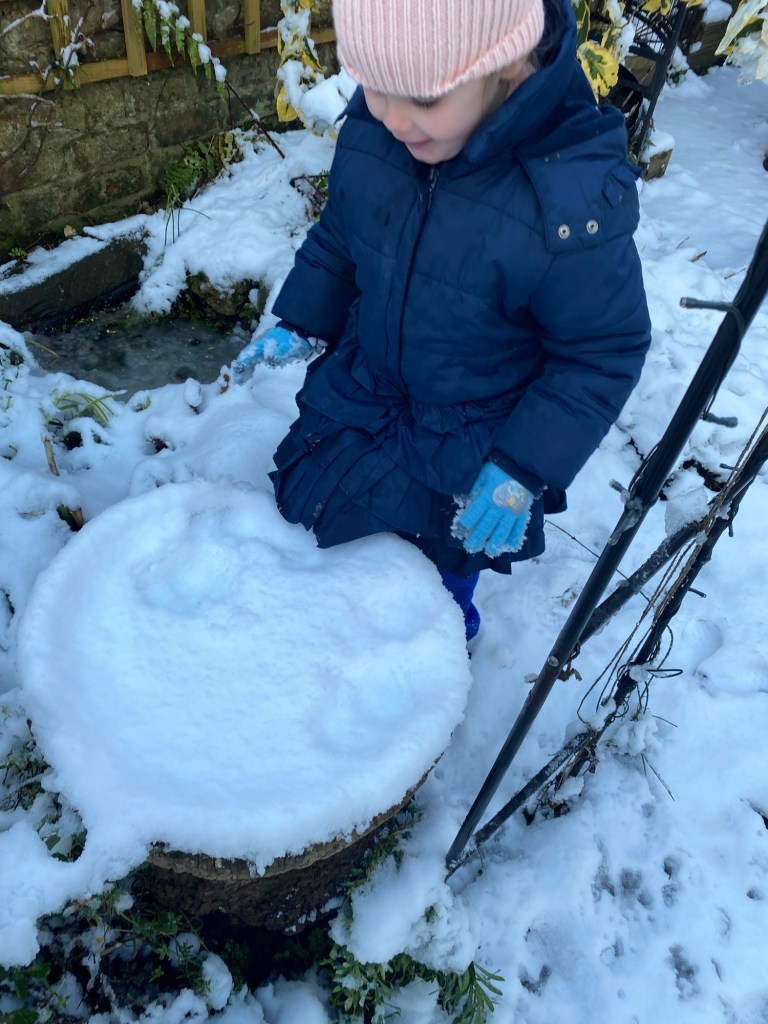
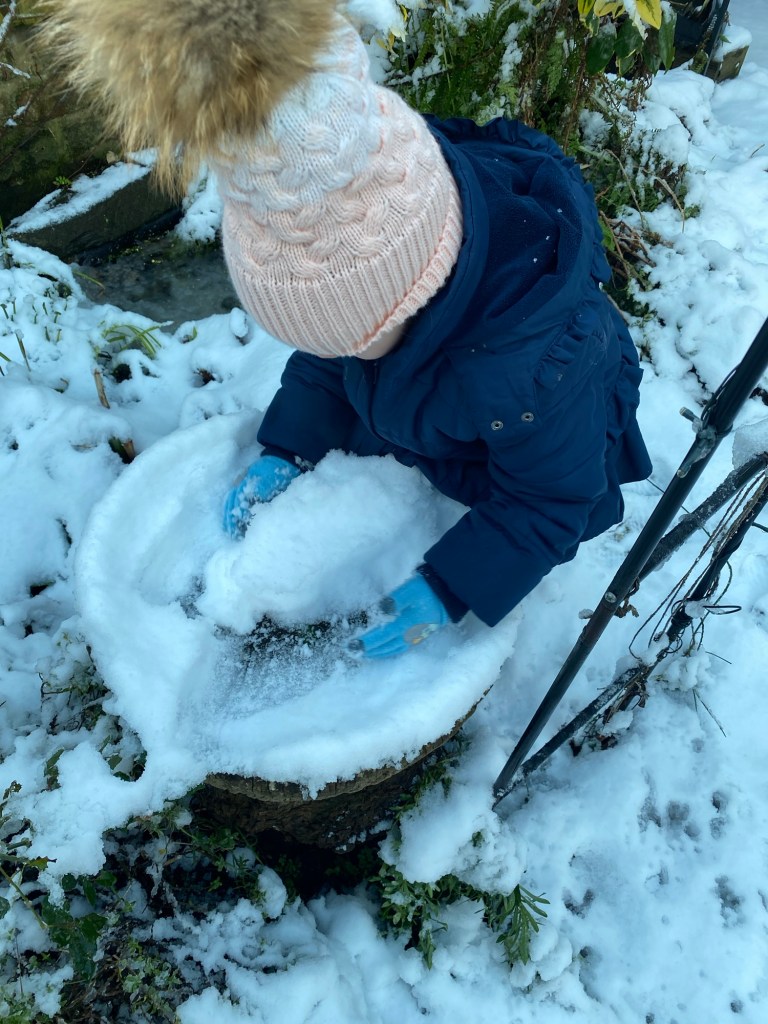
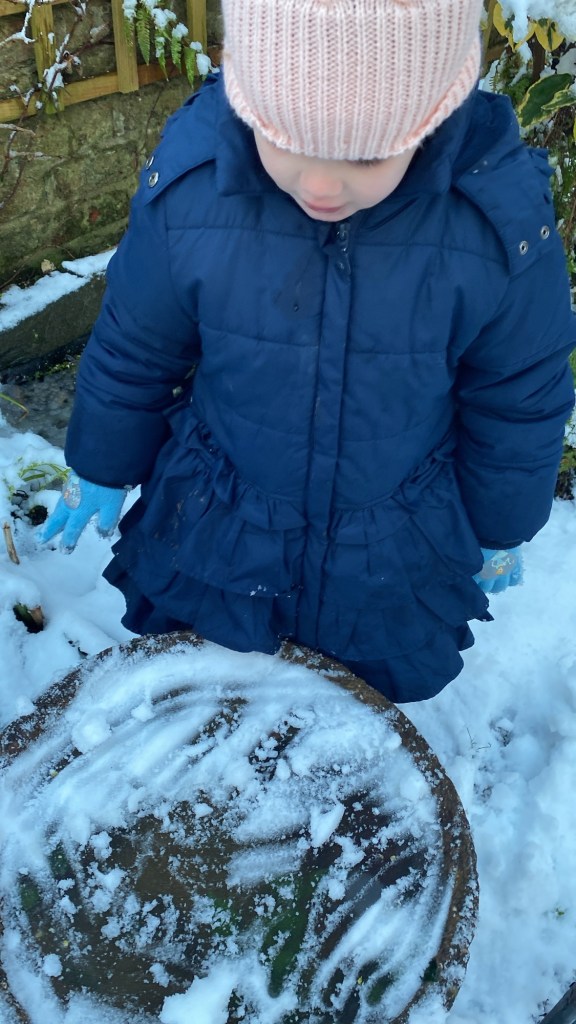
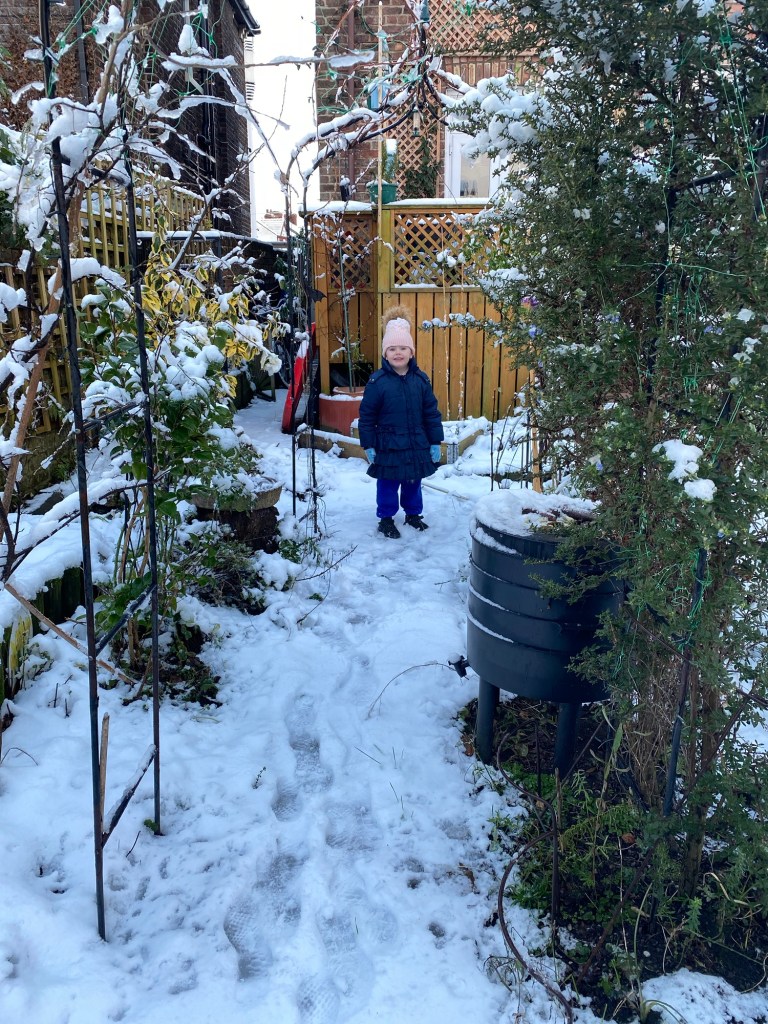
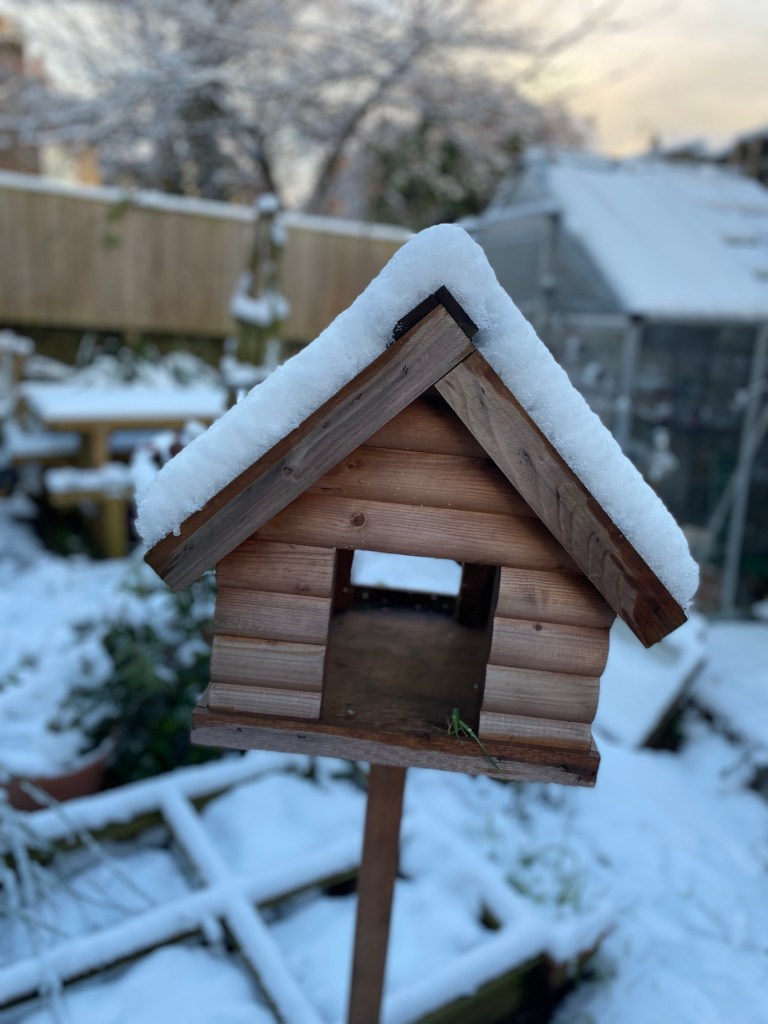
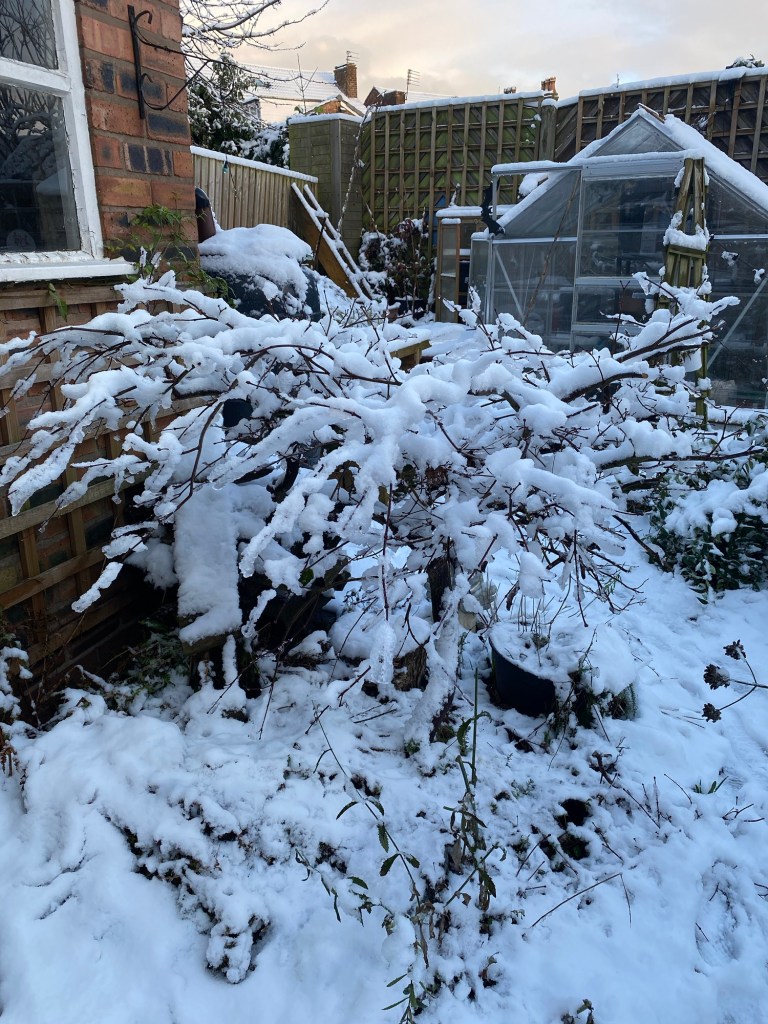
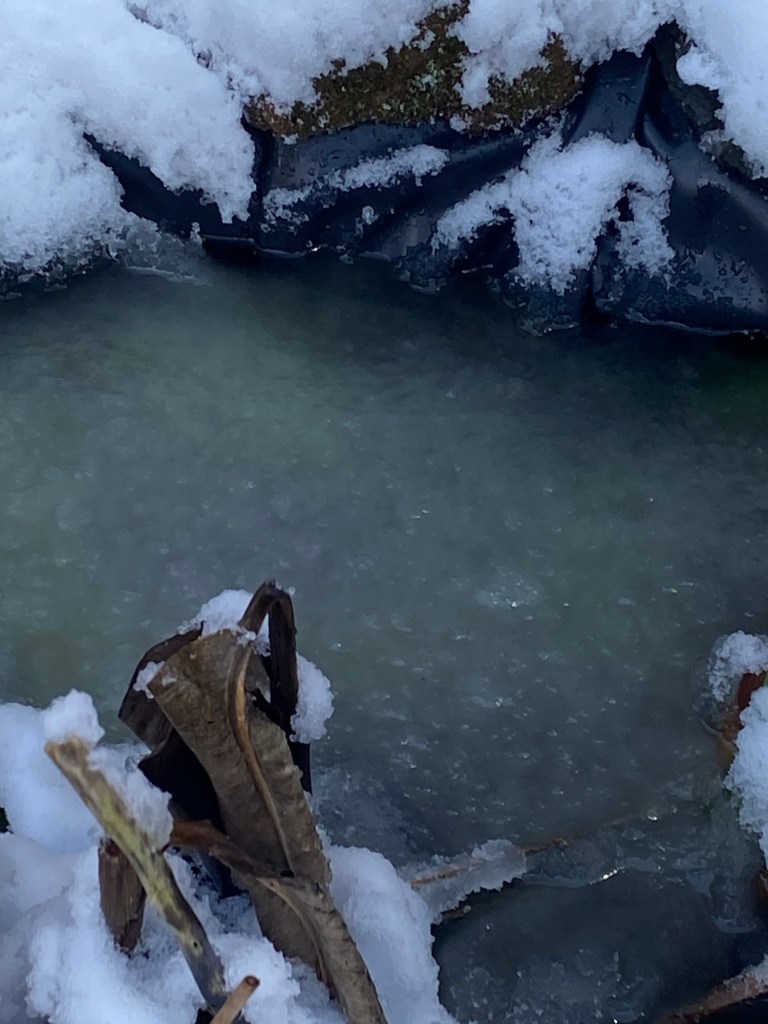
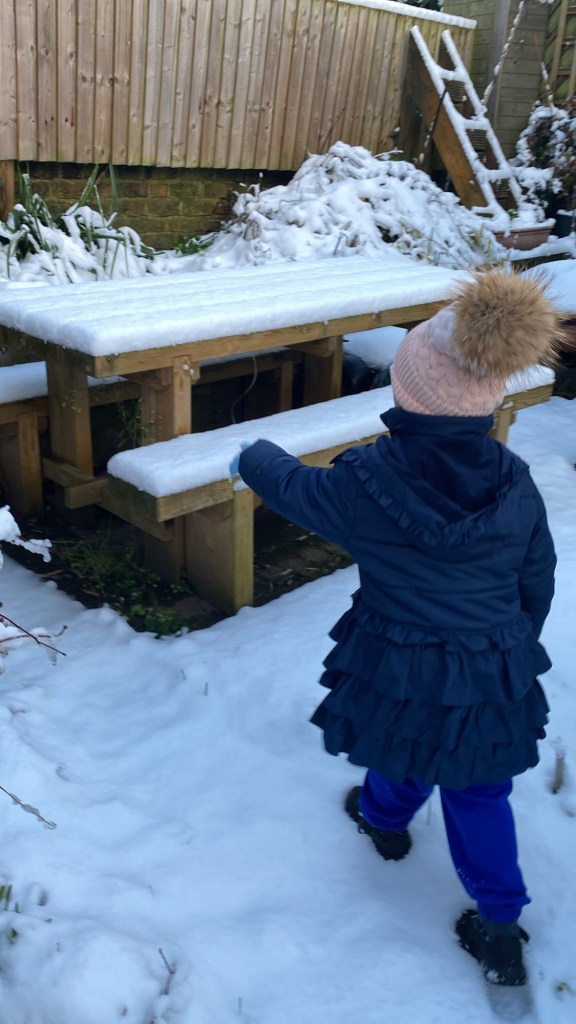
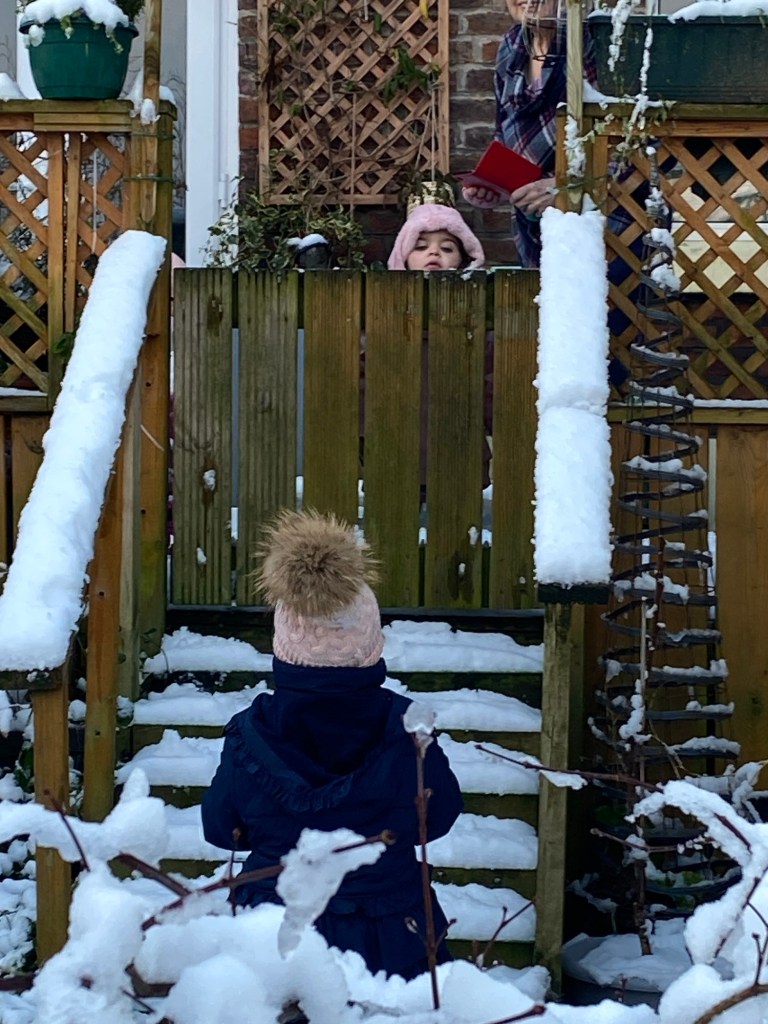
Today when we all woke up we had a lovely surprise… snow! White fluffy snow.
Lottie
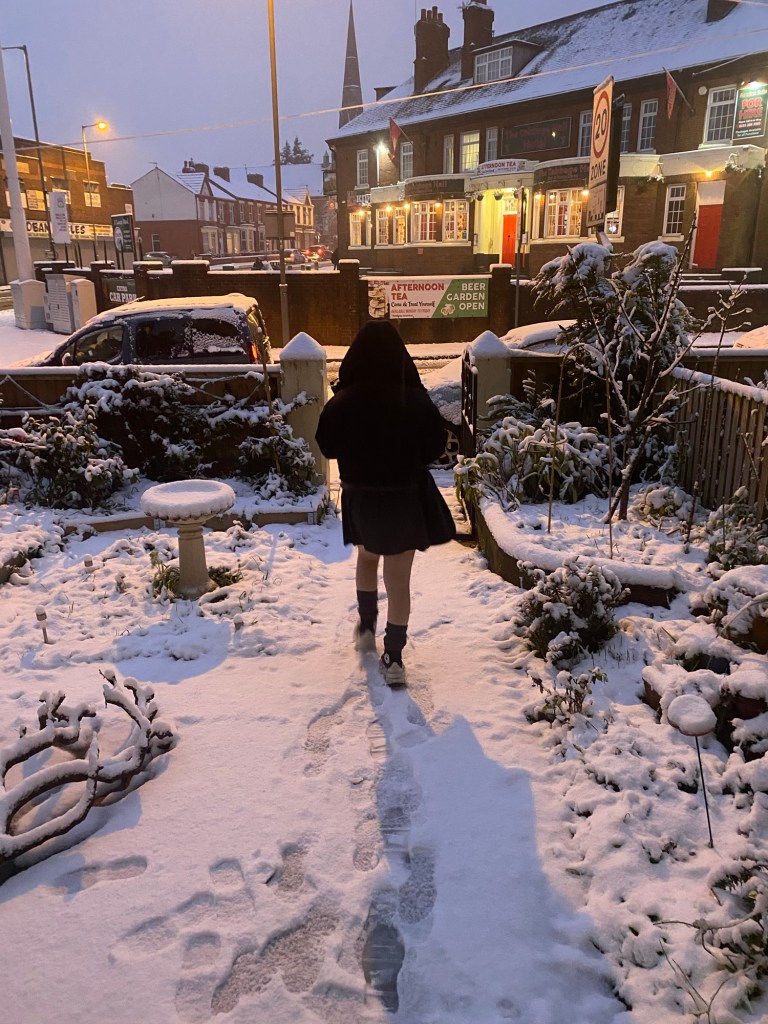
Poppy was not very happy because she wanted to stay home and play in the snow! She had to walk to school as the bus was cancelled, but she enjoyed walking in the snow. When she got to school there was a big fun snowball fight.
Poppy Went To SchoolTracks And FeetLots Of SnowOn Way To School
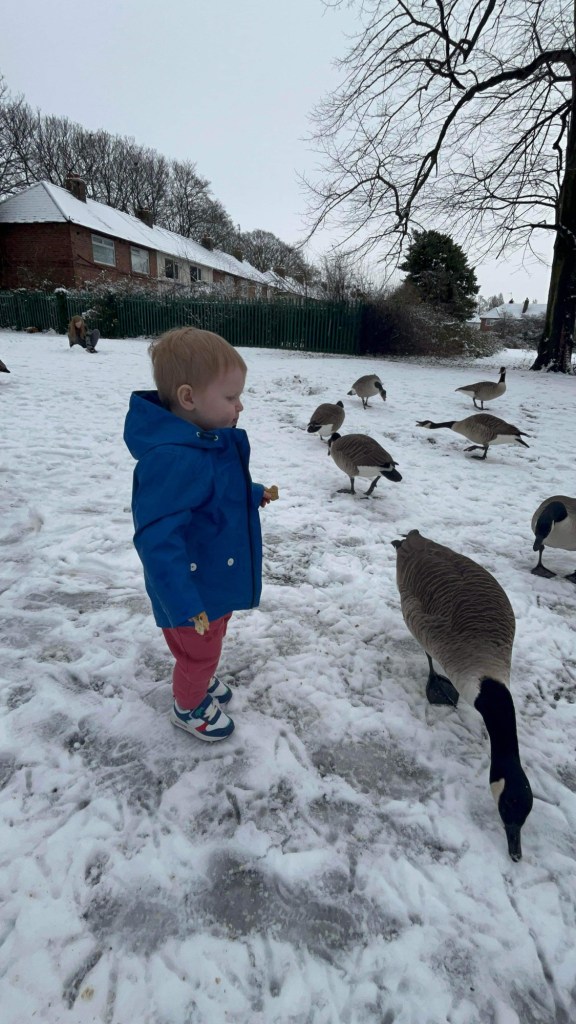
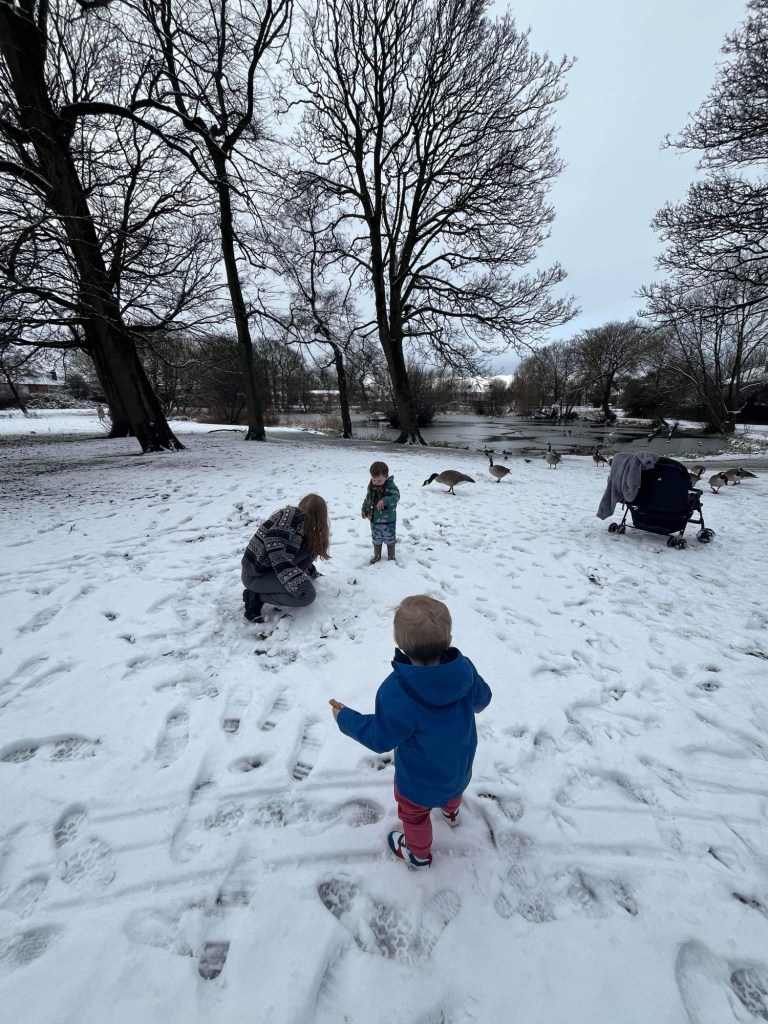
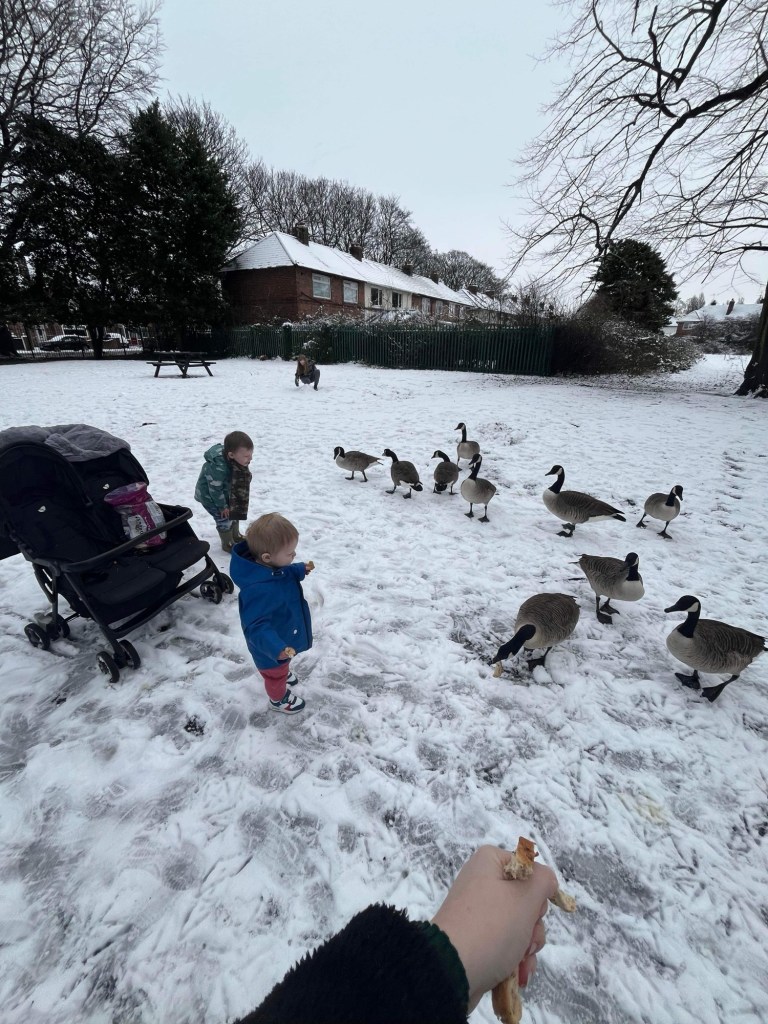
Chloe was happy because her school was closed, she went to the park with her mum and brothers. Ben loved the Canada Geese, one went up to him and ate the bread from his hand. Jack and Chloe loved snow ball fighting, but didn’t like getting so cold.
Ben And The Geese Chloe, Jack And BenChloeAt The Park
After breakfast we all got our coats, scarves and gloves on and went for a walk in the back garden.