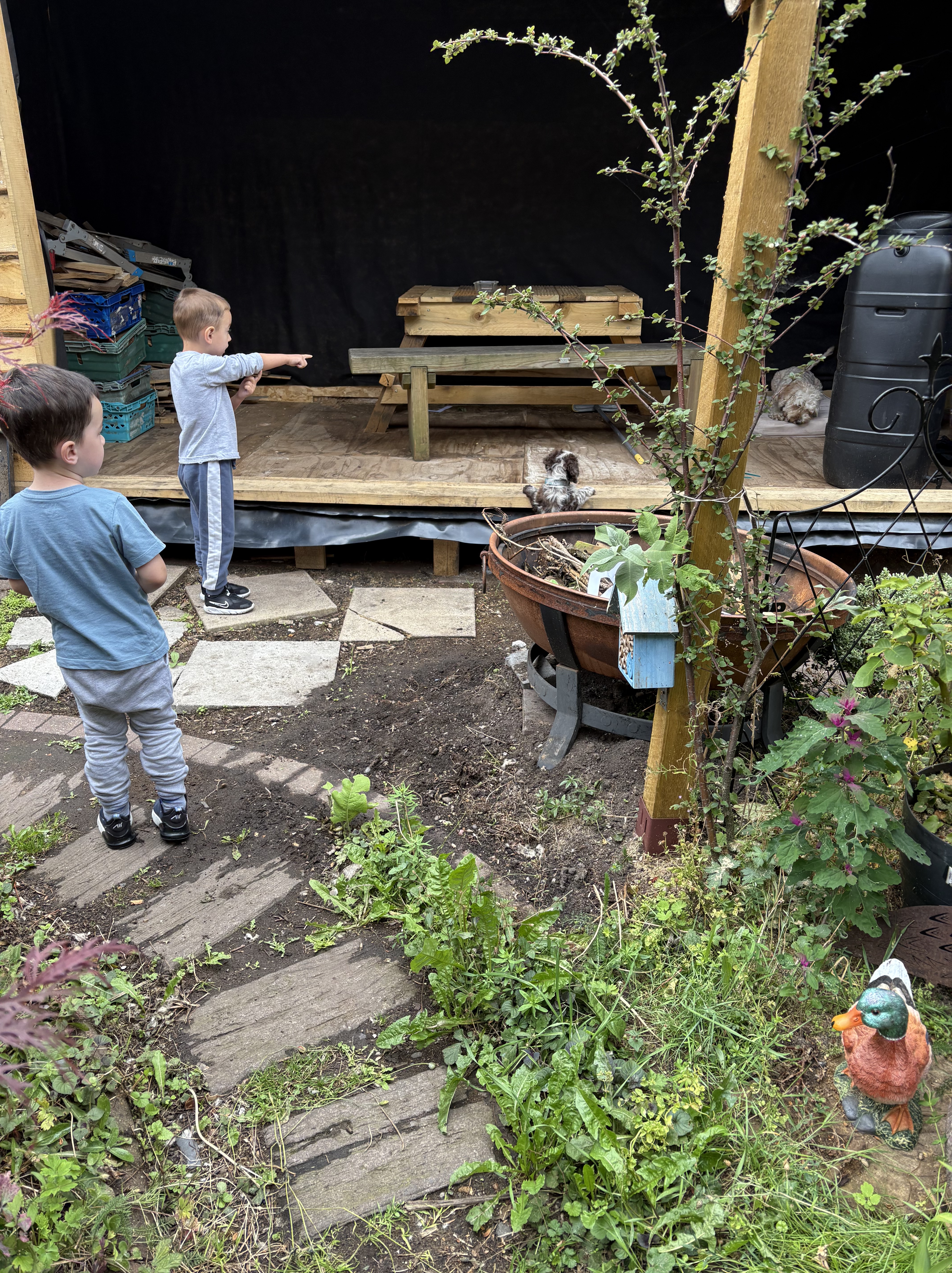
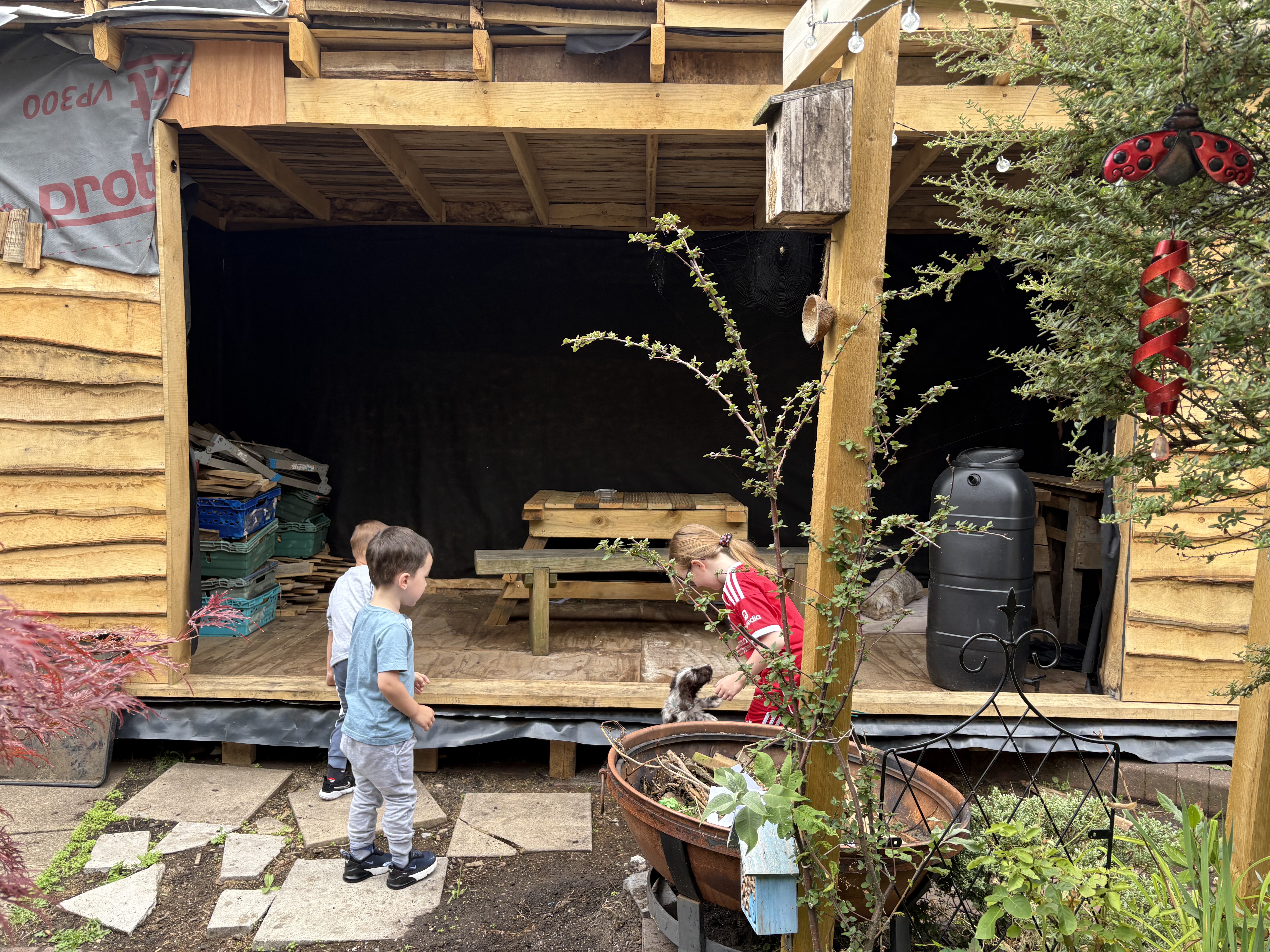
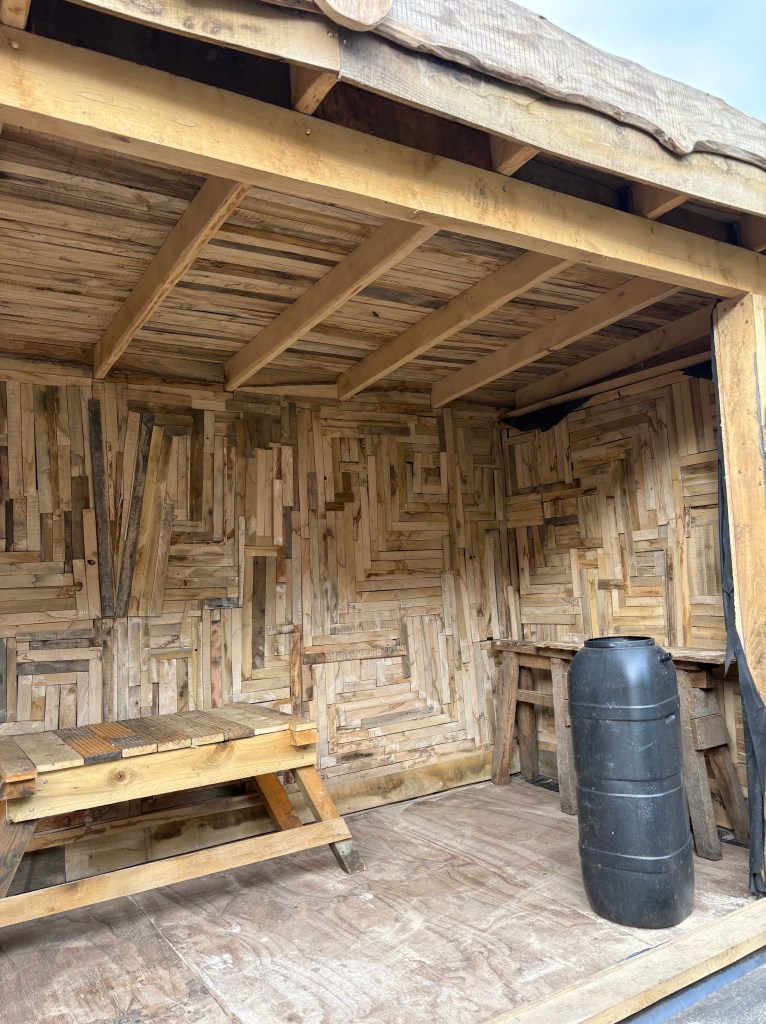
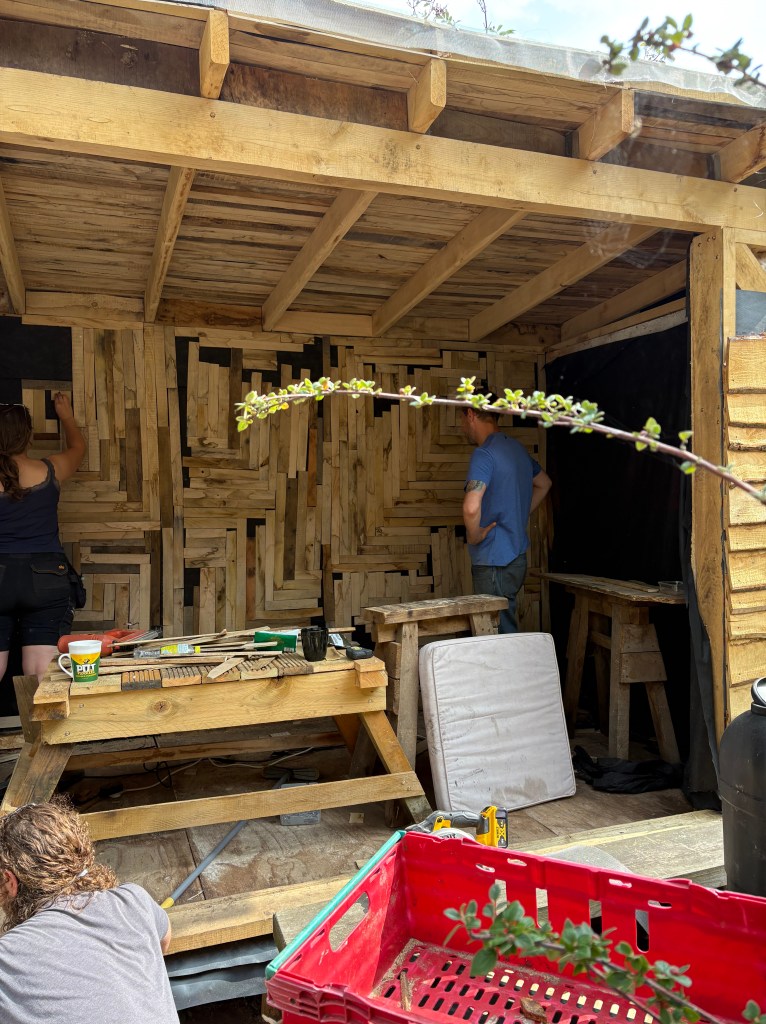
The builders have gone home for the weekend, so we have been able to go down and have a look at the garden classroom, which is still in the process of being finished. It’s quite exciting to see the space taking shape, with fresh wood framing, vibrant paint colors selected for the walls, and large windows that will allow plenty of natural light to flood in. As we stroll around, we can almost envision the children engaging with nature in this unique environment, fostering their creativity and curiosity while learning about the flora and fauna right at their doorstep. The potential for outdoor lessons and hands-on activities is endless, making this classroom not just a place of learning, but also a sanctuary where children can connect with the world around them.
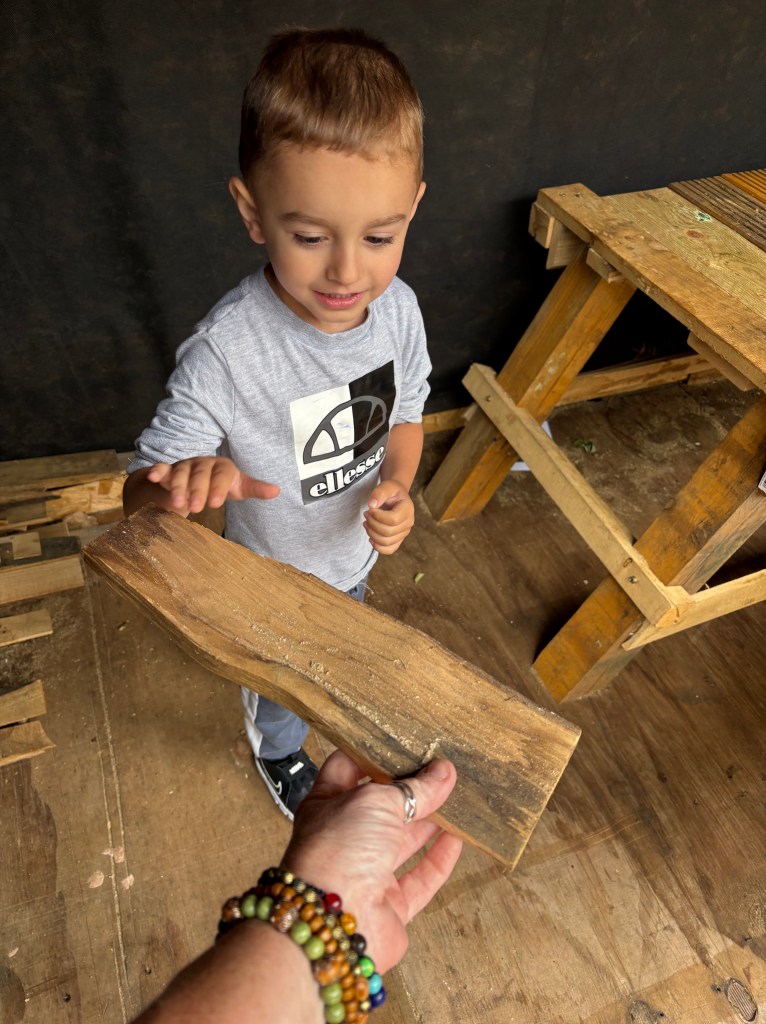
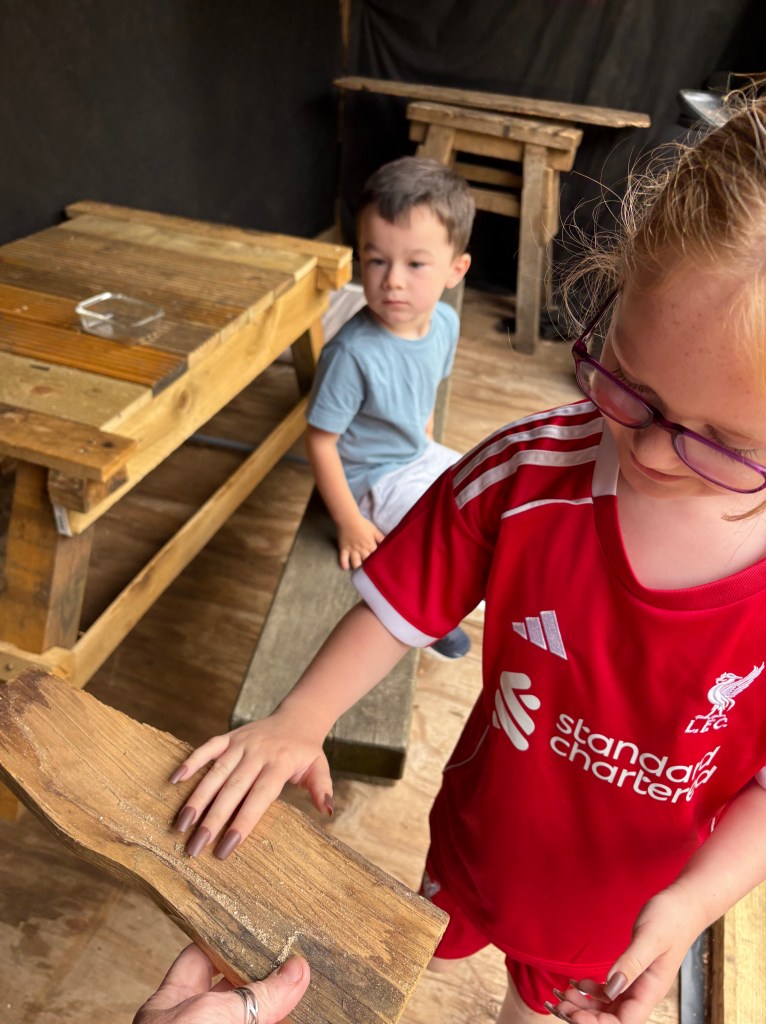
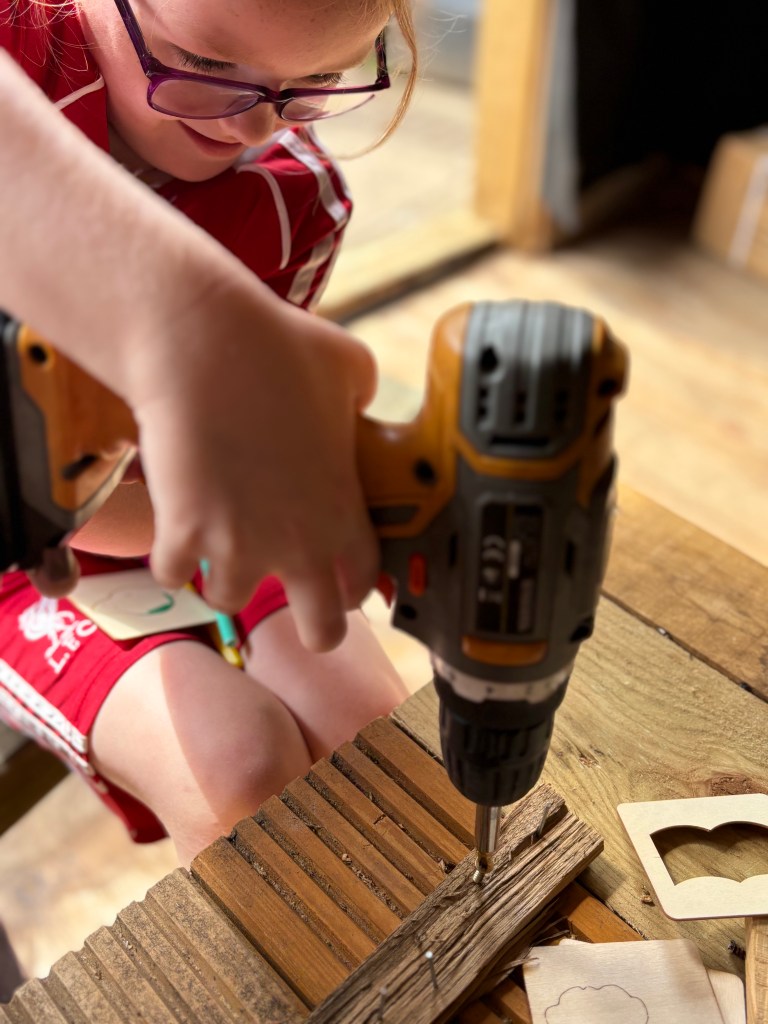
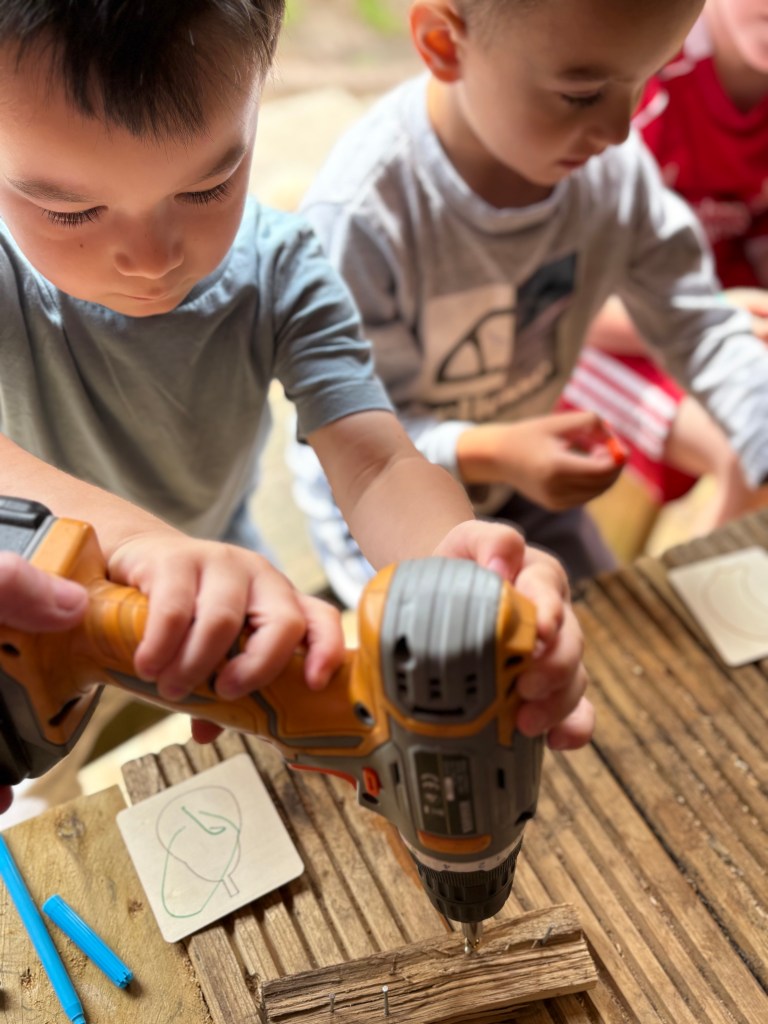
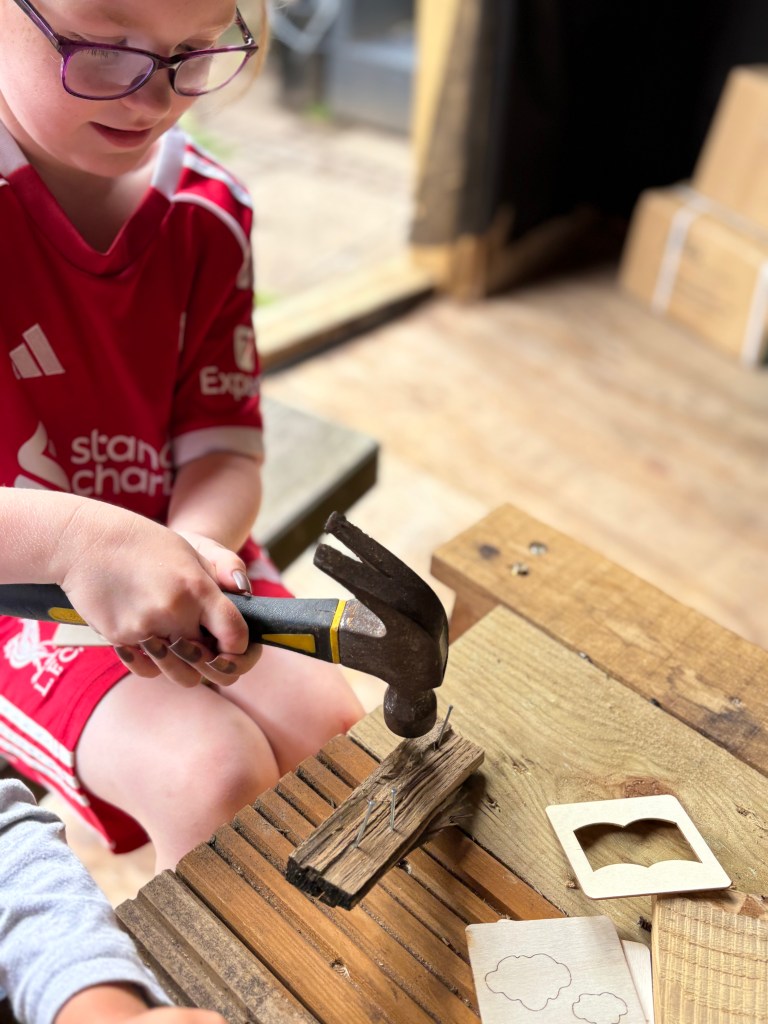
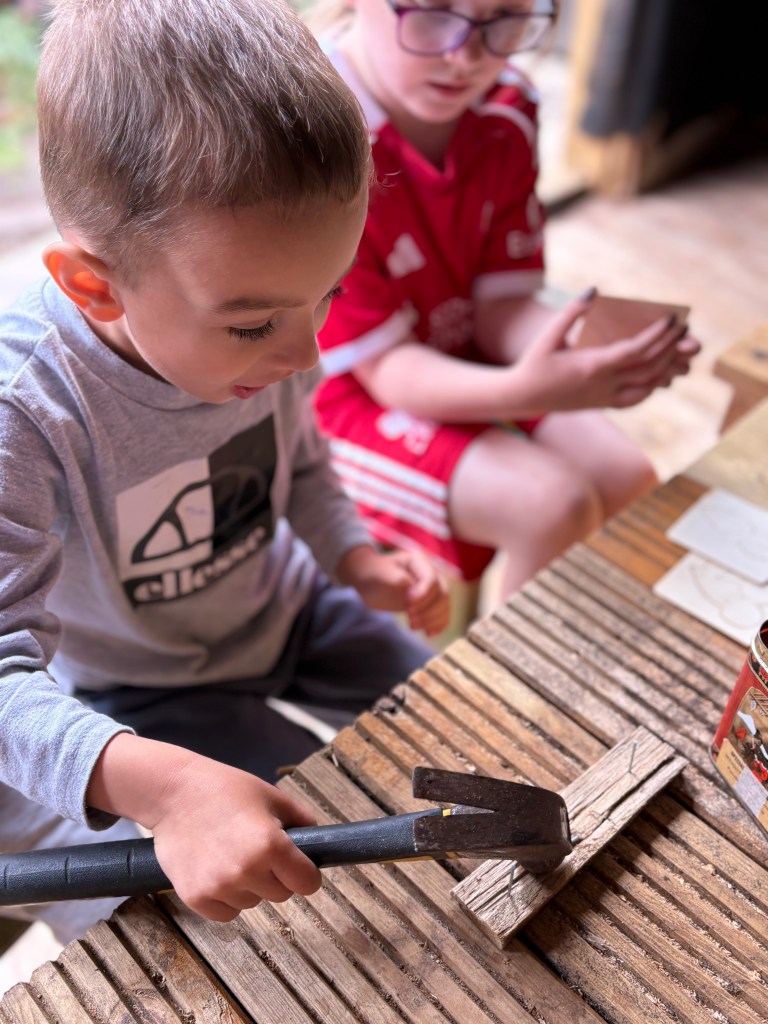
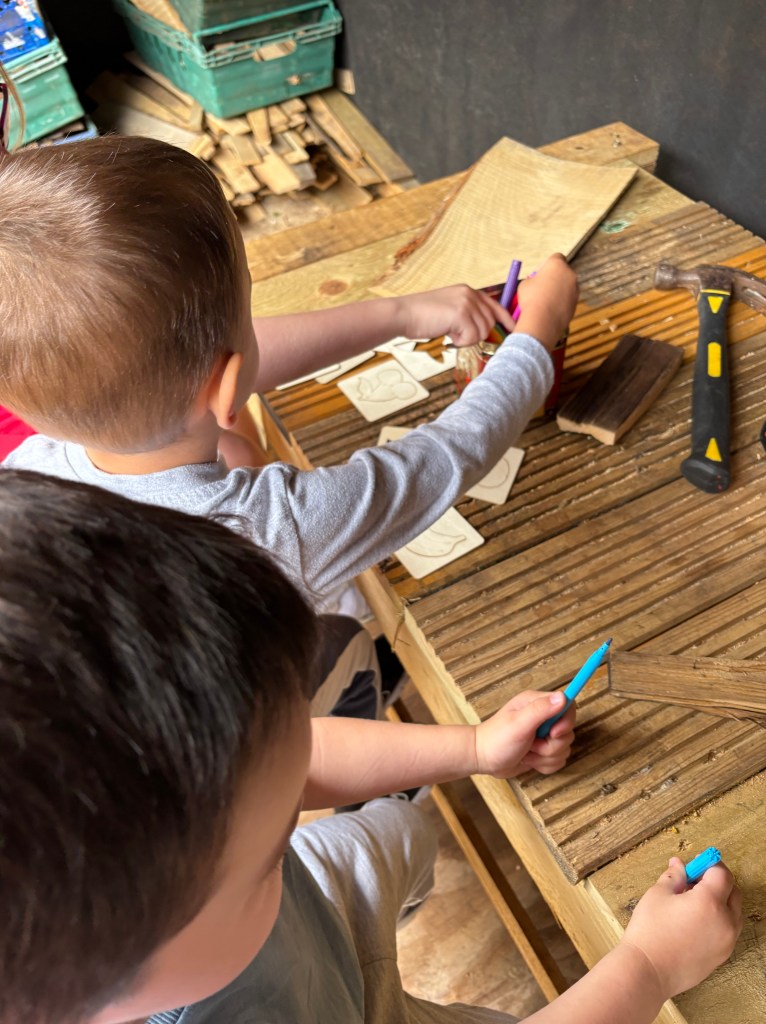
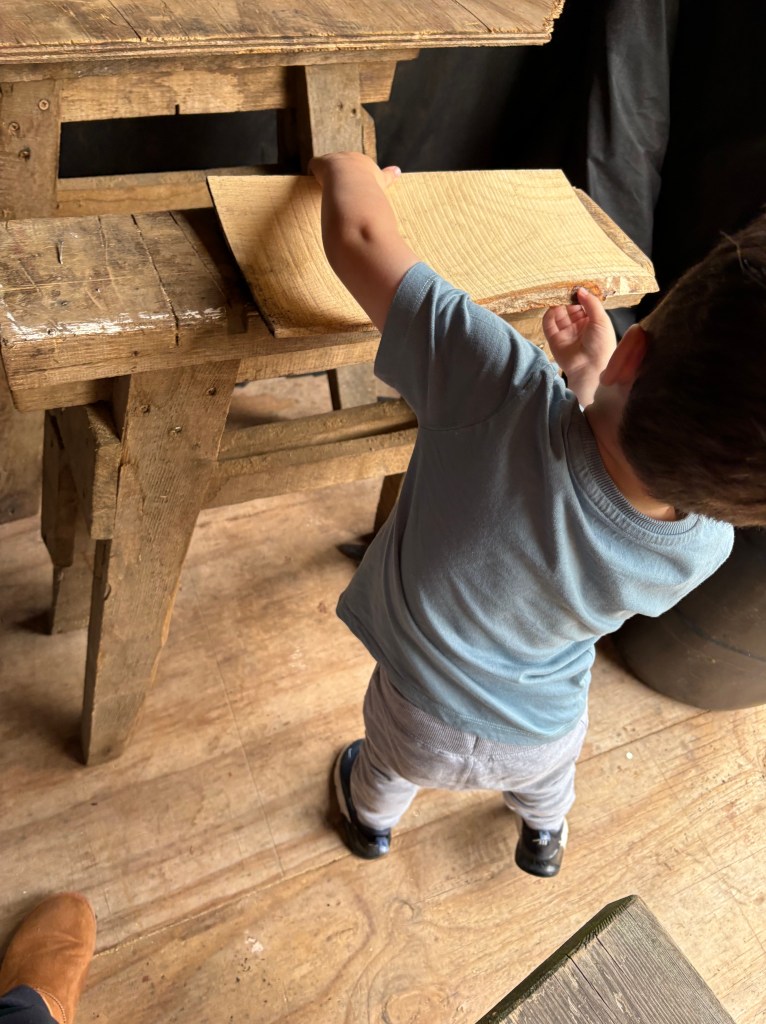
We looked at the wood carefully, appreciating its unique textures and colors, and used real tools to practice our skills while taking care to prioritize safety first. We examined the different types of wood, learning about their various properties and how they contribute to different projects. Each tool had its purpose, and we discussed how STEM concepts intertwined with our hands-on experience in this learning adventure, all while engaging the children in the Early Years Foundation Stage (EYFS) curriculum. Through this process, we fostered creativity and problem-solving abilities, encouraging an appreciation for craftsmanship and the natural materials around us.
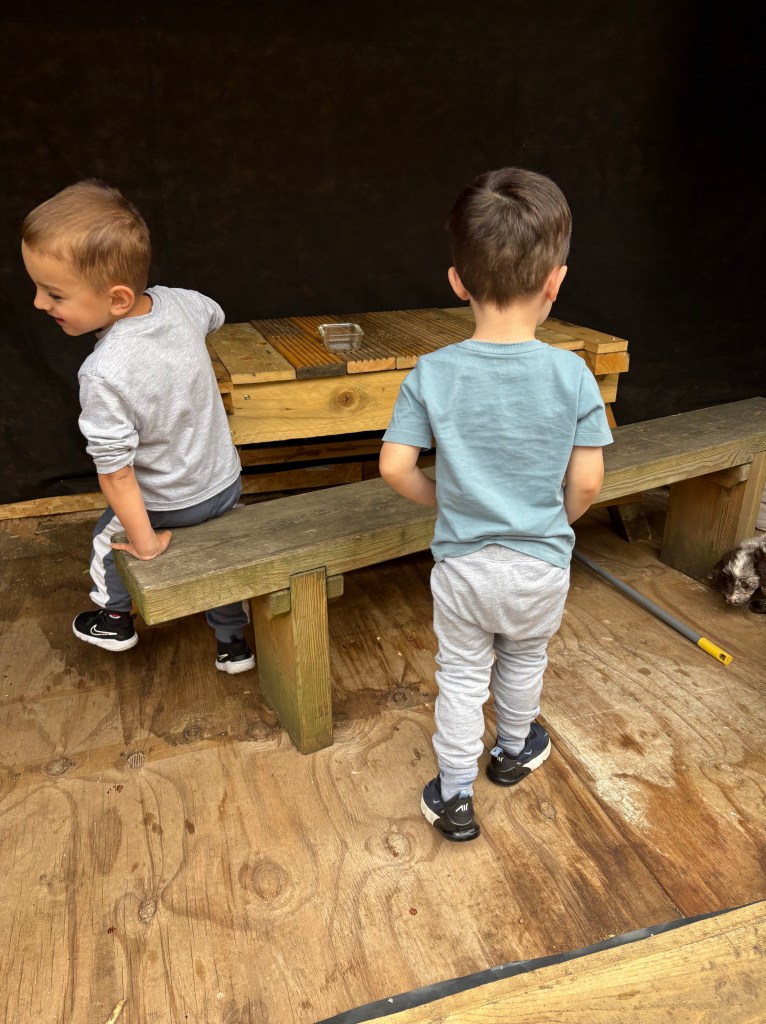
The walls have been insulated and covered in recycled wood, creating a warm and inviting atmosphere, while also highlighting sustainable resources. The mosaic textures of the walls add a unique aesthetic appeal, each piece telling its own story of reclaimed craftsmanship. They even made a stunning table out of reclaimed decking, showcasing the beauty of upcycled materials, inviting friends and family to gather around for memorable meals and conversations. This commitment to environmental responsibility not only enhances the living space but also serves as a testament to creative design that respects our planet.
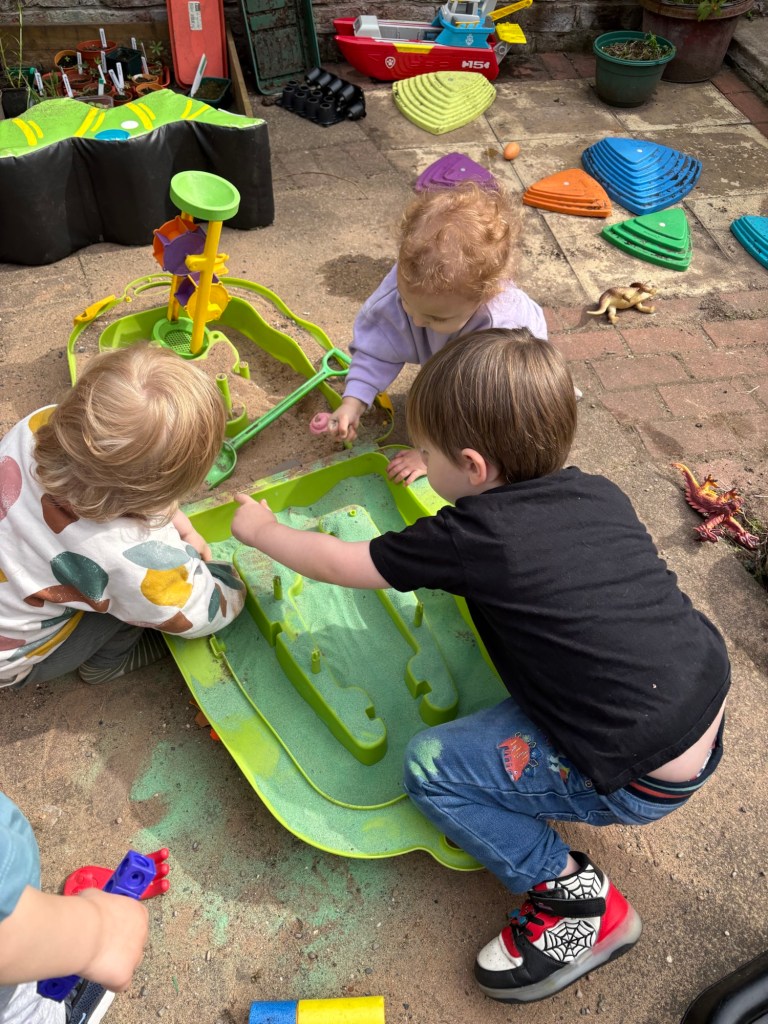
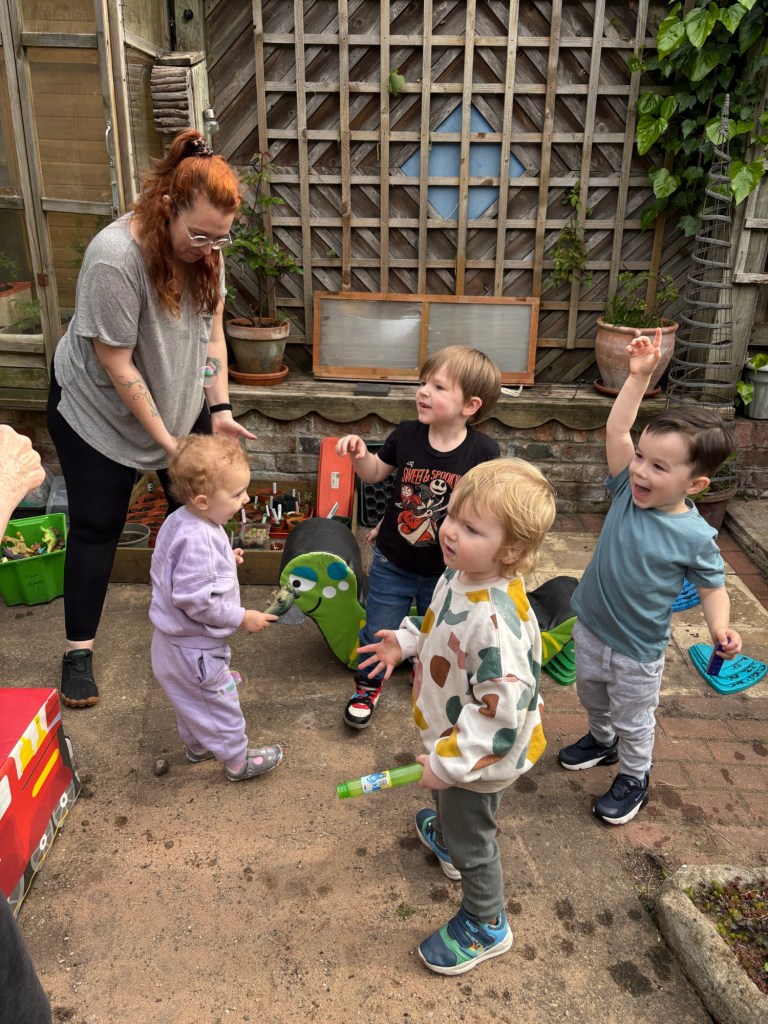
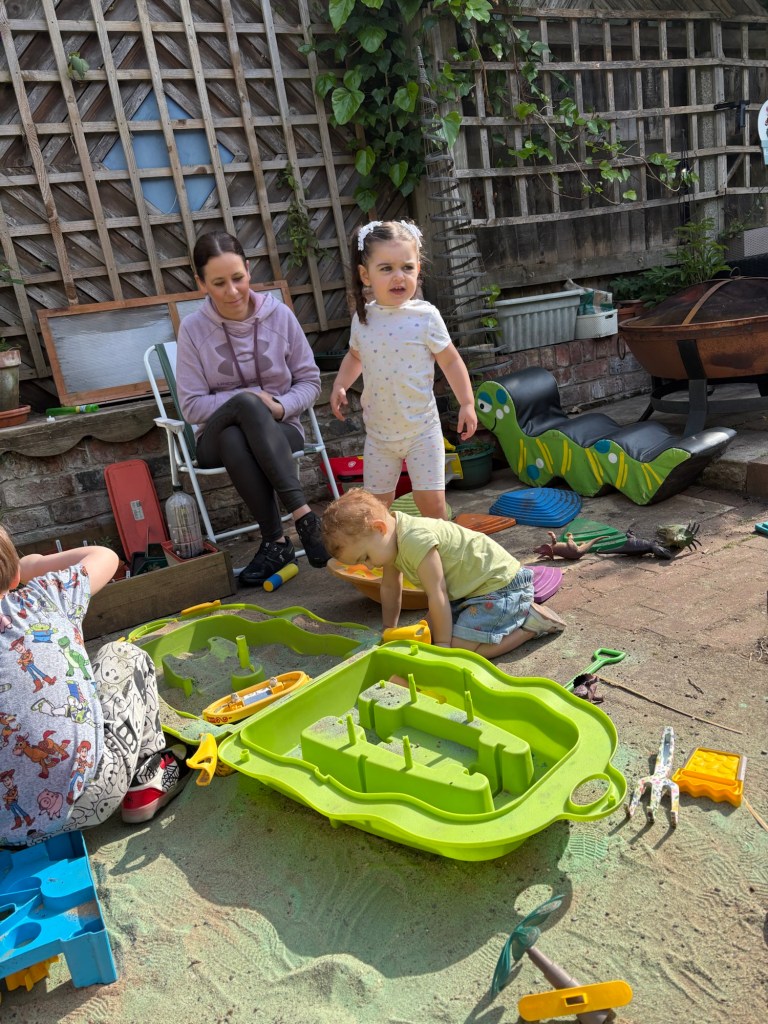
We had one last fun day at the end of the garden before getting the area ready for the work to start. The children played with the sand and water, bubbles and enjoyed hide and seek games. We then packed everything up to store till the work was done.
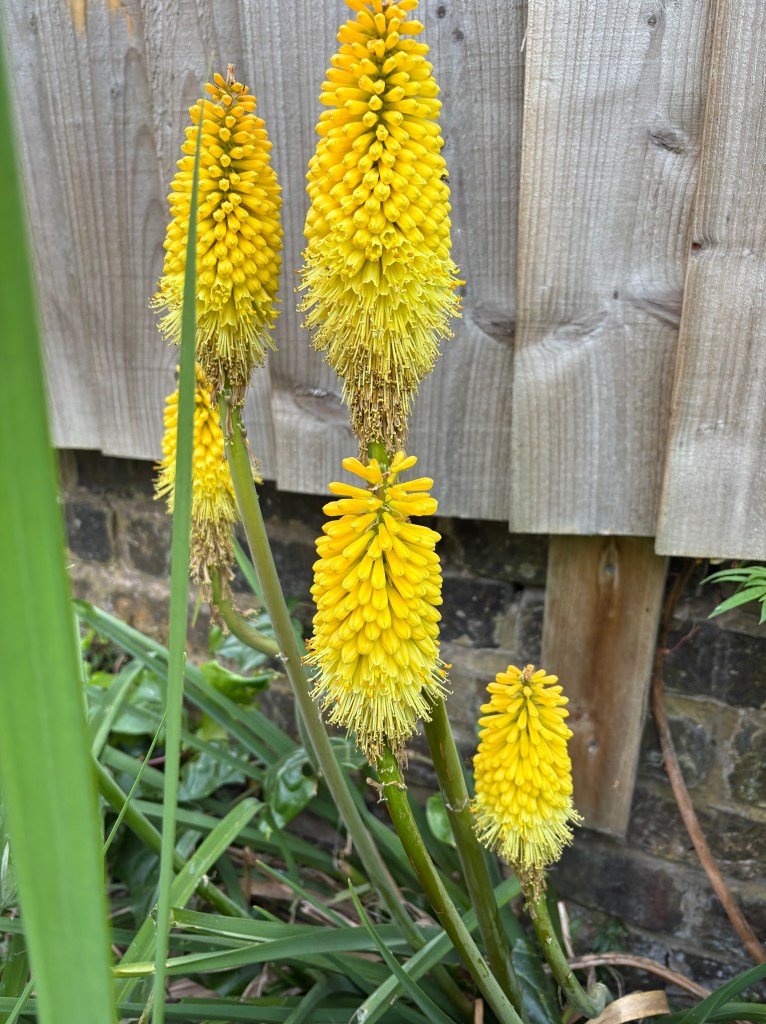
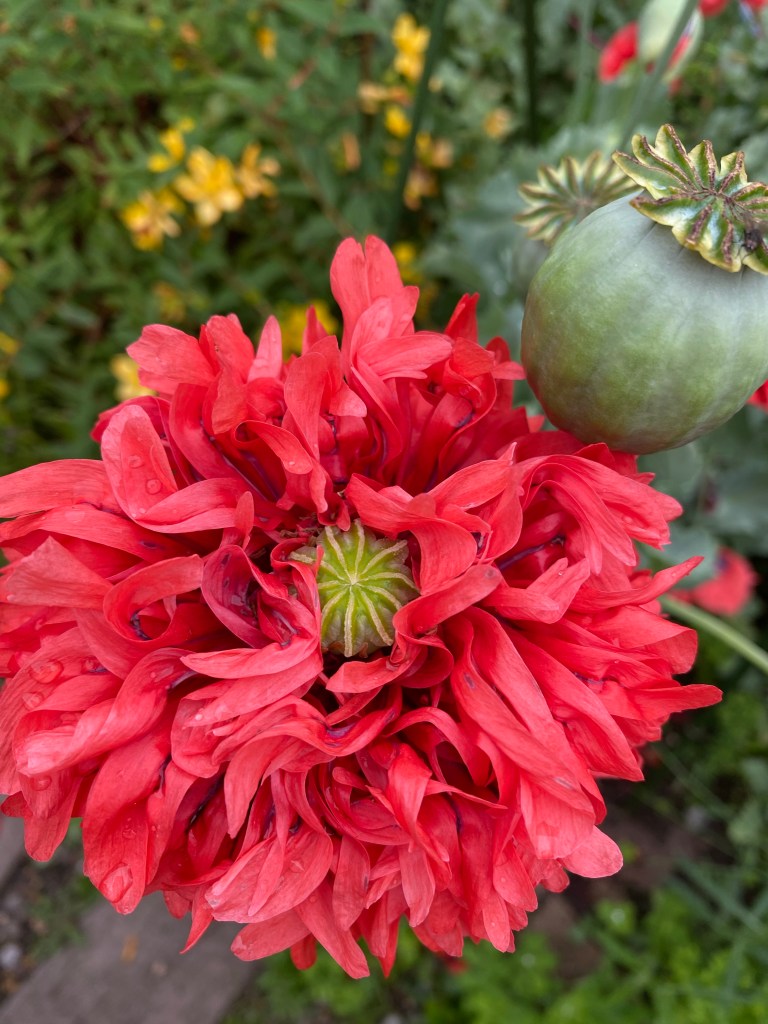
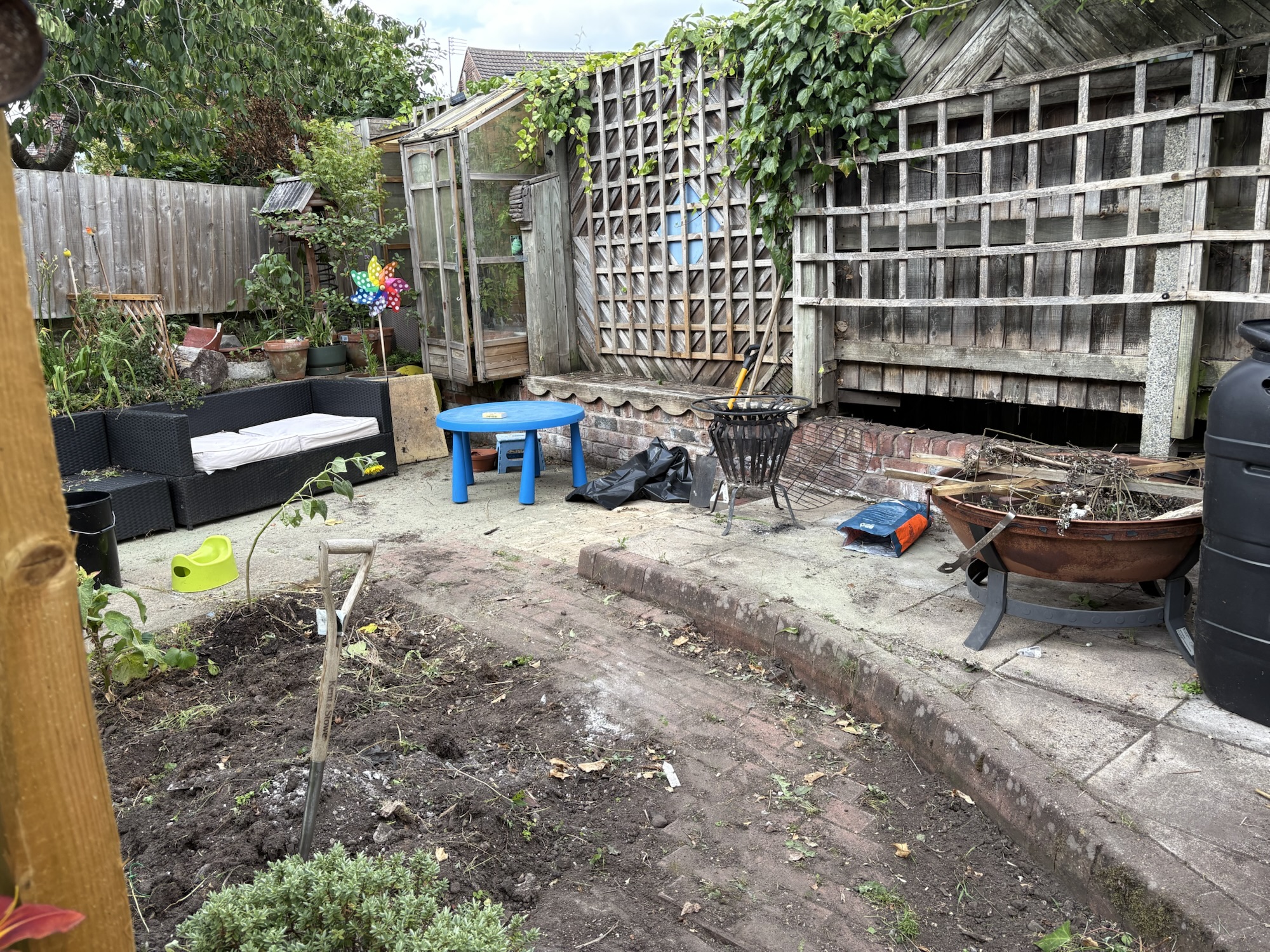
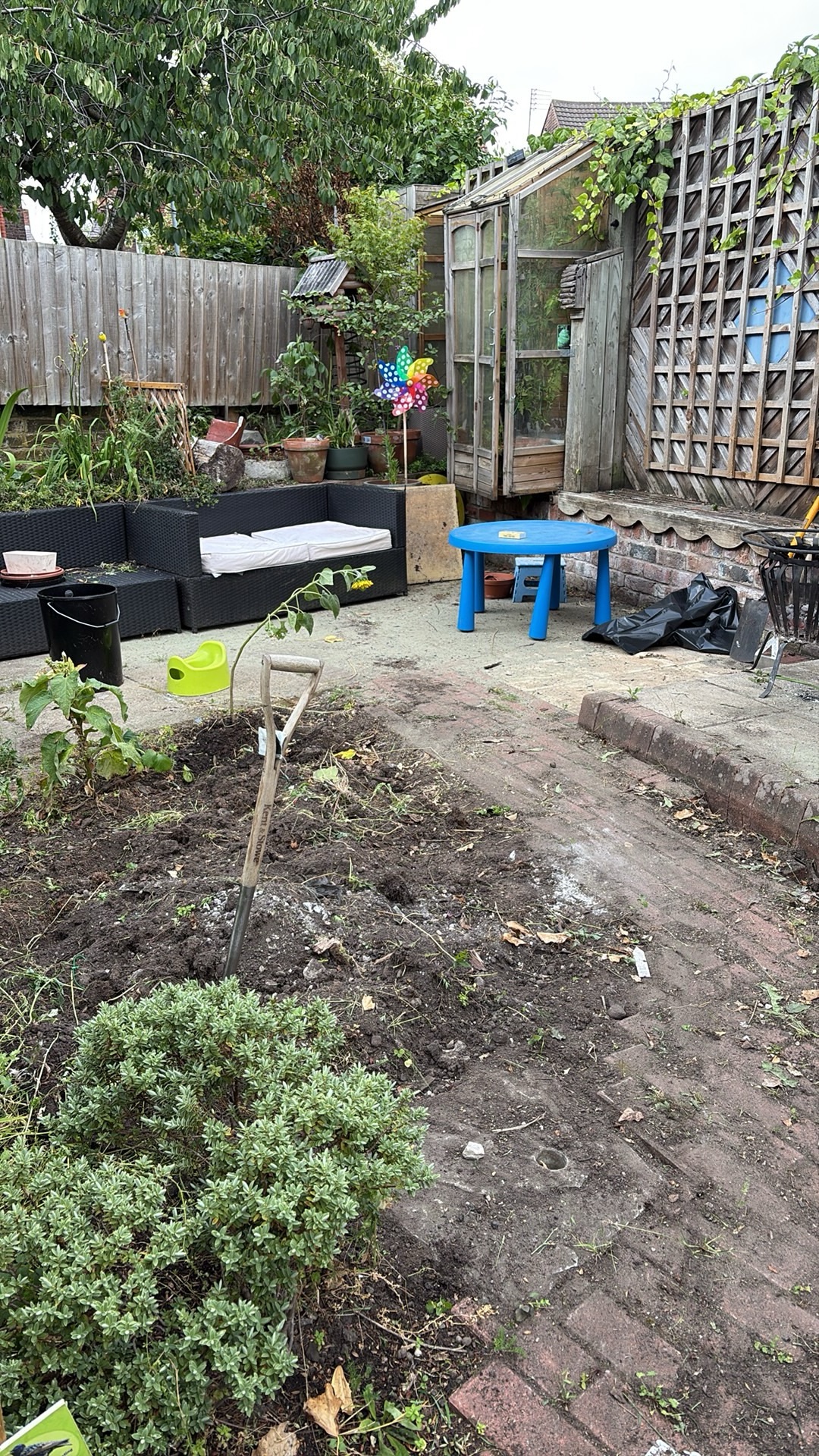
We all worked together to move the plants to a safe space, until we are ready to replant them in a new position. This was to protect them while the building work was happening. Some of the flowers like the poppies, hot poker and foxgloves have gone to seed, so we carefully collected the teeny tiny seeds and saved them in paper bags, ready to sow for next year.
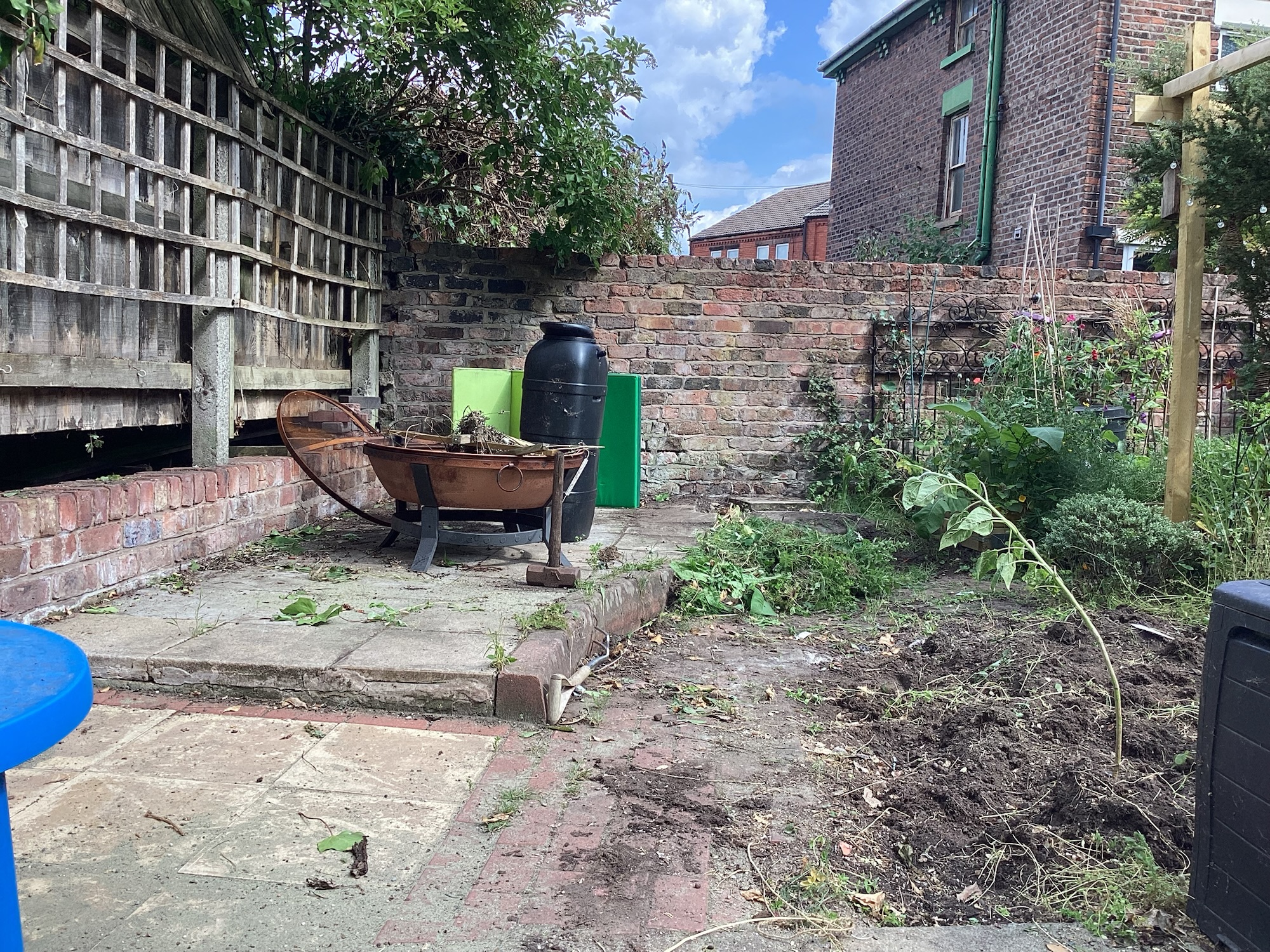
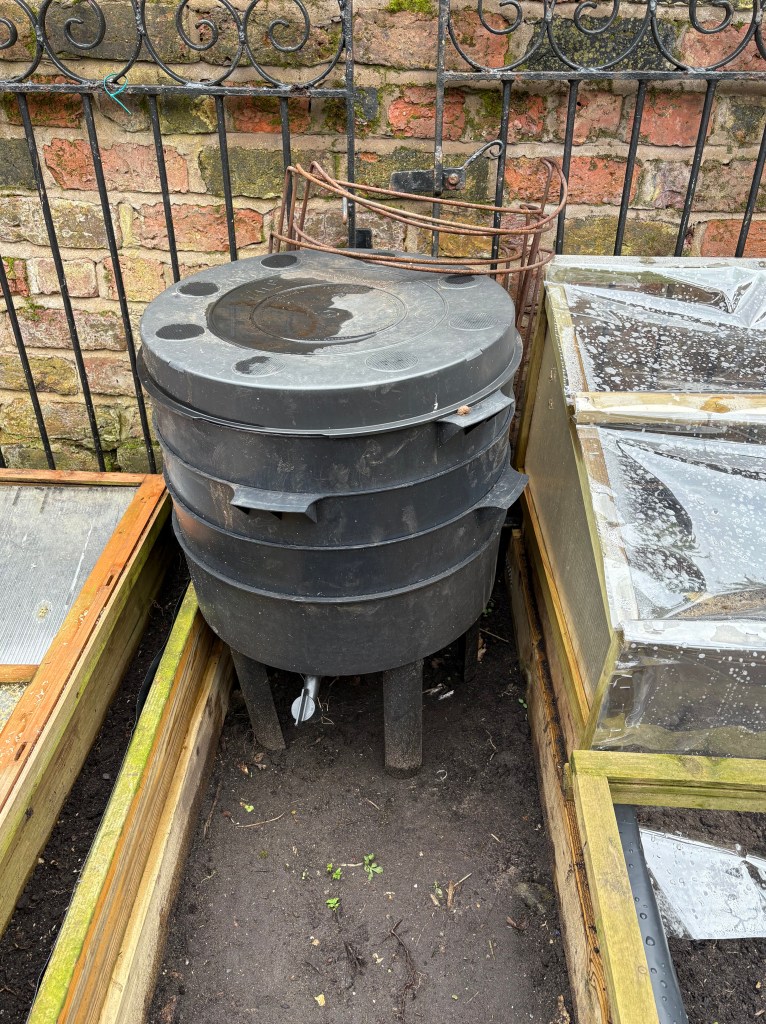
Once the area was all clear we put away the toys, cleared the rubbish and put the rest of the weeds in the composter ready for the work to commence.
Throughout my career as a Registered Childminder, I have incorporated holistic learning into my practices. Over the years this has evolved, and I refer to my way of teaching as ‘The Garden Classroom’ which you can read about on my blog. Although this way of learning is primarily outdoors, the learning is year-long and therefore I have created ways of learning no matter the season. The Garden Classroom practices always incorporate the three prime areas of the Early Years Foundation Stage (EYFS) and the Characteristics of Effective Teaching and Learning. Read on to learn how I weave these key components into outdoor play.
OUTDOOR LEARNING
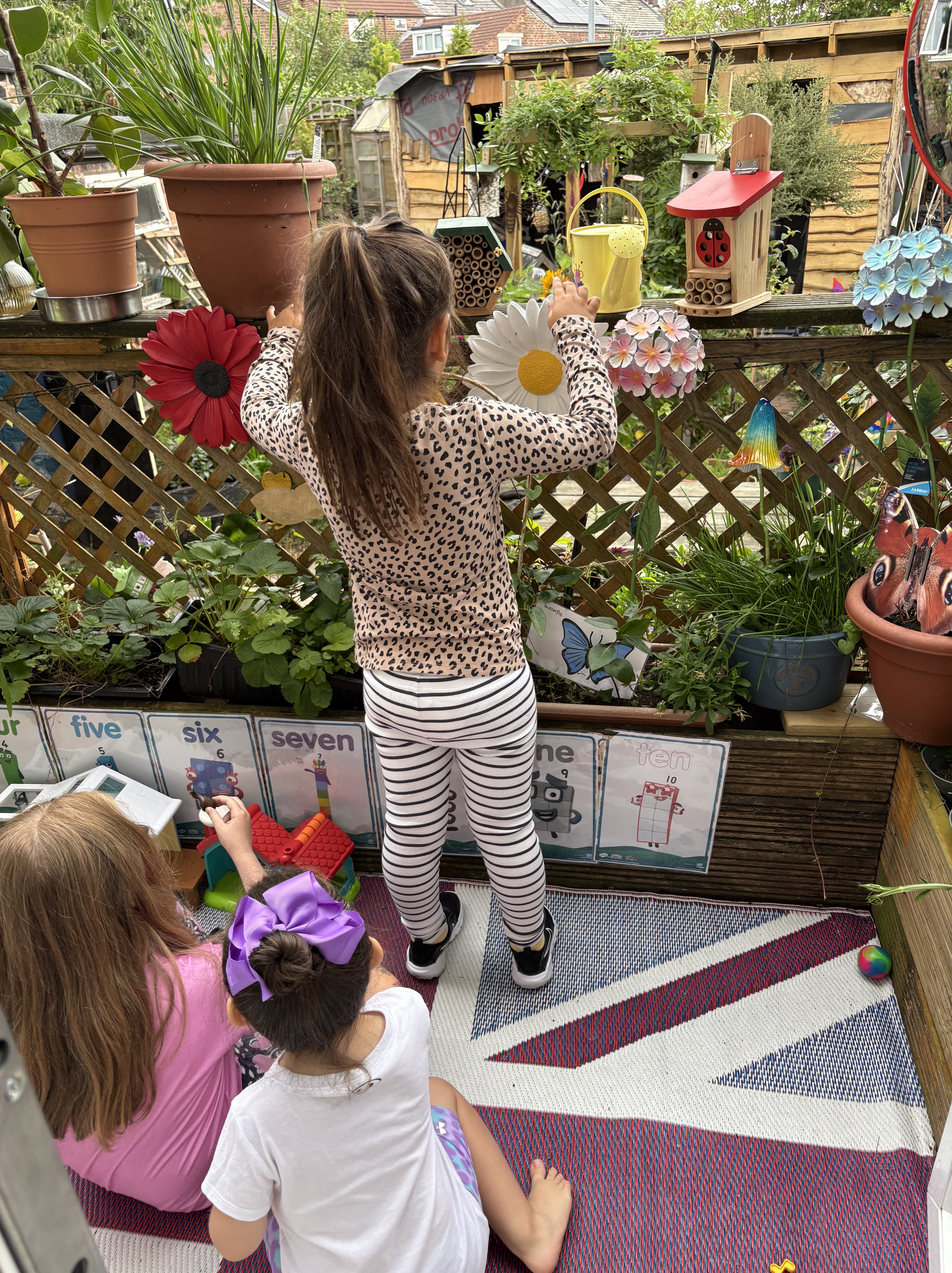
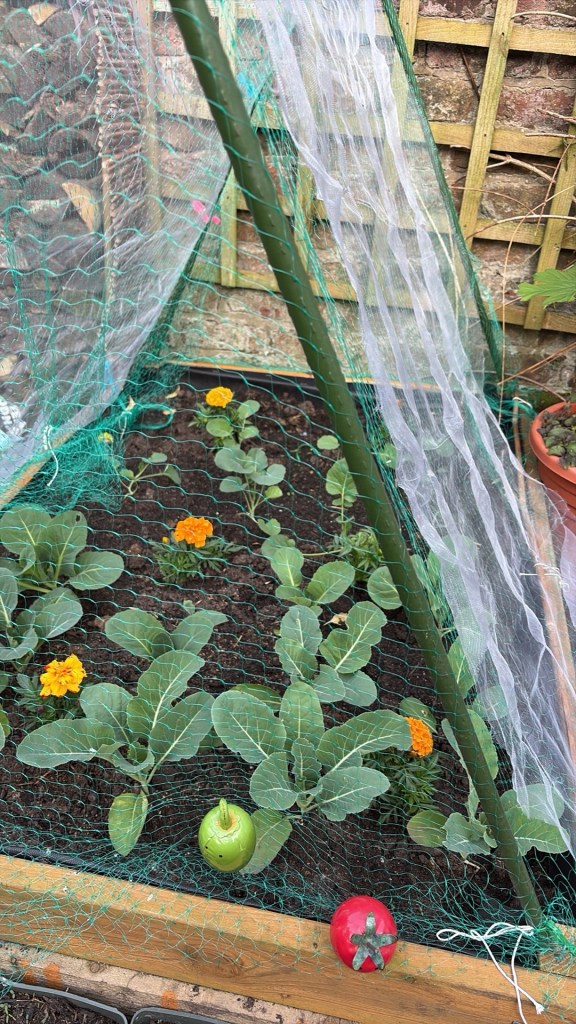
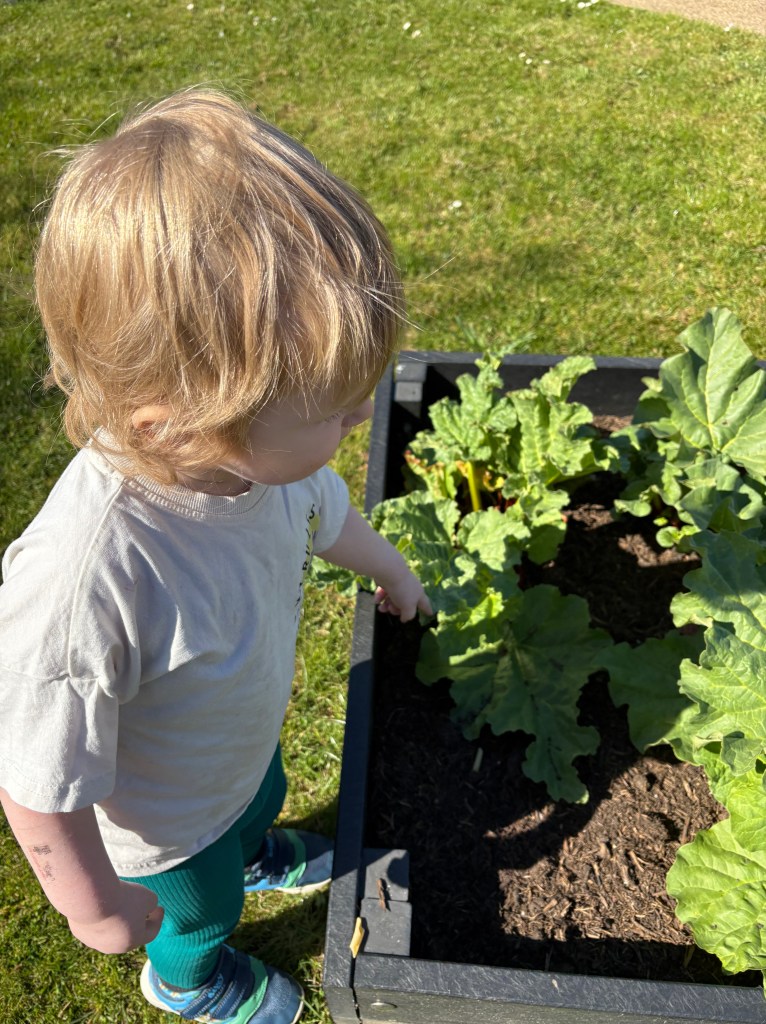
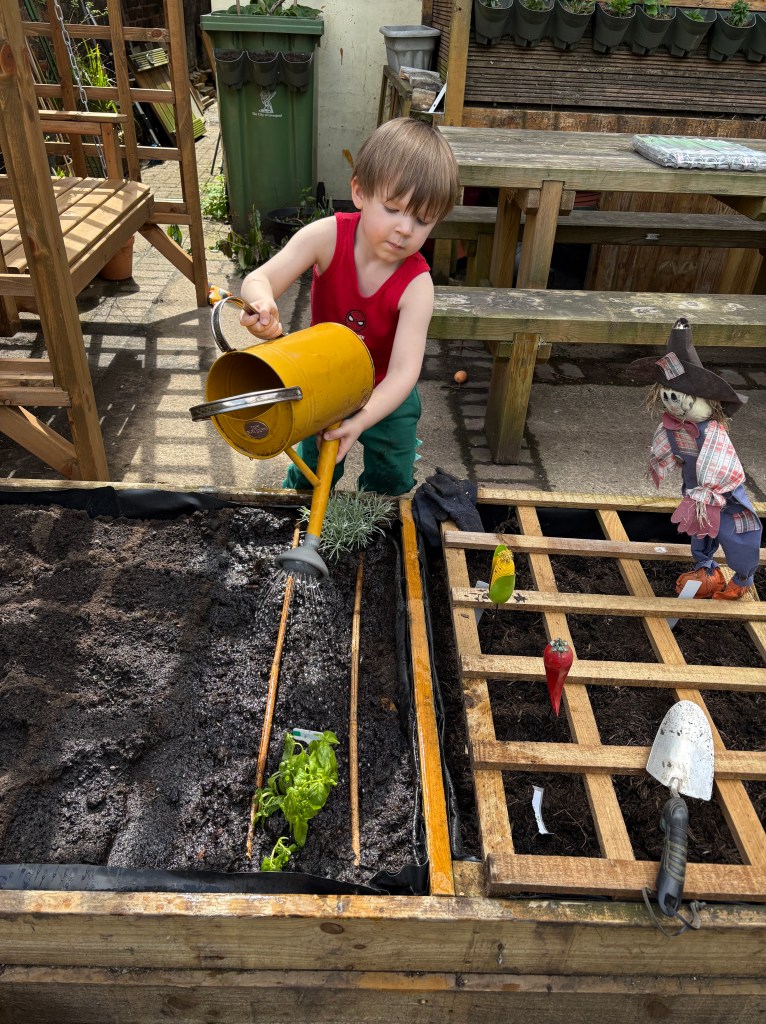
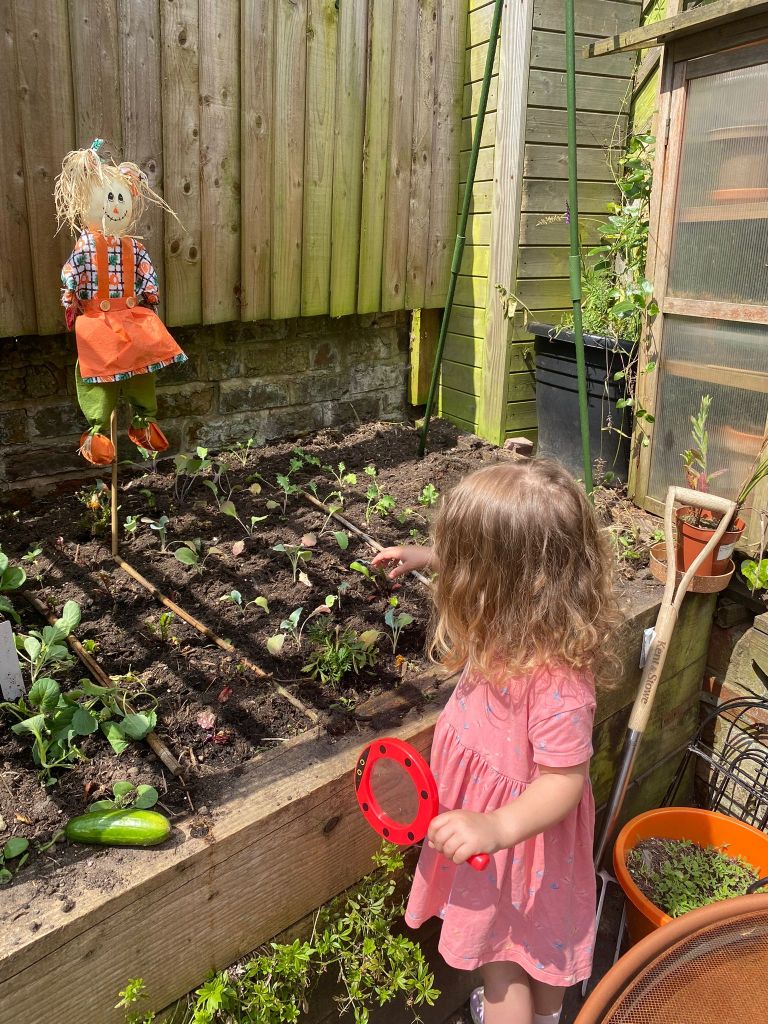
The Garden Classroom is a space where children can learn and grow, connecting to nature and the world around them. Outdoor exploration not only connects toddlers and babies with the seasons and everchanging weather, but also promotes physical activity, a sense of wonder, and an appreciation for the natural environment. Providing gardening activities for my children has proven to be great way to engage them with hands-on learning, including growing food from seed to plate,
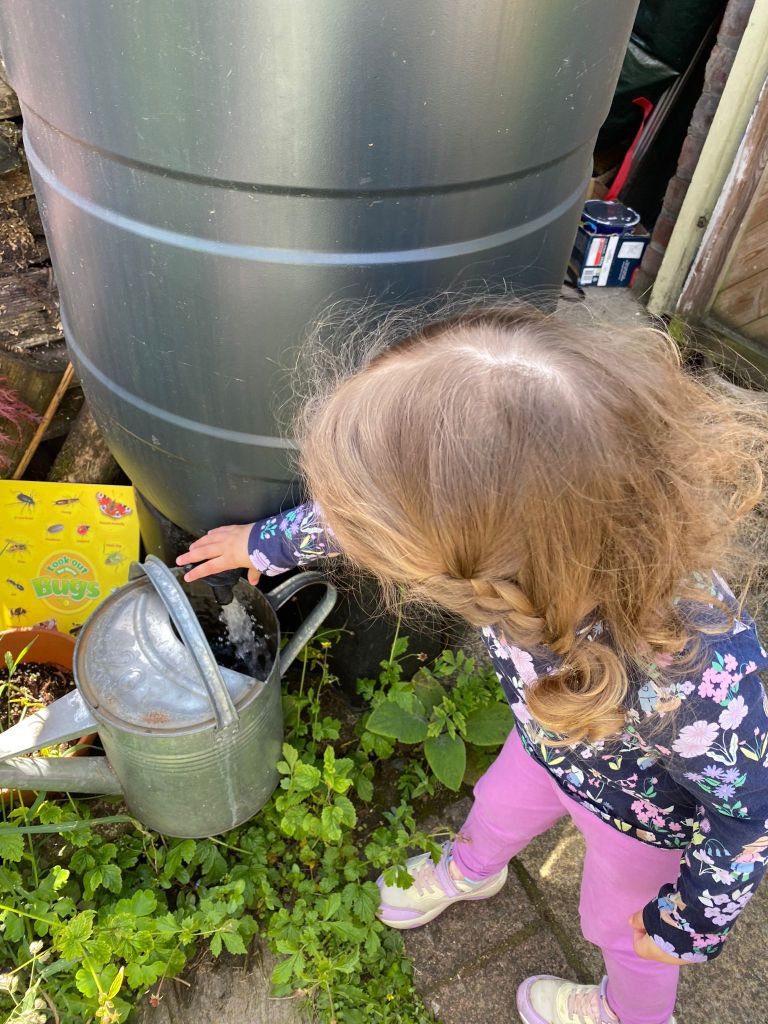
food sensory education, pond-dipping and lifecycles, and practicing sustainability through composting and recycling.
The children learn vital skills such as adaptability and resilience by witnessing their environment going through the cycles. This helps them understand the concept of change and builds resilience in the face of transitions. In one area of our garden, we have a pet cemetery. Here, we have buried our family pets and other creatures who have come and gone.
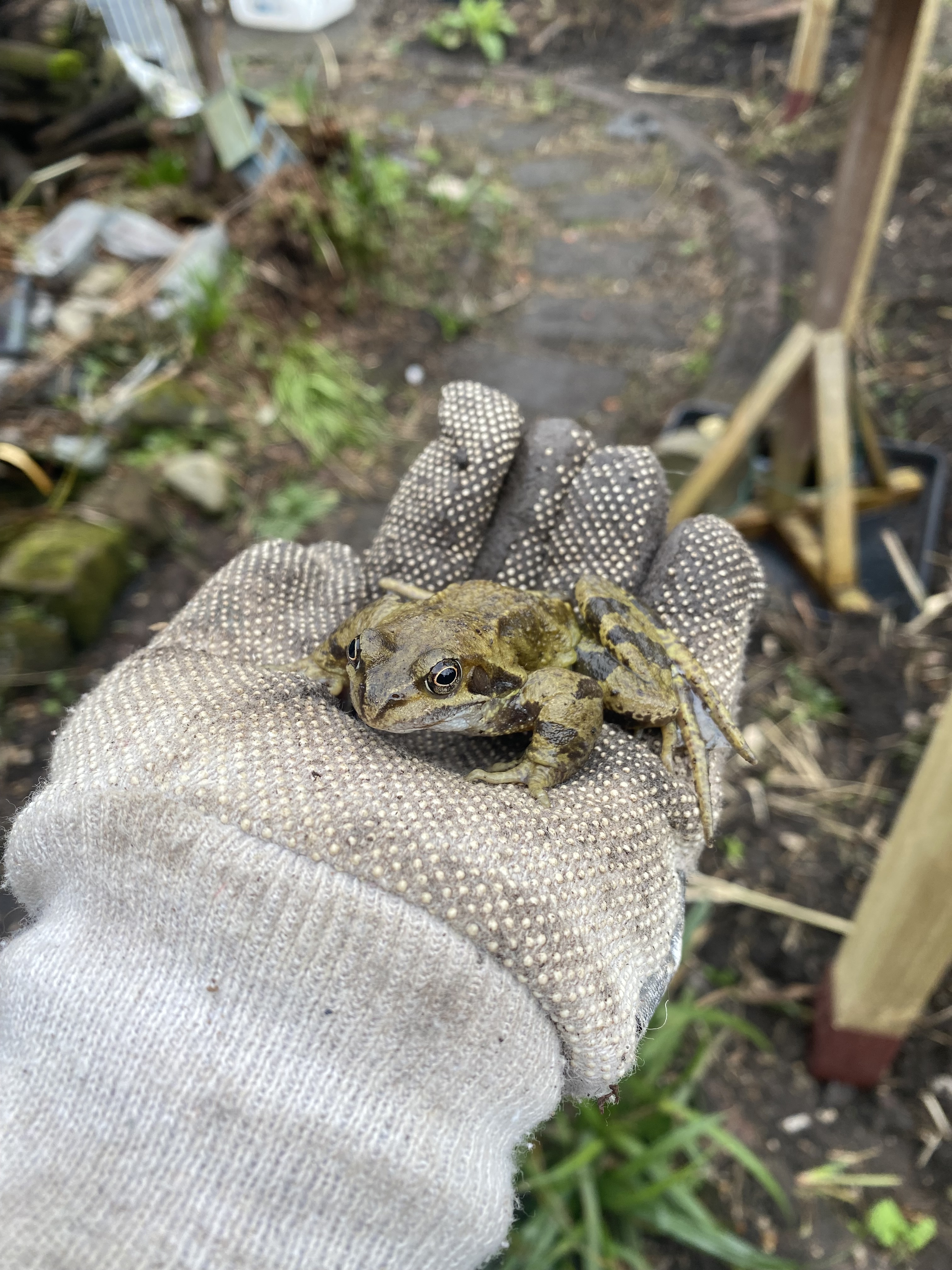
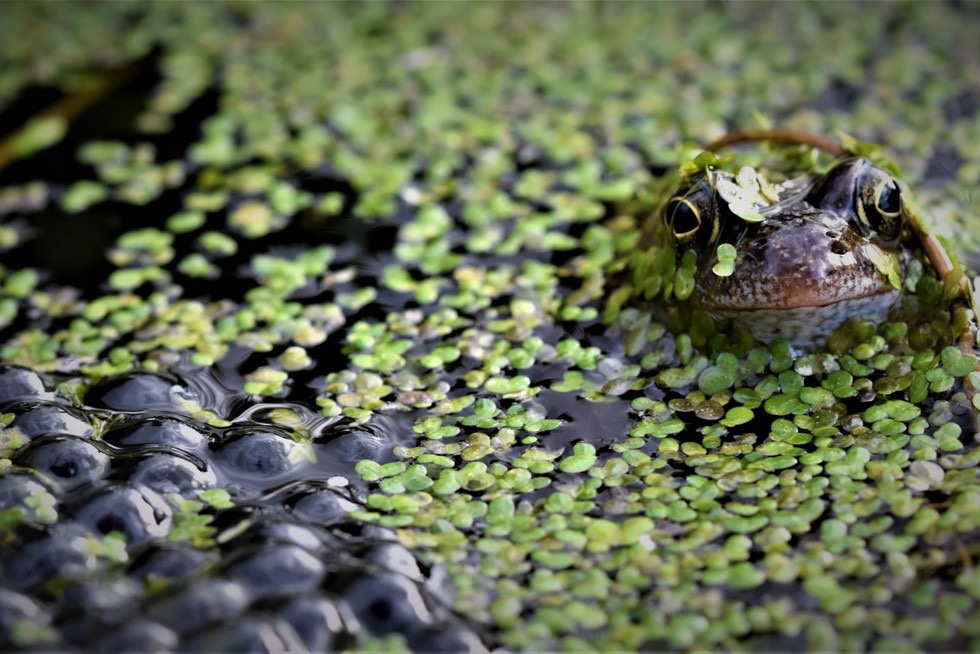
This space allows us to teach the children about the life-death cycle and accept change. Similarly, every year we experience frogspawn, giving us the opportunity to learn about birth and growth as we watch their little tails shrink and their legs grow.
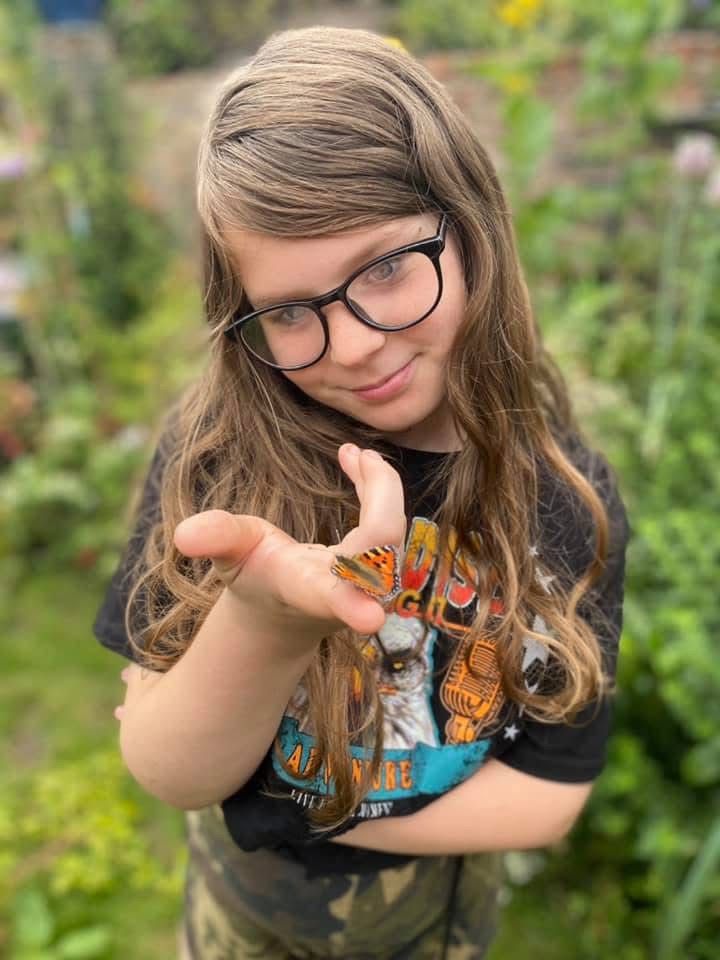
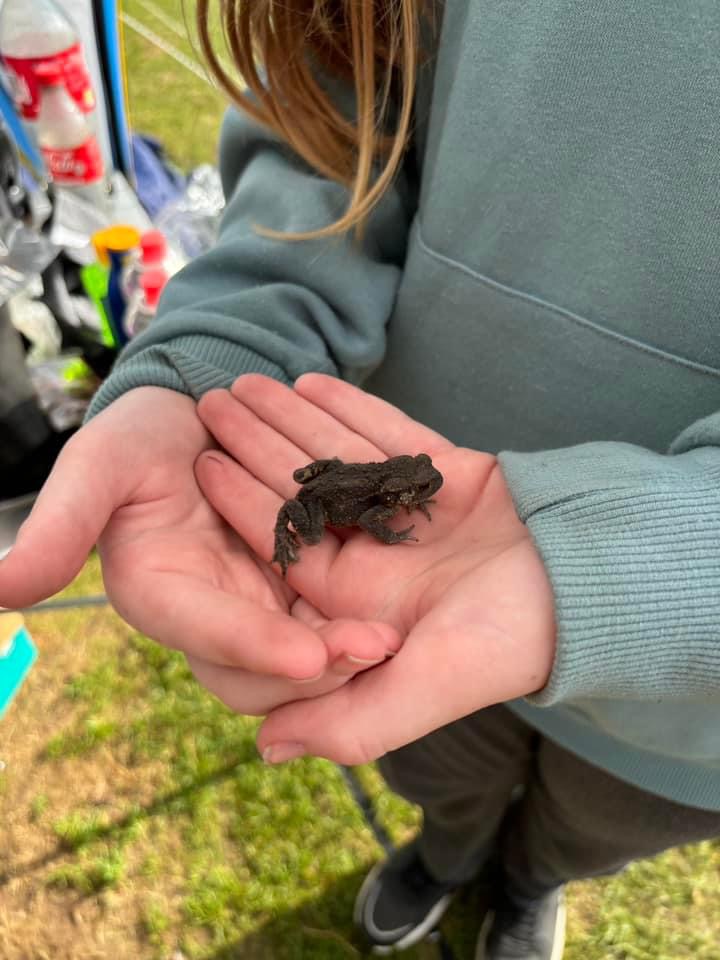
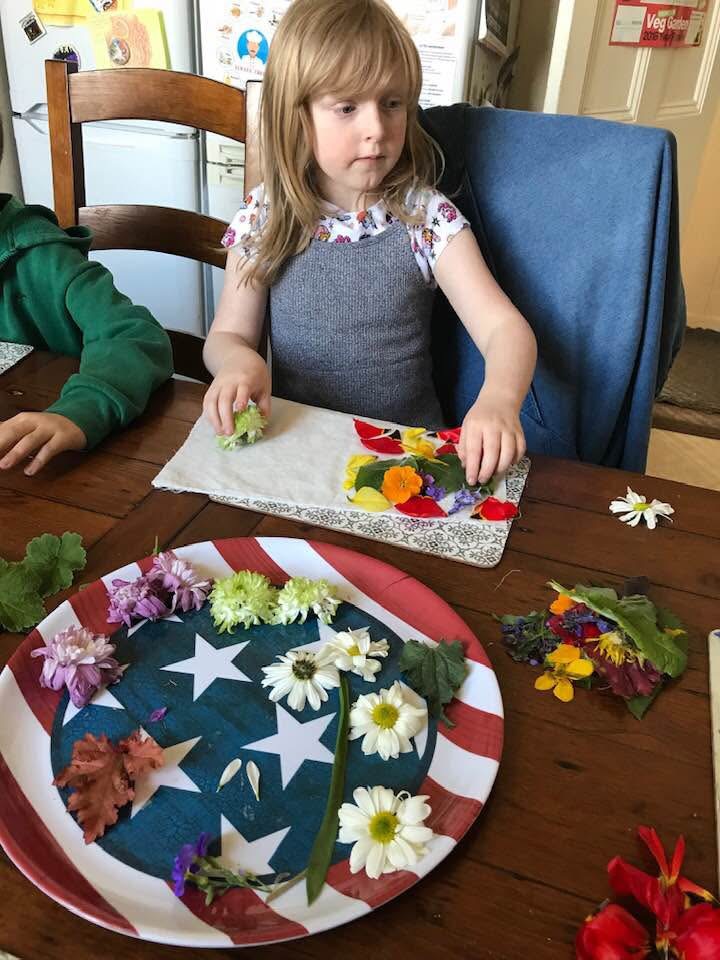
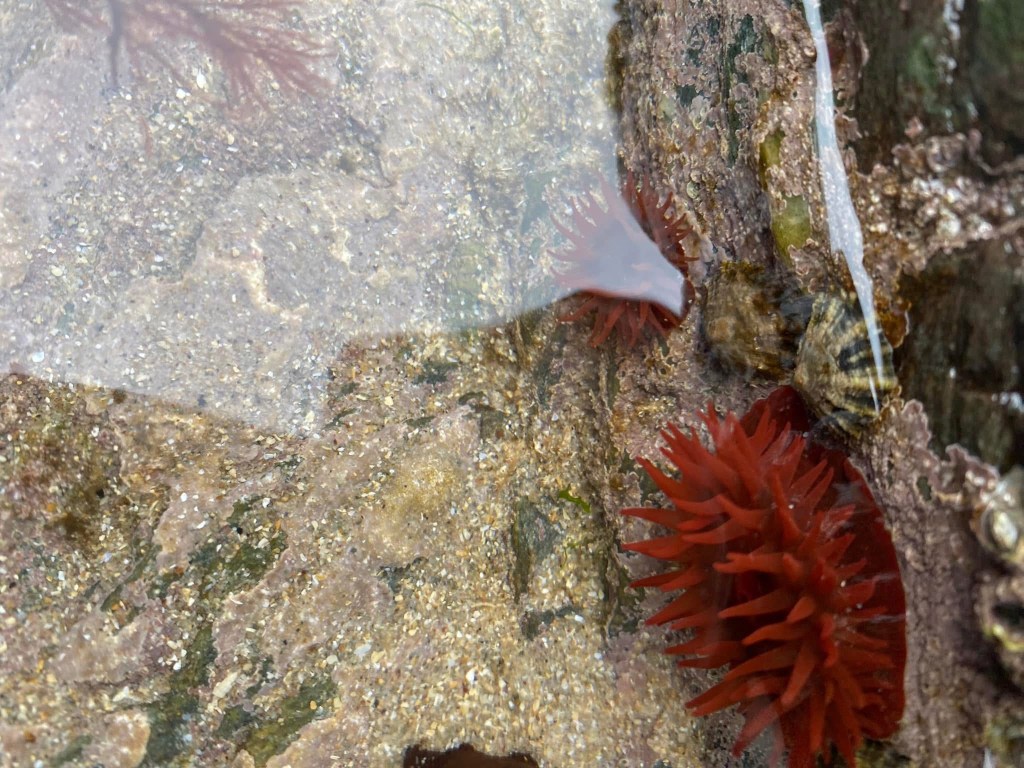
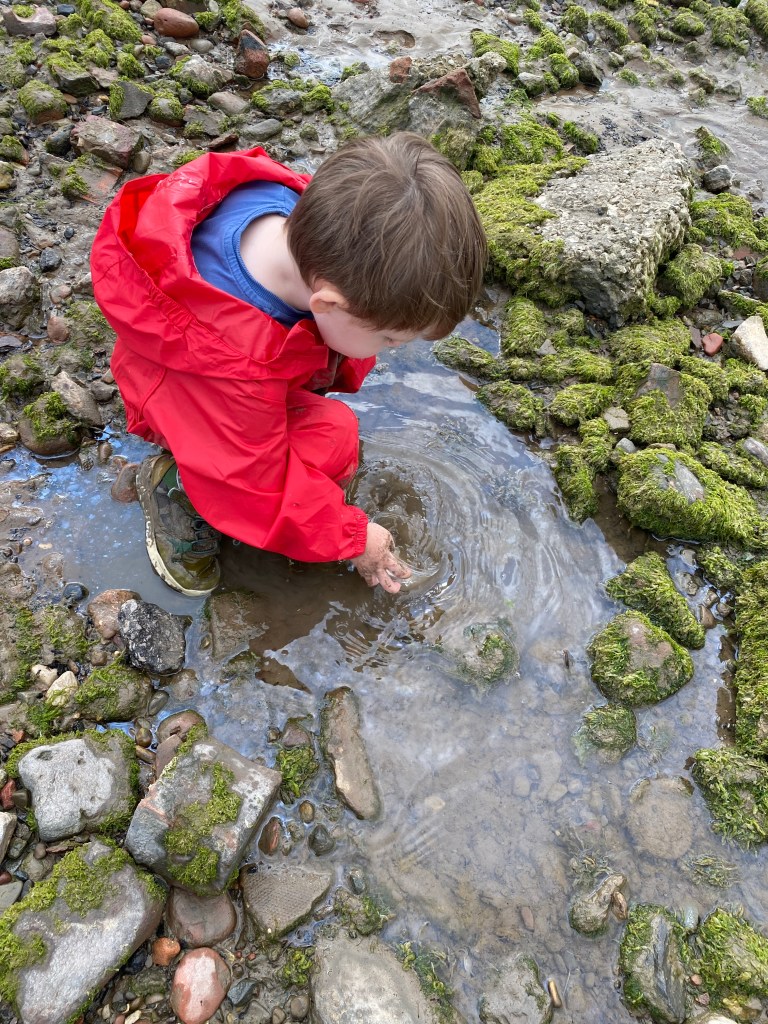
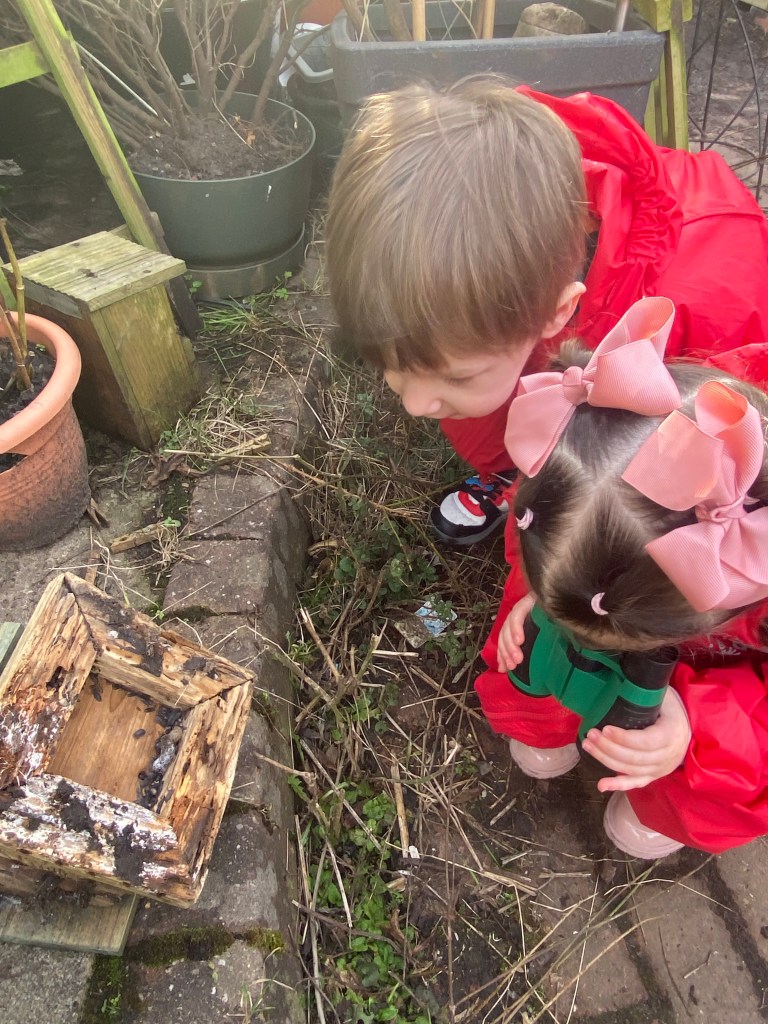
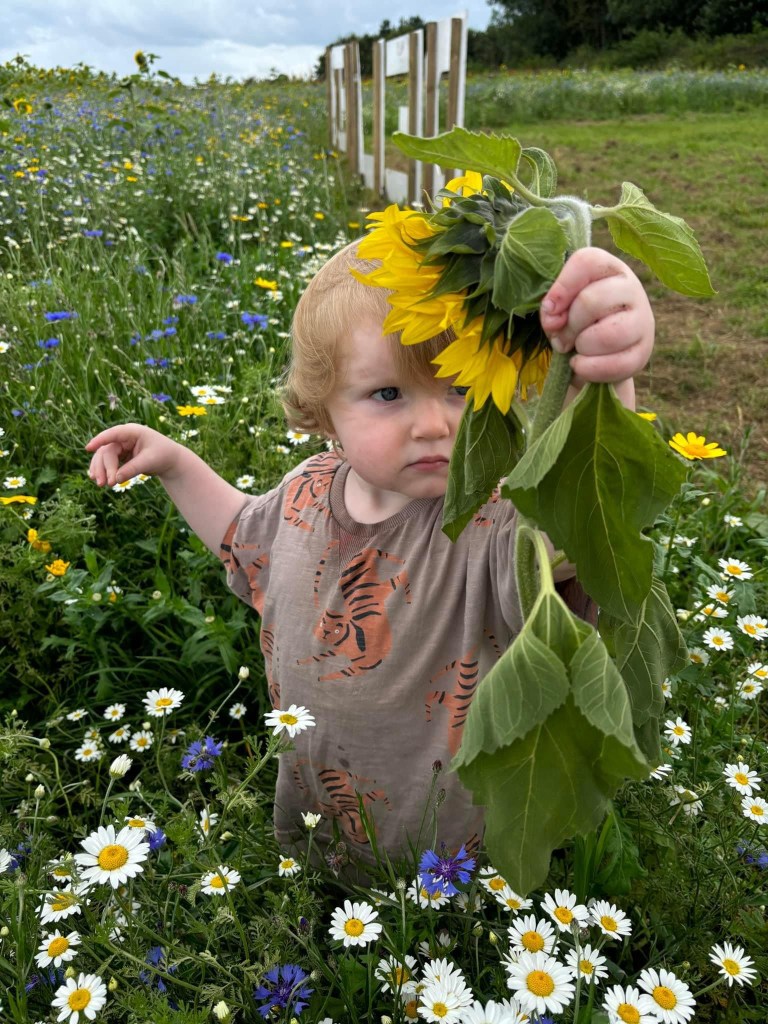
To support the children’s cognitive skills, we provide activities to observe and understand nature through investigation. The children’s favourite activities at the moment are pond dipping and growing and harvesting flowers, fruit, and vegetables. Some of the learning objectives within these activities are linked to lifecycles, categorising, comparison and pattern recognition in nature.
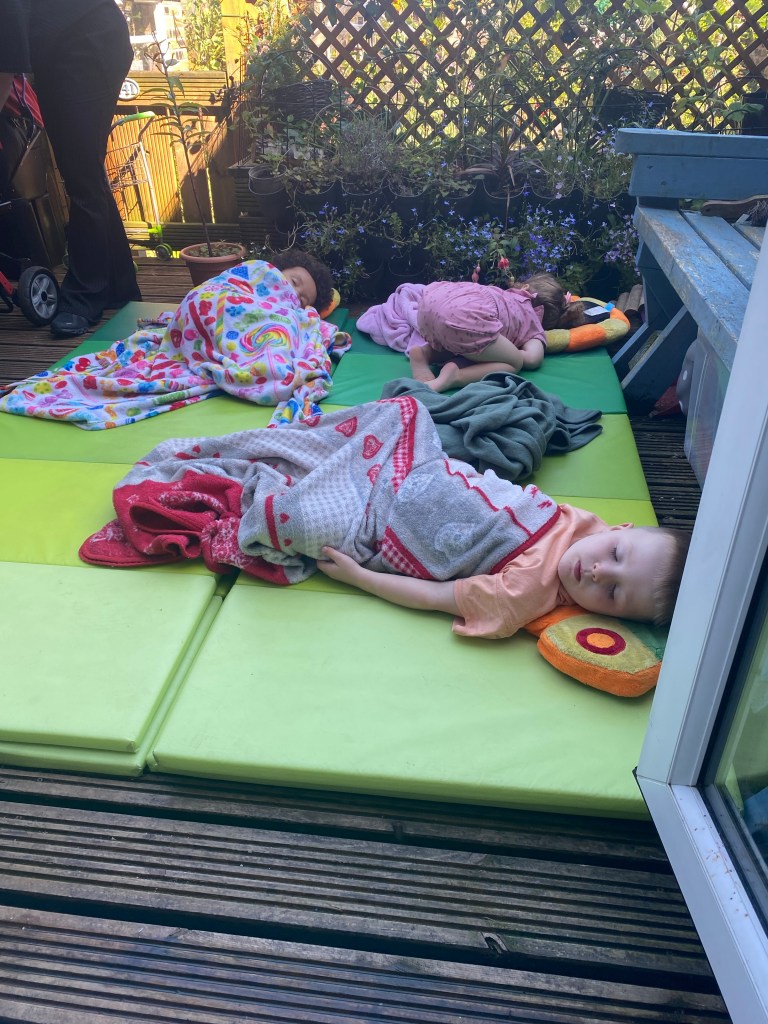
Supporting the children to experience the wonders of changing seasons has a positive effect on their emotional well-being, mine, and Debbie’s too! The children take naps outside and participate in meditation while the birds are singing away. These activities provide opportunities for relaxation and promote a sense of calm and happiness. It is proven that spending time in nature has mental health benefits as well as emotional and physical benefits.
SEASONAL LEARNING
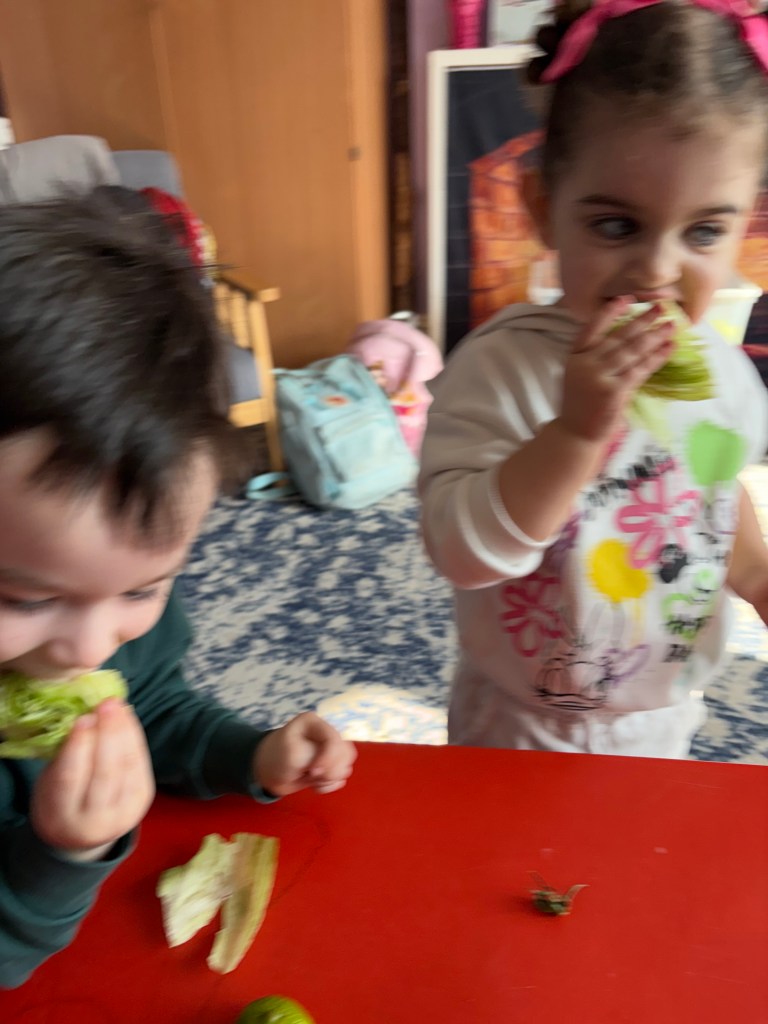
Every season and even every different day outdoors, brings a new set of sensory stimulation by exploring the sights, textures, aromas, even the noises of the natural world. The experiences are endless. The children love finding the strawberries and munching away, and there is no better taste than a sun-ripened cherry tomato, if they leave me any!
Unfolding the characteristics of seasonal vocabulary during our activities also contributes to early language and provides children with the skills to articulate their observations and experiences. Whether its playing in the muddy puddles, counting the frogs or learning to sow seeds, the language opportunities are endless.
The seasons are also a lovely way to promote cultural celebrations and traditions. We love the harvest festival where we like to gather our produce and share with our families, or Diwali where we cover the garden with lights and have a magical Diwali feast. There are many ways to weave cultural traditions into your very own Garden Classroom.
“Lovely to watch her be so interested in how it grows. How she cares for it, and that she’s happy with the end result, we’ve even started growing our own strawberries and sunflowers at home” – Elsie’s Mum.
By incorporating a Garden Classroom into your setting, your children can foster environmental awareness, develop a sense of responsibility and appreciation of the natural world, which in turn lays the groundwork for their future environmental consciousness. Seasonal changes spark natural curiosity and wonder within the children, giving them the opportunity for questioning and exploration, cultivating a mindset of inquiry and lifelong learning.
The Education Endowment Foundation (EEF) The Early Years Toolkit brings together the best available evidence on key areas of learning and development. It can support all childminders when making decisions on how to improve learning outcomes.
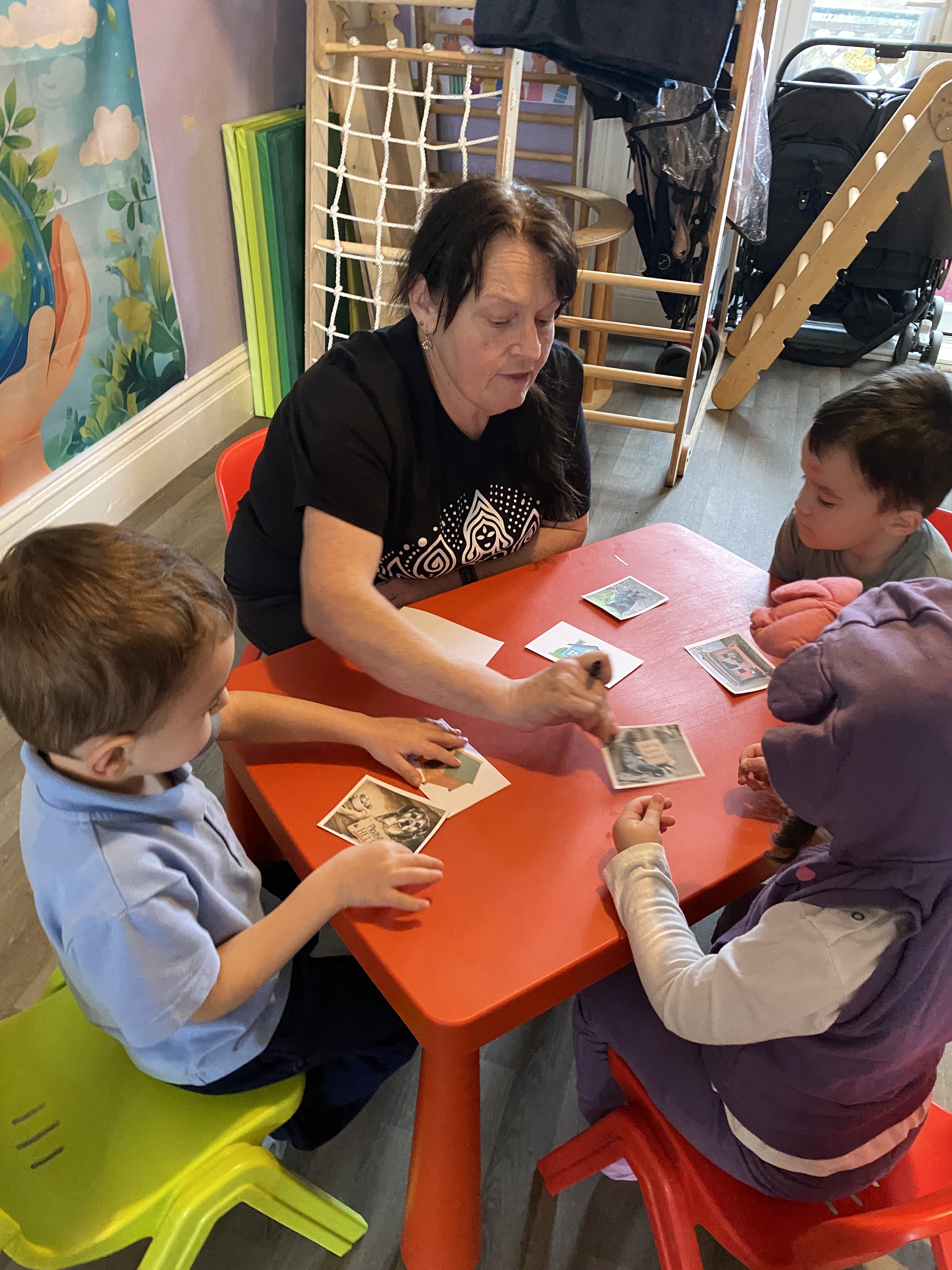
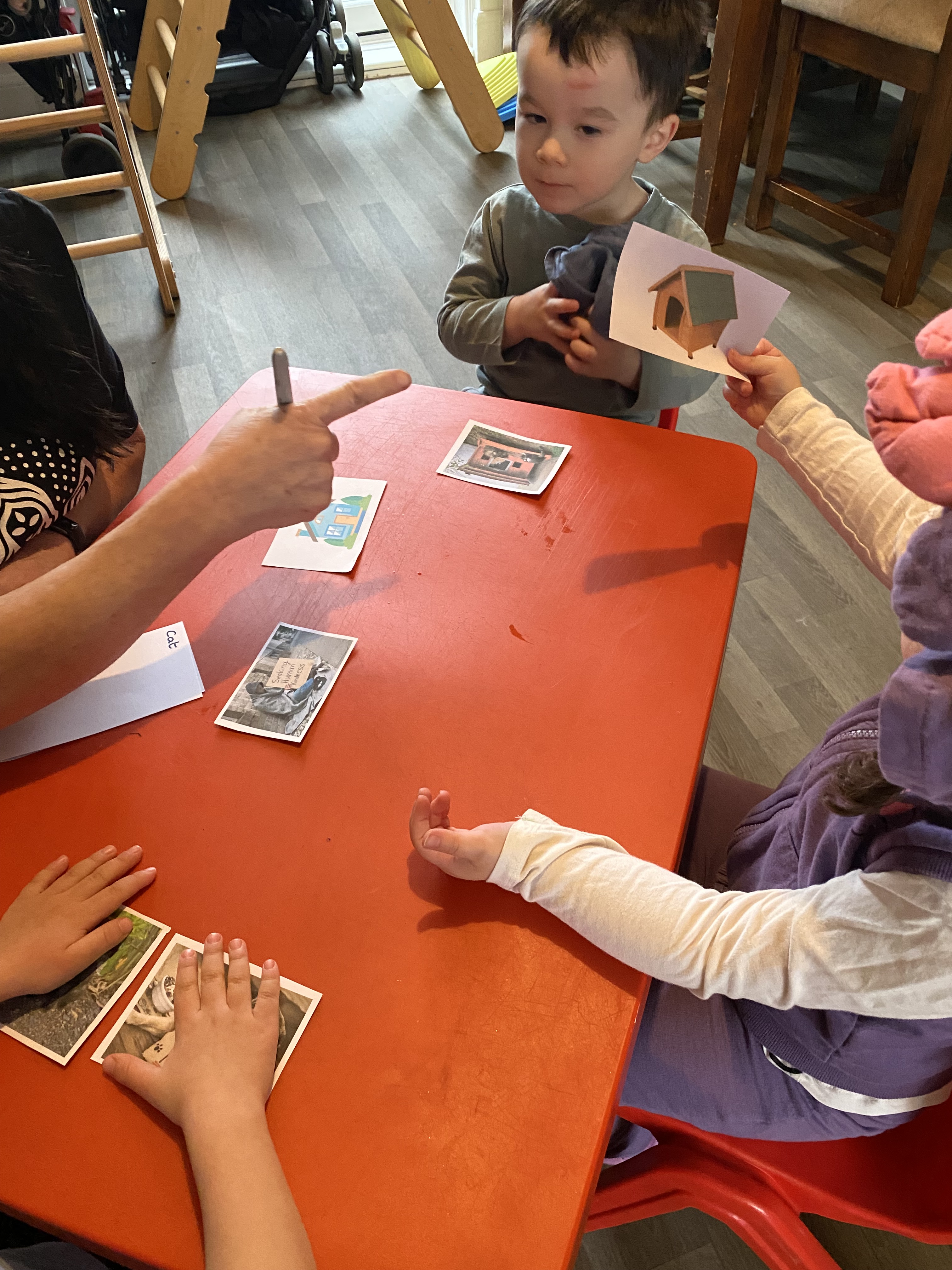
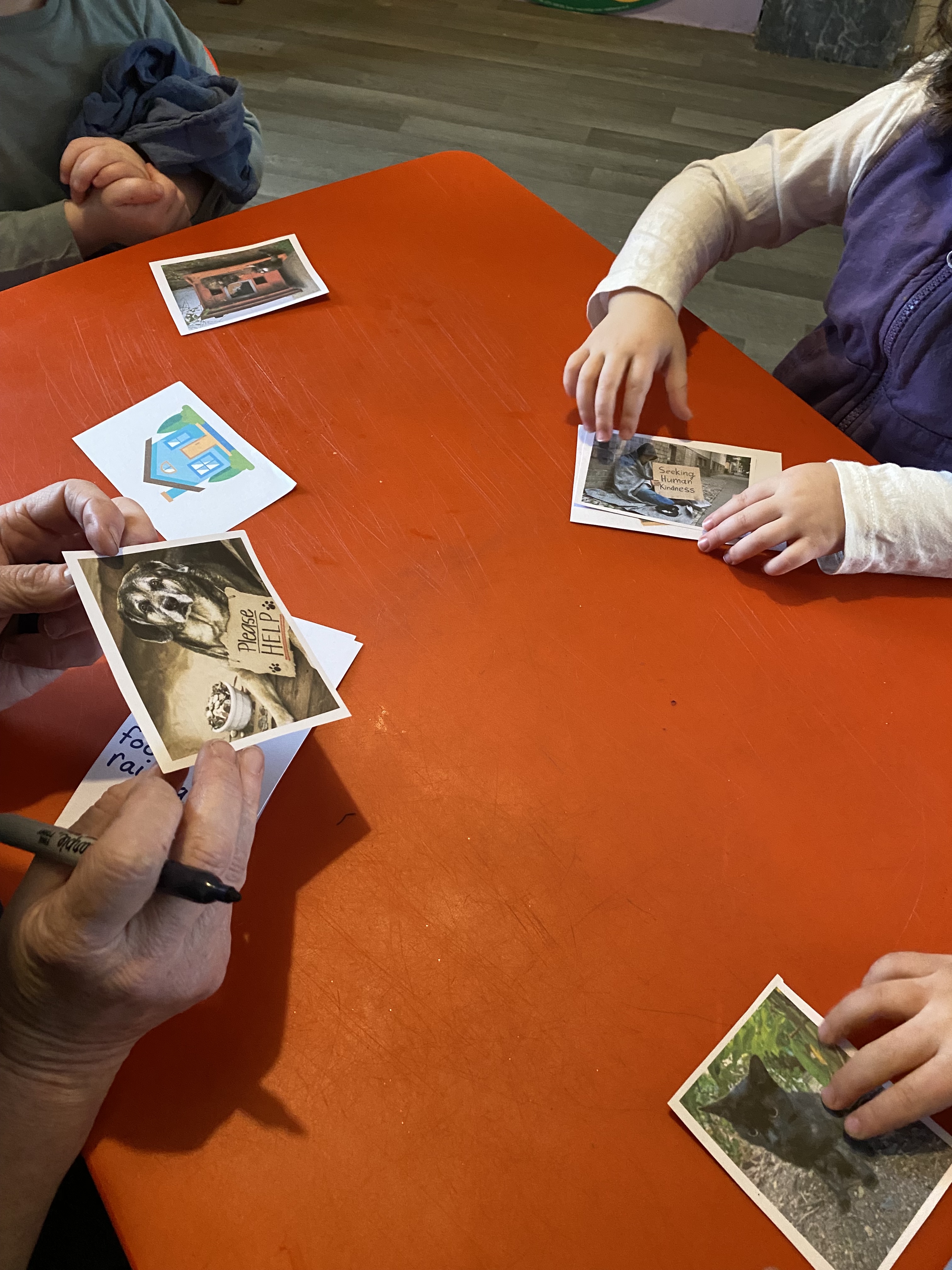
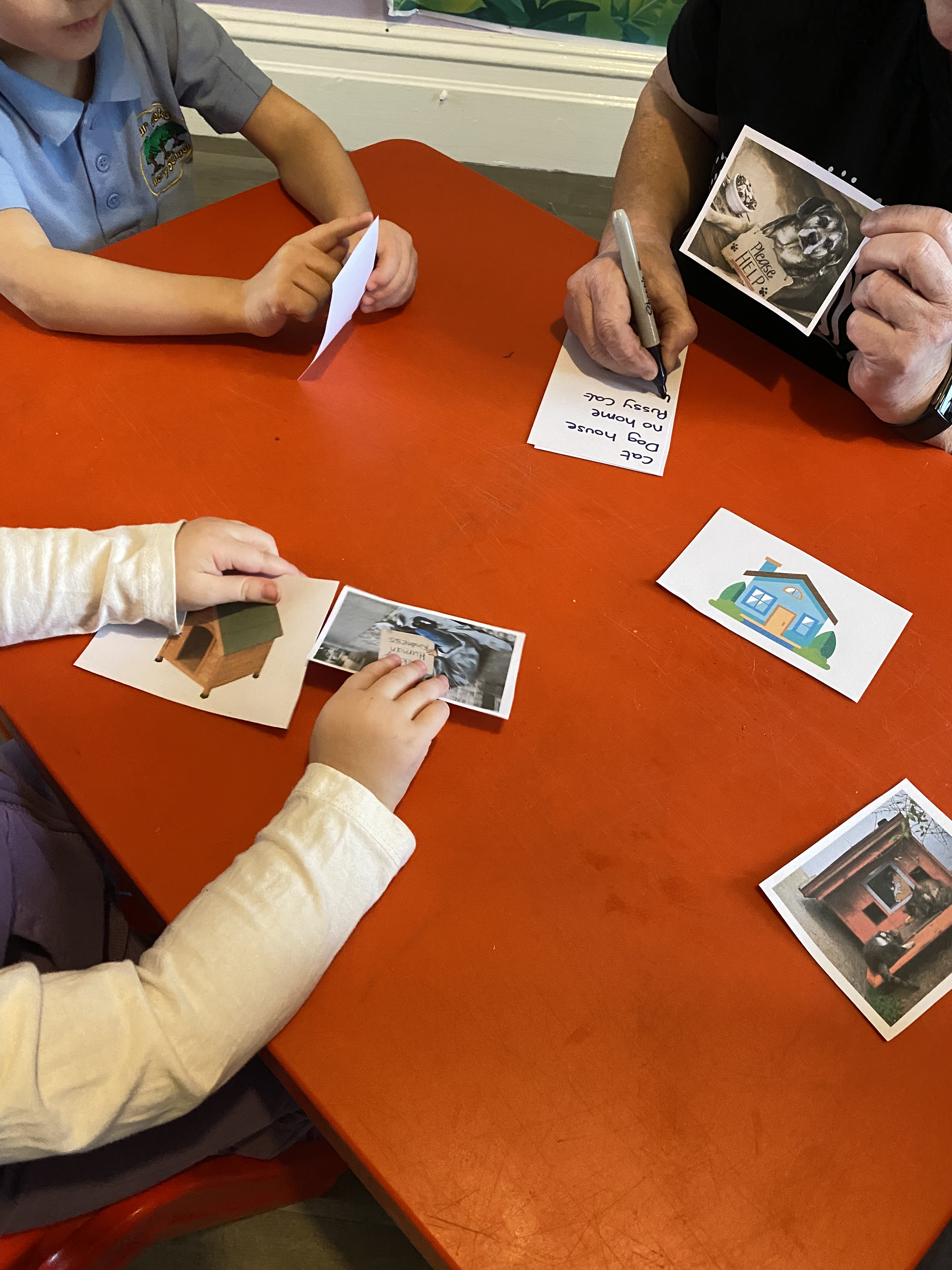
This week we have been talking sustainability goal 1 No Poverty. NCFE (pg 17) I provided the children with photographs to provoke but not distress them of a homeless man, dog and cat. We talked about how all living things need a healthy environment and food to survive. I gave them another three photographs and asked them to choose which home would be suitable for each of them.
They chose a kennel for the dog, a cat house for the cat and a house for the human.
I asked the children what they think they would feel like if they didn’t have a lovely home. Lottie said she would get wet in the rain and Cristian said he would feel sad.
This provoked Jack to talk about the man outside ASDA whom we buy a bottle of water and fruit for when we go shopping. He said the man always looks sad and cold, I said what could we get him to make him feel warm? The children sid a coat, hat or socks. I said I thought the socks were a fabulous idea and the next time we go we can buy him some. When we went to give the man the socks the children asked me to hand them to the man as they felt a bit scared.
The man said thank you very much and Cristian asked him what his name was? The man replied ‘Geof’ Jack asked what his dogs name was the man replied ‘Bruno’ everyone said ‘have a nice day Geof and Bruno’ and we all went home feeling good about our kindness.
When we got back I asked the children what Geof could use as a shelter as he hasn’t got a lot of money? Lottie said he could live in a tent, Jack went on to say he had stayed in a tent with mummy and daddy on holiday and it was fun. I asked them what it might be like living in the tent in the winter, Lottie said it would be cold and sad as Geof has not got his mummy.
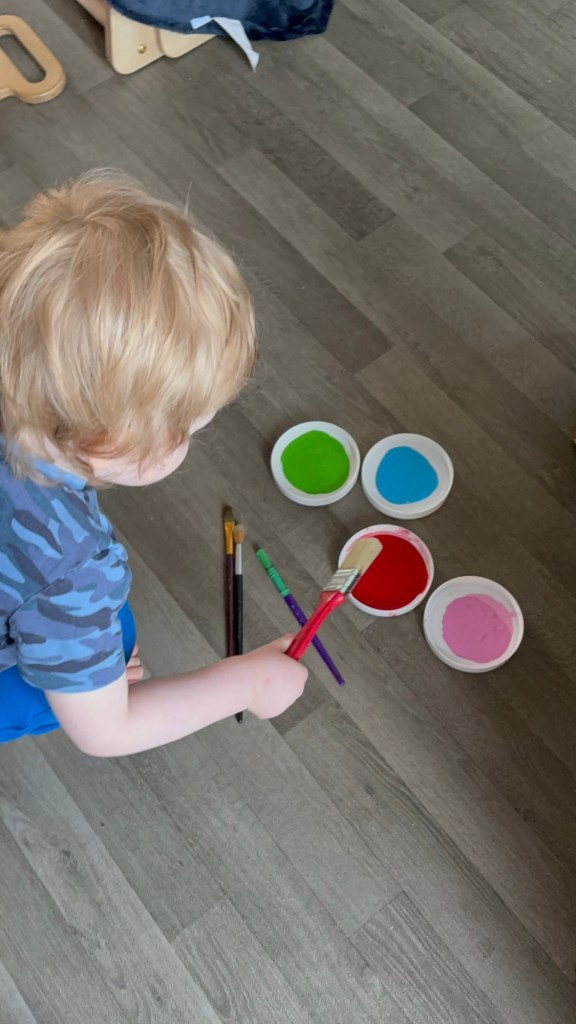
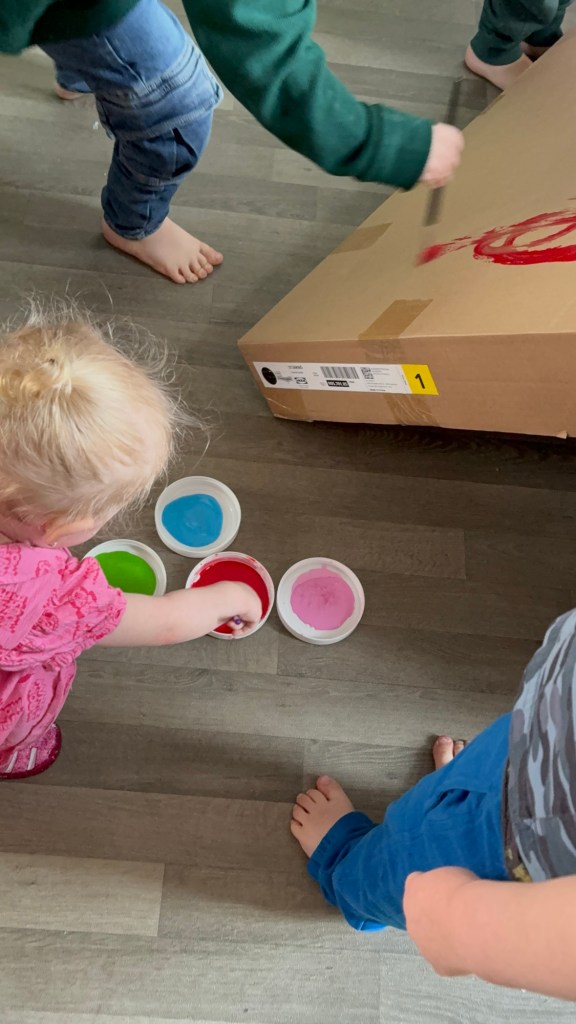
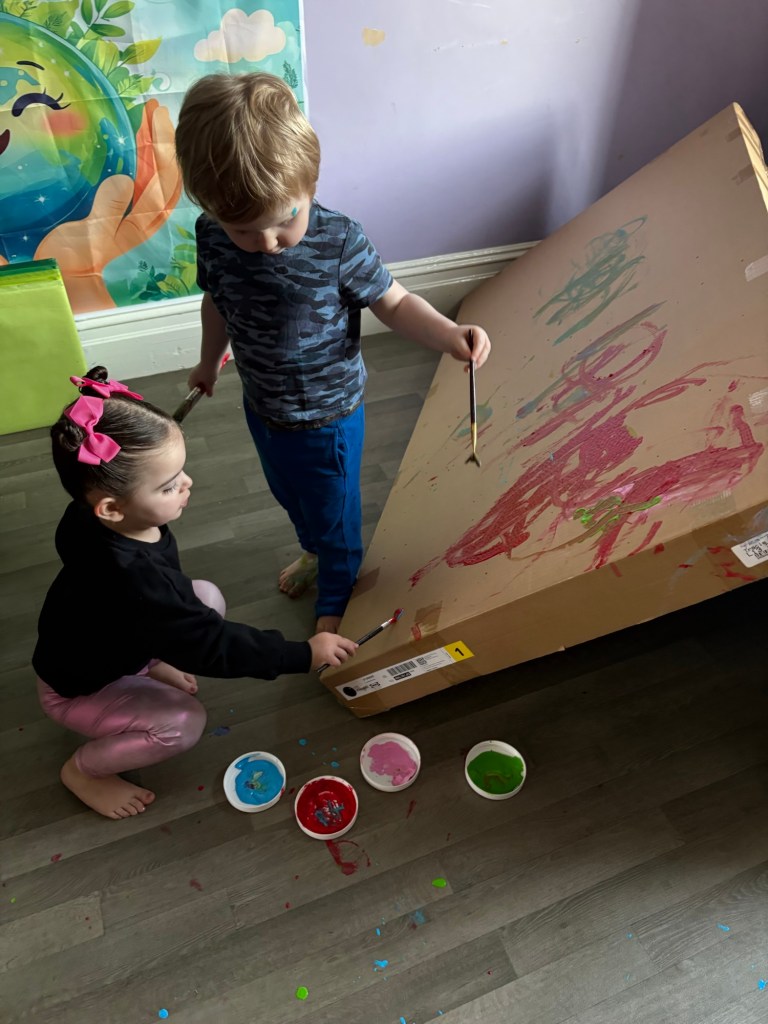
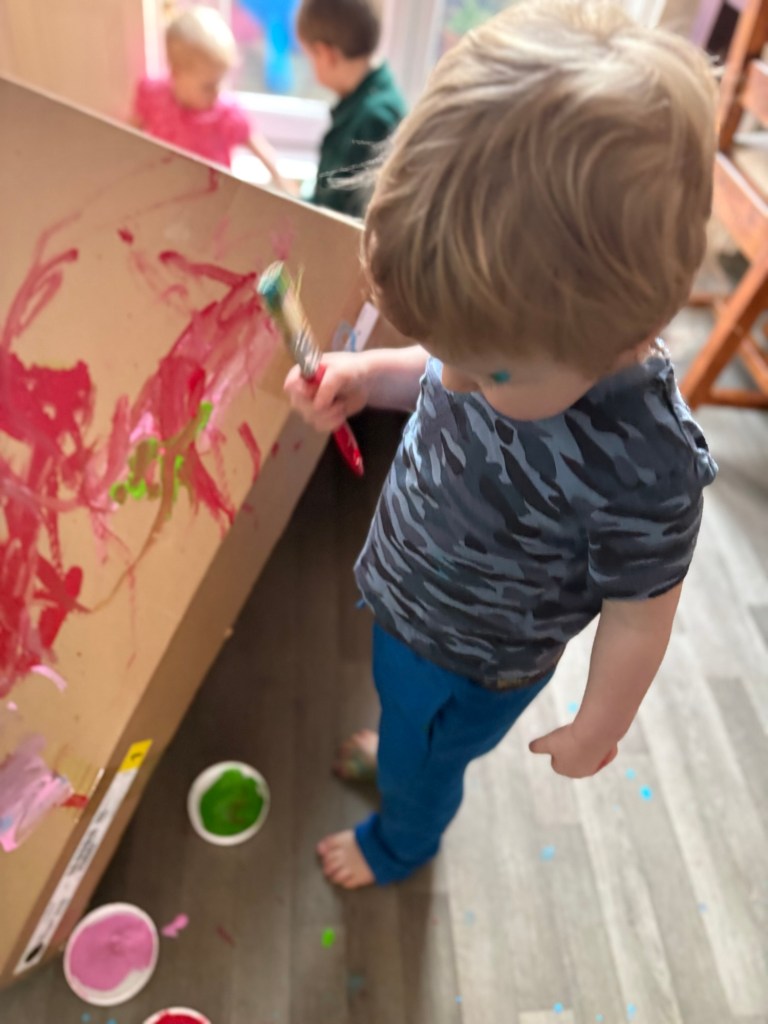
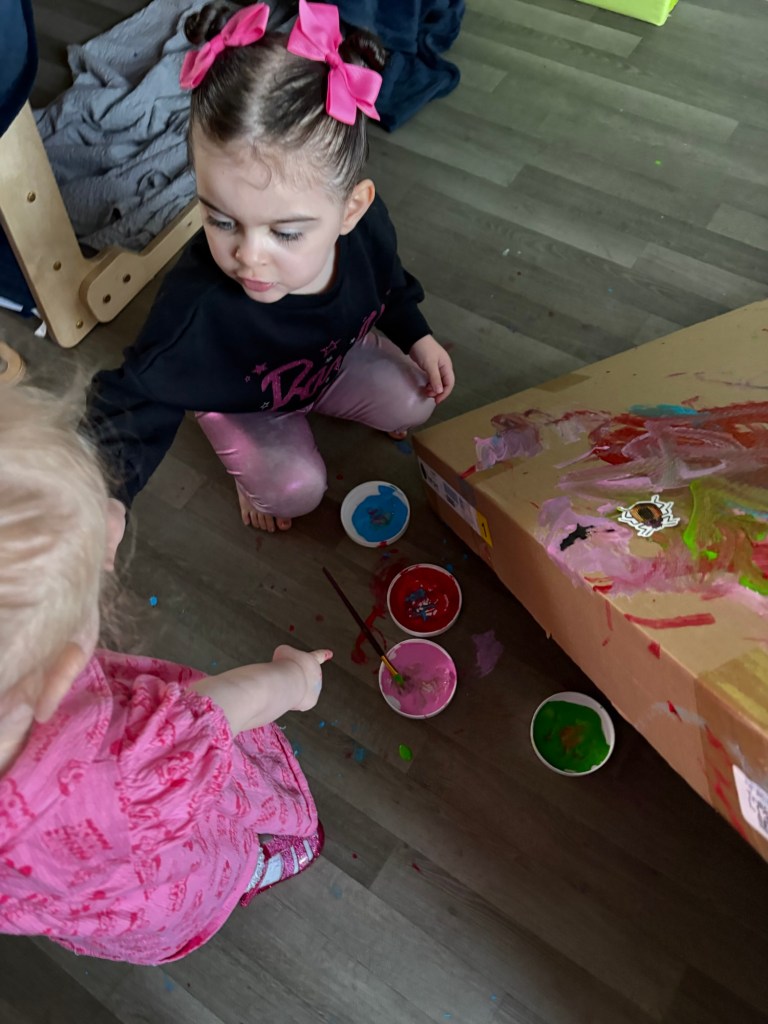
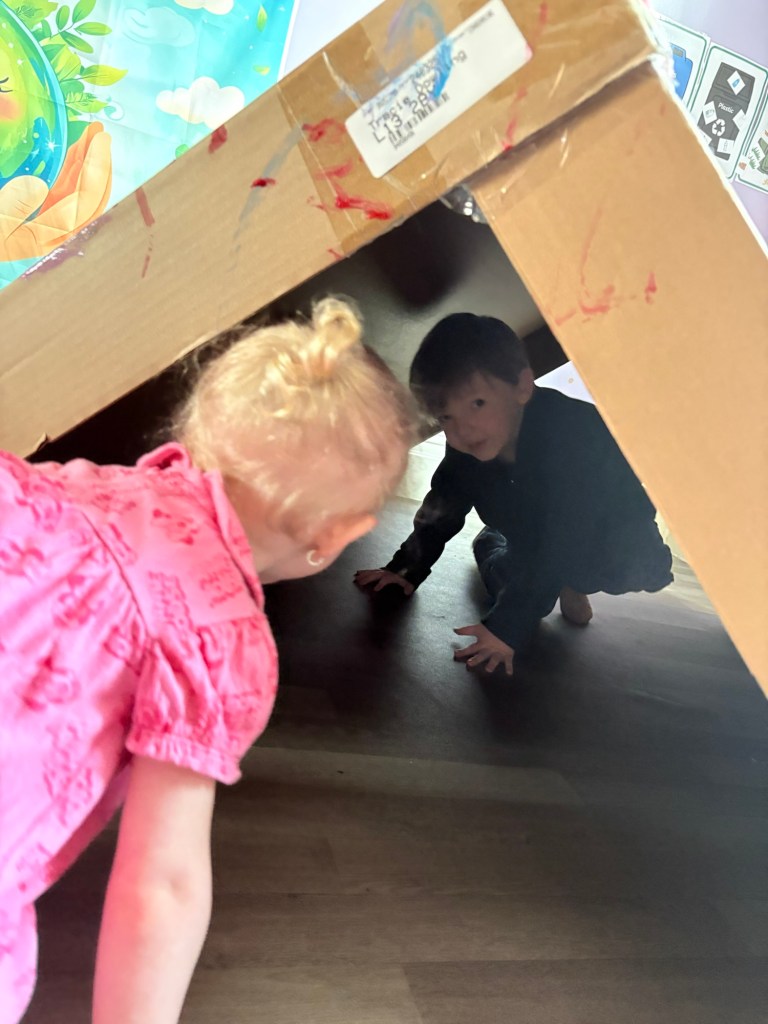
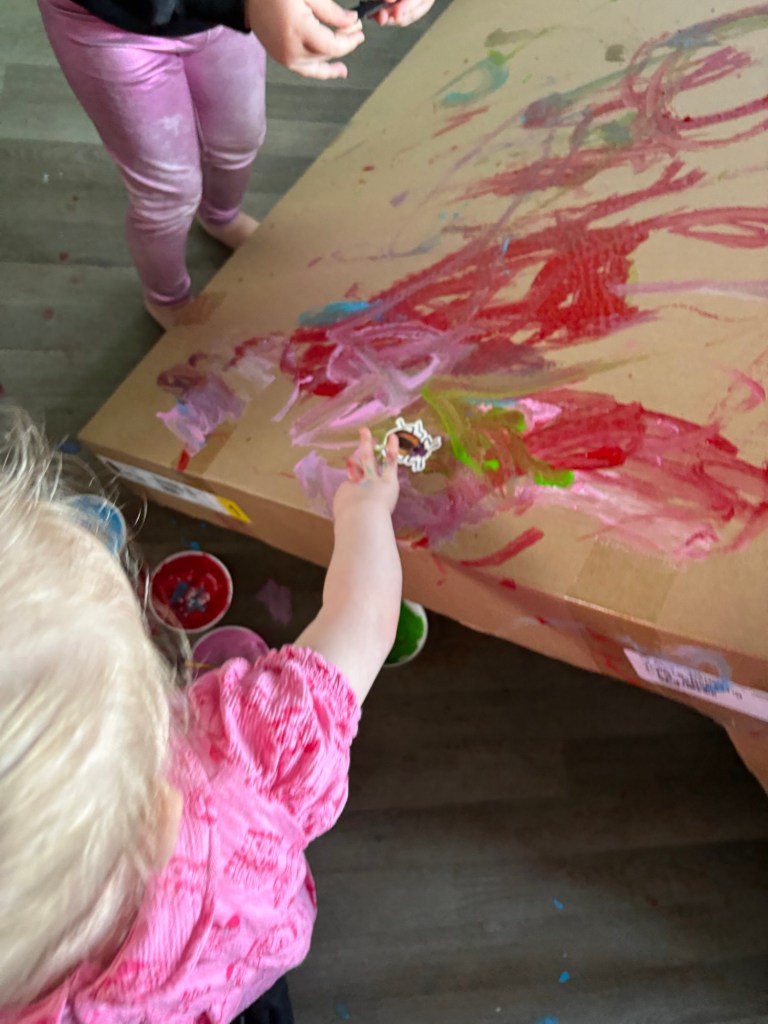
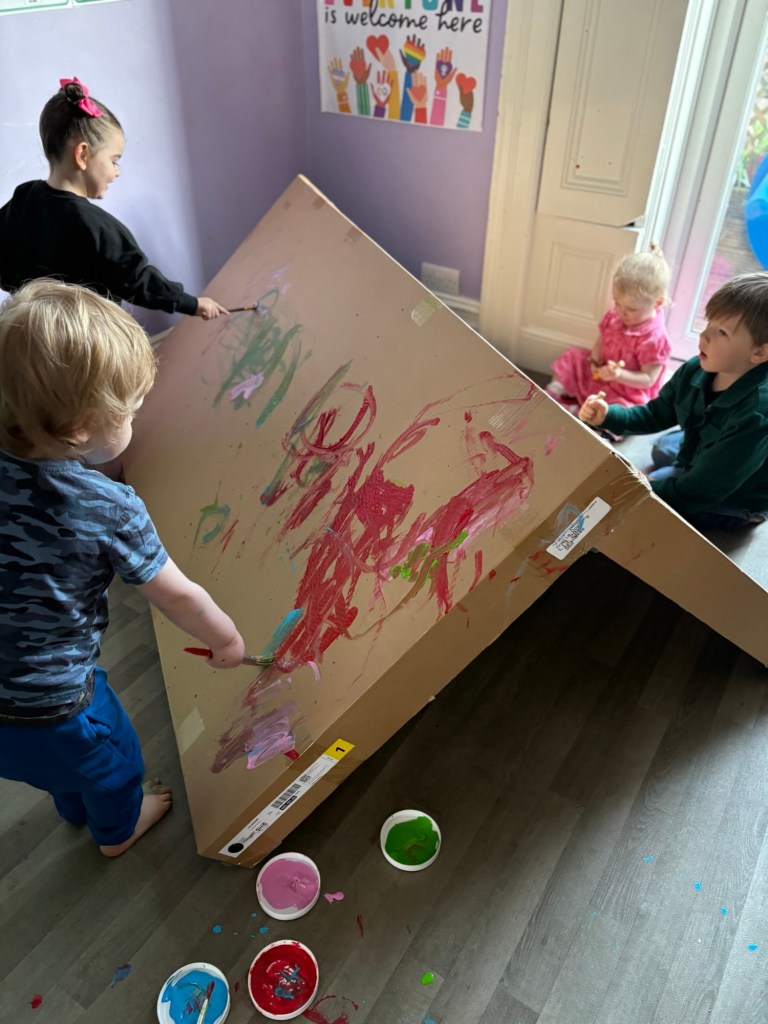
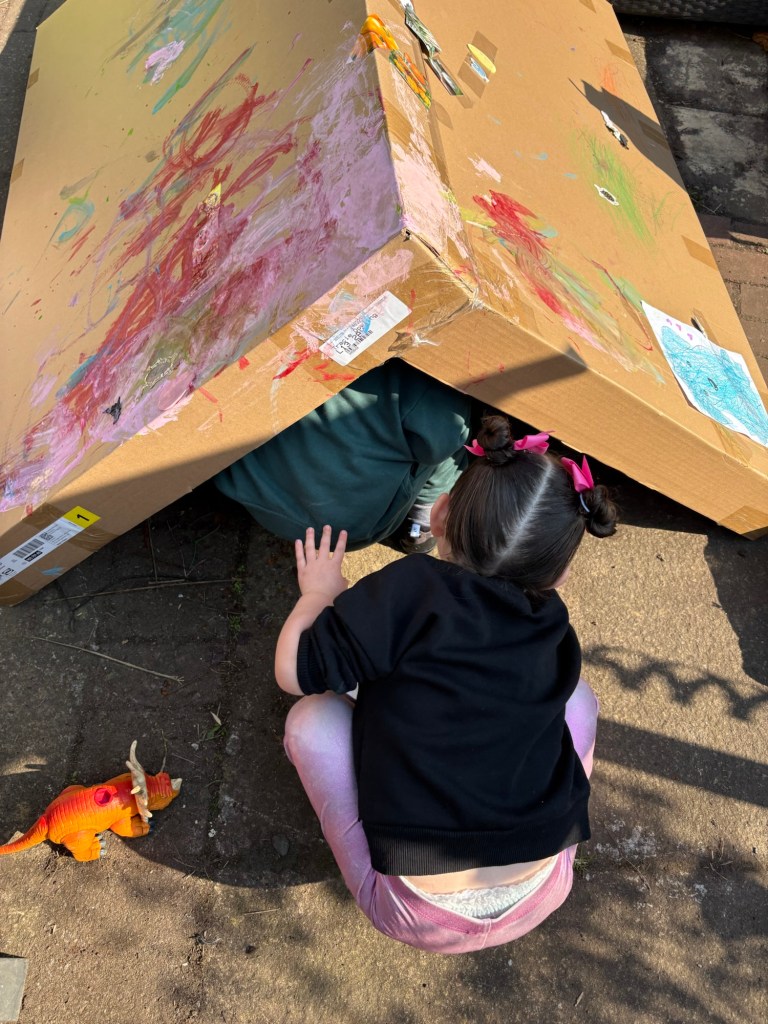
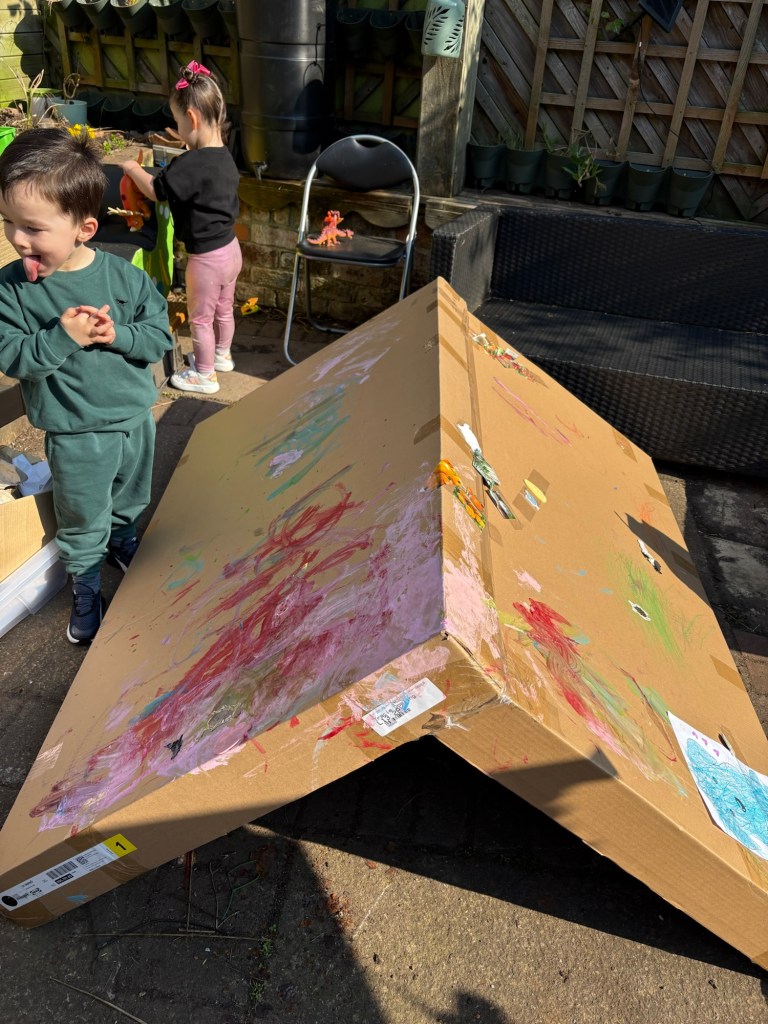
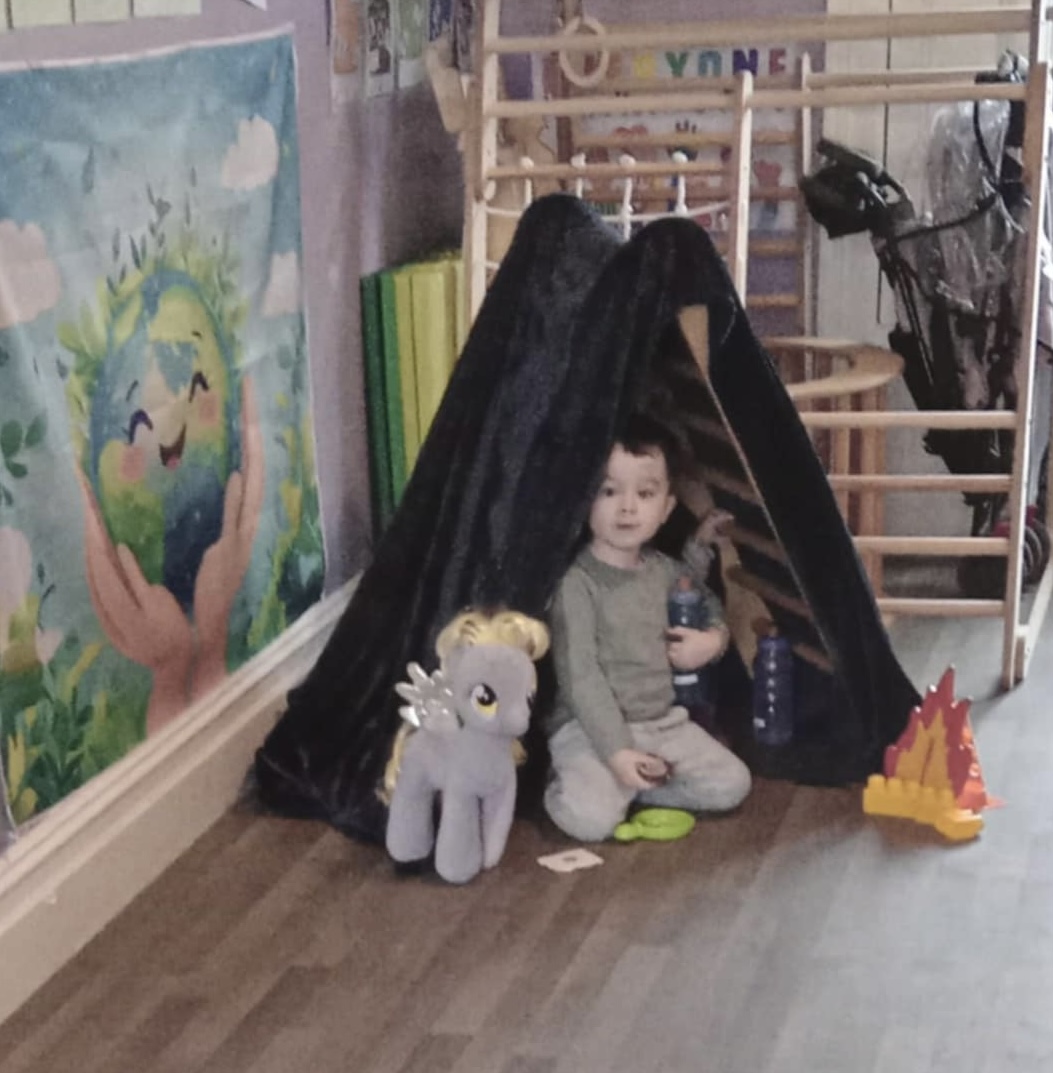
The children thought it would be good to make a tent for Geof. I provided the children with a massive box, jack asked if they could decorate it to make it pretty.
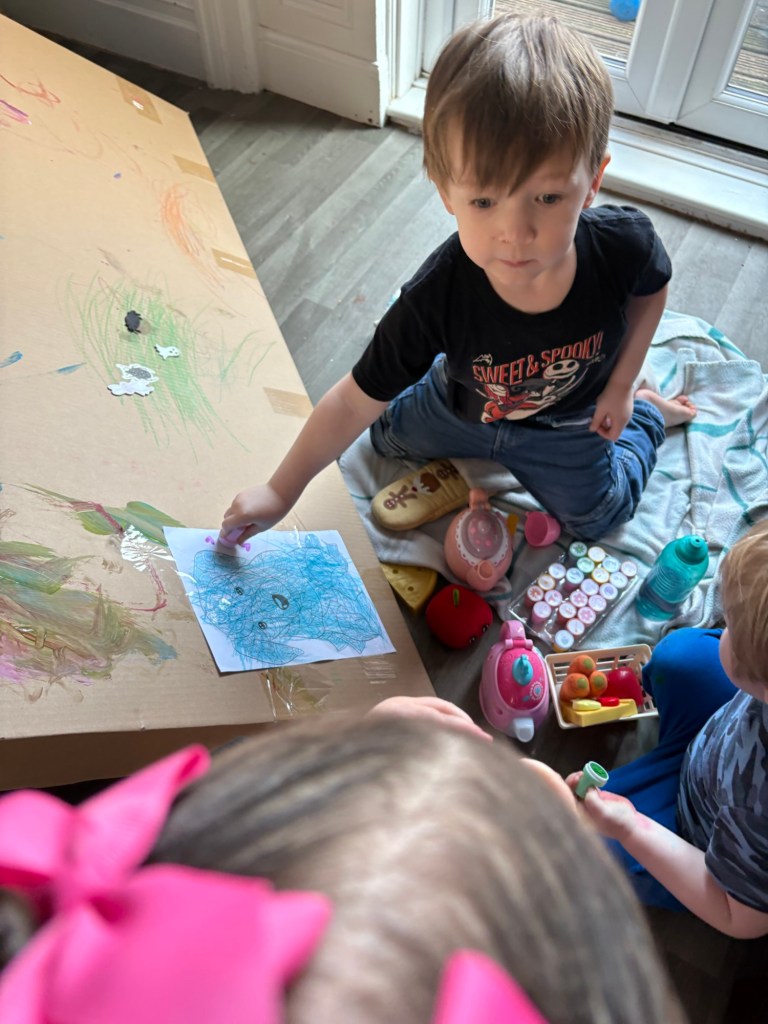
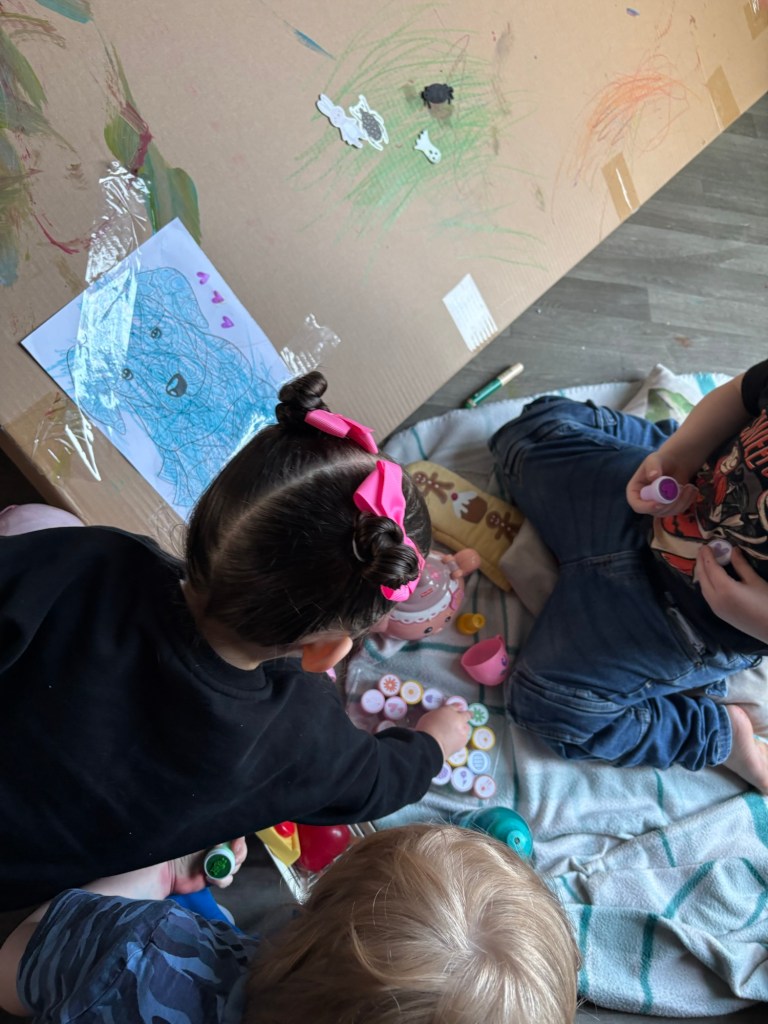
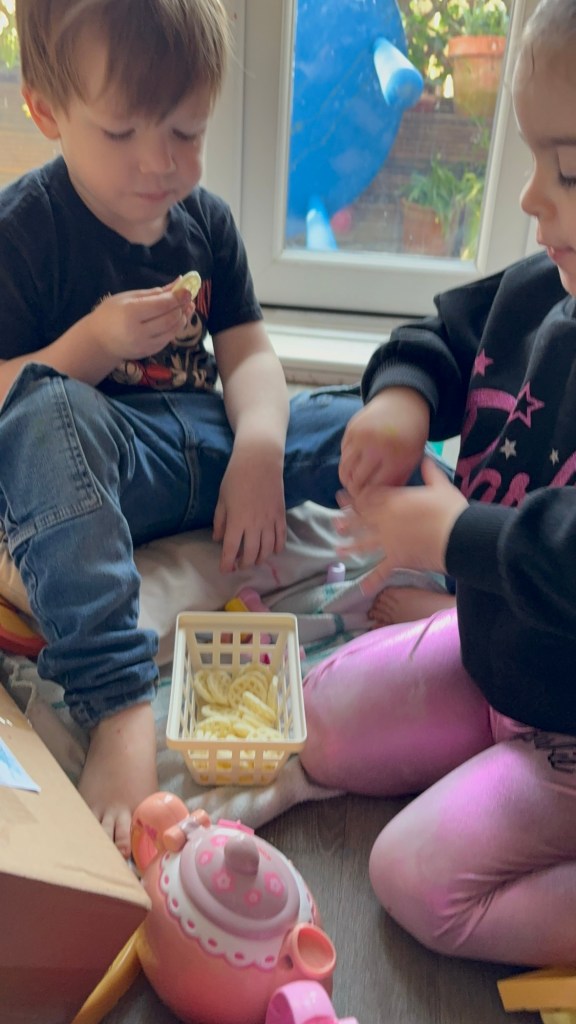
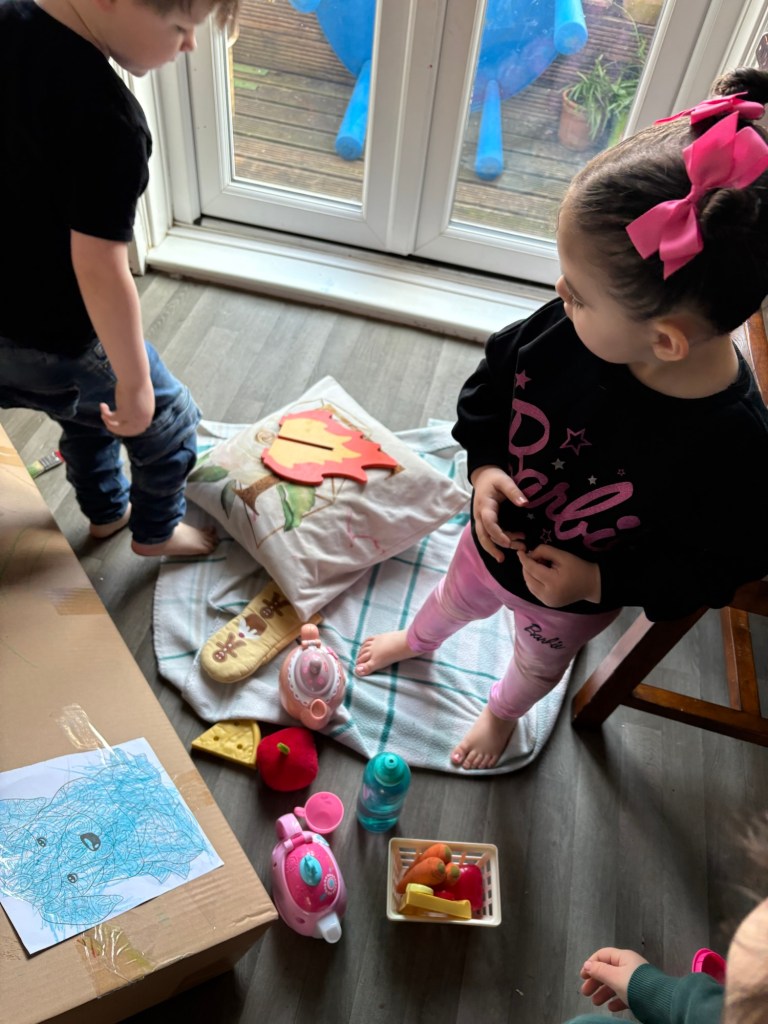
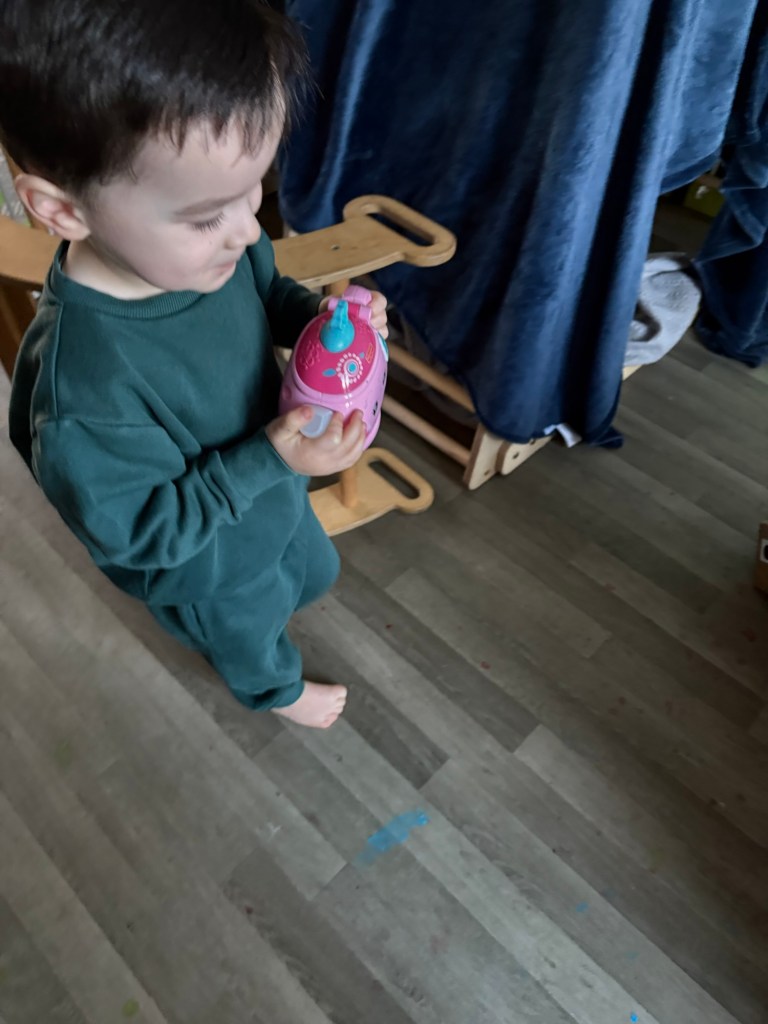
They all had fun for hours, once the tent was dry, I asked them what would make the tent comfortable for Geof. I asked them to go and find items to put in the tent for him. Lottie came back with a blanket, Jack found a ‘a fire to keep him warm, Elliott went and got him a tea pot for a cuppa and Cristian brought over some food.
Later Jack coloured a lovely picture of a dog and asked if he could stick it on the tent and call him Bruno. I said it was a fabulous Idea and asked him what would a dog need? Jack went and got him a bowl for food, a bowl for water and a cushion for him to lye on like his dog Cooper.
In the afternoon while the babies were sleeping, the older children asked to take the tent outside to play with. This extended their play and we talked about being in the tent through the seasons, at first they thought it would be fun to be in the tent when it was snowing. I asked them how would they keep themselves warm? They all said they would wear coats, hats and scarfs. I said they would have to wear them all the time so they thought it might not be so fun after all.
This provoked a conversation about Inuits who are people who use igloos for shelters in the Artic when they go on fishing trips. We looked on the internet and found out they are made out of compacted snow, which is a natural insulator and helps them to keep warmer than being outside.
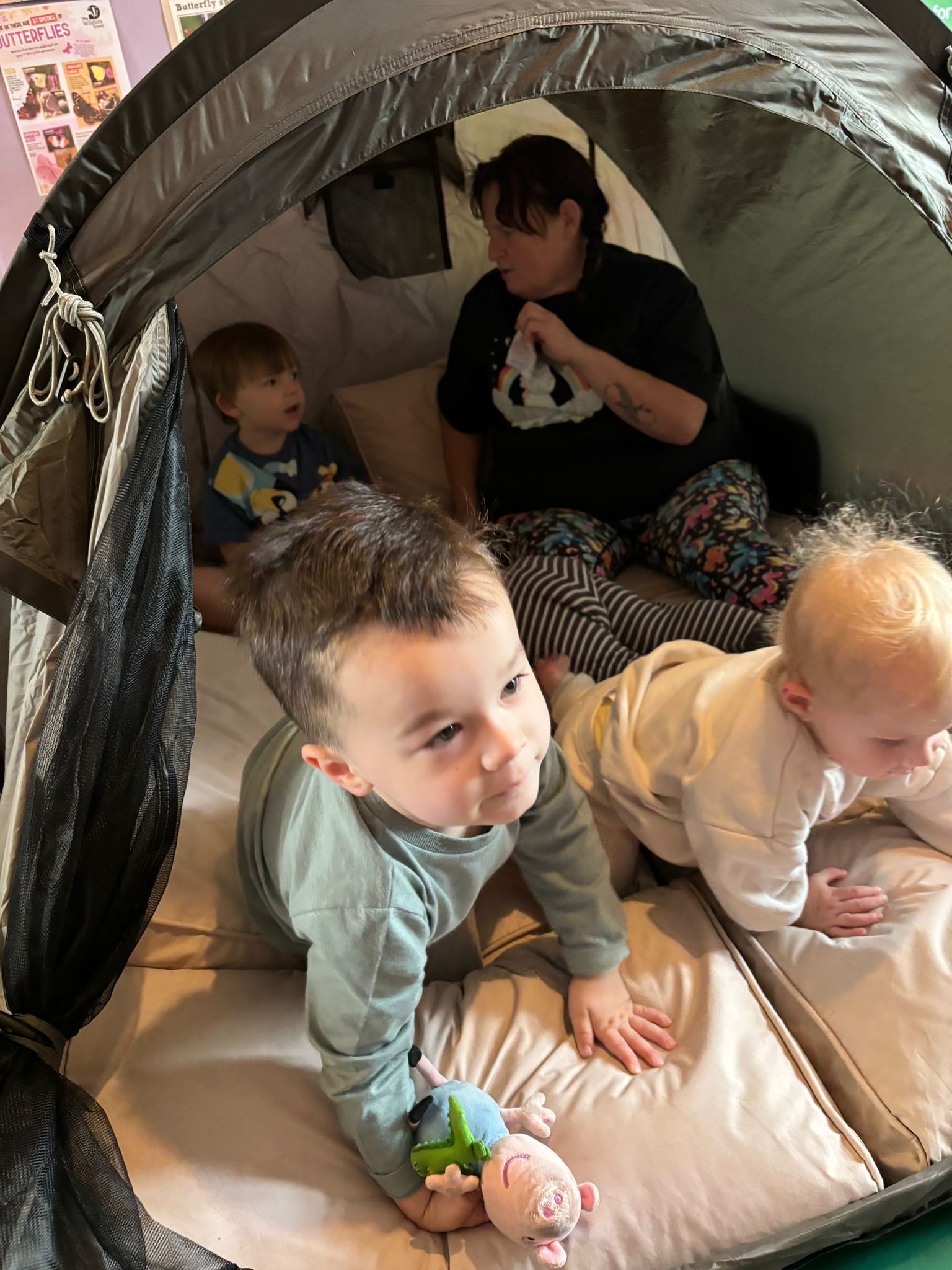
To extend our experience of Tent living I put a tent up in the play room and the children ended up roll playing including having snack and nap time in there.
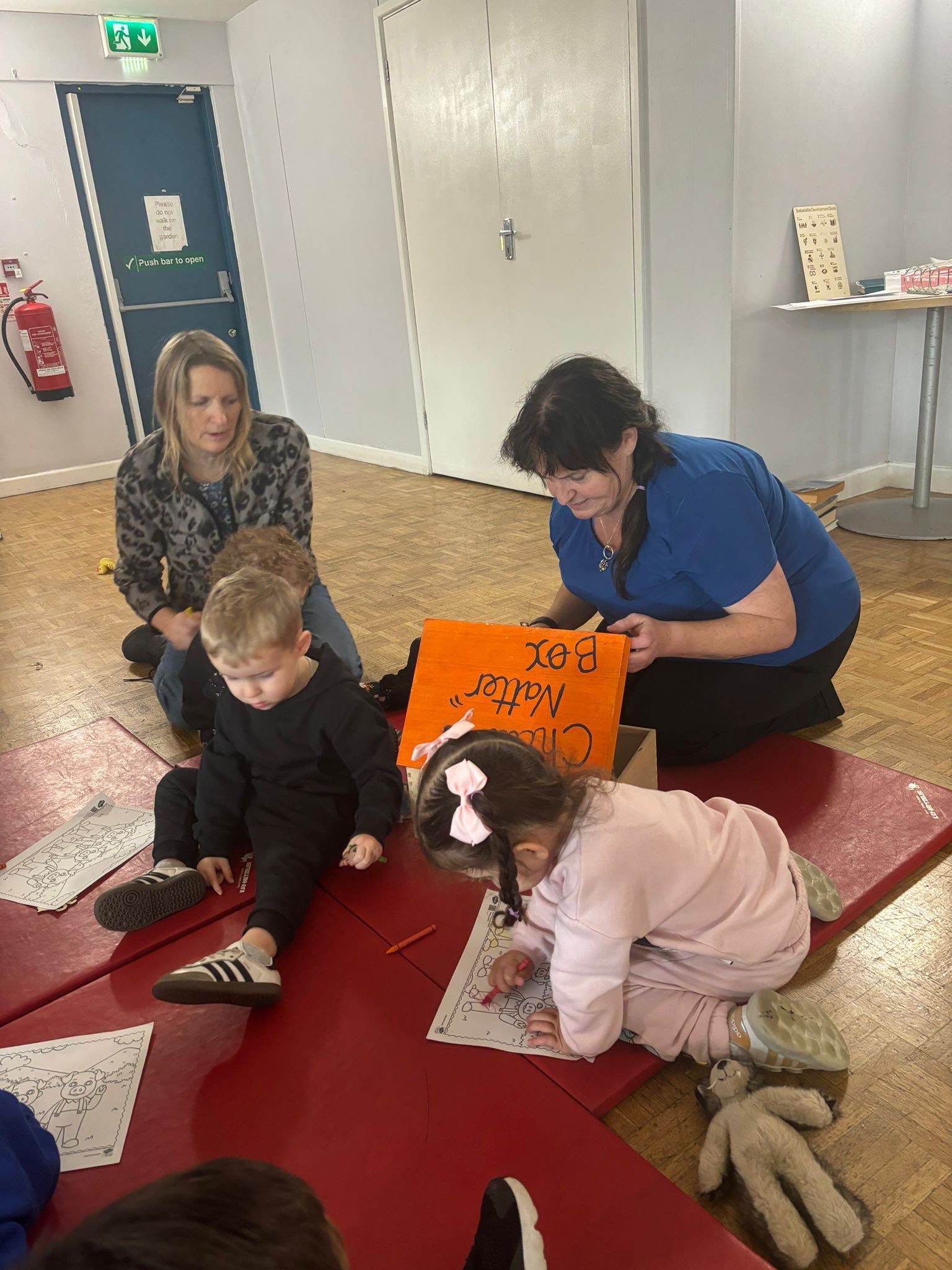
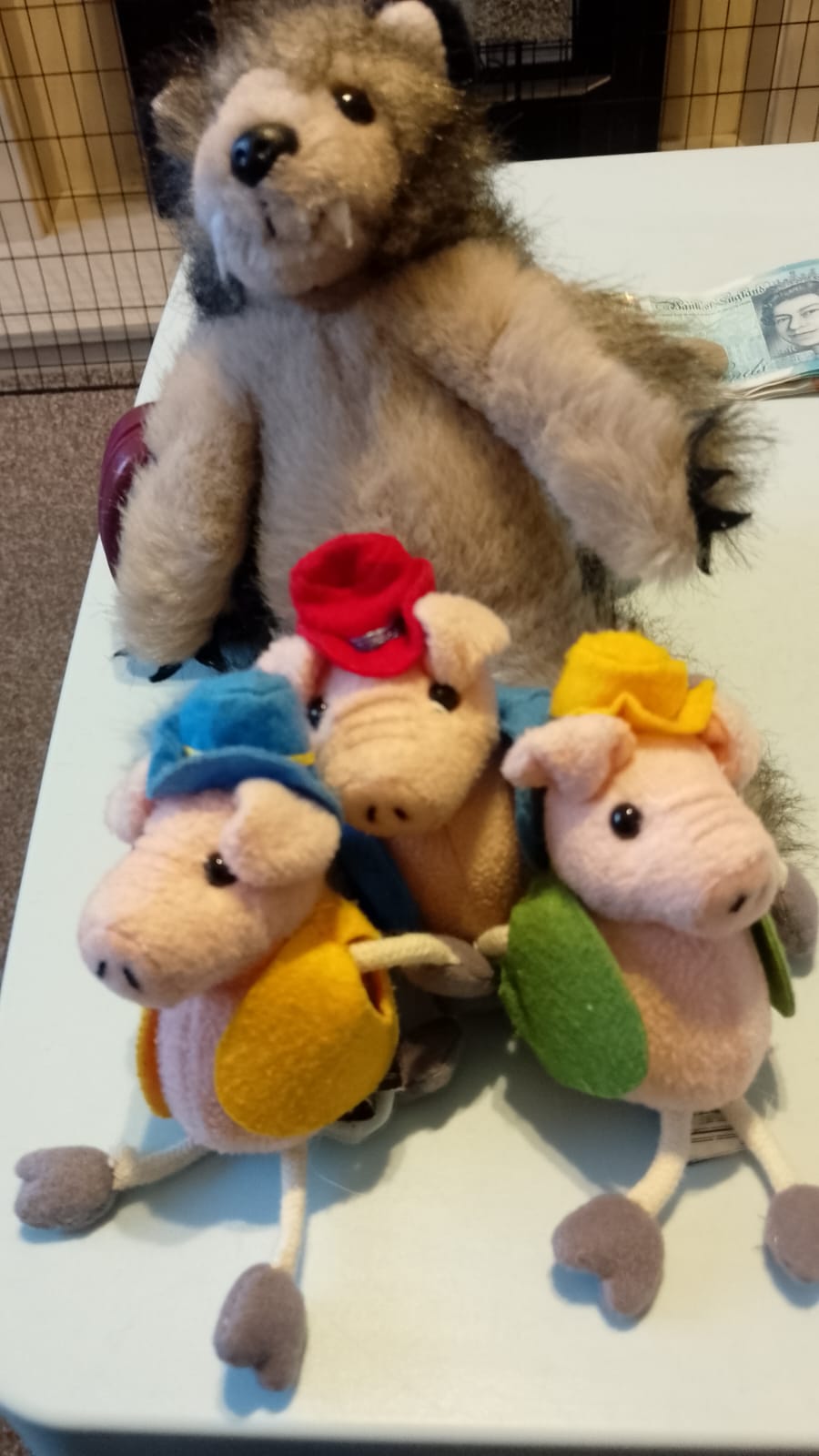
I took the theme of Poverty to our Childminder Drop in where I read everyone the story of ‘The Three Little Pigs’ we talked about different materials houses can be made off and how strong we think they would be. Development Matters (2021, pg90) The children talked about our tent activity with the other children, they all went back to their Childminders settings to make dens and have fun.









 Tracie's Treasures