Posted in Uncategorized

Planning The ‘Garden Classroom’ With The Children

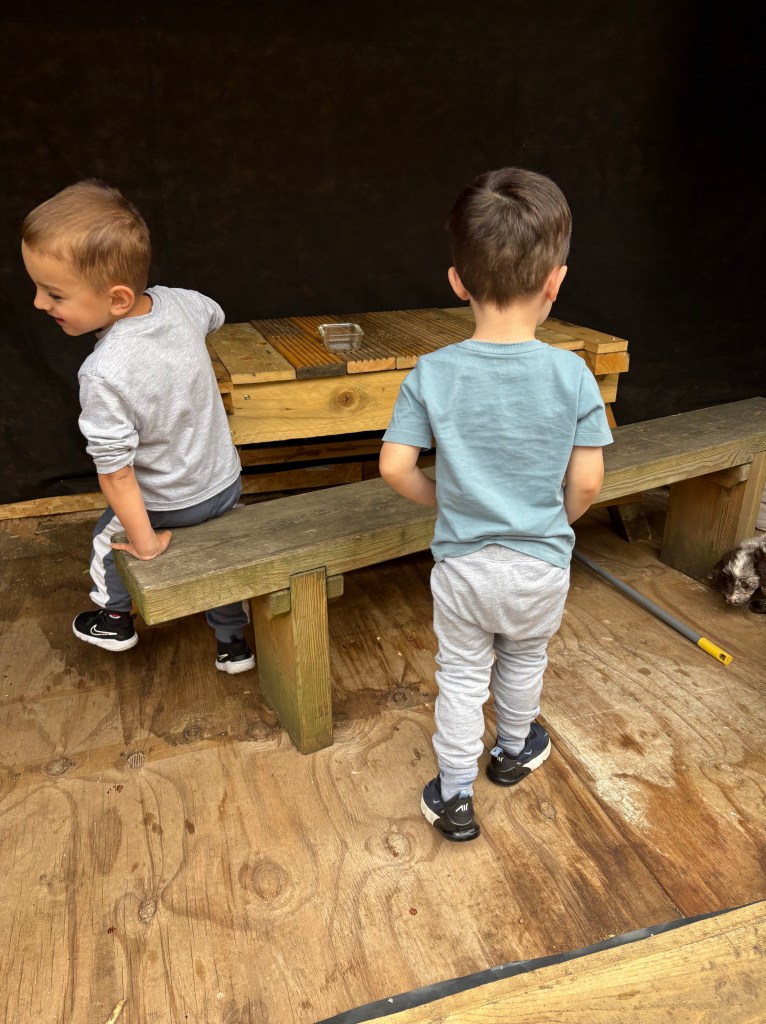
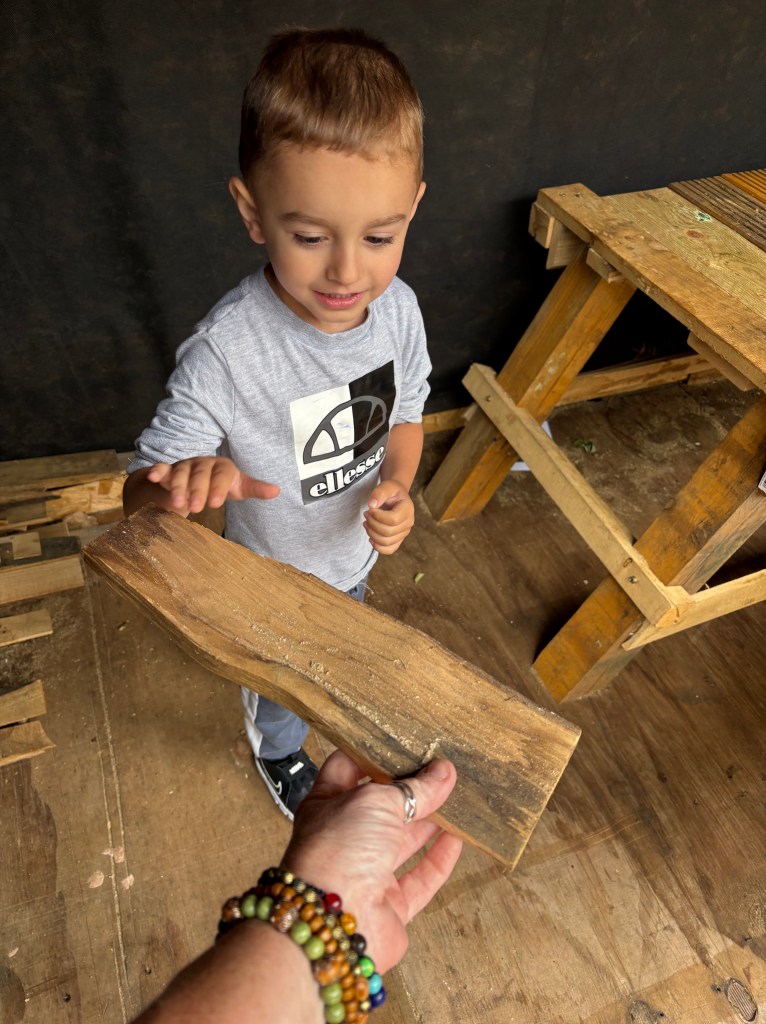
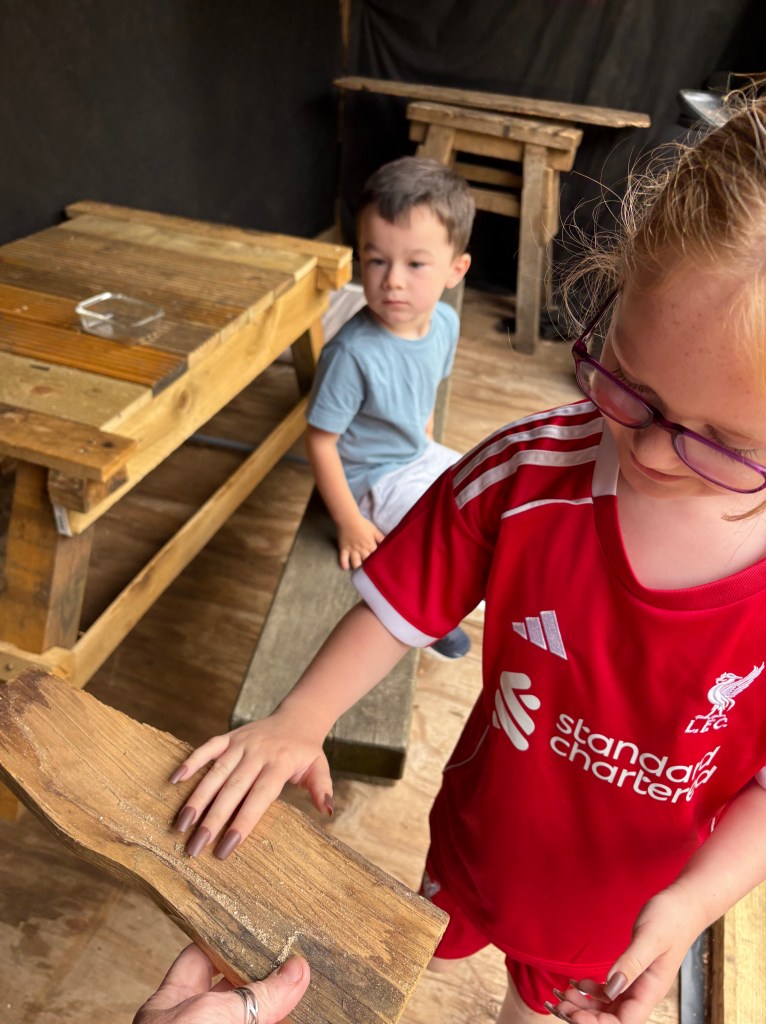
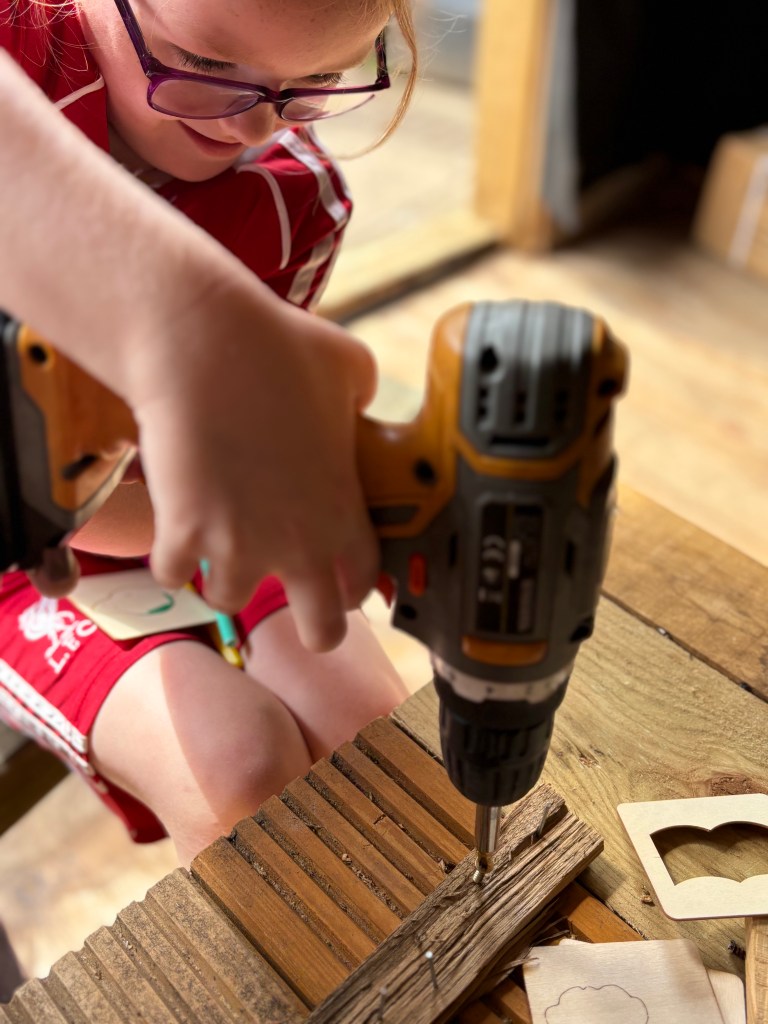
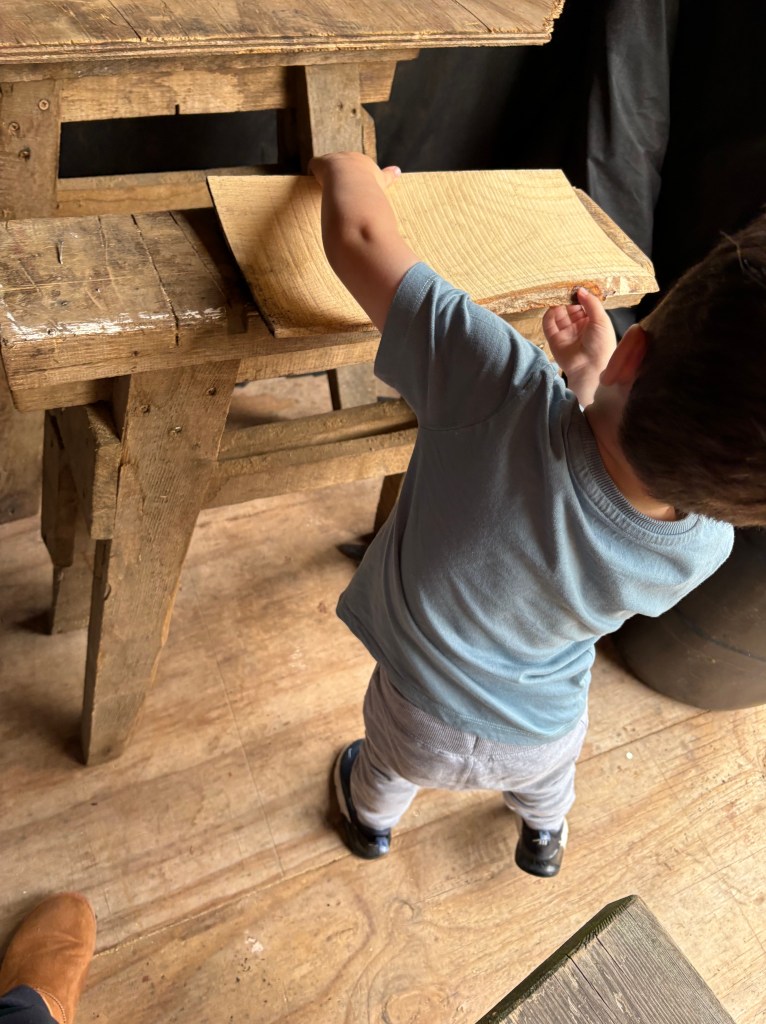
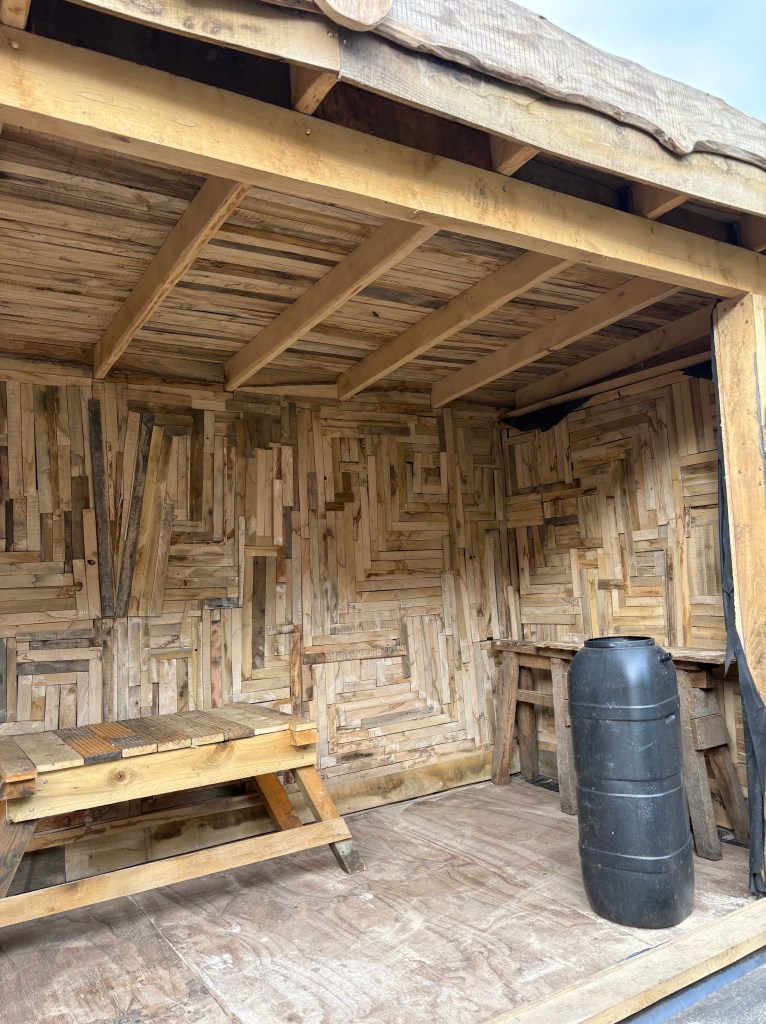
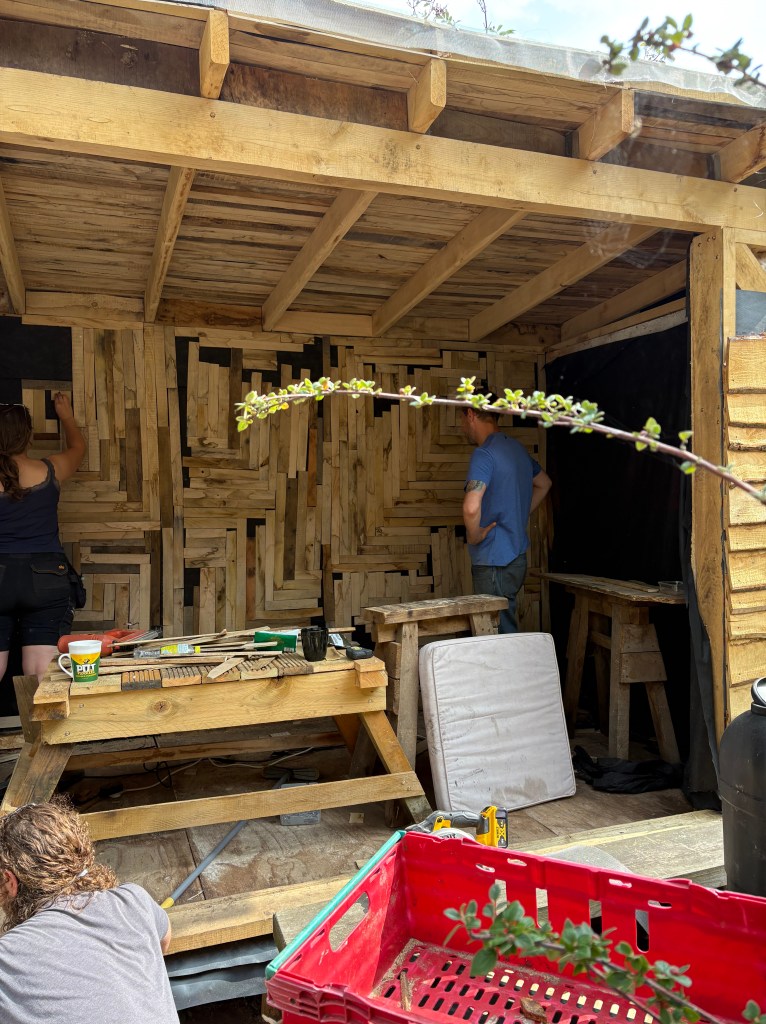
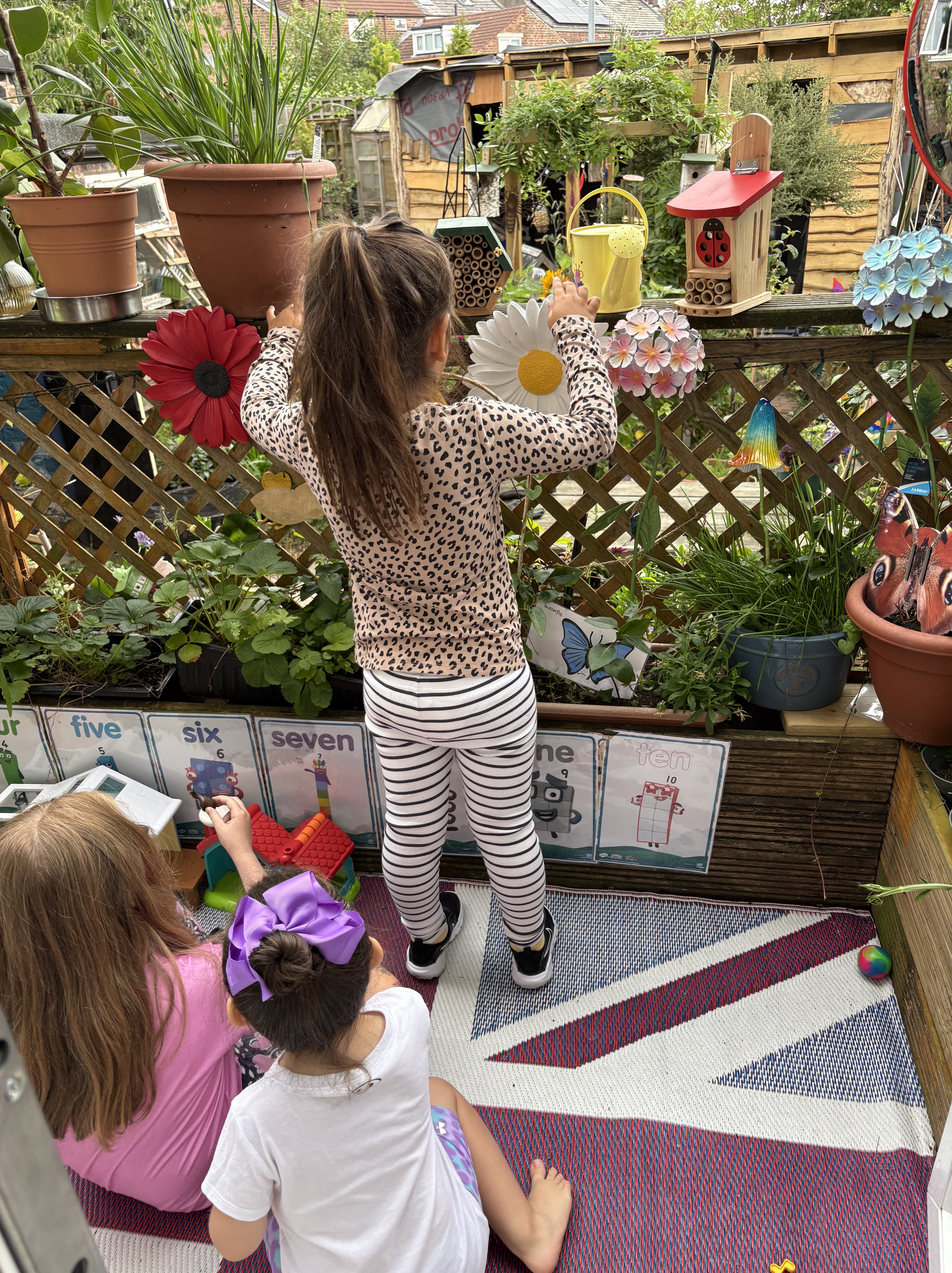
We started our project by having lots of different discussions around our hopes and dreams of our Classroom I involved my family, staff and the children. I am making sure every one within the setting will be involved in the project.

We used various types of planning discussions, this included active discussions, where we discussed what the main outcome will be and how we are going to get there. We used critical thinking discussions to include challenges that may come up, (moving the bug house) and how we are going to source the materials. Active learning discussions to include why, where and what we are doing and included continuous feedback with all who is involved. (Family, Staff and children)

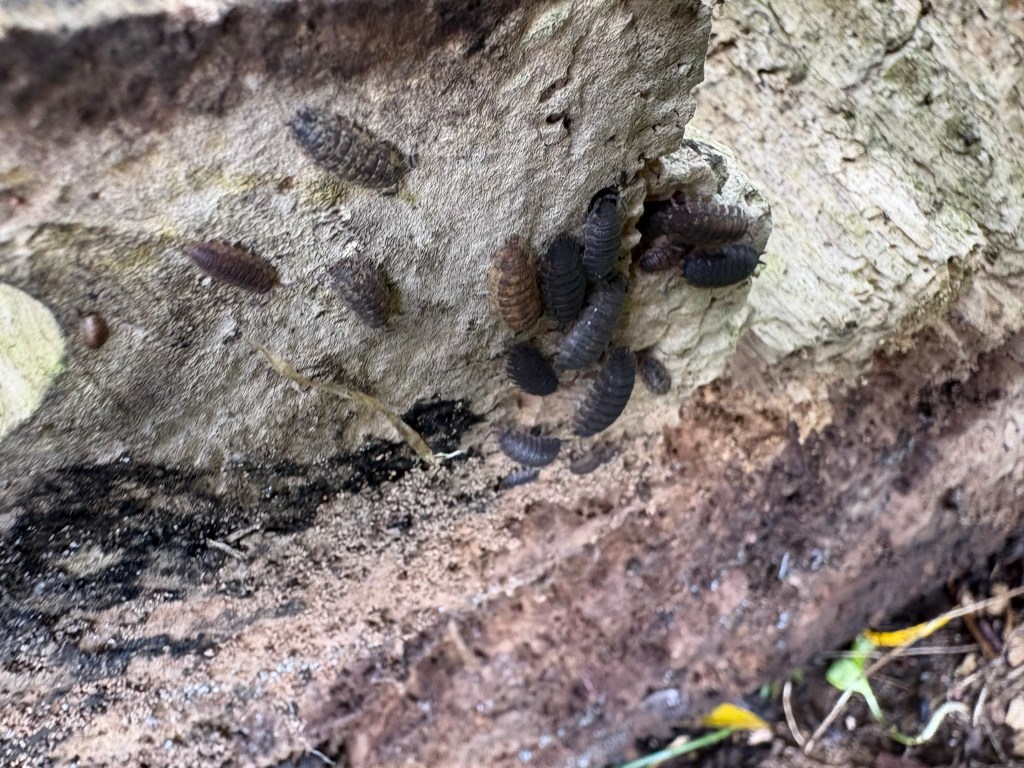
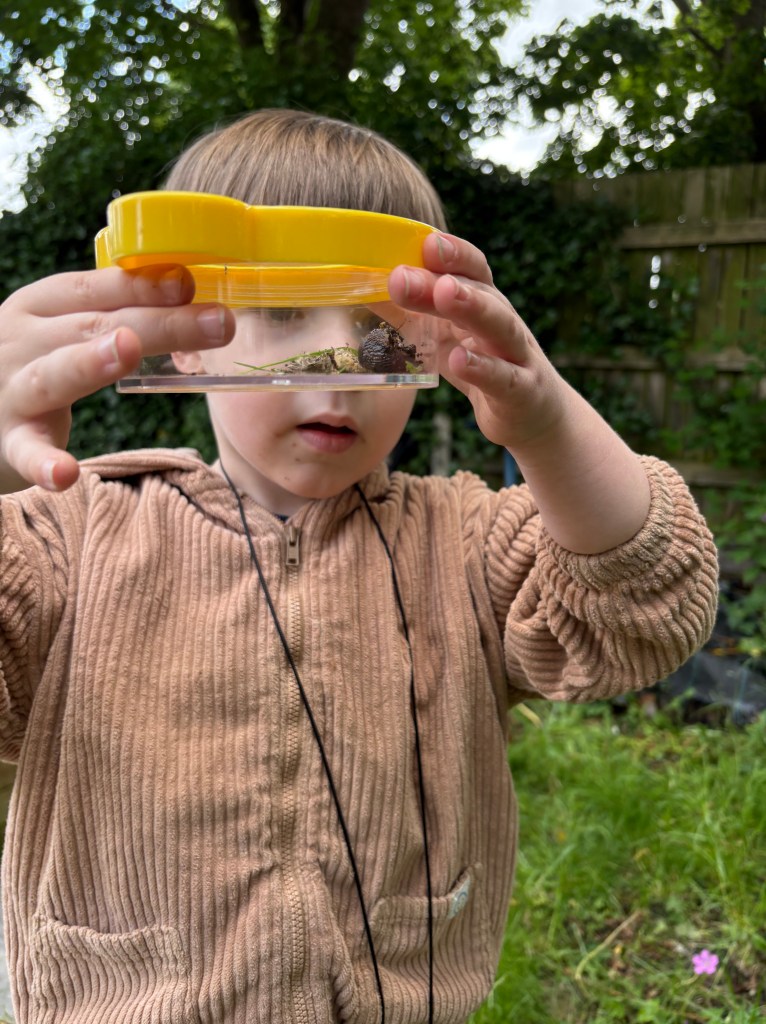
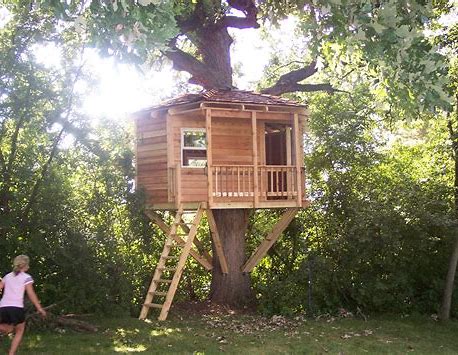
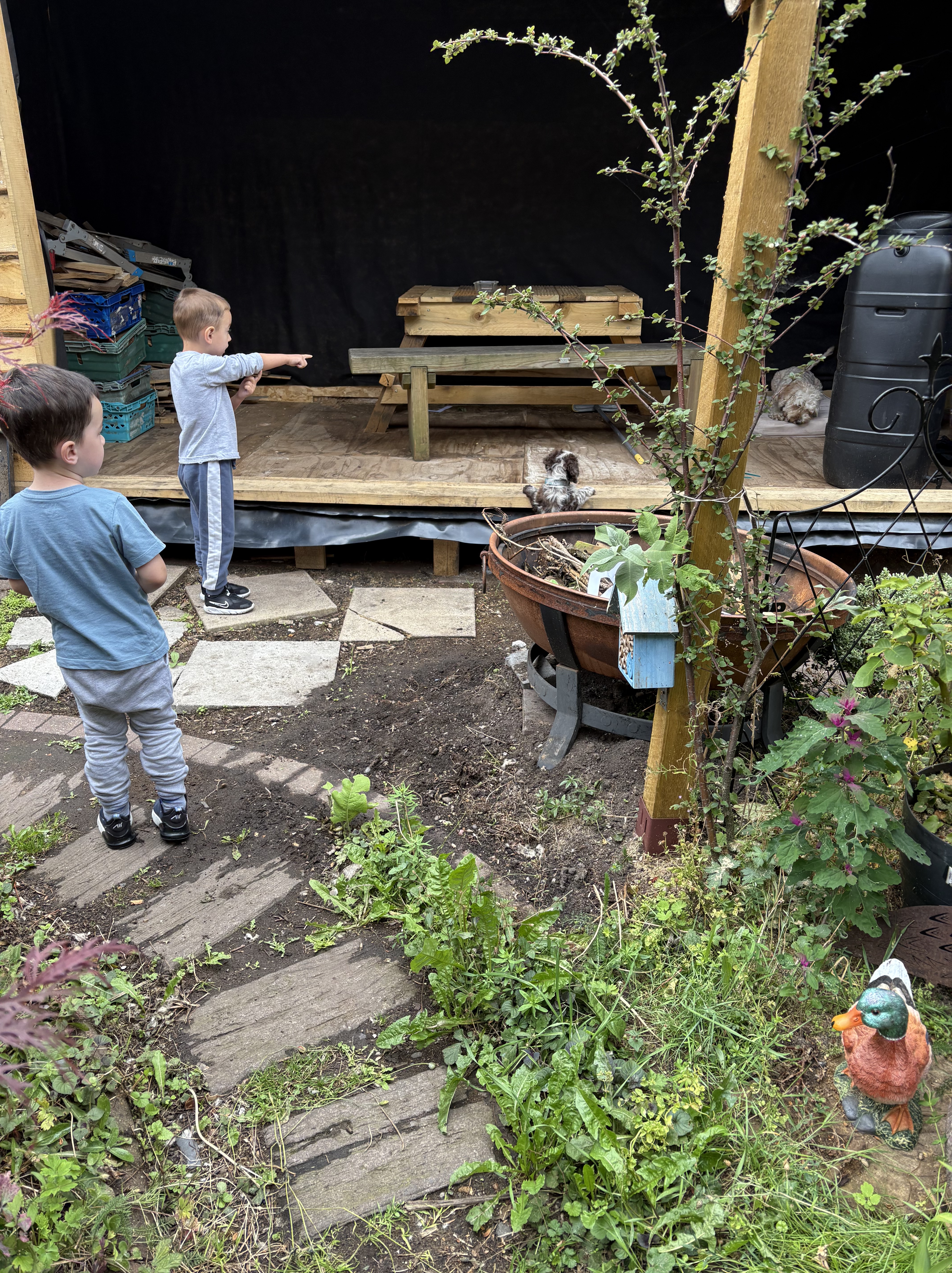
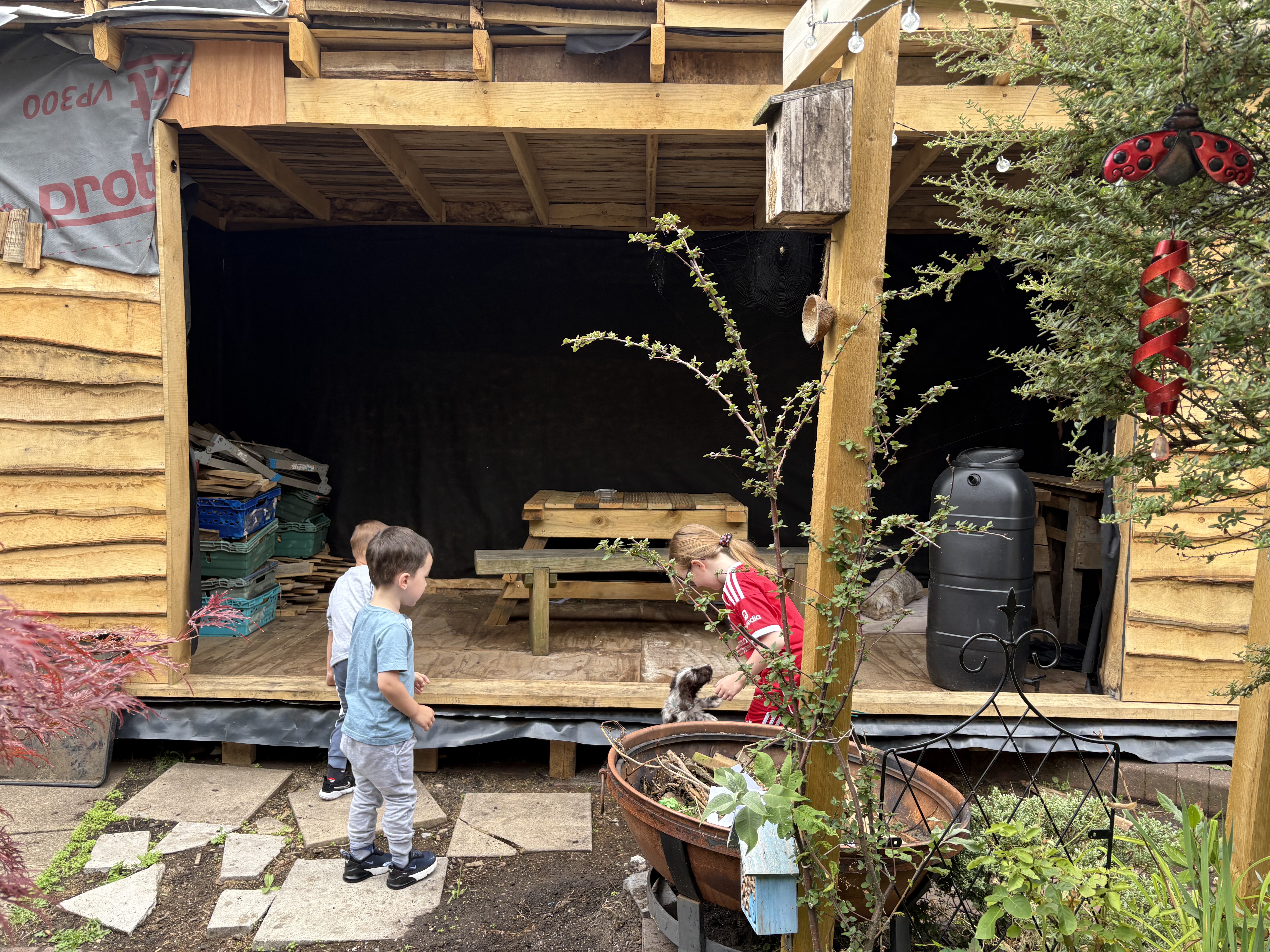
We all got emerged and excited participating in lots of different fun learning activities. We designing our own treehouses, had a Bug log moving day, Storytime in the garden about the bad tempered ladybird (we made up our own reasons why she would be bad tempered if she knew we were moving her home) , we completed a Wildlife audit so we could make sure all our mini beasts are protected and have a temporary home until we can place them into a permanent position.

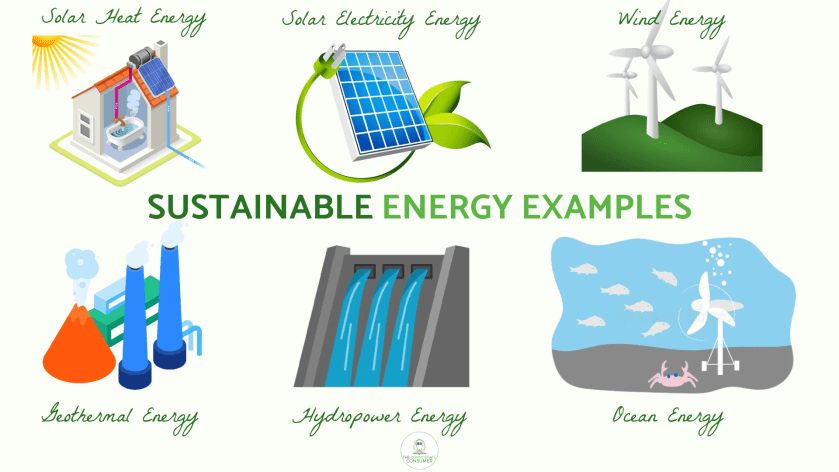
Everything about the project we were mindful to include the 17 sustainability goals https://sdgs.un.org/goals we did this through constant discussions within the planning process by deciding about how we are going to be energy efficient, collecting and using recycled materials, location and construction, waste reduction and water conservation.

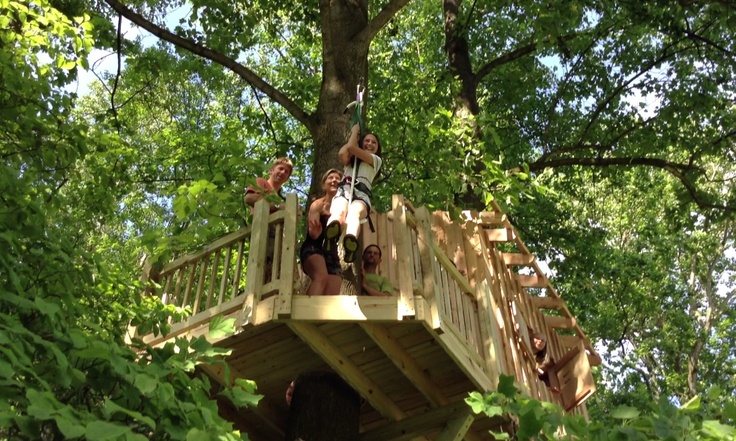
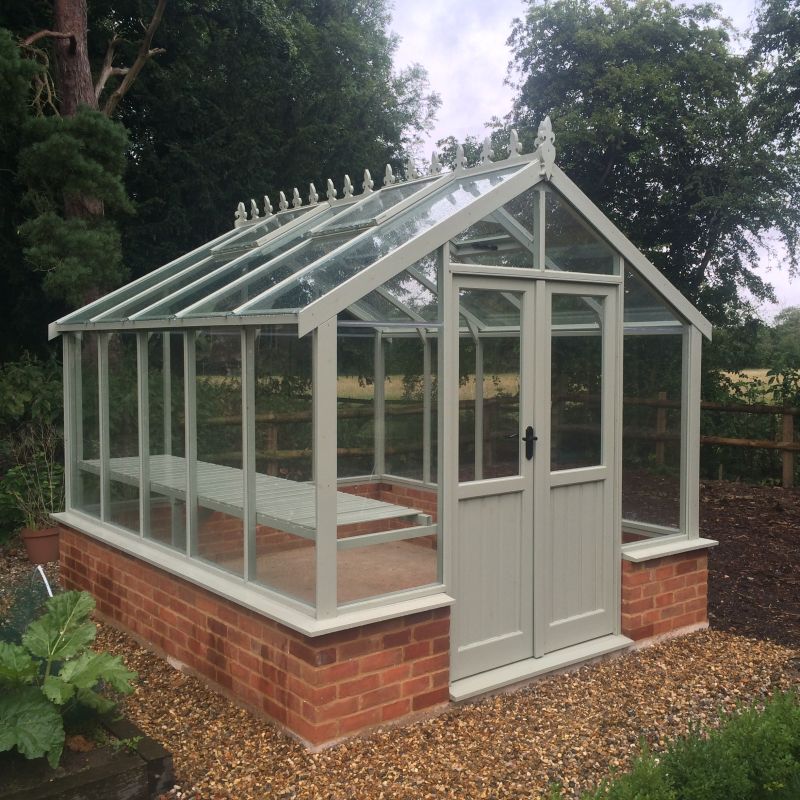
We had fun talking about our perfect dream treehouse, Jack wanted a tall building so he could use a Zip wire to travel from the tree top to the house. This made us use problem solving skills as I explained you can’t use a zip wire to get back up! Jack said ‘ thats what the door is for!” how silly of me not to think of that! Lottie wanted a big funfair, this caused a discussion on power and we came to the conclusion it would not be easy using solar with all the power it would take up. Lottie decided to have a Unicorn play area instead. (much more manageable!) Elliott wants a slide which I thought would be fun. Jack reminded us we can use the door to go into the classroom to get to the slide and the zip wire. Gemma had an idea to make the classroom out of a greenhouse, unfortunately we all thought it would be too hot to play in, in the summertime.

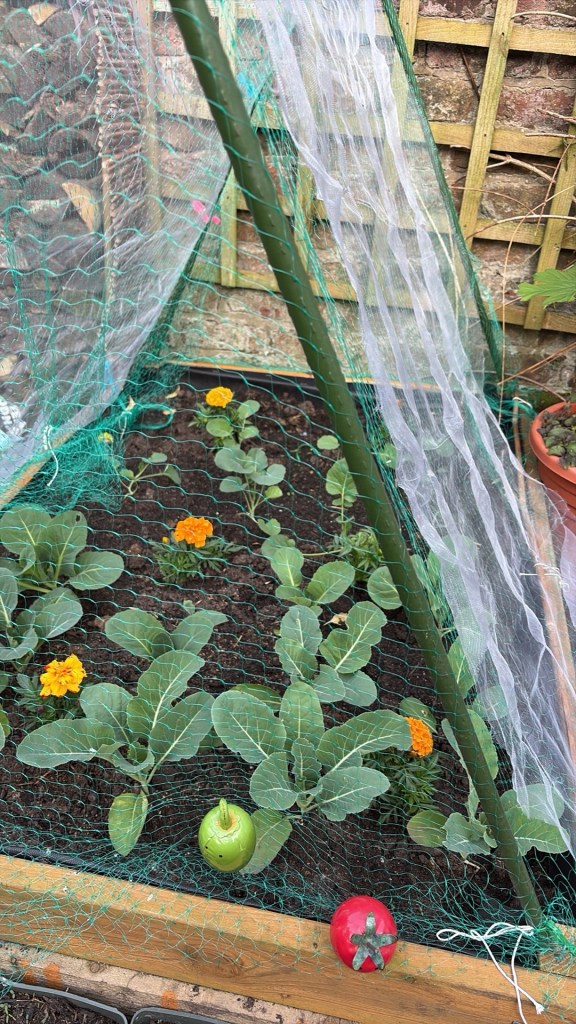
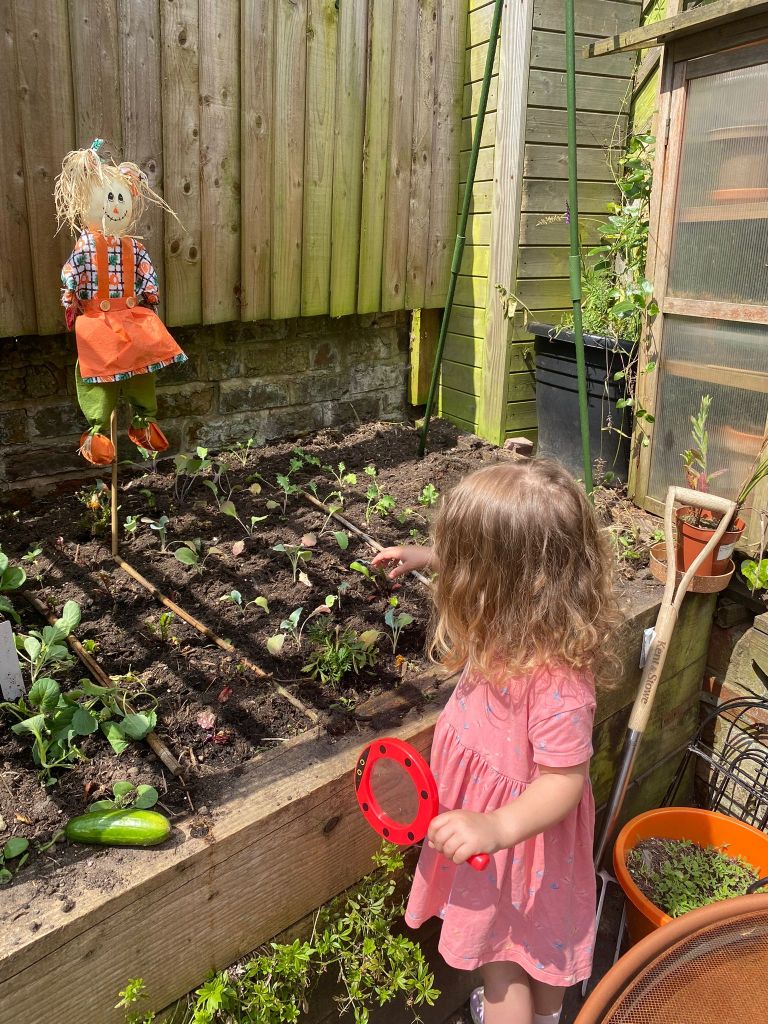
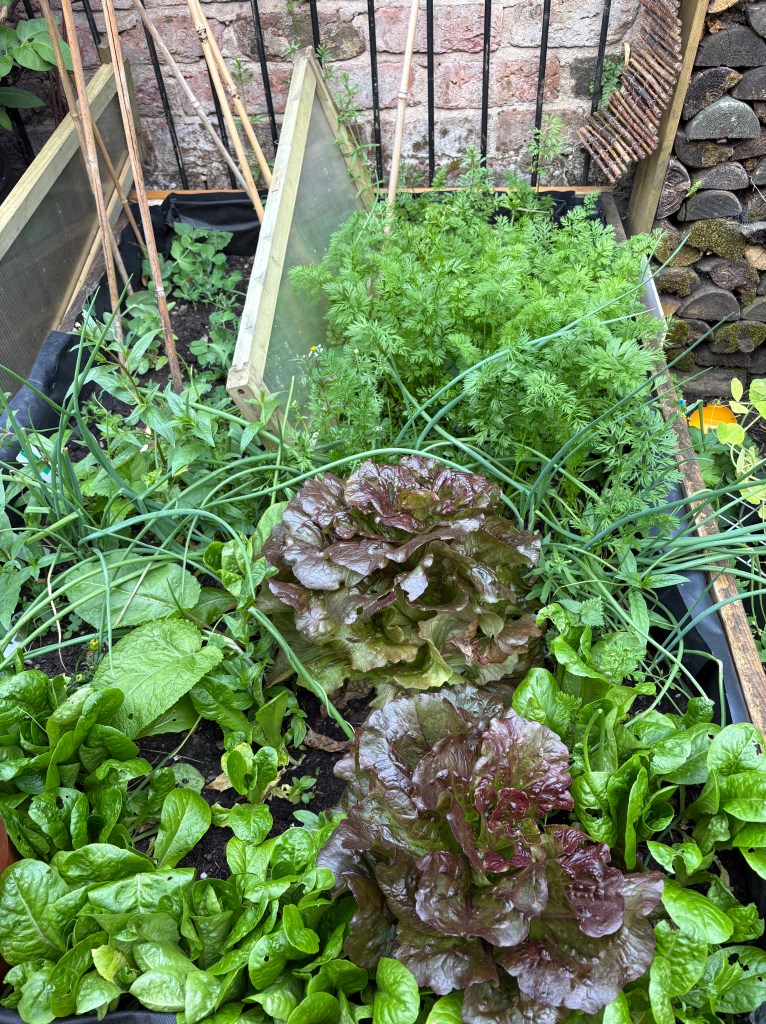
The amazing dream everyone had was to make sure we still had areas in the garden for bugs, birds, vegetables, fruit and flower growing. This reinforced to me that we are all on the same wavelength and all the activities we provide are being absorbed by the children.

Posted in Uncategorized

Composting  

Guidance and Activity Ideas

Composting is a natural process when natural materials (such as garden waste and food scraps) are broken down by microorganisms (such as bacteria and fungi) to create compost. Compost is full of nutrients and can be beneficial for the soil. sting Important?

By composting garden waste and food scraps, you not only reduce waste from going to landfills but you also create a beneficial product for your outdoor space.

Teaching children about composting is a useful way of discussing sustainability and how we can look after the world around us. It also helps children to understand how their actions can have an impact on the planet. Can be Composted?
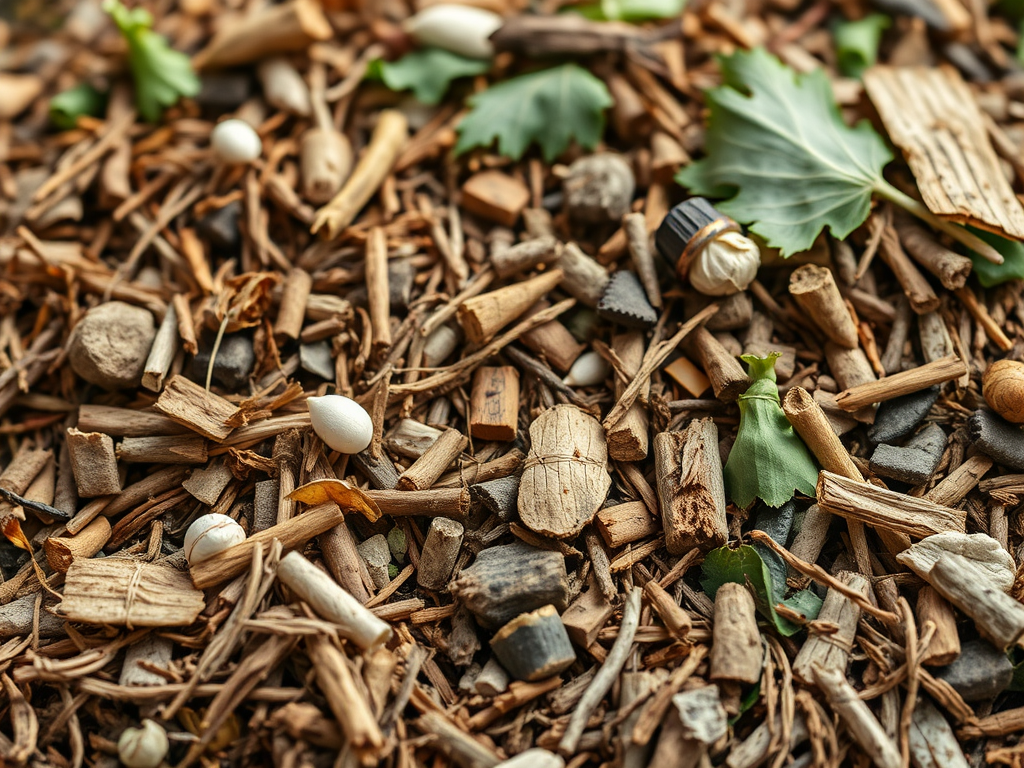
When thinking about what items can be put into a compost bin, consider natural garden waste, such as leaves, weeds, lawn clippings and wilted flowers. You can also add most plant-based food waste and natural foods, such as fruit and vegetable scraps and peelings, teabags and eggshells. Other items that can be added include shredded paper (if it isn’t glossy magazines).

It is best to avoid foods that are hard to break down or those that may attract pests or create odours, such as dairy foods, meat or foods like onion and garlic.

Children can be invited to learn about composting using these simple activities.

A person working in a garden

AI-generated content may be incorrect.
Collect materials from around the garden or park area to add to the compost bin, such as dead leaves or weeds and leaves. They could also gather fruit and vegetable peels/scraps from lunch and snack time
They could save bits of paper or card from activities, old cardboard boxes and recycle packaging, then tear it up into pieces or use a shredder to prepare them to place into the compost bin or wormery..

Place items into the compost bin and talk about what they can see, what they notice happening and what might happen next. They can take photos of composting activities to see how the mixture changes over time.

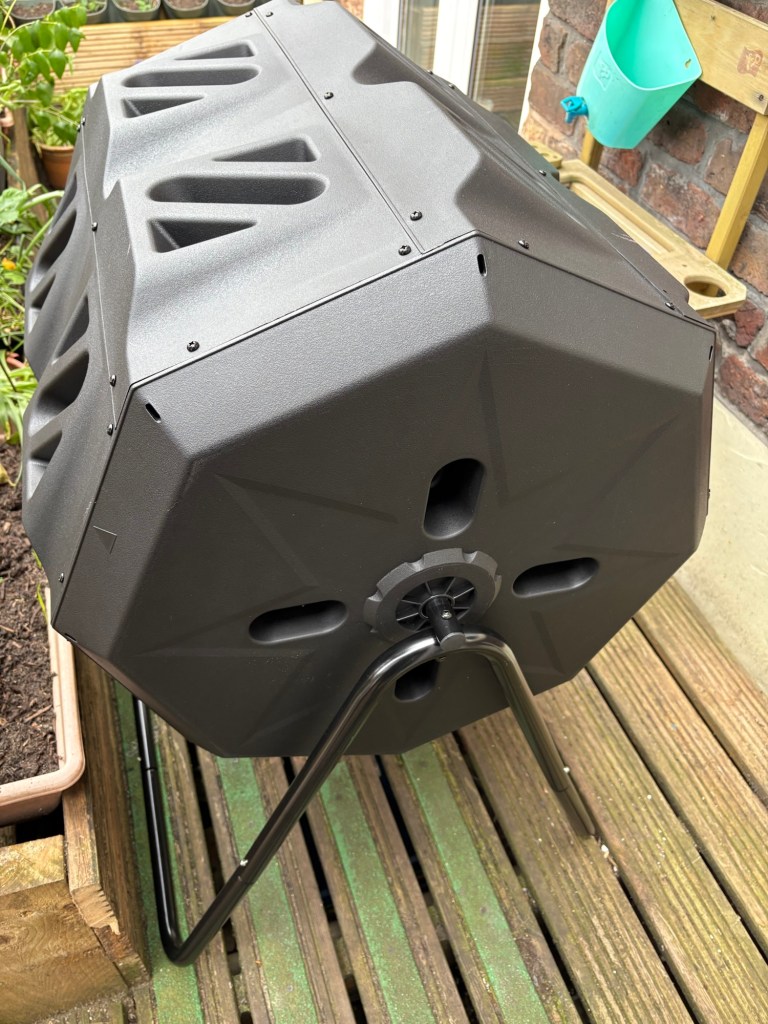
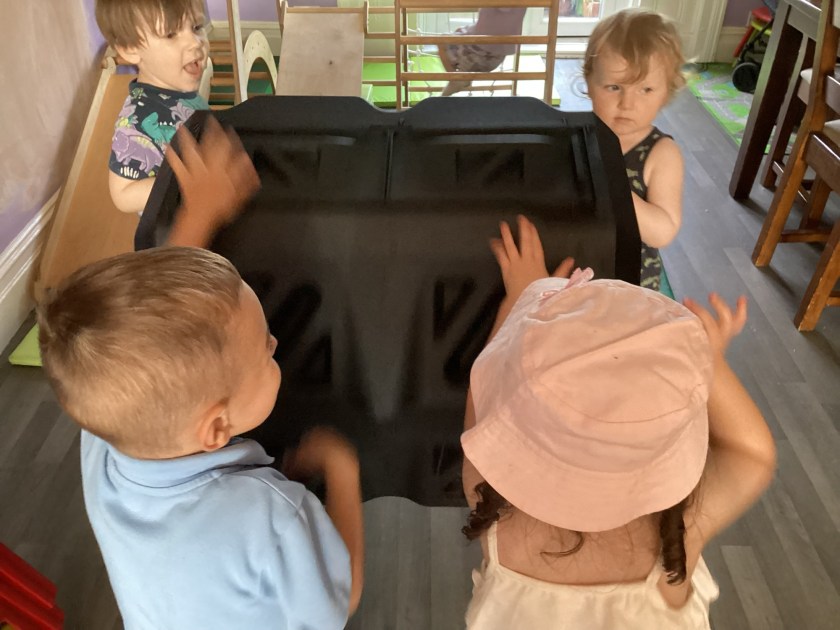
Invite children to stir the compost mixture, this adds air to the mixture and helps the composting process. Children could use a broom handle or an old wooden spoon to stir the mixture, depending on the size of the compost bin. Our bin has a handle for the children to turn the materials, this helps with co-ordination skills, and they love taking turns.  

Once the compost is ready and it resembles dark-coloured soil (this can take several weeks), invite children to help add the compost to the soil in your outdoor areas. They could dig holes and add small quantities of soil in a planting area or use real gardening tools to help spread the mixture over the soil to add nutrients for growing strong plants.

Posted in Uncategorized

Talking About Homelessness With The Under 5’s

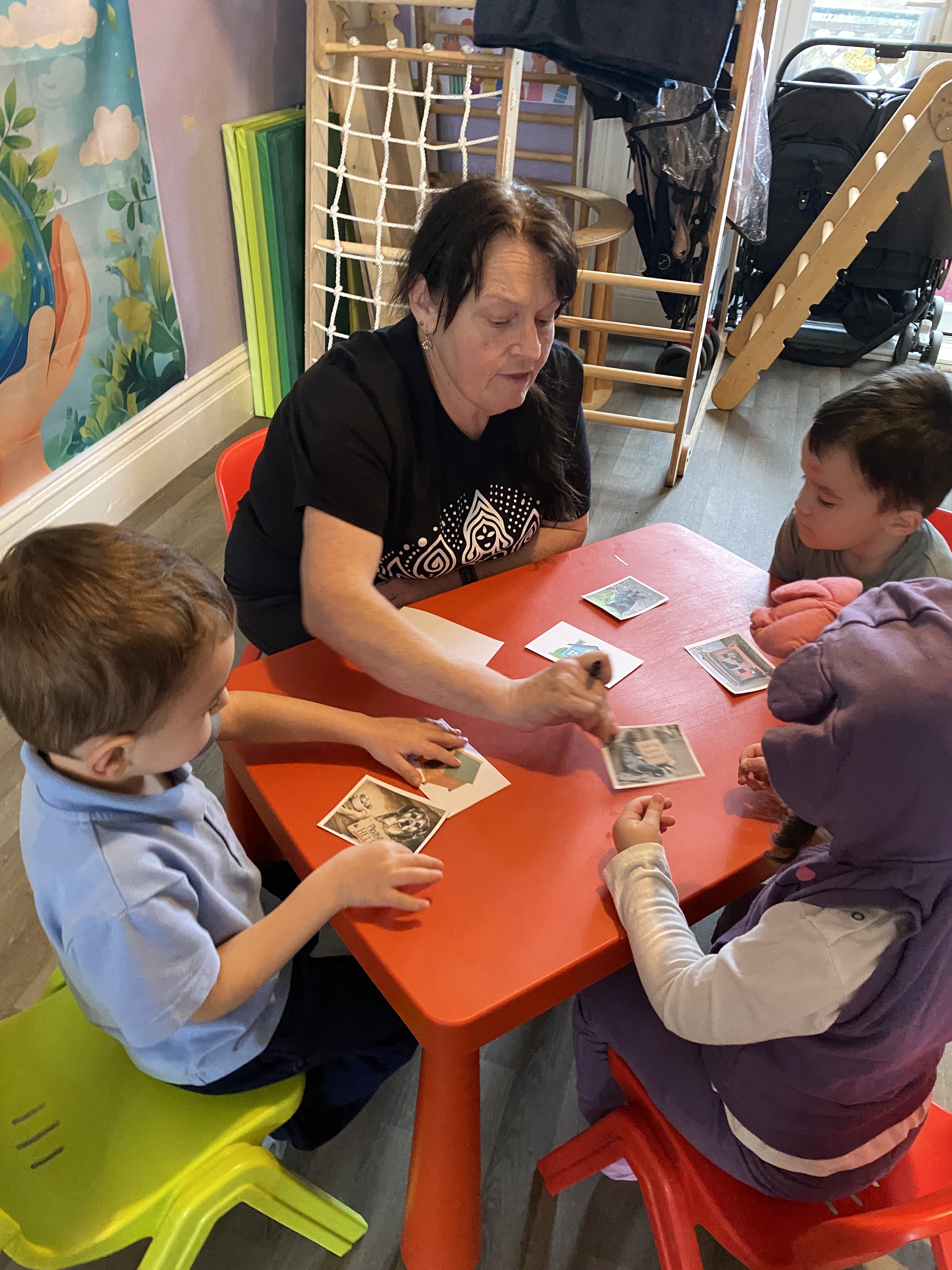
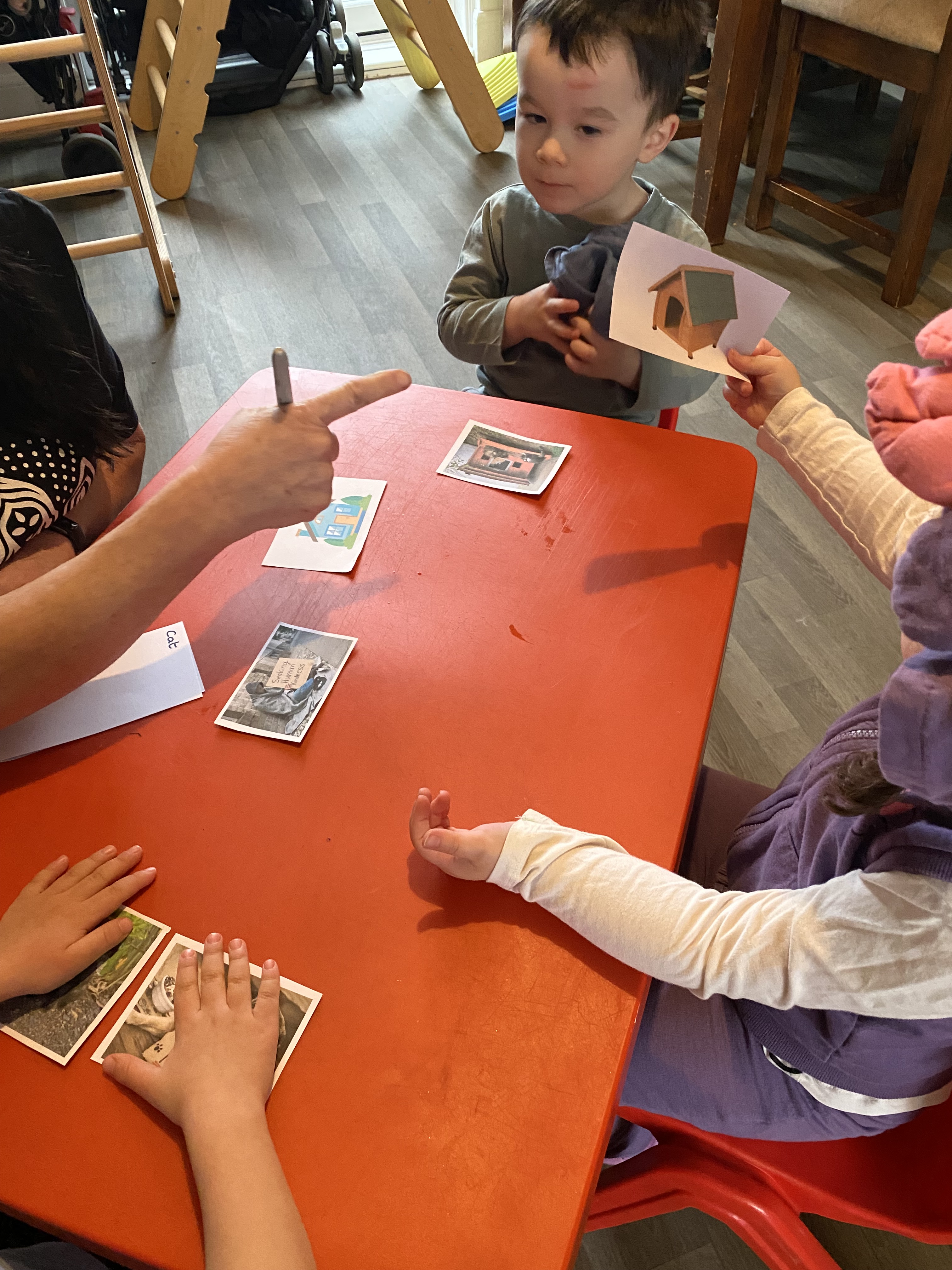
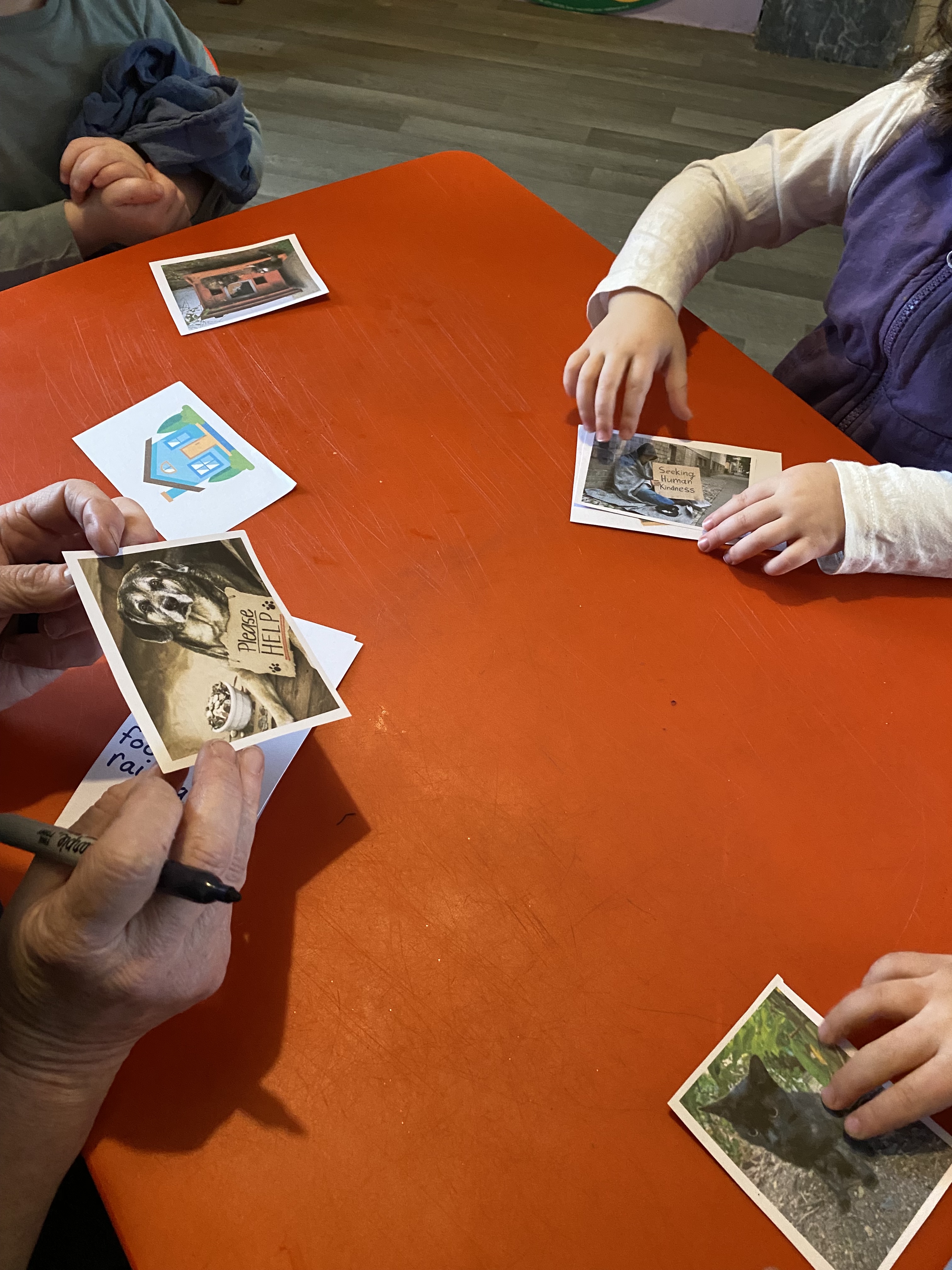
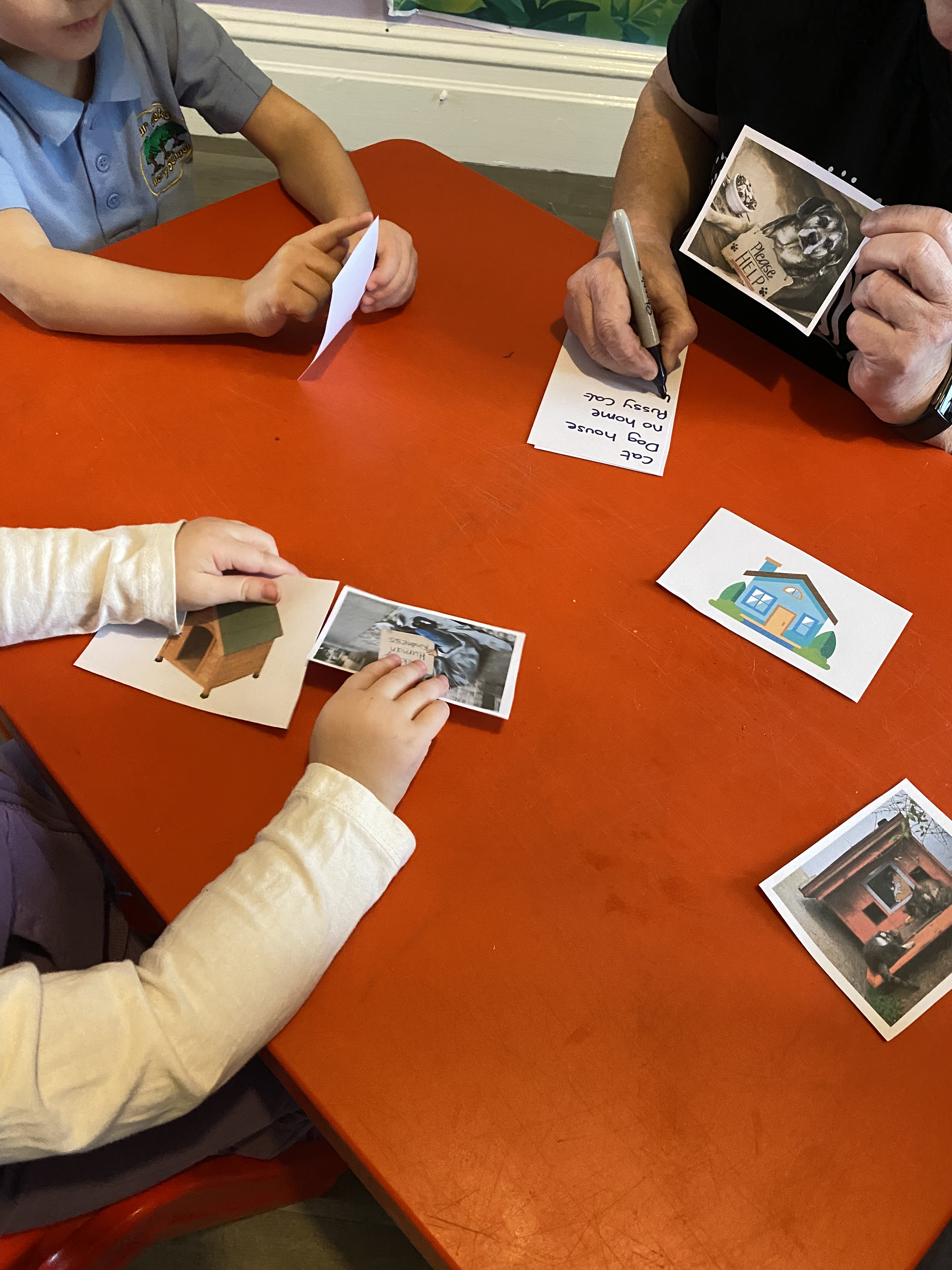
This week we have been talking sustainability goal 1 No Poverty. NCFE (pg 17) I provided the children with photographs to provoke but not distress them of a homeless man, dog and cat. We talked about how all living things need a healthy environment and food to survive. I gave them another three photographs and asked them to choose which home would be suitable for each of them.

They chose a kennel for the dog, a cat house for the cat and a house for the human.

I asked the children what they think they would feel like if they didn’t have a lovely home. Lottie said she would get wet in the rain and Cristian said he would feel sad.

This provoked Jack to talk about the man outside ASDA whom we buy a bottle of water and fruit for when we go shopping. He said the man always looks sad and cold, I said what could we get him to make him feel warm? The children sid a coat, hat or socks. I said I thought the socks were a fabulous idea and the next time we go we can buy him some. When we went to give the man the socks the children asked me to hand them to the man as they felt a bit scared.

The man said thank you very much and Cristian asked him what his name was? The man replied ‘Geof’ Jack asked what his dogs name was the man replied ‘Bruno’ everyone said ‘have a nice day Geof and Bruno’ and we all went home feeling good about our kindness.

When we got back I asked the children what Geof could use as a shelter as he hasn’t got a lot of money? Lottie said he could live in a tent, Jack went on to say he had stayed in a tent with mummy and daddy on holiday and it was fun. I asked them what it might be like living in the tent in the winter, Lottie said it would be cold and sad as Geof has not got his mummy.

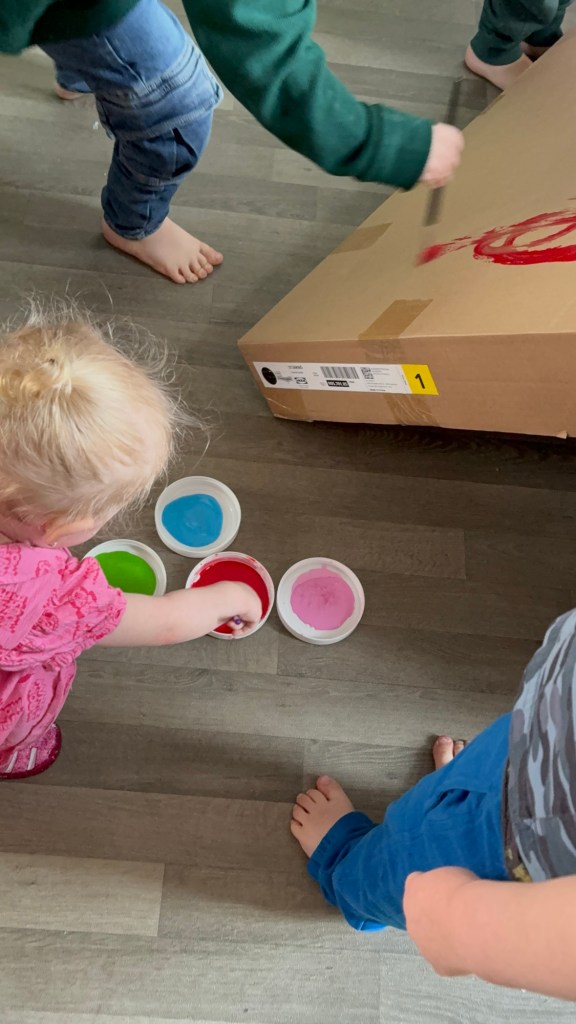
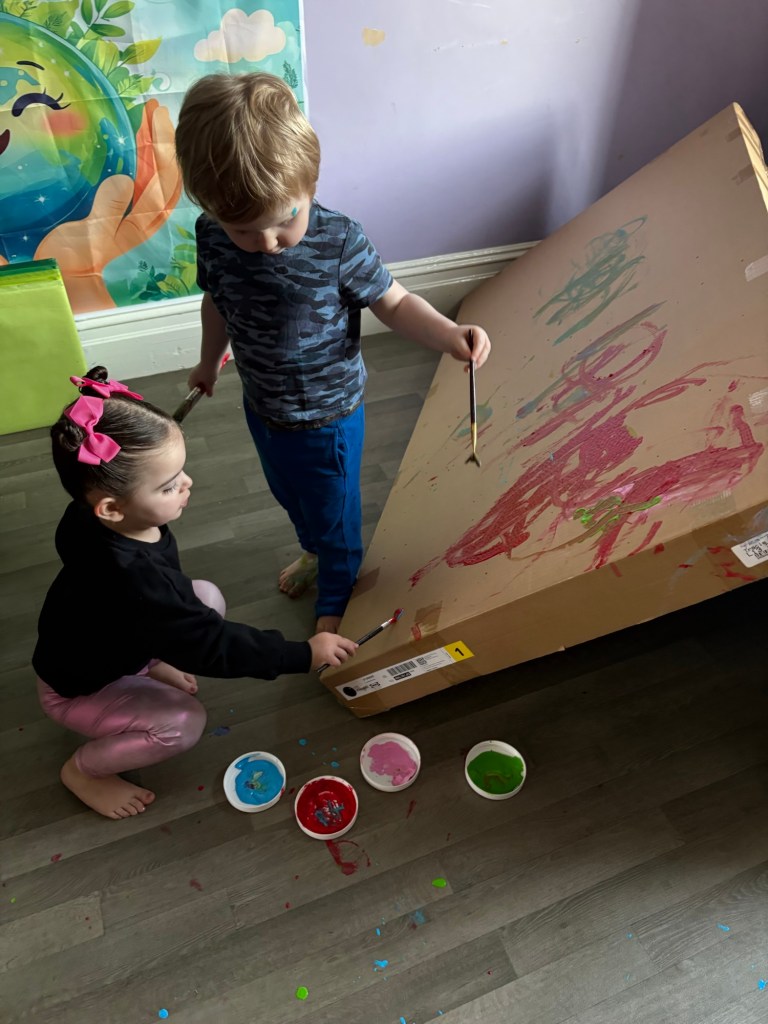
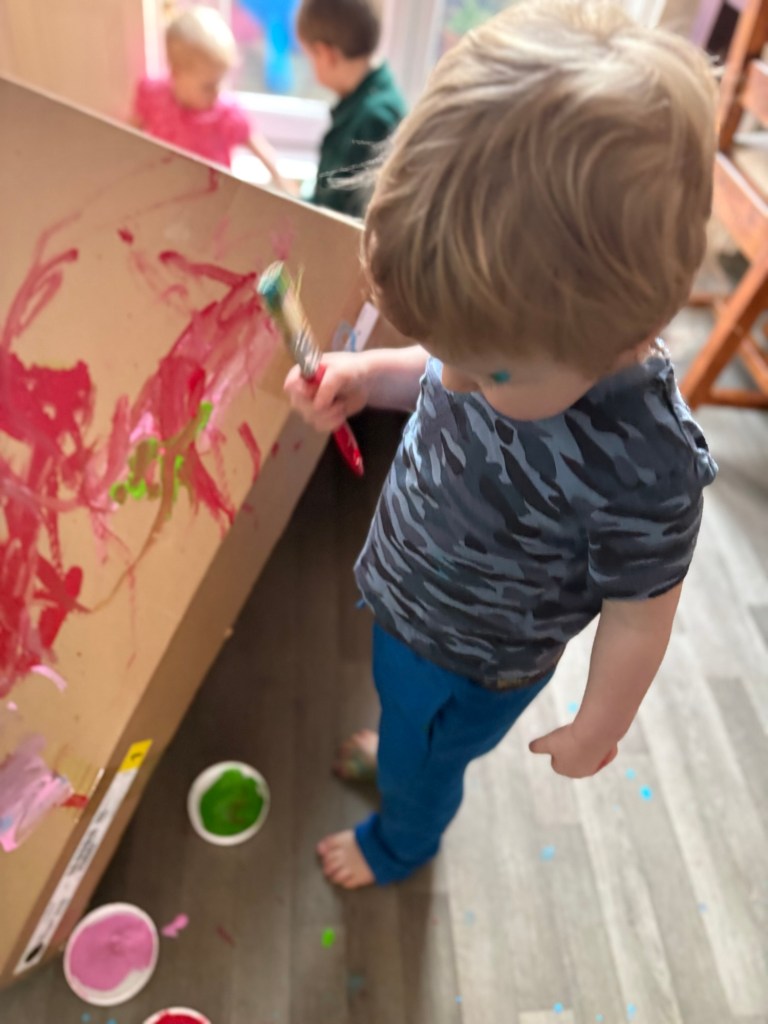
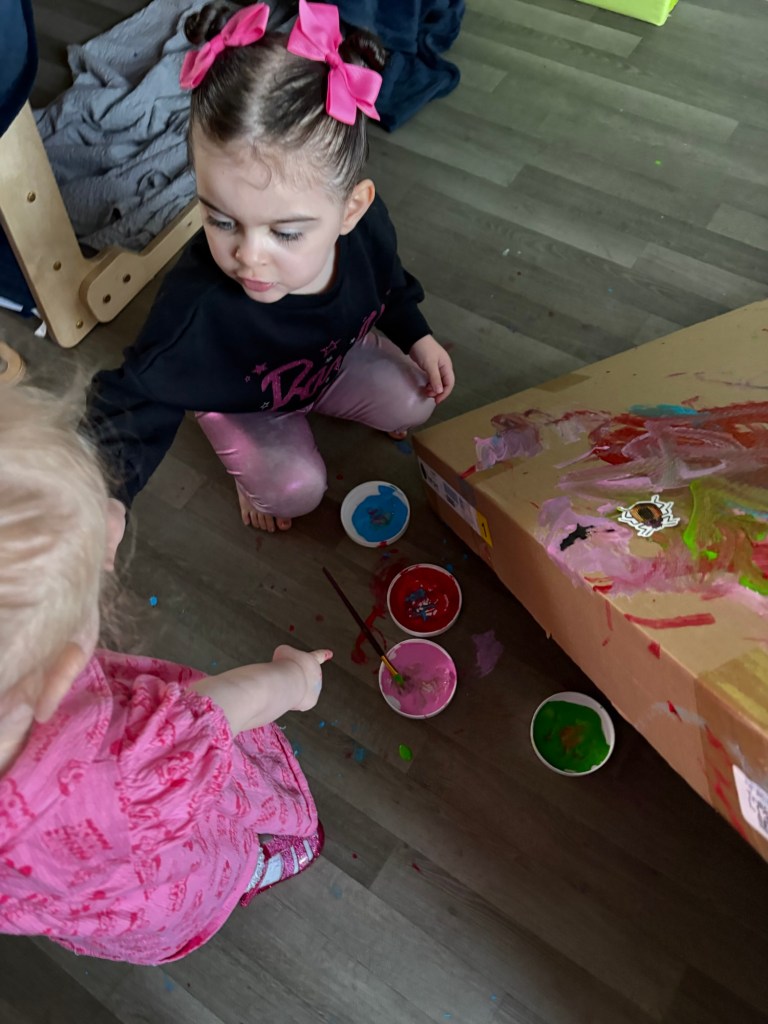
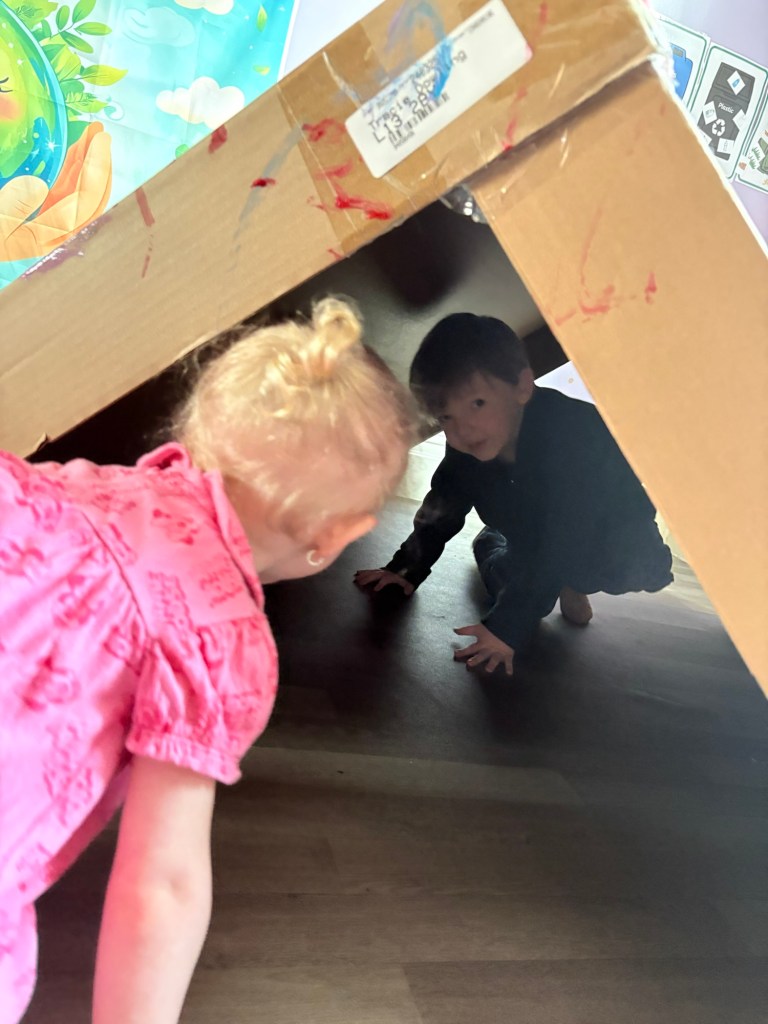
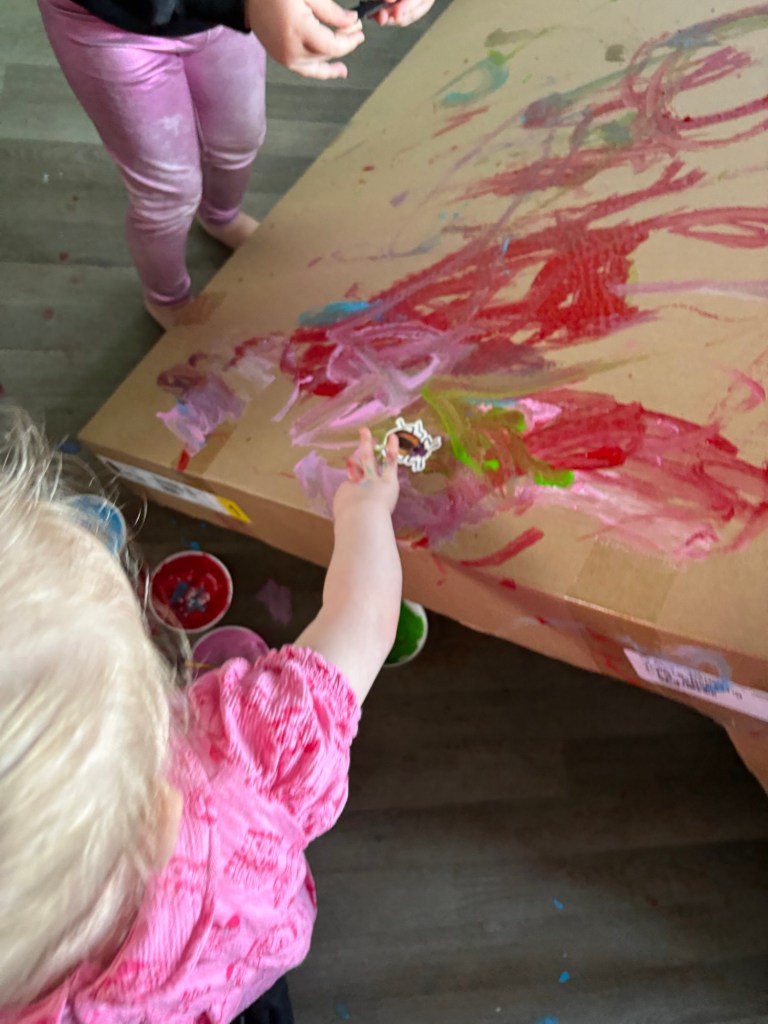
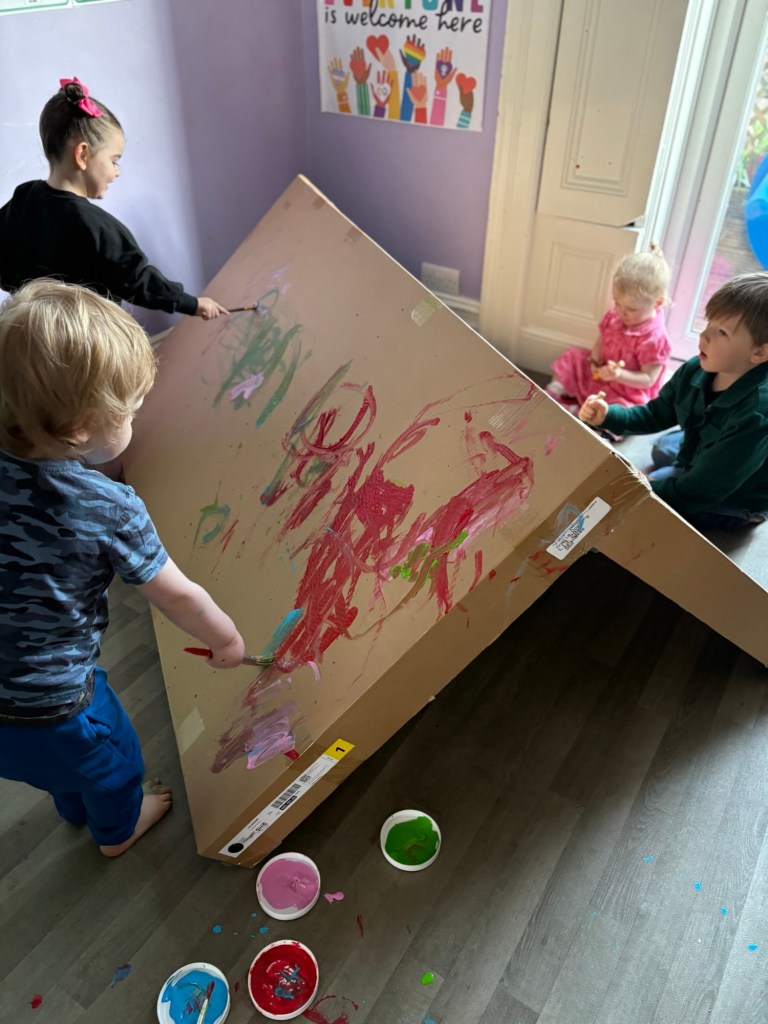
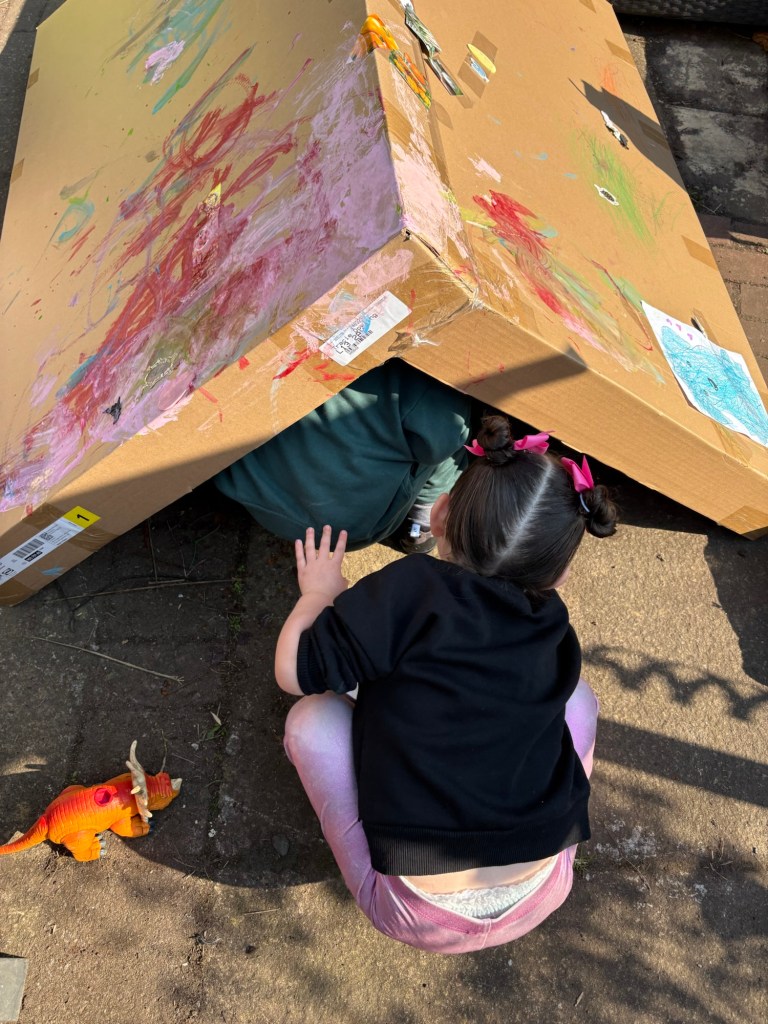
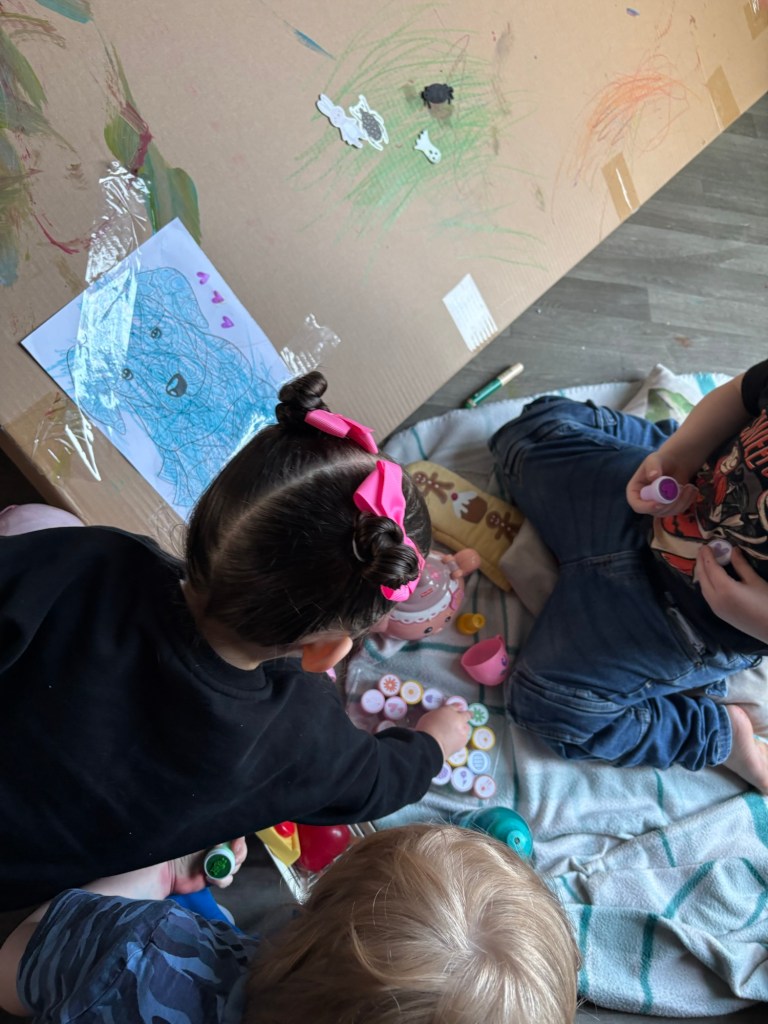
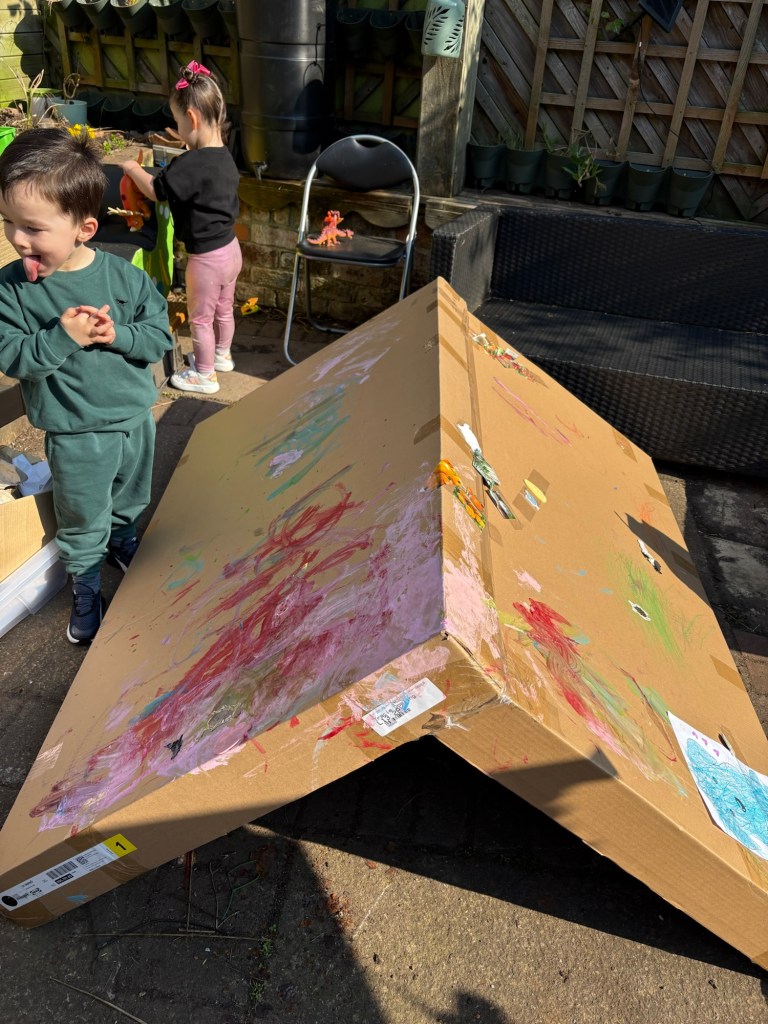
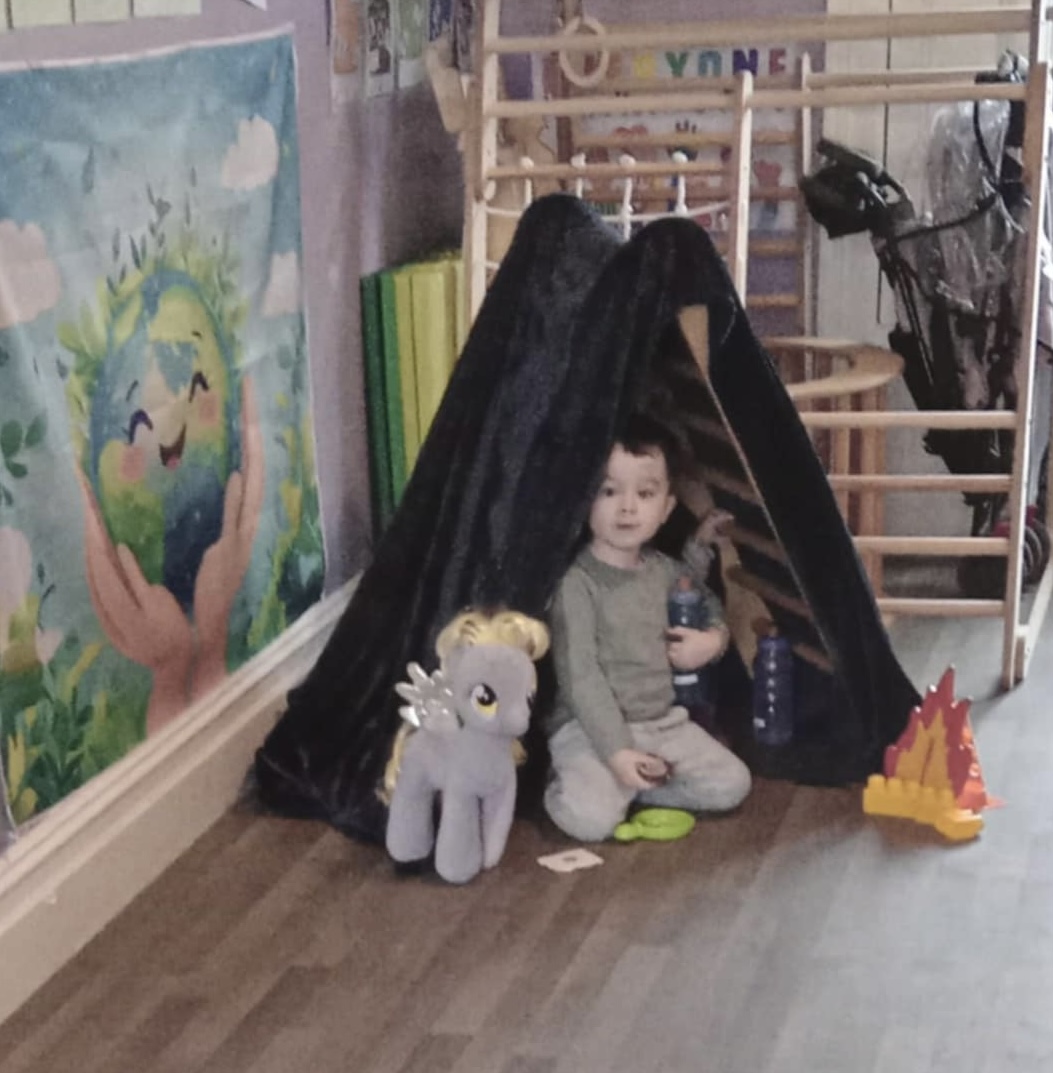
The children thought it would be good to make a tent for Geof. I provided the children with a massive box, jack asked if they could decorate it to make it pretty.

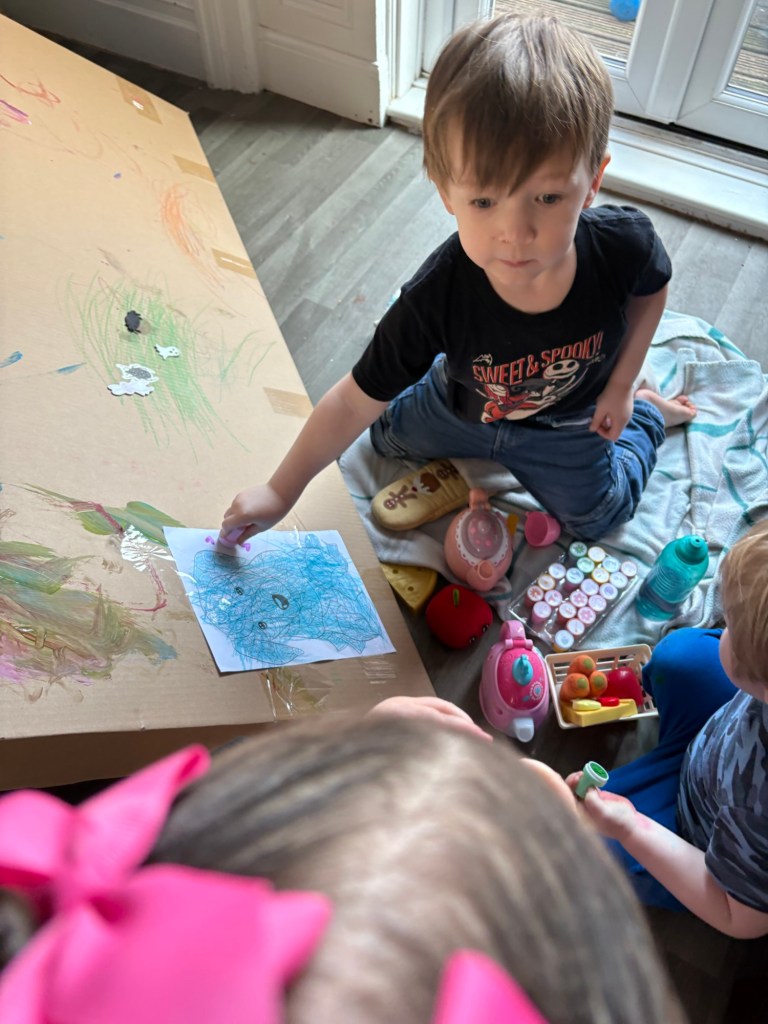
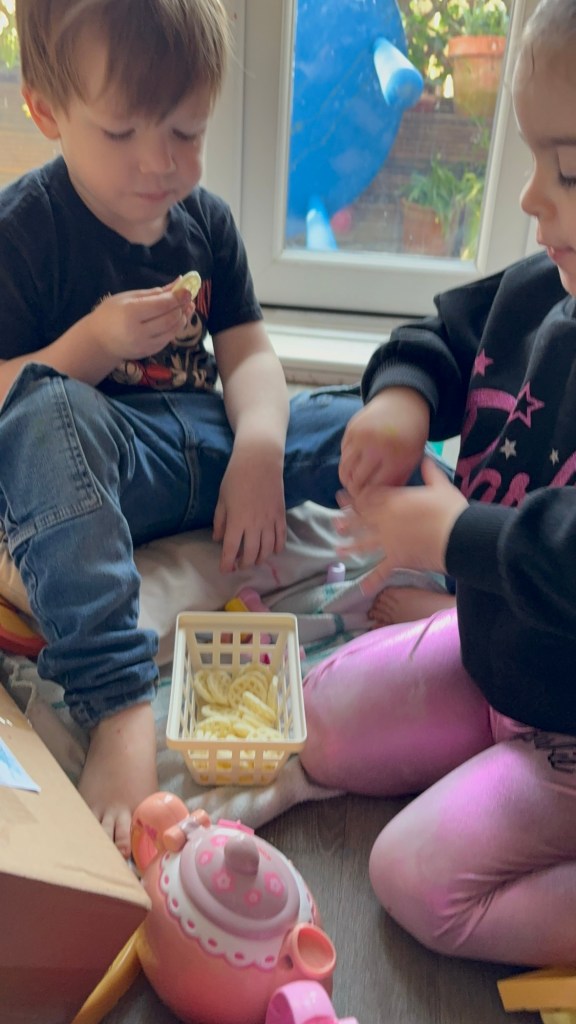
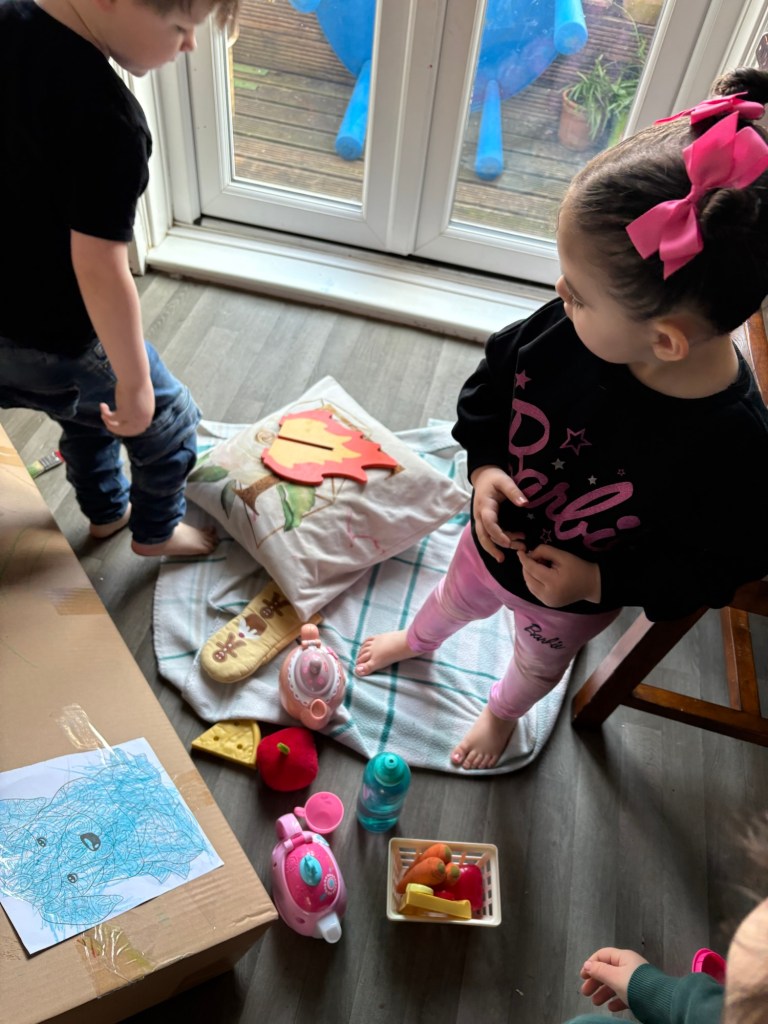
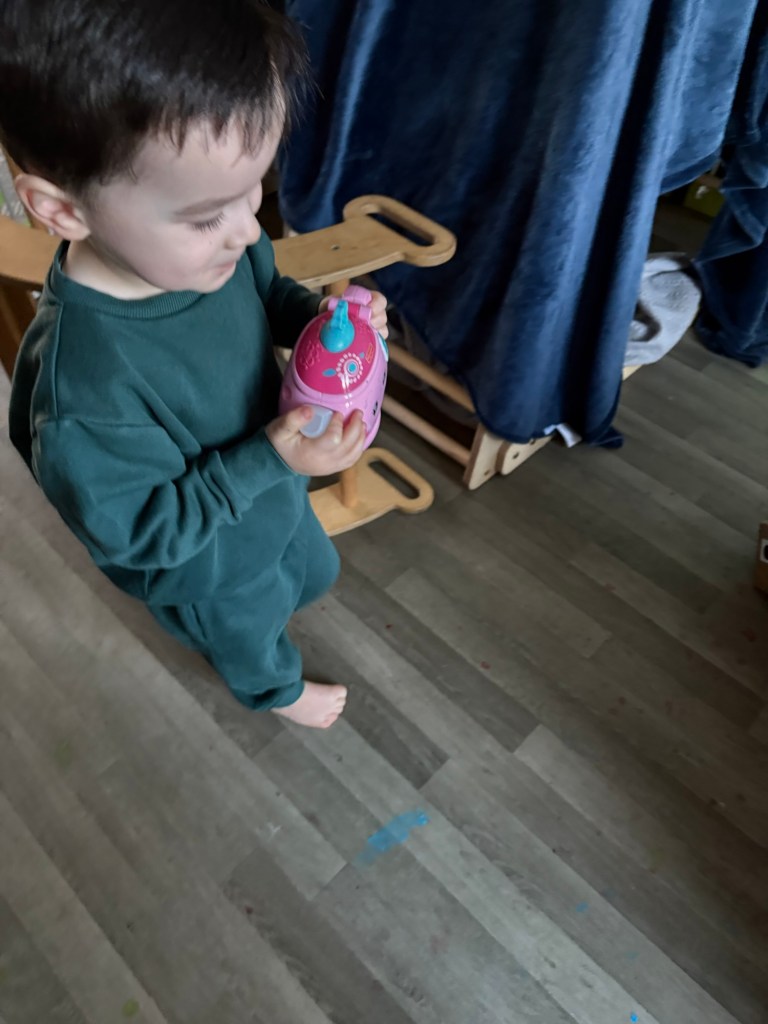
They all had fun for hours, once the tent was dry, I asked them what would make the tent comfortable for Geof. I asked them to go and find items to put in the tent for him. Lottie came back with a blanket, Jack found a ‘a fire to keep him warm, Elliott went and got him a tea pot for a cuppa and Cristian brought over some food.

Later Jack coloured a lovely picture of a dog and asked if he could stick it on the tent and call him Bruno. I said it was a fabulous Idea and asked him what would a dog need? Jack went and got him a bowl for food, a bowl for water and a cushion for him to lye on like his dog Cooper.

In the afternoon while the babies were sleeping, the older children asked to take the tent outside to play with. This extended their play and we talked about being in the tent through the seasons, at first they thought it would be fun to be in the tent when it was snowing. I asked them how would they keep themselves warm? They all said they would wear coats, hats and scarfs. I said they would have to wear them all the time so they thought it might not be so fun after all.

This provoked a conversation about Inuits who are people who use igloos for shelters in the Artic when they go on fishing trips. We looked on the internet and found out they are made out of compacted snow, which is a natural insulator and helps them to keep warmer than being outside.

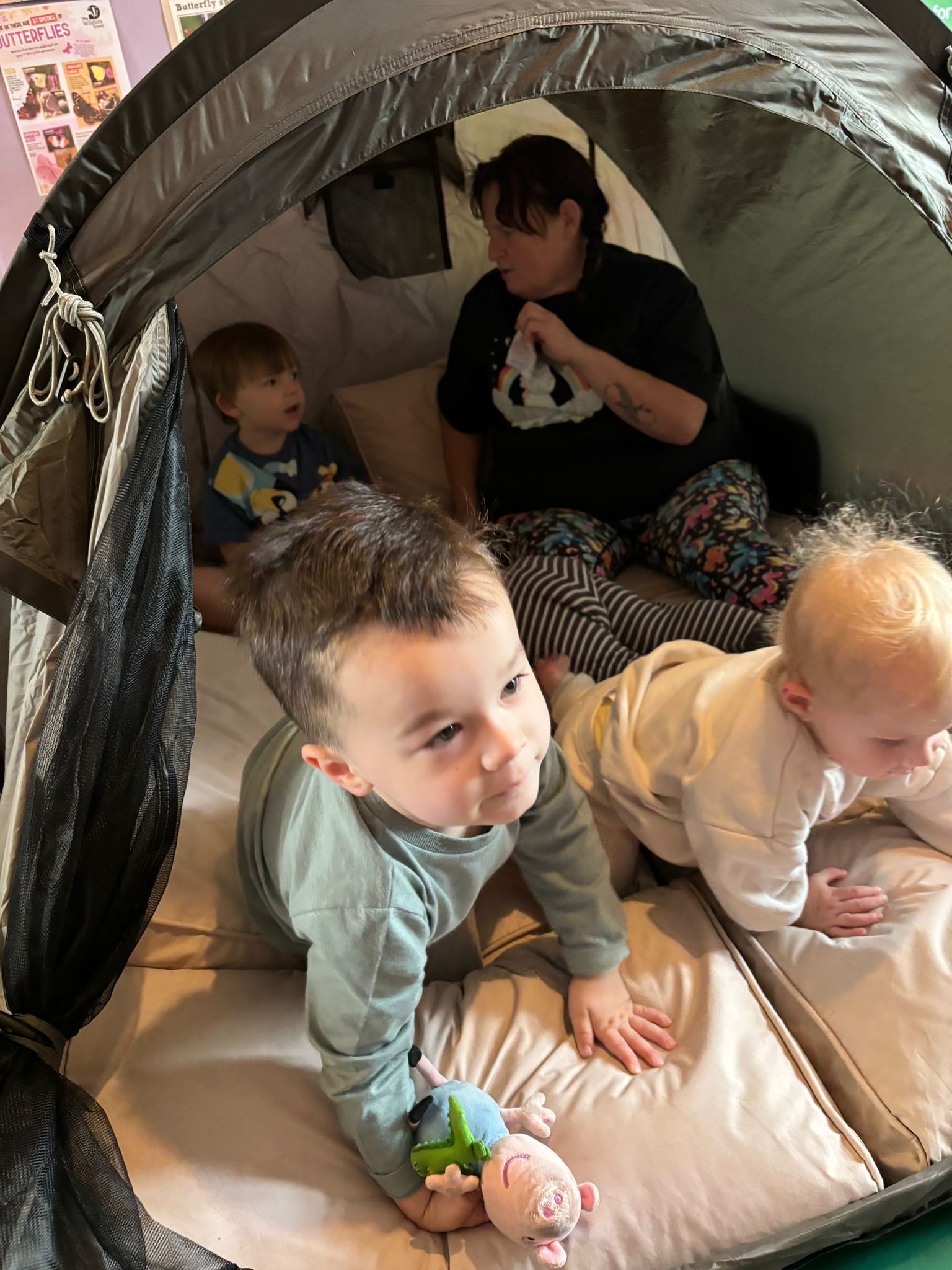
To extend our experience of Tent living I put a tent up in the play room and the children ended up roll playing including having snack and nap time in there.

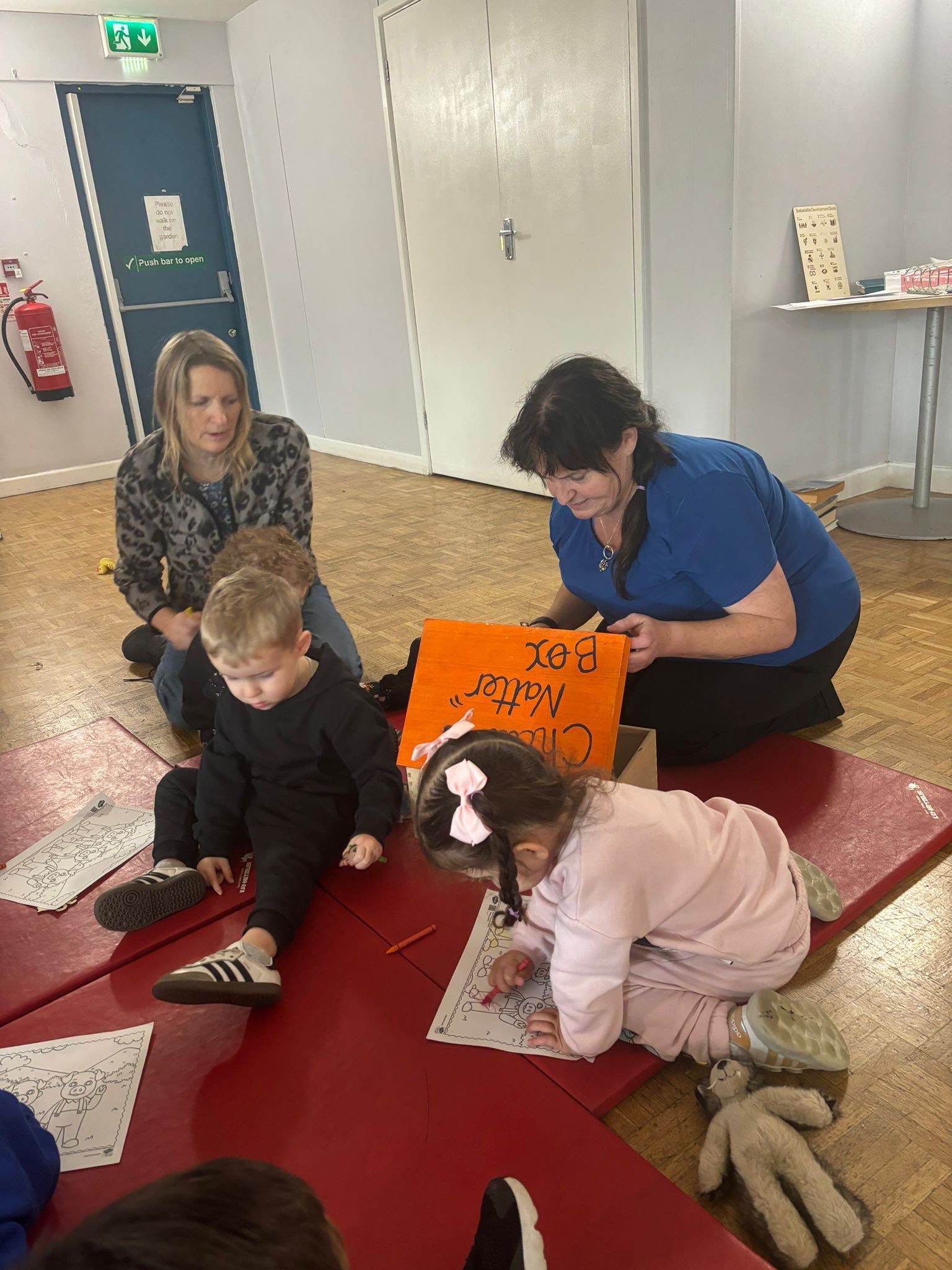
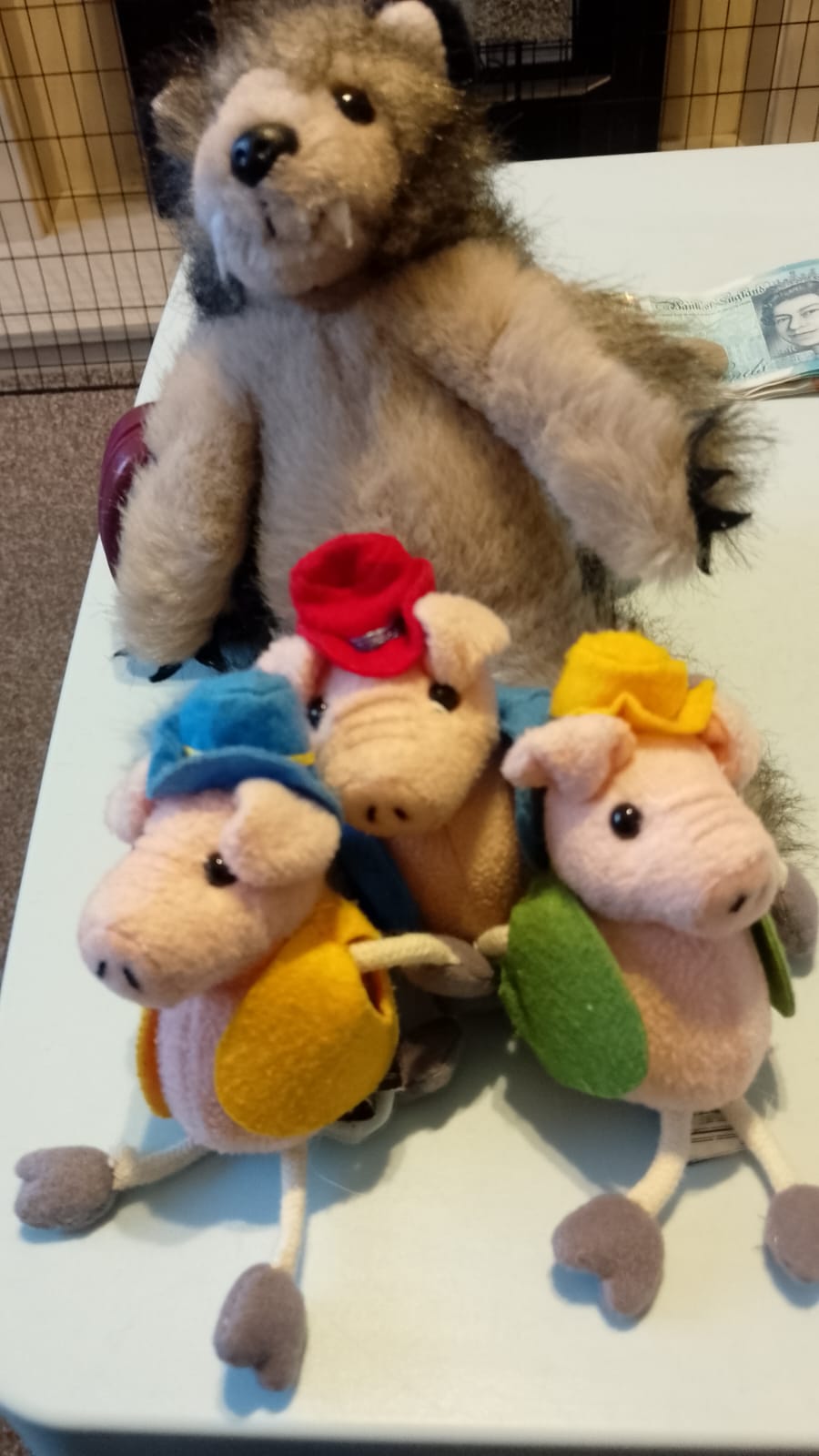
I took the theme of Poverty to our Childminder Drop in where I read everyone the story of ‘The Three Little Pigs’ we talked about different materials houses can be made off and how strong we think they would be. Development Matters (2021, pg90) The children talked about our tent activity with the other children, they all went back to their Childminders settings to make dens and have fun.

NCFE, UNESCO https://www.ncfe.org.uk/all-articles/supporting-practitioners-embed-sustainability-early-years/

https://www.evertonnurseryschoolandfamilycentre.org/early-years-sustainable-hub