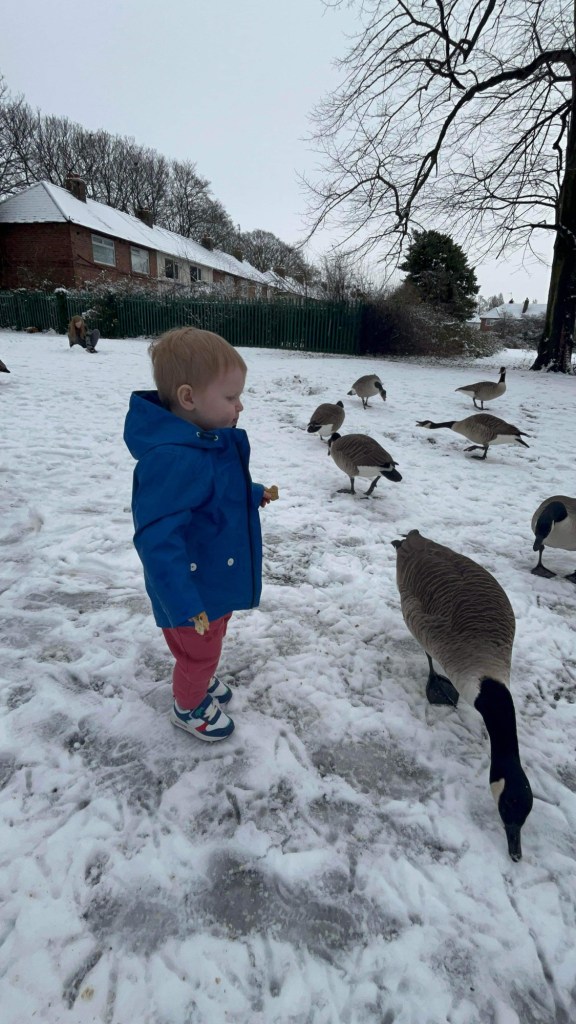
Helping children discover the joy of being kind to birds is like opening a window to a secret world. It’s one of the easiest ways to teach empathy because birds are everywhere—from city balconies to suburban gardens—and their needs are simple enough for even a toddler to understand.
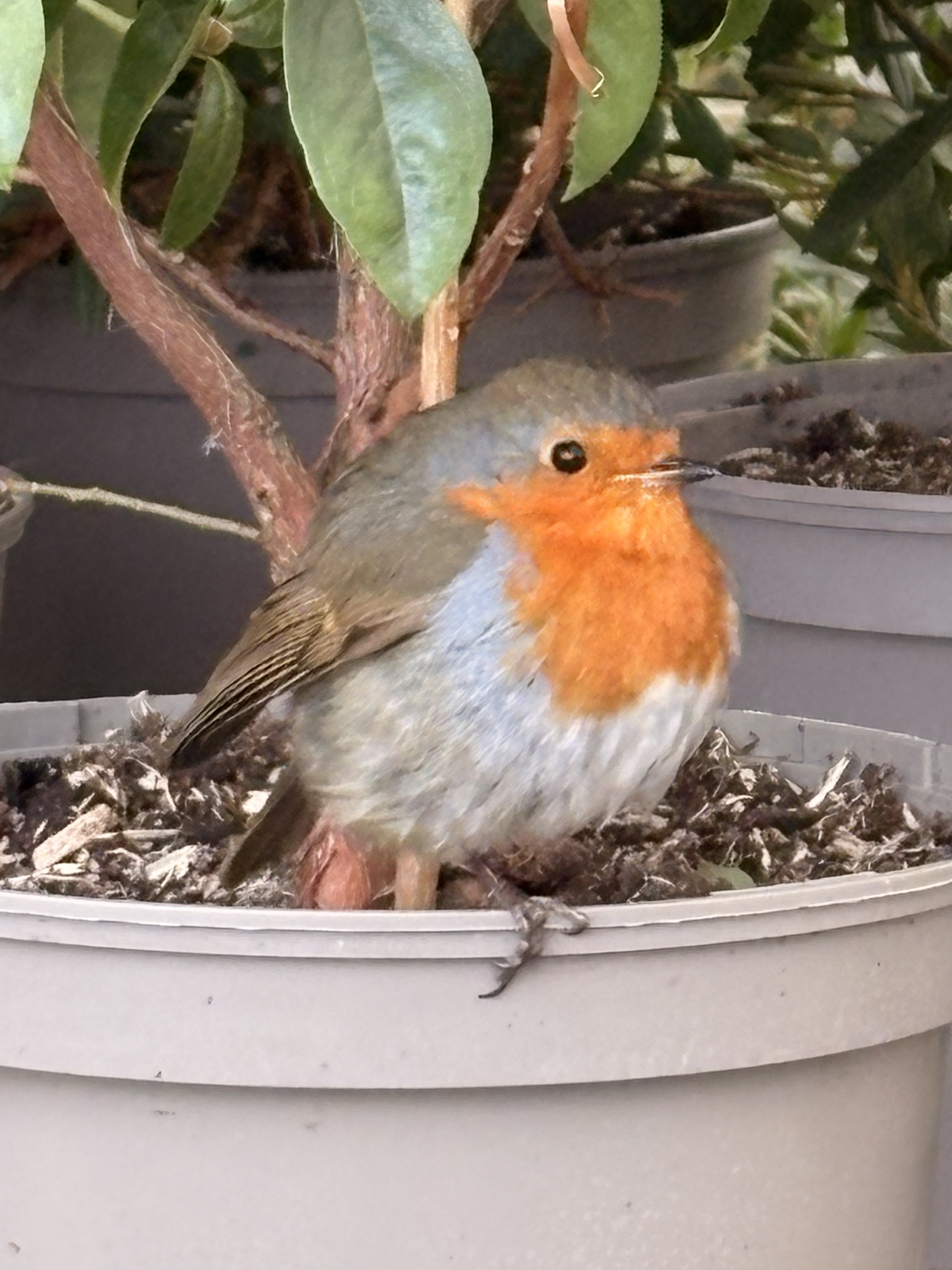
Teaching children to be kind to birds is more than just a nature lesson—it’s a masterclass in empathy. When a child learns to move quietly so they don’t startle a robin, or remembers to fill a feeder on a cold morning, they are practicing “perspective-taking.” They are learning that even the smallest creatures have needs, feelings, and a place in our world.
How to Foster Bird-Kindness at Home
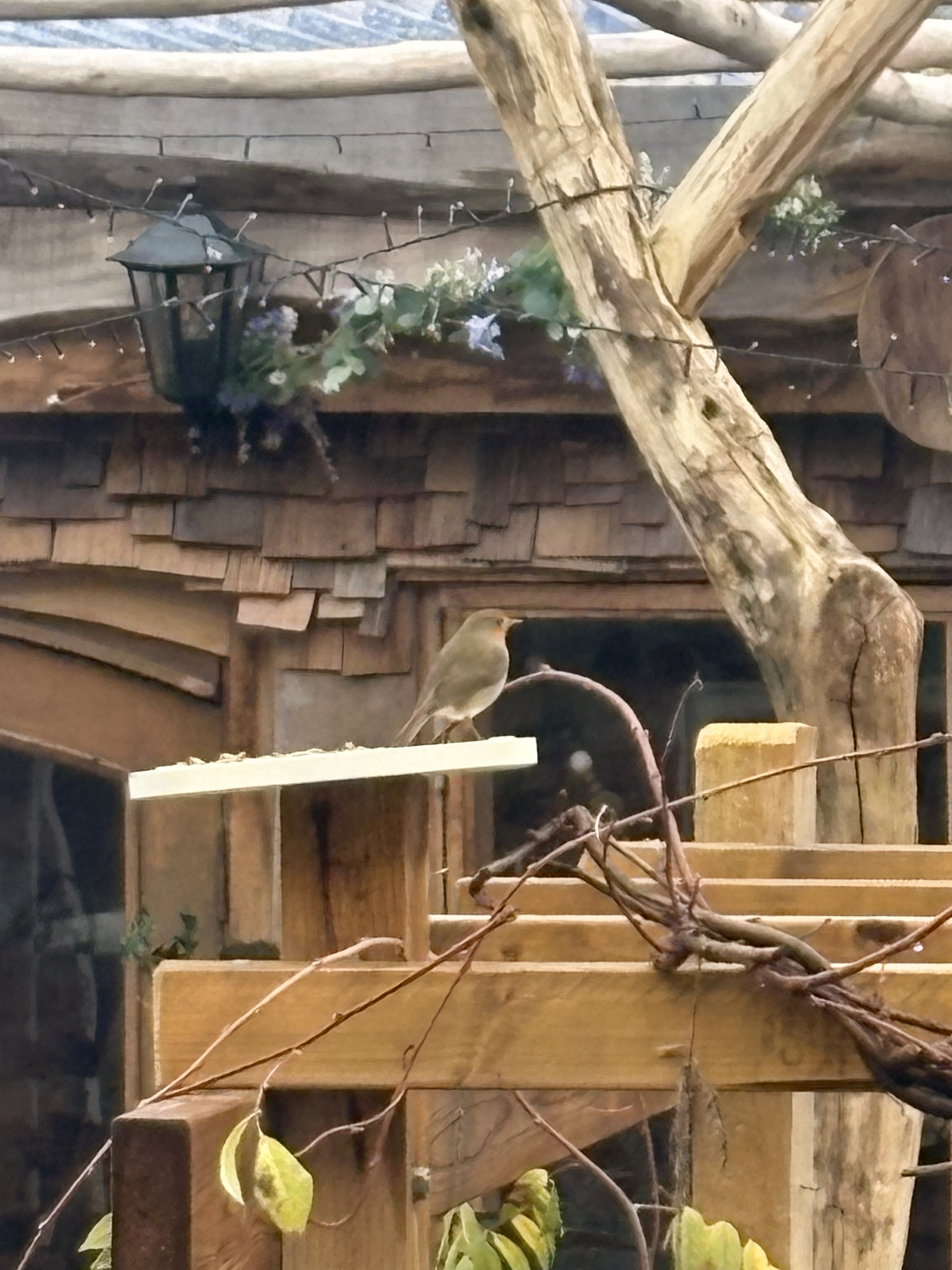
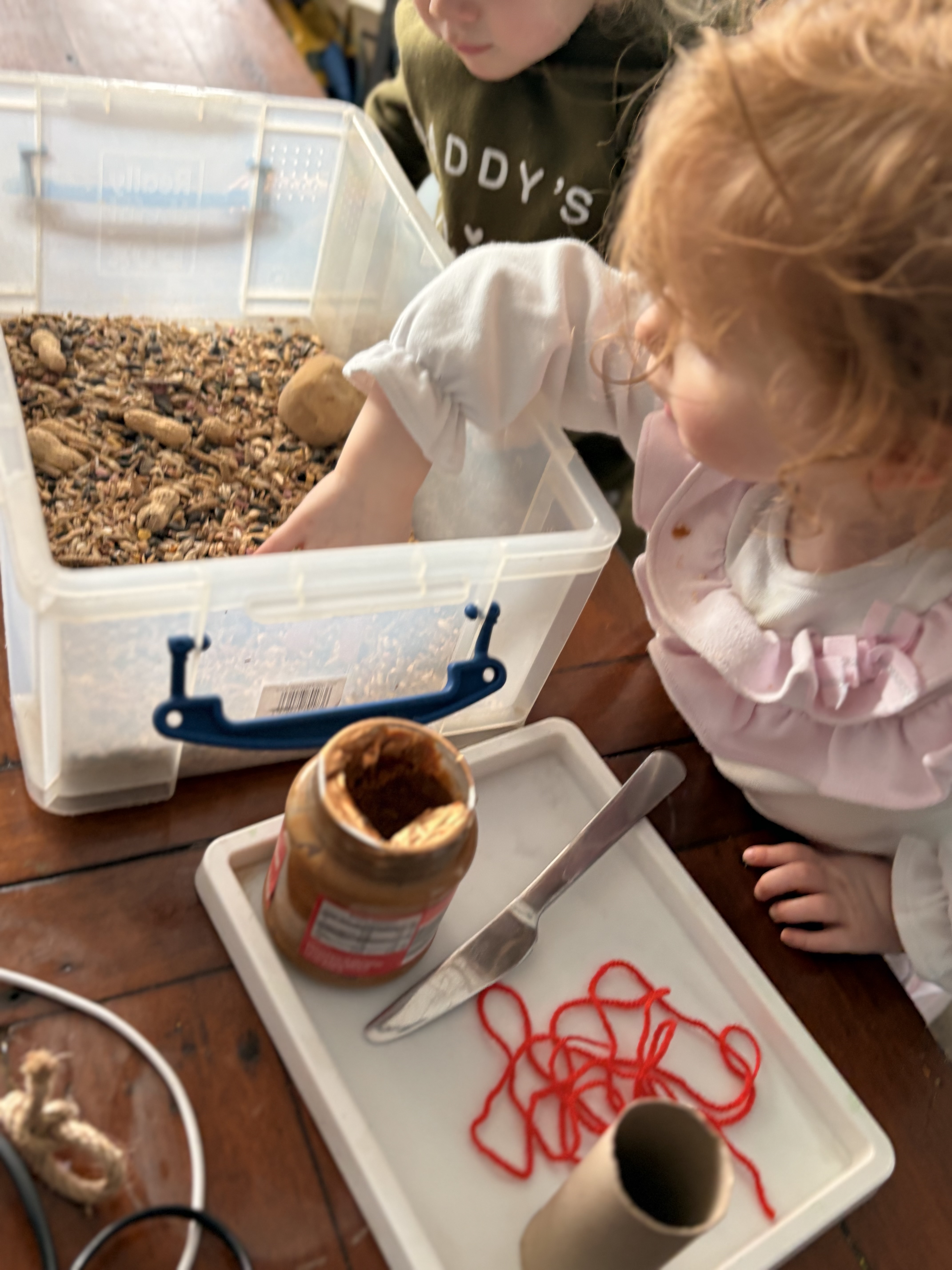
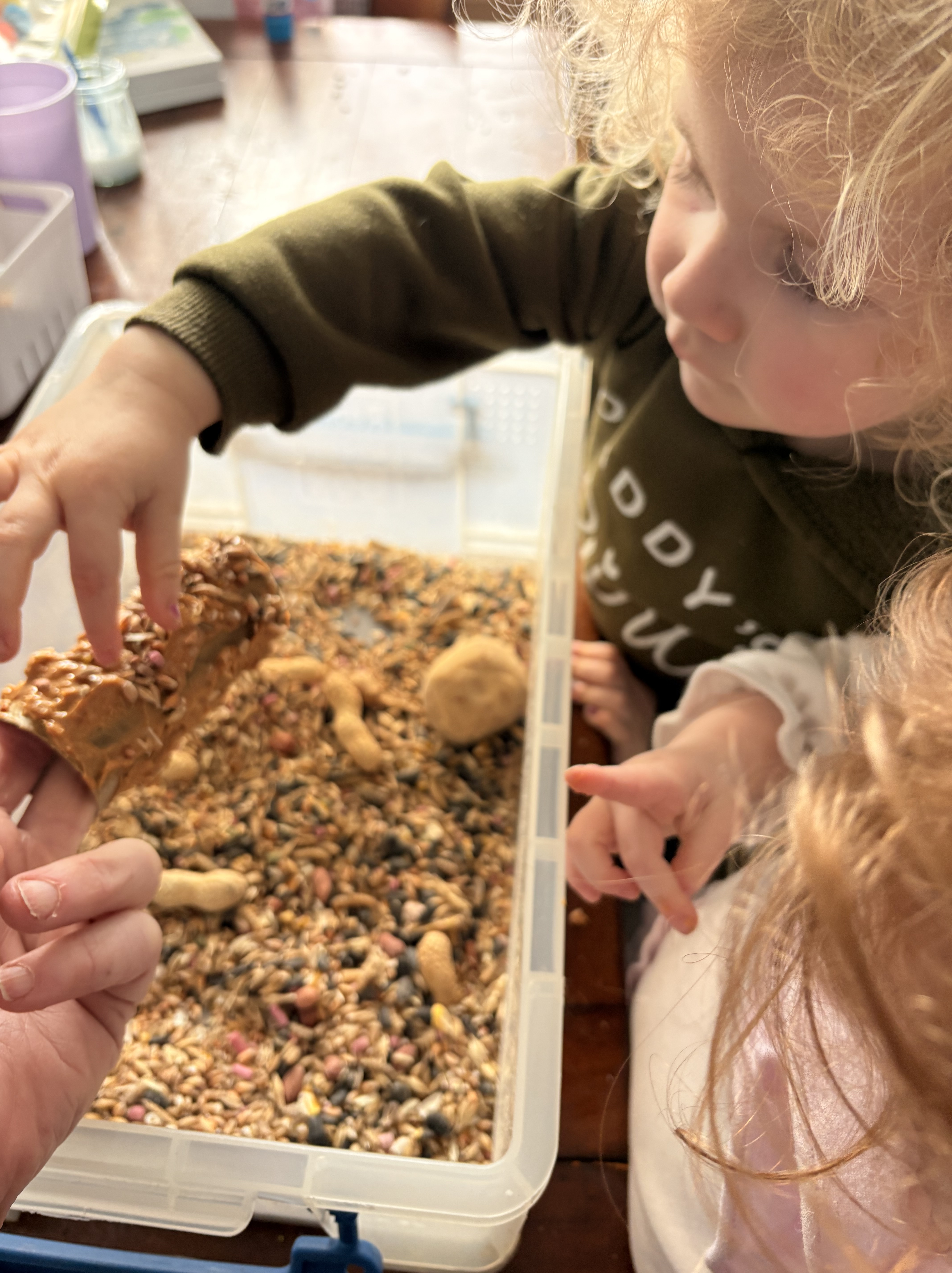
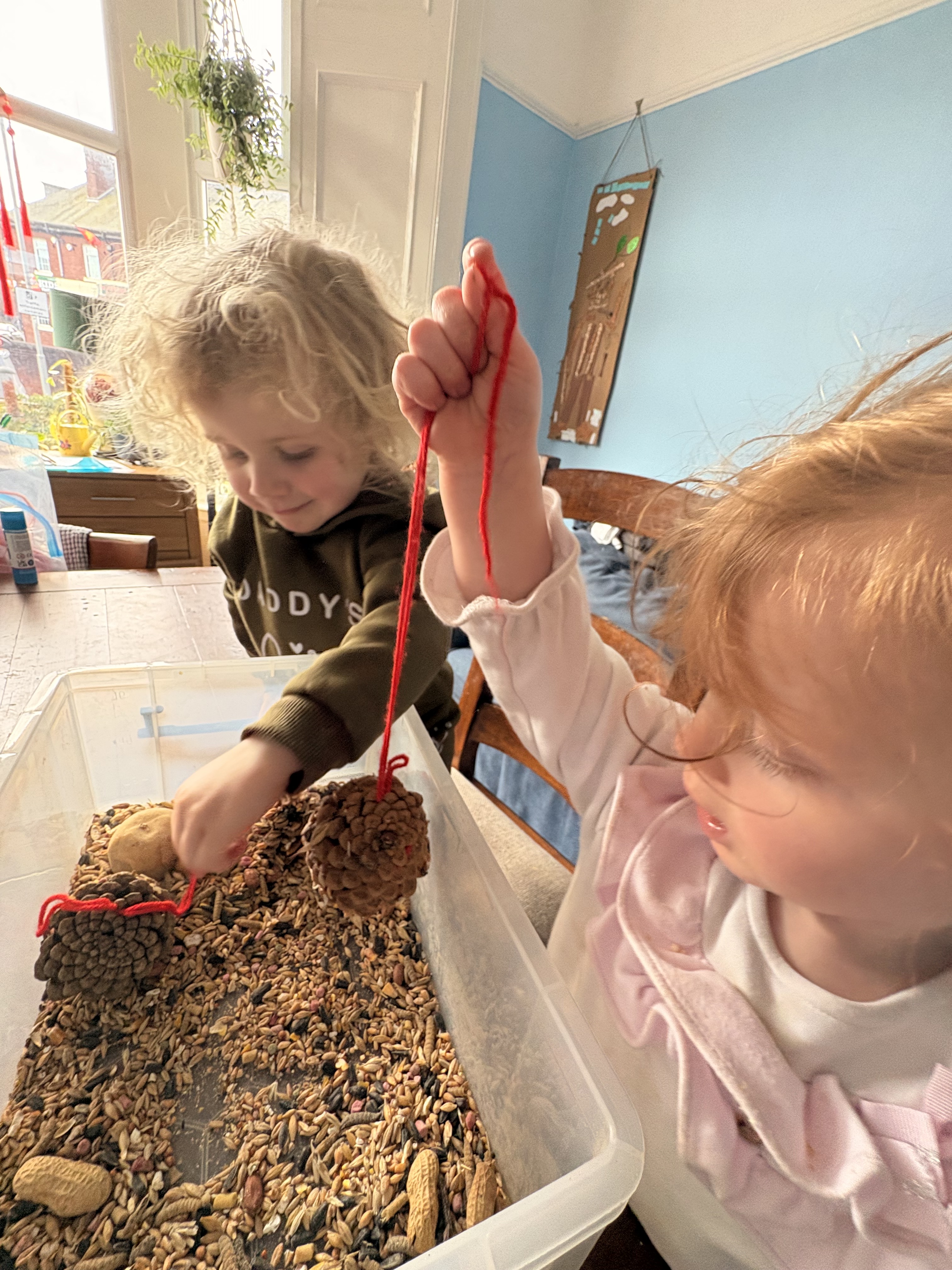
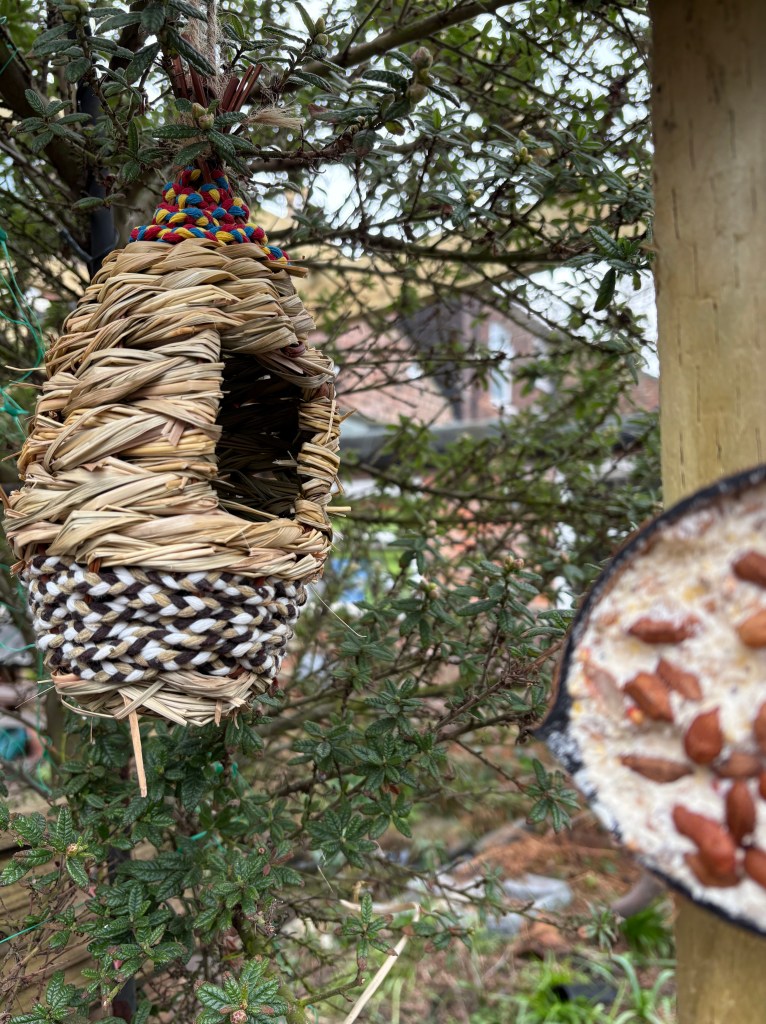
1. Create a “Refuelling Station” Birds expend massive amounts of energy just staying warm and finding food. Involve your children in making a feeder and picking out the right seeds. Letting them take “ownership” of the refill schedule teaches responsibility and shows them the direct impact of their care.
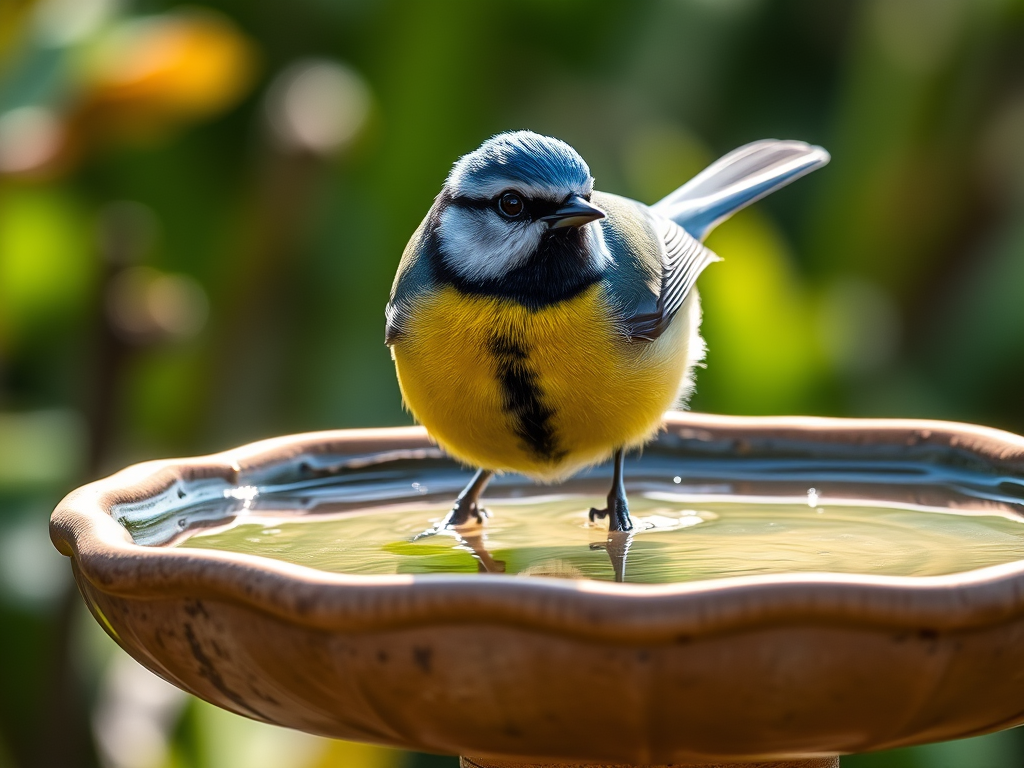
2.The Gift of Water A simple, shallow birdbath can be a lifesaver. Children can help keep it clean and filled with fresh water. Watching a bird splash around in a bath they provided is a high-reward moment for any child!
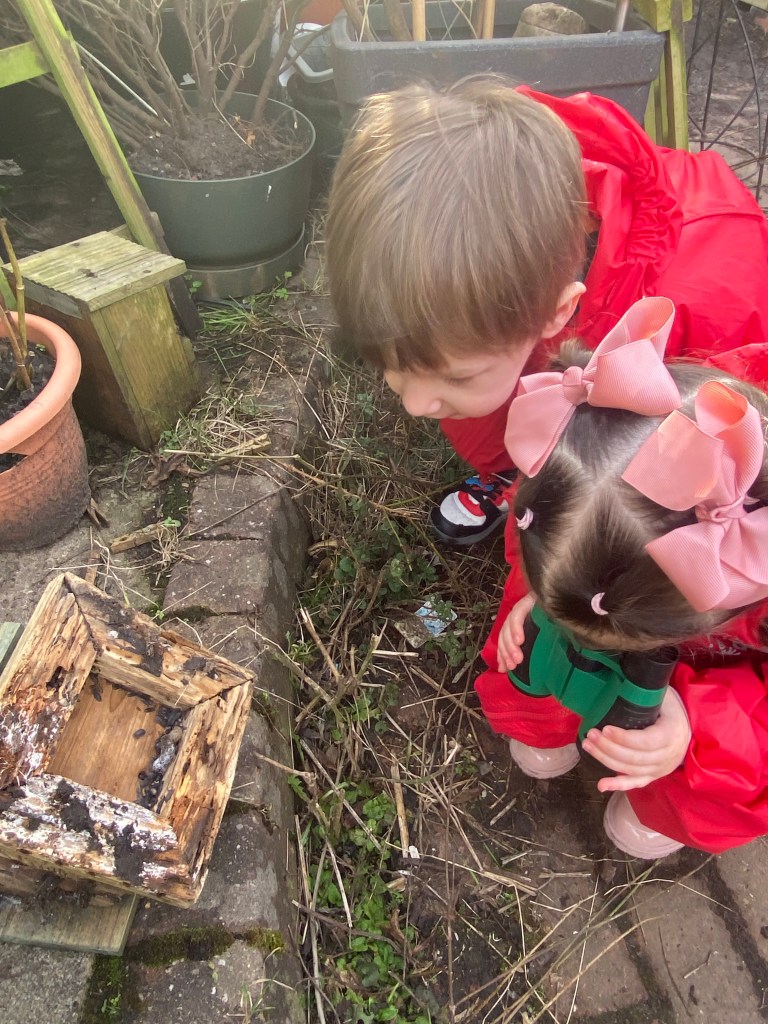
3. Become a Nature Detective Encourage your Children to observe rather than disturb. Can they find a nest? (Remind them to look with their eyes, not their hands!) Can they identify three different bird calls? This builds respect for the birds’ space and privacy.
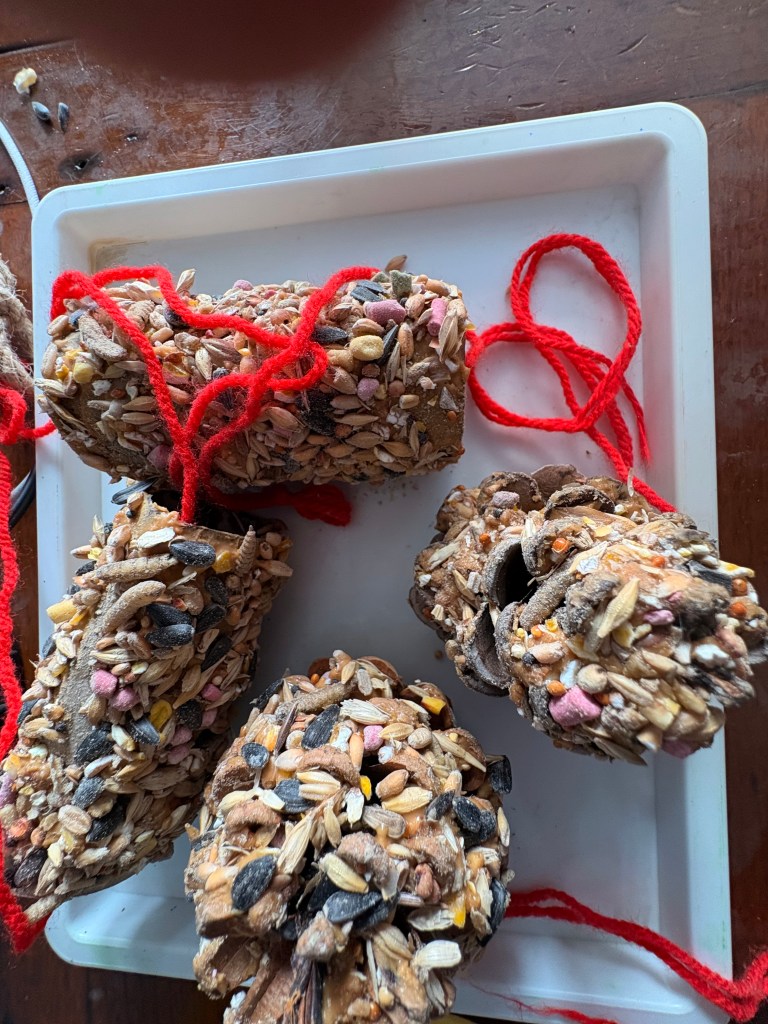
4. Build a “Bird Buffet” If you don’t have space for a permanent feeder, try a classic craft: pinecone feeders smeared with peanut butter (or sunflower butter) and rolled in birdseed. Hanging these in a local park or on a balcony gives kids a sense of contribution.
The Lesson That Lasts
When we teach a child to care for a bird, we are teaching them that their actions matter. We are showing them that they have the power to protect, to nourish, and to coexist. Today, it’s a handful of sunflower seeds; tomorrow, that same kindness will grow into a deep respect for the world around them.
Throughout my career as a Registered Childminder, I have incorporated holistic learning into my practices. Over the years this has evolved, and I refer to my way of teaching as ‘The Garden Classroom’ which you can read about on my blog. Although this way of learning is primarily outdoors, the learning is year-long and therefore I have created ways of learning no matter the season. The Garden Classroom practices always incorporate the three prime areas of the Early Years Foundation Stage (EYFS) and the Characteristics of Effective Teaching and Learning. Read on to learn how I weave these key components into outdoor play.
OUTDOOR LEARNING
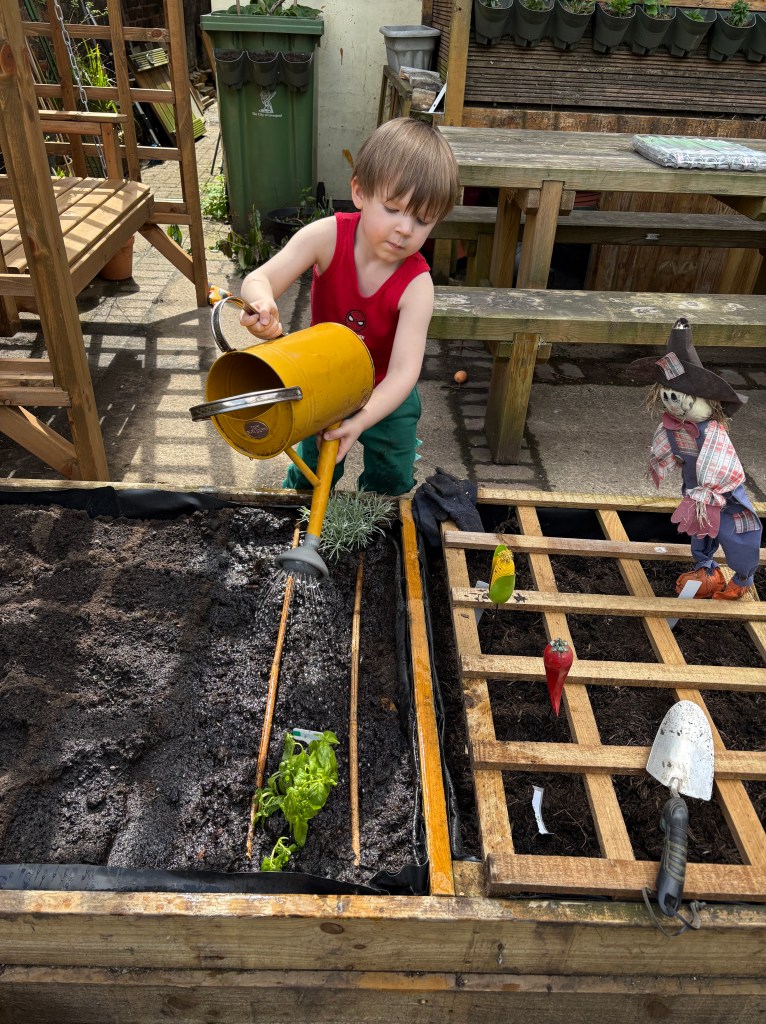
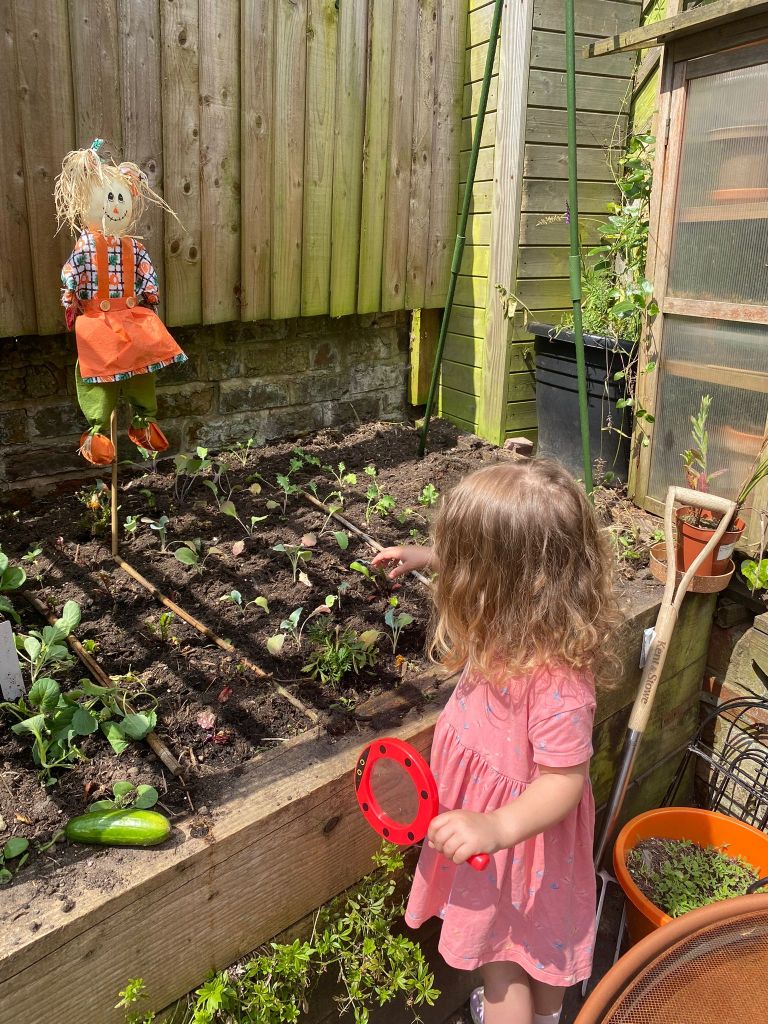
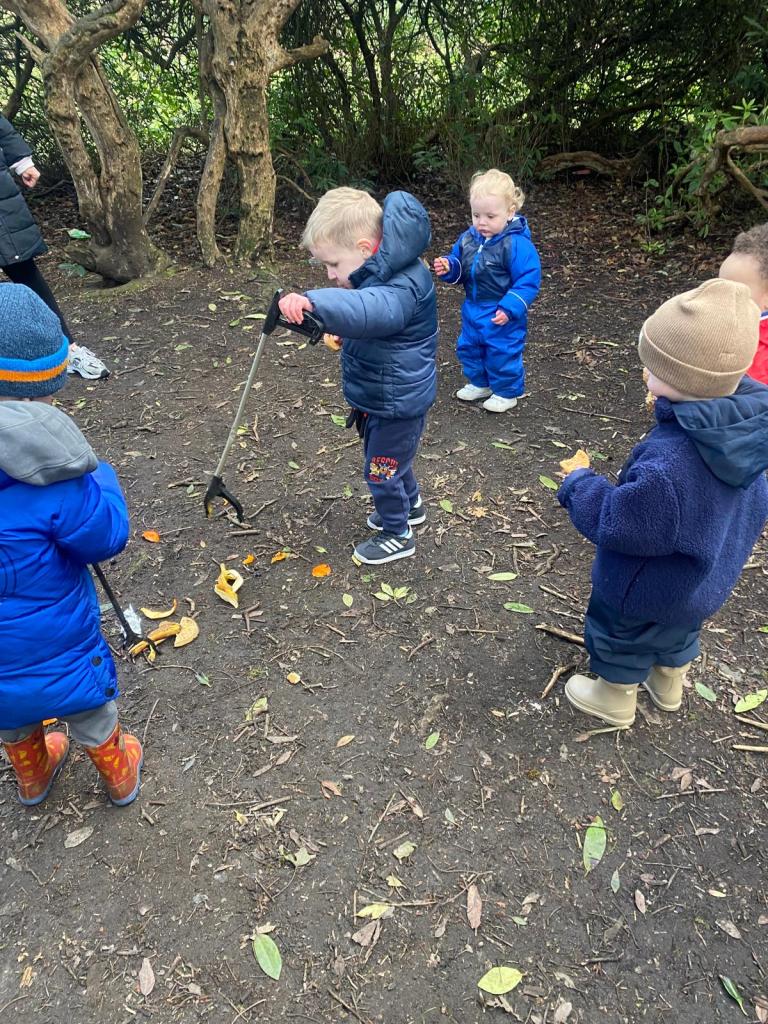
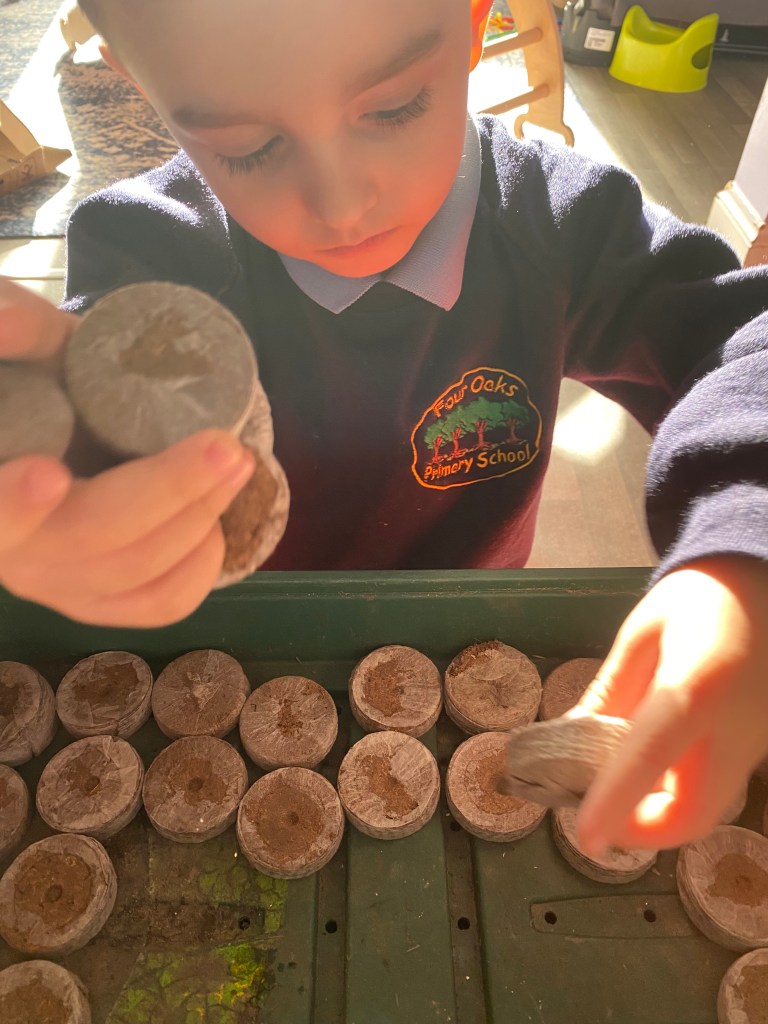
The Garden Classroom is a space where children can learn and grow, connecting to nature and the world around them. Outdoor exploration not only connects toddlers and babies with the seasons and everchanging weather, but also promotes physical activity, a sense of wonder, and an appreciation for the natural environment. Providing gardening activities for my children has proven to be great way to engage them with hands-on learning, including growing food from seed to plate,
food sensory education, pond-dipping and lifecycles, and practicing sustainability through composting and recycling.
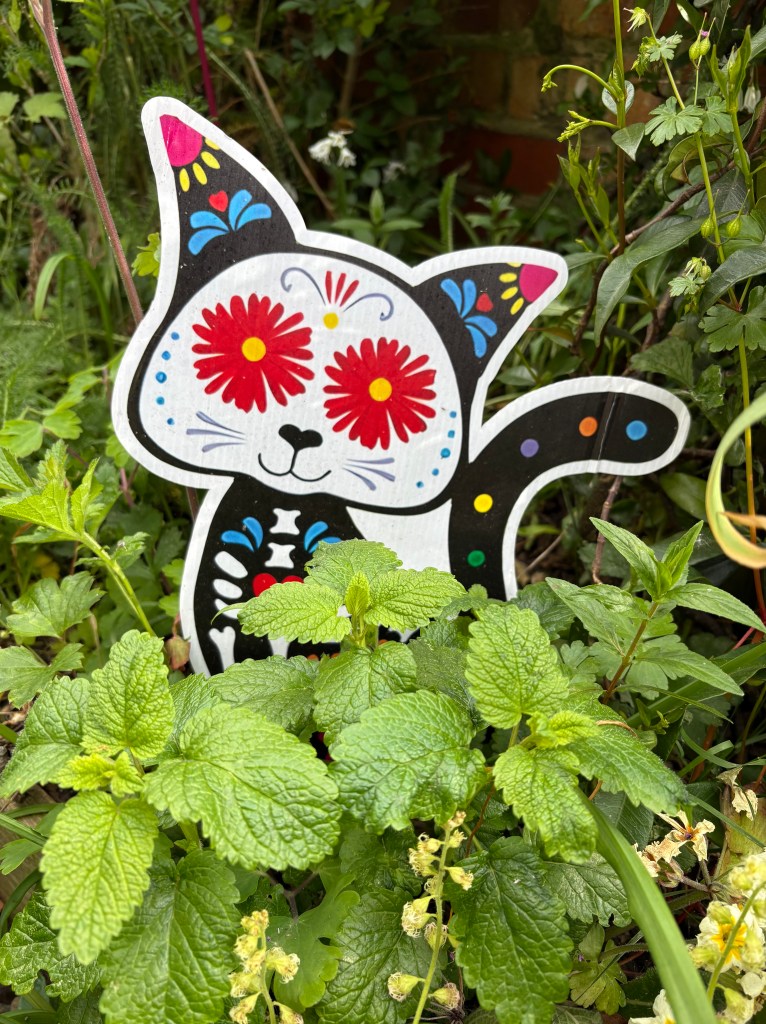
The children learn vital skills such as adaptability and resilience by witnessing their environment going through the cycles. This helps them understand the concept of change and builds resilience in the face of transitions. In one area of our garden, we have a pet cemetery. Here, we have buried our family pets and other creatures who have come and gone.
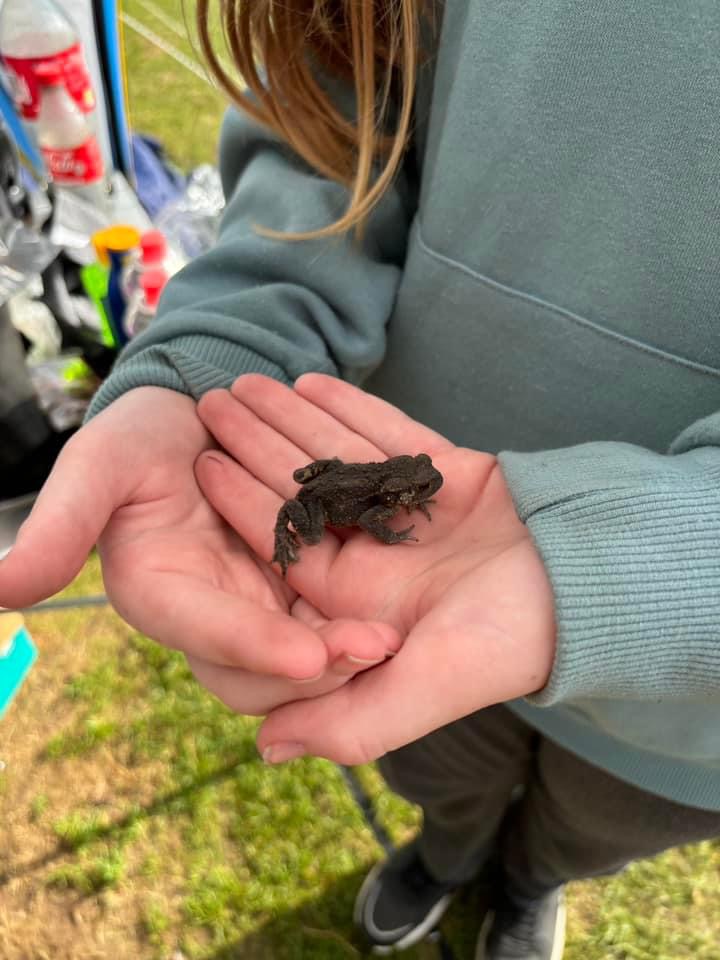
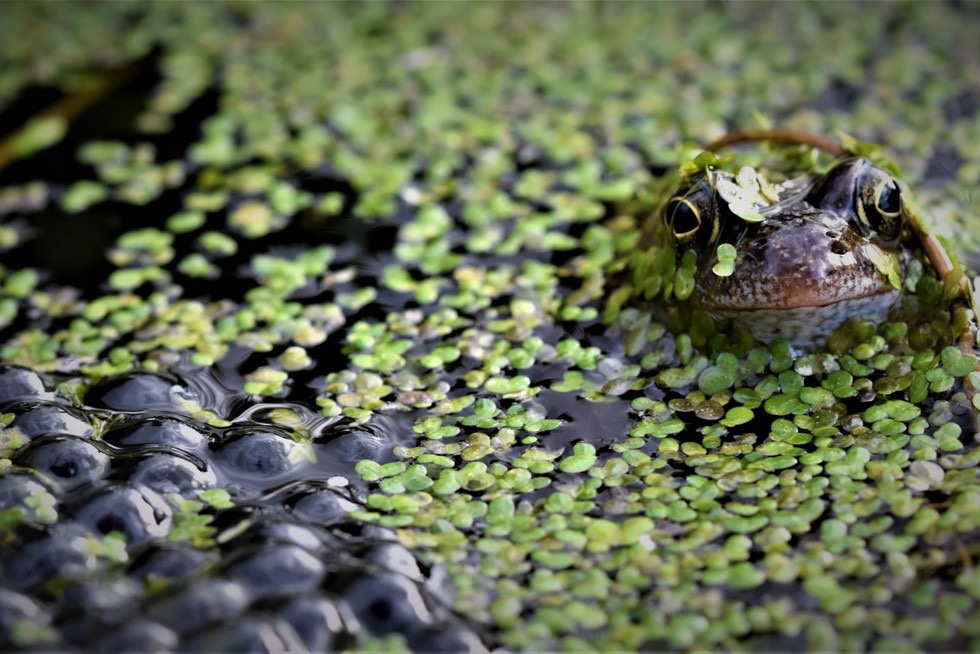
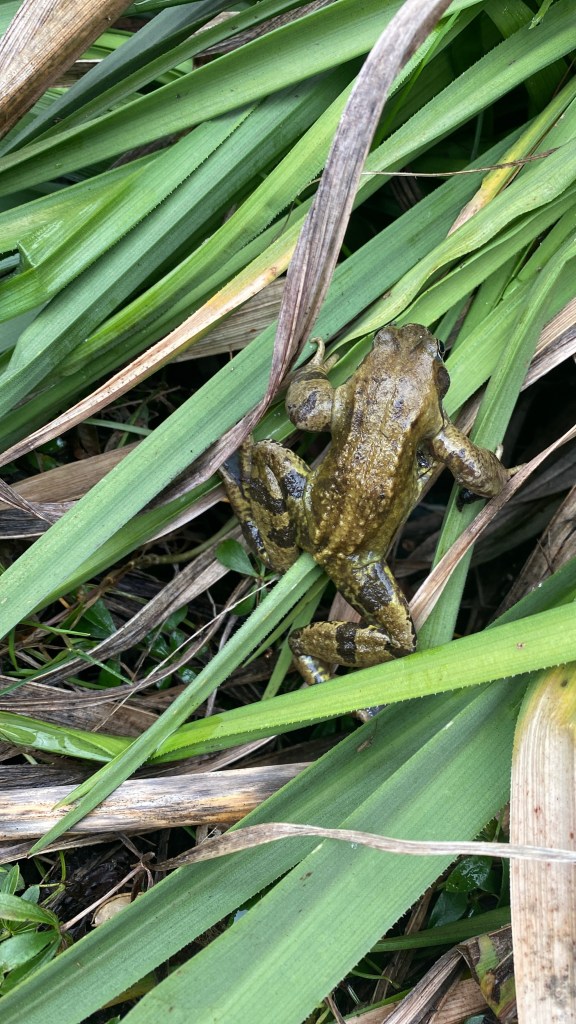
This space allows us to teach the children about the life-death cycle and accept change. Similarly, every year we experience frogspawn, giving us the opportunity to learn about birth and growth as we watch their little tails shrink and their legs grow.
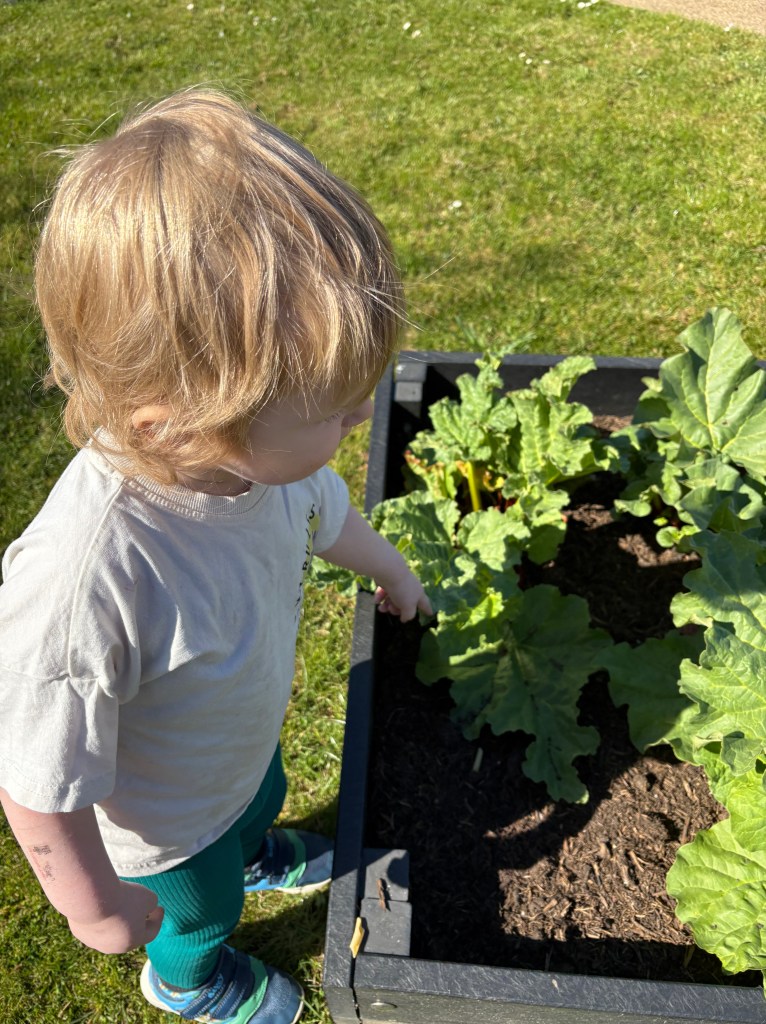
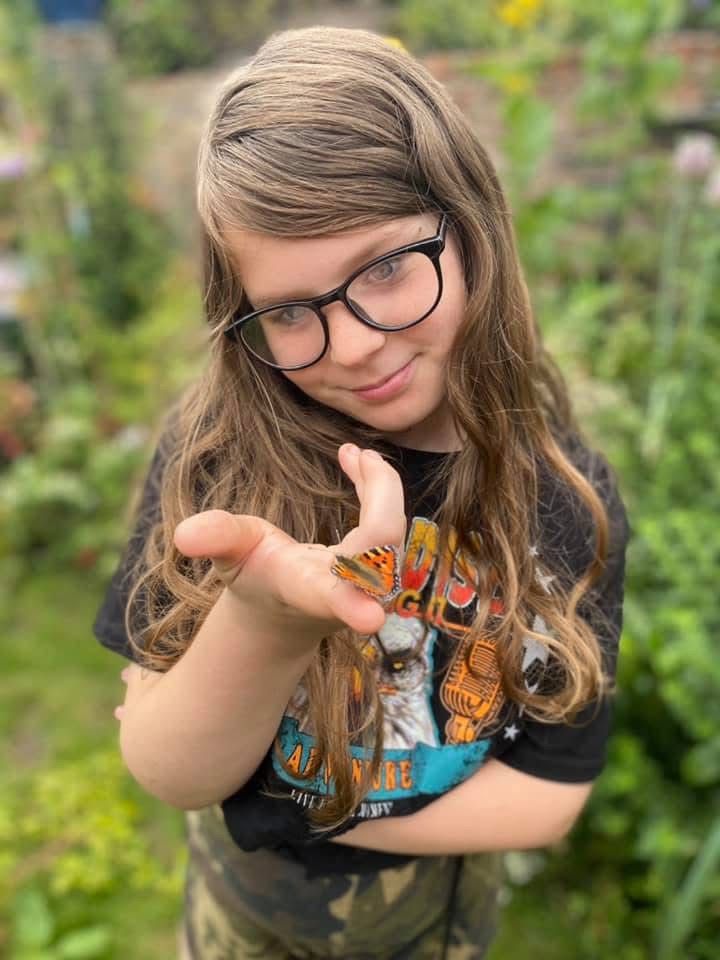
To support the children’s cognitive skills, we provide activities to observe and understand nature through investigation. The children’s favourite activities at the moment are pond dipping and growing and harvesting flowers, fruit, and vegetables. Some of the learning objectives within these activities are linked to lifecycles, categorising, comparison and pattern recognition in nature.
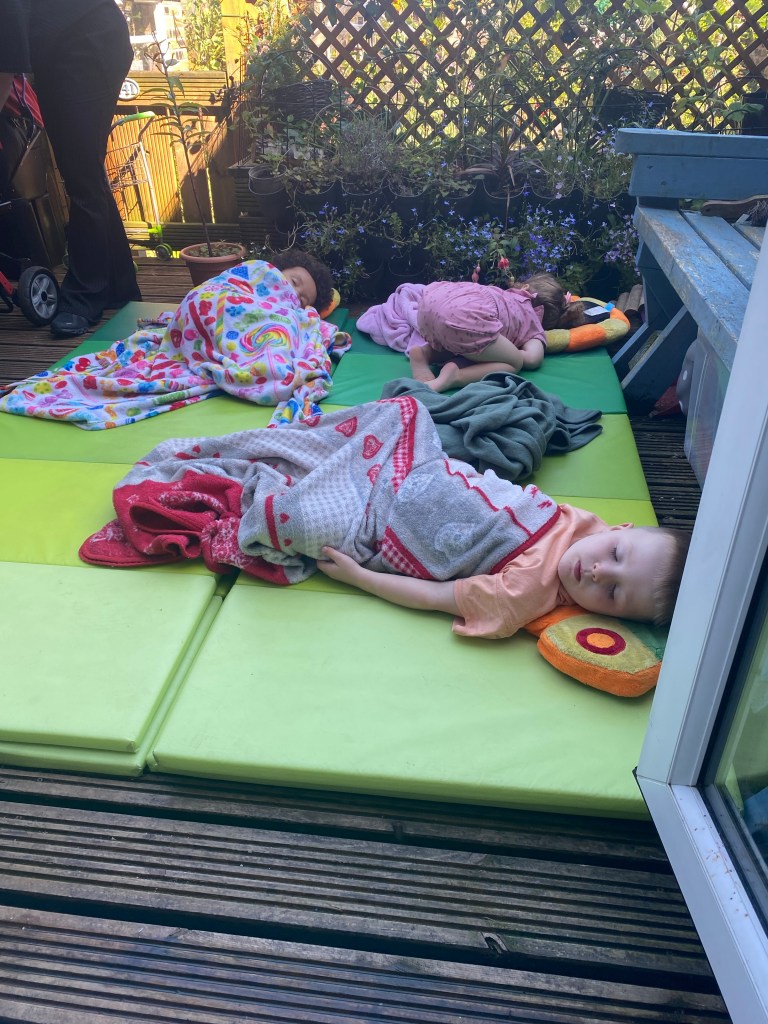
Supporting the children to experience the wonders of changing seasons has a positive effect on their emotional well-being, mine, and Debbie’s too! The children take naps outside and participate in meditation while the birds are singing away. These activities provide opportunities for relaxation and promote a sense of calm and happiness. It is proven that spending time in nature has mental health benefits as well as emotional and physical benefits.
SEASONAL LEARNING
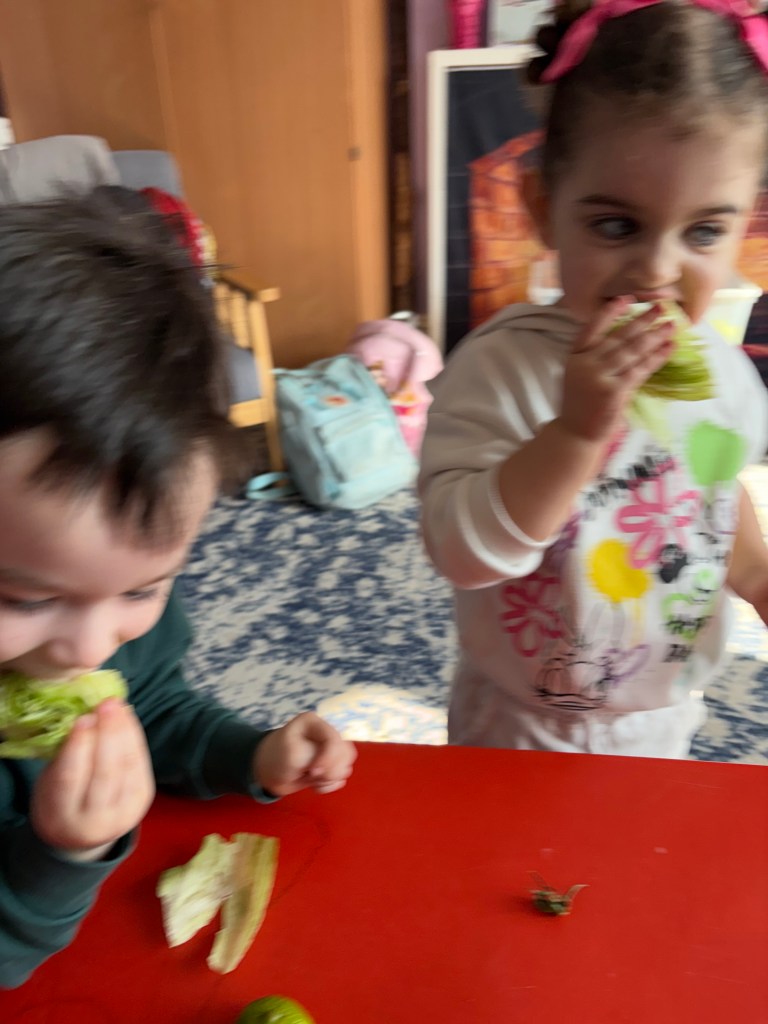
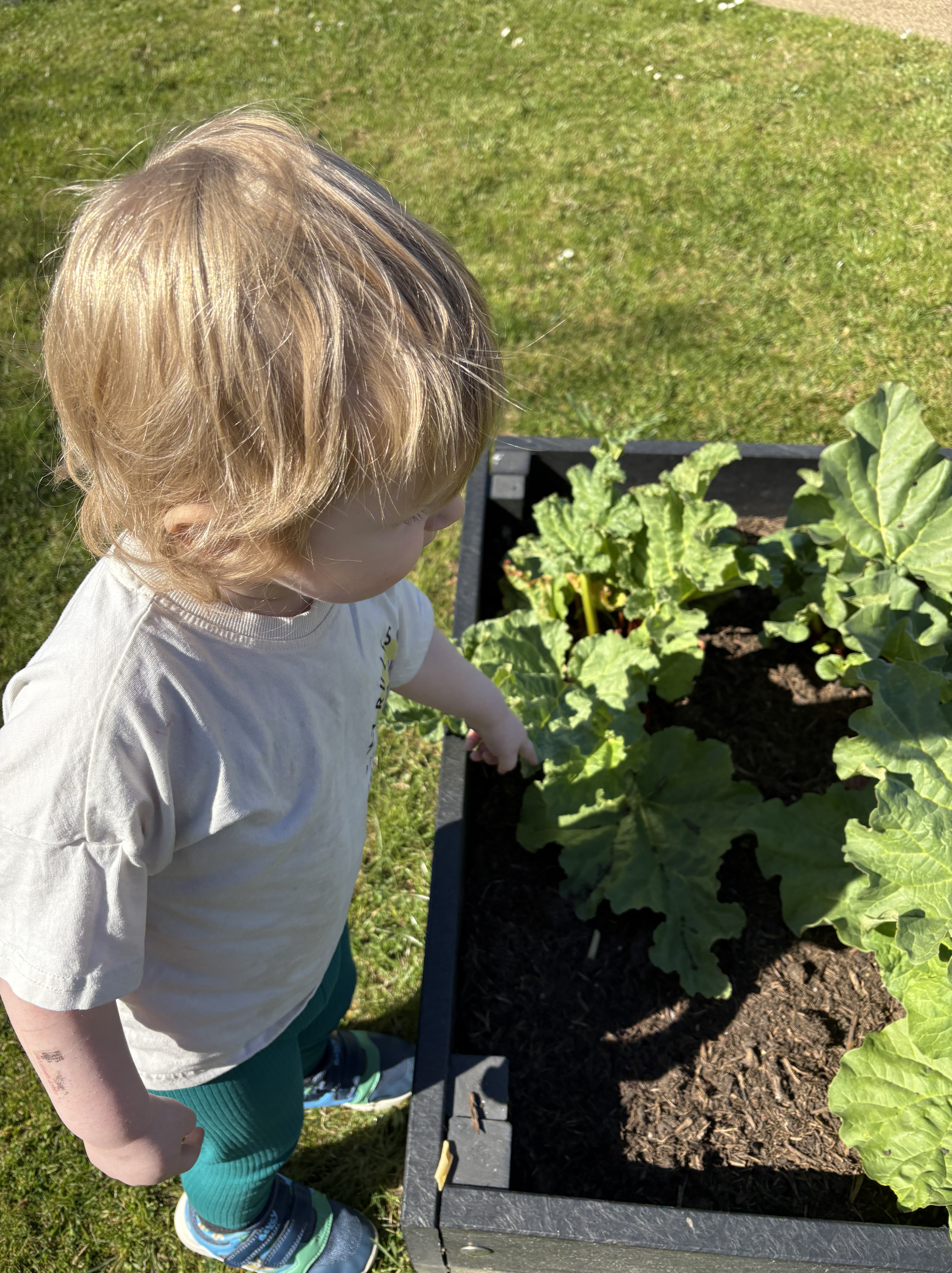
Every season and even every different day outdoors, brings a new set of sensory stimulation by exploring the sights, textures, aromas, even the noises of the natural world. The experiences are endless. The children love finding the strawberries and munching away, and there is no better taste than a sun-ripened cherry tomato, if they leave me any!
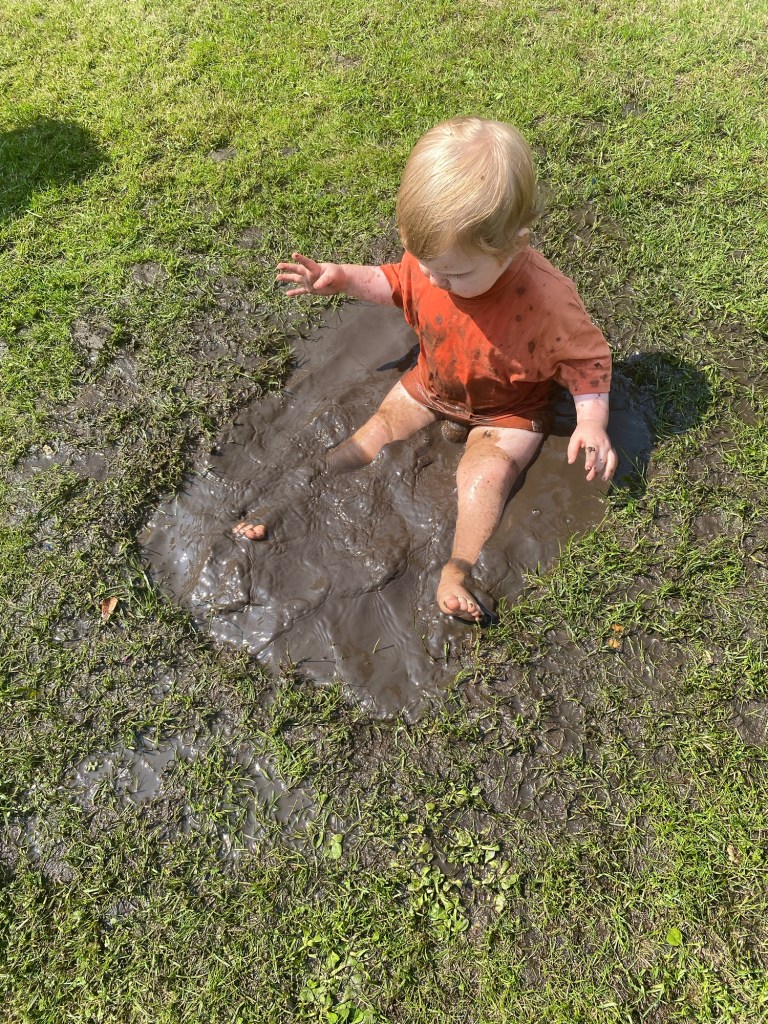
Unfolding the characteristics of seasonal vocabulary during our activities also contributes to early language and provides children with the skills to articulate their observations and experiences. Whether its playing in the muddy puddles, counting the frogs or learning to sow seeds, the language opportunities are endless.
The seasons are also a lovely way to promote cultural celebrations and traditions. We love the harvest festival where we like to gather our produce and share with our families, or Diwali where we cover the garden with lights and have a magical Diwali feast. There are many ways to weave cultural traditions into your very own Garden Classroom.
“Lovely to watch her be so interested in how it grows. How she cares for it, and that she’s happy with the end result, we’ve even started growing our own strawberries and sunflowers at home” – Elsie’s Mum.
By incorporating a Garden Classroom into your setting, your children can foster environmental awareness, develop a sense of responsibility and appreciation of the natural world, which in turn lays the groundwork for their future environmental consciousness. Seasonal changes spark natural curiosity and wonder within the children, giving them the opportunity for questioning and exploration, cultivating a mindset of inquiry and lifelong learning.
The Education Endowment Foundation (EEF) The Early Years Toolkit brings together the best available evidence on key areas of learning and development. It can support all childminders when making decisions on how to improve learning outcomes.
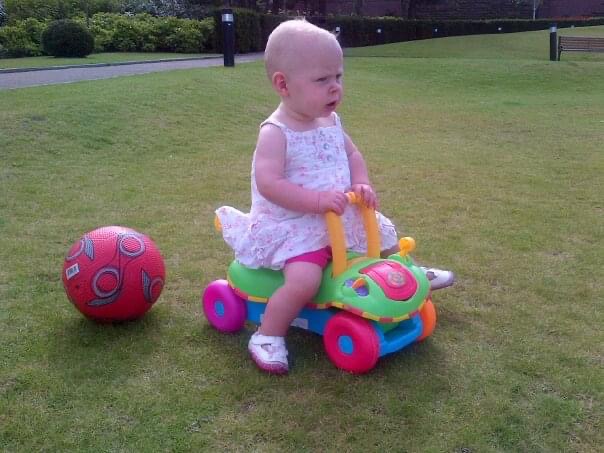
‘My greatest childhood memories are of playing outdoors. Running around, climbing trees, playing in my treehouse, making mud pies, using my mum’s roses to make perfume (not always fragrant!) and inventing new games that kept me, and my brother occupied for hours – these are all things that contribute to a happy, healthy upbringing’
Introduction
My name is Tracie Dowling, and I have been an OFSTED Registered Childminder for over 33 years and a Strategic Partner of Liverpool City Region and Beyond Early Years Stronger Practice Hub. One of my roles has been to support the Deysbrook Childminder Network at the Village Community Centre in West Derby, Liverpool.
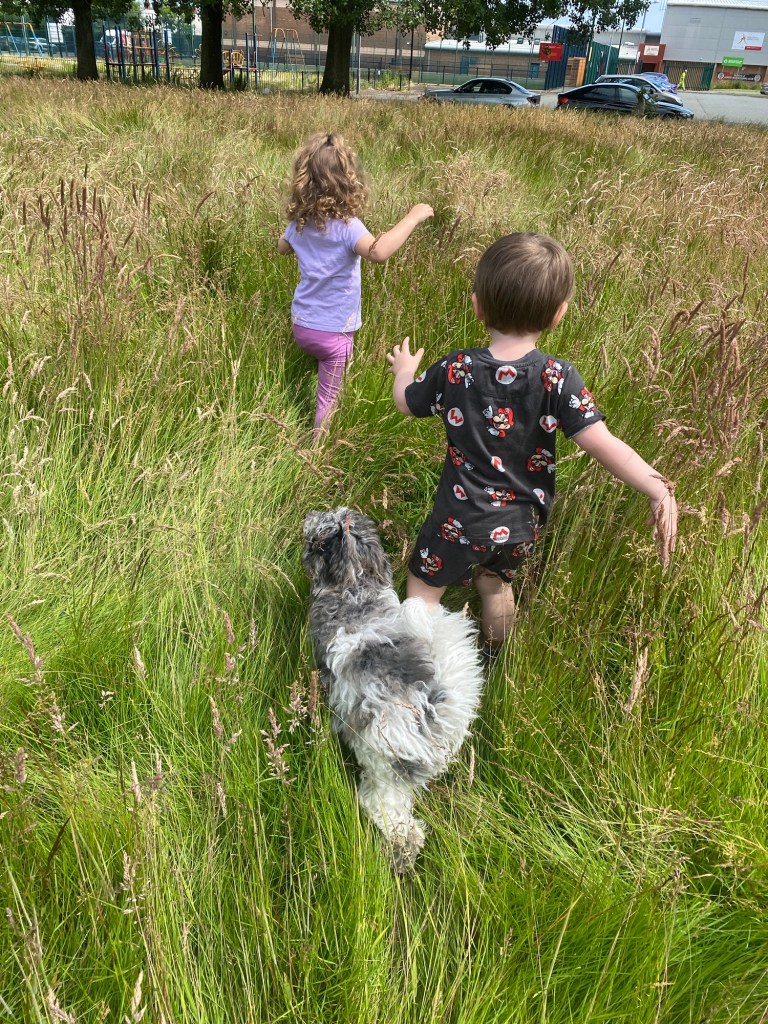
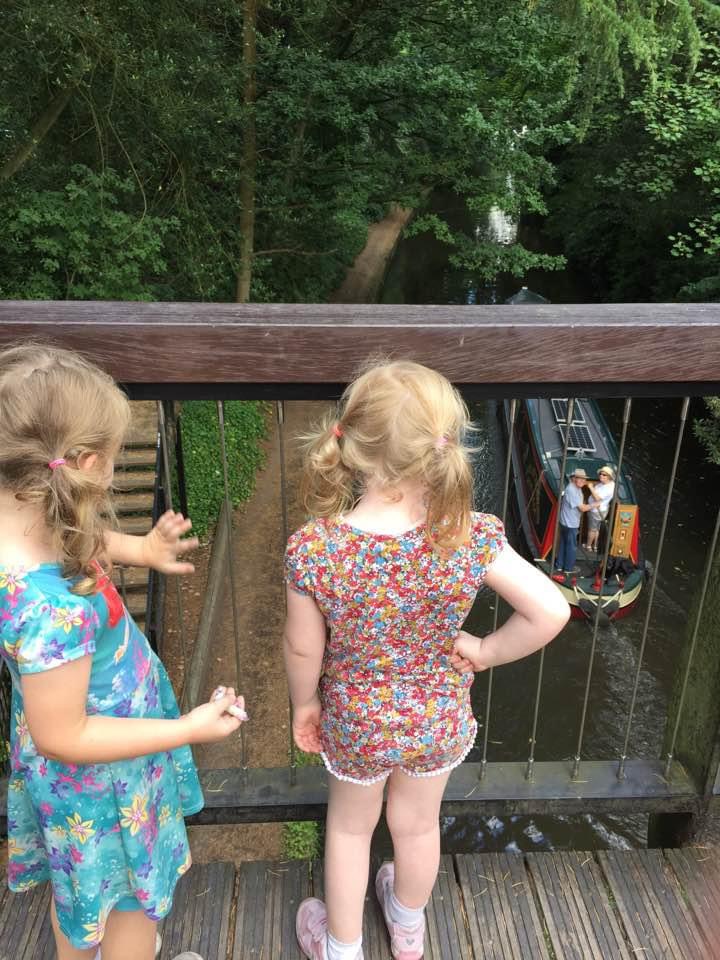
Not all childminders are lucky enough to have a large outdoor space attached to their setting; however, this does not prevent them from ensuring the children access quality outdoor learning opportunities. The childminders at Deysbrook meet up once a week at the drop-in session and have access to a community garden where they can grow produce, exercise and access activities. They also regularly organise to meet up at the local allotment, parks, farm, forest, zoo and beaches.
‘The Early Years Foundation Stage states that ‘children benefit from spending as much time outside as possible. This makes a significant contribution to the progress they make particularly in their personal, emotional, social and physical development’
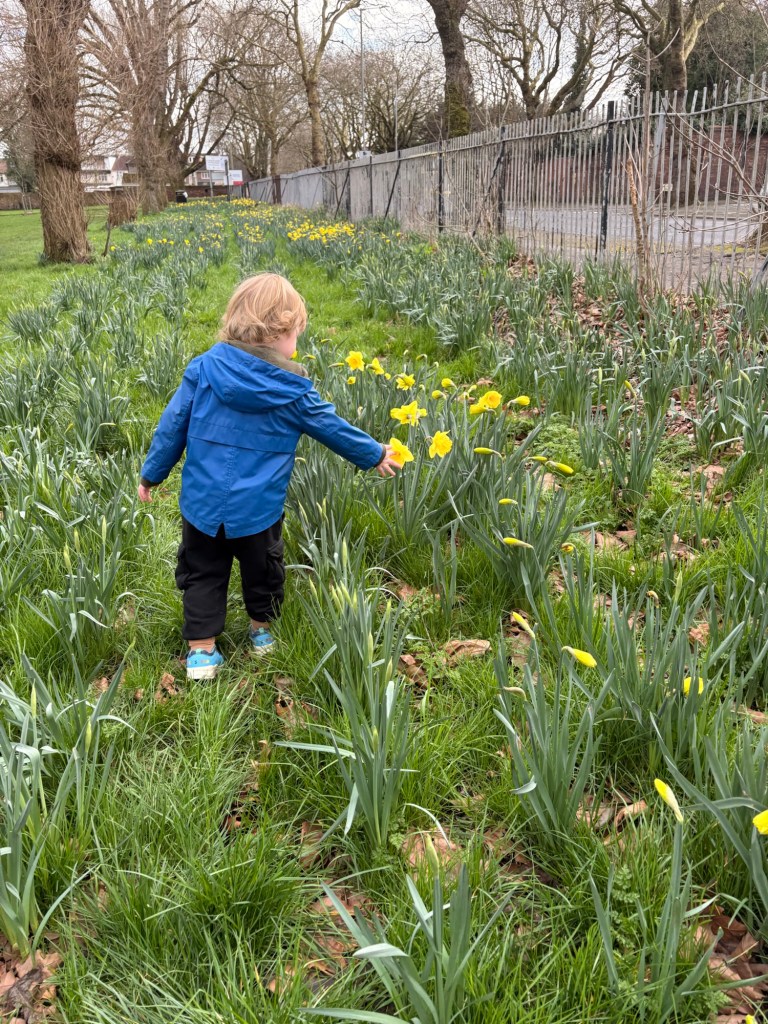
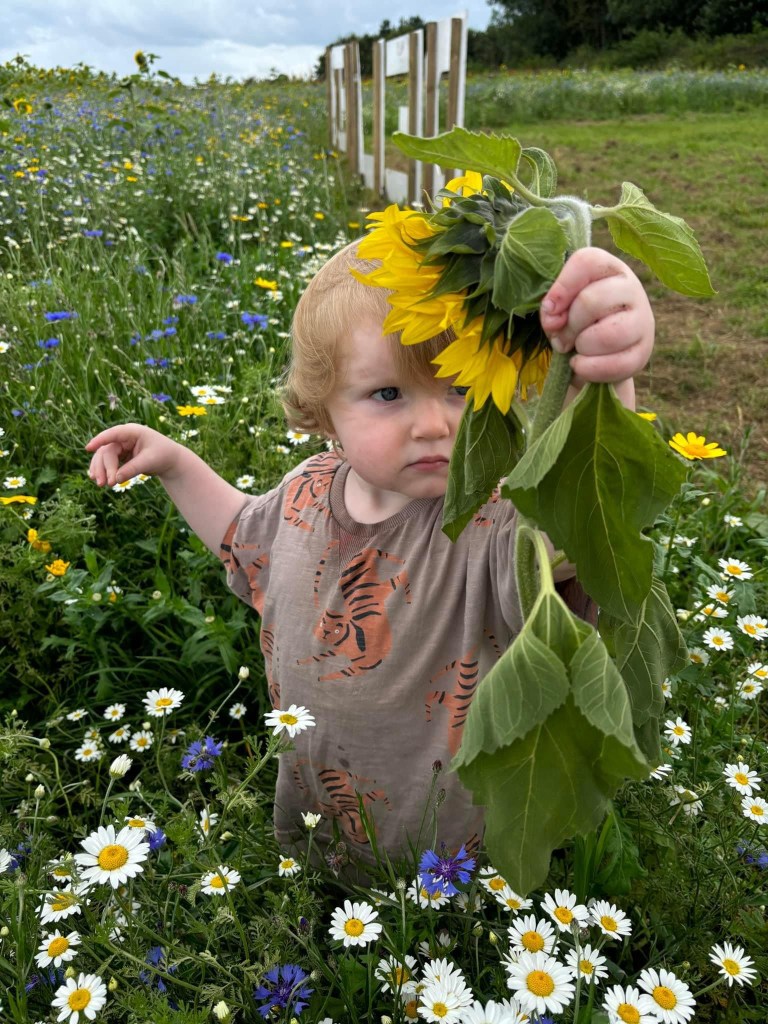
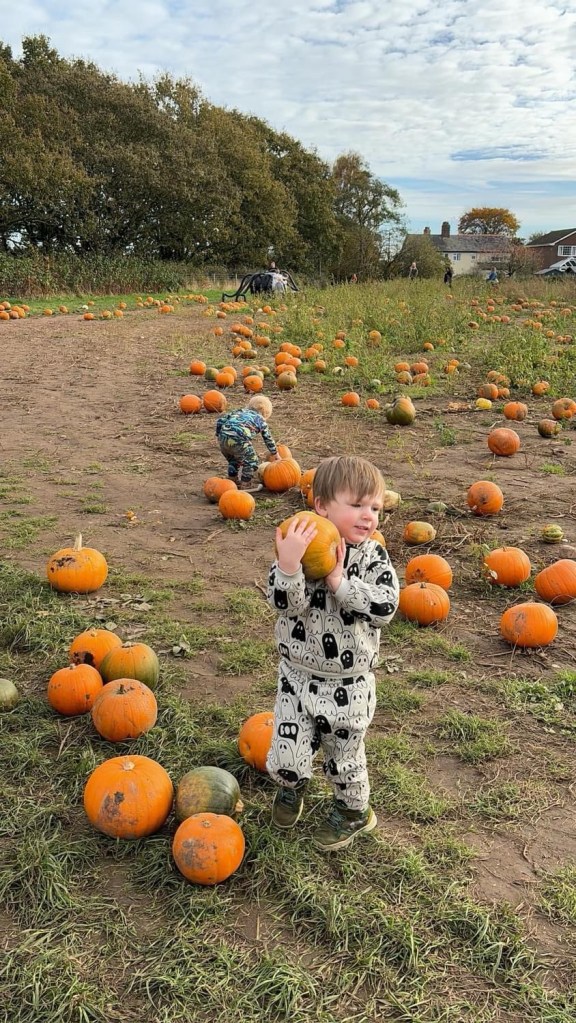
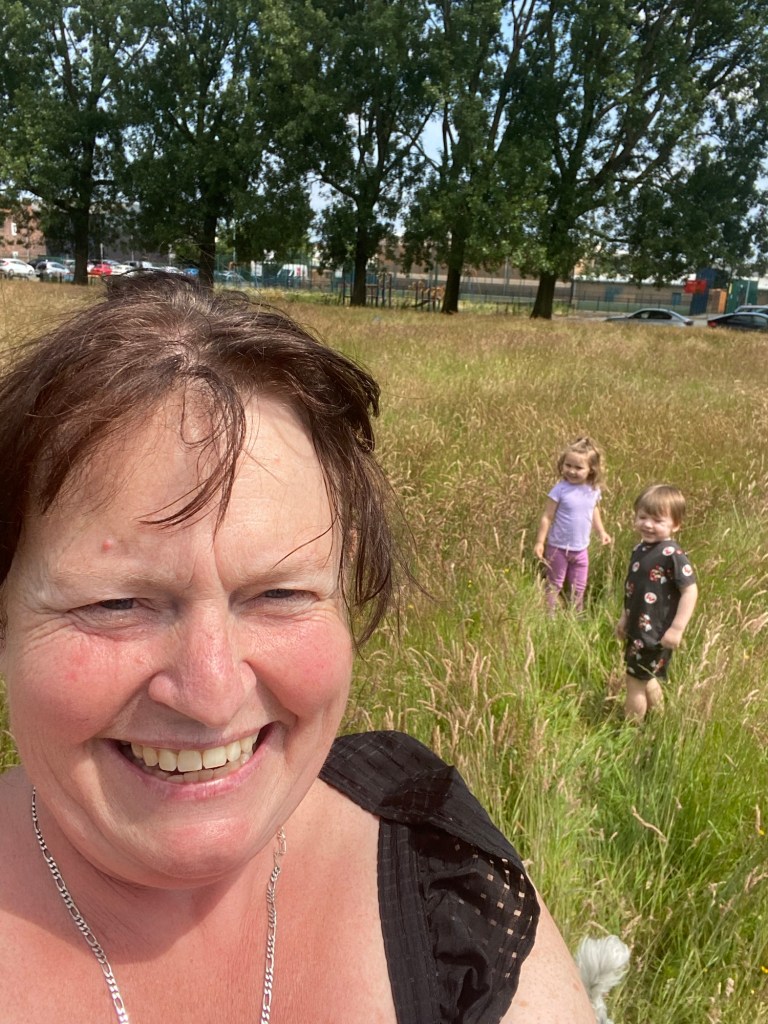
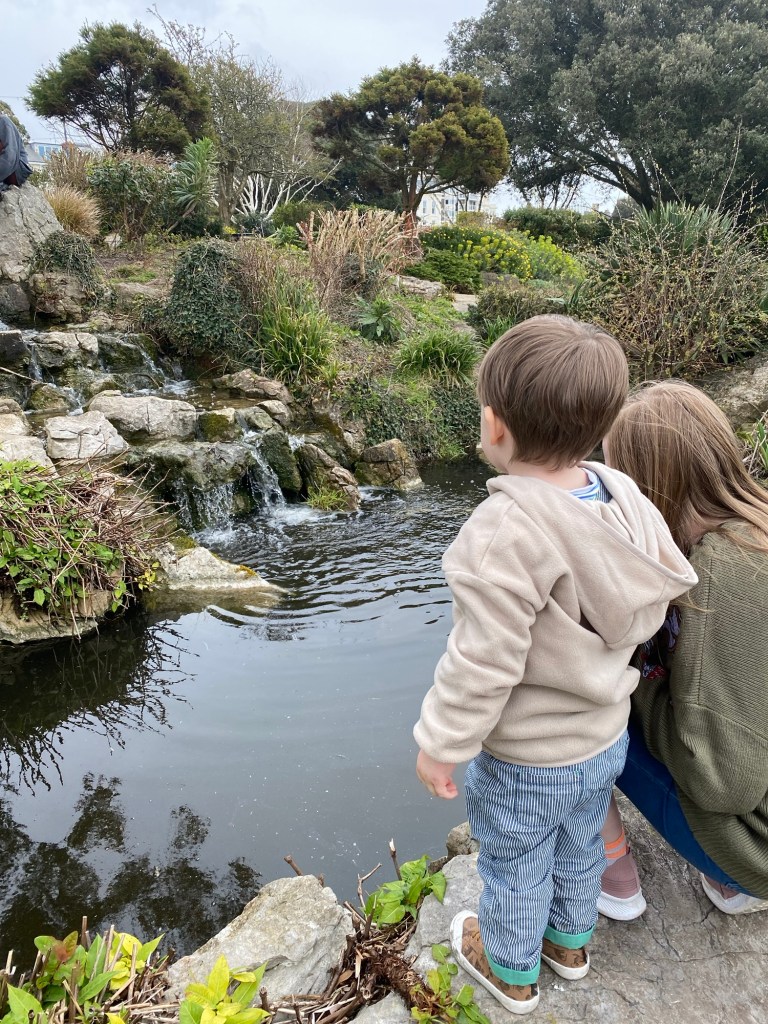
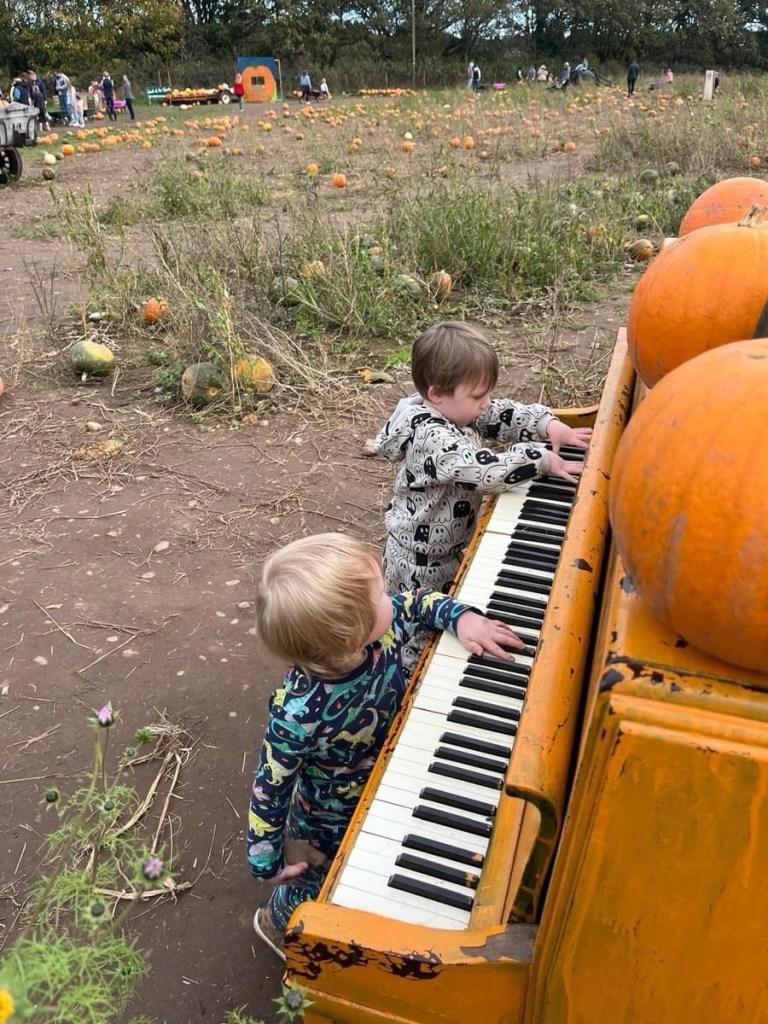
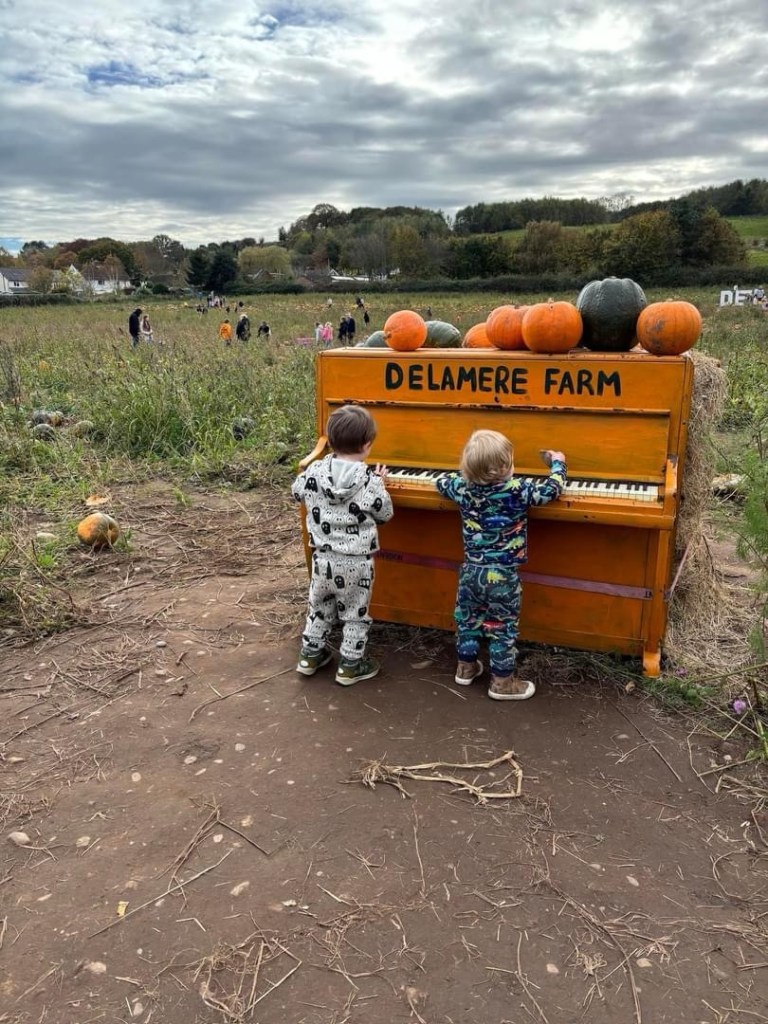
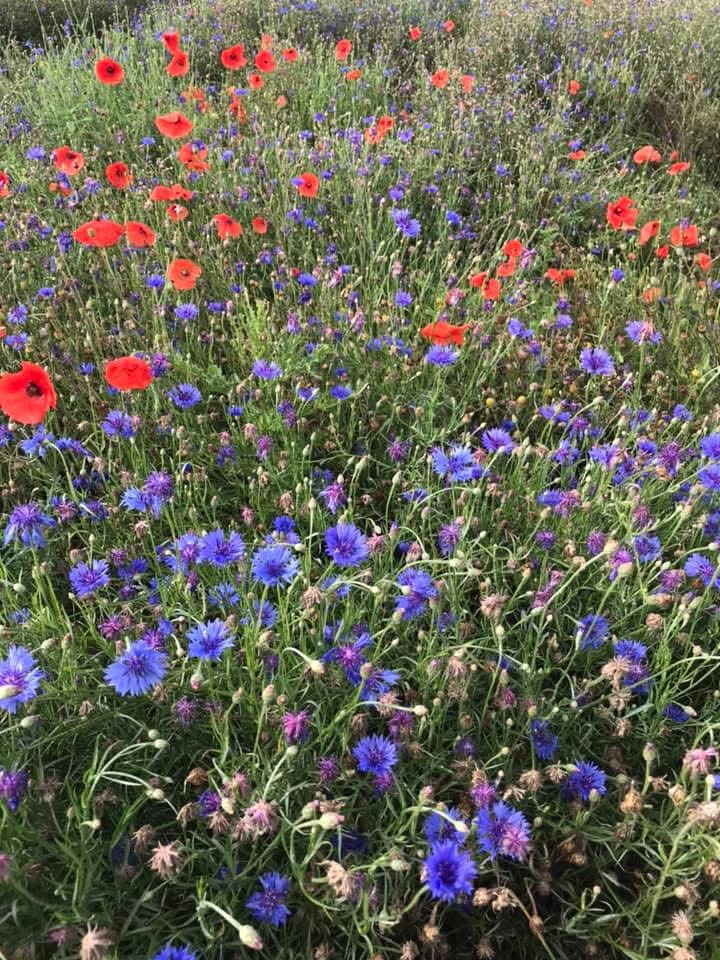
Pumpkin FarmLocal Wildflower MeadowNature ReserveLocal Park
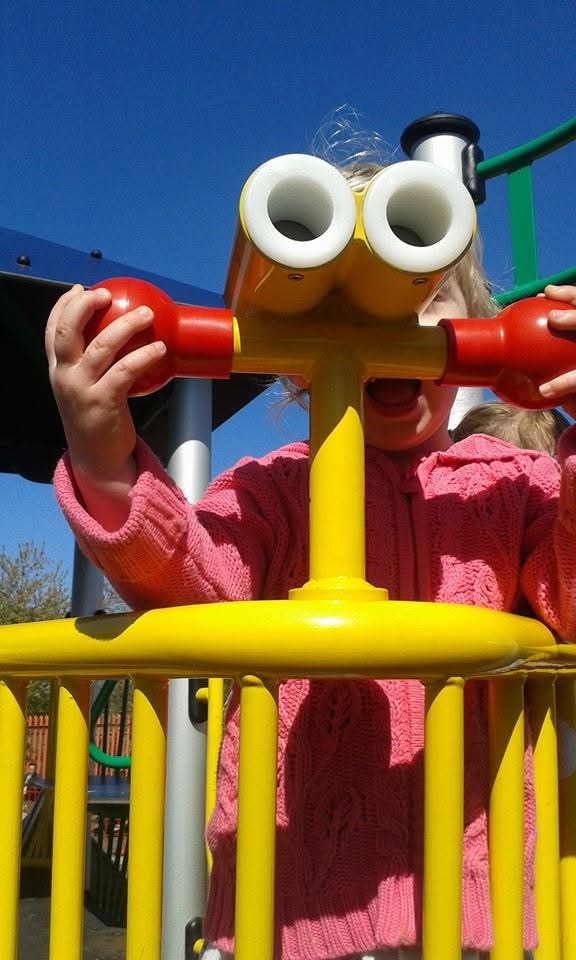
Having the opportunity to learn outdoors can be a holistic and essential approach to education, offering a multitude of benefits beyond the traditional educational setting. Here are some of the ways the childminders take advantages of outdoor learning opportunities:
Enhanced Physical Development:
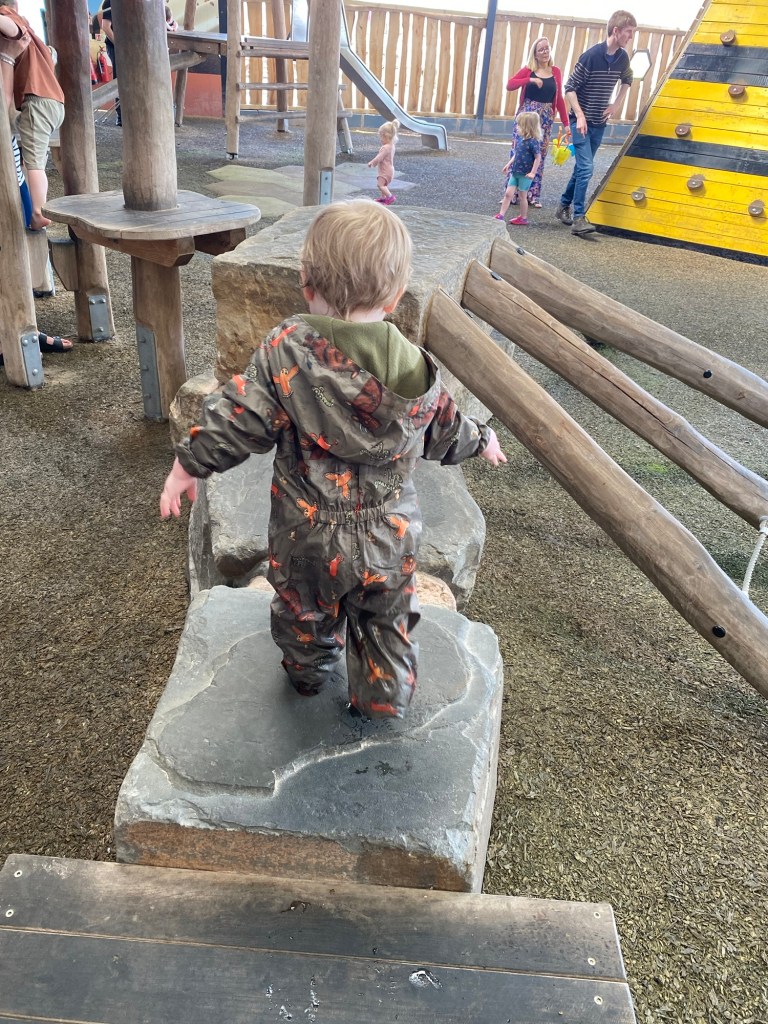
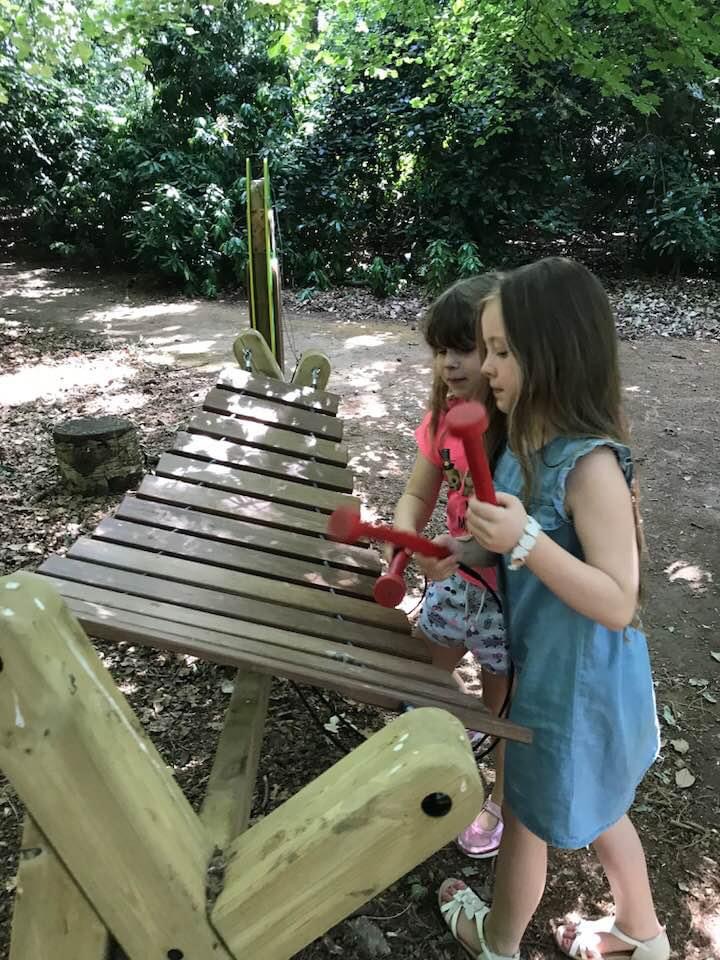
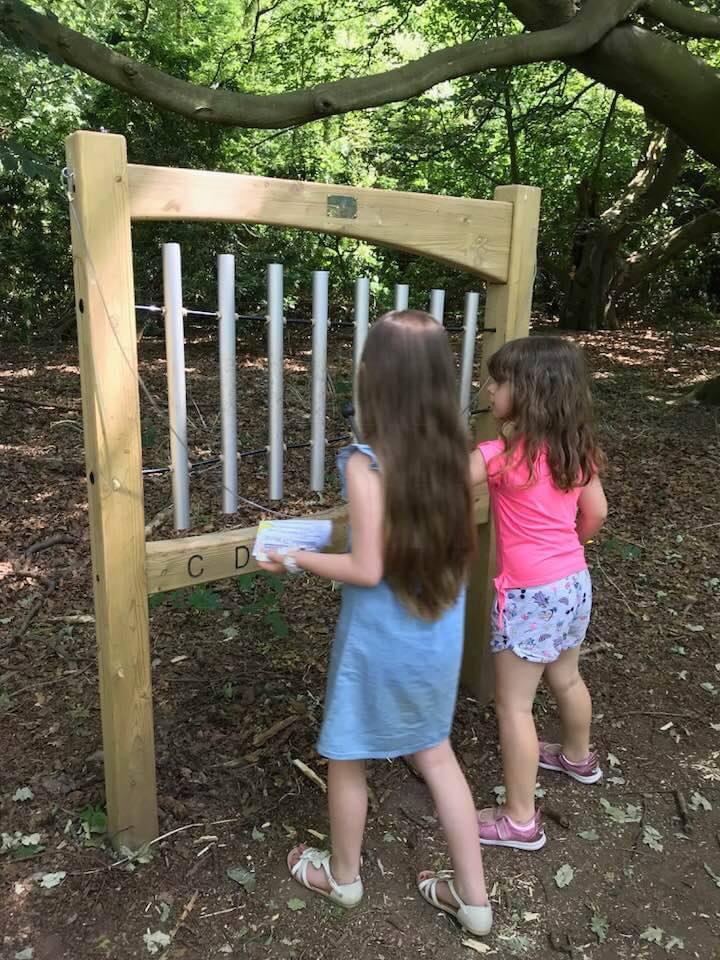
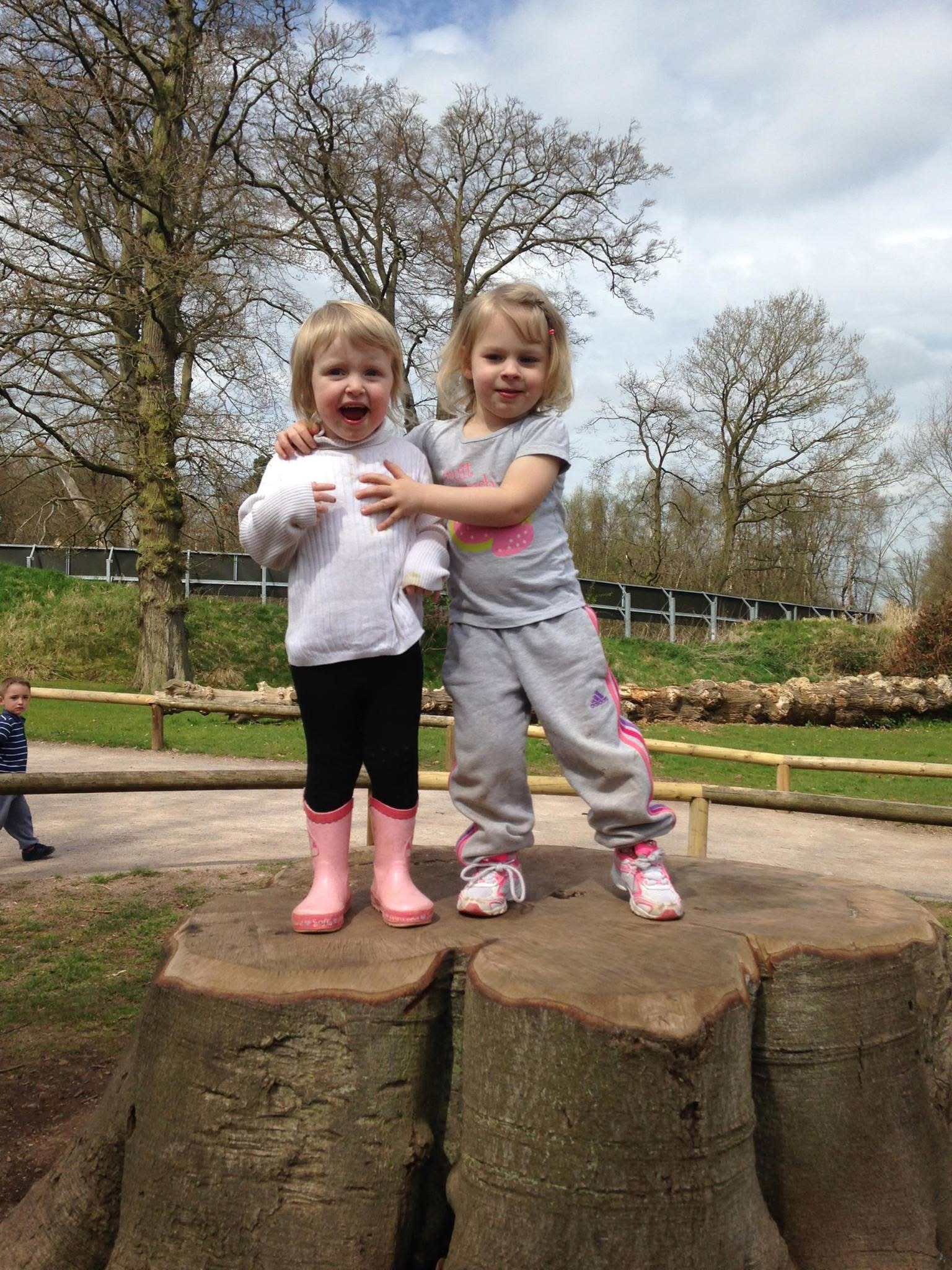
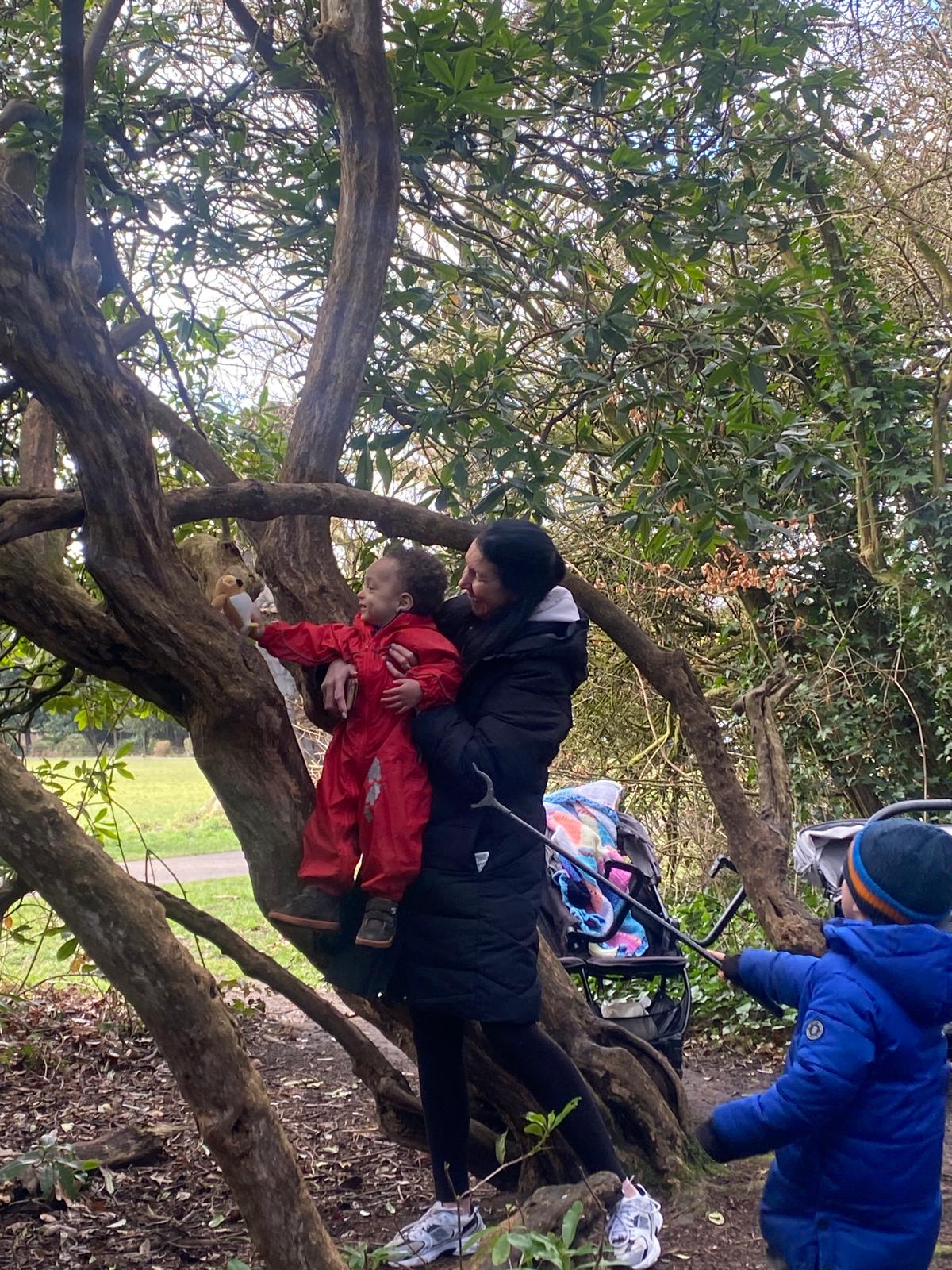
The childminders regularly take the children to the local forest to experience the natural outdoor spaces which are uneven and inconsistent (logs, trees, pathways) and therefore improve children’s balance, coordination, agility and encourage movement in ways that improve their muscles, bones and physical endurance.
Cognitive Development:
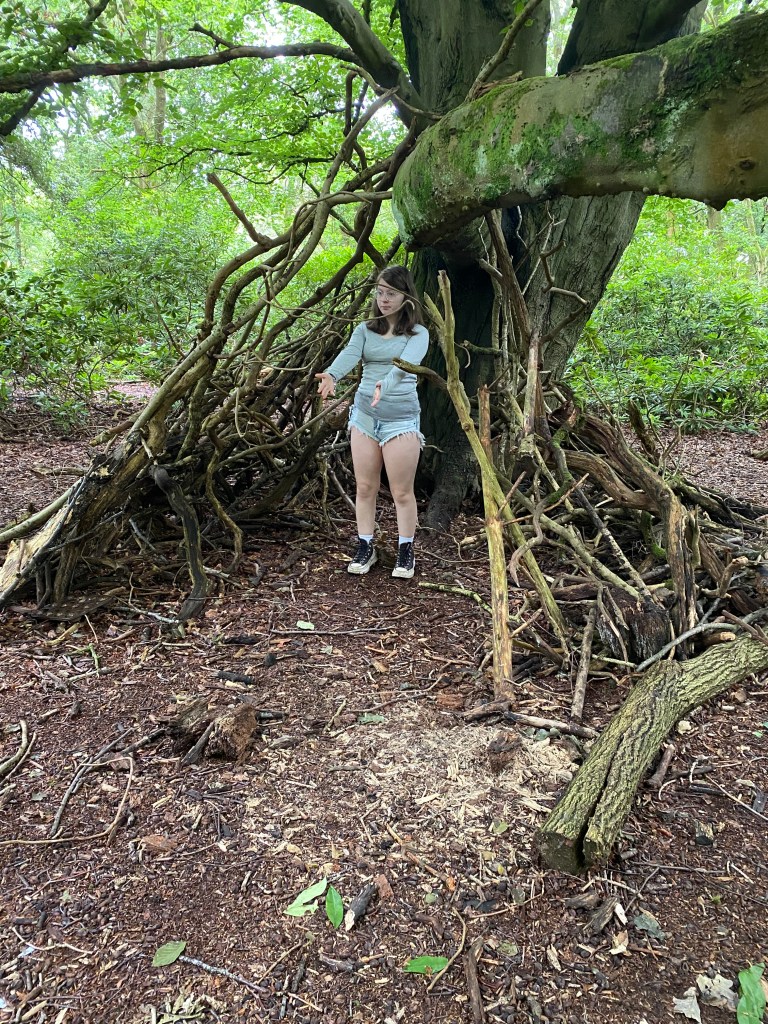
The openair environment of the local park provides opportunities for exploration (plants, wildlife, habitats) problem-solving (how to cross a big puddle?), critical thinking (how to make a den using found objects), decision-making and building essential skills like spatial awareness and adaptability. The children engage in activities such as den building, learning to look after the environment, and exploring nature.
Communication and Language Skills:
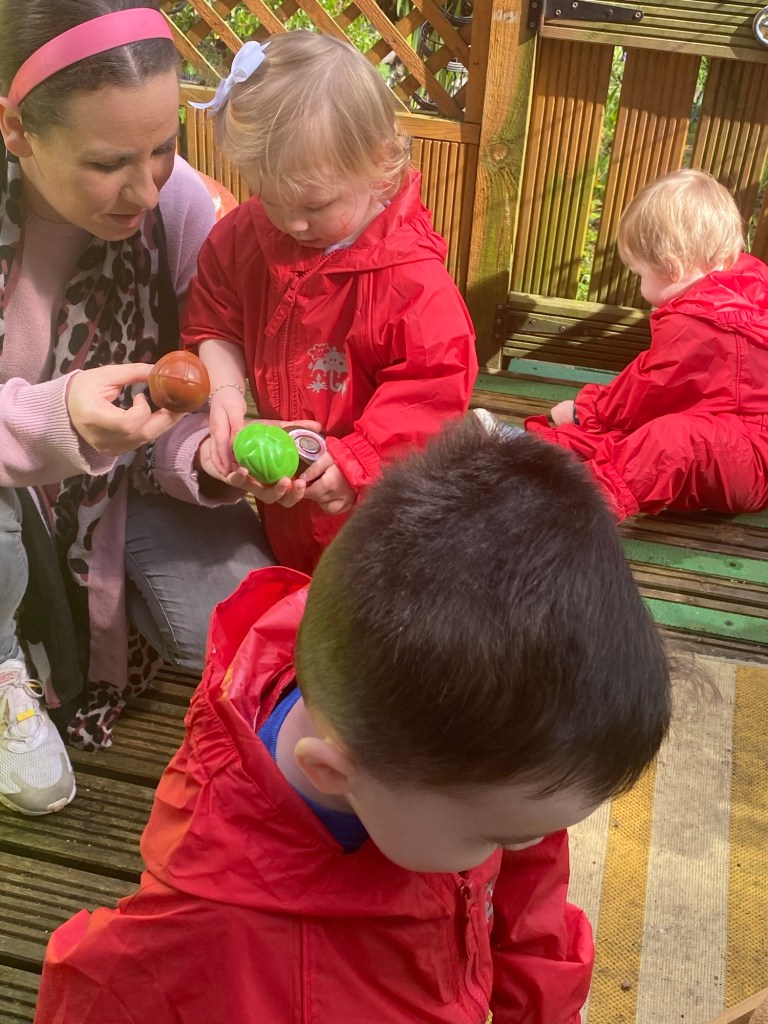
Collaboration between the childminders and peers significantly boosts communication and language development. This provides a natural, engaging environment to practice language, explore new vocabulary and develop social skills.
by providing the children with Imaginative play opportunities, exploring the natural world, and interaction with peers all contribute to language acquisition and communication skills which is evident by the children expressing thoughts, asking questions and listening to their childminder and peers.
While in the outdoor area the children listen to natural sounds and explore other sensory experiences (e.g., the rustling of leaves, the feel of mud and sand) this broadens and enhanced language development by using words such as squidgy, squelchy, scrunching.
Personal, Social, and Emotional Development:
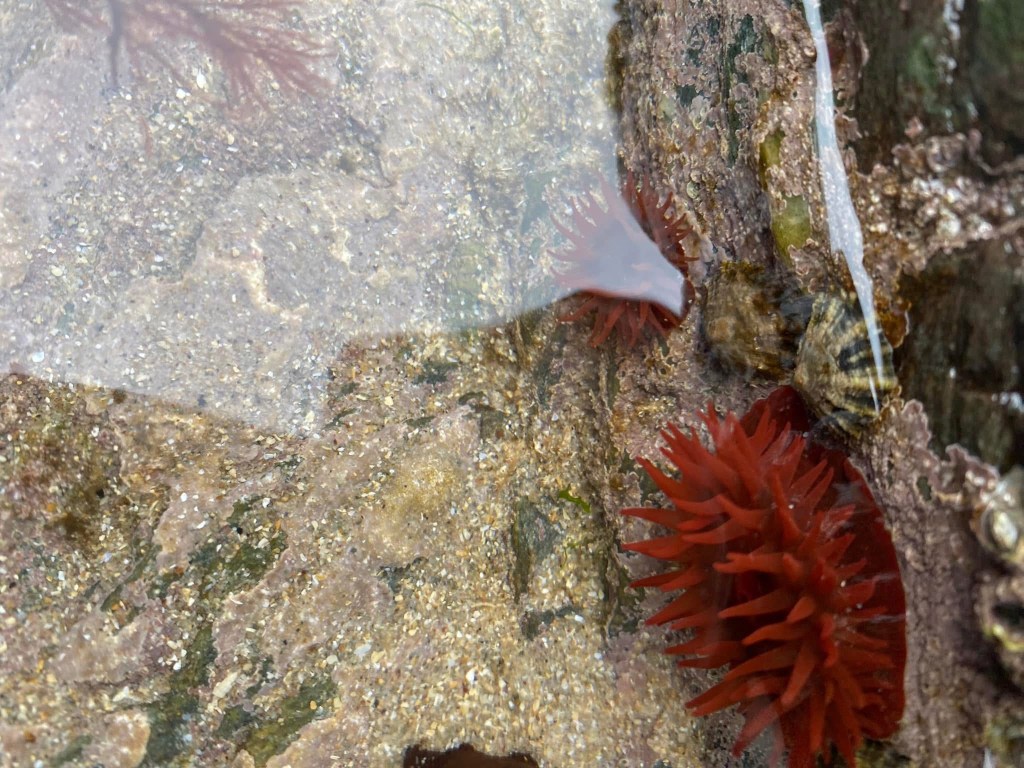
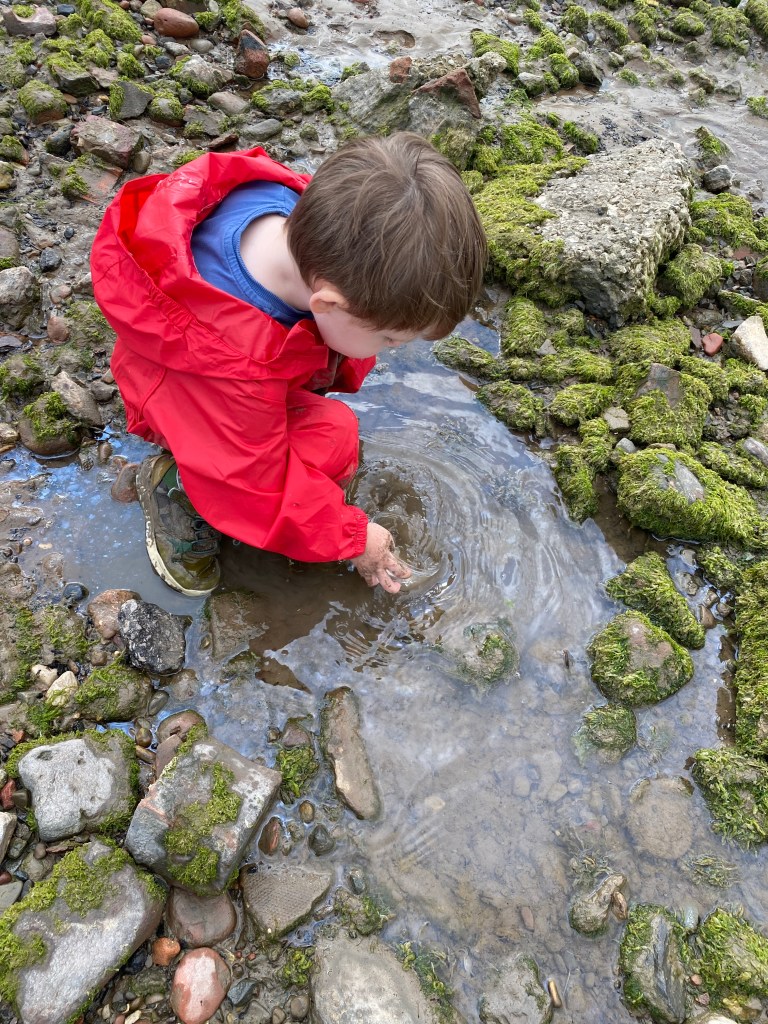
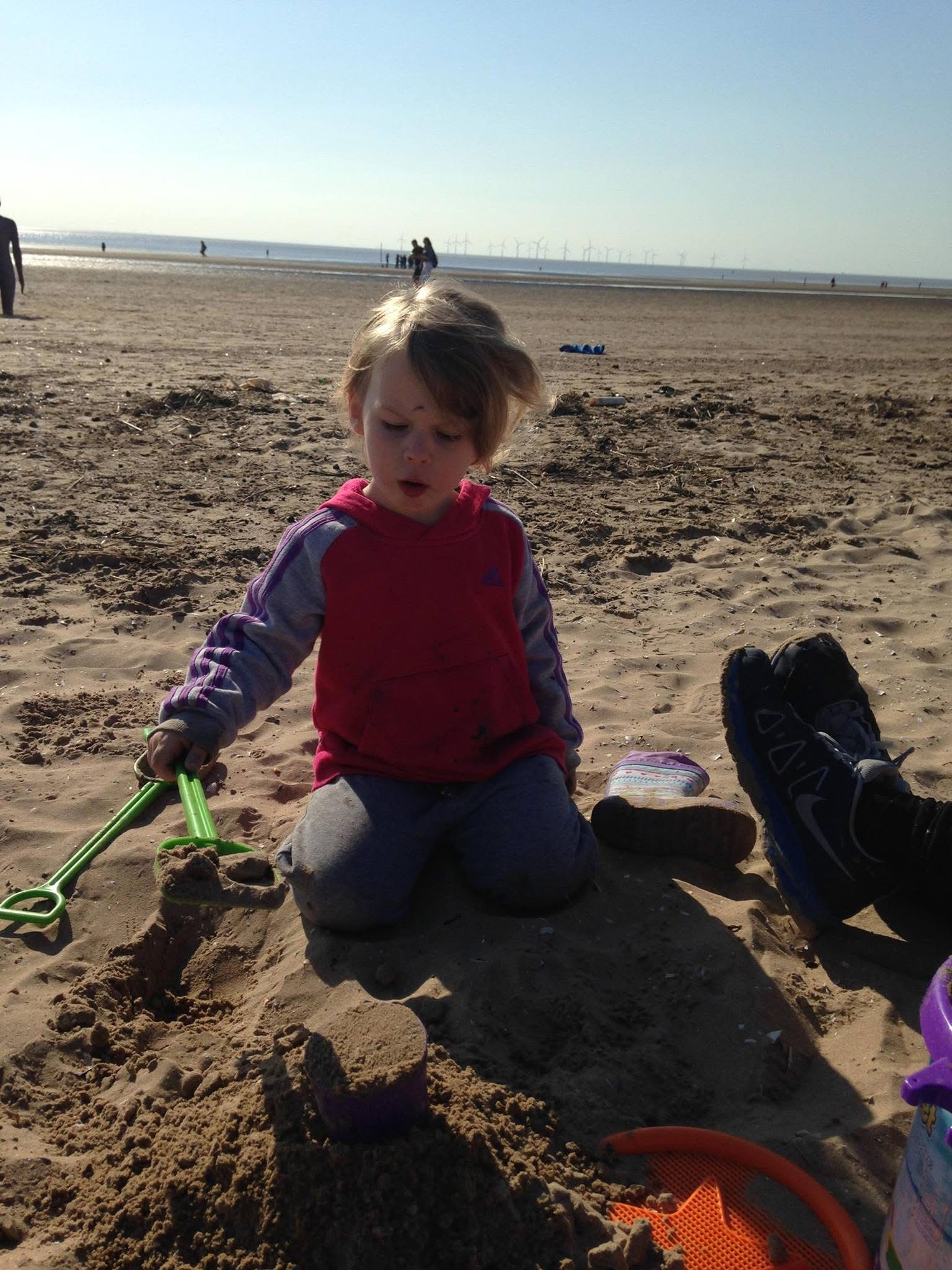
When the childminders take the children on visits for instance to the beach this provides abundant opportunities for personal growth and social development. The children learn to manage risks, (being close to water/climbing on slippery rocks/identifying and studying the jellyfish) develop self-confidence, and form positive relationships in the safety of their childminder and experiences with peers.
Knowledge and Understanding of the World:
Outdoor learning offers a direct relationship with nature, enabling children to explore and understand the natural world, encouraging an enduring interest in science, ecology, and caring for their environment.
We welcome childminders and our community family to share our environment, where we exchange ideas’ share surplus produce and have a swap scheme for instance toys/plants/story sacks to promote positive relationships and encourage cost effective way of living.
Literacy and Mathematics:
Outside spaces can serve as an environment for literacy and numeracy activities. Children can count objects, (bugs, shells, sticks) write using natural materials (sand, soil, chalk, sticks) or engage in storytelling and creative writing inspired by the environment for instance using the ’anywhere farm’ story sack at the urban farm.
Expressive Arts and Design:
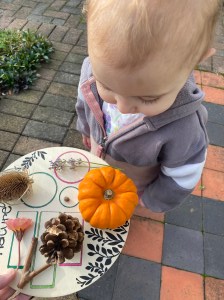
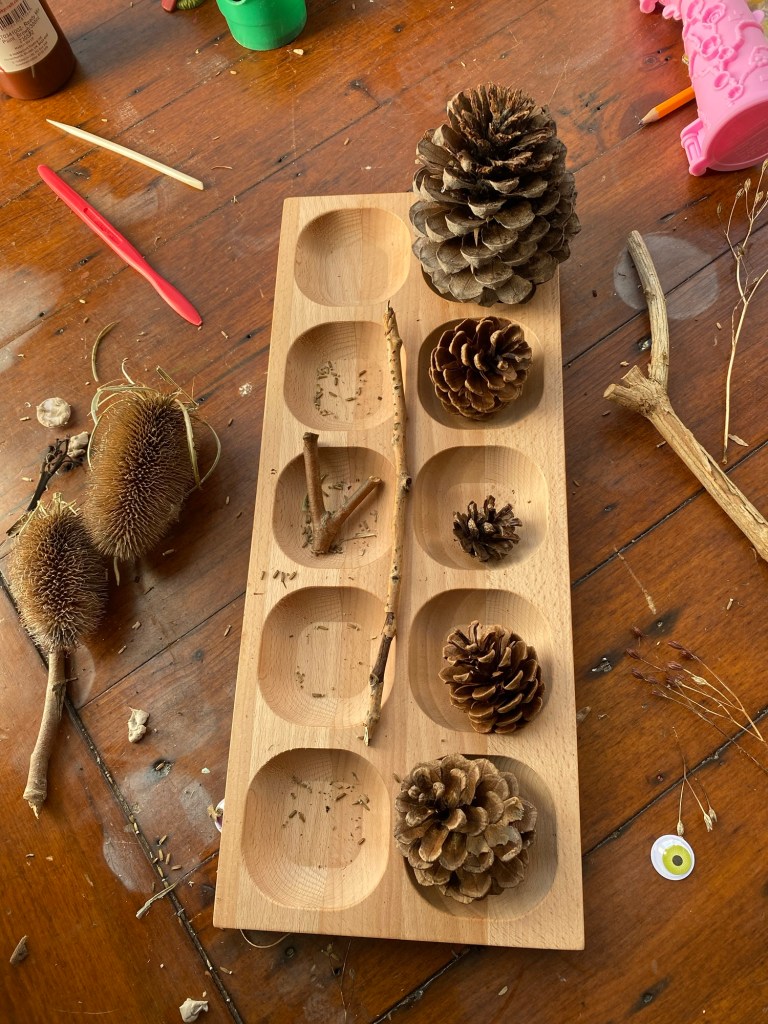
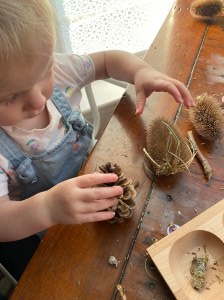
Open air environments encourage creativity and artistic expression. Children can be involved in activities such as drawing, painting, or sculpture using natural materials, (logs, sticks, shells, pinecones) furthering their artistic development.
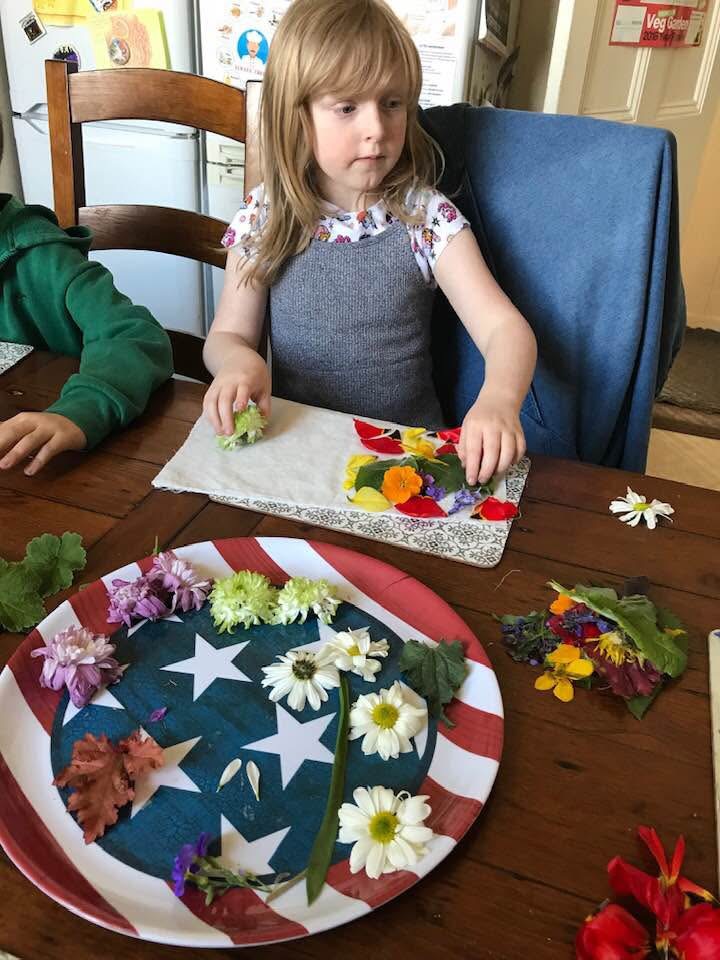
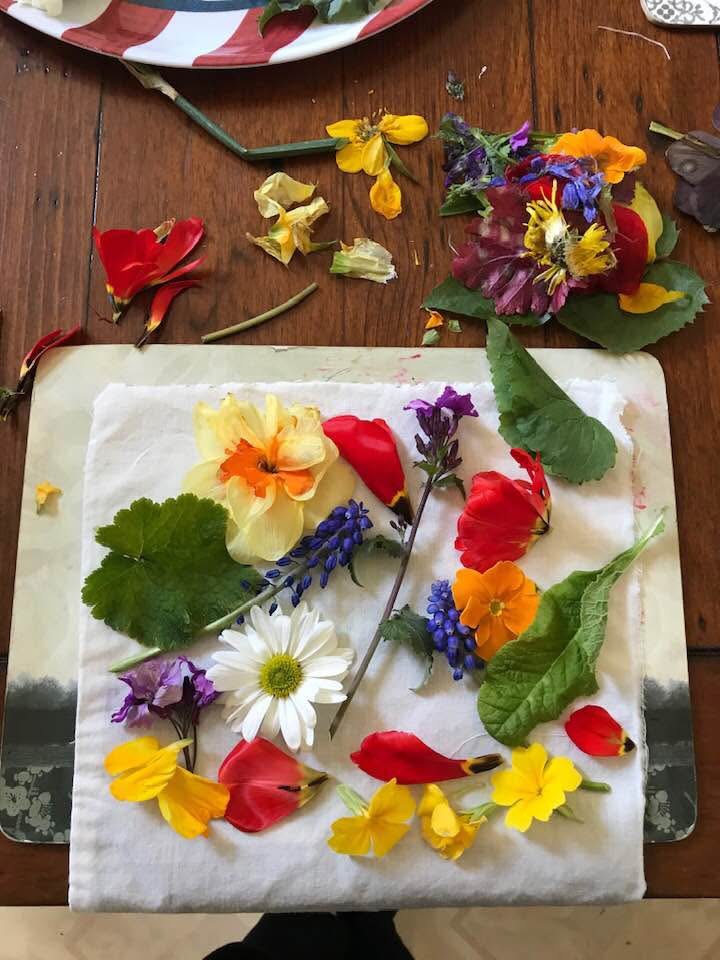
The children are very interested in using flowers and leaves to make natural prints pressing the flowers (from my garden) between two pieces of material to bring out the natural colourings.
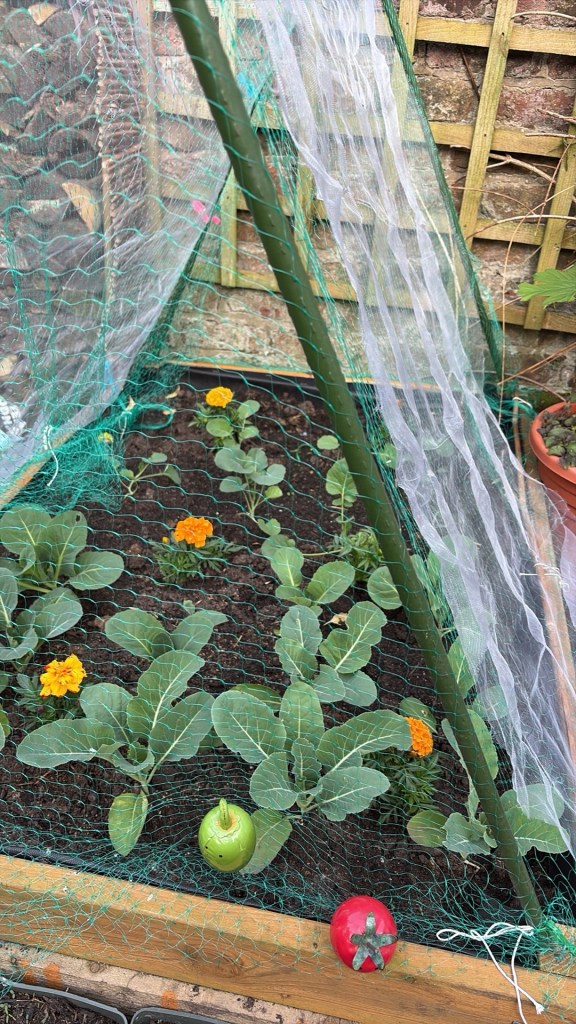
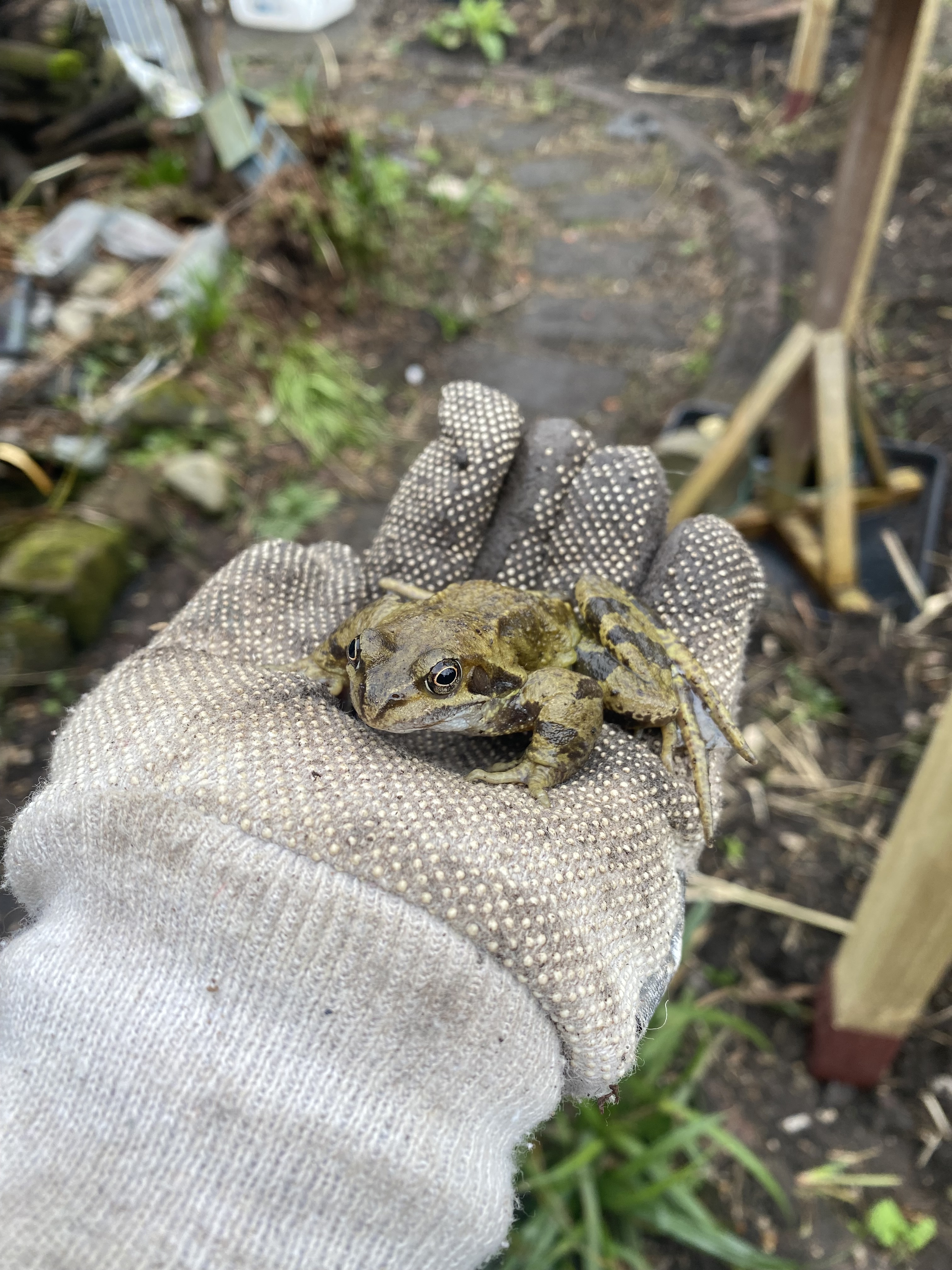
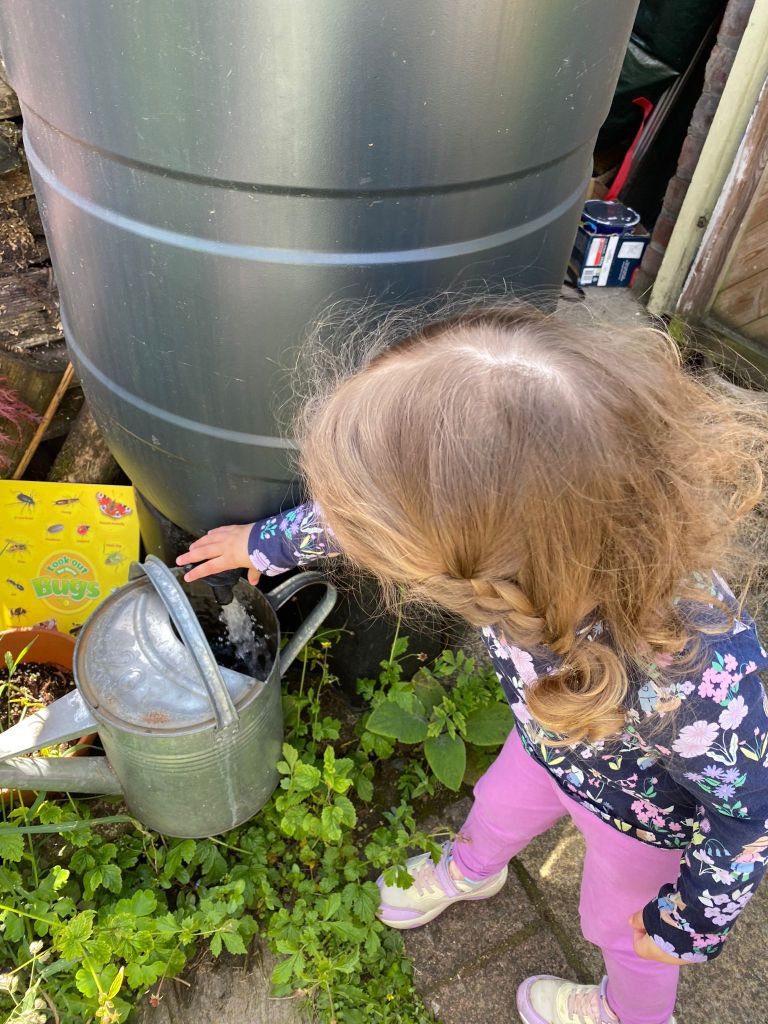
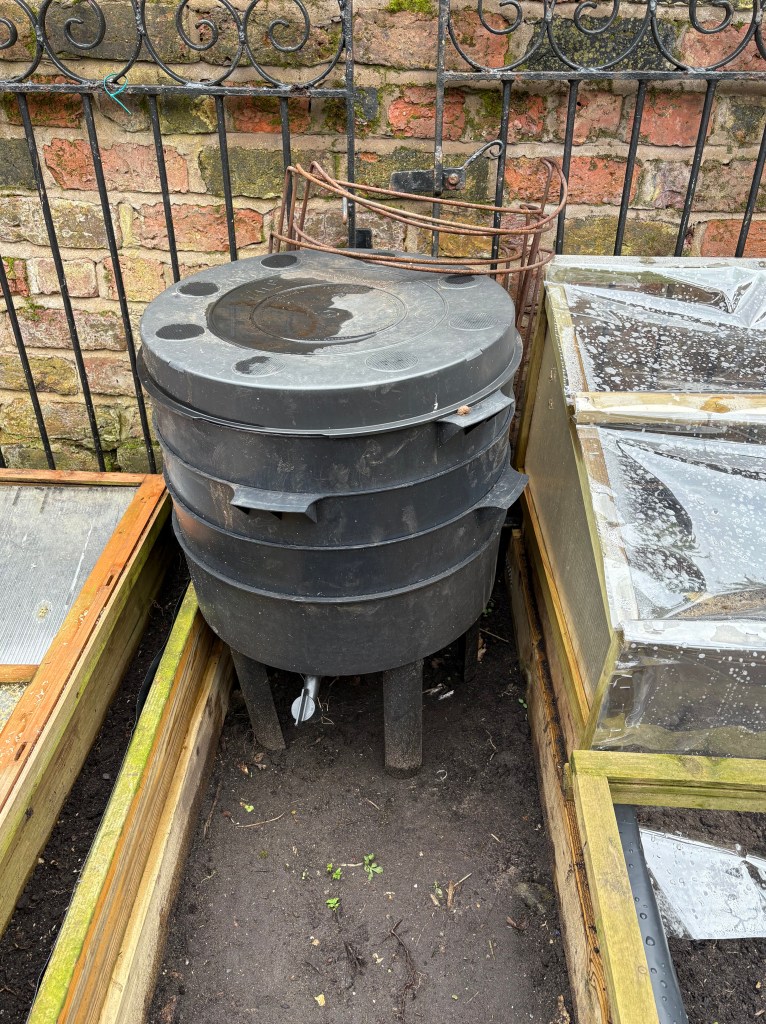
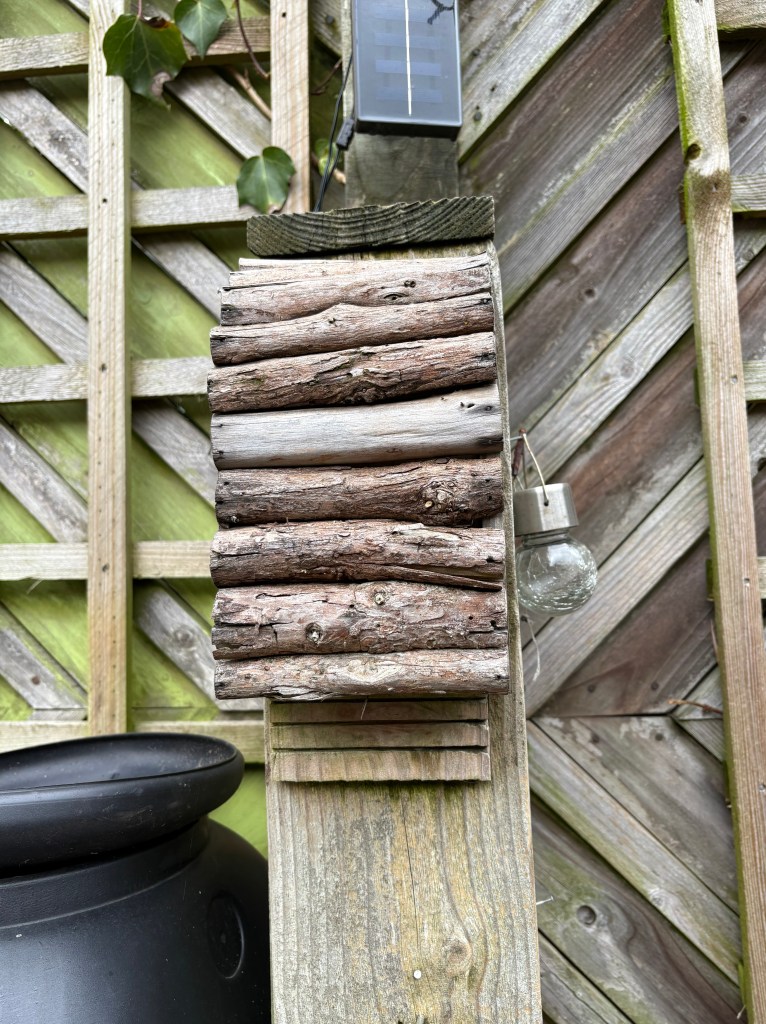
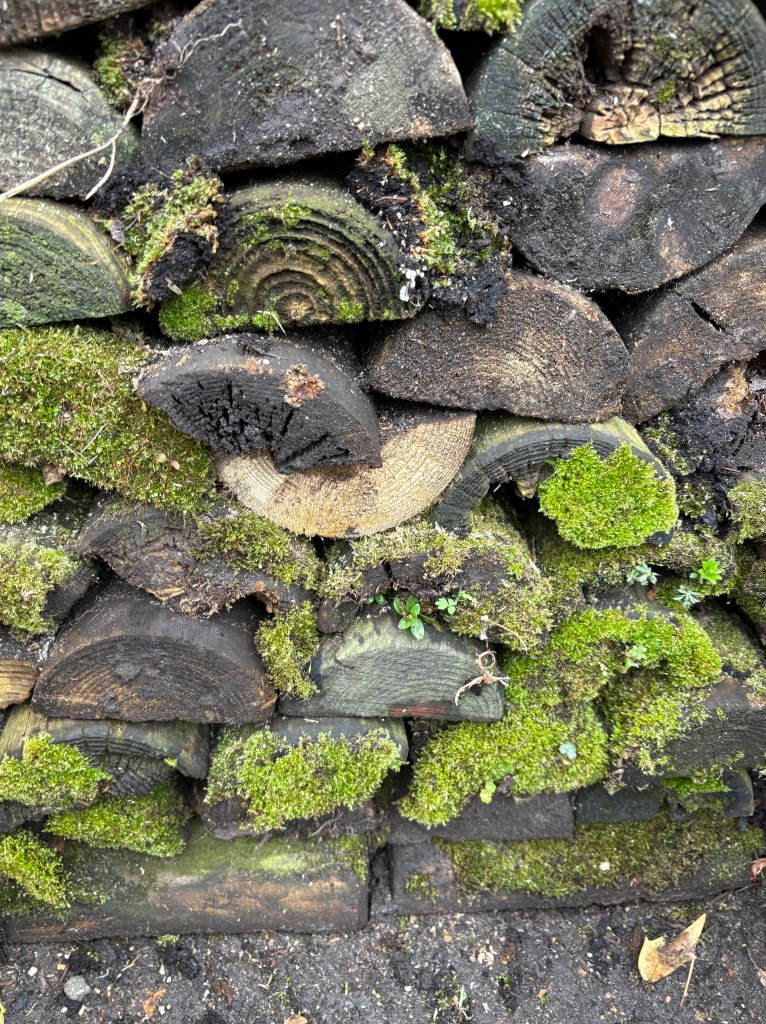
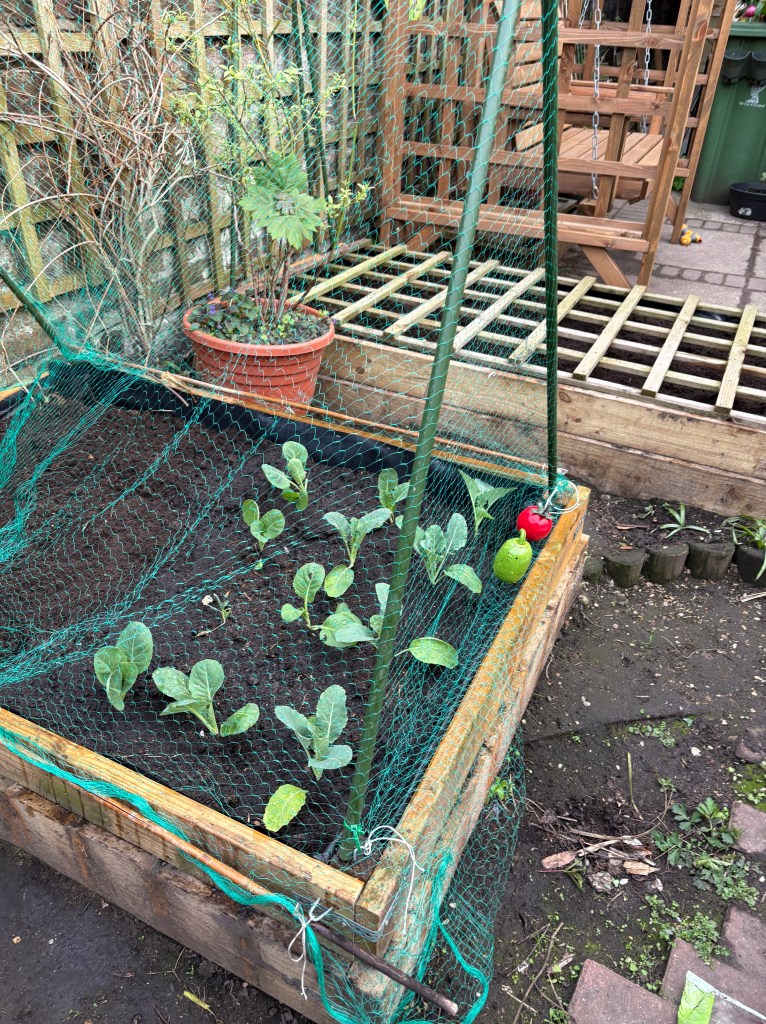
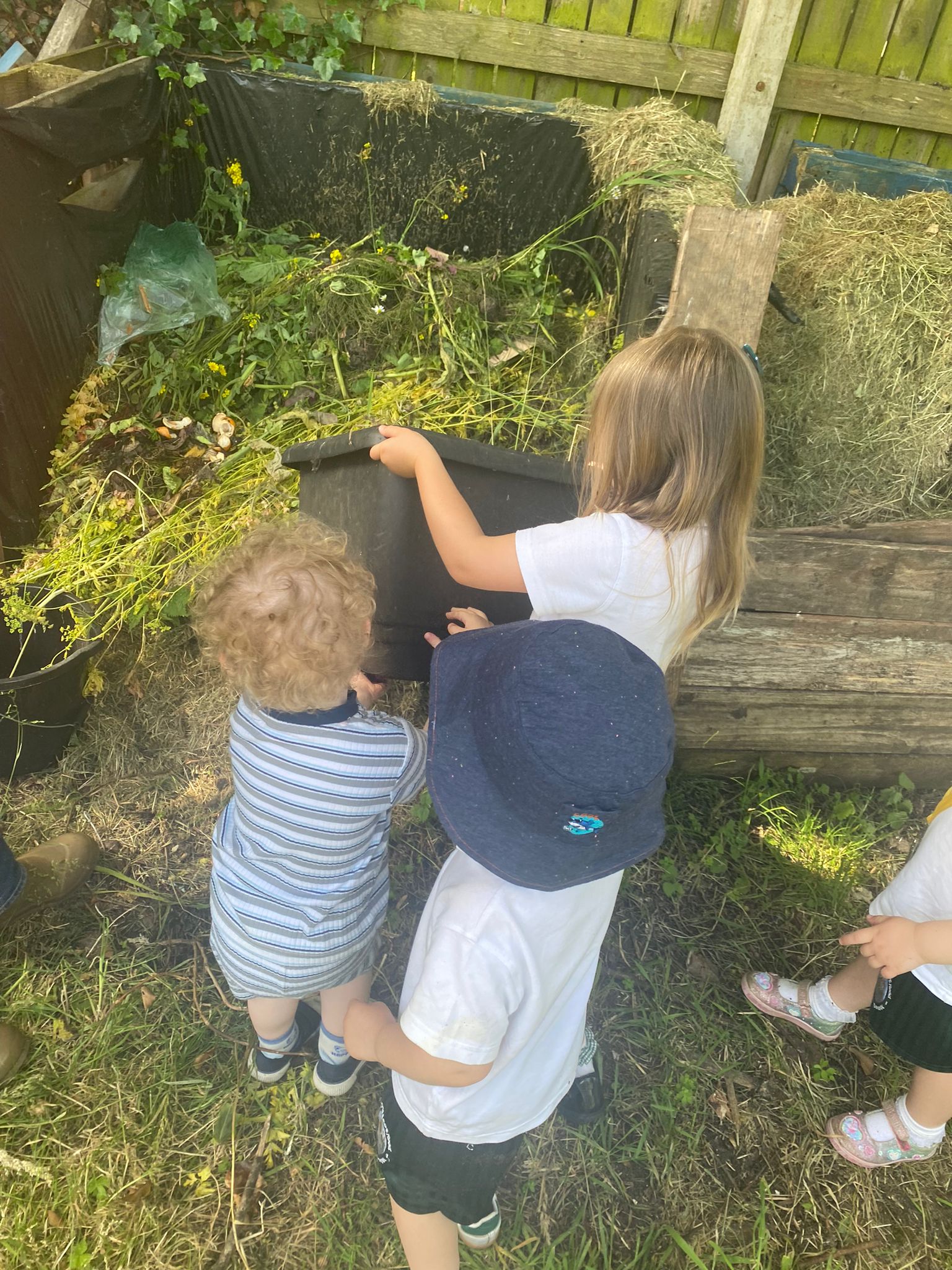
My personal childminding ethos and curriculum is ‘sustainability in the garden classroom’. I am privileged to have a wonderful outdoor space where I teach the children to care for their environment. We have a wormery to use up food waste and provide our plants with nutrients, water butts to recycle water and feed our fruit and vegetables, habitats for the wildlife such as frogs, bees, bugs etc. We grow plants (not always successfully) using different methods such as hydroponically, using recycled materials and no dig raised beds.
Conclusion
By childminders being creative and giving children opportunities to access various outdoor environments reinforced with the Early Years Foundation Stage (EYFS) 7 areas of learning is a pathway in a child’s holistic development. The EYFS framework recognises the importance of outdoor learning, and the benefits of this approach are undeniable. By providing children with outdoor environments for physical activity, cognitive growth, social interaction, and a deep connection to nature, we nurture well-rounded children and enable them to be better prepared for the challenges of life and holistic learning. This is the collective responsibility of parents and educators to ensure that all children have access to these inspiring outdoor activities and environments that will profoundly shape their future in positive and meaningful ways.















 Tracie's Treasures