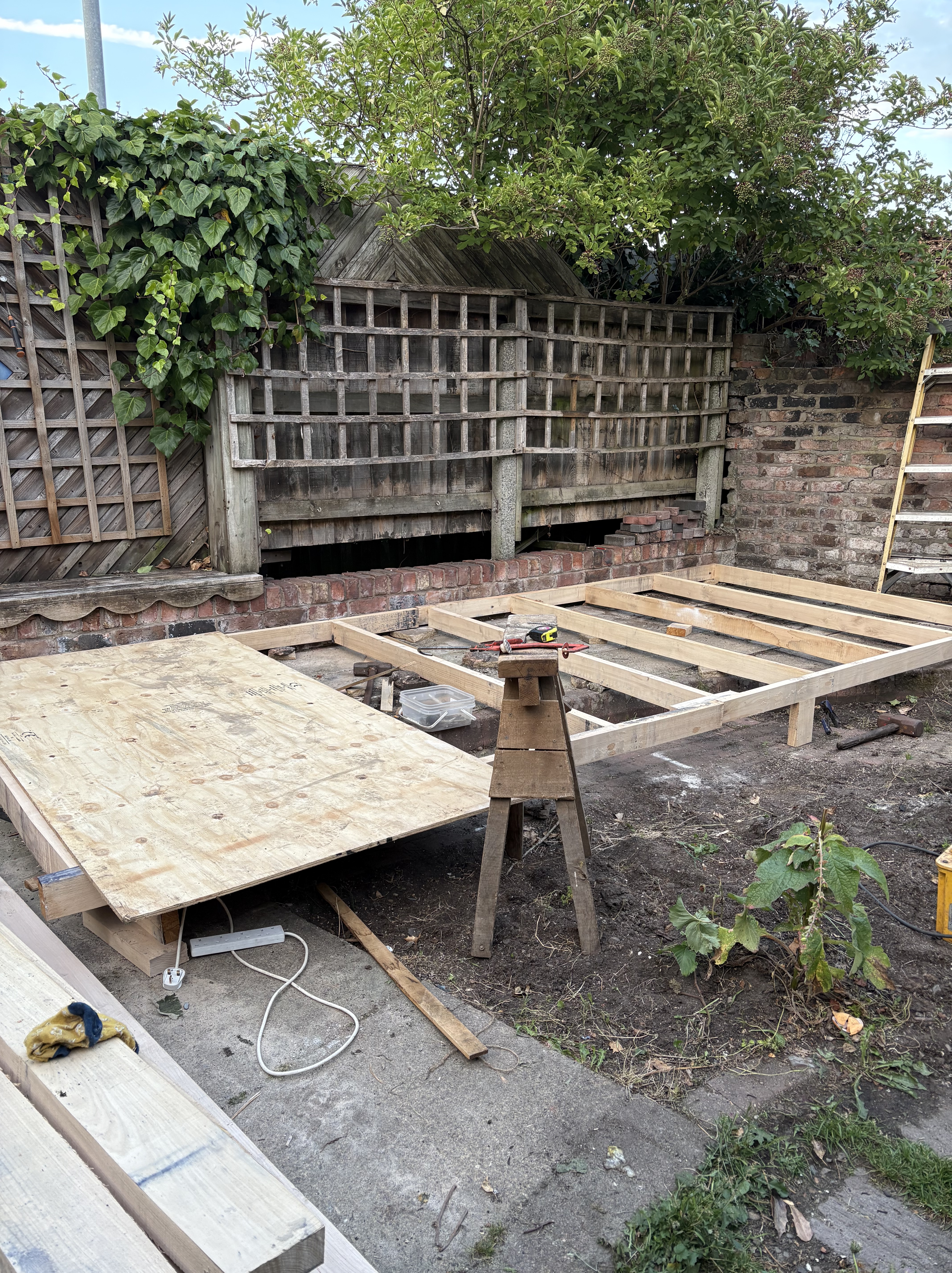
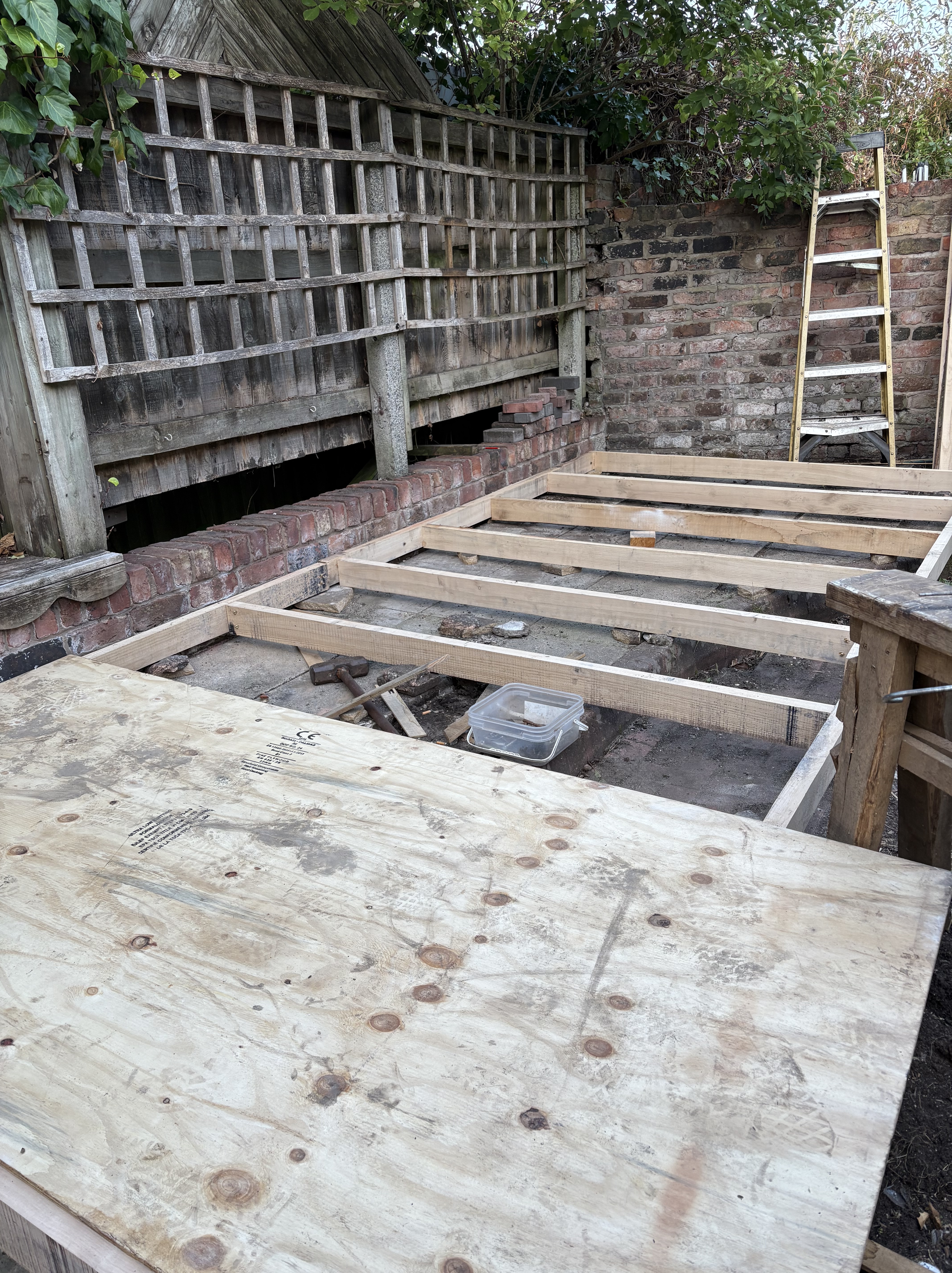
We have been watching the builders putting down the foundations of the building today, marveling at their precision and teamwork as they carefully crafted the base for what promises to be an extraordinary space. Eon, the project manager, engaged us in thoughtful conversation, asking us all about what we wanted and how we envisioned using the room in the future. With enthusiasm, we shared our ideas, outlining our dreams for the space—perhaps a cozy nook for gatherings or a serene area for reflection. We expressed to him that while we were open to his expertise and suggestions, the most important aspect was that it had to be magical! We believe that this space should inspire creativity and evoke a sense of wonder, and we are excited to see how Eon translates our visions into a reality that captivates the imagination.
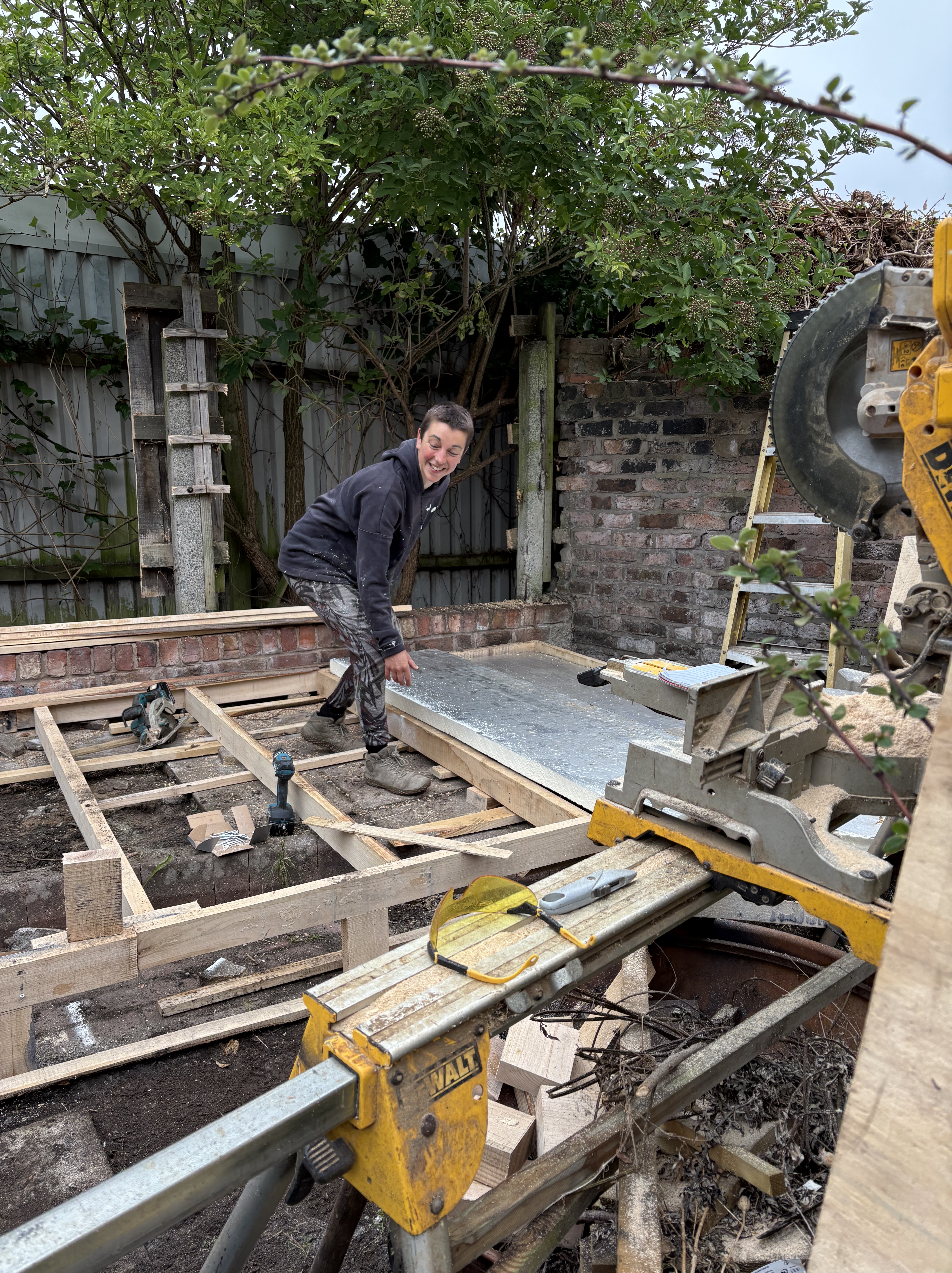
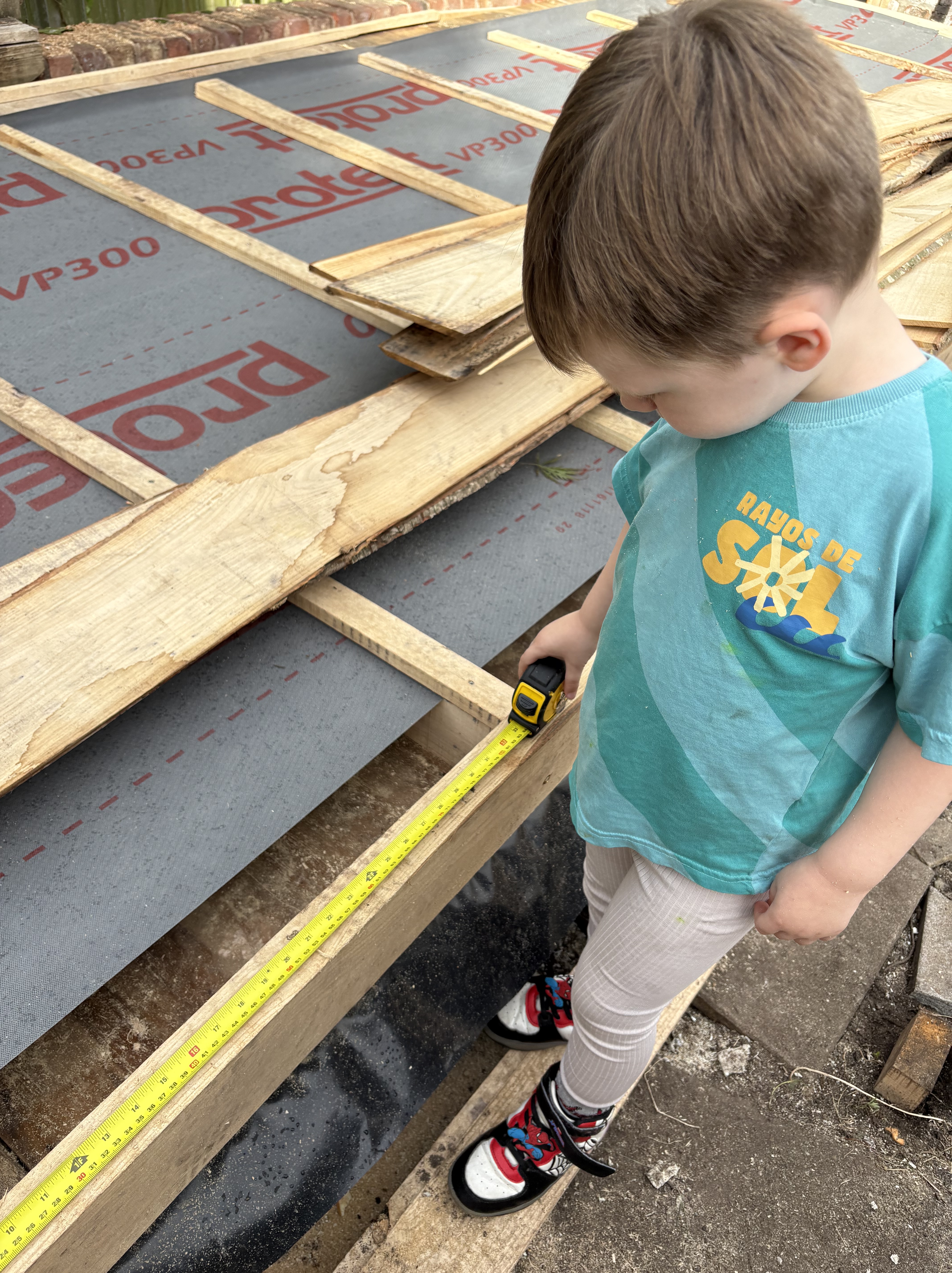
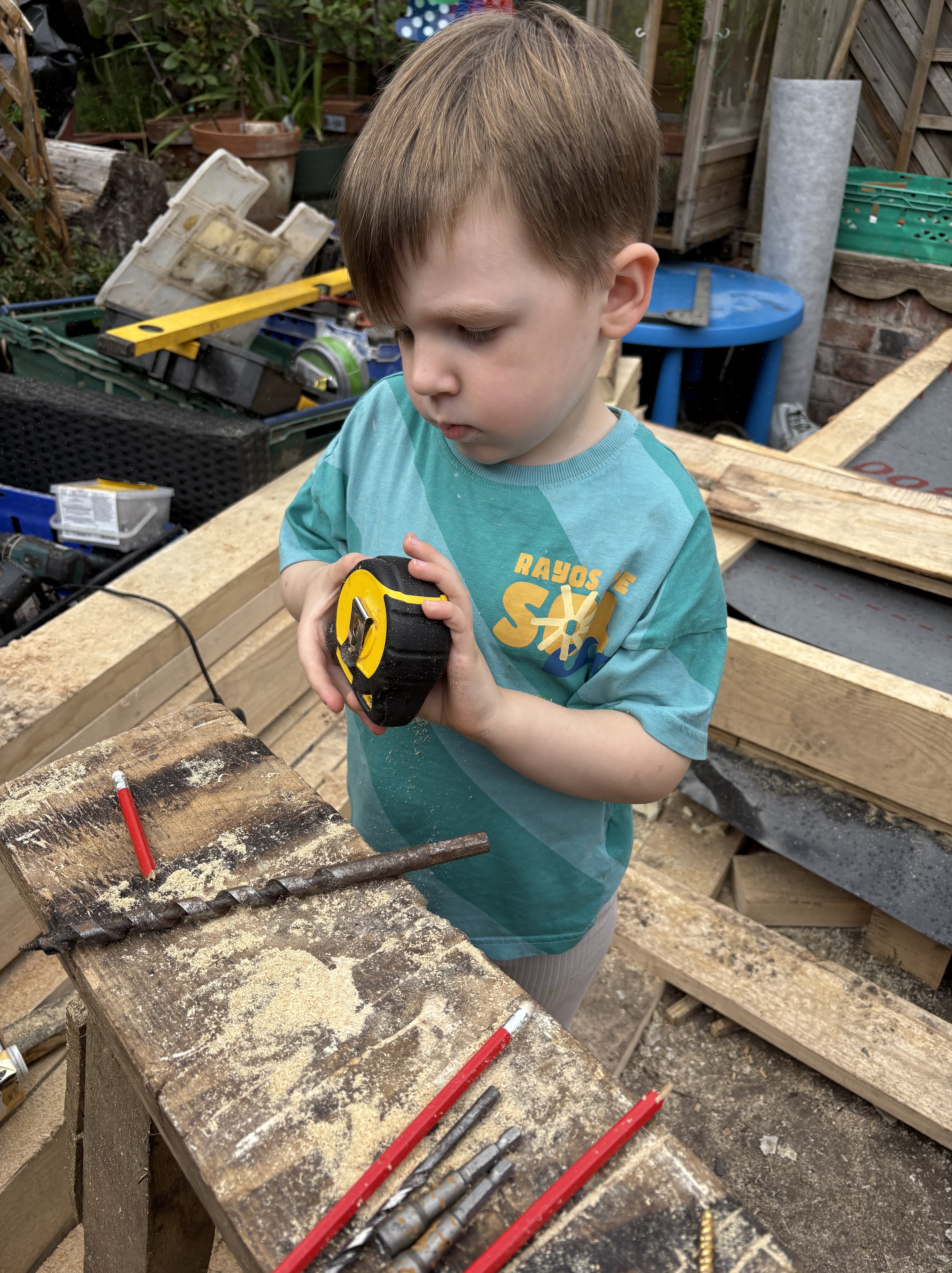
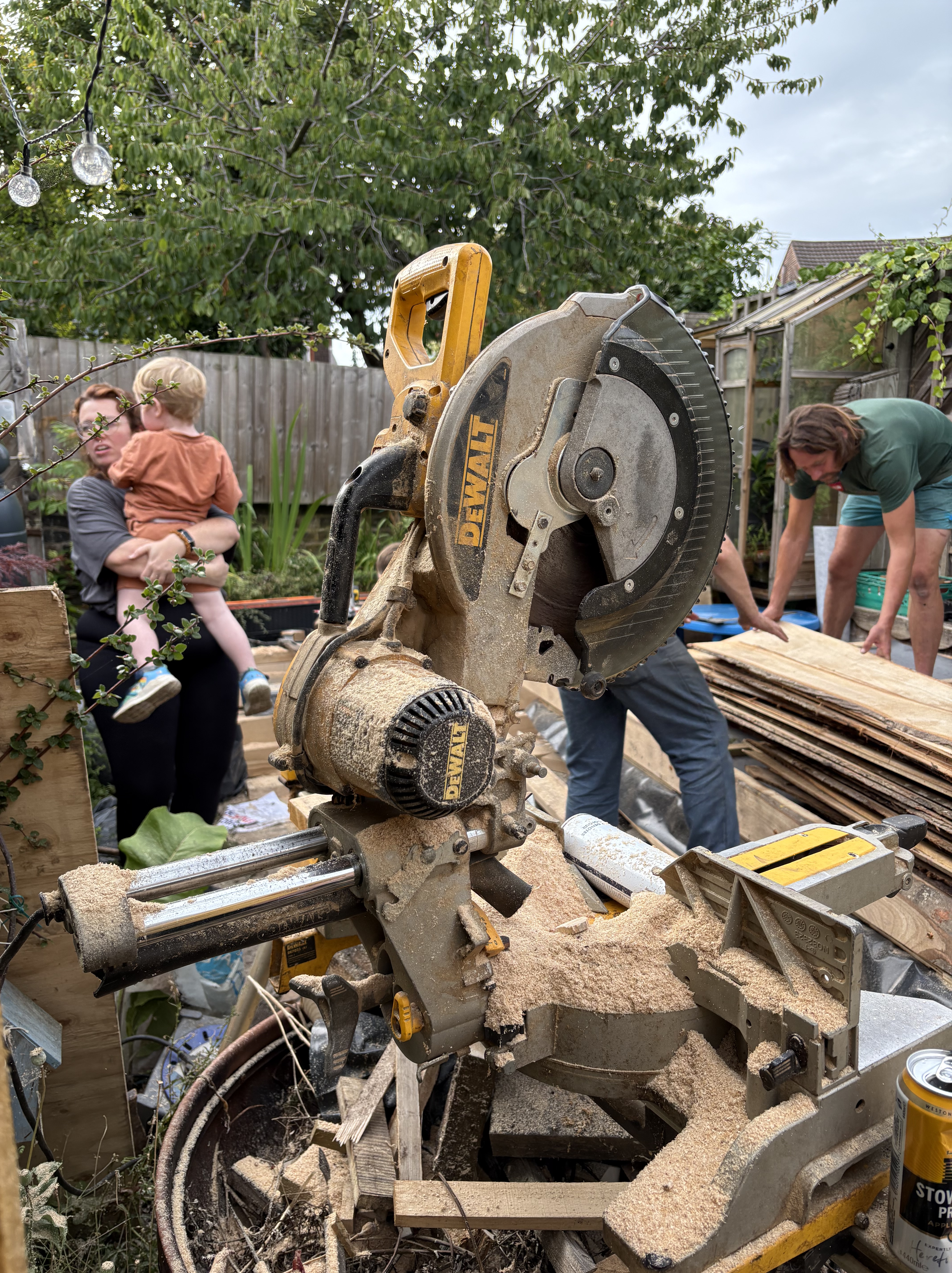
Jack went out and helped Eon and Mim measure the wood, carefully noting down the dimensions as they discussed the best ways to utilize each piece for their project. He asked lots of questions, eager to learn more about construction techniques and the importance of accurate measurements. Meanwhile, Ben wanted to have a look too, so Gemma held him firmly to keep him safe as they navigated the bustling building site. They both peered at the various tools scattered around, intrigued by the hum of activity and the sounds of hammers and drills, and they had a good look around, marveling at the transformation of the area and the teamwork it took to create something new from the ground up.
Throughout my career as a Registered Childminder, I have incorporated holistic learning into my practices. Over the years this has evolved, and I refer to my way of teaching as ‘The Garden Classroom’ which you can read about on my blog. Although this way of learning is primarily outdoors, the learning is year-long and therefore I have created ways of learning no matter the season. The Garden Classroom practices always incorporate the three prime areas of the Early Years Foundation Stage (EYFS) and the Characteristics of Effective Teaching and Learning. Read on to learn how I weave these key components into outdoor play.
OUTDOOR LEARNING
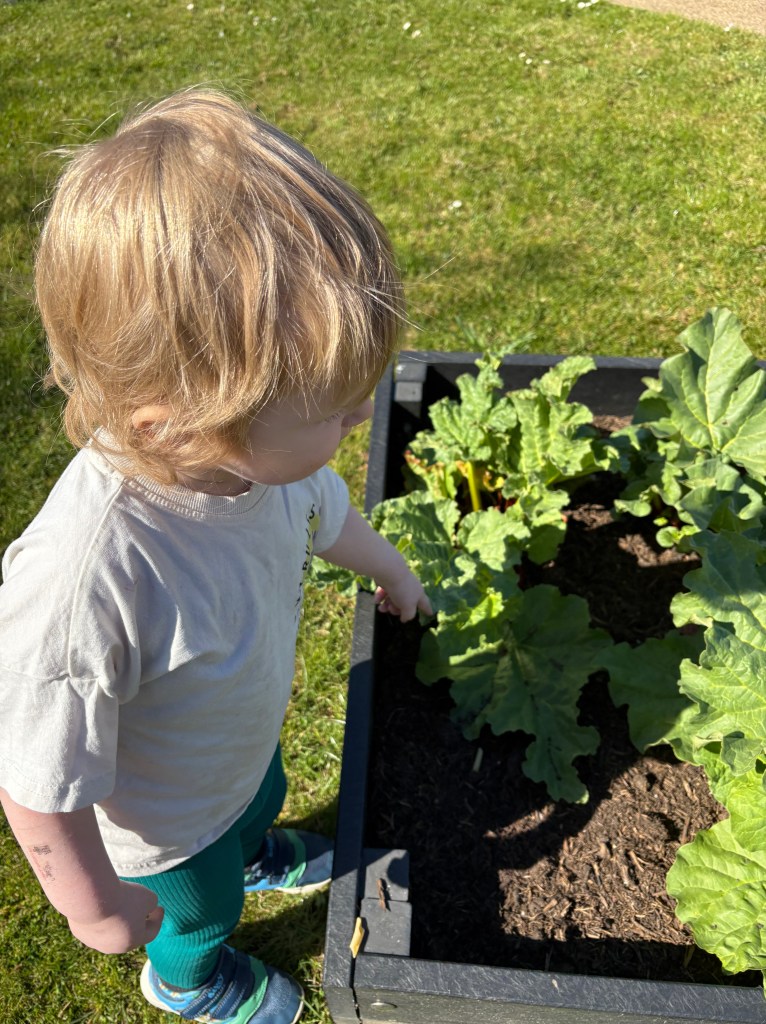
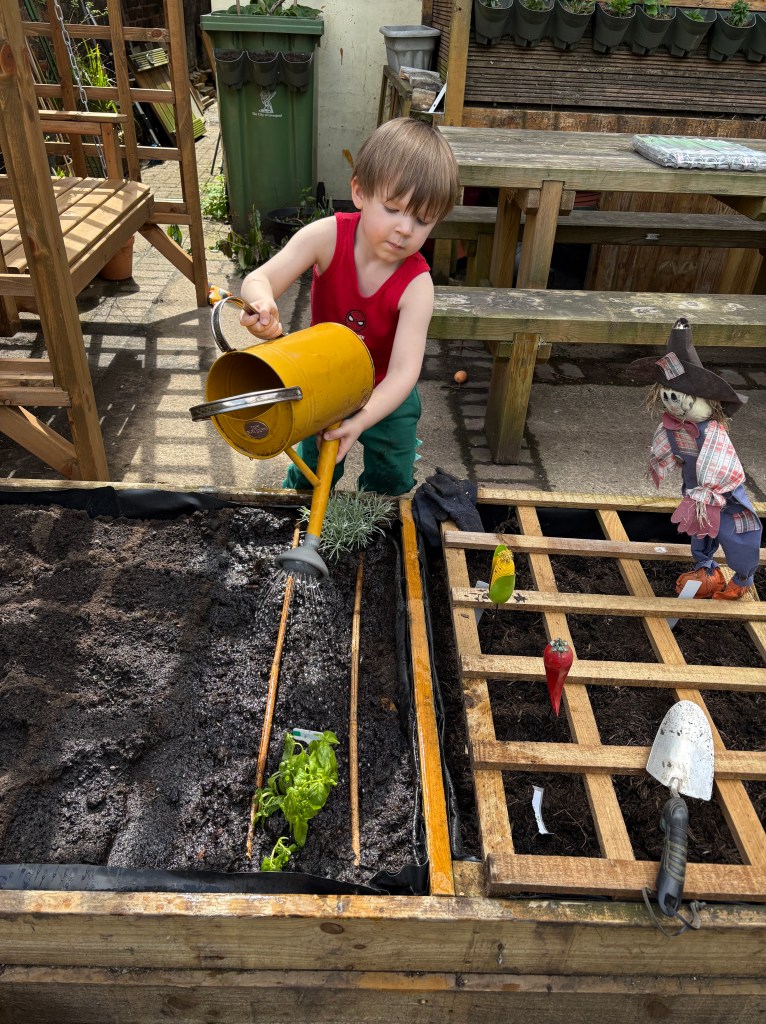
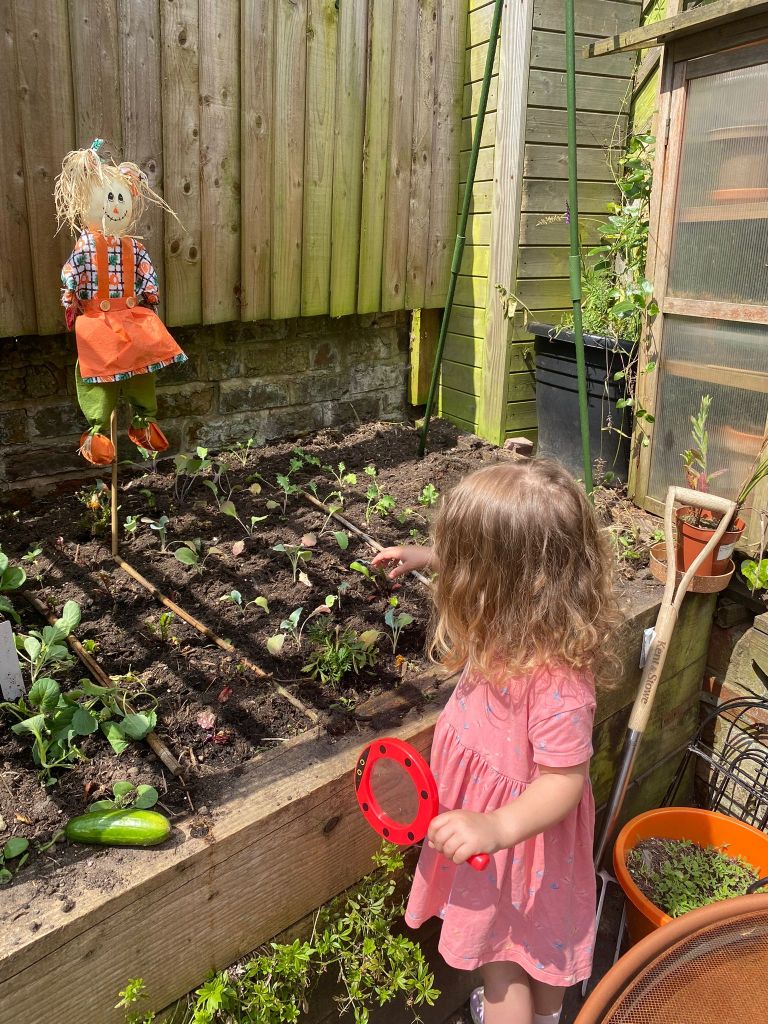
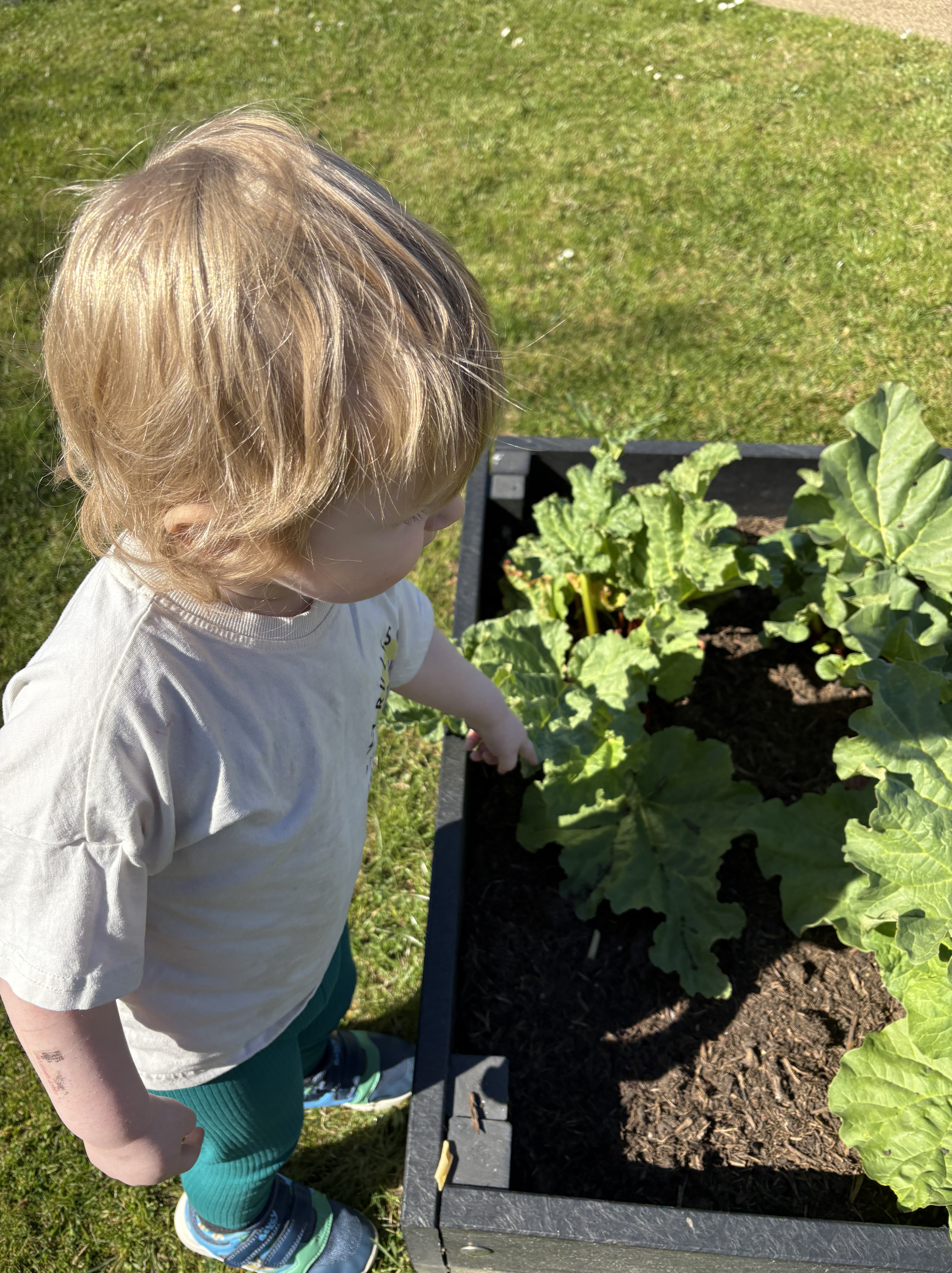
The Garden Classroom is a space where children can learn and grow, connecting to nature and the world around them. Outdoor exploration not only connects toddlers and babies with the seasons and everchanging weather, but also promotes physical activity, a sense of wonder, and an appreciation for the natural environment. Providing gardening activities for my children has proven to be great way to engage them with hands-on learning, including growing food from seed to plate,
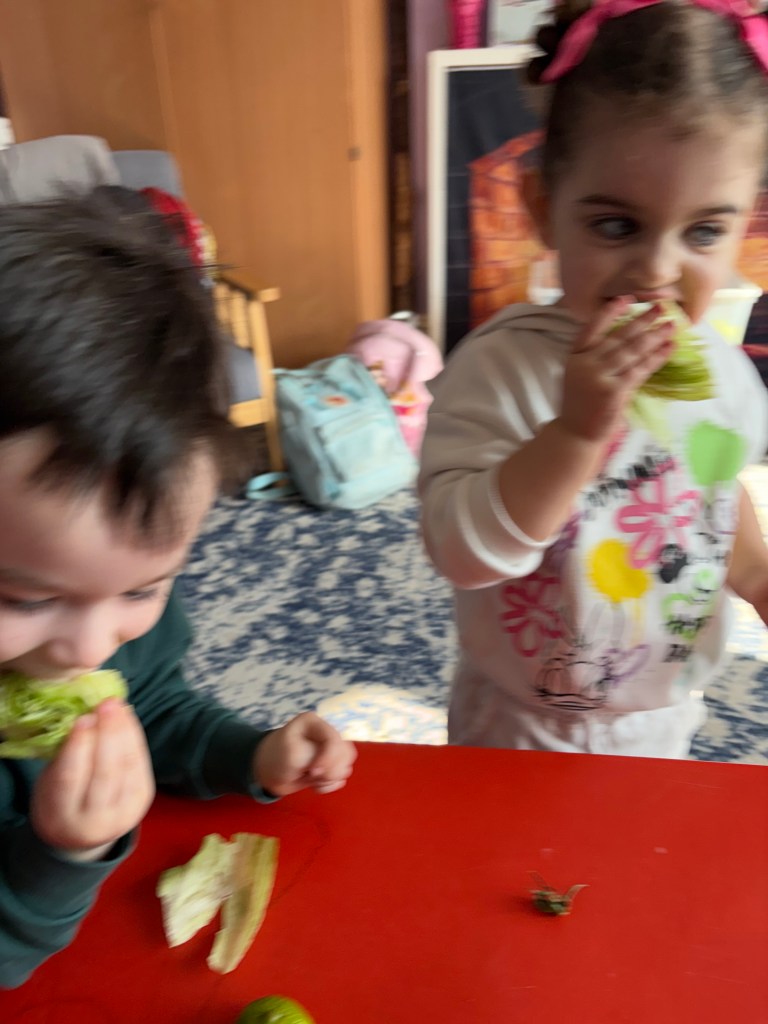
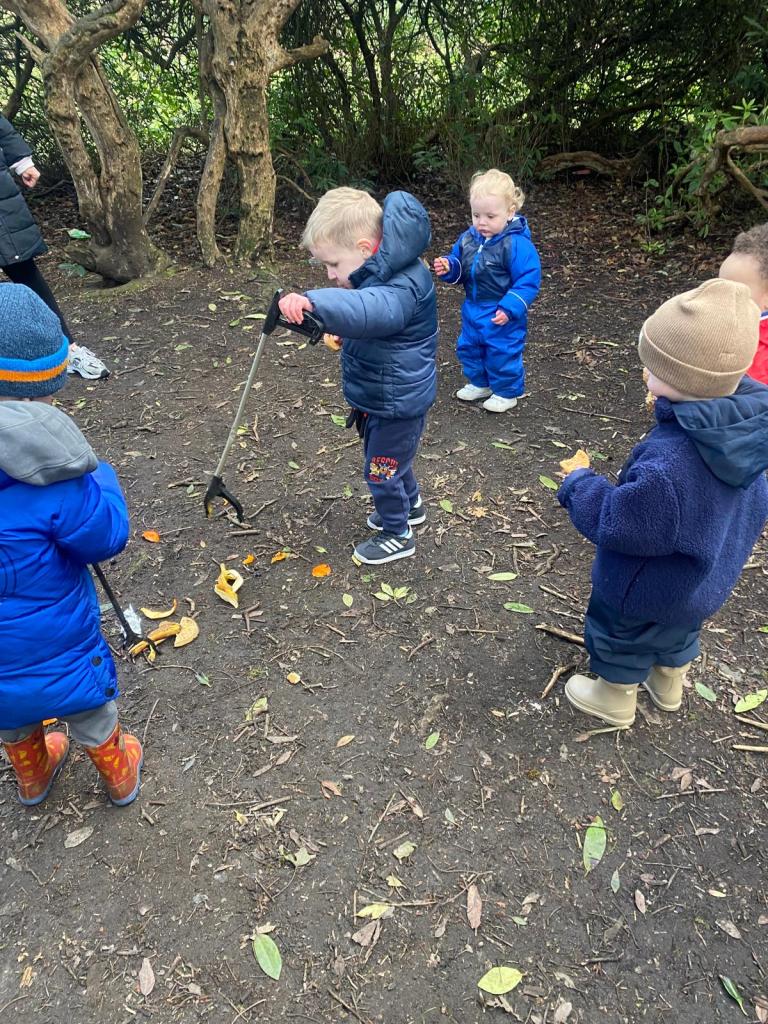
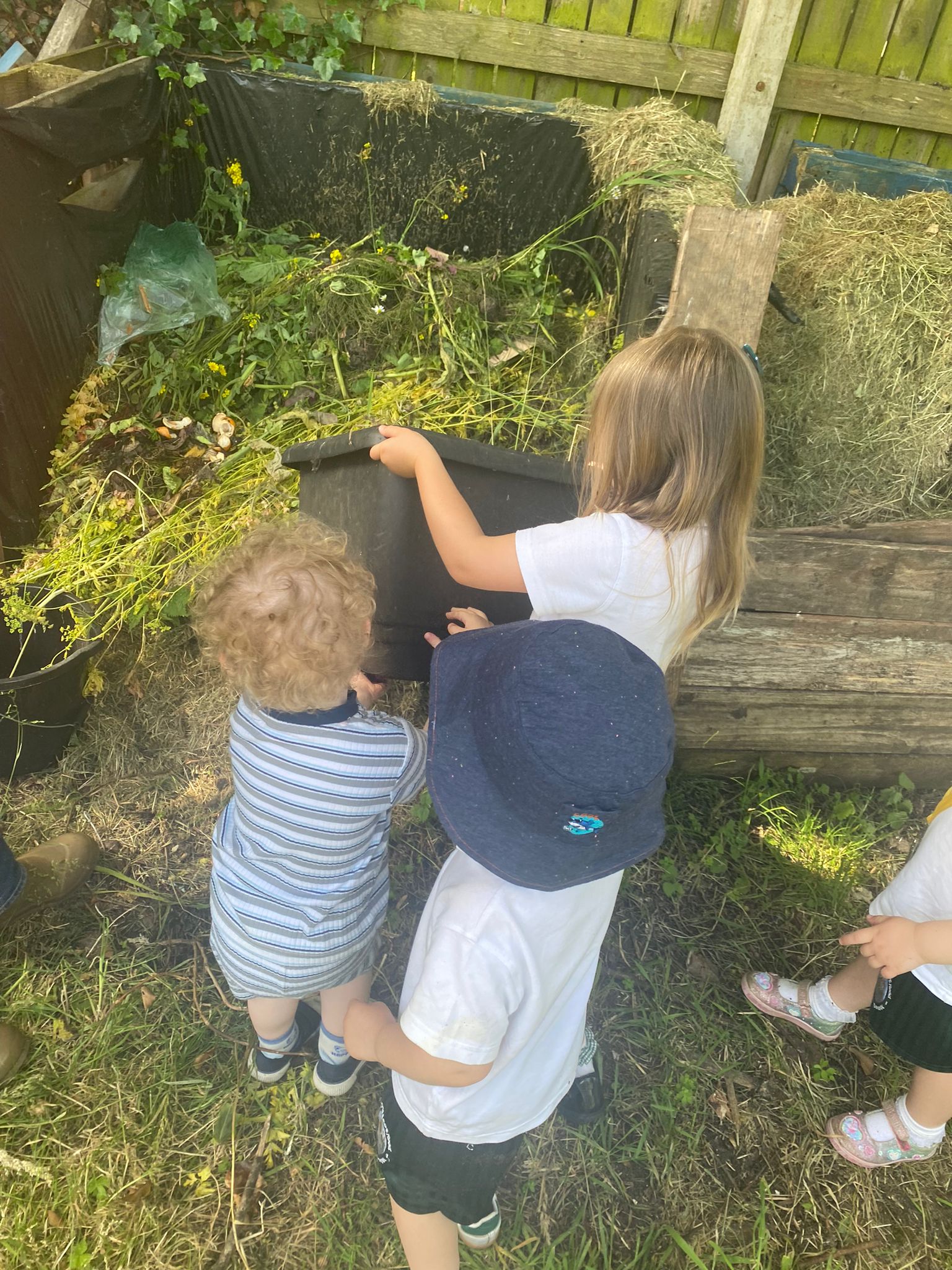
food sensory education, pond-dipping and lifecycles, and practicing sustainability through composting and recycling.
The children learn vital skills such as adaptability and resilience by witnessing their environment going through the cycles. This helps them understand the concept of change and builds resilience in the face of transitions. In one area of our garden, we have a pet cemetery. Here, we have buried our family pets and other creatures who have come and gone.
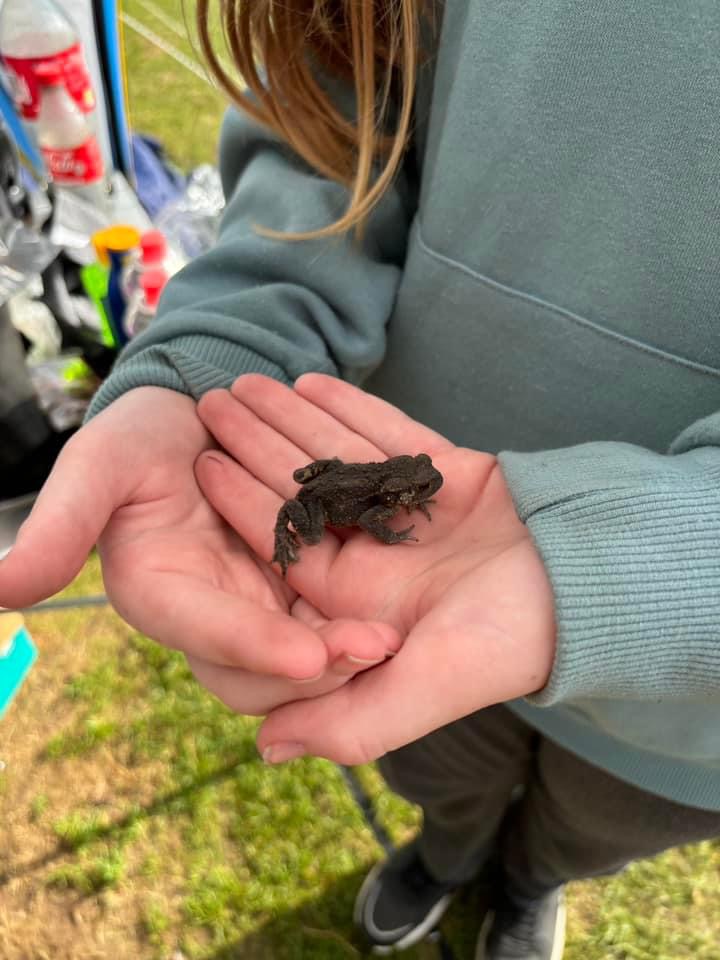
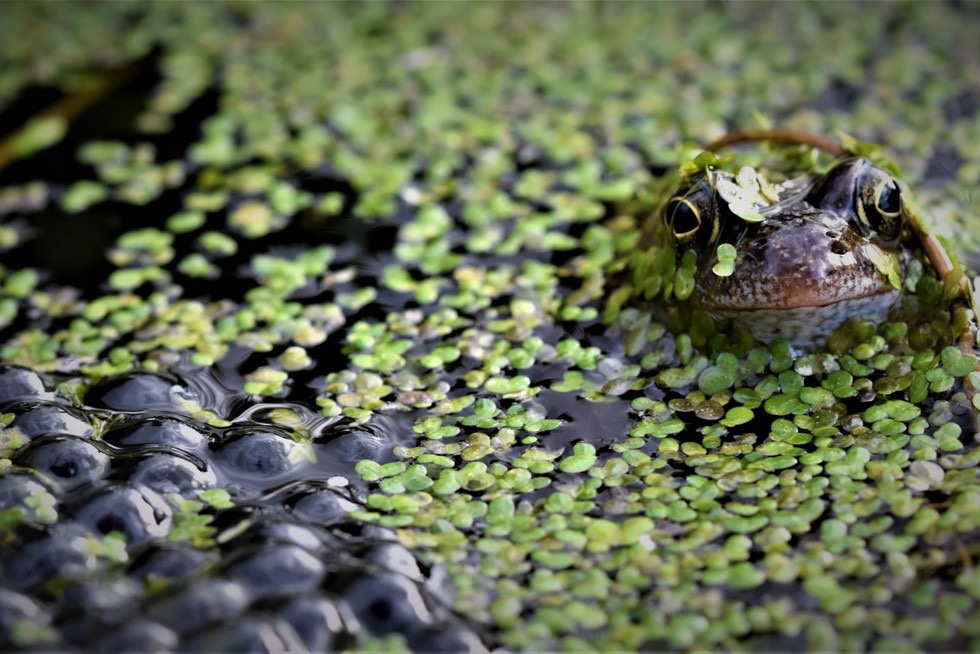
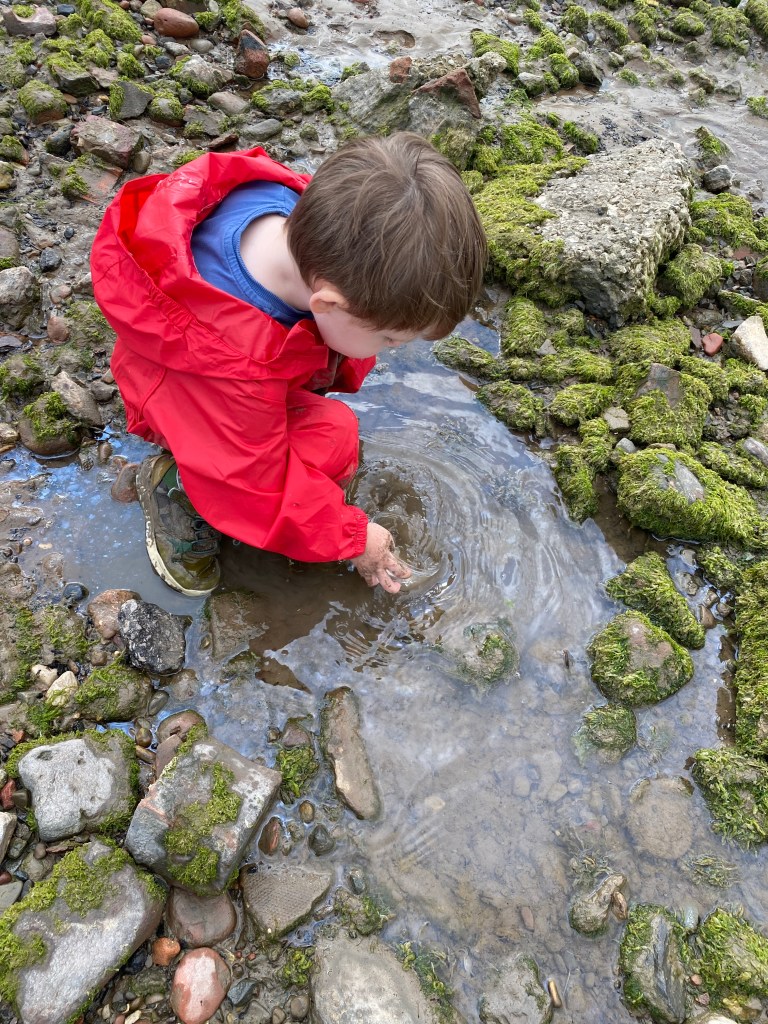
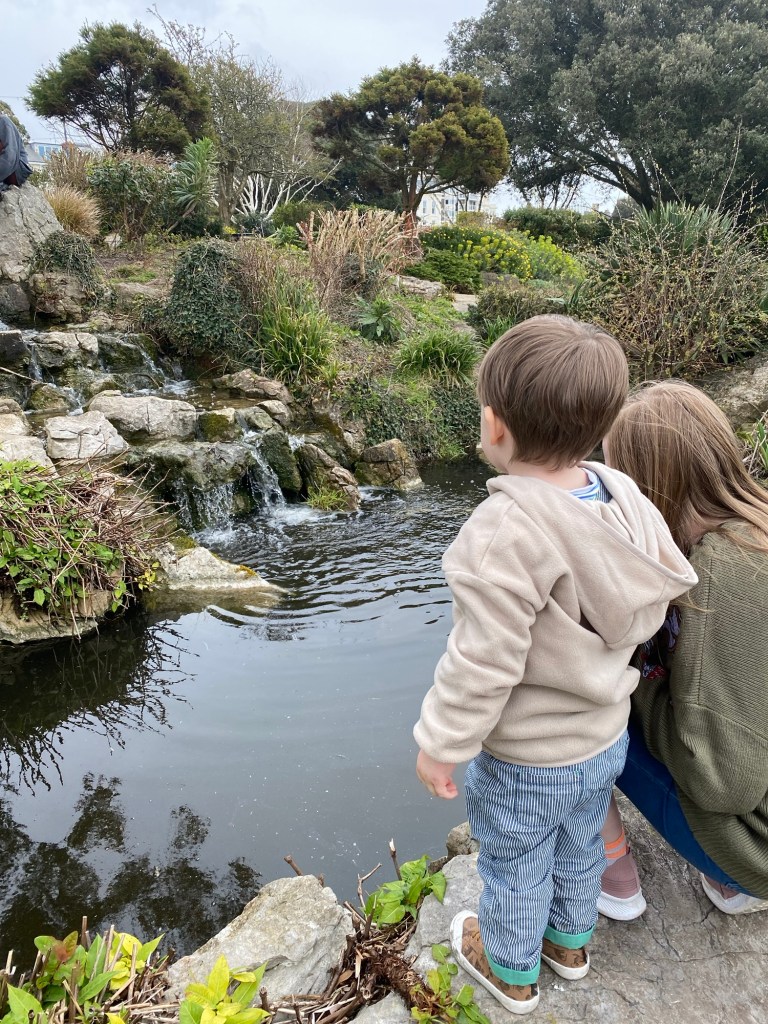
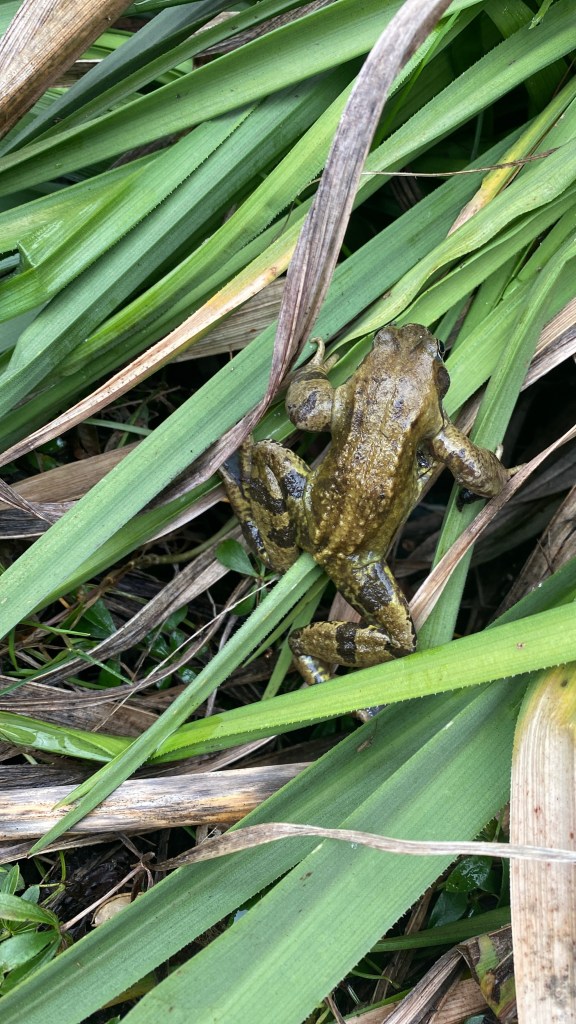
This space allows us to teach the children about the life-death cycle and accept change. Similarly, every year we experience frogspawn, giving us the opportunity to learn about birth and growth as we watch their little tails shrink and their legs grow.
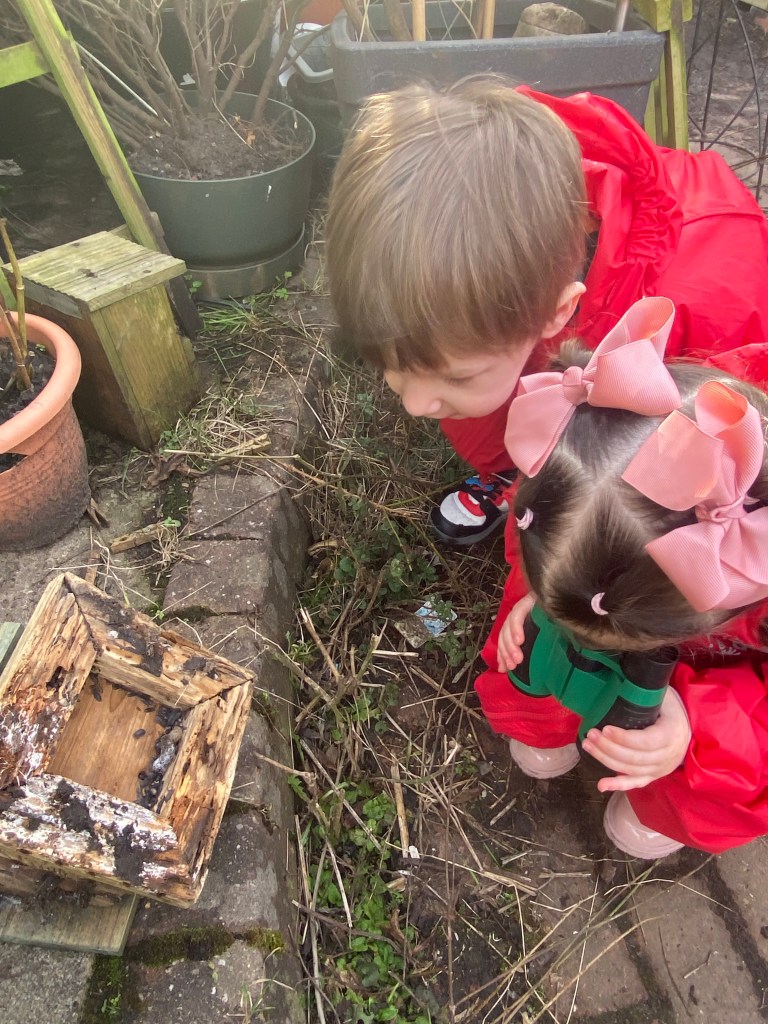
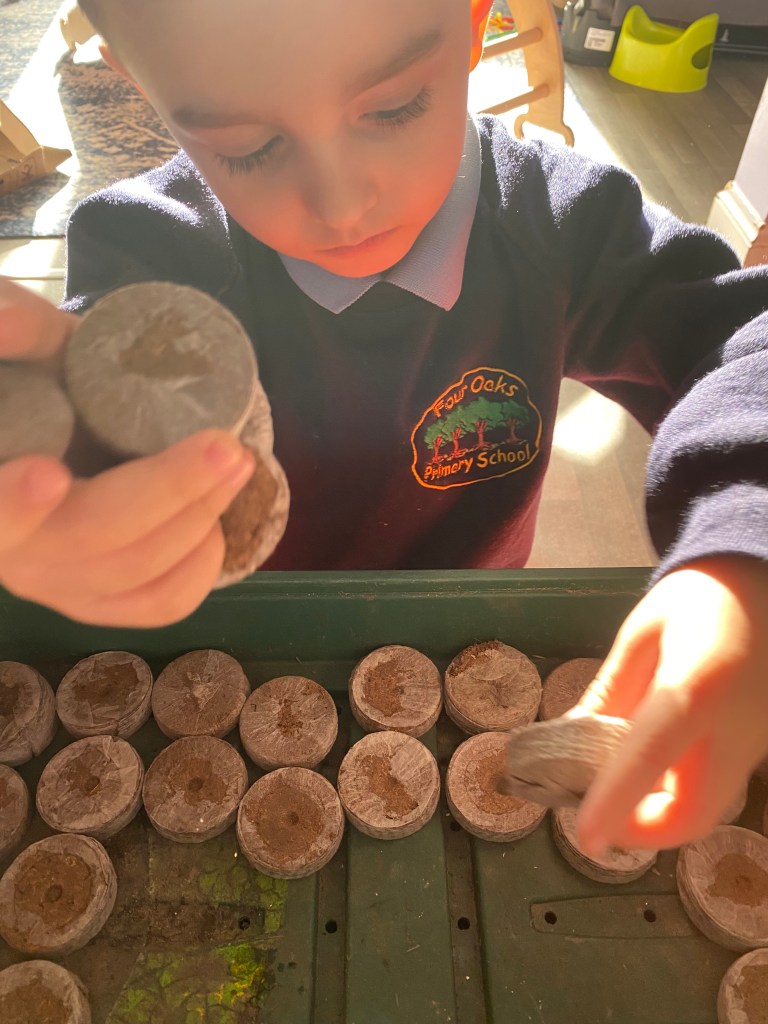
To support the children’s cognitive skills, we provide activities to observe and understand nature through investigation. The children’s favourite activities at the moment are pond dipping and growing and harvesting flowers, fruit, and vegetables. Some of the learning objectives within these activities are linked to lifecycles, categorising, comparison and pattern recognition in nature.
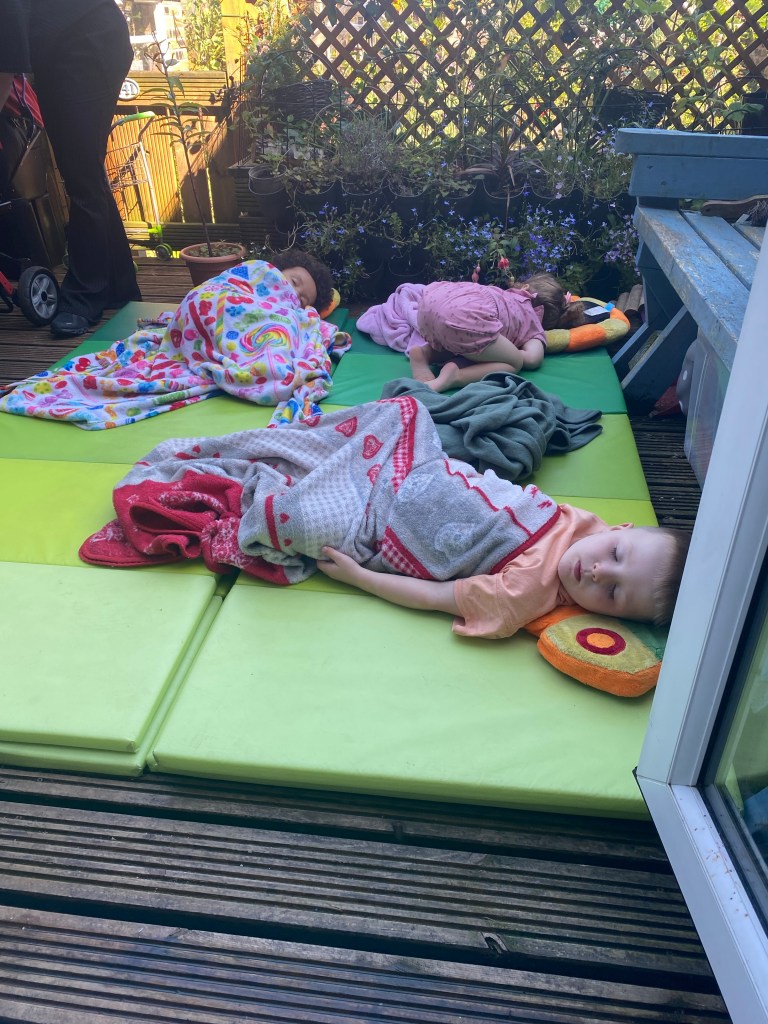
Supporting the children to experience the wonders of changing seasons has a positive effect on their emotional well-being, mine, and Debbie’s too! The children take naps outside and participate in meditation while the birds are singing away. These activities provide opportunities for relaxation and promote a sense of calm and happiness. It is proven that spending time in nature has mental health benefits as well as emotional and physical benefits.
SEASONAL LEARNING
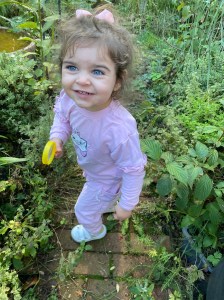
Every season and even every different day outdoors, brings a new set of sensory stimulation by exploring the sights, textures, aromas, even the noises of the natural world. The experiences are endless. The children love finding the strawberries and munching away, and there is no better taste than a sun-ripened cherry tomato, if they leave me any!
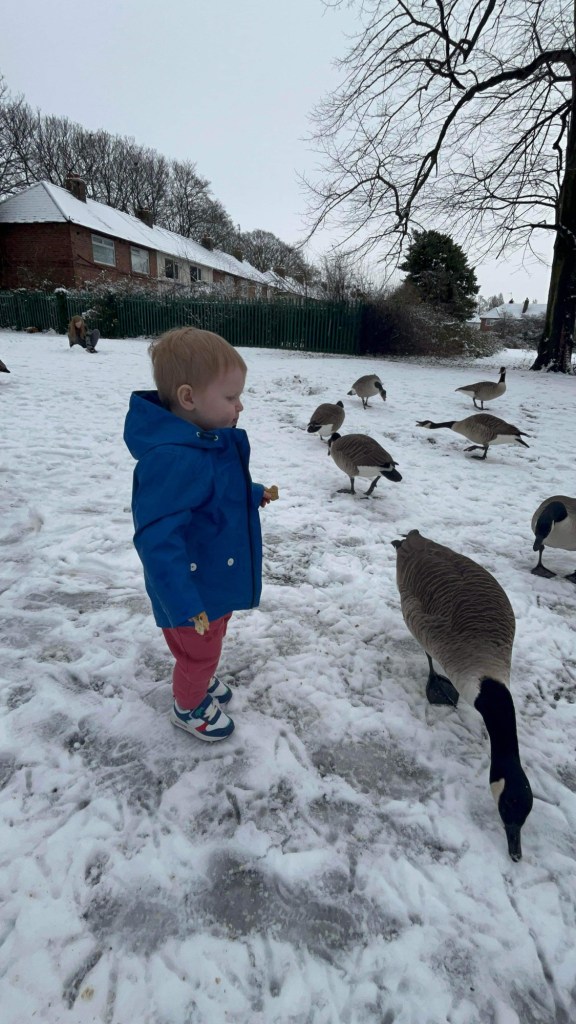
Unfolding the characteristics of seasonal vocabulary during our activities also contributes to early language and provides children with the skills to articulate their observations and experiences. Whether its playing in the muddy puddles, counting the frogs or learning to sow seeds, the language opportunities are endless.
The seasons are also a lovely way to promote cultural celebrations and traditions. We love the harvest festival where we like to gather our produce and share with our families, or Diwali where we cover the garden with lights and have a magical Diwali feast. There are many ways to weave cultural traditions into your very own Garden Classroom.
“Lovely to watch her be so interested in how it grows. How she cares for it, and that she’s happy with the end result, we’ve even started growing our own strawberries and sunflowers at home” – Elsie’s Mum.
By incorporating a Garden Classroom into your setting, your children can foster environmental awareness, develop a sense of responsibility and appreciation of the natural world, which in turn lays the groundwork for their future environmental consciousness. Seasonal changes spark natural curiosity and wonder within the children, giving them the opportunity for questioning and exploration, cultivating a mindset of inquiry and lifelong learning.
The Education Endowment Foundation (EEF) The Early Years Toolkit brings together the best available evidence on key areas of learning and development. It can support all childminders when making decisions on how to improve learning outcomes.
‘My greatest childhood memories are of playing outdoors. Running around, climbing trees, playing in my treehouse, making mud pies, using my mum’s roses to make perfume (not always fragrant!) and inventing new games that kept me, and my brother occupied for hours – these are all things that contribute to a happy, healthy upbringing’
Introduction
My name is Tracie Dowling, and I have been an OFSTED Registered Childminder for over 33 years and a Strategic Partner of Liverpool City Region and Beyond Early Years Stronger Practice Hub. One of my roles has been to support the Deysbrook Childminder Network at the Village Community Centre in West Derby, Liverpool.
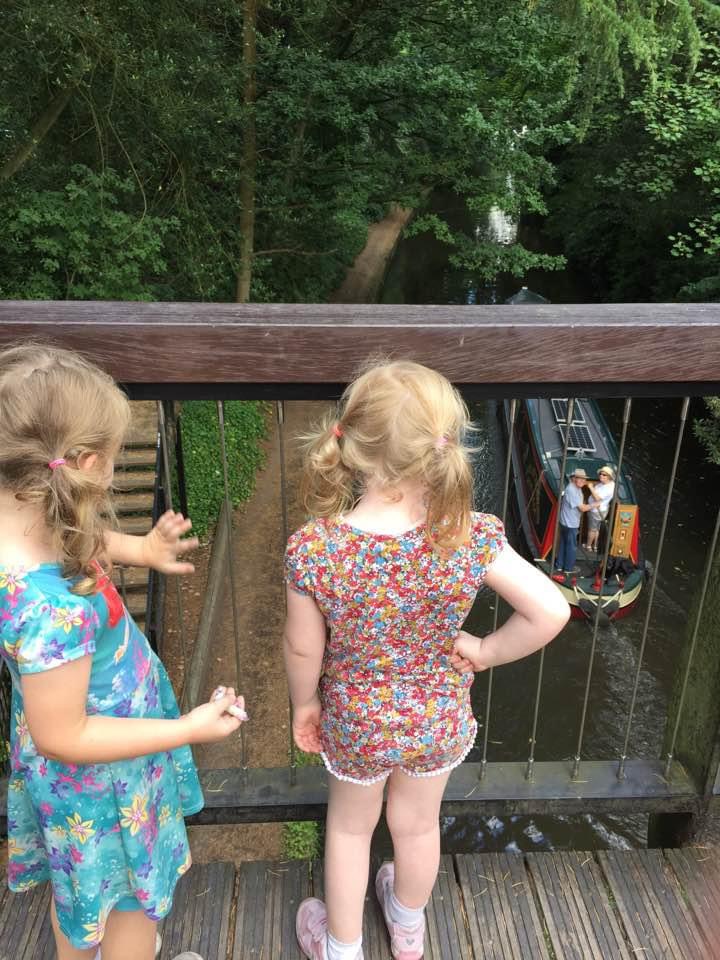
Not all childminders are lucky enough to have a large outdoor space attached to their setting; however, this does not prevent them from ensuring the children access quality outdoor learning opportunities. The childminders at Deysbrook meet up once a week at the drop-in session and have access to a community garden where they can grow produce, exercise and access activities. They also regularly organise to meet up at the local allotment, parks, farm, forest, zoo and beaches.
‘The Early Years Foundation Stage states that ‘children benefit from spending as much time outside as possible. This makes a significant contribution to the progress they make particularly in their personal, emotional, social and physical development’
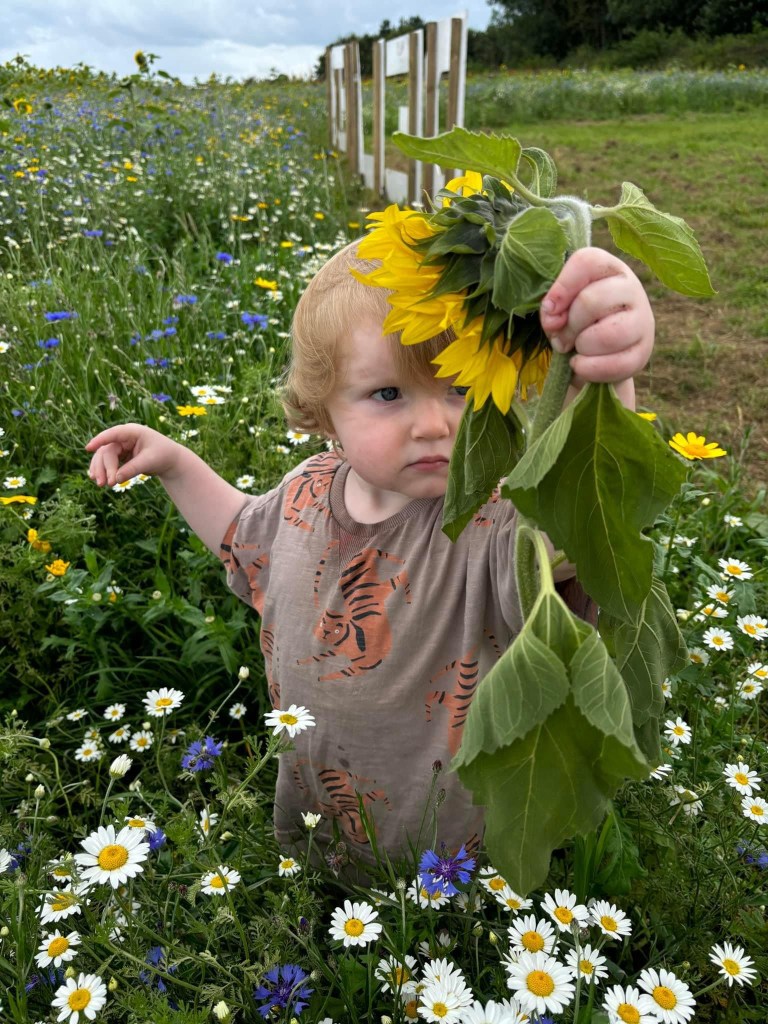
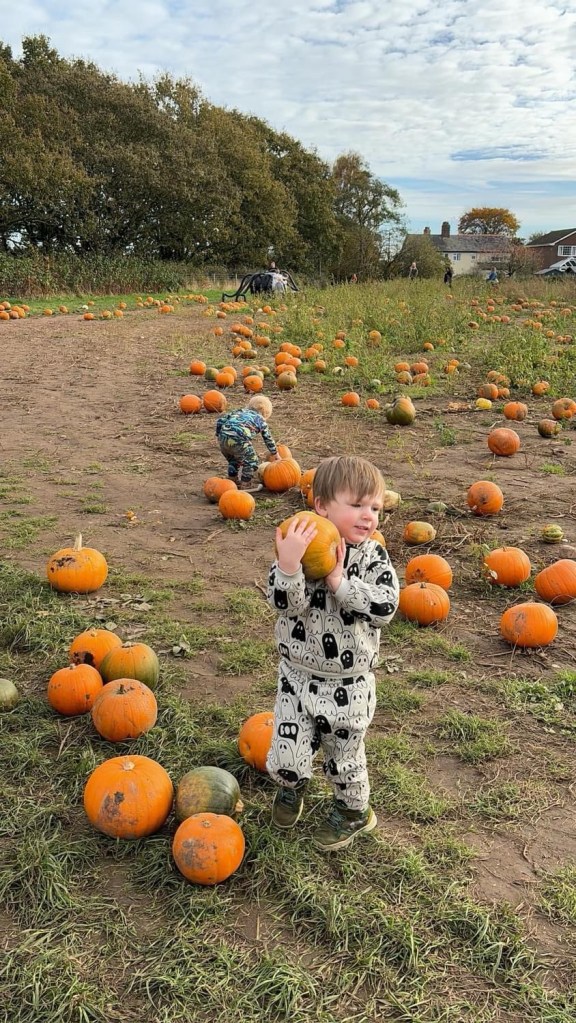
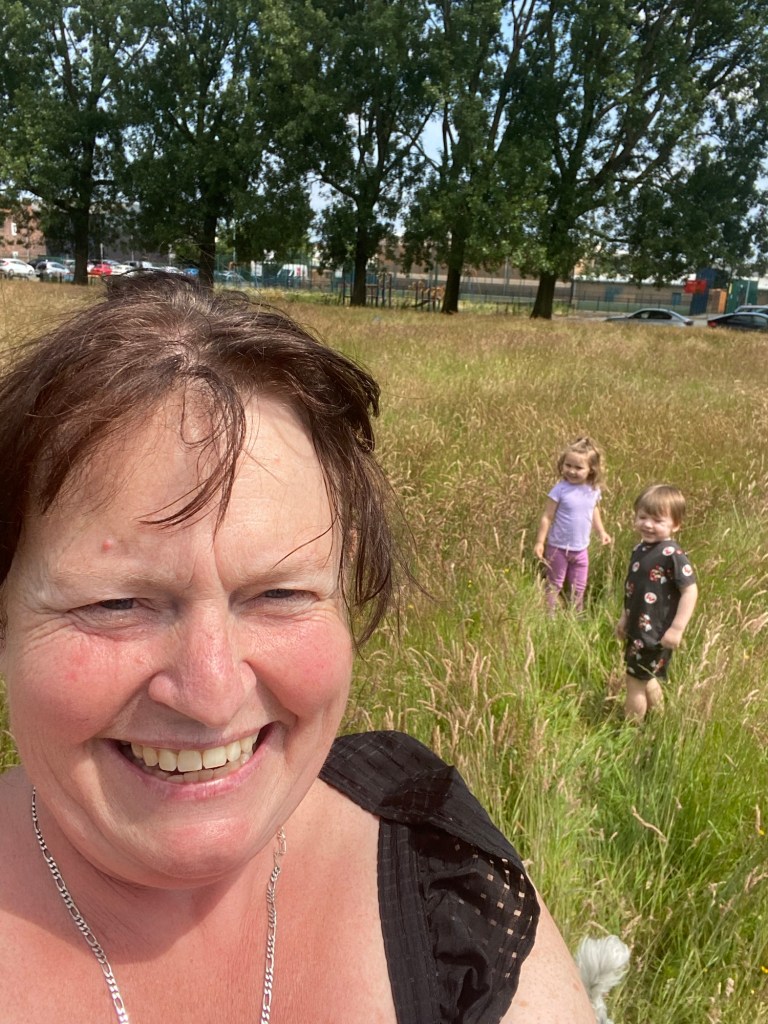
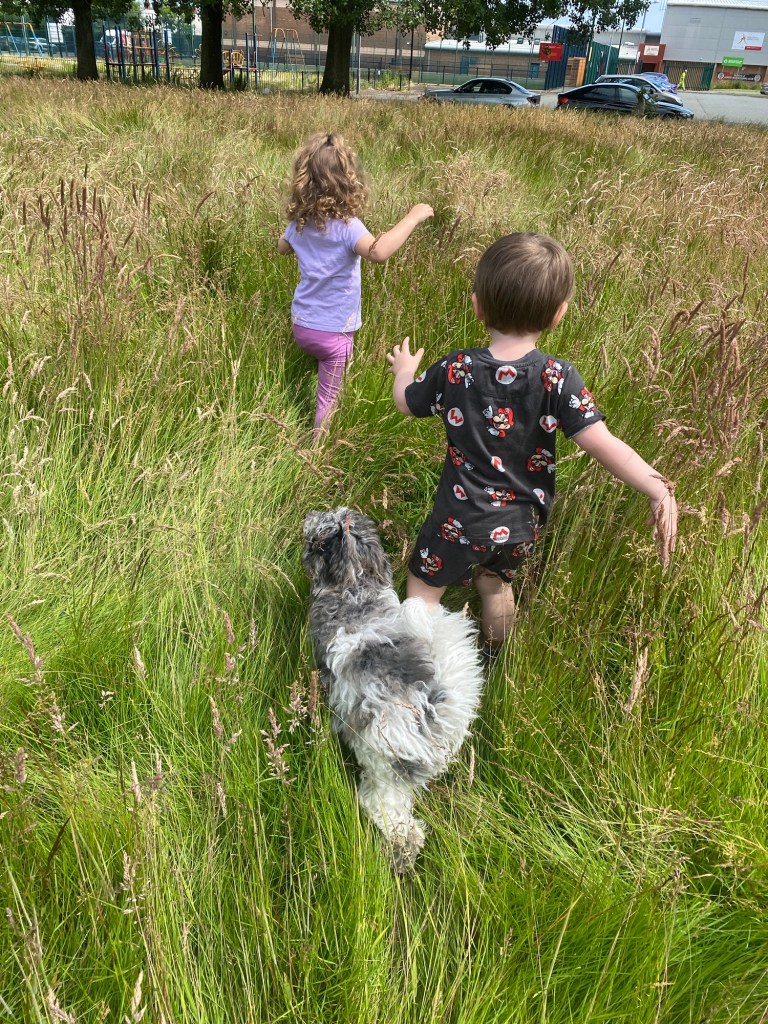
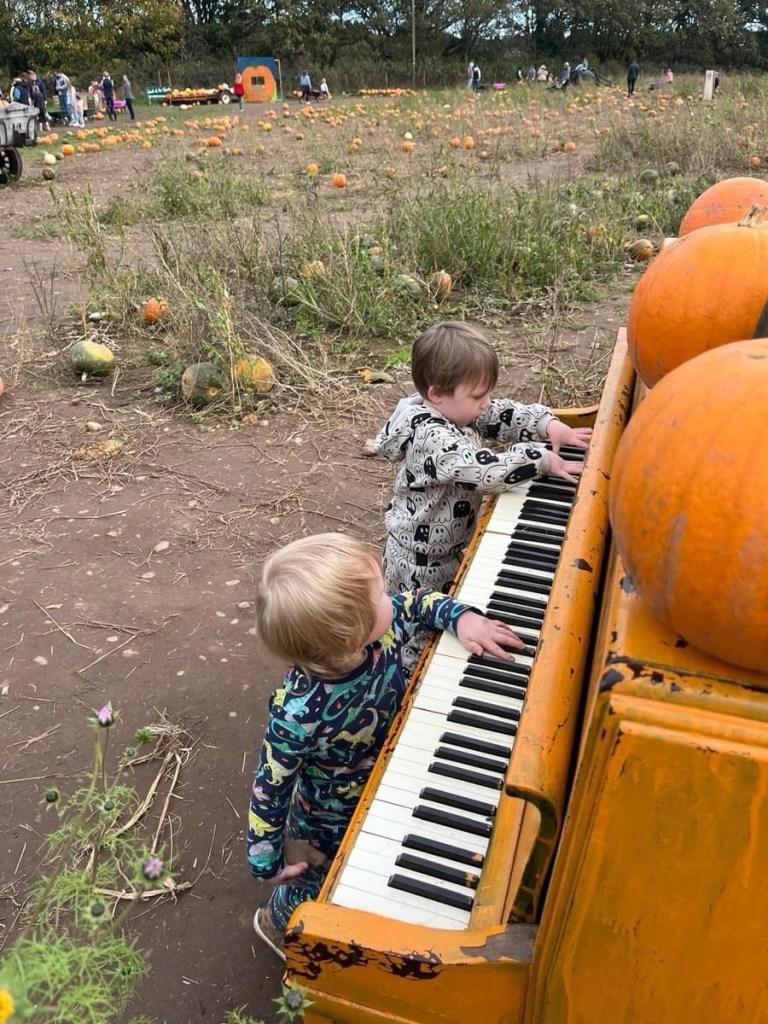
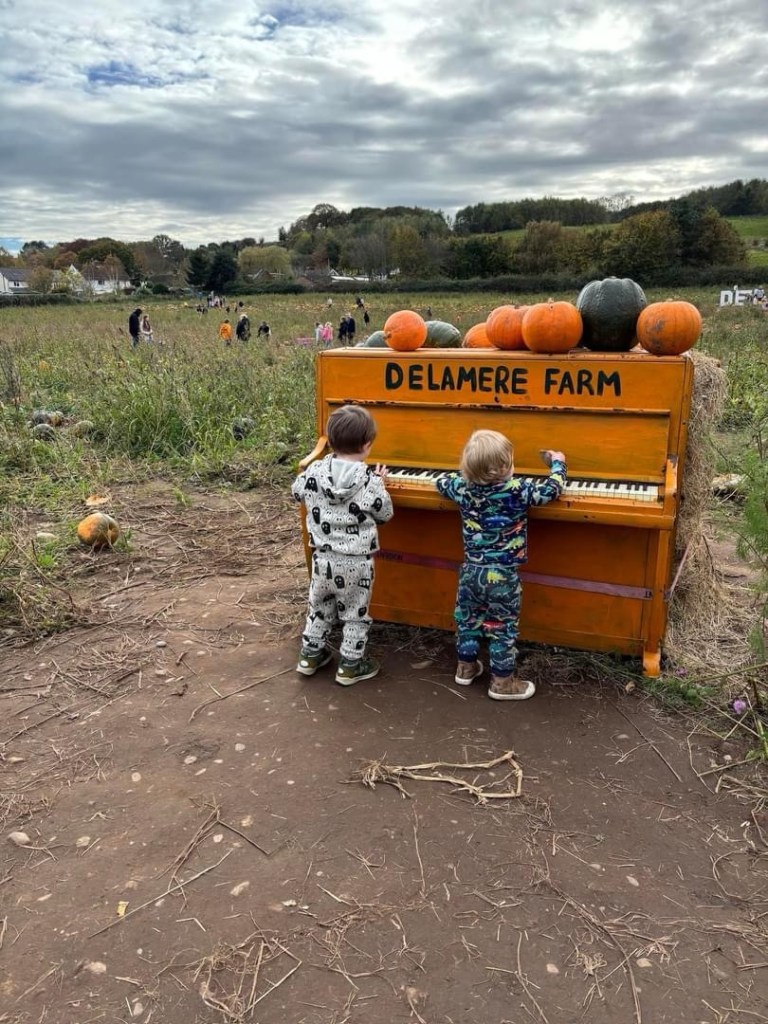
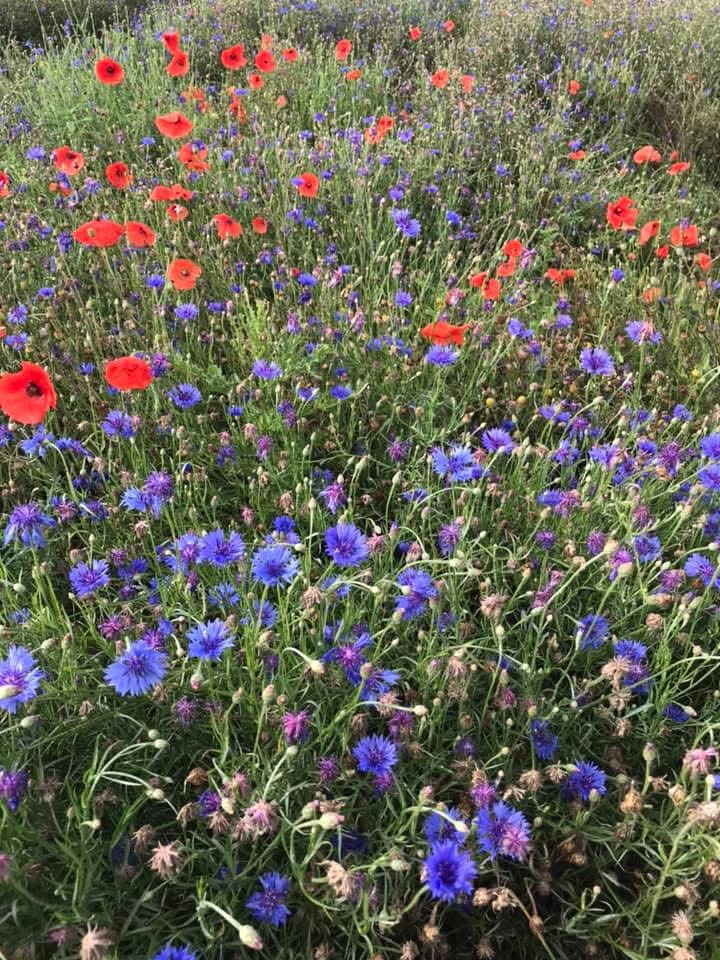
Pumpkin FarmLocal Wildflower MeadowNature ReserveLocal Park
Having the opportunity to learn outdoors can be a holistic and essential approach to education, offering a multitude of benefits beyond the traditional educational setting. Here are some of the ways the childminders take advantages of outdoor learning opportunities:
Enhanced Physical Development:
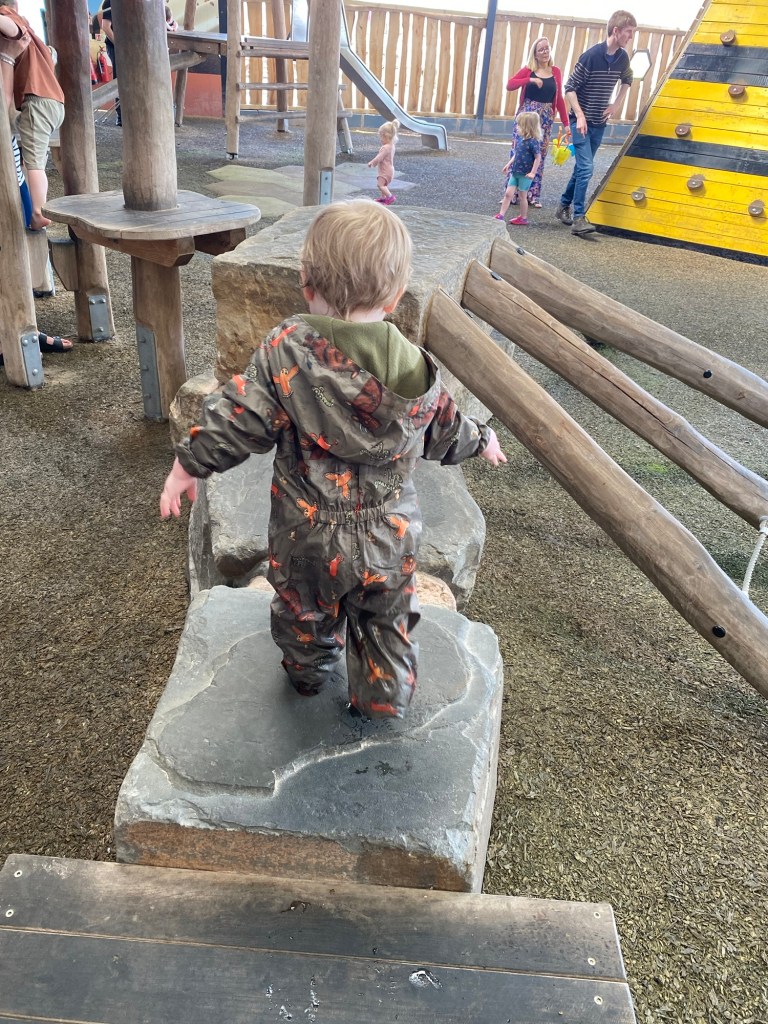
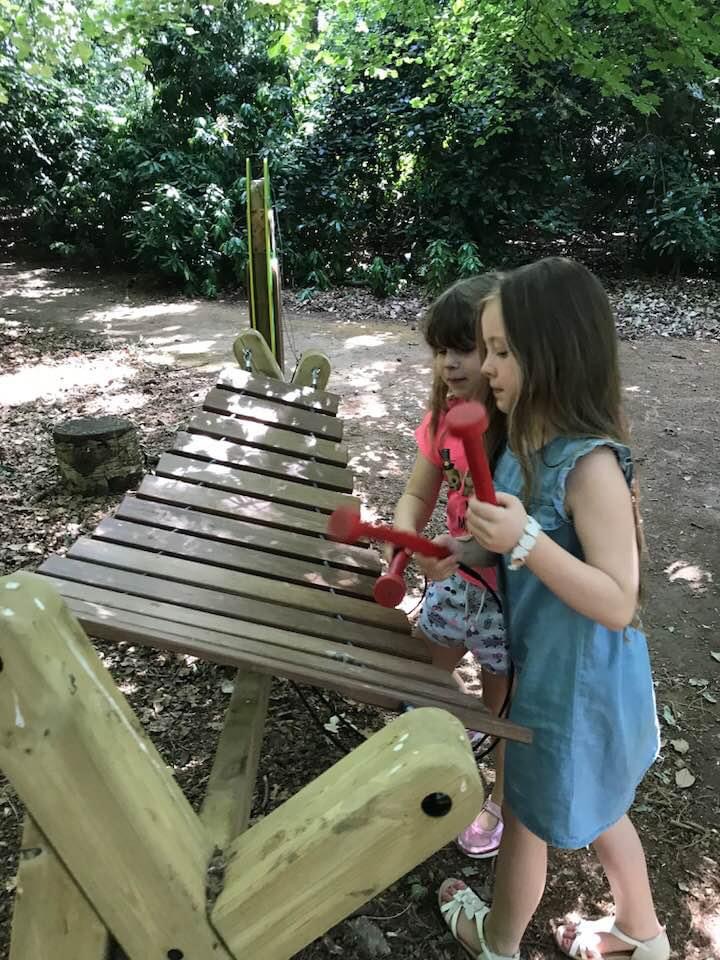
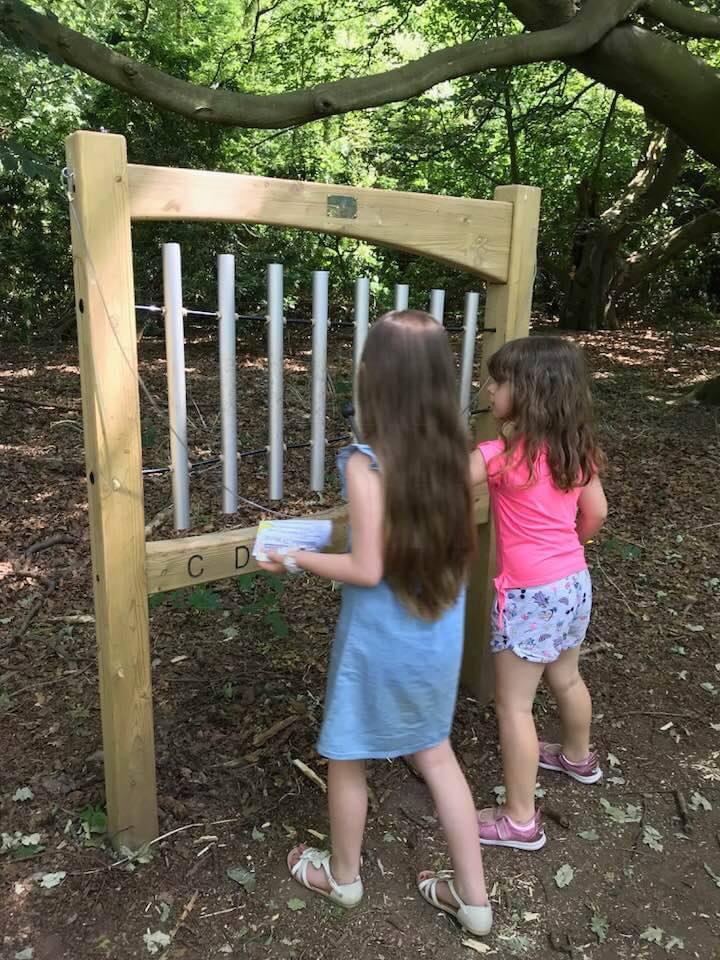
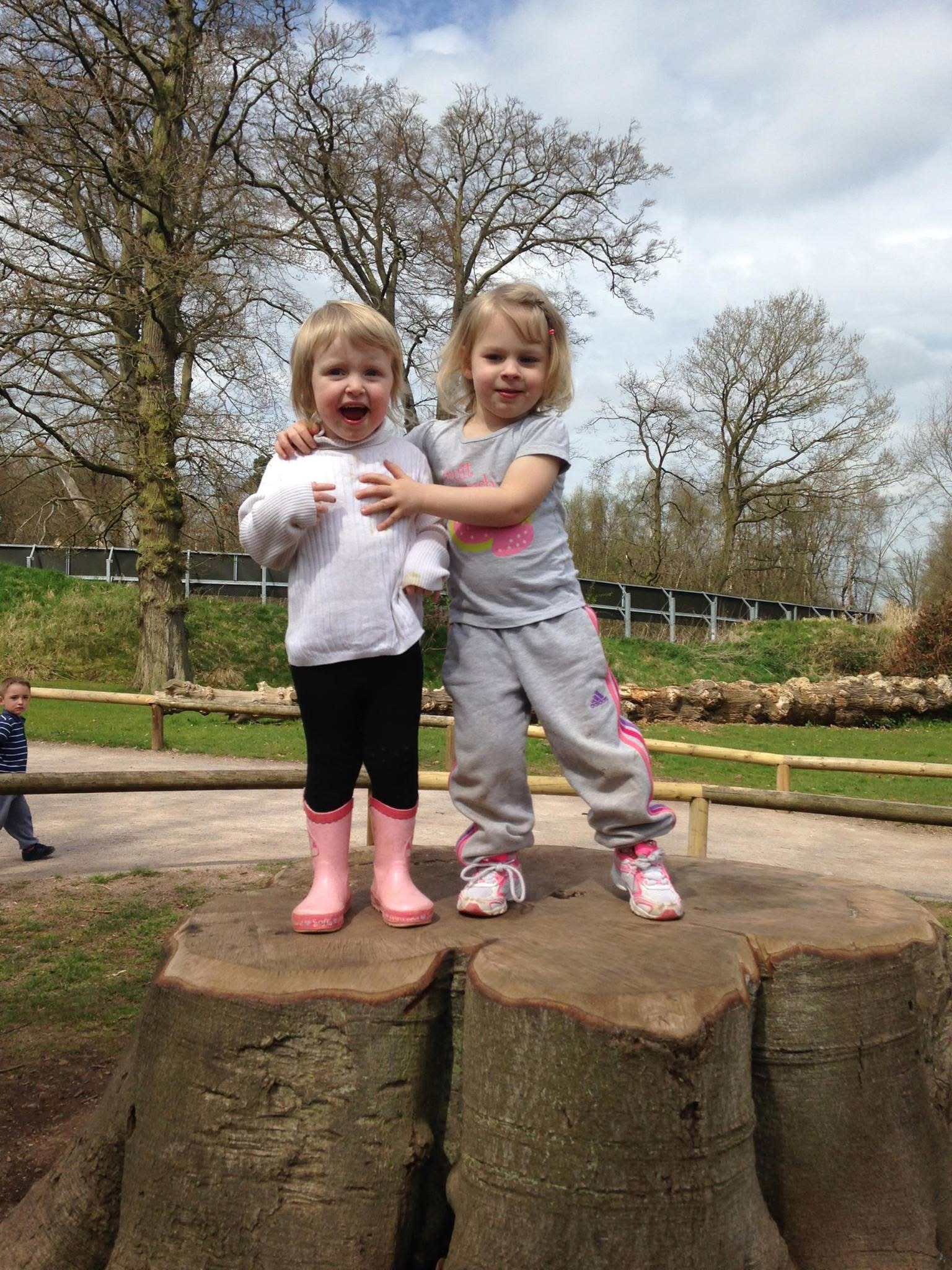
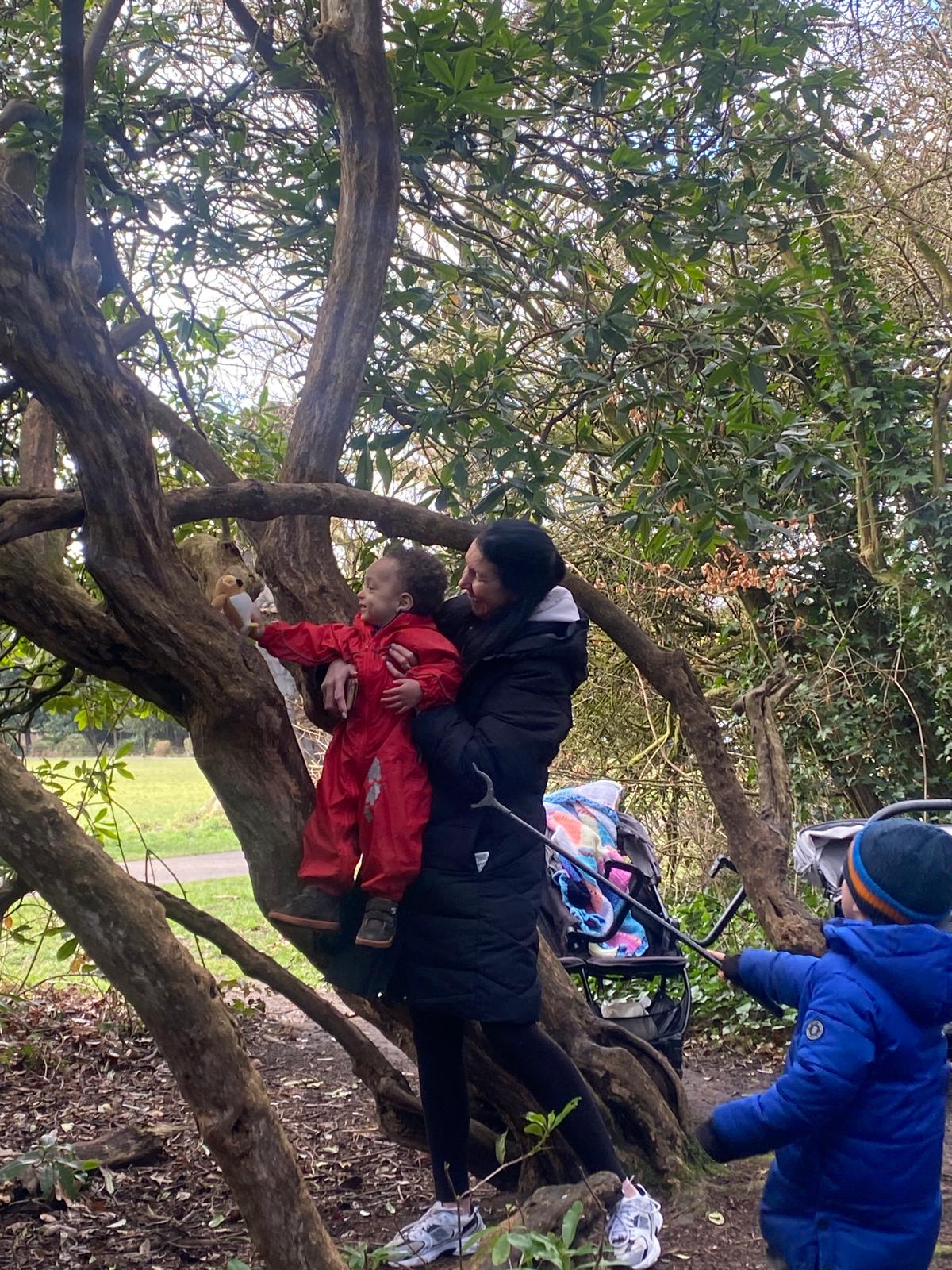
The childminders regularly take the children to the local forest to experience the natural outdoor spaces which are uneven and inconsistent (logs, trees, pathways) and therefore improve children’s balance, coordination, agility and encourage movement in ways that improve their muscles, bones and physical endurance.
Cognitive Development:
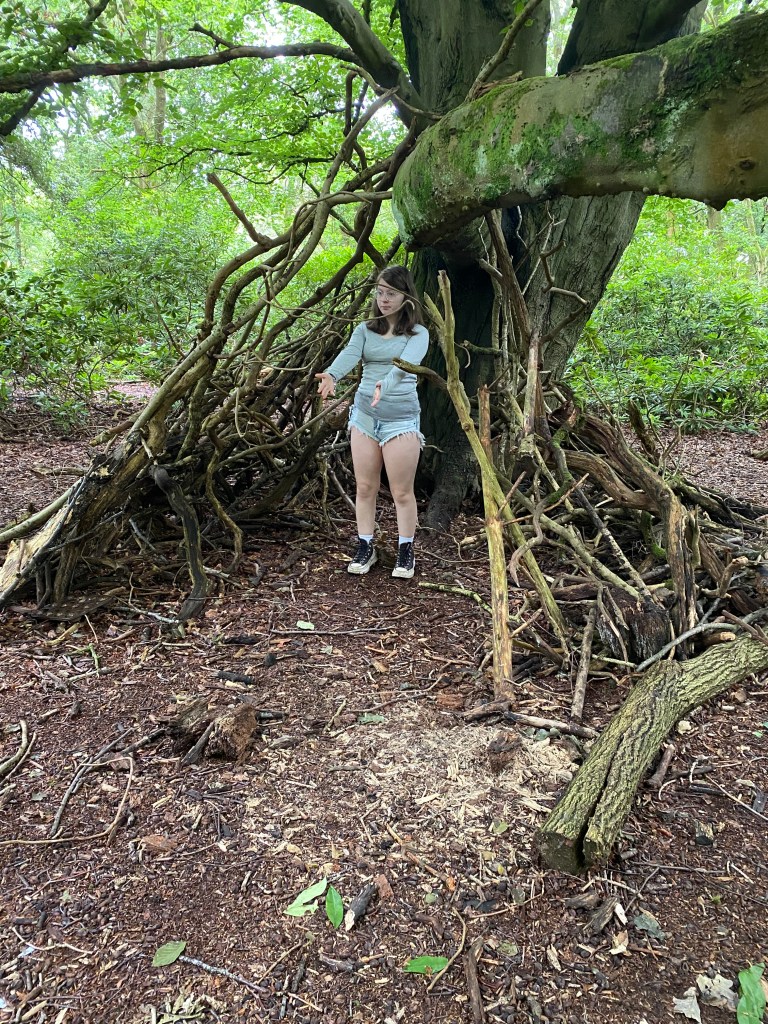
The openair environment of the local park provides opportunities for exploration (plants, wildlife, habitats) problem-solving (how to cross a big puddle?), critical thinking (how to make a den using found objects), decision-making and building essential skills like spatial awareness and adaptability. The children engage in activities such as den building, learning to look after the environment, and exploring nature.
Communication and Language Skills:
Collaboration between the childminders and peers significantly boosts communication and language development. This provides a natural, engaging environment to practice language, explore new vocabulary and develop social skills.
by providing the children with Imaginative play opportunities, exploring the natural world, and interaction with peers all contribute to language acquisition and communication skills which is evident by the children expressing thoughts, asking questions and listening to their childminder and peers.
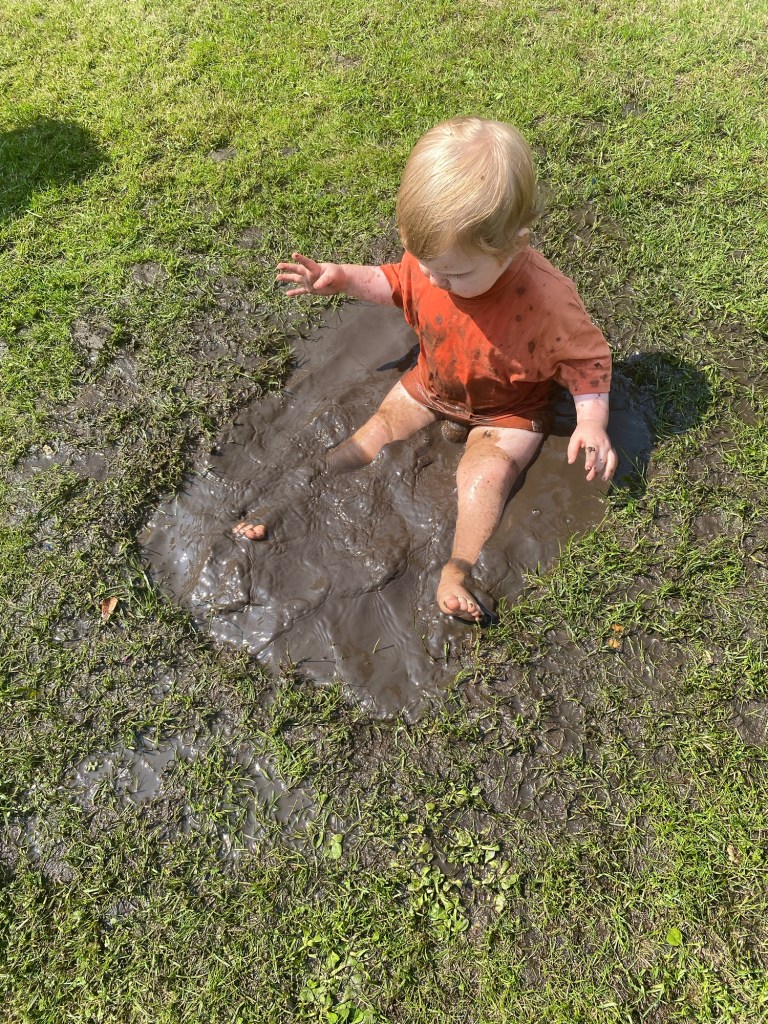
While in the outdoor area the children listen to natural sounds and explore other sensory experiences (e.g., the rustling of leaves, the feel of mud and sand) this broadens and enhanced language development by using words such as squidgy, squelchy, scrunching.
Personal, Social, and Emotional Development:
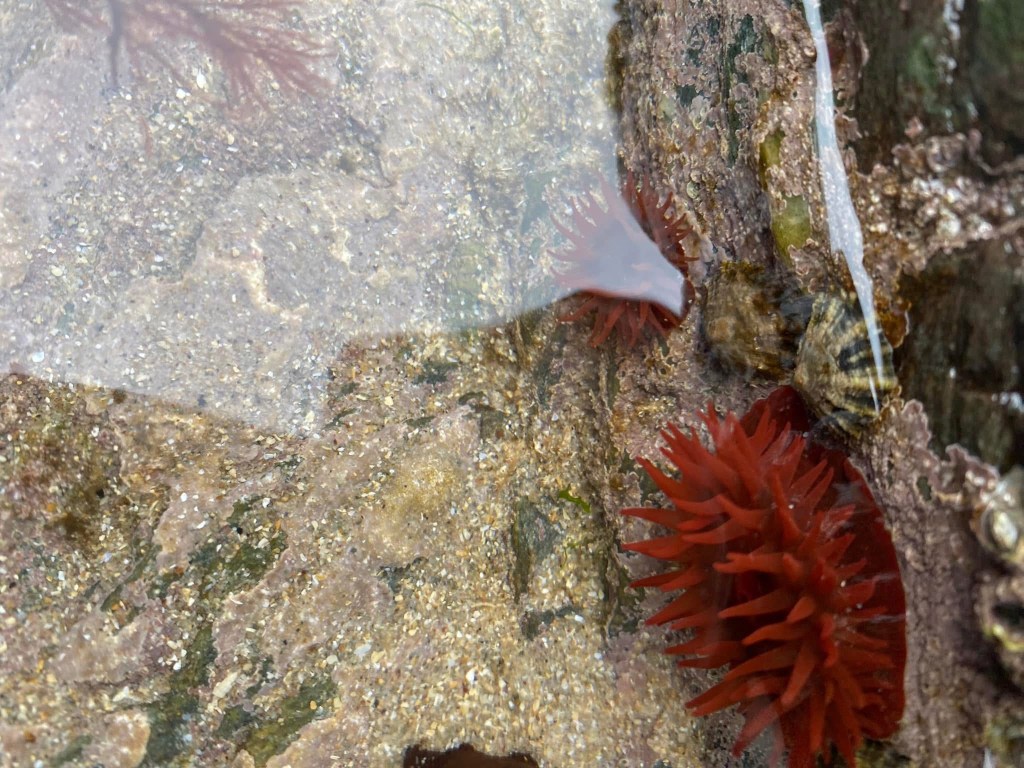
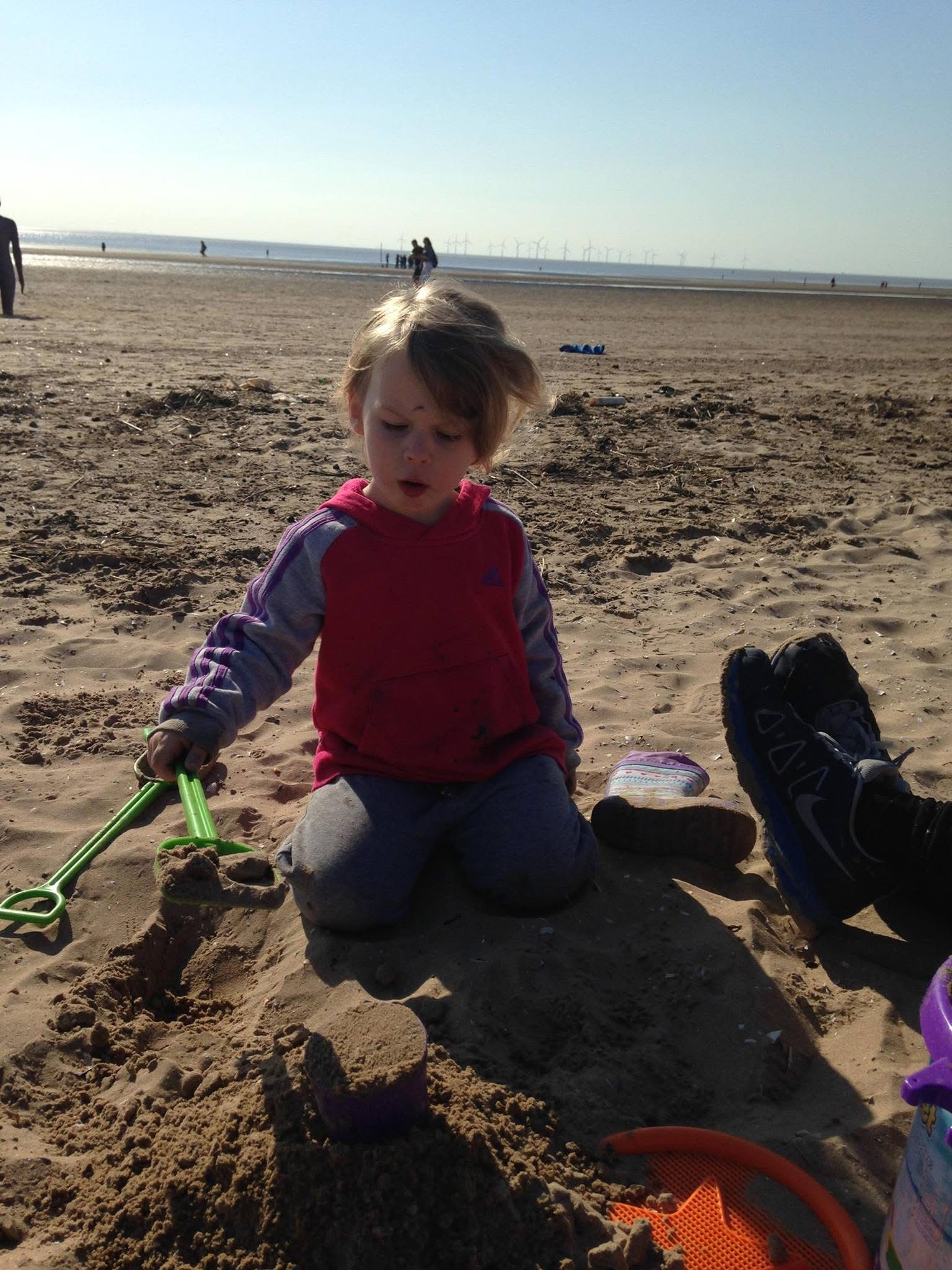
When the childminders take the children on visits for instance to the beach this provides abundant opportunities for personal growth and social development. The children learn to manage risks, (being close to water/climbing on slippery rocks/identifying and studying the jellyfish) develop self-confidence, and form positive relationships in the safety of their childminder and experiences with peers.
Knowledge and Understanding of the World:
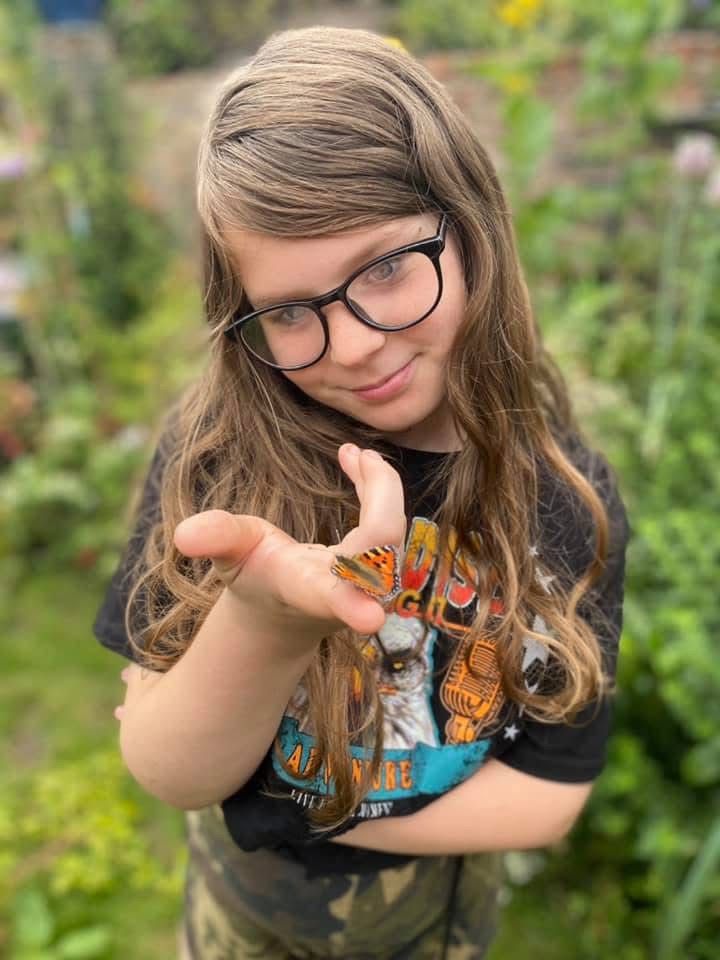
Outdoor learning offers a direct relationship with nature, enabling children to explore and understand the natural world, encouraging an enduring interest in science, ecology, and caring for their environment.
We welcome childminders and our community family to share our environment, where we exchange ideas’ share surplus produce and have a swap scheme for instance toys/plants/story sacks to promote positive relationships and encourage cost effective way of living.
Literacy and Mathematics:
Outside spaces can serve as an environment for literacy and numeracy activities. Children can count objects, (bugs, shells, sticks) write using natural materials (sand, soil, chalk, sticks) or engage in storytelling and creative writing inspired by the environment for instance using the ’anywhere farm’ story sack at the urban farm.
Expressive Arts and Design:
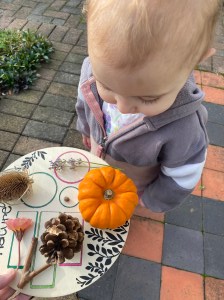
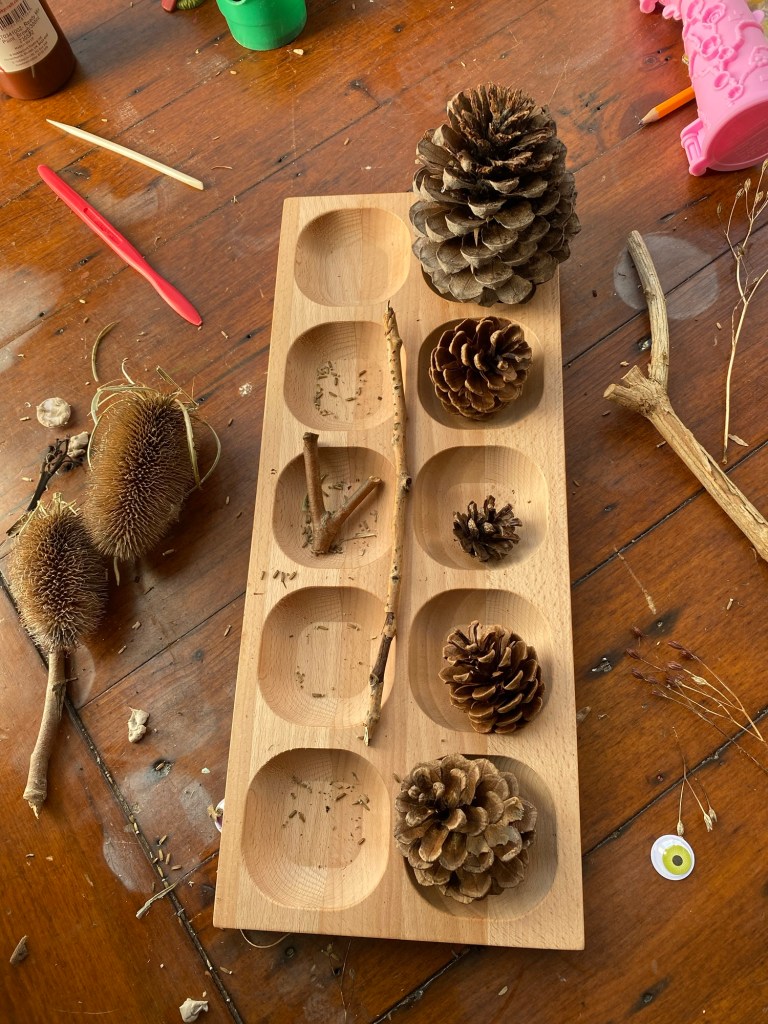
Open air environments encourage creativity and artistic expression. Children can be involved in activities such as drawing, painting, or sculpture using natural materials, (logs, sticks, shells, pinecones) furthering their artistic development.
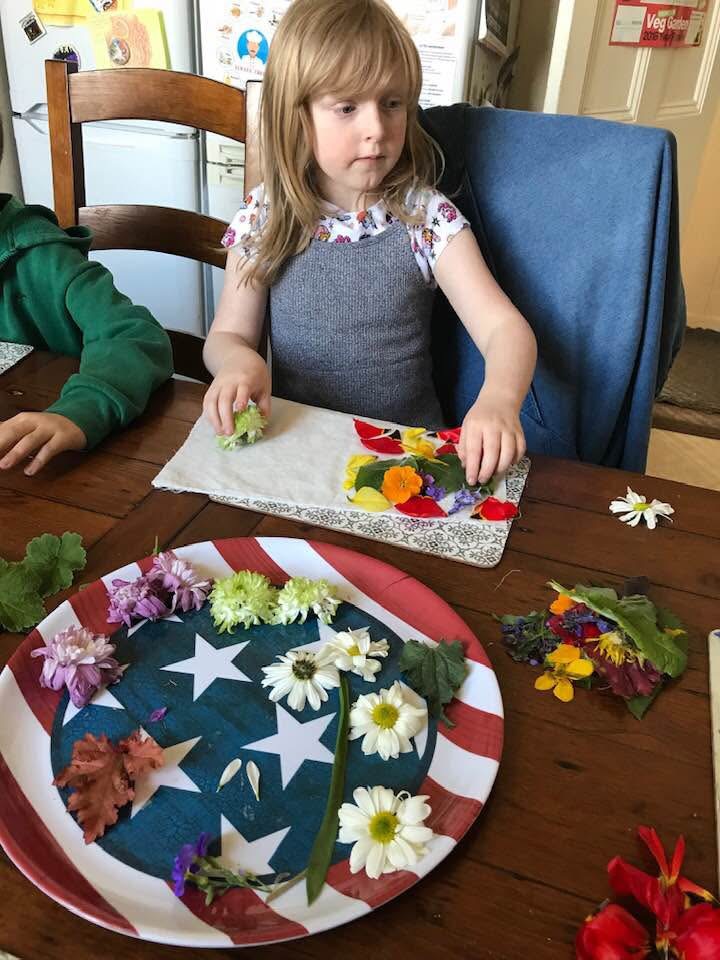
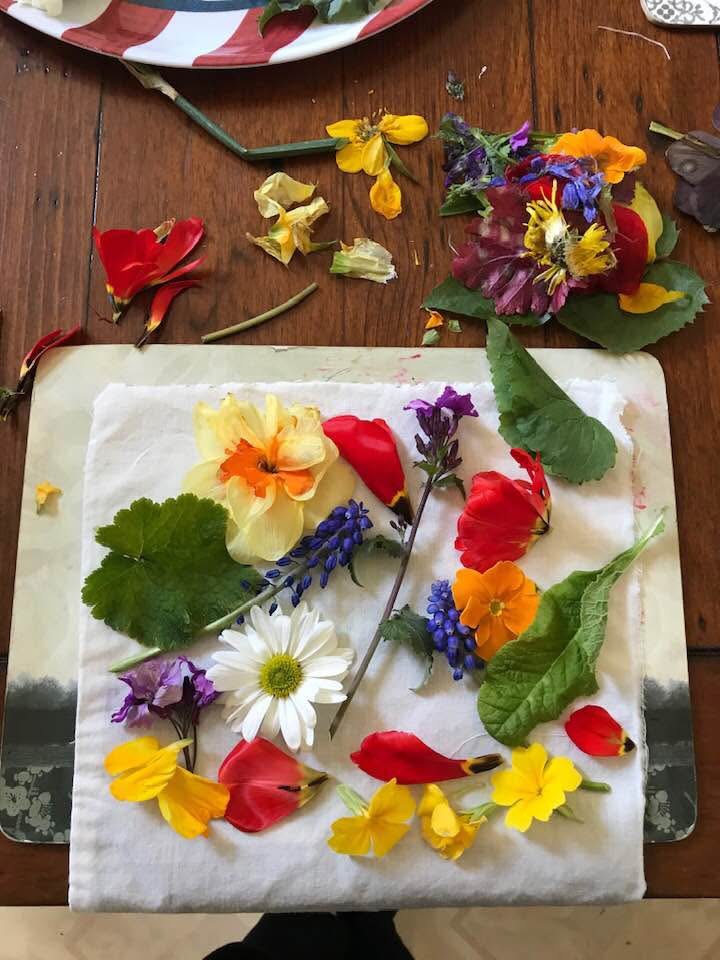
The children are very interested in using flowers and leaves to make natural prints pressing the flowers (from my garden) between two pieces of material to bring out the natural colourings.
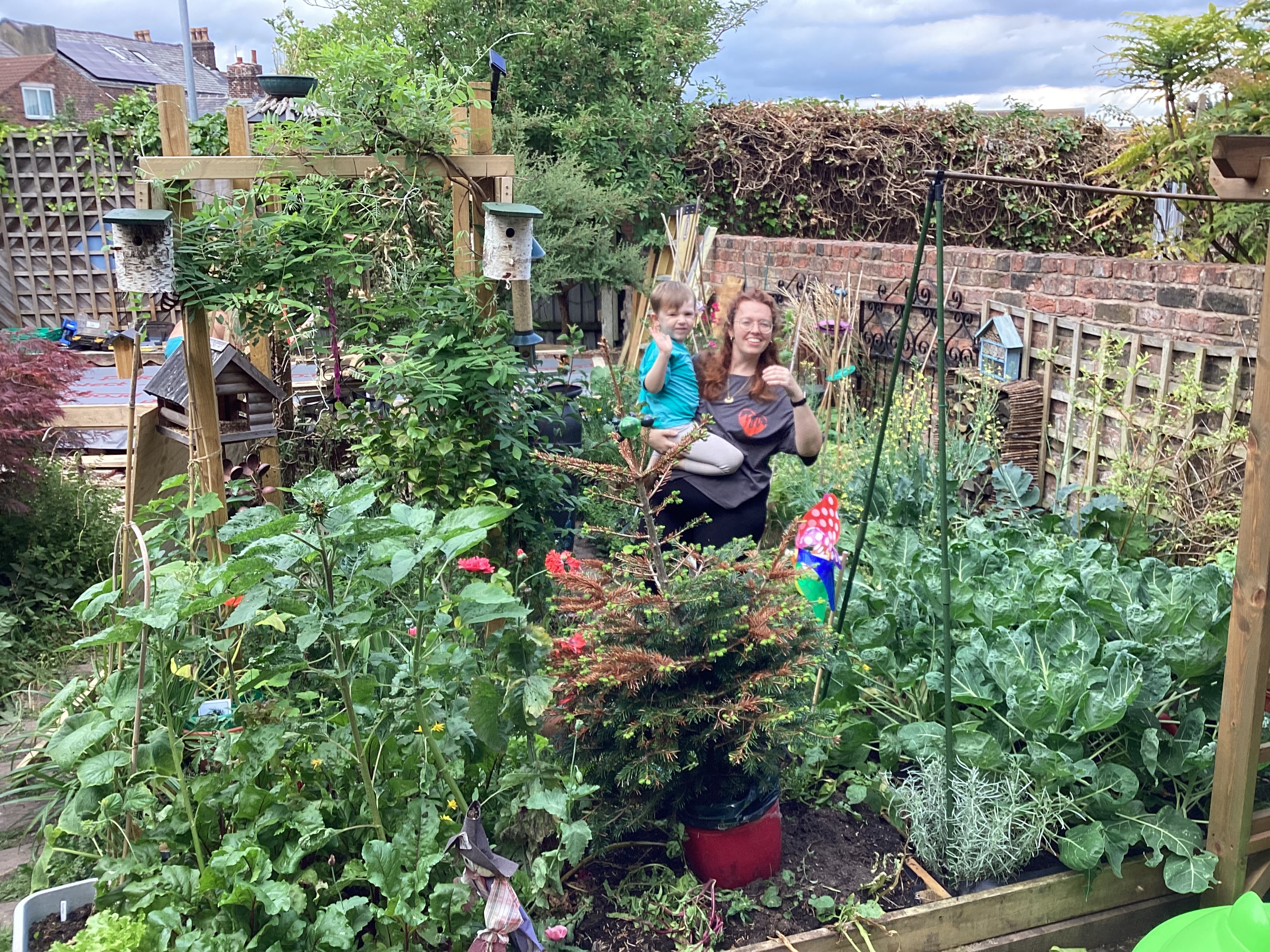
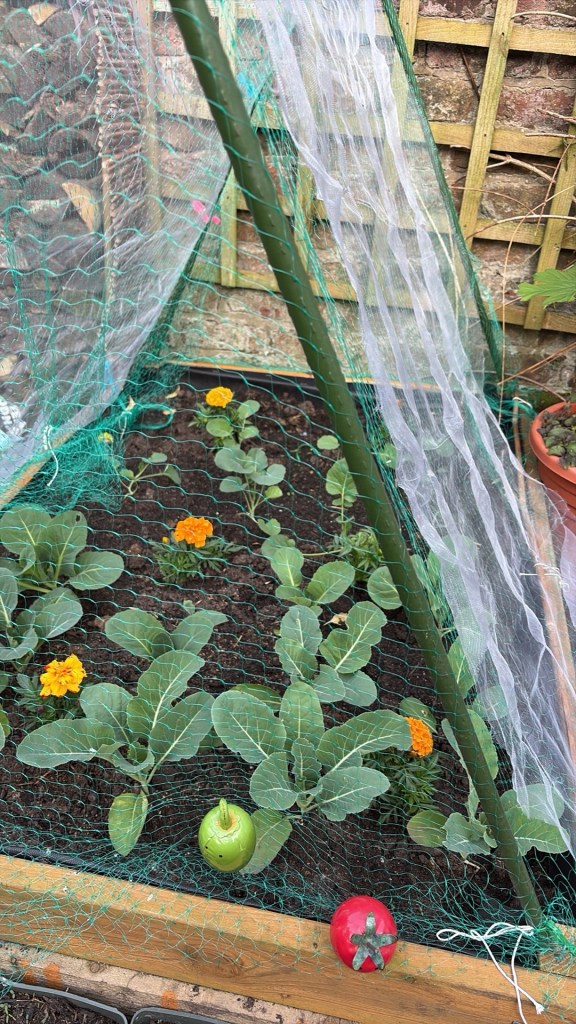
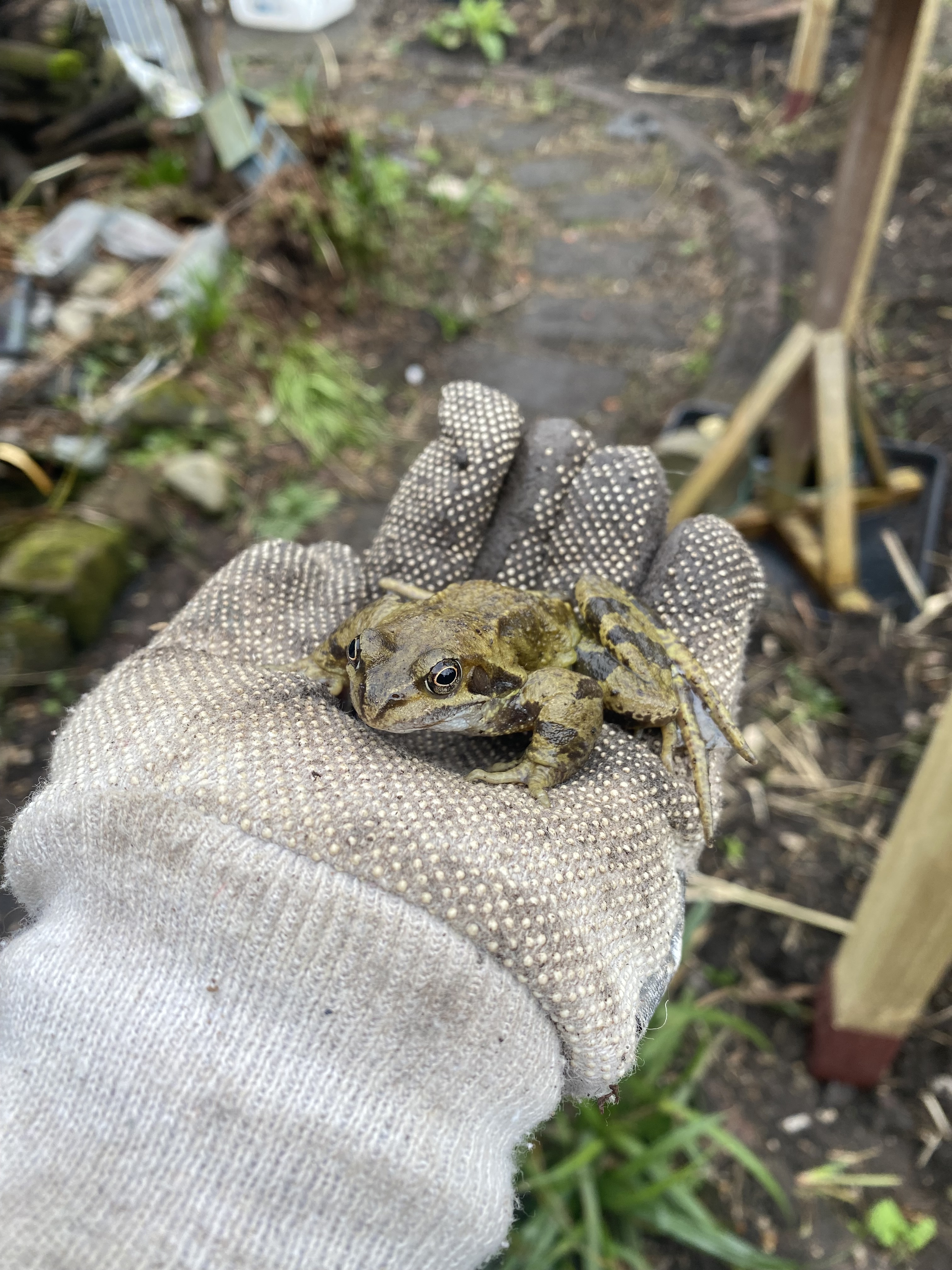
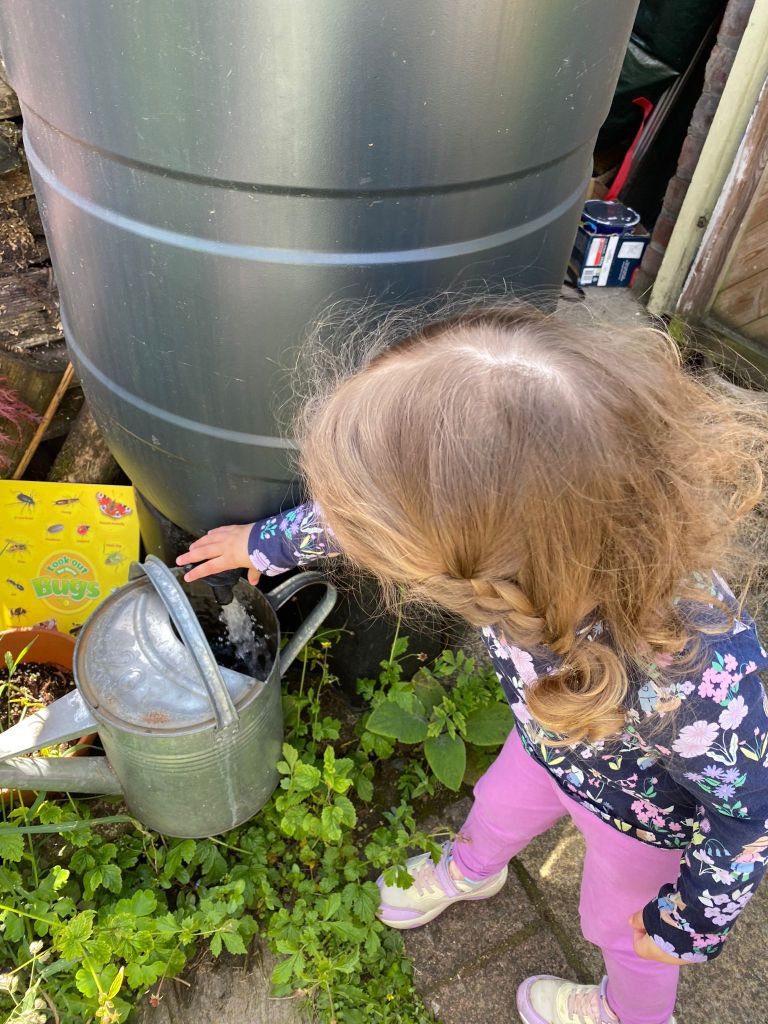
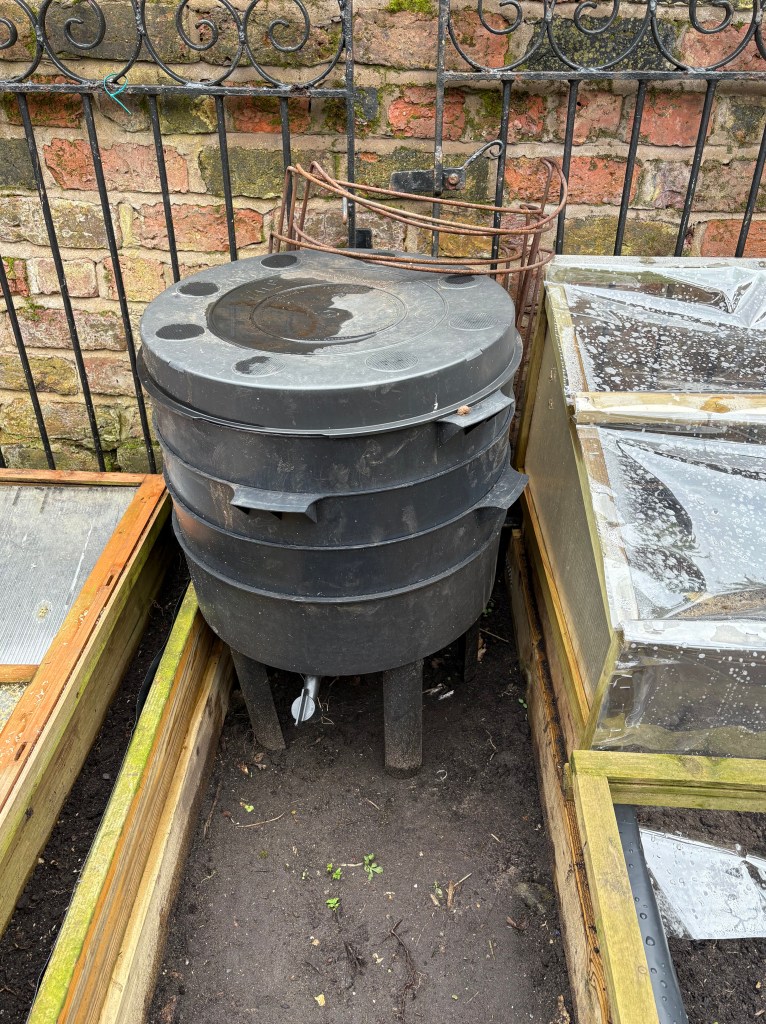
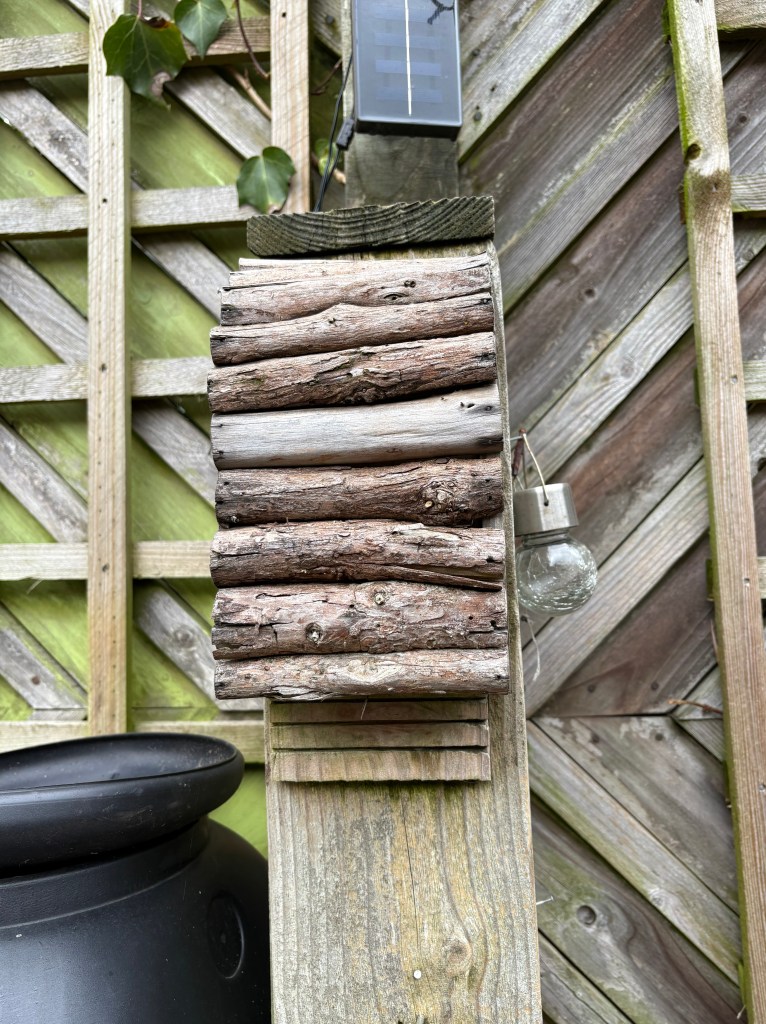
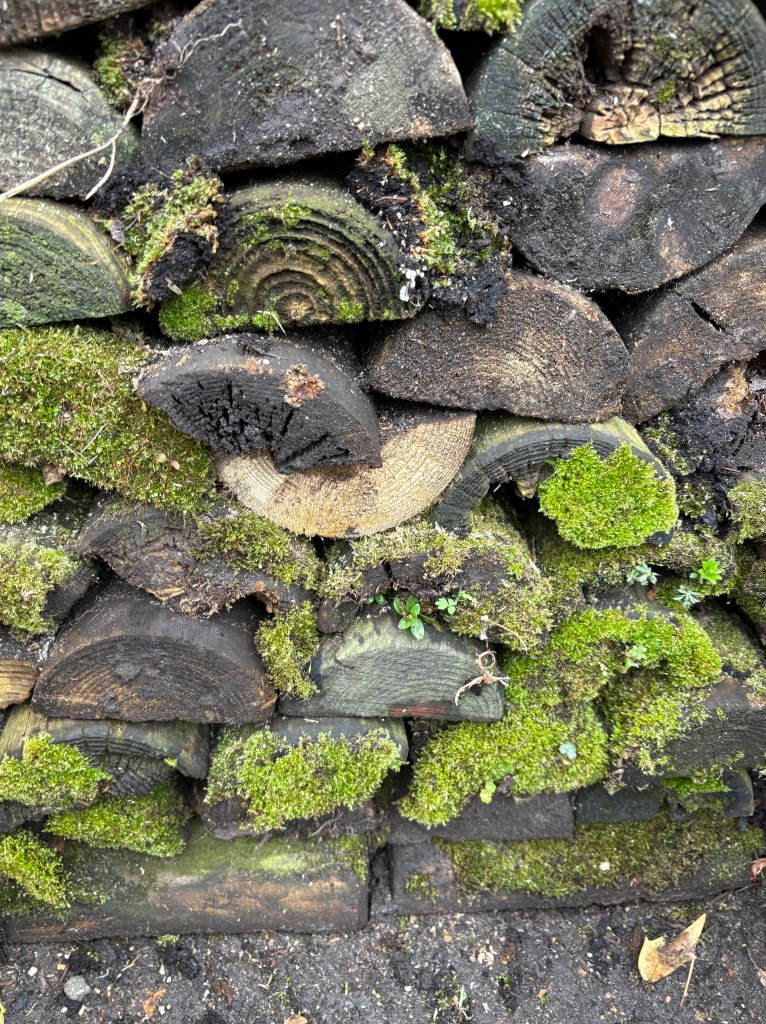
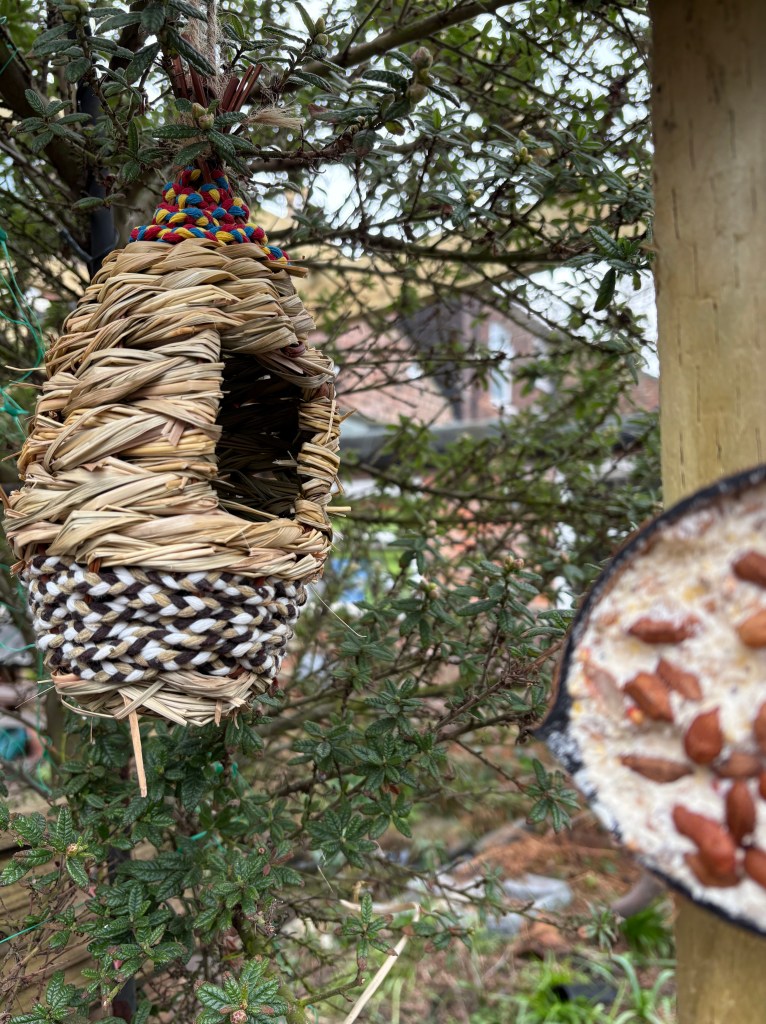
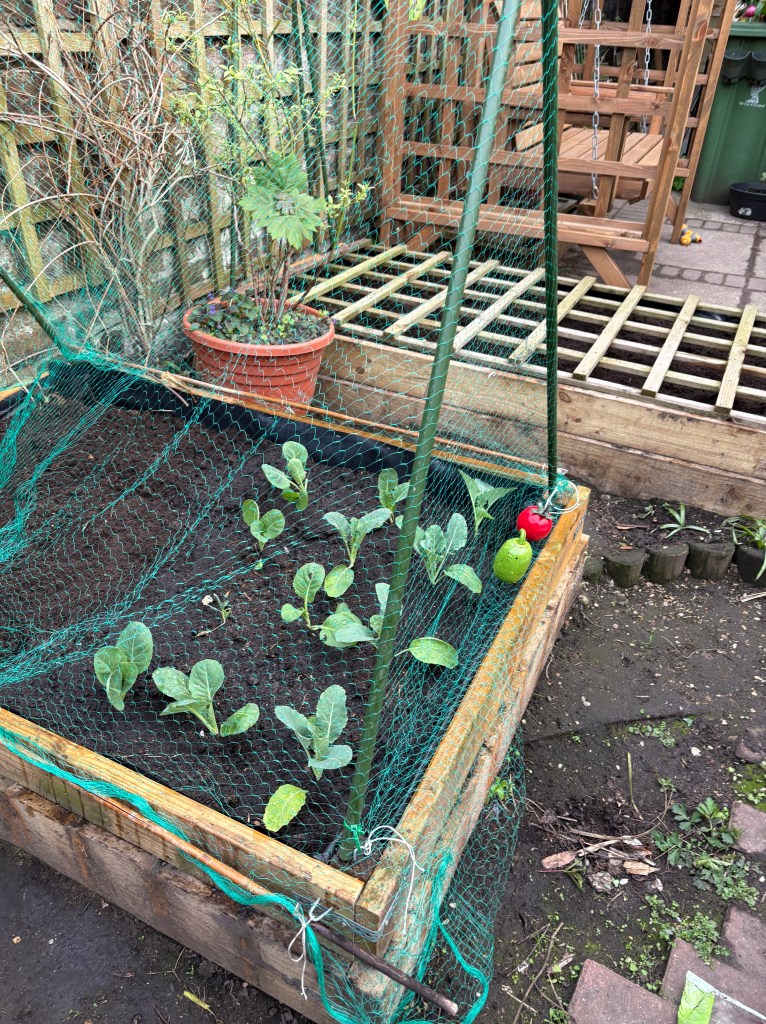
My personal childminding ethos and curriculum is ‘sustainability in the garden classroom’. I am privileged to have a wonderful outdoor space where I teach the children to care for their environment. We have a wormery to use up food waste and provide our plants with nutrients, water butts to recycle water and feed our fruit and vegetables, habitats for the wildlife such as frogs, bees, bugs etc. We grow plants (not always successfully) using different methods such as hydroponically, using recycled materials and no dig raised beds.
Conclusion
By childminders being creative and giving children opportunities to access various outdoor environments reinforced with the Early Years Foundation Stage (EYFS) 7 areas of learning is a pathway in a child’s holistic development. The EYFS framework recognises the importance of outdoor learning, and the benefits of this approach are undeniable. By providing children with outdoor environments for physical activity, cognitive growth, social interaction, and a deep connection to nature, we nurture well-rounded children and enable them to be better prepared for the challenges of life and holistic learning. This is the collective responsibility of parents and educators to ensure that all children have access to these inspiring outdoor activities and environments that will profoundly shape their future in positive and meaningful ways.
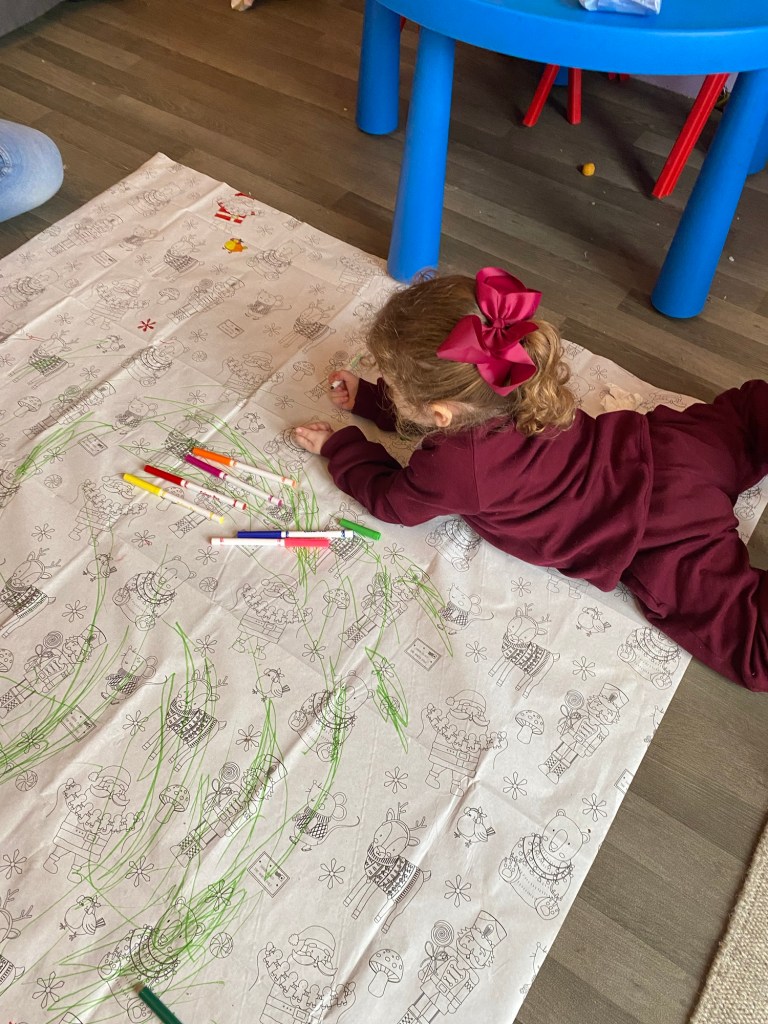
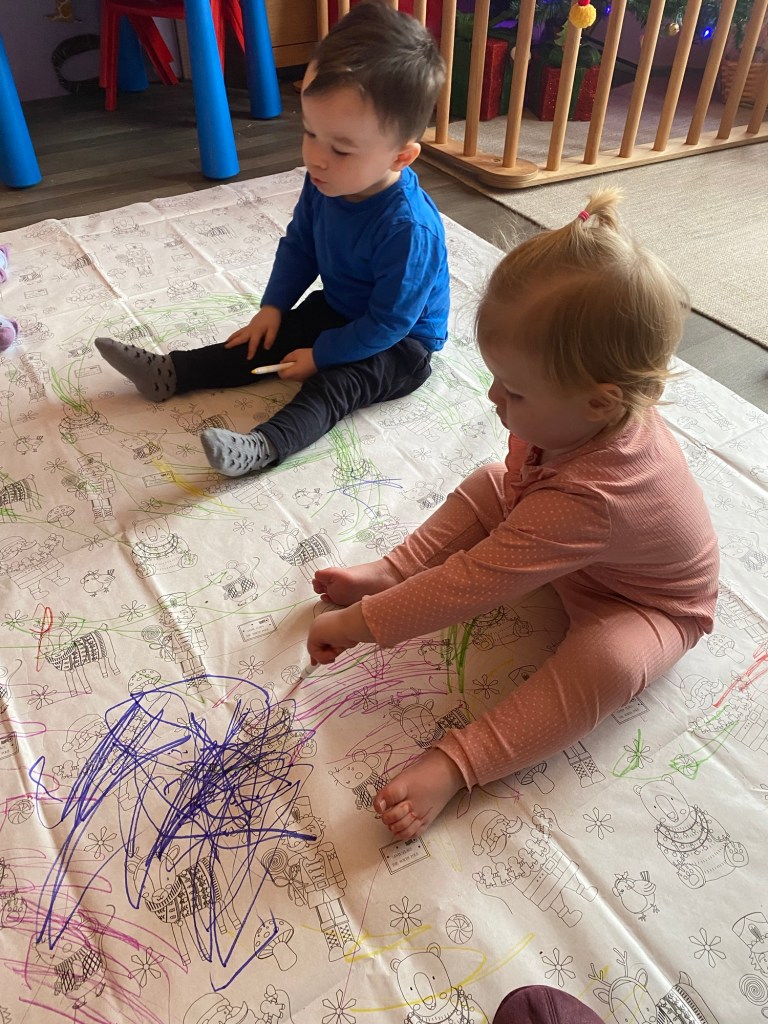
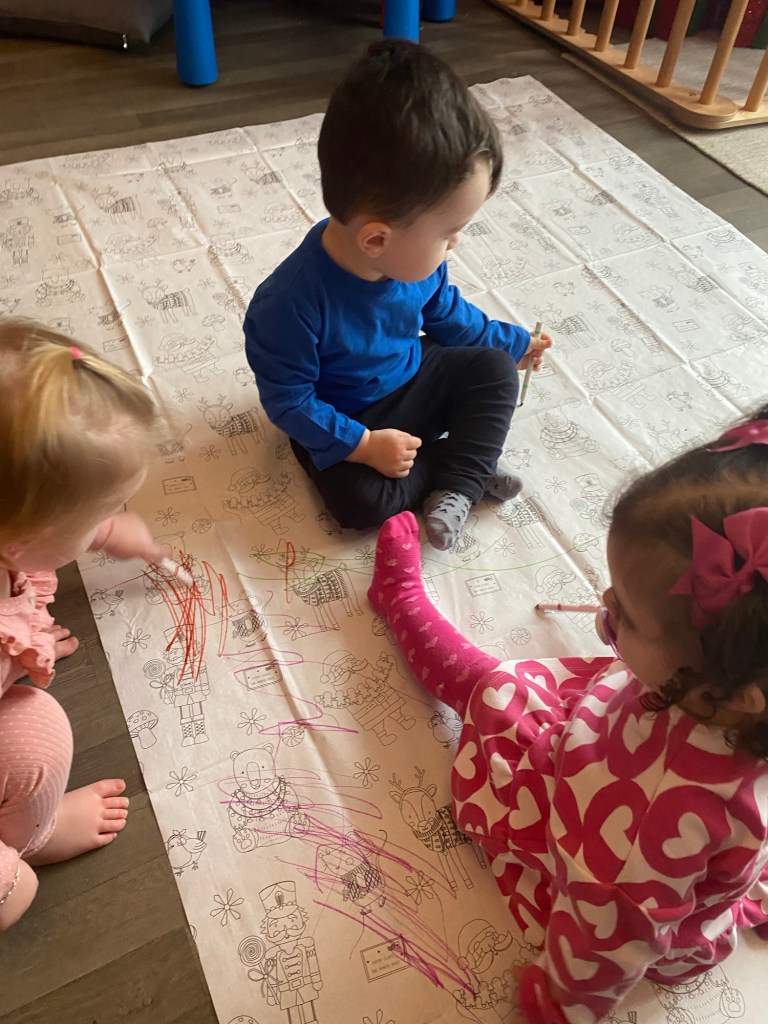
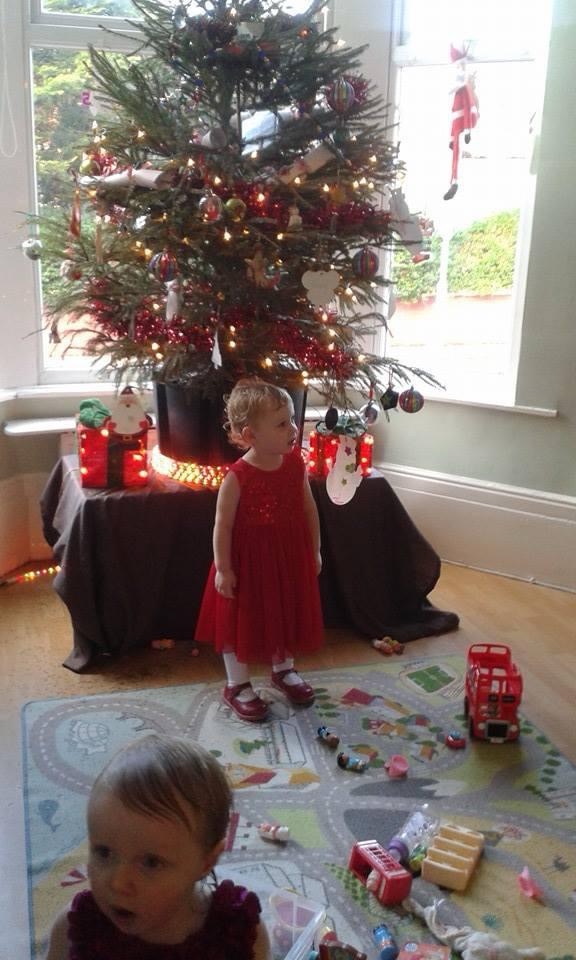
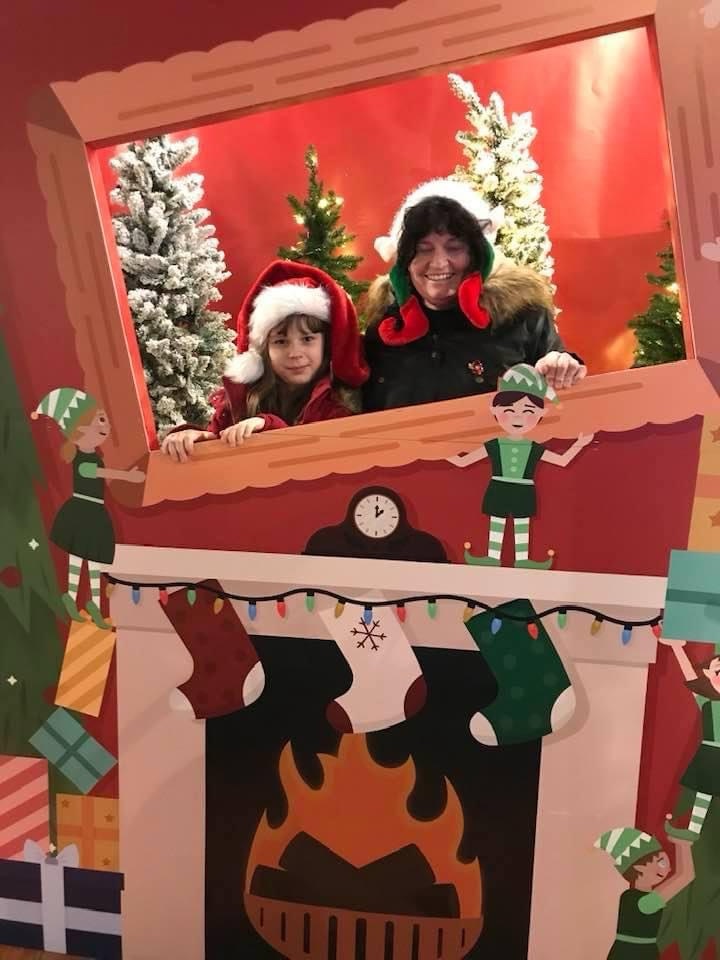
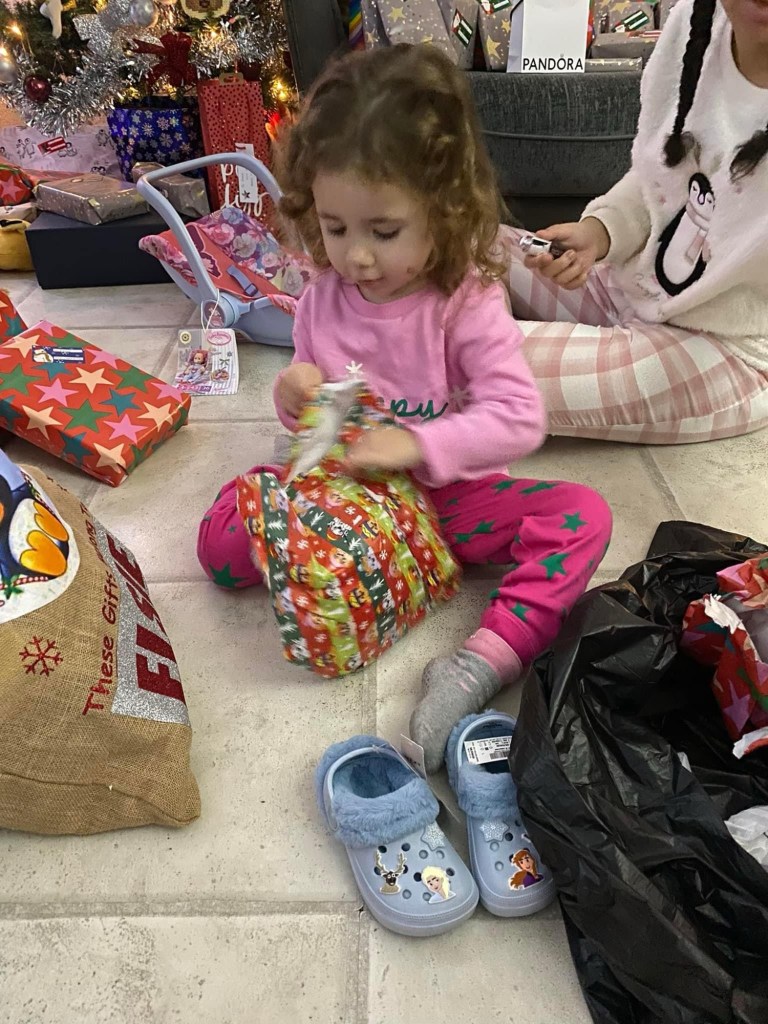
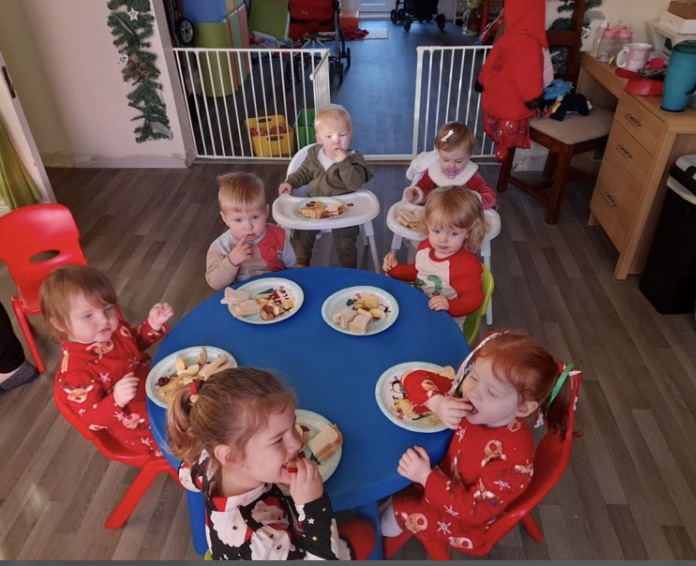
We have had such a fun few weeks getting ready for Christmas. The house has been well and truly glitter bombed!
Holly
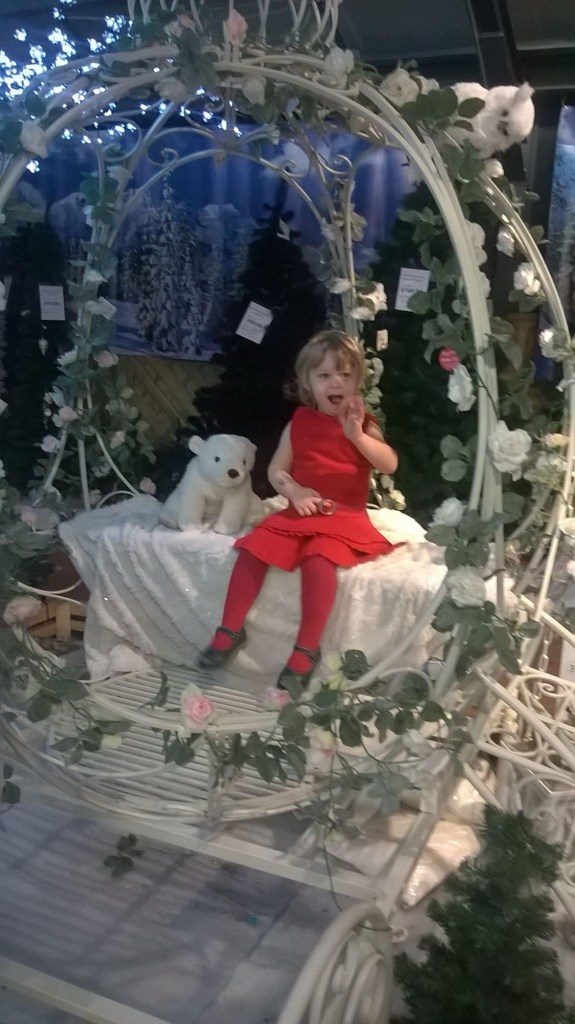
Holly is looking forward to her first Christmas. She has grown so much this year and been such a good girl, Father Christmas will definitely be bringing her something nice.
BenJack
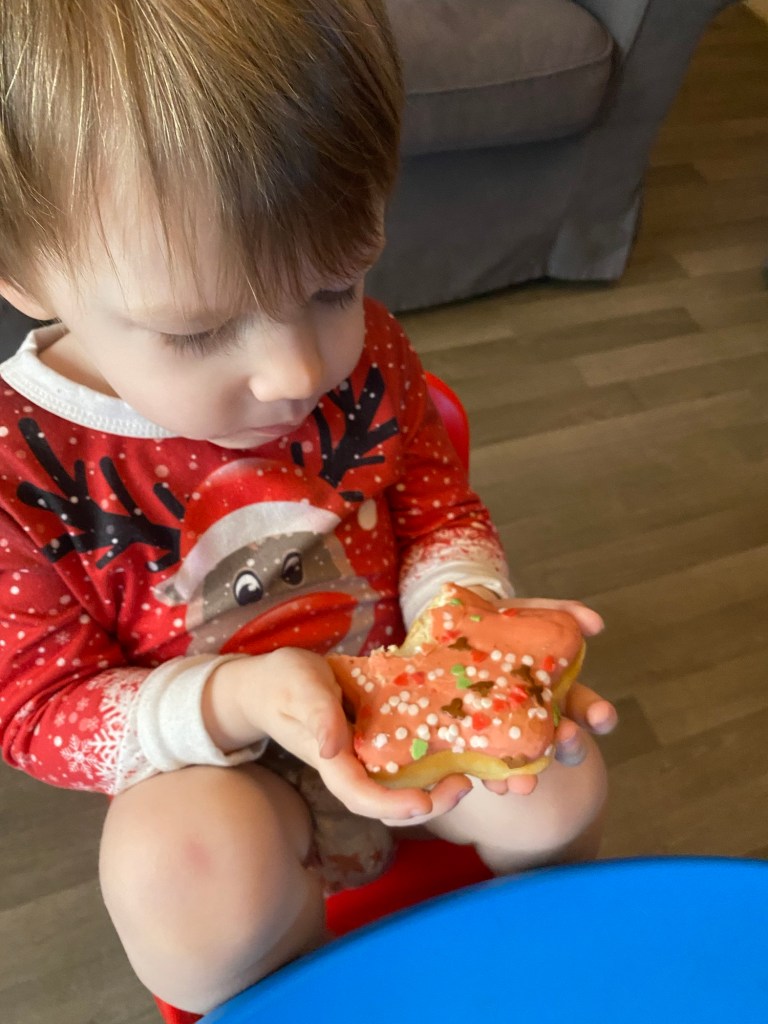
Ben and Jack absolutely loved these star shaped doughnuts, who doesn’t love Christian treats!
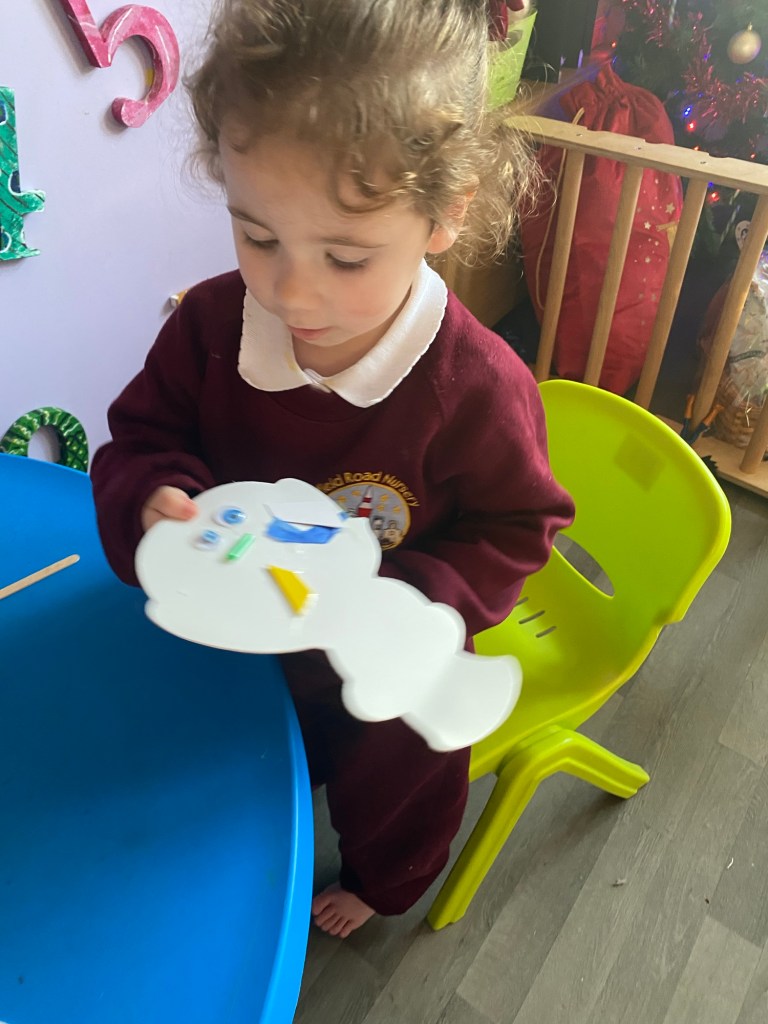
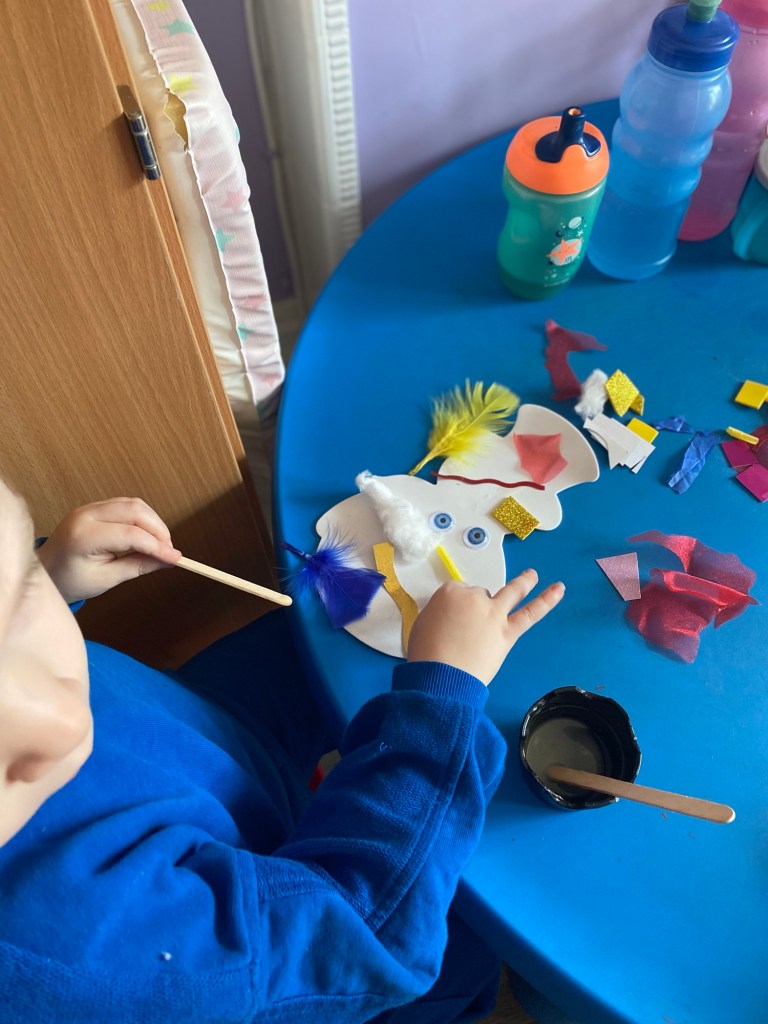
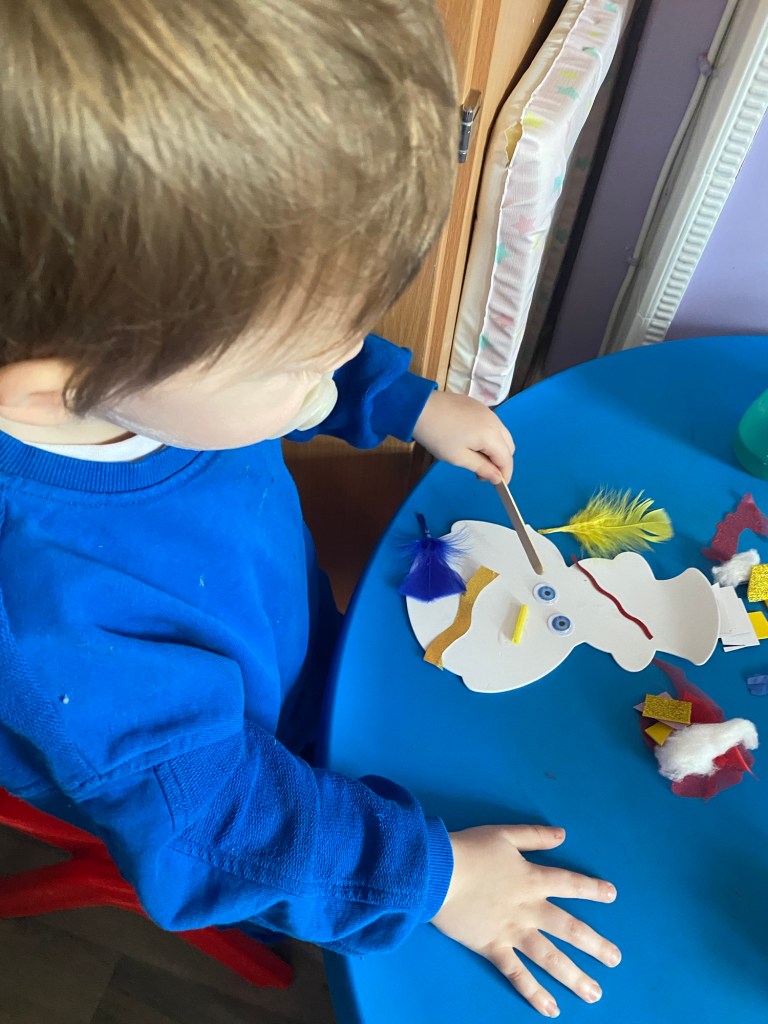
Jack, George And ElsieElsies SnowmanJacks SnowmanEyes, Nose And Mouth
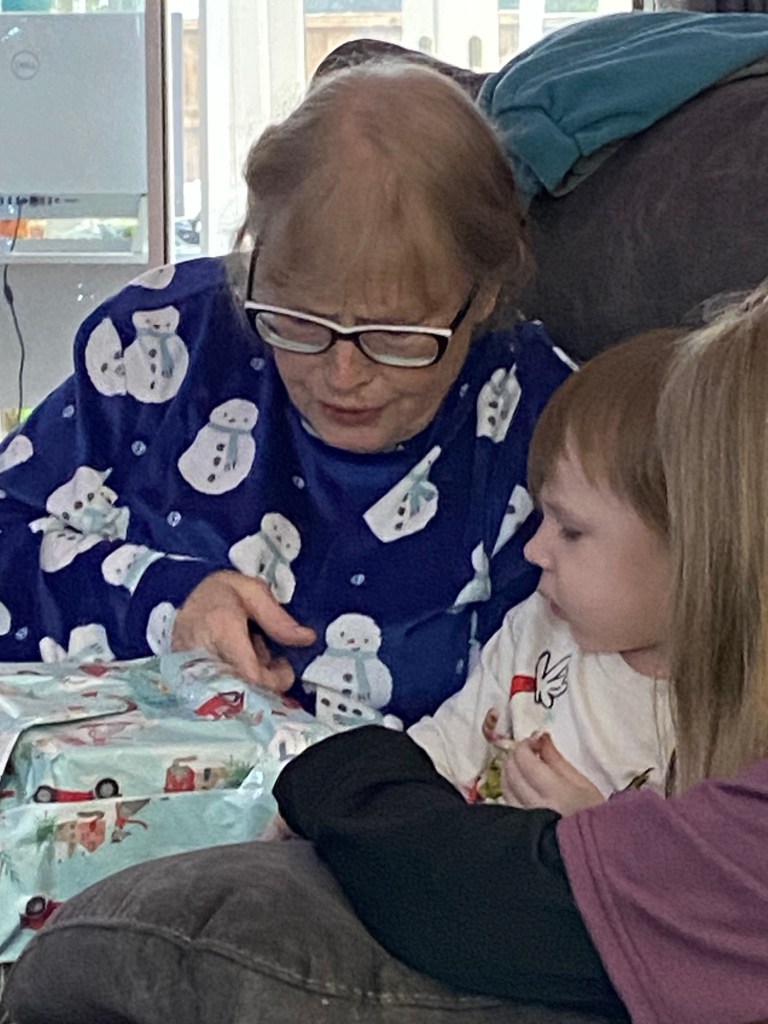
We have made so many different crafts over the last few weeks for our parents and grandparents. We loved making our Snowmen, let’s hope it really snows so we can make a real one.
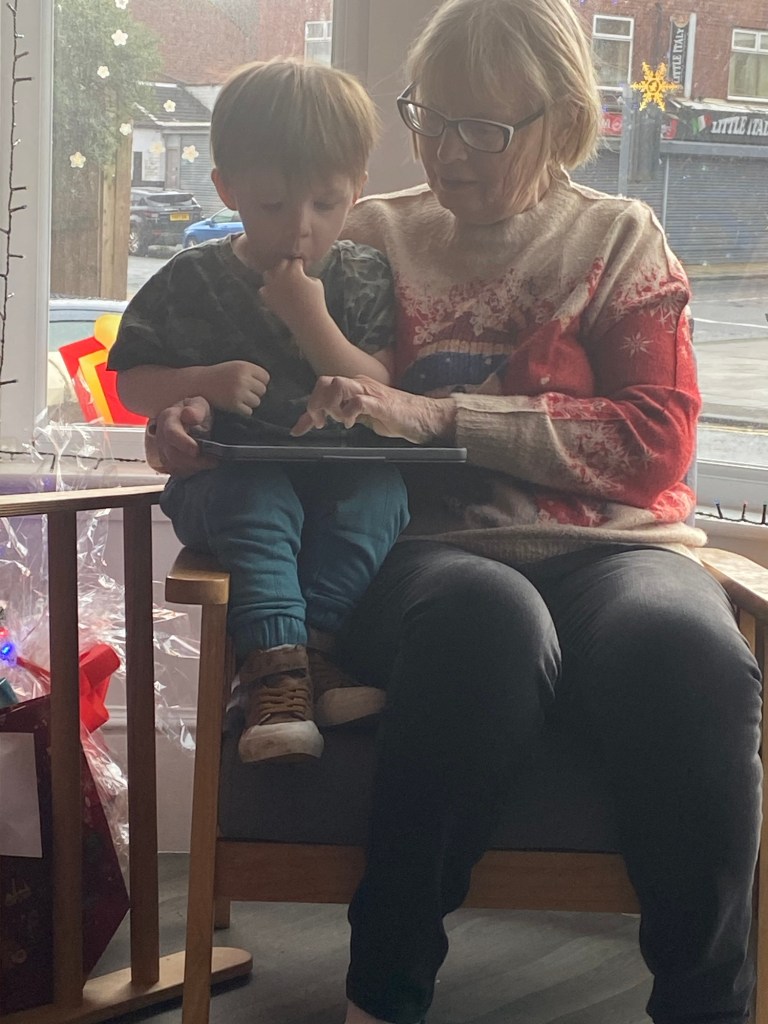
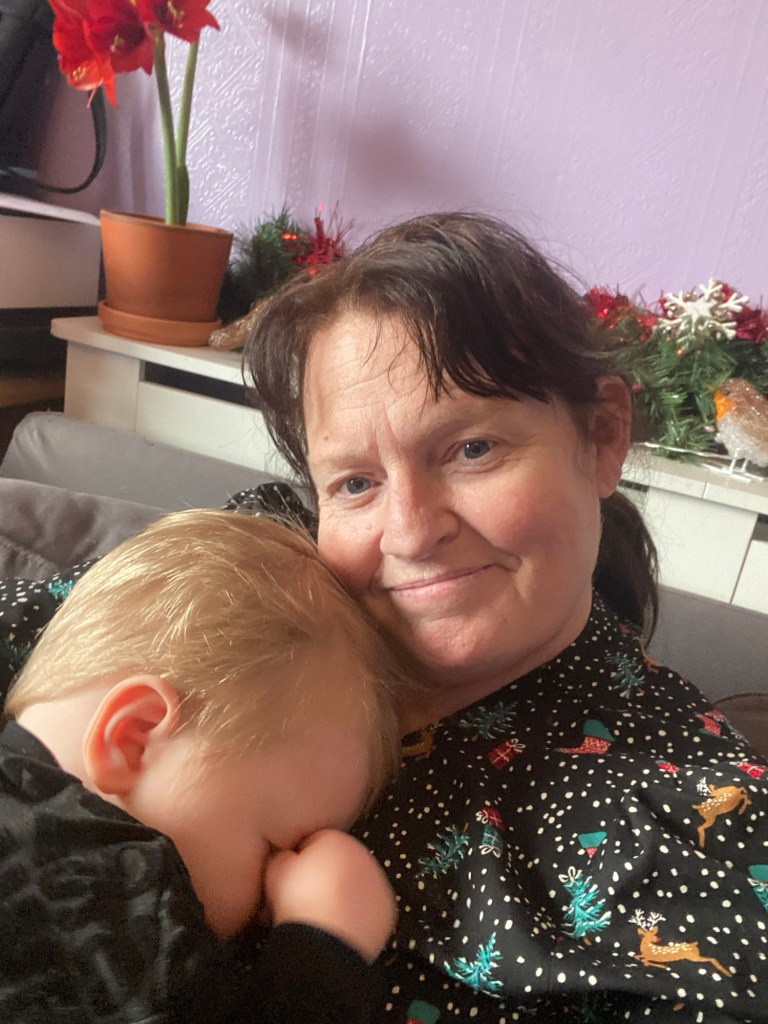
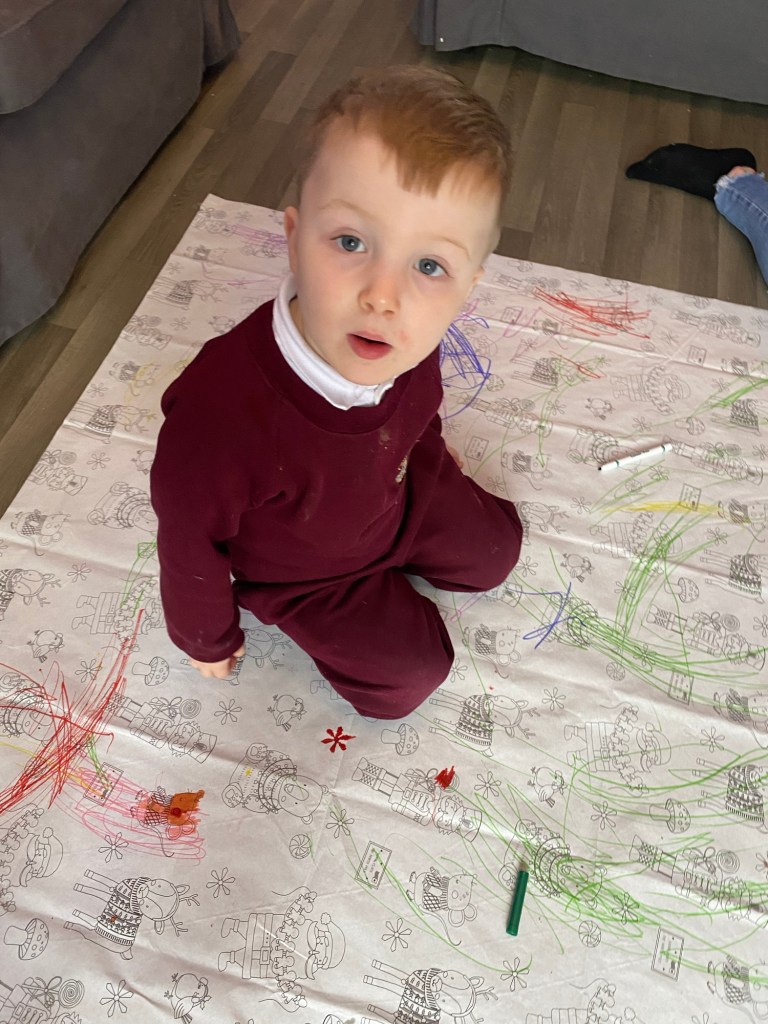
Below are some photos Tracie has taken over the last few weeks.
Phyllis, Jack And ChloePhyllis And JackTracie And BenGeorgeElliottElsieMable And ElliottHolly, Debbie And ElliottElliott And Lottie
We looked at some old photos of Chloe, Poppy and Tracie. We could see how big they have grown! can you see who is who?
Chloe, Poppy And Poppy Poppy Aged 2 Tracie And PoppyPoppy
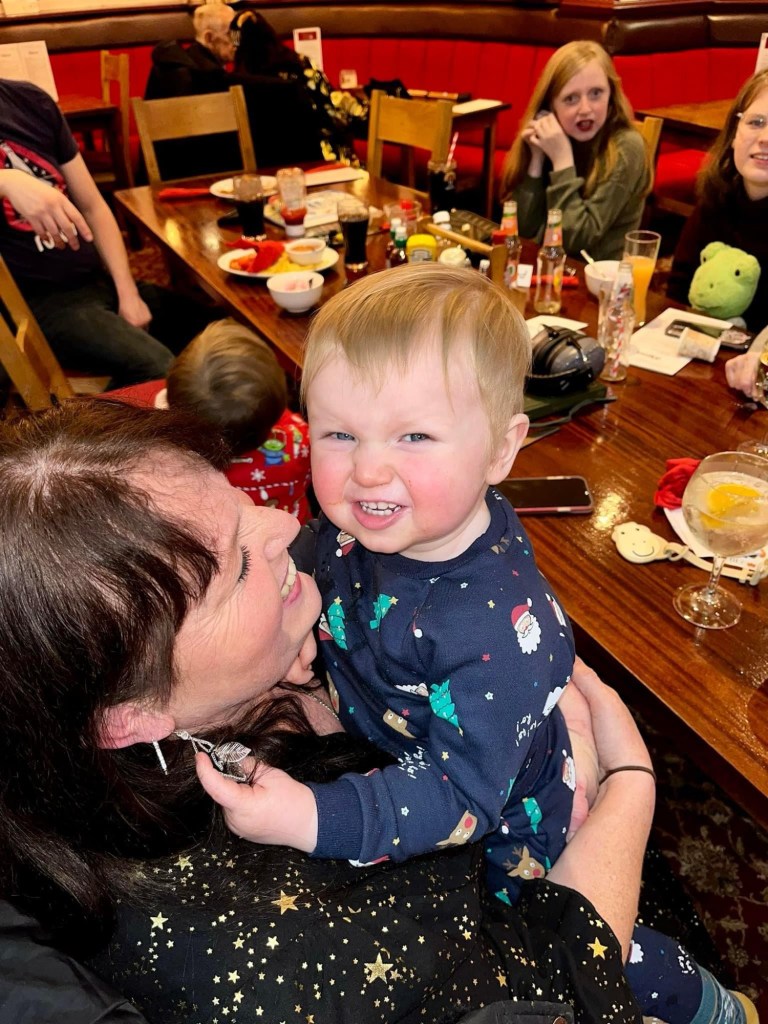
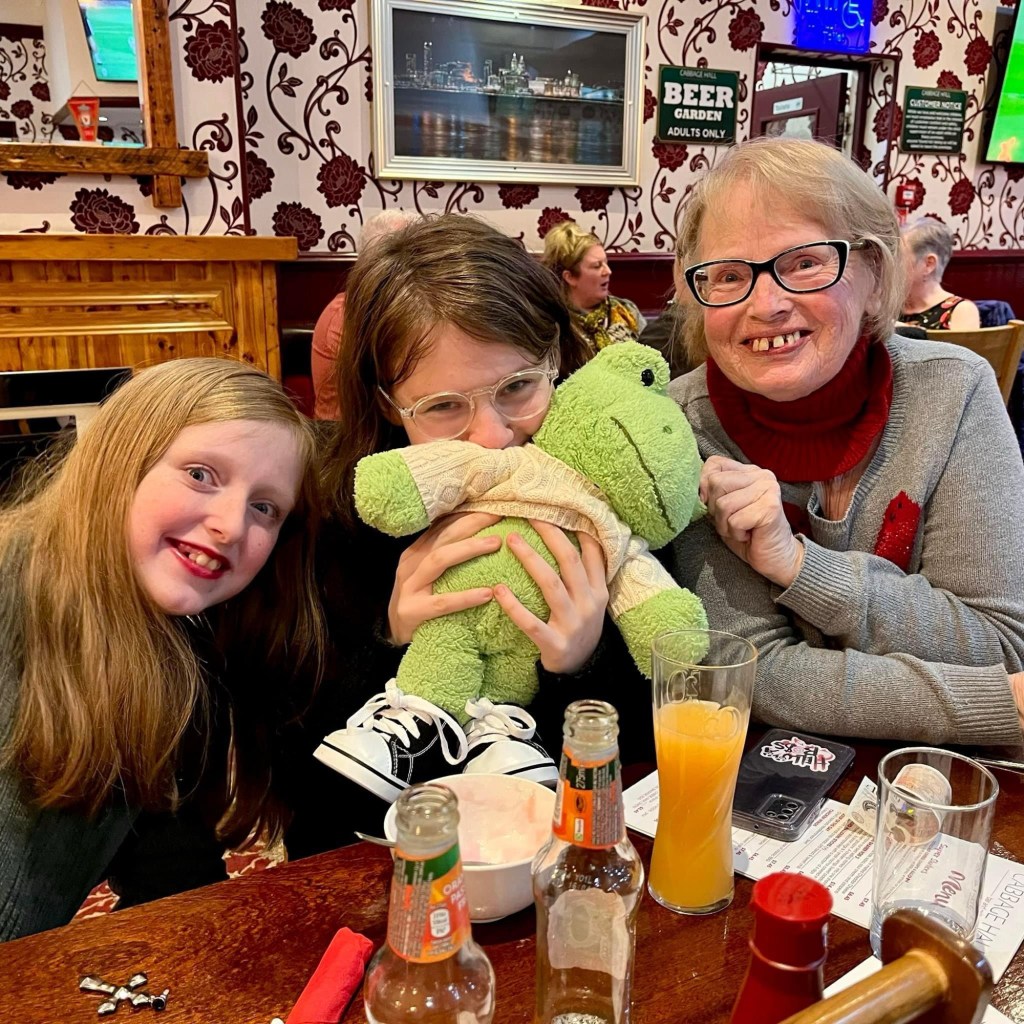
These are a few Photos sent to Tracie over the festive holidays. George looks super lucky standing with all his Presents, Father Christmas has left him! Tracie had a lovely meal out with her family and has enjoyed the festive time off to re charge her batteries for the New year’s activities.
Gemma And BenGeorge PoppyBen And TracieTracie’s FamilyPhyllis, Poppy And Chloe
Ben and his mum look super excited to open their presents.
Look at our Debbie, she scrubs up well. I bet Father Christmas leaves her something lovely for Christmas.
Elsie and Evie are very happy with their lovely gifts. I particularly love her Spider Girl outfit! Wonder if she can climb up the walls? Let’s hope she wears a bungie rope for safety.
We wish everyone an amazing Christening and a Happy Healthy New Year.
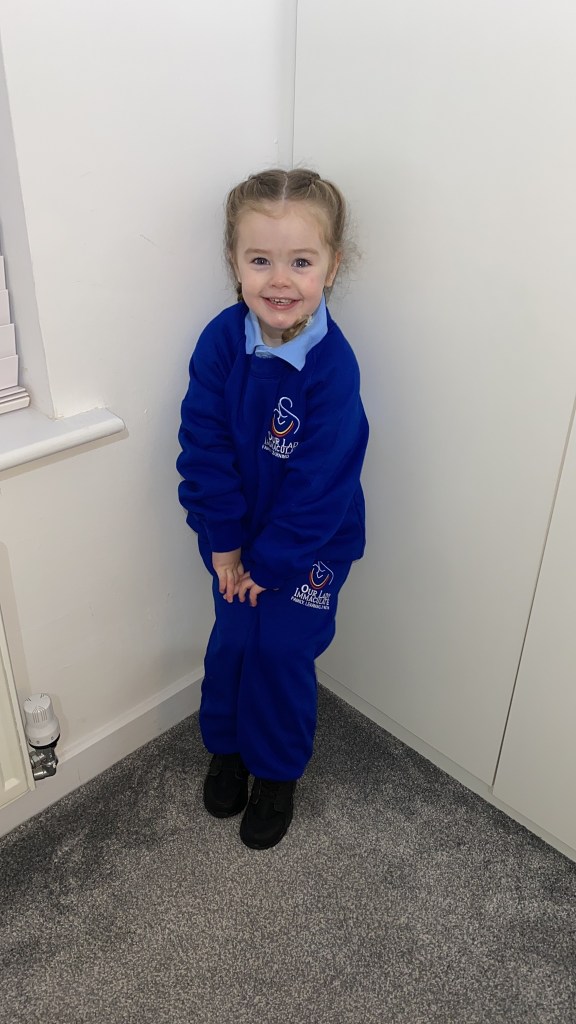
Our Martie has grown up so much since starting with us as a baby. She is now starting school and we will be minding her baby sister which we are looking forward too. We will look forward to seeing Marty in the holidays and catching up with all her stories from school.
Starting School January 2023
Here is a compilation of photos from her amazing time with us. Good luck Martie see you at Easter xx
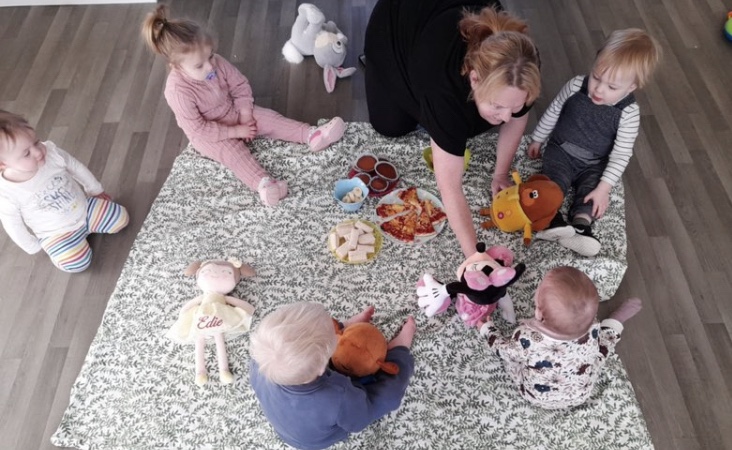
This week we have two new starters in the Little Seedlings.
Welcome Edie
Adorable
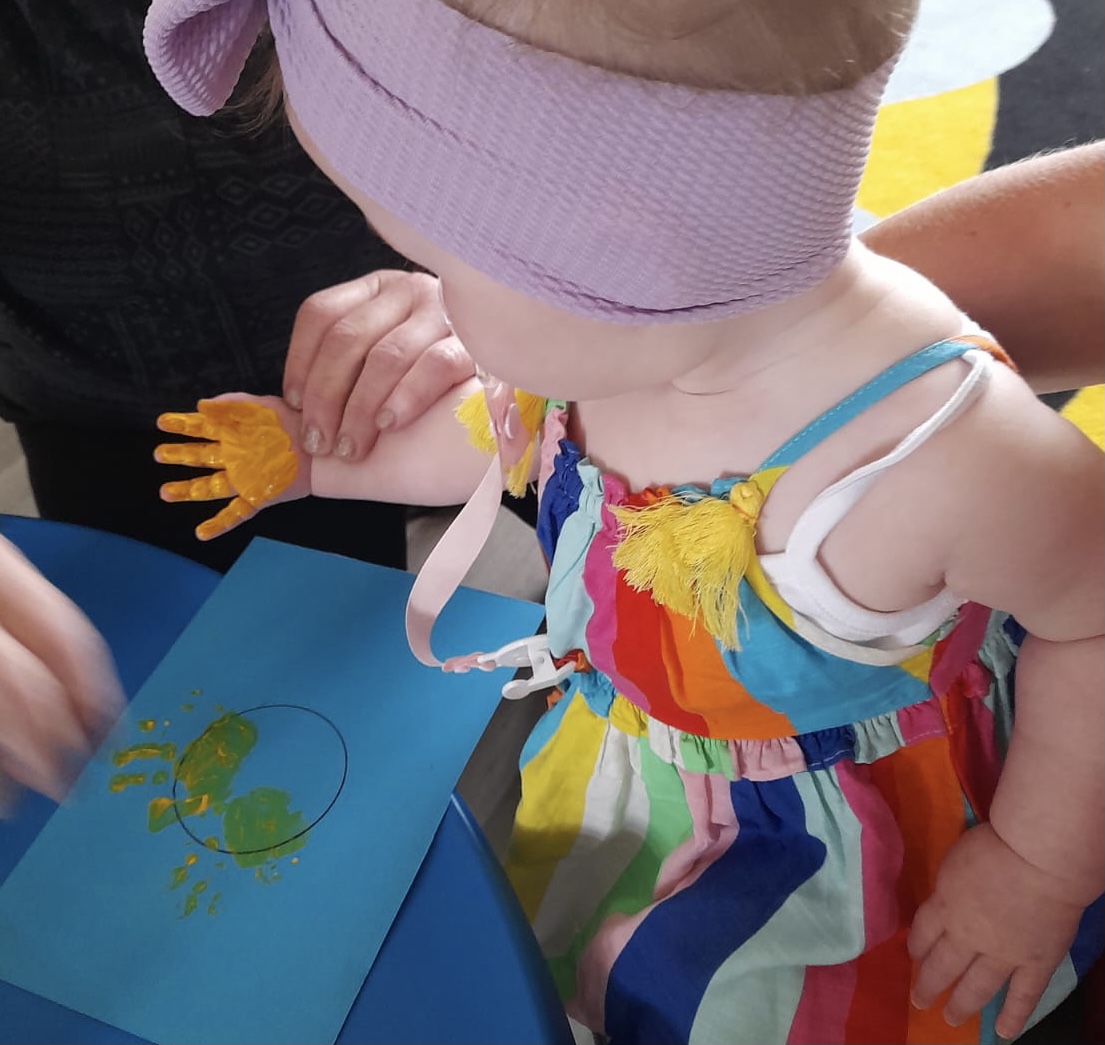
This is Edie and she is such a cutie, she settled straight in with no problems at all. She loves cuddles and enjoyed all the other Seedlings wanting to play with her.
Hand Print
Funny Faces
Edie’s first activity was to make her daddy a Father’s day card. Emma painted her hands to make prints. Edie loves attention and having her photo taken. Tracie made funny faces and Edie copied.
Jack and Alfie
Jack and Auntie Poppy
Always Smiling
Sleeping in Gran’s Draw
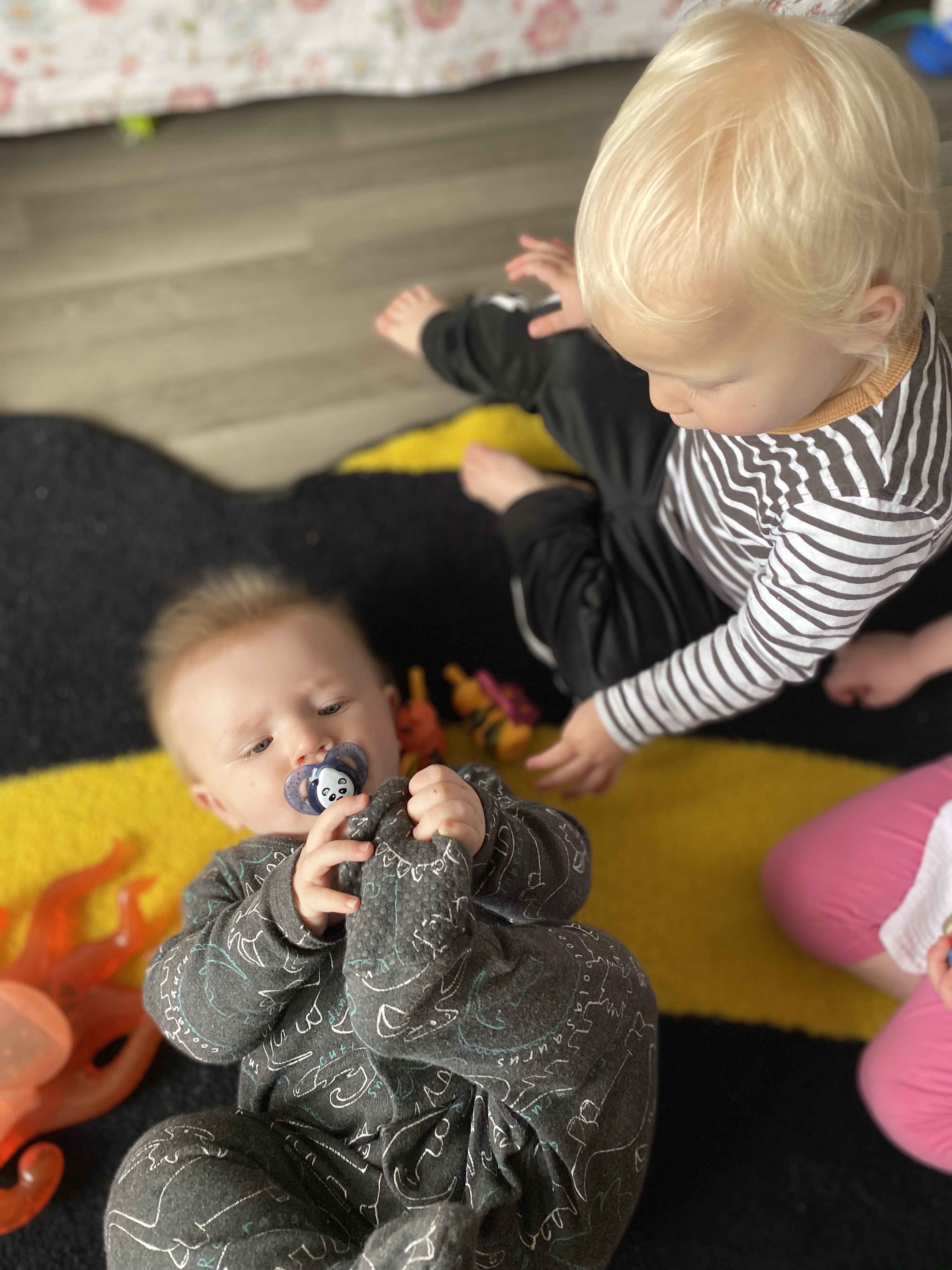
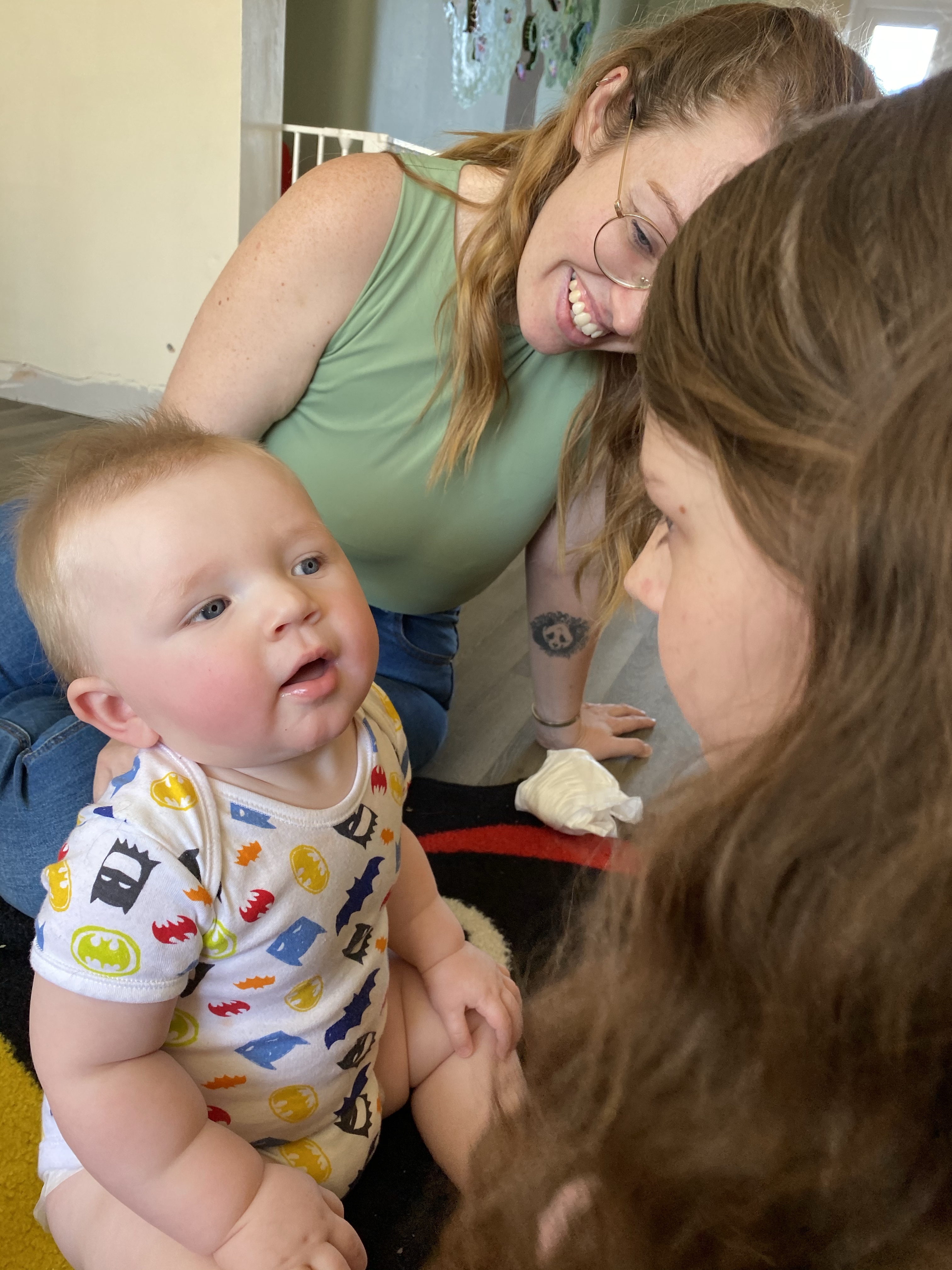
This is our Jack, my grandson. His mummy went beck to work this week so he now comes to join all the fun with the Little Seedlings.
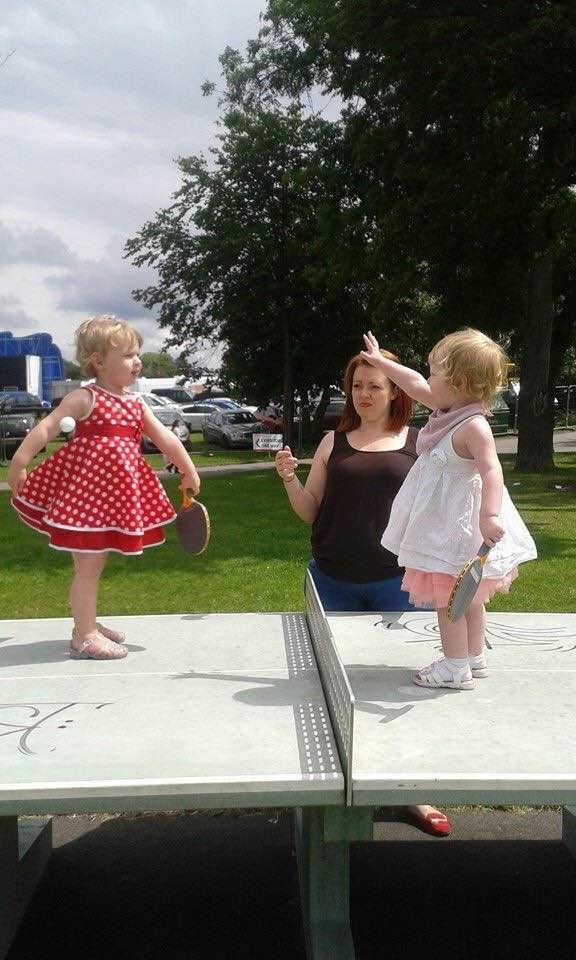
In July 2013, tennis tables were installed in Stanley Park by Liverpool City Council to celebrate the success of the 2012 Olympics! This picture was taken of Poppy and Chloe when they were just two and three!
Poppy and Chloe 2013
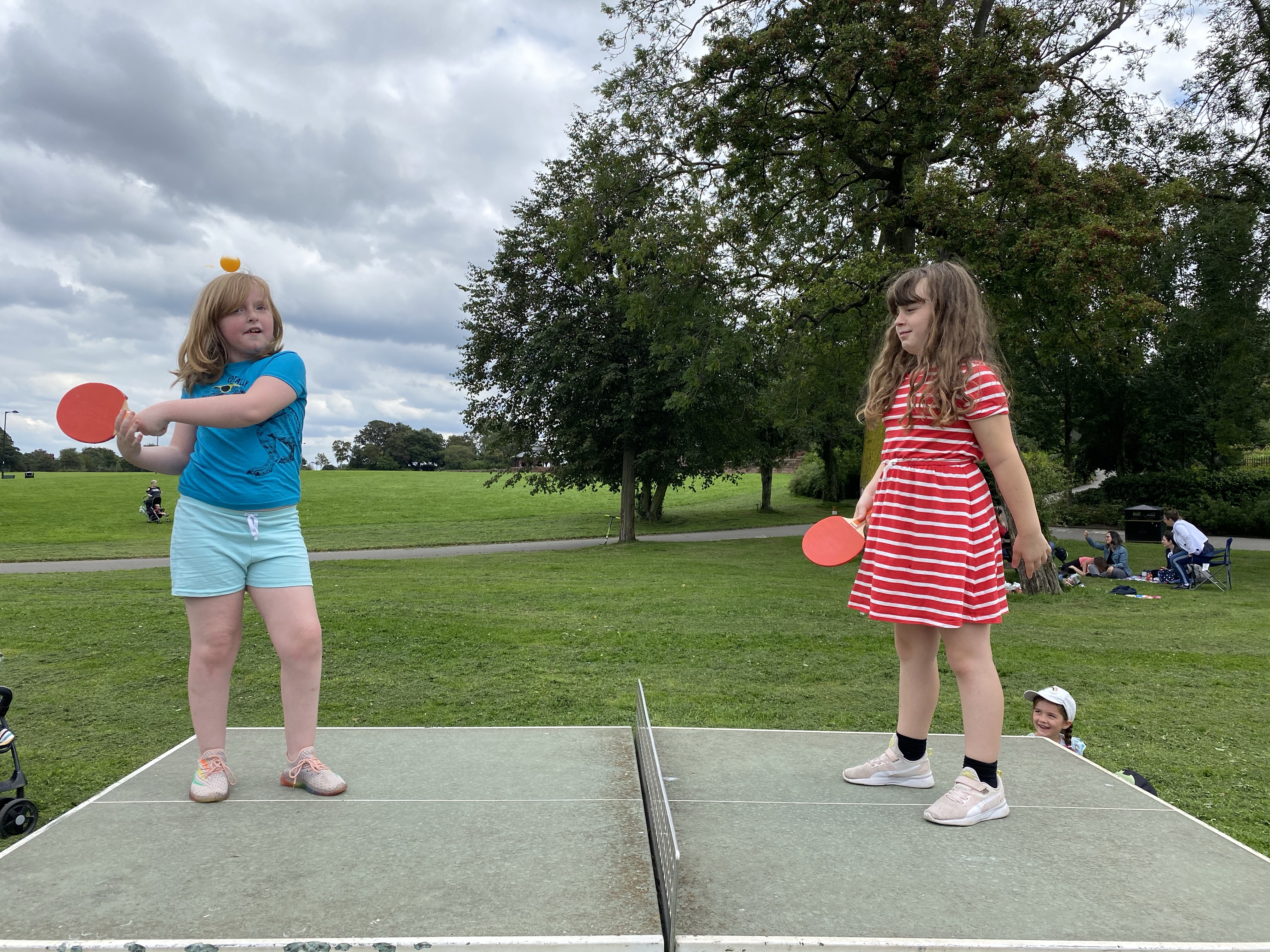
Chloe and Poppy 2020
So in 2020 we returned to take this flashback picture, taken six years later! They still cant play it! Maybe we should have tennis lessons?
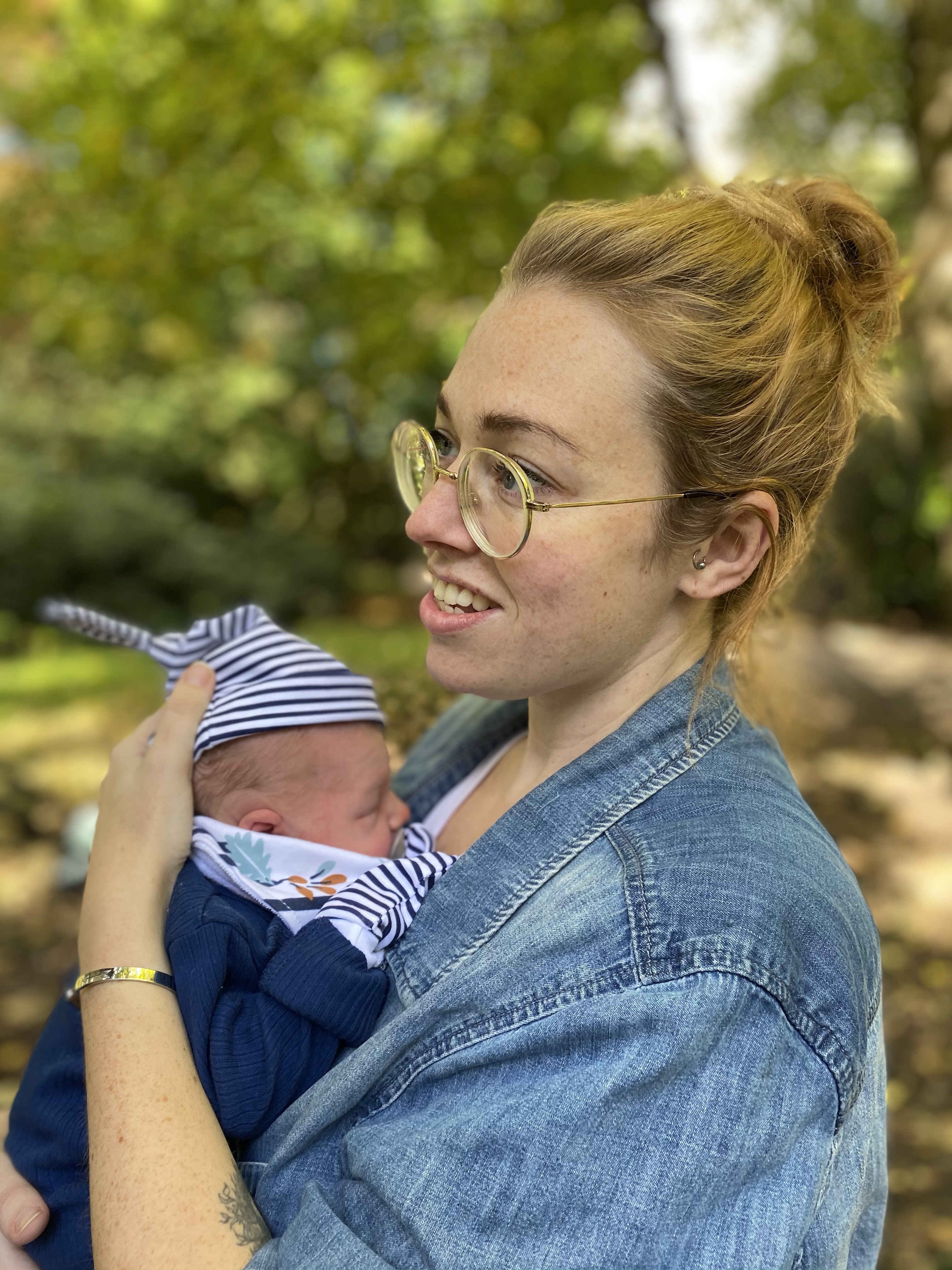
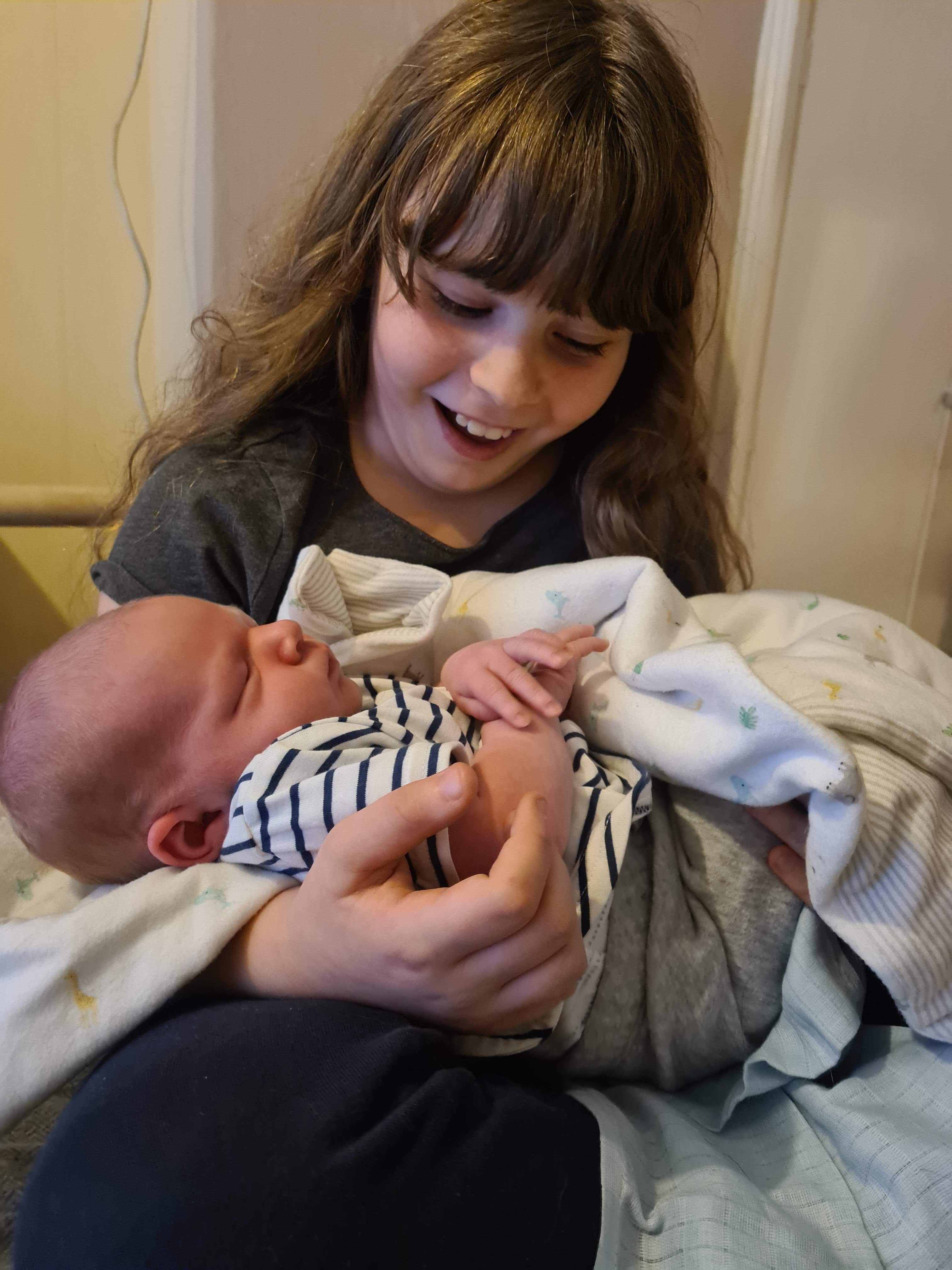
Tracie’s grandson, Jack was born on the 9th of October weighing in at 9lb 3oz.
Welcome to the World
Jack and Gemma
Auntie Poppy
Big Smiles
Welcome to Tracie’s Treasures
Hello Emma
Jack and Grandma Tracie
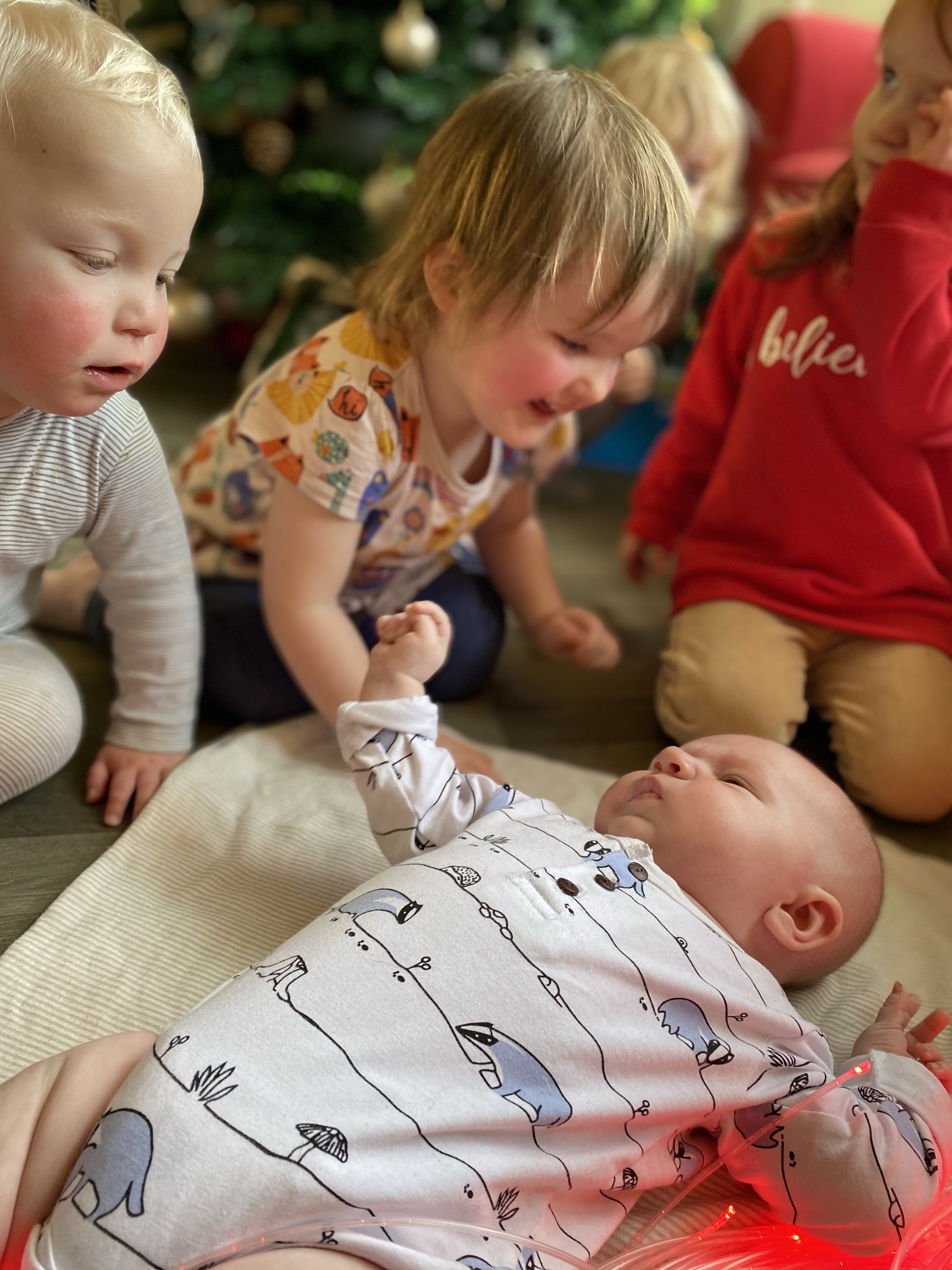
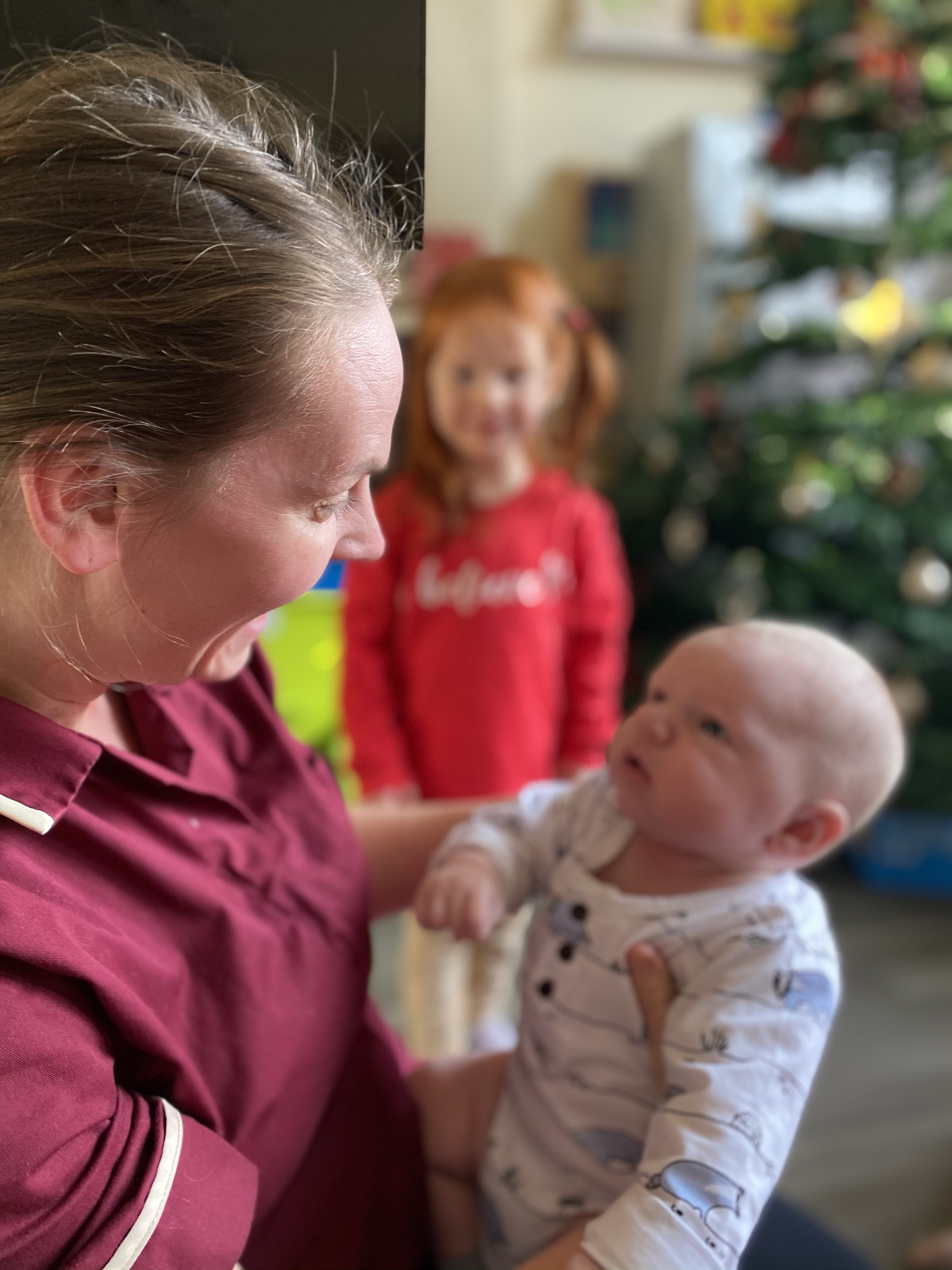
We are happy to announce the arrival of our youngest addition to the childminding family. Jack was born in October and is thriving, Chloe is such a good, big sister and is very protective of him. The children love him coming to visit and Tracie loves having lots and lots of cuddles with her grandson.









































 Tracie's Treasures