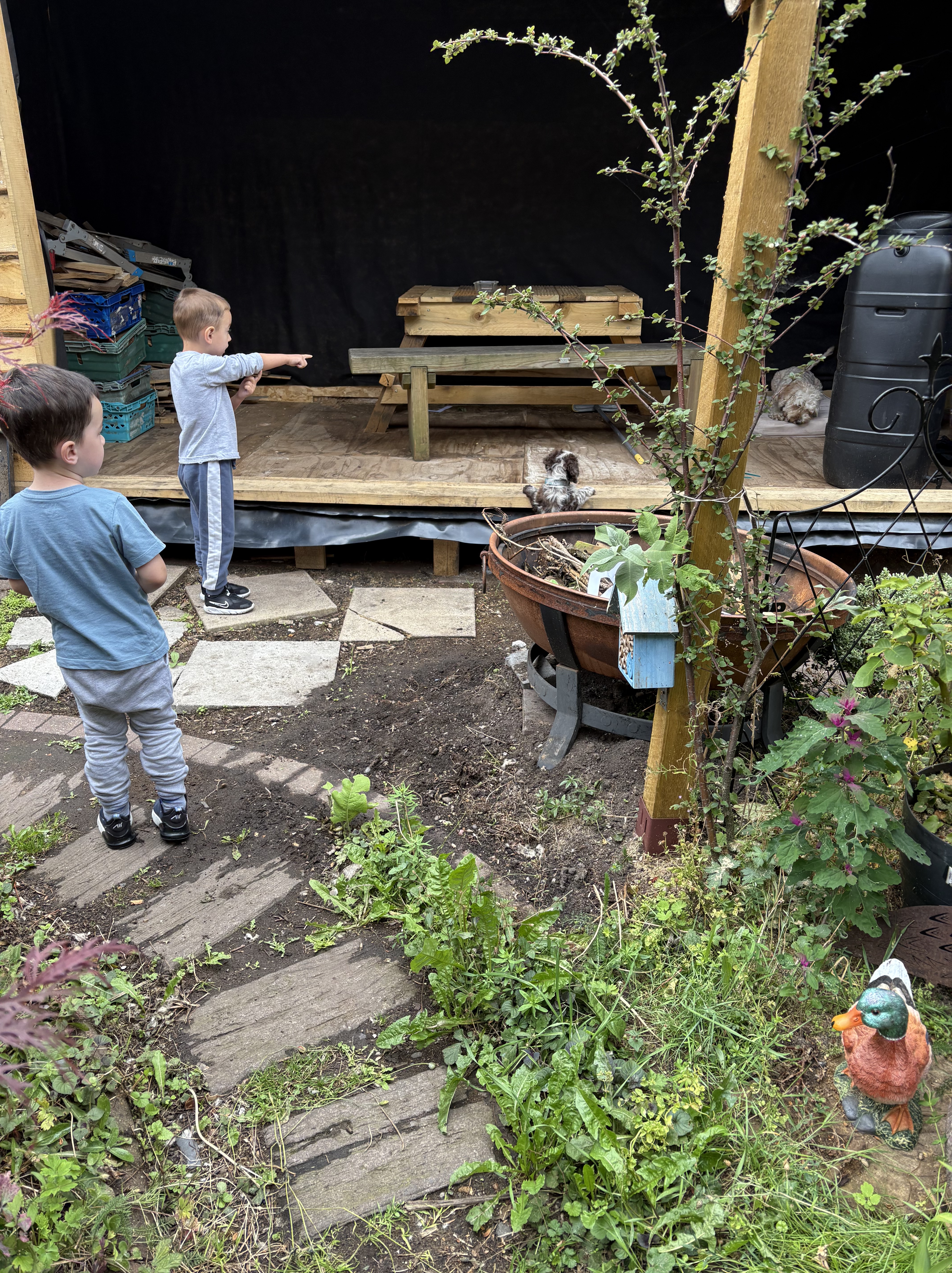
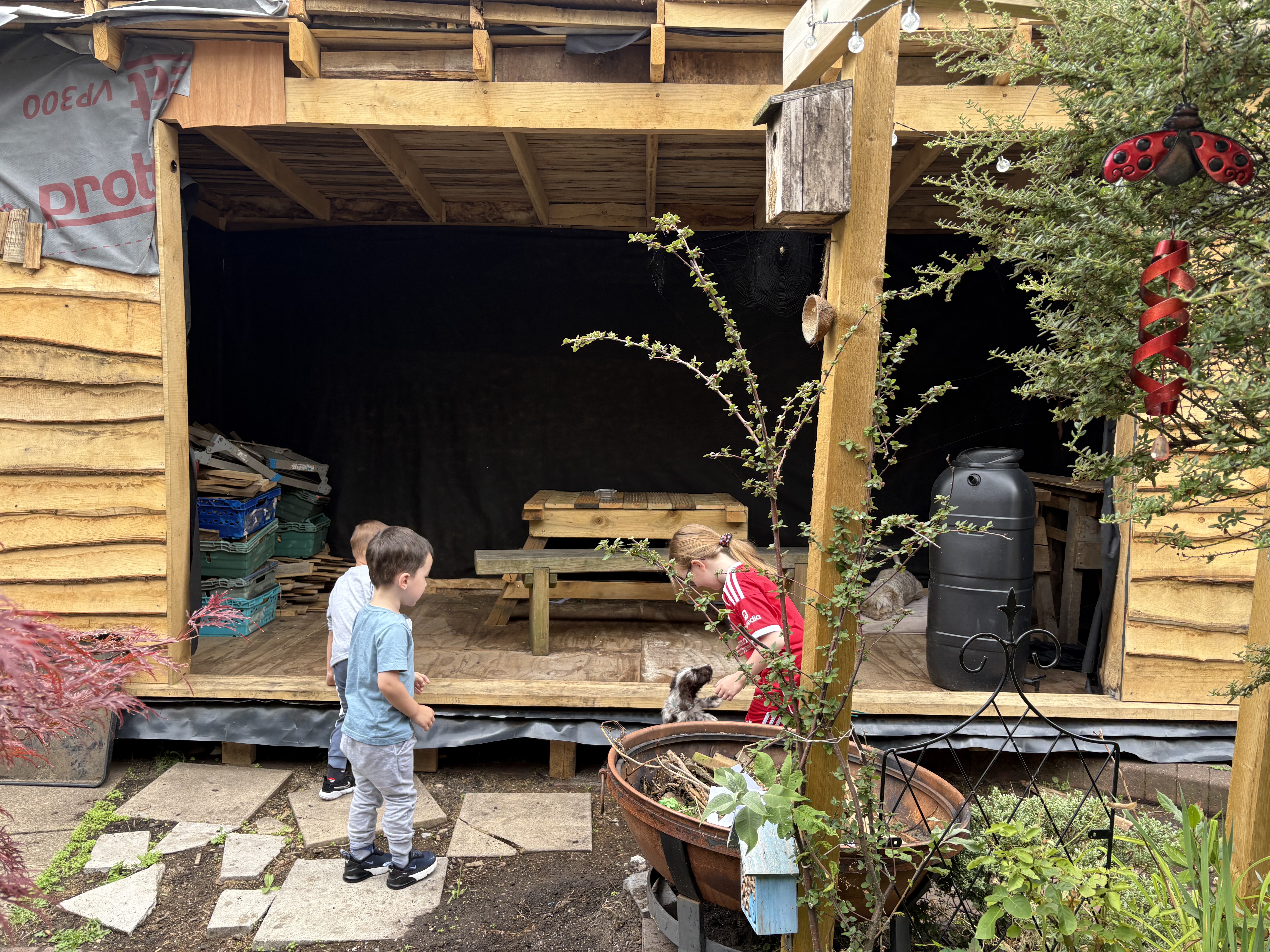
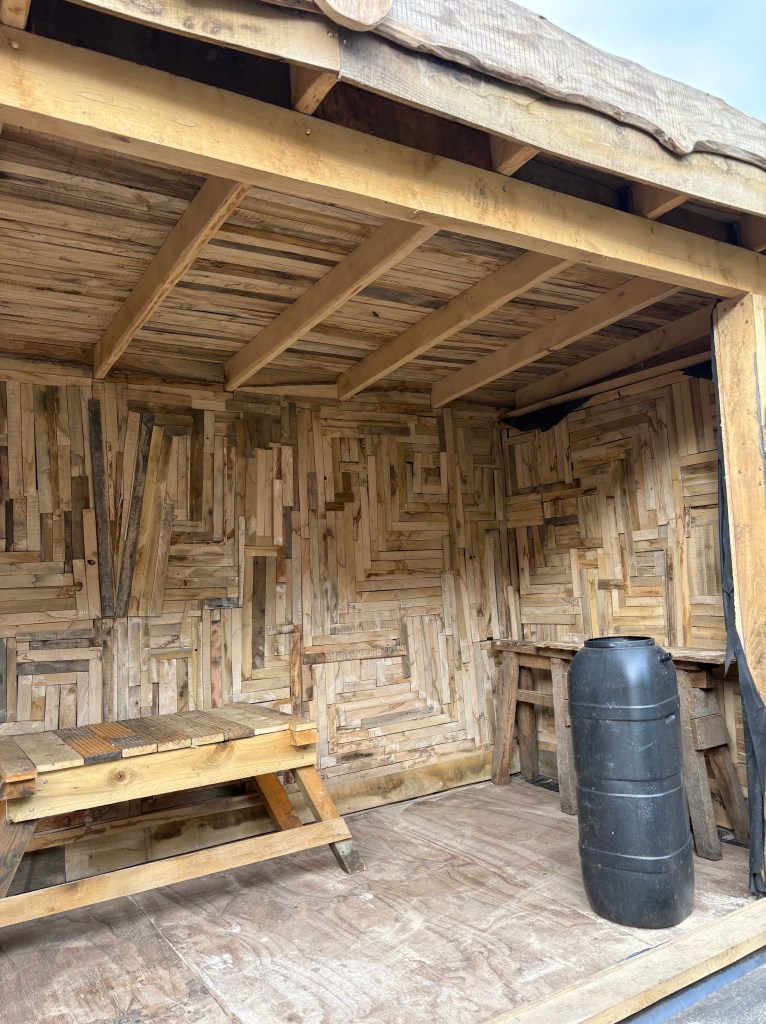
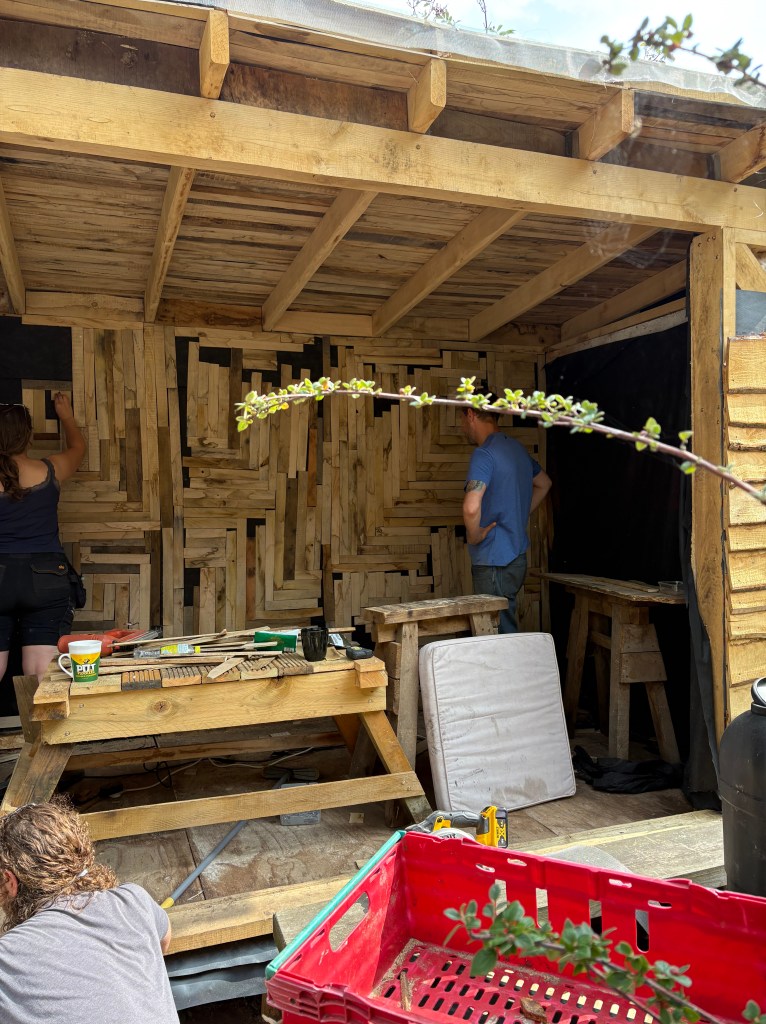
The builders have gone home for the weekend, so we have been able to go down and have a look at the garden classroom, which is still in the process of being finished. It’s quite exciting to see the space taking shape, with fresh wood framing, vibrant paint colors selected for the walls, and large windows that will allow plenty of natural light to flood in. As we stroll around, we can almost envision the children engaging with nature in this unique environment, fostering their creativity and curiosity while learning about the flora and fauna right at their doorstep. The potential for outdoor lessons and hands-on activities is endless, making this classroom not just a place of learning, but also a sanctuary where children can connect with the world around them.
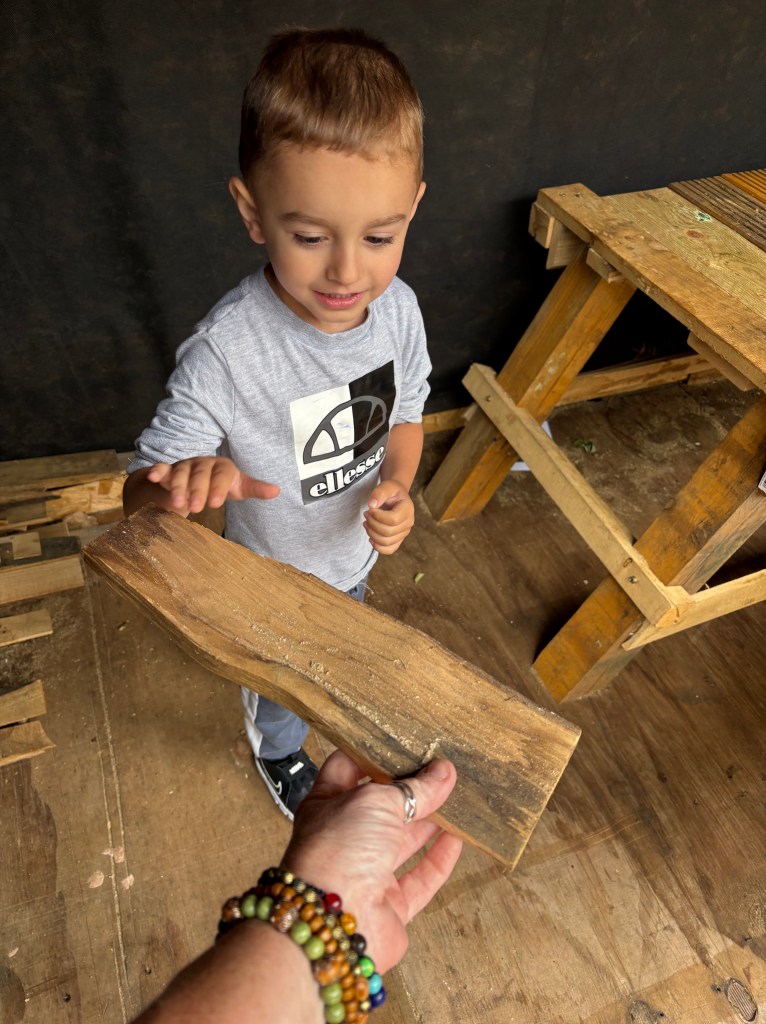
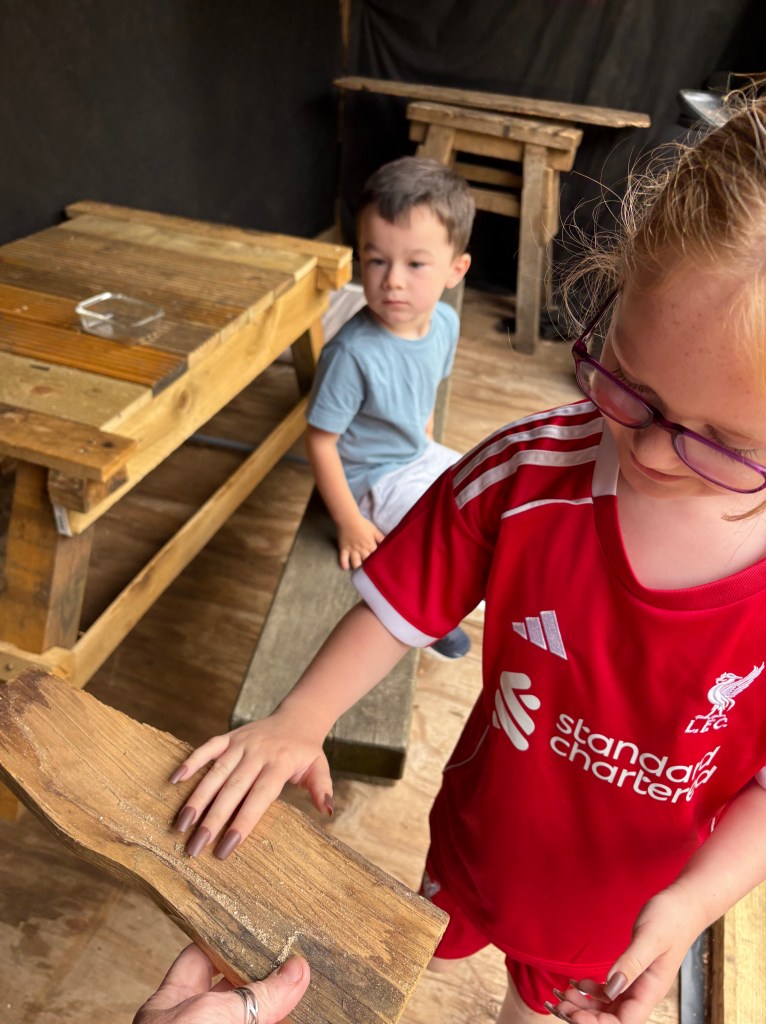
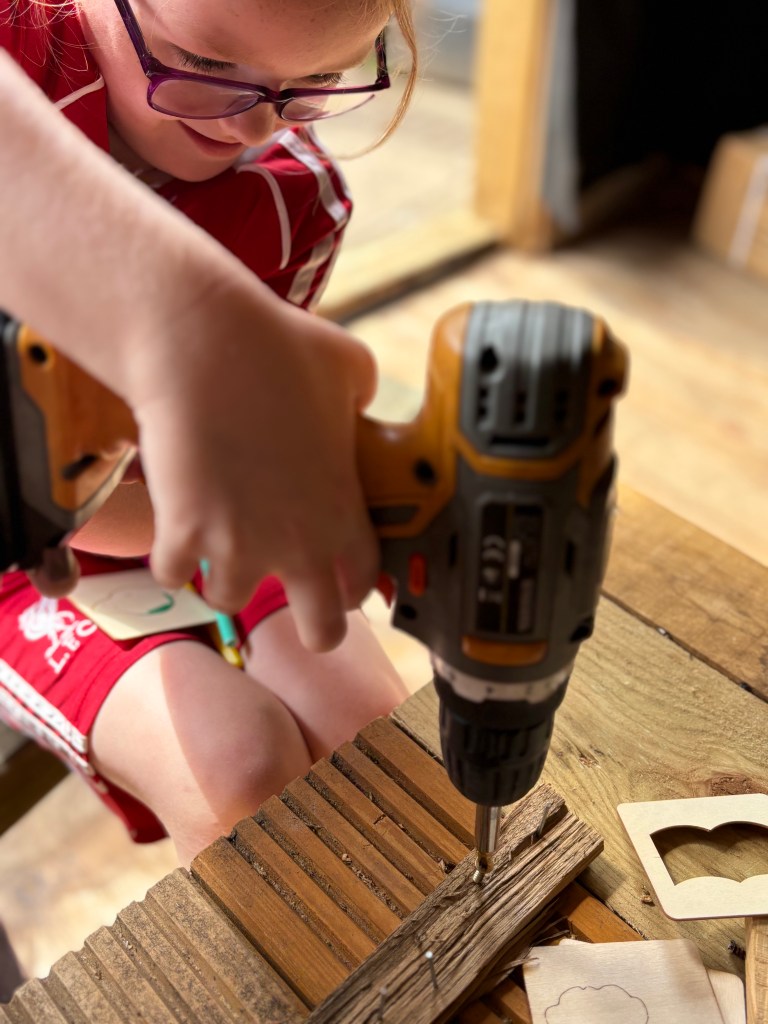
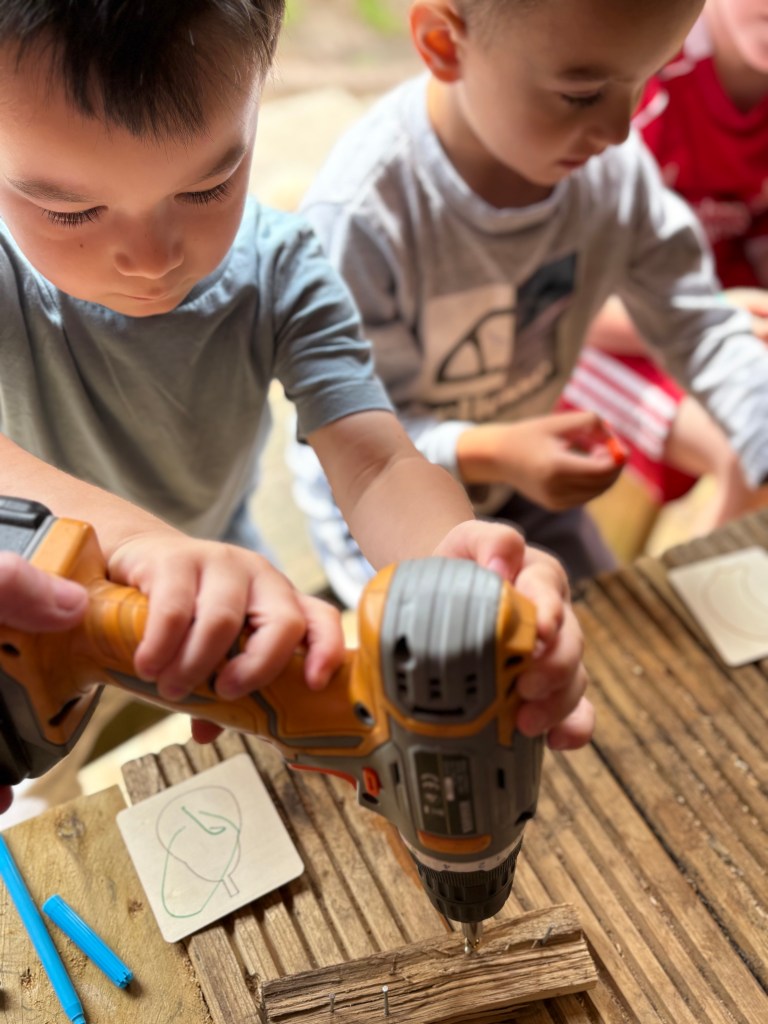
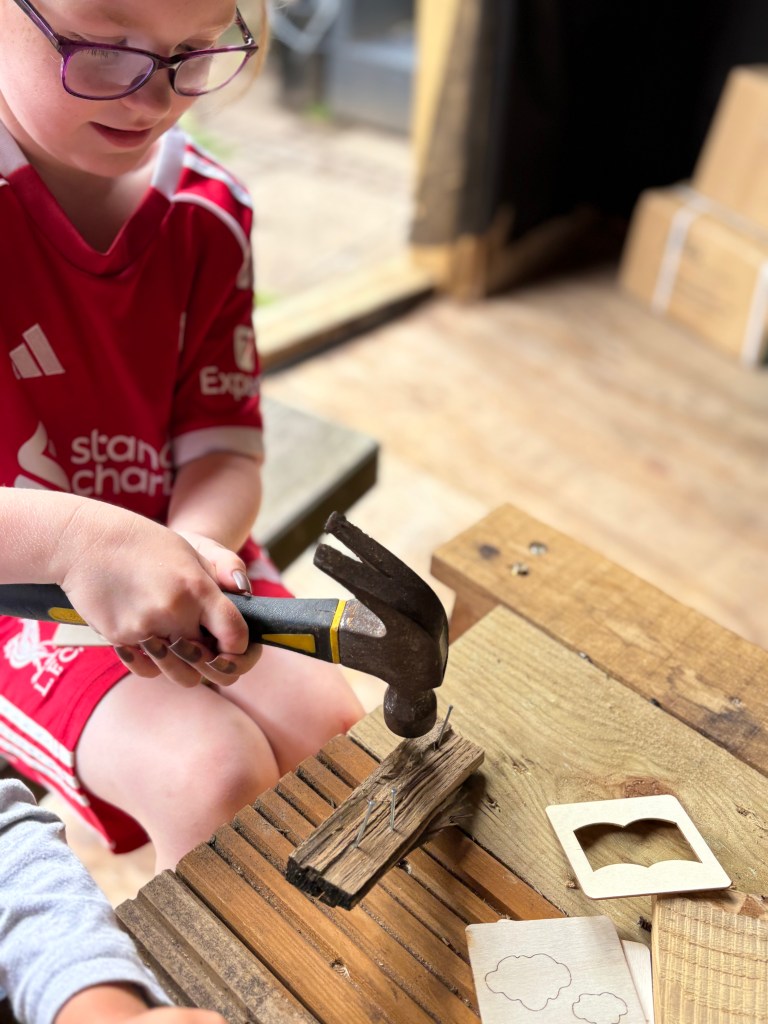
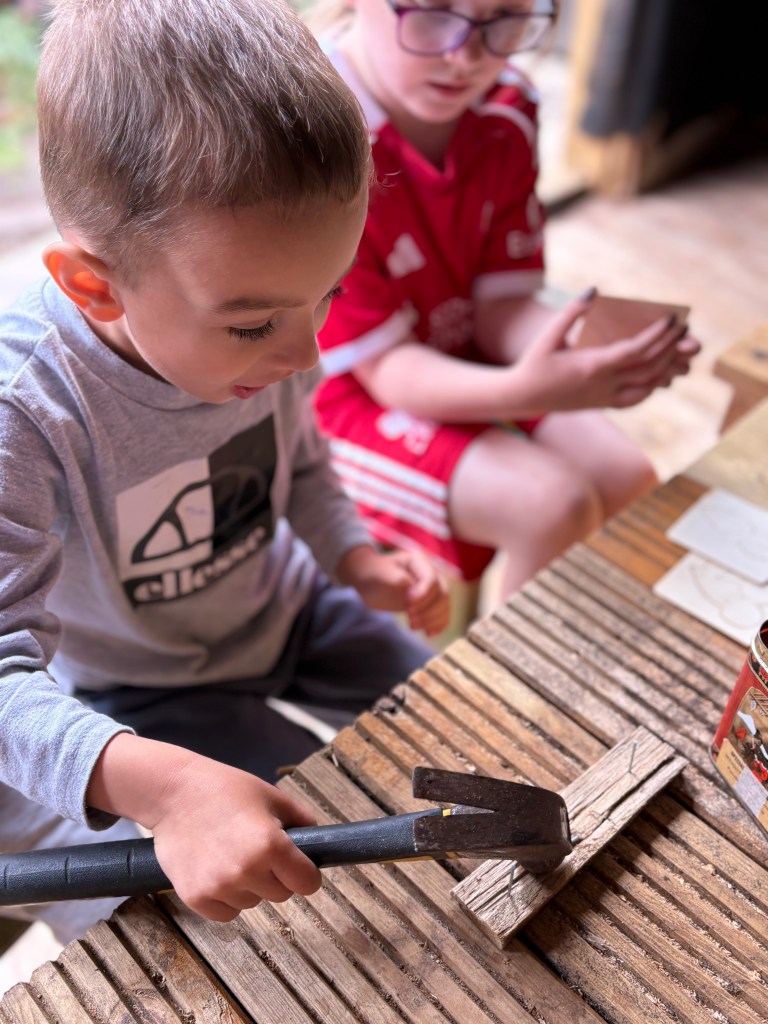
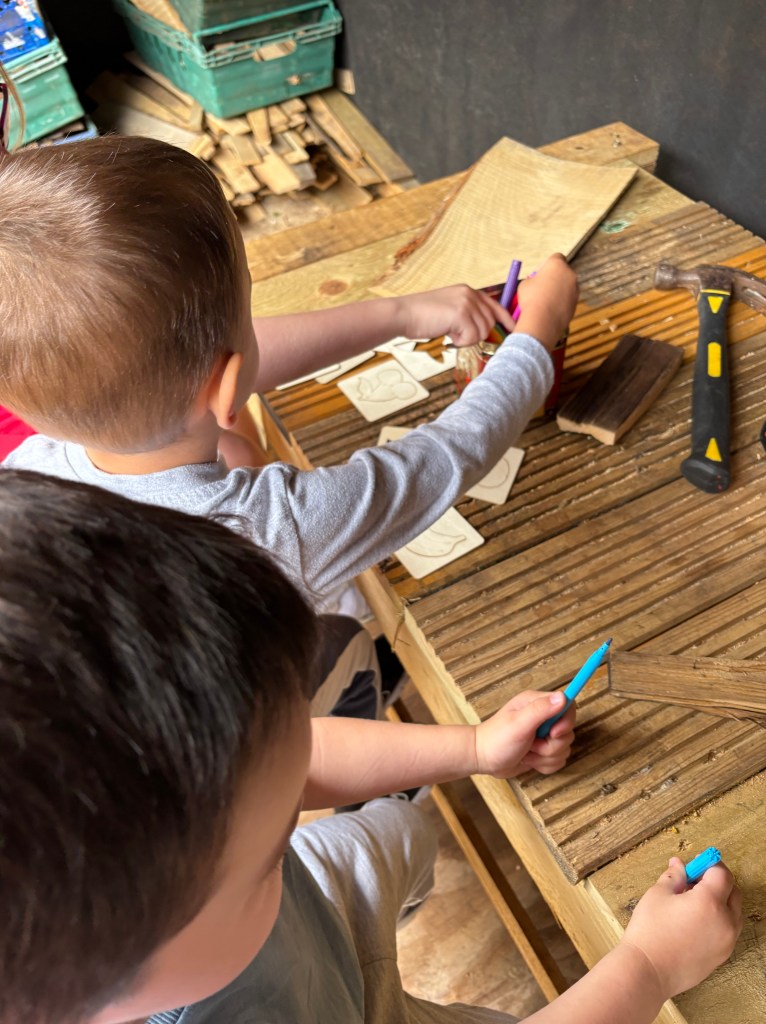
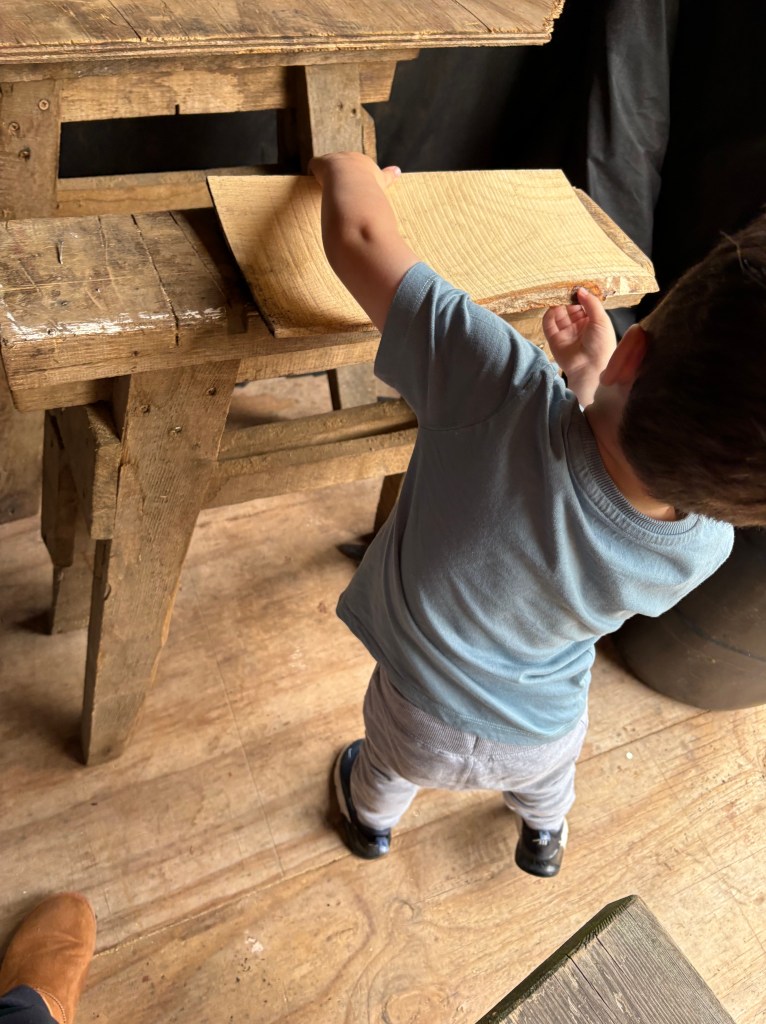
We looked at the wood carefully, appreciating its unique textures and colors, and used real tools to practice our skills while taking care to prioritize safety first. We examined the different types of wood, learning about their various properties and how they contribute to different projects. Each tool had its purpose, and we discussed how STEM concepts intertwined with our hands-on experience in this learning adventure, all while engaging the children in the Early Years Foundation Stage (EYFS) curriculum. Through this process, we fostered creativity and problem-solving abilities, encouraging an appreciation for craftsmanship and the natural materials around us.
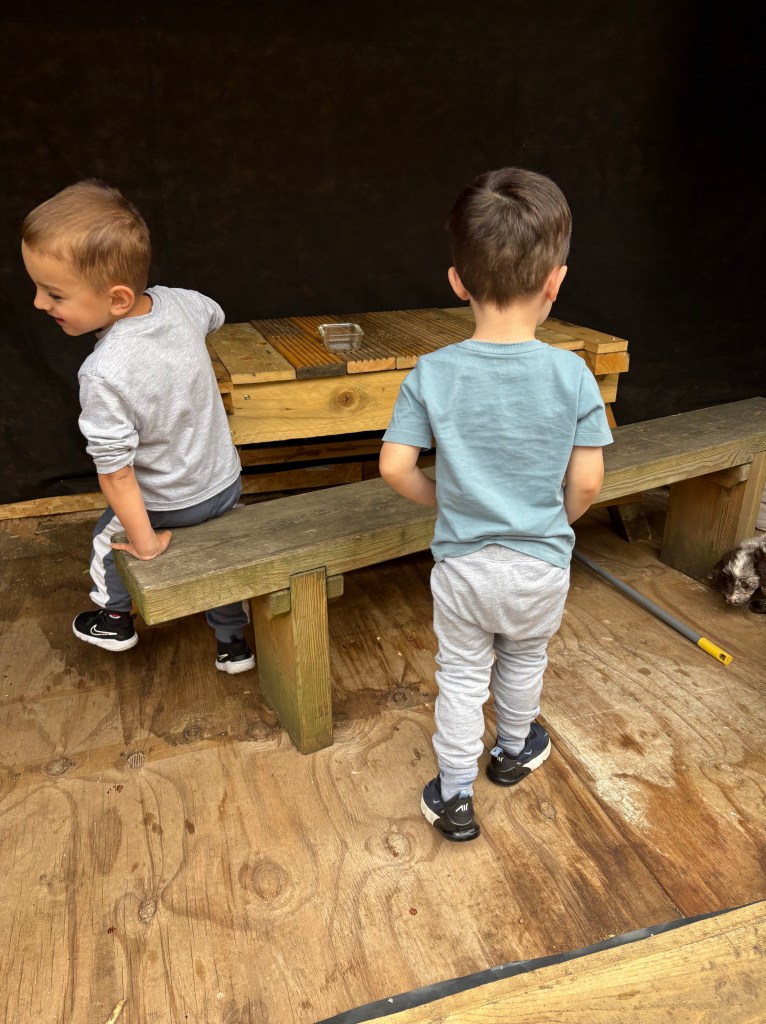
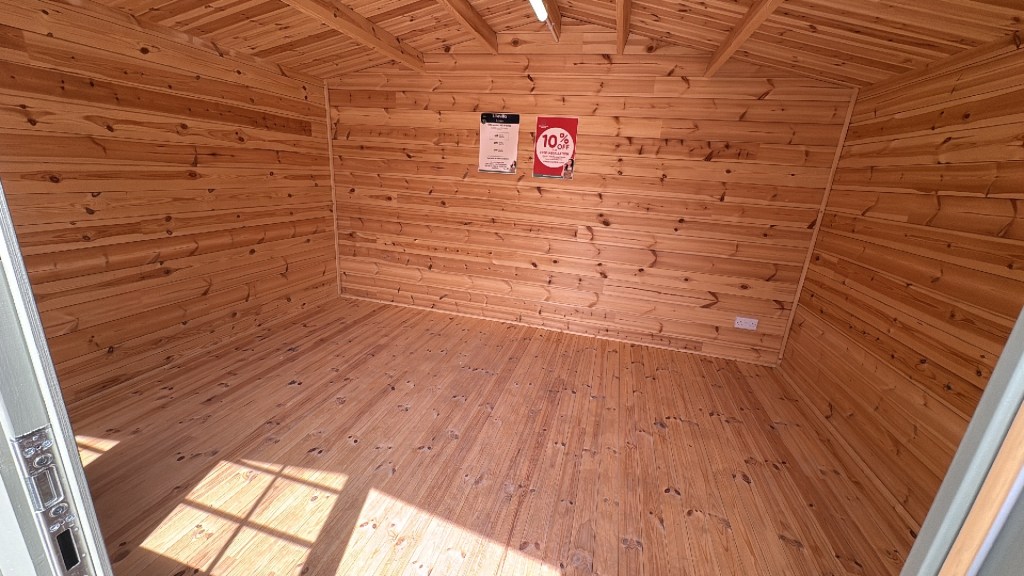
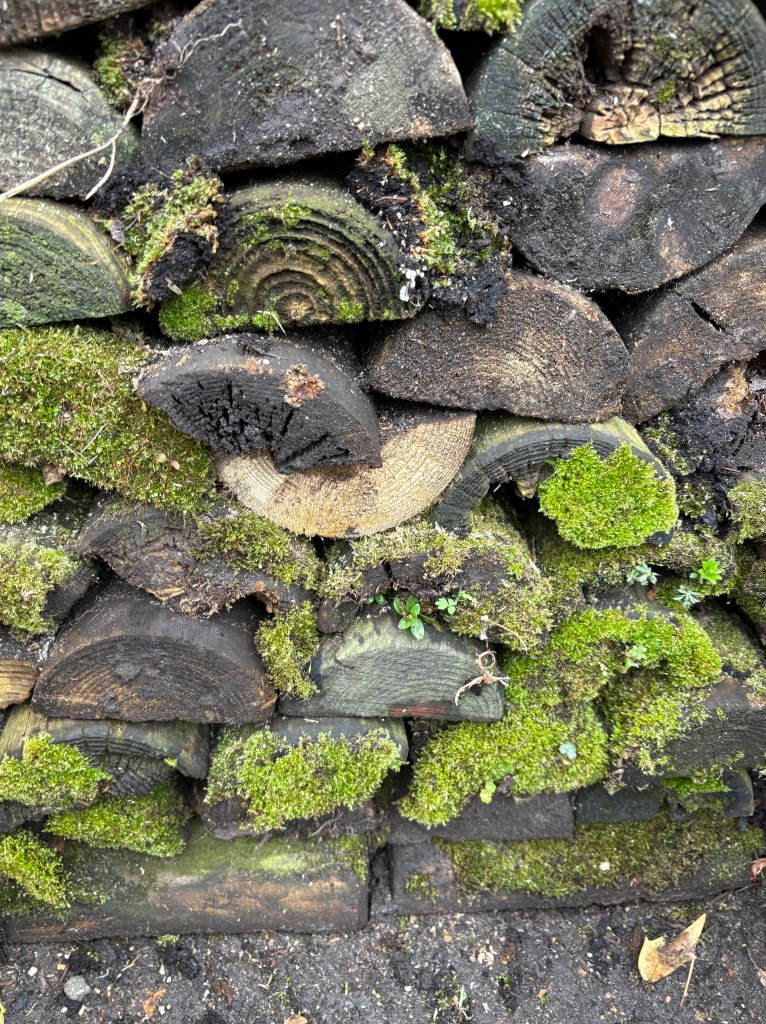
The walls have been insulated and covered in recycled wood, creating a warm and inviting atmosphere, while also highlighting sustainable resources. The mosaic textures of the walls add a unique aesthetic appeal, each piece telling its own story of reclaimed craftsmanship. They even made a stunning table out of reclaimed decking, showcasing the beauty of upcycled materials, inviting friends and family to gather around for memorable meals and conversations. This commitment to environmental responsibility not only enhances the living space but also serves as a testament to creative design that respects our planet.
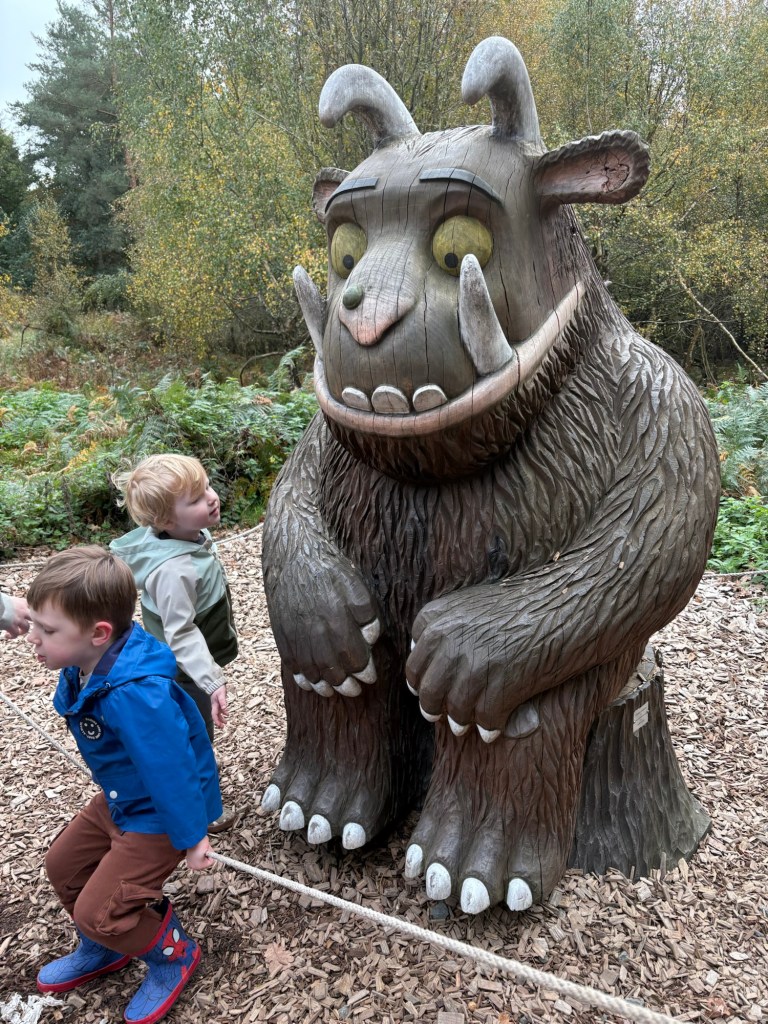
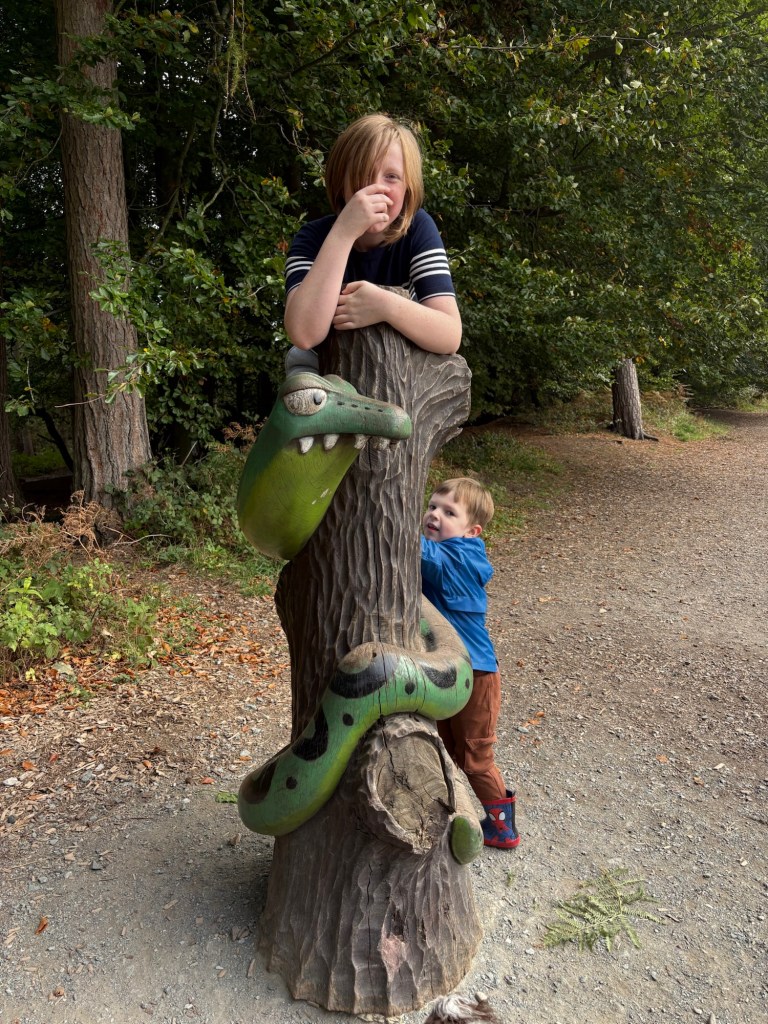
Today we took the children to visit the Delamere Forest Gruffalo Trail the main aim of the trip was to develop key skills in observation, map reading, and navigation, while engaging in physical activity through woodland exploration. The trail encourages imaginative play, sensory experiences, and an appreciation for nature, allowing the children to connect with the story and characters.
Key learning opportunities embedded in the trip included:
Technology & Art:The Gruffalo Spotters AR app brings characters to life using technology, while the wooden sculptures offer appreciation for art in nature. the trip was to develop key skills in observation, map reading, and navigation, while engaging in physical activity through woodland exploration. The trail encourages imaginative play, sensory experiences, and an appreciation for nature, allowing the children to connect with the story and characters.
Navigation & Logic: Children learn to read simple maps and follow clues to locate sculptures, enhancing decision-making skills.
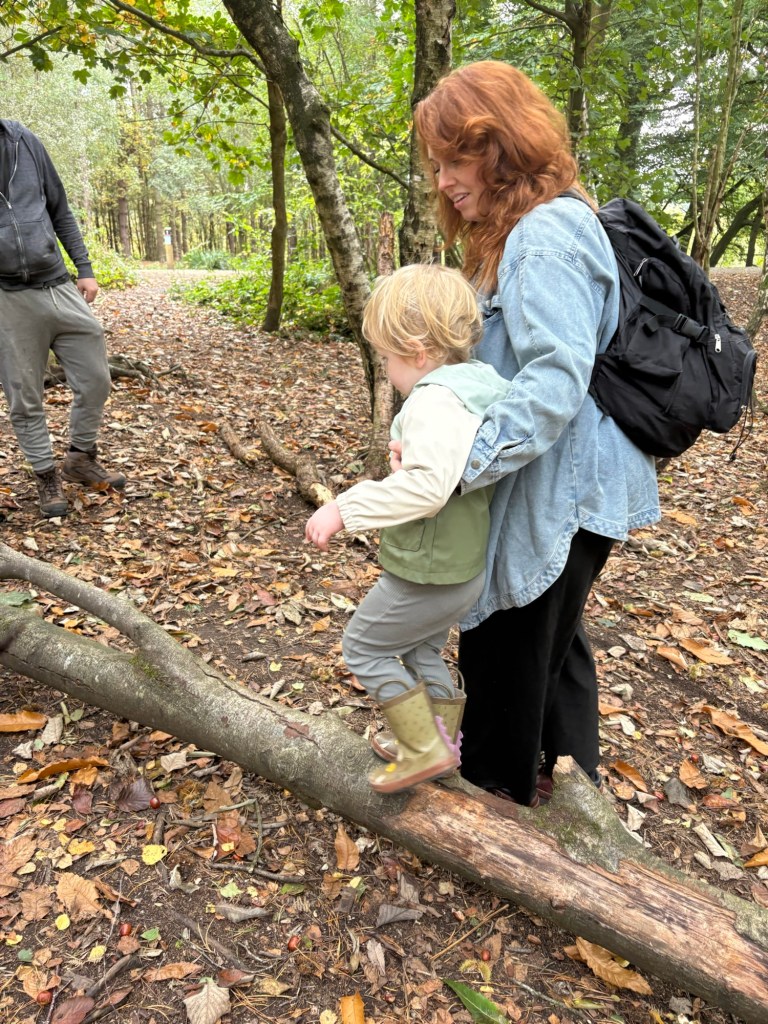
Physical Development: The uneven, natural terrain helps improve coordination, balance, and core strength.
Nature & Ecology: Children can learn about forest habitats, wildlife, and natural cycles of growth and decay.
Literacy & Imagination: The experience brings Julia Donaldson’s story to life, fostering imagination and a love for reading.
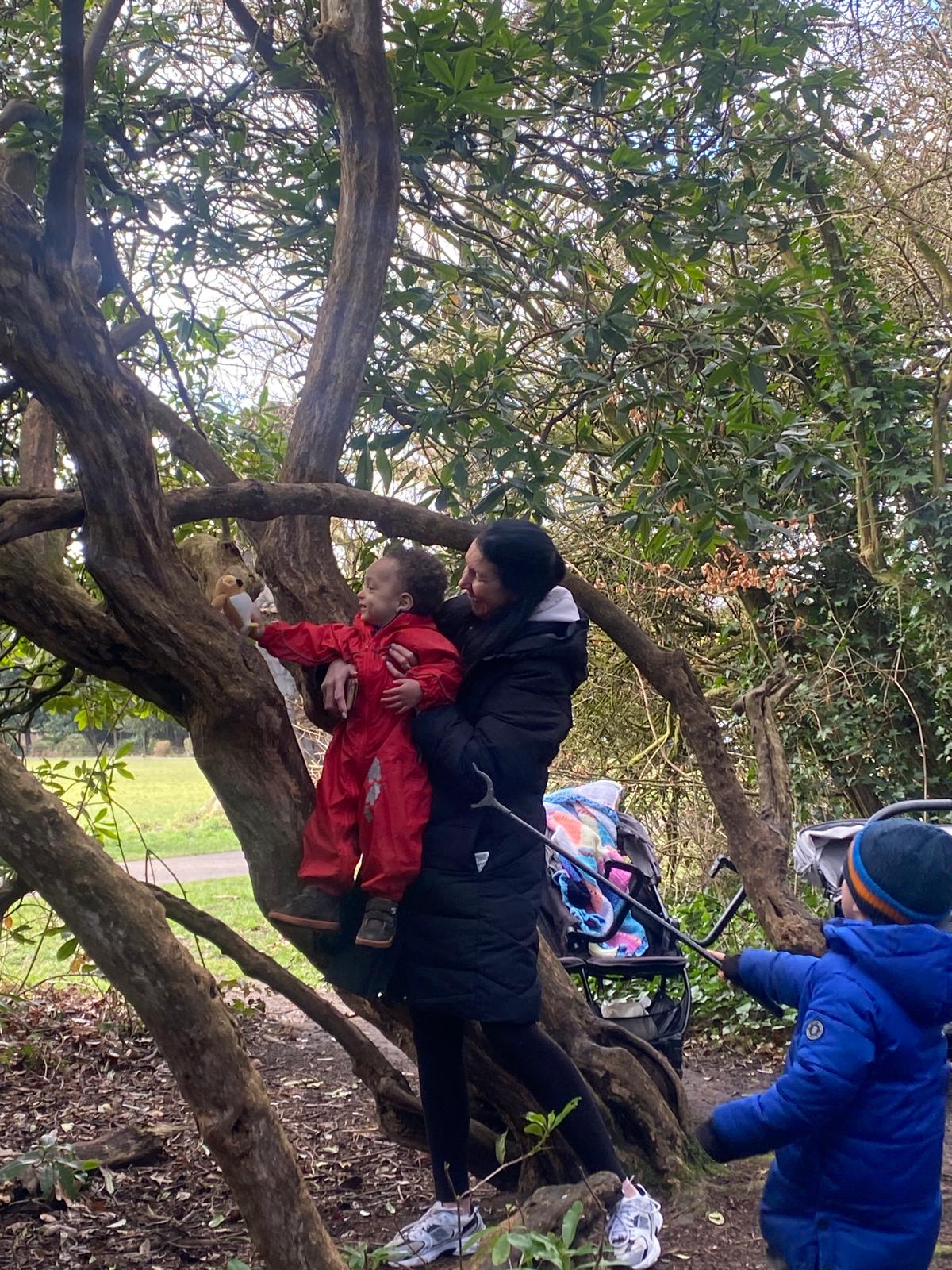
We found the Gruffalo! Jack shouted ‘ O no, O help it’s the Gruffalo!
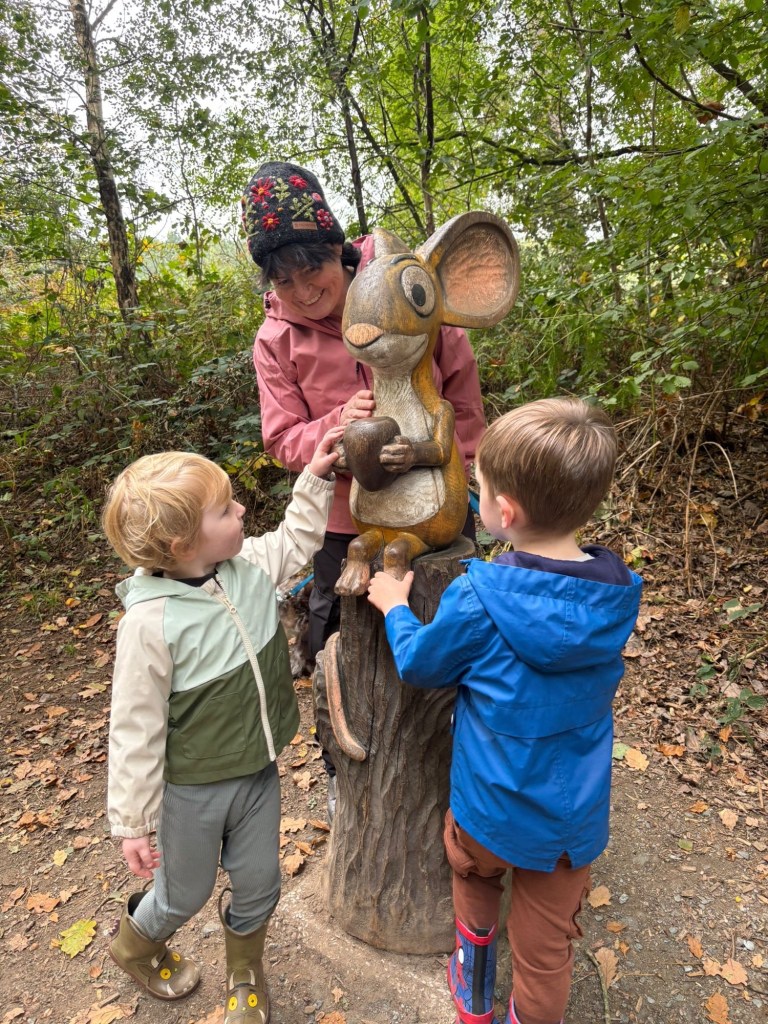
We came across the mouse sitting on the log we carried on quoting the story Ben said “nut” and Jack told us ‘the Gruffalo had run away, so the mouse enjoyed a nut in peace’
Chloe told us all about the snake living in the log pile house, slithering and squirming around waiting to jump out and gobble up the tiny mouse.
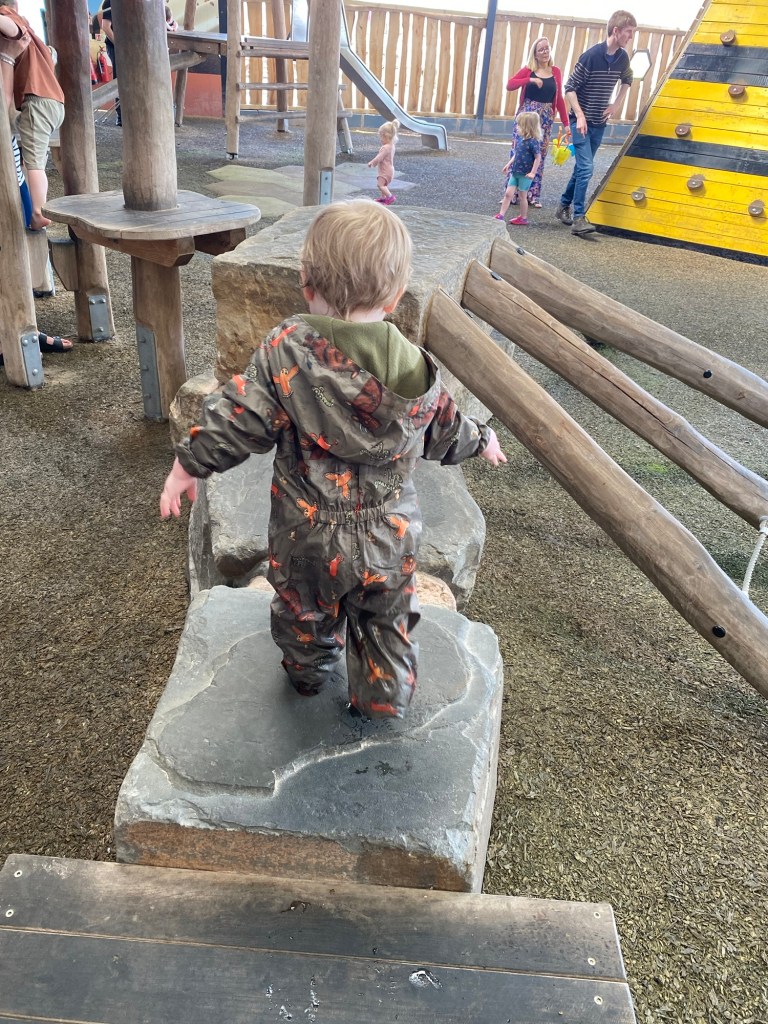
Ben enjoyed walking along the long log having support from Gemma to balance and keep steady.
During the trip we learnt all about the Woodland Ecology & Nature all around us.
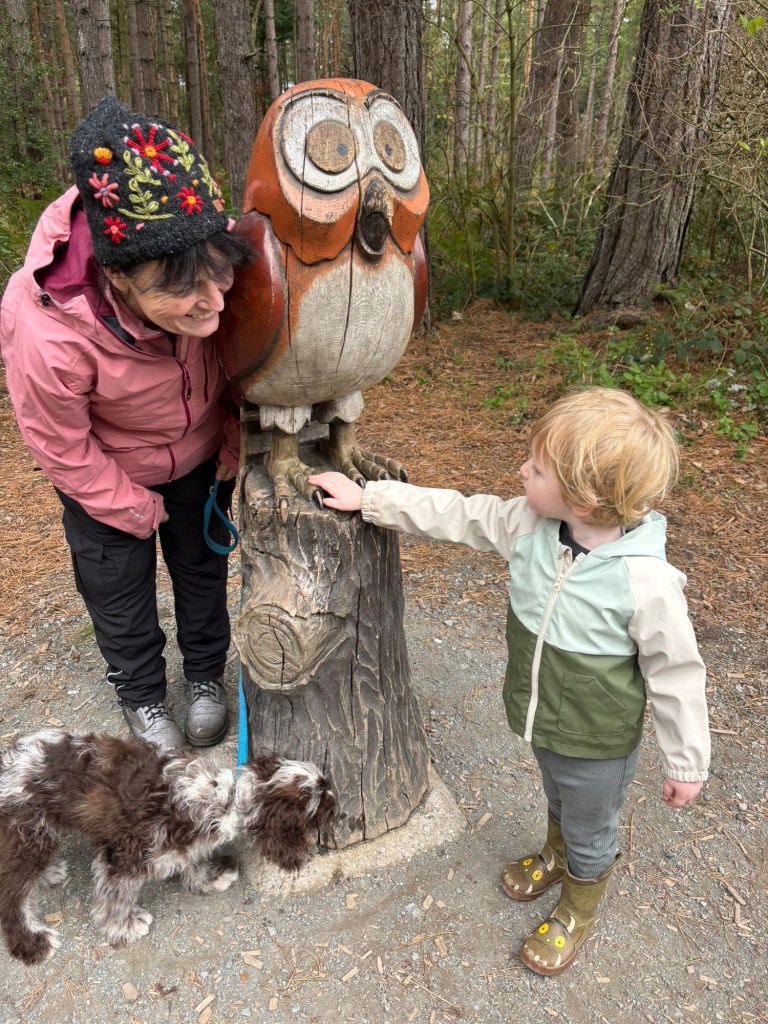
Animal Habitats: By searching for the sculptures, the children explored the realistic settings where creatures like foxes, owls, and snakes live.
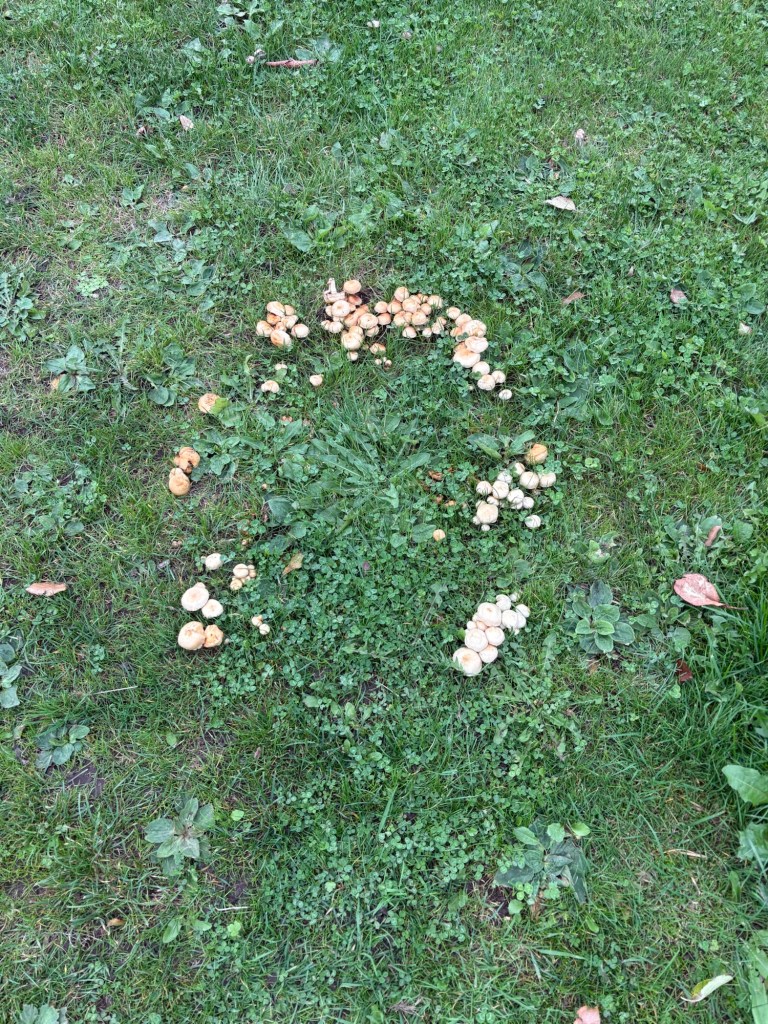
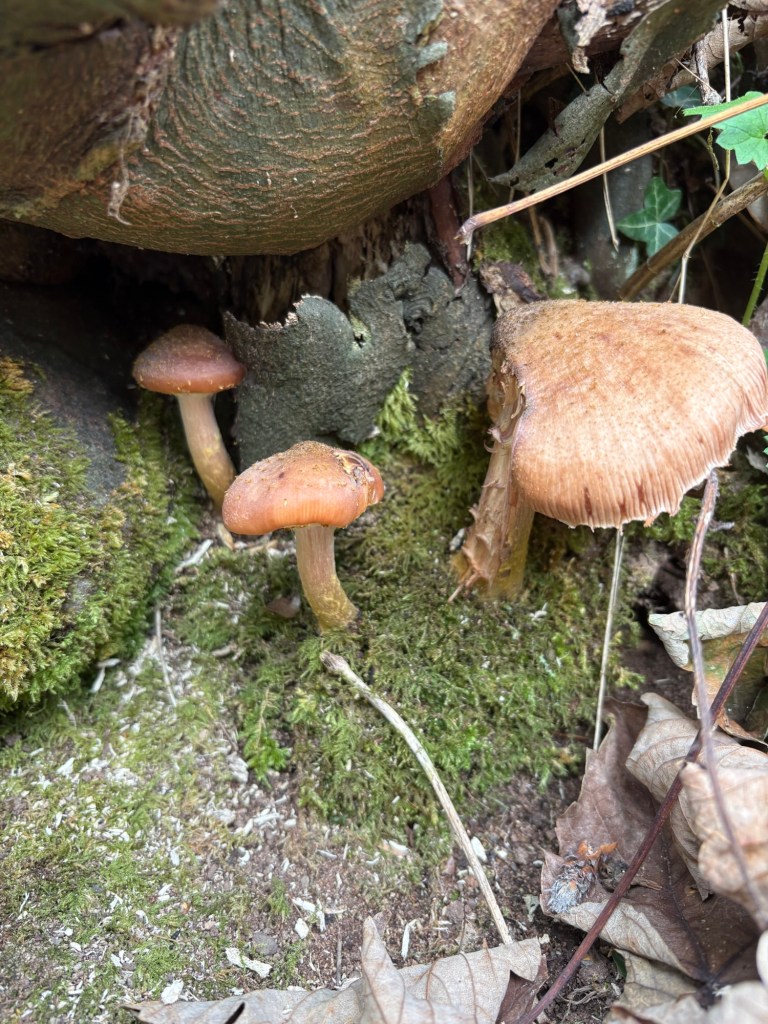
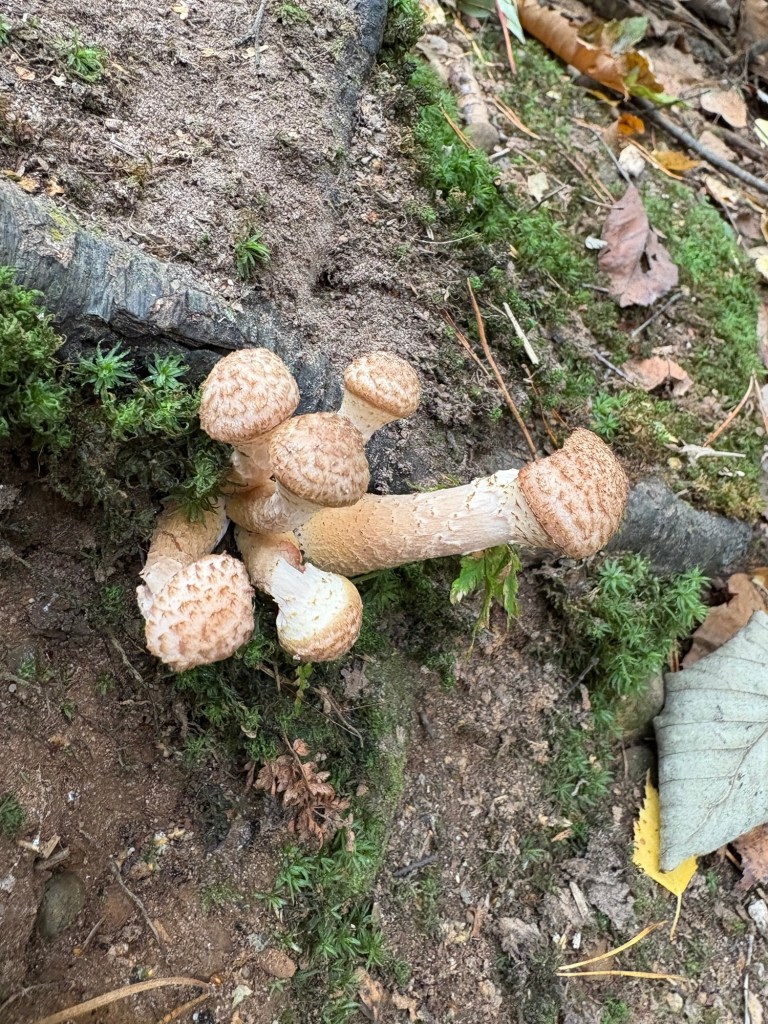
Plant Life: Various signs along the trail encouraged the children to identify different leaves, mushrooms and learn about how plants and animals care for one another.
Observation: Interactive panels along the way taught us how to look for animal tracks and listen for specific forest sounds.
Ben enjoyed feeling the texture of the Characters
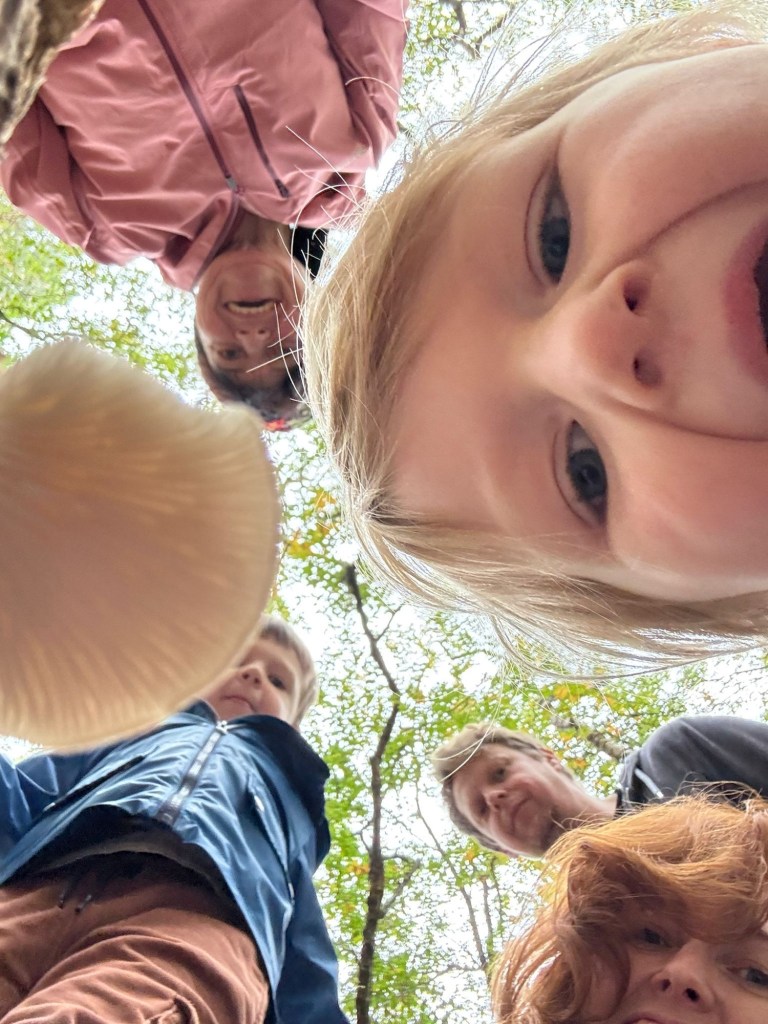
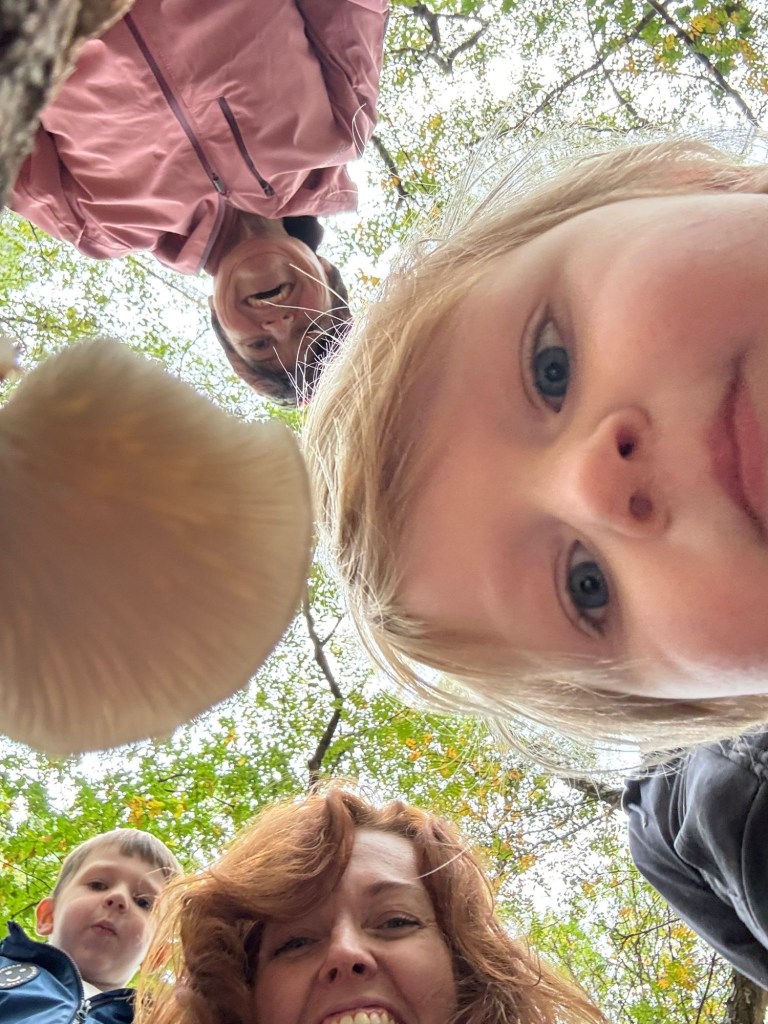
We wanted to share this lovely photograph we too of us all observing the mushroom.
We had an amazing day out, beyond the “official” learning objectives, the trip to Delamere Forest was a brilliant way to sneak in some character building and quality bonding that they won’t even realise was educational.
If you’re heading out there, make the most of the amazing “interactive classroom”:
My childminding practice has always been a ‘Garden Classroom’ curriculum and I strive to make the environment accessible and an engaging experience for all children.
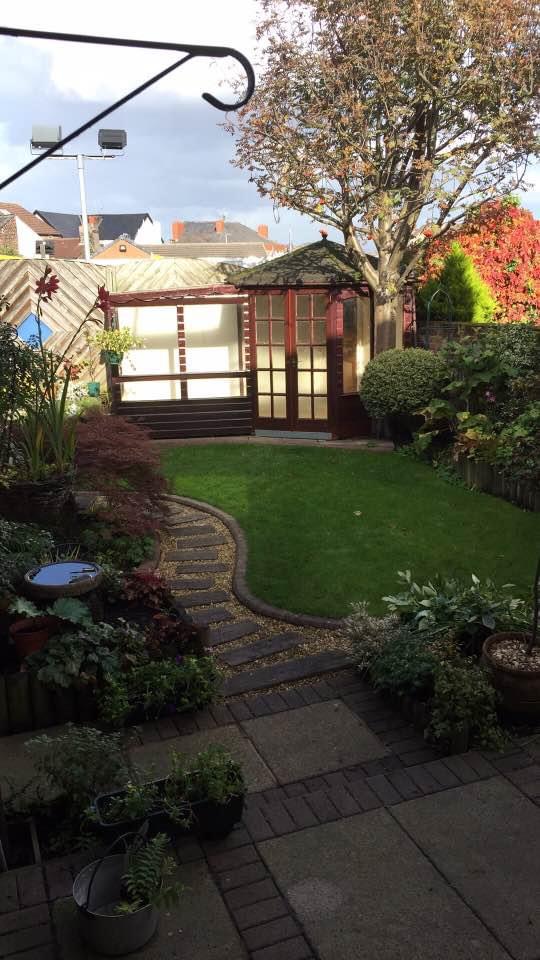
When I moved to my home, the main attraction was the garden and the garden summerhouse. Unfortunately not long after I moved in, it became obvious the summer house was not safe enough to use and we had to take it down.
Since taking down the summer house it has been my dream to build a stronger, bigger outdoor classroom. We have been planning since that day and 7 years later we have been given the opportunity to make our vision come true.
The opportunity to apply for a grant from the local council came up in May 2025. This grant was offered to settings in Liverpool to enable them to expand settings and provide new places for children under 5 years of age to access quality education.
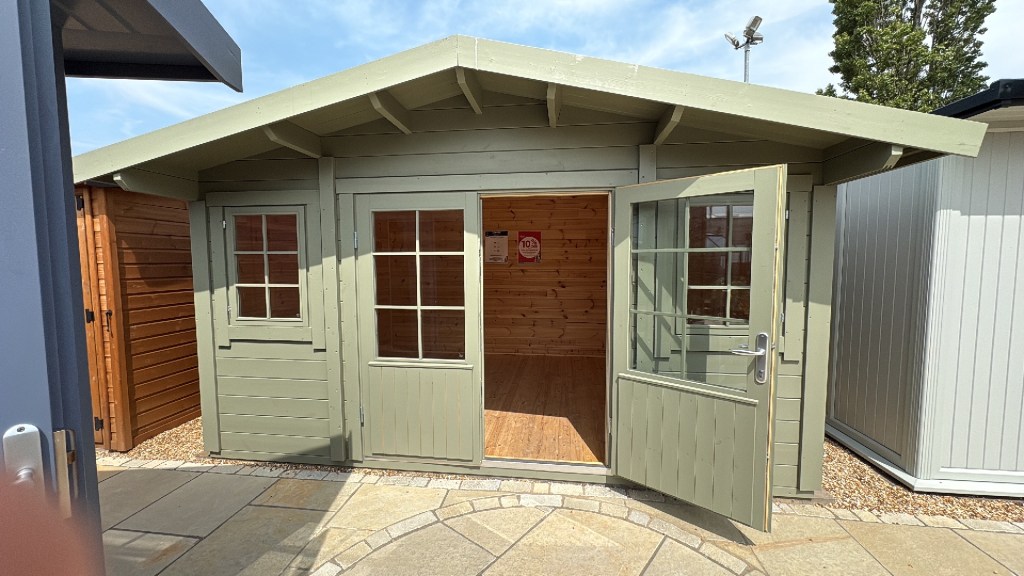
The children and I took a visit to the local Garden Center to look at various types of garden buildings. This gave us an idea of space, materials and what we would like the classroom to look like. This information all helped when putting the bid together.
We worked hard putting into place the documentation to provide evidence on how we attend to expand our setting. luckily as we had been on our planning Journey over the last few years this part of the plan was in place. It took us another three weeks and a visit from a council representative to put the policies, financial information information and evidence into place to submit to the decision board.
By the end of June we were given the amazing news that we had been successful with the main part of our bid. This was on the premise we can supply further information regarding the company we had chosen to work with and raise the extra funding needed to cover the entire project. We researched another two building companies to gain more information and chose to go with Eon from ‘All good in the wood’ https://www.allgoodinthewood.co.uk/
‘Who we are, Sustainability is at the heart of everything we do. We’re a vegan-owned business that keeps our community involved with our local trading system. We’re proud of our products being locally sourced, locally finished and installed by local tradespeople, keeping our community personally involved from start to finish! We know exactly where every tabletop, fence post or roof shingle came from and where the trees grew. Call it our sustainable family tree.’
“Ancient trees are precious. There is little else on Earth that plays host to such a rich community of life within a single living organism.” — Sir David Attenborough
‘My greatest childhood memories are of playing outdoors. Running around, climbing trees, playing in my treehouse, making mud pies, using my mum’s roses to make perfume (not always fragrant!) and inventing new games that kept me, and my brother occupied for hours – these are all things that contribute to a happy, healthy upbringing’
Introduction
My name is Tracie Dowling, and I have been an OFSTED Registered Childminder for over 33 years and a Strategic Partner of Liverpool City Region and Beyond Early Years Stronger Practice Hub. One of my roles has been to support the Deysbrook Childminder Network at the Village Community Centre in West Derby, Liverpool.
Not all childminders are lucky enough to have a large outdoor space attached to their setting; however, this does not prevent them from ensuring the children access quality outdoor learning opportunities. The childminders at Deysbrook meet up once a week at the drop-in session and have access to a community garden where they can grow produce, exercise and access activities. They also regularly organise to meet up at the local allotment, parks, farm, forest, zoo and beaches.
‘The Early Years Foundation Stage states that ‘children benefit from spending as much time outside as possible. This makes a significant contribution to the progress they make particularly in their personal, emotional, social and physical development’
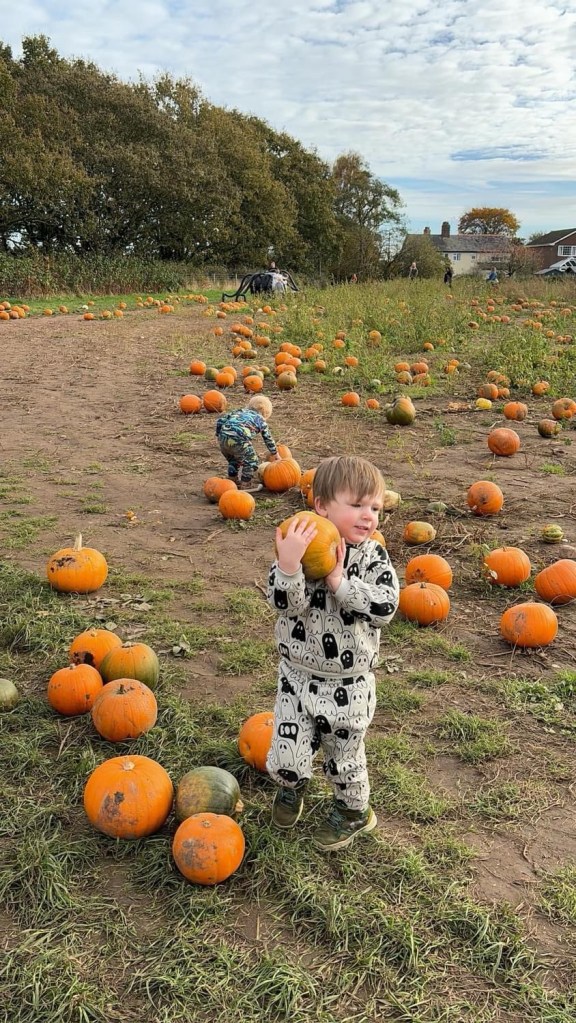
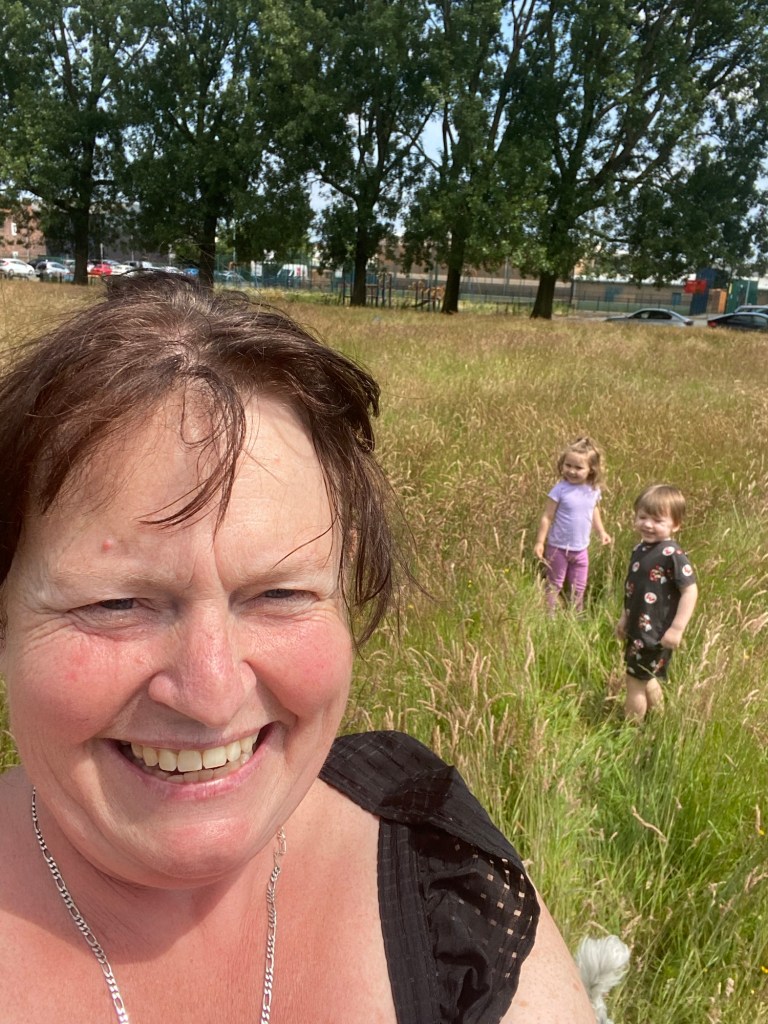
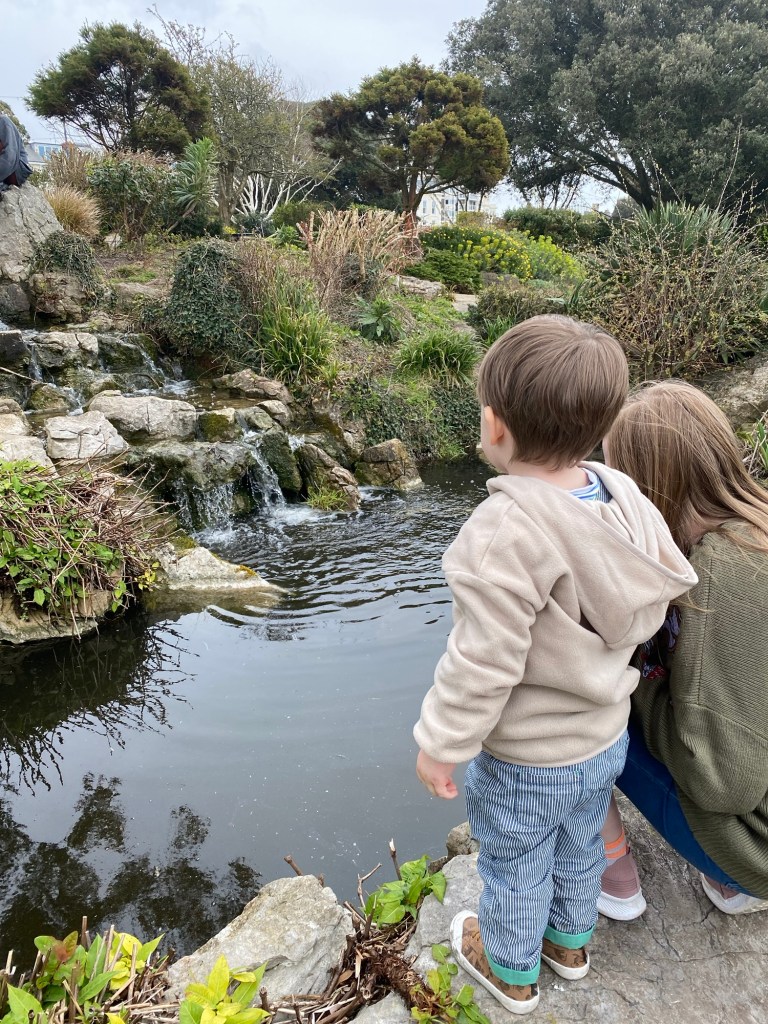
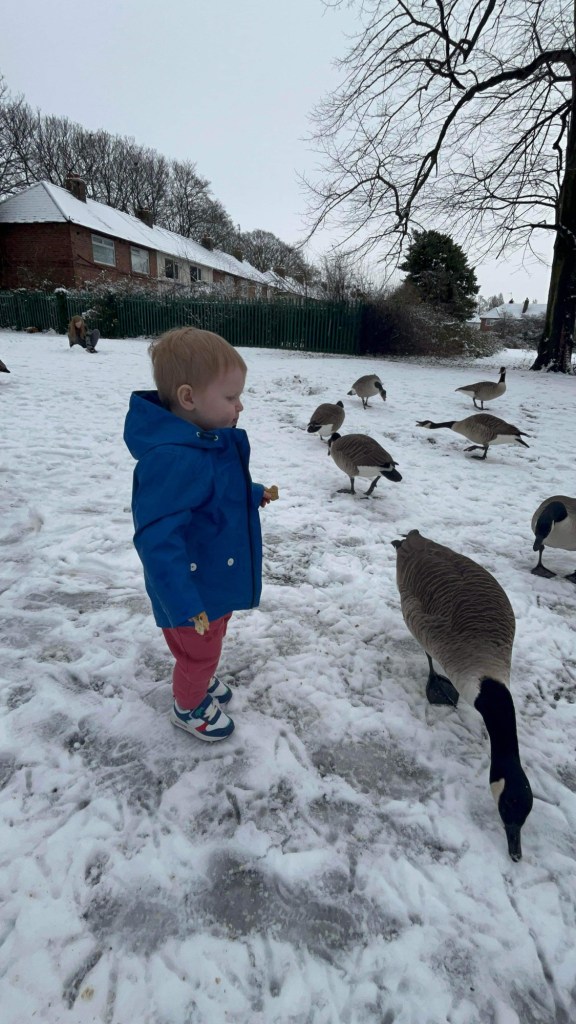
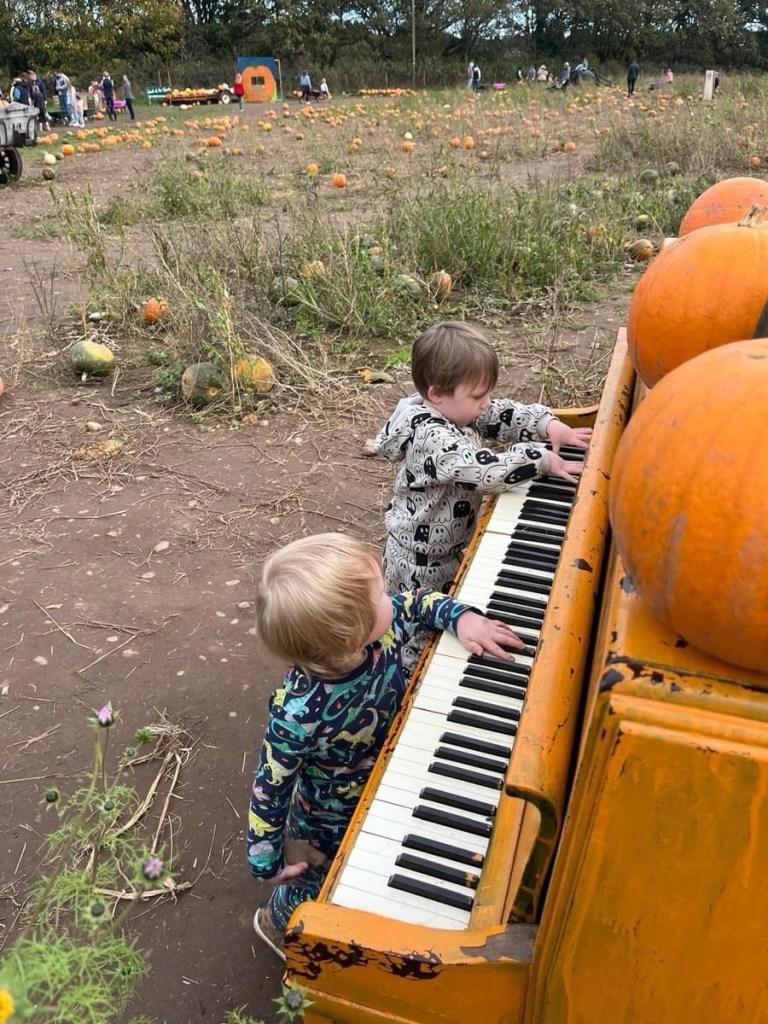
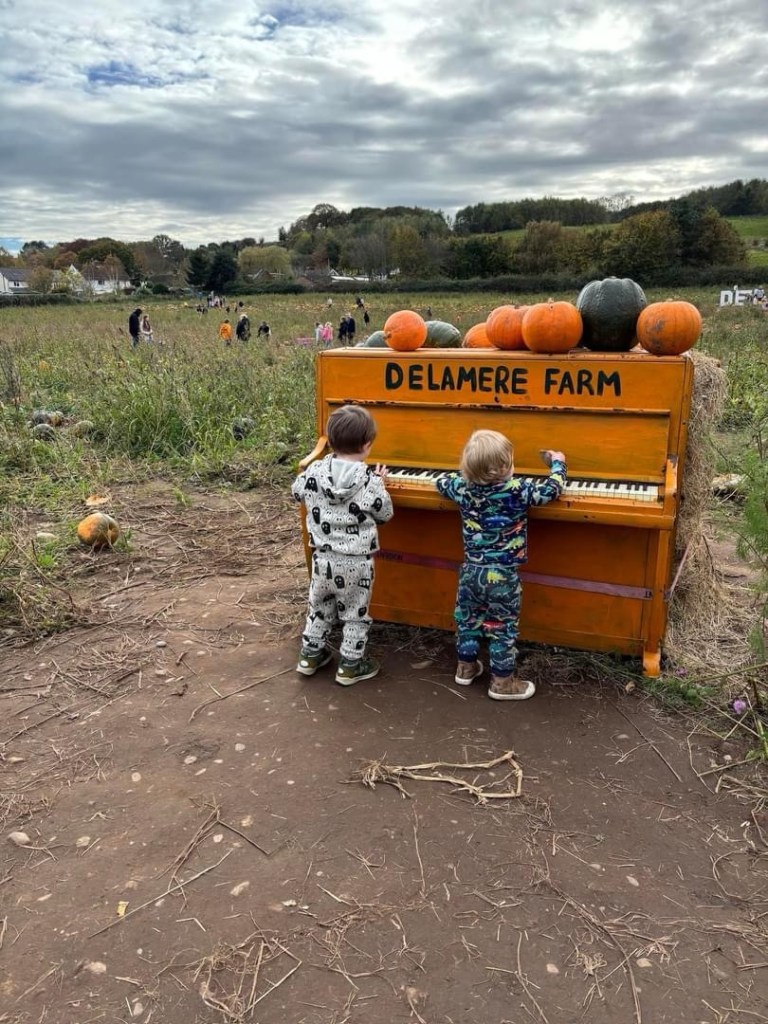
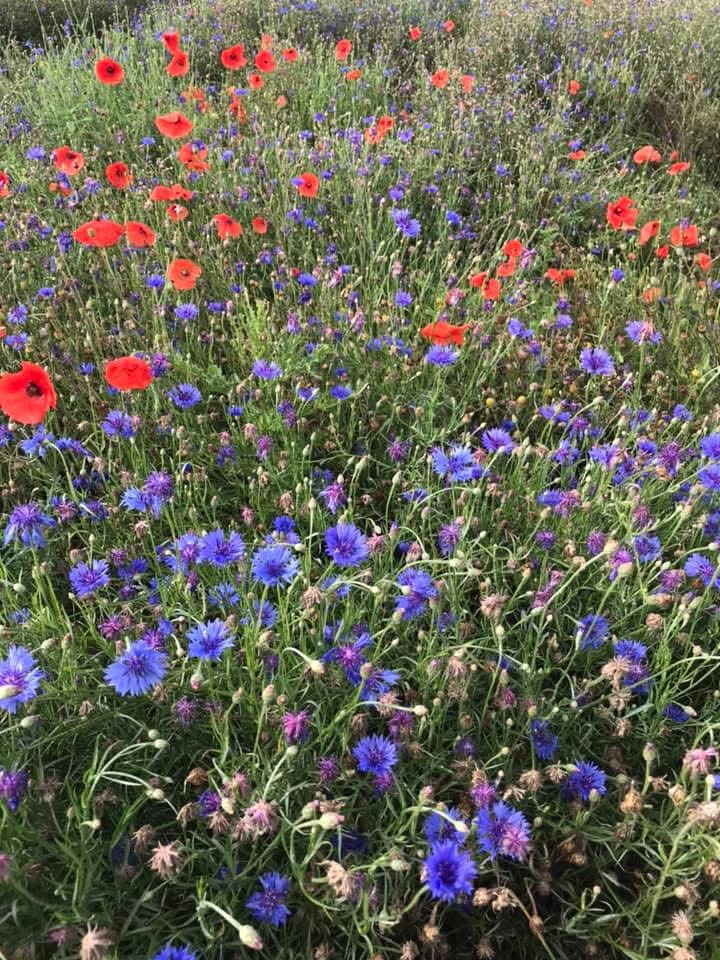
Pumpkin FarmLocal Wildflower MeadowNature ReserveLocal Park
Having the opportunity to learn outdoors can be a holistic and essential approach to education, offering a multitude of benefits beyond the traditional educational setting. Here are some of the ways the childminders take advantages of outdoor learning opportunities:
Enhanced Physical Development:
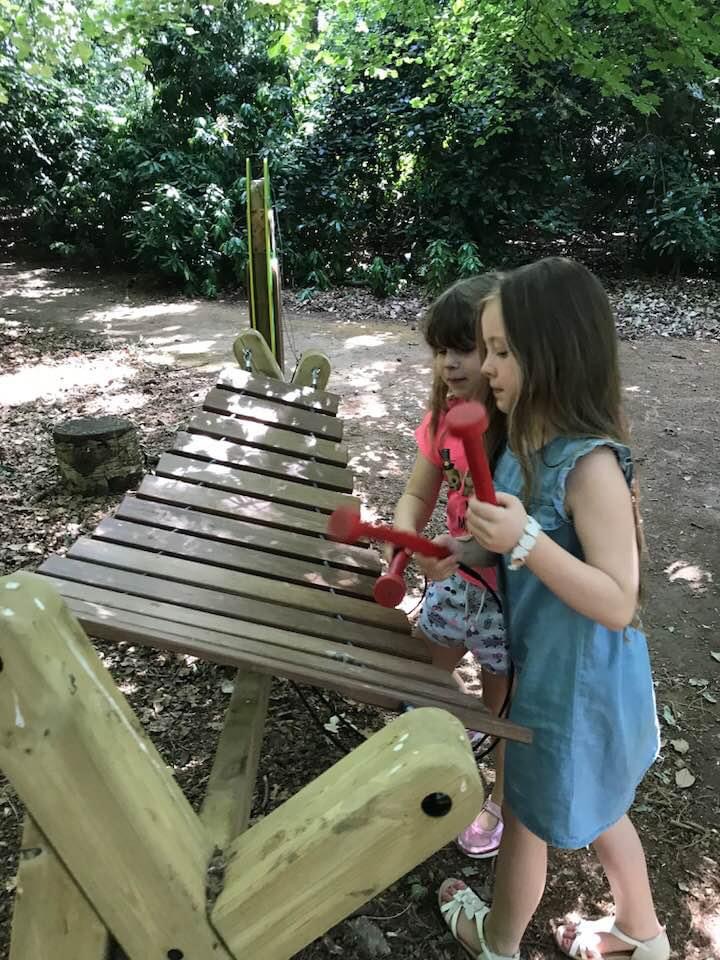
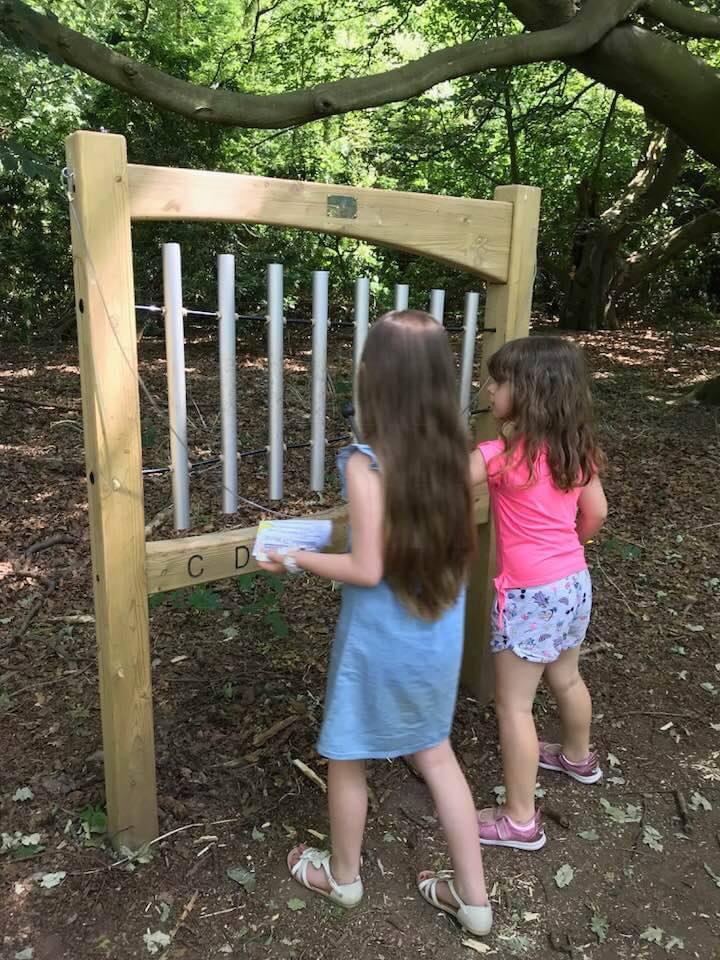
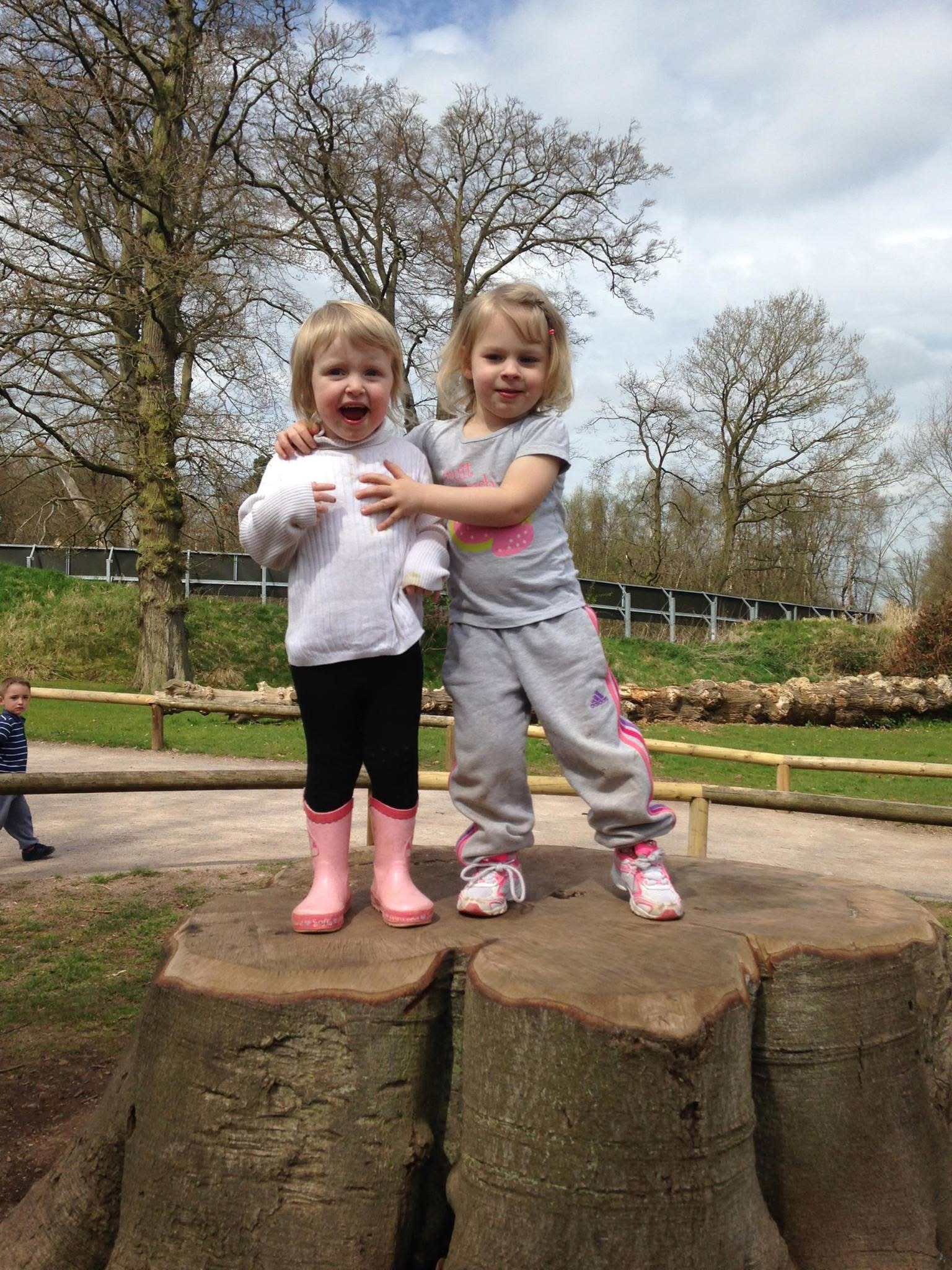
The childminders regularly take the children to the local forest to experience the natural outdoor spaces which are uneven and inconsistent (logs, trees, pathways) and therefore improve children’s balance, coordination, agility and encourage movement in ways that improve their muscles, bones and physical endurance.
Cognitive Development:
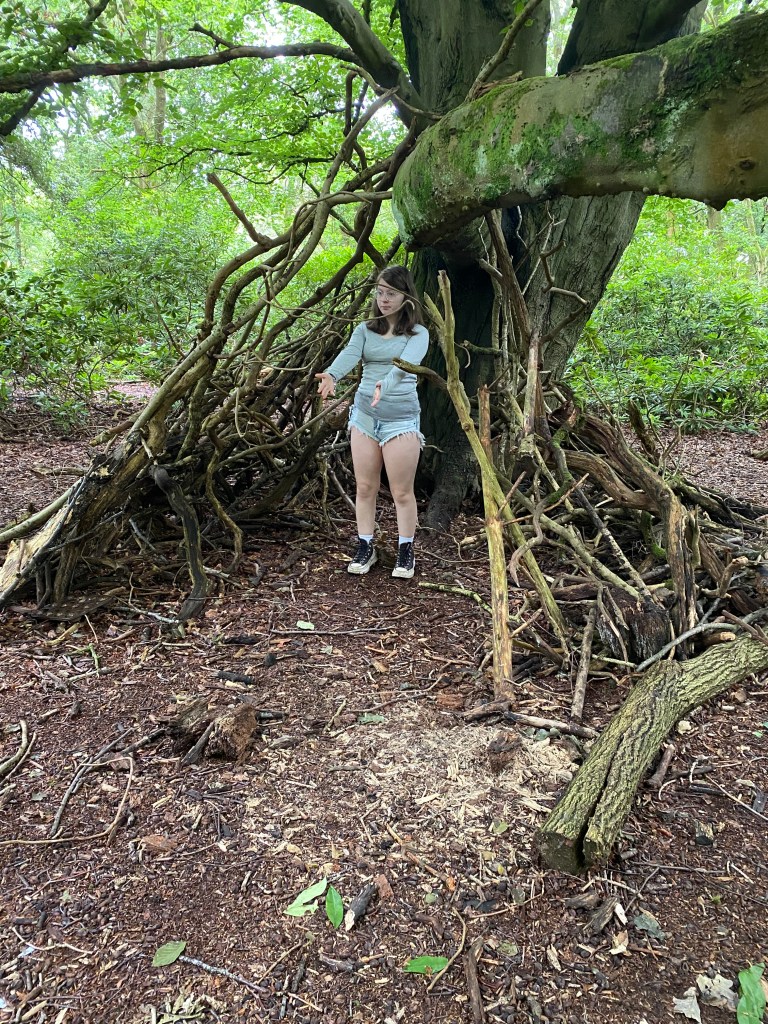
The openair environment of the local park provides opportunities for exploration (plants, wildlife, habitats) problem-solving (how to cross a big puddle?), critical thinking (how to make a den using found objects), decision-making and building essential skills like spatial awareness and adaptability. The children engage in activities such as den building, learning to look after the environment, and exploring nature.
Communication and Language Skills:
Collaboration between the childminders and peers significantly boosts communication and language development. This provides a natural, engaging environment to practice language, explore new vocabulary and develop social skills.
by providing the children with Imaginative play opportunities, exploring the natural world, and interaction with peers all contribute to language acquisition and communication skills which is evident by the children expressing thoughts, asking questions and listening to their childminder and peers.
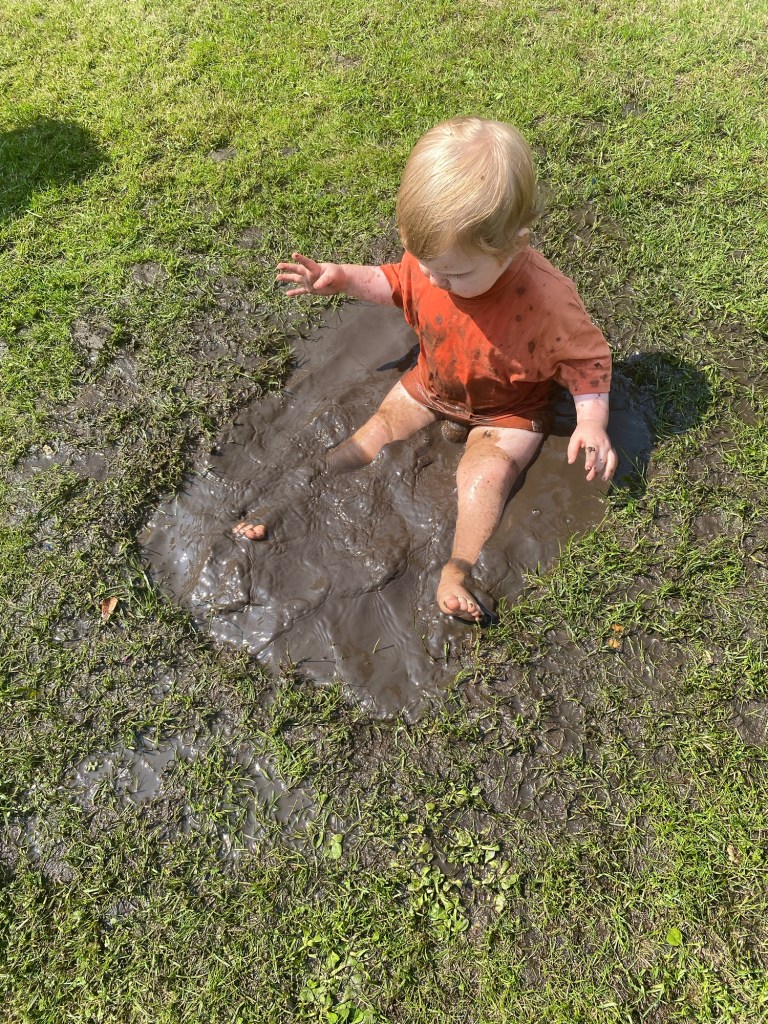
While in the outdoor area the children listen to natural sounds and explore other sensory experiences (e.g., the rustling of leaves, the feel of mud and sand) this broadens and enhanced language development by using words such as squidgy, squelchy, scrunching.
Personal, Social, and Emotional Development:
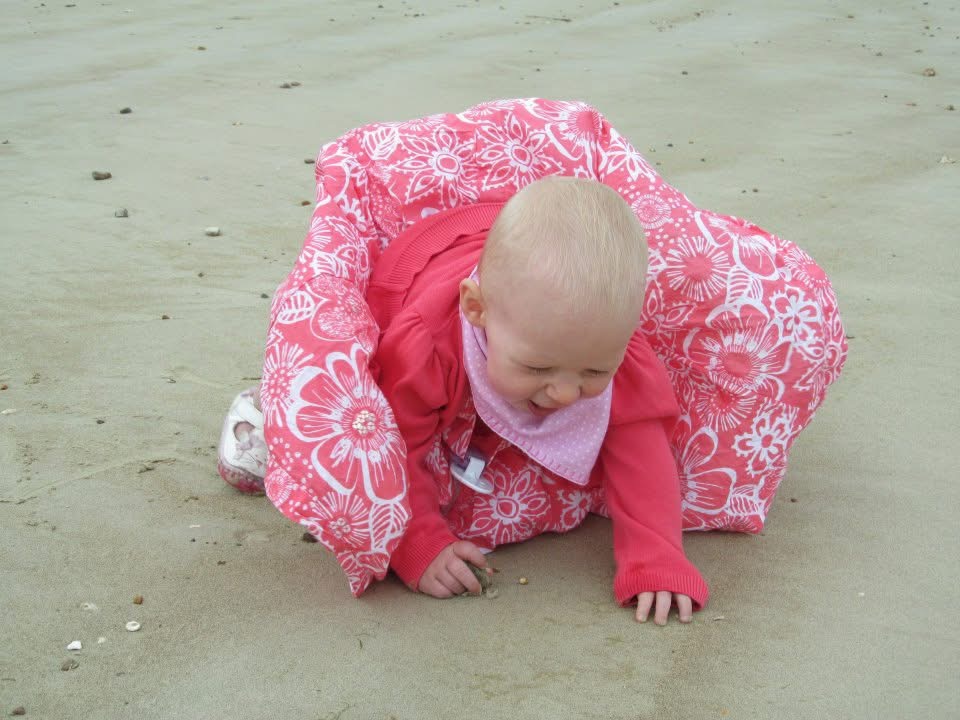
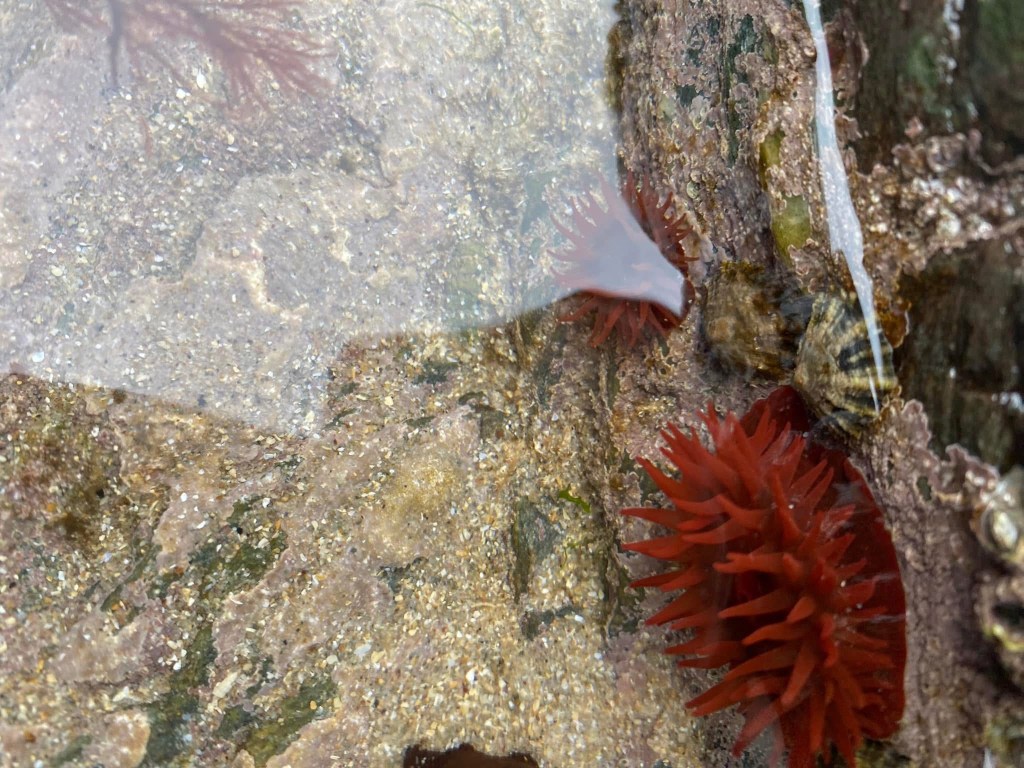
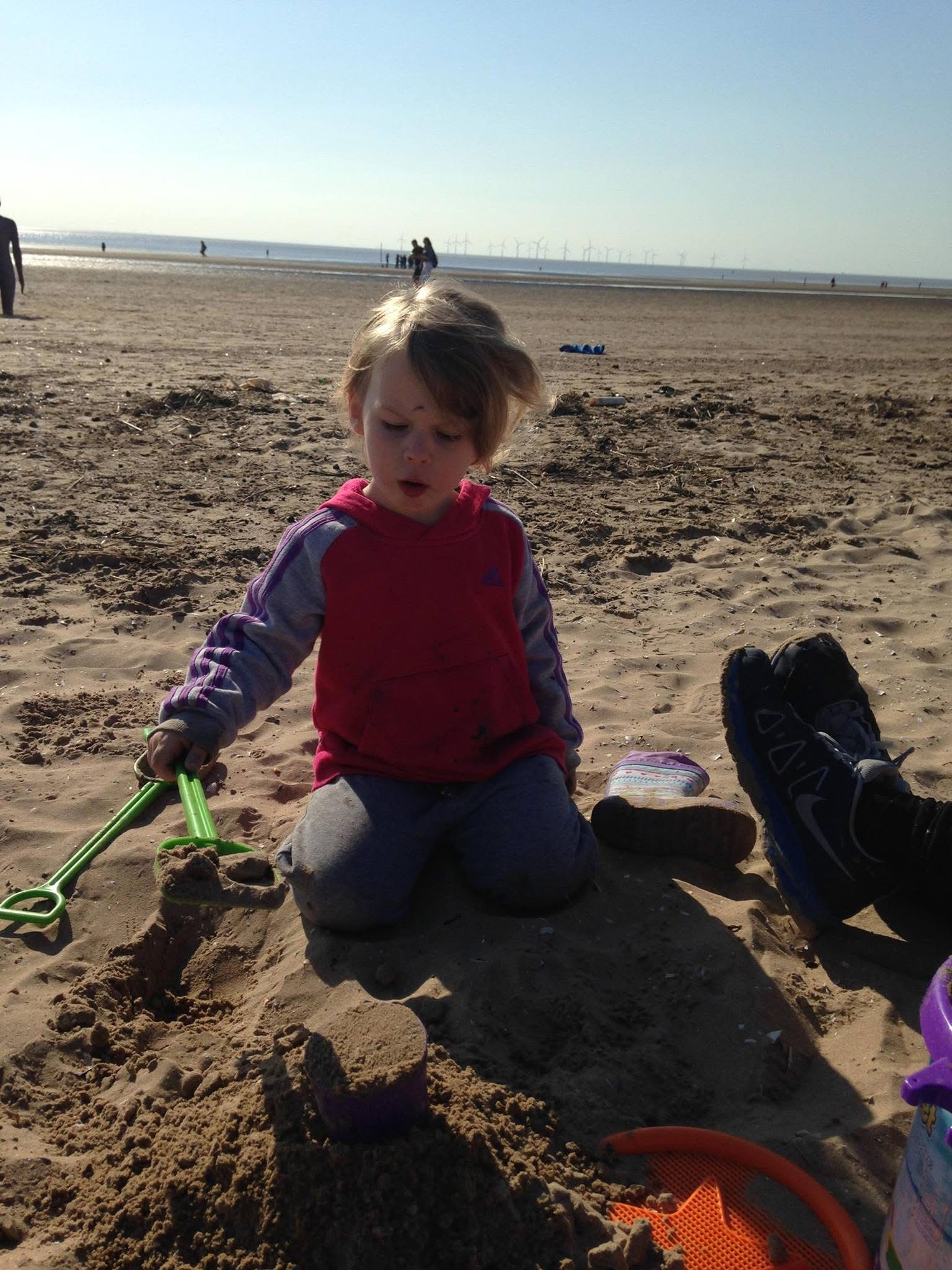
When the childminders take the children on visits for instance to the beach this provides abundant opportunities for personal growth and social development. The children learn to manage risks, (being close to water/climbing on slippery rocks/identifying and studying the jellyfish) develop self-confidence, and form positive relationships in the safety of their childminder and experiences with peers.
Knowledge and Understanding of the World:
Outdoor learning offers a direct relationship with nature, enabling children to explore and understand the natural world, encouraging an enduring interest in science, ecology, and caring for their environment.
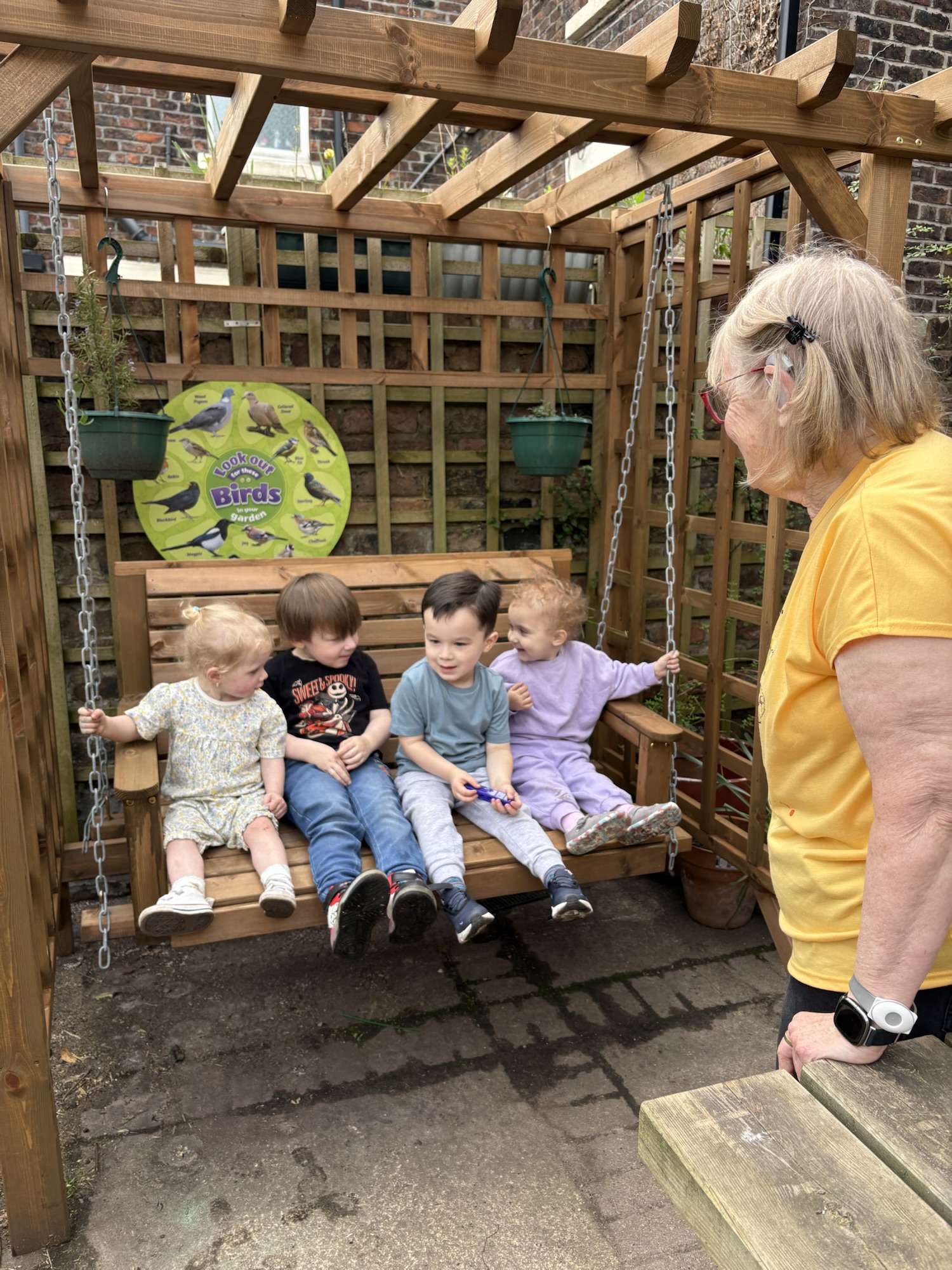
We welcome childminders and our community family to share our environment, where we exchange ideas’ share surplus produce and have a swap scheme for instance toys/plants/story sacks to promote positive relationships and encourage cost effective way of living.
Literacy and Mathematics:
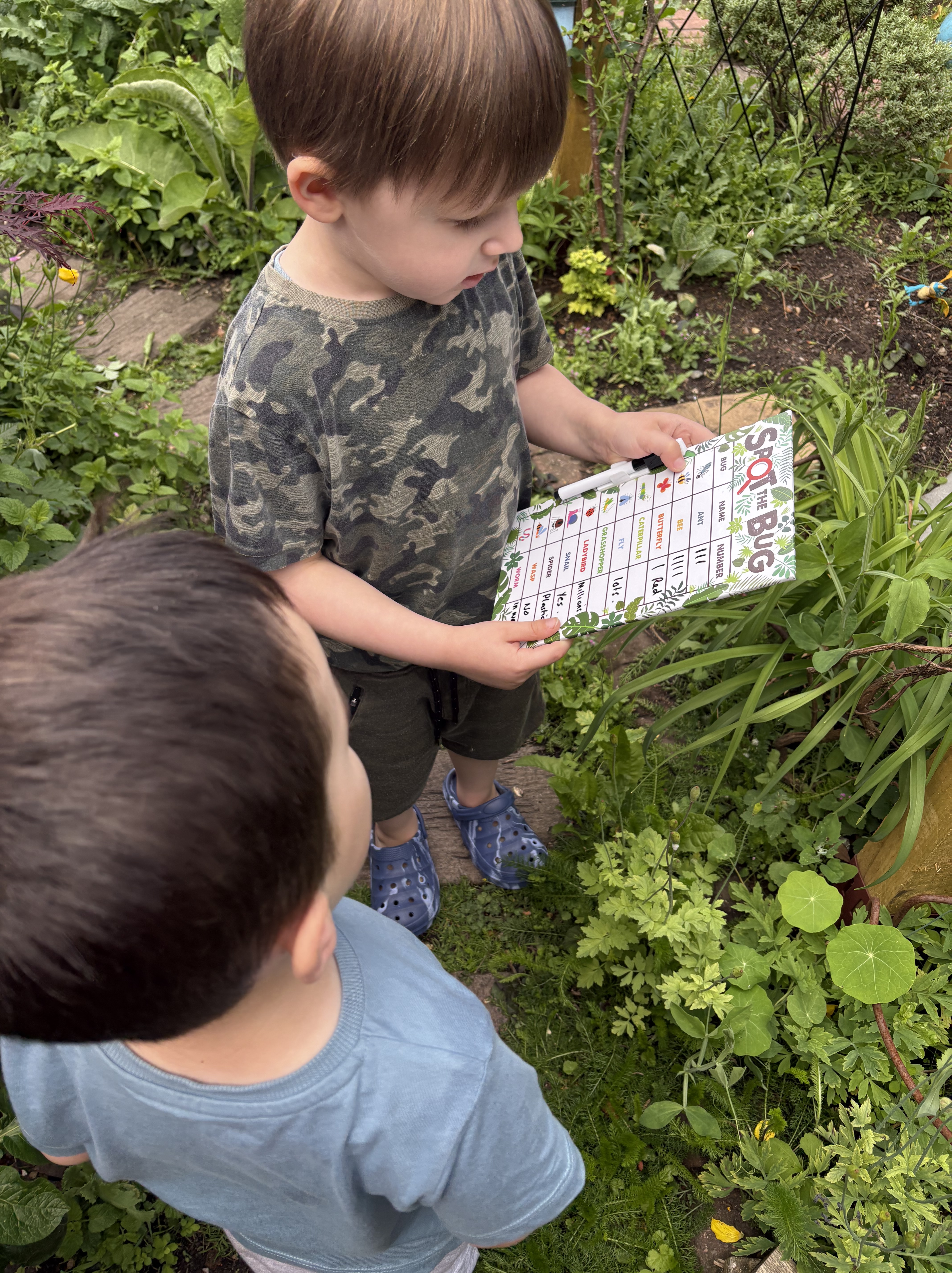
Outside spaces can serve as an environment for literacy and numeracy activities. Children can count objects, (bugs, shells, sticks) write using natural materials (sand, soil, chalk, sticks) or engage in storytelling and creative writing inspired by the environment for instance using the ’anywhere farm’ story sack at the urban farm.
Expressive Arts and Design:
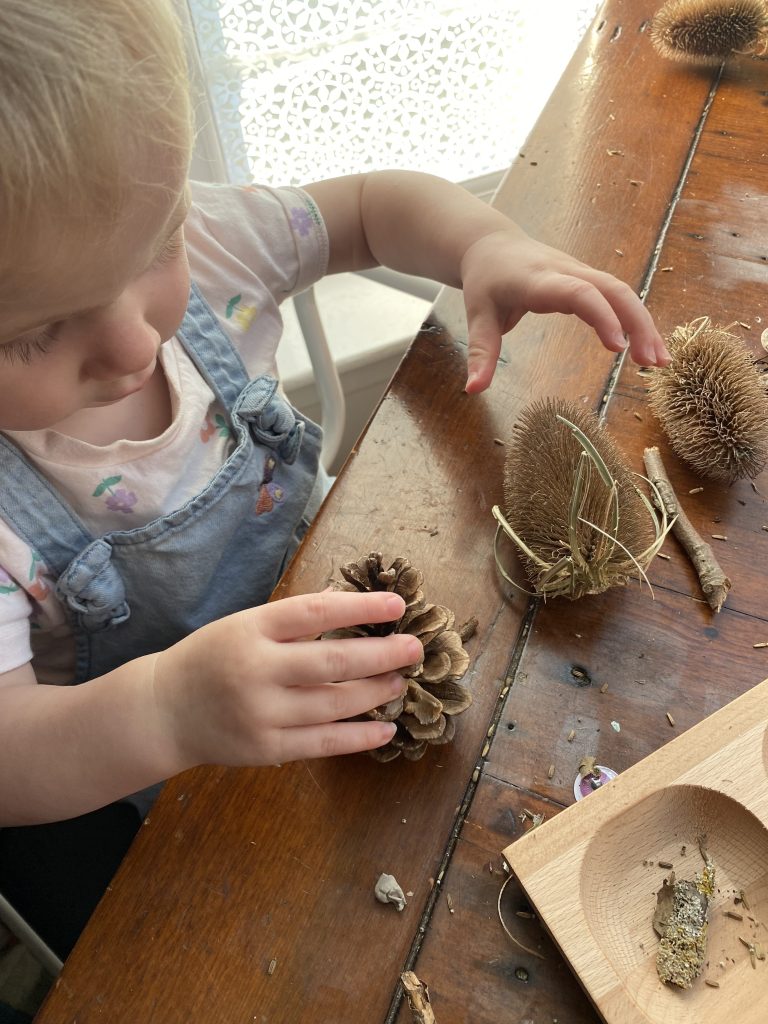
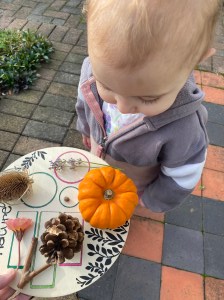
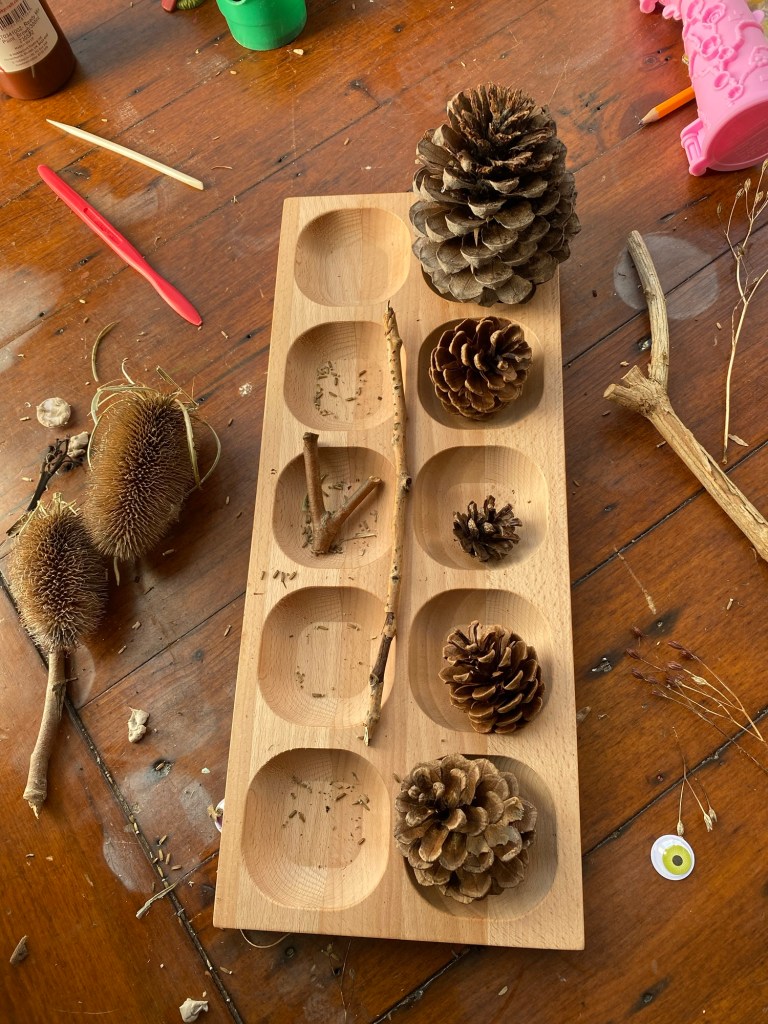
Open air environments encourage creativity and artistic expression. Children can be involved in activities such as drawing, painting, or sculpture using natural materials, (logs, sticks, shells, pinecones) furthering their artistic development.
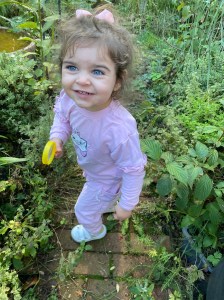
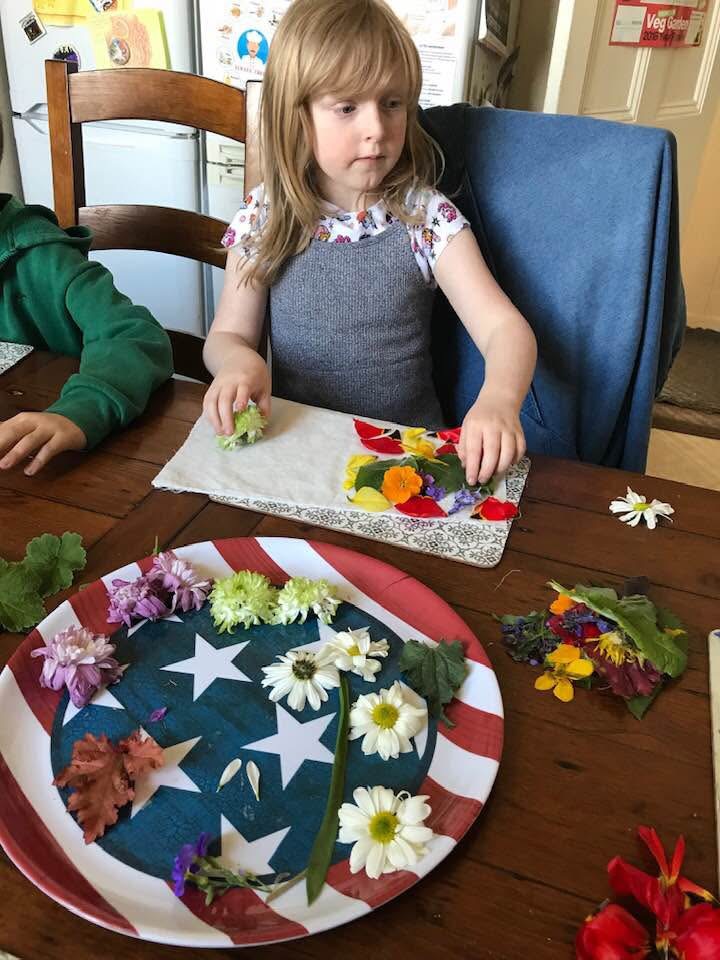
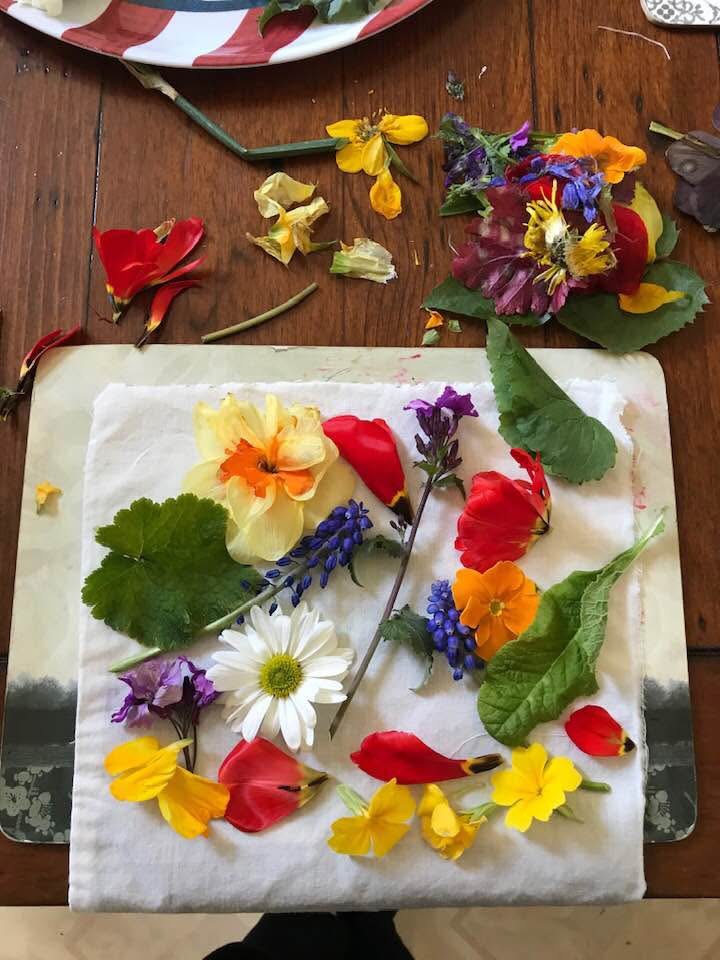
The children are very interested in using flowers and leaves to make natural prints pressing the flowers (from my garden) between two pieces of material to bring out the natural colourings.
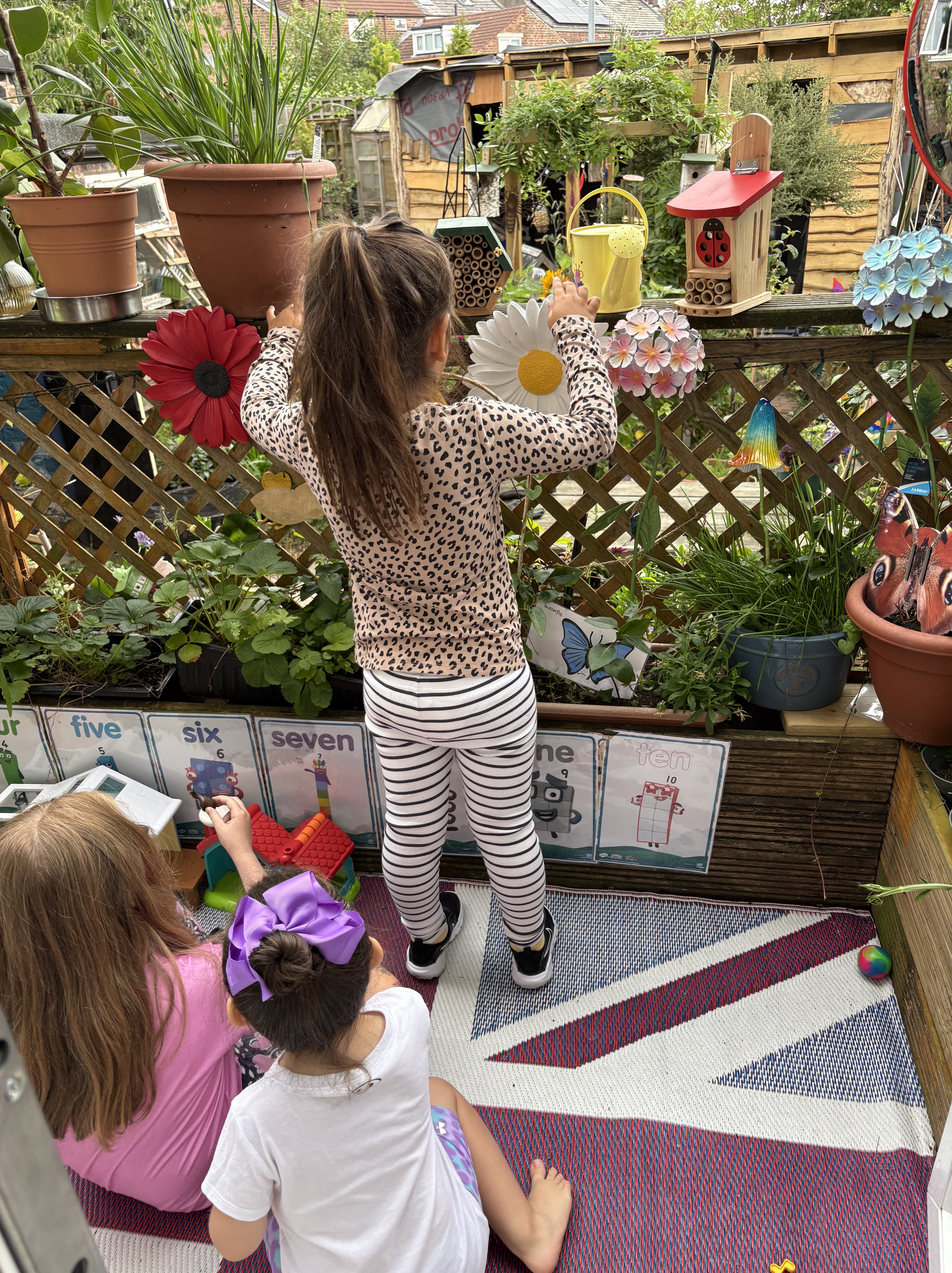
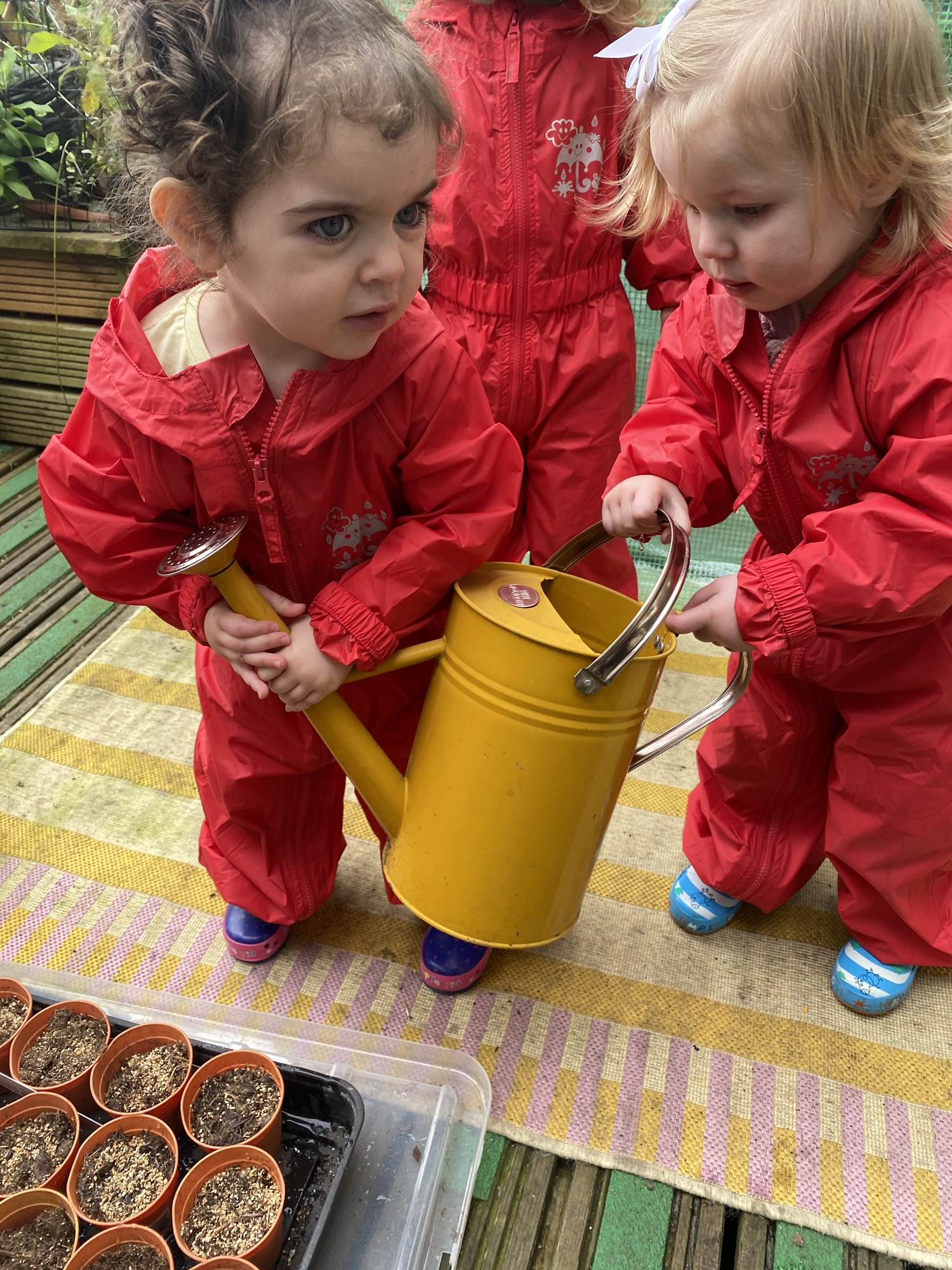
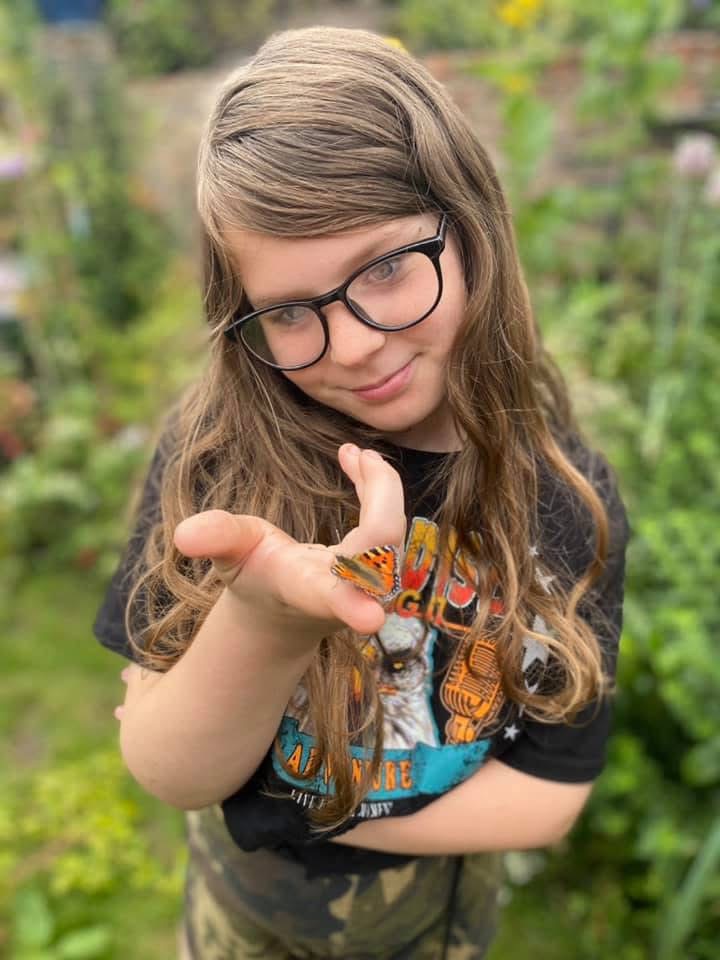
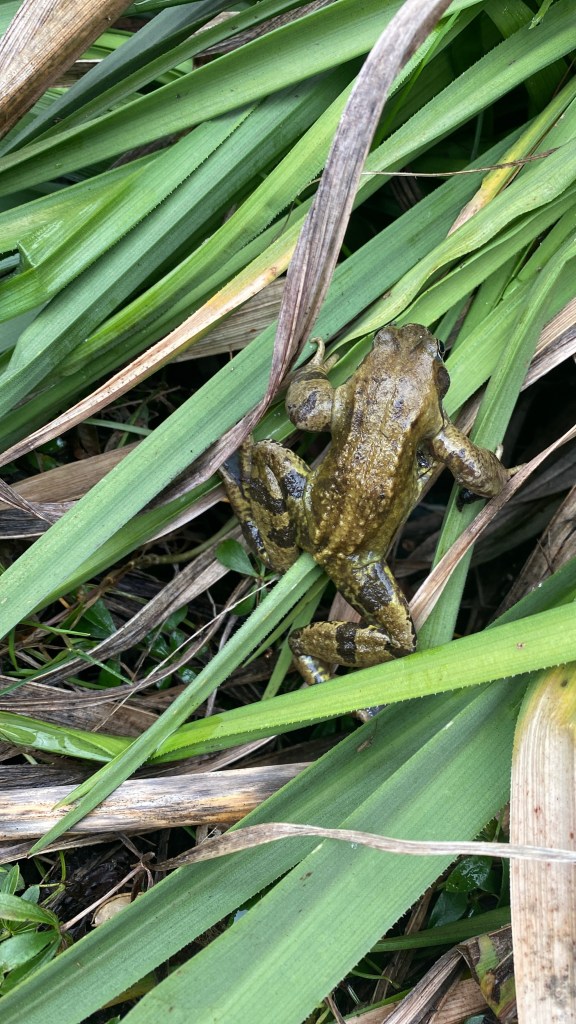
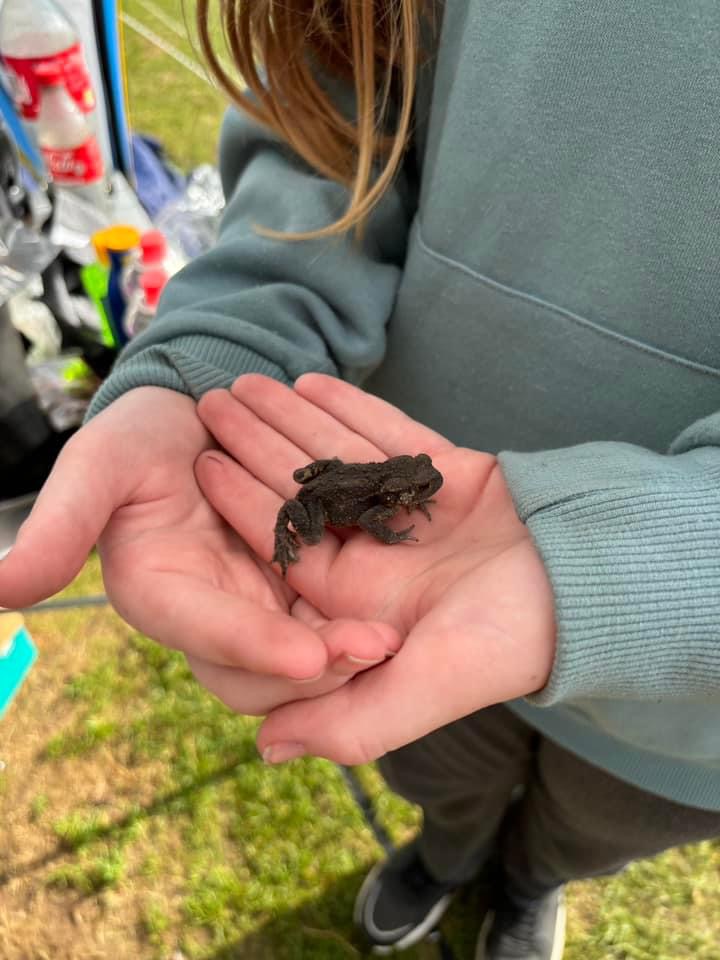
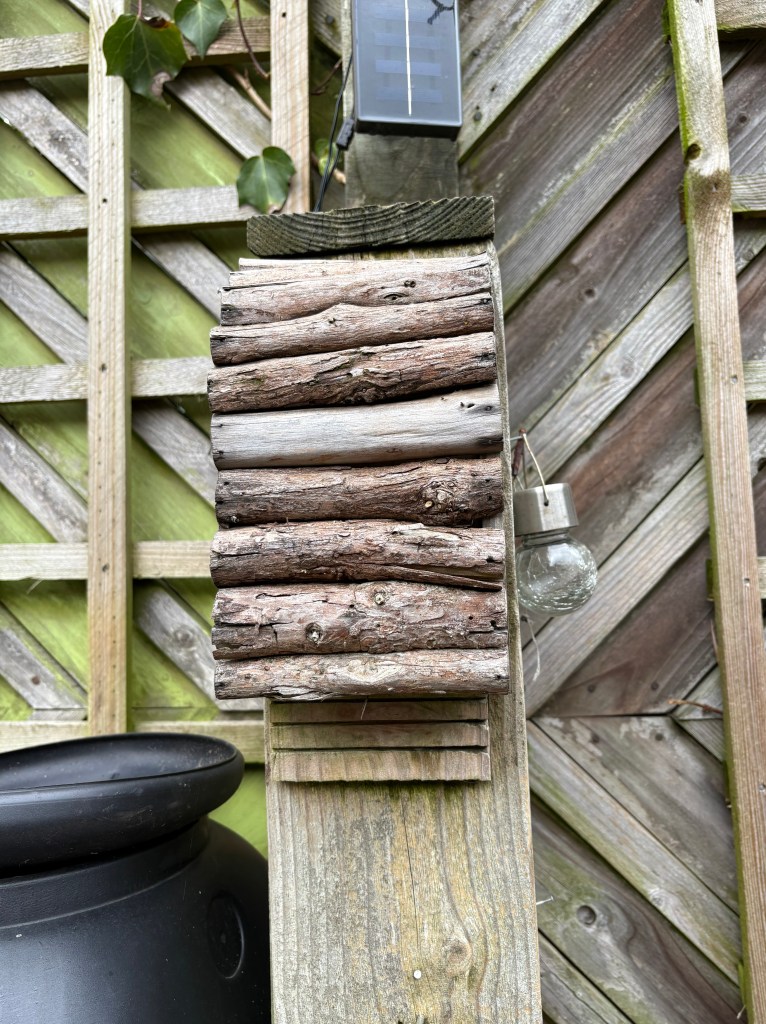
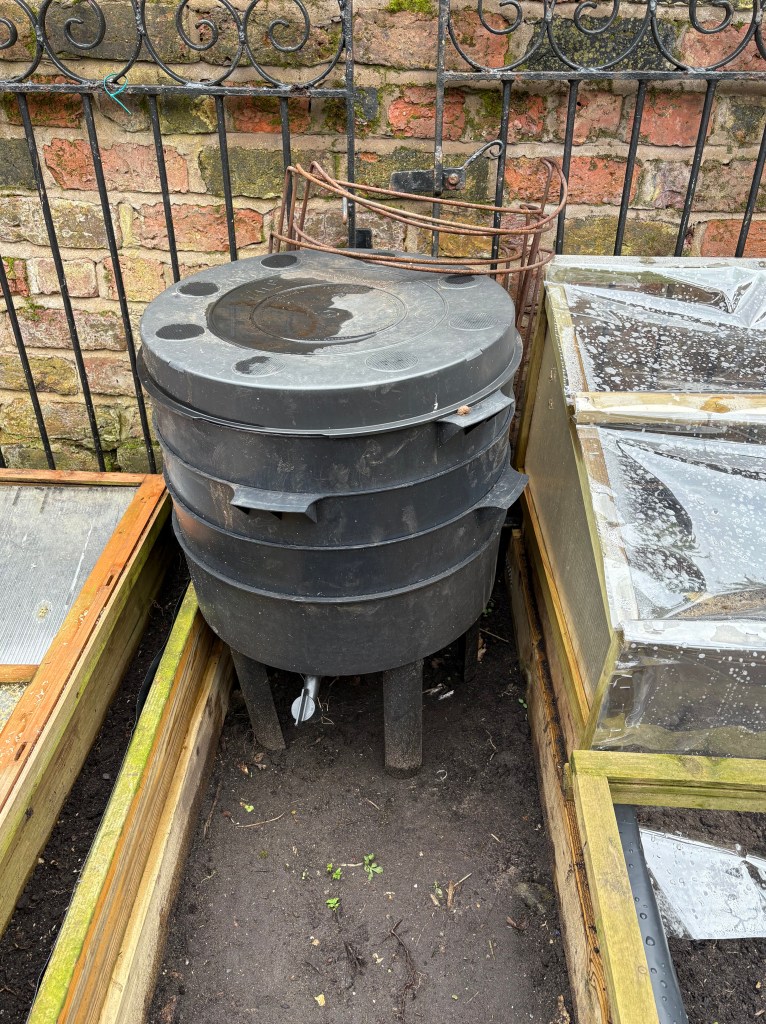
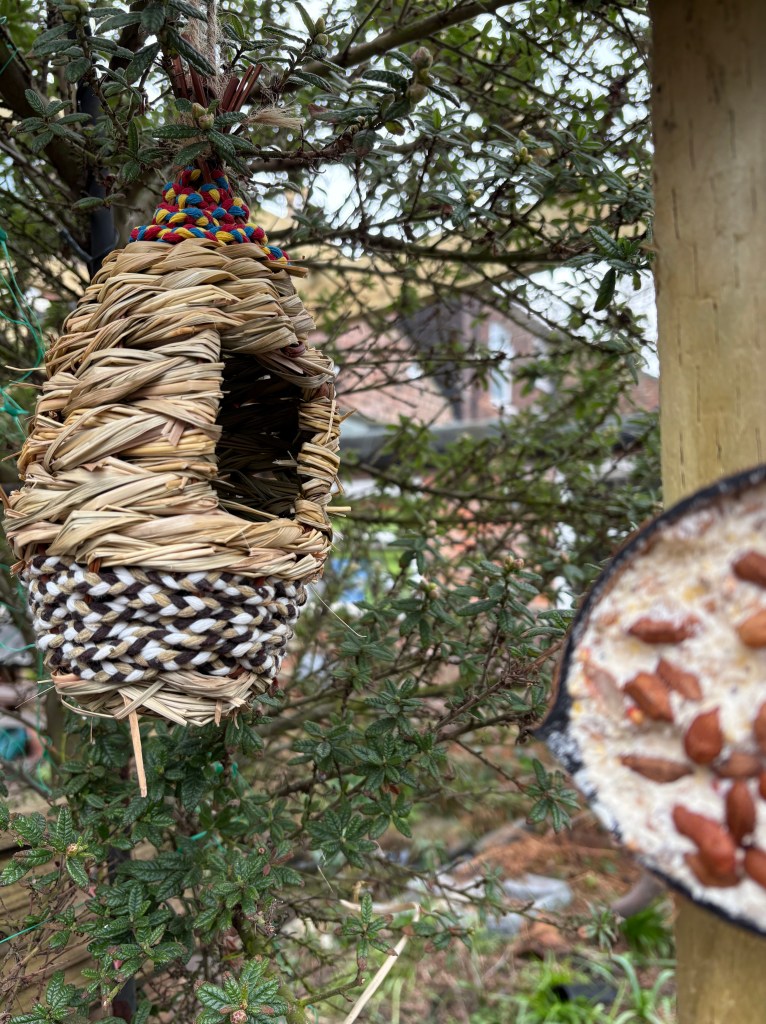
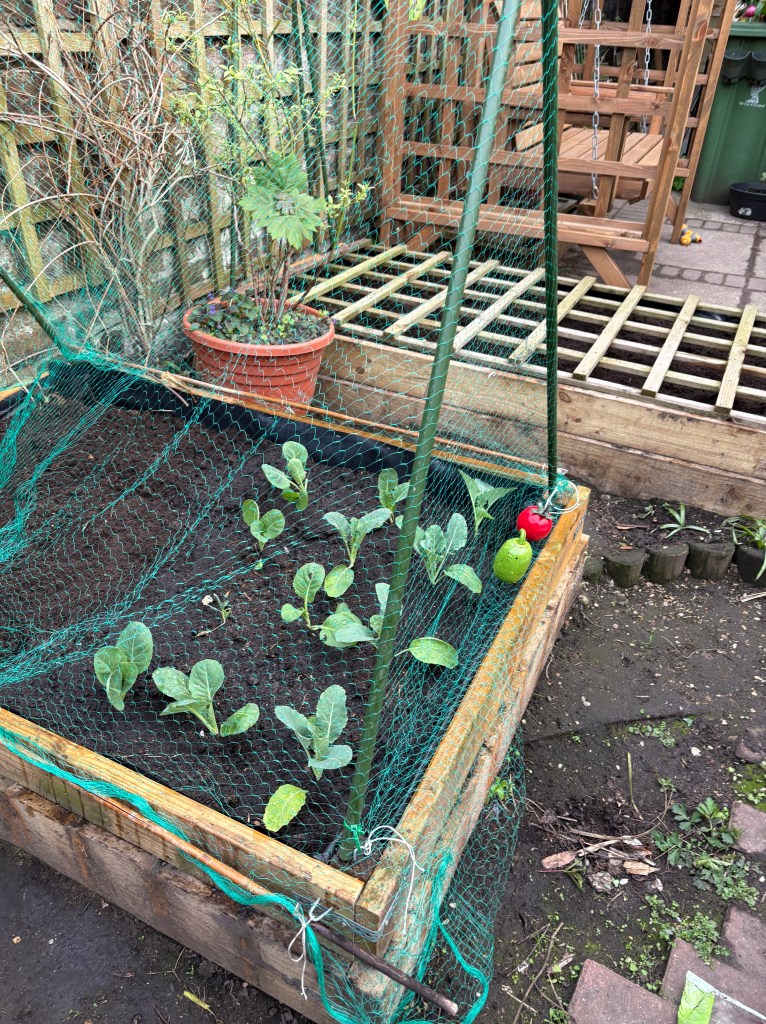
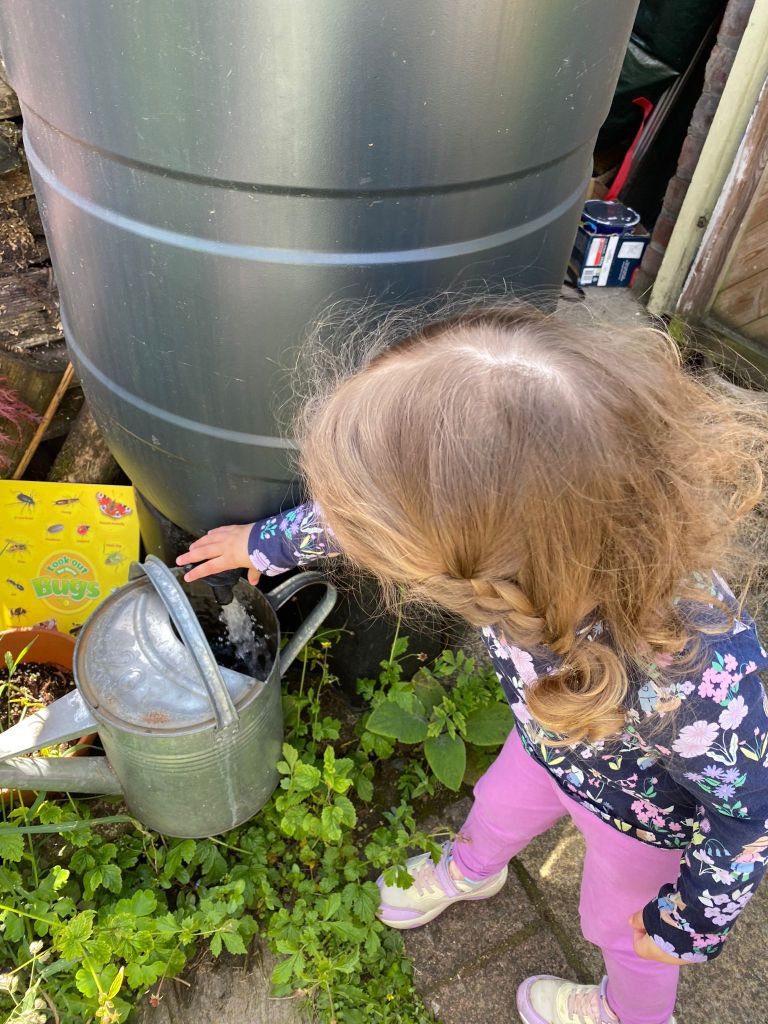
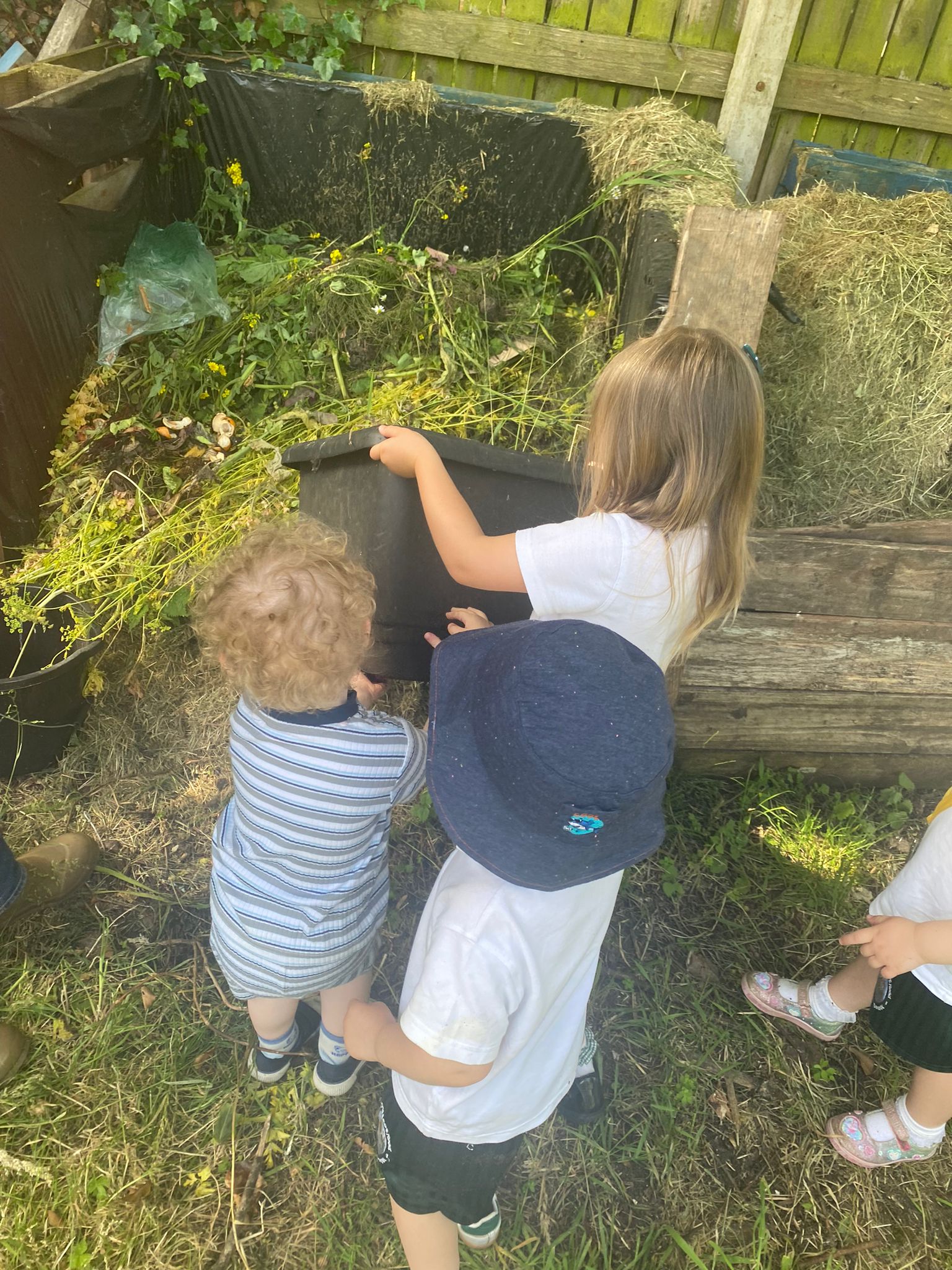
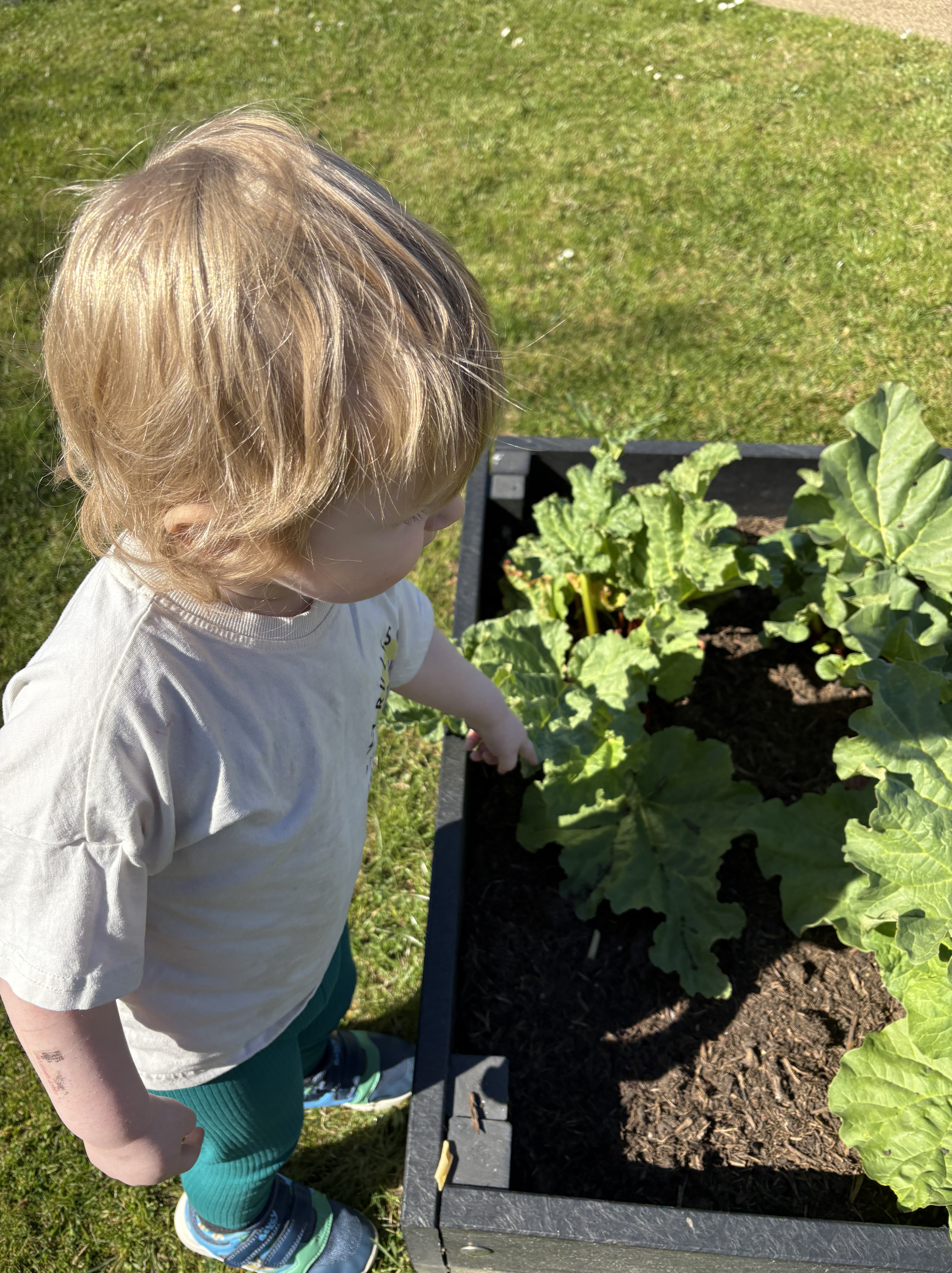
My personal childminding ethos and curriculum is ‘sustainability in the garden classroom’. I am privileged to have a wonderful outdoor space where I teach the children to care for their environment. We have a wormery to use up food waste and provide our plants with nutrients, water butts to recycle water and feed our fruit and vegetables, habitats for the wildlife such as frogs, bees, bugs etc. We grow plants (not always successfully) using different methods such as hydroponically, using recycled materials and no dig raised beds.
Conclusion
By childminders being creative and giving children opportunities to access various outdoor environments reinforced with the Early Years Foundation Stage (EYFS) 7 areas of learning is a pathway in a child’s holistic development. The EYFS framework recognises the importance of outdoor learning, and the benefits of this approach are undeniable. By providing children with outdoor environments for physical activity, cognitive growth, social interaction, and a deep connection to nature, we nurture well-rounded children and enable them to be better prepared for the challenges of life and holistic learning. This is the collective responsibility of parents and educators to ensure that all children have access to these inspiring outdoor activities and environments that will profoundly shape their future in positive and meaningful ways.
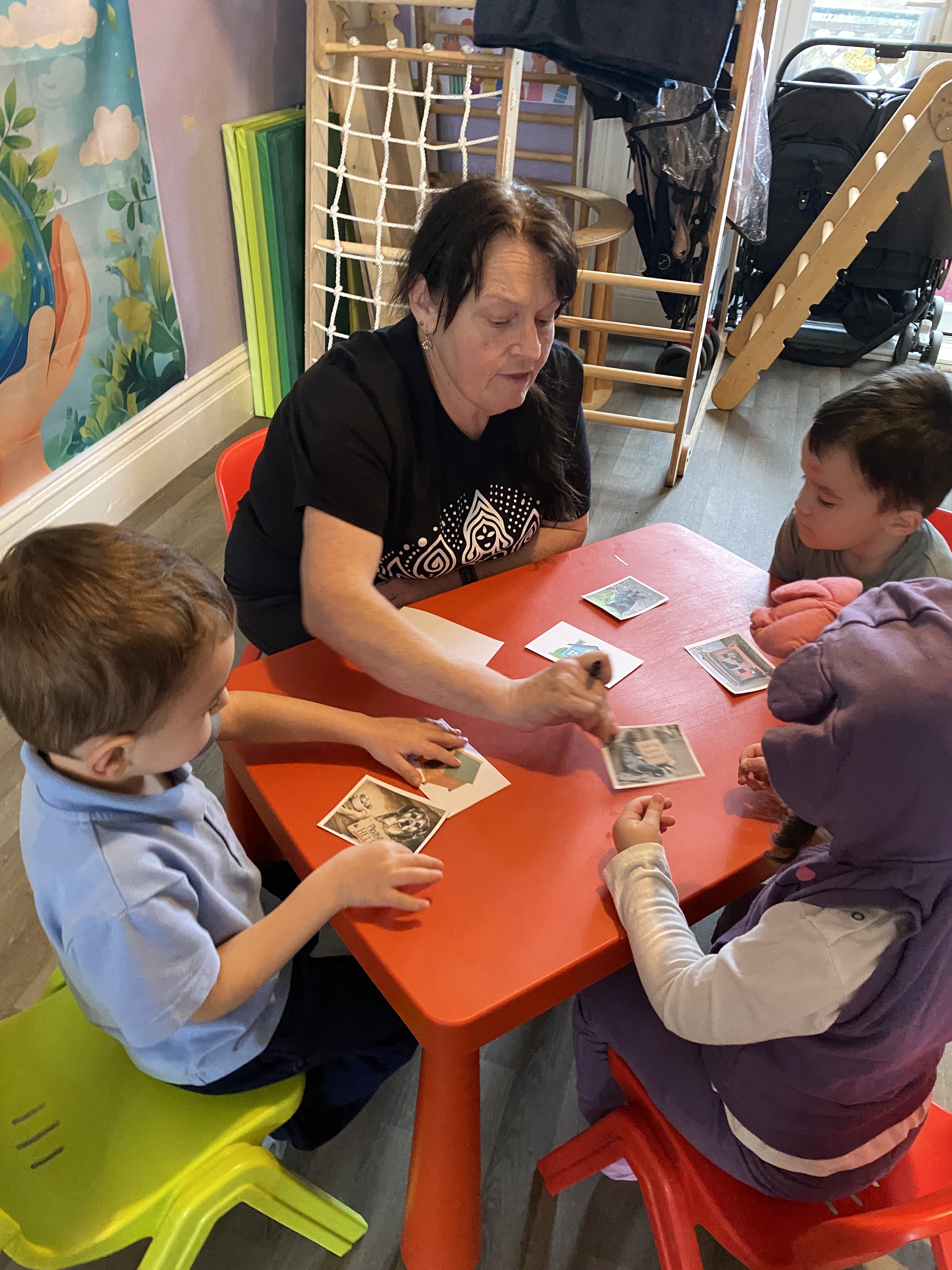
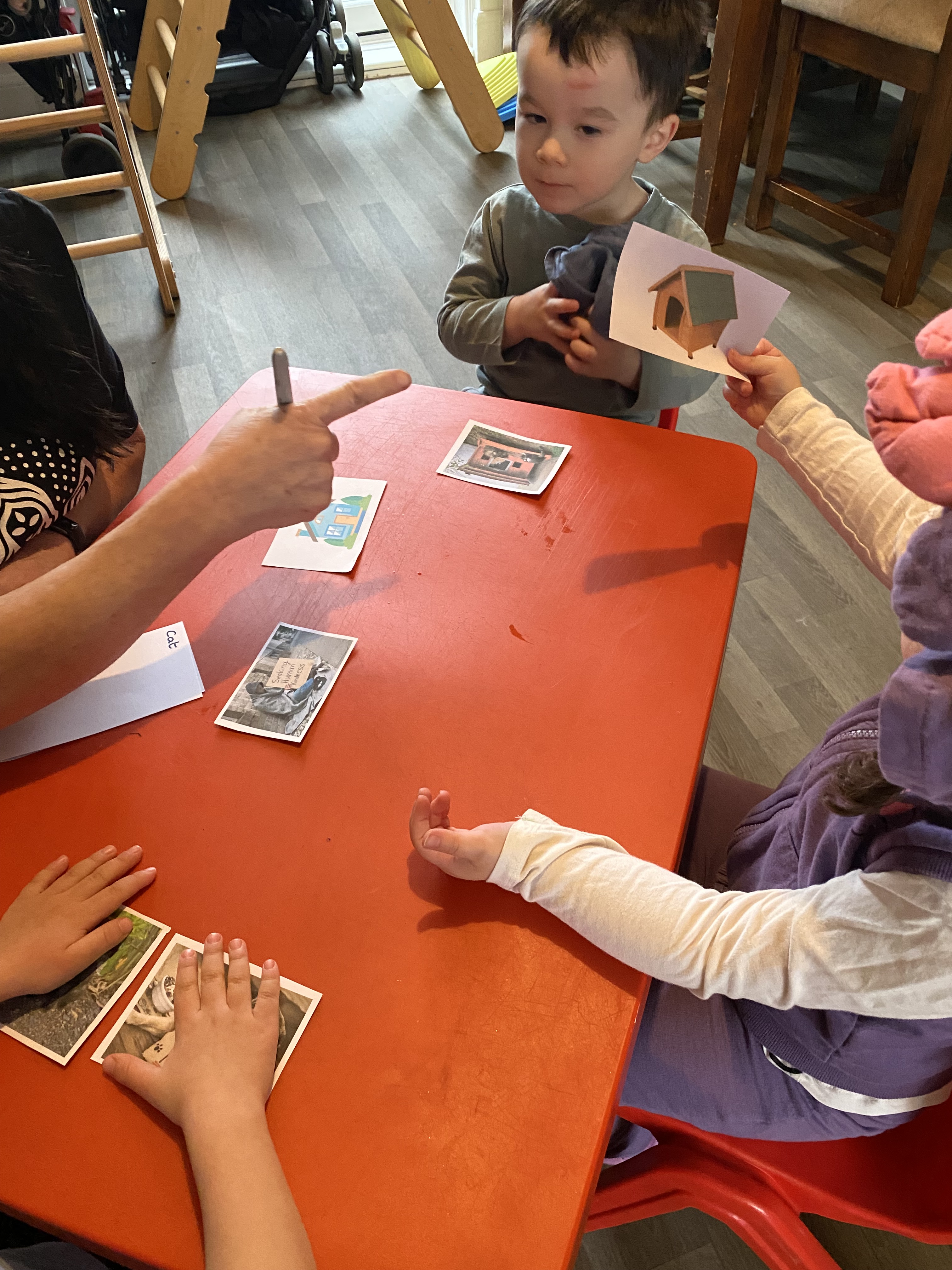
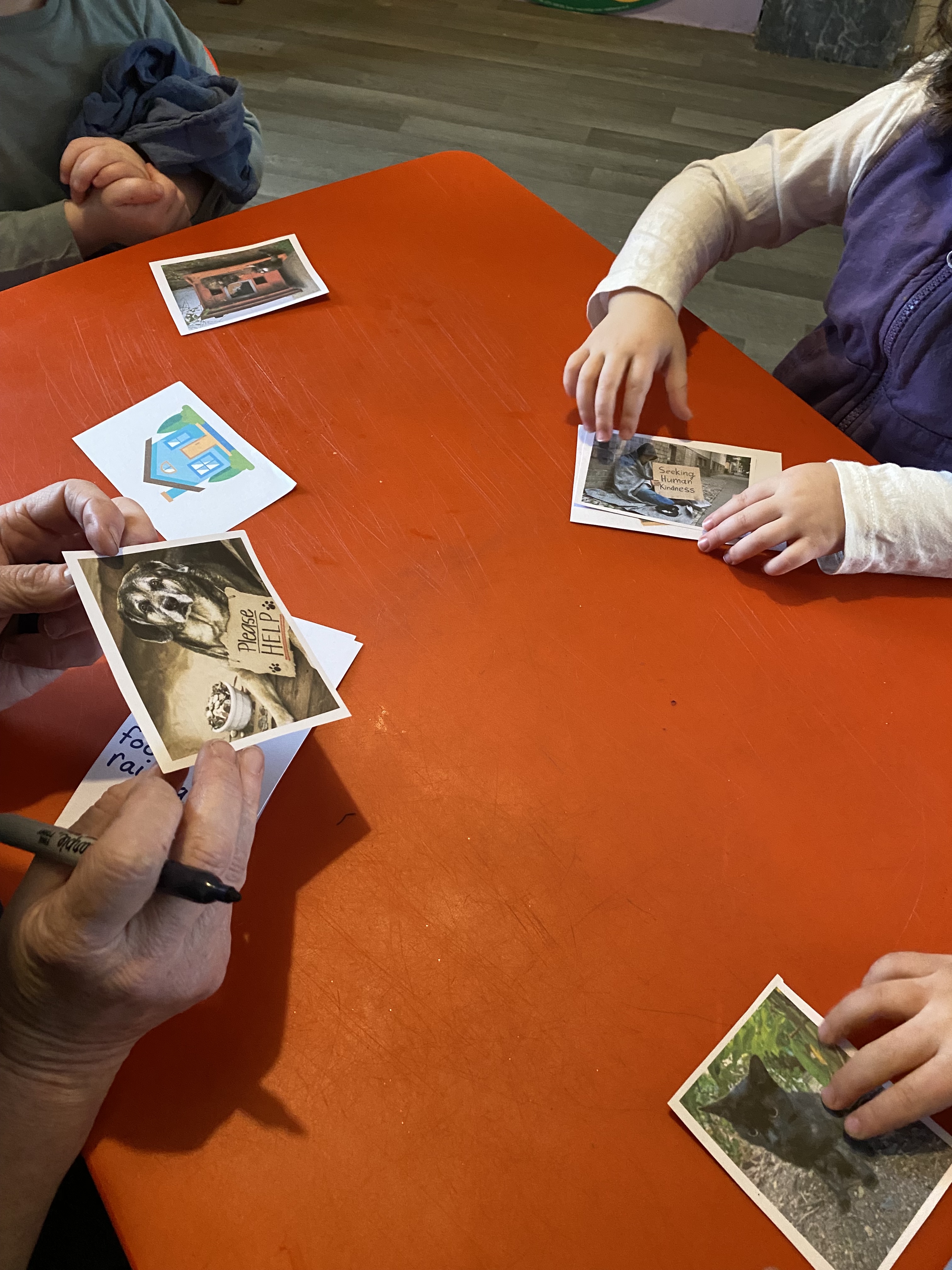
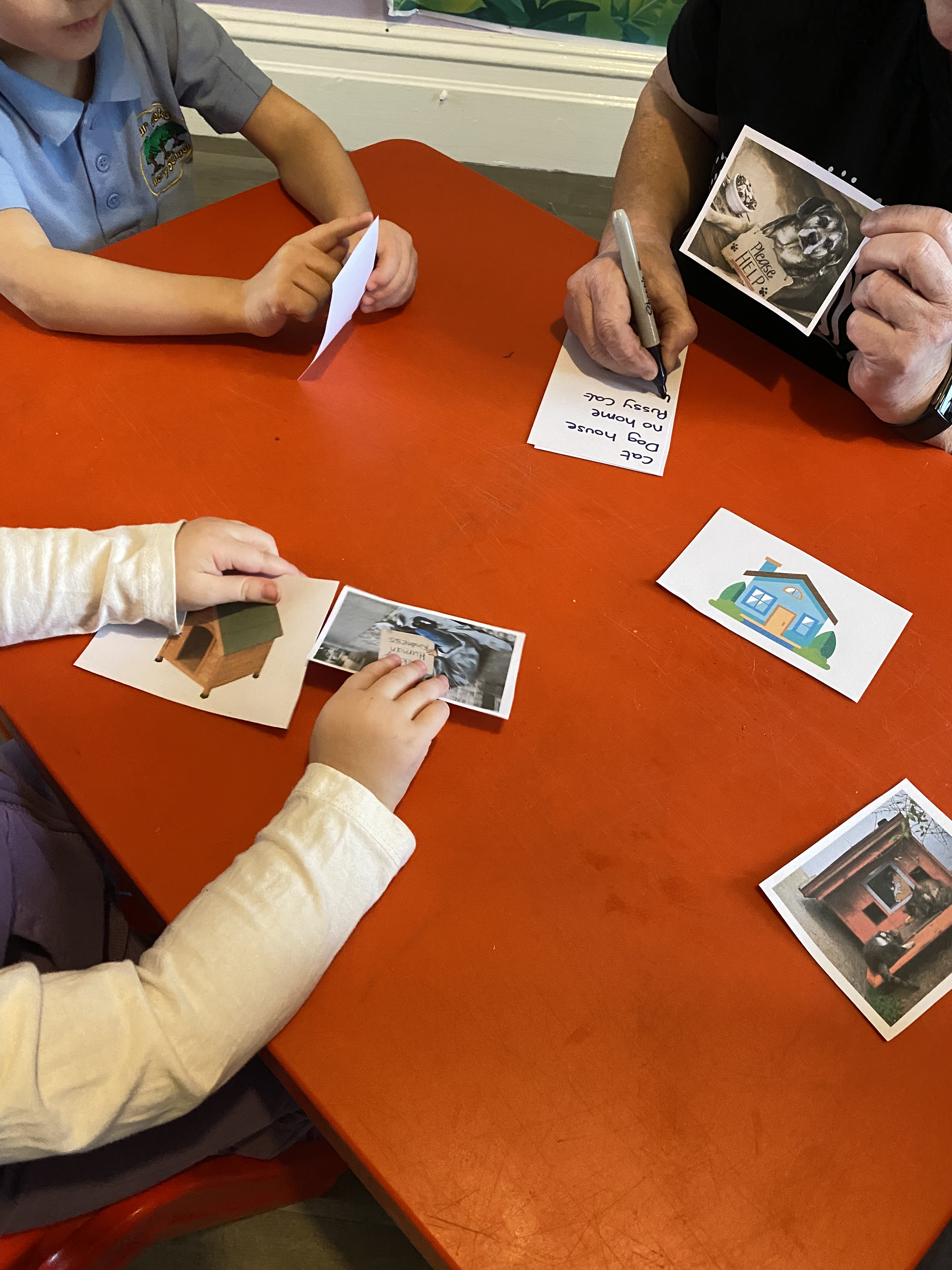
This week we have been talking sustainability goal 1 No Poverty. NCFE (pg 17) I provided the children with photographs to provoke but not distress them of a homeless man, dog and cat. We talked about how all living things need a healthy environment and food to survive. I gave them another three photographs and asked them to choose which home would be suitable for each of them.
They chose a kennel for the dog, a cat house for the cat and a house for the human.
I asked the children what they think they would feel like if they didn’t have a lovely home. Lottie said she would get wet in the rain and Cristian said he would feel sad.
This provoked Jack to talk about the man outside ASDA whom we buy a bottle of water and fruit for when we go shopping. He said the man always looks sad and cold, I said what could we get him to make him feel warm? The children sid a coat, hat or socks. I said I thought the socks were a fabulous idea and the next time we go we can buy him some. When we went to give the man the socks the children asked me to hand them to the man as they felt a bit scared.
The man said thank you very much and Cristian asked him what his name was? The man replied ‘Geof’ Jack asked what his dogs name was the man replied ‘Bruno’ everyone said ‘have a nice day Geof and Bruno’ and we all went home feeling good about our kindness.
When we got back I asked the children what Geof could use as a shelter as he hasn’t got a lot of money? Lottie said he could live in a tent, Jack went on to say he had stayed in a tent with mummy and daddy on holiday and it was fun. I asked them what it might be like living in the tent in the winter, Lottie said it would be cold and sad as Geof has not got his mummy.
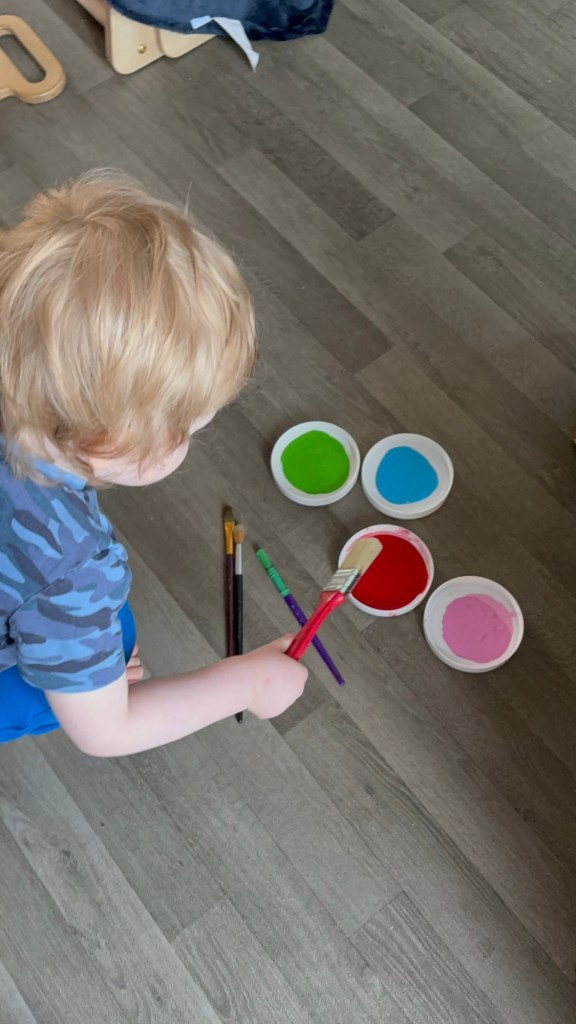
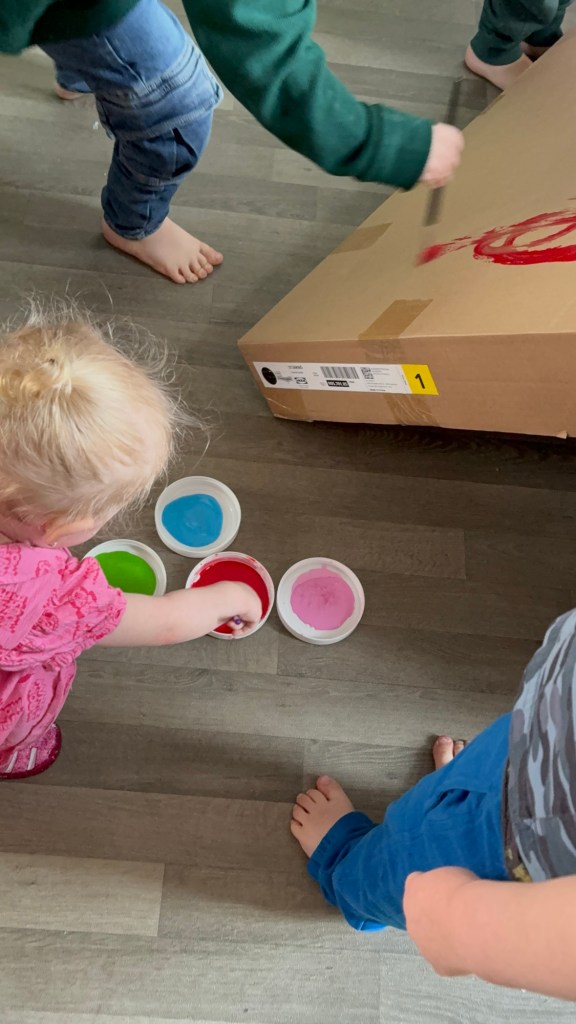
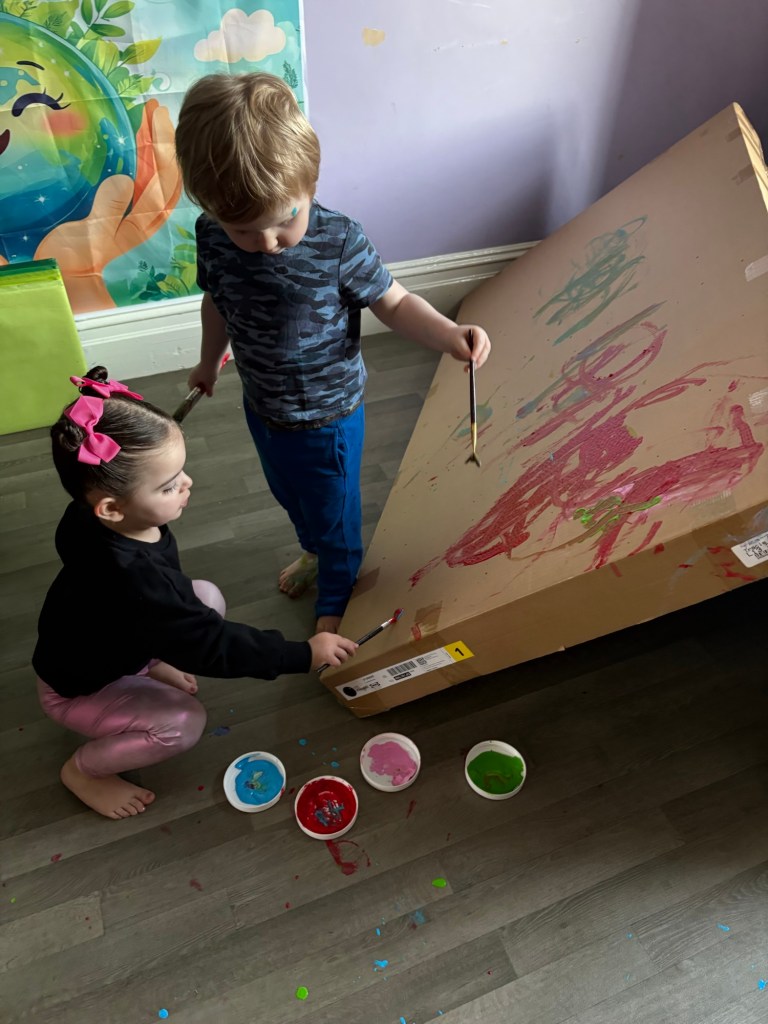
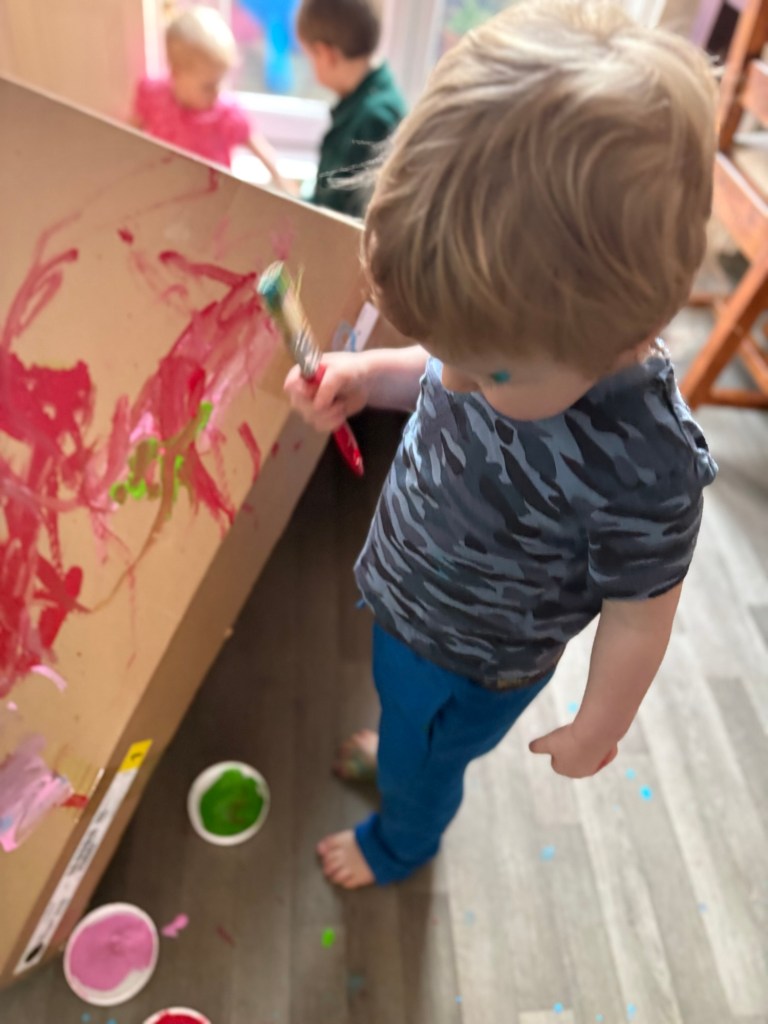
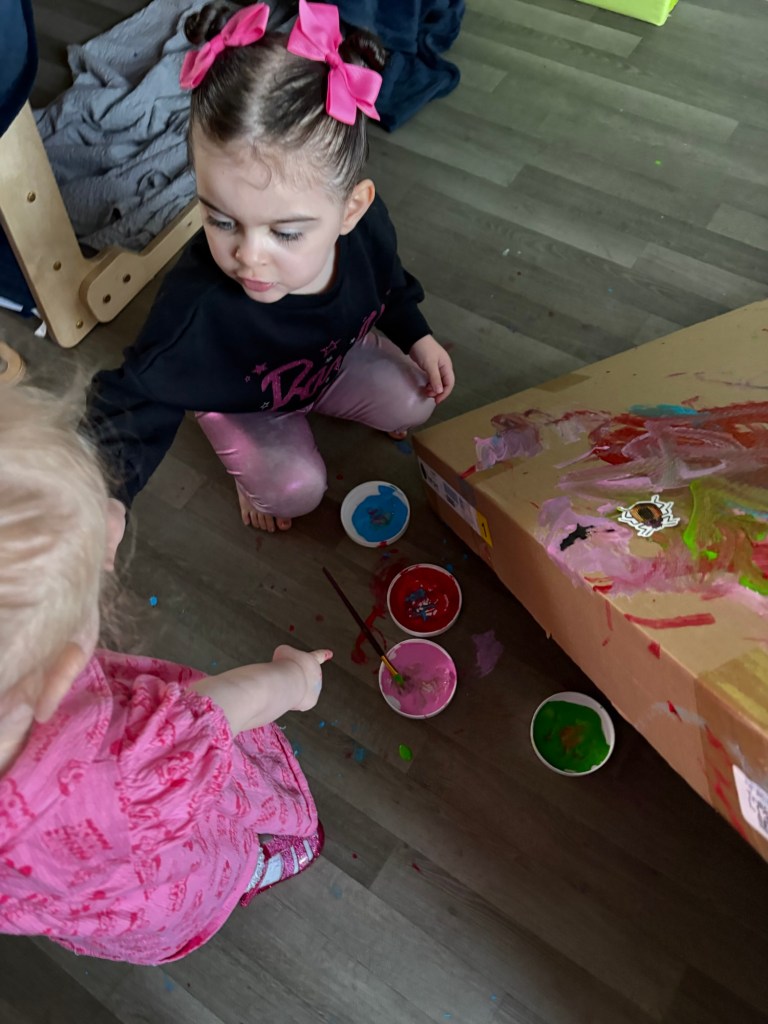
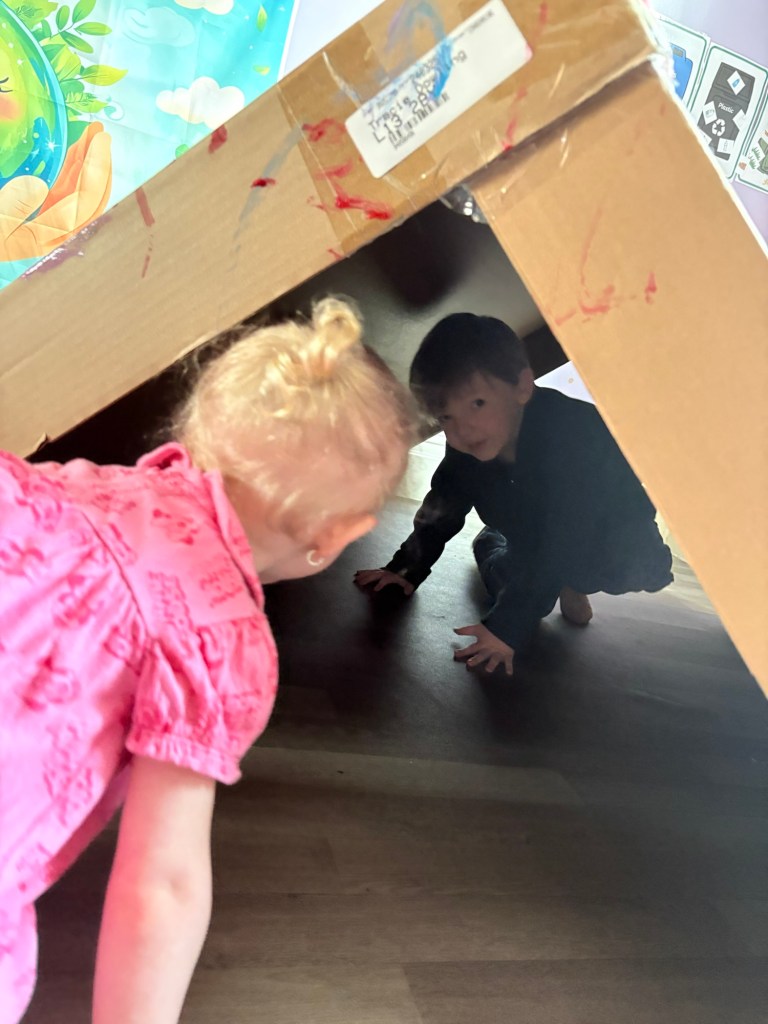
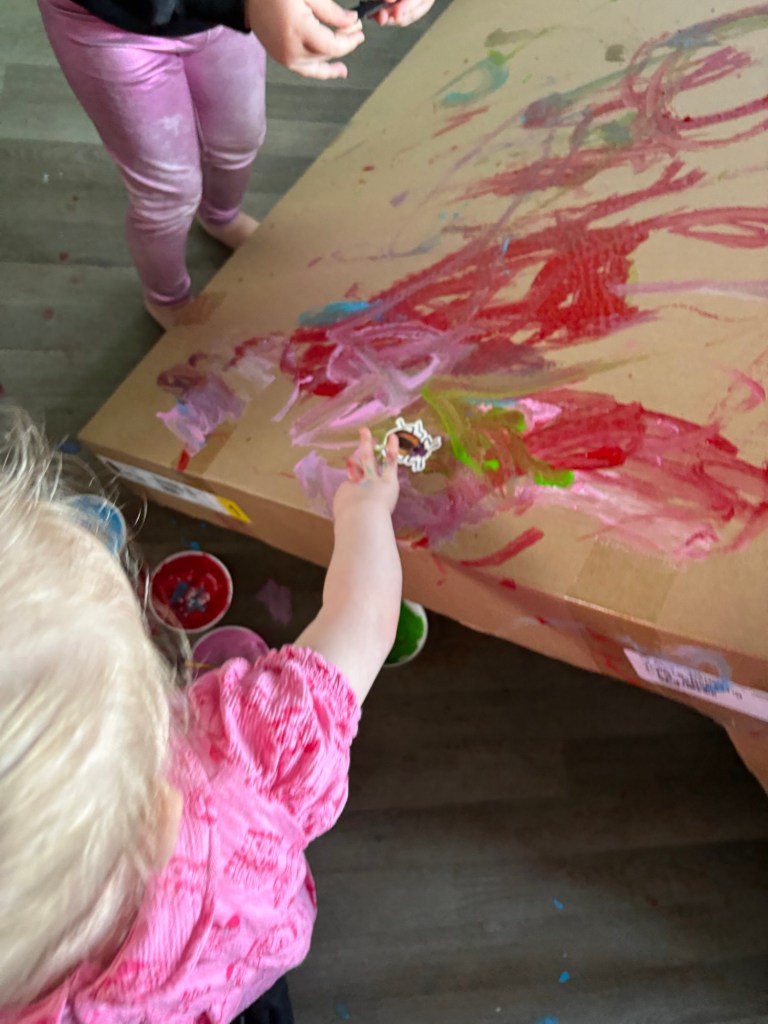
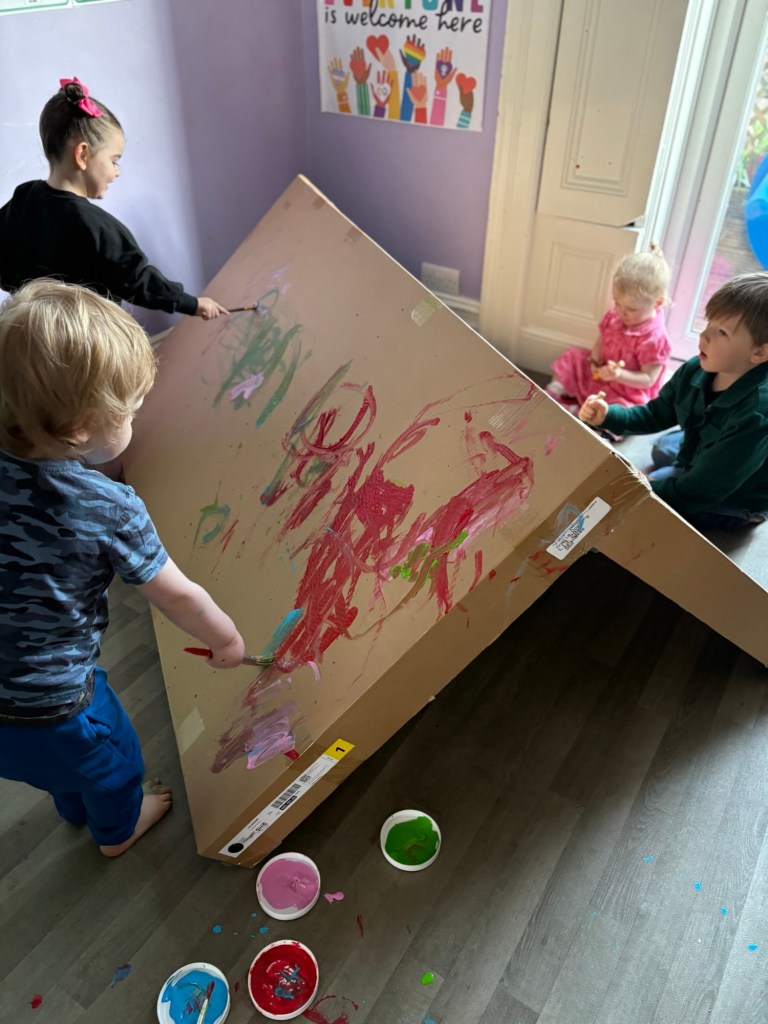
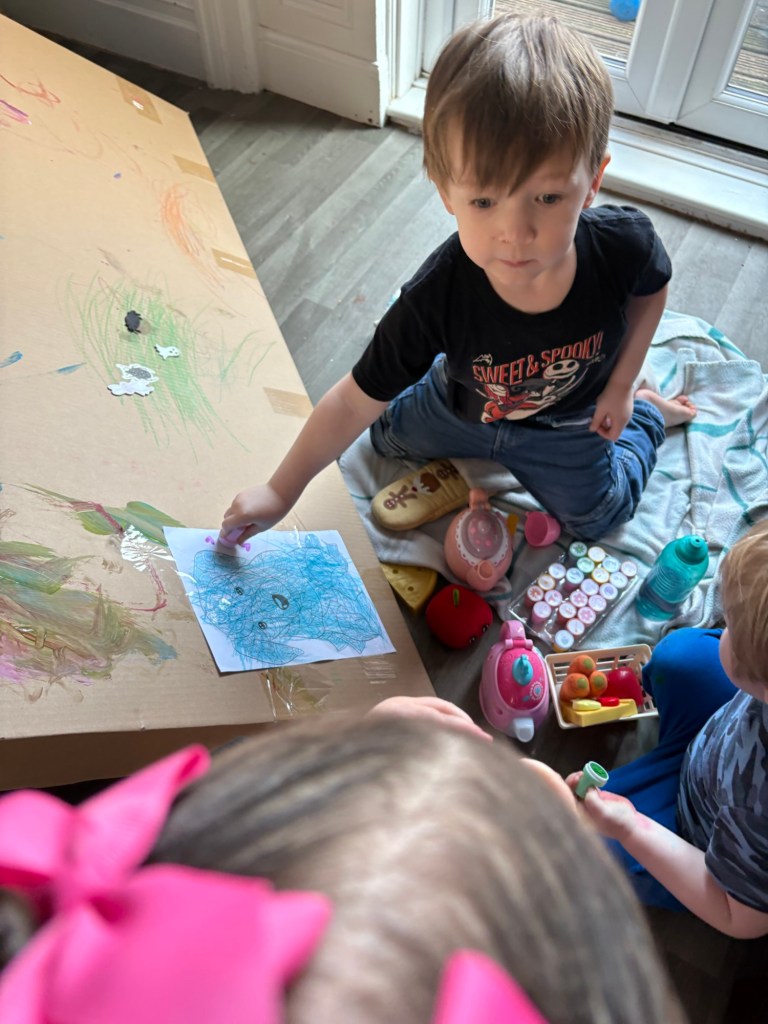
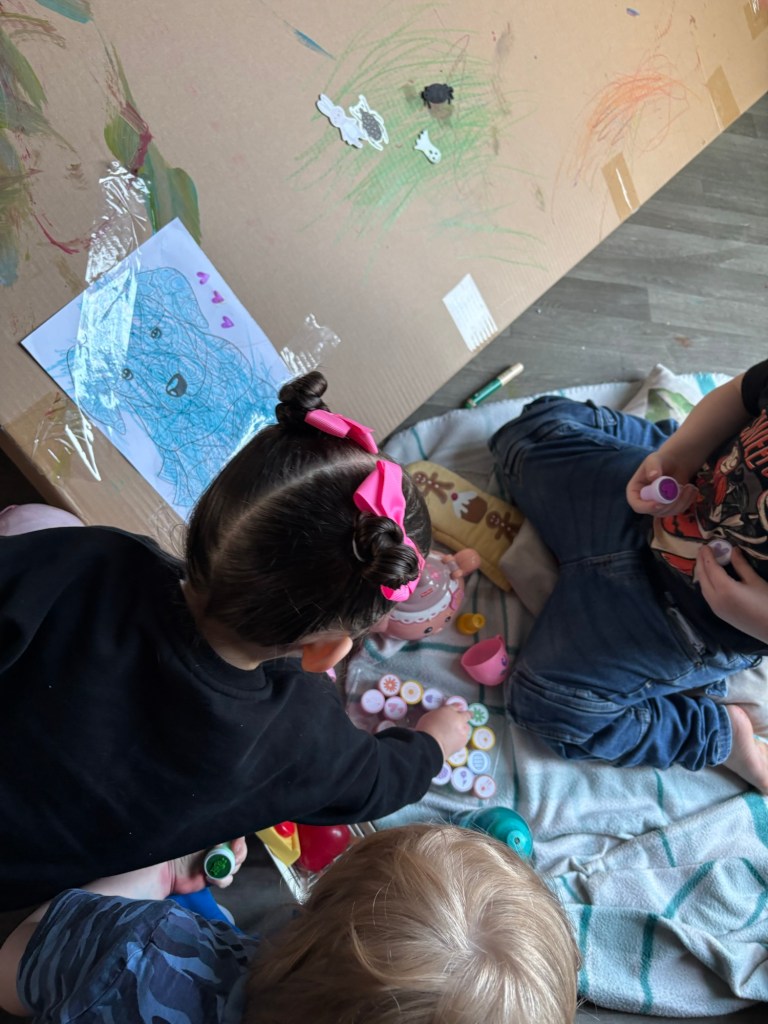
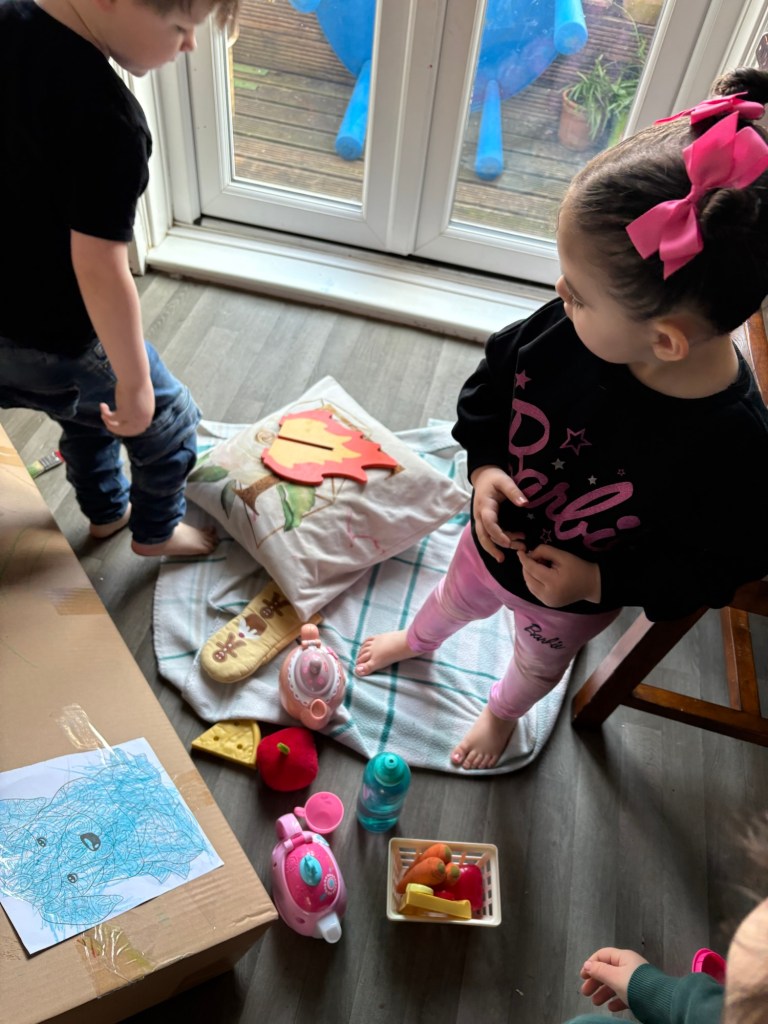
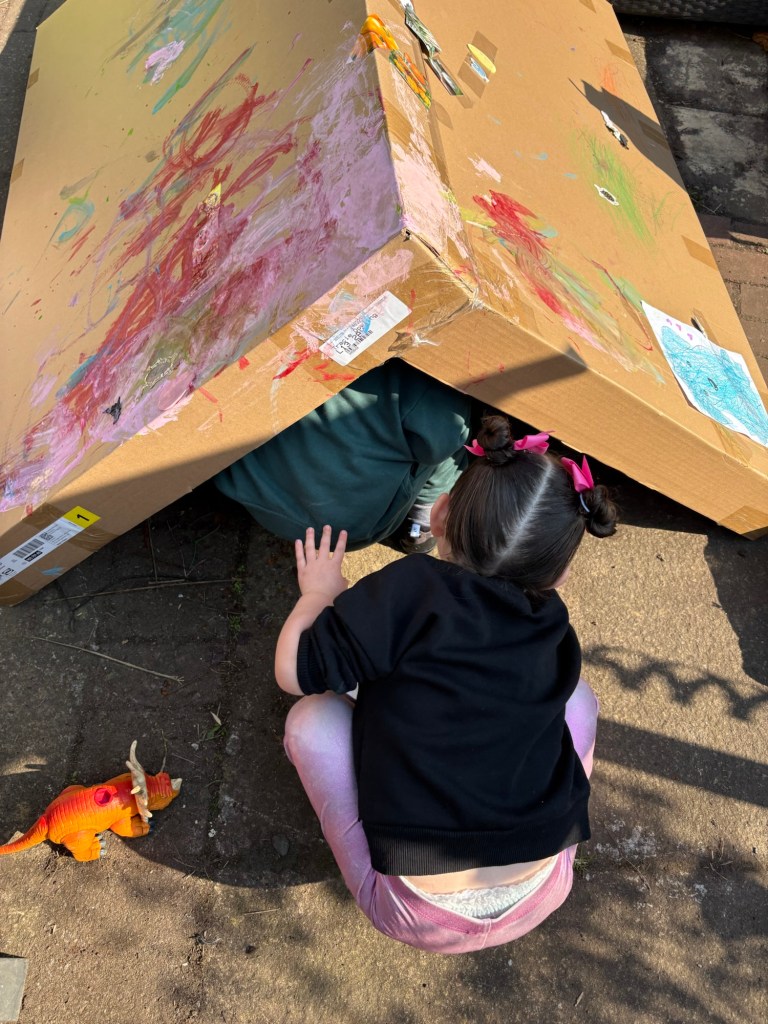
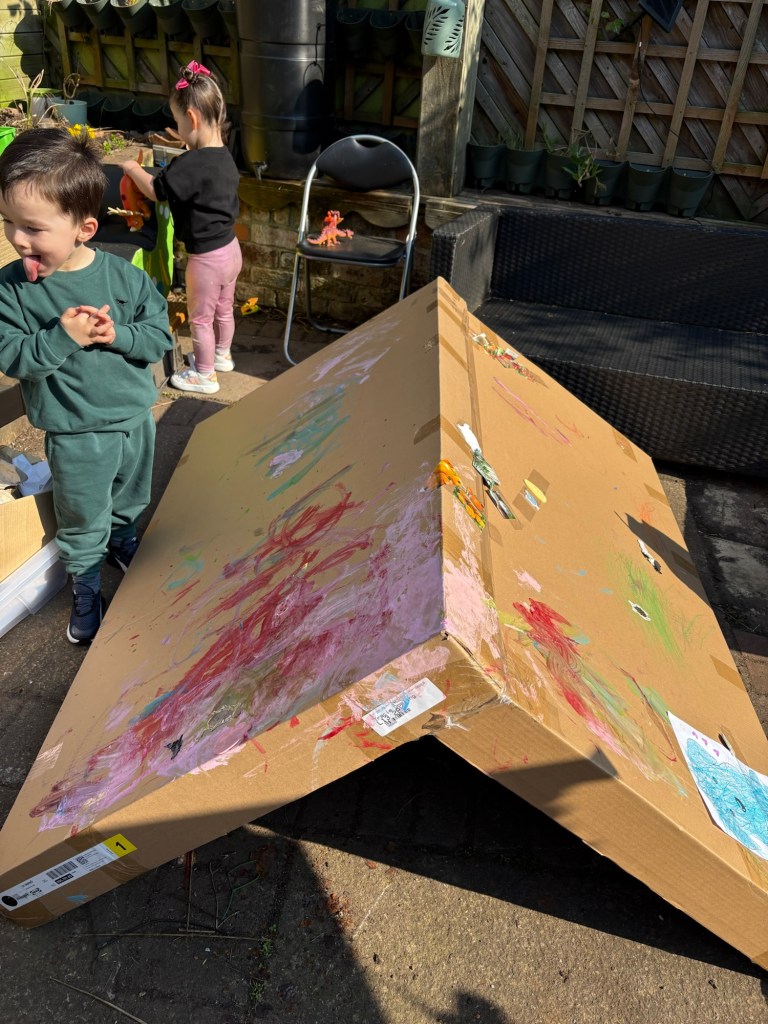
The children thought it would be good to make a tent for Geof. I provided the children with a massive box, jack asked if they could decorate it to make it pretty.
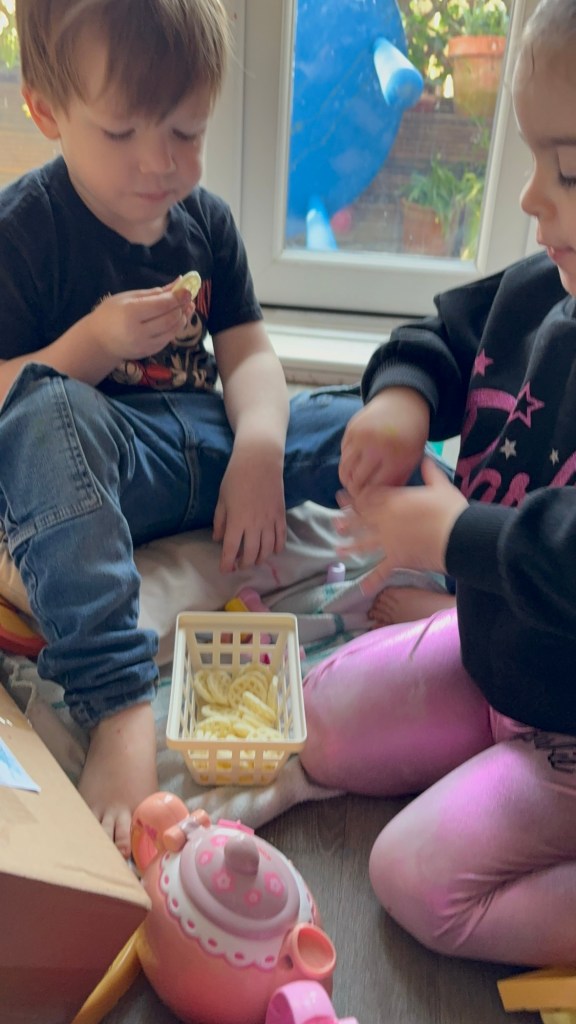
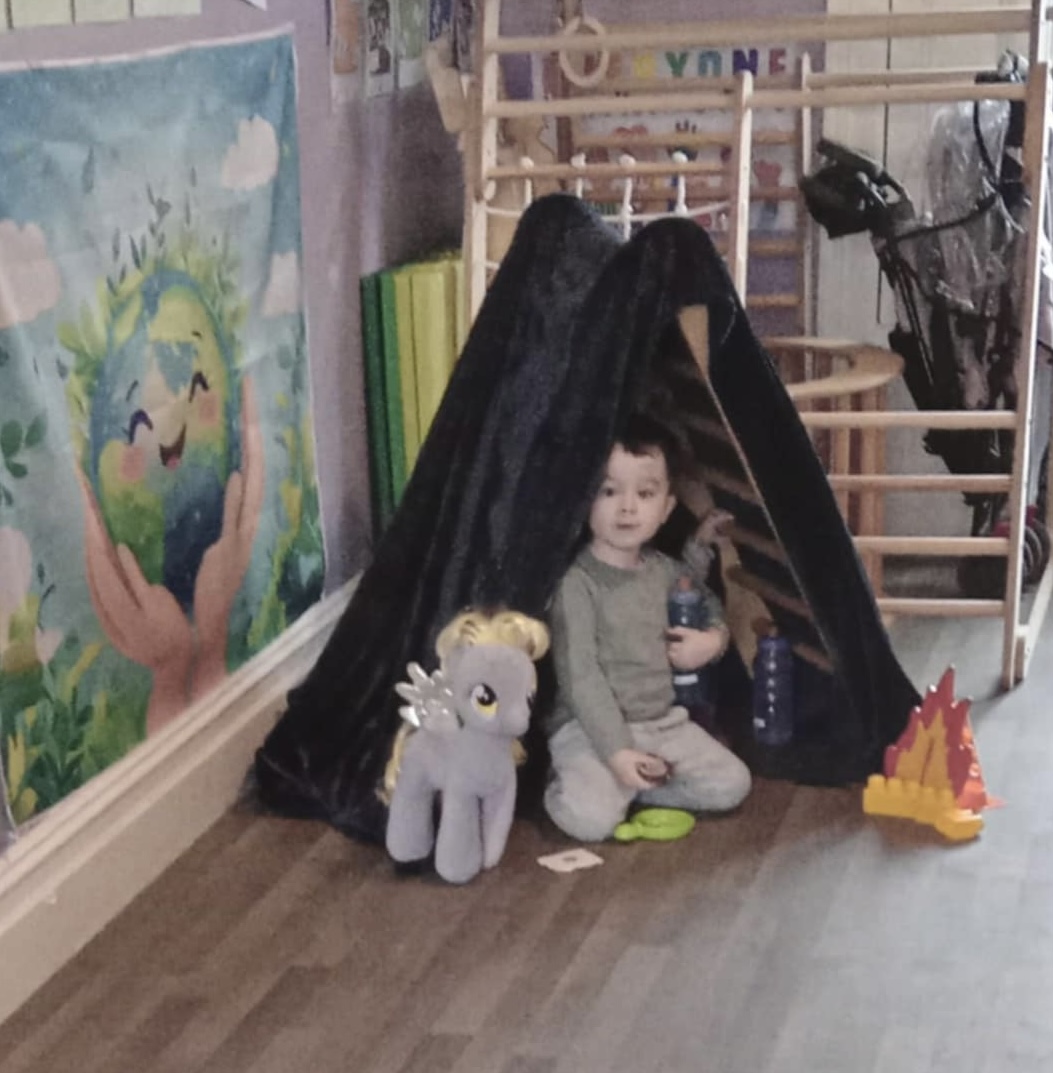
They all had fun for hours, once the tent was dry, I asked them what would make the tent comfortable for Geof. I asked them to go and find items to put in the tent for him. Lottie came back with a blanket, Jack found a ‘a fire to keep him warm, Elliott went and got him a tea pot for a cuppa and Cristian brought over some food.
Later Jack coloured a lovely picture of a dog and asked if he could stick it on the tent and call him Bruno. I said it was a fabulous Idea and asked him what would a dog need? Jack went and got him a bowl for food, a bowl for water and a cushion for him to lye on like his dog Cooper.
In the afternoon while the babies were sleeping, the older children asked to take the tent outside to play with. This extended their play and we talked about being in the tent through the seasons, at first they thought it would be fun to be in the tent when it was snowing. I asked them how would they keep themselves warm? They all said they would wear coats, hats and scarfs. I said they would have to wear them all the time so they thought it might not be so fun after all.
This provoked a conversation about Inuits who are people who use igloos for shelters in the Artic when they go on fishing trips. We looked on the internet and found out they are made out of compacted snow, which is a natural insulator and helps them to keep warmer than being outside.
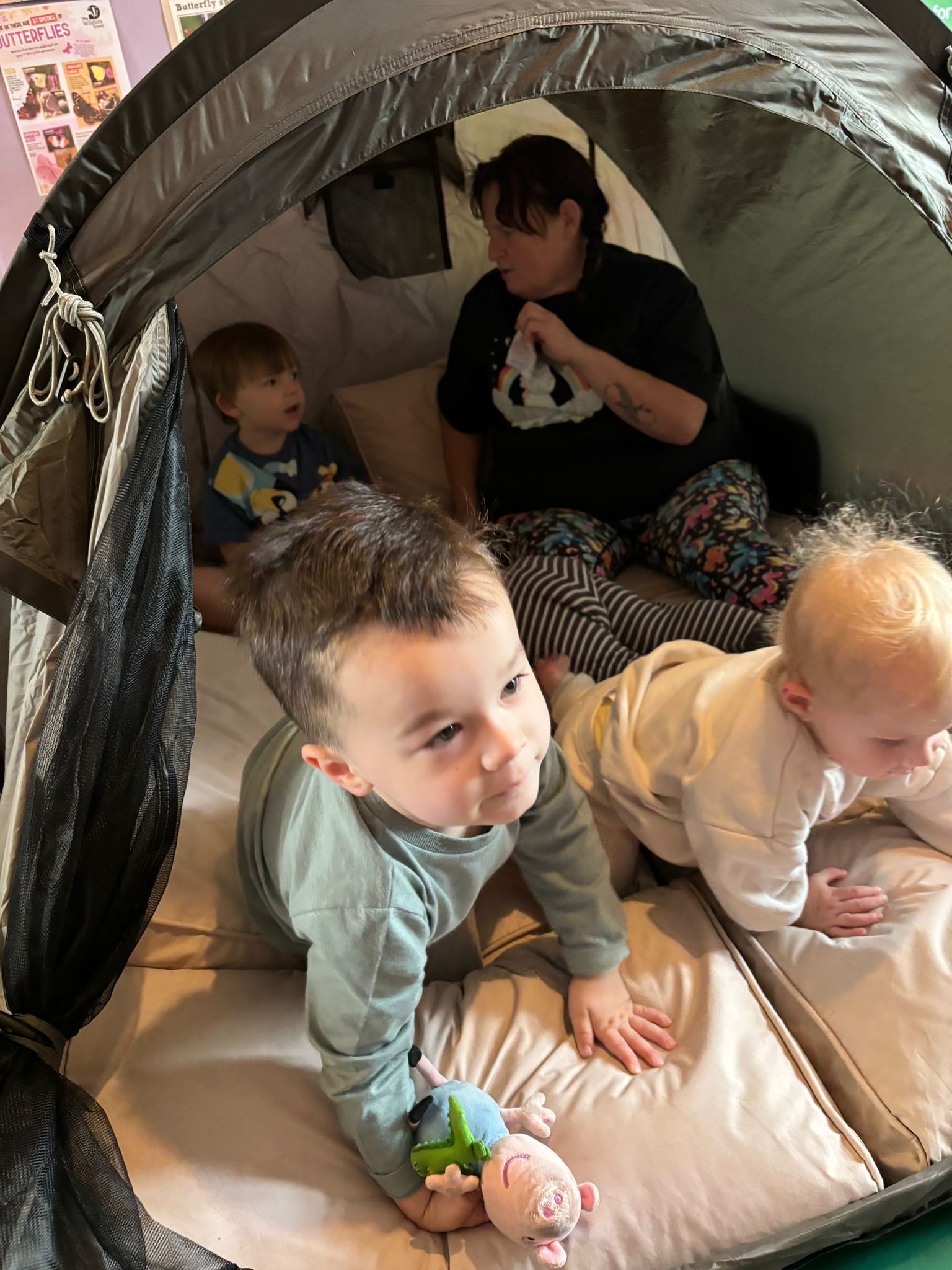
To extend our experience of Tent living I put a tent up in the play room and the children ended up roll playing including having snack and nap time in there.
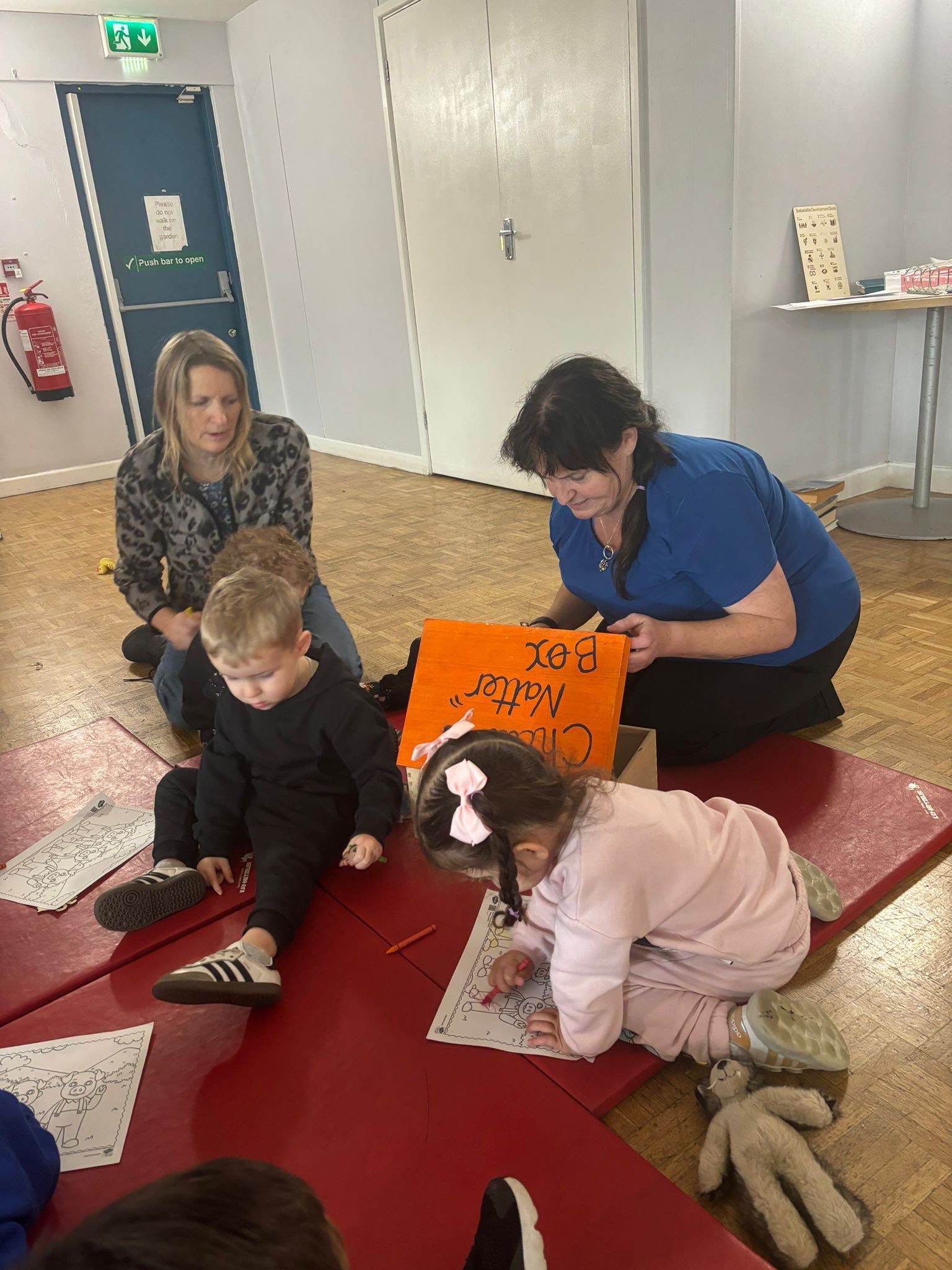
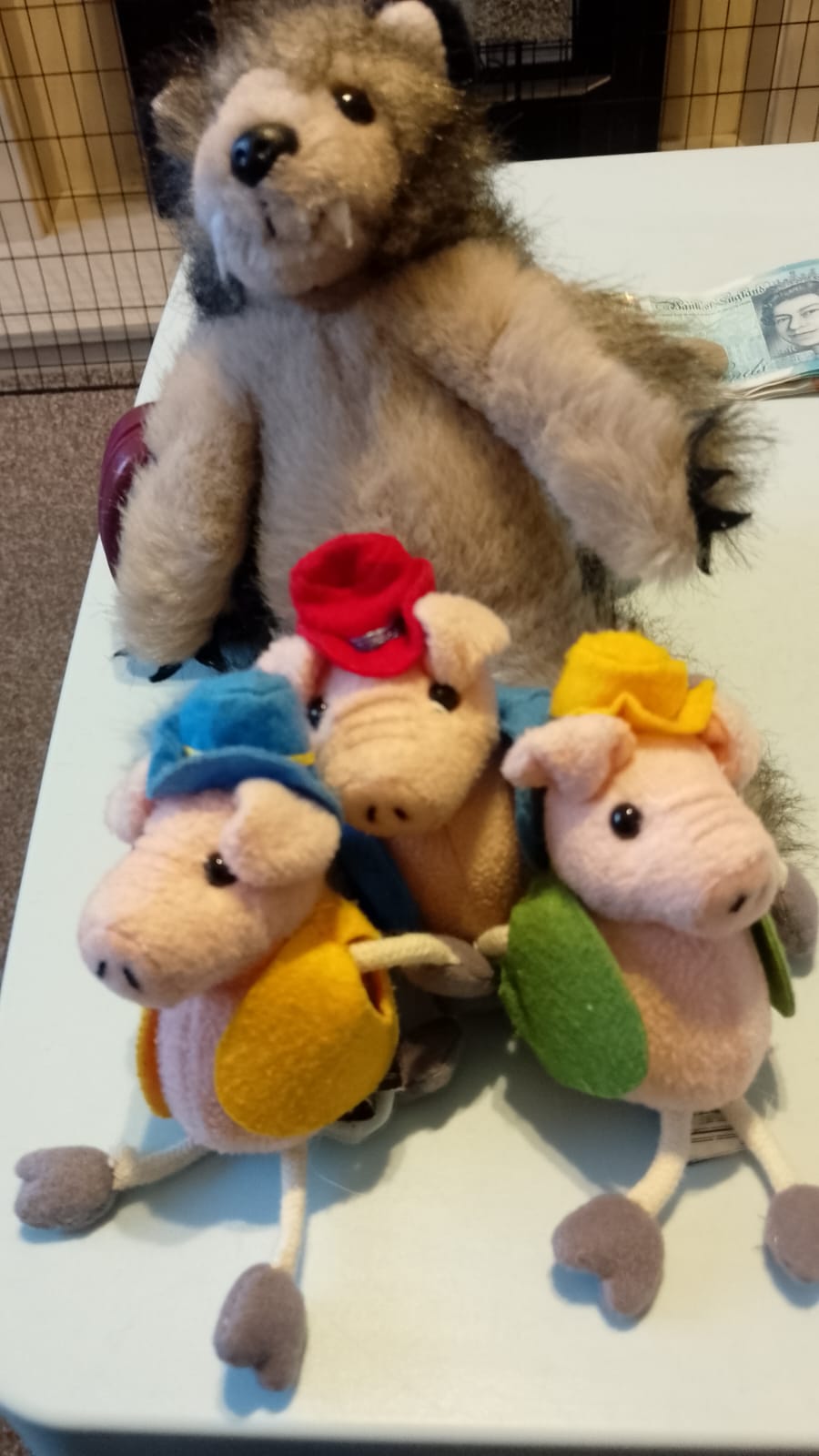
I took the theme of Poverty to our Childminder Drop in where I read everyone the story of ‘The Three Little Pigs’ we talked about different materials houses can be made off and how strong we think they would be. Development Matters (2021, pg90) The children talked about our tent activity with the other children, they all went back to their Childminders settings to make dens and have fun.









 Tracie's Treasures