Guidance and Activity Ideas
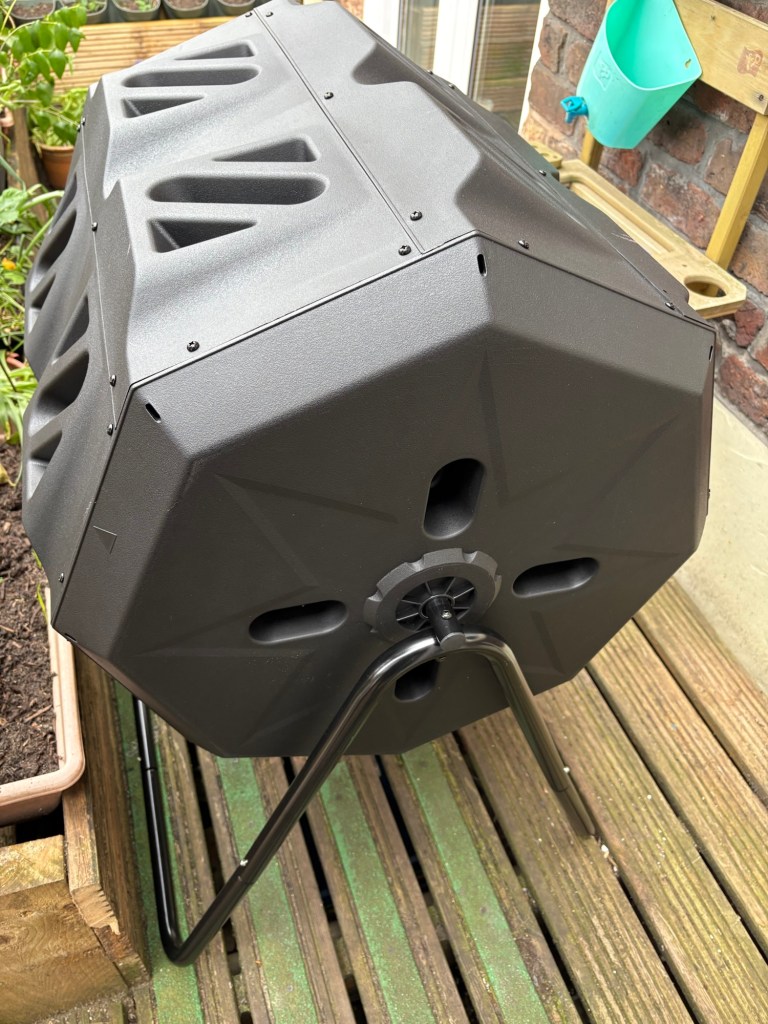
Composting is a natural process when natural materials (such as garden waste and food scraps) are broken down by microorganisms (such as bacteria and fungi) to create compost. Compost is full of nutrients and can be beneficial for the soil. sting Important?
By composting garden waste and food scraps, you not only reduce waste from going to landfills but you also create a beneficial product for your outdoor space.
Teaching children about composting is a useful way of discussing sustainability and how we can look after the world around us. It also helps children to understand how their actions can have an impact on the planet. Can be Composted?
When thinking about what items can be put into a compost bin, consider natural garden waste, such as leaves, weeds, lawn clippings and wilted flowers. You can also add most plant-based food waste and natural foods, such as fruit and vegetable scraps and peelings, teabags and eggshells. Other items that can be added include shredded paper (if it isn’t glossy magazines).
It is best to avoid foods that are hard to break down or those that may attract pests or create odours, such as dairy foods, meat or foods like onion and garlic.
Children can be invited to learn about composting using these simple activities.
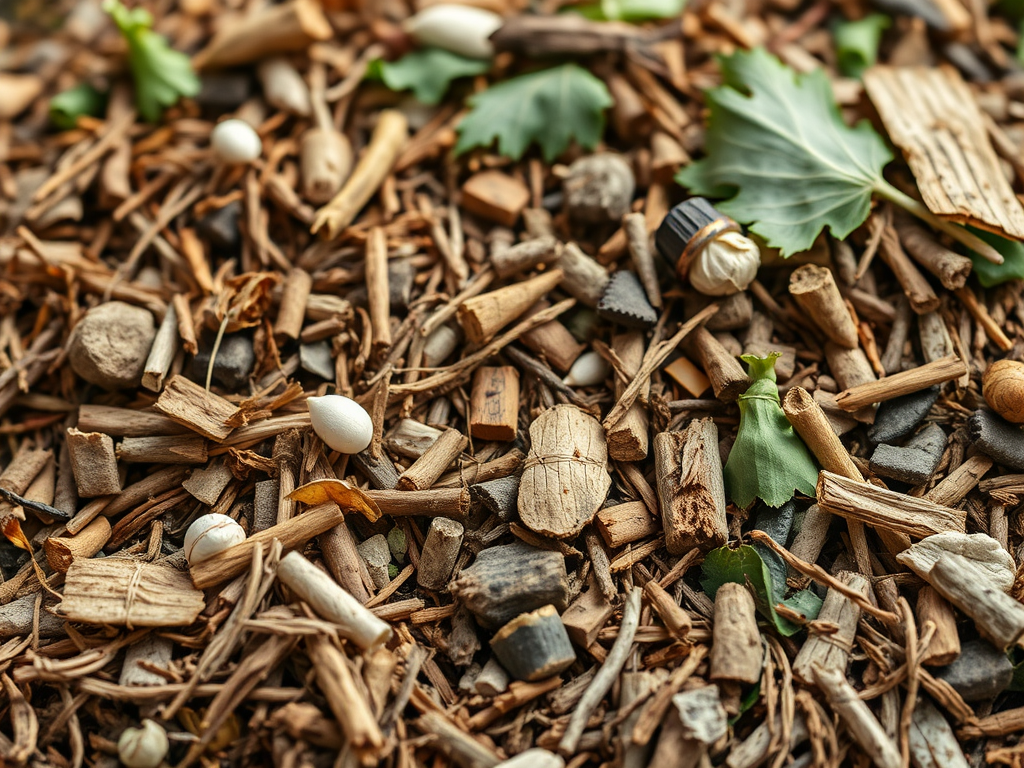
Collect materials from around the garden or park area to add to the compost bin, such as dead leaves or weeds and leaves. They could also gather fruit and vegetable peels/scraps from lunch and snack time
They could save bits of paper or card from activities, old cardboard boxes and recycle packaging, then tear it up into pieces or use a shredder to prepare them to place into the compost bin or wormery..
Place items into the compost bin and talk about what they can see, what they notice happening and what might happen next. They can take photos of composting activities to see how the mixture changes over time.
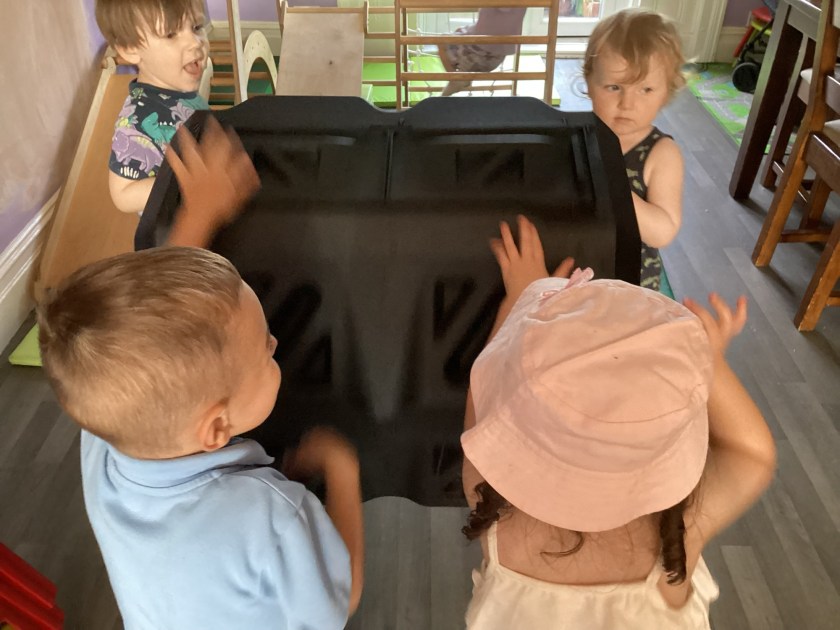
Invite children to stir the compost mixture, this adds air to the mixture and helps the composting process. Children could use a broom handle or an old wooden spoon to stir the mixture, depending on the size of the compost bin. Our bin has a handle for the children to turn the materials, this helps with co-ordination skills, and they love taking turns.
Once the compost is ready and it resembles dark-coloured soil (this can take several weeks), invite children to help add the compost to the soil in your outdoor areas. They could dig holes and add small quantities of soil in a planting area or use real gardening tools to help spread the mixture over the soil to add nutrients for growing strong plants.
 Tracie's Treasures